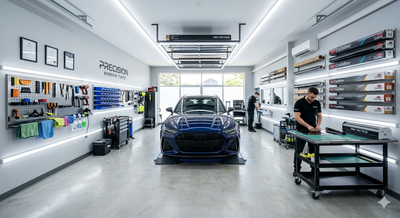


If you’ve ever searched for window tinting close to me or automotive tint near me, you already know one thing: demand for vehicle protection and customisation is exploding. From sleek car window tint to full-body paint protection film (PPF), drivers want their vehicles to look sharp and stay protected. But behind every flawless installation is a toolbox filled with specialised equipment.
At first glance, window tinting tools and PPF tools seem almost identical. Both involve film. Both use squeegees. Both require heat and precision. So what’s really different?
Let’s break it down step by step.
What Is Window Tinting?
Window tinting involves applying a thin layer of window film to glass surfaces. This could be automotive window tint, car windscreen tint, or even home window tinting, like house window film or one-way glass window film. The goal? Reduce heat, block UV rays, increase privacy, and enhance style.
Automotive window tint is especially popular because it transforms a vehicle instantly. A clean, evenly installed car tint adds both aesthetic appeal and functional performance.
Many car owners search for vehicle tint near me because they understand that professional tinting can:
- Block up to 99% of harmful UV rays
- Reduce interior heat
- Improve privacy
- Minimize glare
The film used in tinting windows film is thin and flexible. It requires careful handling but isn’t as thick or rigid as PPF. That difference alone changes the tool requirements significantly.
Professional installers typically rely on window tint tools designed specifically for glass application, precision trimming, and controlled water evacuation to achieve clean, streak-free finishes.
What Is Paint Protection Film (PPF)?
Paint Protection Film is a clear, durable urethane film applied to painted surfaces. Unlike automotive window tint, which is primarily about heat and privacy, PPF is about protection.
It shields the car’s paint from:
- Rock chips
- Scratches
- Road debris
- Minor abrasions
Think of PPF as a clear armour for your vehicle. It’s thicker, stretchier, and far more resistant than standard window film tint home or car window tint materials.
PPF installers often work on:
- Full front ends
- Entire vehicle wraps
- High-impact zones like bumpers and mirrors
Because the material is thicker, it requires different handling techniques and specialised tools compared to tint window tools.
In contrast, paint protection film work requires PPF tools engineered for thicker film handling, stretch control, and safe application over painted vehicle panels.
Why Both Services Are Booming in the Automotive Industry
Why are shops offering both services now?
Simple: customers want complete protection. They want their car tint done and their paint protected at the same time. A driver searching for professional tint might also be interested in PPF without even realising it.
For shop owners, this means opportunity. But before investing in tools for tinting or PPF equipment, you need to understand what overlaps and what doesn’t.
Installer tip
Build your toolkit around the material you install most often, while investing in a few crossover tools such as quality heat guns, spray bottles, microfiber towels, and suitable soft squeegees. If adding PPF to a tinting operation, upgrade your squeegees, cutting equipment, and film-handling tools rather than relying entirely on standard tint equipment.
Core Materials Used in Window Tinting vs PPF

Before comparing tools, we need to understand the films themselves.
Automotive Window Tint and Window Film Explained
Automotive window tint is typically made from polyester layers combined with dyes, metals, or ceramic technology. It’s:
- Thin
- Flexible
- Designed specifically for glass
House window tint and window film tint home follow similar principles but may differ in thickness and adhesive type.
The key characteristic? It’s designed for flat or slightly curved glass surfaces. That makes it easier to trim and install compared to PPF.
PPF Material Structure and Composition
PPF is usually made from thermoplastic urethane. It’s thicker, often 6 to 10 mils or more, and engineered to stretch around curves. Modern PPF even has self-healing properties. Heat can remove light scratches.
Because of this thickness, tools for tinting windows simply aren’t always strong enough for PPF installations.
Car Windscreen Tint vs Full Body PPF Coverage
A car windscreen tint focuses on one glass panel. PPF may cover the entire vehicle. That scale alone demands heavier-duty equipment.
When comparing window tint tools and PPF tools, material thickness is the first major dividing line.
Some installers who work across multiple services use vehicle wrapping tools that bridge the gap between vinyl wrapping and paint protection film applications.
Essential Window Tinting Tools Every Installer Needs
If you’re building a tint setup, here’s what you’ll need.
Basic Tint Window Tools
Core tinting tools include:
- Spray bottles
- Scrapers
- Precision knives
- Hard cards
- Microfiber towels
A standard car tinting kit often includes these basics. Whether you’re doing auto window tinting or home window tinting, these tools are essential.
Window Tint Squeegee and Its Variations
The window tint squeegee is the hero of tint installation. Without it, you can’t remove water or air bubbles.
There are multiple types:
- Soft squeegee for delicate films
- Hard squeegee for water extraction
- Angled squeegee for tight corners
A squeegee for window tint must be firm but not aggressive. Too hard, and you risk scratching the film.
Car Tinting Kit Essentials
Most entry-level car tinting tools kits include:
- Utility knife
- Replacement blades
- Heat gun
- Spray solution
- Squeegee for window tint
DIY users often buy these kits after searching how do I get window tint off and deciding to redo it themselves.
Both tint and PPF installations depend heavily on professional squeegees that deliver consistent pressure while removing slip solution and air pockets.
Tools for Tinting Windows at Home vs Professional Tint Setups
Professional tint setups include:
- Plotter cutting machines
- High-end heat guns
- Multiple specialised squeegees
- Film storage systems
DIY setups are simpler and cheaper, but also riskier.
Essential PPF Tools Every Installer Uses

When you first transition from window tinting to PPF, the biggest shock isn’t the technique; it’s the tools. At a glance, your tint tools might look similar, but once you start handling thicker urethane film, you quickly realise you need heavier-duty equipment. PPF demands more force, more control, and far more precision.
PPF Squeegees and Installation Tools
While a window tint squeegee is designed to be gentle on thin film applied to glass, PPF squeegees are built to handle thicker material and stronger adhesive. They’re often firmer, wider, and more durable.
Common PPF squeegee types include:
- Hard urethane squeegees for aggressive water extraction
- Soft-edge squeegees for delicate painted surfaces
- Turbo squeegees for large panels like hoods and doors
- Micro-edge tools for tight curves and emblems
Unlike tinting windows film, which primarily focuses on pushing out the slip solution and air, PPF installation requires controlled pressure to activate the adhesive properly. Too little pressure? The film won’t bond. Too much? You risk stretch marks or distortion.
PPF installers also rely on wrap gloves, something rarely used in auto window tinting. These allow smooth manipulation across large panels without fingerprints or drag. That alone shows how differently the material behaves.
Heat Guns and Stretching Equipment
Yes, tint window tools include heat guns, but PPF takes heat usage to another level.
With car window tint, heat is mainly used to shrink the film on curved glass, like rear windshields. It’s controlled and relatively localised. With PPF, heat becomes a shaping tool. Installers stretch and conform film over aggressive curves, bumpers, and mirrors.
PPF heat guns are often:
- More powerful
- Temperature adjustable
- Used continuously during installs
In fact, controlling heat properly determines whether your install looks factory-perfect or amateur. Think of PPF like thick leather; it needs warmth to mould smoothly.
Cutting Tools and Plotters
This is where the difference becomes crystal clear.
In professional tint, many installers hand-cut film directly on the glass using precision blades. With PPF, cutting directly on paint can be risky. One wrong move and you’ve scored the clear coat.
That’s why professional PPF shops invest in:
- Computerized plotters
- Pre-cut pattern software
- Precision trimming tools
While some high-end professional tint shops use plotters too, they’re far more critical in the PPF world.
Clean trimming is essential in both trades, which is why installers use precision cutting blades designed for controlled, accurate film trimming.
Common mistake
A common mistake is assuming that because both applications use film, the same tools can be used interchangeably. Stiff PPF squeegees can damage thin tint film, while basic tint tools may not provide the strength and control needed to stretch and install PPF correctly.
Tools That Window Tinting and PPF Share
Now here’s the interesting part. Despite all those differences, there’s still plenty of overlap. If you’re considering offering both services, this is where you can save money.
Squeegees for Window Tint and PPF
Yes, both industries rely heavily on squeegees. But not all squeegees are interchangeable.
Some softer PPF squeegees can double as window tint tools, especially for delicate ceramic automotive window tint. However, using a stiff PPF blade on thin tinting windows film? That’s asking for scratches.
The smart move? Invest in a range of firmness levels.
Spray Bottles and Slip Solutions
Both installations use slip solutions, a mixture of water and soap or a specialty solution.
Spray bottles are universal tools for tinting windows and installing PPF. The difference lies in the formula:
Tint solution: lighter mix, easy repositioning
PPF solution: sometimes includes tack solution for adhesion control
But the bottle itself? Completely shareable.
Proper surface preparation is universal, making professional cleaning tools a shared requirement for both window tinting and PPF installations.
Heat Guns in Both Industries
Heat guns are a crossover tool. Whether shrinking the car windscreen tint or activating PPF’s self-healing layer, heat is essential.
The key difference is frequency and intensity of use.
If you already own a quality heat gun for professional tint, you’re halfway equipped for PPF.
Major Differences Between Window Tint Tools and PPF Tools
Let’s make it simple.
Film Thickness and Handling
Window film is thin, delicate, and glass-focused. PPF is thick, stretchable, and paint-focused.
Because of that:
- Tint tools prioritise finesse
- PPF tools prioritise strength
Trying to install PPF with only car tinting tools feels like trying to cut steak with a butter knife. Technically possible, impractical and frustrating.
Cutting Techniques and Precision
With auto window tinting, installers often trim edges directly on the glass. It’s safe because blades won’t damage tempered glass easily.
PPF installation requires off-vehicle cutting whenever possible. That means plotters, templates, and more advanced prep.
The tool investment is significantly higher for PPF.
Installation Environment Requirements
Tinting can be done in smaller spaces, even mobile setups.
PPF? Ideally:
- Clean indoor shop
- Strong lighting
- Larger workspace
Dust control becomes critical since PPF covers paint, and any contamination shows immediately.
PPF installers, on the other hand, require paint-safe application tools capable of handling thicker films and aggressive stretch zones.
Auto Window Tinting vs Home Window Tinting Tools
Window tinting isn’t limited to cars.
Automotive Tint Near Me vs DIY Projects
When customers search for automotive tint near me or vehicle tint near me, they usually want professional results.
DIY car tinting kits are widely available. They include:
- Basic squeegee for window tint
- Utility knife
- Application solution
But professional tint setups include advanced tinting tools like plotters and specialty blades.
The difference? Precision and longevity.
House Window Tint and One Way Glass Window Film Tools
Home window tinting uses similar window tint tools but often larger squeegees due to bigger glass panels.
For house window film and one way glass window film, installers may use:
- Wider squeegees
- Extension poles
- Larger spray systems
But overall, the core tools remain closer to automotive tint than to PPF.
While both industries may use knifeless tape, it is particularly valuable in PPF work where safe cutting without contacting paint is critical to avoiding costly damage.
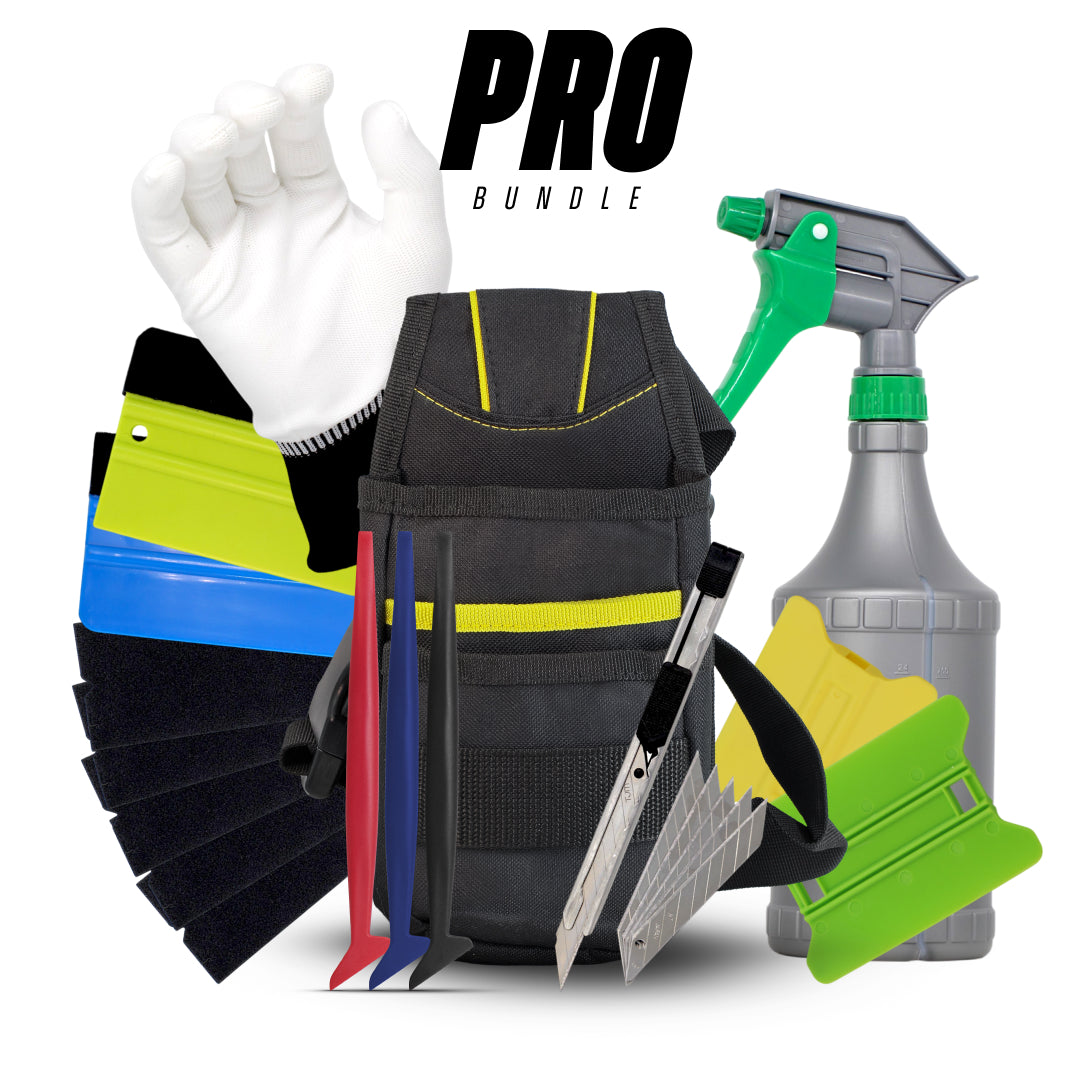
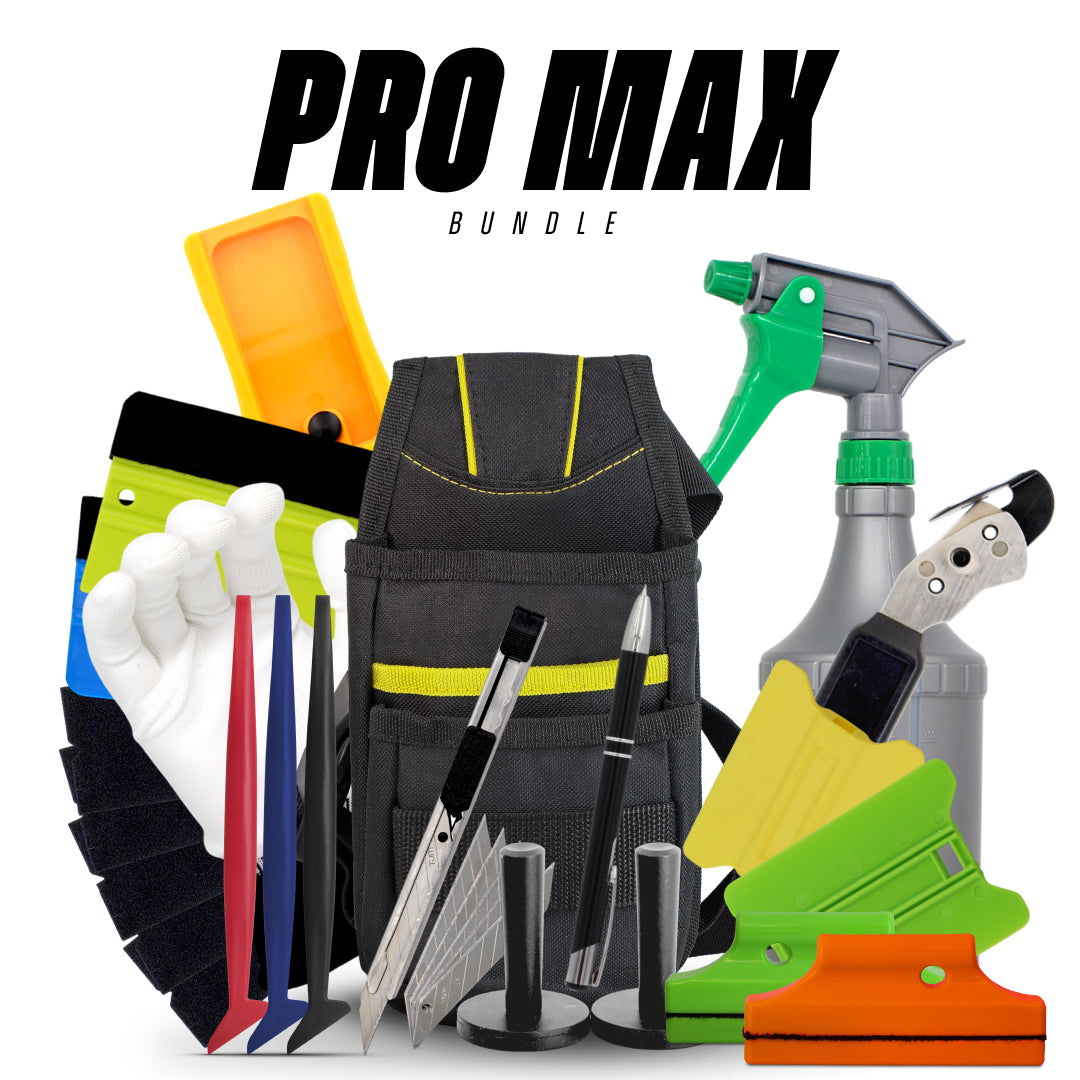
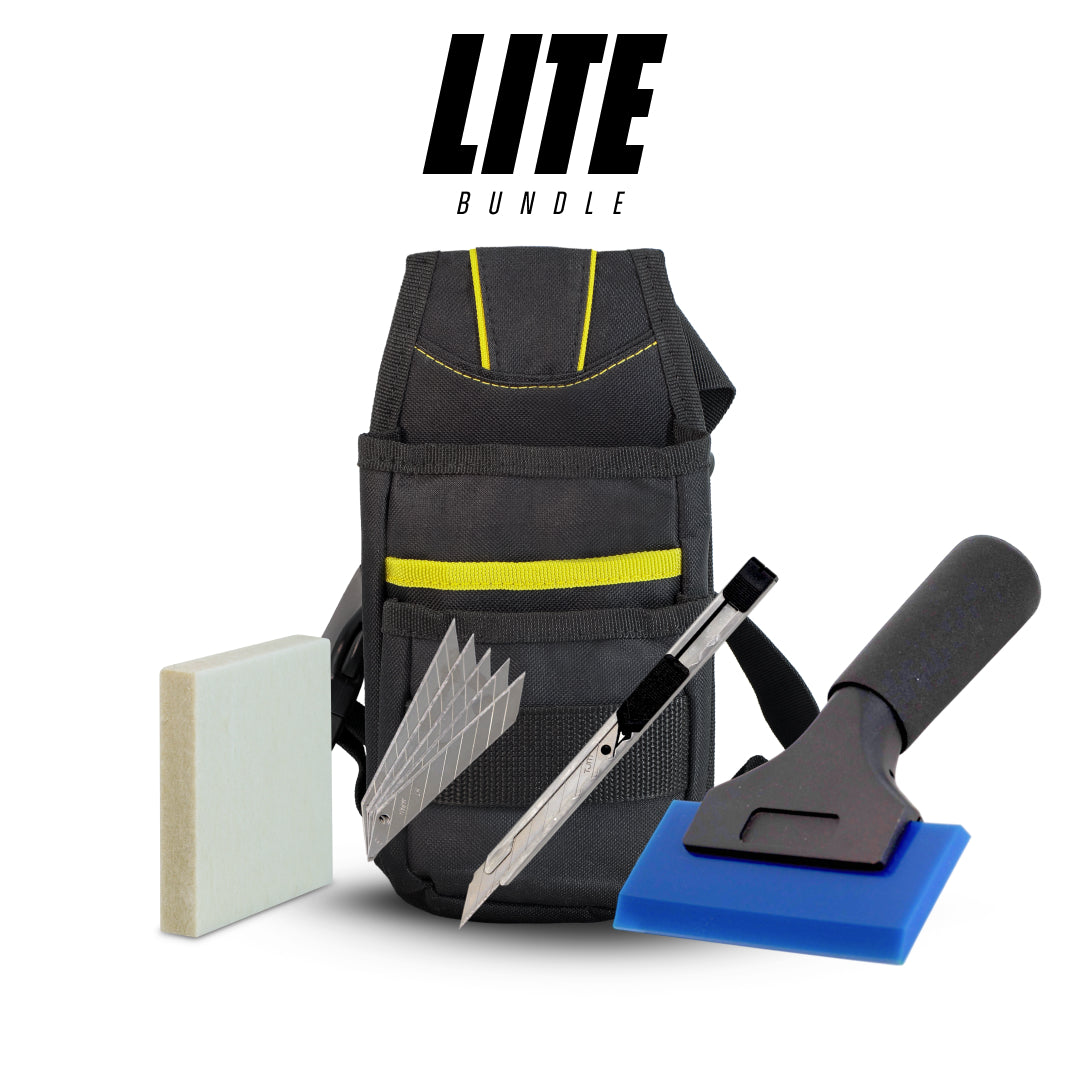
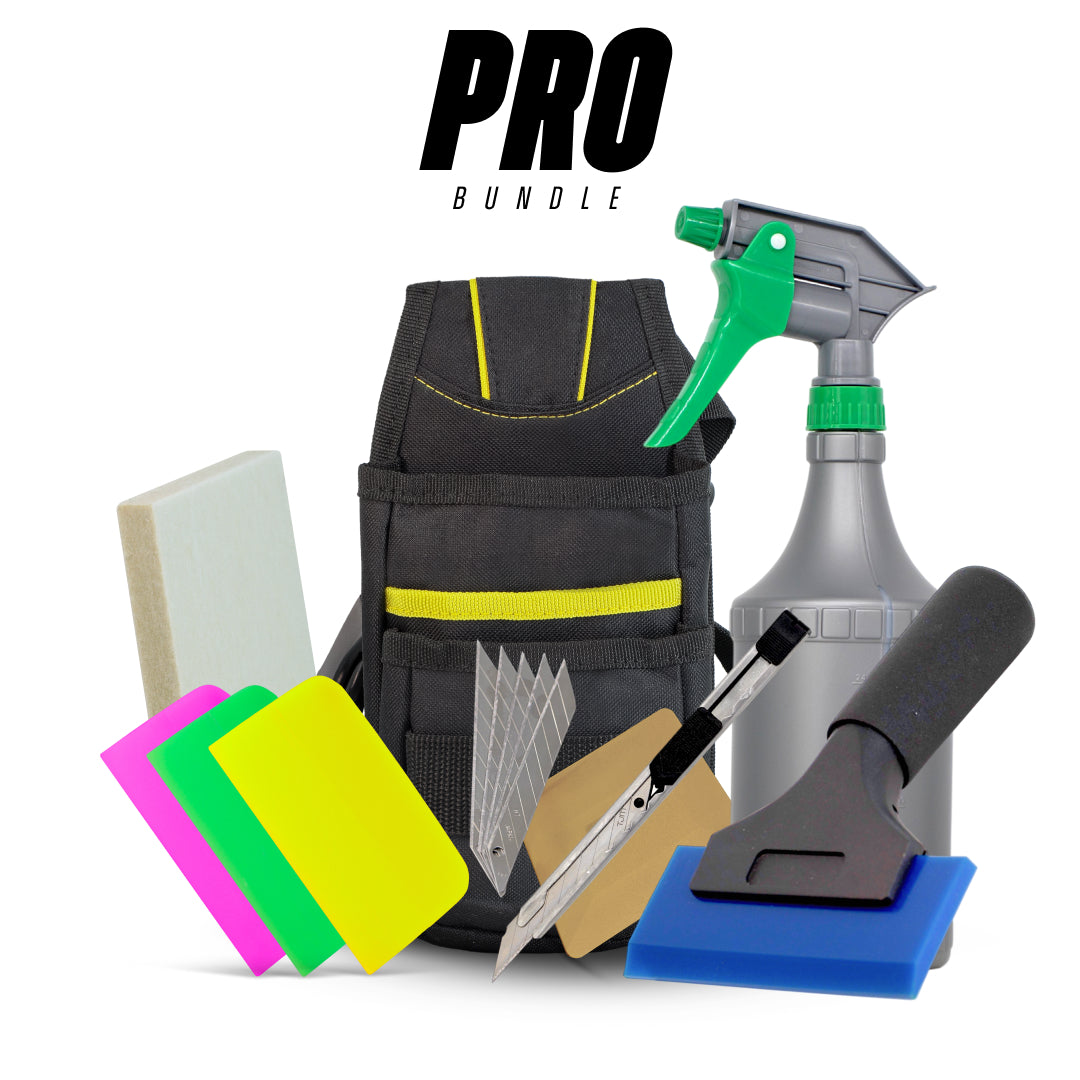
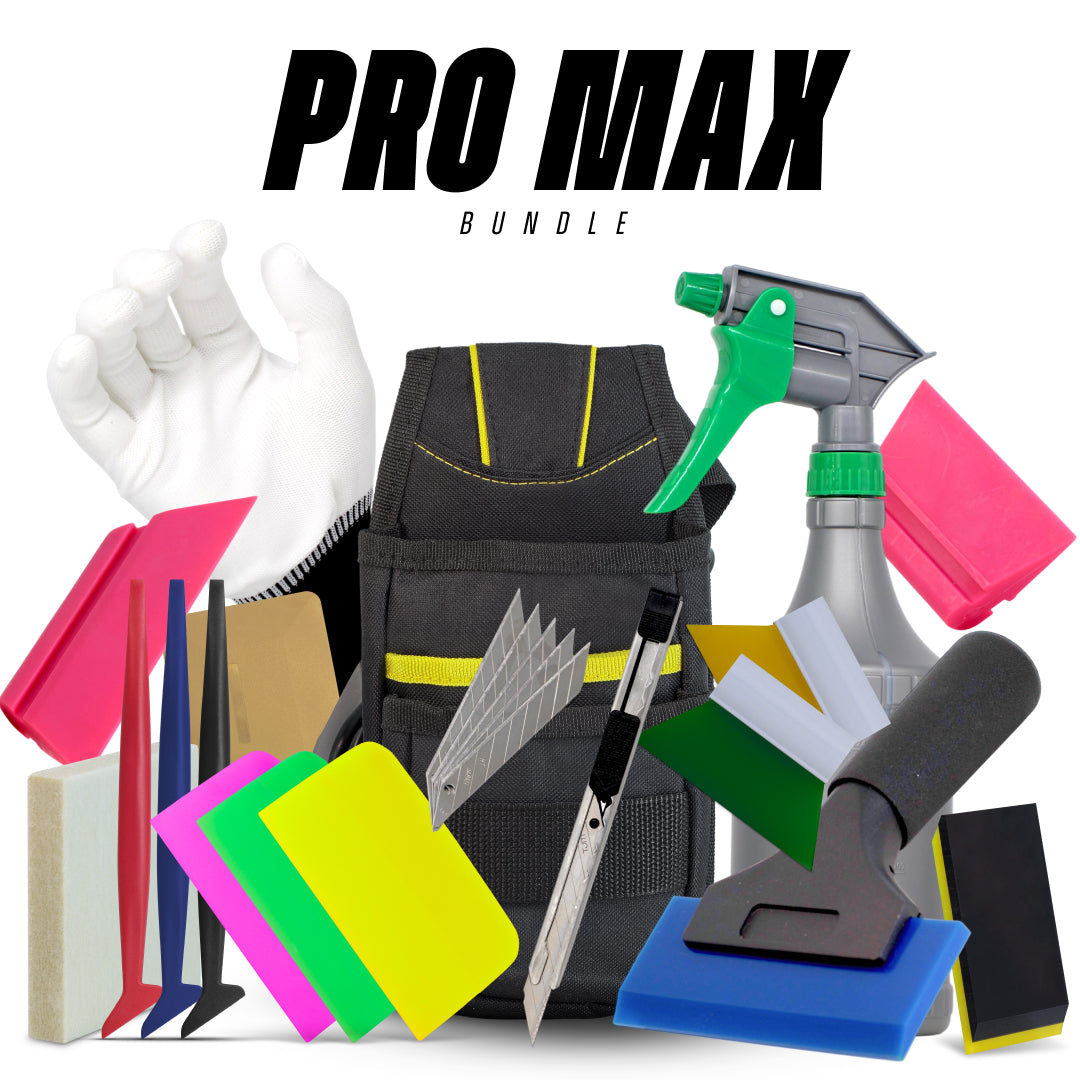
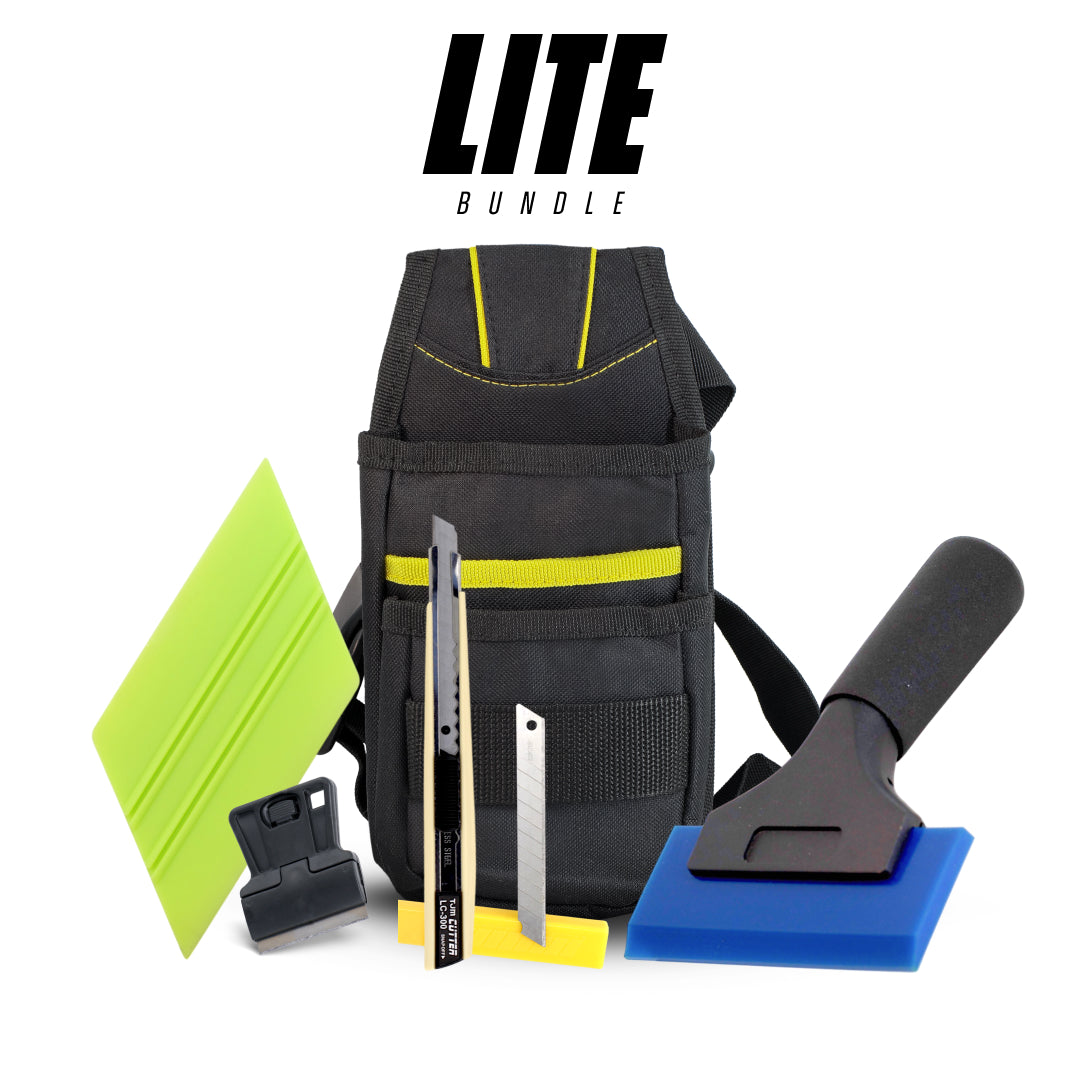
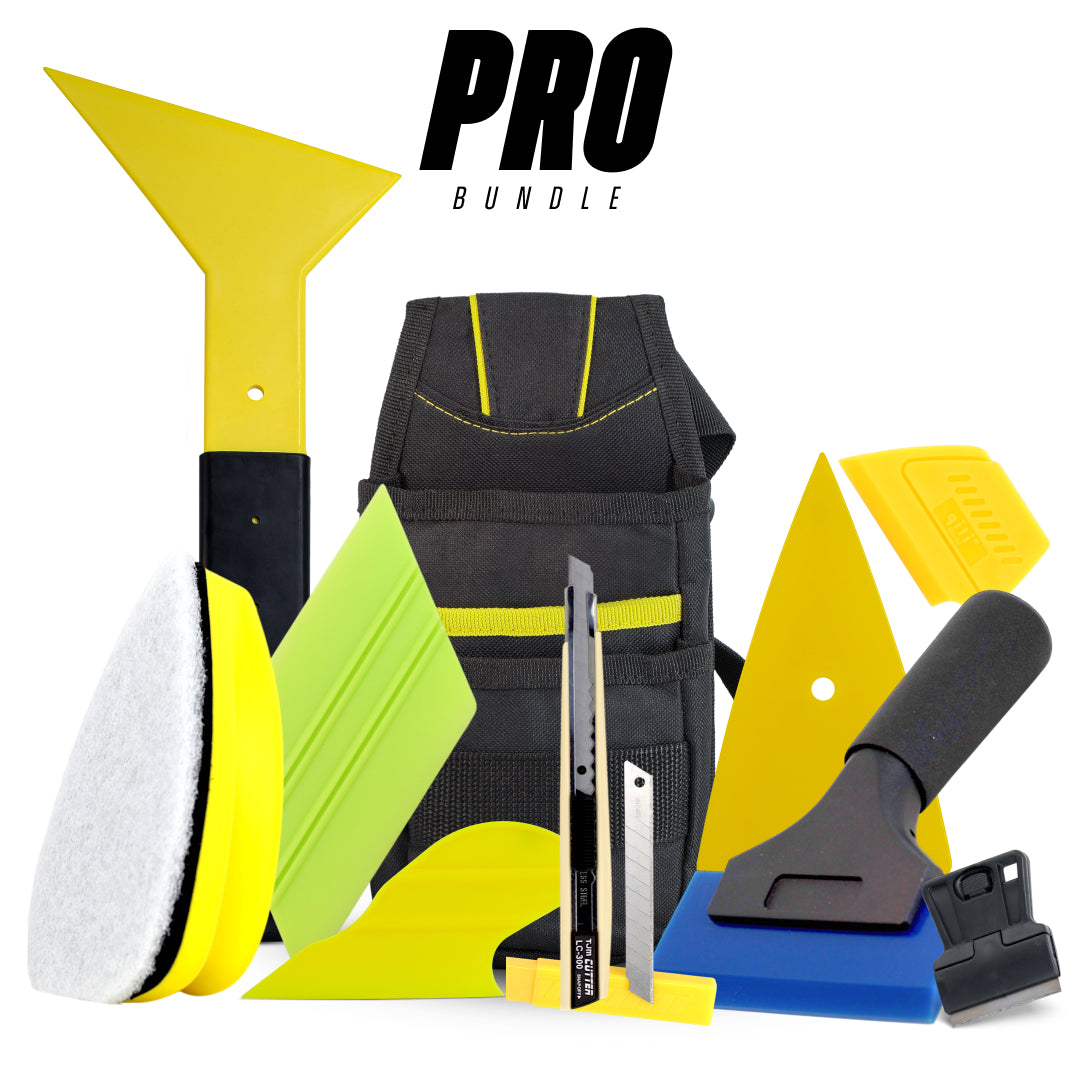
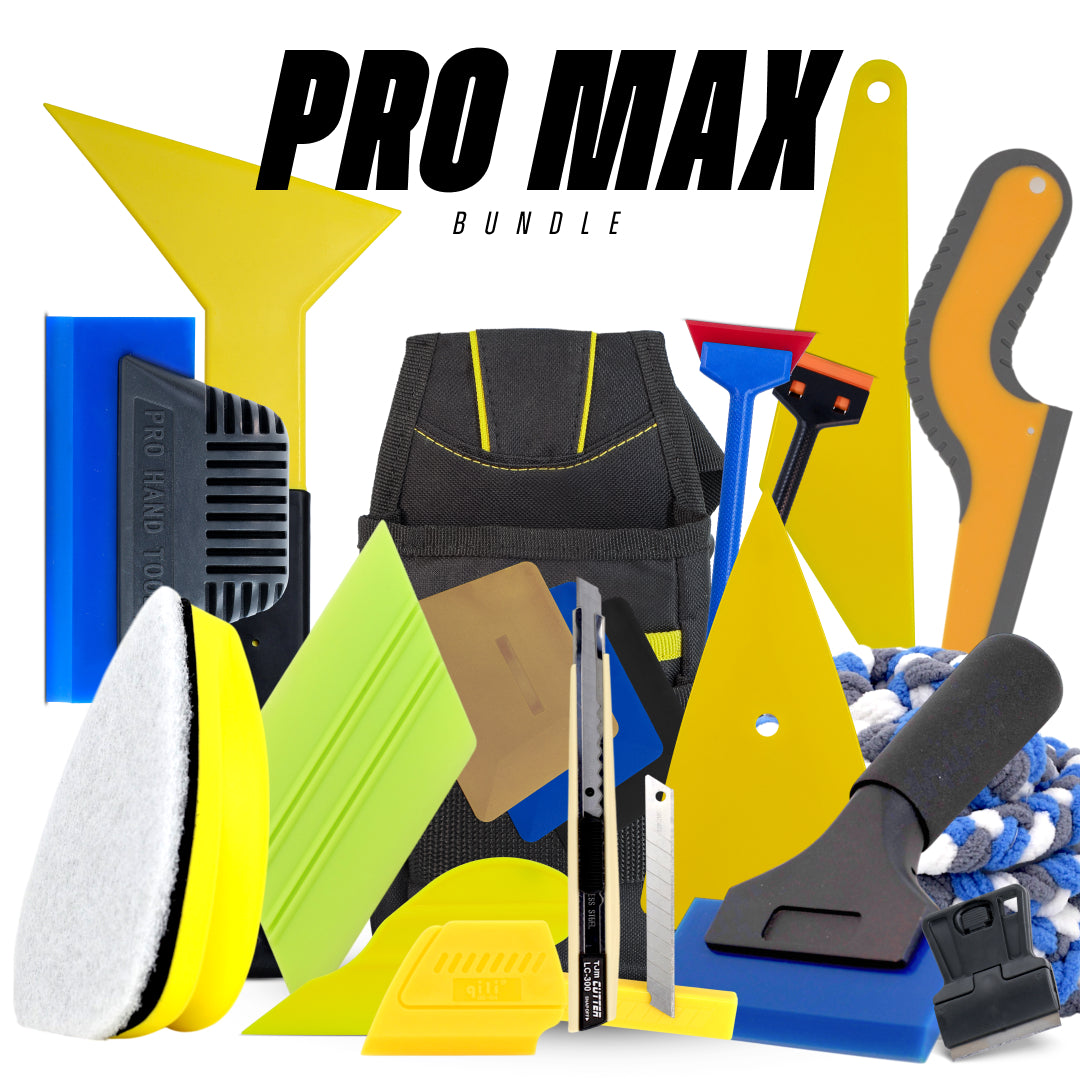
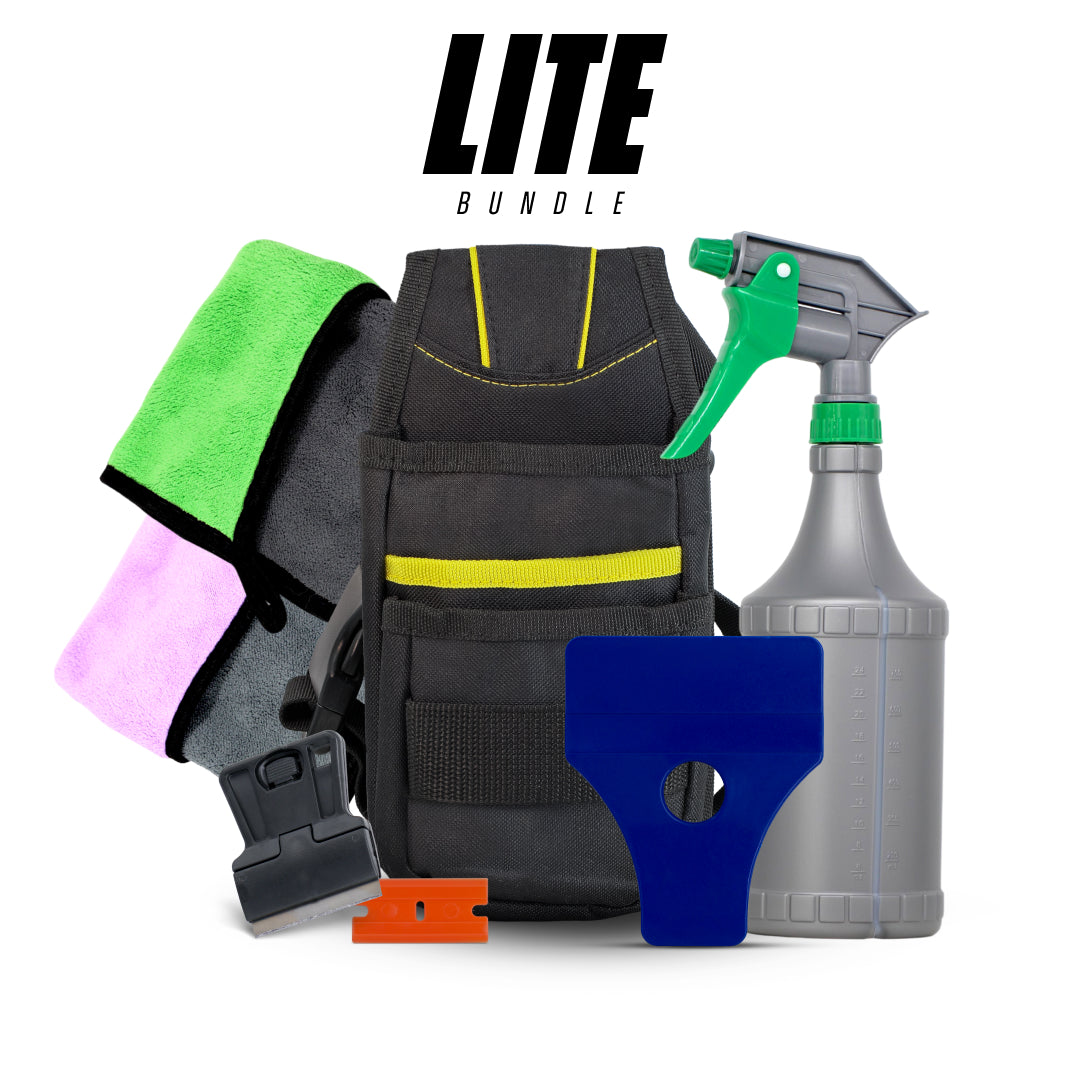
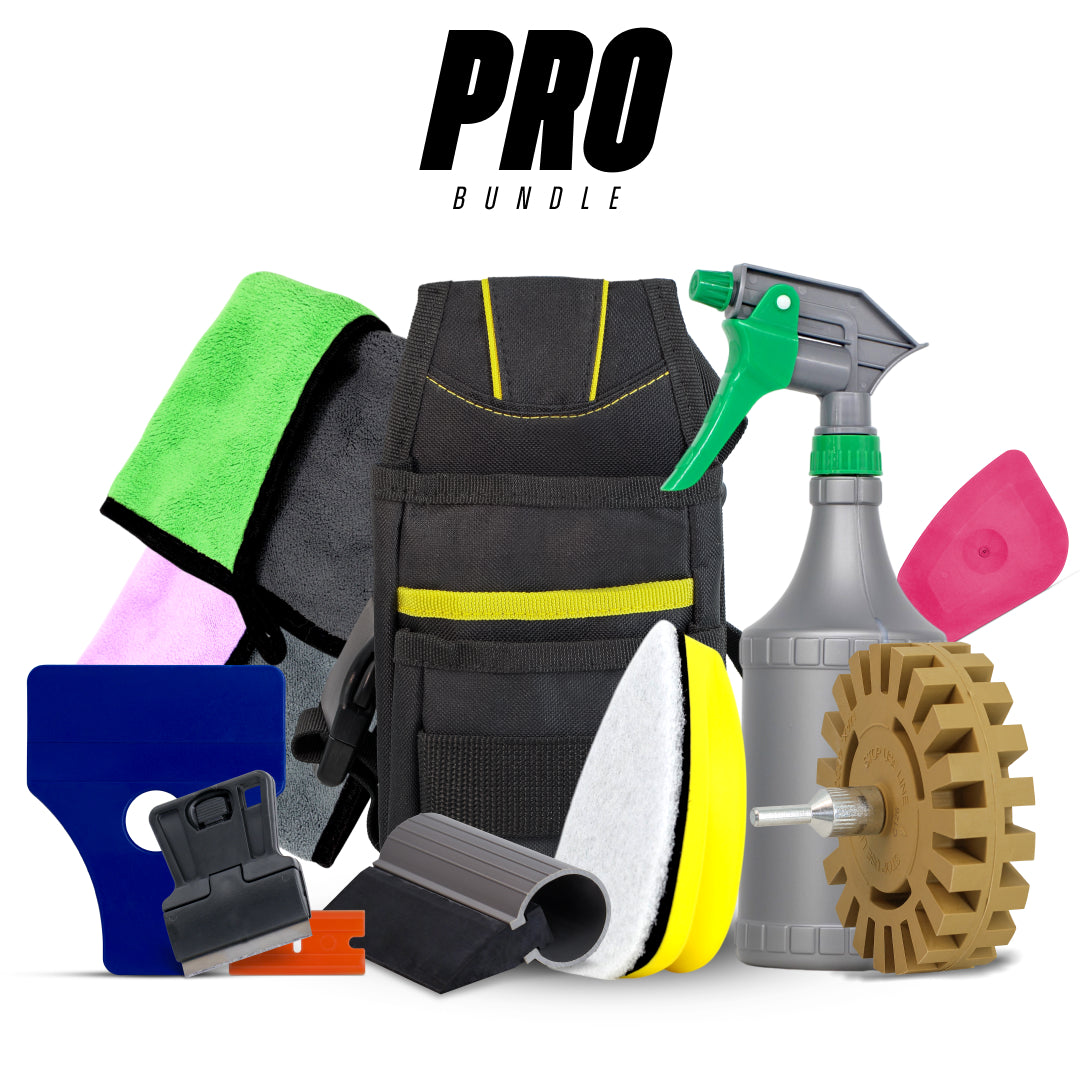
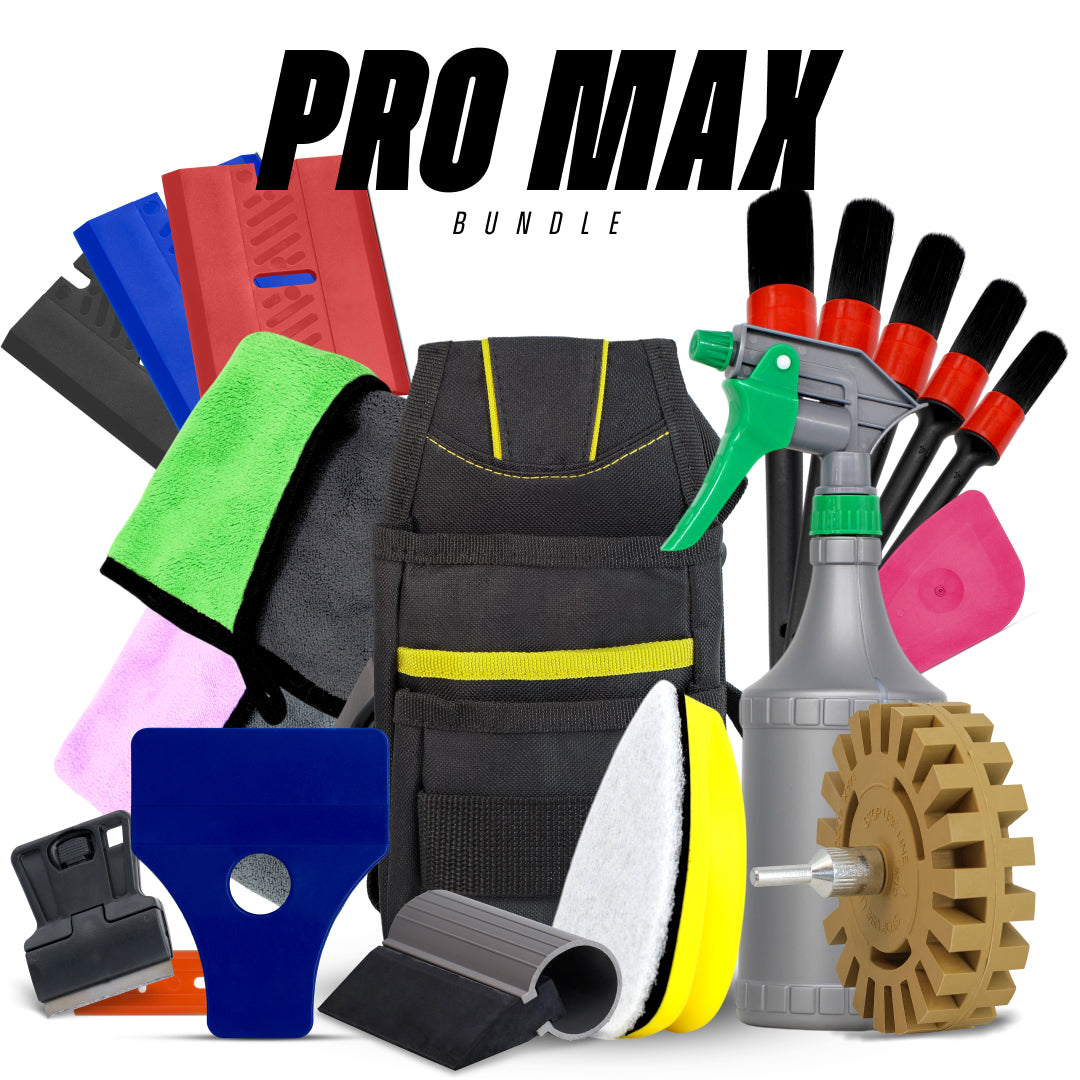
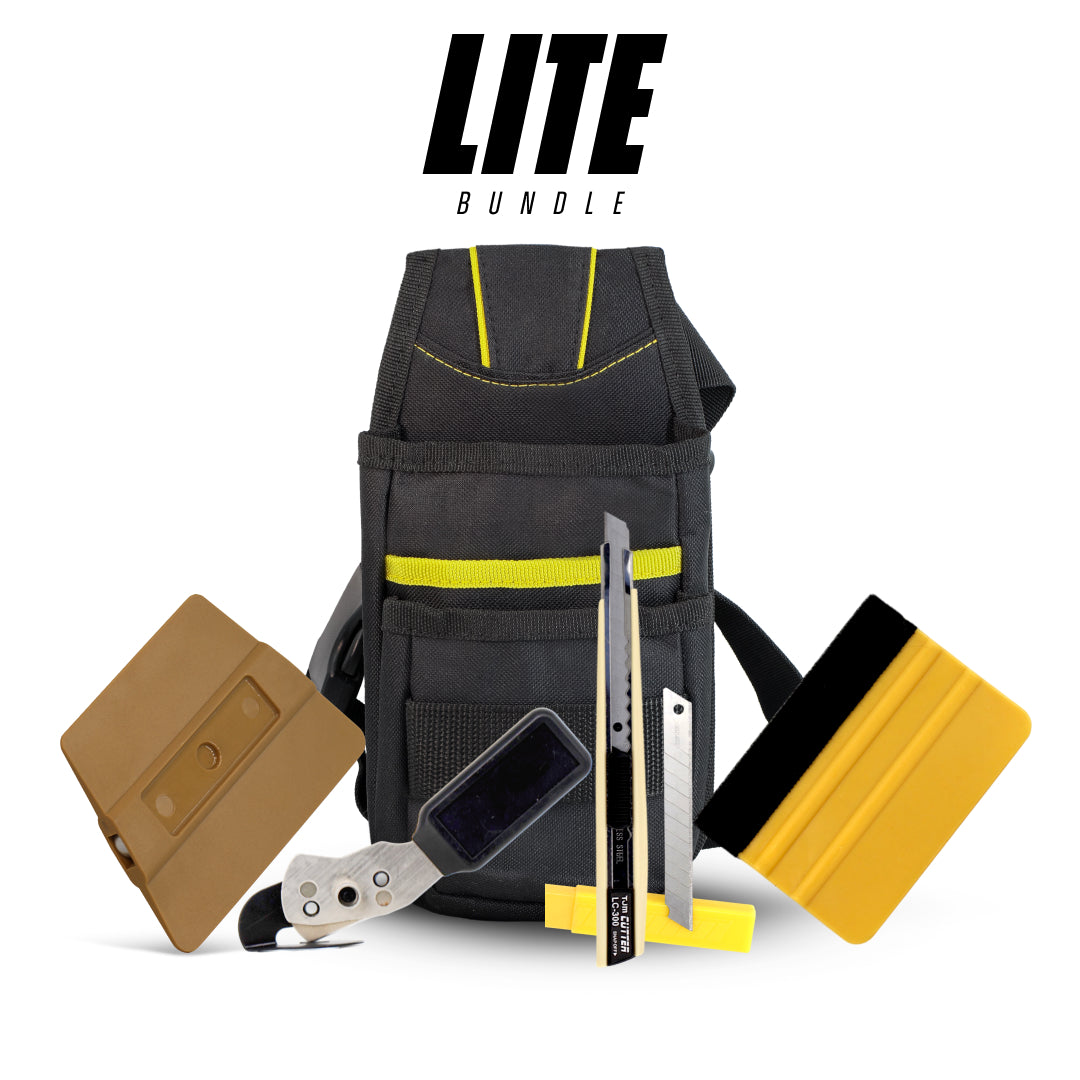
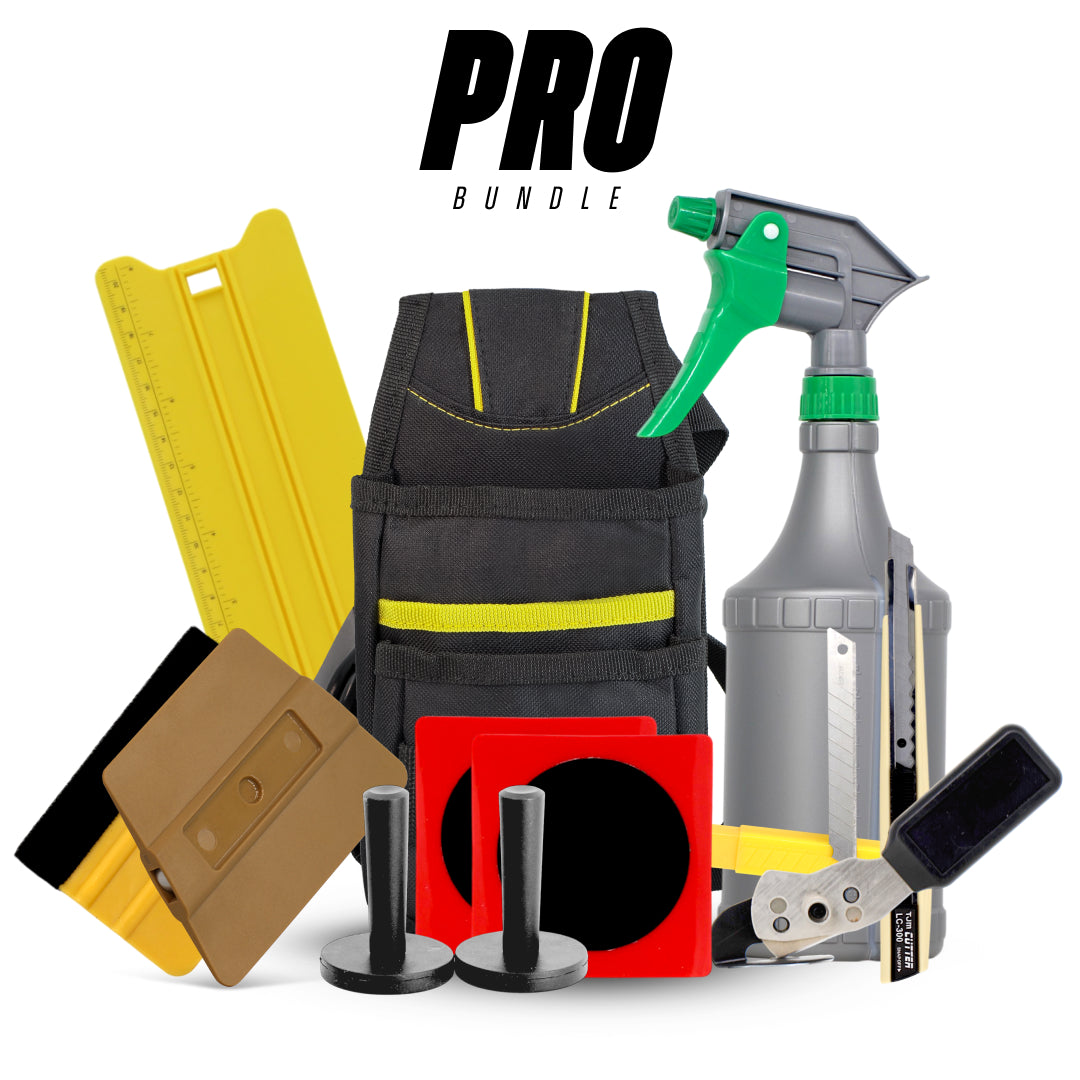
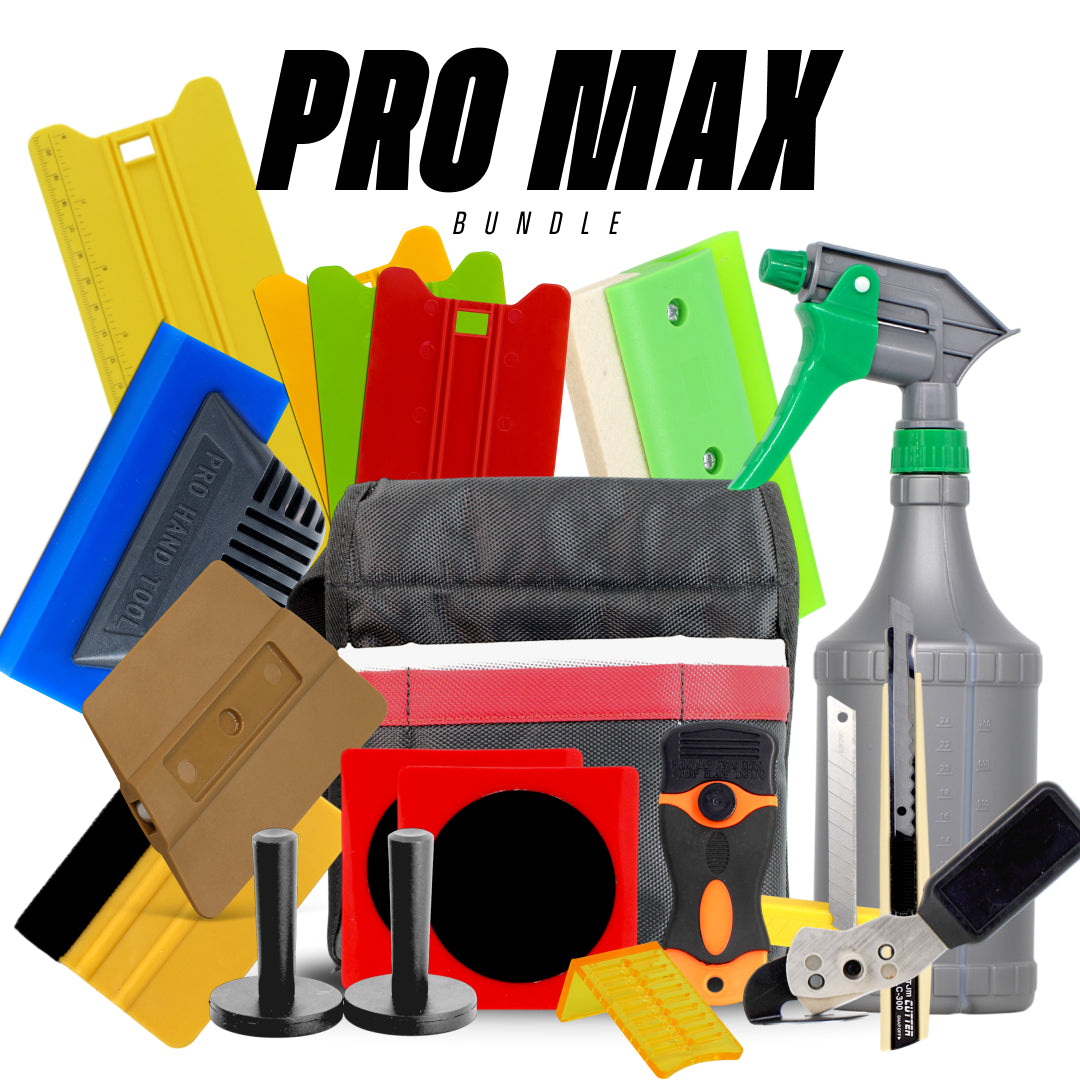
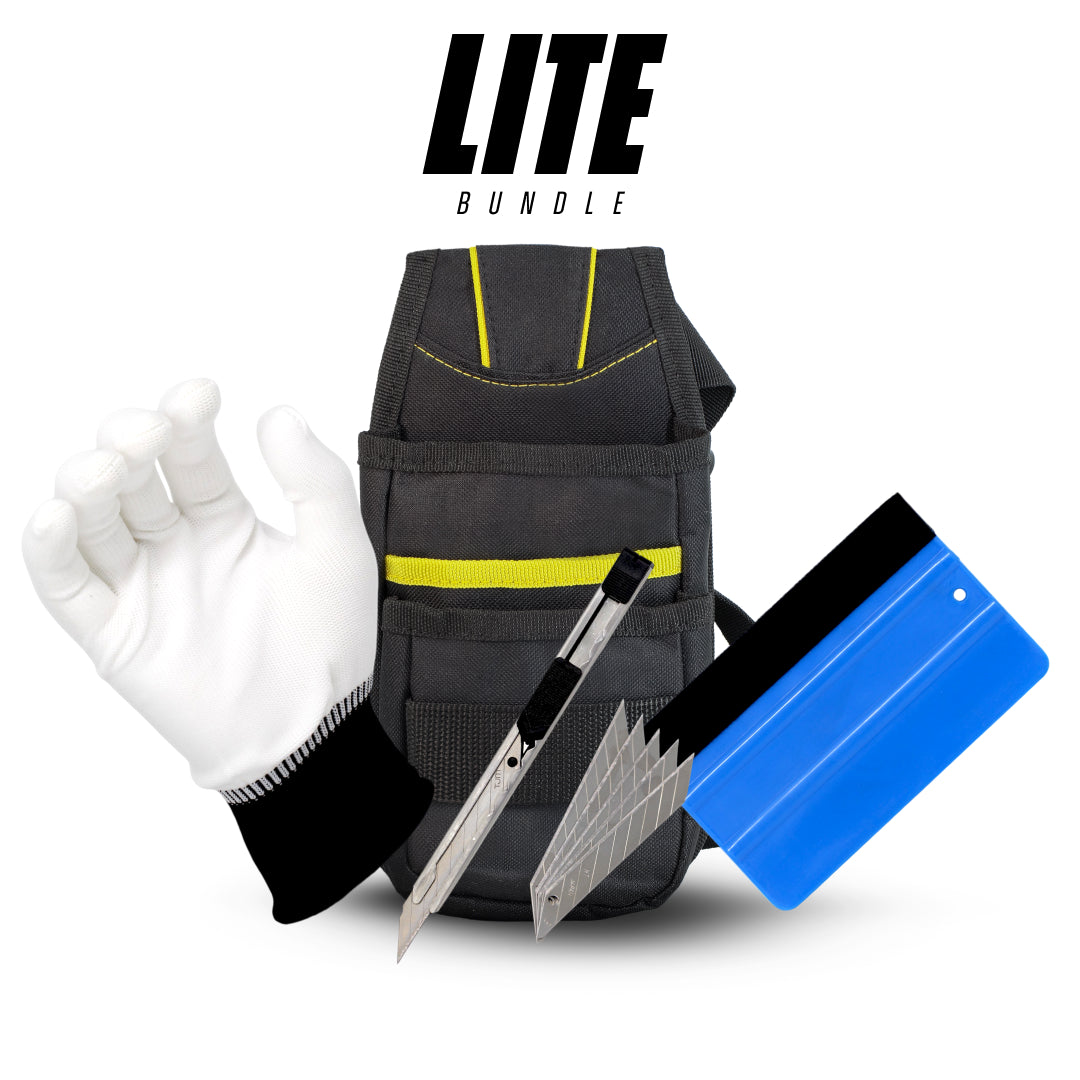
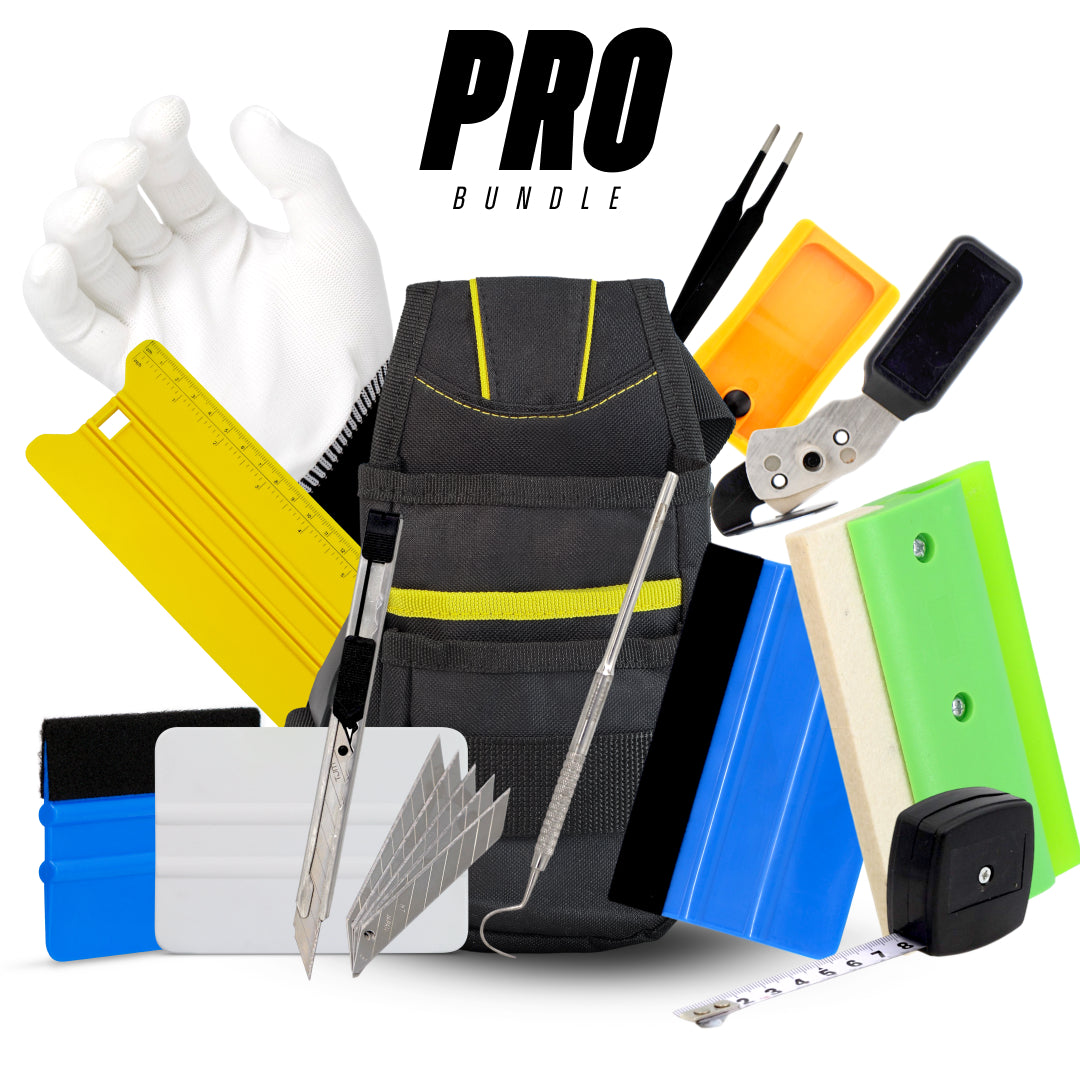
| Kit tier | Best for | Save | Price |
|---|---|---|---|
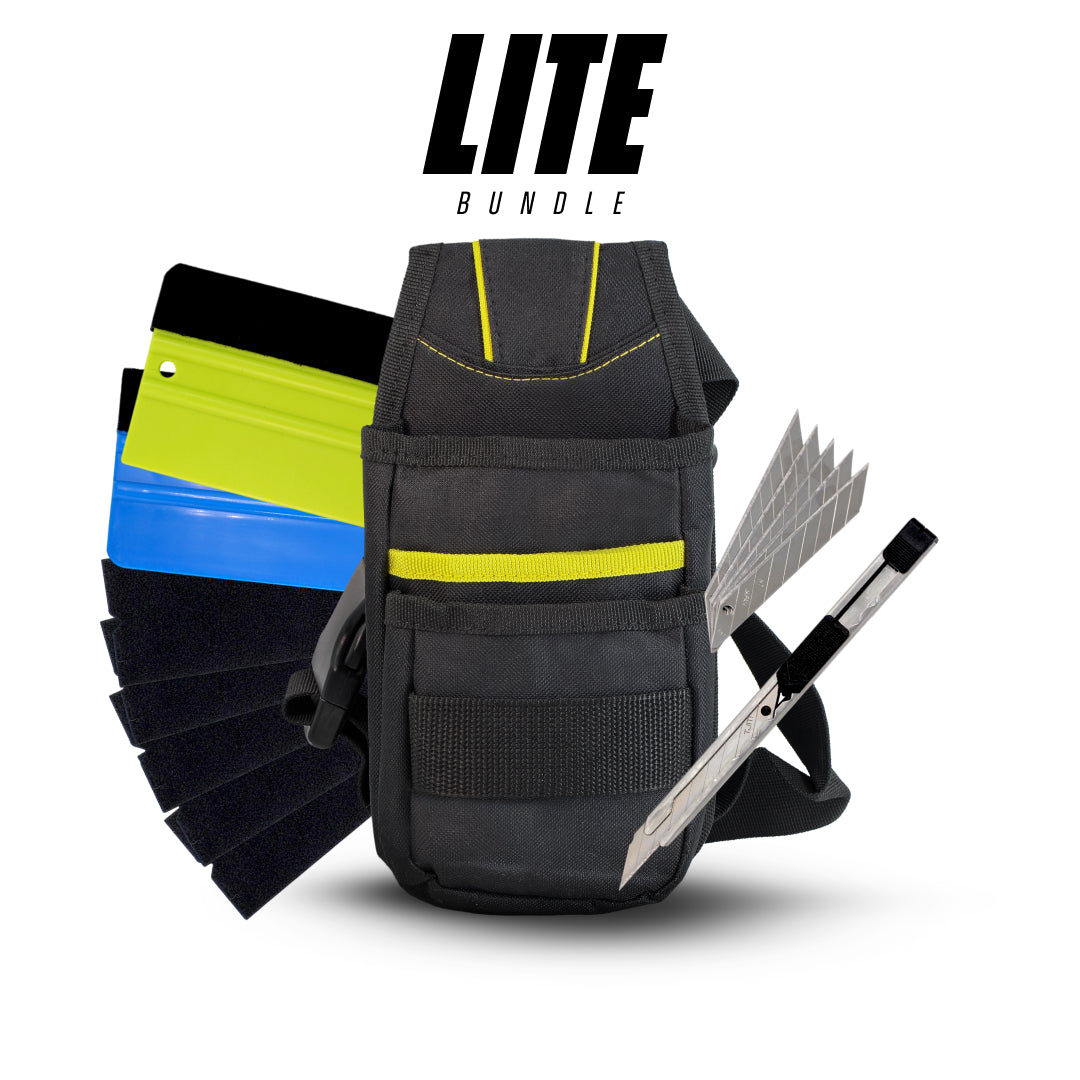
| Tint Tool Kit — Lite | First tint job | 17% | $99.99 |
| Tint Tool Kit — Pro | Regular installers | 23% | $139.99 |
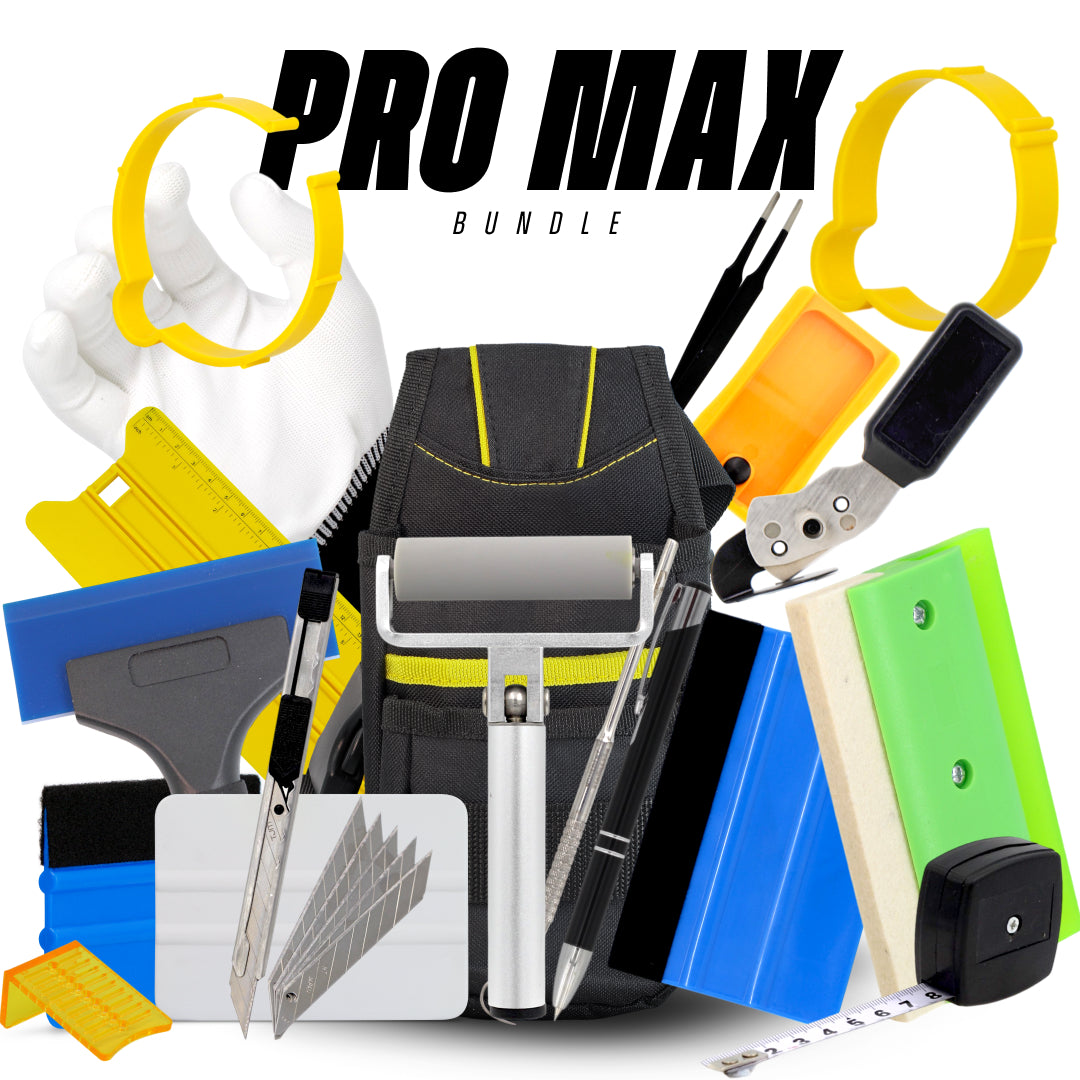
| Tint Tool Kit — Pro Max | Full-time installers | 30% | $219.99 |
Can You Use Window Tint Tools for PPF?

This is the big question.
What Works and What Doesn’t
You can share:
- Spray bottles
- Heat guns
- Microfiber towels
- Some soft squeegees
You cannot rely solely on:
- Standard tint window tools for stretching
- Basic cutting blades without patterns
- Entry-level car tinting kit equipment
PPF demands upgraded tools.
Risks of Mixing the Wrong Tinting Tools
Using improper tools can cause:
- Film stretch marks
- Adhesive failure
- Surface scratches
- Wasted material
And PPF material isn’t cheap.
Professional Tint vs DIY: Tool Investment Comparison
Let’s talk money.
Entry-Level Car Tinting Tools
A beginner car tinting kit might cost a few hundred dollars. You can start offering car window tint with minimal investment.
Many small shops start this way before expanding.
Pro Tint and Professional Tint Equipment
Professional tint setups include:
- Cutting plotters
- Premium squeegees
- Advanced lighting
- High-grade heat guns
PPF startup costs are significantly higher, often several thousand dollars just in tools and software.
That’s why many shops master window tinting first.
Headlight Tint and Specialty Applications
Unique Tools for Headlight Tint
Headlight tint uses thicker film than automotive window tint but thinner than PPF.
Tools often overlap with PPF:
- Heat gun
- Stretch tools
- Wrap gloves
It’s a hybrid category.
Differences from Standard Automotive Window Tint
Unlike glass, headlights have complex curves. That makes installation closer tothe PPF technique than traditional window film tint home installation.
Maintenance and Film Removal Tools
How Do I Get Window Tint Off?
Removing car tint requires:
- Heat gun or steamer
- Razor blade
- Adhesive remover
- Microfiber cloth
Many people search for this after failed DIY attempts.
Removing PPF Safely
PPF removal requires:
- Controlled heat
- Steady pulling technique
- Adhesive cleanup solutions
It’s slower and more labour-intensive.
Cost Comparison: Window Tint Tools vs PPF Tools
| Category | Window Tint Tools | PPF Tools |
|---|---|---|
| Startup Cost | Low to Moderate | High |
| Tool Complexity | Moderate | Advanced |
| Plotter Required | Optional | Highly Recommended |
| Heat Gun Usage | Moderate | Intensive |
| Film Cost | Lower | Higher |
Which Service Is Easier to Start?
Window tinting is easier, cheaper, and faster to learn. That’s why so many shops begin with auto window tinting before adding PPF.
If you're searching for pro tint opportunities, tinting is the more accessible entry point.
PPF offers higher margins, but requires greater skill and investment.
Building a Hybrid Shop: Offering Both Tint and PPF
The smartest shops today offer:
- Car window tint
- Headlight tint
- Full PPF
- House window tint
By sharing tools like heat guns, spray bottles, and certain squeegees, you reduce overhead while expanding services.
It’s like opening a restaurant that serves breakfast and dinner; you use the same kitchen, just different ingredients.
Window tint tools and PPF tools may look similar at first glance, but they serve very different purposes. Window tinting focuses on glass, precision, and finesse. PPF centres on paint, durability, and strength.
Yes, there’s overlap. Spray bottles, heat guns, microfiber towels, and some squeegees can be shared. But PPF demands stronger tools, advanced cutting systems, and a higher startup investment.
If you’re starting, window tinting is the simpler path. If you’re ready to scale, adding PPF can dramatically increase revenue. The key is understanding where the tools align, and where they absolutely don’t.
Choose wisely, invest strategically, and build your service lineup with intention.
Are you unsure which tool or kit is right for your job?
Our expert team at Oz Sign Supplies is here to help. Reach out today, and we’ll direct you to the best tools to suit your project, ensuring you get the job done right the first time.

Tint Tool Kit - Pro Max
$219.99
What's Included 20+ tools. Zero filler. Everything you actually use on installs. PREP & CLEAN 1x Tint Scrubbing Pad -...
Kit me out