What Each Field Means
Labour Cost to Business (per hour)
What it actually costs you to have someone on the tools for an hour - their wage, not what you charge the customer.
Labour Rate to Customer (per hour)
What you charge the customer per hour. This needs to cover more than wages - think super, insurance, downtime between jobs. A common rule of thumb is roughly 3x what the installer is paid, but adjust based on your overheads.
Material Costs
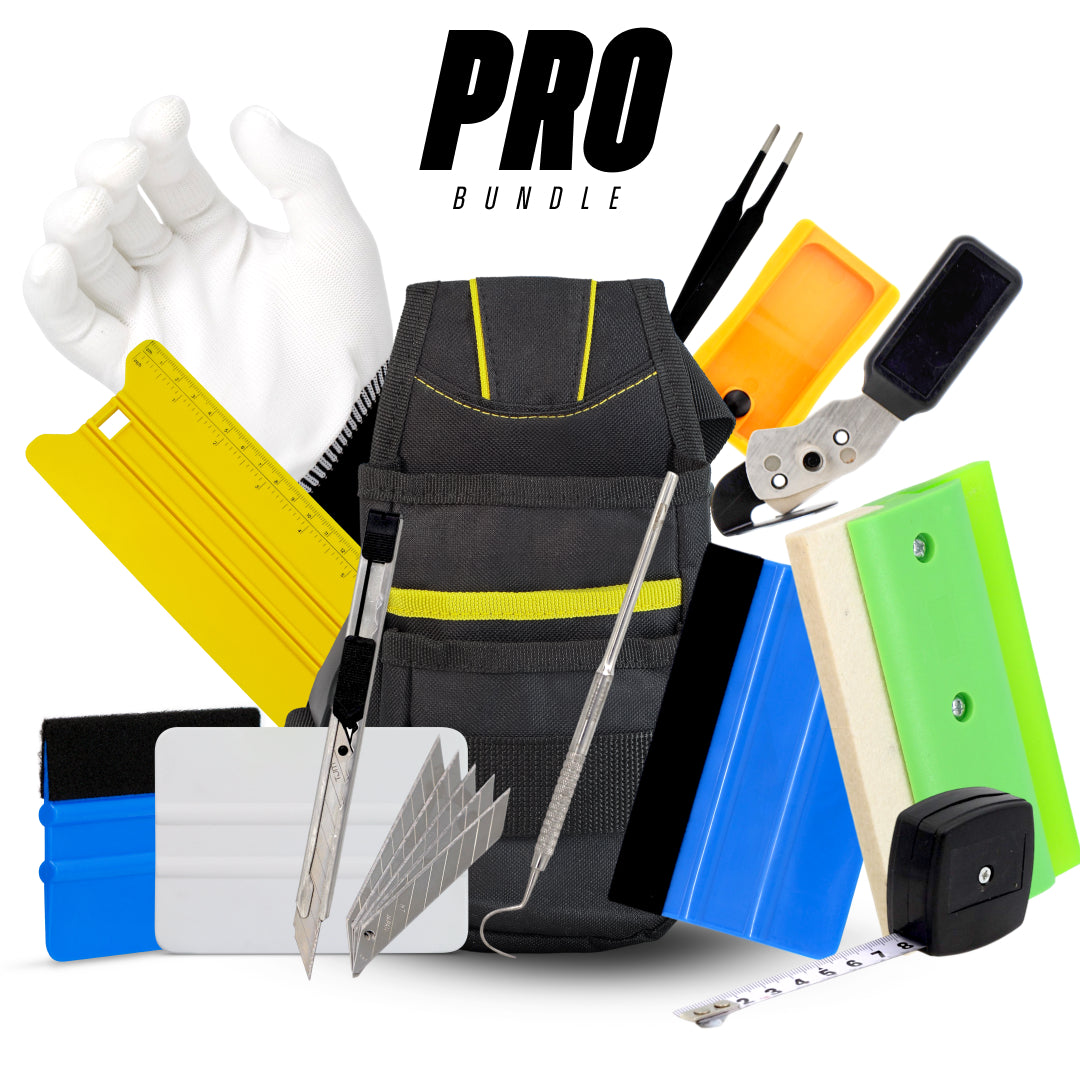
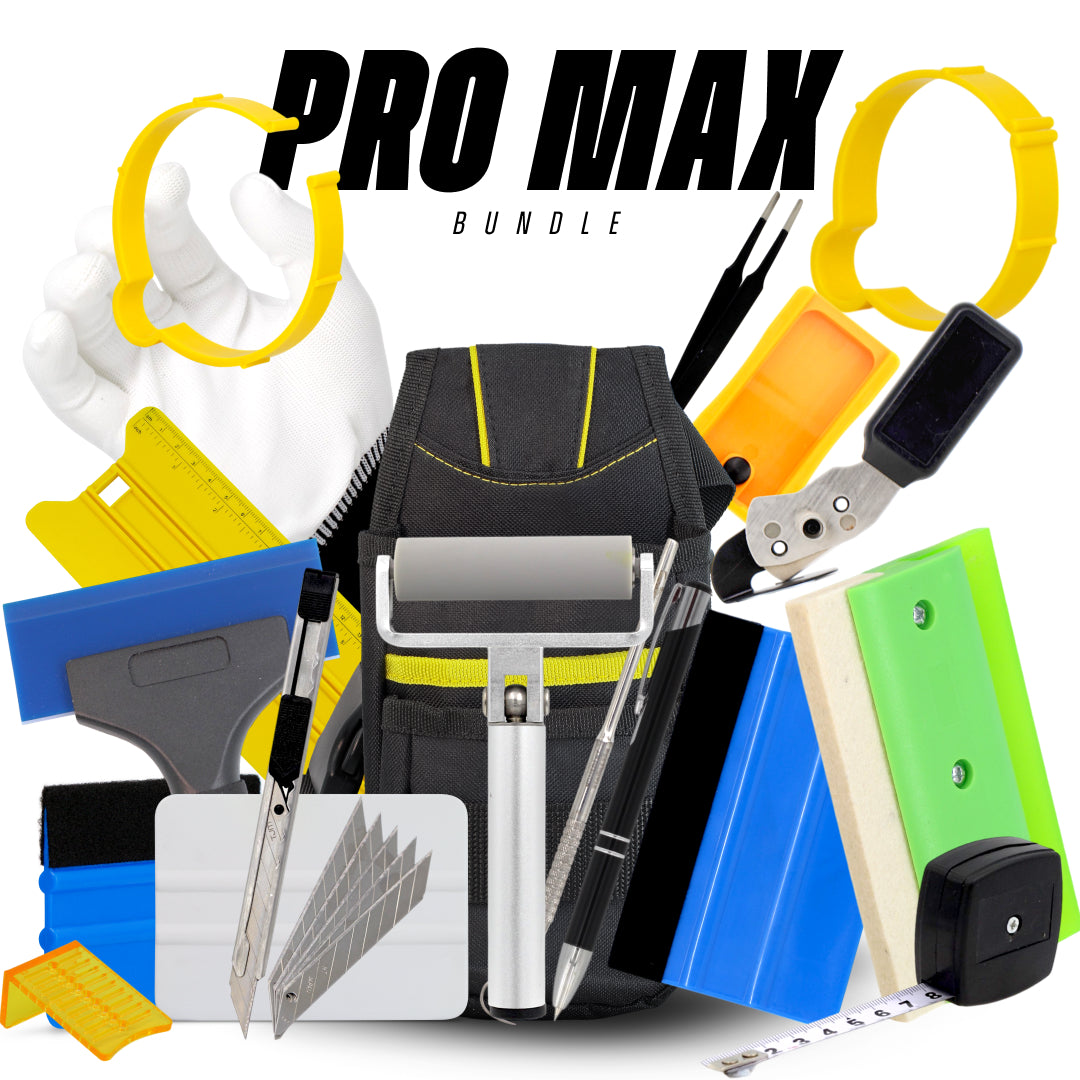
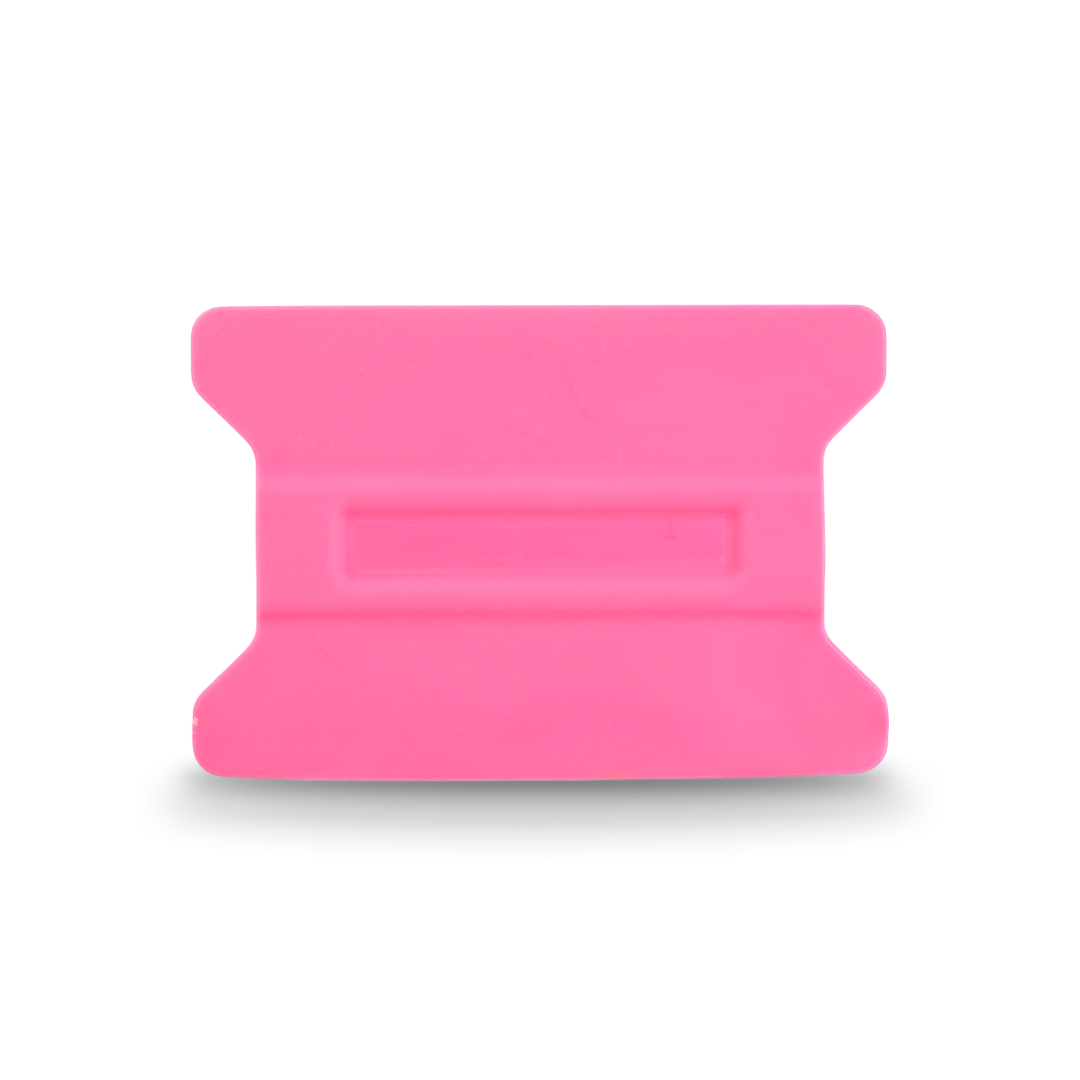
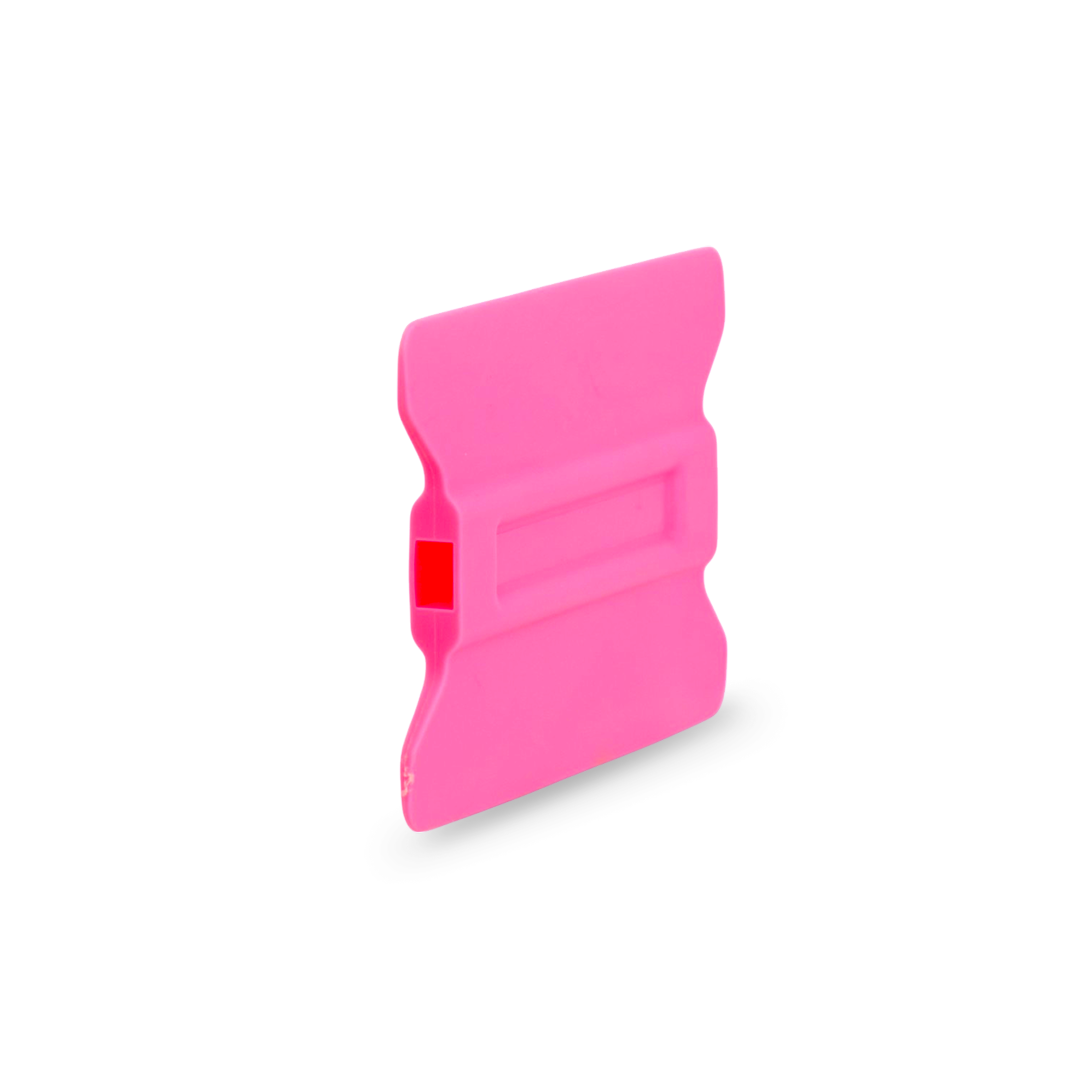
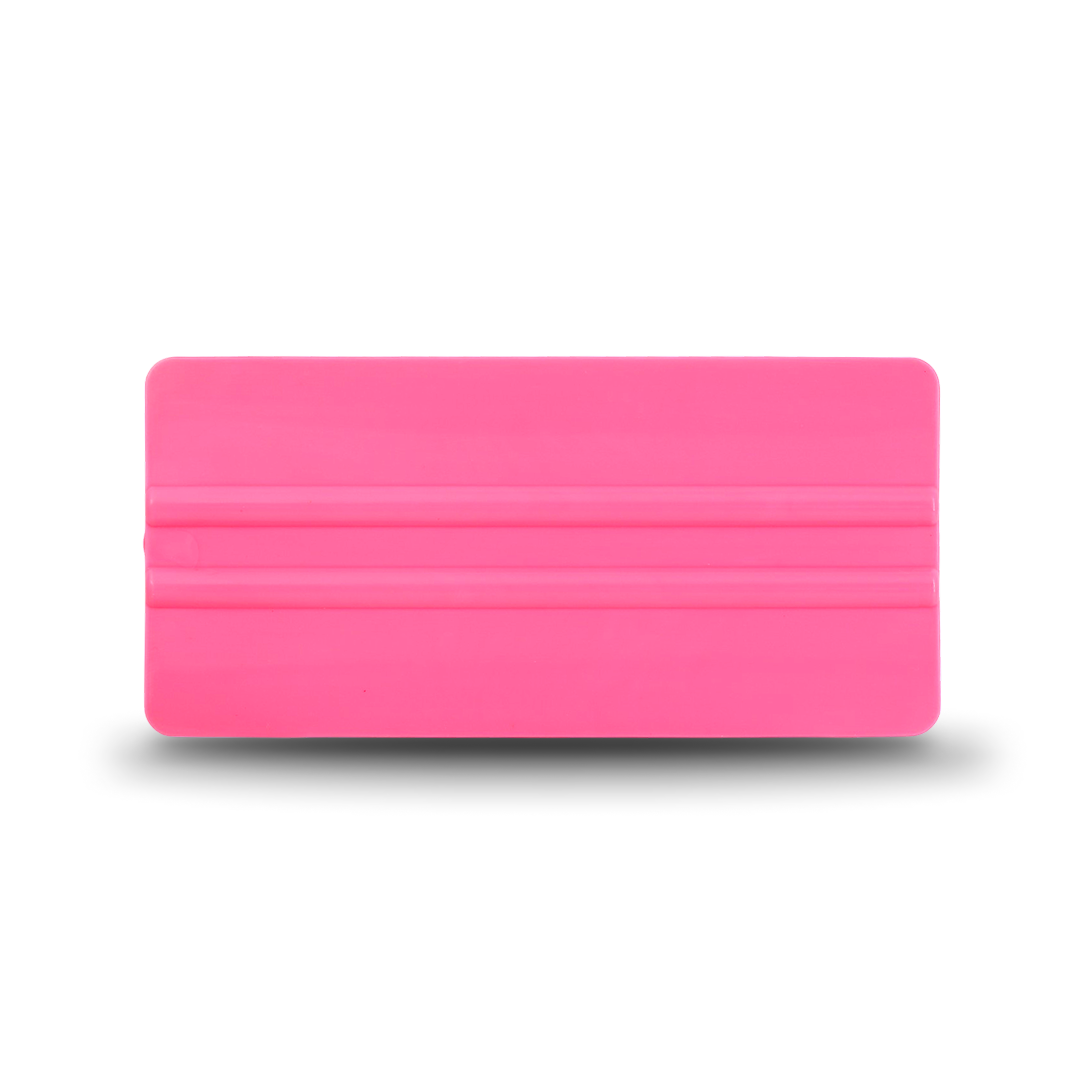
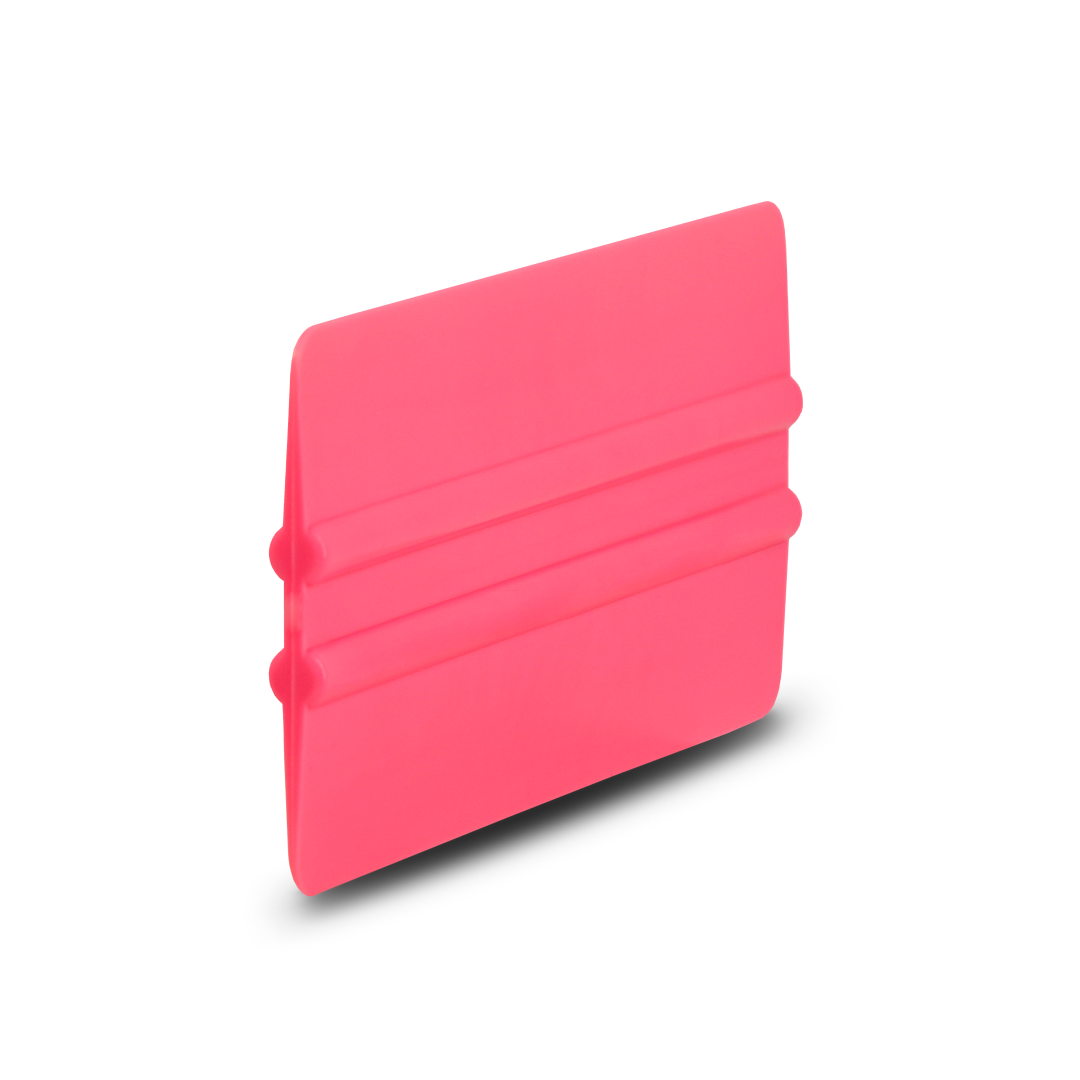
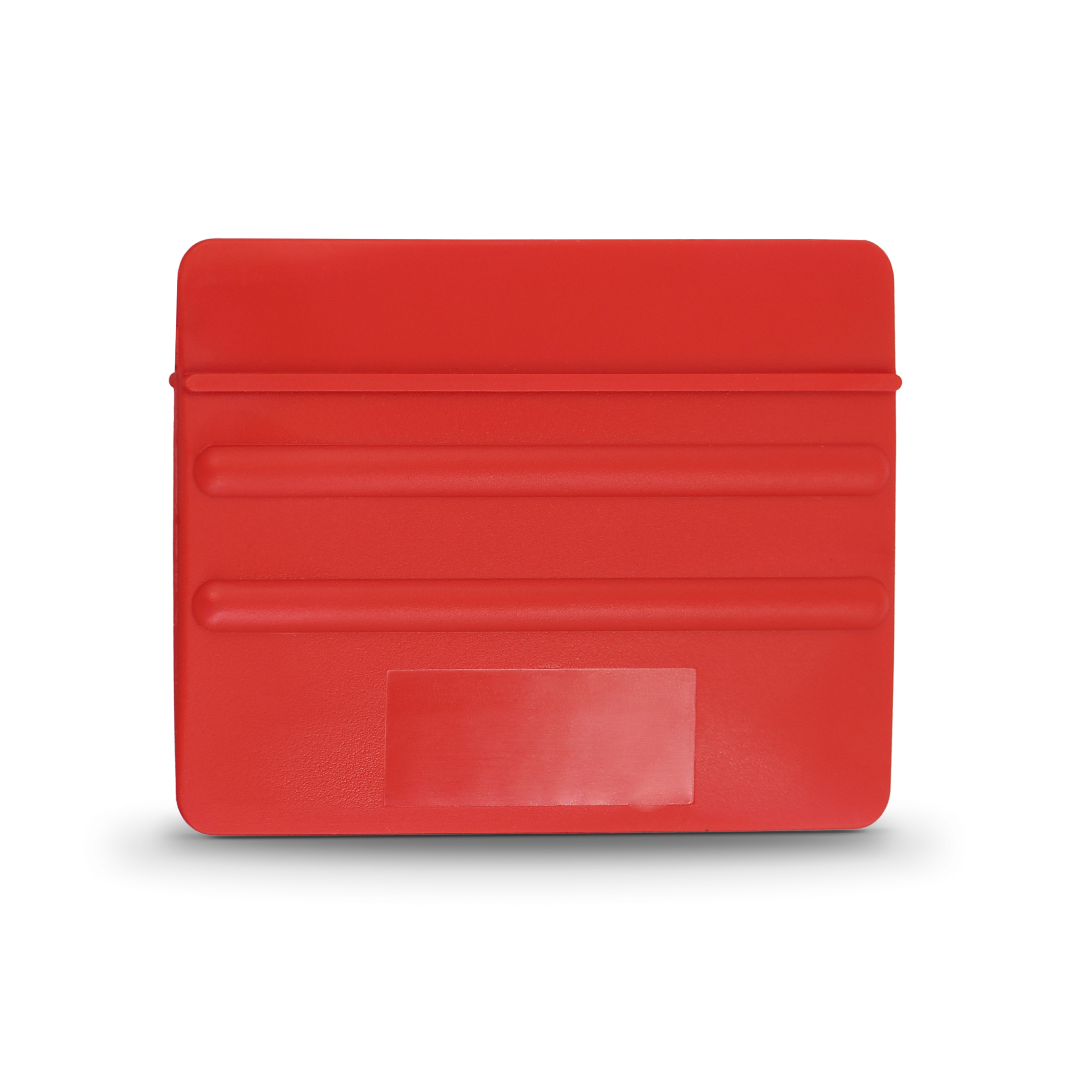
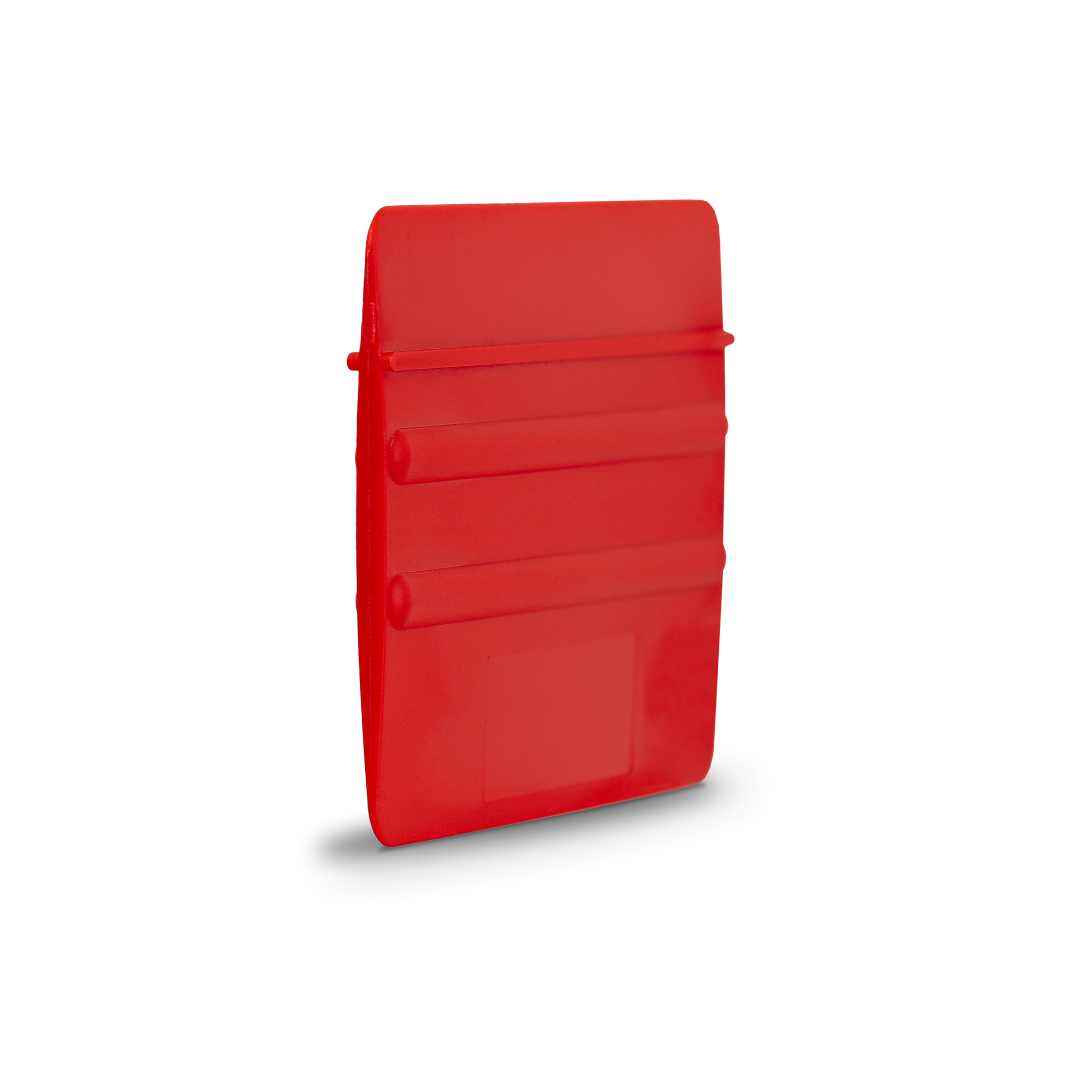
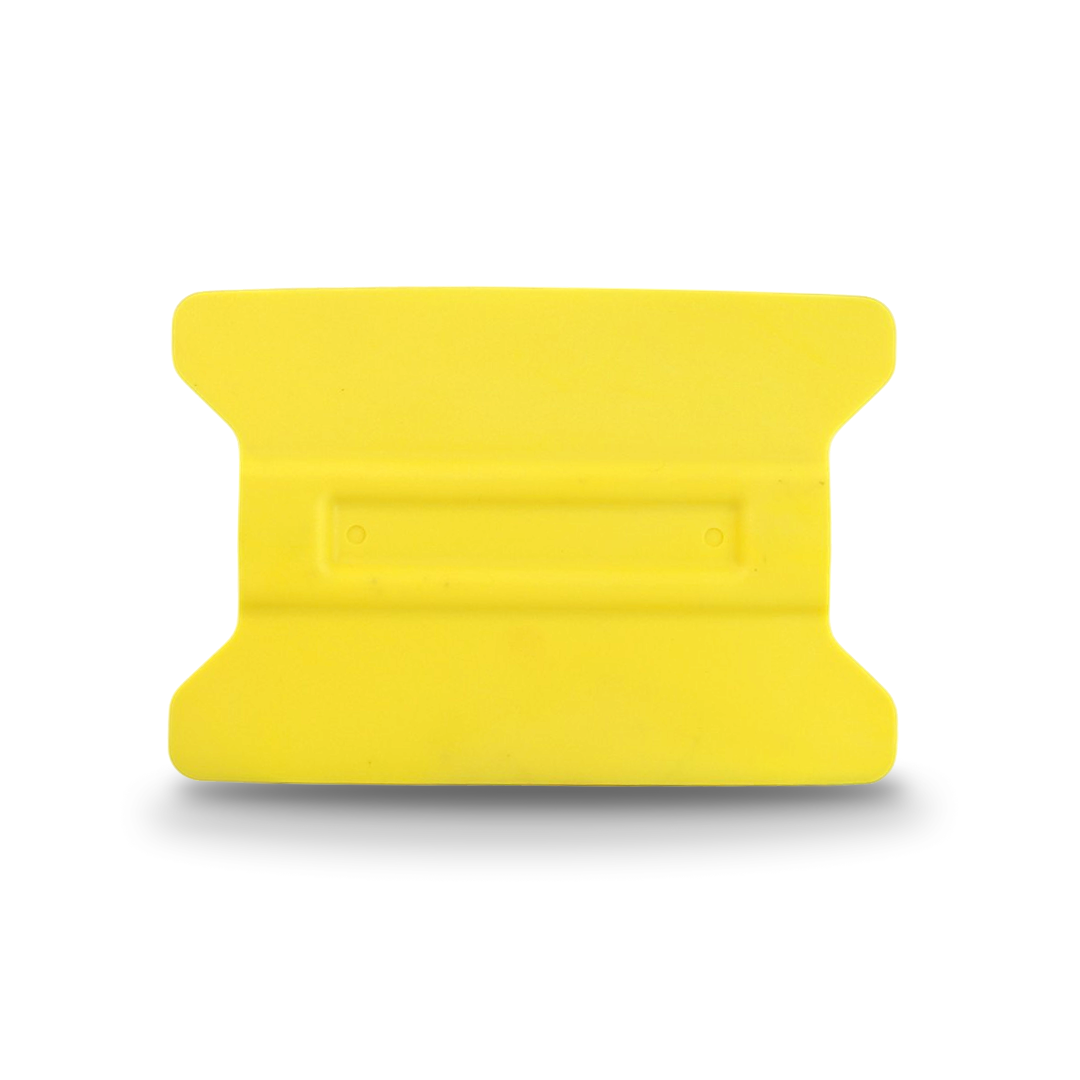
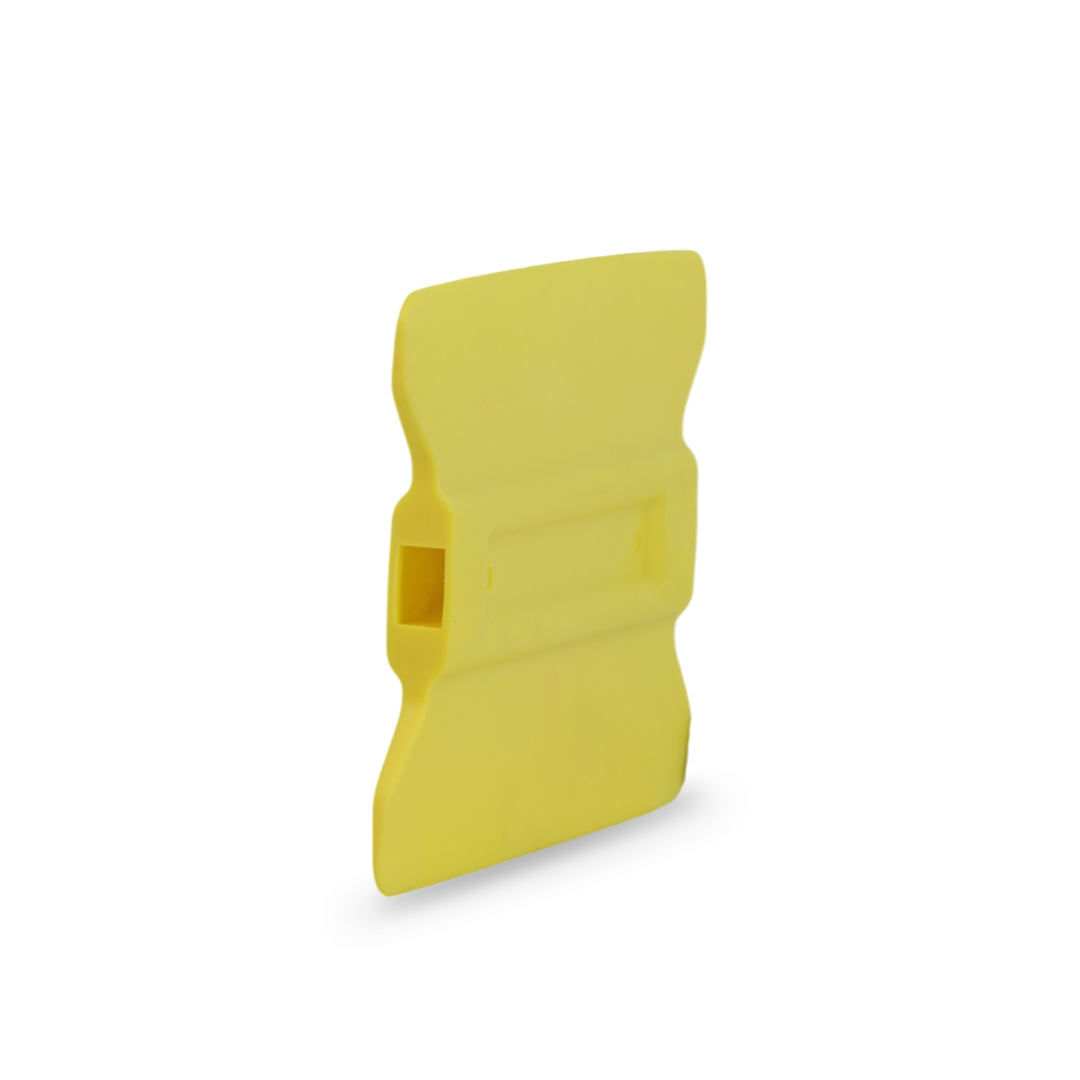
Everything used on the job - vinyl, tape, cleaning products, and wear on your tools. If you're running through squeegees and blades regularly, either work out a per-job cost based on how long they last, or build in a flat buffer (say $30–50) to cover replacement.
Mark-Up
What you're adding on top of material cost. Worth knowing what others in your area are charging so you can see where you sit - too low and you're undercutting your own margin, too high and you risk pricing yourself out.
Production Time
Design, file prep, mock-ups - the work that happens before you're anywhere near the vehicle. Easy to forget when quoting, but it's real time and it should be billed.
Install Time
Actual hands-on time. Worth tracking this properly over a few jobs so your estimates get sharper - a rough guess costs you money either way it's wrong.
Travel Time
If you're mobile, this is time and fuel you don't get back. Bill for it.
GST
If you're GST registered, this section adds it to the total automatically. If you're not sure whether you should be registered, that's a conversation for your accountant - it depends on your turnover and business structure, and it's not something we'd want to get wrong on your behalf.
What Affects Car Wrapping Cost
A few things move the number more than anything else:
Vehicle size - A hatchback takes less material and less time than a ute, van or SUV. Bigger surface, bigger quote.
Vinyl finish - Standard gloss or matte costs less than premium finishes like chrome or carbon fibre. The finish affects both material cost and how fussy the install is.
Design complexity - A single flat colour is straightforward. Custom-printed graphics or detailed cutwork take longer and need more precision - that time should be reflected in the quote.
Coverage - Full wrap vs. partial (roof, bonnet, accents) is one of the biggest cost swings. Partial jobs are quicker and use less material.
Installation quality - A rushed install shows. Factoring in the time to do it properly protects both your reputation and the customer's result.
Car Wrapping Cost in Australia - What to Expect
Prices move around depending on your city, the shop, and the vinyl brand used, but as a general guide:
- Small cars (hatchbacks, sedans): $2,000–$3,500
- Mid-sized vehicles (SUVs, 4WDs): $3,000–$5,500
- Large vehicles (utes, vans, trucks): $4,000–$7,500+
- Partial wraps/accents: from $500
These are market averages, not a quote - your actual number depends on your labour rate, your materials, and the specifics of the job. That's exactly what the calculator above is for.
FAQs
How much does it cost to wrap a car in Australia?
It depends on vehicle size, vinyl finish and coverage, but most jobs land between $2,000 for a small car and $7,500+ for a larger vehicle. Full colour changes cost more than partial wraps or accents.
Is wrapping cheaper than painting?
Generally yes, a quality respray usually costs more than a wrap, and wrapping protects the original paint underneath rather than replacing it.
How long does a car wrap last?
A well-installed wrap typically lasts 5–7 years, depending on the vinyl quality, finish, and how much sun exposure the vehicle gets.
Can I remove a wrap myself?
It's possible with the right tools - usually heat and a decal removal tool to lift the vinyl without damaging the paint underneath. For a clean result with no adhesive residue, most people get a professional to handle it.
Does the calculator give an exact price?
It gives you an accurate breakdown based on the numbers you enter - labour, materials, time, mark-up. The final figure is only as accurate as what you put in, so it's a genuinely useful quoting tool rather than a rough guess.
How do I quote a wrap job properly?
Start with every real cost - labour, materials, production time, install time, travel - then add your mark-up and GST if registered. Missing any one of those (travel time is the easiest to forget) is usually where quotes fall short of what the job actually costs to run.
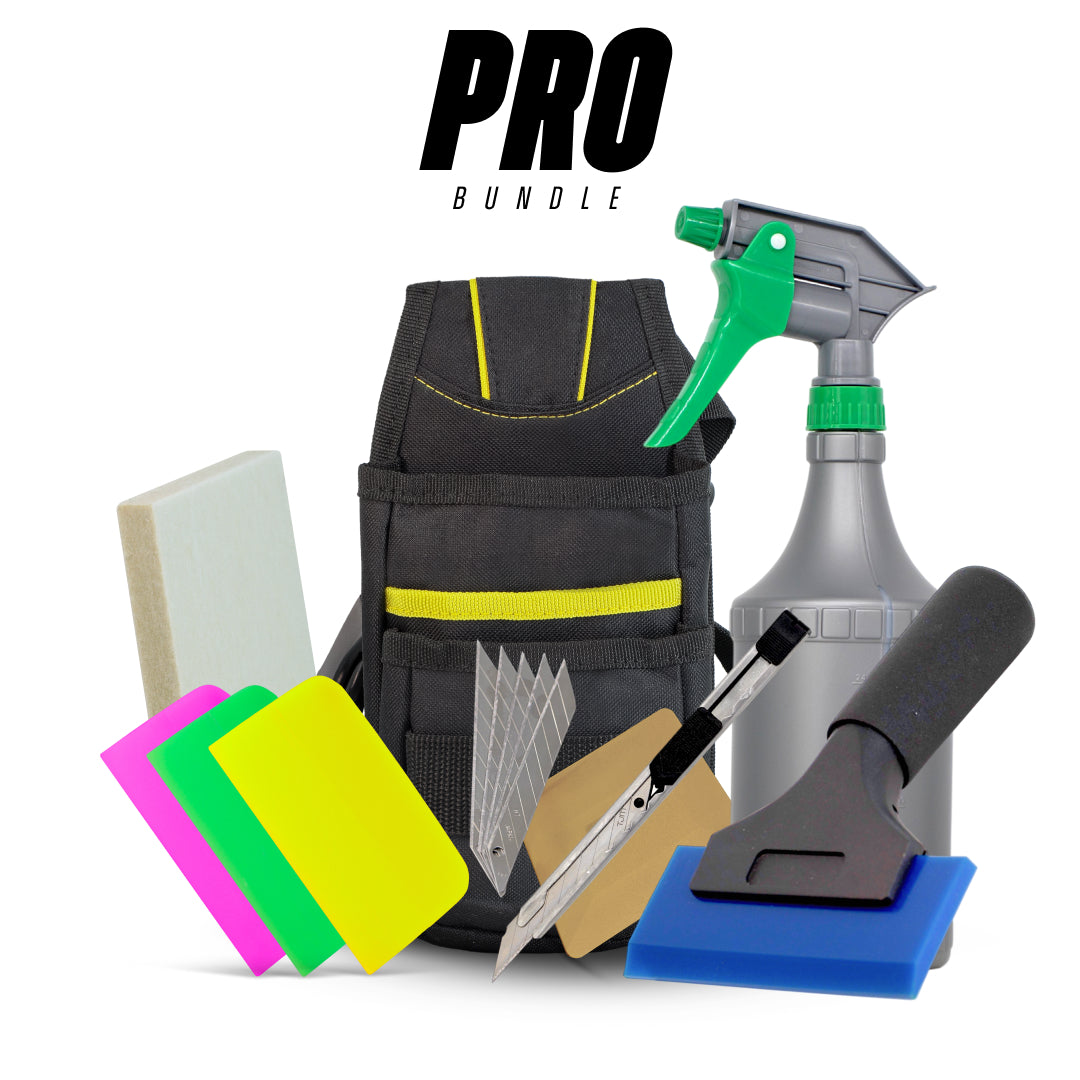
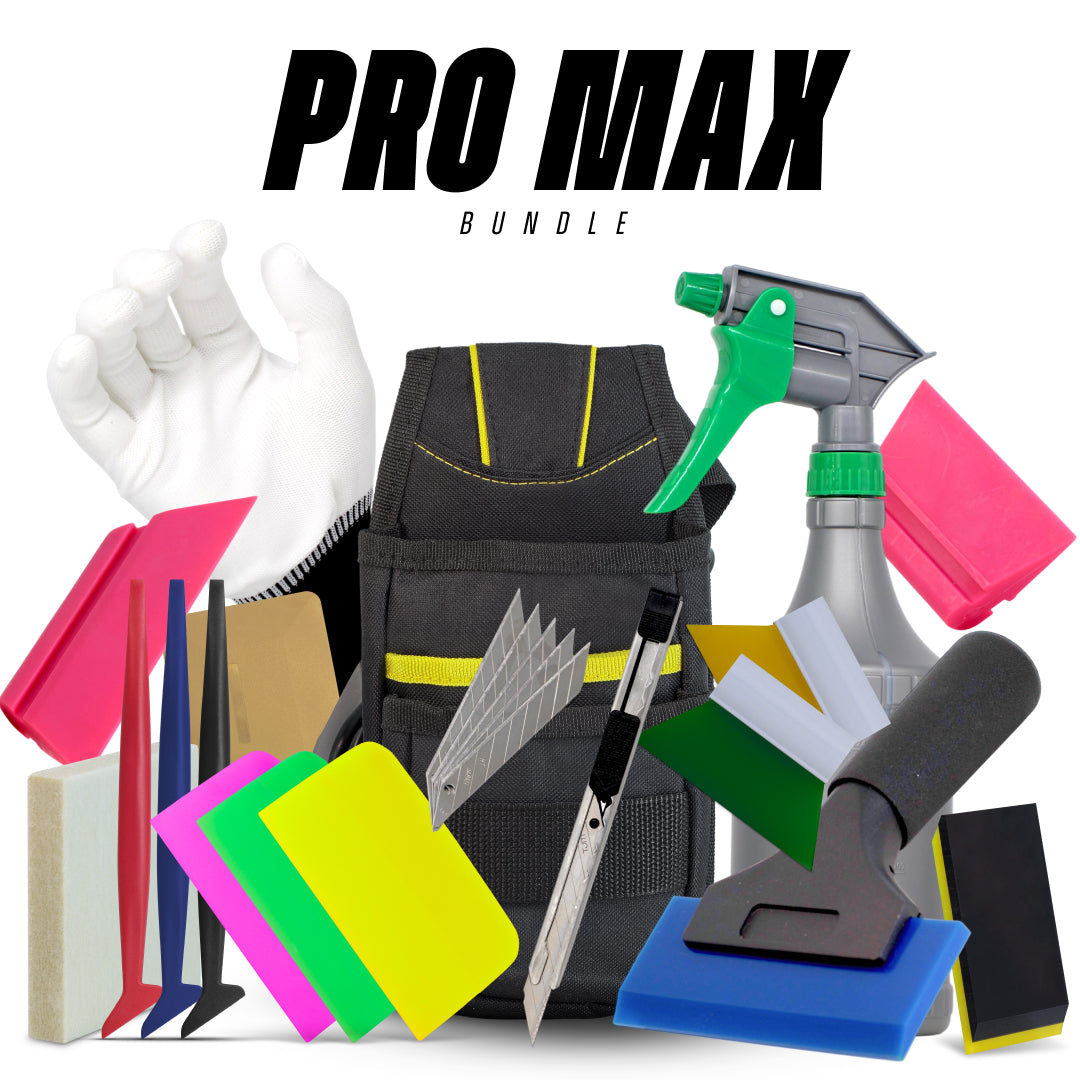
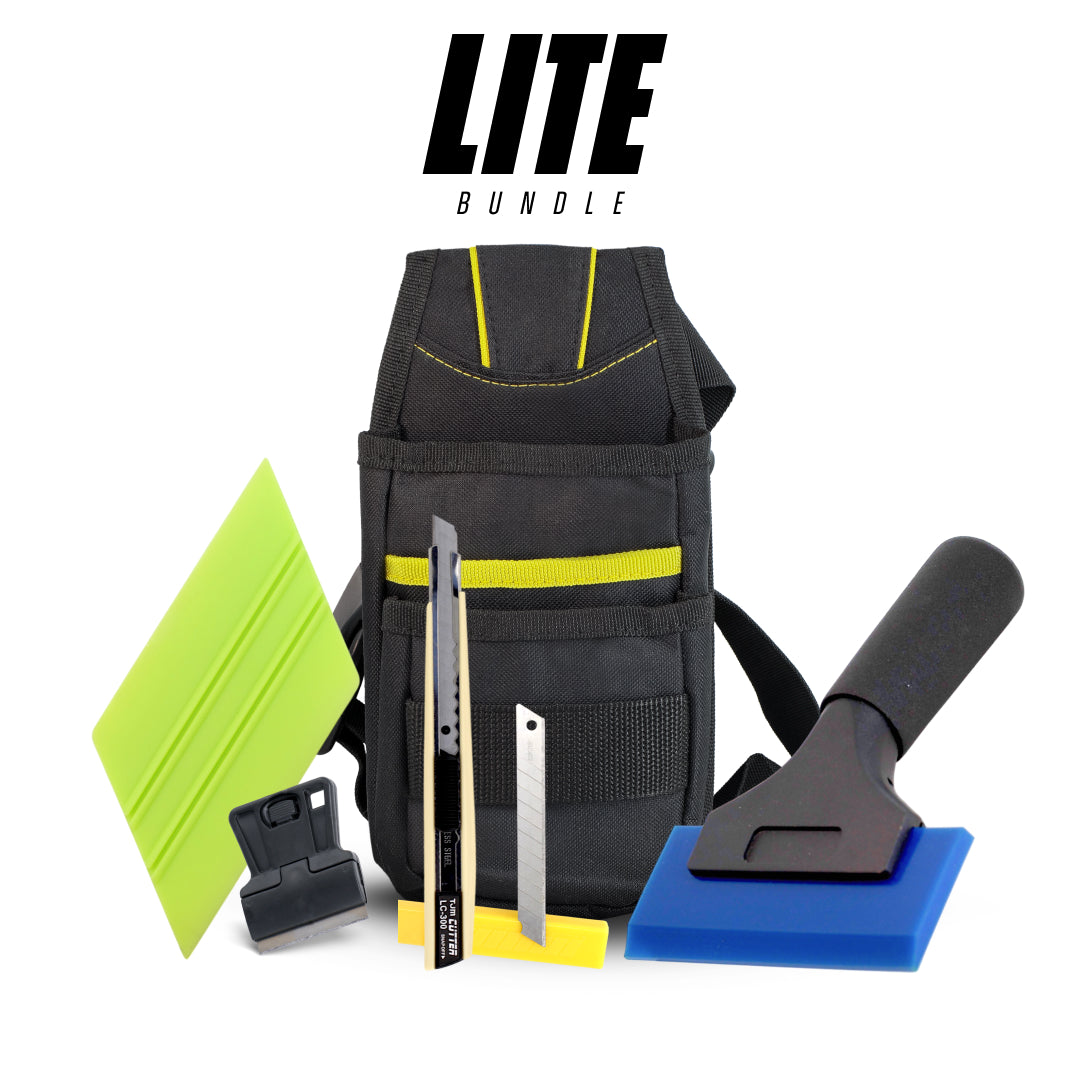
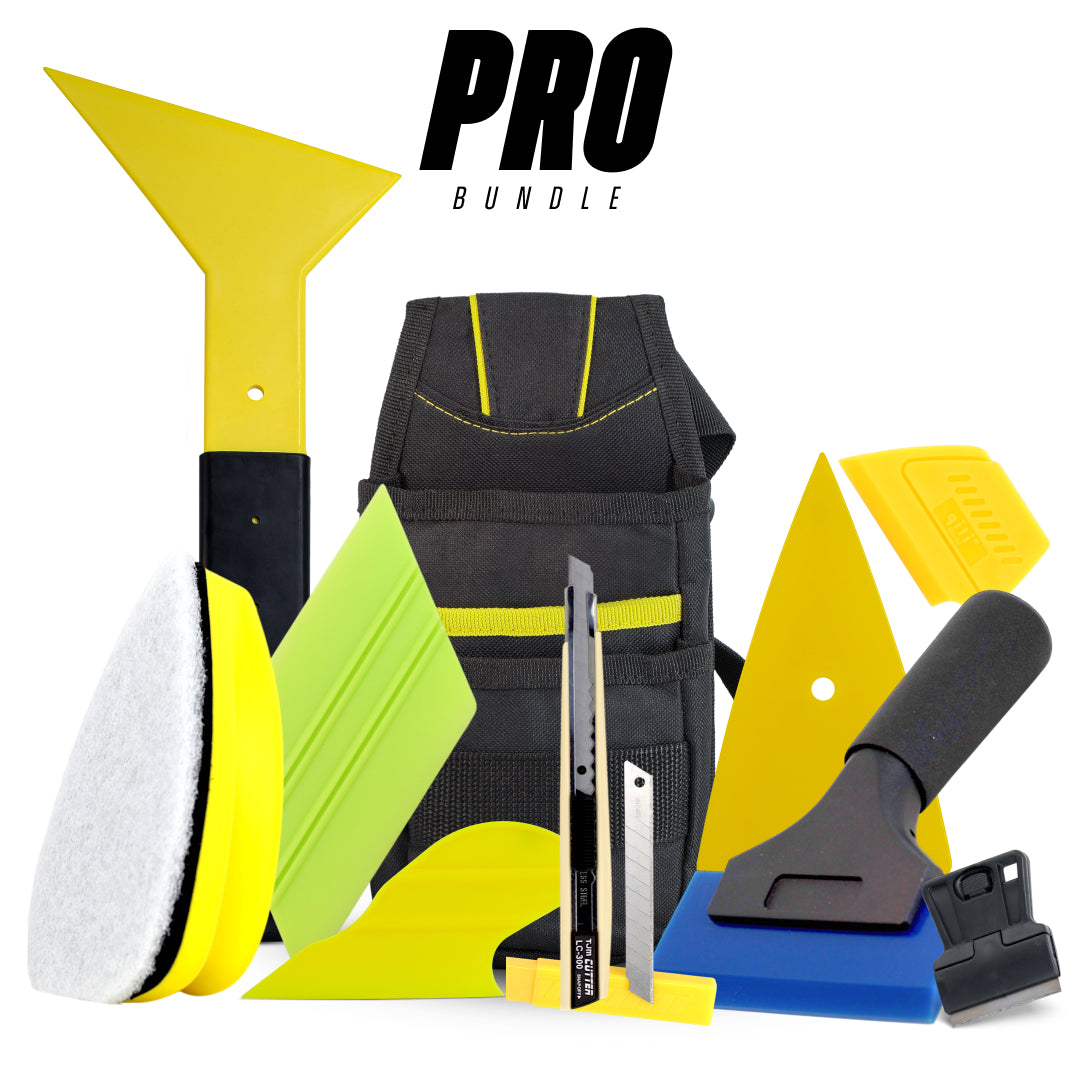
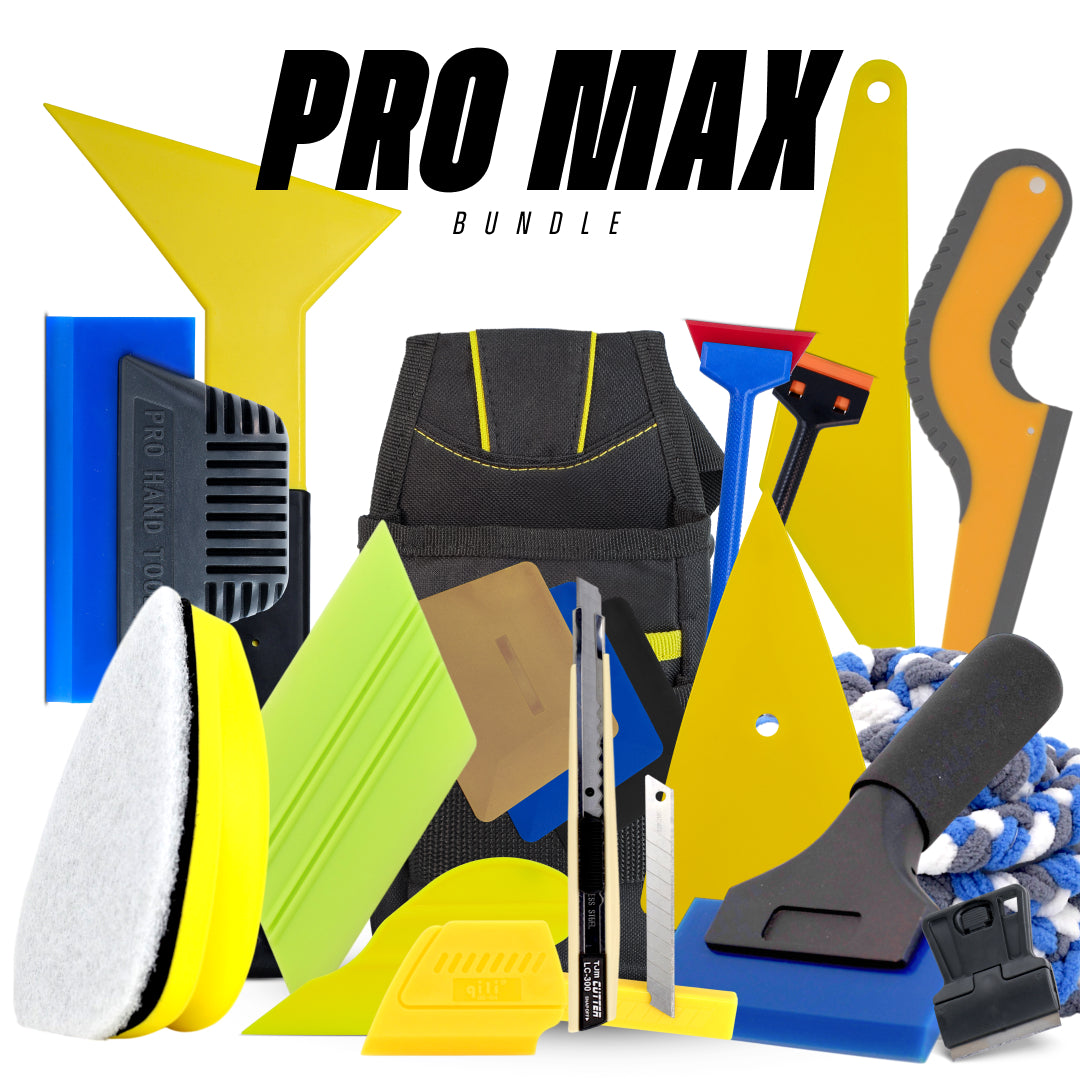
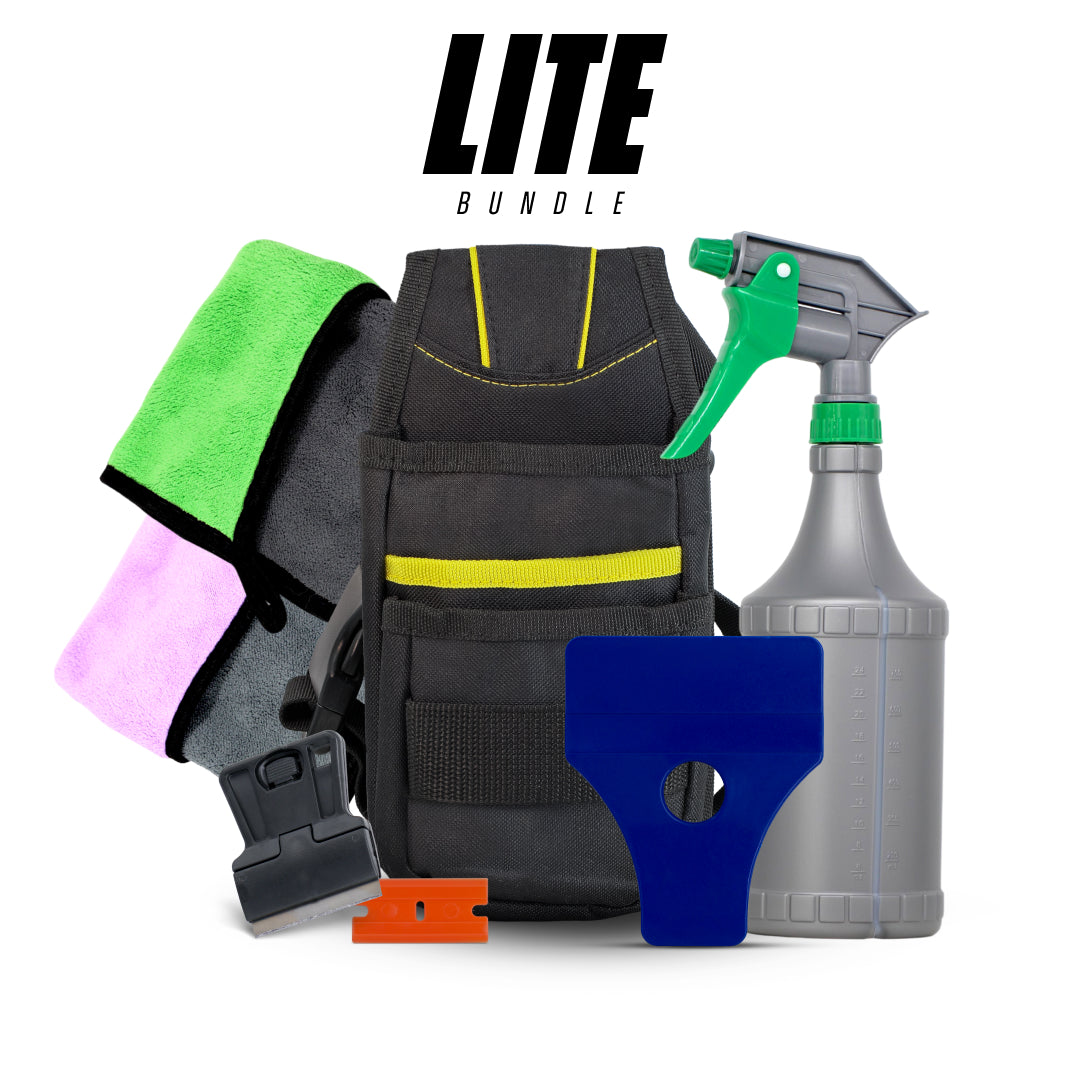
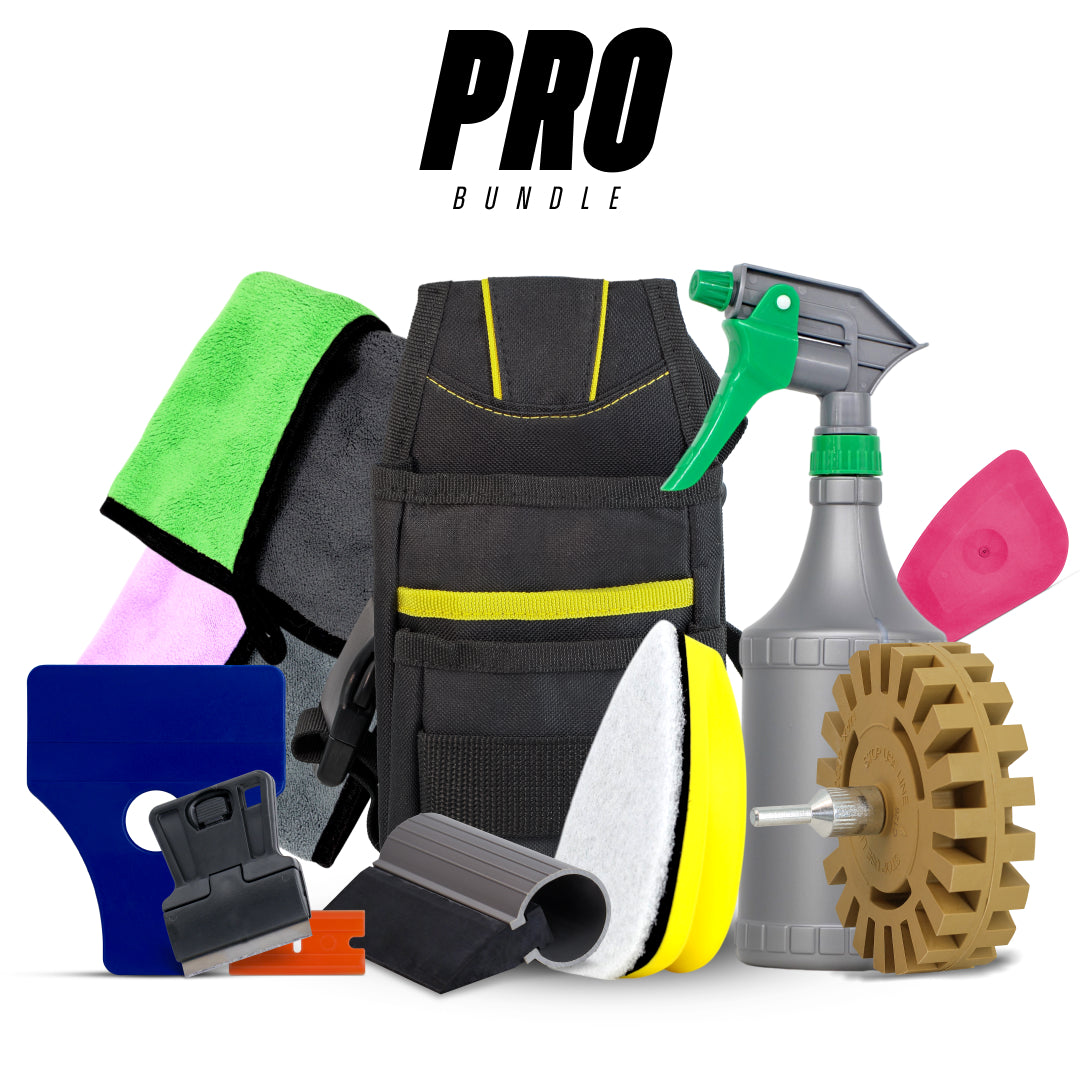
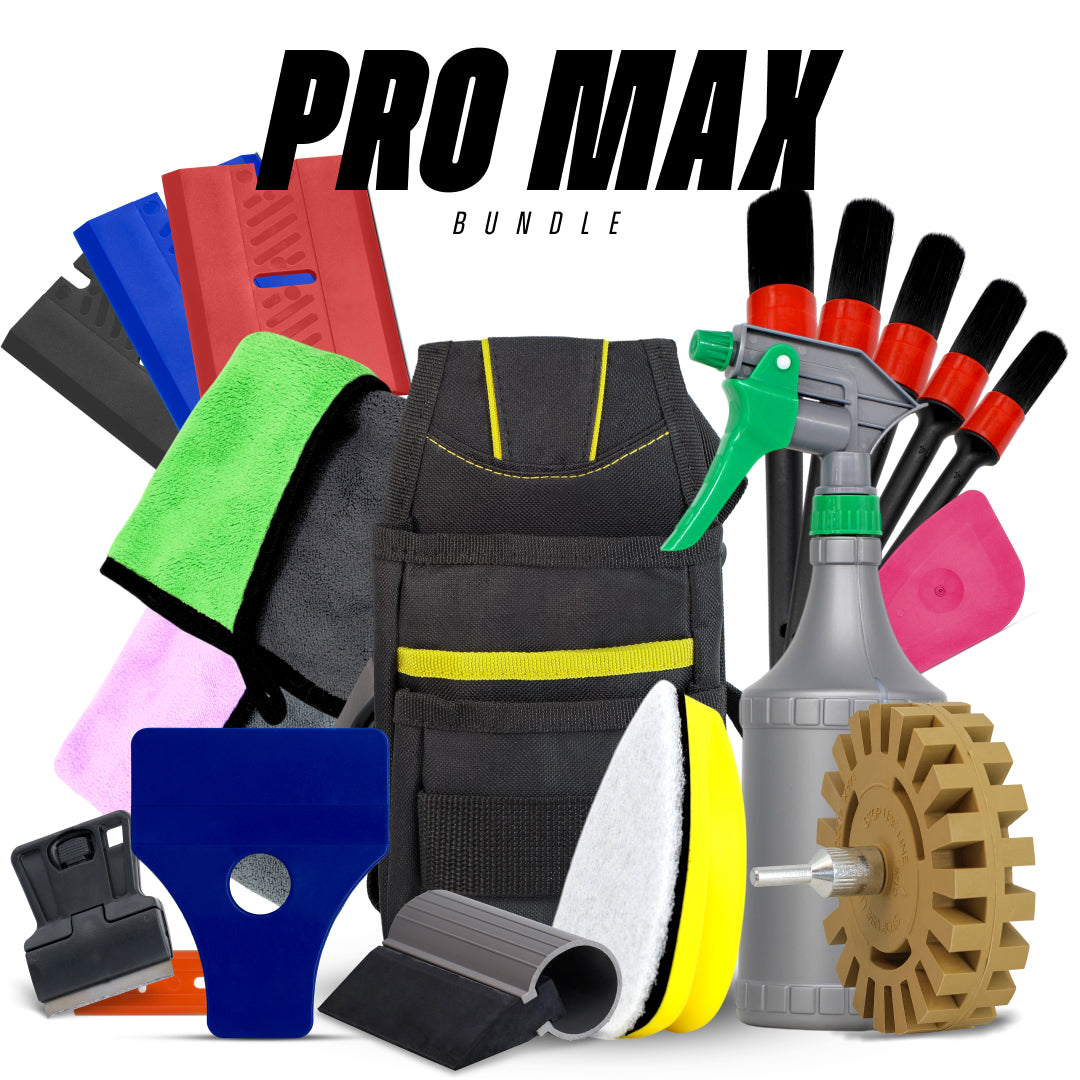
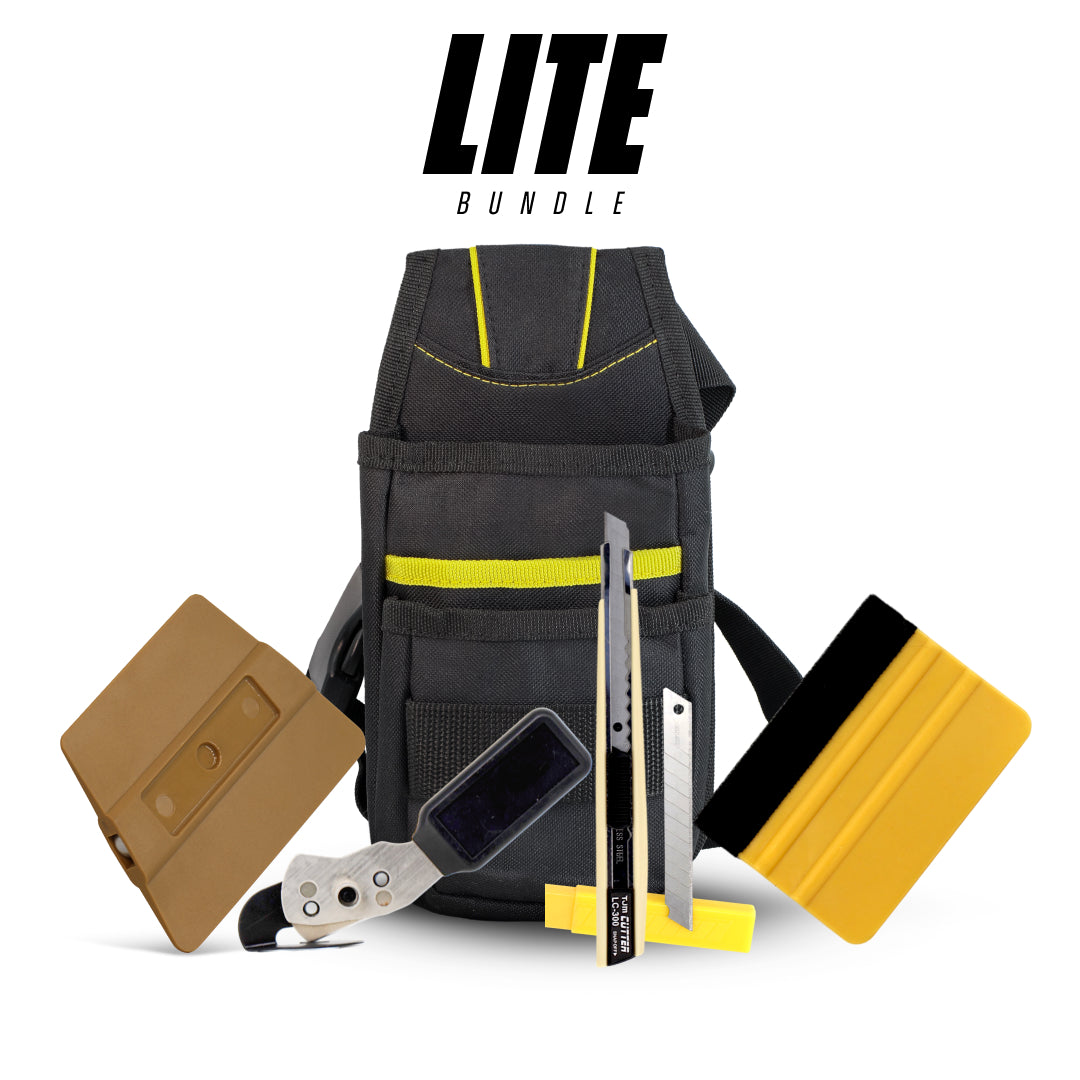
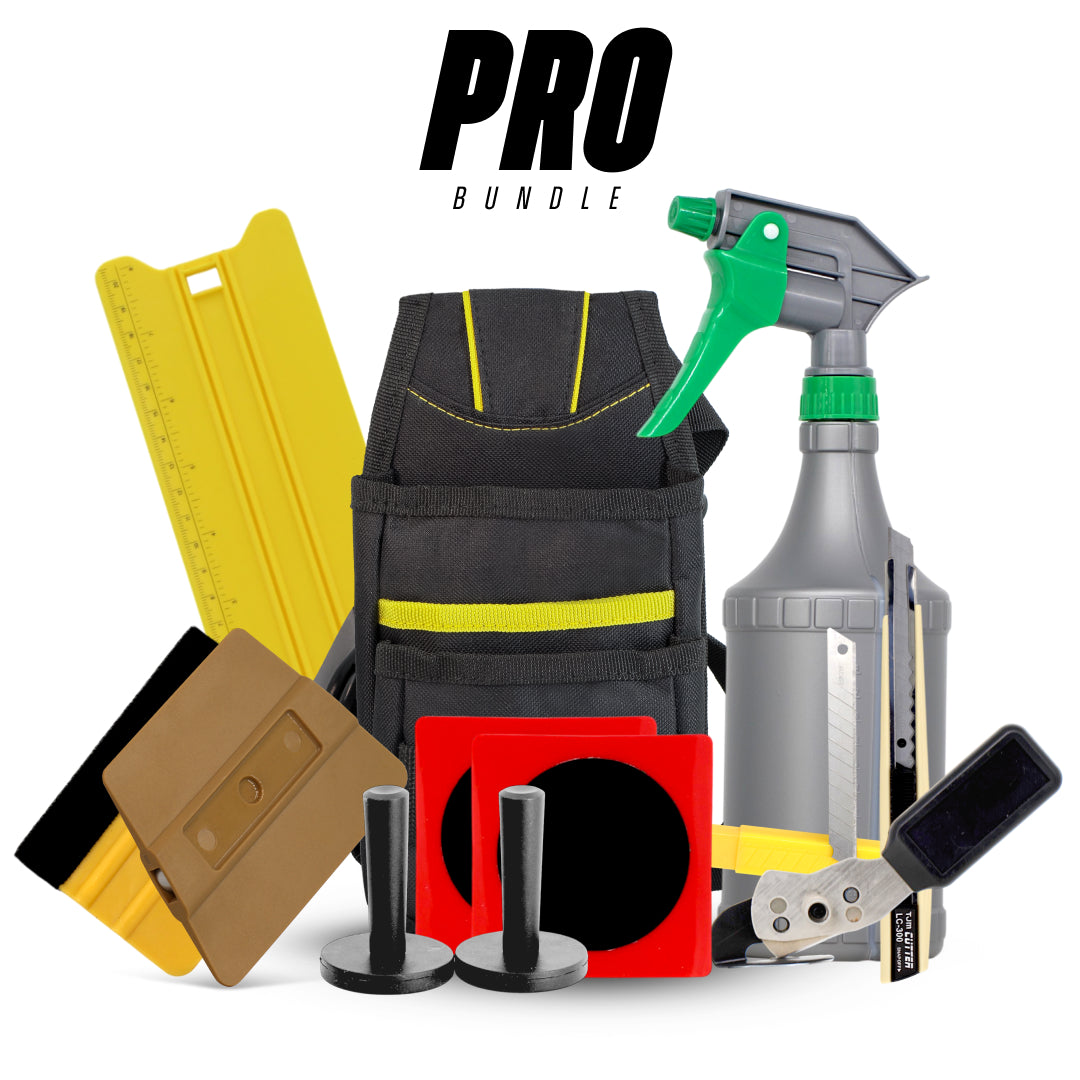
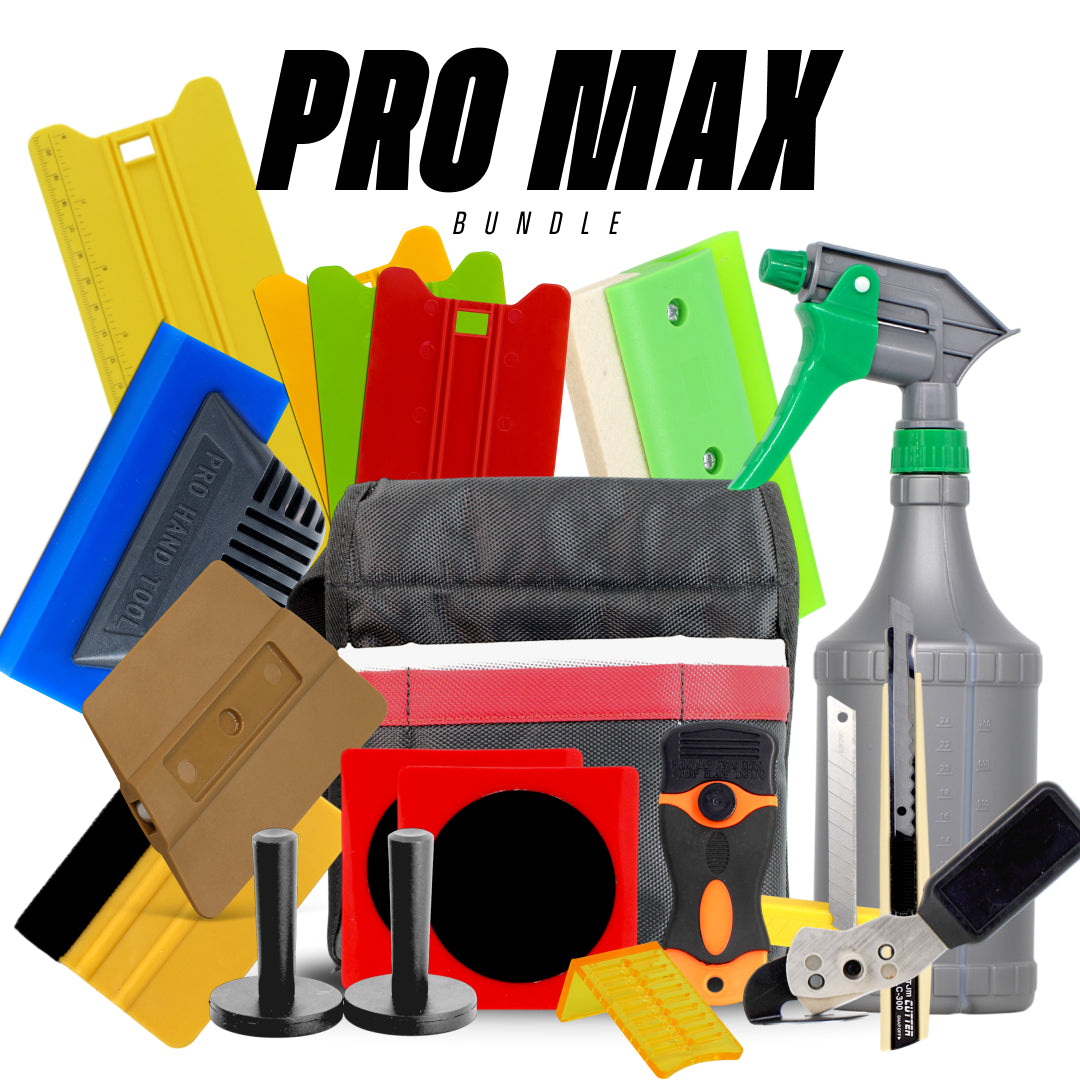
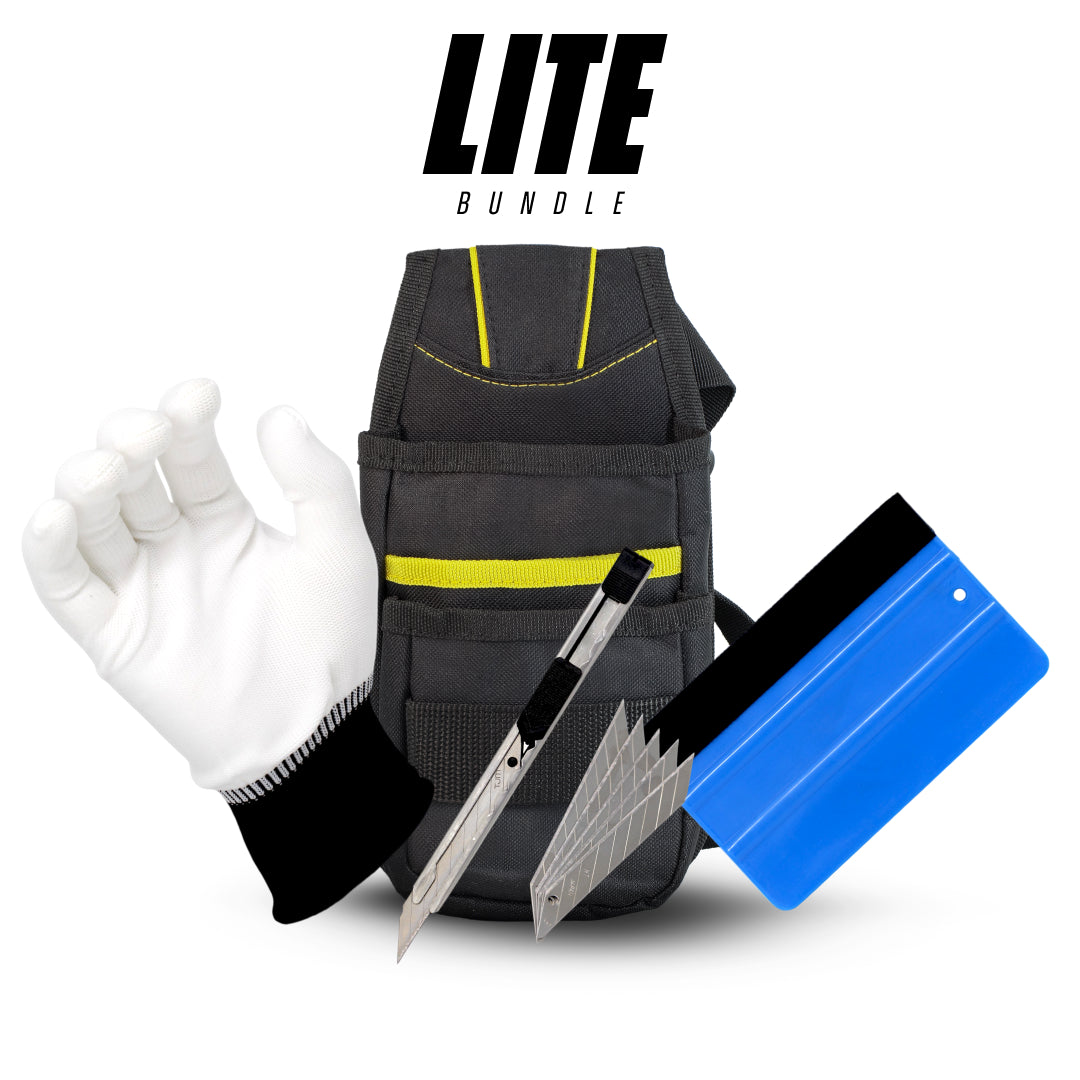
Explore wrap tool kits · Shop install tools
Use the calculator, quote with confidence, and stop guessing at numbers that are easy to actually work out. It's free, it's built for how Australian wrap and signage businesses actually price jobs, and it takes the guesswork out of every quote.