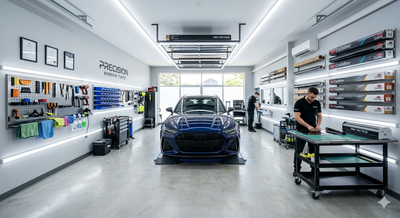




Window tinting has always had a certain appeal. There’s something satisfying about turning clear, exposed glass into sleek, shaded protection. Whether it’s your car sitting under the scorching summer sun or your living room windows baking in the afternoon heat, tinting windows film feels like a practical upgrade. But here we are in 2026, and the big question remains: is DIY window tinting still worth it?
Over the past few years, DIY culture has exploded. People are installing their own flooring, wrapping their cars, and even building backyard offices. Naturally, auto window tinting and house window tint projects have followed the trend. You can now order a car tinting kit or window film tint home package online and have it delivered in two days. With endless tutorials and toolkits labelled “beginner-friendly,” it seems easier than ever.
But is it actually easier? Or just marketed that way?
Professional tint shops, the ones you find when you search “window tinting close to me” or “automotive tint near me”, are still thriving. That alone tells us something. If DIY were flawless, pro tint services wouldn’t be so busy.
The reality is this: window tinting sits in that tricky middle ground. It’s not rocket science, but it’s not slapping on a sticker either. It requires precision, patience, and the right tint tools. One speck of dust can ruin an entire panel. One wrong cut can waste a sheet of expensive automotive window tint.
In this guide, we’re going deep. We’ll break down the tools for tinting windows, real costs in 2026, results you can expect, and when it makes sense to go DIY versus calling a professional tint installer. If you’ve ever wondered whether grabbing a window tint squeegee and doing it yourself is a smart move, you’re in the right place.
If you're considering installing tint yourself, it's important to understand how professional window tint tools improve accuracy, reduce installation errors, and deliver longer-lasting results.
Let’s start with the basics.
What Is Window Tinting? Understanding the Basics
Before we talk about tools and costs, let’s get clear on what window tinting actually is. Because not all window film is created equal.
At its core, window tinting involves applying a thin laminate film to glass surfaces. This film reduces heat, glare, and UV radiation while adding privacy and style. Sounds simple, right? But the performance depends heavily on the type of window film you choose.
There are two main categories: automotive window tint and house window film. While they look similar, they’re engineered differently. Car window tint is designed to handle vibration, curved surfaces, and constant sun exposure. Home window tinting film, on the other hand, focuses more on insulation, energy efficiency, and privacy.
Modern tinting windows film in 2026 often includes advanced materials like ceramic nanoparticles. These films block infrared heat without making the glass extremely dark. That means better visibility with strong protection, something older dyed films couldn’t offer.
Here’s what window film typically provides:
- UV protection (up to 99%)
- Heat reduction
- Glare reduction
- Privacy
- Shatter resistance
- Enhanced aesthetics
You’ll also hear terms like “car windscreen tint” or “one way glass window film.” Windscreen tinting is usually more restricted due to legal limits. One way glass window film allows you to see out during daylight while preventing outsiders from seeing in, popular for both vehicles and homes.
Understanding these basics matters because your results depend entirely on the film type. A cheap roll from an unknown brand won’t perform like a premium ceramic automotive tint. And that difference shows up not just in comfort, but in longevity too.
Think of window tint like sunscreen for glass. You can buy a $5 bottle or a dermatologist-grade formula. Both work, but one works better and lasts longer.
For beginners looking for an all-in-one solution, complete window tint kits provide the essential tools needed to attempt a DIY installation without sourcing items individually.
Now let’s explore the types of tint available in 2026.
Types of Window Tint Available Today

Walk into any auto shop or browse online, and you’ll quickly realise there’s no such thing as “just window tint.” The variety can feel overwhelming. So what are your real options in 2026?
Dyed Window Film
This is the budget-friendly option. Dyed film absorbs solar heat and reduces glare. It gives that classic dark look that many people want for their car tint. However, it tends to fade over time. If you’re doing DIY window tinting on a tight budget, this is usually the entry point.
Metalised Automotive Tint
Metalised films contain tiny metallic particles that reflect heat. They’re more durable than dyed film and resist scratches better. The downside? They can interfere with GPS, phone signals, and radio reception. Not ideal for tech-heavy vehicles.
Ceramic Car Window Tint
Ceramic tint is the premium choice in 2026. It blocks heat using non-metallic ceramic particles. No signal interference. Superior clarity. Long-lasting colour stability. It’s more expensive, but the performance is impressive. If you’re serious about DIY auto window tinting, ceramic film gives you professional-level results if installed correctly.
One Way Glass Window Film
Popular in both homes and offices, this film creates daytime privacy. It’s perfect for house window tinting projects where privacy is key. However, at night with lights on inside, the effect reverses.
Headlight Tint
Yes, even headlights get tinted now. Headlight tint adds a smoked look to vehicles. It’s mostly aesthetic but must be installed carefully to avoid reducing visibility or breaking local regulations.
Choosing the right window film is like choosing paint for a wall. The finish, durability, and look all depend on what you pick. Go cheap, and you may redo it in two years. Go premium, and it might last a decade.
One of the most critical tools in any DIY setup is a quality squeegee, as professional tint squeegees help remove slip solution evenly and minimise streaking or trapped moisture.
But even the best film won’t save you from poor installation. That’s where tools and skills come into play.
Installer tip
If attempting DIY tinting, invest in quality tools rather than relying on the cheapest kit available. A good squeegee, sharp precision blade, controlled heat gun, clean workspace, and proper surface preparation can significantly reduce bubbles, creases, contamination, and wasted film.
DIY vs Professional Tint: What’s the Real Difference?
Let’s be honest, this is where the real debate begins. Anyone can buy a car tinting kit. Not everyone can make it look like a professional tint job. So what actually separates DIY window tinting from pro tint services in 2026?
First, let’s talk skills. Professional installers apply automotive window tint every single day. They’ve handled curved rear windshields, tight door seals, frameless windows, and delicate car windscreen tint applications. They know how film behaves in different temperatures. They know how much pressure to apply with a window tint squeegee. That experience matters more than most people expect.
When you go DIY, you’re learning on the fly. Even with YouTube tutorials and step-by-step guides, the first attempt often comes with bubbles, creases, or slight misalignments. And here’s the thing: window film isn’t forgiving. If it folds onto itself, it can permanently crease. If dust sneaks under it, that speck will stare at you every time the sun hits the glass.
Now let’s talk tools. Professionals use commercial-grade tint window tools, high-quality squeegees, precision blades, heat guns with controlled output, slip solutions, and specialised lighting to spot imperfections. Most DIY car tinting tools are decent, but not elite. That difference shows in the final finish.
Then there’s warranty. A professional tint shop typically offers a multi-year or even lifetime warranty covering peeling, bubbling, or discolouration. DIY film? You’re on your own. If it fails, you redo it.
But here’s the flip side: cost and control. DIY auto window tinting gives you full control over material selection and timeline. You can choose ceramic film, install it on your schedule, and potentially save hundreds of dollars.
So what’s the real difference?
Professional tint = experience, warranty, flawless finish
DIY tint = savings, learning curve, variable results
It’s like cutting your own hair. Some people pull it off. Some regret it immediately.
Clean trimming around seals and edges requires precision cutting blades designed specifically for film application work.
Tools for Tinting Windows: What You Actually Need
If you’re serious about DIY window tinting in 2026, tools are everything. Not optional. Not “nice to have.” Essential.
A basic car tinting kit usually includes pre-cut film, a small squeegee for window tint, and a utility blade. That might work for flat side windows. But if you want clean, professional-looking results, you’ll need more than the bare minimum.
Here’s a realistic checklist of window tinting tools:
Essential Tint Tools
- High-quality window tint squeegee (multiple sizes help)
- Spray bottle with slip solution (water + baby shampoo works)
- Heat gun (critical for curved automotive glass)
- Sharp precision blades
- Microfiber cloths
- Hard card or edge tool
- Lint-free towels
- Razor scraper (for cleaning old adhesive)
Optional but Helpful Tools
- LED inspection light
- Magnetic film holders
- Edge trimming guides
- Protective gloves
The squeegee is the star of the show. It removes water and air between the glass and film. Cheap ones leave streaks. Professional-grade squeegees apply even pressure and reduce bubble risk.
The heat gun is especially important for auto window tinting. Rear windshields are curved, and automotive window tint must be heat-shrunk to conform properly. Without heat shaping, you’ll get “fingers”, those annoying raised lines that refuse to lie flat.
And let’s talk cleanliness. Dust is your enemy. Installing tint outdoors on a windy day? Risky. A garage is better. A closed, clean workspace is best.
In short, tools for tinting windows aren’t expensive individually, but cutting corners can cost you in ruined film. And wasted film equals wasted money.
Proper surface preparation is non-negotiable, making professional cleaning tools critical for preventing dust contamination and adhesion failure.
Common mistake
The biggest mistake is assuming that buying a tint kit makes installation easy. Poor preparation, rushed trimming, insufficient heat-shrinking, contamination, or using low-quality tools can ruin the film and eliminate the savings you expected from doing the job yourself.
Cost Breakdown: DIY Window Tinting in 2026

Now we’re getting to the question most people care about: what does DIY window tinting really cost in 2026?
Let’s break it down in a simple, realistic way, no charts, no fluff.
Car Window Tint (DIY Costs)
If you’re tinting your own vehicle, your total cost depends mainly on the type of automotive window tint you choose and whether you already own the necessary tinting tools.
For a full car using standard dyed film, you can expect to spend roughly $60 to $120 for the film itself. If you upgrade to ceramic automotive tint, which offers better heat rejection and a longer lifespan, the cost typically ranges from $150 to $300.
Then come the tools. A decent set of car tinting tools, including a window tint squeegee, precision blade, spray bottle, and edge tools, usually costs between $40 and $120, depending on quality. If you don’t already own a heat gun (which is essential for shrinking film on curved rear windows), add another $30 to $80.
So what does that mean overall?
A basic budget DIY setup will likely cost between $100 and $180.
A premium ceramic DIY setup may range from $250 to $450.
And that’s assuming everything goes smoothly. If you miscut film or get contamination under the surface and need to redo a panel, you’ll need to purchase additional film, which increases the total cost.
Home Window Tinting (DIY Costs)
If you’re installing house window film, pricing works a bit differently because it’s usually calculated per square foot.
Most residential window film costs between $2 and $6 per square foot, depending on whether you choose basic privacy film, solar control film, or higher-end options like one way glass window film.
Basic tint tools for home installation, such as a squeegee for window tint, a spray bottle, a scraper, and microfiber cloths, typically cost $30 to $80.
For an average living room with multiple windows, most homeowners spend somewhere between $150 and $400, depending on window size and film quality.
Compared to hiring a professional tint service, DIY can offer noticeable savings, but only if you get the installation right the first time.
Beyond basic squeegees, serious DIY installers often rely on specialised tint install tools that improve control when working around tight window seals.
Professional Tint Costs in 2026
When you search “automotive tint near me” or “vehicle tint near me,” prices can vary based on location and film quality.
Auto Window Tinting (Professional)
Dyed film: $250–$400
Mid-range film: $400–$600
Ceramic tint: $600–$900+
Luxury vehicles and large SUVs can go even higher.
House Window Tinting (Professional)
$6–$15 per square foot installed
Whole home: $800–$3,000+
Why the jump in price? Labour, warranty, expertise, and overhead. You’re paying for precision and long-term reliability.
So yes, DIY can save you $200–$600 on a car and potentially over $1,000 on a home. But only if you get it right the first time.
Results: What to Expect from DIY Tint
Let’s talk reality. Not marketing. Not best-case Instagram photos. Real outcomes.
If you’re patient, careful, and working in a clean environment, DIY window tinting can look very good. Many enthusiasts achieve impressive results on side windows.
But common issues include:
- Tiny dust bubbles
- Slight edge lifting
- Uneven shrinkage on the rear glass
- Over-trimming gaps
- Contamination lines
These imperfections might not bother everyone. From a distance, your car tint could look fantastic. Up close? Maybe not perfect.
Longevity depends on film quality and installation precision. Cheap dyed film might last 2–4 years. High-quality ceramic film can last 8–10 years if installed correctly.
One big factor people overlook? Removal. If your tint fails, you’ll eventually ask: “How do I get window tint off?” And removal can be messy and time-consuming, especially if adhesive bakes onto glass.
DIY results range from “surprisingly great” to “I should’ve gone pro.” There’s rarely a middle ground.
Many installers who begin with tint eventually expand into paint protection, where PPF tools are required to handle thicker films and painted surfaces.
When DIY Window Tinting Makes Sense
DIY window tinting makes sense if:
- You enjoy hands-on projects
- You have a clean indoor workspace
- You’re tinting flat windows (home or simple car windows)
- You’re okay with minor imperfections
- You want to save money
House window film projects are often easier because residential glass is flat. No complex curves. No rubber seals are squeezing the film.
Smaller vehicles also help. Large SUVs with massive curved rear windows? Much harder.
If you’re detail-oriented and patient, DIY can absolutely be worth it.
When You Should Search “Window Tinting Close to Me”
There are times when professional tint is the smarter move.
- New luxury vehicles
- Complex rear windshields
- Car windscreen tint installations
- You want warranty coverage
- You demand a flawless finish
Professional tint shops also handle legal compliance. They know the local regulations for car windscreen tint darkness levels.
If resale value matters, professional tint often pays for itself.
How Do I Get Window Tint Off? Removing Old Film
Removal is where many DIYers struggle.
Here’s the simplified process:
- Heat the tint with a heat gun or steamer.
- Peel slowly from a corner.
- Spray adhesive remover.
- Scrape residue carefully.
- Clean thoroughly.
Mistakes include using sharp blades on defroster lines (which can damage them) and leaving adhesive haze behind.
Removing old tint can take 1–3 hours per vehicle. Sometimes longer than the installation itself.
Automotive Window Tint vs House Window Film
Car tint faces:
- Heat cycling
- Vibration
- Curved glass
- Strict legal limits
Home window tinting film faces:
- Sun exposure
- Energy efficiency demands
- Privacy needs
House window film is generally easier to install, but it must be measured precisely. Automotive tint requires heat shrinking and more advanced tinting tools.
For those offering broader automotive services, vehicle wrapping tools allow installers to work across tint, vinyl, and protection applications.
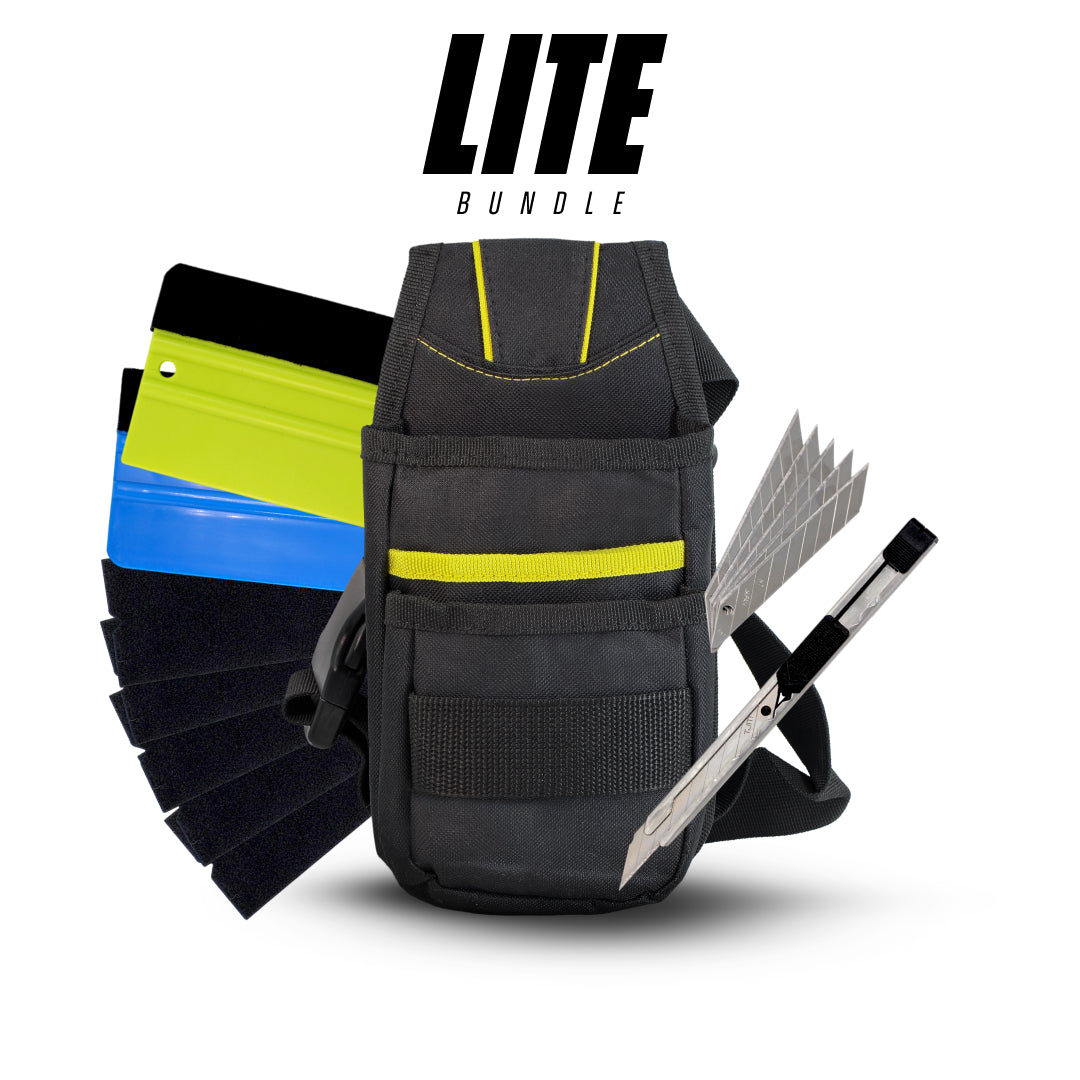
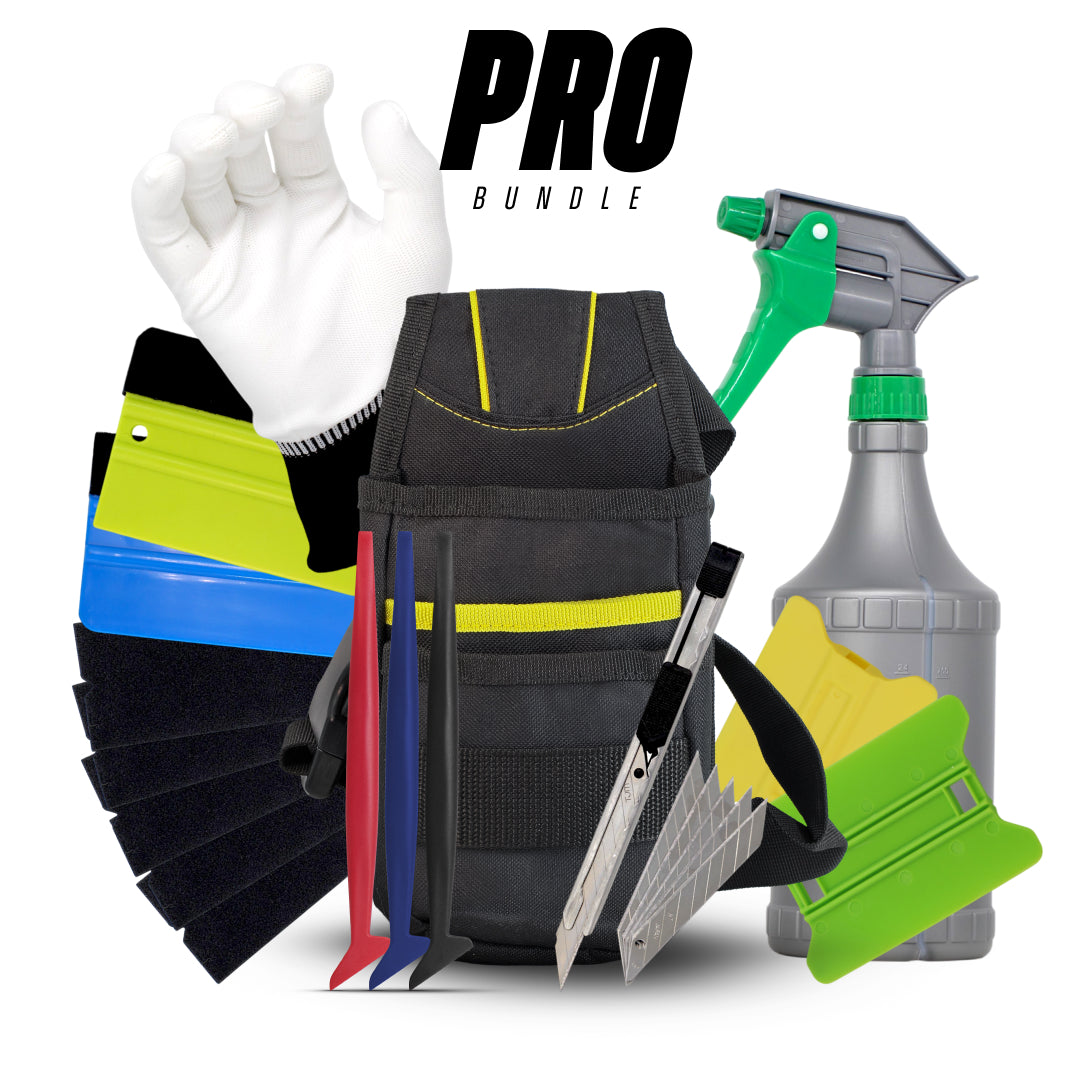
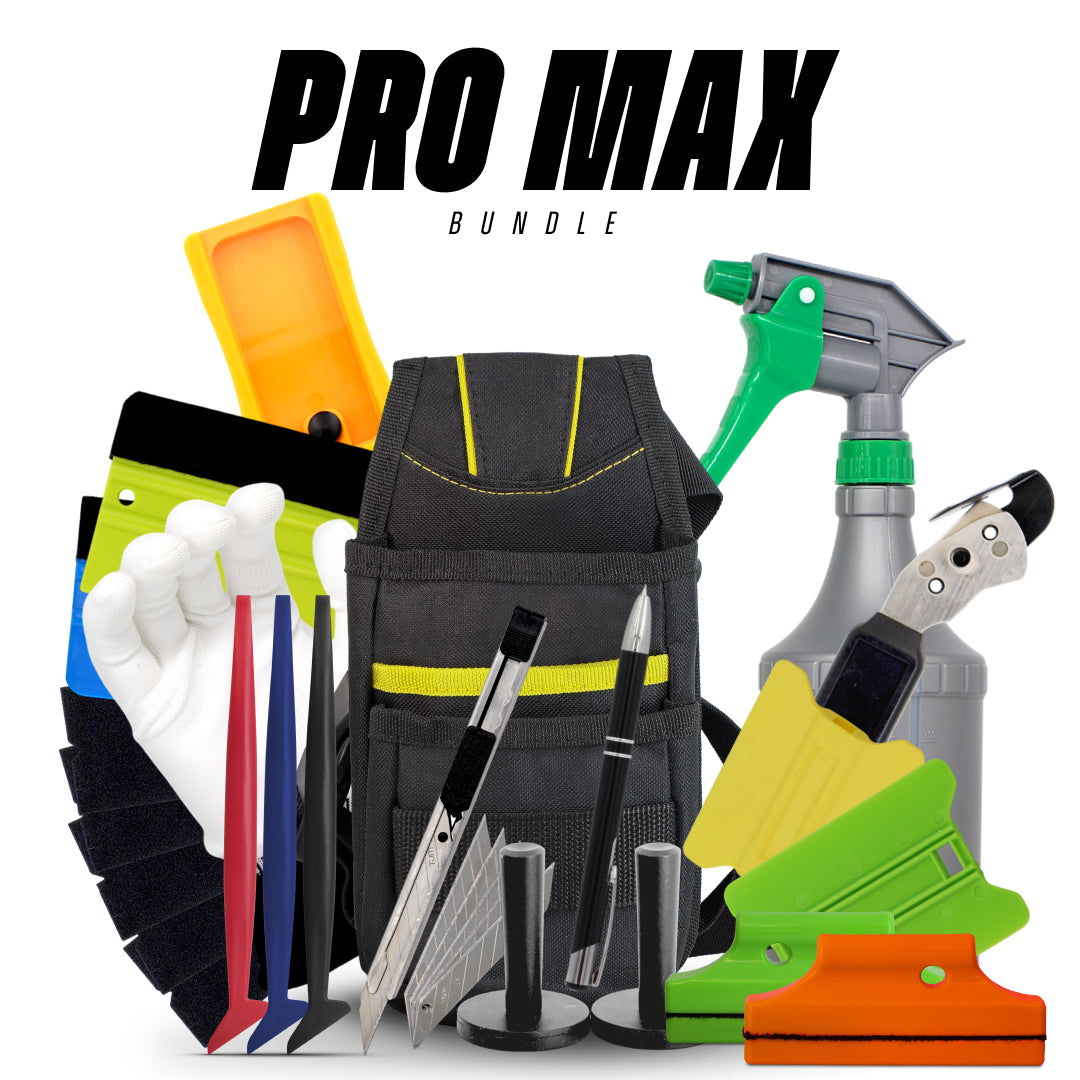
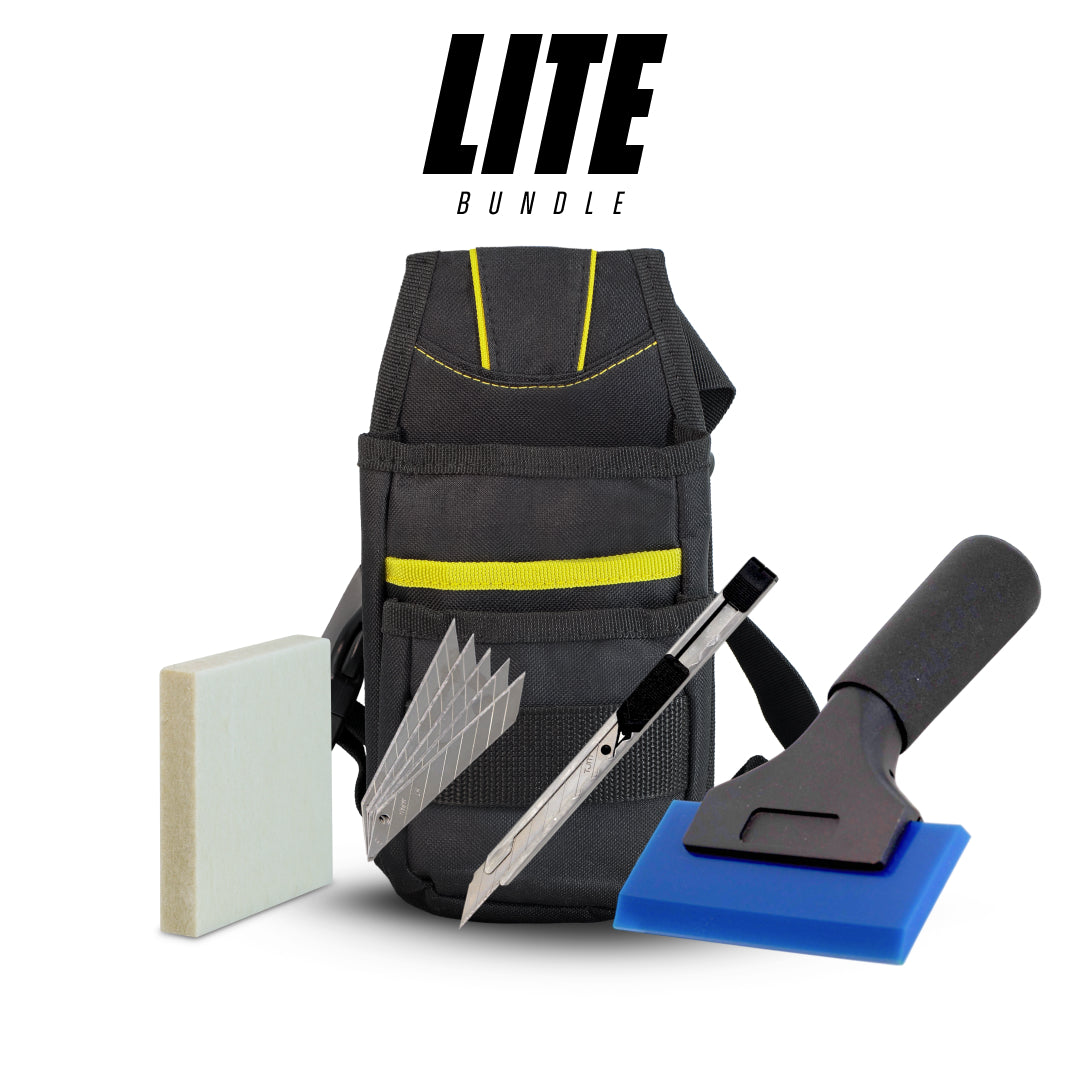
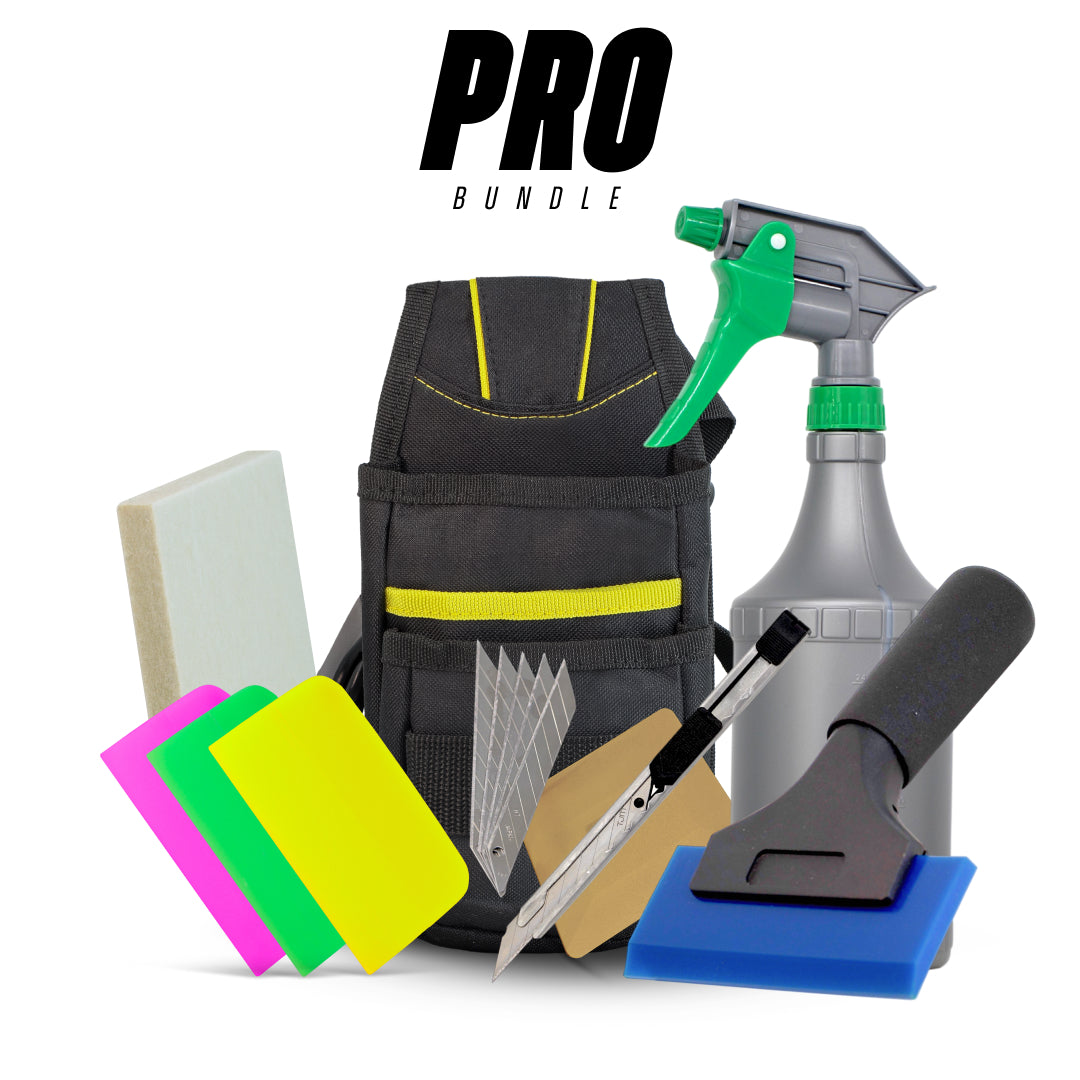
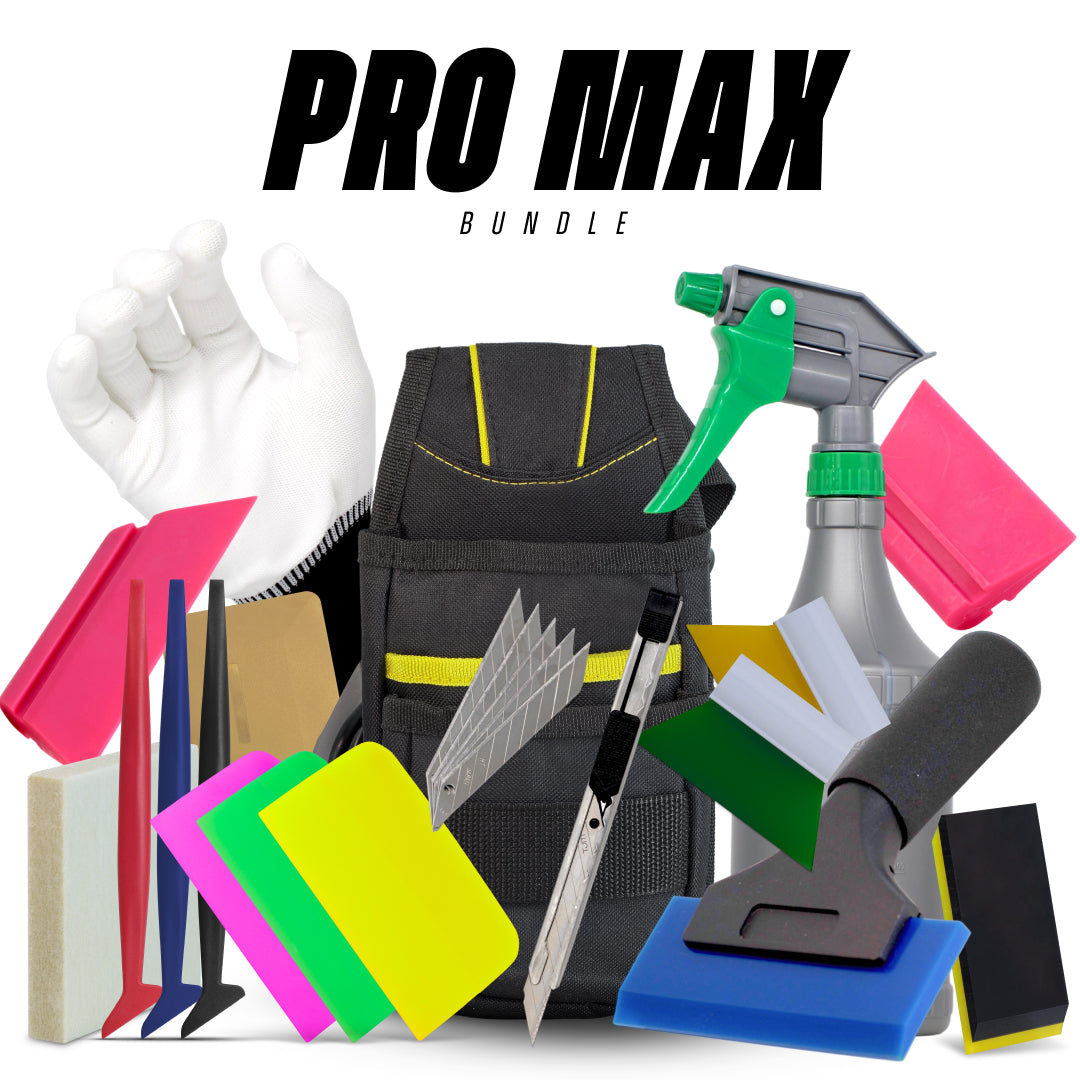
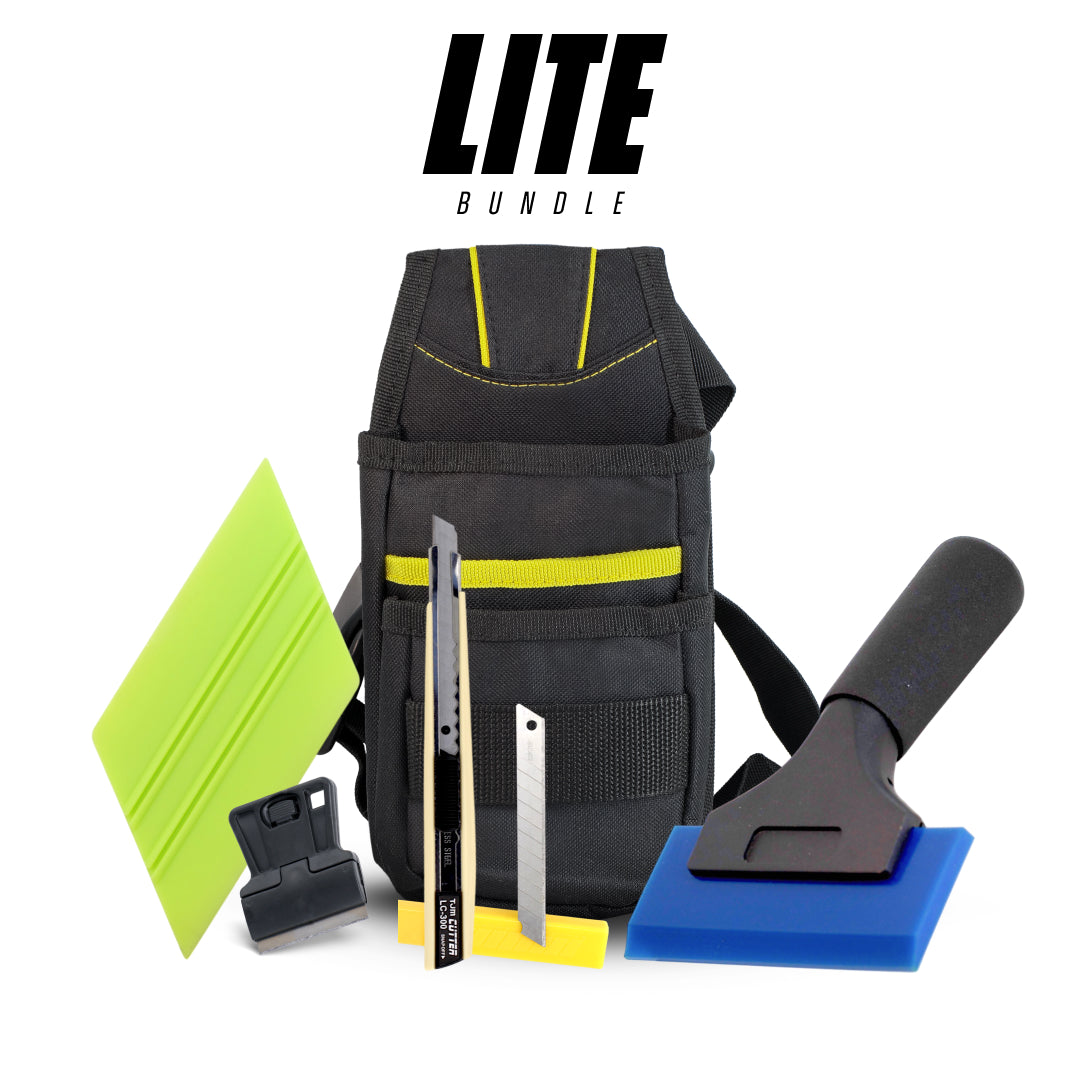
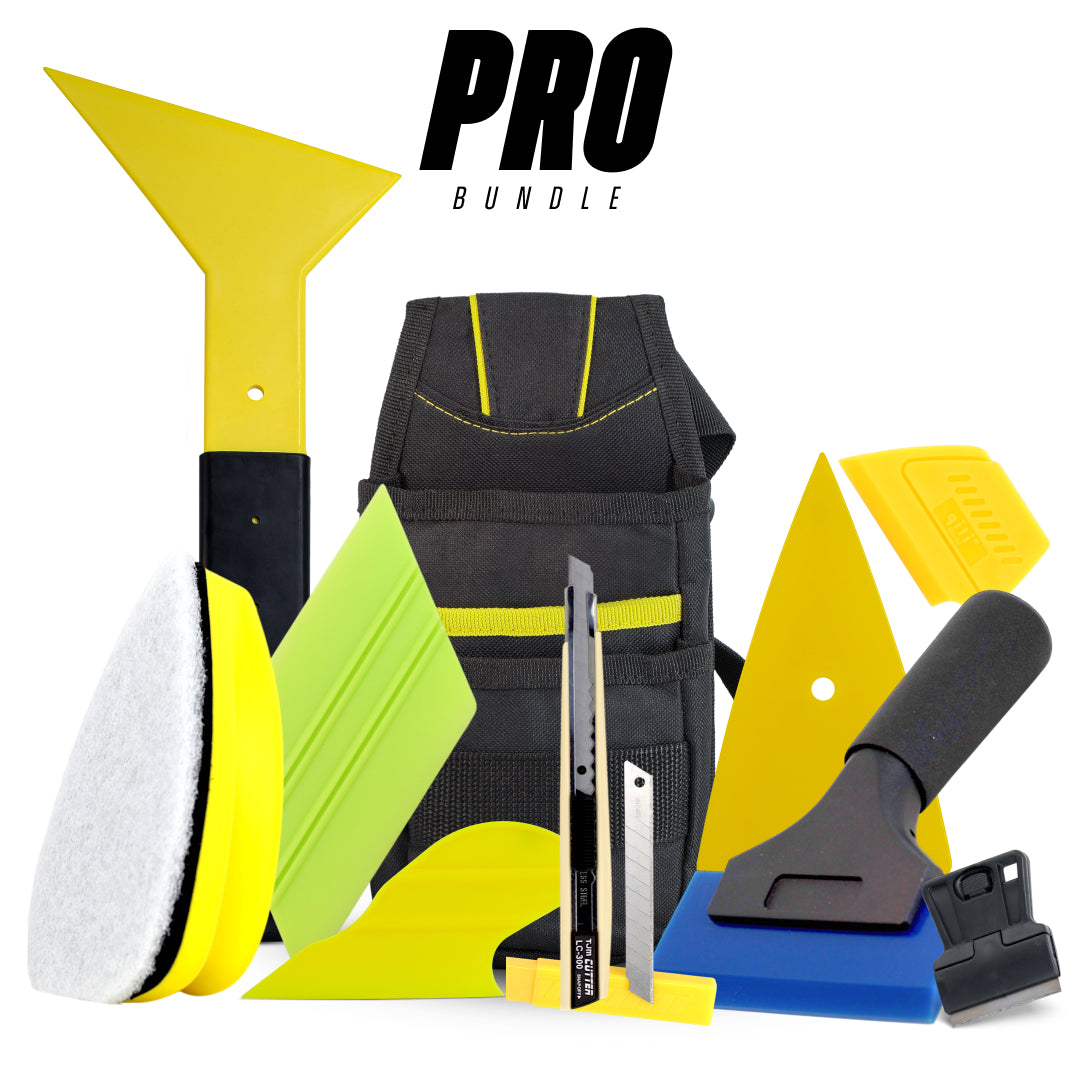
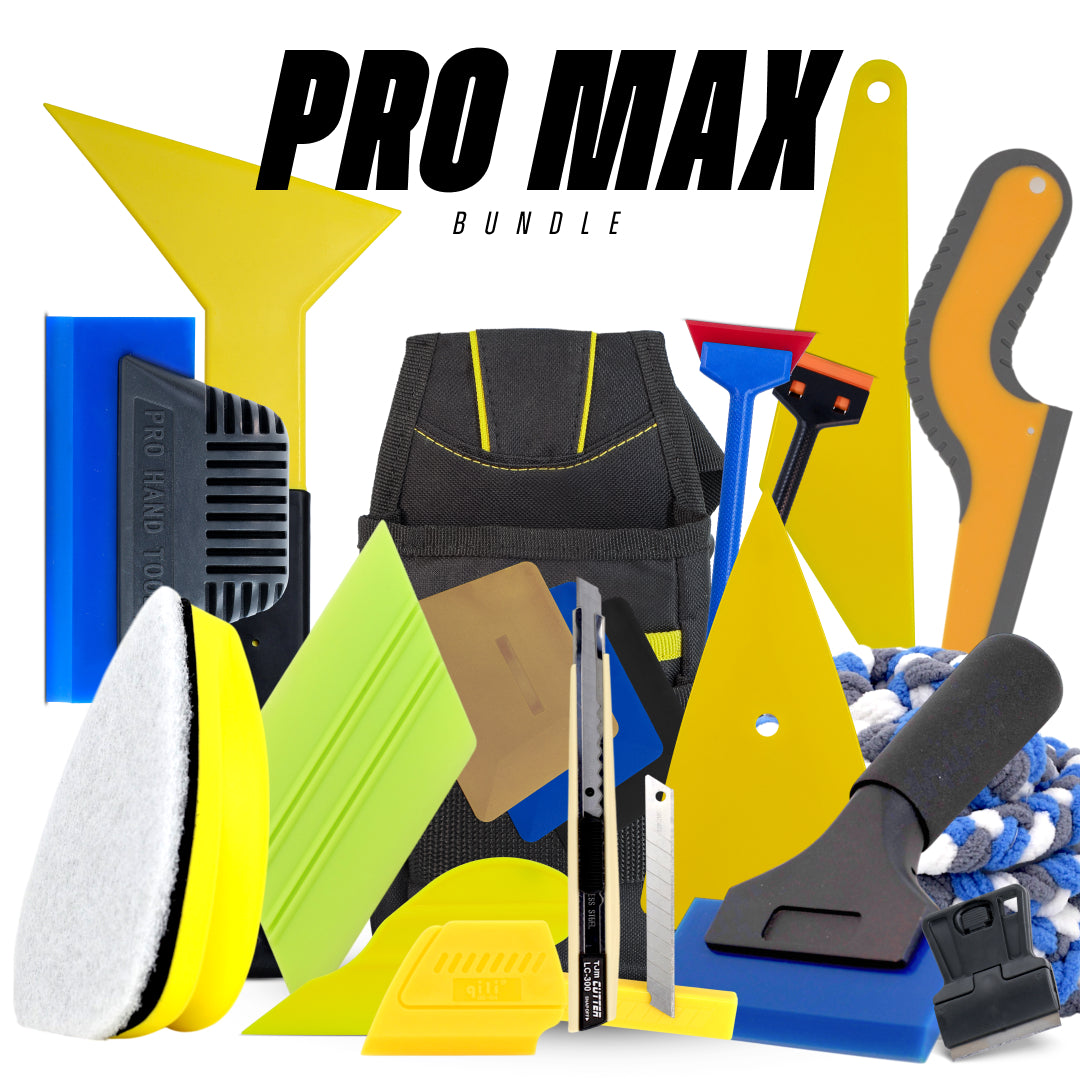
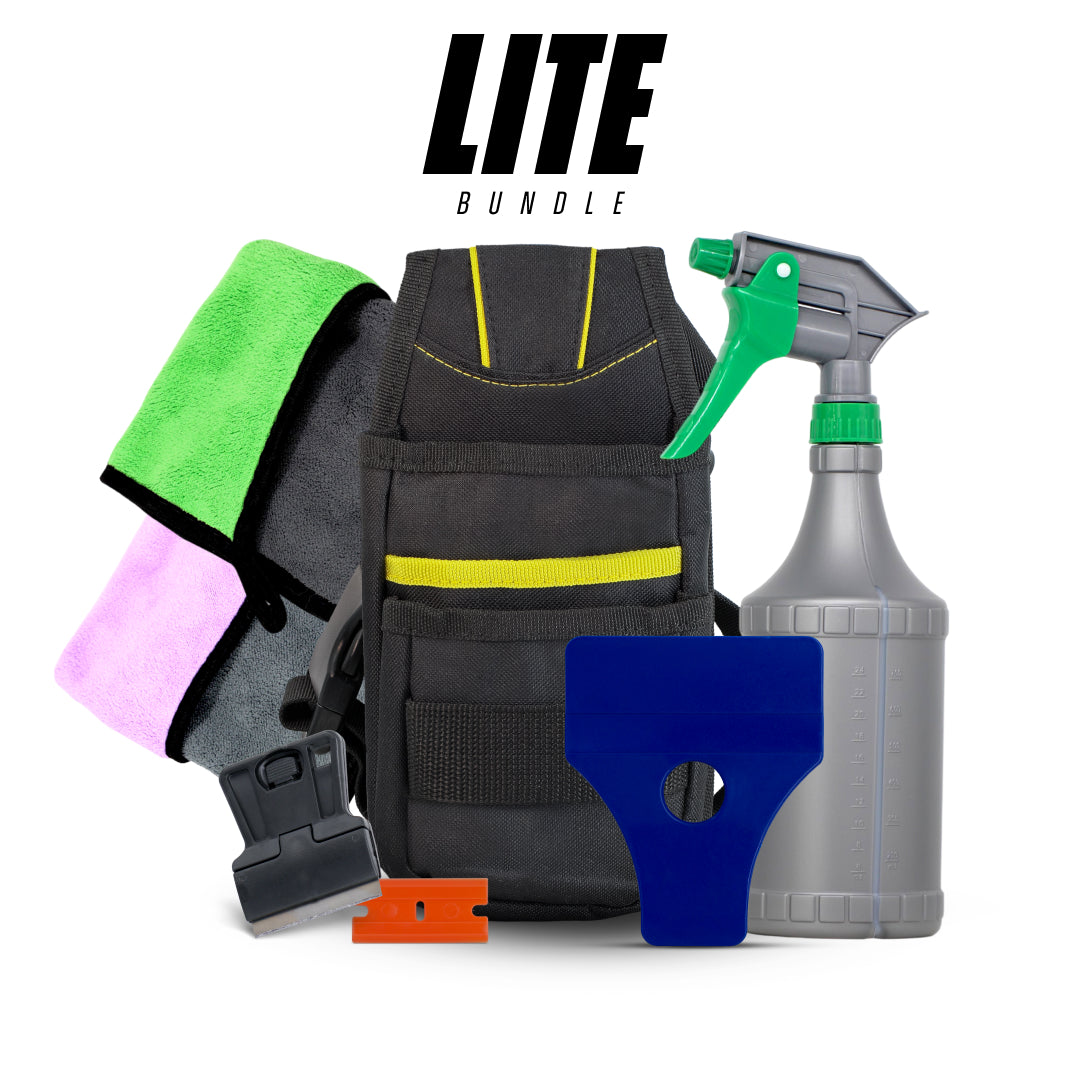
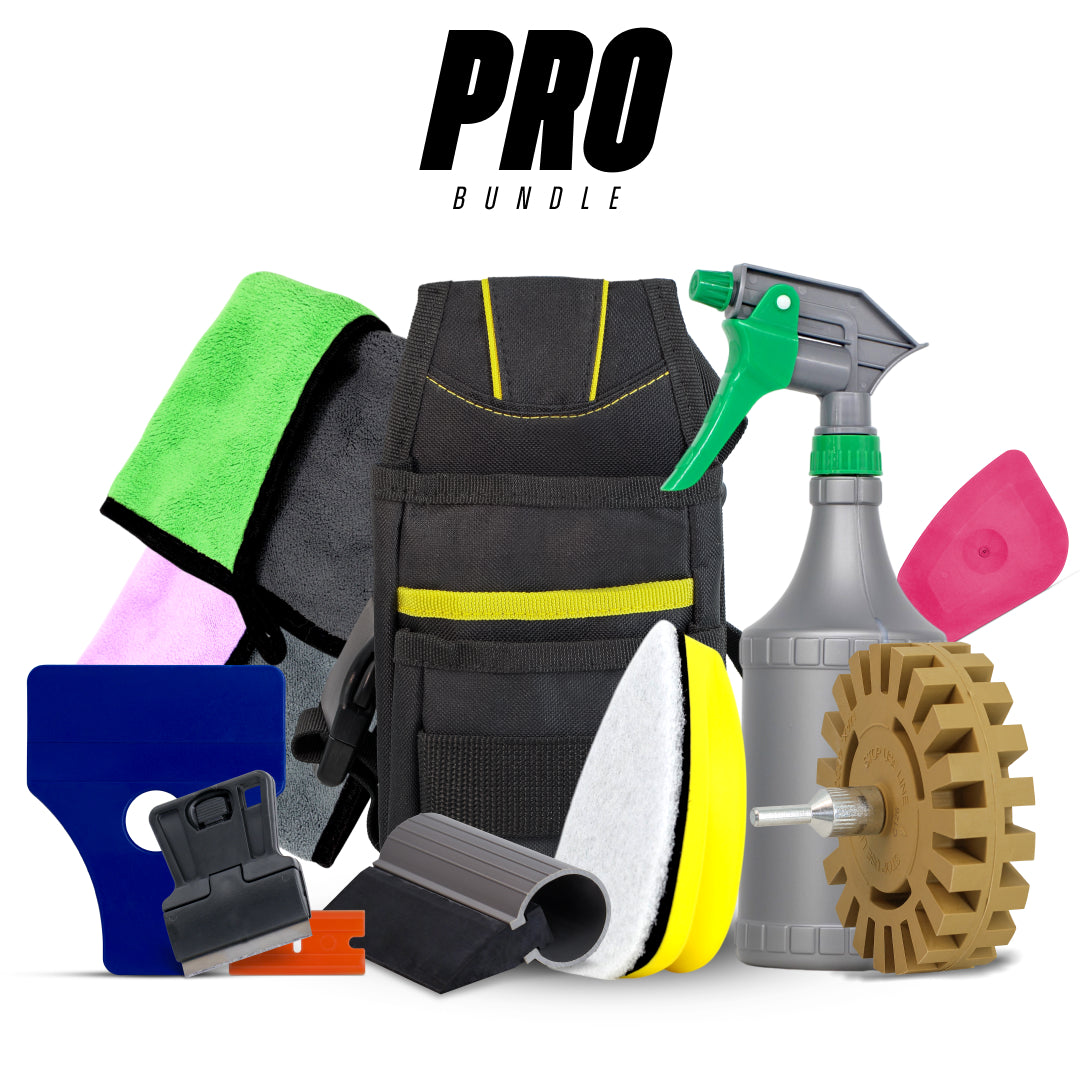
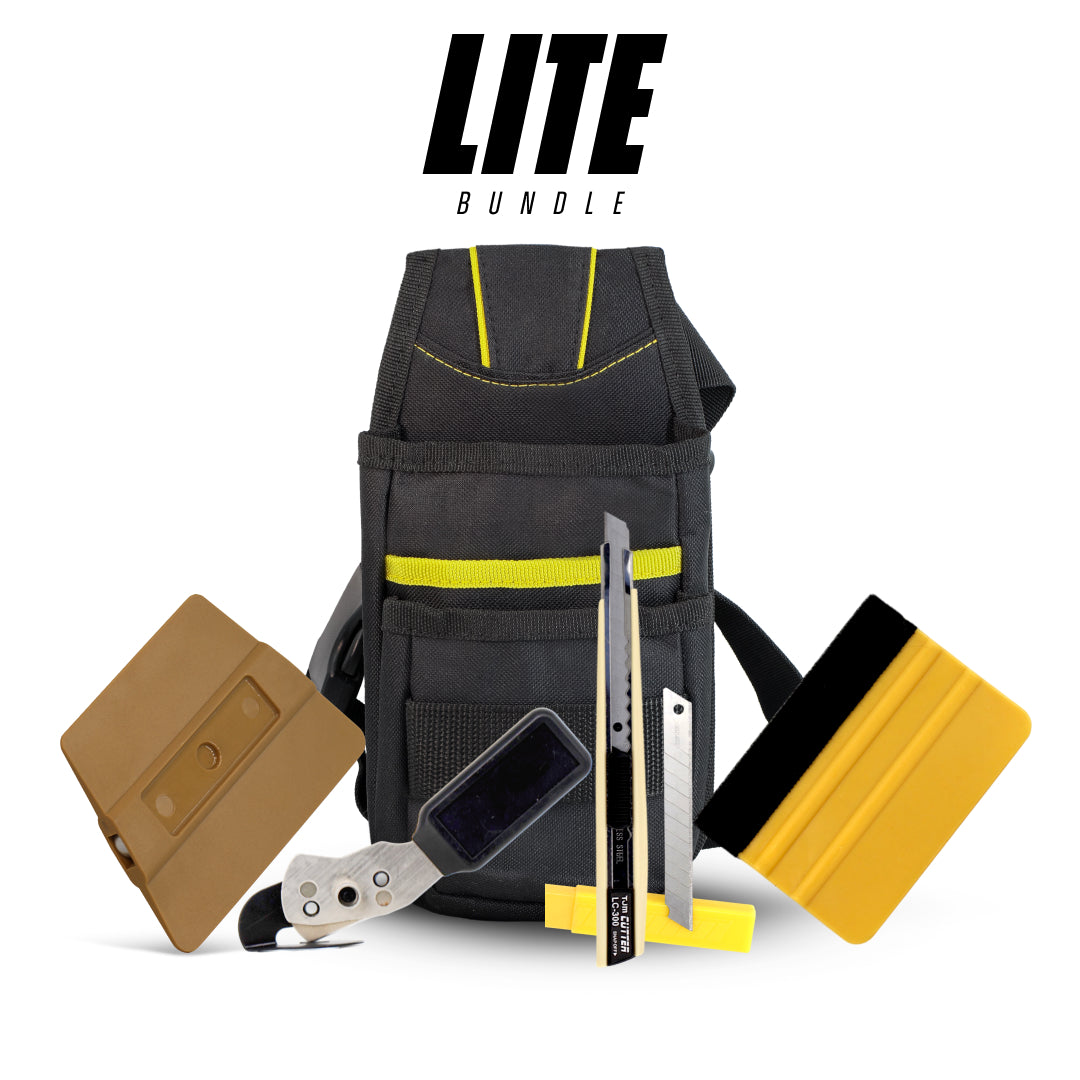
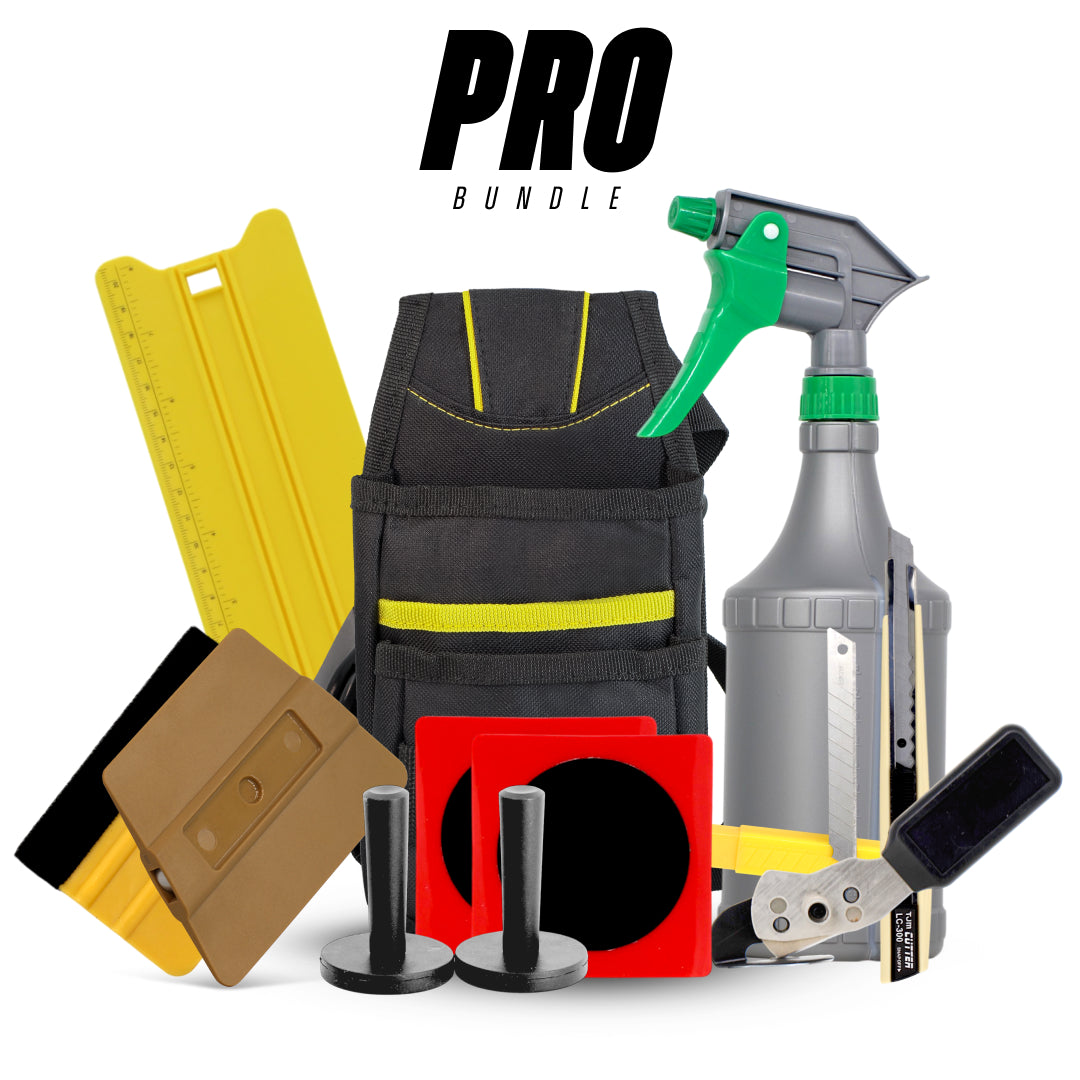
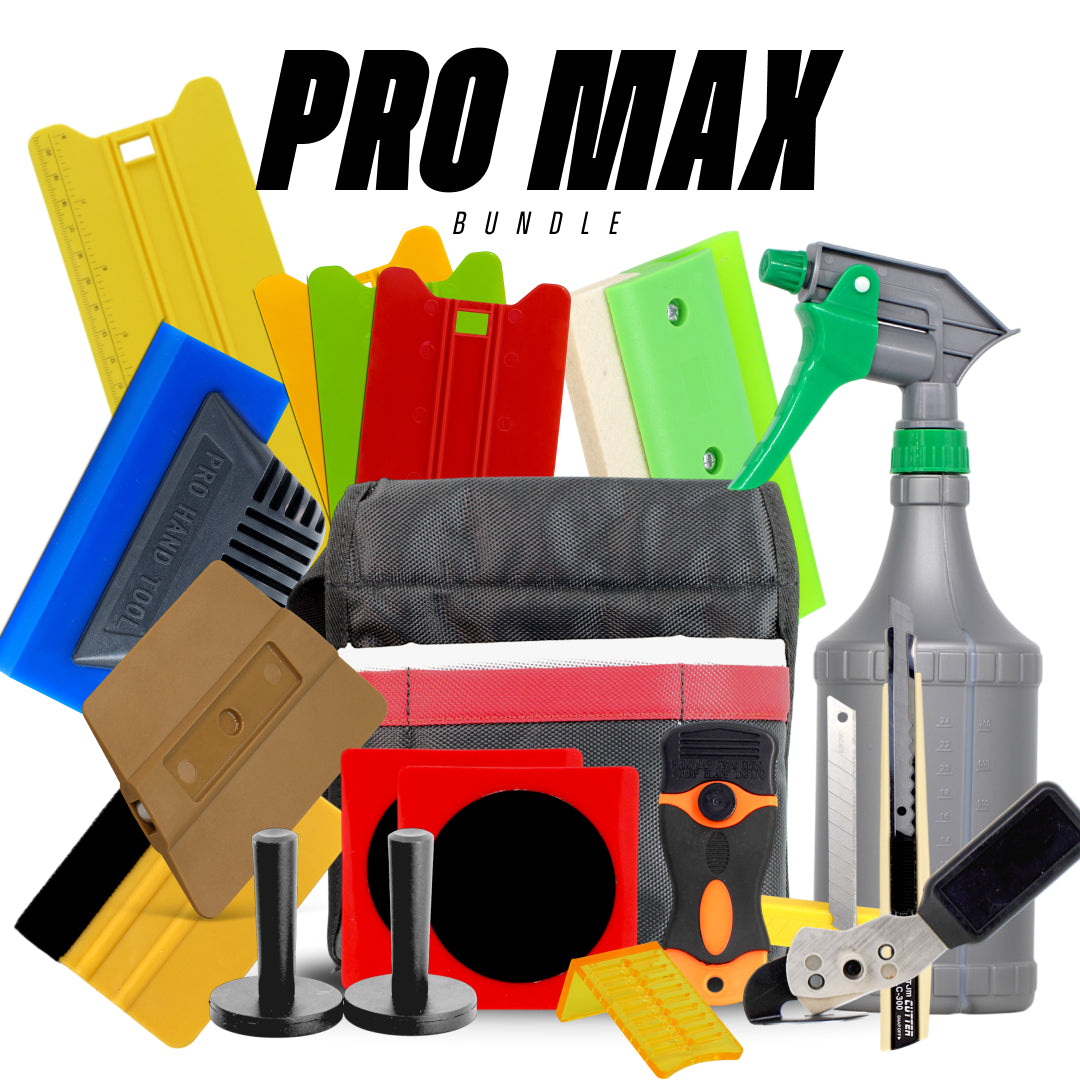
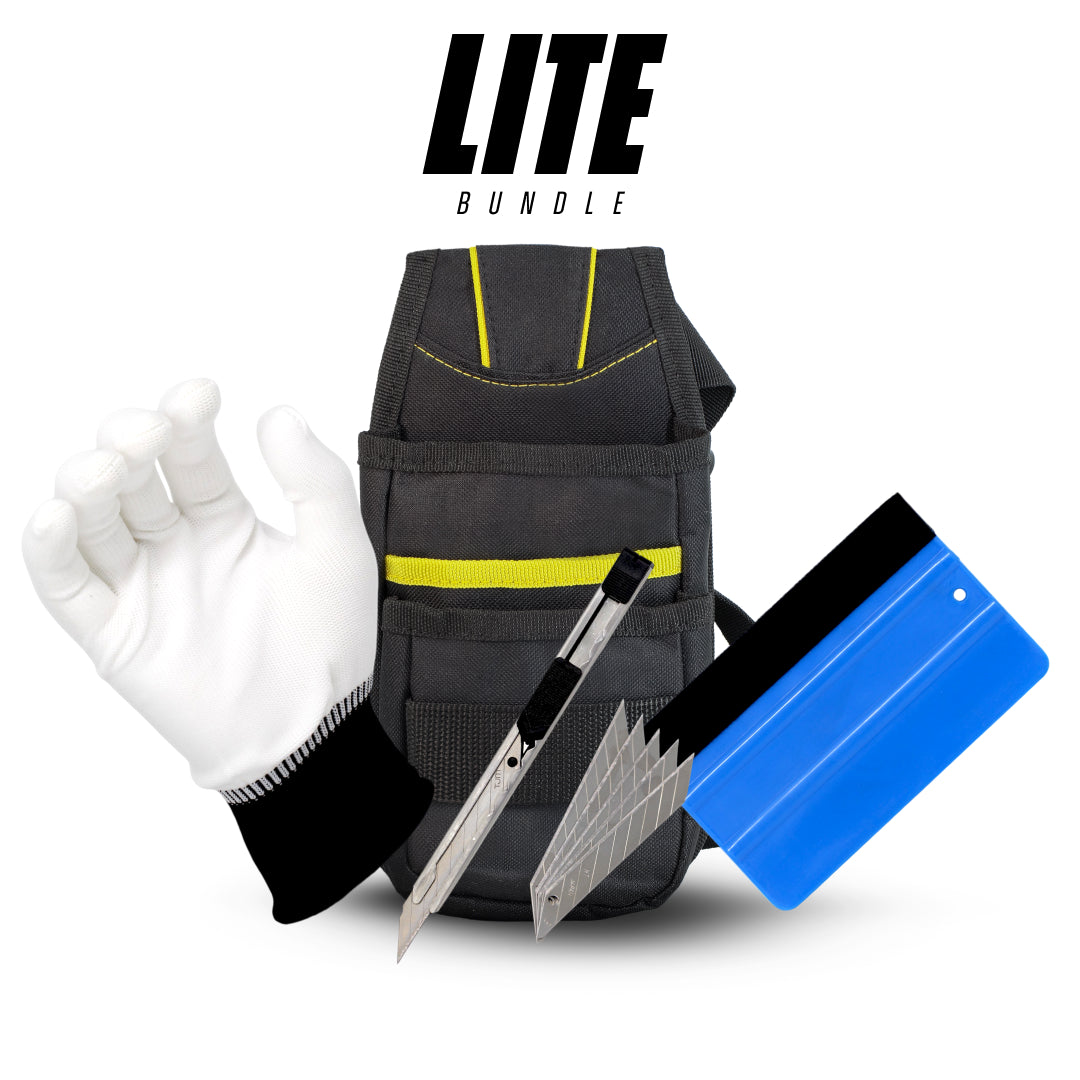
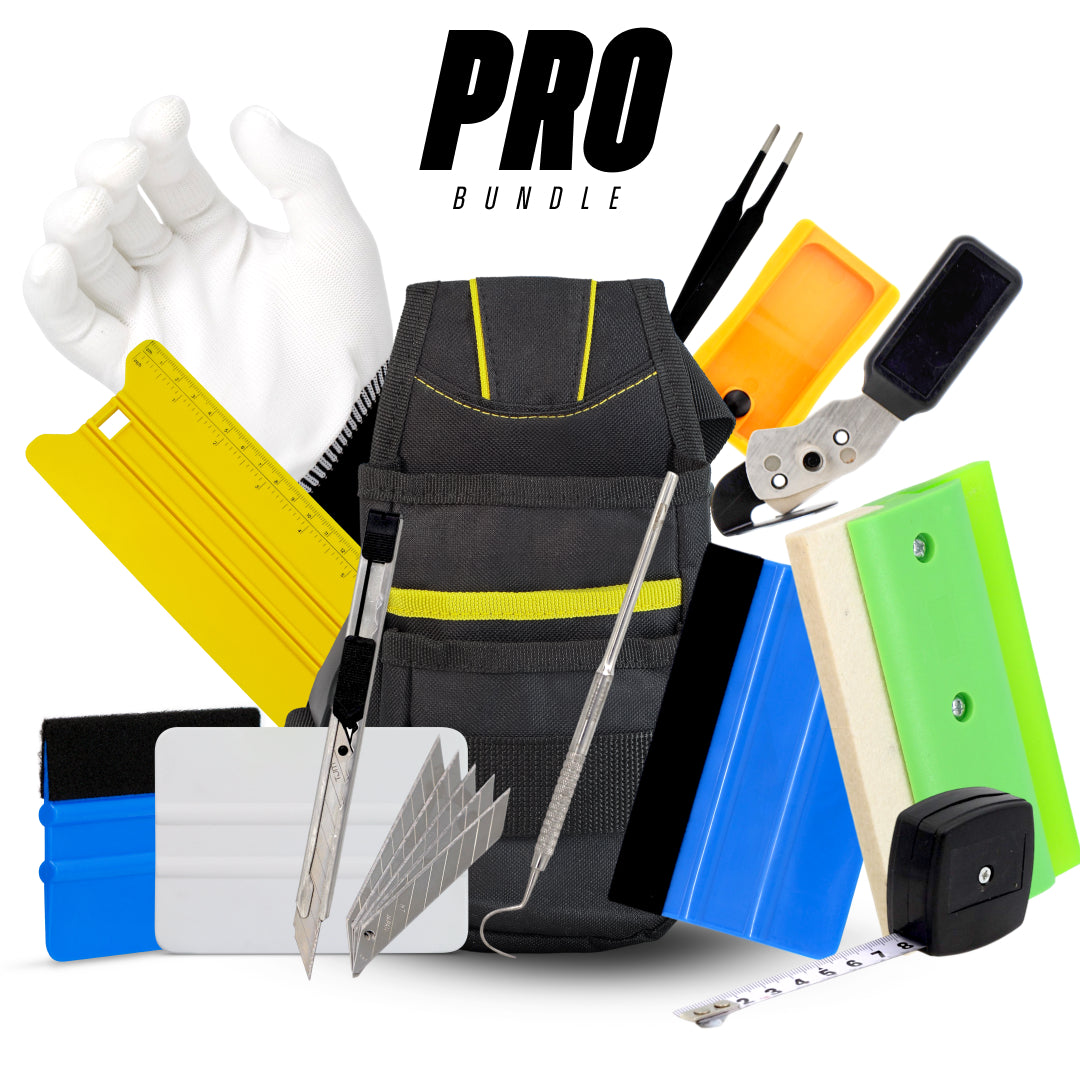
| Kit tier | Best for | Save | Price |
|---|---|---|---|
| Tint Tool Kit — Lite | First tint job | 17% | $99.99 |
| Tint Tool Kit — Pro | Regular installers | 23% | $139.99 |
| Tint Tool Kit — Pro Max | Full-time installers | 30% | $219.99 |
Legal Regulations for Car Windscreen Tint in 2026

Laws vary by region, but generally:
Front windscreen: very light tint strip only
Front side windows: 35%–70% VLT minimum
Rear windows: more flexibility
Always verify before installing a car tint. Illegal tint means fines and removal.
Long-Term Value: Does DIY Save Money?
Over five years:
- DIY success = major savings
- DIY failure (redo once) = reduced savings
- Professional tint = higher upfront, lower risk
If you redo DIY tint twice, you may exceed professional cost.
Think long term, not just upfront.
Is DIY Window Tinting Worth It in 2026?
Yes, but not for everyone.
If you’re patient, detail-driven, and working on manageable windows, DIY window tinting can absolutely be worth it. The tools for tinting windows are affordable, film technology is better than ever, and tutorials are everywhere.
But if perfection, warranty, and long-term reliability matter most, professional tint still wins.
It’s not about whether DIY works. It’s about whether it works for you.
DIY window tinting in 2026 sits at an interesting crossroads. Film technology has improved dramatically. Ceramic automotive tint performs better than ever. Tools are affordable and accessible. And homeowners are increasingly comfortable applying house window film themselves.
Yet installation skill remains the deciding factor. Window tinting is a precision craft. It rewards patience and punishes shortcuts.
If you enjoy the process and accept the learning curve, DIY can save you serious money. If you want flawless results with zero stress, searching “professional tint near me” may be the smarter move.
In the end, it’s not just about tinting windows. It’s about balancing cost, quality, and confidence.
If you decide to attempt DIY tinting in 2026, investing in professional-grade window tint tools can significantly improve your chances of achieving a clean, durable finish.
Are you unsure which tool or kit is right for your job?
Our expert team at Oz Sign Supplies is here to help. Reach out today, and we’ll direct you to the best tools to suit your project, ensuring you get the job done right the first time.

Tint Tool Kit - Pro Max
$219.99
What's Included 20+ tools. Zero filler. Everything you actually use on installs. PREP & CLEAN 1x Tint Scrubbing Pad -...
Kit me out