






When people think about window tinting, they often imagine the film itself, how dark it looks on a car or how much heat it blocks from a home. But for professionals who install automotive window tint or house window tint, the real secret behind flawless results lies in the tools they use. The difference between a bubbling, peeling tint job and a perfectly smooth finish usually comes down to the quality of the tint tools in the installer’s hands.
Professional installers treat their window tinting tools the same way a chef treats knives or a mechanic treats wrenches. These tools are extensions of their skill. When someone searches for “window tinting close to me” or “automotive tint near me,” they’re often expecting factory-level results. Achieving that level of precision requires carefully selected tools designed specifically for tinting windows film, shaping it around curved glass, and removing air pockets without damaging the film.
High-quality tools also protect the window film itself. Premium car window tint materials can be expensive, especially ceramic or nano-carbon films. If a technician uses a poor-quality squeegee, a dull blade, or an improper cutting guide, the film may crease or tear during installation. Professionals avoid this by investing in tools built specifically for tint window tools tasks, everything from trimming film to heat shrinking it perfectly along curved automotive glass.
Another reason tool quality matters is efficiency. Professional tint shops may install dozens of vehicle tint jobs per week, ranging from simple car windscreen tint installations to complex multi-window SUVs or home glass panels. Reliable tools allow installers to work faster without sacrificing accuracy. A durable window tint squeegee, for example, can glide smoothly across film and remove water quickly, preventing bubbles before they even start.
Ultimately, professional tinters don’t just look for tools that “work.” They look for tools that deliver consistent, repeatable perfection. Every edge cut, every smoothing stroke, and every trimmed corner needs to be precise. When you combine skilled hands with purpose-built tools for tinting windows, the result is the sleek, seamless look customers expect from pro tint services.
For installers looking to upgrade their equipment, explore our full range of professional window tint tools designed for precise and efficient installations.
Why Professional Results Depend on the Right Equipment

A professional auto window tinting installer may have years of experience, but without the proper equipment, even the most skilled technician will struggle to achieve perfect results. The reality is simple: window tinting is a precision trade. Tiny imperfections, like dust particles, trapped air bubbles, or slightly uneven cuts, can completely ruin the final appearance of car tint or home window tinting.
Think about the complexity of modern car windows. They aren’t flat pieces of glass anymore. Most vehicles feature curved windshields, angled side windows, and delicate defroster lines on the rear glass. Installing automotive window tint on these surfaces requires tools that can shape film, apply pressure evenly, and trim edges with surgical accuracy. That’s why professionals carefully choose specialised tinting tools instead of generic hardware tools.
One of the most critical pieces of equipment in a professional kit is the window tint squeegee. While it may look simple, professionals often carry multiple versions, hard, soft, and hybrid blades, designed for different stages of installation. A stiff squeegee might push out large water pockets during initial placement, while a softer one helps finish the film without scratching delicate surfaces.
Another key tool category includes precision cutting tools. Installers frequently use ultra-sharp blades specifically designed for window film. These blades allow technicians to trim film edges without scoring the glass or damaging defroster lines. Professional installers also rely on cutting guides and edge protectors to keep cuts clean and consistent across every window.
Heat guns also play a massive role in automotive tinting. Because car windows often curve in multiple directions, installers must shrink and shape the film using controlled heat. A quality heat gun allows the film to stretch smoothly and conform perfectly to the glass surface without wrinkling. Without the right heat control tools, achieving that factory-smooth finish would be nearly impossible.
Professionals also evaluate tools based on precision, reliability, and adaptability. The best tools work equally well on car window tint, house window film, and even specialty applications like headlight tint or one way glass window film. Versatility matters because tint professionals often handle multiple types of jobs, from vehicles to residential and commercial buildings.
In short, professional tint installers know that the right tools aren’t optional; they’re the foundation of quality work. Every piece of equipment in a professional car tinting kit exists for a reason: to help transform a thin sheet of film into a flawless finish that lasts for years.
Why Tool Quality Matters in Professional Window Tinting
For professional window tinters, tool selection is about far more than convenience. High-quality installation tools directly affect installation speed, film finish quality, and long-term durability of the tint application.
Professional installers often complete multiple vehicles each day, so reliable tools help reduce fatigue and improve workflow efficiency.
Precision and Film Protection: Window tint film is delicate and can easily crease, scratch, or stretch if handled incorrectly. Professional tinters choose tools with smooth edges, flexible materials, and ergonomic designs to protect the film during installation while ensuring even pressure across the glass surface.
Consistency Across Installations: Using professional-grade tools ensures consistent results from one vehicle to the next. Quality squeegees, cutting blades, and installation tools help remove water and air evenly, reducing the risk of bubbles, lifting edges, or uneven adhesion.
Durability for Daily Use: Unlike occasional DIY users, professional installers rely on their tools every day. Durable materials such as reinforced plastics, stainless steel blades, and heat-resistant components ensure tools perform reliably even under heavy use in busy workshops.
Efficiency and Installation Speed: Professional tinting businesses benefit from tools that speed up installation without sacrificing precision. Specialised squeegees, trimming tools, and film handling accessories allow installers to complete jobs faster while maintaining a high standard of workmanship.
Because of these factors, experienced tinters carefully select tools that balance precision, durability, and comfort, helping them achieve professional results on every installation.
Key Qualities Professional Window Tinters Look for in Tools
- Smooth edges that protect delicate tint film
- Ergonomic designs for long installation sessions
- Durable materials for daily workshop use
- Tools that improve speed without sacrificing precision
- Reliable performance across different vehicle window shapes
Essential Categories of Window Tinting Tools
Professional tint installers don’t rely on just one or two pieces of equipment. Instead, they build a carefully selected toolkit filled with specialised window tint tools designed for each stage of the installation process. From measuring and cutting to shaping and finishing, every step of tinting windows film requires tools designed for accuracy and efficiency.
Most professional tinting tools fall into several essential categories. These include cutting tools, measuring tools, application tools, heat tools, and cleaning tools. Each category plays a unique role in producing a clean and professional tint installation. Without the right combination, installers risk imperfections that customers will notice immediately.
Cutting tools are arguably the most critical component of any car tinting tools setup. These tools allow installers to shape the film precisely to match each window’s dimensions. Professionals typically use snap-off blades or precision utility knives designed specifically for window film work. These blades remain razor-sharp, ensuring smooth cuts that prevent tearing or jagged edges.
Measuring tools are another must-have for professional installers. Even though experienced tinters can often estimate sizes by eye, precise measurement ensures that each film sheet fits perfectly before installation begins. Many professionals use specialised measuring tapes and film layout boards when preparing automotive window tint or house window film.
Application tools come into play once the film is placed on the glass. These include squeegees, hard cards, and application paddles used to push water and air out from beneath the film. A high-quality squeegee for window tint is essential here because it helps achieve a perfectly smooth surface without leaving marks or scratches.
Cleaning tools are equally important. Even a speck of dust trapped beneath a car window tint can create a visible bump in the finished installation. Professionals therefore use lint-free towels, spray bottles, and specialised cleaning solutions before applying any window film tint home or automotive film.
Heat tools, particularly heat guns, allow installers to shape the film around curved surfaces like car windscreen tint areas or complex rear windows. With the right heat technique, the film becomes flexible enough to mould perfectly to the glass.
When combined, these categories form the backbone of a professional installer’s toolkit. A well-equipped professional tint window tools setup ensures every job, from vehicle tint near me services to large home window tinting projects, meets the highest standards of clarity, durability, and visual perfection.
Installer tip
When choosing window tinting tools, prioritise smooth edges, ergonomic grips, durable materials, and consistent performance over price alone. Professional-grade squeegees, precision blades, heat guns, and cleaning tools should help you work efficiently while protecting the film and producing a consistent finish.
Cutting and Measuring Tools for Automotive Window Tint

When it comes to auto window tinting, cutting and measuring tools are where the entire process truly begins. Think of this stage like tailoring a custom suit; if the measurements or cuts are even slightly off, the final result simply won’t fit properly. Professional tint installers know that precision during preparation determines whether the finished car window tint looks factory-installed or obviously aftermarket.
One of the most commonly used tools in professional tinting windows film installations is the precision snap-off blade knife. These knives feature extremely sharp segmented blades that can be snapped to reveal a fresh edge whenever needed. Because window film is delicate, dull blades can easily cause tearing, jagged edges, or stretching of the material. Professional installers, therefore, change blades frequently, sometimes multiple times during a single vehicle tint near me project.
Professionals also rely on specialised glass-safe cutting techniques when working with automotive window tint. Unlike DIY installers who may cut film on a work table, many professionals cut directly on the vehicle’s glass. This technique requires tremendous control and the right tools to avoid scratching the glass surface or damaging sensitive components like rear window defroster lines.
Another essential item in a car tinting kit is a high-quality measuring tape or film alignment guide. Although experienced installers often rely on instinct developed through years of work, accurate measurement still plays a crucial role when cutting film for complex shapes like triangular quarter windows or curved rear windshields. These tools ensure the car windscreen tint fits perfectly before installation begins.
Professionals also use cutting guides and corner tools designed specifically for window tinting tools setups. These small devices help create clean, consistent edges along window frames. Without them, film edges might appear uneven or rough after trimming, which is one of the most obvious signs of an amateur tint job.
Precision cutting tools become even more important when working with premium window film products such as ceramic or nano-carbon films. These materials are designed to provide superior heat rejection and UV protection for house window tint and car tint, but they also require careful handling during installation.
Ultimately, cutting and measuring tools allow professional installers to transform raw film sheets into perfectly shaped pieces ready for application. Without these tools and the skill to use them, achieving a seamless professional tint finish would be almost impossible.
Application Tools for Tinting Windows Film
Once the film has been measured and cut, the next stage in the window tinting process is application. This is where the transformation really happens. A thin sheet of window film tint home or automotive film, must be placed on glass and smoothed perfectly so that it becomes almost invisible. The tools used in this stage determine whether the final surface appears crystal-clear or full of bubbles and creases.
Application tools are the heart of every professional tint tools collection. These include hard cards, squeegees, applicator paddles, spray bottles, and microfiber cloths. Each one serves a specific purpose during installation, helping installers remove moisture and air trapped between the film and the glass surface.
Water plays a surprisingly important role in tinting windows film. Installers spray a solution of water and slip agent onto the glass before placing the film. This allows the film to slide into position so it can be perfectly aligned. Once the placement is correct, tools are used to remove the moisture underneath, locking the film securely against the glass.
Professional installers often carry several different tint window tools for smoothing the film. Hard cards are small, flat tools that allow installers to press film into tight corners and edges around window frames. These tools are particularly useful for smaller areas like side mirrors or headlight tint installations.
For larger surfaces such as car window tint or house window film, applicator paddles and wide squeegees help remove water quickly. Removing moisture evenly is essential because trapped water can lead to bubbles or uneven adhesion over time.
Cleanliness also matters during this stage. Professional installers constantly wipe their tools and the glass surface using lint-free cloths to prevent dust contamination. Even a tiny particle trapped under window film can become visible once the film dries.
Another factor professionals consider is tool material. High-end window tinting tools are often made from rubber, silicone, or specialised polymers designed to glide smoothly across film without scratching it. Cheap plastic tools can easily leave marks or create lines in delicate film surfaces.
Application tools might seem simple at first glance, but they play a massive role in the final appearance of professional tint installations. With the right equipment and technique, installers can achieve a flawless finish that looks like the glass came tinted straight from the factory.
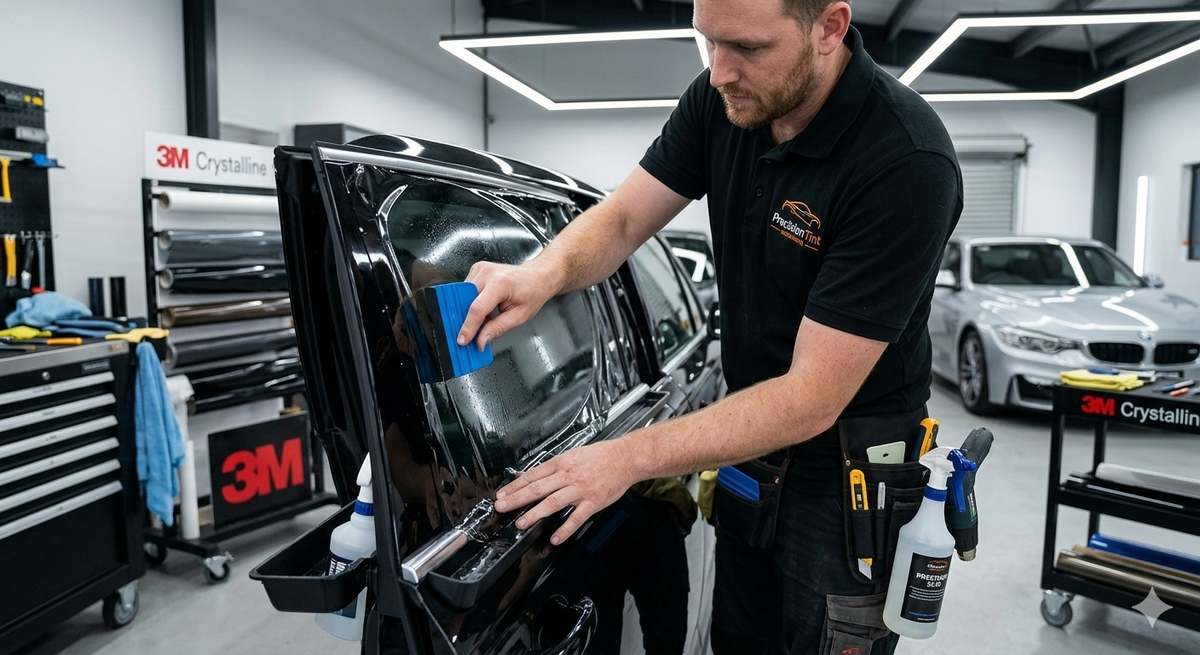
High-quality tint squeegees are essential for removing water and air bubbles, helping achieve a smooth and durable tint finish.
Common mistake
A common mistake is choosing cheap or generic tools without considering how they perform under daily use. Rough squeegee edges, dull blades, poor grip, or inconsistent heat can damage the film, slow down installation, and compromise the final finish.
The Role of the Window Tint Squeegee
Among all window tint tools, the window tint squeegee stands out as the most essential piece of equipment in a professional installer’s arsenal. While it may look like a simple rubber blade attached to a handle, this tool performs one of the most critical tasks in auto window tinting: removing water, air, and imperfections from beneath the film.
Professional installers rarely rely on just one type of squeegee for window tint. Instead, they use several variations designed for different stages of the tinting process. Some squeegees have soft rubber edges for delicate finishing work, while others feature firm blades capable of pushing out large amounts of water quickly during initial installation.
The first role of a window tint squeegee is positioning the film. After spraying the glass with a slip solution, installers place the window film onto the wet surface. The squeegee helps spread the film evenly across the glass while pushing out excess liquid underneath.
Once the film is aligned correctly, installers begin the process known as water extraction. This is where the squeegee truly shines. By applying controlled pressure and moving the blade across the film in smooth strokes, professionals force trapped water toward the edges of the window. This process ensures the film bonds tightly to the glass surface.
The design of professional window tint squeegees also helps prevent scratches. High-quality versions use soft rubber or silicone blades that glide across the film smoothly. Cheaper alternatives can drag across the surface and leave visible marks, especially on darker car tint materials.
Many professionals even customise their squeegees by trimming edges or attaching extensions to reach difficult areas like deep rear windows. This adaptability is one reason why experienced installers treat their tinting tools almost like personal instruments; they refine and adjust them over time to suit their working style.
A reliable squeegee can make the difference between a flawless installation and one filled with visible defects. It ensures that automotive window tint, house window tinting, and specialty films like one way glass window film adhere smoothly and last for years without peeling or bubbling.
Precision Matters in Auto Window Tinting
Precision is the invisible hallmark of professional auto window tinting. When customers search online for “automotive tint near me” or “window tinting close to me,” they’re expecting results that look seamless and polished. What many people don’t realise is that achieving this level of perfection requires extremely precise tools and meticulous installation techniques.
Automotive glass presents unique challenges compared to flat home windows. Car windows often curve in multiple directions, especially rear windshields and side windows. This means installers must shape the window film to match the glass perfectly before applying it. Even a slight misalignment can lead to creases or gaps around the edges.
Professional installers, therefore, rely heavily on specialised tools for tinting windows that help maintain control and accuracy throughout the process. Heat guns, precision blades, shaping cards, and contour tools all work together to mould the film onto curved surfaces without creating distortions.
Another precision challenge involves working around vehicle components such as rubber window seals, sensors, and defroster lines. These elements require careful handling because they can easily be damaged by improper cutting or excessive pressure from tint tools.
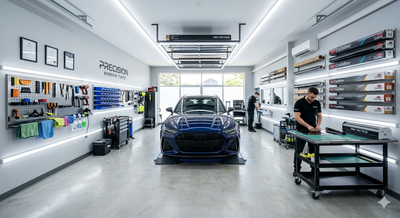
Professionals also pay attention to environmental precision. Dust control, lighting conditions, and temperature can all affect how well window film adheres to glass. Many pro tint shops use controlled indoor workspaces with bright lighting to ensure installers can see even the smallest imperfections during installation.
The goal is always the same: a finish that appears completely smooth and uniform. When installed correctly using high-quality window tinting tools, the film should look like it was built into the glass itself.
Customers might only notice the sleek appearance and improved comfort that car tinting provides, such as reduced glare and heat. Behind the scenes, though, that perfect finish is the result of careful precision, specialised equipment, and years of professional experience.
Tools That Help Achieve Bubble-Free Car Window Tint

Anyone who has ever seen a poorly installed car window tint immediately notices the same problem: bubbles. Those tiny pockets of trapped air or moisture can ruin the entire look of automotive window tint. Professional installers understand that avoiding bubbles is not just about technique; it also depends heavily on choosing the right window tinting tools.
The first line of defence against bubbles is proper surface preparation. Professionals use specialised cleaning tools such as lint-free cloths, glass scrapers, and cleaning solutions designed specifically for window film installation. Even microscopic dust particles can create visible bumps beneath the car tint, so experienced installers treat the cleaning stage almost like a surgical preparation process.
Once the glass is perfectly clean, installers apply a slip solution before positioning the film. This step allows the tinting windows film to glide into the correct placement. Without enough moisture underneath, the film can stick prematurely and trap air pockets. With the correct solution and proper tools, the film remains flexible until the installer begins the smoothing process.
This is where tools like the window tint squeegee and specialised tint tools truly shine. Installers apply steady pressure with overlapping strokes to push water and air toward the edges of the glass. The technique may look simple, but it requires years of practice and the right equipment to avoid creasing or stretching the film.
Professionals often rely on several different squeegees for window tint depending on the stage of the installation. Harder squeegees help remove larger pockets of water during the early phase, while softer ones are used during finishing to eliminate tiny bubbles without scratching the film surface.
Heat tools also help eliminate imperfections. When applying automotive window tint to curved surfaces like rear windshields, installers use heat guns to shrink the film gently. This process allows the film to conform perfectly to the glass, preventing wrinkles or air pockets from forming later.
The combination of proper cleaning, skilled technique, and specialised tools for tinting windows ensures that professional installations remain smooth and bubble-free. This level of quality is exactly why customers searching for “professional tint” services prefer experienced installers rather than attempting a DIY car tinting kit installation.
Durability and Material Quality
Professional installers don’t just look for tools that perform well once; they look for tools that perform well every single day. In a busy tint shop handling multiple auto window tinting jobs daily, tools are constantly exposed to water, cleaning chemicals, heat, and friction. That’s why durability and material quality are major factors when professionals select tinting tools.
High-end window tint tools are often made from specialised materials like reinforced rubber, stainless steel, or industrial-grade polymers. These materials ensure the tools can withstand repeated use without warping, cracking, or losing their effectiveness. For example, a professional window tint squeegee must maintain its blade flexibility over hundreds of installations to ensure smooth water removal during car tinting.
Cheap tools might seem attractive because of their lower cost, but professionals quickly learn that they rarely last. A low-quality blade can dull quickly, making it difficult to trim window film cleanly. Similarly, plastic squeegees may develop rough edges that can scratch delicate automotive window tint materials.
Durability also affects precision. Tools that bend or wear down over time can lead to uneven pressure during film application. This might cause visible streaks, trapped moisture, or weak adhesion along the edges of car window tint installations.
Professional installers, therefore, treat their equipment as long-term investments. A well-built car tinting tools set can last for years if maintained properly. Many professionals also clean and inspect their tools regularly to ensure they remain in top condition for every installation.
Another advantage of durable tools is consistency. When a technician performs dozens of vehicle tint near me services each month, they rely on their tools to deliver the same performance every time. High-quality equipment helps maintain consistent results regardless of the job size or film type.
In the world of pro tint, reputation is everything. Customers expect flawless installations, whether they’re tinting a luxury sedan, installing headlight tint, or adding window film tint home solutions to reduce heat in a house. Durable tools ensure that professionals can meet those expectations repeatedly without compromise.
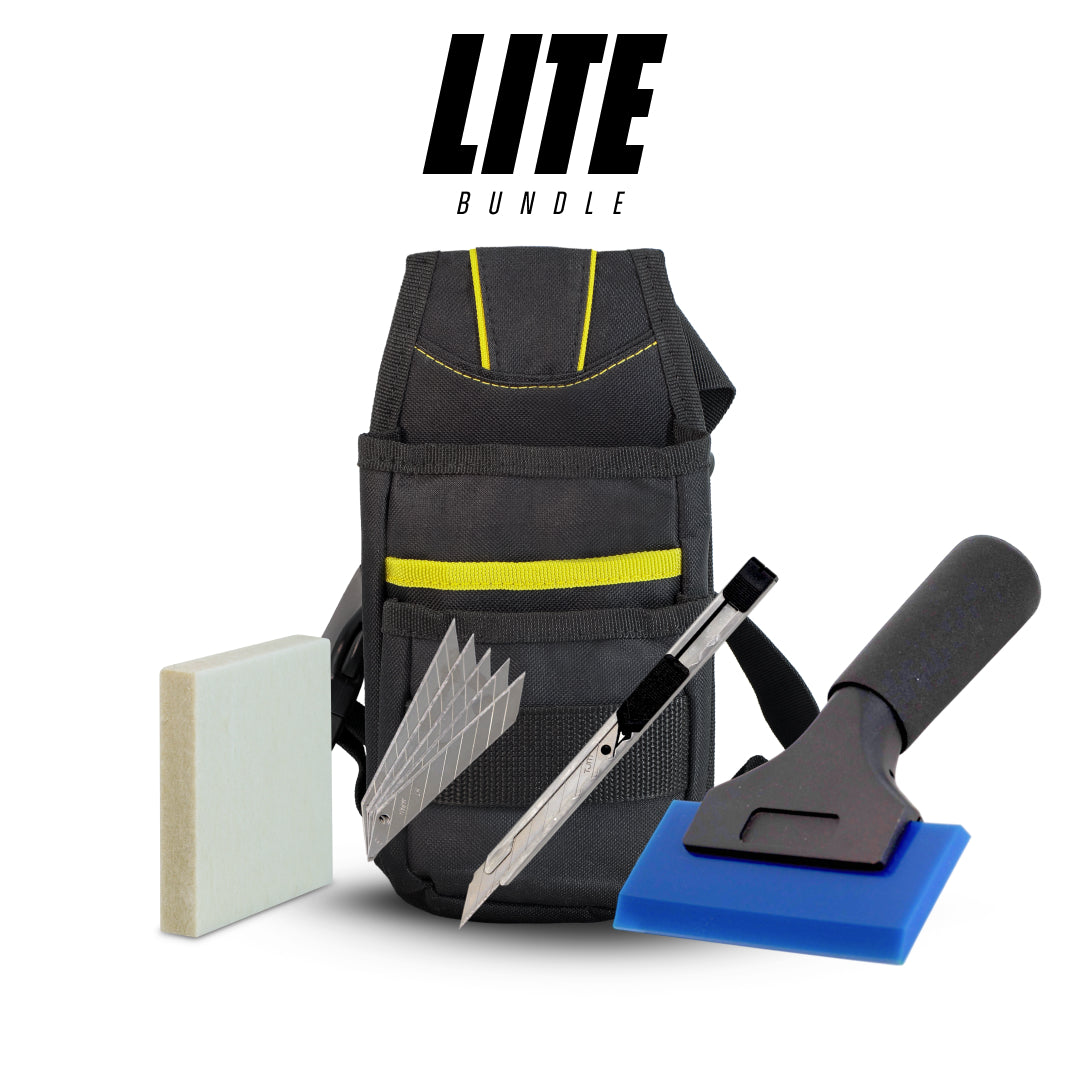
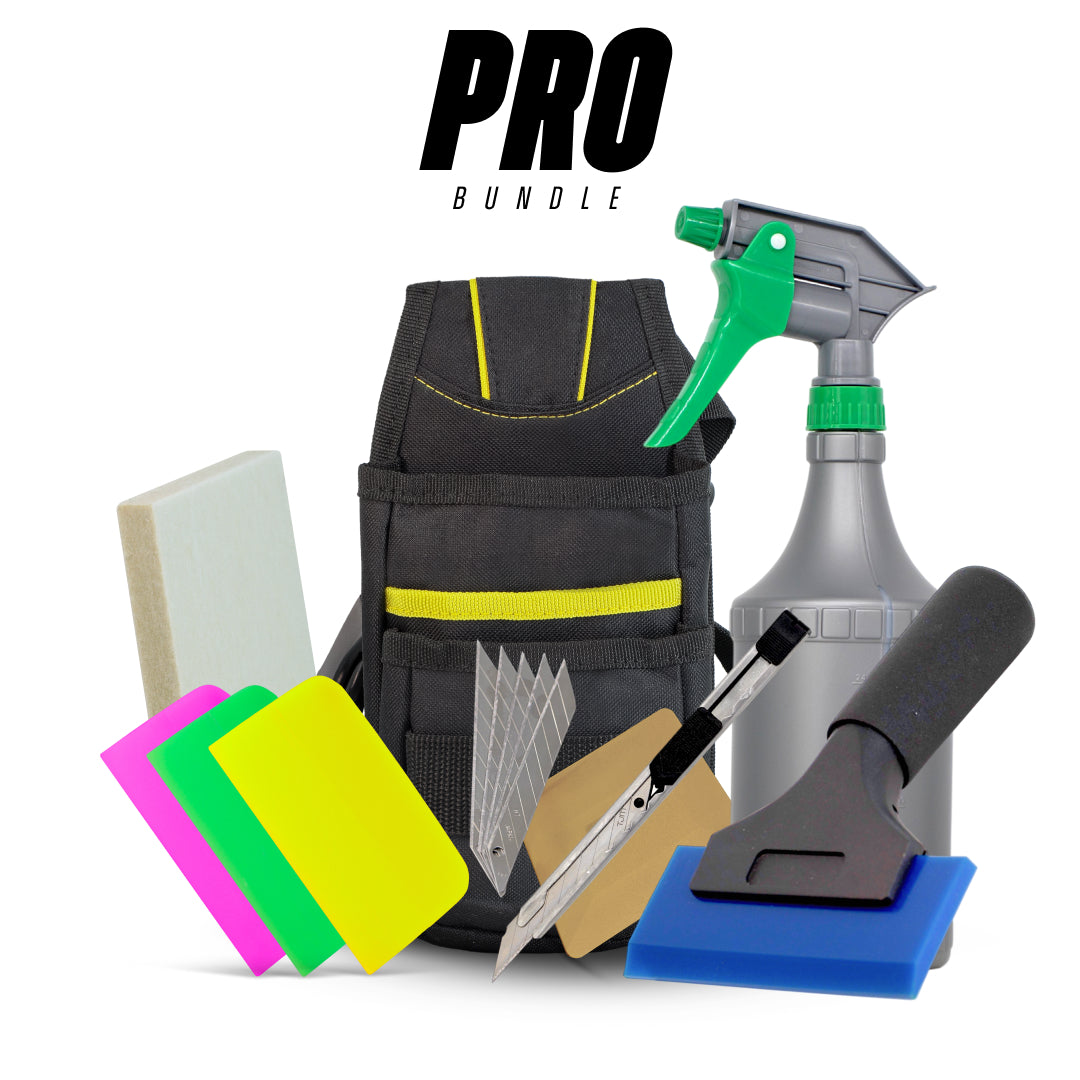
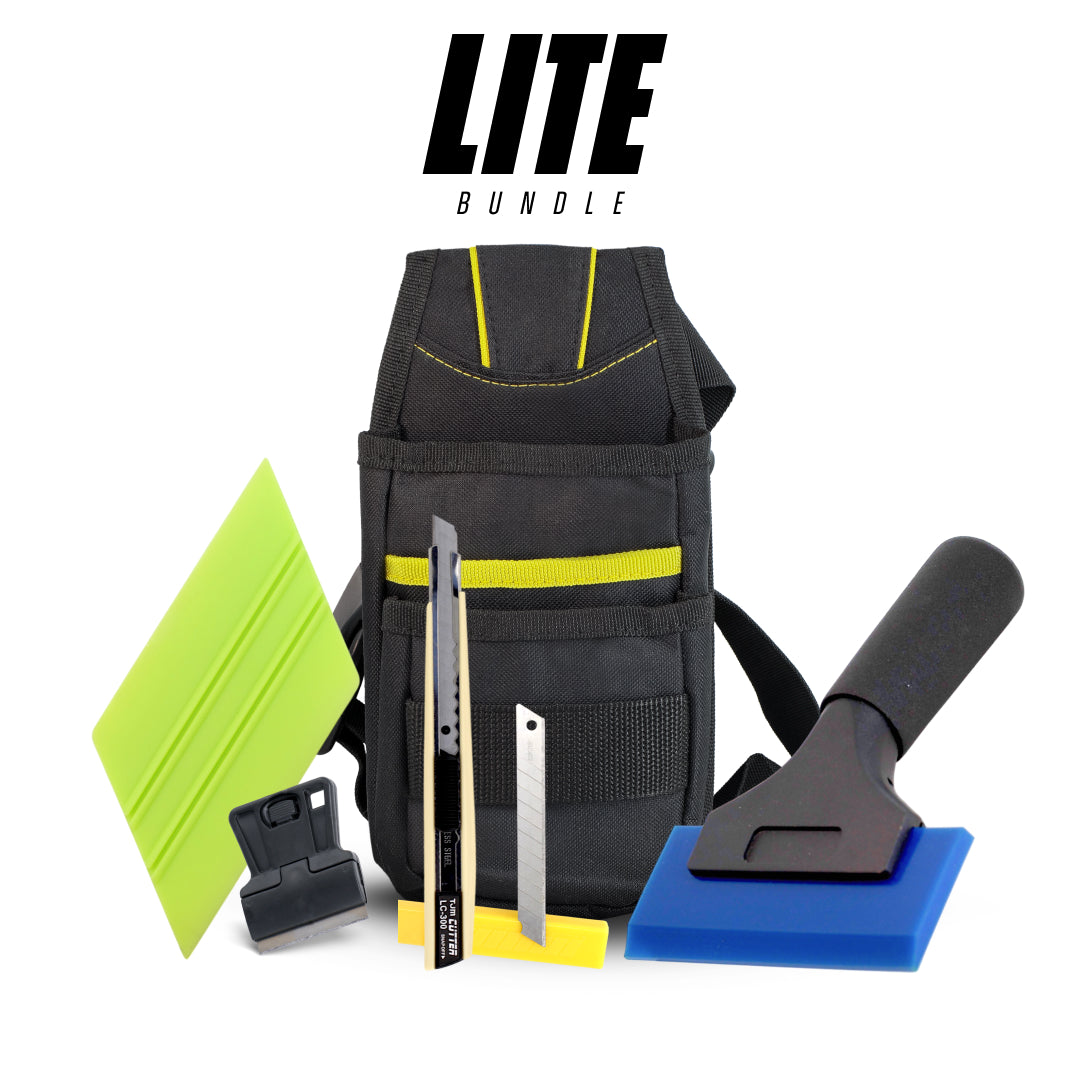
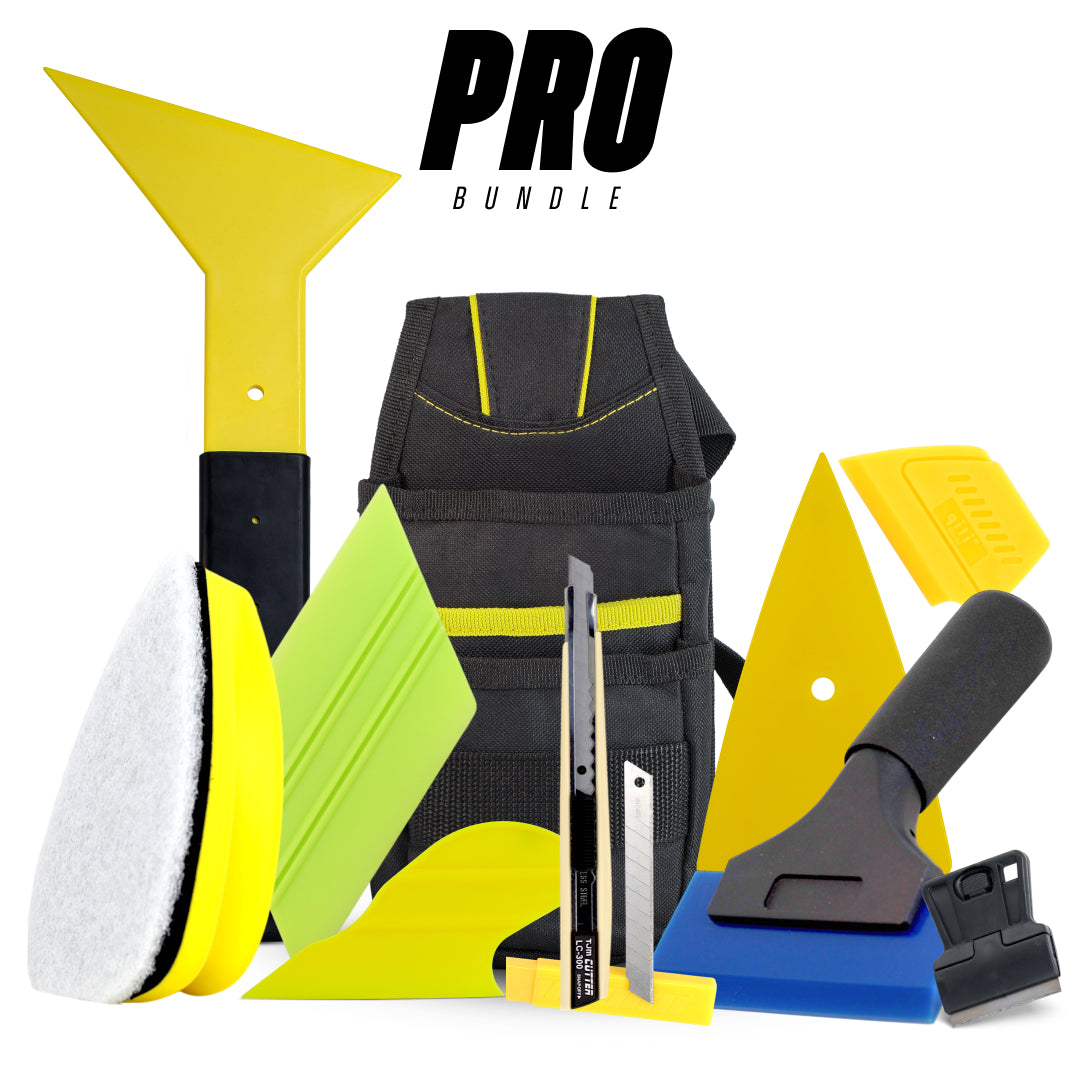
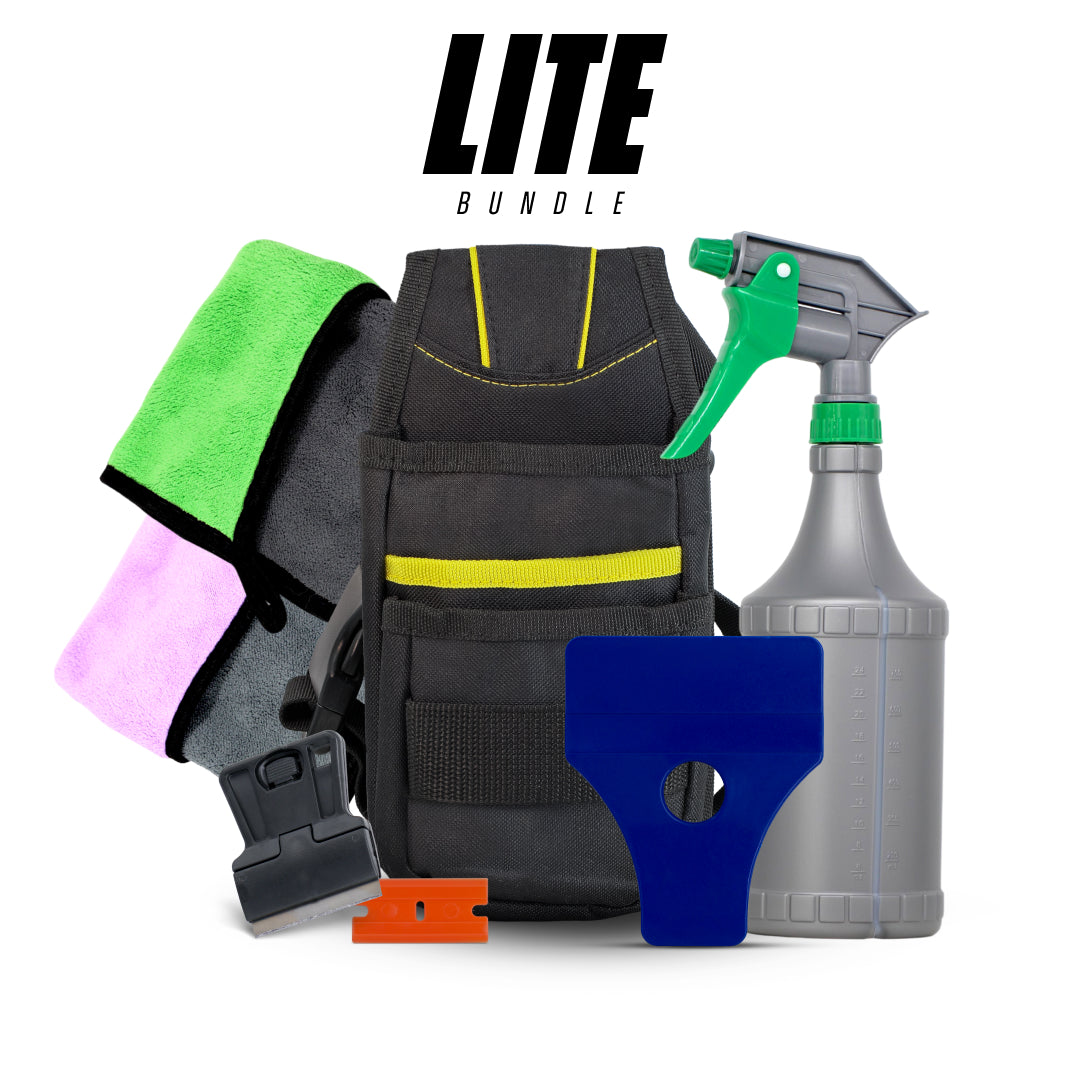
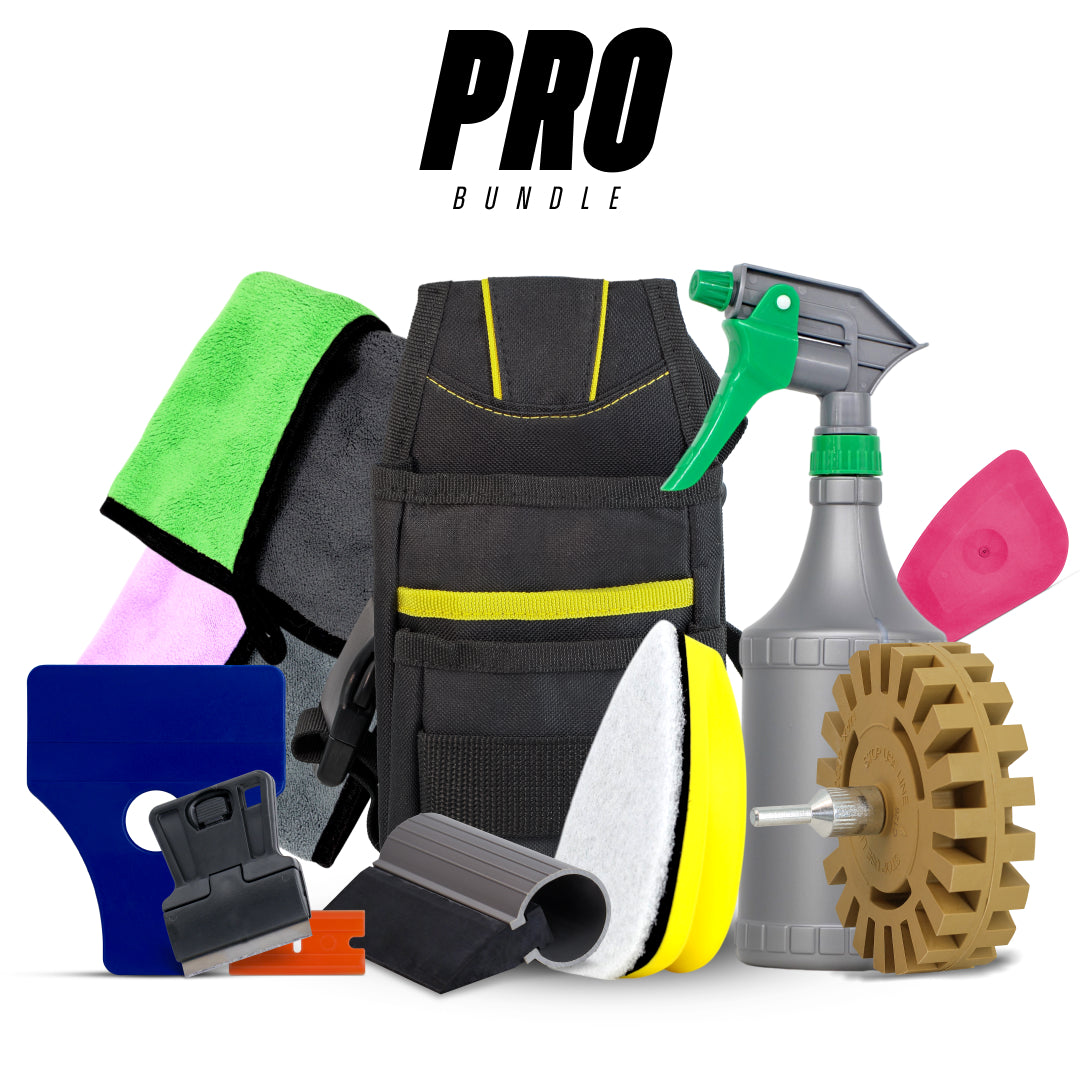
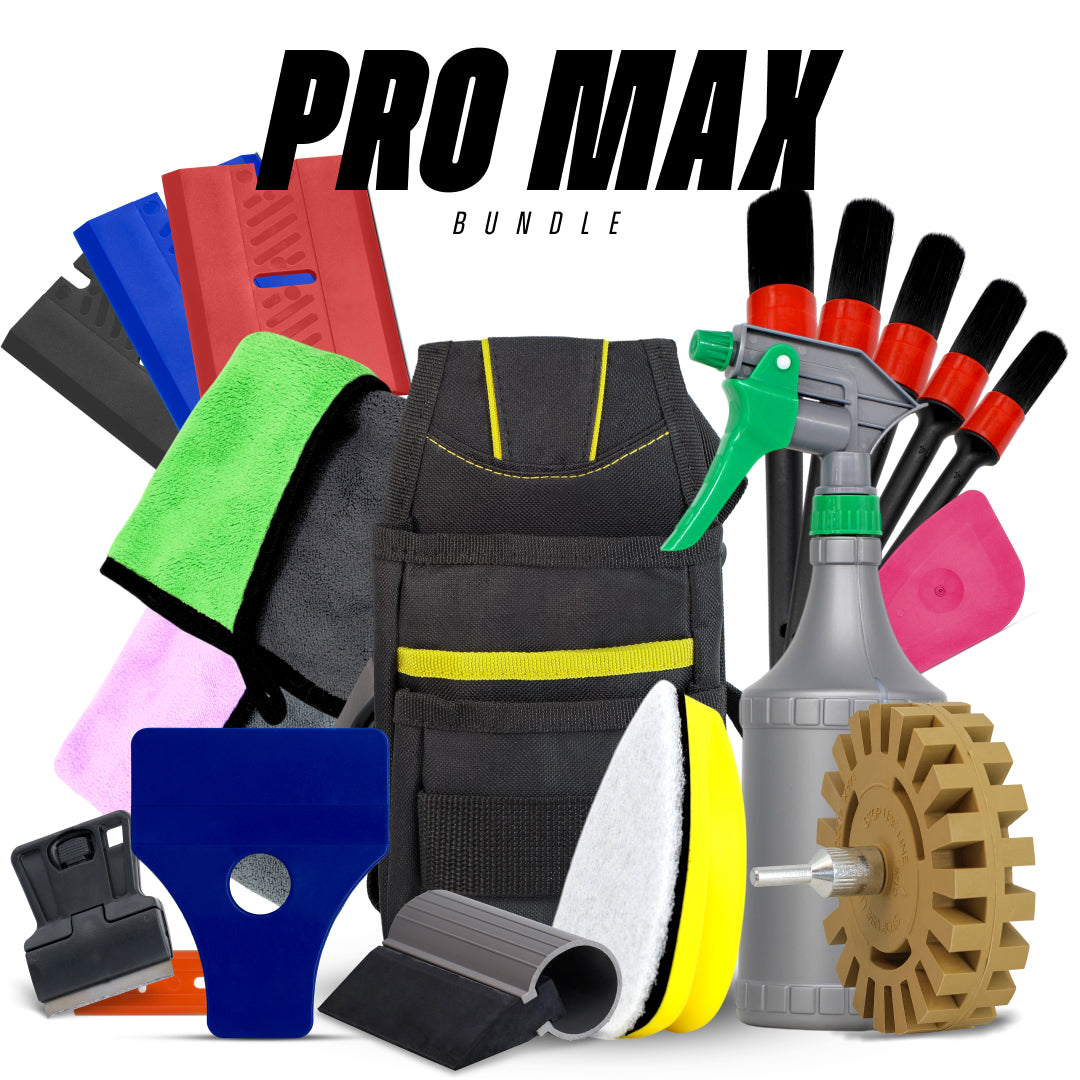
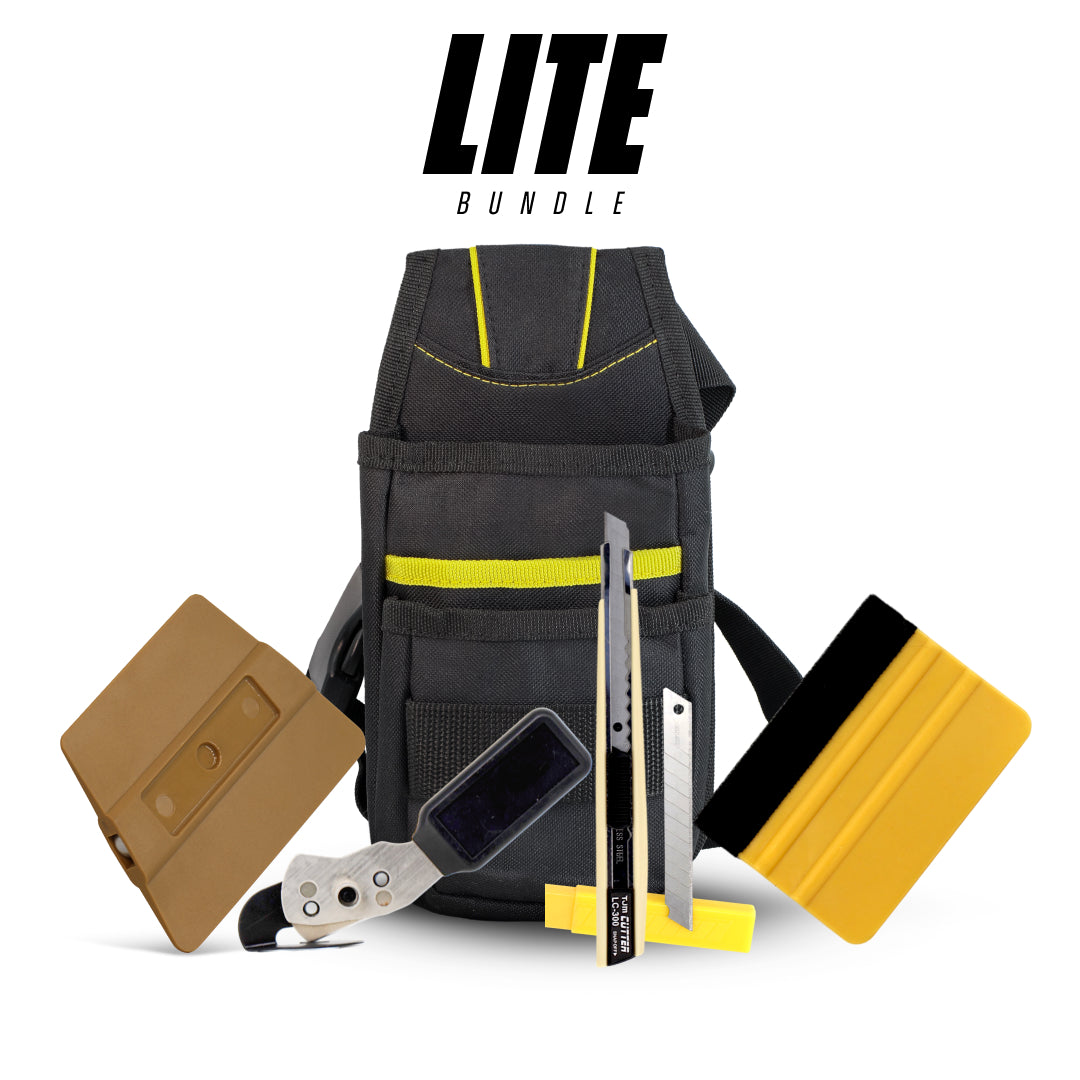
| Kit tier | Best for | Save | Price |
|---|---|---|---|
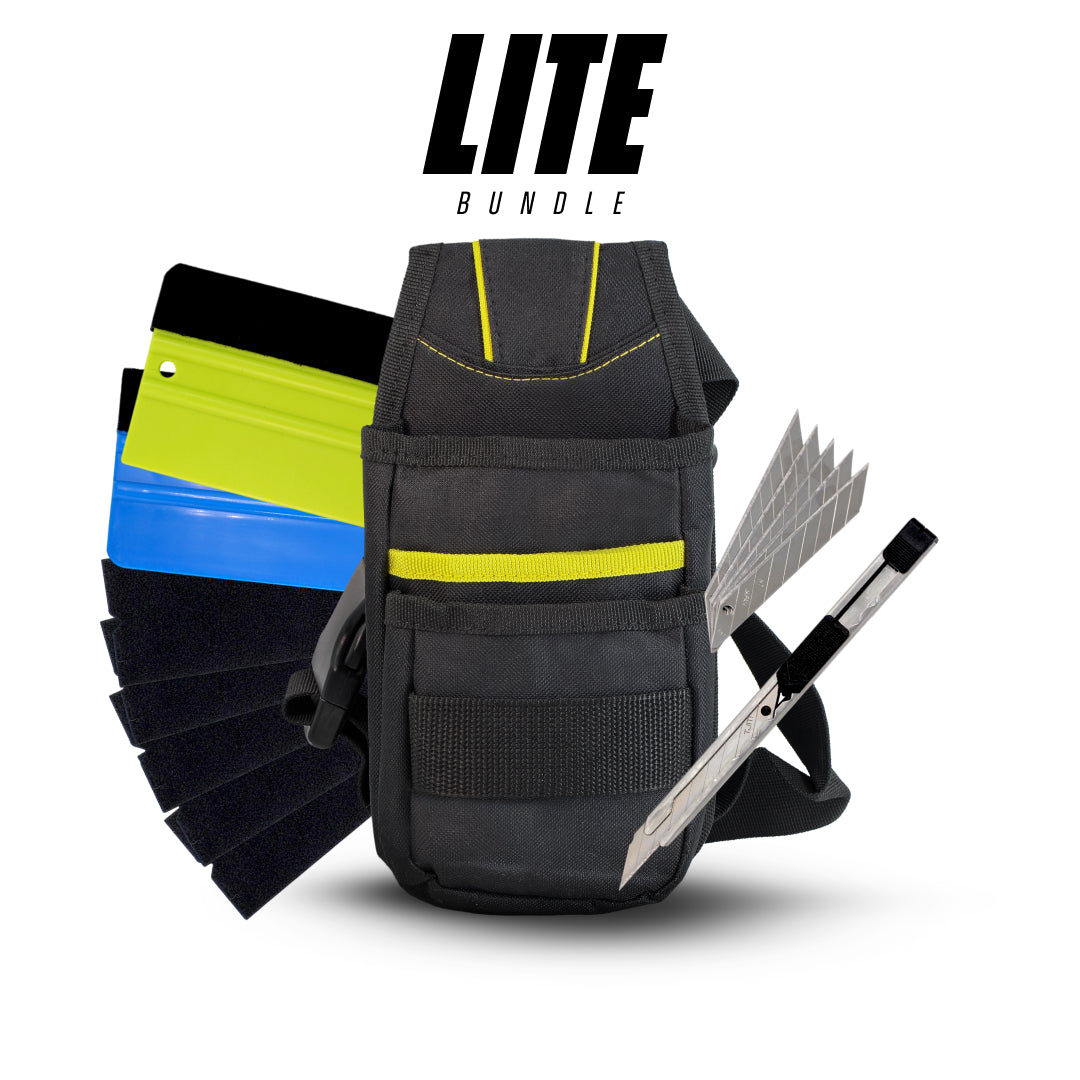
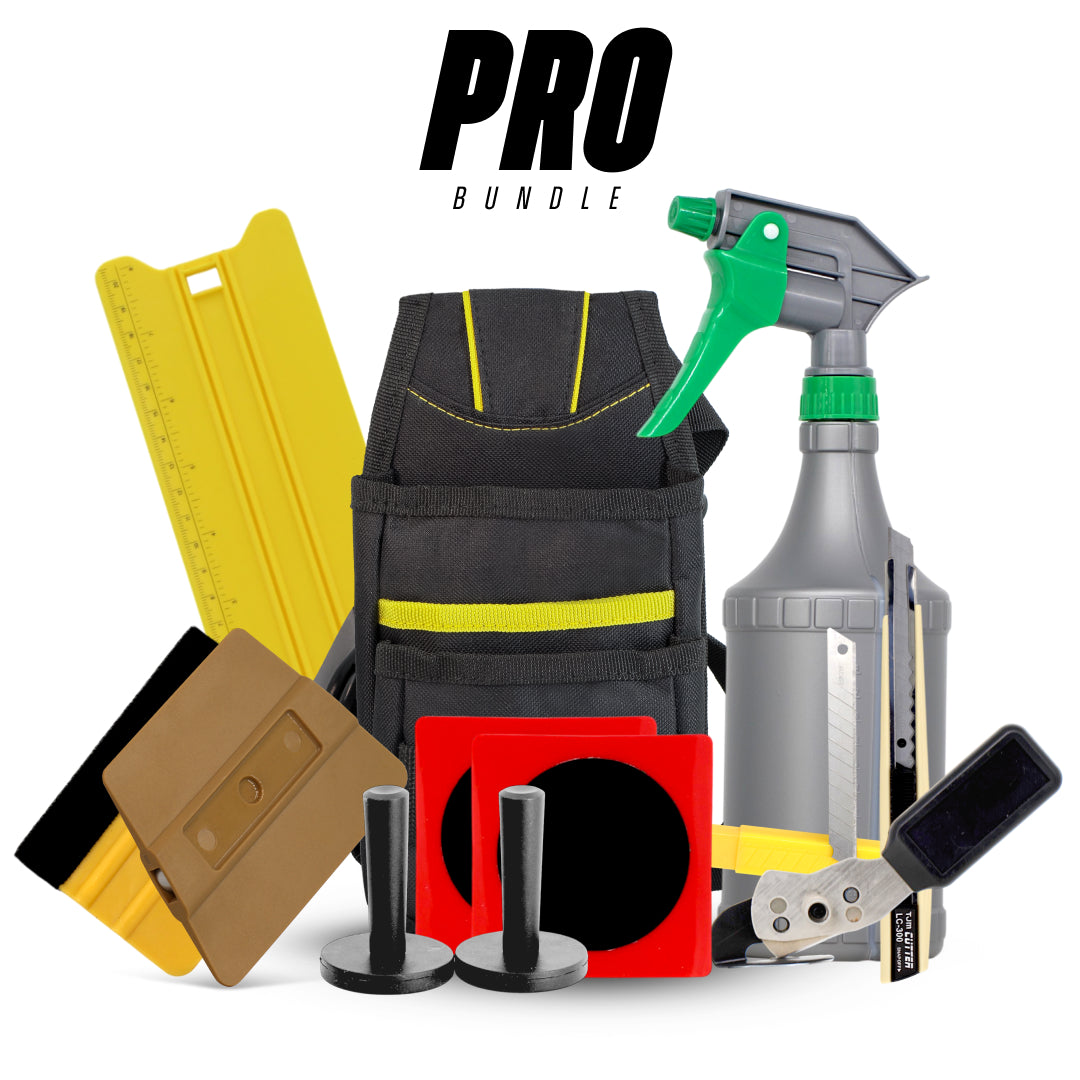
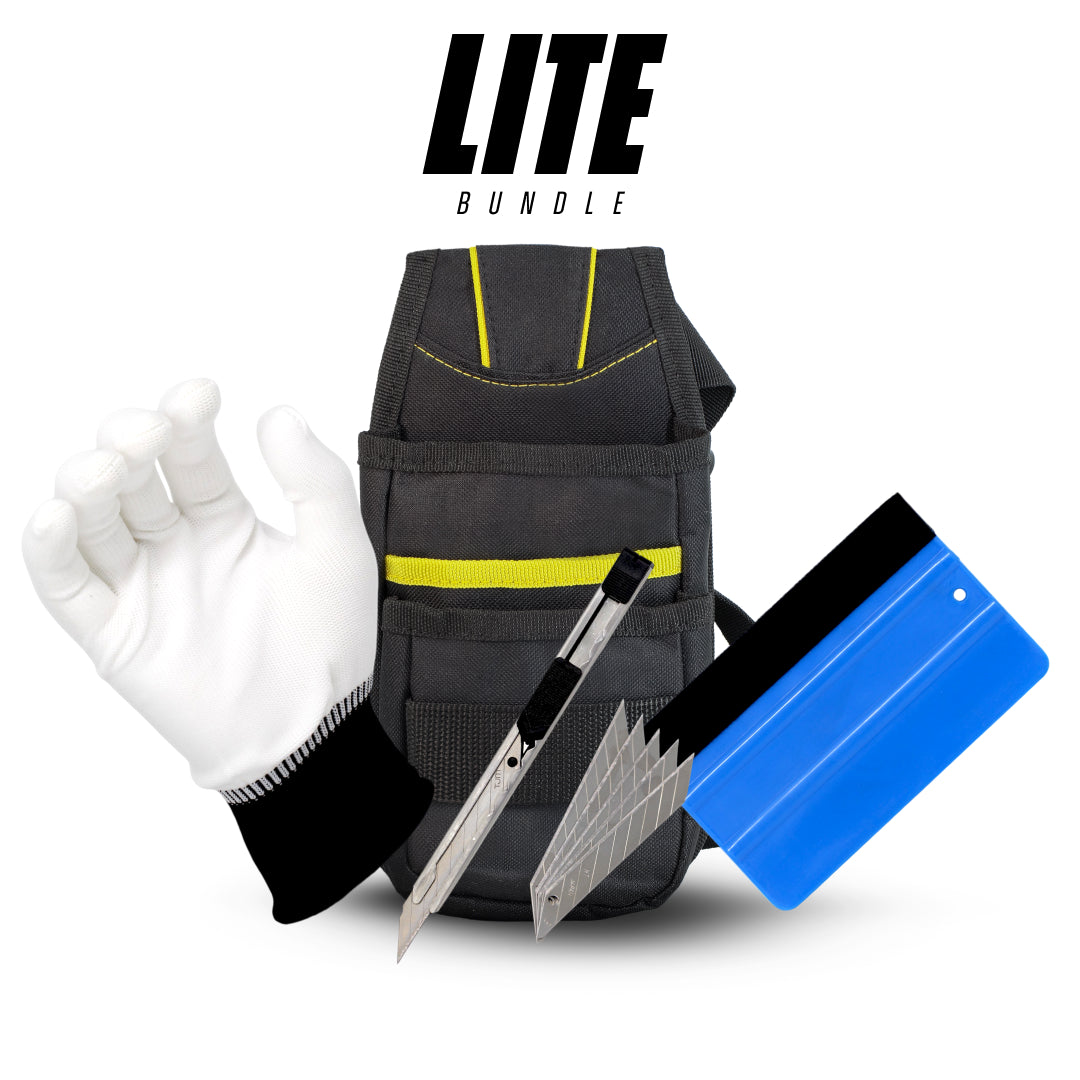
| Tint Tool Kit — Lite | First tint job | 17% | $99.99 |
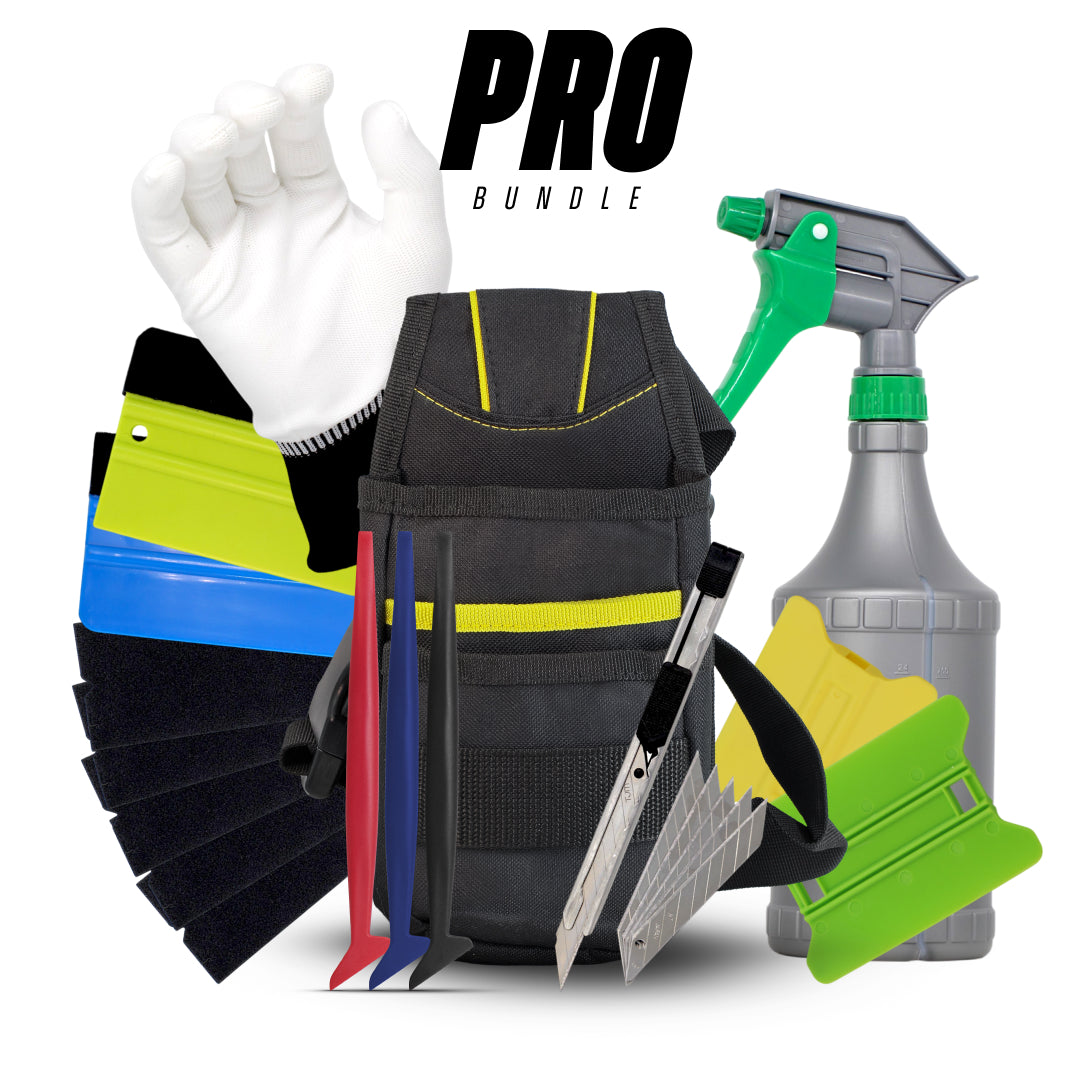
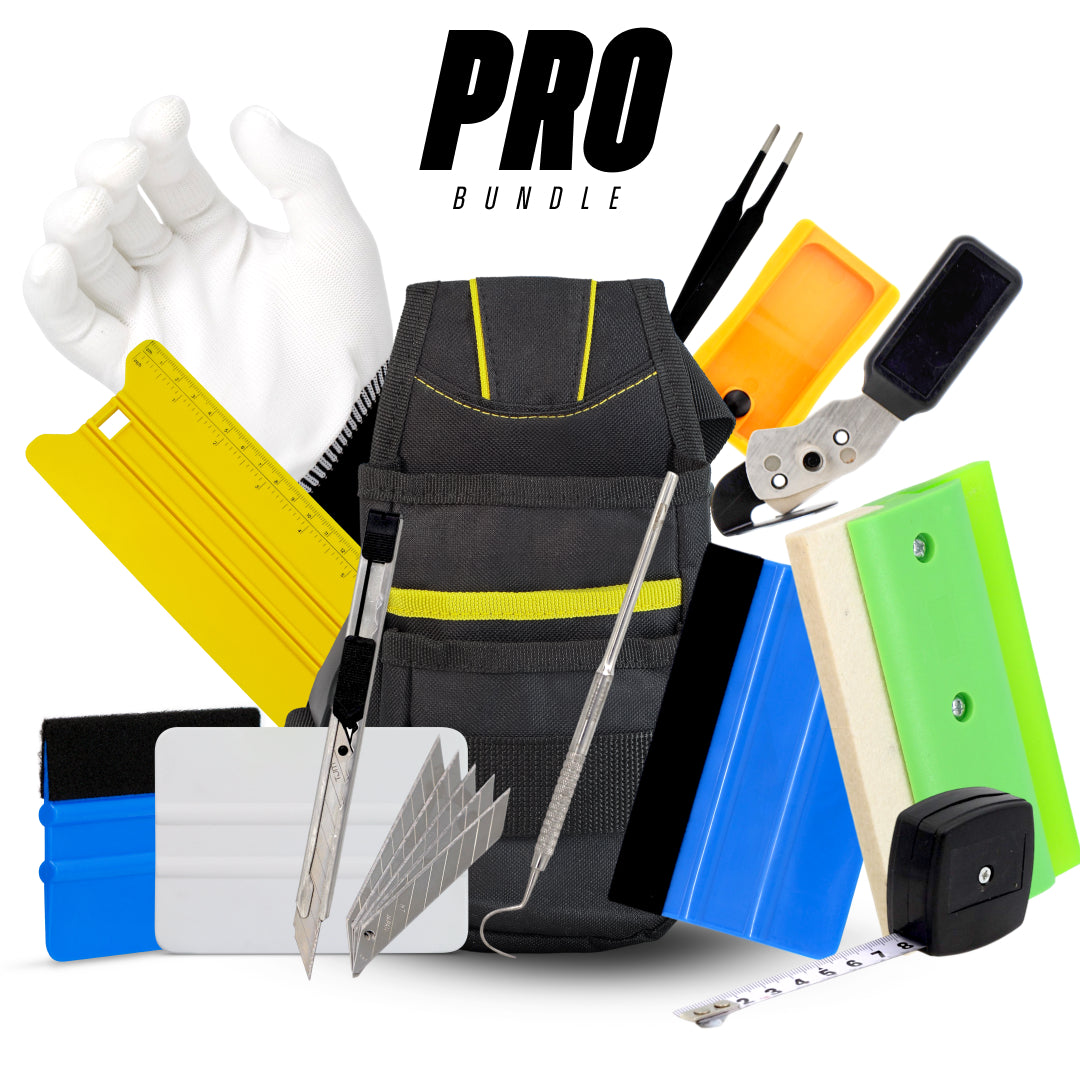
| Tint Tool Kit — Pro | Regular installers | 23% | $139.99 |
| Tint Tool Kit — Pro Max | Full-time installers | 30% | $219.99 |
Why Professional Tint Tools Must Withstand Daily Use
Professional tint installers often work in environments where tools are used continuously throughout the day. A single technician might complete multiple car tinting jobs, install house window tint, and even handle specialty applications like one way glass window film within the same shift. Because of this demanding workload, window tinting tools must be designed to endure heavy daily use.
Take the example of the squeegee for window tint. During a typical installation, this tool may be used hundreds of times as the installer pushes water and air from beneath the film. If the blade becomes worn or damaged, it can create streaks or uneven pressure that affects the final result.
The same applies to cutting tools. Precision knives used for trimming automotive window tint must remain extremely sharp to ensure clean edges. Professionals, therefore, choose knives with replaceable blades and durable handles that can withstand constant handling without slipping or breaking.
Heat guns are another example of equipment that must be reliable. During auto window tinting, heat guns help shrink film onto curved glass surfaces like rear windshields. A poorly constructed heat gun may overheat or produce inconsistent airflow, making it difficult to shape the film properly.
Professionals also look for tools that resist chemical damage. Cleaning solutions used during tinting windows film installations can contain agents designed to remove grease, dirt, and adhesives. If tools are made from inferior materials, these chemicals can cause them to deteriorate over time.
Comfort and grip durability also matter. Installers frequently work in awkward positions when applying car windscreen tint or reaching deep into rear windows. Tools with ergonomic handles and non-slip surfaces help maintain control while preventing fatigue.
Because professional installers depend on their tools to maintain efficiency and quality, durability becomes a key factor when choosing equipment. High-quality tools not only last longer but also protect the installer’s reputation by ensuring every window tinting job meets professional standards.
Essential Window Tint Tools Every Installer Should Have

Whether installing tint professionally or as a DIY project, having the right tools can make a major difference in the quality and efficiency of the installation.
Tint Squeegees: Squeegees are one of the most important tools for window tinting. They help remove water and air bubbles from beneath the film, ensuring smooth adhesion and a clean finish.
Precision Cutting Tools: Sharp trimming knives or blades allow installers to cut tint film accurately along the edges of the window. Precision cutting prevents gaps, uneven edges, or excess film.
Heat Guns: Heat guns are used to shape tint film to curved glass surfaces. Controlled heat helps the film shrink and conform to the shape of the window without wrinkles.
Spray Bottles and Application Solutions: Tint installers use spray bottles filled with slip solutions to position the film correctly before final installation. This allows the film to slide into place before it is squeegeed down.
Using professional-grade tools ensures that installers can achieve clean edges, smooth finishes, and long-lasting tint installations.
If you are starting, using a complete window tint tool kit can provide all the essential tools needed for professional installations.
Ergonomics and Comfort for Professional Tint Installers
Tint installation might seem simple from the outside, but anyone who has spent hours applying window film knows it can be physically demanding. Installers often bend, stretch, and work in tight spaces while applying car window tint or house window tinting. This is why ergonomics and comfort play a huge role when professionals choose their tint tools.
Ergonomic tools are designed to reduce strain on the hands, wrists, and arms. For example, many professional window tint squeegees feature curved handles that fit naturally in the palm. This design allows installers to apply pressure more comfortably during long smoothing sessions.
Grip materials are also important. Rubberised handles help prevent slipping when tools become wet from cleaning solutions used during tinting windows film installations. A secure grip gives installers better control, which ultimately leads to cleaner results when applying automotive window tint.
Comfort becomes even more important during complex installations like rear windshield tinting. These windows are deeply curved and often require installers to reach into the back of the vehicle while shaping the film with heat. Lightweight tint window tools reduce fatigue and allow technicians to maintain precision even during long jobs.
Professional installers often test multiple tools before choosing their favourites. A car tinting kit might include several different squeegees or application paddles, but the technician will naturally gravitate toward tools that feel comfortable and balanced during use.
Ergonomic tools also improve efficiency. When installers experience less fatigue, they can work faster while maintaining accuracy. This helps professional shops complete more vehicle tint near me services each day without sacrificing quality.
For professionals who spend years installing window film, the right tools can make a huge difference in their long-term comfort and productivity. That’s why ergonomic design has become an increasingly important factor in modern window tinting tools development.
Common Mistakes When Using Window Tint Tools
Even experienced installers can run into problems if tools are used incorrectly. Understanding common mistakes can help improve installation results.
Using Low-Quality Squeegees: Cheap or poorly designed squeegees may scratch the tint film or fail to remove water properly. Professional squeegees provide smooth edges and consistent pressure.
Dull Cutting Blades: Using dull blades can tear or drag the tint film, resulting in uneven edges. Professional installers replace blades frequently to maintain clean cuts.
Incorrect Heat Application: Applying too much heat when shrinking film can damage the tint or distort its shape. Controlled heating helps the film conform naturally to curved glass surfaces.
Poor Surface Preparation: Tools alone cannot fix a poorly prepared surface. Glass must be thoroughly cleaned before installation to prevent dust or debris from becoming trapped under the film.
Avoiding these mistakes helps installers achieve a professional-quality tint finish that lasts longer and looks better.
Choosing the right window tinting tools is one of the most important decisions professional installers make. While customers often focus on the type of window film or the darkness of car window tint, experienced tinters know that tools determine whether the final result looks flawless or flawed.
From precision cutting blades to durable window tint squeegees, every piece of equipment plays a role in the installation process. Professionals carefully select tools that deliver accuracy, durability, comfort, and efficiency. These tools help them achieve bubble-free finishes, perfectly trimmed edges, and smooth film application on everything from automotive window tint to house window film.
The best installers treat their tinting tools as long-term investments rather than disposable items. High-quality equipment allows them to perform consistent, professional work across a wide range of projects, from car windscreen tint to one way glass window film installations for homes and businesses.
For anyone considering car tinting or home window tinting, understanding the importance of professional tools can help explain why experienced installers deliver better results than DIY kits. Behind every perfectly tinted window is not only skill and experience but also a carefully chosen set of tools designed to make precision possible.
Are you unsure which tool or kit is right for your job?
Our expert team at Oz Sign Supplies is here to help. Reach out today, and we’ll direct you to the best tools to suit your project, ensuring you get the job done right the first time.

Tint Tool Kit - Pro Max
$219.99
What's Included 20+ tools. Zero filler. Everything you actually use on installs. PREP & CLEAN 1x Tint Scrubbing Pad -...
Kit me out