

Headlight Tinting Laws by State and Territory
Although the Australian Design Rules provide national standards, each state and territory enforces roadworthy requirements through its own transport authority.
| State / Territory | Are Tinted Headlights Generally Legal? | Notes |
|---|---|---|
| NSW | ❌ Generally No | Headlights must meet ADR performance requirements and provide adequate illumination. |
| VIC | ❌ Generally No | Any modification that reduces headlight performance can make a vehicle unroadworthy. |
| QLD | ❌ Generally No | Lighting must remain effective and comply with vehicle standards. |
| WA | ❌ Generally No | Headlights must continue meeting visibility and safety requirements. |
| SA | ❌ Generally No | Modifications cannot adversely affect mandatory lighting performance. |
| TAS | ❌ Generally No | Vehicles must maintain compliant lighting equipment. |
| ACT | ❌ Generally No | Lighting modifications must comply with ADRs and local inspection standards. |
| NT | ❌ Generally No | Headlights must continue meeting national vehicle standards. |
Important: Enforcement can vary depending on the darkness of the tint, the type of film used, and whether the modification affects the vehicle's lighting performance. Even a light smoke tint could result in a defect notice if it reduces visibility below legal requirements.
If you're doing DIY headlight tinting, our complete tint install tool sets ensure you have every tool required for clean and consistent results →
Why Are Headlight Tints Regulated? (Australian Design Rules Explained)
Australian vehicles must comply with the Australian Design Rules (ADRs), which specify how vehicle lighting must perform.
For headlights, the ADRs require lighting that:
- Produces sufficient illumination for safe night driving.
- Maintains the correct beam pattern to avoid dazzling other road users.
- Emits the correct colour (typically white for headlights).
- Meets prescribed performance and visibility standards.
When a tint film is applied over a headlight, it can:
- Reduce overall light output.
- Alter the beam pattern.
- Change the colour of the light.
- Make the vehicle harder for other motorists and pedestrians to see.
These changes can compromise road safety, which is why authorities closely regulate any modification affecting mandatory vehicle lighting.
Because headlight tinting uses similar techniques to vinyl wrapping, many installers also depend on high-quality vehicle wrapping tools for accuracy →
Installer tip
Choose a high-quality headlight film designed to withstand heat, UV exposure, and curved surfaces. Keep the tint light enough to preserve visibility, and use controlled heat and a suitable squeegee to achieve a smooth, bubble-free finish.
Can You Use Headlight Tint on Off-Road or Show Cars?
Yes, in some circumstances.
Many enthusiasts install smoked headlight films on:
- Dedicated show cars
- Display vehicles
- Track-only vehicles
- Off-road vehicles that are not driven on public roads
If the vehicle is not operated on public roads, road registration requirements may not apply. However, once the vehicle is driven on public roads, it must comply with the applicable roadworthiness and lighting regulations.
If you regularly switch between off-road events and public road use, remove any non-compliant headlight tint before driving on public roads.
Important: Check Your State Road Transport Authority
This helps ensure your vehicle remains roadworthy and avoids potential:
- Defect notices
- Fines
- Failed roadworthy inspections
- Insurance complications following an accident
When in doubt, choose a headlight protection film specifically designed to preserve the original brightness and performance of your headlights rather than a decorative smoked tint.
For those considering PPF as an alternative to tint, specialised PPF tools help achieve a clearer and more protective finish on headlights →
What Exactly Is Headlight Tint?

Headlight tint is a film or spray designed to darken or colour the surface of your vehicle’s headlights. It works similarly to vinyl window tint, but it’s created with materials that can withstand:
- Higher temperatures
- UV and weather exposure
- Curved surfaces
- Light transmission requirements
Headlight tint comes in several forms:
Vinyl film: The most common option, removable and customizable
Spray tint: A more permanent solution, harder to reverse
Protective tint film: Clear or slightly tinted, focuses on protection rather than colour
Most people choose tint film because it allows control over:
- Darkness level
- Colour tone (yellow, smoke, amber, blue, etc.)
- Gloss or matte finish
Tinting doesn’t just change appearance; it can affect visibility, safety, and legality, which is why understanding the details matters.
Common mistake
One of the biggest mistakes is choosing a tint that is too dark without considering light output and local regulations. Darker films can reduce visibility and may be illegal, so always check the applicable requirements before installation.
Why Drivers Tint Their Headlights

Headlight tinting is more than just a trend; many people choose it for practical reasons as well as aesthetics. Here’s why it’s so popular today:
1. Aesthetic Appeal: Tint gives a sleek, aggressive, and cohesive look to almost any vehicle. Smoked headlights pair well with black wheels, dark window tint, and de-chromed trim.
2. Protection
- High-quality tint film can protect headlights from:
- UV fading
- Road debris
- Chips and scratches
- Oxidation
This can significantly extend the lifespan of expensive headlight housings.
3. Light Colour Customisation
Some drivers prefer:
- Yellow tint for better visibility in fog
- Slight smoke for a modern look
- Clear protective film for durability
4. Unique Appearance: Tinting lets you personalise your car without major modifications. When done well, it can dramatically improve curb appeal.
Types of Headlight Tint Films
Choosing the right tint type affects not just the appearance but also the lifespan of your headlights.
1. Smoked Tint: A dark, sleek look is popular on modern cars. Comes in multiple darkness levels.
2. Yellow Tint: Ideal for foggy or rainy climates. Many European cars use this for increased contrast on wet roads.
3. Colored Tints: Available in red, blue, purple, and more. Mostly for show cars or off-road vehicles.
4. Clear Protective Film: Gives all the protective benefits without changing headlight brightness or colour.

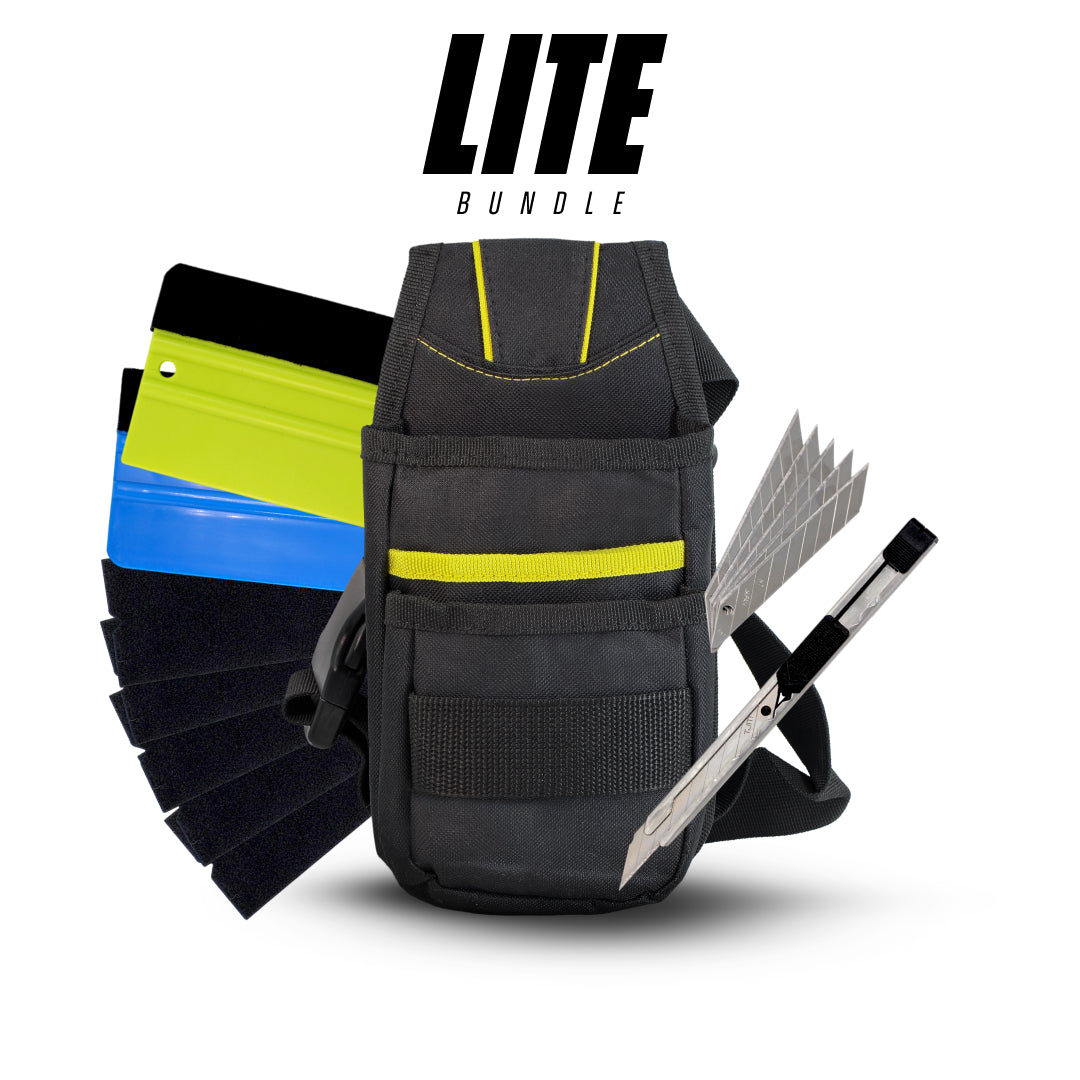
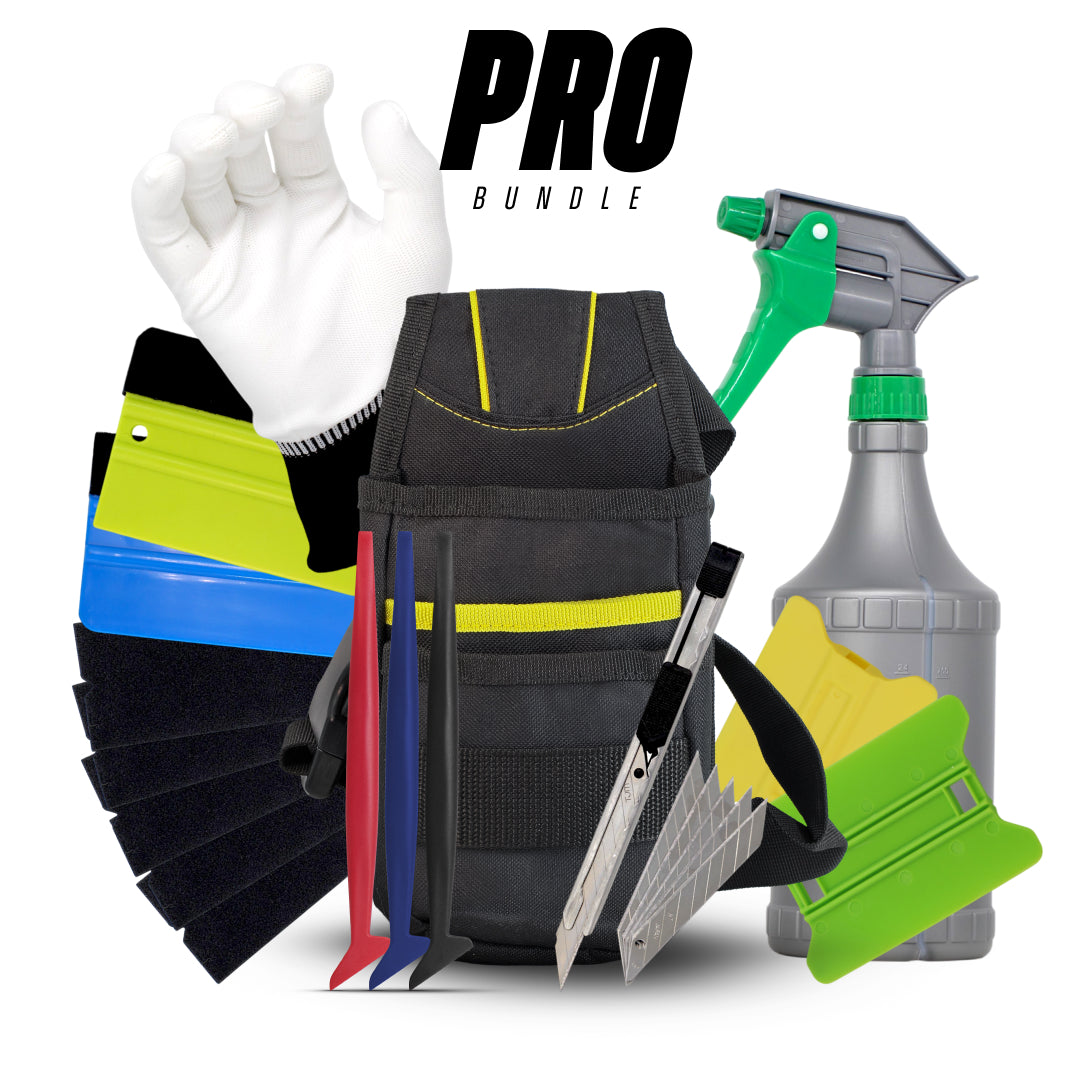
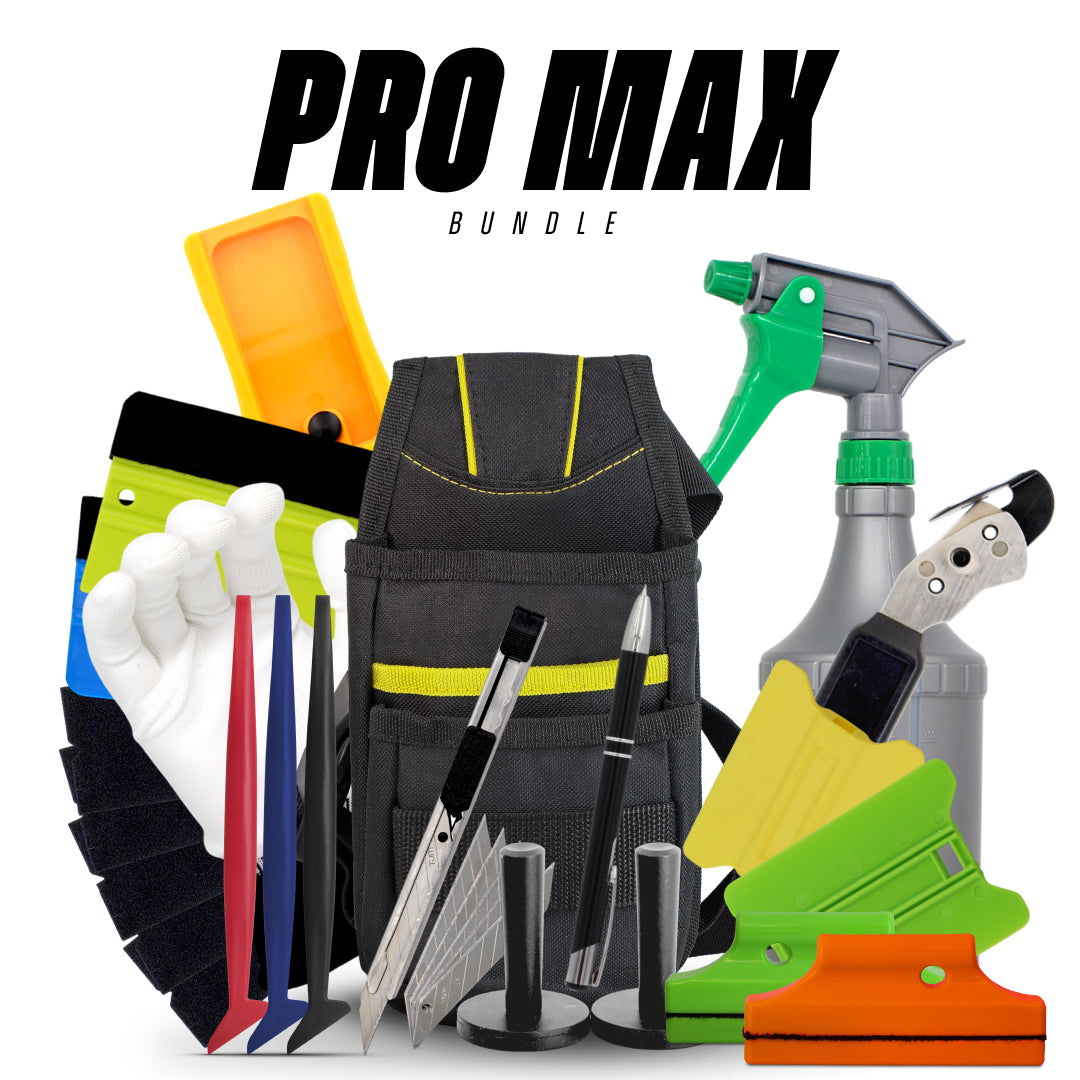
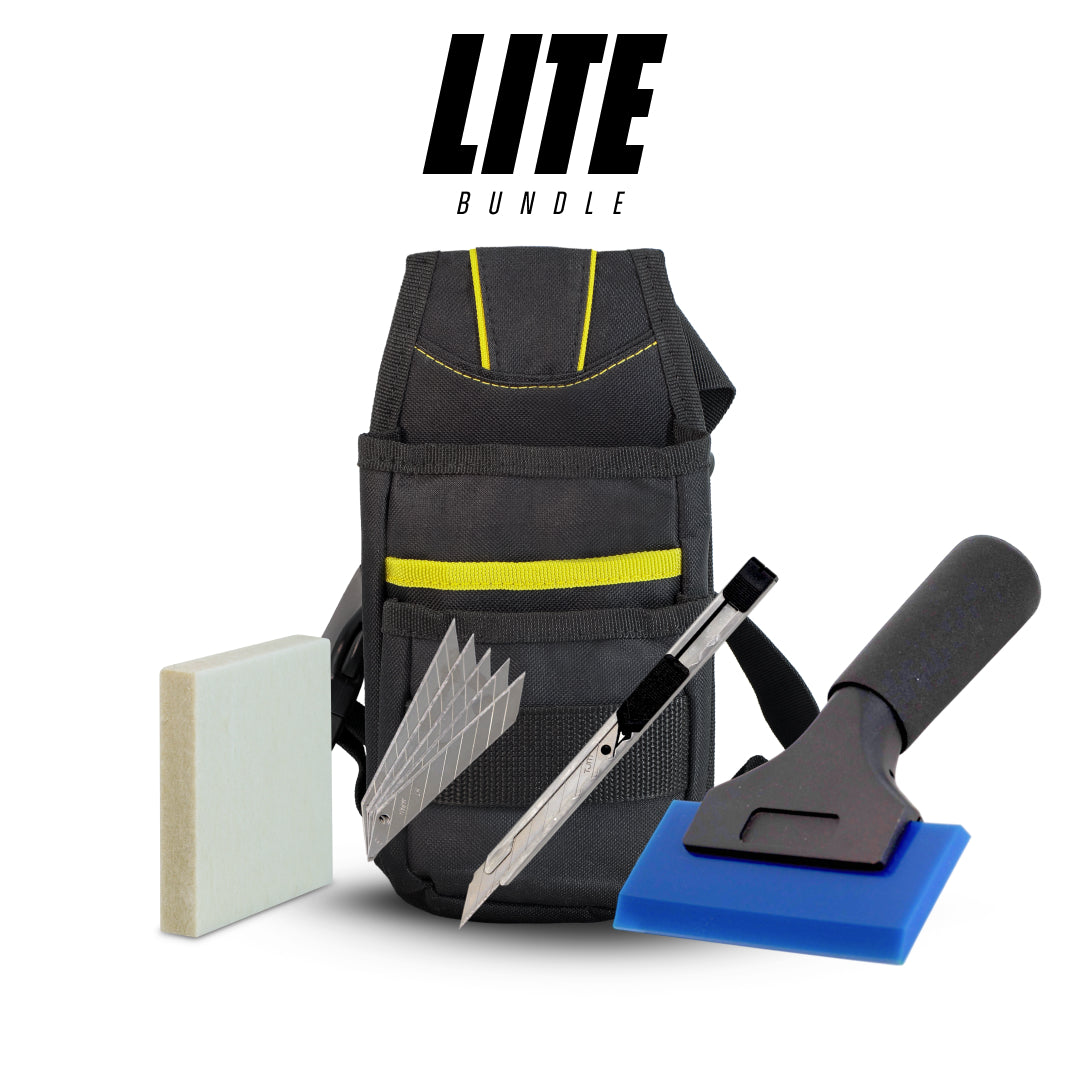
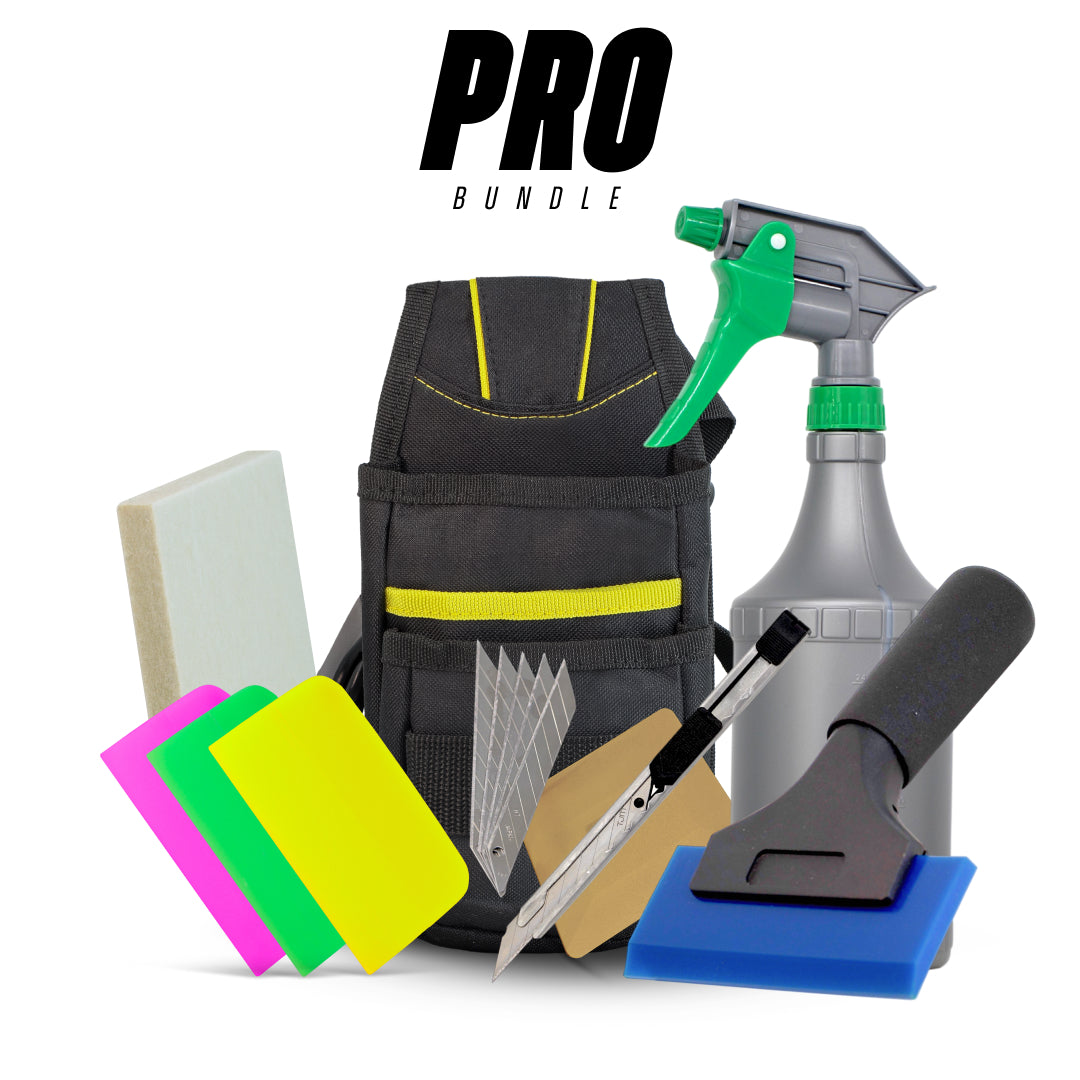
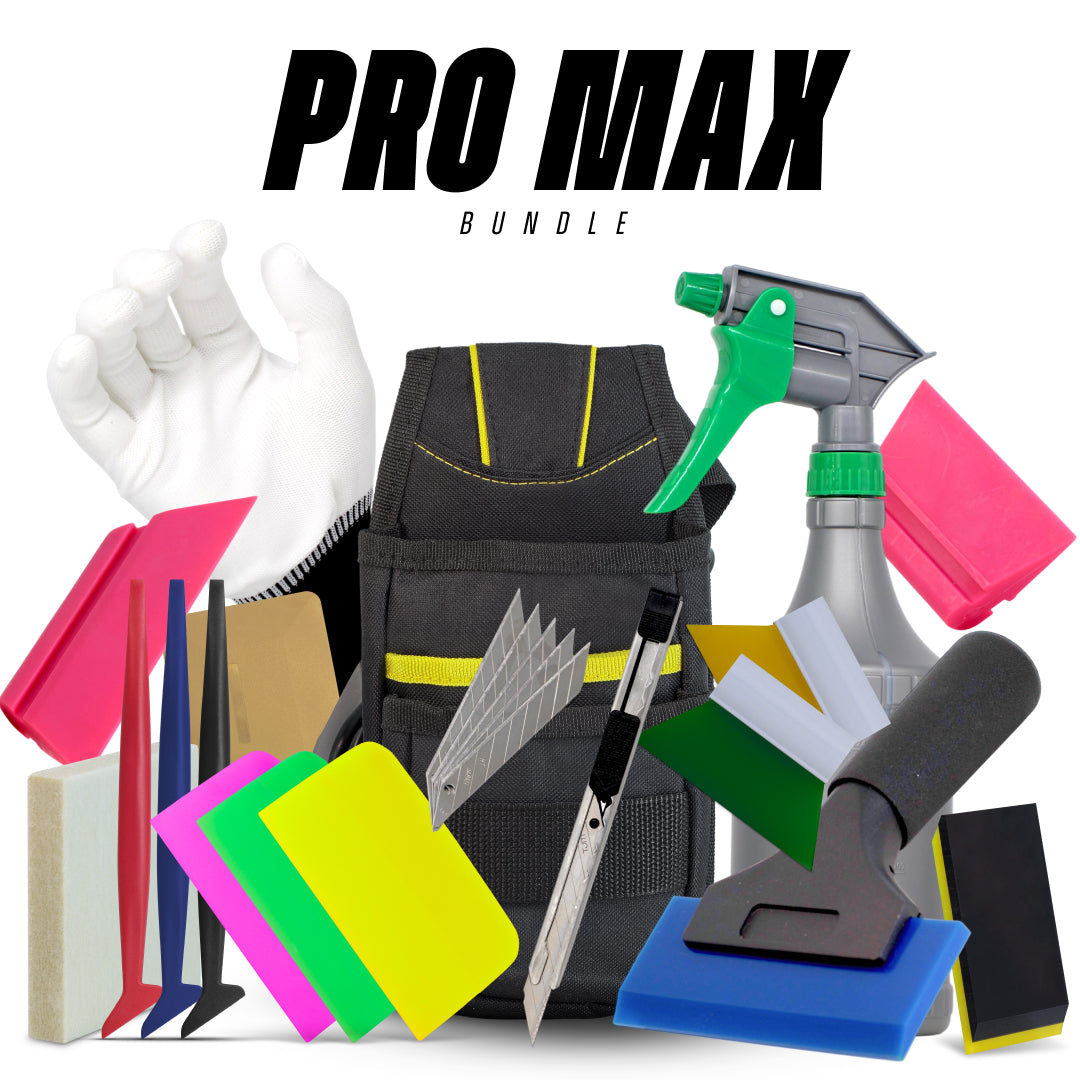
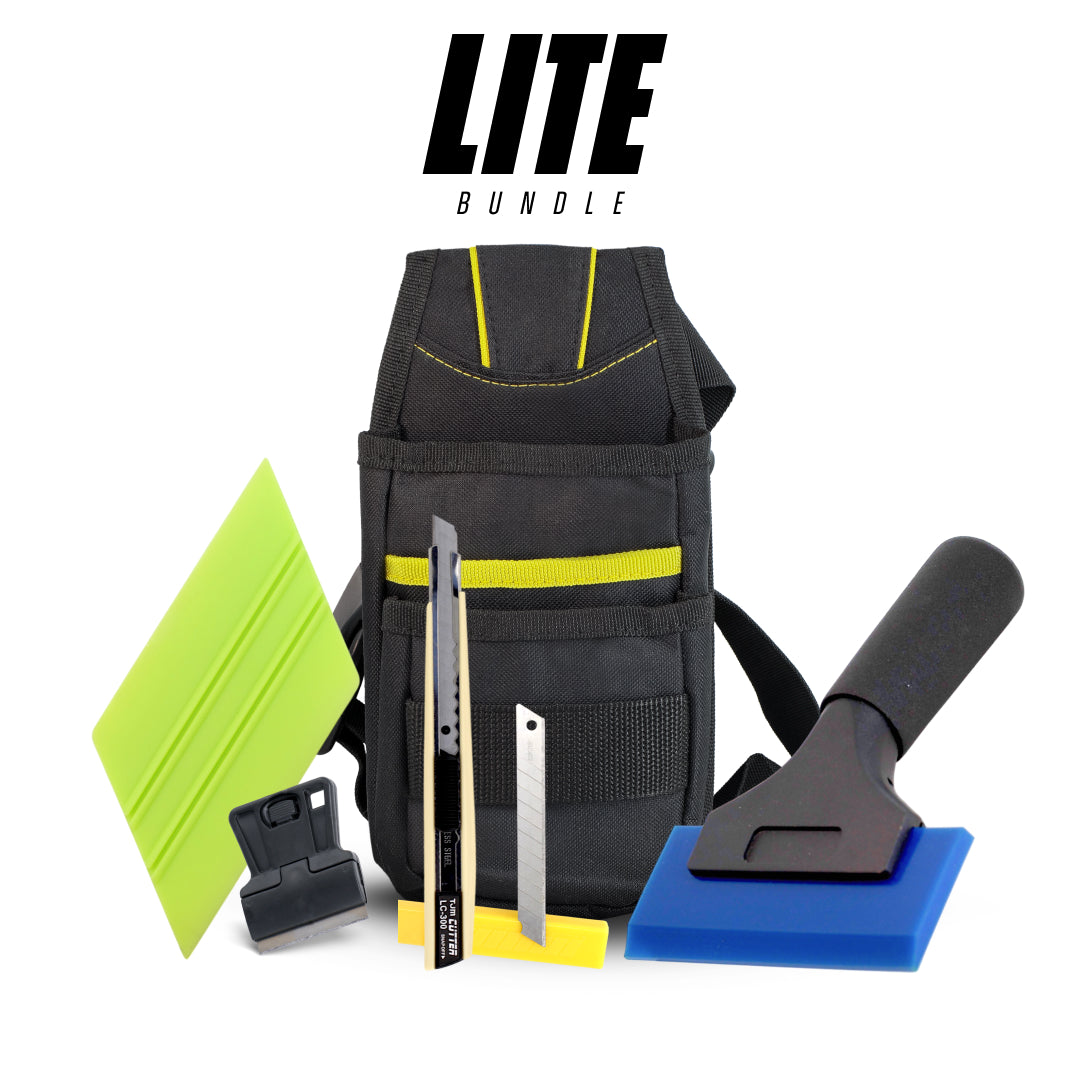
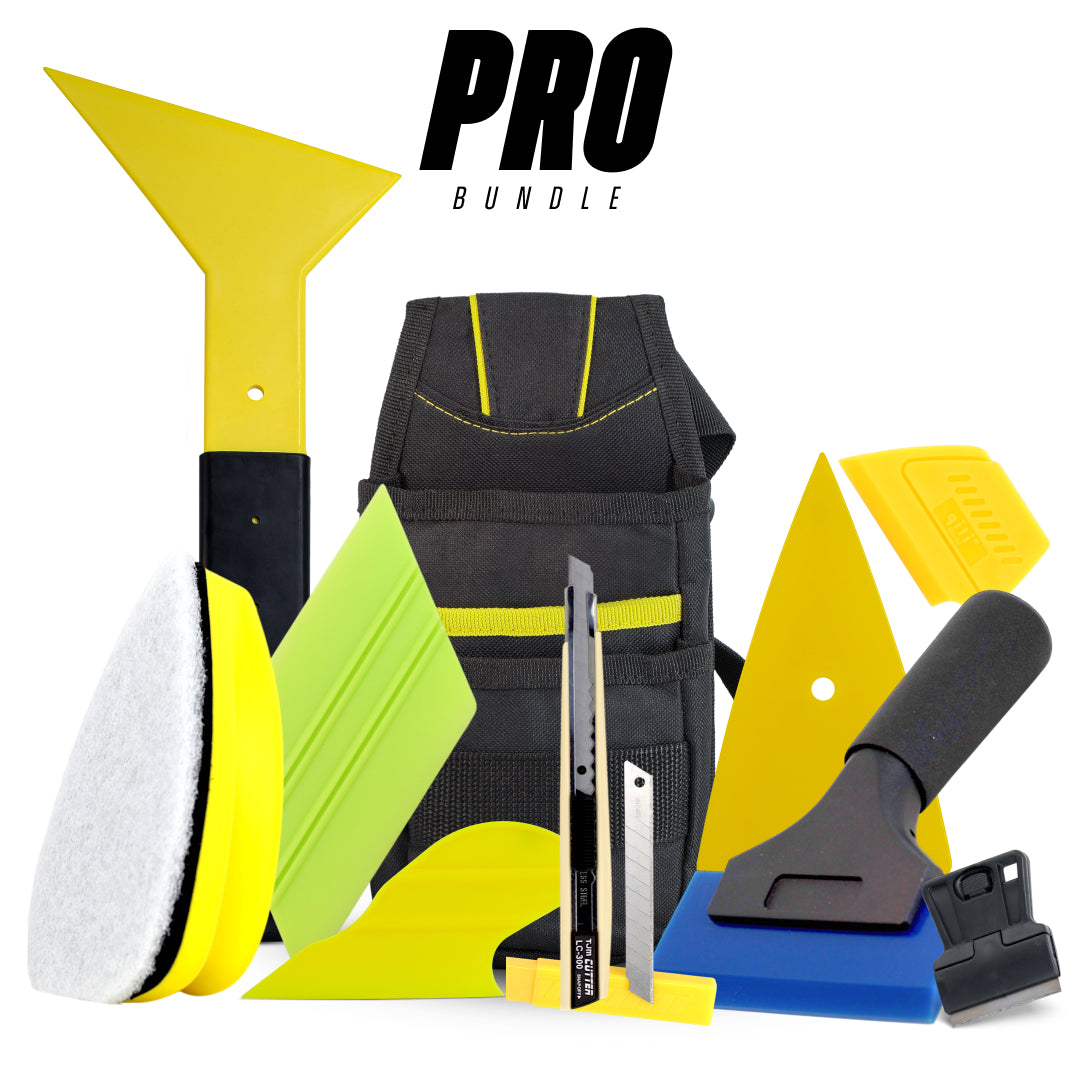
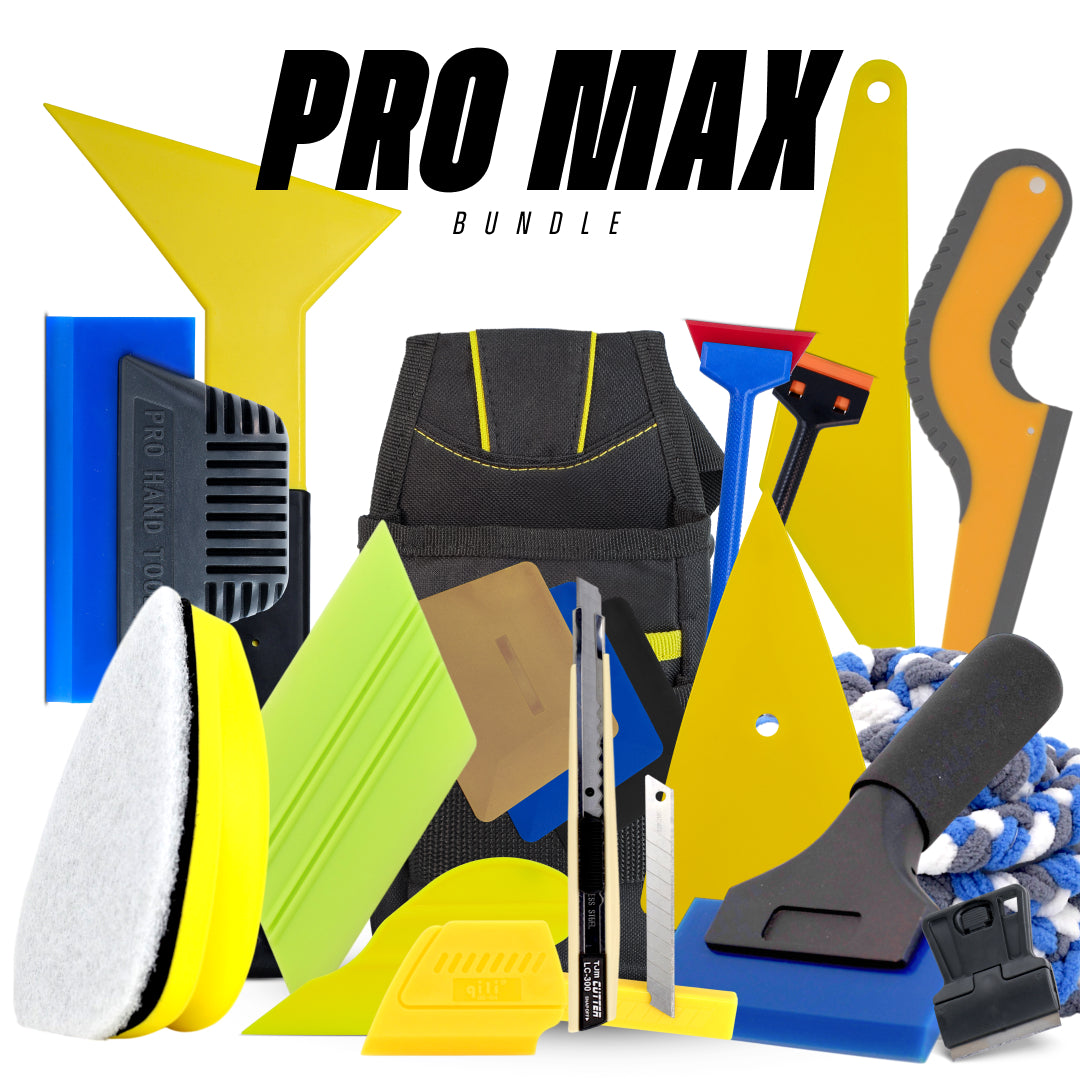
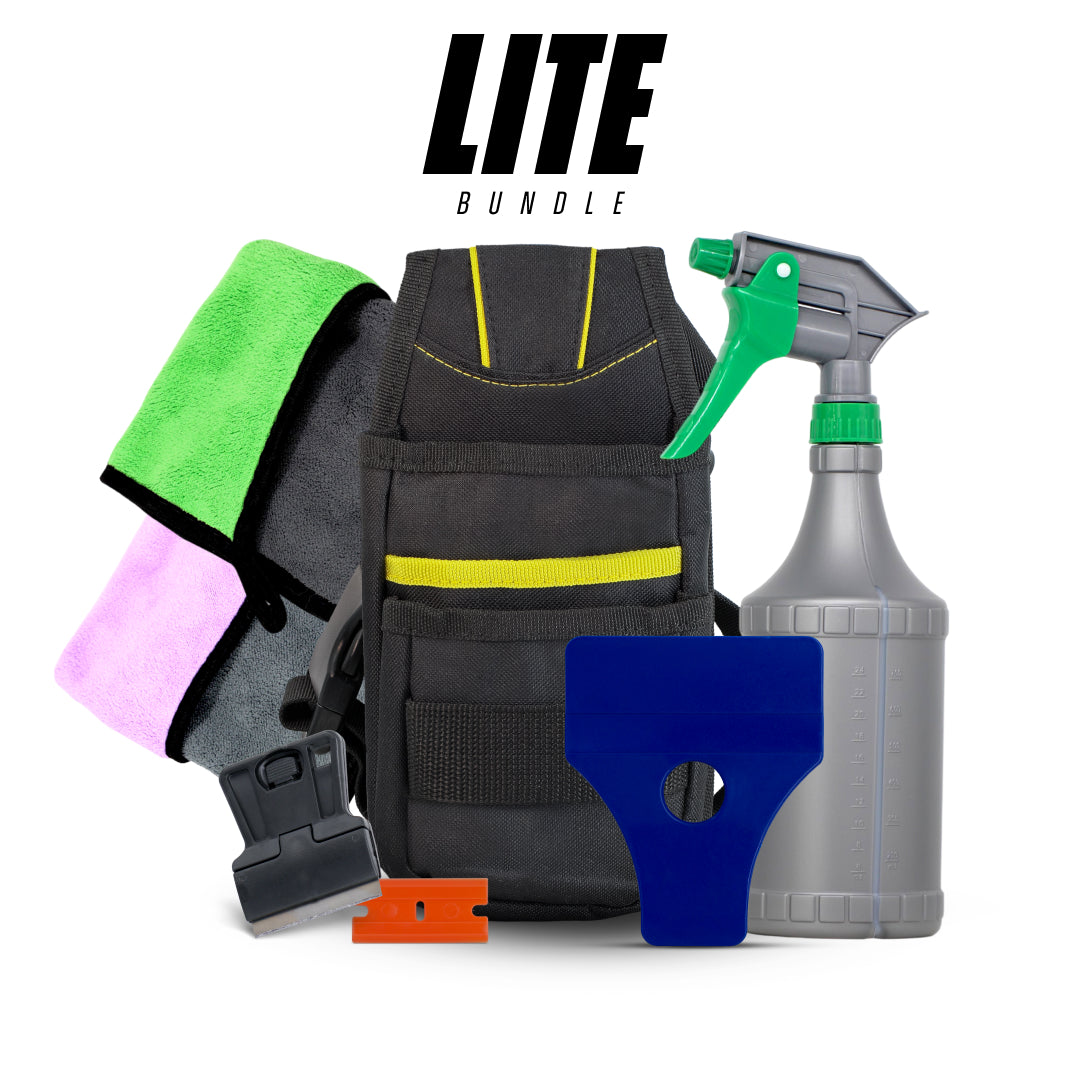
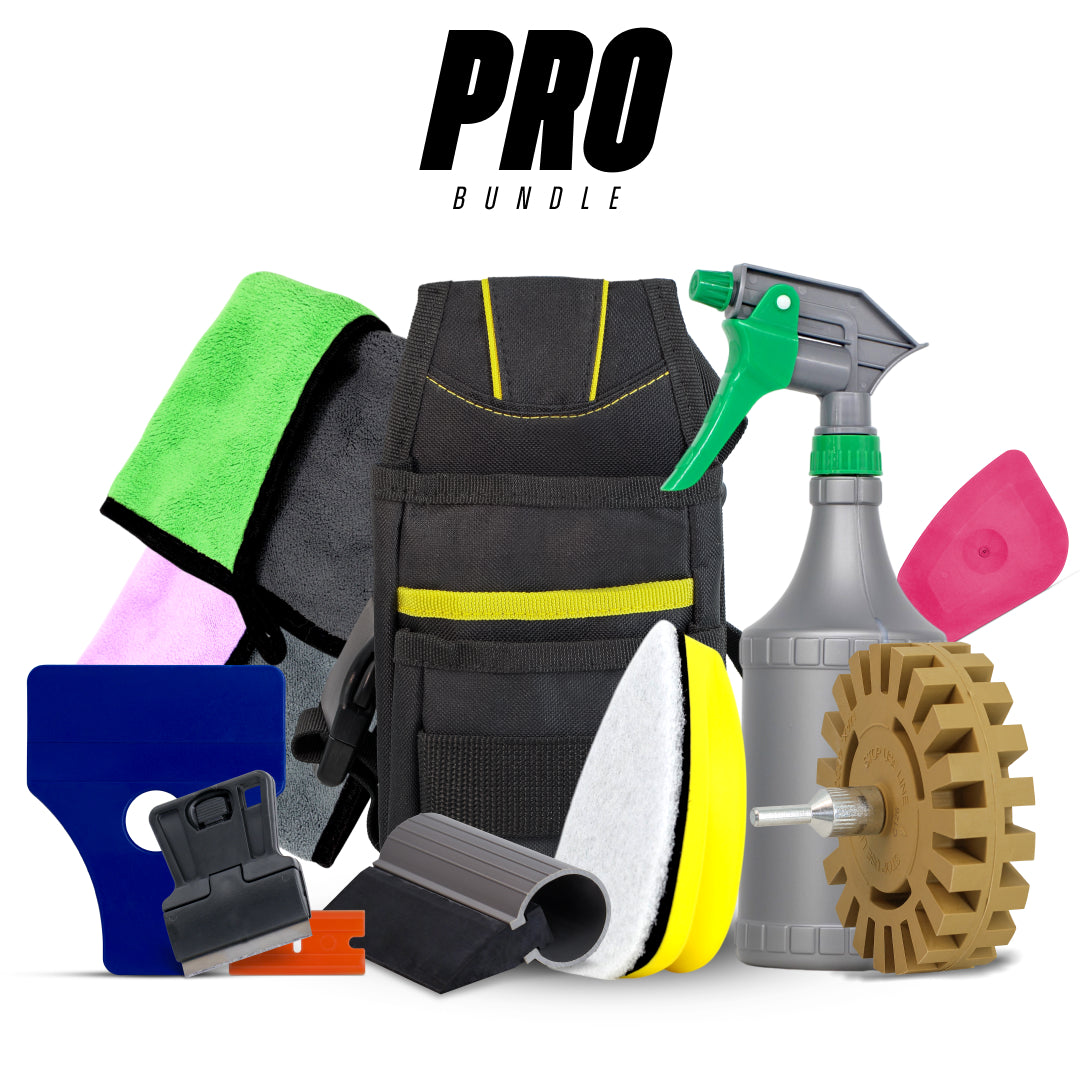
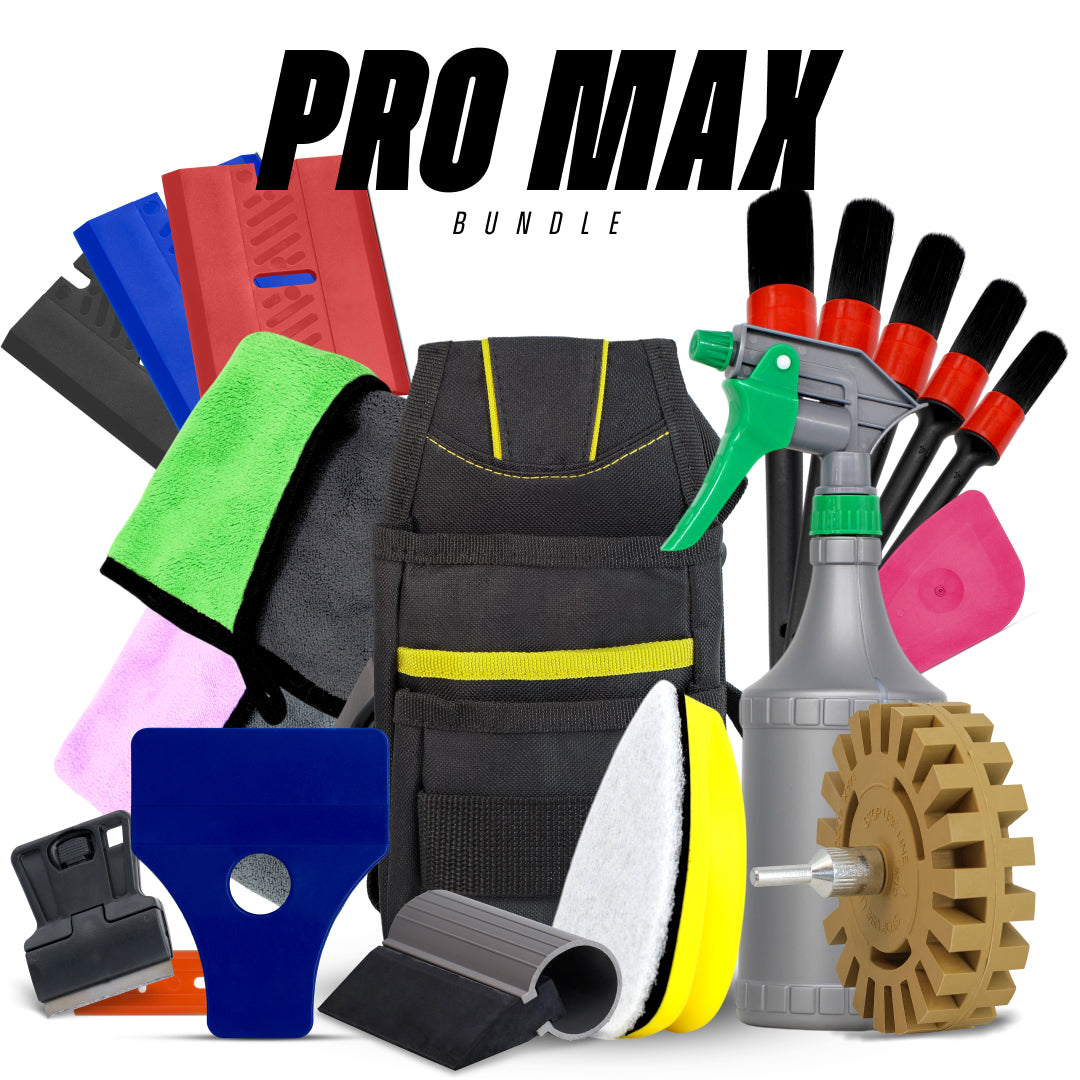
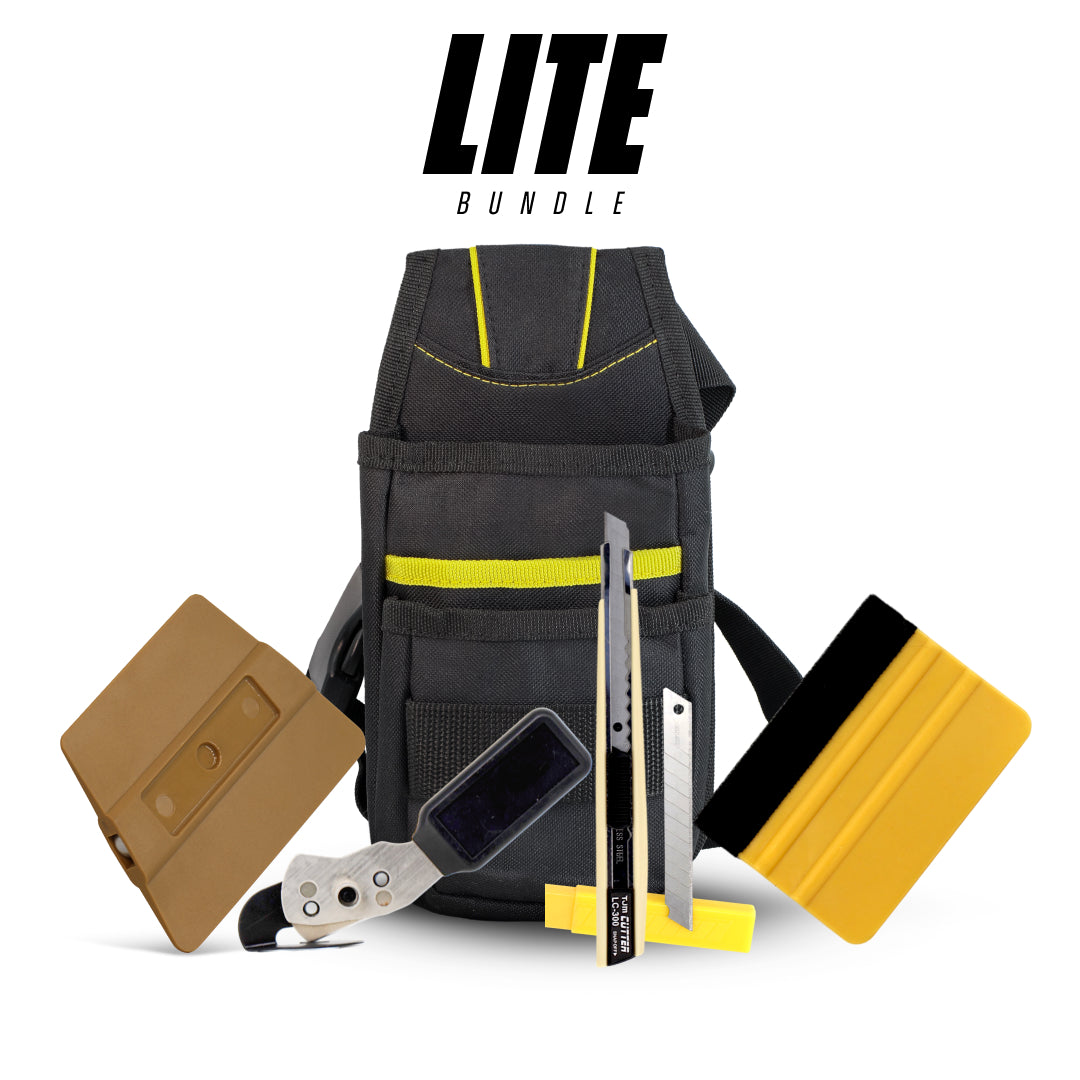
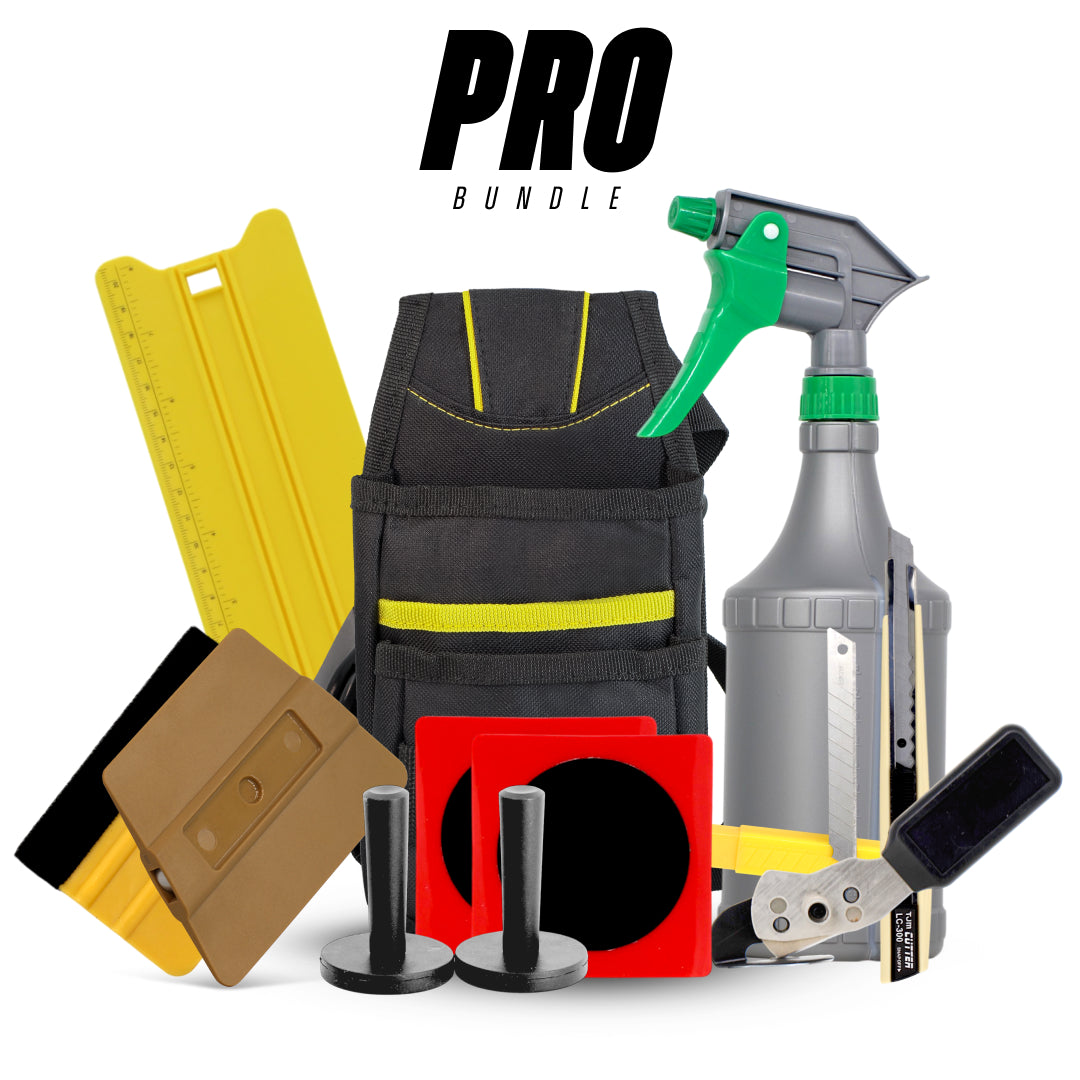
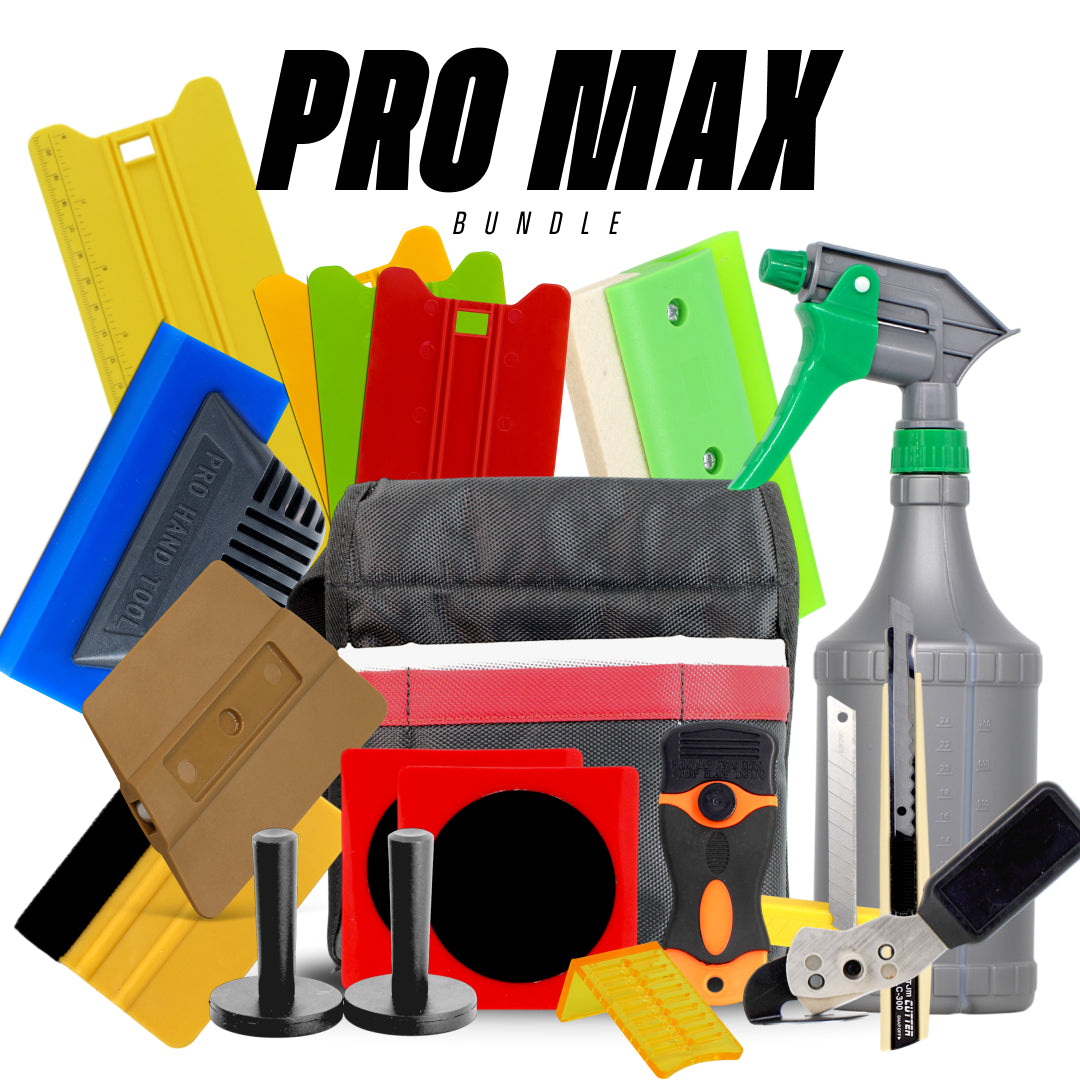
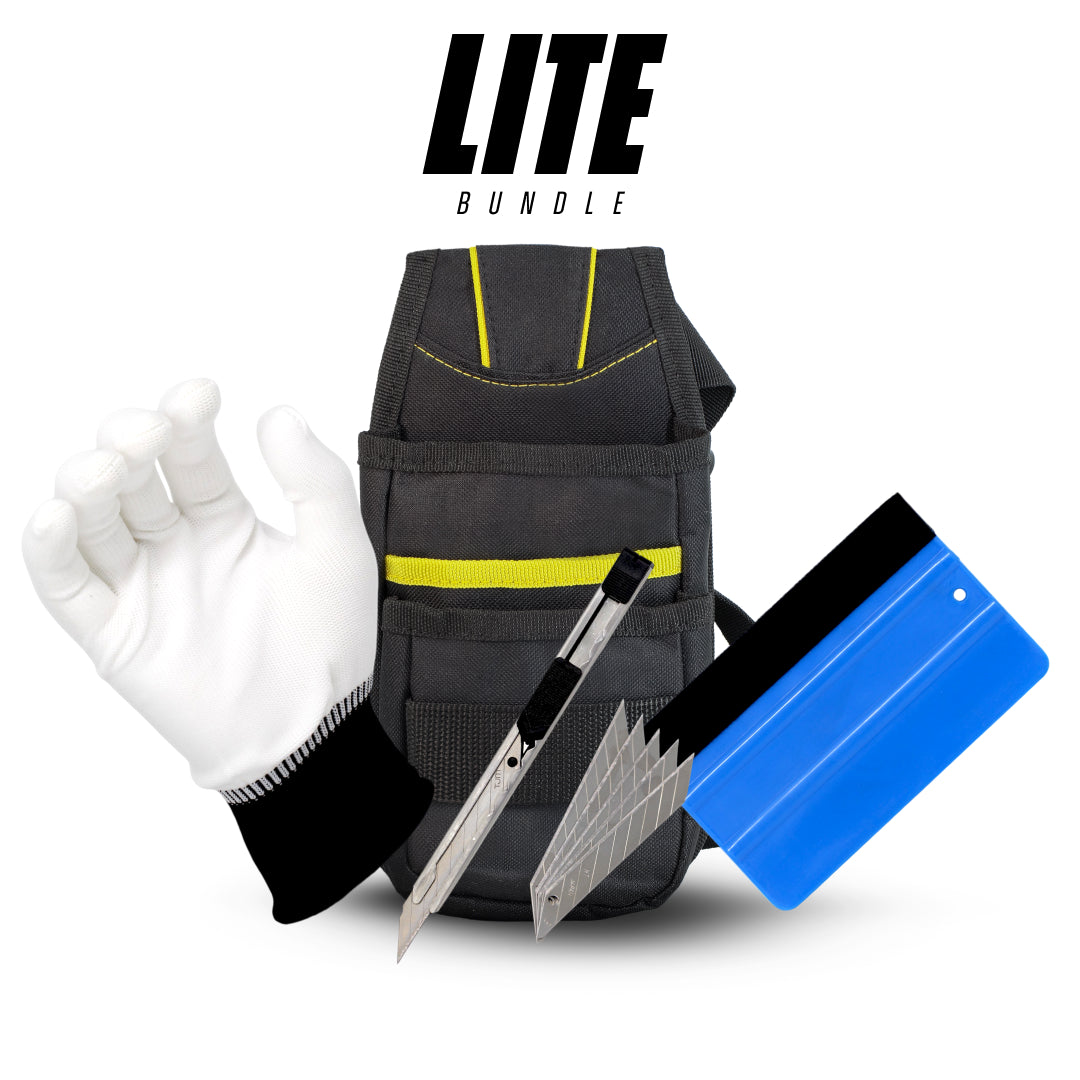
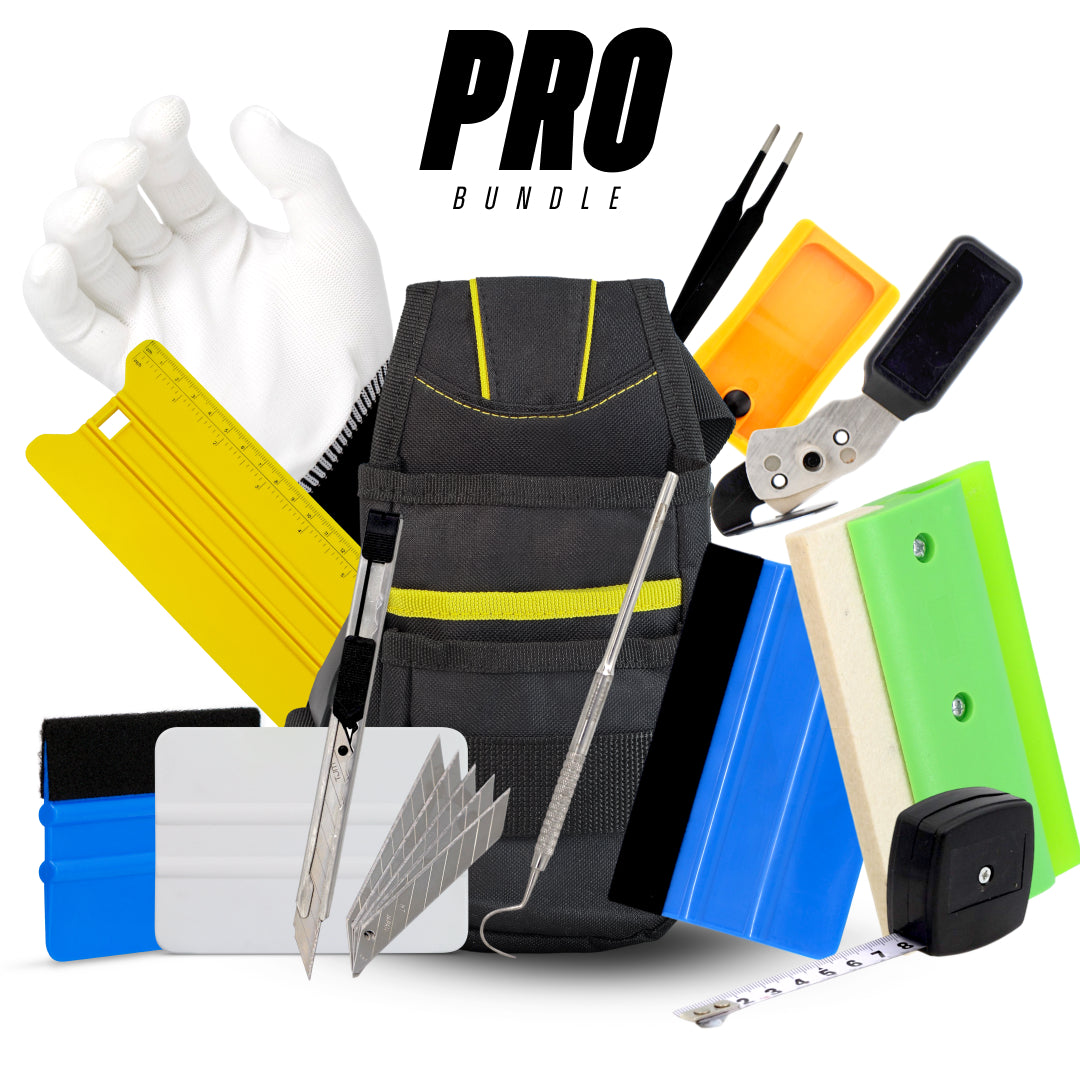
| Kit tier | Best for | Save | Price |
|---|---|---|---|
| Tint Tool Kit — Lite | First tint job | 17% | $99.99 |
| Tint Tool Kit — Pro | Regular installers | 23% | $139.99 |
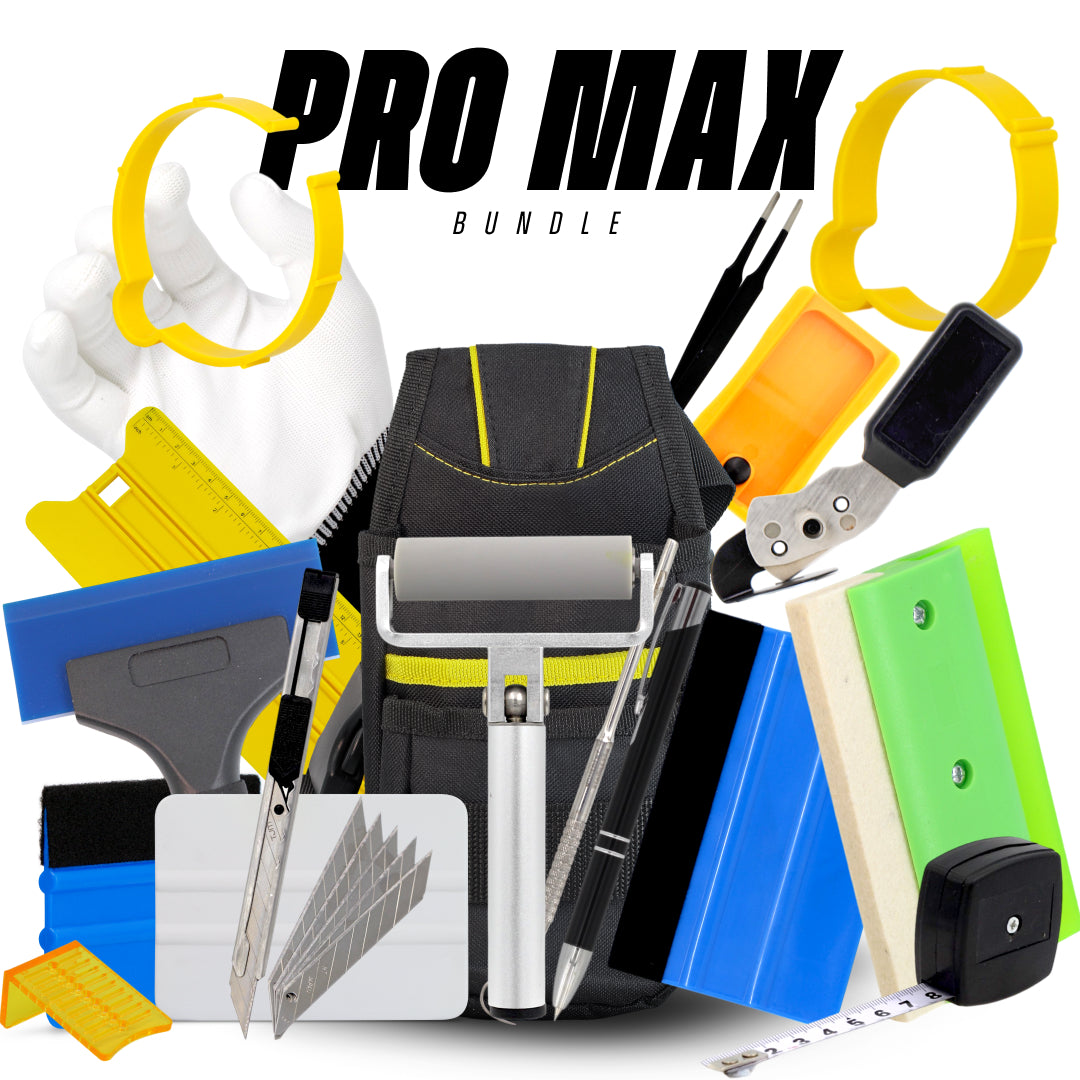
| Tint Tool Kit — Pro Max | Full-time installers | 30% | $219.99 |
Pros of Headlight Tinting
Tinting headlights can offer several real-world benefits besides looks.
1. Enhanced Style: One of the most obvious advantages. Even a light smoke tint can transform a basic car into a head-turner.
2. UV and Impact Protection: Helps prevent yellowing, cracks, and hazing, common issues that make headlights look old.
3. Reduced Glare: In some cases, tinting helps reduce intense glare from aftermarket LED or HID bulbs.
4. Easy Customisation: Tint lets you try a new appearance without replacing expensive headlight units.
Cons of Headlight Tinting
Despite the benefits, tinting isn’t perfect. Here are the biggest drawbacks:
1. Reduced Light Output: The darker the tint, the dimmer your headlights become. This directly affects nighttime visibility and reaction time.
2. Legal Issues: Many regions restrict the tint darkness or colour. Some areas ban headlight tinting completely.
3. Safety Risks: Reduced brightness can increase the chances of:
- Missing road debris
- Poor visibility in the rain
- Slower reaction times
4. Durability Problems: Cheap tint film bubbles, peels, or hazes quickly, especially under strong sunlight.
Headlight tinting can completely transform the look of your vehicle while offering practical benefits like protection and customisation. But it also comes with responsibilities, especially when it comes to safety and local laws.
Whether you're planning to install new tint or remove old film, understanding the pros, cons, and regulations ensures you make a smart, informed decision. With the right approach, tint can enhance both your car’s appearance and long-term durability without causing legal or visibility issues.
Are you unsure which tool or kit is right for your job? Yoy may check out this full car window tinting guide →
Our expert team at Oz Sign Supplies is here to help. Reach out today, and we’ll direct you to the best tools to suit your project, ensuring you get the job done right the first time.

Tint Tool Kit - Pro Max
$219.99
What's Included 20+ tools. Zero filler. Everything you actually use on installs. PREP & CLEAN 1x Tint Scrubbing Pad -...
Kit me out