


When people talk about window tinting, whether it’s auto window tinting, home window tinting, or even headlight tint, the conversation almost always starts with the film. Ceramic or dyed? Legal shade or privacy tint? Heat rejection or looks? But here’s the truth: most people discover the hard way that the film is only half the equation. The tools you use to install that film can quietly decide whether your tint job looks clean and professional, or like a weekend experiment gone wrong.
On the surface, cheap window tint tools seem like a smart move. A low-cost car tinting kit promises everything you need: a plastic squeegee, a utility blade, maybe a spray bottle. Compare that to professional-grade tint tools, which can cost several times more, and the choice feels obvious. Why pay more when both claim to do the same job?
But window tinting isn’t just about getting film onto glass. It’s about precision, pressure control, cleanliness, shrinking accuracy, and finishing edges so smoothly they disappear. That’s where the real cost shows up, not on the receipt, but in wasted window film, scratched glass, air bubbles, and hours of frustration.
Whether you’re searching for window tinting close to me, planning a DIY house window film project, or trying to build a side hustle in automotive window tint, this comparison matters. Because the question isn’t “Which tools are cheaper?” The real question is: Which tools end up costing you more over time?
When comparing the cost of cheap versus professional tools, our window tint tools collection highlights the difference in quality, durability, and installation performance →
Let’s break it down honestly, without hype, and figure out where your money really goes.
Understanding Window Tinting: More Than Just Film and Glass
Window tinting looks deceptively simple from the outside. You clean the glass, spray some solution, apply the film, squeegee it out, and trim the edges. That’s the highlight reel. What you don’t see are the micro-adjustments that separate a clean install from a failed one.
Every tint job, whether it’s car window tint, car windscreen tint, or window film tint home, involves managing pressure, angles, moisture, and heat. A squeegee that’s too stiff can crease the film. One that’s too soft won’t push moisture out. A dull blade can tear the film or scratch the glass. Even something as basic as the shape of a window tint squeegee can change how evenly pressure is distributed across the film.
Professional installers understand that tools are extensions of their hands. That’s why most pro tint shops invest heavily in specialised window tinting tools designed for specific tasks, corner shaping, edge finishing, shrinking curved glass, and working around defrosters and sensors.
Cheap tools, on the other hand, are built for general use. They’re meant to be “good enough,” not precise. And while that might work for a flat bathroom window or a temporary privacy film, it becomes a liability when dealing with modern automotive glass or high-end house window film.
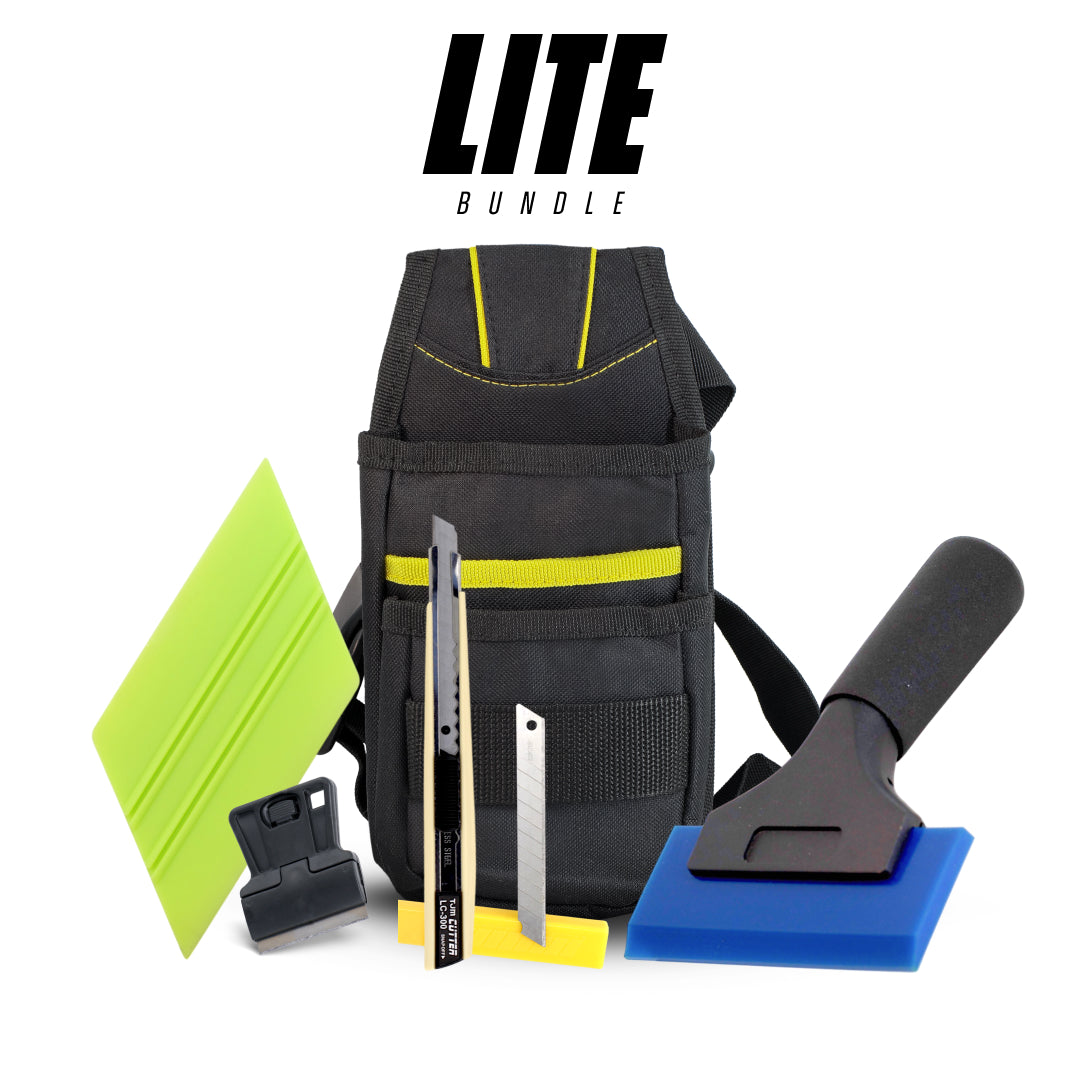
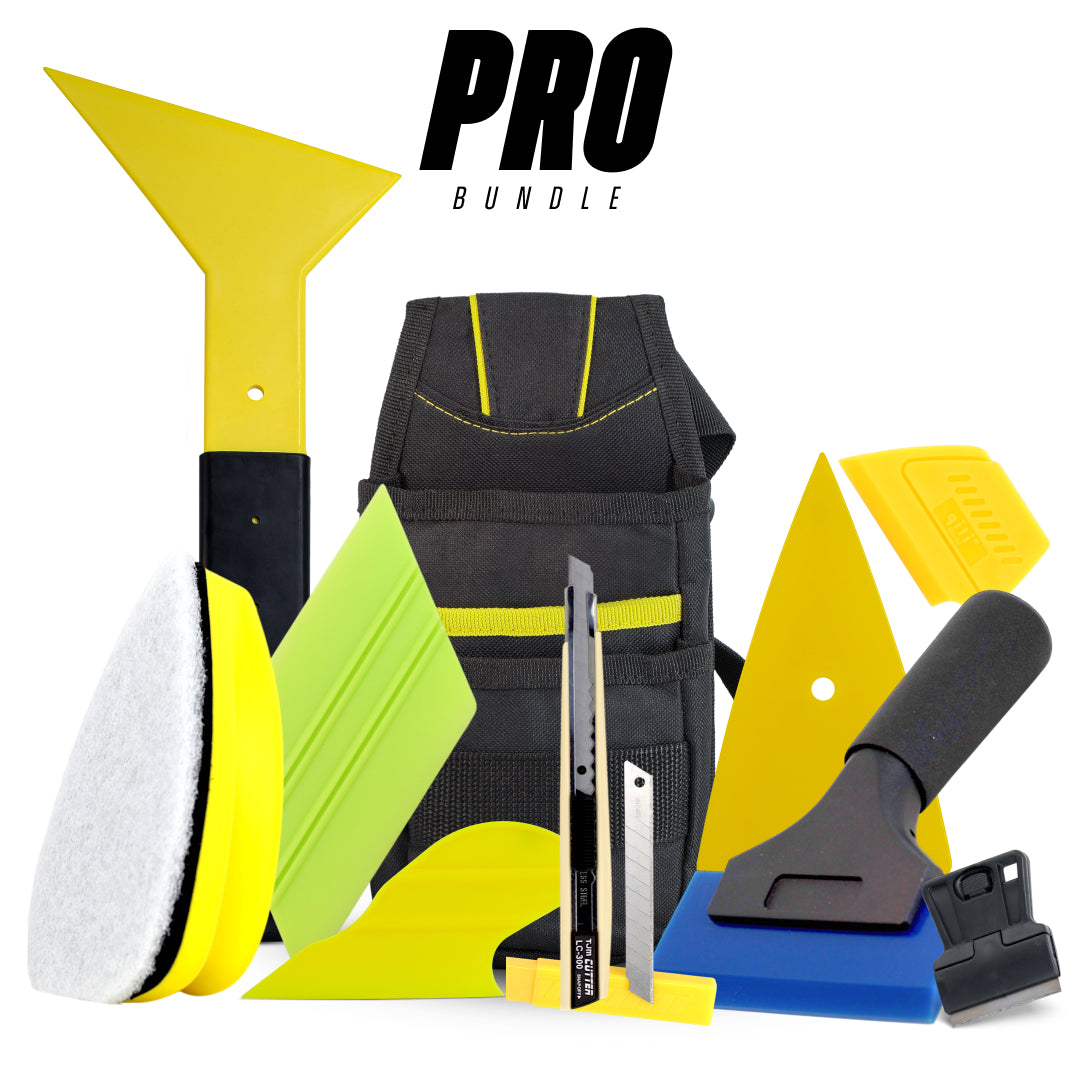
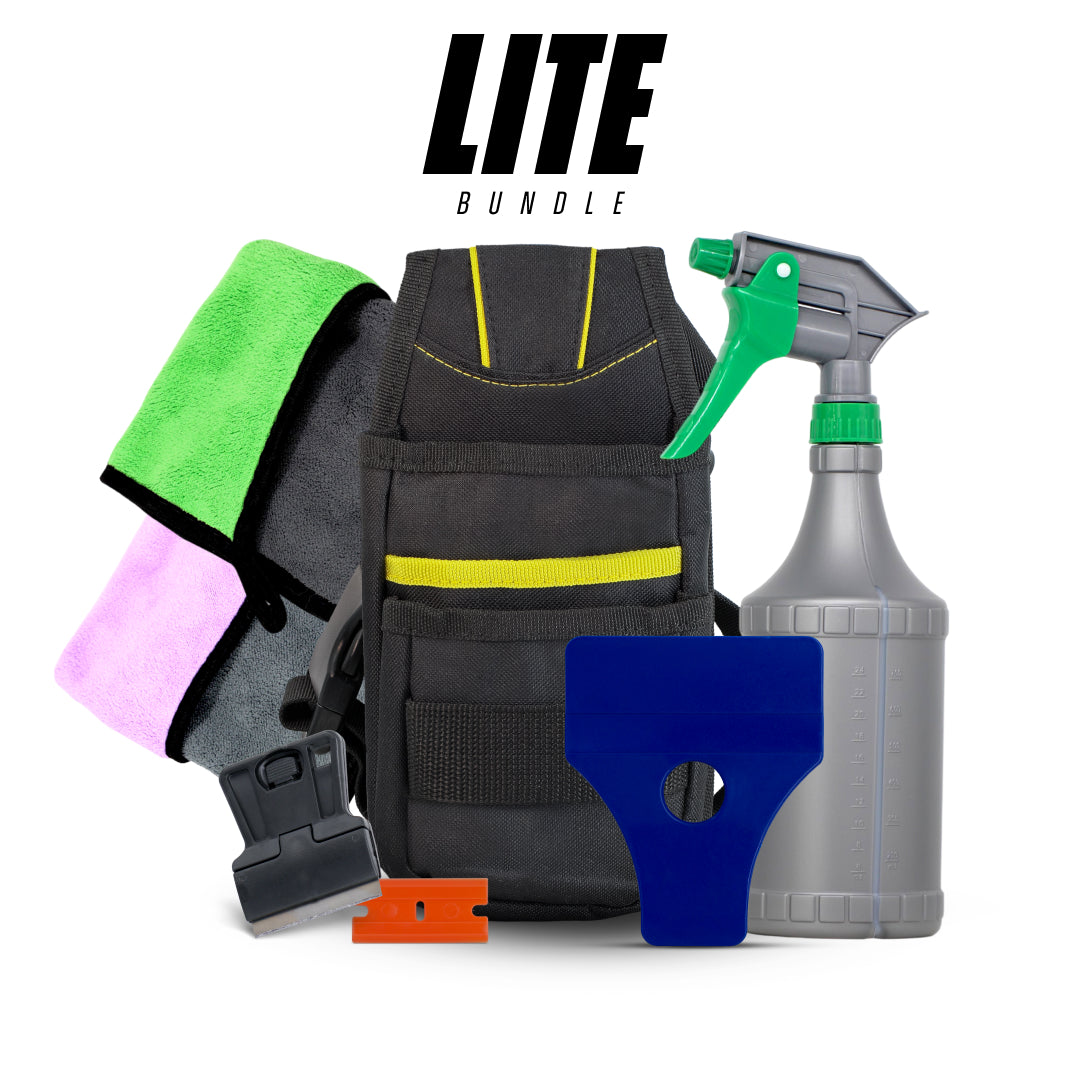
For installers wanting a complete set, a tint tool kit combines high-quality squeegees, blades, and cards, showing how investing upfront can save time and money in the long run →
Understanding this difference is key, because window tinting isn’t forgiving. Mistakes don’t just look bad; they cost money.
The Two Paths: Cheap Tint Tools vs Professional Tint Tools

When it comes to tools for tinting windows, there are really two paths you can take.
The first path is the budget route. This includes cheap tint window tools sold in online bundles or big-box stores. These kits usually appeal to beginners, DIY homeowners, or anyone searching for a quick solution after typing “how do I get window tint off” and deciding to reapply it themselves.
The second path is the professional route. These are the professional tint tools used by installers who do this work every day. You’ll find them in specialised suppliers, not bargain aisles. They’re designed for longevity, precision, and repeatability.
The difference isn’t just price, it’s philosophy. Cheap tools are designed to be disposable. Professional tools are designed to be dependable. One assumes you’ll tint once or twice. The other assumes you’ll tint hundreds of windows.
And that assumption changes everything.
Even a single high-quality wrap squeegee can improve application efficiency, reduce errors, and prevent costly vinyl or film damage compared to cheaper alternatives →
| Feature / Tool Aspect | Cheap Tools | Professional Tools | Cost-Benefit Insight |
|---|---|---|---|
| Lifespan | Short – often lasts a few months | Long – typically lasts several years | Professional tools may cost more upfront, but reduce long-term replacement costs. |
| Performance & Precision | Low – inconsistent results, prone to scratches, bubbles, and uneven film application | High – smooth application, precise edges, minimal errors | High-quality tools improve installation quality and reduce mistakes that can be costly. |
| Ease of Use | Difficult – can require more effort to achieve acceptable results | Easy – ergonomically designed, smoother workflow | Professional tools save time and reduce fatigue, especially on large or complex jobs. |
| Replacement Frequency | High – requires frequent replacements due to wear, breakage, or loss of effectiveness. | Low – durable, long-lasting materials | Fewer replacements mean lower ongoing costs despite higher initial investment. |
| Overall Cost Over Time | Often ends up more expensive due to repeated replacements and wasted materials. | Cost-efficient long-term investment | Investing in professional-grade tools pays off over multiple installations. |
| Risk of Errors / Damage | High – more likely to damage film or surfaces | Low – designed to reduce mistakes and damage | Using professional tools reduces costly errors, rework, and warranty claims. |
| Suitability for DIY vs Pro | Basic DIY only; not suitable for complex installs | Suitable for DIY and professional installers | Professional tools provide flexibility for multiple skill levels and project types. |
Cheap tools may seem budget-friendly, but their short lifespan, frequent replacements, and higher risk of errors make them costlier over time.
Professional tools require upfront investment but save money, time, and reduce errors in the long run, especially for frequent installers.
DIY enthusiasts can benefit from a few professional-grade tools (e.g., squeegees, knives, heat guns) to significantly improve results.
Installer tip
Invest in your most critical tools first, particularly a quality window tint squeegee and sharp, reliable blades. As your workload and skill level increase, add specialised tools for shrinking, edge finishing, curved glass, defrosters, and other complex installation requirements.
Cheap Window Tint Tools Explained
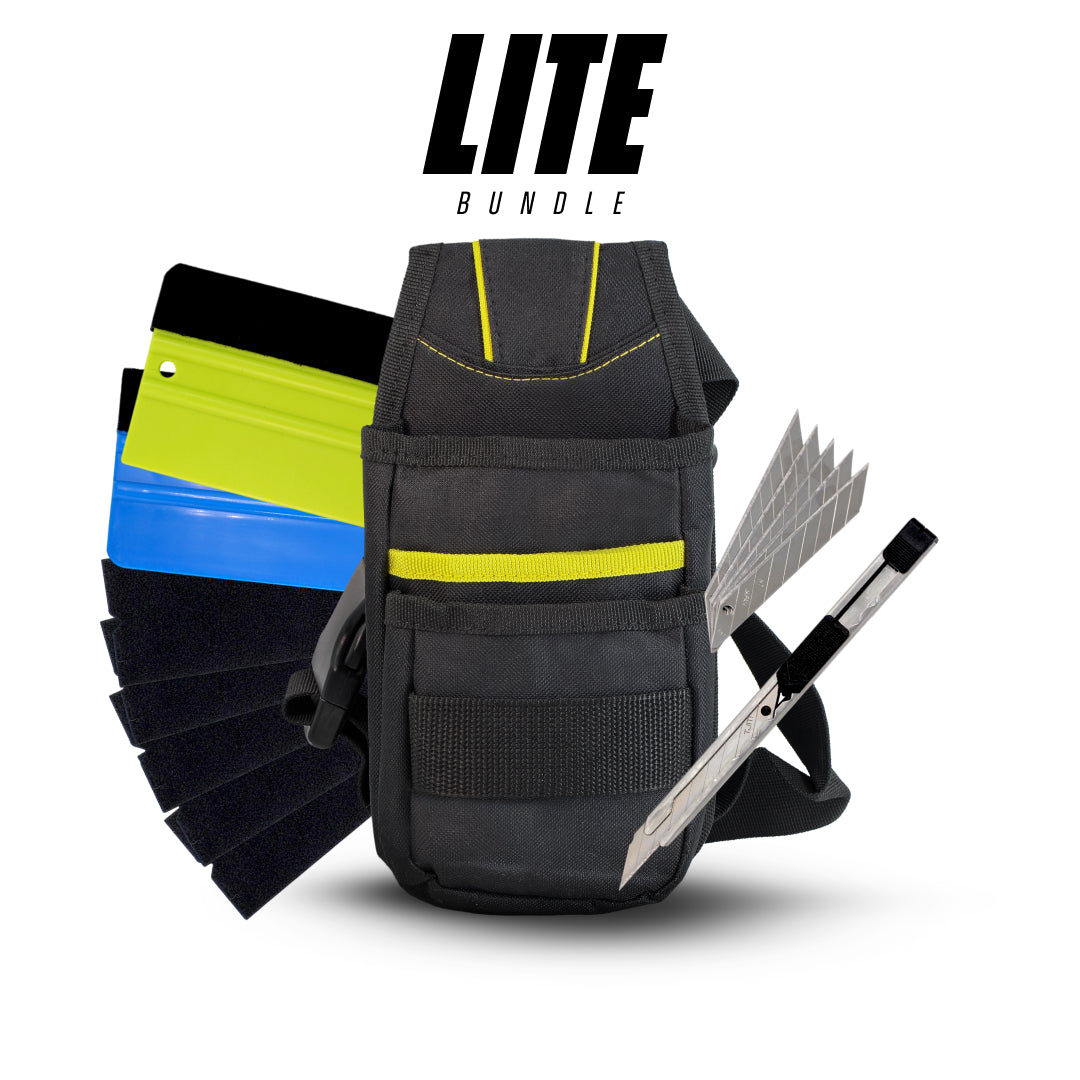
Cheap window tint tools usually come bundled in entry-level kits. A typical car tinting kit might include:
- A basic plastic squeegee
- A utility knife with snap-off blades
- A small spray bottle
- Maybe a hard card wrapped in felt
At first glance, this looks sufficient. And for some projects, it is. But the problems start once you actually begin tinting.
Most cheap squeegees are made from low-grade plastic that doesn’t flex evenly. This causes inconsistent pressure, which leads to trapped water, air bubbles, and visible streaks. The edges are often poorly finished, increasing the risk of scratching automotive window tint or glass.
Cheap blades dull quickly, forcing you to press harder. That’s when scratches happen, especially on defroster lines or curved car windscreen tint areas. Spray bottles often leak or fail to mist properly, making it harder to control the slip solution.
These tools aren’t designed to last. After a few installs, they warp, crack, or become unusable. And while replacing them seems cheap, the real cost shows up in wasted window film, failed installs, and time lost redoing work.
Sharp, durable knives and replacement blades are essential for precise cuts, and investing in professional-grade options often costs less over time than constantly replacing cheap blades →
Cheap tools don’t just limit your results; they limit your confidence.
Professional Window Tint Tools Explained
Professional window tinting tools are a different breed entirely. Every tool is designed for a specific purpose, from shrinking film on curved glass to finishing tight edges without lifting.
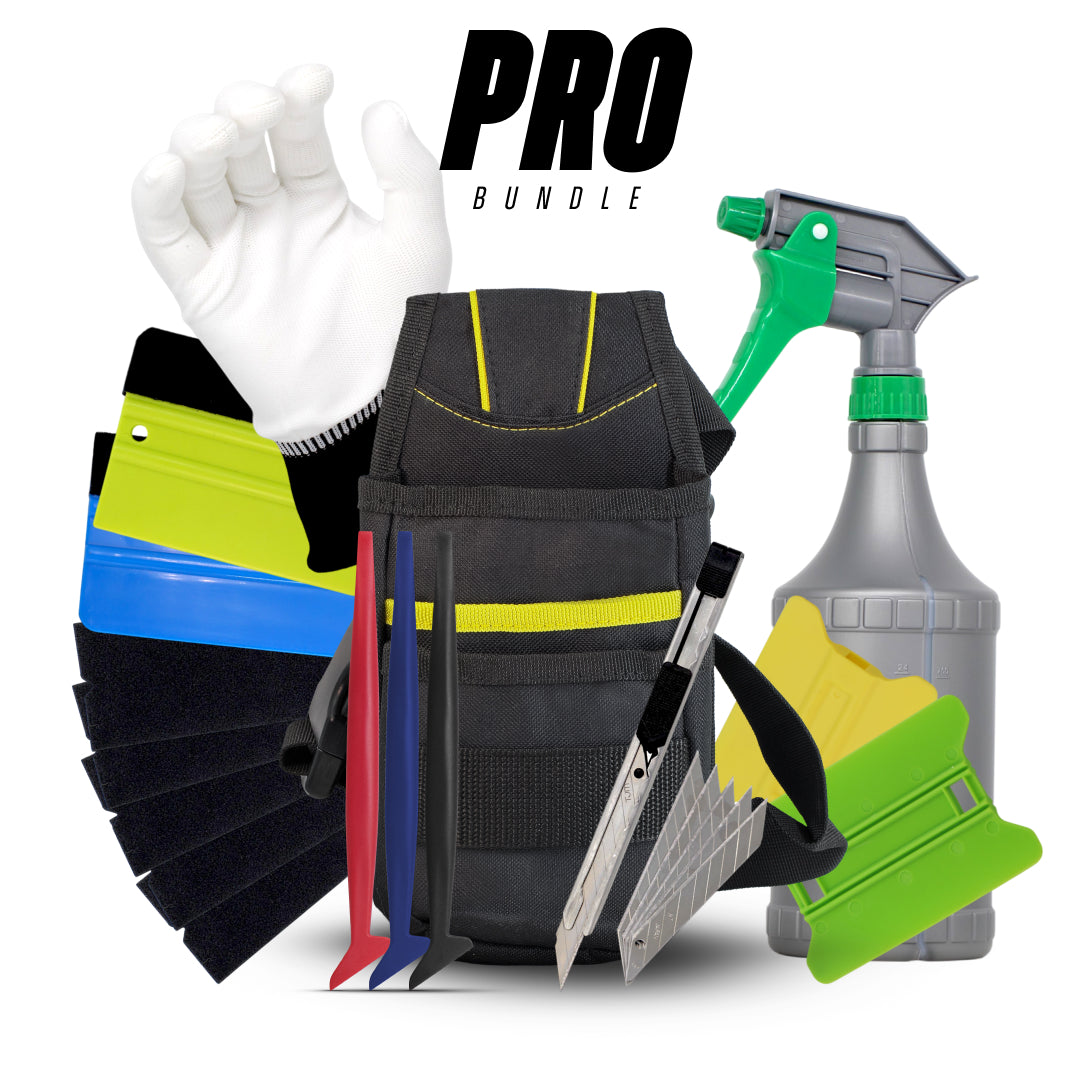
A professional kit often includes:
- Multiple squeegees with different hardness levels
- Precision-cut window tint squeegee blades
- High-quality stainless steel or carbon blades
- Specialised tools for rear defrosters and sensors
- Heat-resistant shrinking cards
- Ergonomic handles for all-day use
These tools are made from durable materials like silicone, high-grade rubber, and reinforced plastics. They maintain their shape, apply even pressure, and reduce the risk of damage.
What really sets professional tools apart is consistency. When you use the same tinting tools every day, muscle memory develops. You know exactly how much pressure to apply and how the tool will respond. That consistency translates directly into cleaner installs, fewer mistakes, and faster turnaround times.
Using proper cleaning and surface prep tools ensures a smooth finish, highlighting that even the cheapest film can fail if prep tools are inadequate →
Yes, professional tools cost more upfront. But they’re designed to pay for themselves many times over.
Cost Breakdown: Initial Investment vs Long-Term Spending
This is where the comparison gets interesting.
Cheap window tint tools usually cost very little upfront. A full kit might be the price of a single professional squeegee. That feels like a win, until you factor in replacement costs and wasted materials.
Professional tools cost more at the beginning, no question. But they last years, not weeks. They reduce film waste. They speed up installs. And they drastically cut down on redo jobs.
If you ruin one roll of window film because of creases or contamination, you’ve already erased the savings from cheap tools. Do that twice, and professional tools suddenly look like a bargain.
The real cost isn’t the tools themselves, it’s what happens when they fail you.
Performance Comparison: Results You Can See
This is where the difference between cheap and professional window tint tools becomes impossible to ignore. Performance isn’t about theory; it’s about what ends up on the glass when you step back and look at your work.
Cheap tools often struggle with consistent pressure. A low-quality window tint squeegee may push water out in one area while leaving moisture trapped in another. That uneven pressure creates bubbles, fingers, and hazy patches that don’t disappear over time. On automotive window tint, these flaws stand out immediately, especially under sunlight or night driving conditions.
Professional tools are engineered for balance. The edges are precisely cut, allowing smooth strokes that glide across the film. Pressure is distributed evenly, so water and air are expelled in a controlled way. This is critical when working on curved glass like a car windscreen tint, where uneven pressure can permanently distort the film.
Another major difference is edge finishing. Cheap tools often can’t get close enough to the edges without lifting the film. Professional tint tools are designed to tuck film cleanly under seals and gaskets, creating that seamless, factory-style look people associate with pro tint jobs.
In short, cheap tools can apply tint. Professional tools deliver results that look intentional. And that visual difference is what most people ultimately pay for.
For installers who work across wraps and tint, a complete car wrap tool kit demonstrates the value of investing in professional-grade tools for consistent, high-quality results →
Time Is Money: How Tools Affect Installation Speed
Time is an invisible cost that most DIY installers underestimate. With cheap tinting tools, everything takes longer. You move more slowly because you’re correcting mistakes, re-squeegeeing areas, chasing bubbles, reheating creases, or peeling film back to fix contamination.
A professional installer using high-quality car tinting tools can complete a vehicle in a fraction of the time. Why? Because the tools respond predictably. Each stroke does what it’s supposed to do. There’s less hesitation, less trial and error, and fewer do-overs.
Even for non-professionals, good tools reduce mental fatigue. You’re not fighting the equipment. That matters a lot in bigger projects like home window tinting or house window film, where you may be working for hours at a time.
Think of it like cooking with a dull knife versus a sharp one. Both can cut, but only one makes the job faster, safer, and less frustrating. Over time, wasted hours become wasted money, especially if you value your weekends or plan to tint more than once.
Durability and Tool Lifespan
Cheap window tint tools are not built to last. Plastic squeegees warp under heat. Edges chip. Handles crack. Blades dull quickly and need constant replacement. After a handful of installs, many tools become unusable, or worse, they still “work” but cause subtle damage you don’t notice until it’s too late.
Professional tools are designed for abuse. They’re used daily in hot cars, cold garages, and dusty environments. Materials are chosen for heat resistance, flexibility, and longevity. A professional window tint squeegee can last for years if properly maintained.
This durability matters more than people realise. A worn tool doesn’t just fail; it fails slowly. It starts with scratching film, leaving streaks, or applying uneven pressure. You blame the film or your technique, not realising that the tool is the real problem.
Replacing cheap tools repeatedly adds up. Meanwhile, professional tools quietly keep doing their job, install after install.
Common mistake
Choosing tools based only on their purchase price can create higher costs through damaged film, scratched glass, frequent replacements, and rework. Avoid assuming that a basic tint kit will perform like professional equipment, especially on curved automotive glass or high-precision installations.
Impact on Different Tinting Jobs

Not all tinting jobs are equal, and this is where tool quality really shows its value.
Auto Window Tinting: Modern vehicles have complex curves, sensors, and tight tolerances. Cheap tools struggle here. Professional automotive window tint tools are almost mandatory if you want clean results on side windows and rear glass.
Car Windscreen Tint: Windscreens are unforgiving. One mistake can ruin an entire sheet of film. Professional tinting tools help manage shrinking and shaping accurately, reducing costly errors.
Home Window Tinting: Flat glass is more forgiving, which is why some people succeed with cheap tools on house window film. Still, professional tools make large panels easier and reduce visible streaking.
One Way Glass Window Film: These films highlight imperfections. Any uneven pressure or trapped moisture becomes obvious. Better tools mean better visual consistency.
The more complex the job, the more expensive cheap tools become.
Risk Factor: Mistakes, Film Waste, and Rework
Every mistake in window tinting has a price tag. Creased film? Trash. Contaminated adhesive? Trash. Misaligned cut? Trash. With cheap tint window tools, mistakes happen more often.
Professional tools reduce risk. They don’t eliminate human error, but they narrow the margin for failure. Better control means fewer ruined sheets of window film, fewer trips to buy replacements, and fewer hours spent redoing work.
For anyone tinting multiple windows or offering vehicle tint near me services, thiswaste reductione is massive. Film is not cheap. Saving even one roll can justify investing in professional tools.
Customer Satisfaction and Perceived Quality
People may not understand the technical side of window tinting, but they know what looks good. Clean edges, uniform darkness, and bubble-free glass signal quality instantly.
Cheap tools often produce results that look “almost right.” That’s dangerous, because “almost” still feels wrong to customers. They notice haziness, light gaps, or uneven finishes, especially in automotive tint near me jobs where expectations are high.
Professional tools help deliver consistency. That consistency builds trust. Whether you’re tinting your own car or running a business, perception matters. Good tools help your work speak for itself.
Many high-quality PPF tools overlap with professional tinting setups, reinforcing the idea that paying more upfront often prevents costly mistakes later →
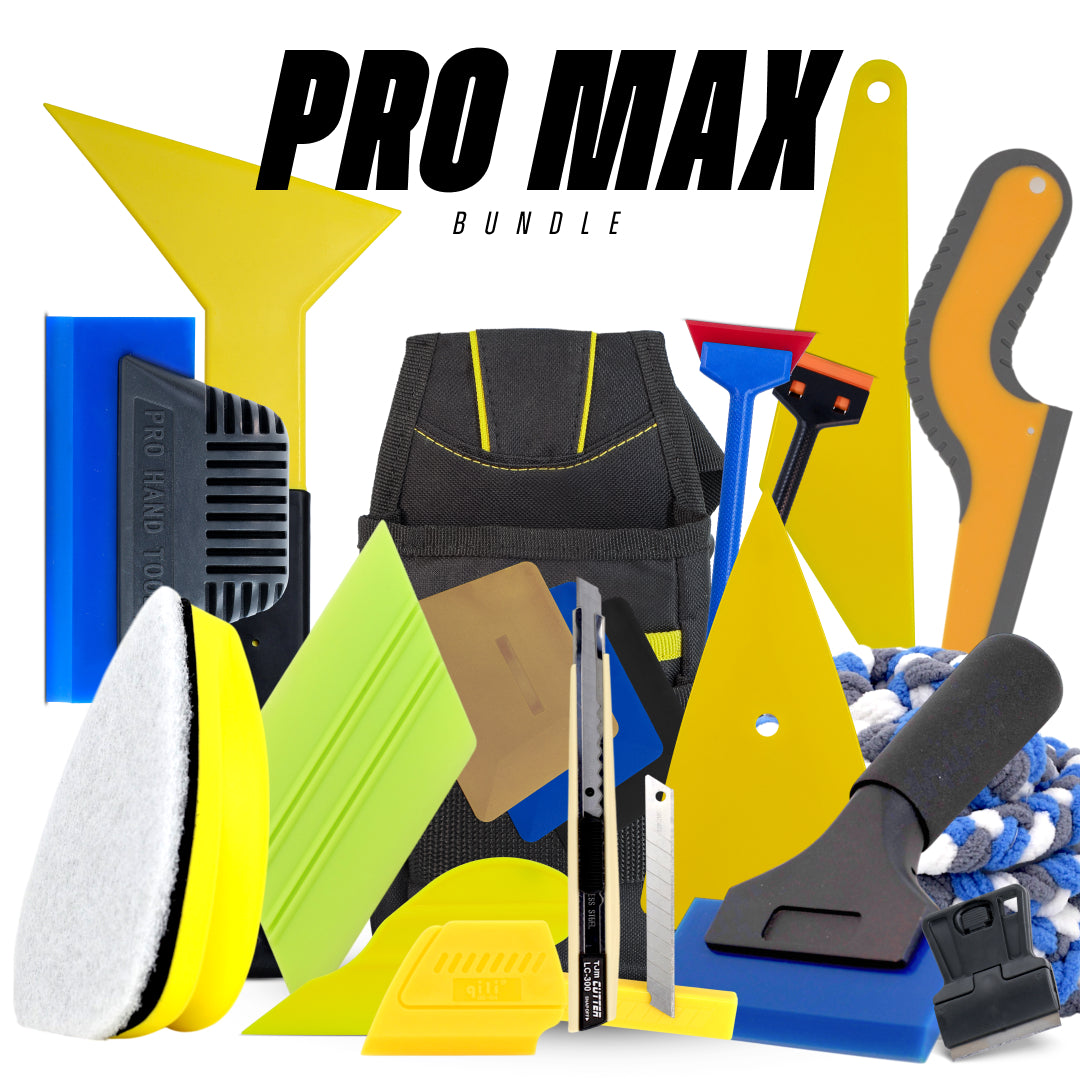
| Kit tier | Best for | Save | Price |
|---|---|---|---|
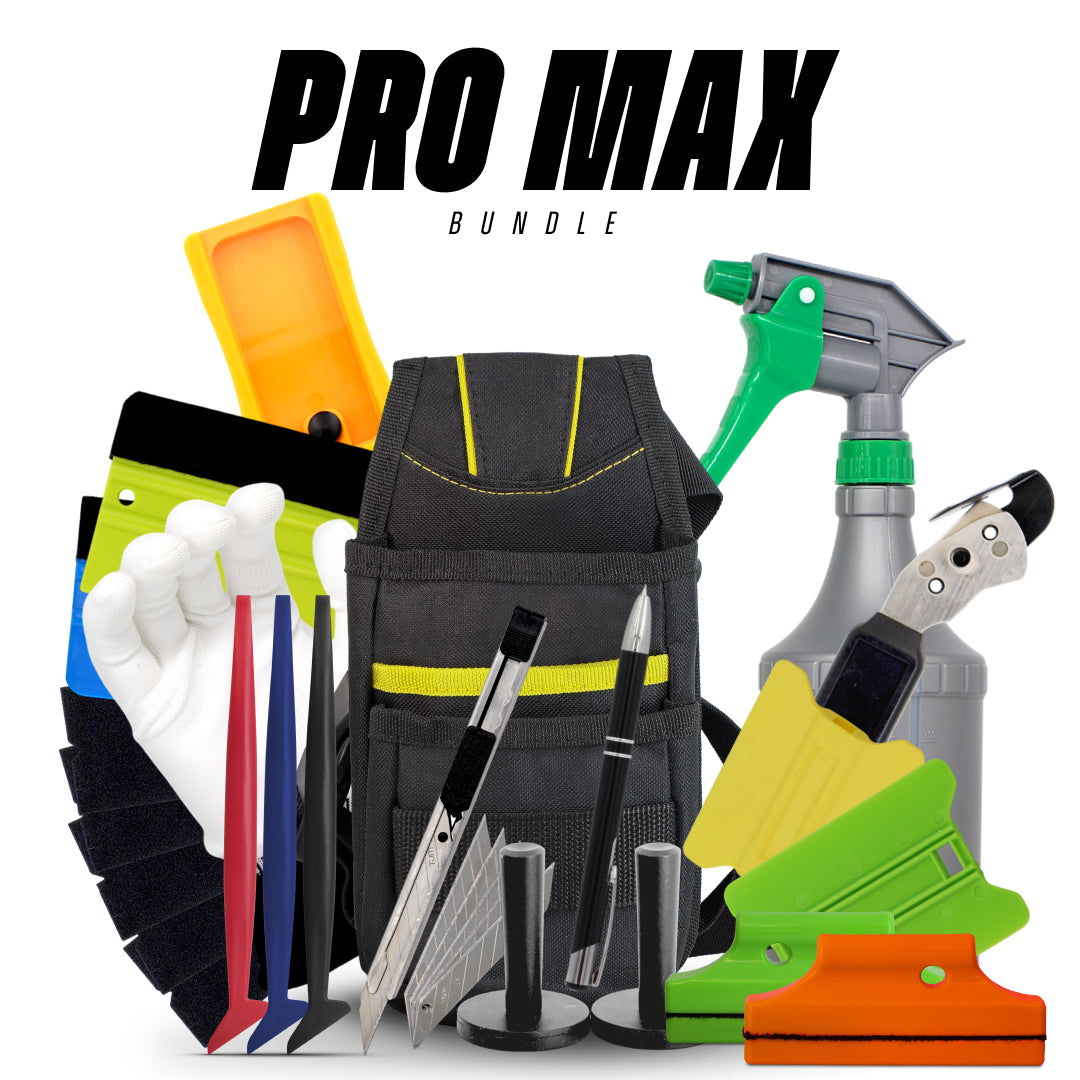
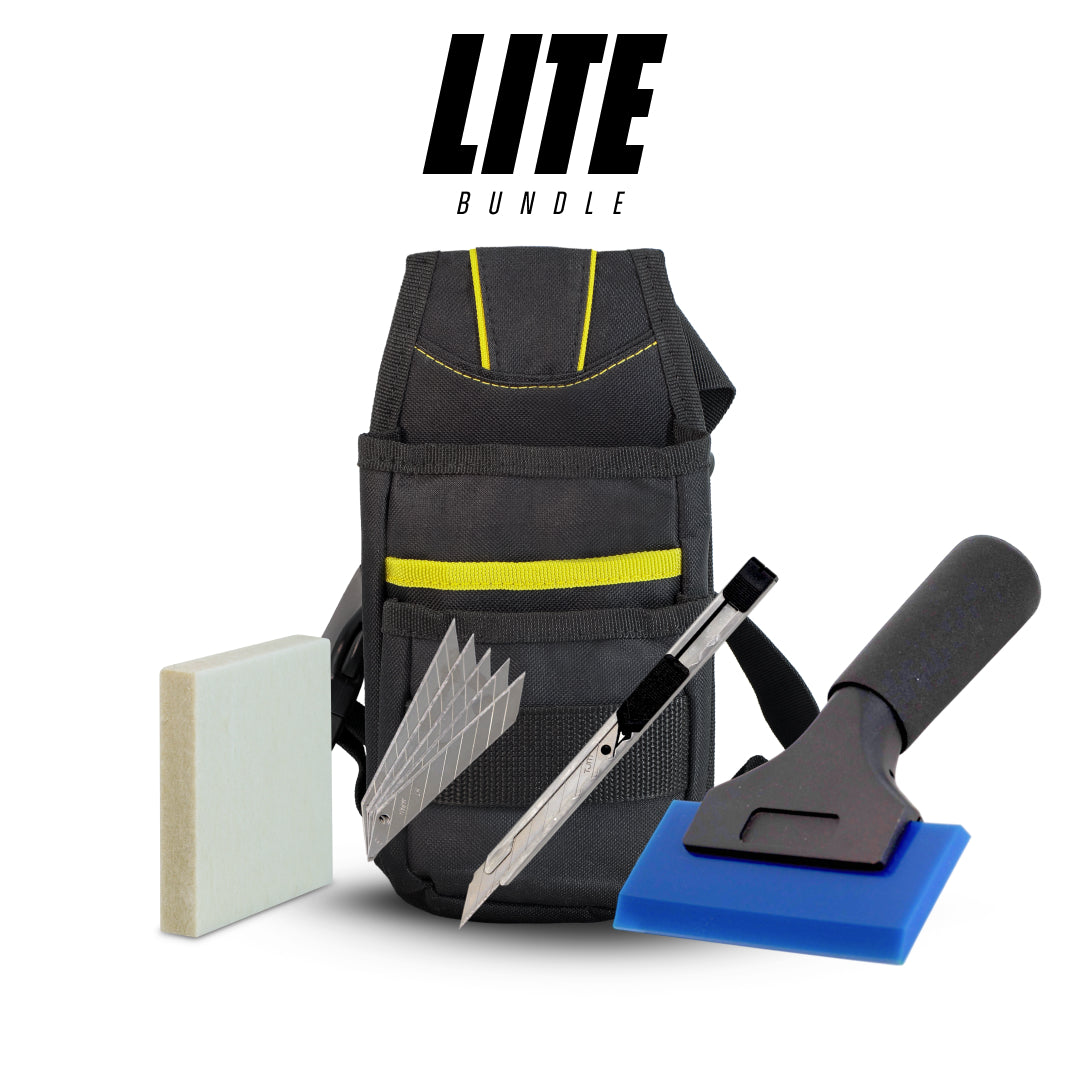
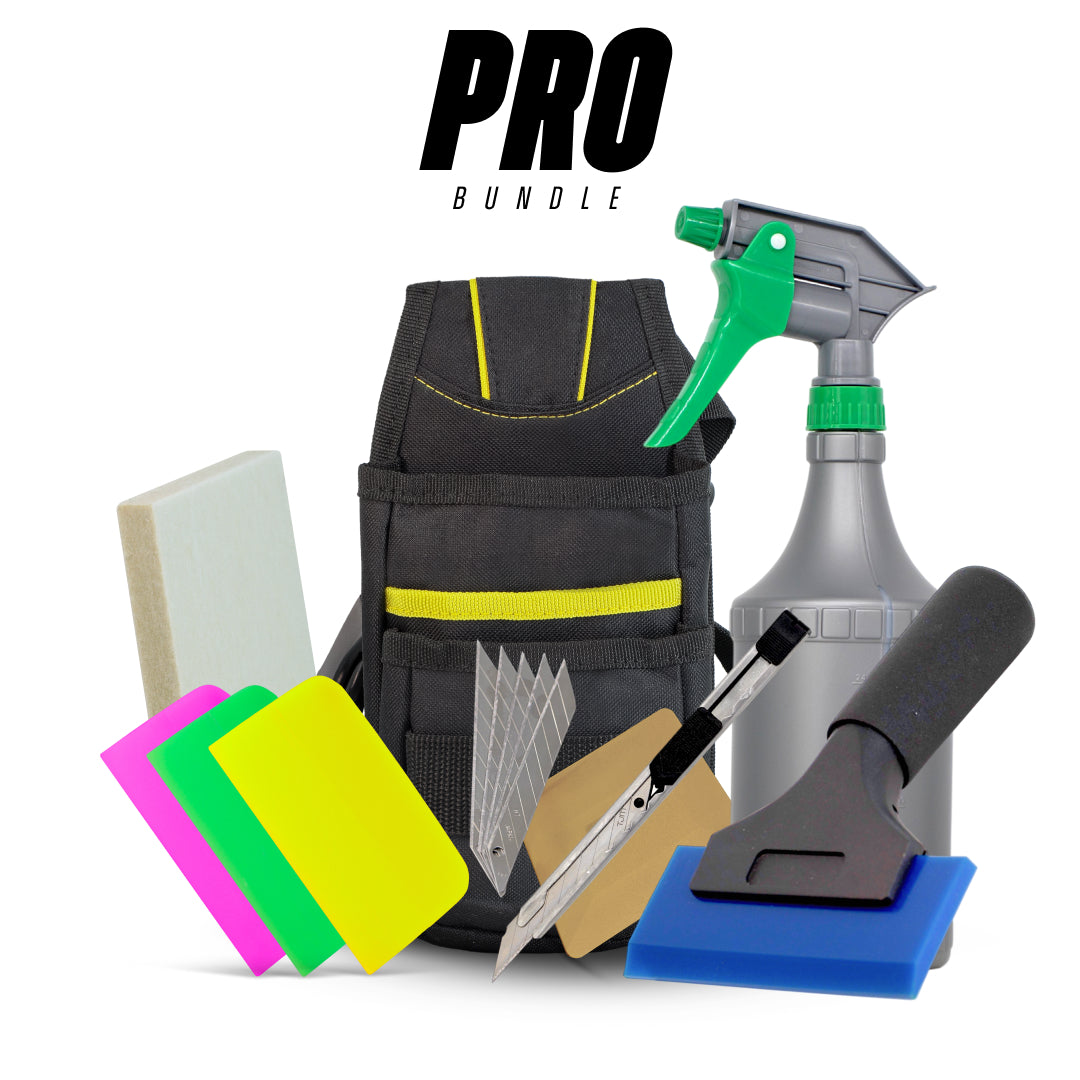
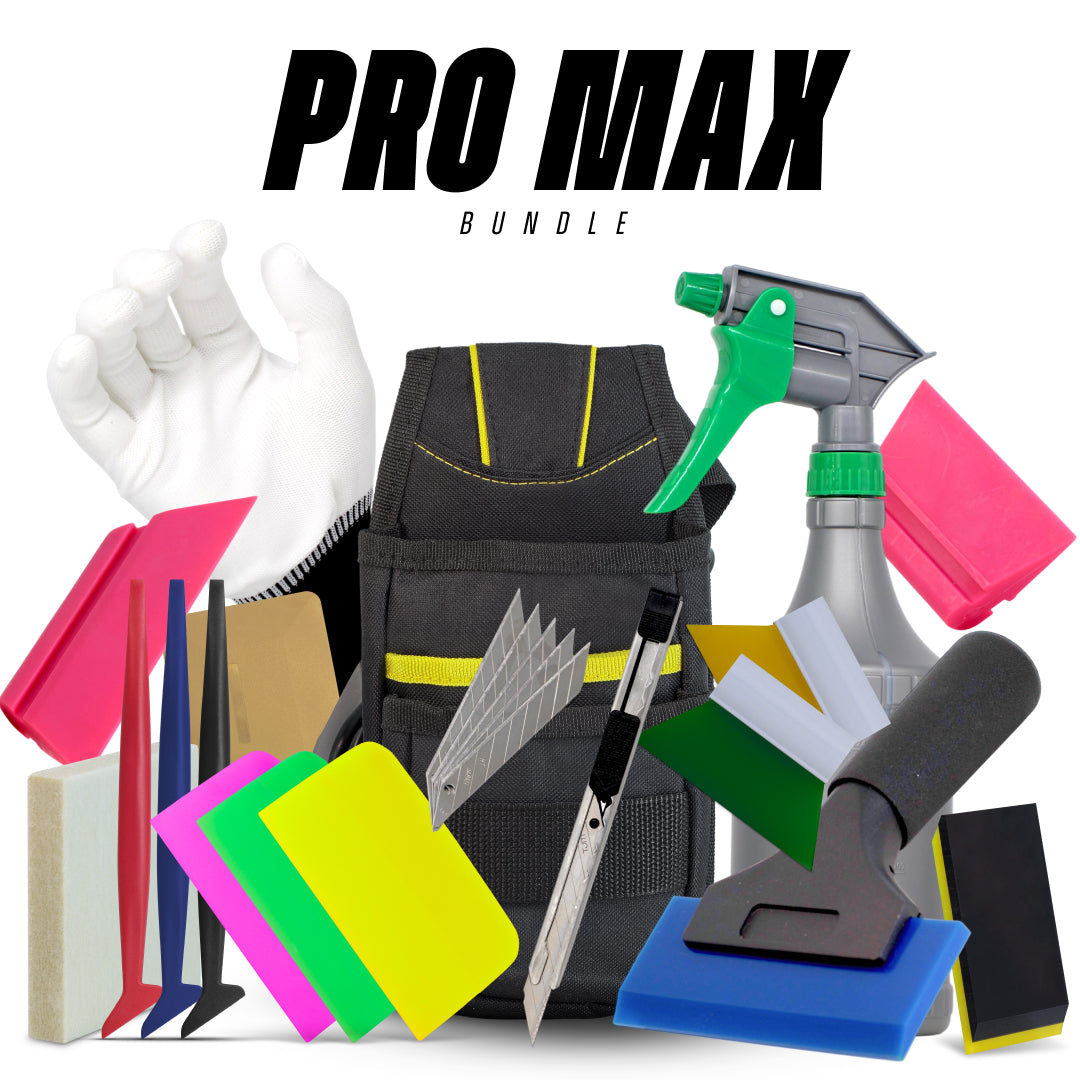
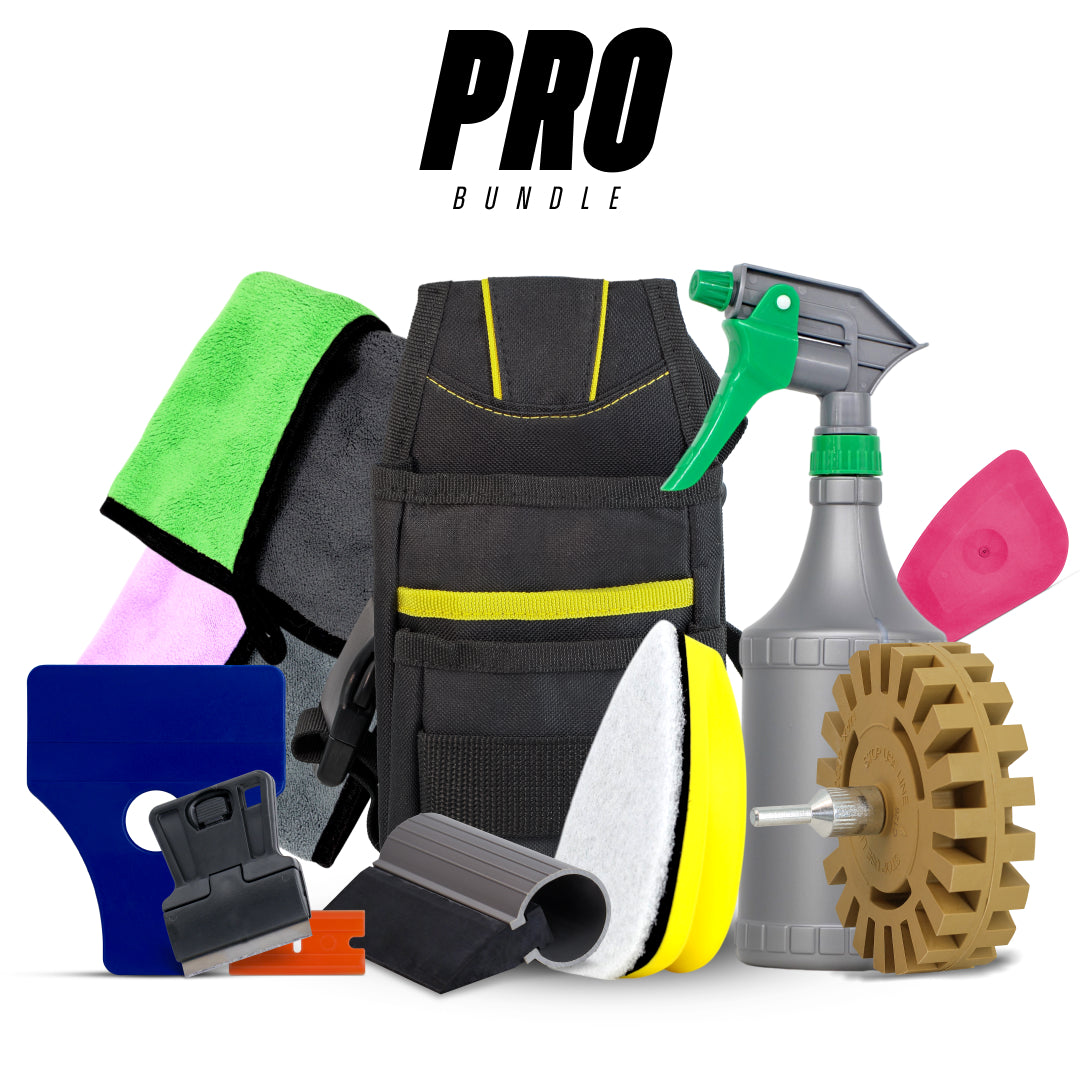
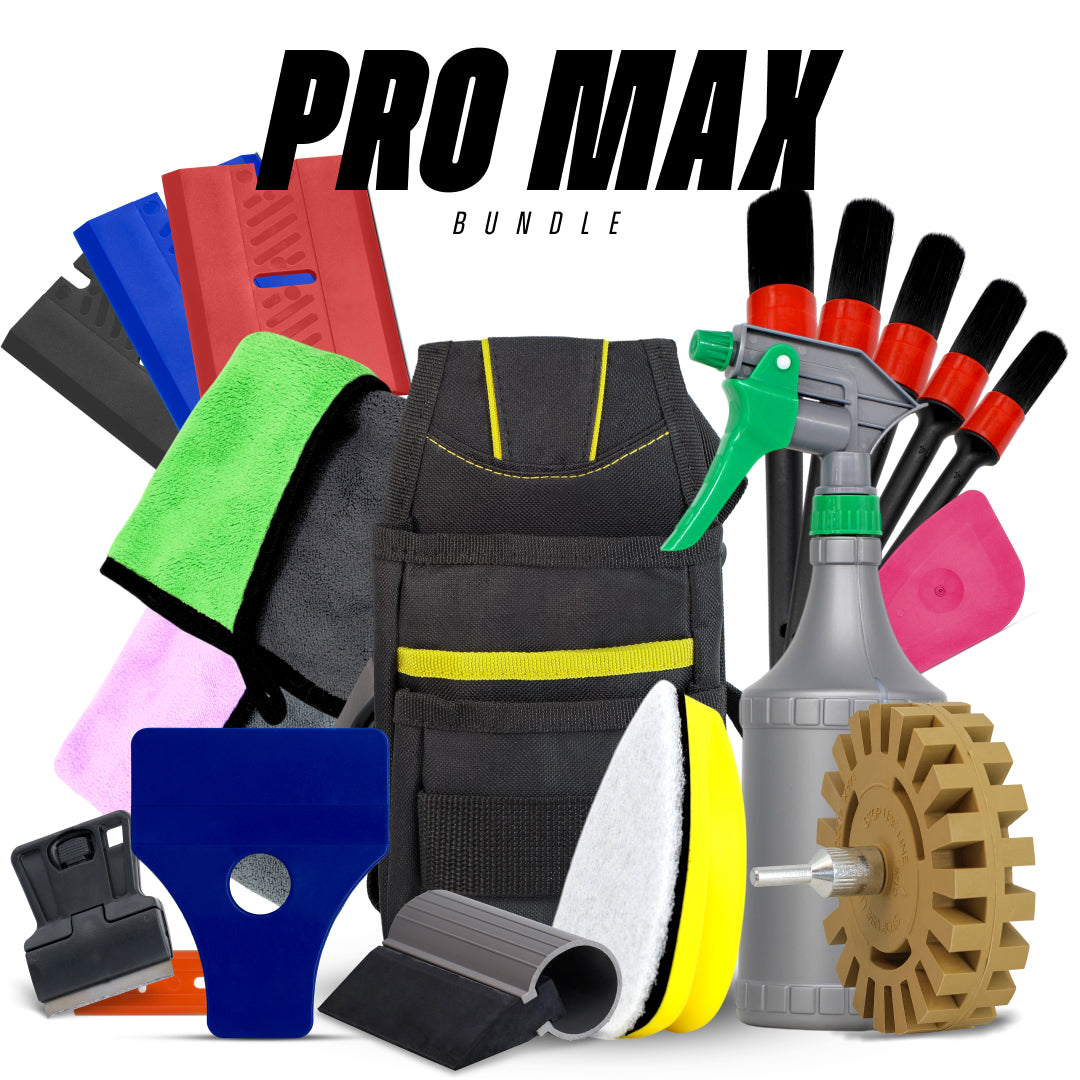
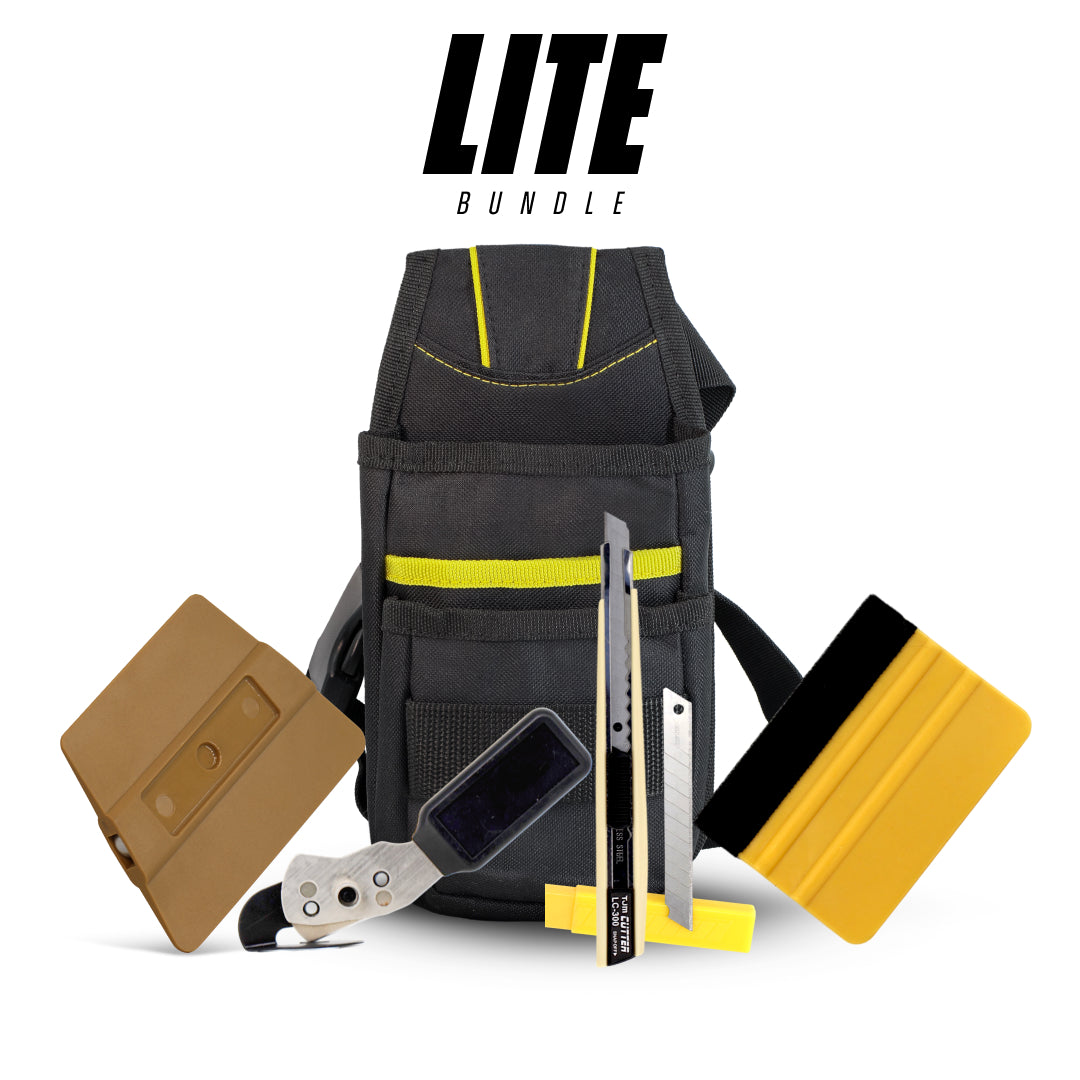
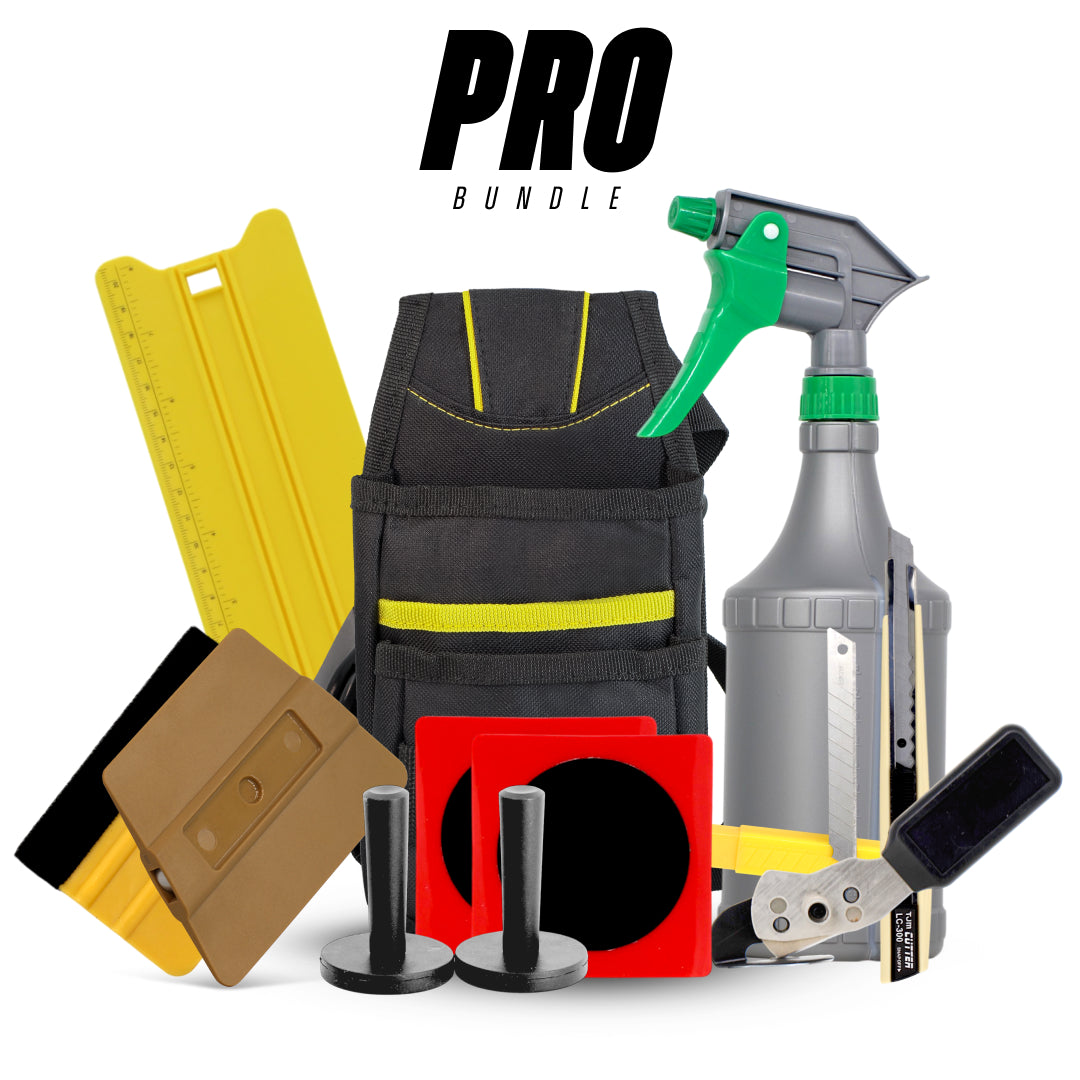
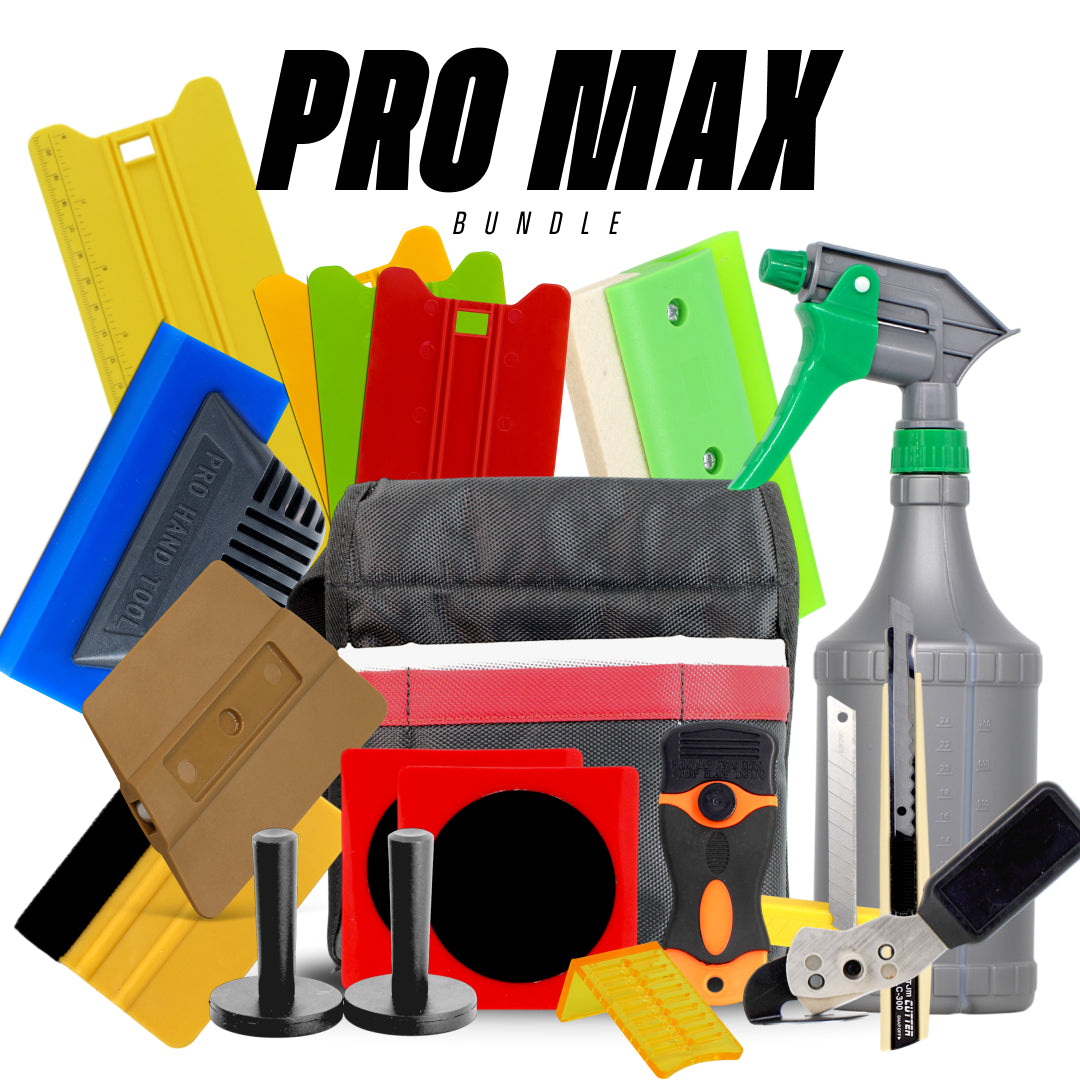
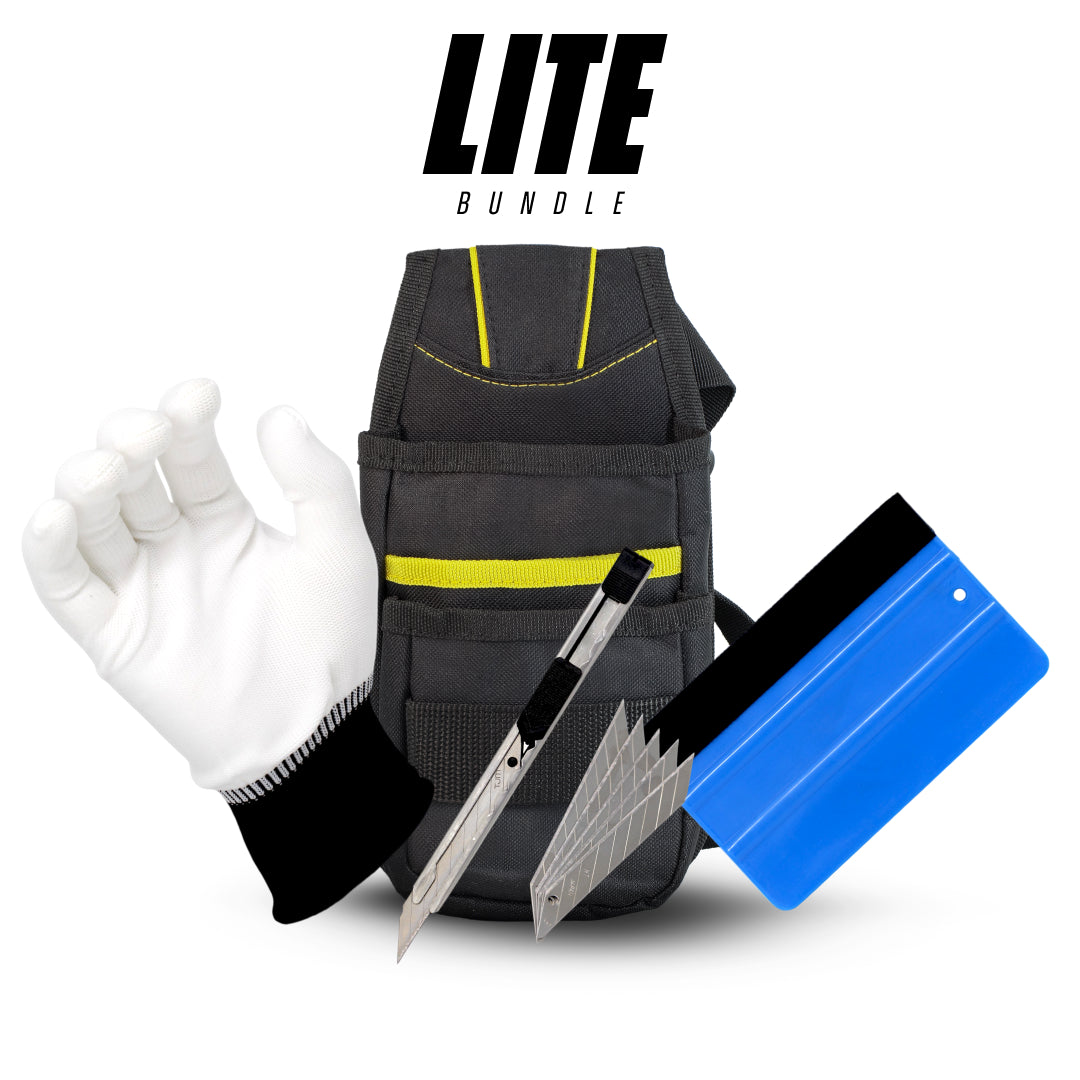
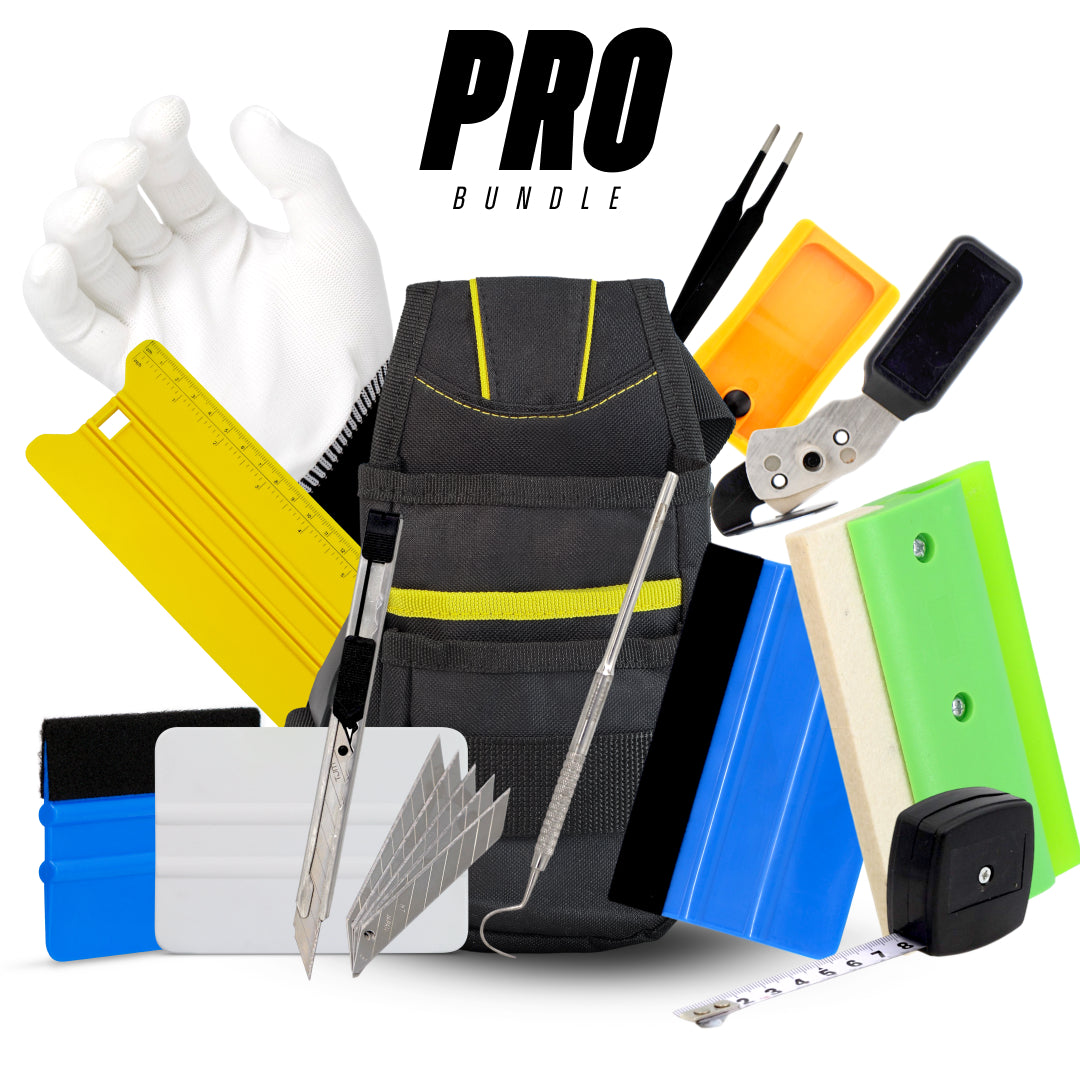
| Tint Tool Kit — Lite | First tint job | 17% | $99.99 |
| Tint Tool Kit — Pro | Regular installers | 23% | $139.99 |
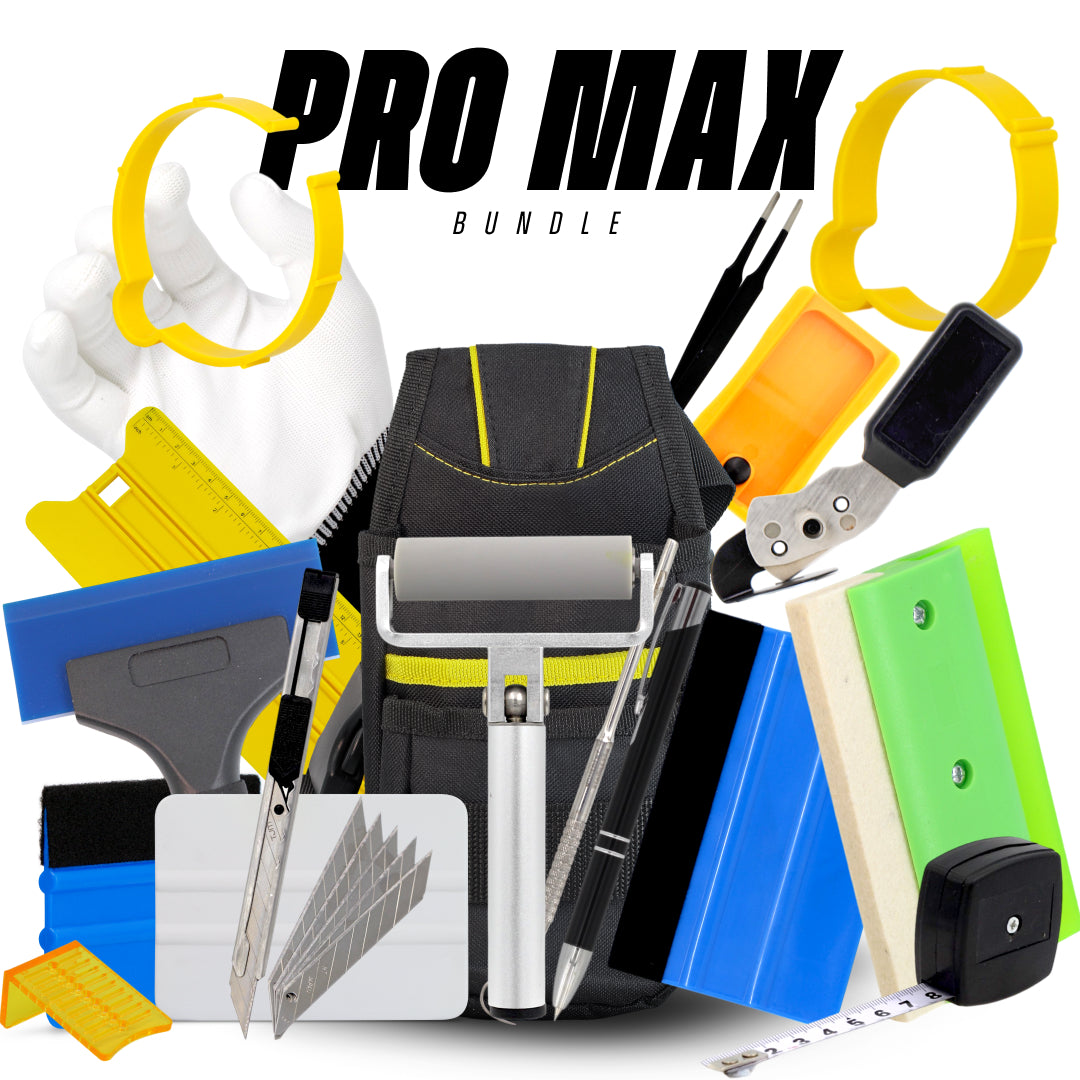
| Tint Tool Kit — Pro Max | Full-time installers | 30% | $219.99 |
Professional Tint Shops vs DIY Home Installers
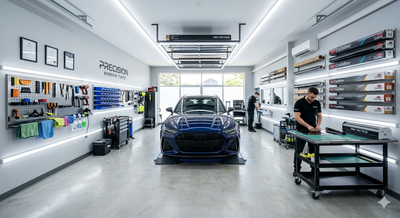
Walk into any professional tint shop and look at their workspace. You won’t find bargain-bin tools. There’s a reason for that. Shops can’t afford rework. Time is money, reputation is everything, and film waste cuts directly into profit.
DIY installers often start cheap, and that’s understandable. But many eventually upgrade after repeated frustration. The irony? They often spend more in the long run by buying cheap first, then buying professional later.
If you’re serious about tinting, even as a hobby, starting with better window tinting tools can actually save money.
Hidden Costs People Ignore
The highest costs aren’t always obvious. Scratched glass from a cheap blade. Damaged defroster lines. Film lifting after a few months because the edges weren’t sealed properly.
These problems don’t show up immediately, but they lead to repairs, replacements, or complete redo jobs. Suddenly, that “cheap” car tinting kit isn’t so cheap anymore.
When Cheap Tools Might Actually Be Enough
To be fair, cheap tools aren’t useless. For small, flat surfaces. Temporary privacy film. Low-visibility window film tint home projects. In these cases, the risk is lower, and expectations are modest.
If you’re tinting one window once, and perfection isn’t critical, cheap tools may be fine. The problem is assuming they’ll scale beyond that.
How to Choose the Right Window Tint Tools
Choosing tools isn’t about buying everything; it’s about buying smart.
- Start with a quality window tint squeegee
- Invest in good blades
- Add specialised tools as your skill grows
Even upgrading one or two key tint tools can dramatically improve results.
Keeping your tools organised in a tool bag protects your investment and ensures that professional-grade equipment lasts longer than cheap alternatives →
Window tinting is a craft, not a shortcut. The tools you choose shape your results more than most people realise. Whether you’re working on car window tint, house window film, or searching for window tinting close to me, remember this: tools don’t just apply film, they protect your investment. Spend wisely, and your results will show it.
Are you unsure which tool or kit is right for your job?
Our expert team at Oz Sign Supplies is here to help. Reach out today, and we’ll direct you to the best tools to suit your project, ensuring you get the job done right the first time.

Tint Tool Kit - Pro Max
$219.99
What's Included 20+ tools. Zero filler. Everything you actually use on installs. PREP & CLEAN 1x Tint Scrubbing Pad -...
Kit me out