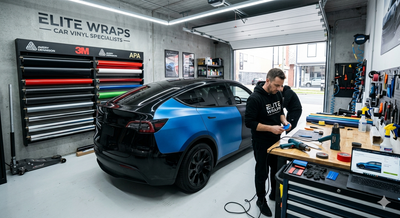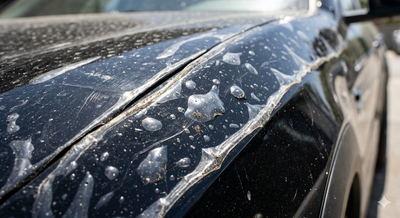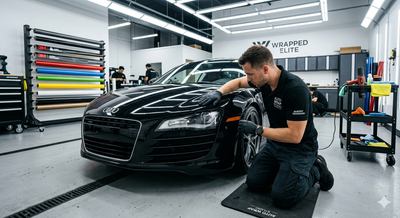


When people first hear terms like paint protection film (PPF), vinyl wrap, or window tinting, it can feel like stepping into a completely different world. Suddenly, your car isn’t just transportation; it becomes a canvas, a shield, and sometimes even a statement of personality. If you’ve ever admired a sleek matte black car wrap or noticed how some cars seem immune to scratches and rock chips, you’re already seeing these technologies in action.
At its core, automotive customisation today is about two things: protection and personalisation. On one hand, you’ve got vehicle paint protection solutions like PPF that act almost like invisible armour. On the other hand, there are vehicle wraps that completely transform how your car looks without permanently altering the paint underneath. Then there’s window tinting, which blends aesthetics, comfort, and privacy into one upgrade.
What makes these services especially appealing is their flexibility. Unlike traditional paint jobs or permanent modifications, options like car vinyl wrap or ppf wrap can be removed or replaced. This means you can experiment with styles, maybe go for a bold chrome wrap today and switch to something subtler later.
But here’s the catch: while the results often look effortless, the process behind them is anything but simple. Each service involves specialised tools like vinyl squeegees, wrap tools, and window tint squeegees, along with skilled technicians who know exactly how to apply them.
So, what should you actually expect when you book one of these services? Let’s break it down step by step, starting with the individual technologies that make it all possible.

What Is Paint Protection Film (PPF)?
If your car’s paint could wear armour, paint protection film (PPF) would be it. This ultra-thin, transparent layer, often referred to as a bra for the car, is designed to shield your vehicle from everyday damage like rock chips, scratches, bug splatter, and even harsh UV rays. Think of it as an invisible force field that quietly does its job while your car continues to shine.
PPF is typically made from a thermoplastic urethane material, which gives it a unique combination of flexibility and durability. One of its standout features is self-healing technology. Minor scratches and swirl marks can disappear when exposed to heat, either from the sun or warm water. That’s not science fiction; it’s just clever material engineering.
When people talk about auto paint protection or car paint protection, PPF is often the gold standard. Brands like 3M and others have developed films that not only protect but also enhance gloss or even provide a satin finish. This means you can subtly change your car’s appearance while keeping it safe.
The installation process is where things get interesting. Technicians use specialised tools like a paint protection film squeegee or ppf squeegee to carefully apply the film. It’s a meticulous process that requires precision, patience, and a dust-free environment. Even a speck of dirt can affect the final result.
You might wonder, why not just rely on wax or ceramic coatings? While those offer some level of protection, they don’t provide the physical barrier that ppf film does. It’s the difference between wearing sunscreen and wearing armour.
For anyone serious about preserving their car’s resale value or simply keeping it looking brand new, PPF isn’t just an upgrade; it’s a long-term investment. And once you see it in action, it’s hard to imagine going without it.
Achieving a smooth, bubble-free finish depends heavily on using the right wrap squeegees.
Installer tip
Set expectations before starting by discussing the vehicle's condition, desired coverage, film type, finish, installation timeframe, and aftercare requirements. Proper surface preparation and the correct specialised tools are critical for achieving clean adhesion, smooth edges, and a long-lasting finish.
What Is a Car Wrap or Vinyl Wrap?
A car wrap is where practicality meets creativity. Unlike PPF, which is mostly invisible, a vinyl wrap is all about transformation. It allows you to completely change your vehicle’s appearance without committing to a permanent paint job. One day, your car is factory white, and the next, it’s rocking a bold matte black car wrap or even a reflective chrome wrap.
At its core, a vehicle vinyl wrap is a large sheet of adhesive-backed vinyl that’s applied directly over your car’s paint. Companies like 3M vinyl wrap and Avery wraps have revolutionised this space, offering hundreds of vehicle wrap colours, textures, and finishes, from gloss and satin to carbon fibre and brushed metal.
What makes wraps so appealing is their versatility. You can go for full custom car wraps, partial wraps, or even branded designs for business use. In places like Australia, vehicle wrap Australia services are booming as businesses use wraps for mobile advertising.
The installation process is both art and science. Technicians rely on a variety of vehicle wrapping tools, including vinyl squeegees, heat guns, and precision blades. A proper car wrapping tool kit or vehicle wrap tool kit ensures that the vinyl adheres smoothly without bubbles or wrinkles.
Here’s something many people don’t realise: wrapping a car isn’t just about sticking vinyl on a surface. The installer needs to stretch, align, and contour the material around complex curves and edges. This is where tools like a squeegee for vinyl or a specialised vinyl wrapping tools kit become essential.
Another advantage? Protection. While not as robust as PPF, a car vinyl wrap still offers a layer of defence against minor scratches and sun damage. Plus, when you’re ready for a change, you can remove it without damaging the original paint.
In a way, a wrap is like a wardrobe for your car. You can change styles, experiment with trends, and express your personality, all without long-term commitment.
Proper prep is critical; using professional cleaning tools for installation ensures the surface is free from contaminants.
Common mistake
A common mistake is assuming that wrapping, tinting, or PPF is simply a matter of applying film to a clean vehicle. Rushing preparation, choosing unsuitable materials, or using incorrect tools can result in bubbles, wrinkles, peeling, trapped contamination, or uneven finishes.
What Is Window Tinting?
If wraps are about style and PPF is about protection, window tinting sits comfortably in the middle, offering a bit of both along with some serious functional benefits. At first glance, it might seem like a simple upgrade, but automotive window tint actually plays a huge role in comfort, privacy, and even safety.
Window tinting involves applying a thin window film to the interior side of your car’s glass. This film can reduce glare, block harmful UV rays, and significantly lower the temperature inside your vehicle. On a hot day, that difference can feel like stepping into shade instead of a greenhouse.
There are several types of car window tint available, including dyed, metalised, carbon, and ceramic films. Each comes with its own balance of cost, performance, and durability. High-end options, often referred to as professional tint or pro tint, can block up to 99% of UV rays and a substantial portion of infrared heat.
The installation process requires precision and the right window tinting tools. Installers use items like a window tint squeegee, cutting blades, and heat guns to ensure a seamless application. A squeegee for window tint is especially important for removing air bubbles and ensuring the film adheres perfectly to the glass.
Many people search for services like automotive tint near me or window tinting close to me, but choosing the right installer is crucial. Poor installation can lead to bubbling, peeling, or uneven tint, which not only looks bad but can also reduce effectiveness.
Interestingly, tinting isn’t just for cars. Options like home window tinting or house window film are becoming increasingly popular for energy efficiency and privacy.
For drivers, though, the benefits are immediate. Reduced glare while driving, increased privacy, and a cooler interior make car tint one of the most practical upgrades you can invest in. And once you’ve experienced it, driving without it feels like something’s missing.
High-quality results require precise handling with dedicated window tint tools.
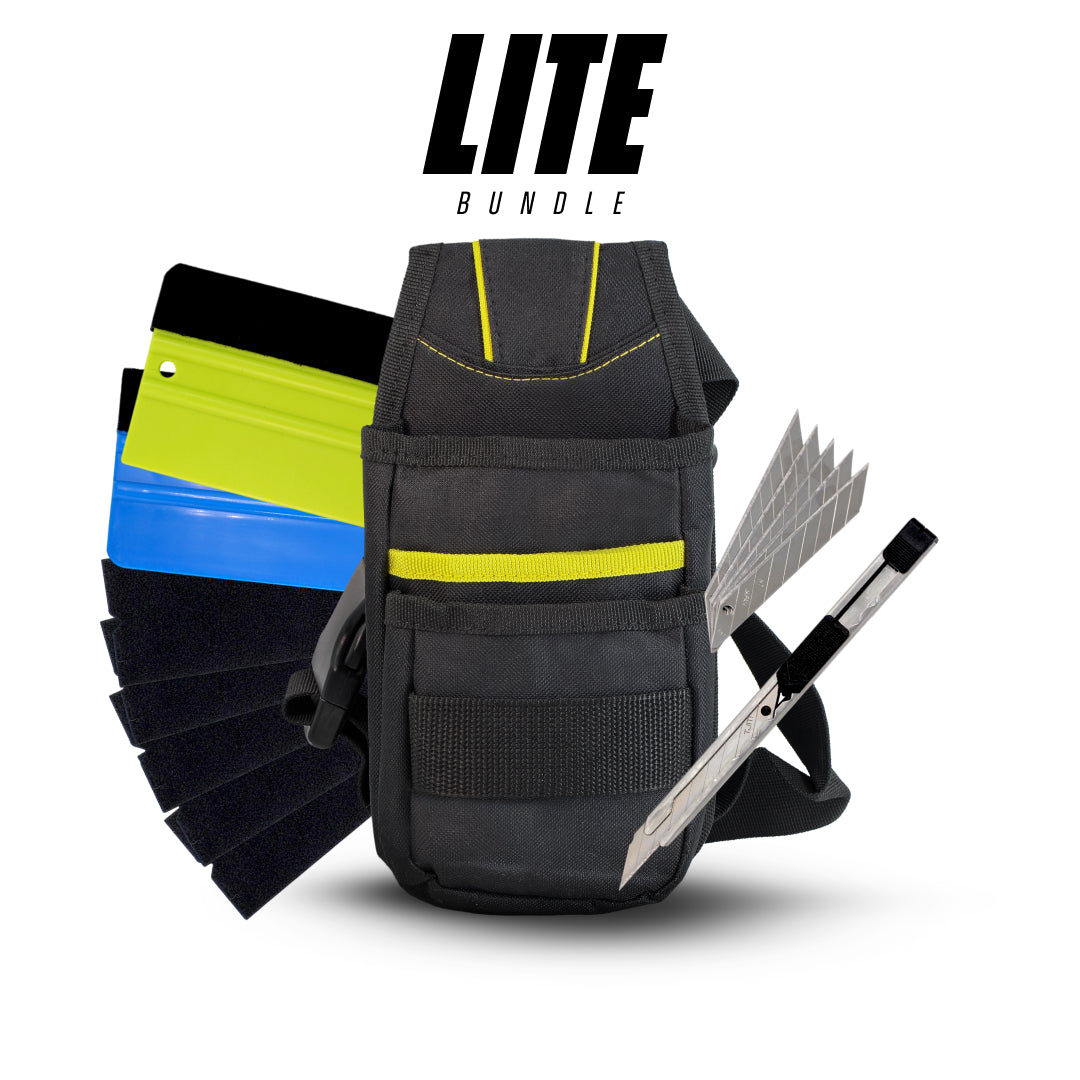
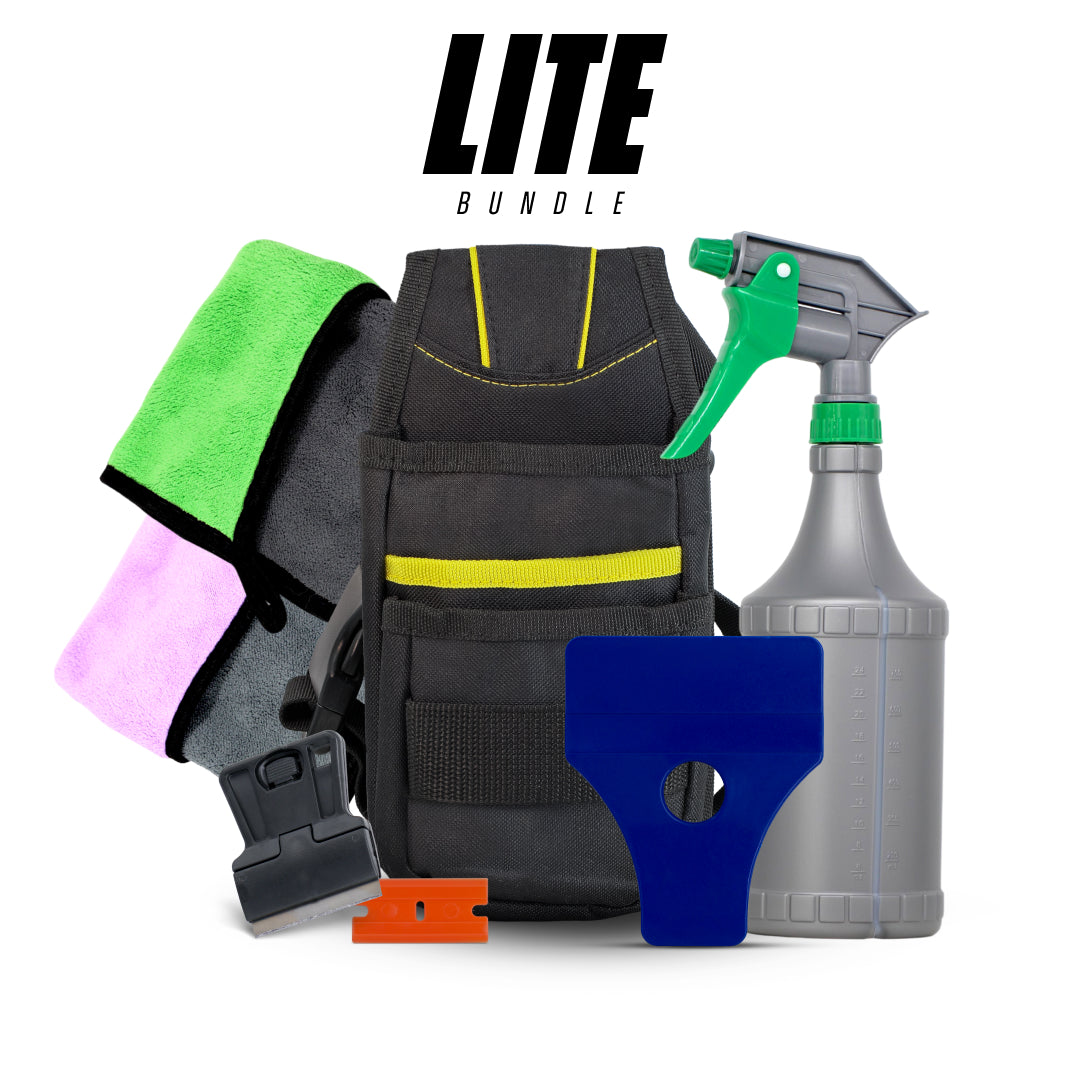
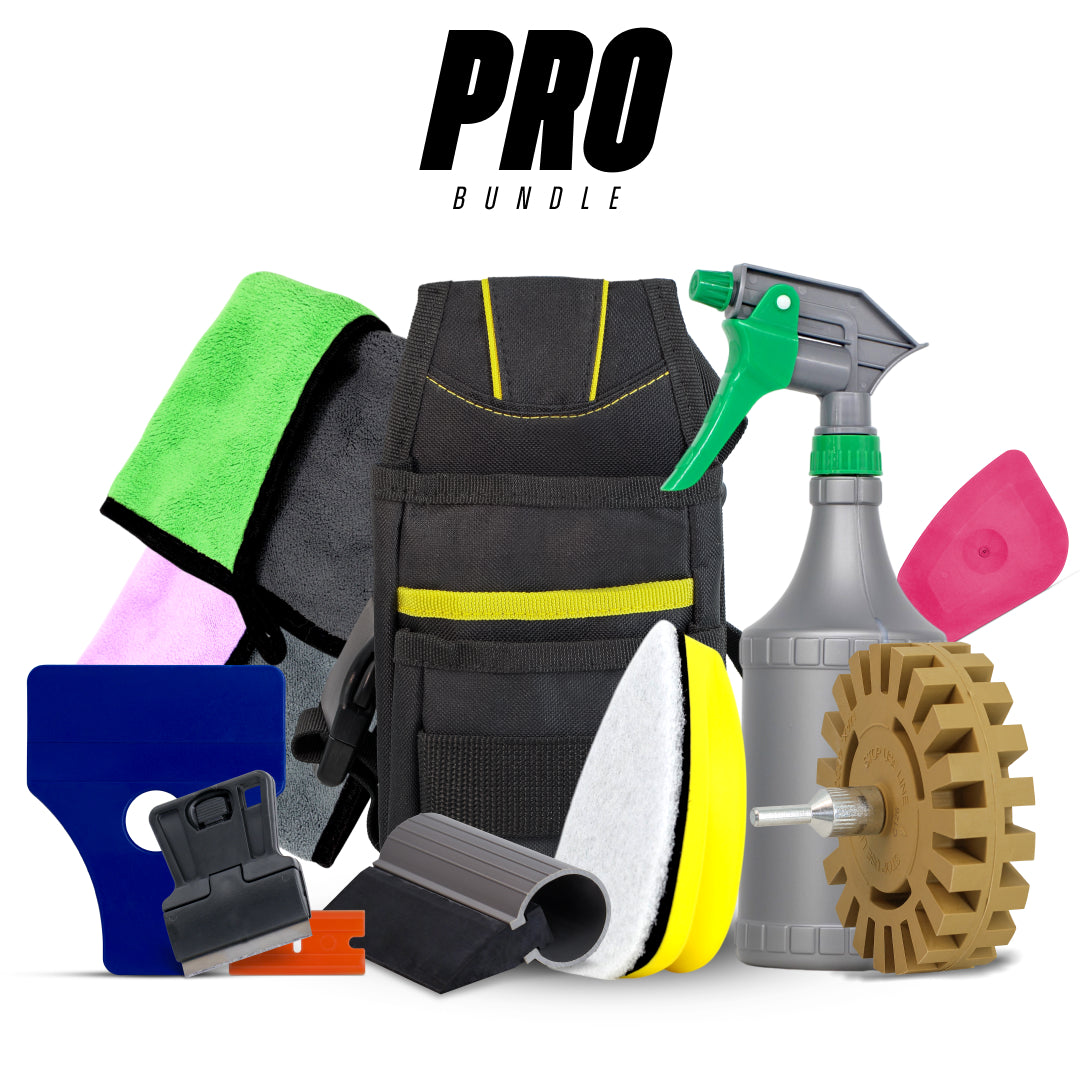
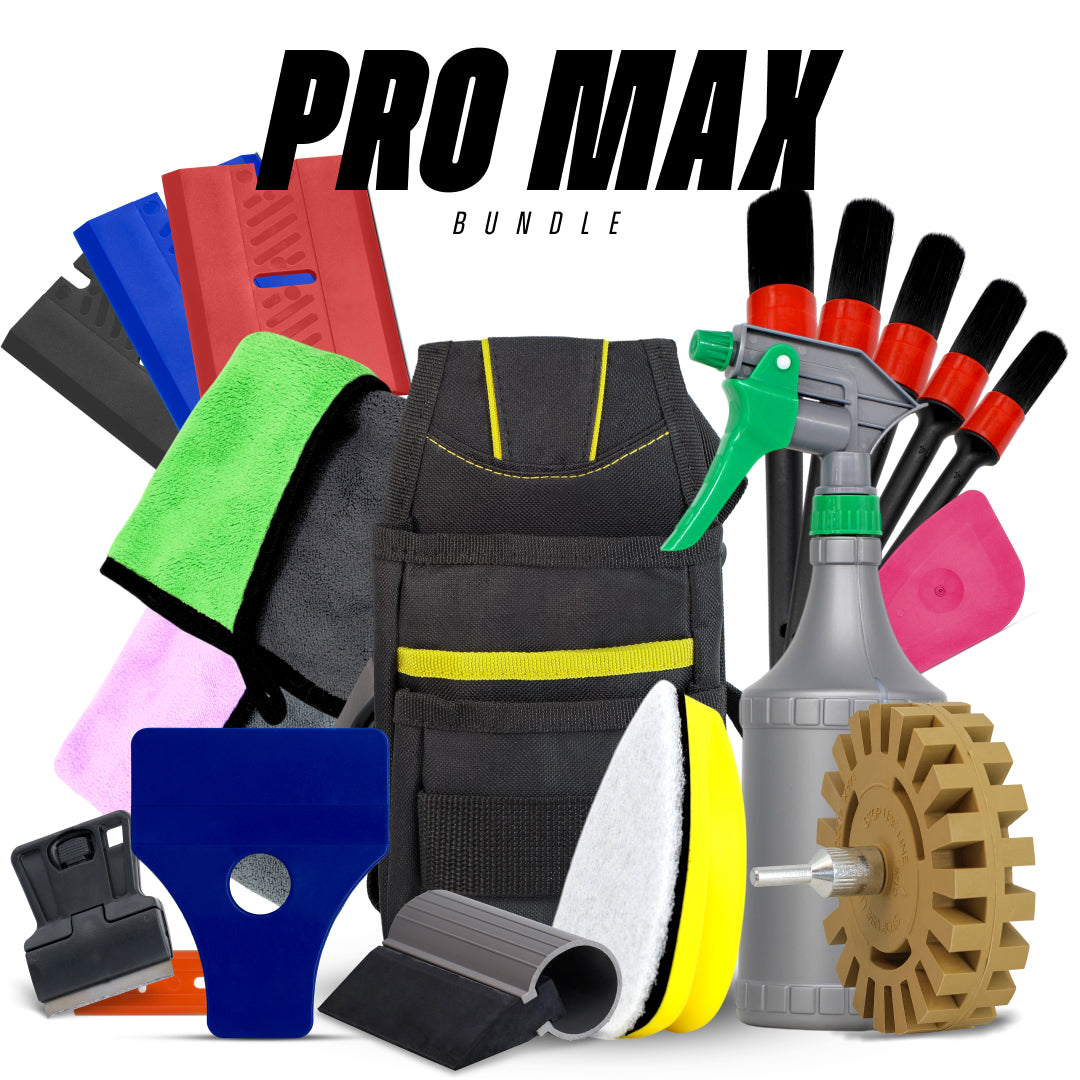
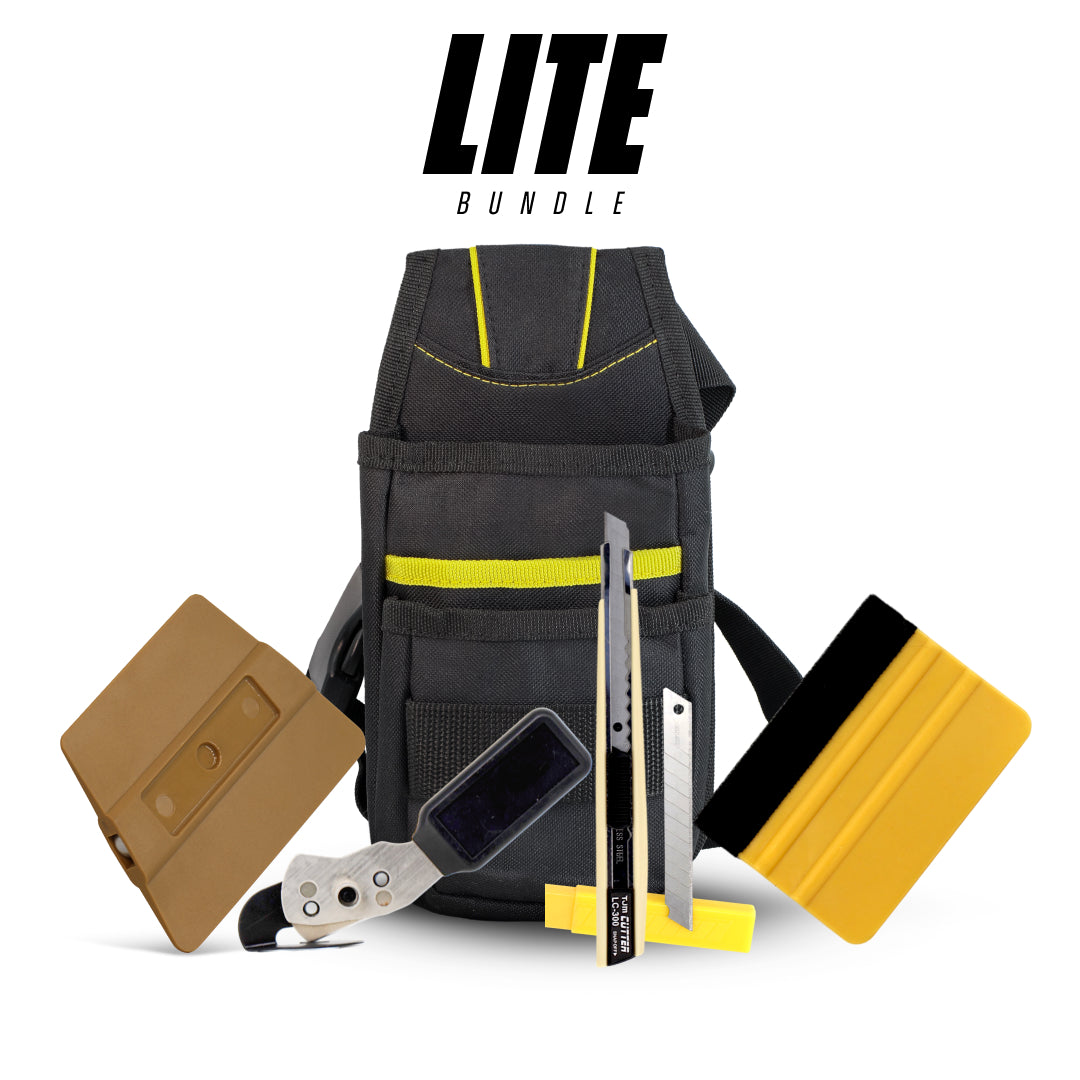
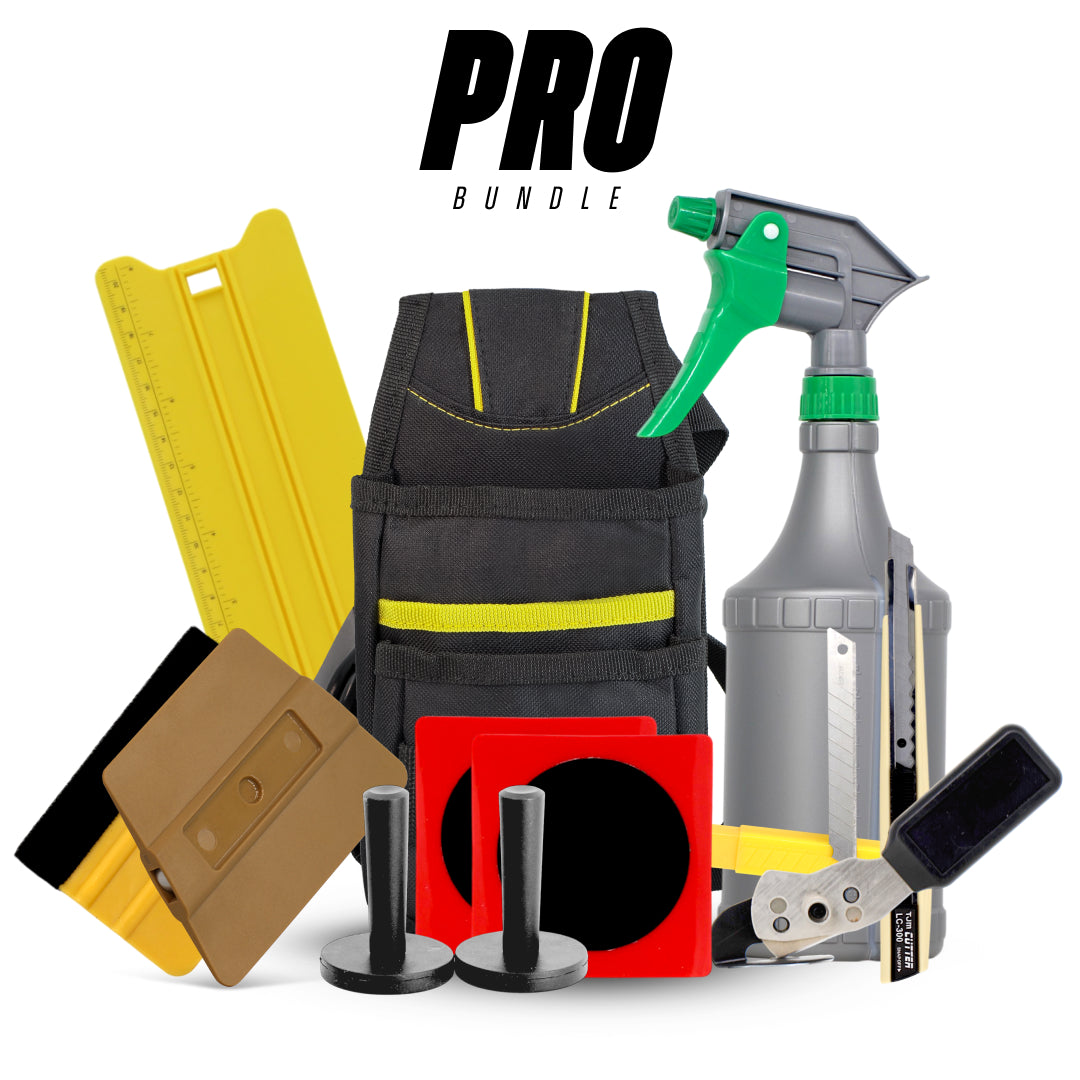
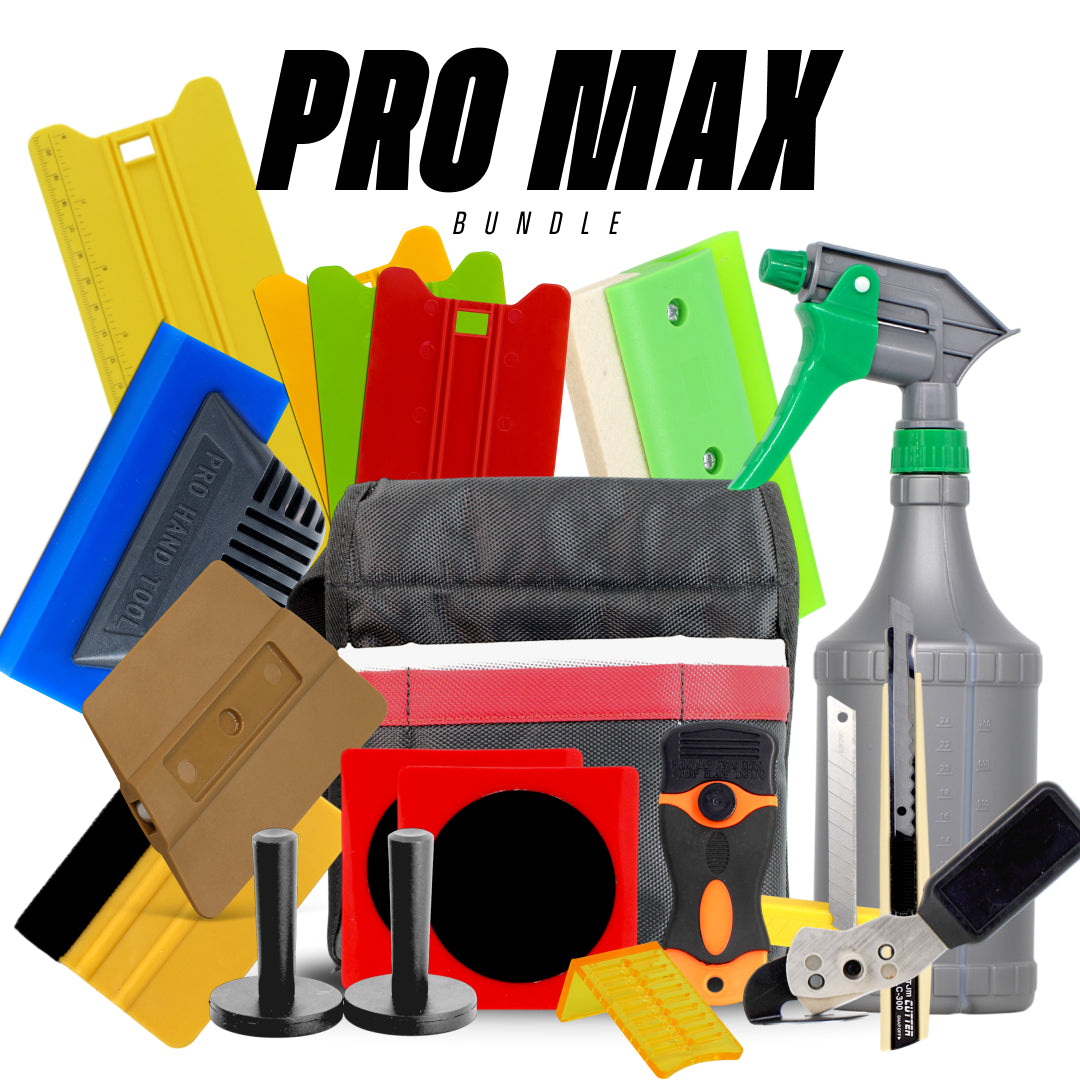
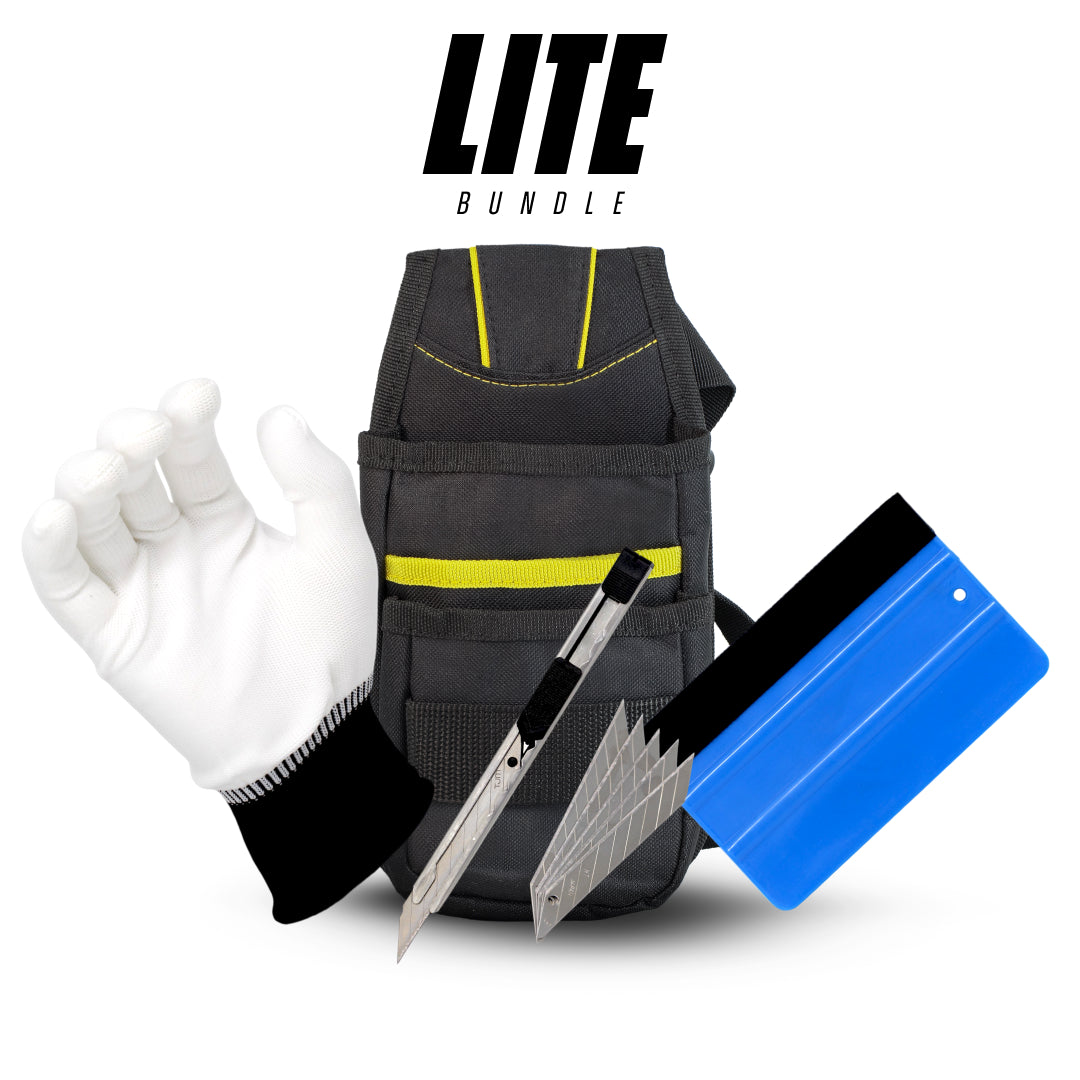
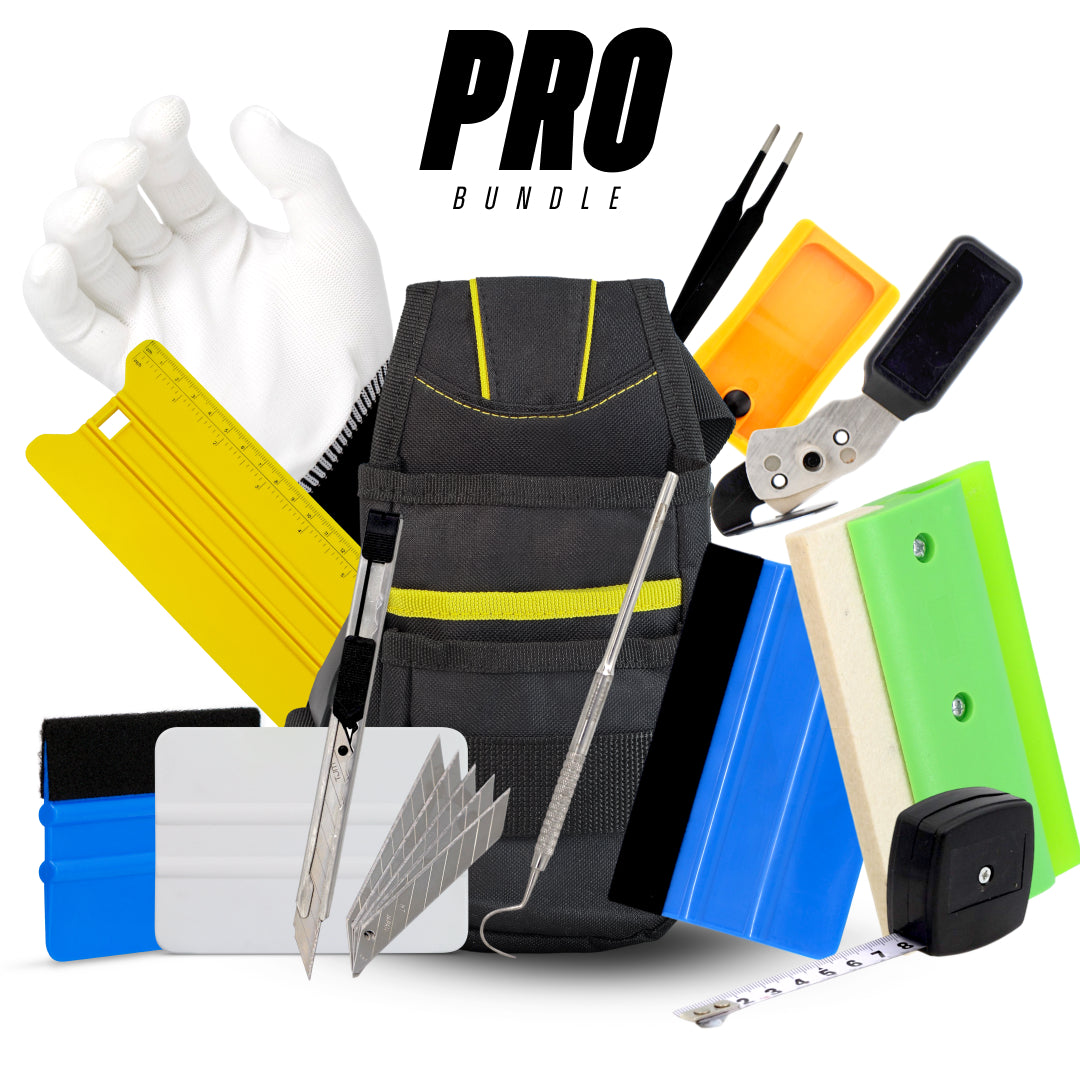
| Kit tier | Best for | Save | Price |
|---|---|---|---|
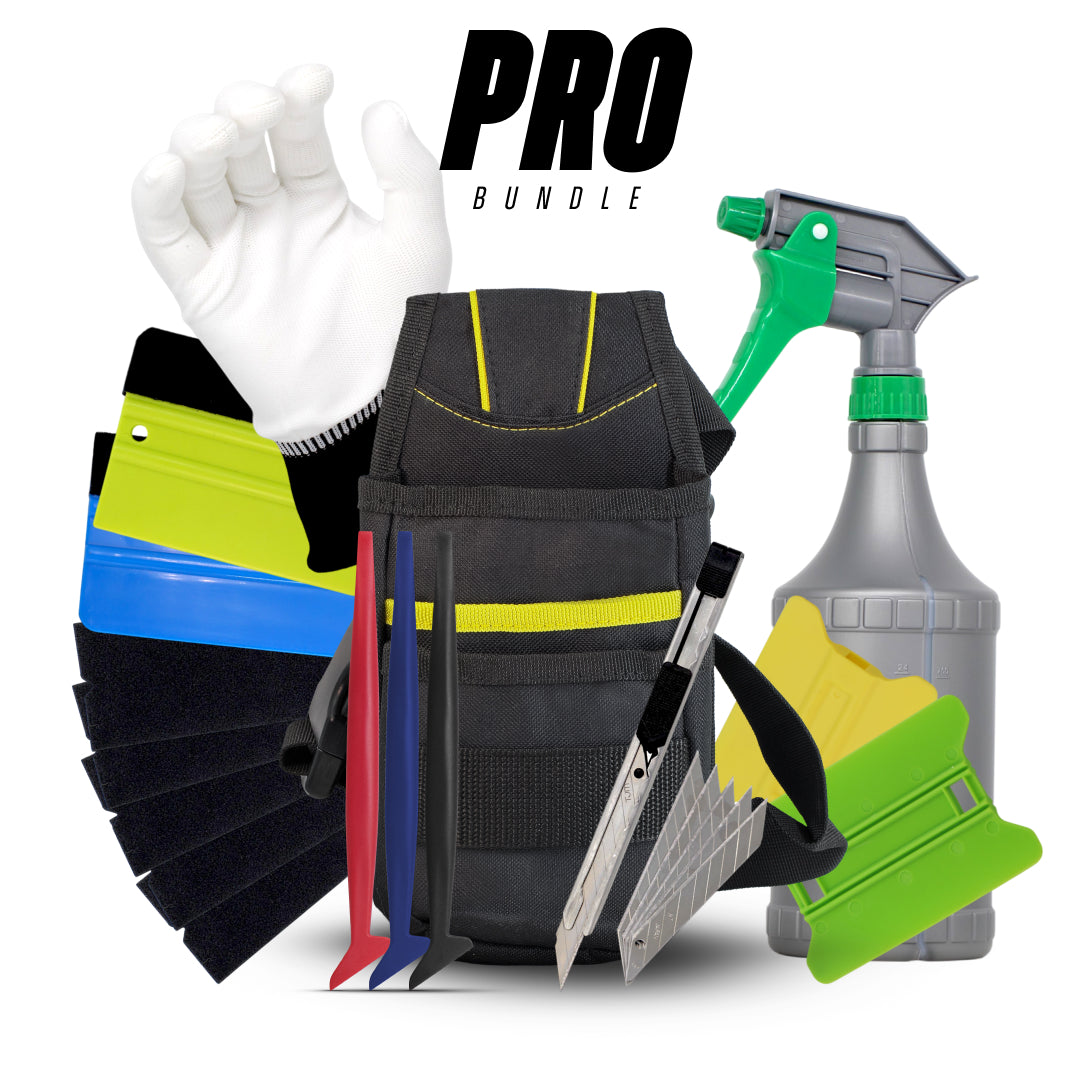
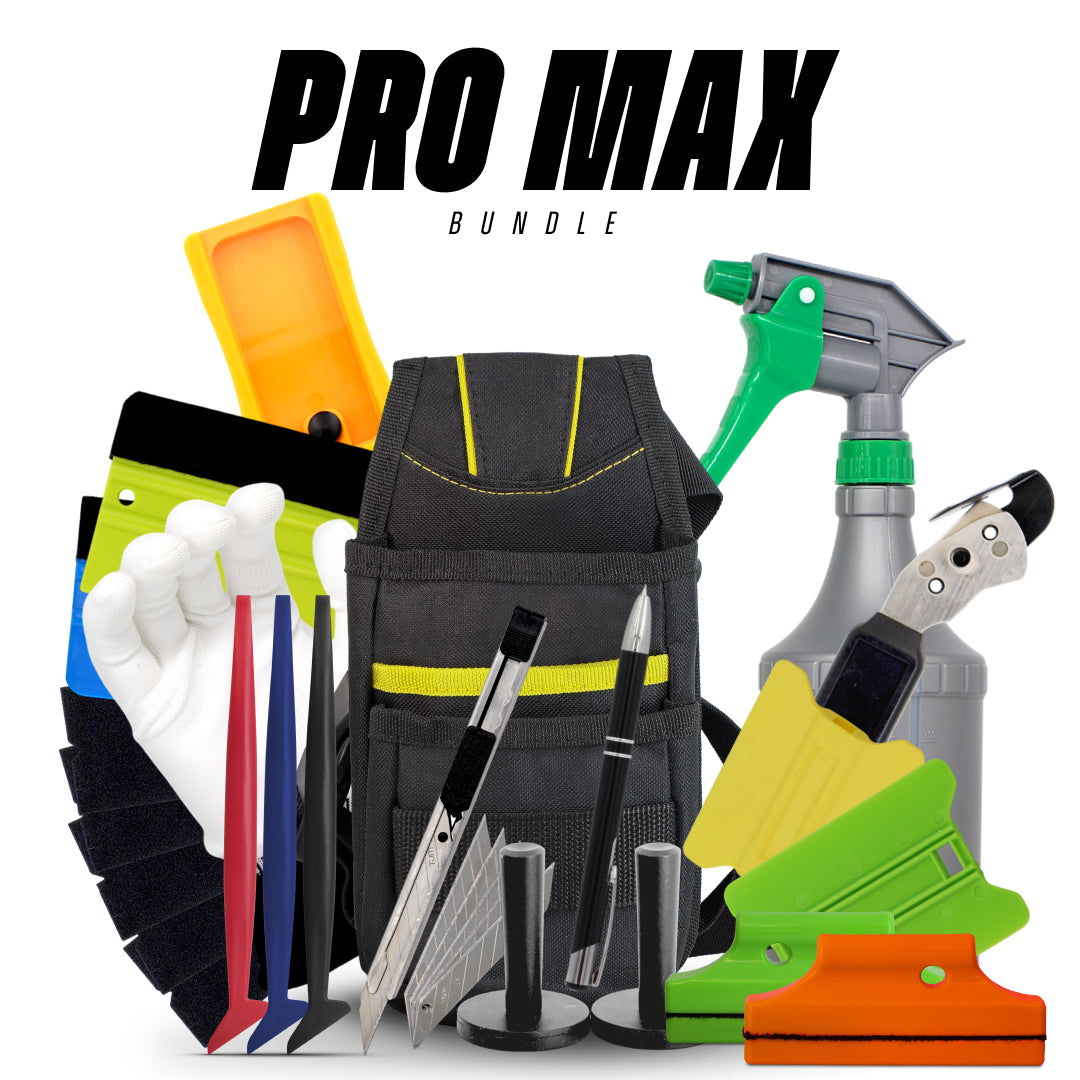
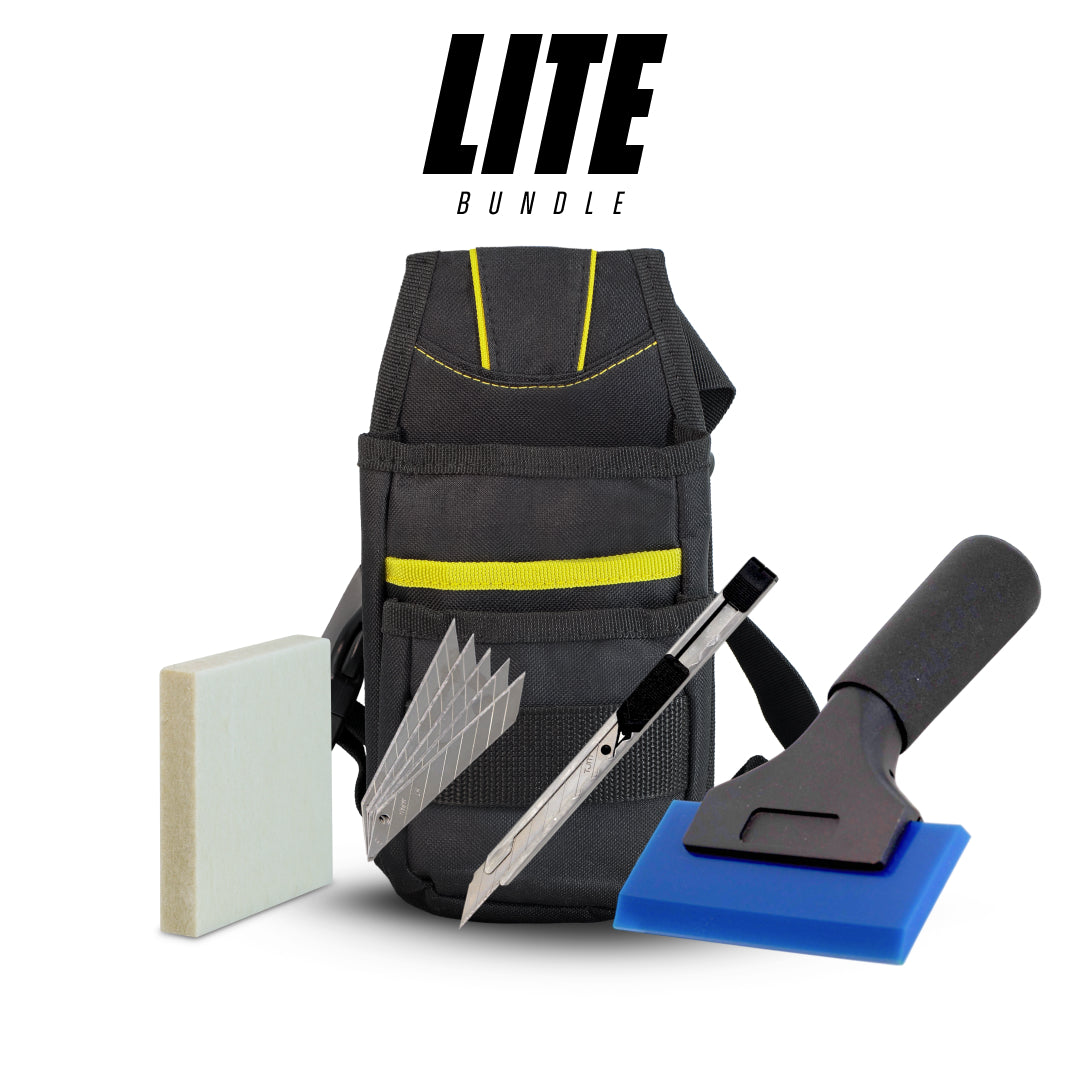
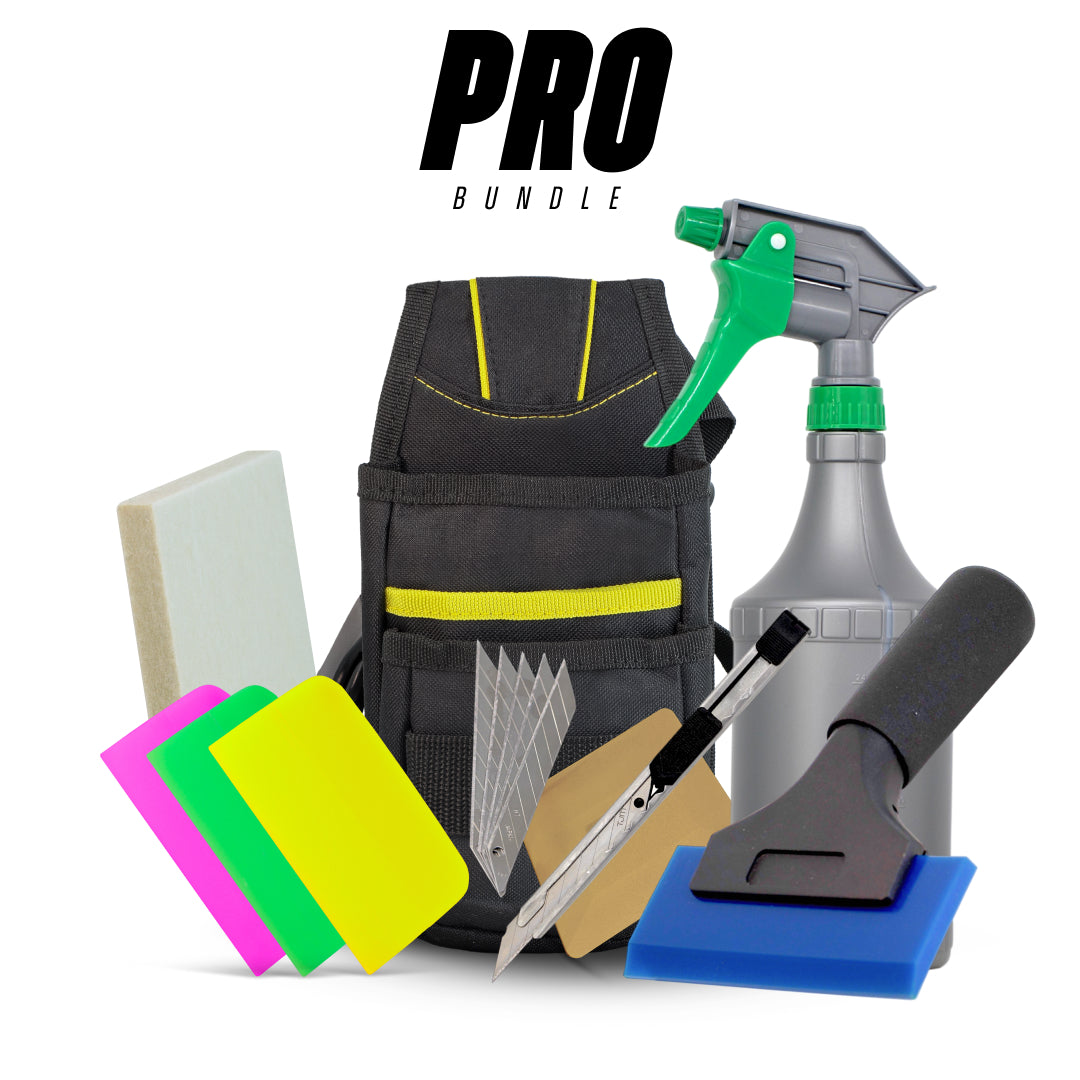
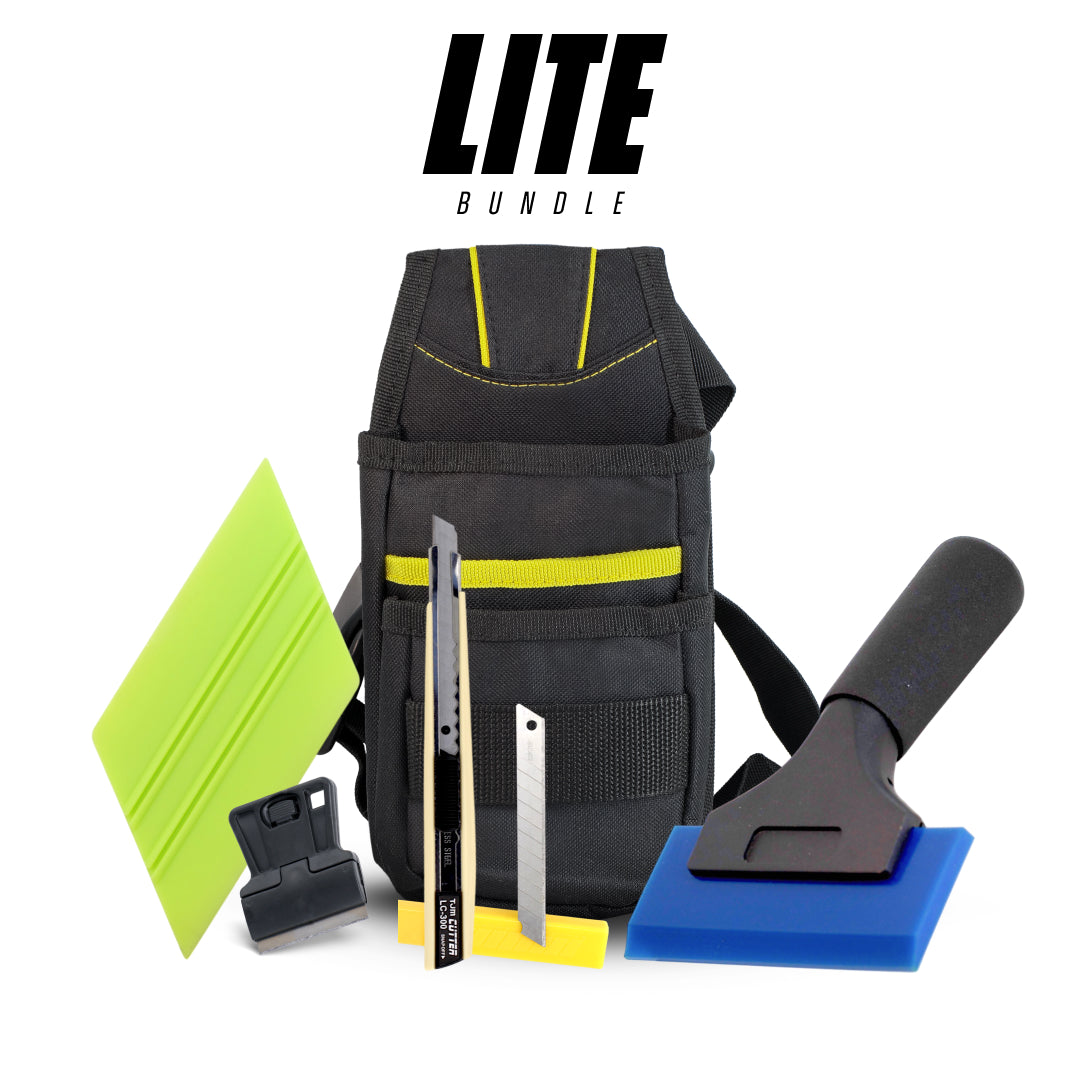
| Wrap Tool Kit — Lite | First wrap | 15% | $75.99 |
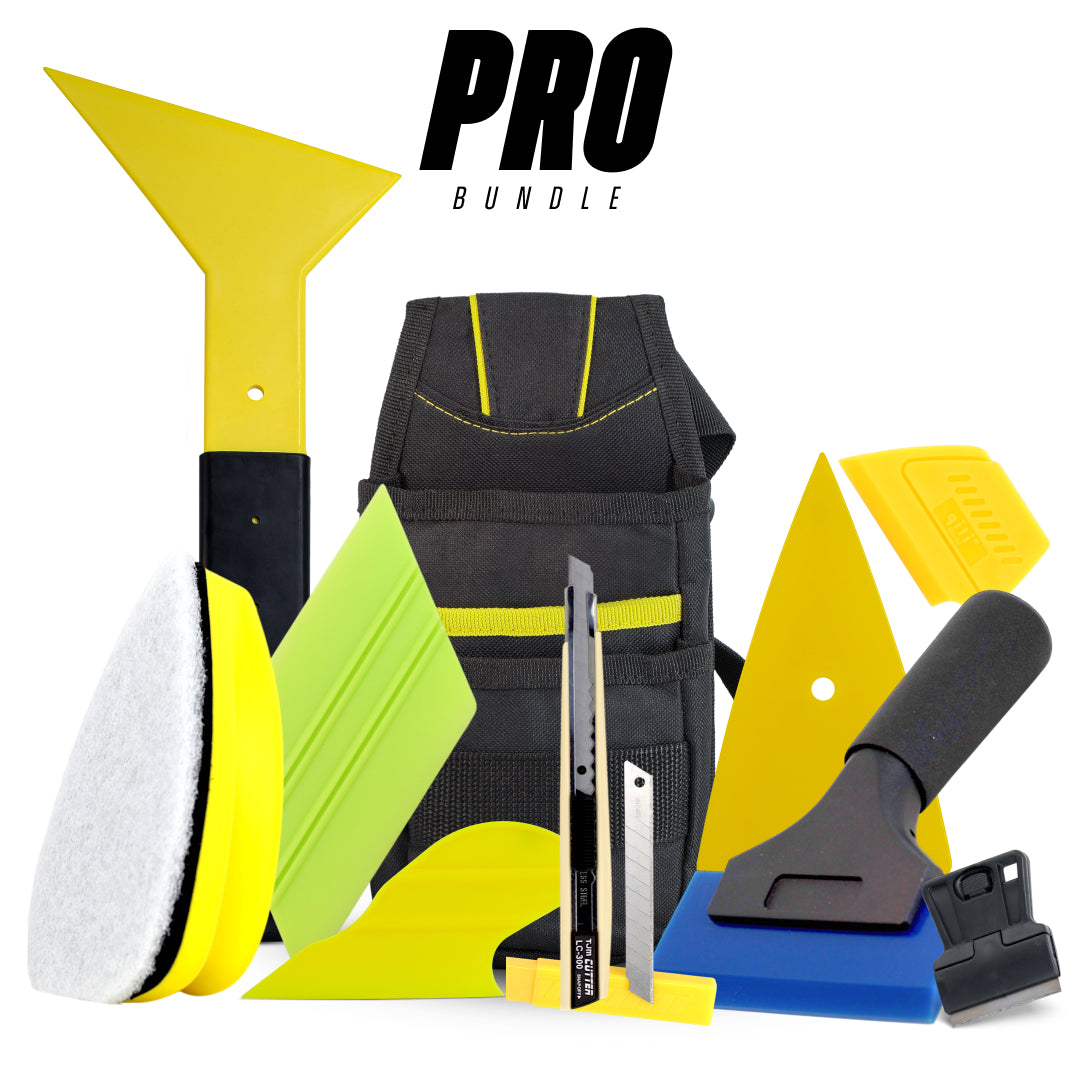
| Wrap Tool Kit — Pro | Regular installers | 19% | $129.99 |
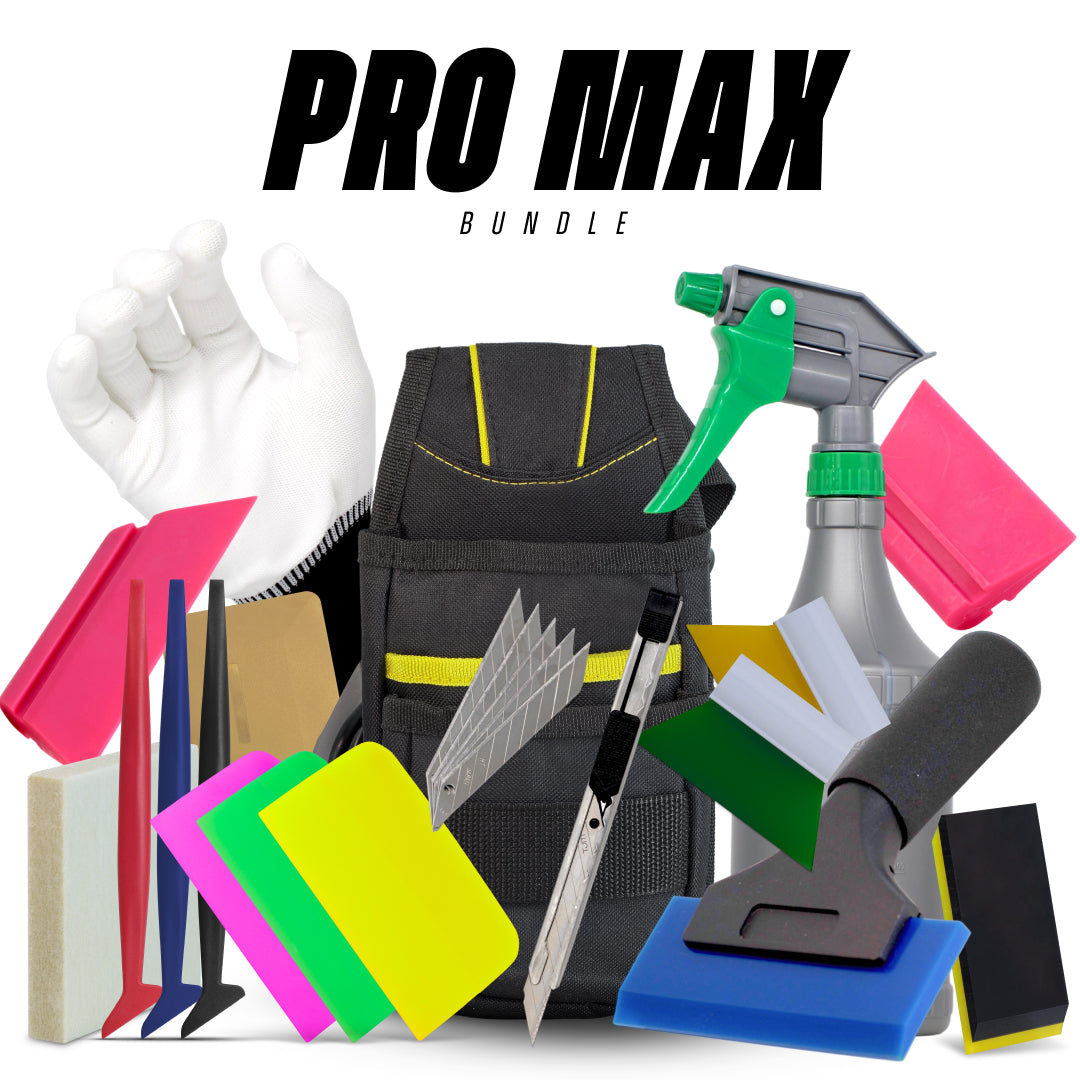
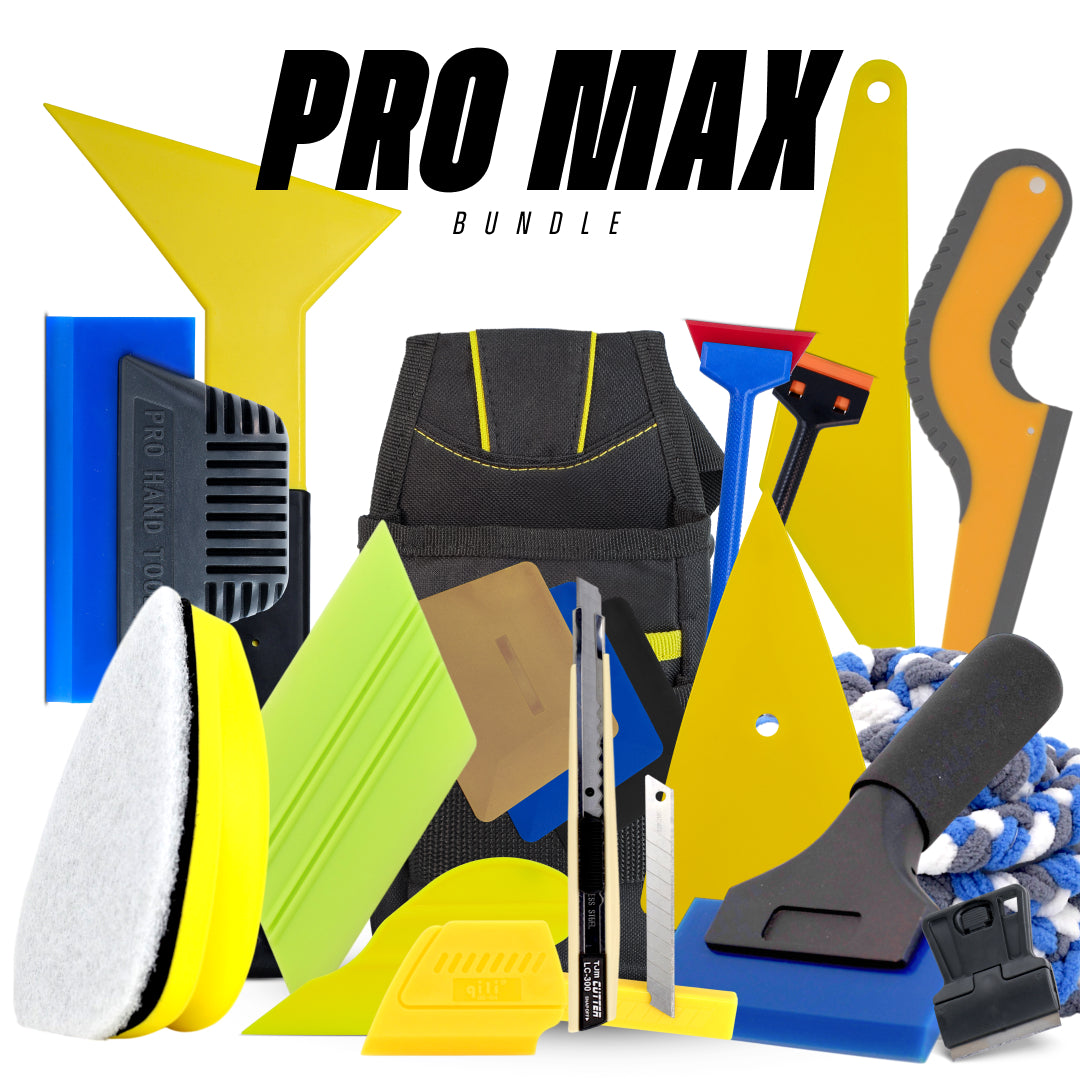
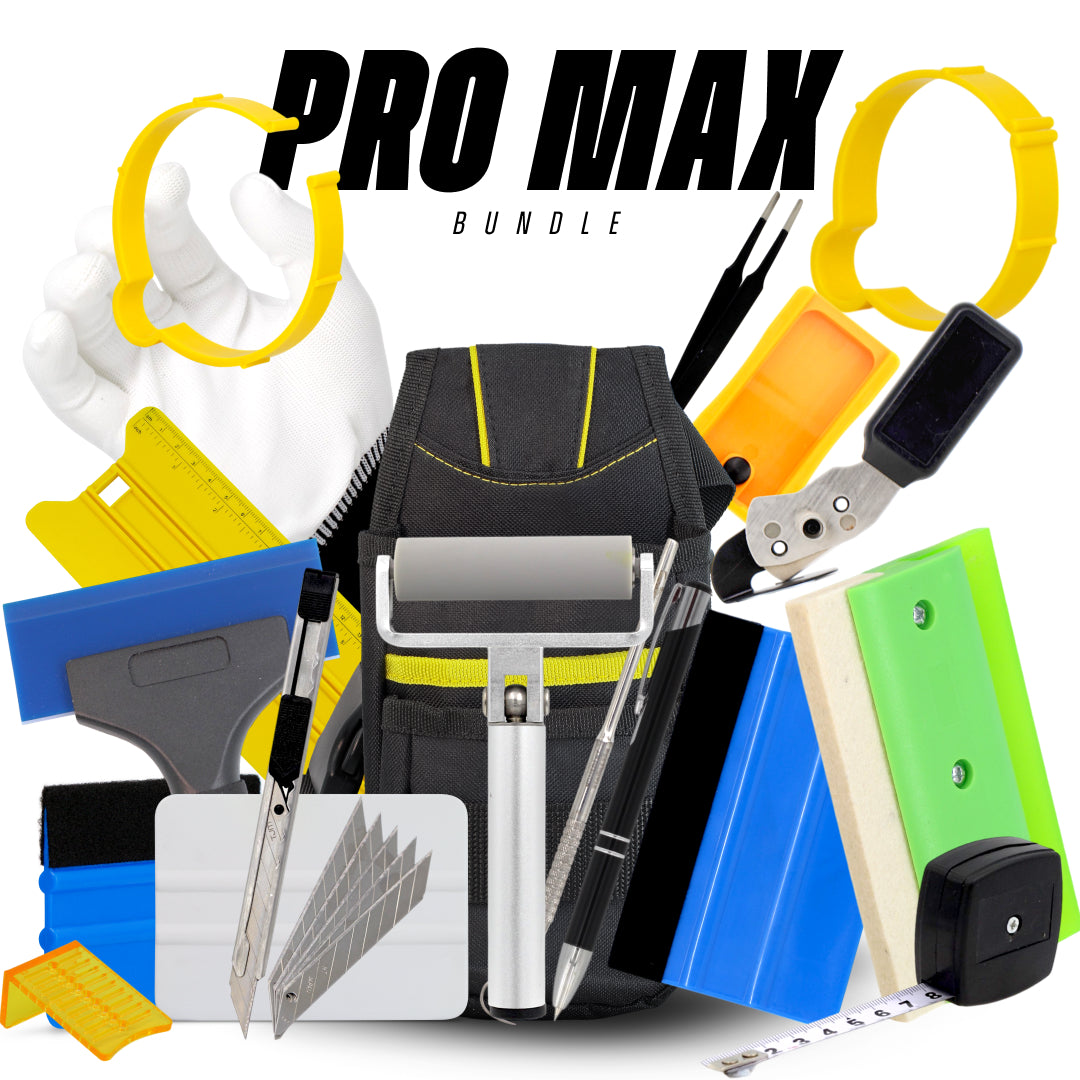
| Wrap Tool Kit — Pro Max | Full-time installers | 25% | $216.99 |
Why Car Owners Choose Wraps, Tint, and PPF

Aesthetic Enhancements and Customisation
Let’s be honest, one of the biggest reasons people invest in upgrades like car wraps, window tinting, and even paint protection film (PPF) is simple: they want their car to look better. Not just “clean,” but distinct. Something that turns heads at a traffic light or makes you glance back after parking. That emotional connection plays a bigger role than most people admit.
A car vinyl wrap opens the door to nearly endless creativity. You’re not limited to factory colours anymore. Want a stealthy matte black car wrap? Done. Thinking about a high-impact chrome wrap that reflects everything around it? Also possible. Even subtle finishes like satin or brushed metallic can elevate your car’s presence without screaming for attention. With brands like 3M vinyl wrap and Avery wraps, the quality and variety of finishes today are on a completely different level compared to a decade ago.
Customisation isn’t just about colour, it’s about identity. Businesses often use custom car wraps as mobile billboards, turning everyday driving into marketing exposure. In places where vehicle wrap Australia services are thriving, wrapped vehicles are everywhere, from delivery vans to luxury cars. It’s branding on wheels, and it works.
Window tinting adds another layer to this visual transformation. A sleek automotive window tint can completely change how a car looks, giving it a more refined, cohesive appearance. It’s like putting on a pair of sunglasses; the entire vibe shifts instantly. Even something as simple as a car windscreen tint strip can add a sporty edge.
Then there’s PPF, which might seem purely functional at first glance. But modern ppf film options include gloss enhancement and satin finishes, subtly improving your car’s appearance while protecting it. It’s like applying a high-end filter to your vehicle in real life.
What’s interesting is how these three upgrades often work together. A fully wrapped car with tinted windows and vehicle paint protection on high-impact areas doesn’t just look good; it looks intentional. Every detail feels curated, like a well-designed outfit where nothing is accidental.
At the end of the day, customisation is about ownership. It’s about making your car feel like yours, not just another model rolling off the production line.
Installers rely on specialised vinyl wrap tools to stretch, position, and secure the film correctly.
Protection Against Environmental Damage
While aesthetics grab attention, protection is what keeps people committed long-term. Cars face a surprising amount of abuse every single day, including flying debris, harsh sunlight, bird droppings, road salt, and even careless door dings in parking lots. Without some form of auto paint protection, that wear and tear adds up quickly.
This is where paint protection film (PPF) truly shines. Often described as a bra for the car, it acts as a sacrificial layer that absorbs damage before it reaches your paint. Whether it’s small rock chips on the highway or scratches from brushing against bushes, ppf wrap solutions are designed to take the hit so your car doesn’t have to.
What makes modern vehicle paint protection even more impressive is its durability. Many high-quality films can last anywhere from 5 to 10 years, depending on conditions and maintenance. Some even come with warranties that cover yellowing, cracking, or peeling. That’s a long-term shield, not just a temporary fix.
Car wraps also offer a degree of protection, though they’re more focused on aesthetics. A vinyl wrap car kit or professionally installed wrap can protect against minor scratches and UV damage, helping preserve the original paint underneath. When it’s removed, the paint often looks as good as it did the day the wrap was applied.
Window tinting plays its own role in protection, particularly for the interior. Constant exposure to sunlight can fade upholstery, crack dashboards, and make your car feel like an oven. High-quality window film tint blocks harmful UV rays and reduces heat buildup, protecting both your car and your comfort.
Even tools used during installation, like a ppf squeegee, vinyl squeegee, or window tint squeegee, are part of this protection story. Proper application ensures there are no weak points where damage can sneak through.
Think of these upgrades as layers of defence. Each one addresses a different kind of threat, and together they create a comprehensive system that keeps your car looking newer for longer. It’s not just about avoiding damage; it’s about preserving value, pride, and peace of mind every time you hit the road.
For consistency, many professionals use complete wrap tool kits across all jobs.
The Process of Installing Paint Protection Film (PPF)
Surface Preparation and Cleaning
Before a single piece of paint protection film touches your car, there’s a step that many people underestimate: preparation. This stage might not be glamorous, but it’s arguably the most critical part of the entire ppf wrap process. If the surface isn’t perfectly clean, the final result won’t hold up.
Technicians start with a deep wash using specialised automotive shampoos designed to strip away dirt, grease, and old wax. But it doesn’t stop there. They often follow up with a clay bar treatment to remove embedded contaminants, tiny particles that regular washing can’t eliminate. Imagine trying to apply a screen protector to a dusty phone; even a single speck can ruin the finish. The same principle applies here.
Next comes paint correction, if needed. Minor scratches, swirl marks, or imperfections are polished out before applying the ppf film. This step ensures that the film locks in a flawless surface rather than preserving existing flaws. It’s a bit like ironing a shirt before sealing it in plastic; you want it perfect first.
Once the paint is corrected, the surface is wiped down with an alcohol-based solution to remove any remaining oils. This creates the ideal condition for adhesion. At this point, the car is usually moved into a controlled environment, often a clean, dust-free workshop where temperature and humidity are carefully managed.
Why all this effort? Because automotive paint protection is only as good as its foundation. Even the best film from top brands won’t perform properly if applied to a poorly prepared surface.
This stage also sets the tone for the rest of the installation. A meticulous prep process signals a professional job, while shortcuts here often lead to visible defects later, like bubbles, lifting edges, or trapped debris.
So, if you’re dropping your car off for PPF and notice the team spending hours just cleaning and prepping, that’s actually a good sign. It means they’re treating your car with the level of care required to achieve a near-invisible, long-lasting finish.
Proper edge sealing and adhesion depend on using the right PPF squeegees.
Application Techniques and Tools
Applying paint protection film is where craftsmanship truly comes into play. It’s not just about placing a sheet of film onto a panel; it’s about precision, timing, and a deep understanding of how the material behaves under different conditions. This is where experienced installers separate themselves from amateurs.
The process typically begins with pre-cut templates or bulk film. Pre-cut kits are designed specifically for each vehicle model, ensuring a near-perfect fit. Bulk installation, on the other hand, involves manually trimming the film directly on the car, which requires a steady hand and years of experience.
A slip solution, usually a mixture of water and a small amount of soap, is sprayed onto the surface and the adhesive side of the ppf film. This allows the installer to position the film accurately before it bonds permanently. Once aligned, tools like a ppf squeegee are used to push out the liquid and air from beneath the film.
Role of PPF Squeegee and Precision Tools
The paint protection film squeegee might look simple, but it’s one of the most important tools in the entire process. It’s used to apply even pressure across the film, ensuring proper adhesion while eliminating bubbles and wrinkles. A high-quality ppf squeegee is designed to glide smoothly without scratching the film, which is crucial for maintaining that crystal-clear finish.
Installers often use multiple types of squeegees, each suited for different areas of the car. Softer ones are used on delicate sections, while firmer tools help with edges and contours. Alongside squeegees, you’ll find heat guns, precision knives, and specialised wrap tools that help the film conform to complex shapes like mirrors and bumpers.
Edges are carefully wrapped and tucked to create a seamless appearance. This step is especially important because exposed edges are more prone to lifting over time. A well-installed ppf wrap should be almost invisible unless you’re specifically looking for it.
The entire process can take anywhere from one to several days, depending on the coverage. Full-body installations naturally require more time and attention than partial applications like front-end protection.
Watching a professional apply PPF is a bit like watching an artist at work. Every movement is deliberate, every tool has a purpose, and the result is something that looks effortless, but is anything but.
Most experienced installers rely on full PPF tool kits to avoid inconsistencies during application.
What Happens During a Car Wrap Installation

Choosing the Right Vinyl Wrap Material
Before the first panel is wrapped, there’s a surprisingly important decision to make: choosing the right vinyl wrap material. This step isn’t just about picking a colour, it’s about defining the entire personality of your vehicle. The type of vinyl you choose will influence how your car looks, how long the wrap lasts, and even how easy it is to maintain.
Top-tier brands like 3M vinyl wrap and Avery wraps dominate the market for a reason. They offer consistent quality, durability, and a wide range of finishes that cater to different tastes. Whether you’re after a bold chrome wrap, a subtle satin finish, or a stealthy matte black car wrap, the material itself plays a huge role in the outcome.
There’s also a practical side to this decision. Some finishes are more forgiving than others. Gloss wraps, for example, tend to highlight imperfections if the installation isn’t flawless. Matte and satin finishes, on the other hand, can hide minor inconsistencies but may require more careful maintenance to avoid stains or marks.
Another factor to consider is thickness and flexibility. High-quality vehicle vinyl wrap materials are designed to stretch and conform to complex curves without tearing or losing colour consistency. This becomes especially important around tricky areas like door handles, bumpers, and side mirrors.
If you’re going the DIY route, which many people attempt using a car wrapping kit or vinyl wrap car kit, your material choice becomes even more critical. Lower-quality vinyl can be difficult to work with, leading to bubbles, wrinkles, or premature peeling. That’s why professionals rely on trusted brands and well-equipped vehicle wrapping tools to ensure a clean finish.
Colour selection is where things get fun, though. With hundreds of vehicle wrap colours available, you can go as subtle or as bold as you want. Some people even mix finishes, combining gloss with matte accents, to create a truly unique look.
At the end of the day, choosing the right vinyl is like choosing fabric for a tailored suit. The better the material, the sharper the final result, and the longer it holds up under daily wear.
Installation Process and Tools Used
Once the material is selected, the real transformation begins. The car wrap installation process is a meticulous blend of technique, patience, and the right set of wrap tools. It’s not unusual for a full wrap to take several days, especially when every detail is handled with precision.
The process starts similarly to PPF installation, with thorough cleaning and surface preparation. Any dirt, grease, or imperfections can interfere with adhesion, so the vehicle must be spotless before the vinyl is applied.
The vinyl is then carefully positioned over each panel. Unlike ppf film, which often uses a wet application method, vinyl wraps are typically applied dry. This means there’s less room for error, and installers must rely heavily on skill and experience.
Importance of Vinyl Squeegees and Wrap Tools
The unsung heroes of this process are the vinyl squeegees and specialised vehicle wrap tools. A squeegee for vinyl is used to press the material onto the surface, removing air bubbles and ensuring a smooth, even application. Without it, achieving a professional finish would be nearly impossible.
Installers also use heat guns to make the vinyl more pliable. Heat allows the material to stretch and conform to curves, but it has to be applied carefully. Too much heat can distort the vinyl, while too little can make it difficult to work with.
A typical vehicle wrap tool kit might include:
- Precision knives for trimming edges
- Heat guns for shaping vinyl
- Vinyl wrapping tools kit with different squeegees
- Magnets to hold vinyl in place during alignment
Edges and seams are where true craftsmanship shows. The vinyl is tucked and trimmed to create a seamless look, ensuring it doesn’t peel over time. This is also where having the right car wrap tools makes all the difference.
One thing many people don’t expect is how hands-on and detailed the process is. Installers often work panel by panel, constantly adjusting, smoothing, and checking alignment. It’s slow, deliberate work, but that’s exactly what produces a finish that looks factory-perfect.
By the time the wrap is complete, your car doesn’t just look different, it feels like an entirely new vehicle. And the best part? If you ever want a change, the wrap can be removed, revealing the original paint underneath in pristine condition.
Window Tinting Process Explained
Types of Window Tint Films
Not all window tinting is created equal, and understanding the different types of window film can make a huge difference in your overall satisfaction. At first glance, all tints might look similar, but the technology behind them varies significantly.
The most common types include dyed, metalised, carbon, and ceramic films. Dyed films are typically the most affordable, offering basic glare reduction and privacy. However, they tend to fade over time and don’t provide the best heat rejection.
Metalised films add small metallic particles that reflect heat and UV rays. While they’re more effective than dyed films, they can sometimes interfere with electronic signals like GPS or mobile reception.
Carbon films strike a balance between performance and cost. They offer good heat rejection without signal interference and have a matte finish that many people find appealing.
Then there’s ceramic tint, often considered the gold standard of automotive window tint. It provides excellent heat rejection, blocks up to 99% of UV rays, and doesn’t interfere with electronics. This is the kind of professional tint you’ll often find in high-end installations.
For those exploring options beyond cars, products like house window film and home window tinting use similar technologies to improve energy efficiency and privacy in buildings.
Choosing the right tint depends on your priorities. Are you looking for maximum heat reduction? Enhanced privacy? A specific aesthetic? Each type of car window tint offers a different combination of benefits.
It’s also worth noting that tint laws vary by location, so the darkness of your car windscreen tint or side windows may be regulated. A professional installer will usually guide you through what’s legal and what’s not.
During application, installers use tint squeegees to remove water and air for a clean finish.
In the end, selecting the right film is about balancing performance, appearance, and budget. And once it’s installed, the difference in comfort and driving experience is immediately noticeable.
Application Techniques and Tint Tools
Applying window tint is one of those tasks that looks deceptively simple until you try it yourself. In reality, it’s a highly precise process that depends heavily on skill and the right window tinting tools.
The process begins with thoroughly cleaning the glass. Any dust or residue can cause bubbles or imperfections in the film. Installers often use specialised cleaning solutions and lint-free cloths to ensure a perfectly smooth surface.
The tint film is then cut to size, either by hand or using pre-cut templates. A slip solution is applied to allow the film to be positioned correctly before it adheres.
Using a Window Tint Squeegee Properly
The window tint squeegee plays a central role in achieving a flawless finish. It’s used to press the film onto the glass while pushing out water and air bubbles. A high-quality squeegee for window tint ensures even pressure and prevents scratches or creases.
Different types of squeegees are used for different parts of the process. Softer ones help with initial placement, while firmer tools are used for final smoothing. Alongside squeegees, installers rely on heat guns, cutting blades, and other tint tools to perfect the application.
The film is carefully shrunk using heat to match the curvature of the glass, especially on rear windows. This step requires a steady hand and experience, as overheating can damage the film.
Once applied, the tint needs time to cure. During this period, you might notice small water pockets or a hazy appearance. This is completely normal and usually disappears within a few days.
For those considering a DIY approach with a car tinting kit or car tinting tools, it’s worth knowing that professional results are difficult to achieve without experience. Even small mistakes can be highly visible.
When done correctly, though, the result is clean, smooth, and long-lasting. A well-installed tint not only enhances your car’s look but also improves comfort in a way you’ll appreciate every time you drive.
Many professionals prefer complete tint tool kits to maintain efficiency and accuracy.
Timeline for PPF Installation
One of the first questions people ask before committing to paint protection film (PPF) is simple: “How long will my car be in the shop?” The honest answer? It depends on how much of the car you want covered and how meticulous the installer is. Unlike quick cosmetic upgrades, ppf wrap installation is a detailed, time-intensive process that prioritises precision over speed.
For partial coverage, like a front bumper, hood, mirrors, and fenders, you’re typically looking at 1 to 2 days. This is often referred to as a “front-end protection package,” and it’s one of the most popular options because it targets high-impact areas where rock chips are most common. However, if you’re going all in with a full-body vehicle paint protection job, the timeline can stretch to 3 to 5 days, sometimes longer for complex vehicles.
Why does it take so long? A big part of it comes down to preparation. As mentioned earlier, the surface must be meticulously cleaned and sometimes corrected before the ppf film is applied. This alone can take several hours, especially if the paint has imperfections that need polishing.
Then comes the installation itself. Each panel is handled individually, with technicians carefully aligning and applying the film using tools like a paint protection film squeegee. Edges are wrapped, bubbles are eliminated, and every detail is inspected. It’s not a rush job; it’s closer to a surgical procedure for your car’s exterior.
Curing time is another factor. While the film adheres immediately, it takes time for the adhesive to fully set. During this period, installers may advise avoiding washing or exposing the car to extreme conditions.
Interestingly, weather and environment can also influence the timeline. Controlled indoor environments speed things up and ensure better results, while less ideal conditions can slow the process down.
So, if you’re planning for auto paint protection, it’s worth setting aside a few days and treating it as an investment rather than a quick service. The payoff? Years of protection and a finish that looks almost untouched by time.
Installing film correctly requires specialised PPF tools designed for thicker, self-healing materials.
Timeline for Car Wraps and Tinting
Compared to PPF, car wraps and window tinting can feel relatively fast, but that doesn’t mean they’re rushed. Each process still requires careful execution, and the timeline often reflects the level of detail involved.
A full car wrap usually takes 2 to 4 days, depending on the size of the vehicle and the complexity of the design. Simple colour changes using standard vehicle vinyl wrap materials are quicker, while intricate custom car wraps with graphics or multiple finishes can extend the timeline. If the installer needs to remove parts like door handles, mirrors, or trim pieces for a seamless finish, that also adds to the overall time.
Preparation plays a role here, too. Just like with PPF, the car needs to be thoroughly cleaned before applying the vinyl wrap. Once the process begins, installers work panel by panel, using tools like vinyl squeegees, heat guns, and specialised wrap tools to shape and secure the material.
Window tinting, on the other hand, is much quicker. Most standard tint jobs can be completed in 2 to 4 hours, making it one of the fastest ways to upgrade your vehicle. However, larger vehicles or those requiring more intricate work, like a car windscreen tint, might take a bit longer.
Even though tinting is faster, it still involves precision. Installers use window tinting tools such as a window tint squeegee to ensure a clean, bubble-free finish. After installation, there’s a curing period where the film settles, and any remaining moisture evaporates.
One thing many people overlook is scheduling. High-quality shops often have waiting lists, especially for premium services like 3M wrapping or high-end professional tint installations. So while the actual work might take a few days, or even just a few hours, you may need to book your appointment in advance.
In short, while wraps and tinting are quicker than PPF, they still demand time and attention to detail. Rushing the process usually leads to visible flaws, and that’s the last thing you want after investing in your car’s appearance.

Cost Breakdown and What Influences Pricing: Material Quality and Brand (3M, Avery, etc.)
When it comes to pricing, not all automotive wrap, ppf film, or window tint products are created equal. One of the biggest factors influencing cost is the quality of materials and the brand behind them. You’ve probably heard names like 3M vinyl wrap or Avery wraps, and there’s a reason they come up so often: they’ve built a reputation for consistency, durability, and performance.
Let’s start with paint protection film. Premium PPF from well-known manufacturers tends to cost more upfront, but it offers better clarity, longer lifespan, and stronger resistance to yellowing or peeling. Cheaper alternatives might save you money initially, but they often degrade faster, which can lead to additional costs down the line.
The same logic applies to vehicle vinyl wrap materials. High-quality wraps are easier to install, more resistant to fading, and maintain their finish longer. Whether you’re choosing a bold chrome wrap or a subtle satin finish, the material itself plays a huge role in how the final product looks and lasts.
Window tinting follows a similar pattern. Basic dyed films are the most affordable, while advanced options like ceramic automotive window tint come at a premium. However, the performance difference is noticeable, especially in terms of heat rejection and UV protection.
| Service | Budget Option | Premium Option |
|---|---|---|
| PPF | Basic film (short lifespan) | Self-healing, long-lasting PPF |
| Car Wrap | Generic vinyl | 3M / Avery wraps |
| Window Tint | Dyed film | Ceramic tint |
It’s tempting to cut corners on materials, especially when prices vary so widely. But in most cases, you get what you pay for. Investing in higher-quality products often means better results, fewer issues, and a longer lifespan.
Think of it like buying shoes. A cheaper pair might look fine at first, but it won’t hold up under daily use. A premium pair costs more, but it lasts and feels better every step of the way.
Labour, Vehicle Size, and Complexity
Beyond materials, labour is the other major factor that shapes the cost of car wraps, ppf wrap, and window tinting. And this is where things can vary dramatically depending on the shop, the vehicle, and the level of detail involved.
Labour costs are largely driven by time and expertise. A skilled installer isn’t just applying film; they’re ensuring precision, durability, and a flawless finish. Whether they’re using a vinyl squeegee, a ppf squeegee, or specialised tinting tools, their experience plays a huge role in the outcome.
Vehicle size is another obvious factor. Wrapping a compact car is very different from wrapping a large SUV or a truck. More surface area means more material and more time. That’s why services like 3M truck wrap installations tend to cost significantly more than smaller vehicles.
Complexity adds another layer. Cars with intricate curves, aggressive body lines, or lots of trim pieces require more effort. Removing and reinstalling parts to achieve a seamless finish also increases labour time. Even something as simple as a detailed custom car wrap design can add hours, or even days, to the process.
Then there’s the level of coverage. A partial car paint protection package will naturally cost less than a full-body wrap or complete auto paint protection solution. Similarly, tinting just the side windows is cheaper than including the rear glass and car windscreen tint.
It’s also worth considering the tools involved. Professional installers use high-quality vehicle wrap tools, window tint tools, and precision equipment to ensure consistent results. This level of professionalism is reflected in the price.
At the end of the day, pricing isn’t just about what you’re getting; it’s about how well it’s done. A cheaper job might save money upfront, but poor installation can lead to peeling wraps, bubbling tint, or visible seams. And fixing those issues often costs more than doing it right the first time.
Maintenance After Installation: Caring for PPF, Wraps, and Tint
Once your car has been upgraded with paint protection film, a vinyl wrap, or window tint, the journey doesn’t end there. Proper maintenance is what keeps everything looking sharp and performing as expected over time. The good news? It’s not complicated, but it does require consistency.
For PPF, regular washing is key. Dirt and debris can still sit on the surface, even if the film is protecting the paint underneath. Use a gentle automotive shampoo and avoid harsh chemicals that could degrade the film. Many experts recommend hand washing instead of automatic car washes, especially those with abrasive brushes.
One of the perks of modern ppf film is its self-healing property. Minor scratches can disappear with heat, but that doesn’t mean you should neglect care. Keeping the surface clean helps maintain that glossy, almost invisible finish.
Car wraps require a slightly different approach. While they’re durable, they’re not as resistant to harsh conditions as paint or PPF. Avoid prolonged exposure to direct sunlight when possible, and clean the wrap using products specifically designed for vehicle vinyl wrap surfaces.
Window tint is the easiest to maintain. After the initial curing period, you can clean tinted windows with a soft cloth and ammonia-free cleaner. This prevents damage to the window film tint and keeps it looking clear and streak-free.
Using the right tools also matters. Whether it’s a soft cloth or a gentle squeegee for window tint, avoiding abrasive materials helps extend the life of your upgrades.
In essence, maintenance is about respect. Treat these additions well, and they’ll continue to protect and enhance your car for years.
Common Mistakes to Avoid When Getting Your Car Wrapped, Tinted, or PPF Installed
Even though the process of wrapping, tinting, or applying paint protection film (PPF) is handled by professionals, there are a few common mistakes car owners make before and after installation that can impact the final result.
1. Choosing Price Over Quality
It’s tempting to go with the cheapest quote, but lower-cost services often use inferior materials or rushed installation processes. High-quality films and experienced installers deliver better durability, finish, and long-term value.
2. Skipping Proper Research
Not all installers specialise in all three services. A shop that excels in vinyl wrapping may not have the same expertise in PPF or tinting. Always review past work, certifications, and customer feedback.
3. Expecting Instant Results
While window tinting can be completed in a few hours, wraps and PPF installations take days for a reason: precision and curing time matter. Rushing the process often leads to bubbling, lifting edges, or premature failure.
4. Ignoring Aftercare Instructions
Post-install care is critical. Avoid washing your car too soon, stay away from harsh chemicals, and follow the installer’s maintenance advice to maximise lifespan and appearance.
5. Not Understanding Product Limitations
Each solution serves a different purpose:
PPF = Protection
Wrap = Aesthetics
Tint = Comfort & UV protection
Expecting one product to do everything can lead to disappointment. Combining them strategically often delivers the best results.
Even with the best intentions, it’s easy to make mistakes that can shorten the lifespan of your car wrap, ppf wrap, or window tinting. The most common issue? Rushing the post-installation period.
Right after installation, all three upgrades need time to settle. Washing your car too soon or exposing it to extreme conditions can interfere with adhesion. Installers usually provide guidelines; following them is crucial.
Another mistake is using the wrong cleaning products. Harsh chemicals can damage vinyl wrap, degrade ppf film, or discolour window tint. Sticking to recommended products ensures you don’t accidentally undo the benefits of your investment.
Physical damage is another concern. While car paint protection solutions are designed to absorb impact, they’re not indestructible. Scraping against rough surfaces or using improper tools can still cause issues.
DIY repairs are also risky. It might be tempting to fix a small bubble or edge yourself using a random car wrap tool or tint tool, but improper handling can make things worse. When in doubt, it’s always better to consult a professional.
Finally, neglect is perhaps the biggest mistake of all. These upgrades aren’t “set and forget.” Regular care ensures they continue to look and perform as intended.
Avoiding these pitfalls doesn’t require expert knowledge, just a bit of attention and the willingness to treat your car with care.
Is It Worth Getting Wrap, Tint, or PPF Together?
Combining these services is becoming increasingly popular because it creates a layered protection and styling system:
- Apply the wrap first for aesthetics
- Add PPF on high-impact areas for protection
- Finish with tint for comfort and privacy
This approach maximises both visual impact and long-term durability, especially for high-value or daily-driven vehicles.
Getting your car wrapped, tinted, or protected with paint protection film isn’t just a cosmetic upgrade; it’s a full experience that blends style, protection, and craftsmanship. From the careful preparation stages to the precise application using tools like vinyl squeegees, ppf squeegees, and window tint squeegees, every step is designed to deliver a result that feels both personal and practical.
What stands out most is how these services complement each other. A car wrap transforms your vehicle’s identity, window tinting enhances comfort and privacy, and auto paint protection ensures everything stays looking fresh for years. Together, they create a driving experience that goes beyond the ordinary.
The key is knowing what to expect, timeframes, costs, maintenance, and the level of expertise required. When you understand the process, you’re far more likely to make decisions that align with your goals and avoid common pitfalls.
At the end of the day, these upgrades aren’t just about your car; they’re about how you feel when you drive it. And that’s something worth investing in.
Are you unsure which tool or kit is right for your job?
Our expert team at Oz Sign Supplies is here to help. Reach out today, and we’ll direct you to the best tools to suit your project, ensuring you get the job done right the first time.

Wrap Tool Kit – Pro Max
$216.99
What's Included The Wrap Tool Kit Pro Max includes a complete professional vinyl wrapping setup designed for high-volume installers, wrap...
Kit me out