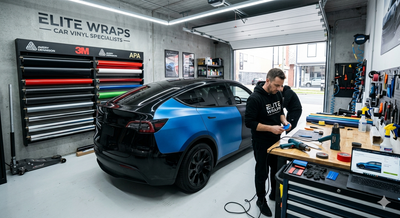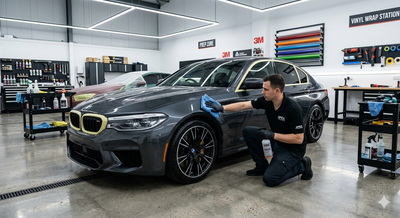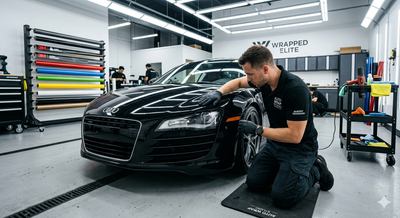


If you’ve ever seen a matte black car wrap, a flashy chrome wrap, or even a branded 3M truck wrap, you already know how transformative a car wrap can be. But beyond aesthetics, a vinyl wrap serves as a protective and customizable layer that sits on top of your vehicle’s paint. It’s like giving your car a second skin, one that can be swapped, upgraded, or removed entirely without damaging the original finish underneath.
A vehicle vinyl wrap is typically made from high-quality materials such as 3M vinyl wrap or Avery wraps, both of which are industry leaders known for durability and consistent finishes. These wraps come in a wide range of vehicle wrap colours, textures, and finishes, allowing you to personalise your car in ways traditional paint simply can’t match. Whether you're looking for custom car wraps for branding or just want a unique aesthetic, vinyl wrapping offers flexibility that appeals to both businesses and individuals.
However, here’s where many people stumble: they assume all auto wrap services are equal. The truth is, the outcome depends heavily on the installer’s skill, the tools used, such as a proper vinyl wrap squeegee or vehicle wrapping tools kit, and the environment in which the wrap is applied. Even the best vinyl wrap car kit can result in a disappointing finish if handled incorrectly.
In regions like vehicle wrap Australia, demand has surged, but not all installers meet professional standards. That’s why understanding what a car wrap is, and more importantly, what it isn’t, can save you from costly car wrap mistakes that lead to peeling edges, bubbles, and a finish that looks anything but premium.

What Is Paint Protection Film (PPF)?
Now let’s talk about the unsung hero of automotive paint protection, Paint Protection Film, commonly referred to as PPF. Unlike vinyl wraps that focus on aesthetics, ppf film is all about preserving your car’s original paint. Think of it as an invisible shield, often called a bra for car or bra for the car, designed to absorb scratches, rock chips, and environmental damage.
Modern vehicle paint protection solutions have evolved dramatically. Today’s ppf wrap options include self-healing properties, meaning minor scratches literally disappear with heat. It sounds futuristic, but it’s very real, and incredibly effective. This makes auto paint protection through PPF one of the smartest investments for maintaining resale value and keeping your vehicle looking pristine.
But here’s the catch: PPF installation is far more technical than it appears. It requires precision cutting, controlled environments, and specialised tools like a paint protection film squeegee or ppf squeegee to ensure a flawless application. Any misstep can result in trapped dust, visible lines, or uneven adhesion, classic PPF mistakes that are expensive to fix.
Another common misconception is that all ppf film is the same. In reality, there are significant differences in clarity, thickness, and durability between brands. Pair that with an inexperienced installer, and you’re setting yourself up for disappointment.
So whether you’re considering a vehicle wrap for style or car paint protection for longevity, understanding these fundamentals is your first line of defence against poor decisions. Because once a bad installation is done, undoing it isn’t just inconvenient; it can be costly.
Cheap jobs often skip essential steps like proper preparation using cleaning tools for installation.
Why Choosing the Right Installer Matters
Impact on Vehicle Appearance
A car wrap or paint protection film job can either elevate your vehicle into something head-turning or turn it into a cautionary tale. There’s rarely an in-between. The installer you choose directly determines whether your car ends up looking like a premium showroom piece or something that raises eyebrows for all the wrong reasons.
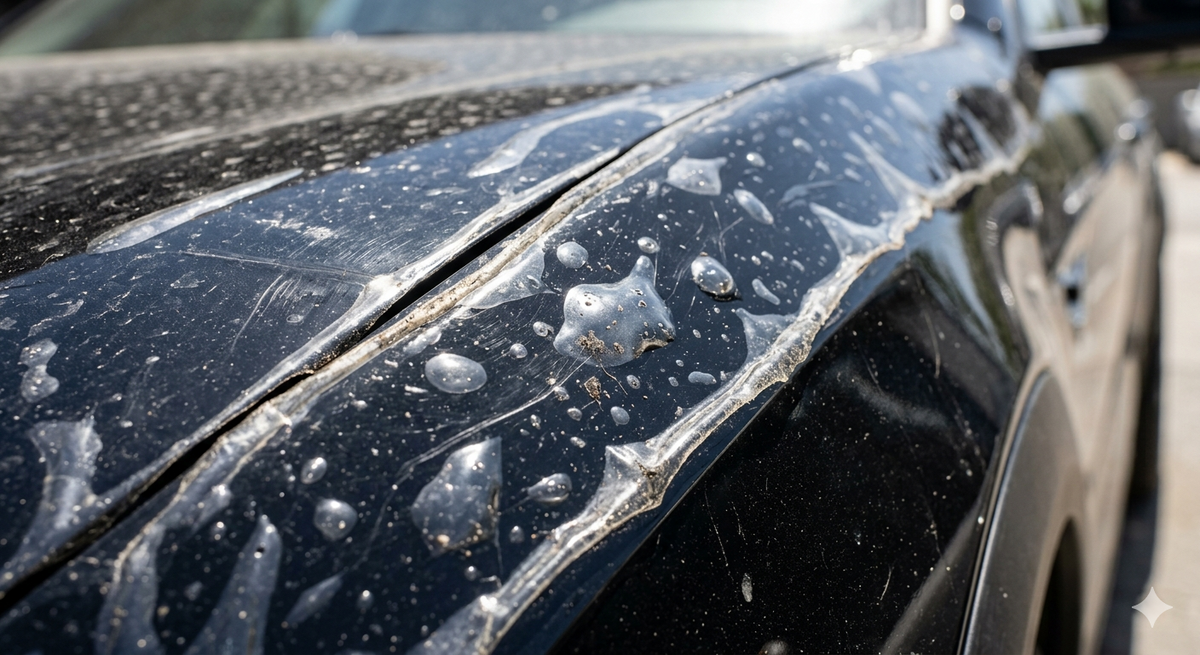
Let’s be honest: most people don’t inspect a wrap up close from a few inches away. They notice it from a distance, under sunlight, in motion. That’s where a skilled installer shines. Proper alignment, seamless edges, and consistent finish all come together to create that “wow” factor. But when corners are cut, the flaws become painfully obvious: bubbles, wrinkles, uneven seams, and poorly tucked edges scream bad vinyl wrap job from across the street.
Even high-end materials like 3M wrapping or Avery wraps won’t save a poor installation. It’s like giving a world-class chef low-quality tools; results suffer. Or worse, giving premium ingredients to someone who doesn’t know how to cook. The analogy fits perfectly here.
Lighting also plays a huge role. Under direct sunlight, even minor imperfections in a car vinyl wrap or ppf wrap become magnified. Dust particles trapped under the film, stretch marks from improper handling, or inconsistent gloss levels can ruin the entire look. And once you see it, you can’t unsee it.
Professional installers use controlled environments, specialised vehicle wrap tools, and precise techniques to avoid these issues. They understand how to handle curves, edges, and complex surfaces without overstretching the material. They also know when to use tools like a vinyl squeegee versus a ppf squeegee, small details that make a massive difference.
So when choosing an installer, you’re not just paying for labour. You’re investing in craftsmanship. And that craftsmanship is what determines whether your automotive wrap becomes a visual upgrade or a regret.
Long-Term Cost Implications
Trying to save money upfront by choosing the cheapest installer often leads to paying twice, or even three times, as much later. It’s one of the most common car wrap mistakes, and it’s surprisingly easy to fall into. After all, when quotes vary widely, the lower price can seem like a smart deal. But in this industry, you often get exactly what you pay for.
A poorly installed vehicle wrap or ppf film doesn’t just look bad, it fails prematurely. Edges start lifting, adhesive weakens, and exposure to elements accelerates wear and tear. What should have lasted five to seven years might barely survive one. That means removal costs, potential paint correction, and a complete reinstallation.
And removal isn’t always straightforward. A badly applied vinyl wrap can leave behind adhesive residue or even damage the original paint, especially if low-quality materials were used. That defeats the entire purpose of car paint protection in the first place.
With paint protection film, the stakes are even higher. Incorrect installation can trap moisture or contaminants, leading to discolouration or long-term damage beneath the film. Fixing these PPF mistakes often requires removing large sections or the entire film, followed by reapplication. That’s not cheap.
| Factor | Cheap Installer | Professional Installer |
|---|---|---|
| Initial Cost | Low | Higher |
| Lifespan | 1–2 years | 5–10 years |
| Finish Quality | Inconsistent | Flawless |
| Risk of Damage | High | Minimal |
| Long-Term Cost | Expensive | Cost-effective |
When you look at the bigger picture, a professional installer isn’t an expense; it’s a safeguard. You’re not just protecting your vehicle’s appearance; you’re protecting your investment.
And that’s really what this comes down to. Whether it’s a custom car wrap, a vinyl cabinet wrap, or full auto paint protection, cutting corners at the installer level almost always leads to bigger problems down the road.

Installer tip
Before booking, ask the installer to explain their preparation, material selection, installation process, and warranty in clear terms. A reputable professional should be comfortable showing previous work and explaining how they handle edges, seams, complex panels, contamination, and post-installation care.
Common Car Wrap Mistakes People Make
Choosing Based on Price Alone
If there’s one mistake that keeps repeating itself in the world of car wrap mistakes, it’s this: choosing an installer purely based on the lowest quote. It’s understandable; everyone wants to save money, but in the case of vehicle wraps, a low price often hides expensive consequences. Think of it like buying a budget parachute. It might look fine in the package, but you don’t want to discover its flaws mid-air.
A low-cost auto wrap service typically cuts corners somewhere. Maybe it’s the quality of the vinyl wrap, the lack of proper vehicle wrapping tools, or even the environment where the installation happens. Professional-grade wraps require clean, dust-free facilities, skilled technicians, and high-end materials like 3M vinyl wrap or Avery wraps. When an installer offers a price significantly below market rate, something has to give, and it’s rarely in your favour.
Another overlooked factor is time. High-quality car wrapping isn’t rushed. It takes hours, sometimes days, to properly prep the surface, apply the film, and ensure flawless adhesion. Budget installers often speed through jobs to maximise volume, leading to uneven finishes, trapped air bubbles, and poorly aligned seams. That’s how you end up with a bad vinyl wrap job that starts failing within months.
There’s also the issue of aftercare and warranties. Reputable installers stand behind their work, offering guarantees and support if something goes wrong. Cheaper providers? Not so much. Once the job is done, you’re often on your own.
So instead of asking, “Who’s the cheapest?”, a better question is, “Who delivers consistent quality?” Because when it comes to car vinyl wrap or vehicle vinyl wrap, paying a bit more upfront often saves you from a costly redo later.
One major red flag is installers not using professional-grade vinyl wrap tools or PPF tools.
Ignoring Material Quality (3M, Avery Wraps, etc.)
Let’s clear something up: not all vinyl wrap materials are created equal. And ignoring this fact is one of the most underestimated car wrap mistakes out there. You might think the installer’s skill is everything, and yes, it’s crucial, but even the best technician can’t perform miracles with subpar materials.
Top-tier brands like 3M wrapping and Avery wraps dominate the industry for a reason. They offer superior durability, better adhesive technology, and finishes that remain consistent over time. Cheaper alternatives, on the other hand, often fade, crack, or peel much sooner. What initially looks like a glossy chrome wrap or sleek matte finish can quickly degrade into something patchy and uneven.
Material quality also affects installation. Premium films are designed to be more forgiving, allowing installers to reposition them without losing adhesion. Lower-quality films are less flexible and more prone to tearing or overstretching. This increases the risk of visible defects, especially around curves and edges.
Here’s where things get tricky: some installers won’t disclose the brand of vehicle wrap colours they’re using unless you ask. Others might use generic films while charging prices comparable to premium products. That’s why transparency matters. Always confirm what material is being used and request documentation if necessary.
Another subtle issue is compatibility with tools. High-quality films work seamlessly with professional-grade wrap tools, such as a vinyl wrap squeegee or squeegee for vinyl, ensuring a smooth, bubble-free application. Inferior films don’t respond as well, making even simple installations more challenging.
Smooth finishes rely on proper technique with high-quality wrap squeegees or PPF squeegees.
In the end, choosing the right material isn’t just about aesthetics; it’s about longevity, performance, and peace of mind. Pairing a skilled installer with proven brands like 3M vinyl wrap ensures your automotive wrap doesn’t just look good on day one, but continues to impress for years.
Common mistake
Choosing an installer simply because they offer the lowest price can result in poor preparation, inferior materials, rushed workmanship, or premature lifting and failure. Don't rely on online ratings alone - inspect their portfolio, ask specific questions, and make sure the quote clearly covers the complete scope of work.
Critical PPF Mistakes to Avoid
Not Checking Installation Experience
When it comes to paint protection film, experience isn’t just important; it’s everything. One of the most costly PPF mistakes you can make is assuming that any wrap installer can handle ppf film installation. While both involve applying film to a vehicle, the techniques, precision, and margin for error are completely different.
Installing ppf wrap requires meticulous attention to detail. Unlike vinyl wrap, which can hide minor imperfections with bold colours or textures, PPF is typically transparent. That means every flaw, dust particle, stretch mark, or misaligned edge is immediately visible. There’s nowhere to hide.
Experienced installers understand how to handle these challenges. They know how to properly stretch and position the film without distorting it. They’re skilled in using specialised tools like a paint protection film squeegee or ppf squeegee to remove moisture and air without leaving streaks or marks. And perhaps most importantly, they work in controlled environments that minimise contamination.
Inexperienced installers often lack this level of precision. They may rush the process, miscalculate cuts, or fail to properly align the film with the vehicle’s contours. The result? Visible seams, peeling edges, and a finish that looks anything but “invisible.”
Here’s a simple way to evaluate experience: ask for a portfolio. A reputable installer should have detailed photos, or even videos, of previous automotive paint protection projects. Look for consistency, clarity, and attention to detail. If their past work doesn’t impress you, their work on your car likely won’t either.
Because with vehicle paint protection, you’re not just paying for a product, you’re paying for expertise. And that expertise is what ensures your car stays protected without compromising its appearance.
Overlooking Surface Preparation Standards
If installation is the performance, then preparation is the rehearsal, and skipping it leads to disaster. One of the most overlooked PPF mistakes is underestimating the importance of proper surface preparation before applying ppf film.
Think about it: paint protection film is designed to bond directly to your car’s surface. If that surface isn’t perfectly clean, smooth, and free of contaminants, the film won’t adhere properly. Dust, dirt, oils, or even microscopic debris can create imperfections that become trapped under the film. And since PPF is transparent, these flaws are immediately visible.
Professional installers treat preparation as a critical step, not an afterthought. This often involves a multi-stage cleaning process, including washing, clay bar treatment, and sometimes even paint correction. The goal is to create a flawless canvas for the film.
Cutting corners here leads to long-term problems. Poor adhesion can cause lifting edges, bubbling, or premature failure of the auto paint protection layer. In some cases, contaminants trapped under the film can even damage the paint over time, ironically defeating the purpose of car paint protection.
Another key factor is environmental control. Proper PPF installation typically happens in clean, temperature-controlled spaces to prevent dust from settling during application. Installers who work in open or unregulated environments significantly increase the risk of contamination.
And let’s not forget tools. Using the right vehicle wrap tools, including a high-quality ppf squeegee, ensures that the film is applied evenly and securely. Without these tools or the knowledge to use them correctly, achieving a flawless finish becomes nearly impossible.
Clean edges and detailing are typically achieved with specialised precision cutting tools.
Skipping proper preparation is like painting over dirt; it might look fine at first, but the flaws will surface sooner rather than later. And when they do, fixing them isn’t cheap.

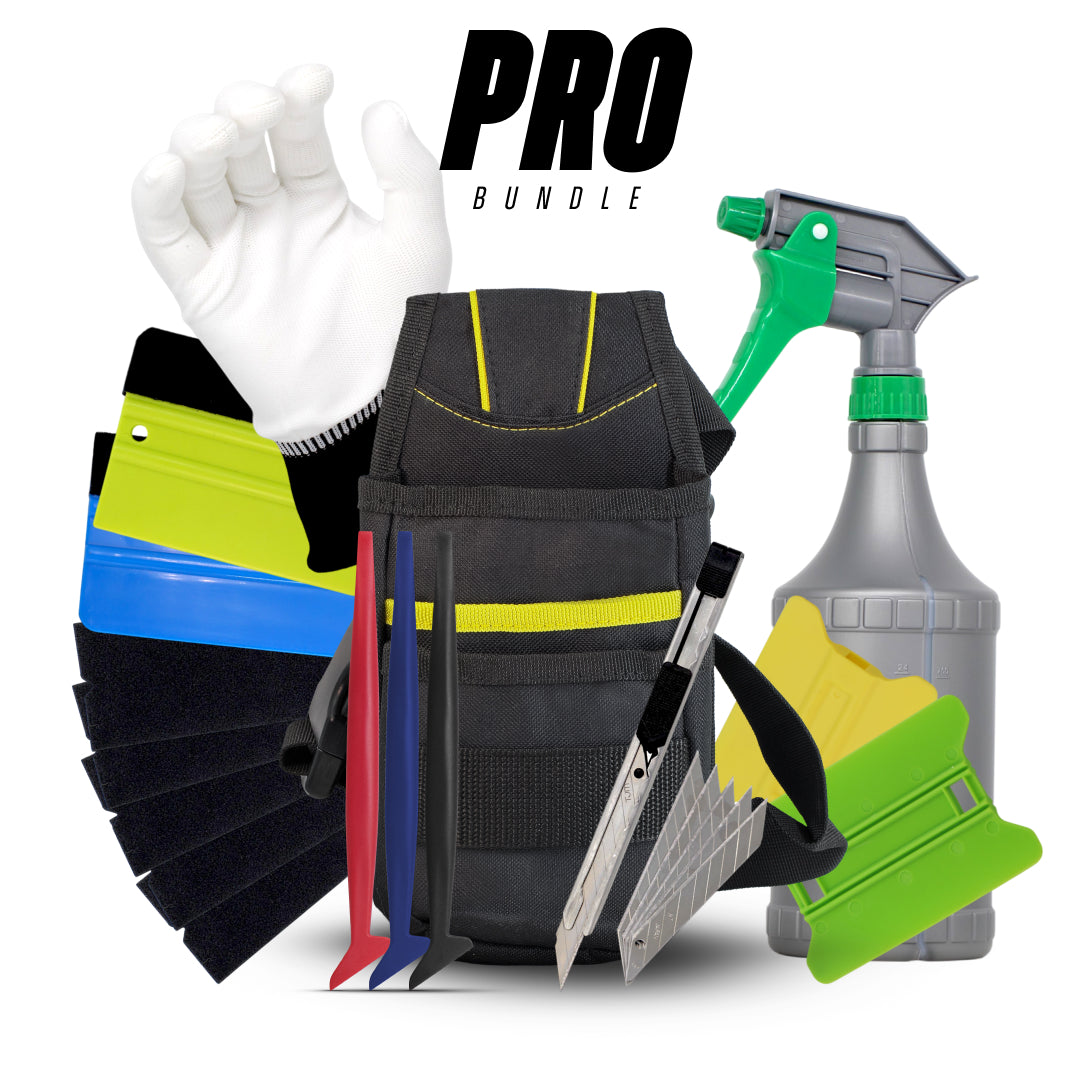
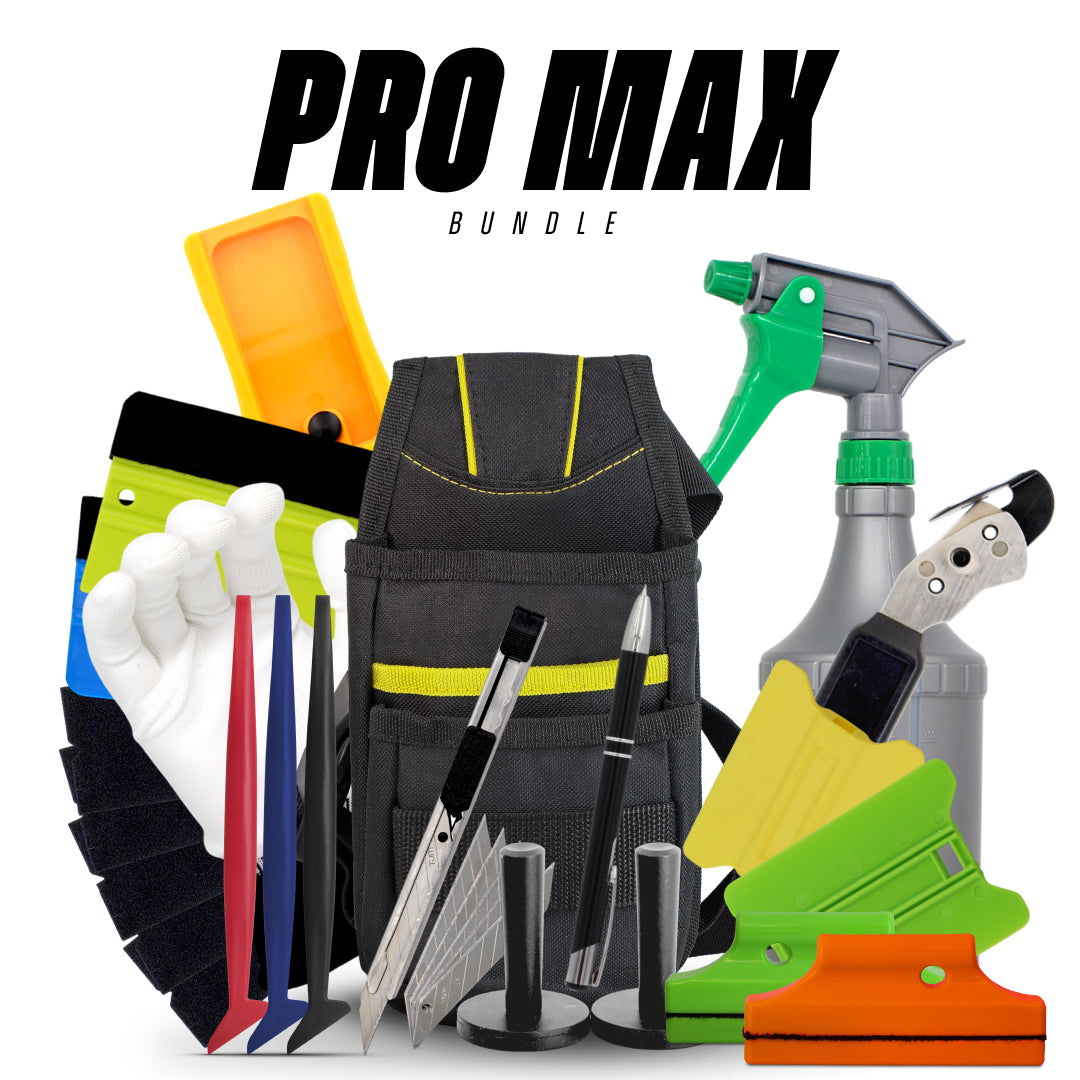
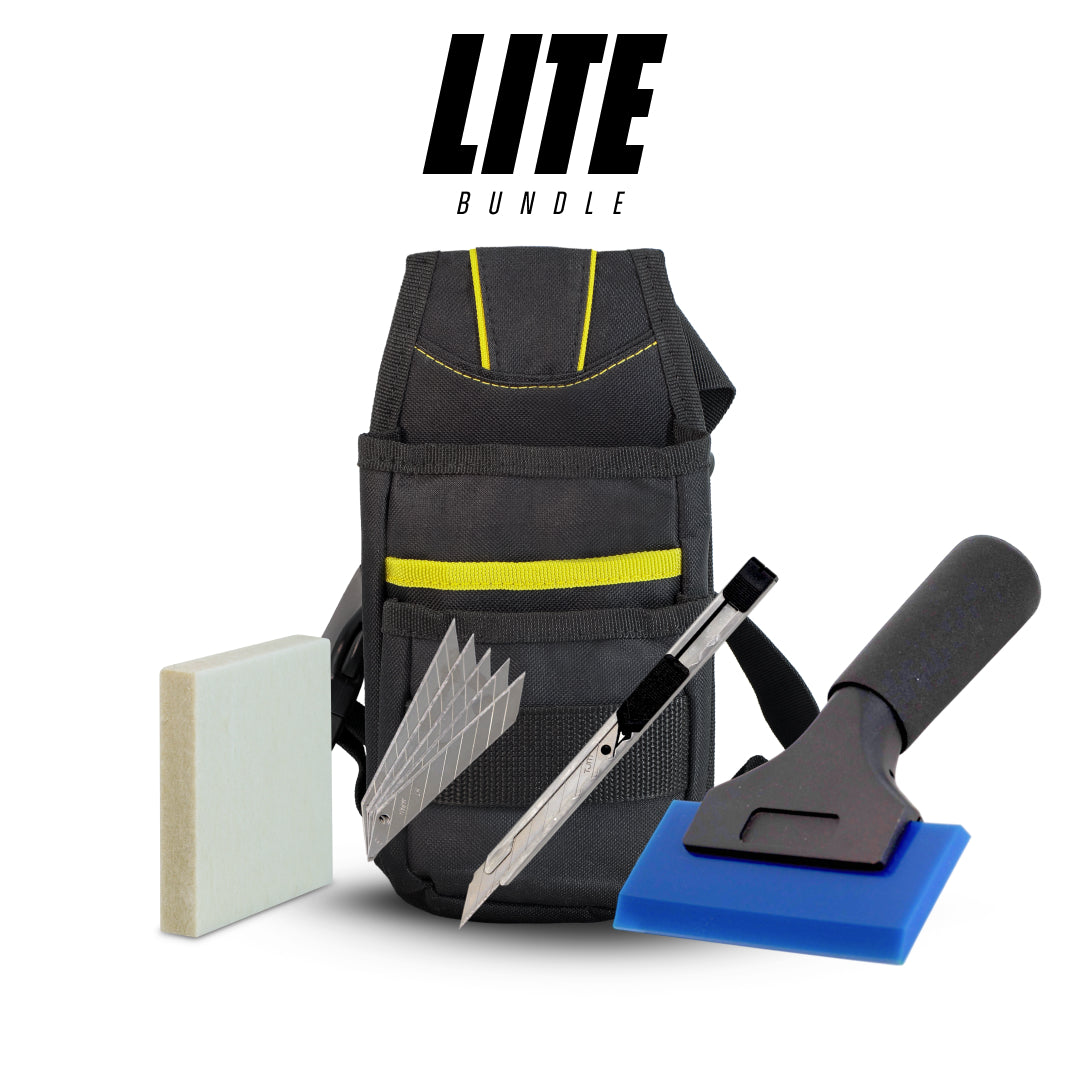
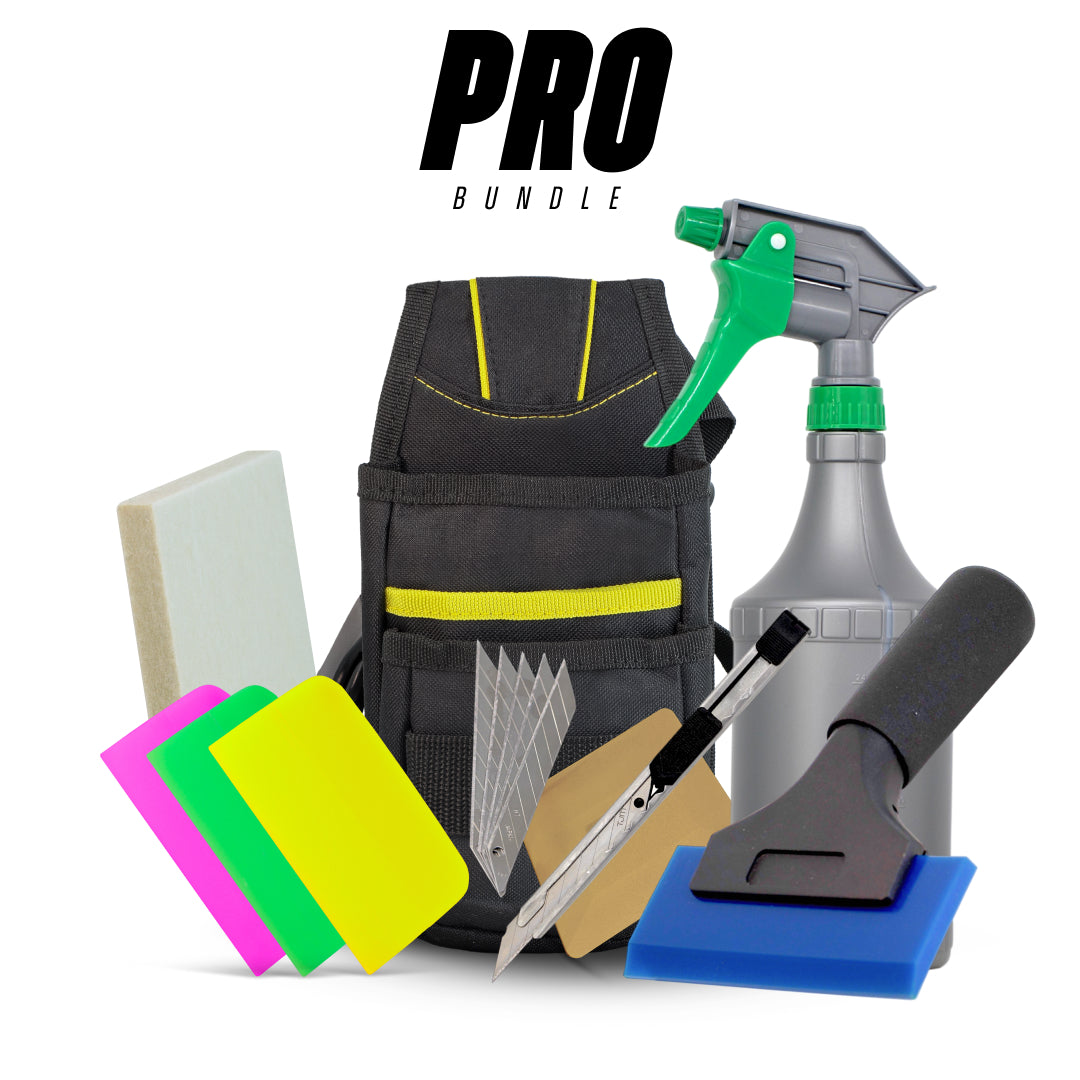
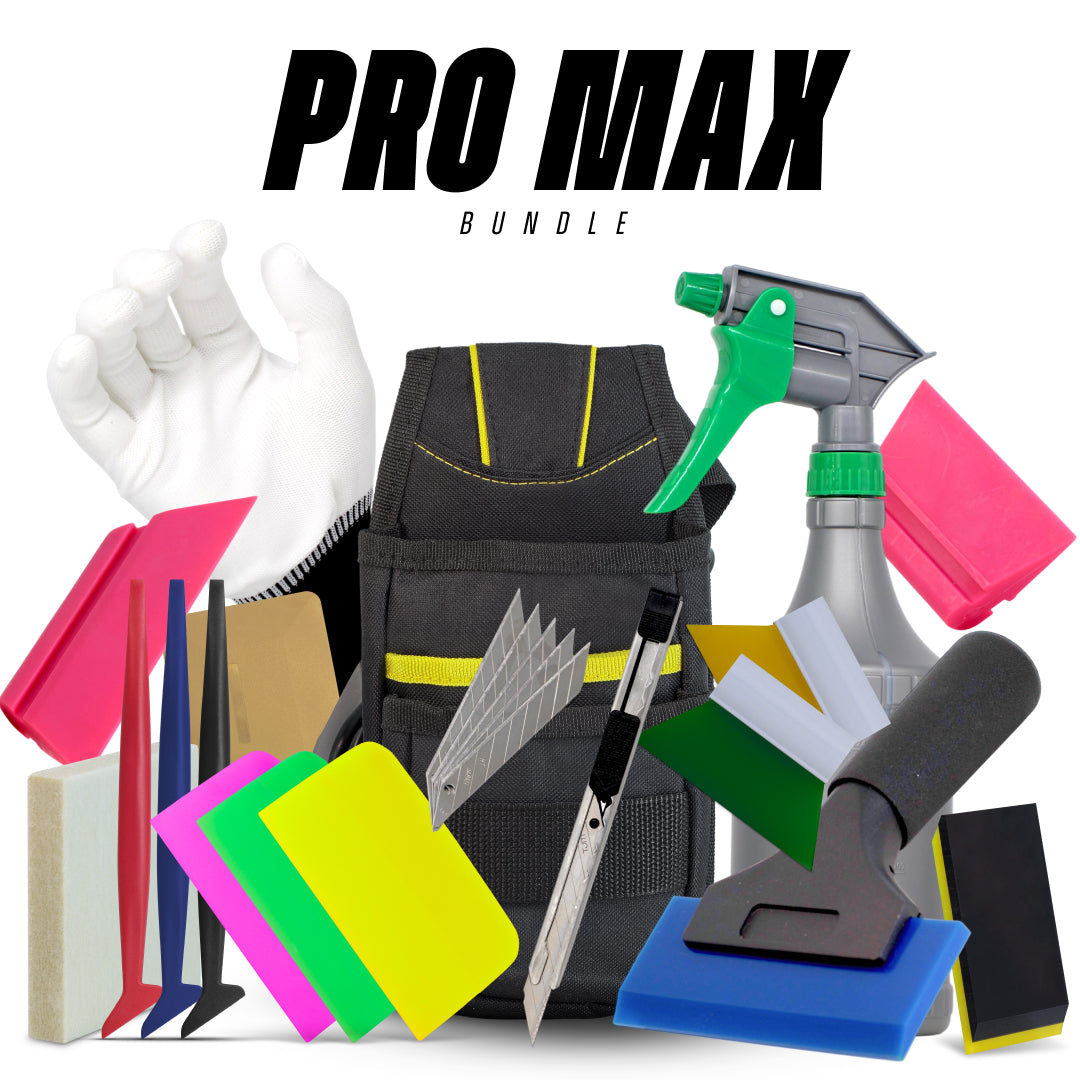
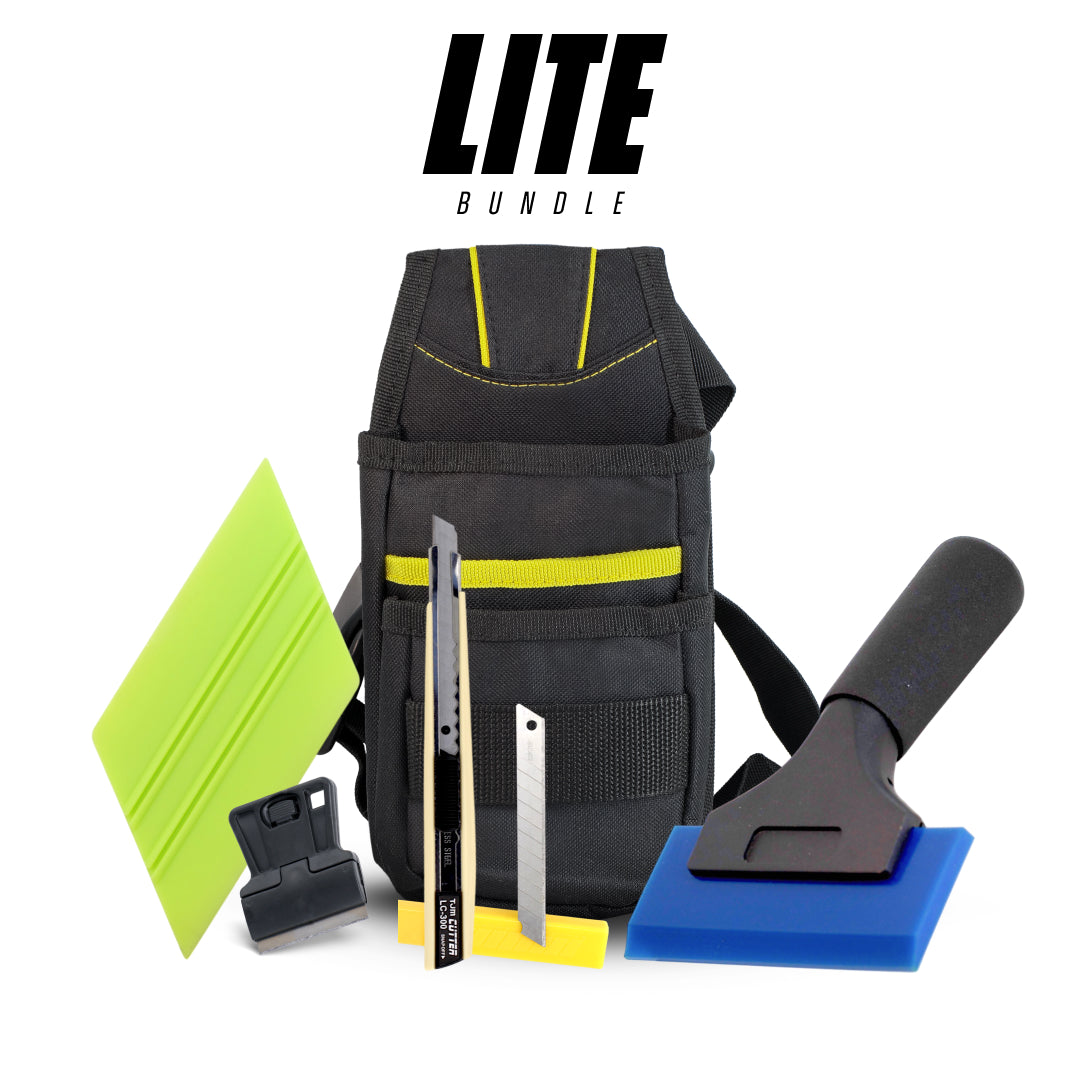
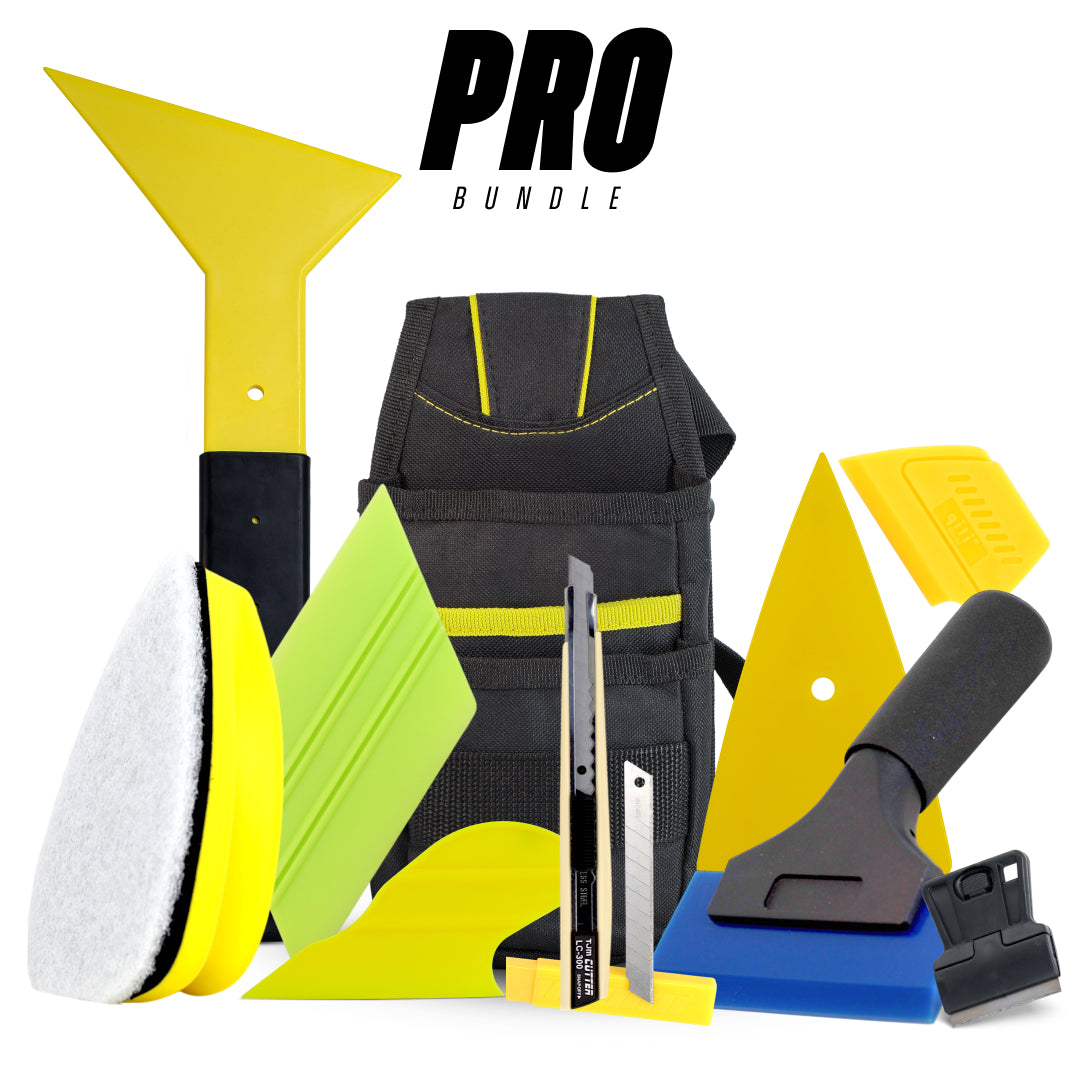
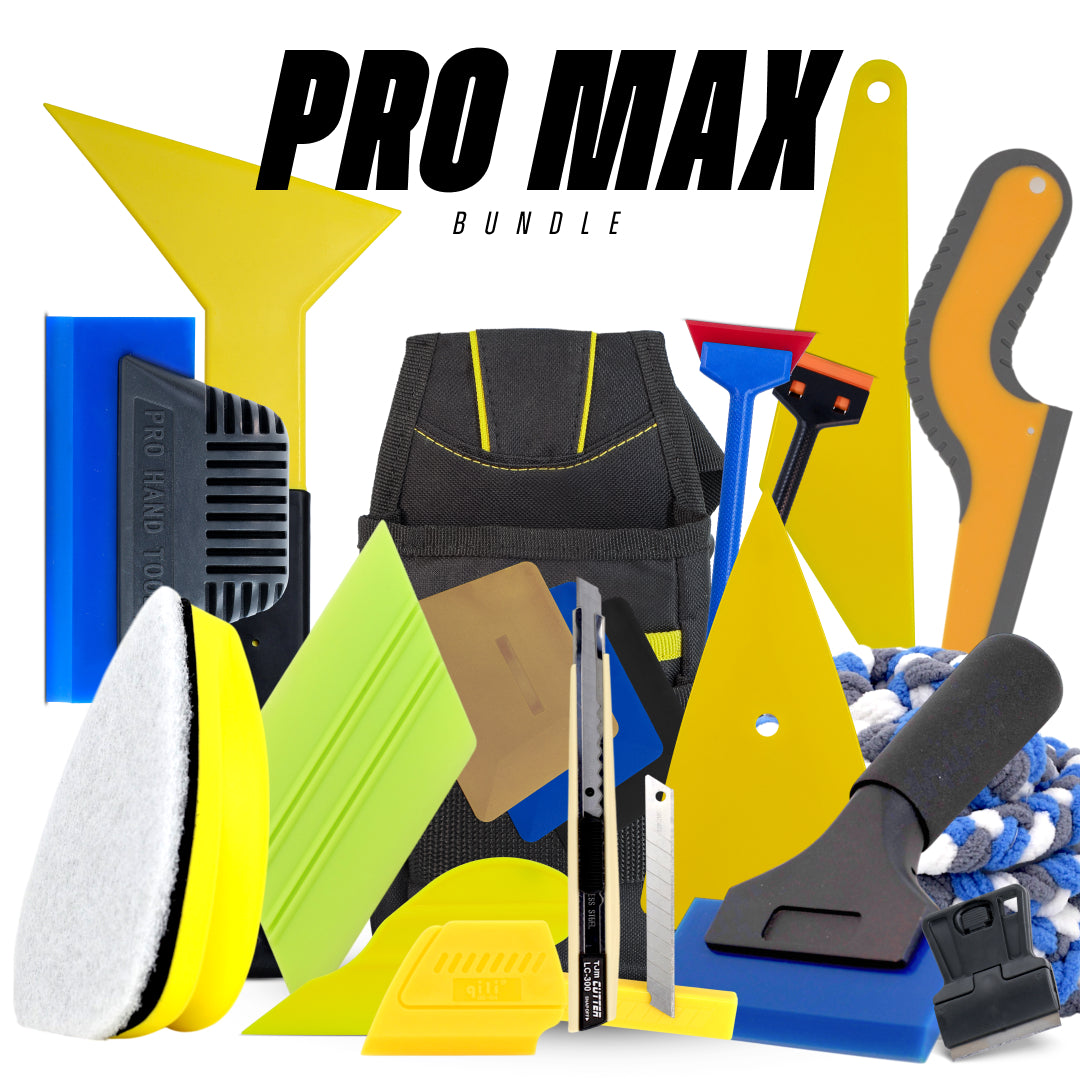
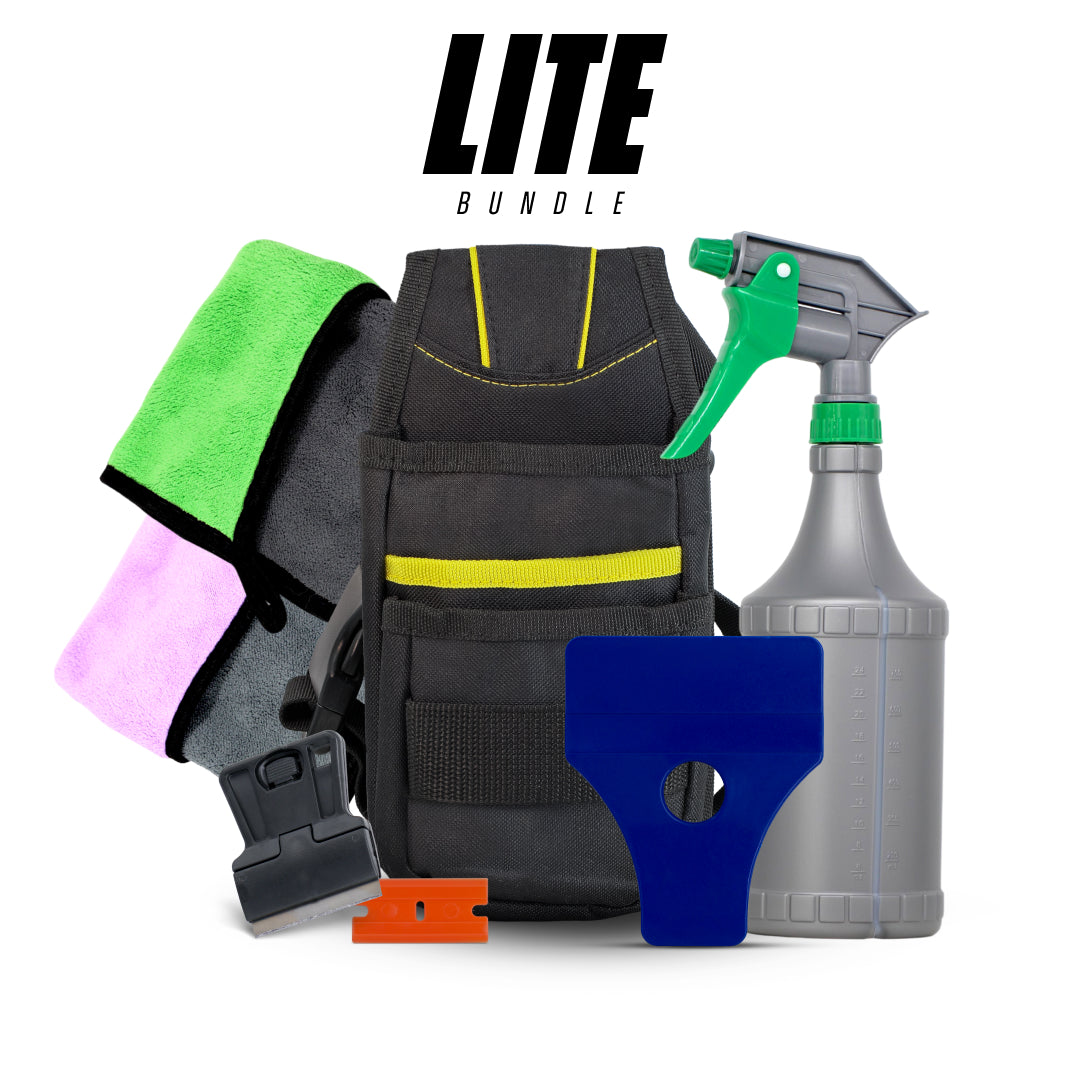
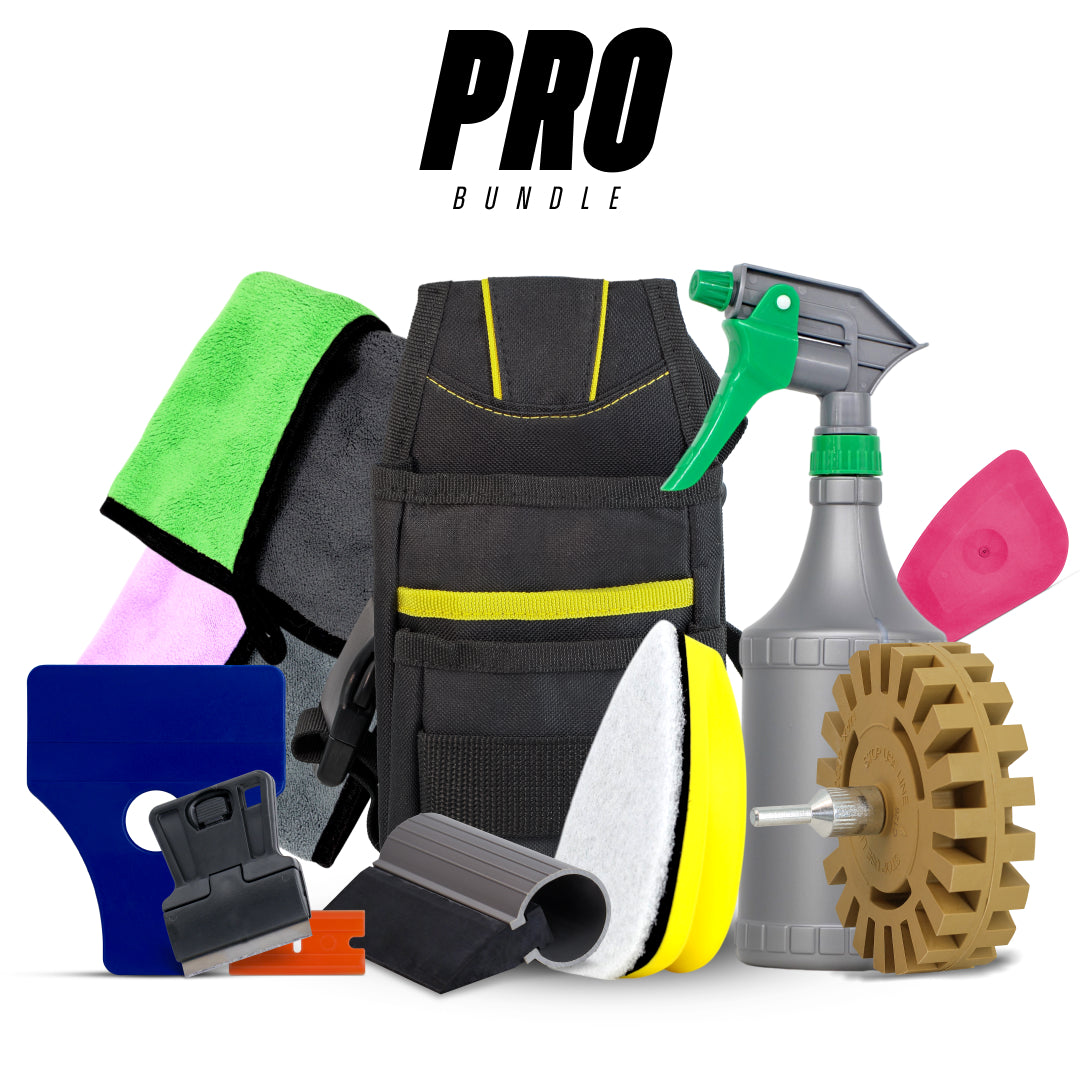
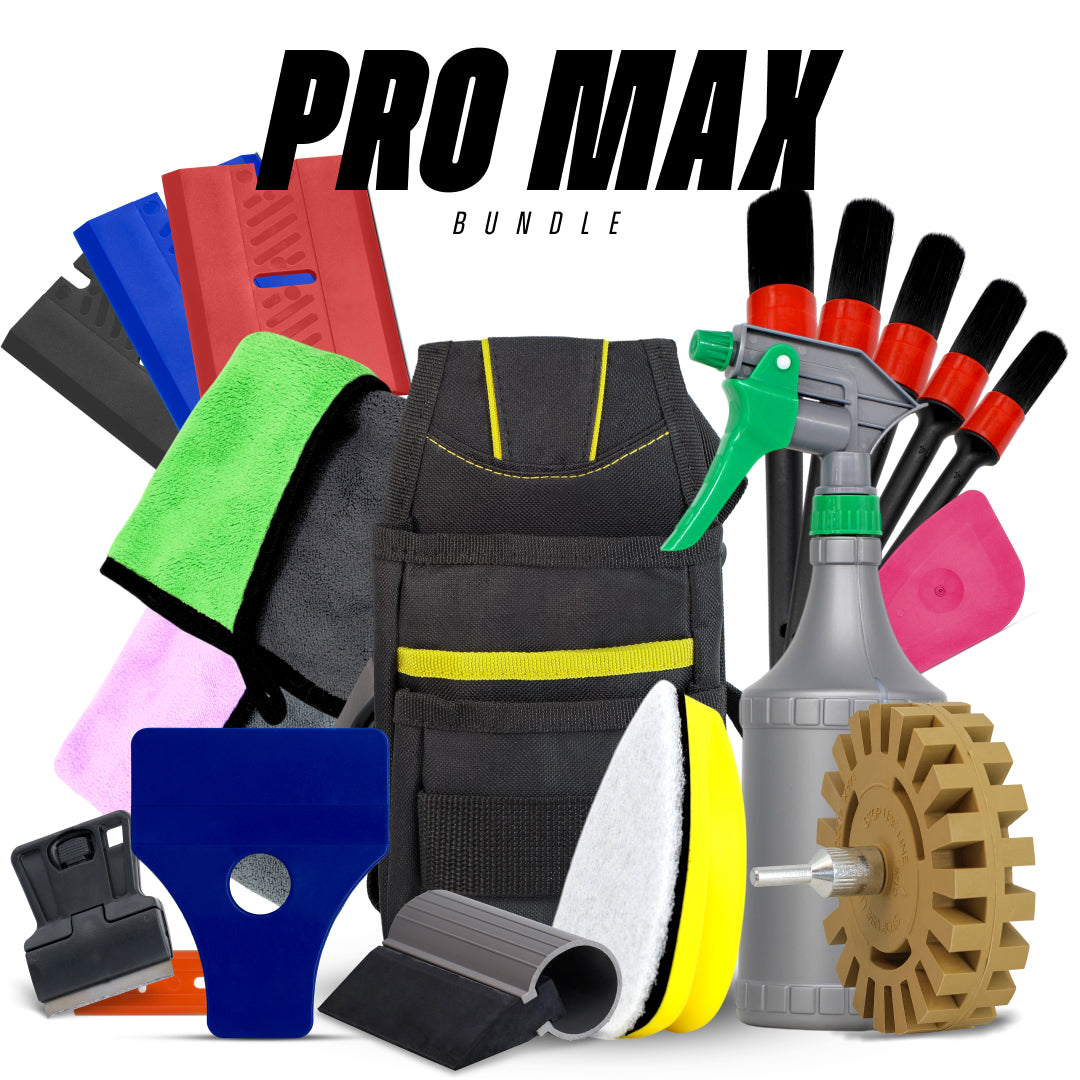
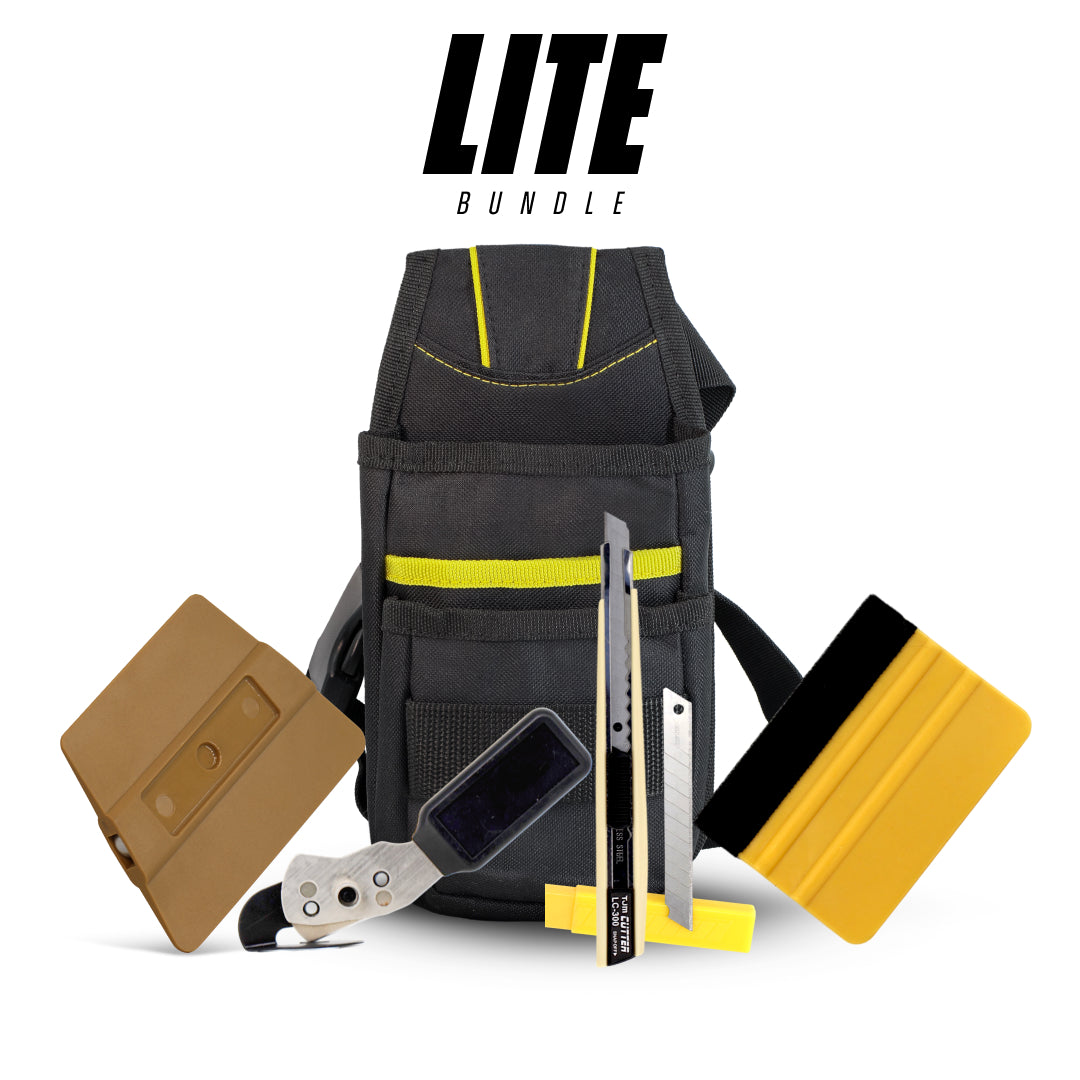
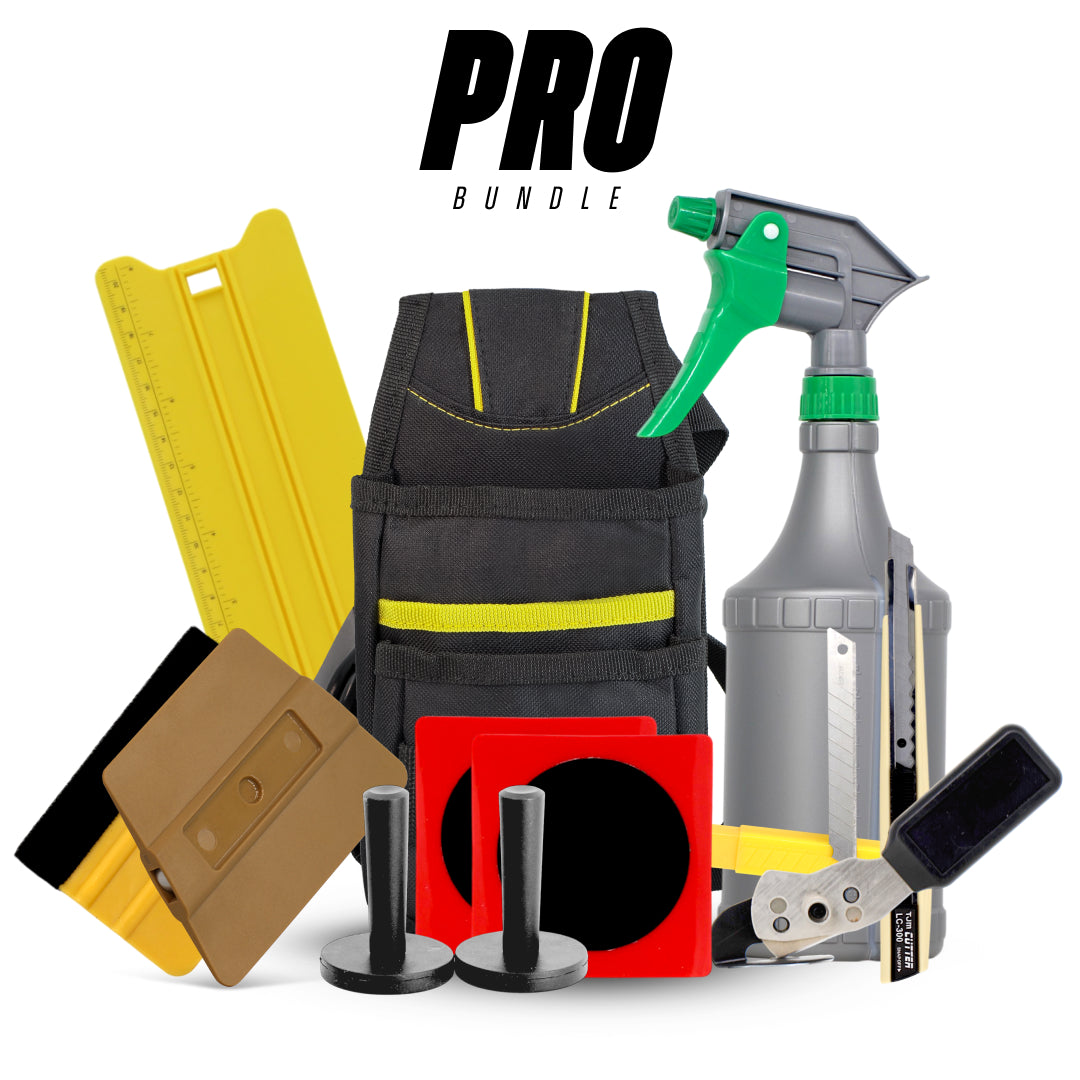
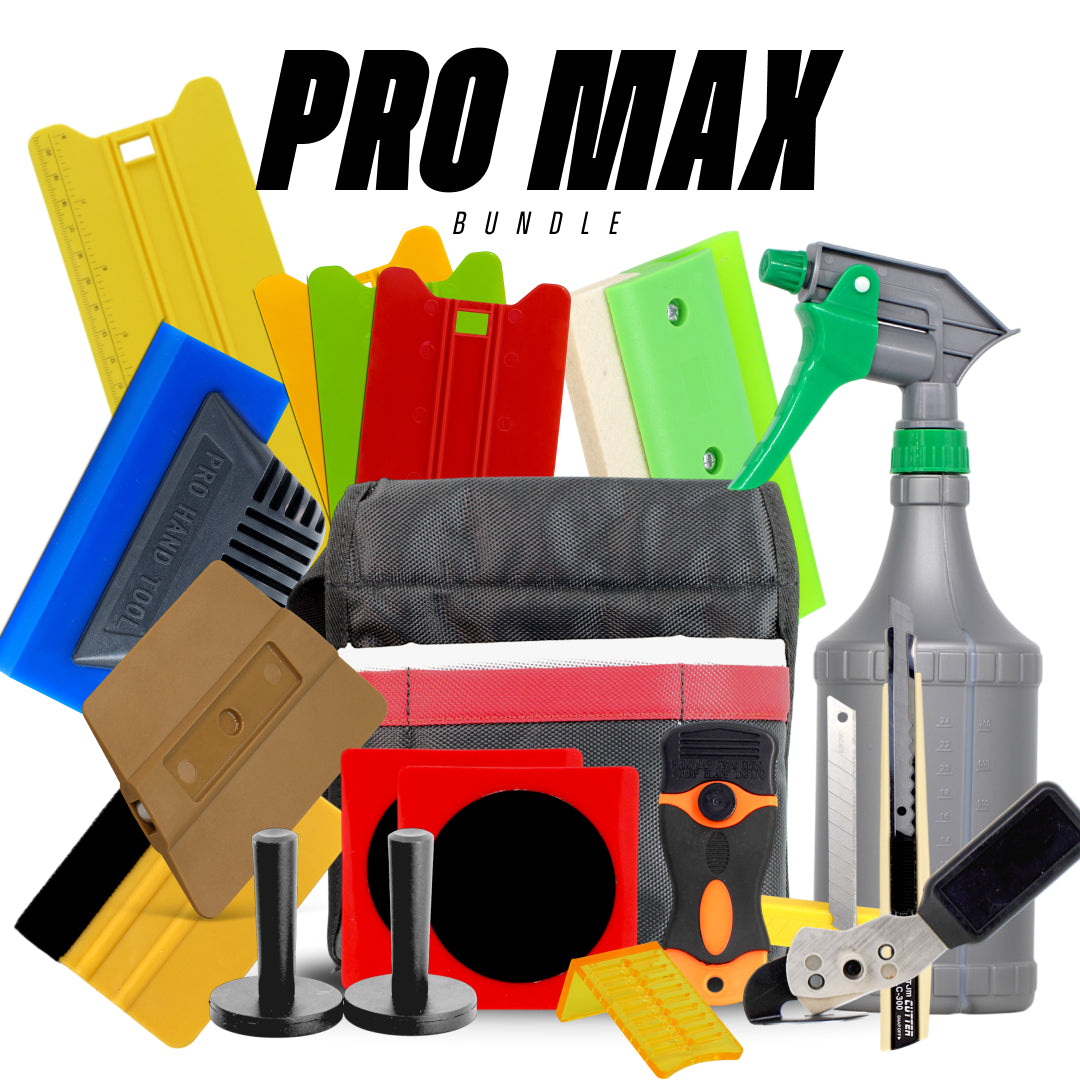
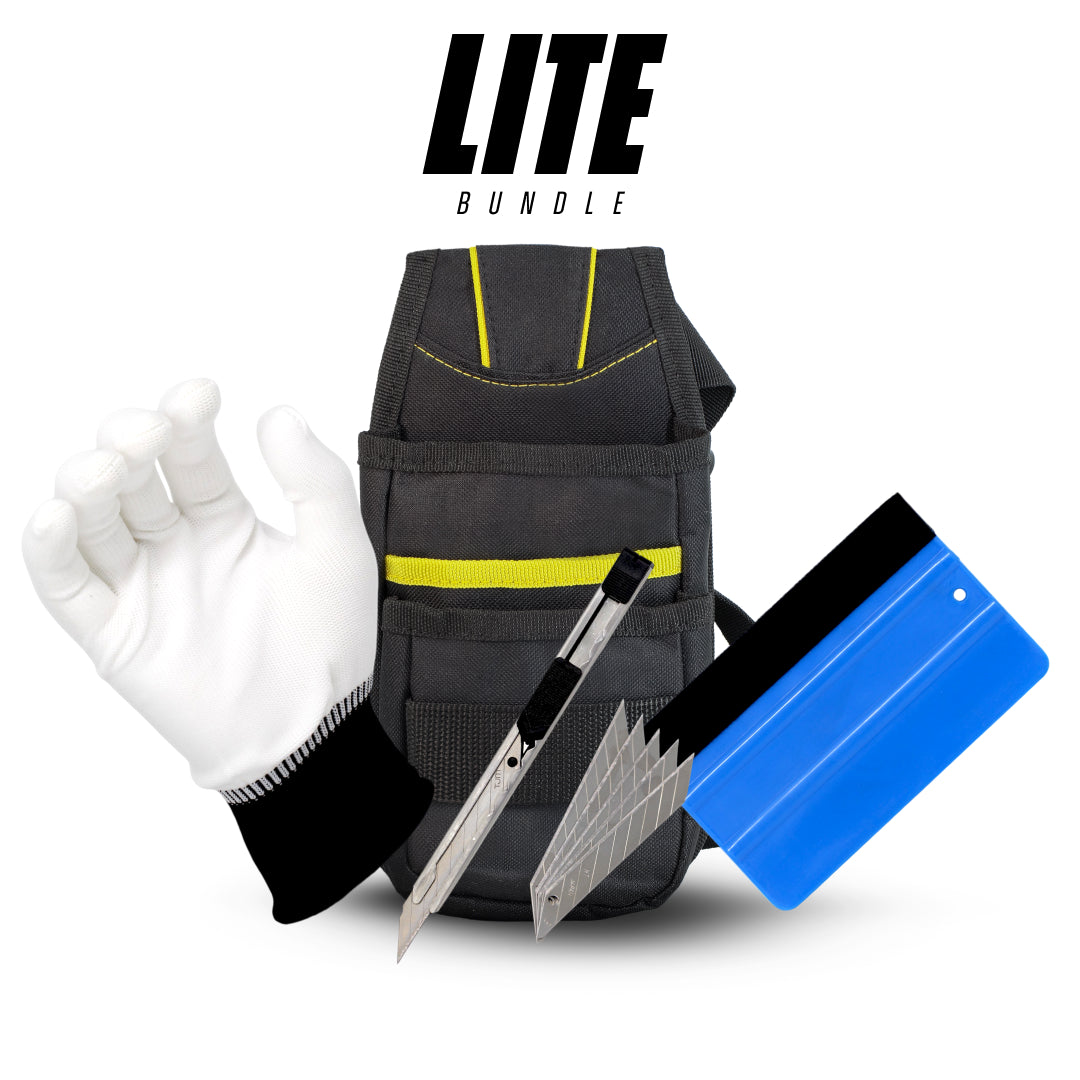
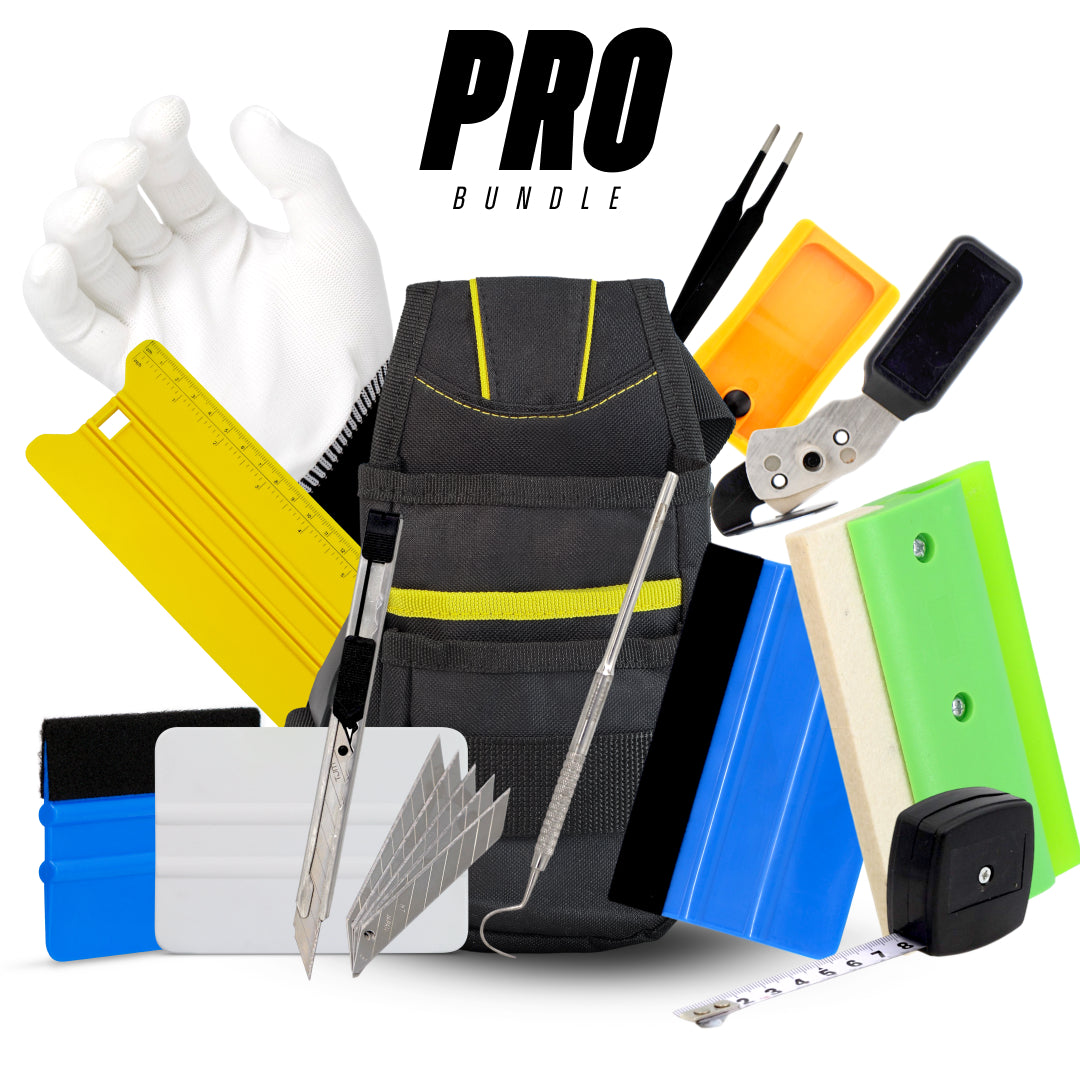
| Kit tier | Best for | Save | Price |
|---|---|---|---|
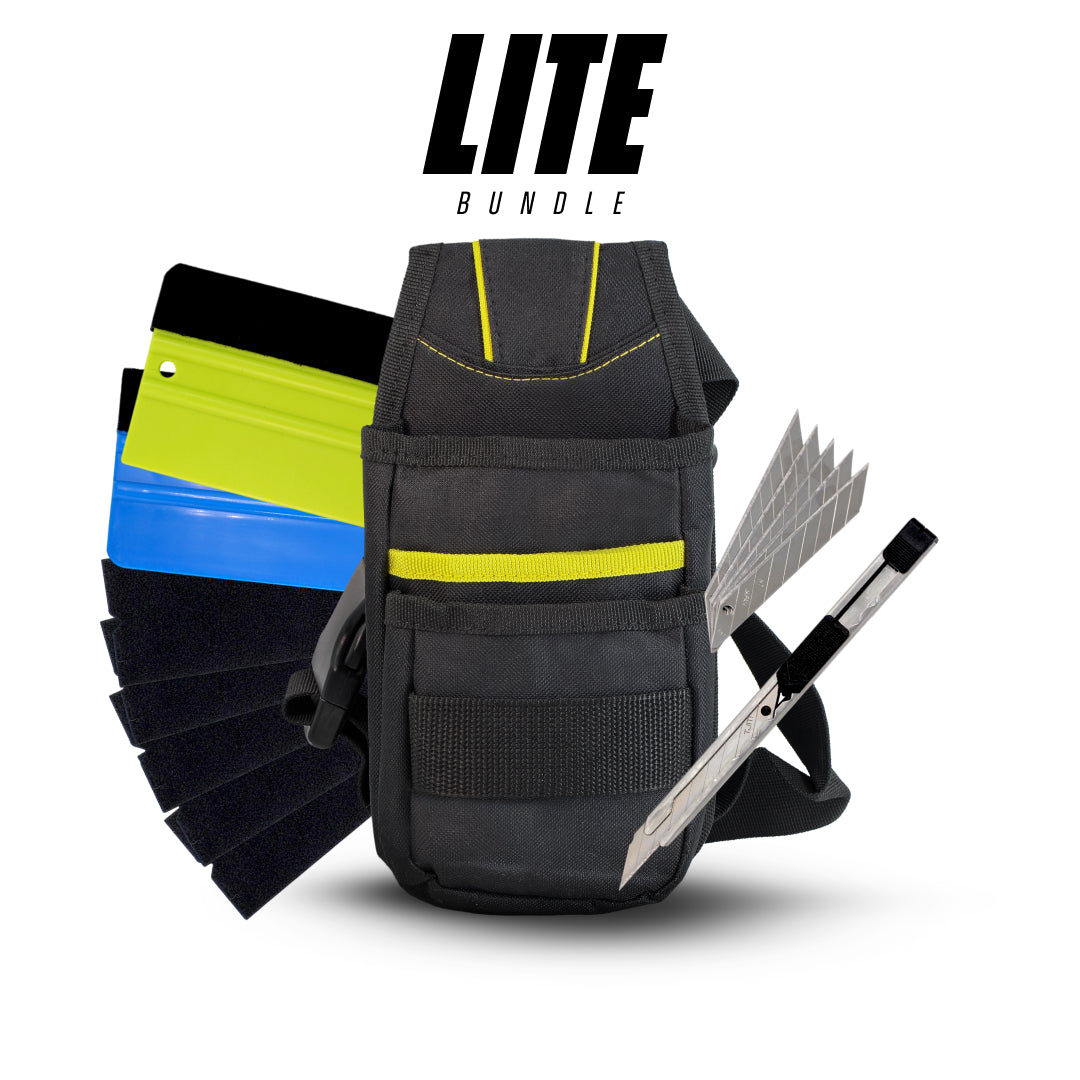
| Wrap Tool Kit — Lite | First wrap | 15% | $75.99 |
| Wrap Tool Kit — Pro | Regular installers | 19% | $129.99 |
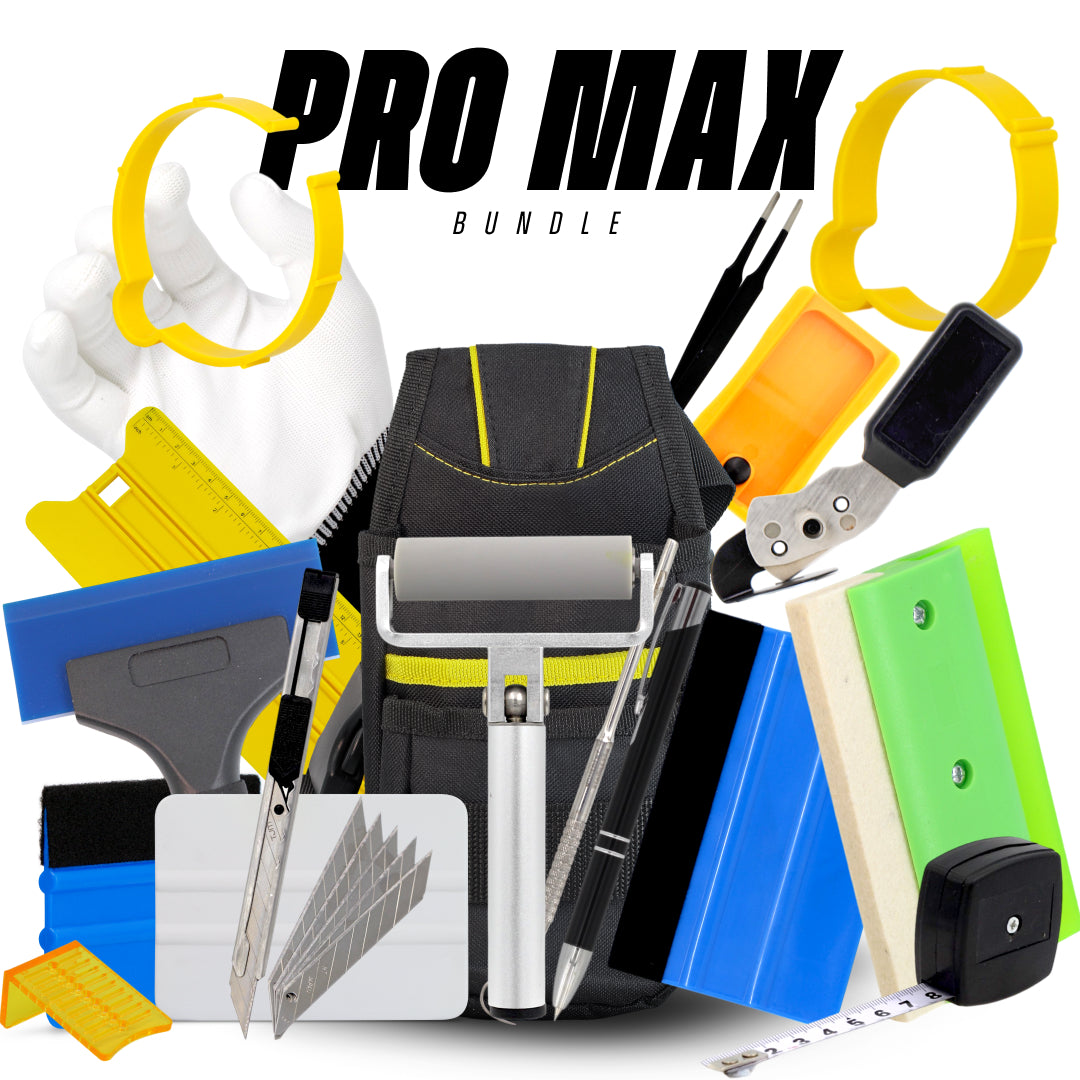
| Wrap Tool Kit — Pro Max | Full-time installers | 25% | $216.99 |
Signs of a Bad Vinyl Wrap Job
Bubbling, Peeling, and Misalignment
You don’t need to be an expert to spot a bad vinyl wrap job; the signs are often glaringly obvious once you know what to look for. Among the most common red flags are bubbling, peeling edges, and misaligned panels. These issues don’t just affect aesthetics; they’re clear indicators of poor installation practices.
Bubbles are usually caused by trapped air or dust during application. A skilled installer uses a vinyl squeegee or squeegee for vinyl to push out air and ensure a smooth finish. When this step is rushed or done incorrectly, air pockets remain, creating visible imperfections that worsen over time.
Peeling edges are another telltale sign. This often happens when the film isn’t properly heated or stretched during installation. Edges around doors, mirrors, and curves are particularly vulnerable. If they’re not securely tucked and sealed, they begin to lift, sometimes within weeks.
Misalignment is more subtle but equally damaging. Patterns, seams, or panels that don’t line up correctly disrupt the overall look of the vehicle wrap. It’s especially noticeable in custom car wraps or designs with graphics. Instead of a seamless finish, you get a patchwork effect that looks unprofessional.
These problems aren’t just cosmetic. Once a wrap starts failing in one area, it often spreads. Moisture can seep in, adhesive weakens, and the entire car wrap may need replacement sooner than expected.
A high-quality automotive wrap should look like it’s part of the car, not something stuck on top of it. If you can easily spot flaws from a distance, that’s a sign that something went wrong during installation.
Poor Edge Finishing
Edges might seem like a small detail, but in the world of vehicle wraps, they’re where true craftsmanship shows. Poor edge finishing is one of the most overlooked yet critical signs of a bad vinyl wrap job.
Professional installers take the time to tuck and seal edges neatly, ensuring they’re hidden and secure. This not only improves the visual appeal but also prevents lifting and peeling. Achieving this requires precision, patience, and the right car wrap tools, including specialised blades and vinyl wrapping tools designed for tight spaces.
In contrast, inexperienced installers often cut corners, literally. They may leave edges exposed, uneven, or poorly aligned. Over time, these edges become entry points for dirt, moisture, and air, accelerating the deterioration of the wrap.
Another issue is overcutting. This happens when the installer cuts too deeply into the film, and sometimes even into the car’s paint. It’s a serious mistake that can lead to long-term damage, especially when the wrap is removed.
Edge finishing also affects durability. Properly sealed edges help the wrap withstand environmental factors like heat, rain, and UV exposure. Without this protection, even high-quality 3M vinyl wrap or Avery wraps can fail prematurely.
So next time you inspect a wrapped vehicle, don’t just admire the surface; look closer at the edges. They’ll tell you everything you need to know about the quality of the work.
How to Spot a Bad Wrap or PPF Installation (Before It’s Too Late)
Even if you’ve chosen an installer, knowing how to quickly assess the quality of their work can save you from costly reinstallation and long-term damage.
Here are the most common warning signs to look for immediately after installation:
1. Visible Edges, Gaps, or Peeling Corners
High-quality installations should have nearly invisible edges. If you can easily see film lines, exposed paint gaps, or lifting corners, it’s a sign of poor edge wrapping or sealing.
2. Bubbles, Dust, or Contamination Under the Film
Any debris trapped under the wrap or PPF will remain permanently visible. This usually indicates poor surface preparation or a contaminated installation environment.
3. Misaligned Panels or Uneven Coverage
Film should follow body lines precisely. Misalignment, uneven gaps, or awkward seams often signal rushed work or a lack of proper templates.
4. Stretch Marks or Distortion
Overstretching the film, especially on curves, can lead to visible lines, discolouration, and early failure due to tension in the material.
5. Early Lifting or Peeling After Installation
If edges begin lifting within days or weeks, it typically points to poor prep, incorrect heat application, or rushed curing time.
Why This Matters: A poor installation doesn’t just affect appearance; it compromises durability. Once lifting, bubbling, or contamination occurs, the only fix is often full removal and reinstallation, which significantly increases cost.
PPF and Wrap Tools and Techniques That Matter
Importance of Professional Wrap Tools
Behind every flawless car wrap or seamless paint protection film installation is something most people rarely think about: the tools. It’s easy to assume that skill alone determines the outcome, but even the most experienced installer can struggle without the right equipment. In fact, one of the quieter car wrap mistakes customers make is overlooking whether their installer uses professional-grade vehicle wrap tools or just basic, off-the-shelf gear.
Let’s put it into perspective. Imagine trying to paint a detailed portrait with a house brush; it’s not going to end well. The same logic applies here. High-quality vinyl wrapping tools are designed specifically for precision, control, and consistency. From heat guns calibrated for exact temperatures to specialised blades that cut without damaging paint, every tool plays a role in achieving that factory-like finish.
A proper vehicle wrapping kit or car wrapping tool setup typically includes:
- Precision cutting tools to avoid overcutting
- Heat guns for controlled stretching
- High-quality vinyl squeegees for smooth application
- Surface prep tools to ensure proper adhesion
But it’s not just about having these tools, it’s about knowing how to use them effectively. For example, using too much heat can distort a vinyl wrap, while too little can prevent proper adhesion. Similarly, improper use of a blade can lead to scratches or permanent paint damage.
Professional installers invest heavily in their wrap tools and vinyl collections because they understand that consistency comes from control. They also regularly maintain and replace their tools to ensure optimal performance. On the flip side, less experienced installers may rely on outdated or incomplete vehicle wrap tool kits, which directly impacts the final result.
Another often overlooked factor is tool compatibility with materials. Premium films like 3M vinyl wrap and Avery wraps are engineered to work best with specific tools and techniques. Using incompatible tools can lead to bubbling, stretching marks, or uneven finishes, issues that are entirely avoidable with the right setup.
So when evaluating an installer, don’t hesitate to ask about their tools. It might seem like a small detail, but it’s often the difference between a wrap that turns heads and one that raises concerns.
Experienced installers typically invest in complete wrap tool kits or PPF tool kits to ensure consistency across jobs.
Role of Squeegees in PPF and Vinyl Installation
If there’s one tool that deserves a spotlight in both vinyl wrap and ppf film installation, it’s the squeegee. It might look simple, just a flat piece of plastic or rubber, but its role is absolutely critical. In fact, improper use of a vinyl wrap squeegee or ppf squeegee is one of the leading causes of visible defects in wraps and films.
At its core, a squeegee is used to apply pressure evenly across the film, pushing out air bubbles and ensuring proper adhesion. But here’s where things get interesting: not all squeegees are created equal, and not all are used the same way.
For car vinyl wrap, installers typically use firmer vinyl squeegees that allow for precise control when working with thicker, more rigid films. These tools help smooth out the material while maintaining its structure, especially around curves and edges. On the other hand, paint protection film squeegee tools are often softer and more flexible, designed to work with wet application methods and delicate, transparent films.
Using the wrong type of squeegee, or using it incorrectly, can lead to a range of problems:
- Scratches or streaks on the film surface
- Trapped air or moisture bubbles
- Uneven adhesion
- Visible lines or marks under ppf wrap
Technique matters just as much as the tool itself. Professional installers use overlapping strokes, controlled pressure, and specific angles to ensure a flawless finish. They also know when to switch between different vinyl wrapping tools kit components depending on the area they’re working on.
Another key detail is maintenance. A worn or dirty squeegee can introduce debris onto the film, causing scratches or imperfections. That’s why experienced installers regularly clean and replace their tools as part of their workflow.
It’s fascinating how such a simple tool can have such a significant impact. But in the world of automotive paint protection and vehicle wraps, it’s often the smallest details that separate average work from exceptional craftsmanship.
Questions to Ask Before Hiring an Installer
Choosing the right installer isn’t just about browsing photos or comparing prices; it’s about asking the right questions. And surprisingly, many people skip this step entirely, which leads straight into avoidable car wrap mistakes and costly PPF mistakes.
Start with experience. Ask how long they’ve been working with car wrap, vehicle vinyl wrap, or paint protection film specifically. Not all installers specialise in both, and the techniques differ significantly. A shop that excels in custom car wraps might not have the same expertise in ppf film installation.
Next, dig into materials. What brands do they use? Are they working with trusted names like 3M vinyl wrap or Avery wraps, or are they using generic alternatives? Transparency here is key. If they hesitate to answer, that’s a red flag.
You should also ask about their process. Do they perform thorough surface preparation? Is the installation done in a controlled environment? What kind of vehicle wrapping tools and car wrap tools do they use? These details might seem technical, but they directly impact the quality and longevity of the job.
Warranties are another crucial topic. A reputable installer will stand behind their work, offering guarantees on both materials and labour. This shows confidence in their craftsmanship and provides peace of mind for you.
Here are a few essential questions worth asking:
- Can I see examples of your previous work?
- What brands of vinyl wrap or ppf wrap do you use?
- How long will the installation take?
- Do you offer a warranty or aftercare support?
- What tools and techniques do you use during installation?
Finally, trust your instincts. If something feels off, whether it’s vague answers, rushed communication, or inconsistent pricing, it’s worth exploring other options. Because when it comes to auto paint protection or vehicle wrap, the right installer makes all the difference.
Comparing Wrap vs PPF for Automotive Paint Protection
When deciding between a car wrap and paint protection film, it’s easy to get confused. Both serve as layers over your vehicle’s paint, but their purposes, benefits, and limitations are quite different. Understanding these differences helps you avoid not only car wrap mistakes but also costly PPF mistakes.
A vinyl wrap is primarily about aesthetics. It allows you to change your car’s colour, add textures like matte black car wrap, or create eye-catching custom car wraps. While it does offer some level of car paint protection, it’s not designed to handle heavy impact or long-term wear.
On the other hand, ppf film is built specifically for automotive paint protection. It’s thicker, more durable, and often comes with self-healing properties. This makes it ideal for protecting against rock chips, scratches, and environmental damage. However, it doesn’t offer the same level of customisation as a wrap.
| Feature | Vinyl Wrap | Paint Protection Film (PPF) |
|---|---|---|
| Purpose | Aesthetic customization | Paint protection |
| Durability | Moderate | High |
| Self-Healing | No | Yes (in many cases) |
| Finish Options | Wide variety | Mostly clear or satin |
| Cost | Lower | Higher |
| Lifespan | 3–7 years | 5–10 years |
Some car owners choose a hybrid approach, using ppf wrap on high-impact areas like the front bumper and hood, while applying a vehicle wrap for overall styling. This combination offers the best of both worlds: protection and personalisation.
The key is aligning your choice with your priorities. If your goal is to stand out visually, a vinyl wrap car kit or professional wrap installation makes sense. If you’re focused on preserving resale value and minimising damage, vehicle paint protection through PPF is the smarter investment.
Either way, the installer you choose plays a critical role. Even the best materials can fail if applied incorrectly. So whether you’re going for a bold new look or invisible protection, make sure it’s done right the first time.
Why Cheap Installations Often Cost More in the Long Run
Choosing a low-cost installer may seem like a smart decision upfront, but poor workmanship often leads to:
- Premature film failure
- Additional labour costs for removal and reinstallation
- Potential paint damage from improper techniques
In most cases, investing in a qualified professional from the start delivers better longevity, cleaner results, and lower total cost over time.
Choosing a car wrap or paint protection film installer isn’t something to rush. The difference between a flawless finish and a frustrating experience often comes down to a handful of decisions made early on. From avoiding price-driven shortcuts to understanding the importance of materials like 3M vinyl wrap or Avery wraps, every detail matters more than it might seem at first glance.
The reality is simple: most car wrap mistakes and PPF mistakes aren’t caused by bad products; they’re caused by poor installation. A bad vinyl wrap job doesn’t just ruin the look of your vehicle; it shortens the lifespan of the wrap and can even damage the underlying paint. The same goes for improperly installed ppf film, which can fail to protect or even introduce new issues.
By focusing on experience, asking the right questions, and paying attention to tools and techniques, like the use of proper vinyl squeegees or PPF squeegees, you put yourself in a position to make a smart, informed decision. And that decision ultimately determines whether your investment in auto paint protection or vehicle wrap pays off.
At the end of the day, your car is more than just transportation; it’s an extension of your style and a valuable asset. Treating it with the care it deserves starts with choosing the right professionals for the job.
Are you unsure which tool or kit is right for your job?
Our expert team at Oz Sign Supplies is here to help. Reach out today, and we’ll direct you to the best tools to suit your project, ensuring you get the job done right the first time.

Wrap Tool Kit – Pro Max
$216.99
What's Included The Wrap Tool Kit Pro Max includes a complete professional vinyl wrapping setup designed for high-volume installers, wrap...
Kit me out