

When you start exploring options like car wrap, window tinting, or paint protection film (PPF), it can feel like stepping into a completely different world. Suddenly, you're dealing with terms like vinyl wrap, automotive paint protection, chrome wrap, matte black car wrap, and PPF film, and it’s not always clear what each one actually does. The truth is, these services are more than just aesthetic upgrades, they're investments in your vehicle’s longevity, resale value, and daily driving comfort.
Think of your car like your smartphone. You wouldn’t go without a case or screen protector, right? That’s essentially what vehicle paint protection and tinting do for your car. They shield it from scratches, UV rays, weather damage, and even minor abrasions. But here’s the catch: even the best materials like 3M vinyl wrap or Avery wraps can fail if installed poorly. That’s why choosing the right installer matters just as much, if not more, than choosing the product itself.
A professional installer doesn’t just “apply film.” They prepare the surface meticulously, use specialized vehicle wrapping tools, and ensure every edge is sealed perfectly. Whether it’s a custom car wrap, a PPF wrap, or auto window tinting, the difference between a mediocre job and a flawless one often comes down to skill and experience.
So before diving into pricing or styles, it’s essential to understand what each option actually offers. Because once you know what you’re looking for, spotting the right installer becomes a whole lot easier, and you avoid wasting money on something that looks great for a week… and terrible after a month.
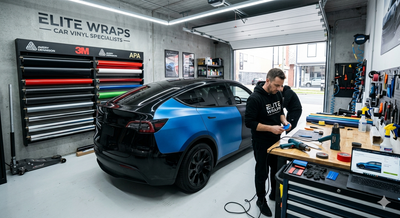
A professional installer will always use high-quality vinyl wrap tools to ensure precision and durability.
What Is Car Wrapping and Why It Matters
A car wrap is essentially a large vinyl decal applied over your vehicle’s paint. But calling it just a “sticker” would be like calling a smartphone just a “phone.” Modern vehicle wraps are incredibly advanced, offering not only stunning visual transformations but also a layer of protection against everyday wear and tear.
With options like matte black car wrap, chrome wrap, or custom car wraps, you can completely change your vehicle’s personality without committing to permanent paintwork. This flexibility is one of the biggest reasons why vinyl wrapping Australia and globally has seen massive growth in recent years. According to industry estimates, the global vehicle wrap market continues to expand steadily, driven by both personal customization and commercial branding.
But here’s where things get real: not all wraps are created equal, and neither are installers. A high-quality car vinyl wrap like 3M vinyl wrap or Avery wraps requires precision tools such as a vinyl wrap squeegee, wrap tools vinyl kits, and heat guns to ensure a bubble-free finish. Poor installation can lead to peeling edges, trapped air bubbles, and uneven textures, issues that can ruin both the look and durability of your wrap.
Another factor to consider is the auto wrap cost, which can vary widely depending on the vehicle size, wrap type, and complexity of the design. While it might be tempting to go for the cheapest option, remember that a poorly installed wrap often ends up costing more in the long run due to repairs or full replacements.
In simple terms, a car wrap is both an art and a science. And choosing the right installer ensures that your investment doesn’t just look good on day one, but continues to turn heads for years.

What Is Paint Protection Film (PPF)
If car wrapping is about style and transformation, then paint protection film (PPF) is all about defense. Often referred to as a “bra for the car”, PPF is a transparent, durable layer applied to your vehicle’s surface to protect it from scratches, rock chips, bug splatter, and environmental damage.
Unlike vinyl wraps, which focus heavily on aesthetics, automotive paint protection using PPF is almost invisible. It preserves your car’s original paint while adding a self-healing layer that can recover from minor scratches with heat. That’s not just impressive, it’s borderline futuristic.
Modern PPF film technology has come a long way. Premium brands offer hydrophobic properties, UV resistance, and enhanced clarity that keeps your car looking freshly detailed. But again, the installer plays a critical role. Applying PPF isn’t just about sticking film onto a surface. It requires precision cutting, expert use of tools like a paint protection film squeegee, and a dust-free environment.
A poorly installed ppf wrap can result in visible seams, trapped debris, and lifting edges. On the other hand, a professional job is almost undetectable, seamlessly blending into the vehicle’s surface. This is why experienced installers often charge more, but they also deliver results that last significantly longer.
Cost-wise, car paint protection using PPF tends to be more expensive than wrapping or tinting. However, when you consider the potential savings on paint repairs and the preservation of resale value, it often pays for itself over time.
So if your goal is to keep your car looking brand new despite daily driving hazards, PPF is one of the smartest investments you can make, provided you choose the right installer.
Installer tip
Before booking, ask to see recent examples of work similar to your vehicle and the service you want. A professional installer should be able to explain their film choice, preparation process, tools, installation environment, expected maintenance, and warranty clearly.
What Is Window Tinting and Its Benefits
Window tinting might seem like a simple upgrade, but it’s one of the most practical enhancements you can make to your vehicle. From reducing glare to improving privacy and blocking harmful UV rays, automotive window tint offers benefits that go far beyond aesthetics.
Imagine driving on a bright summer day without squinting or feeling like you're sitting in a greenhouse. That’s the immediate difference car window tint makes. High-quality window film tint can block up to 99% of UV rays, protecting not just your skin but also your car’s interior from fading and cracking.
There’s also the privacy factor. Whether you're parked in a busy area or driving through traffic, vehicle tint near me searches have skyrocketed because people want that added sense of security. Plus, tinted windows can even help hold shattered glass together during an accident, adding a subtle safety advantage.
But here’s where many people go wrong: they assume tinting is easy. While DIY kits like a car tinting kit or tint tools are available, achieving a professional finish without bubbles, creases, or peeling edges is extremely challenging. Skilled installers use specialized window tinting tools, including a window tint squeegee, heat guns, and precision cutters, to ensure a flawless application.
Another key consideration is legal compliance. Different regions have strict laws about how dark your car windscreen tint or side windows can be. A professional installer will know these regulations and guide you accordingly, helping you avoid fines or the hassle of removing illegal tint later.
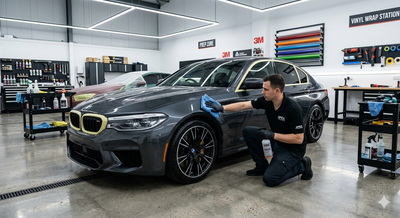
For tinting, having the right window tint tools is essential for achieving a clean, bubble-free finish.
So while auto window tinting might seem straightforward, choosing a qualified installer ensures you get the full range of benefits, without the headaches.
Comparing Wrap, Tint, and PPF – What Do You Really Need?
Choosing between car wrap, paint protection film (PPF), and window tinting isn’t just about budget, it’s about understanding your priorities and how you actually use your vehicle. Each option serves a distinct purpose, and while they can complement each other beautifully, they aren’t interchangeable. Think of them as different tools in a toolkit: you wouldn’t use a hammer to tighten a screw, right?
A vinyl wrap is primarily about transformation. It allows you to completely change your vehicle’s look with finishes like matte black car wrap, chrome wrap, or custom car wraps. It’s ideal for drivers who want their car to stand out or businesses that need branding through vehicle wraps. On the other hand, PPF is more like invisible armor. It focuses on vehicle paint protection, shielding your car from chips, scratches, and road debris without altering its appearance.
Then there’s window tinting, which enhances comfort and privacy rather than exterior protection. It reduces glare, blocks UV rays, and gives your vehicle a sleek, finished look. While it doesn’t protect your paint, it significantly improves your driving experience and interior longevity.
The real question becomes: what matters most to you? If you’re leasing a car and want a temporary style upgrade, auto wrap might be the best fit. If you’ve just bought a new car and want to preserve its resale value, auto paint protection with PPF makes more sense. And if daily driving comfort is your priority, car tint is the obvious choice.
Many car owners actually combine all three, PPF on high-impact areas, a car vinyl wrap for style, and automotive tint for comfort. The key is not to overcommit blindly but to align your choice with your lifestyle, driving habits, and expectations.
When it comes to protection, specialised PPF tools are required to handle thicker films correctly.
Common mistake
Choosing an installer solely because they offer the cheapest quote can result in poor preparation, inferior materials, inconsistent workmanship, or costly rework. Don't rely on ratings or certifications alone - check the actual portfolio, ask detailed questions, and confirm that their experience matches your specific project.
Key Differences Between Vinyl Wrap and PPF
At first glance, vinyl wrap and PPF film might seem similar, they’re both applied to your car’s surface, after all. But in reality, they serve very different roles, and confusing the two can lead to disappointing results.
A vinyl wrap is thicker and designed for visual impact. It comes in a wide range of colors and finishes, including gloss, satin, matte, and textured designs. Brands like 3M vinyl wrap and Avery wraps dominate this space, offering high-quality materials that can completely transform a vehicle. However, while wraps do offer some level of protection, they’re not built to withstand heavy impacts or deep scratches.
In contrast, paint protection film (PPF) is engineered specifically for durability and protection. It’s typically clear (though some matte options exist) and features self-healing properties. That means minor scratches can disappear with heat, something a vinyl wrap simply can’t do. PPF is also more resistant to chemicals, UV exposure, and road debris.
| Feature | Vinyl Wrap | Paint Protection Film (PPF) |
|---|---|---|
| Purpose | Aesthetic transformation | Paint protection |
| Finish Options | Wide variety (matte, chrome, etc.) | Mostly clear or matte |
| Durability | Moderate | High |
| Self-Healing | No | Yes |
| Cost | Lower | Higher |
Another major difference lies in installation. While both require skilled professionals, PPF installation is more technically demanding. It often involves precise cutting and the use of specialized tools like a ppf squeegee or paint protection film squeegee to ensure a seamless finish.
So if your goal is to turn heads, go with a vehicle vinyl wrap. But if you want to preserve your car’s original paint for years, PPF wrap is the better investment.
When to Choose Tint Over Other Options
There’s a tendency to think of window tinting as an afterthought, something you do once you’ve handled wraps or PPF. But in reality, tinting can be the most impactful upgrade for everyday driving, especially if you spend a lot of time behind the wheel.
If you live in a hot or sunny climate, auto window tinting becomes almost essential. High-quality window film can significantly reduce interior heat, making your car more comfortable and reducing the need for constant air conditioning. This doesn’t just improve comfort, it can also improve fuel efficiency over time.
Tinting also shines when it comes to privacy and safety. Whether you’re parked in a crowded area or driving at night, car window tint helps keep prying eyes away. And in the event of an accident, tinted film can help hold shattered glass together, reducing the risk of injury.
Another scenario where tint stands out is when you’re working with a limited budget. Compared to car wrapping cost or PPF, tinting is relatively affordable while still delivering noticeable benefits. That’s why searches like “window tinting close to me” and “automotive tint near me” are so common, people want a quick, effective upgrade without breaking the bank.
Of course, quality still matters. A poor tint job can bubble, fade, or peel, especially if low-grade films or improper tinting tools are used. Professional installers rely on specialized equipment like window tint squeegees, heat guns, and precision cutters to ensure a smooth, long-lasting finish.
So if your goal is comfort, privacy, and everyday usability, tinting isn’t just an option, it’s often the smartest place to start.
Many experienced installers rely on complete wrap tool kits or PPF tool kits to maintain consistency across jobs.
How Much Does It Cost? Breaking Down Pricing Factors
Let’s talk about the part everyone cares about but rarely gets a straight answer on: cost. Whether you’re considering a car wrap, PPF wrap, or window tint, pricing can vary wildly depending on several factors. And if you’ve ever searched for “car wrapping cost” or “auto wrap cost”, you’ve probably noticed just how broad those estimates can be.
The reason is simple: no two jobs are the same. The size of your vehicle, the quality of materials, the complexity of the installation, and even your location all play a role in determining the final price. A small sedan with a basic wrap will cost significantly less than a large SUV with a custom design or chrome wrap.
Another major factor is the installer’s expertise. Highly skilled professionals with a strong portfolio and certifications from brands like 3M wrapping or Avery wraps often charge more, but they also deliver results that last longer and look better. It’s the classic case of “you get what you pay for.”
There’s also the question of tools and environment. Professional shops invest in high-quality vehicle wrapping tools, vinyl squeegees, and climate-controlled spaces to ensure flawless installations. These overhead costs are reflected in their pricing, but they also reduce the risk of issues like bubbling, peeling, or contamination.
So instead of asking, “What’s the cheapest option?” a better question is, “What’s the best value for my needs?” Because when it comes to vehicle paint protection and styling, cutting corners often leads to higher costs down the road.

Car Wrapping Cost Explained
The car wrapping cost can range anywhere from a few hundred dollars for partial wraps to several thousand for full, high-end installations. On average, a full vehicle vinyl wrap for a standard car might fall between $2,500 and $6,000, while premium finishes like chrome wrap or custom car wraps can push that number even higher.
Why such a big range? It comes down to customization and material quality. A basic color change using standard vinyl wrap is relatively straightforward. But if you’re opting for intricate designs, textured finishes, or branding elements, the labor and expertise required increase significantly.
Another often overlooked factor is preparation. Before applying the wrap, installers need to thoroughly clean and sometimes even correct the vehicle’s surface. Any imperfections, like scratches or dents, can show through the wrap, so proper prep work is essential for a flawless finish.
The type of film also matters. Premium brands like 3M vinyl wrap or Avery wraps cost more upfront but offer better durability, color retention, and ease of removal. Cheaper films might save you money initially, but they’re more likely to fade, crack, or leave residue when removed.
And then there’s the question of longevity. A well-installed wrap can last anywhere from 5 to 7 years, depending on maintenance and exposure to the elements. That means your upfront investment is spread over several years, making it more cost-effective than it might seem at first glance.
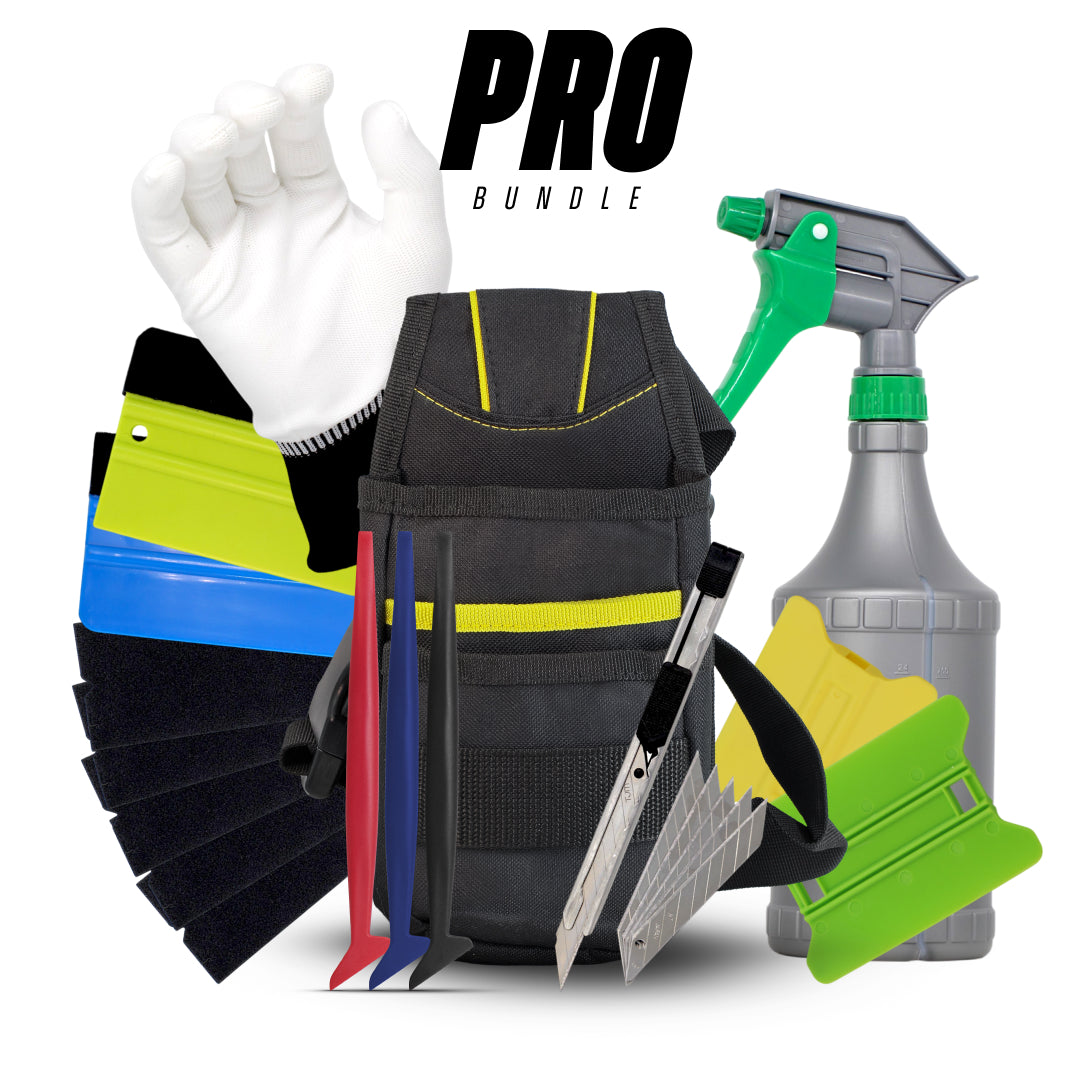
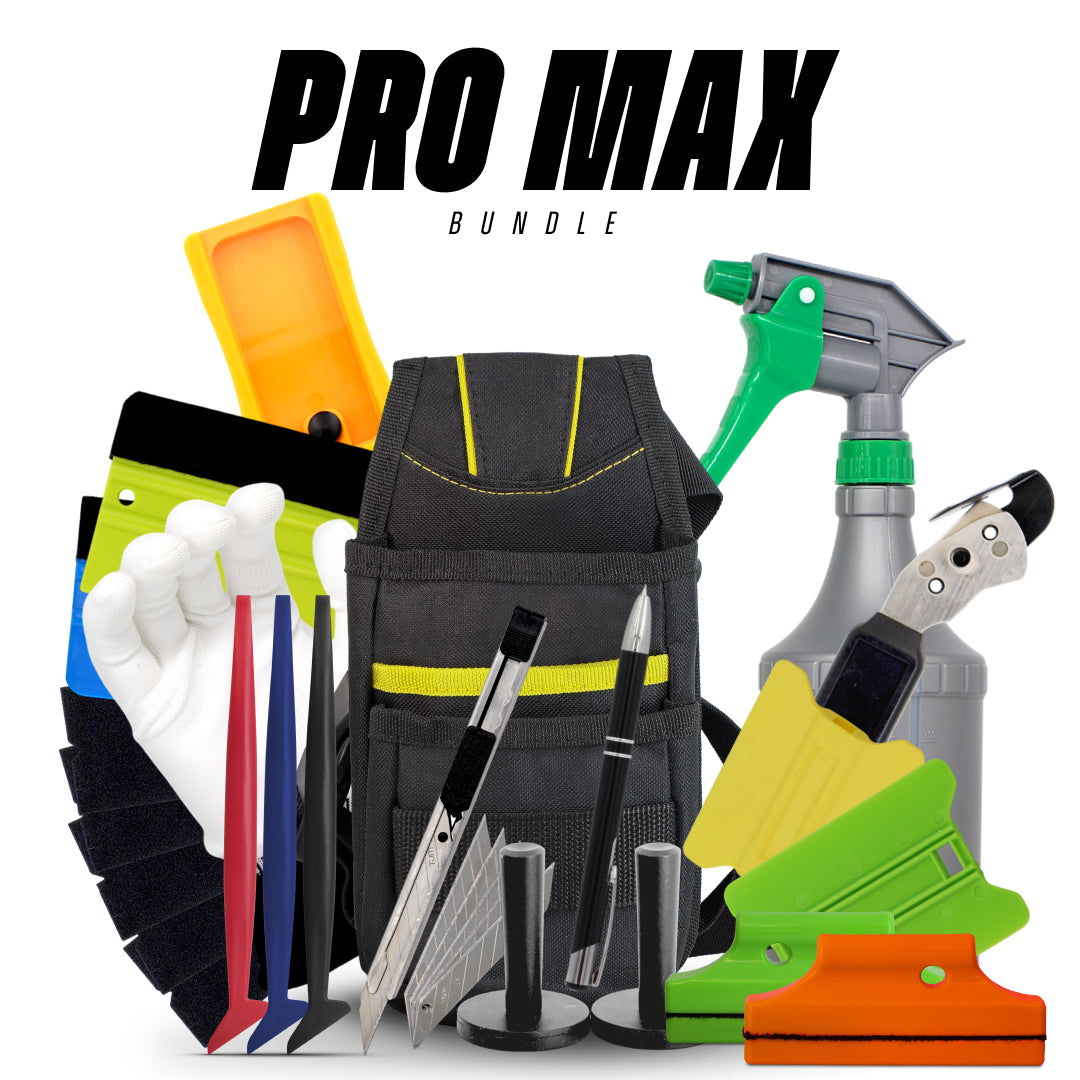
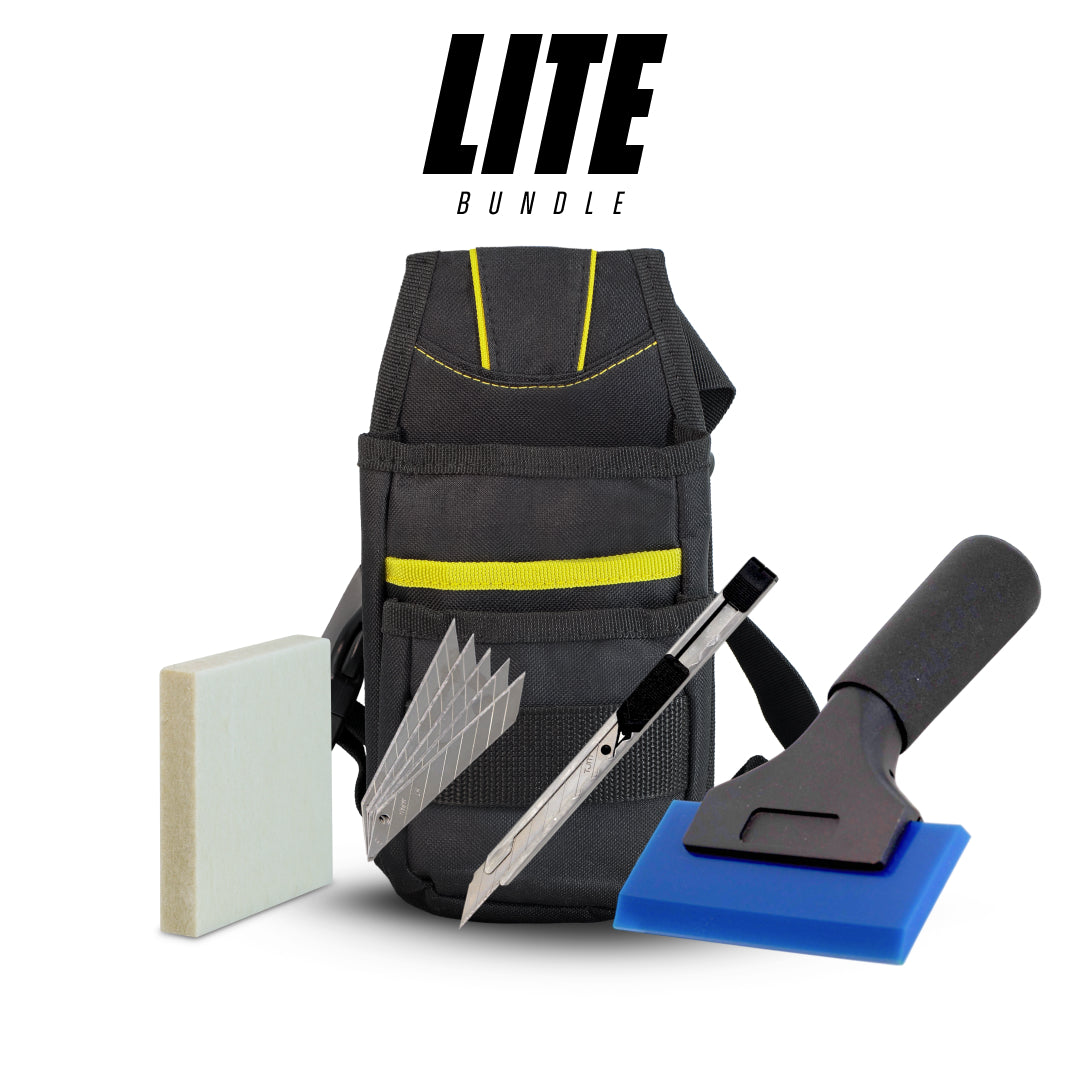
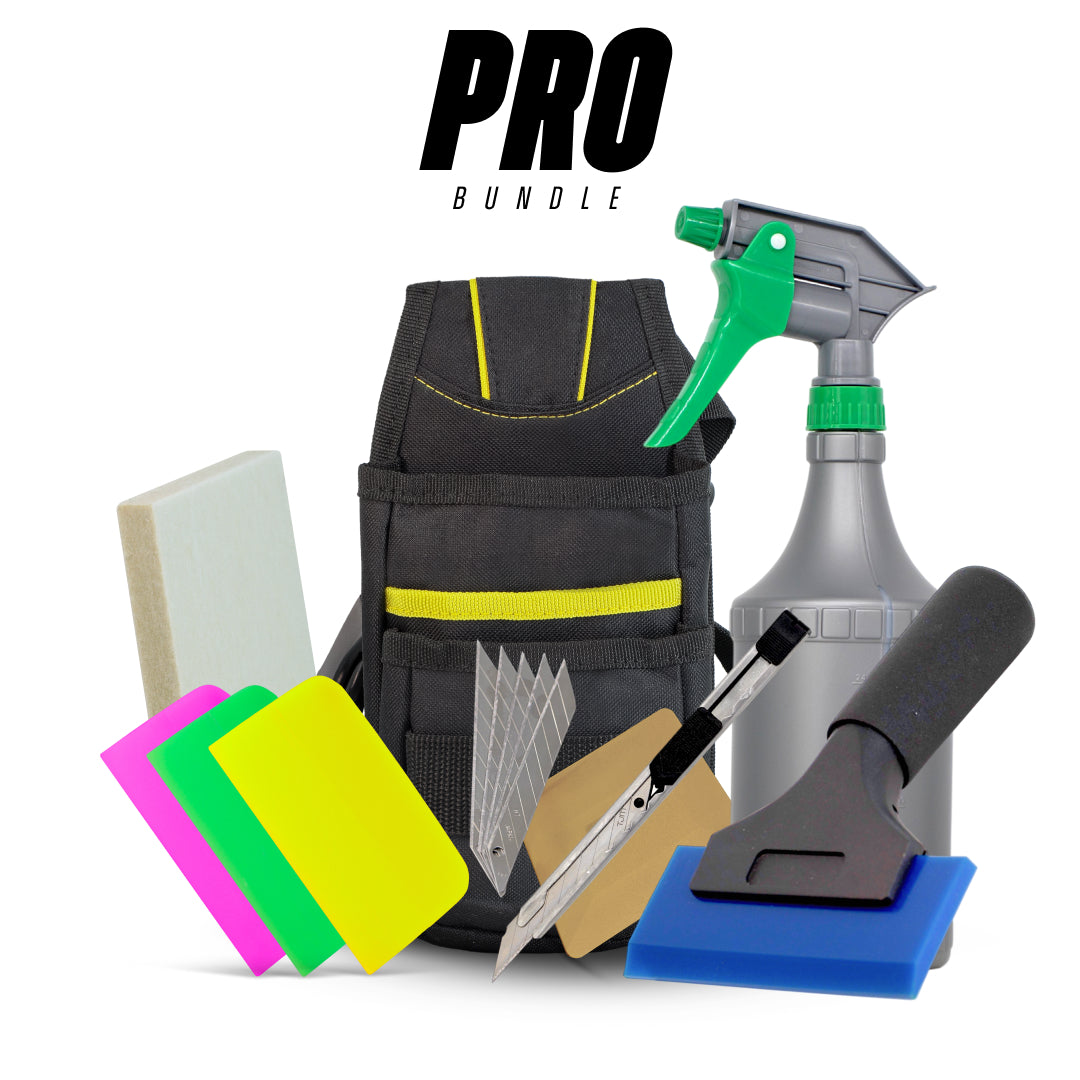
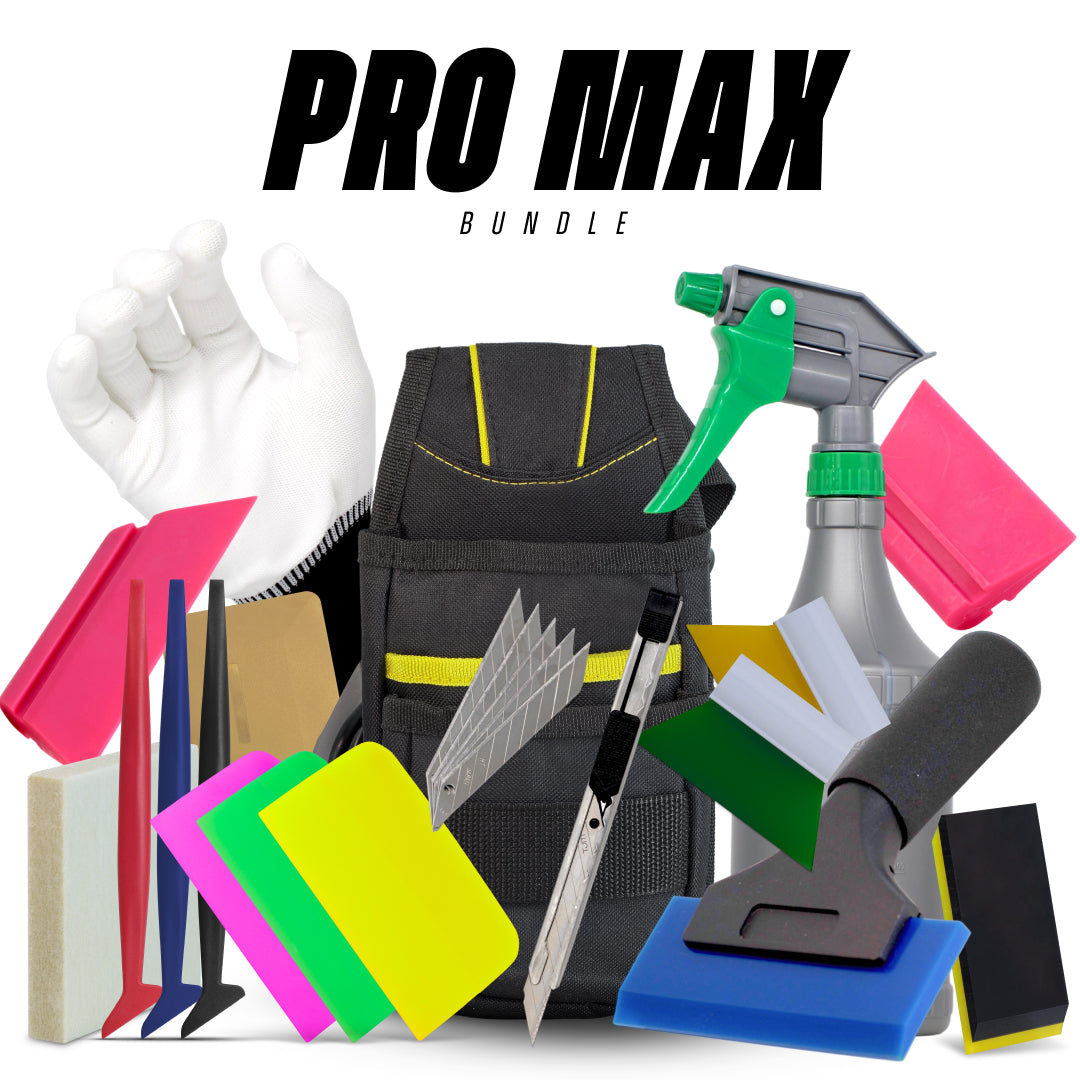
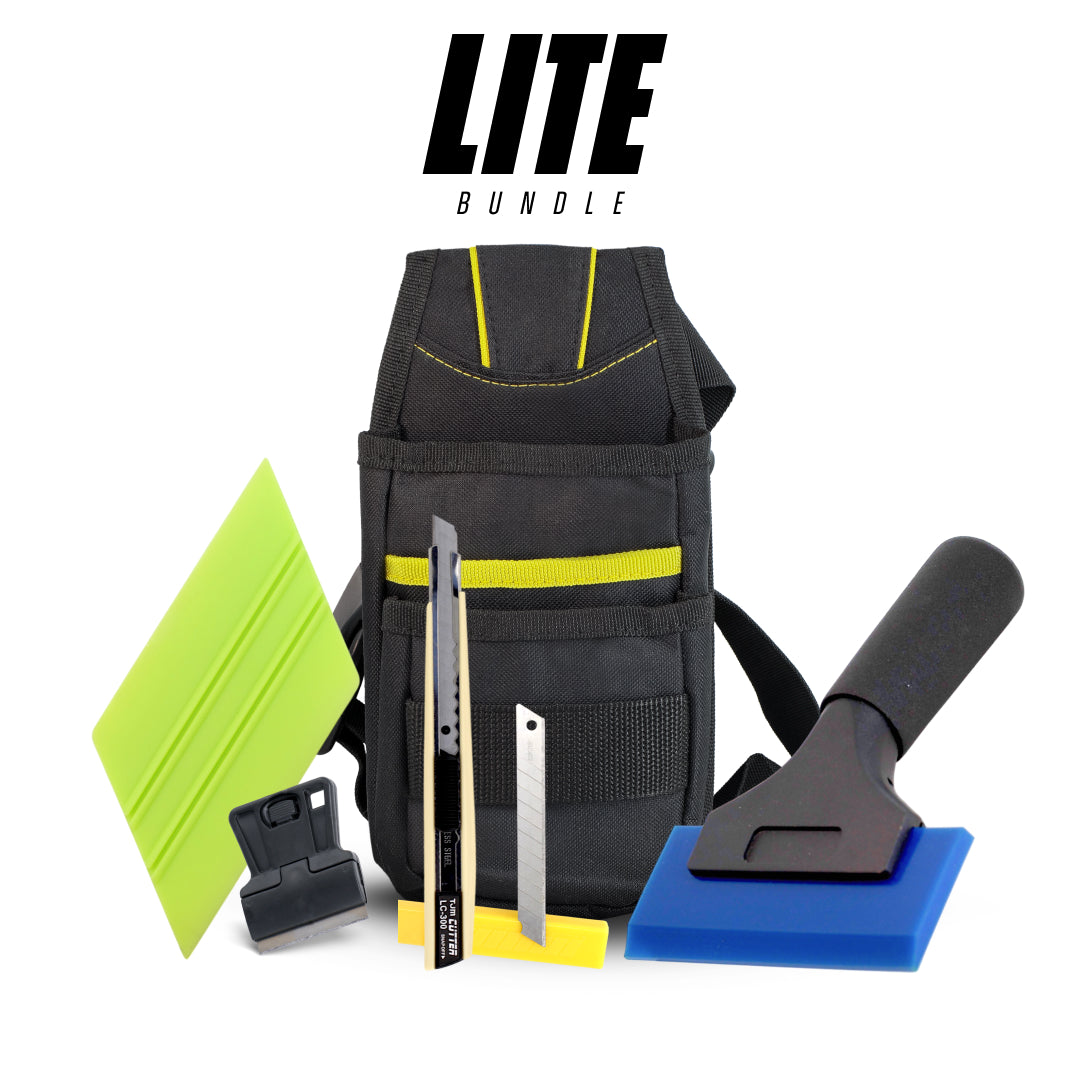
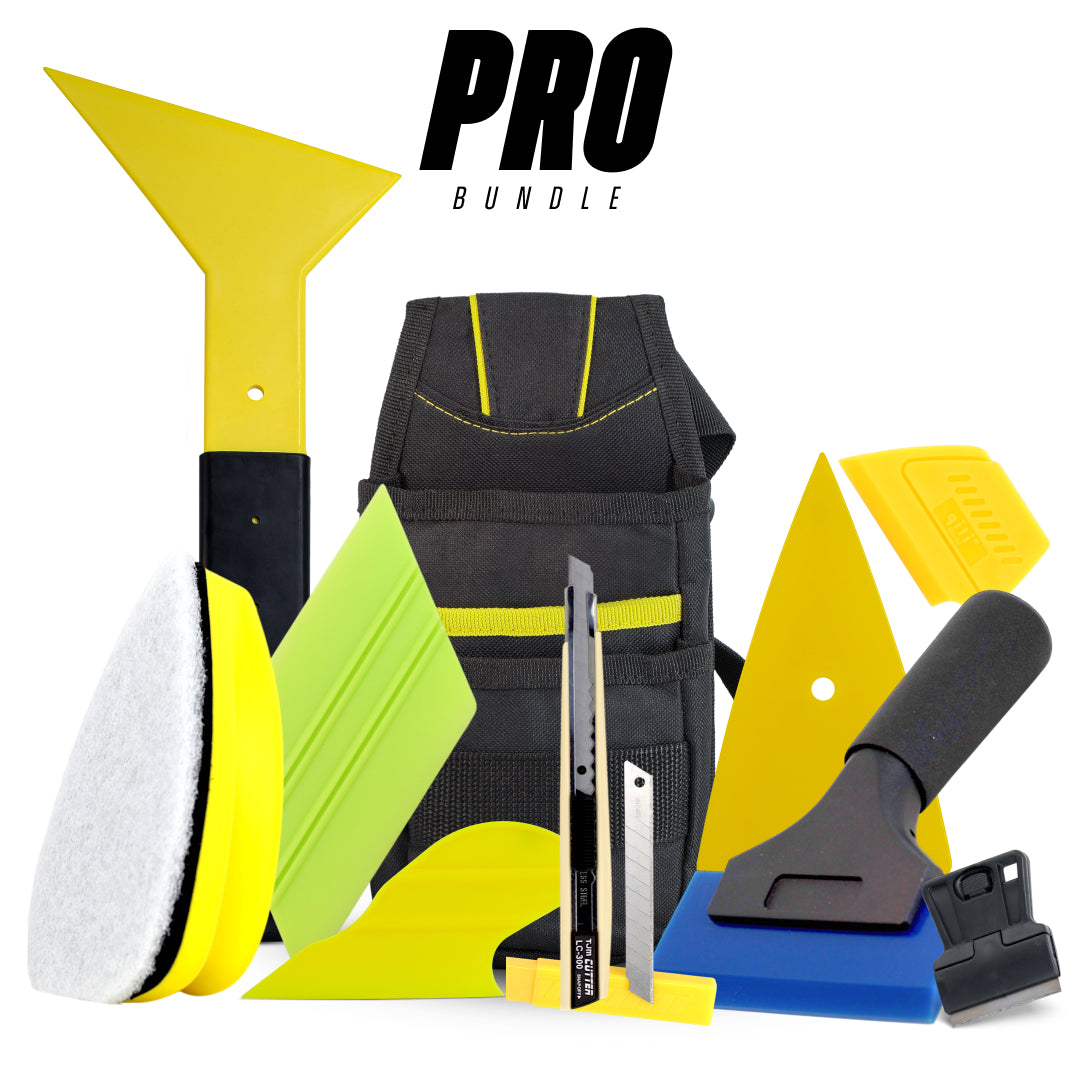
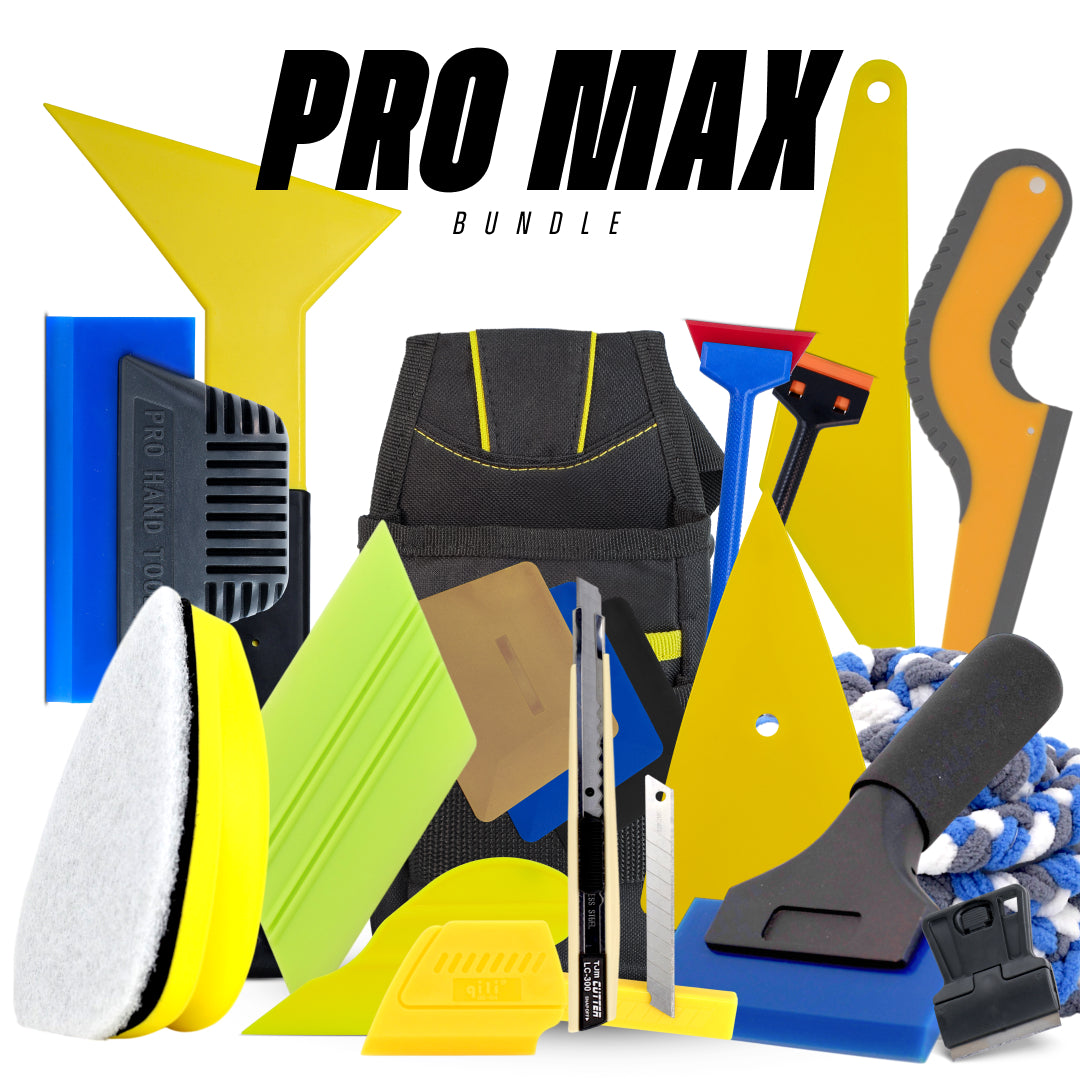
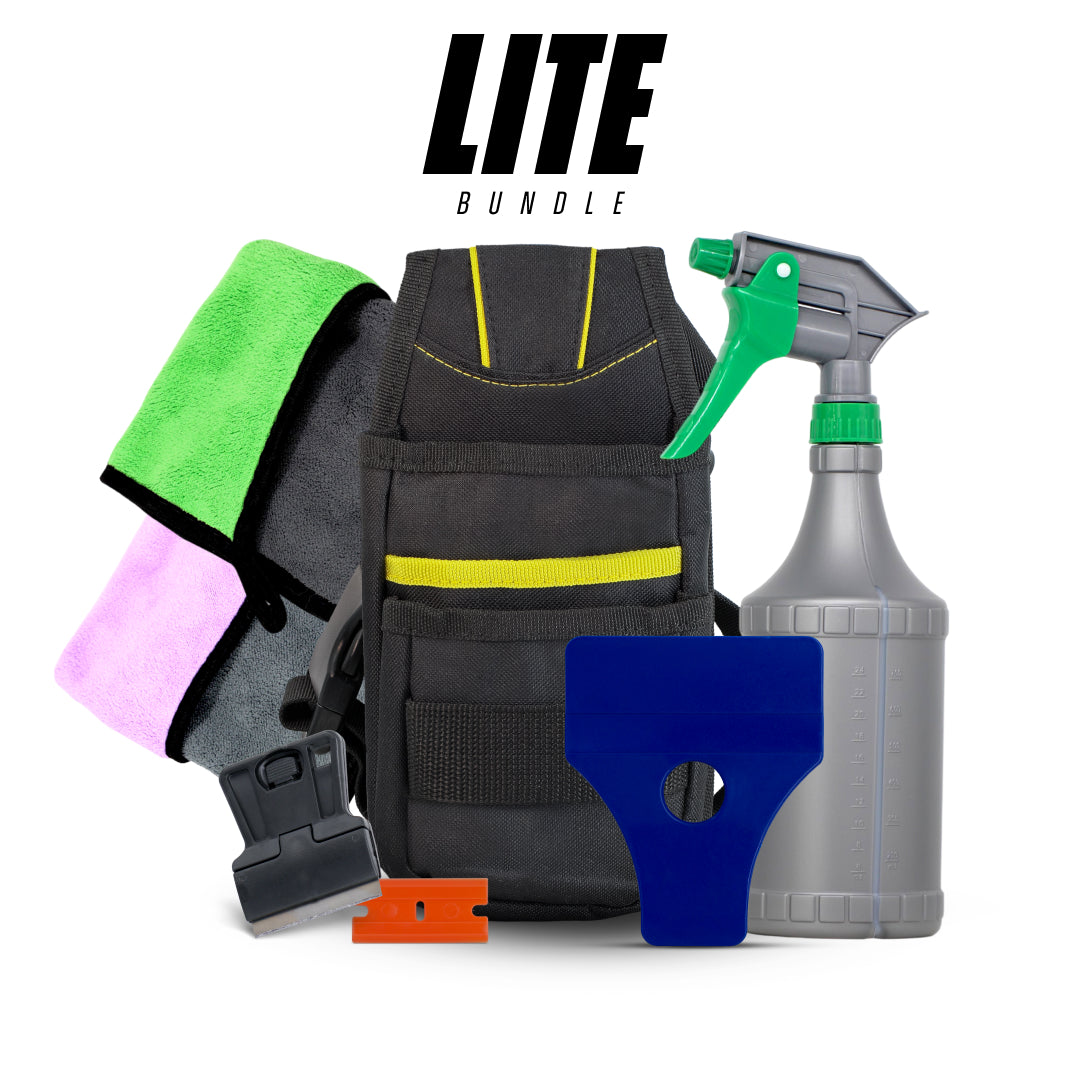
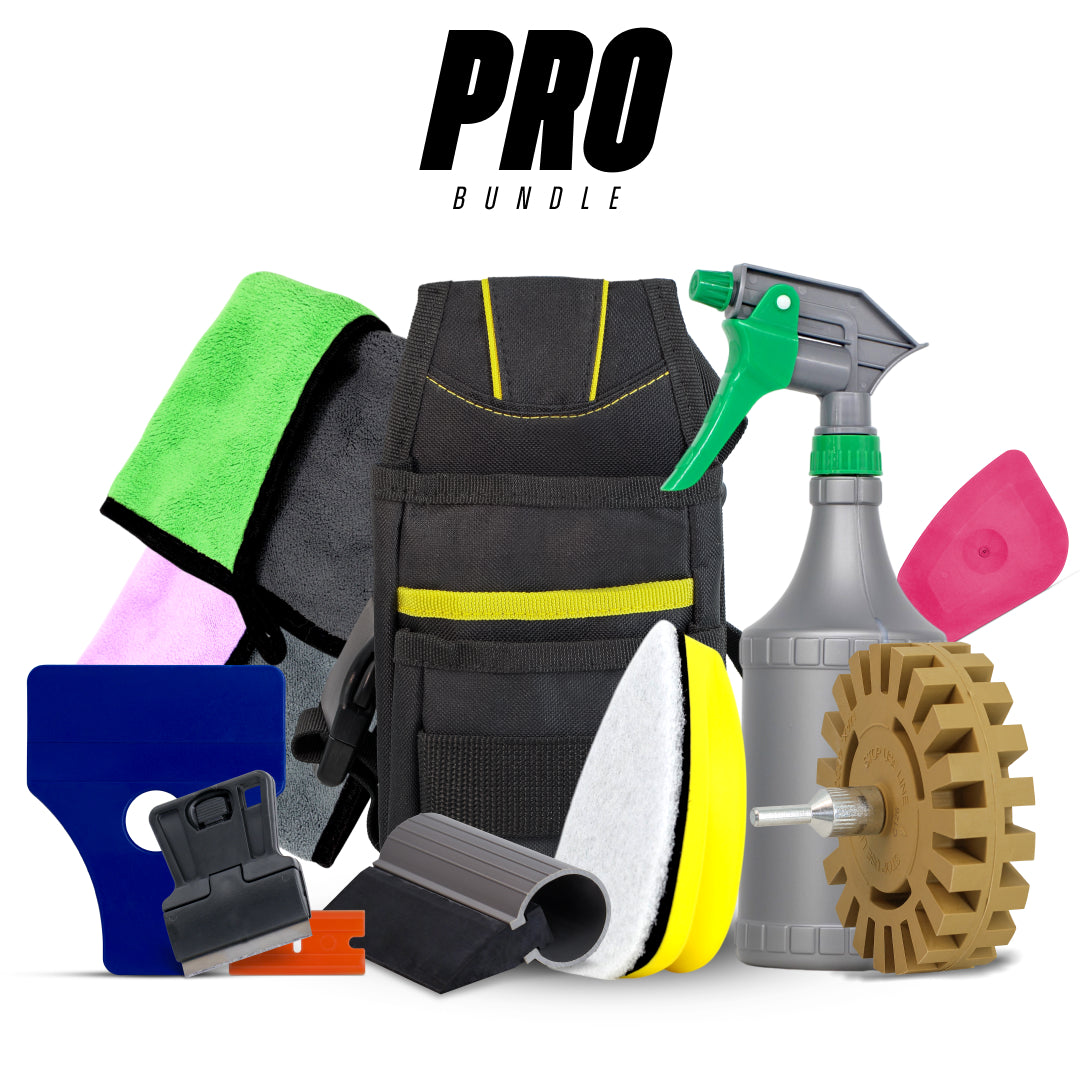
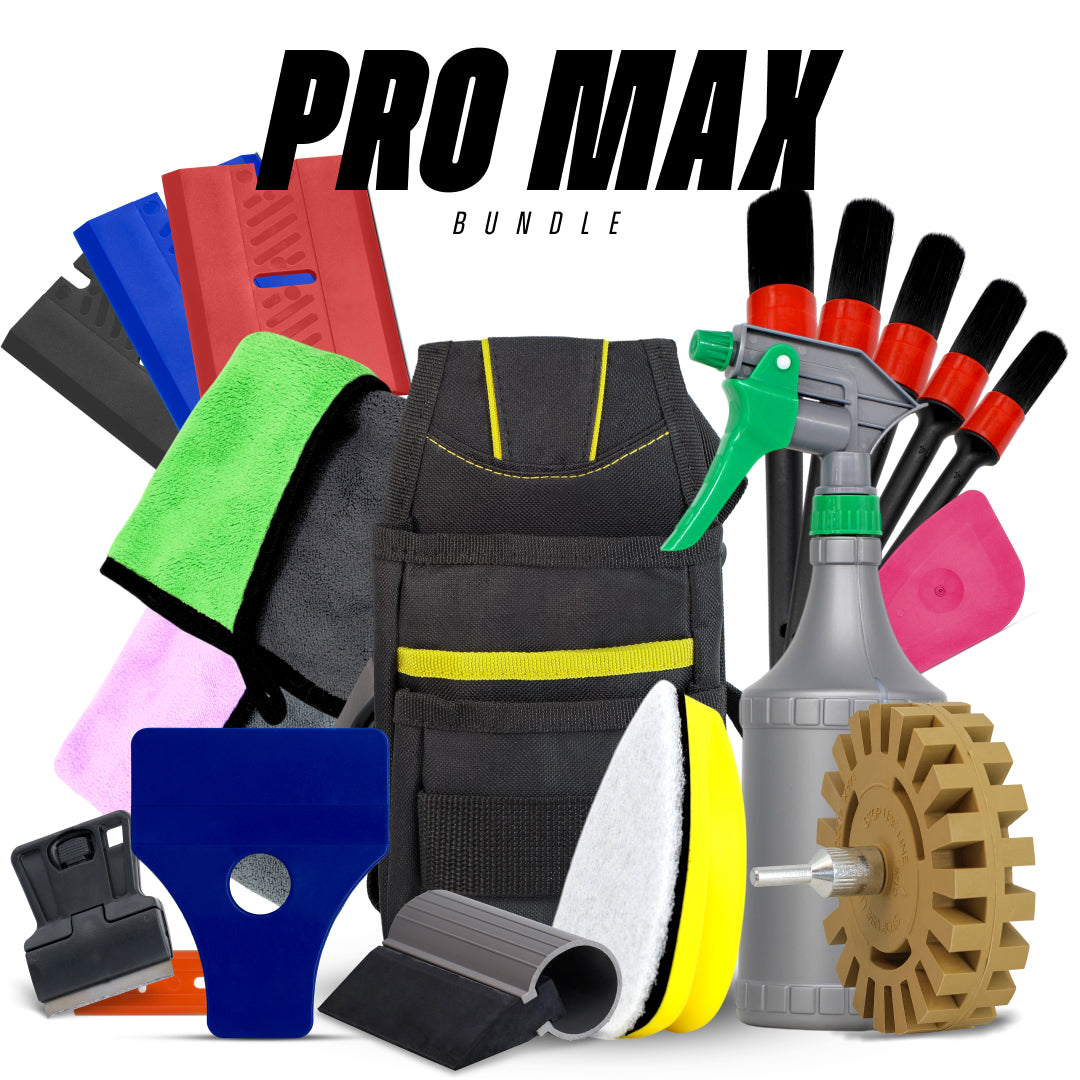
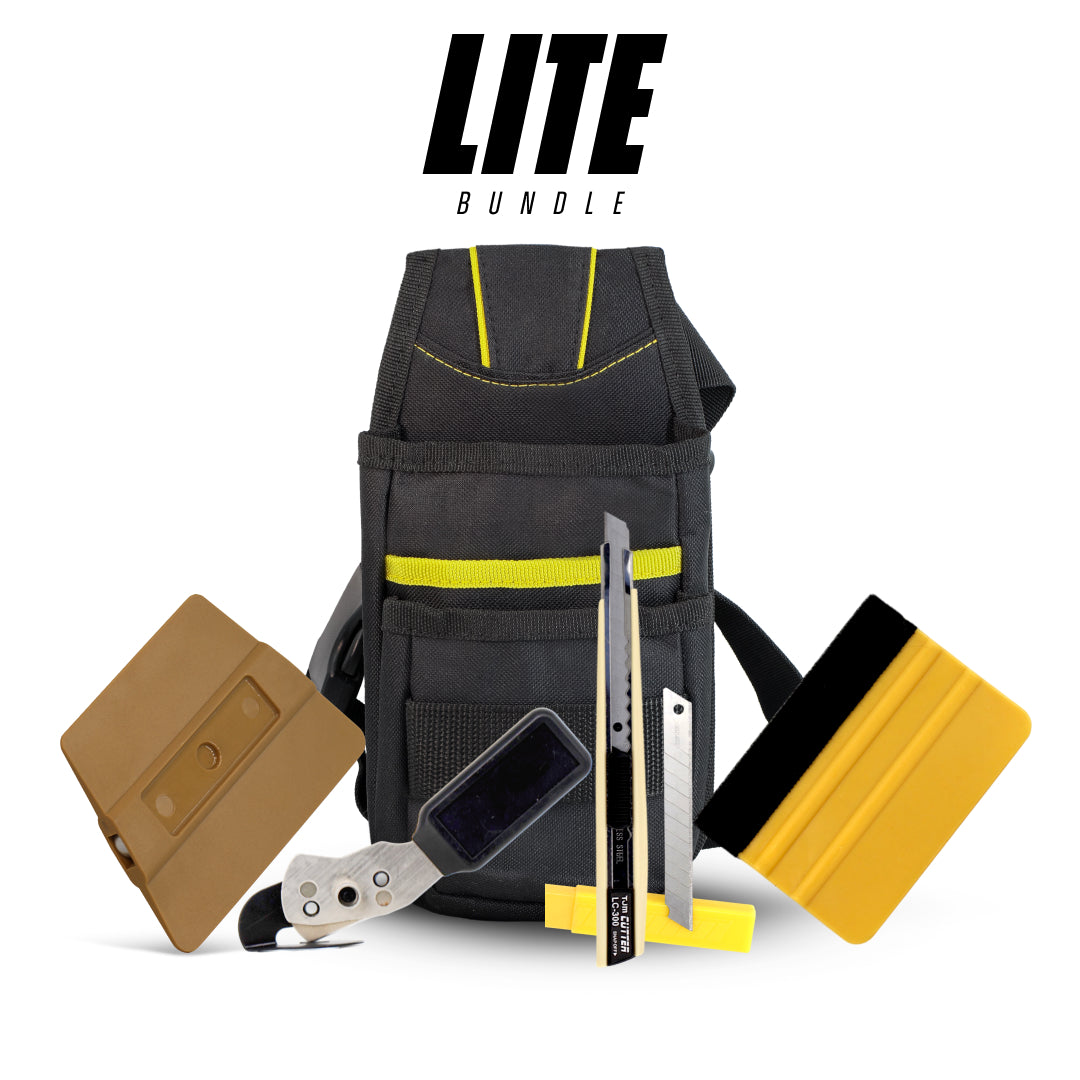
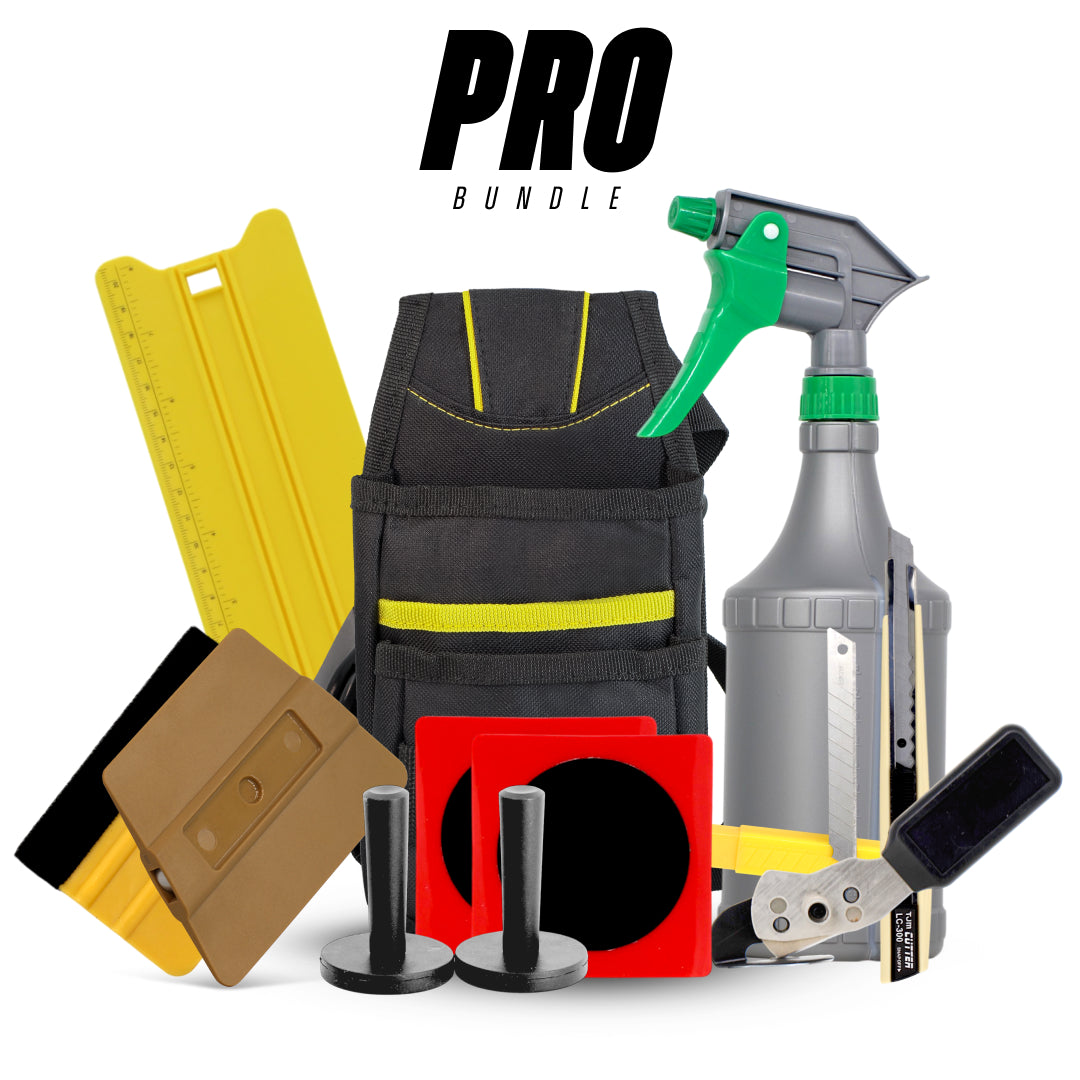
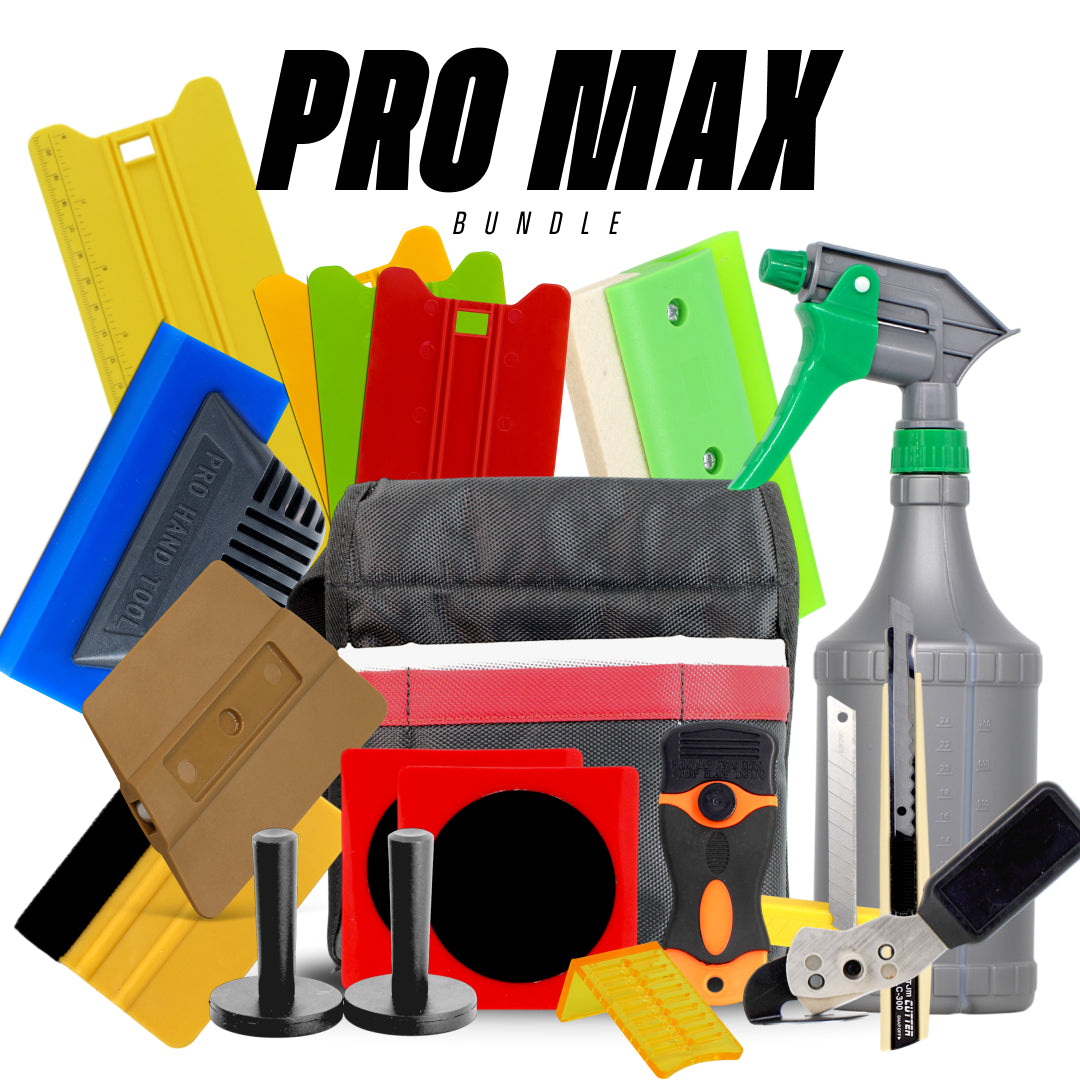
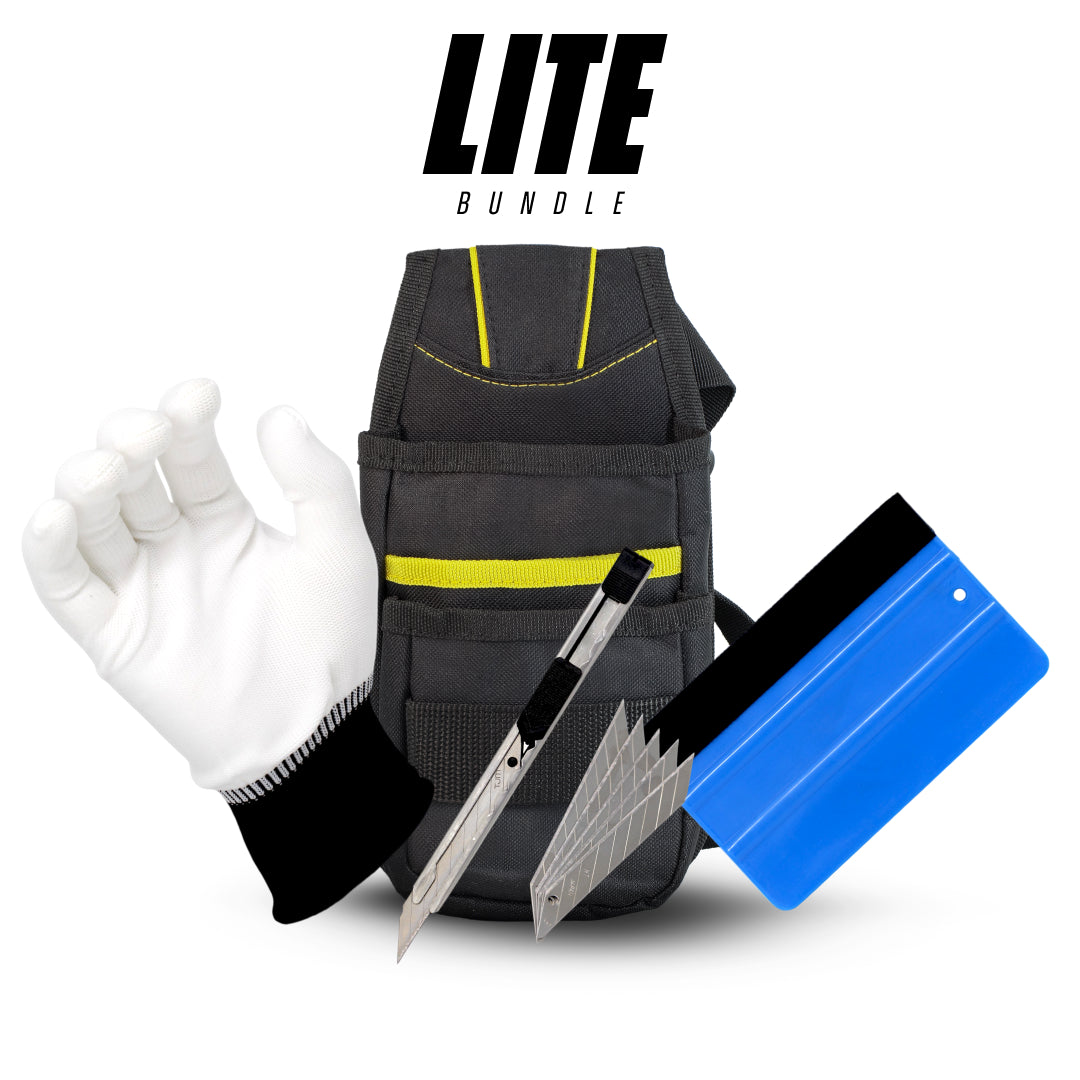
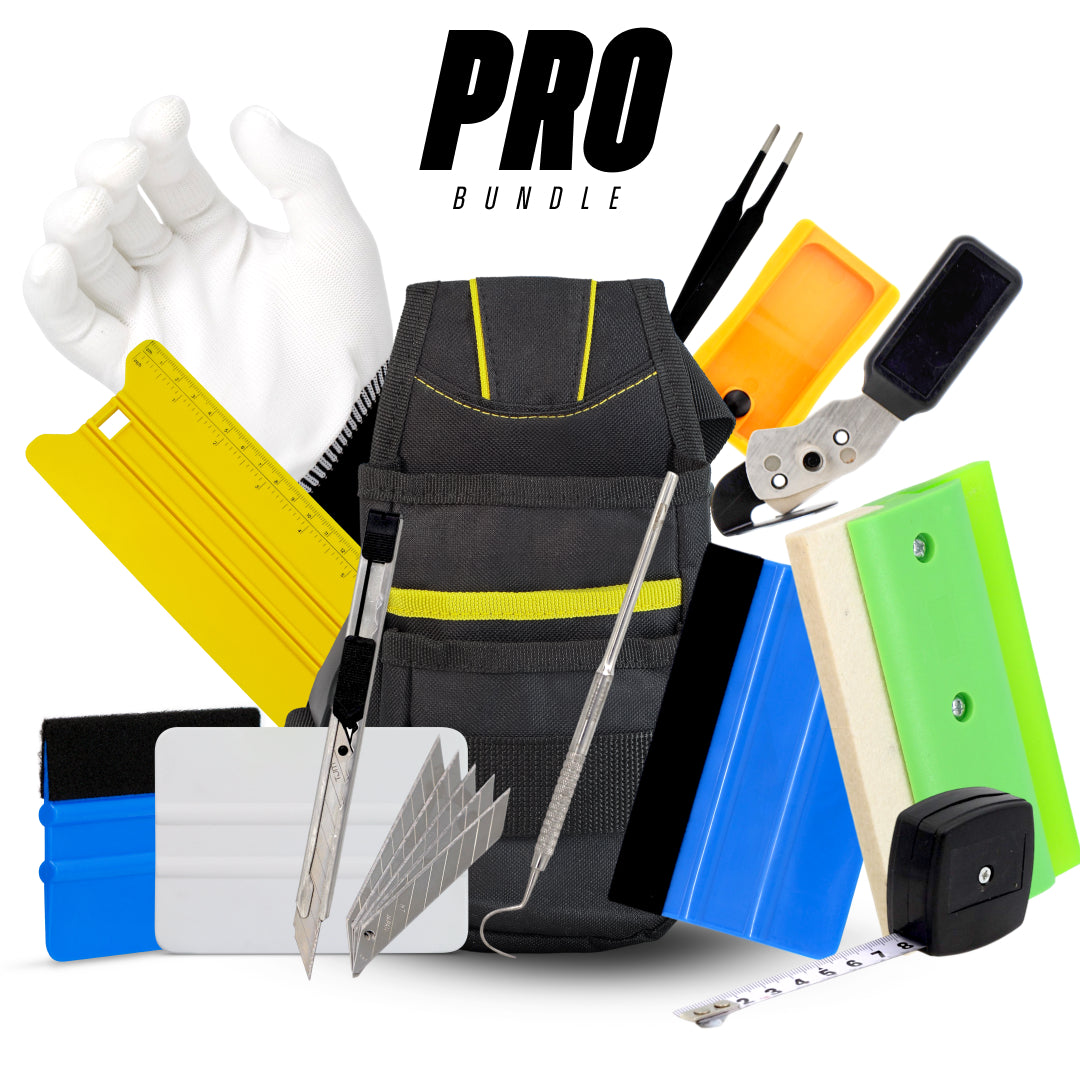
| Kit tier | Best for | Save | Price |
|---|---|---|---|
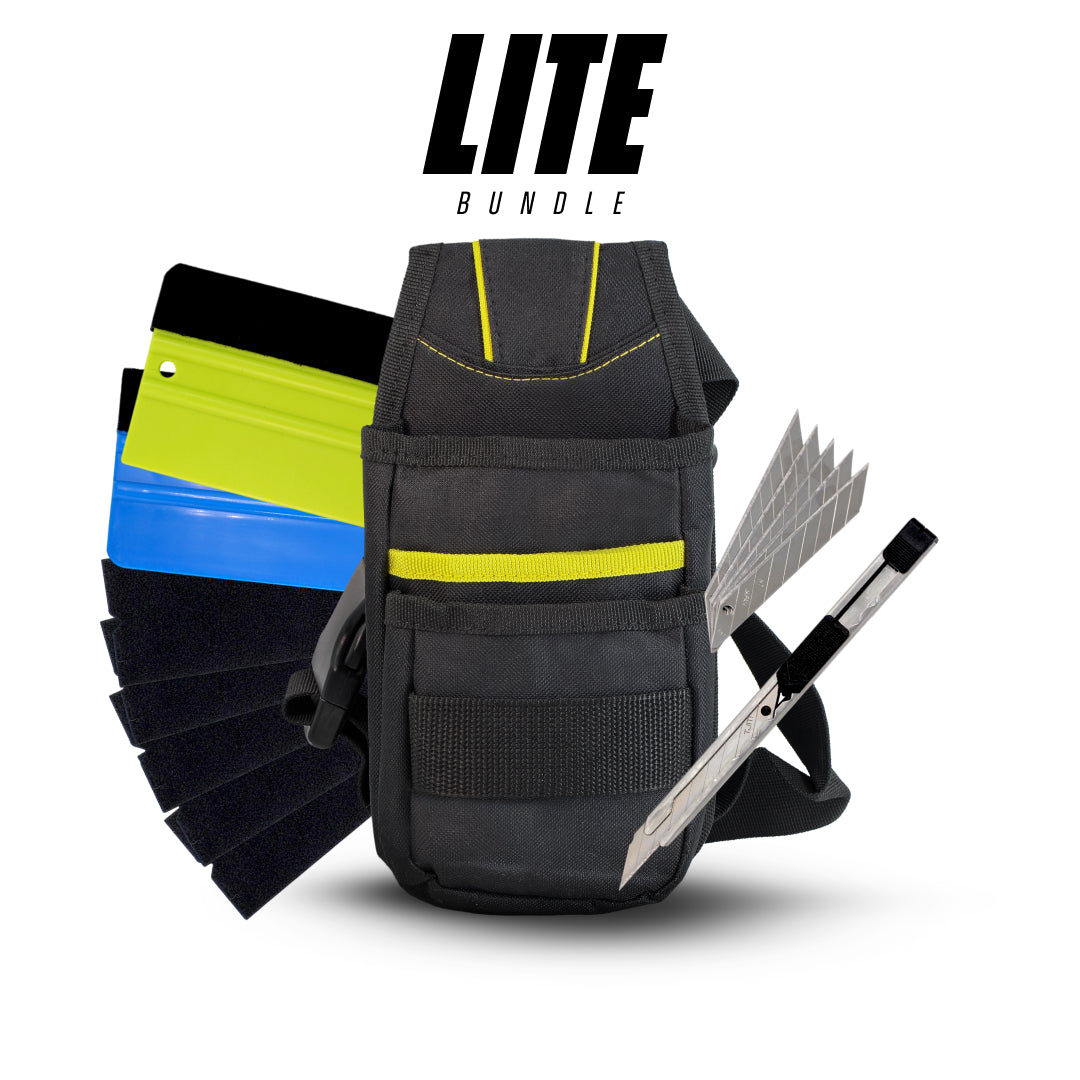
| Wrap Tool Kit — Lite | First wrap | 15% | $75.99 |
| Wrap Tool Kit — Pro | Regular installers | 19% | $129.99 |
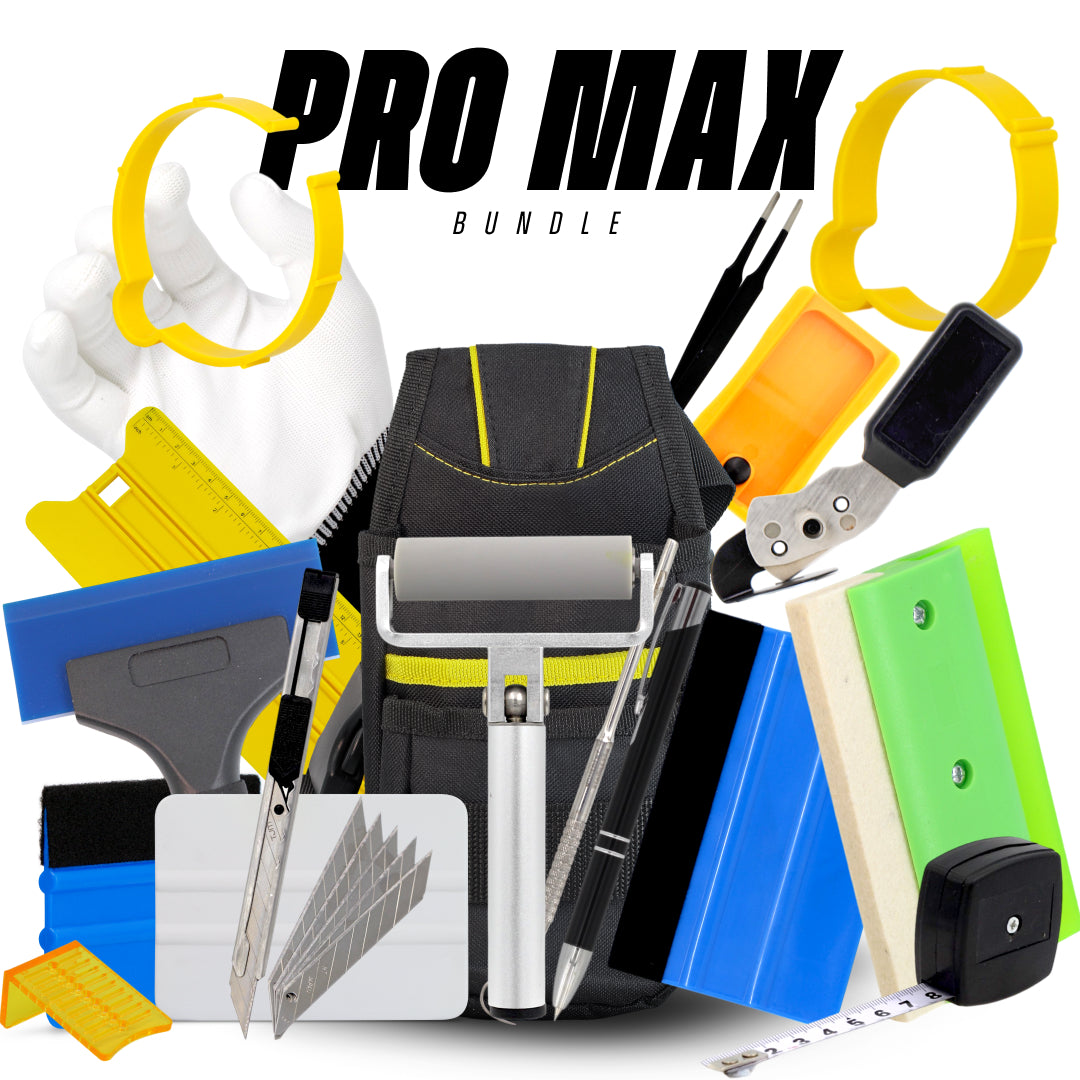
| Wrap Tool Kit — Pro Max | Full-time installers | 25% | $216.99 |
Auto Wrap Cost vs PPF Cost vs Tint Pricing
When comparing auto wrap cost, PPF pricing, and window tinting, it helps to think in terms of purpose rather than just numbers. Each option delivers a different kind of value, and the price reflects that.
| Service | Average Cost Range | Primary Benefit |
|---|---|---|
| Car Wrap | $2,500 – $6,000+ | Aesthetic transformation |
| PPF (Full Car) | $4,000 – $8,000+ | Maximum paint protection |
| Window Tint | $200 – $800 | Comfort and privacy |
PPF tends to be the most expensive because of its advanced protective properties and complex installation process. Applying ppf film requires precision, patience, and specialized tools like a paint protection film squeegee, making it labor-intensive.
Car wraps, while still a significant investment, offer more visual impact for the price. They’re ideal if you want to change your vehicle’s look without committing to permanent paintwork.
Window tinting, on the other hand, is the most budget-friendly option. It delivers immediate benefits in terms of comfort and UV protection, making it a popular entry point for car customization.
Ultimately, the “right” choice isn’t about picking the cheapest or most expensive option, it’s about aligning your investment with your goals. Whether that’s turning heads, protecting your paint, or simply making your daily drive more comfortable, there’s a solution that fits.
Signs of a Professional Installer You Can Trust
Finding the right installer isn’t just about scrolling through Google results and picking the first shop with decent ratings. This decision has long-term consequences for your vehicle’s appearance, durability, and even resale value. A true professional installer stands out in ways that go far beyond flashy ads or discounted pricing.
One of the clearest indicators is consistency. A reputable installer delivers high-quality results across multiple projects, not just one or two standout jobs. Whether it’s a car wrap, PPF wrap, or automotive window tint, their work should look clean, precise, and durable across different vehicles. Edges should be neatly tucked, surfaces should be bubble-free, and finishes should appear seamless under both sunlight and artificial lighting.
Another sign is transparency. Professional shops don’t dodge questions about car wrapping cost, PPF pricing, or tint durability. Instead, they explain the process in detail, what materials they use, how long the installation will take, and what kind of maintenance is required. If someone is vague or overly pushy, that’s usually a red flag.
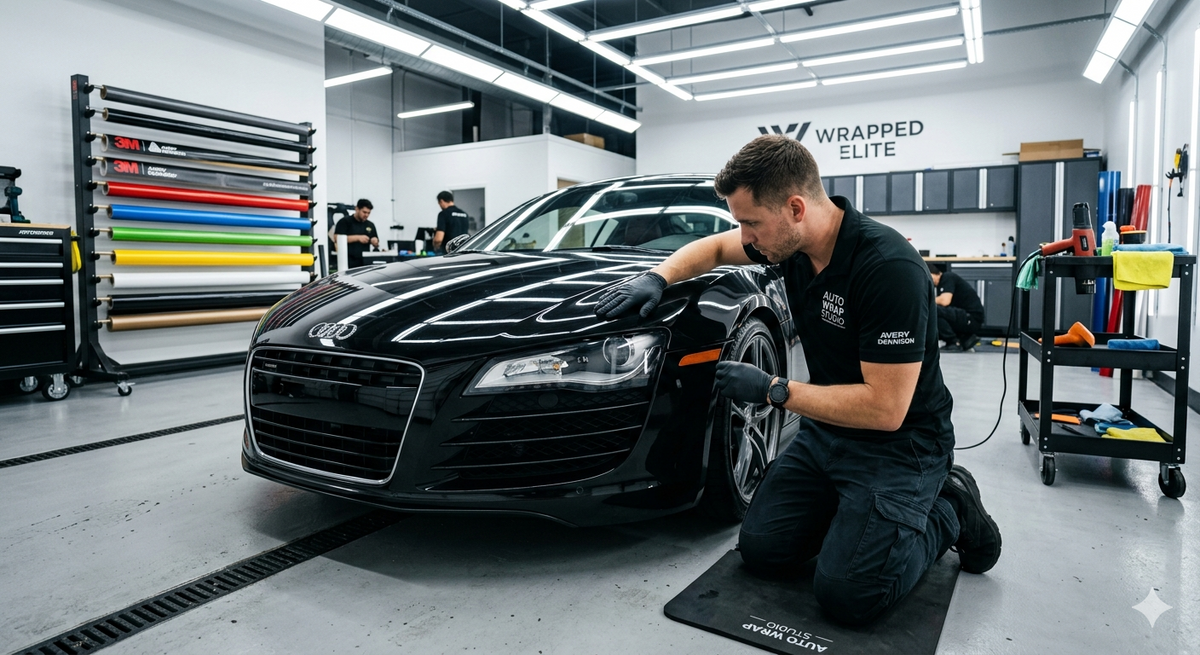
Pay attention to the environment as well. High-quality installations typically happen in clean, controlled spaces. Dust, humidity, and poor lighting can ruin even the best vinyl wrap or PPF film, so serious installers invest in proper facilities. You’ll often notice organized workstations, specialized vehicle wrap tools, and dedicated areas for tinting and film application.
Lastly, professionalism extends to aftercare. A trustworthy installer doesn’t disappear after the job is done. They provide guidance on maintaining your vehicle paint protection, cleaning your car vinyl wrap, or caring for your window tinting. That ongoing support is what separates a quick job from a long-term investment.
Certifications and Brand Partnerships (3M, Avery, etc.)
If you’re unsure where to start when evaluating an installer, certifications can act as a reliable shortcut. Brands like 3M wrapping and Avery wraps don’t just hand out certifications for fun, they require installers to go through training, demonstrate skill, and maintain consistent quality standards.
Why does this matter? Because working with certified installers significantly reduces the risk of poor workmanship. These professionals are trained to handle premium materials like 3M vinyl wrap, PPF film, and automotive tint correctly. They understand how different films behave under heat, how to avoid stretching issues, and how to achieve a flawless finish using tools like vinyl squeegees, wrap tools, and PPF squeegees.
Certified installers also tend to have access to better warranties. Many top brands only honor their product warranties if the installation is done by an approved professional. So if something goes wrong, like peeling, discoloration, or adhesive failure, you’re more likely to be covered.
That said, certification alone isn’t everything. It’s possible for someone to be certified but still lack real-world experience with complex projects like custom car wraps or full PPF coverage. That’s why it’s important to combine certifications with other factors like portfolio quality and customer feedback.
Think of certifications as a strong foundation, but not the entire building. They show that the installer has met industry standards, but you still need to verify that they can deliver results that match your expectations.
Portfolio and Real Customer Reviews
If certifications are the foundation, then a portfolio is the proof. A professional installer should be able to show you a wide range of completed projects, from simple car tint jobs to complex vehicle vinyl wrap designs and full paint protection film installations.
When reviewing a portfolio, don’t just look at the overall appearance, zoom in on the details. Are the edges clean and properly tucked? Are there visible seams or bubbles? Does the finish look consistent across different angles and lighting conditions? These small details often reveal the true level of craftsmanship.
Customer reviews add another layer of insight. While portfolios show what an installer can do, reviews reveal what they actually deliver on a consistent basis. Look for patterns in feedback. Are customers consistently praising the durability of their car wrap or PPF wrap? Do they mention good communication and aftercare support? Or are there repeated complaints about peeling, delays, or poor service?
It’s also worth checking how the installer responds to negative reviews. A professional business addresses issues calmly and constructively, rather than becoming defensive or dismissive. That kind of attitude often reflects how they’ll help you if something goes wrong.
In today’s digital age, you have access to more information than ever before. Use it. A few extra minutes spent researching can save you from costly mistakes and ensure your auto wrap, tint, or PPF investment delivers exactly what you expect.
Tools and Materials That Indicate Quality Work
You can tell a lot about an installer by the tools they use. It’s a bit like walking into a chef’s kitchen, if everything is sharp, clean, and well-organized, you immediately feel more confident about the meal you’re about to get.
Professional installers rely on a wide range of specialized equipment, from vinyl wrap tools and squeegees to advanced cutting systems and heat guns. These tools aren’t just for convenience, they’re essential for achieving a smooth, durable finish. For example, a high-quality vinyl wrap squeegee ensures that air bubbles are removed effectively, while precision blades allow for clean edges without damaging the underlying paint.
The same goes for PPF installation. Applying paint protection film requires tools like a paint protection film squeegee, slip solutions, and sometimes even pre-cut templates to ensure perfect alignment. Without the right equipment, it’s nearly impossible to achieve a seamless result.
Materials matter just as much as tools. Premium films like 3M vinyl wrap, Avery wraps, and high-grade PPF film offer better durability, clarity, and resistance to environmental damage. Cheaper alternatives might look fine initially, but they often degrade quickly, leading to fading, cracking, or peeling.
So when evaluating an installer, don’t hesitate to ask about the tools and materials they use. A professional will be happy to explain their process, and their answers will give you valuable insight into the quality you can expect.
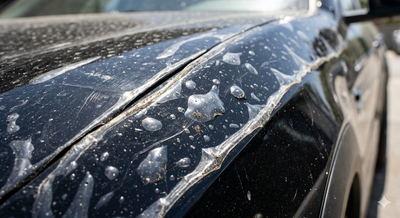
Surface preparation is critical, using proper cleaning tools for installation ensures the film bonds correctly.
Importance of Professional Wrap Tools and Squeegees
It might sound surprising, but something as simple as a squeegee can make or break a wrap or tint job. Whether it’s a vinyl squeegee, PPF squeegee, or window tint squeegee, these tools play a critical role in ensuring a smooth, bubble-free application.
Professional-grade squeegees are designed with specific materials and edge profiles to handle different types of film. For example, softer edges are used for delicate surfaces to prevent scratches, while firmer edges are better for pushing out stubborn air pockets. Installers often use multiple squeegees during a single job, switching between them as needed.
Beyond squeegees, a complete vehicle wrapping tools kit includes heat guns, infrared thermometers, precision knives, and application fluids. These tools help control the film’s flexibility, ensure proper adhesion, and prevent issues like overstretching or misalignment.
DIY kits like a car wrapping kit or vinyl wrap car kit can be useful for small projects, but they rarely match the quality of professional equipment. That’s why even experienced enthusiasts often struggle to achieve the same results as a trained installer.
Smooth application depends heavily on using the right wrap squeegees, tint squeegees, or PPF squeegees depending on the service.
In short, tools aren’t just accessories, they’re a fundamental part of the process. And when an installer invests in high-quality equipment, it’s usually a sign that they take their craft seriously.
High-Quality Films and Installation Environment
Even the best tools won’t matter if the materials and environment aren’t up to standard. High-quality films like 3M vinyl wrap, Avery wraps, and premium PPF film are engineered to perform under specific conditions. They require clean surfaces, controlled temperatures, and proper lighting to achieve optimal results.
A professional installation environment typically includes a dust-free workspace, stable temperature control, and bright, even lighting. These factors might seem minor, but they have a huge impact on the final outcome. Dust particles, for example, can get trapped under the film, creating visible imperfections that are nearly impossible to fix without redoing the entire section.
Temperature control is equally important. Films become more flexible when heated, but excessive heat can cause stretching or distortion. Skilled installers know how to balance these factors, using tools like heat guns and thermometers to maintain consistency.
Another key aspect is storage. High-quality films need to be stored properly to maintain their adhesive properties. If an installer is using old or poorly stored materials, the results can be unpredictable, even if their technique is solid.
So when you walk into a shop, take a moment to observe your surroundings. A clean, organized, and well-equipped workspace is often a strong indicator that your car wrap, PPF, or window tinting will be handled with care and precision.

Questions to Ask Before Choosing a Wrap, Tint, or PPF Installer
Choosing the right installer isn’t just about comparing prices, it’s about asking the right questions that reveal true expertise, process quality, and long-term reliability.
Before booking, use this quick checklist to separate professional installers from risky options:
1. Do You Use Pre-Cut Templates or Cut on the Car?
Professional installers typically use digitally plotted, pre-cut templates to avoid cutting directly on your paint, reducing the risk of permanent damage.
2. Can I See Your Recent Work (Not Just Portfolio Highlights)?
Consistency matters more than one perfect job. Look for:
- Clean edges and seamless finishes
- No bubbling or lifting
- Consistent quality across multiple vehicles
A high-end wrap or PPF job should look nearly invisible when done correctly.
3. What’s Your Installation Environment Like?
A controlled, dust-free workspace is critical. Temperature, humidity, and contamination directly affect adhesion and finish quality.
4. What Warranty Do You Offer (Product + Workmanship)?
There are two key warranties:
- Manufacturer warranty (covers the film)
- Workmanship warranty (covers installation quality)
You need both to ensure long-term protection and peace of mind.
5. What’s Included in Your Prep Process?
Proper prep determines the final result. This should include:
- Deep cleaning and decontamination
- Paint correction (if needed)
- Surface degreasing
Any imperfections left behind will be sealed under the film permanently.
Pro Tip: The installer matters more than the film itself. Even premium materials can fail if applied poorly, leading to peeling edges, bubbles, or visible seams within months.
Clean edges and tight finishes are typically achieved with precision cutting tools designed for professional use.

Common Mistakes to Avoid When Choosing an Installer
Even well-informed car owners can fall into common traps when selecting an installer. The challenge is that these mistakes often don’t become obvious until after the job is done, and by then, fixing them can be costly.
One of the biggest mistakes is rushing the decision. It’s easy to get excited about upgrading your vehicle and jump at the first available option. But taking a little extra time to research, compare, and ask questions can make a huge difference in the final outcome.
Another common issue is overlooking the importance of specialization. Not all installers excel in every area. Someone who’s great at window tinting might not have the same level of expertise in PPF installation or custom car wraps. Choosing a specialist for your specific needs often leads to better results.
There’s also the temptation to prioritize convenience over quality. A nearby shop offering quick service might seem appealing, but if they lack the necessary experience or tools, the results can be disappointing. Searches like “window tinting close to me” or “vehicle tint near me” are helpful, but they should be followed by deeper evaluation.
Avoiding these mistakes isn’t about being overly cautious, it’s about being intentional. When you approach the process with a clear understanding of what matters, you’re far more likely to end up with results you’re genuinely happy with.
Choosing Based on Price Alone
It’s completely natural to consider cost, after all, services like car wrap, PPF, and automotive tint aren’t cheap. But making a decision based solely on price is one of the fastest ways to regret your choice.
Low pricing often comes with trade-offs. It might mean lower-quality materials, less experienced installers, or rushed jobs that skip important preparation steps. A cheap auto wrap cost might look appealing upfront, but if the wrap starts peeling or fading within a year, you’ll end up paying more to fix or replace it.
On the flip side, the most expensive option isn’t always the best either. The goal is to find value, a balance between cost, quality, and reliability. That’s why it’s important to compare quotes in context. What materials are included? How experienced is the installer? What kind of warranty is offered?
Think of it like buying shoes. You could go for the cheapest pair, but if they fall apart quickly, you’ll have to replace them sooner. Investing in quality might cost more initially, but it often saves money and frustration in the long run.
Ignoring Aftercare and Support
Aftercare is often overlooked, but it plays a huge role in how well your car wrap, PPF, or window tinting performs over time. Even the best installation can suffer if it’s not properly maintained.
A good installer will provide clear instructions on how to care for your vehicle after the job is done. This might include waiting a certain period before washing your car, avoiding specific cleaning products, or using gentle techniques to preserve the film.
Support also matters when issues arise. Maybe you notice a small bubble in your vinyl wrap or have questions about cleaning your window film. A professional installer will be available to address these concerns and provide solutions, rather than leaving you to figure things out on your own.
Ignoring this aspect can lead to unnecessary frustration. Without proper guidance, you might unknowingly damage the film or reduce its lifespan. That’s why aftercare isn’t just an add-on, it’s an essential part of the overall service.
Final Checklist for Choosing the Right Installer
By now, it’s clear that choosing the right installer involves more than just picking a name from a list. It’s about evaluating multiple factors and making an informed decision that aligns with your needs.
A strong installer will have a proven track record, use high-quality materials like 3M vinyl wrap, Avery wraps, and premium PPF film, and operate in a clean, professional environment. They’ll communicate clearly, offer transparent pricing, and stand behind their work with solid warranties.
They’ll also take the time to understand your goals, whether that’s a bold custom car wrap, reliable vehicle paint protection, or comfortable auto window tinting, and guide you toward the best solution.
At the end of the day, this is about trust. You’re handing over your vehicle, and you want to feel confident that it’s in capable hands. When you find the right installer, the entire process becomes smoother, more enjoyable, and ultimately more rewarding.
Choosing between car wrap, paint protection film, and window tinting is only half the battle, the real challenge is finding the right installer to bring your vision to life. From understanding car wrapping cost and auto wrap cost to evaluating tools, materials, and expertise, every detail plays a role in the final outcome.
A high-quality installation doesn’t just enhance your vehicle’s appearance, it protects your investment and ensures long-lasting results. Whether you’re going for a striking vinyl wrap, durable PPF wrap, or practical car window tint, the right professional makes all the difference.
Take your time, ask the right questions, and focus on value rather than shortcuts. Because when it’s done right, your vehicle won’t just look better, it’ll stay that way for years.
Whether you’re hiring a professional or upgrading your own setup, you can browse installation tools to get started.
Are you unsure which tool or kit is right for your job?
Our expert team at Oz Sign Supplies is here to help. Reach out today, and we’ll direct you to the best tools to suit your project, ensuring you get the job done right the first time.

Wrap Tool Kit – Pro Max
$216.99
What's Included The Wrap Tool Kit Pro Max includes a complete professional vinyl wrapping setup designed for high-volume installers, wrap...
Kit me out