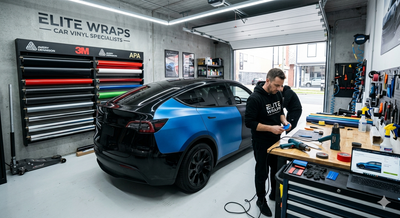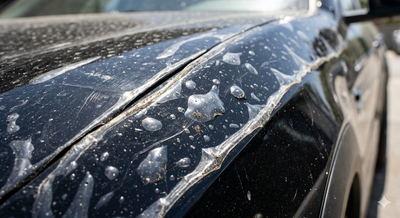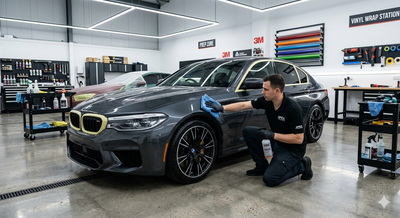



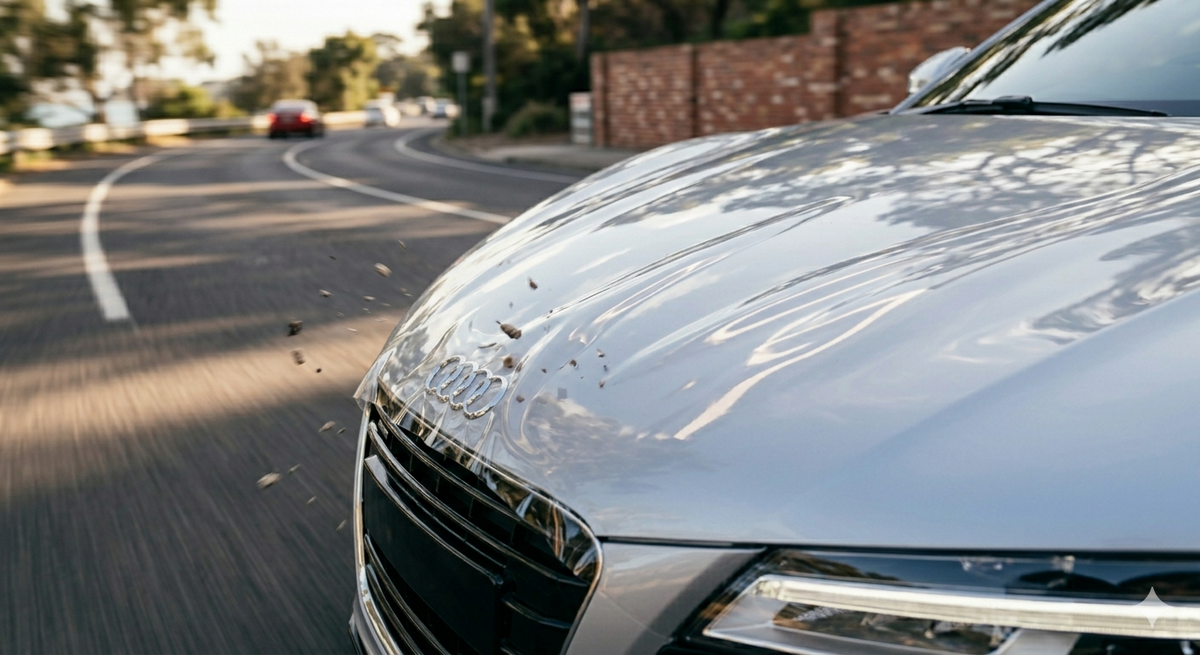
Paint Protection Film, commonly referred to as PPF, is one of the most advanced and reliable methods for protecting your vehicle’s paintwork from the everyday wear and tear it encounters on the road. Whether you drive a brand-new luxury car, a rugged 4WD, or a daily commuter, your paint is constantly under attack from stone chips, UV exposure, debris, bird droppings, tree sap, and micro-scratches caused by washing. PPF acts as an invisible shield, preserving your paint exactly the way it looked the day you bought your car. In Australia, the demand for automotive paint protection has skyrocketed, particularly due to the country’s harsh sun, extreme temperatures, and long highway drives, where stone chips are nearly unavoidable. Car owners are realising that regular waxes and ceramic coatings simply can’t offer the same level of defence.
What makes PPF so valuable is its unique construction. High-quality paint protection film is typically made from thermoplastic polyurethane (TPU), a flexible yet incredibly durable material designed to absorb impacts and resist surface damage. Unlike older PVC-based films that used to yellow or crack, today’s TPU films are clear, self-healing, UV-resistant, and breathable. This means they not only protect your vehicle’s paint but also maintain clarity, gloss, and long-term durability. With advancements in self-healing technology, even minor scratches simply disappear when exposed to heat or sunlight, allowing your car to look newer, longer.
PPF has become a must-have for new car owners wanting to preserve their investment. With cars becoming more expensive every year, many Australians choose PPF because it prevents costly resprays, keeps the original factory paint intact, and boosts resale value considerably. It’s especially popular among owners of Tesla, BMW, Mercedes-Benz, Audi, Toyota 4WDs, and sports cars, but the truth is, every vehicle can benefit from paint protection film. Whether you're protecting your bumper from stone chips, shielding your bonnet from UV rays, or wrapping the entire vehicle for maximum coverage, PPF offers unmatched protection that no other coating can replicate. It’s the modern solution for anyone who wants long-lasting, reliable, and invisible paint protection.
If you’re planning to install film yourself or run an automotive workshop, using the right PPF tools ensures a smoother and more durable application →

Australia’s climate is one of the key reasons PPF has become so popular, and when you look at vehicle ownership trends across the country, it’s easy to see why. Between harsh UV exposure, coastal salt, gravel roads, and long highway driving, car paint takes more abuse here than almost anywhere else in the world. Paint Protection Film gives Australian car owners an added layer of confidence by shielding their vehicles from damage that would otherwise be inevitable. Below are the top 10 reasons Australians are choosing PPF more than ever.
One of the biggest reasons is protection from stone chips. Whether you’re driving along the Hume Highway, cruising through rural Queensland, or navigating Perth’s freeways, stones and debris get thrown up by passing cars and trucks constantly. Even a single chip can ruin the appearance of your bonnet or bumper, and a respray is both costly and never as perfect as the original factory paint. PPF absorbs the impact, preventing chips entirely. The second major reason is UV protection. Australia is known for having some of the most intense UV exposure on the planet, causing paint fade, dullness, and oxidation. PPF blocks harmful UV rays, keeping the colour vibrant for years.
Car owners also love the self-healing properties of modern TPU films. Light scratches, swirl marks, and minor scuffs disappear when the film is exposed to heat, either sunlight or warm water. This keeps the car looking glossy and new without needing constant polishing. Another key reason is long-term cost savings. While PPF is an upfront investment, it prevents thousands of dollars’ worth of potential paint damage over the vehicle’s life. It also reduces the need for frequent detailing, waxing, or paint correction, further lowering maintenance costs.
For a flawless finish free from streaks and air pockets, always use high-quality PPF squeegees designed for paint protection film →
PPF is also highly valued for preserving resale value. When you sell or trade in a car with pristine paint, buyers immediately notice. Cars with original, untouched factory paint always fetch higher prices. Many Australians also choose PPF because modern films are nearly invisible, maintaining a natural glossy or matte finish without altering the car’s appearance. Finally, car enthusiasts love how PPF makes washing easier. The hydrophobic top layer repels dirt, bugs, and contaminants, meaning your car stays cleaner for longer and requires less effort to wash.
PPF vs Ceramic Coating: Which Paint Protection Option Is Better for Your Car?

When car owners compare paint protection options, the two most popular choices are Paint Protection Film (PPF) and ceramic coating. While both offer benefits, they aren’t interchangeable, and choosing the right one depends on your needs, driving habits, and how much protection you want. Many people assume that ceramic coating and PPF do the same thing, but the reality is that they serve different purposes. Understanding the differences helps you make an informed decision that protects both your car and your wallet.
PPF is designed to physically stop damage. This means it protects your paint from stone chips, scratches, swirl marks, abrasion, road debris, and minor impacts. It works like an invisible armour that absorbs force before it reaches your paint. Ceramic coating, on the other hand, does not stop stone chips or impact damage. Instead, it creates a chemical layer on top of your clear coat that provides hydrophobic properties, UV resistance, gloss enhancement, and easier cleaning. In simple terms, ceramic coatings make your car easier to maintain; PPF actually protects it.
Durability is another big difference. High-quality PPF can last anywhere from 8 to 12 years, depending on maintenance, climate, and brand. Ceramic coatings typically last 2 to 5 years. While coatings can add shine and water-beading effects, they cannot self-heal. Modern PPF features self-healing technology that makes minor scratches disappear with heat, leaving the surface looking fresh for years. This is a major advantage for those who frequently drive on highways, deal with stone chips, or simply want to keep their paint damage-free.
Cost is also a factor. Ceramic coating is usually less expensive upfront, making it appealing for those on a budget. However, because PPF prevents costly repainting and deep scratches, many car owners find PPF to be the better long-term investment. A combination of both is often the ultimate solution: PPF on high-impact areas (like the front end) and ceramic coating on top for enhanced gloss and easy maintenance.
To achieve professional-level results, installers rely on specialised PPF installation tools that streamline the entire process →
So, which is better? If your priority is maximum protection, PPF wins easily. If you want shine and ease of cleaning, ceramic coating is a great addition, but not a substitute. Most new-car owners in Australia choose a hybrid approach because it provides the best of both worlds: physical protection from PPF and beautiful gloss from ceramic coating.
How Long Does Paint Protection Film Last? Lifespan, Warranty & Care Tips
The lifespan of Paint Protection Film is one of the biggest questions car owners ask before investing in it, and for good reason. If you’re paying for premium vehicle protection, you want to know exactly how long it will last, how durable it is in real-world conditions, and what you need to do to keep it looking new. Fortunately, modern PPF technology has advanced to the point where high-quality films can last 8 to 12 years when properly maintained, and in many cases even longer. But several factors influence longevity, including the film brand, installation quality, environment, and how you care for your vehicle.
The first and most important factor is the quality of the film itself. Top-tier films made from TPU (thermoplastic polyurethane) are engineered for flexibility, clarity, and durability. They resist discolouration, cracking, and peeling far better than older PVC-based films, which were more likely to yellow or stiffen over time. Premium brands also offer multi-layer construction with self-healing properties, meaning the film can continually repair surface scratches when exposed to heat. This is one of the reasons high-end films last significantly longer than cheap alternatives.
Another major factor is UV exposure, especially in a country like Australia, where sunlight is intense year-round. Constant UV radiation can degrade low-quality films quickly, causing yellowing or reduced clarity. However, modern TPU PPF contains advanced UV inhibitors that protect both the film and the paint underneath, extending the film’s lifespan dramatically. Environmental conditions also matter; cars exposed to salt air along coastal regions or heavy red-dust areas may need more frequent cleaning to maintain film health.
Installation quality is often overlooked but critical. Even the best film will fail if installed improperly. Professional installers use computer-cut templates, controlled environments, and precise techniques to ensure perfect alignment, minimal stretch, and bubble-free application. DIY installs, on the other hand, often lead to early peeling, trapped contaminants, or lifted edges, shortening the film's life by years.
Finally, maintenance plays a huge role in PPF longevity. Regular washing with pH-neutral shampoo, avoiding harsh chemicals, and keeping the film free of contaminants can dramatically extend its life. Proper care helps prevent staining, water spots, and abrasion. Many films come with warranties ranging from 5 to 12 years, but these warranties assume the film is maintained correctly.
For DIY car owners, beginner-friendly PPF kits offer everything you need to apply paint protection film confidently →
When you combine high-quality film, expert installation, and responsible maintenance, PPF can easily protect your vehicle for a decade or more, keeping your car’s paint looking factory-fresh long after unprotected vehicles begin to fade, chip, and wear.

Installer tip
Use high-quality TPU PPF and prioritise thorough surface preparation and controlled installation. A clean, dust-free environment, suitable PPF squeegees, precise patterns, and minimal stretching will help achieve better alignment, adhesion, and long-term durability.
Is Paint Protection Film Worth It? Real Costs, Pros & Cons Explained
When car owners consider paint protection, one of the most common questions is: “Is PPF actually worth it?” The short answer for most vehicles, especially new ones, is yes, but understanding why requires looking at the real costs, long-term benefits, and potential drawbacks. Paint Protection Film is not cheap, and that can make buyers hesitate at first. However, when you compare the cost of PPF to what it protects you from, the long-term value becomes clear.
Let’s start with cost. A professional PPF installation in 2025 can range from $900 to over $7,000, depending on the coverage area, film brand, and vehicle size. For many owners, this seems like a big upfront investment, especially when compared to a ceramic coating. But consider this: even a single front bumper respray can cost between $500 and $1,200, and a full bonnet respray can exceed $2,000, depending on the car. Worse, repainting a vehicle reduces the originality of the factory finish, which hurts resale value, something many buyers don’t realise until it’s too late. PPF prevents these expenses entirely by stopping chips, scratches, and abrasion before they ever reach the paint.
Next, let’s talk about the real-world advantages. PPF offers impact resistance that no wax, polish, or ceramic coating can match. A rock flying at your car at 100 km/h will cut straight through a ceramic coating, but a high-quality TPU film absorbs the blow. The same goes for shopping trolley impacts, door scuffs, bug splatter, harsh chemicals, key scratches, and even minor abrasions from washing. Add the self-healing feature, which makes swirl marks vanish when exposed to heat, and the car stays looking near-perfect with minimal effort.
PPF also boosts resale value, which is one of its hidden financial benefits. Buyers are willing to pay more for cars with pristine paint, and dealerships often offer stronger trade-in values for vehicles protected with film. The fact that PPF can be removed and the original paint revealed in flawless condition gives you a huge advantage when selling.
Of course, PPF has a few cons worth noting. The upfront cost is the biggest downside, and not all installers are equal; poor installation can ruin even the best film. PPF also requires proper maintenance and occasional replacement if damaged. Cheaper films may yellow or crack, so choosing quality matters.
If you’re also considering vinyl wraps for styling, our range of vehicle wrap tools can help you achieve clean, professional results →
Overall, when you weigh the cost of PPF against the cost of potential paint damage, depreciation, and ongoing detailing, Paint Protection Film offers exceptional long-term value, especially for new cars, luxury vehicles, work vehicles, and anyone who wants their paint to stay flawless for years.
A Beginner’s Guide to Vehicle Paint Protection: What You Must Know Before Installing PPF

If you’re new to the world of vehicle paint protection, choosing the right option can feel overwhelming. With so many products, ceramic coatings, waxes, sealants, and PPF, it’s easy to misunderstand what each does. Paint Protection Film stands out as the most advanced and reliable form of protection, but before installing it, there are several things every car owner should know. This beginner-friendly guide breaks down the essentials so you can make a confident, informed decision.
The first thing to understand is what paint protection film actually is. PPF is a transparent, ultra-durable polyurethane film that’s applied directly to your vehicle’s painted surfaces. Unlike coatings or waxes, PPF is physical protection, meaning it absorbs impacts, prevents scratches, blocks UV damage, and shields paint from chips and abrasion. The modern versions are extremely clear, glossy, and resistant to yellowing, making them practically invisible when installed correctly. This is a huge improvement from older-generation films, which were thicker, duller, and more prone to discolouration.
Before choosing PPF, it’s important to understand the different types of films available. Today’s top-tier films are made from TPU (thermoplastic polyurethane), offering superior flexibility, clarity, UV resistance, and self-healing properties. Some films even include ceramic-like hydrophobic top coats that help repel water and dirt. Meanwhile, cheaper PVC films don’t last long, often yellow, and lack self-healing. So, if you want true long-term protection, always choose TPU-based PPF from reputable brands.
Proper surface prep is essential, using professional cleaning tools ensures your paint is perfectly clean before applying PPF →
Another key factor is coverage options. Not every car owner needs a full wrap. Some prefer partial protection, such as a front-end package covering the bumper, bonnet, mirrors, and guards, areas most prone to stone chips. Others go for high-traffic zones like door cups, boot ledges, and rocker panels. Full-body wraps offer the ultimate protection but cost more. Understanding your driving habits will help you decide. For example, if you frequently take long highway trips, a front-end package is almost essential.
You should also know what to expect regarding installation. PPF installation is meticulous, skilled work. High-quality installers use digital templates, controlled environments, and advanced techniques to ensure a seamless finish. DIY kits are tempting, but they come with major risk: trapped debris, bubbles, stretch marks, and misalignment. Poor installation dramatically reduces the life of the film and can ruin the appearance of your car. Always choose a professional with experience, reviews, and proper certifications.

Lastly, consider maintenance. Even though PPF is incredibly durable, it’s not indestructible. Proper washing techniques, pH-neutral shampoos, and avoiding harsh chemicals will keep the film in top condition. PPF-safe aftercare products can also help maintain the finish and extend the lifespan.
For hidden edges and cleaner installs, technicians often use part removal tools to access tight areas around trims and panels →
Understanding these basics ensures you get maximum value out of your investment. PPF is one of the smartest ways to protect your car’s paint, but only when you choose the right film, the right installer, and the right coverage for your needs.
How PPF Protects Your Vehicle from UV Damage, Stone Chips & Scratches
Paint Protection Film isn’t just a simple plastic layer; it’s a high-tech shield engineered to defend your vehicle against the most common and costly forms of paint damage. In Australia, where cars face relentless sun exposure, dusty roads, and unpredictable debris, PPF has become one of the most effective solutions for long-term paint preservation. Understanding exactly how PPF protects your vehicle can help you appreciate why so many car owners consider it essential rather than optional.
One of the biggest threats to any car’s paint is UV radiation. Australia’s UV index is among the highest in the world, and prolonged exposure causes fading, oxidation, loss of gloss, and premature aging of the clear coat. Modern TPU-based PPF contains UV inhibitors that block harmful rays from penetrating the surface. This protects the paint underneath from fading while also preventing the film itself from yellowing. Essentially, PPF acts like sunscreen for your car, constantly filtering harmful rays to maintain colour depth and clarity.
Another major benefit is protection from stone chips and road debris. When you’re driving at highway speeds, even a tiny rock can cause shocking damage. The front bumper, bonnet, side skirts, and wheel arches are especially vulnerable. PPF absorbs the impact by dispersing the energy throughout its flexible layers, preventing chips from ever reaching the paint. It’s like having a transparent armour layer that takes the hit so your paint doesn’t have to. This alone saves thousands of dollars in potential resprays over the life of a vehicle.
PPF also excels at preventing scratches and swirl marks, which are among the most common complaints from car owners. Every day washing, dust, accidental contact, and even clothing can cause micro-scratches on unprotected paint. But PPF’s self-healing top layer eliminates this issue. Light scratches disappear with warmth, either from sunlight, hot water, or a heat gun. The polymer structure reflows, returning the surface to a smooth, glossy finish. This means your car remains swirl-free even after years of regular washing.
In addition to UV and impacts, PPF protects against chemical stains and contaminants such as bird droppings, bug splatter, tree sap, acidic rain, oil, and tar. These contaminants can etch your clear coat within hours if left untreated. PPF creates a sacrificial barrier that resists staining and makes cleaning significantly easier.
All these protective qualities work together to keep your vehicle looking newer for longer. Whether you drive in the city, off-road, or on long highways, PPF provides unmatched paint preservation that no wax or ceramic coating can match. It doesn’t just improve appearance, PPF helps maintain the structural integrity of your original paintwork, extending your vehicle’s lifespan and significantly improving its resale value.
Professional studios can streamline operations by investing in durable workshop tools built for daily PPF and detailing work →

Common mistake
A common mistake is treating PPF like ordinary vinyl wrap and rushing the installation. Contamination, excessive stretching, trapped moisture, and poor edge sealing can cause bubbles, lifting, and premature film failure.
DIY vs Professional PPF Installation: What’s the Difference?
When it comes to installing Paint Protection Film, one of the biggest decisions car owners face is whether to attempt a DIY installation or hire a professional. At first glance, DIY kits can seem appealing, especially because they cost far less than professional installation. However, PPF is one of the most technically demanding automotive products to install correctly. Even skilled detailers who haven’t been trained in PPF application struggle with it. Understanding the differences between DIY and professional installation can save you money, time, and frustration while ensuring your car receives the highest level of protection.
A DIY PPF install typically involves pre-cut pieces ordered online or, in some cases, bulk rolls of film that have to be trimmed manually. While this sounds simple in theory, the actual process is extremely challenging. PPF must be installed in a dust-free environment, using precise slip solutions, squeegee techniques, stretching methods, and edge-sealing procedures. Any speck of dust, hair, lint, or debris trapped under the film will result in permanent defects. DIY installers also frequently deal with bubbles, creases, fingerprints, and misalignment. Even something as minor as using too much slip solution or not enough can cause the film to fail prematurely.
Professional installers, on the other hand, have access to far more advanced tools and techniques. Many use computer-cut patterns through systems like Graphtec or Roland plotters. These templates are designed for specific makes and models, ensuring perfect fitment without touching your vehicle with a blade, a major risk in DIY installations. Professionals also work in controlled environments with proper lighting, humidity control, and specialised installation tables. These conditions allow them to apply the film with precision, ensuring a flawless finish free of dust, lift lines, and stretch marks.
Beyond tools and workspace, professional installers bring years of training and experience. They understand how different PPF brands behave, how much stretch each film can handle, how to wrap complex curves, and how to massage film into tight panel gaps. They also know how to avoid common failure points, such as lifting around edges, contamination near badges, and bubbling on high-stretch areas. This expertise directly affects the longevity of your PPF.
Another major advantage of professional installation is the warranty. Most top-tier PPF brands only honour their 5–12 year warranties if the film is installed by an authorised professional. DIY installations typically offer no warranty at all, leaving you fully responsible for replacement if anything goes wrong.
To keep your PPF looking new for years, pair it with the right car detailing tools for proper washing and aftercare →
While DIY installation may seem cost-effective at first, the risk of errors is extremely high. In many cases, people who attempt DIY end up paying a professional to remove the poorly installed film and redo the job, doubling the cost. Professional installation ensures long-lasting protection, a seamless finish, and a warranty-backed result. For a product designed to protect your car’s most valuable surfaces, professional installation nearly always provides better value in the long run.
How to Maintain PPF: Cleaning Tips, Do’s & Don’ts, and Products to Avoid

Once your vehicle is protected with Paint Protection Film, proper maintenance becomes essential to ensure the film stays clear, glossy, and durable for as long as possible. While PPF is engineered to be tough, impact-resistant, and self-healing, it still requires correct care to maintain its appearance and functionality. The good news is that PPF maintenance isn’t complicated; it simply involves the right washing methods, safe products, and avoiding a few harmful habits that can degrade the film over time.
The first step in taking care of PPF is regular, gentle washing. Use a high-quality pH-neutral car shampoo and avoid dish soap or harsh household detergents, as they can strip the film’s protective top coat and cause it to look dull. Wash the vehicle at least every two weeks, or more often if you live near the coast, drive through red-dust areas, or park under trees. Hand washing is always preferred because automatic car washes, especially those with spinning brushes, can create micro-abrasions, leaving the film looking cloudy even if it technically heals over time.
When washing, use the two-bucket method: one bucket for a clean soap solution, and one for rinsing off your mitt. This reduces the chance of dragging dirt across the film and causing swirl marks. A soft microfiber wash mitt is ideal, paired with a plush microfiber towel or dedicated car dryer to dry the surface afterwards. Leaving water to air-dry can cause mineral deposits that create water spots, which can be difficult to remove from PPF.
It’s important to know what products to avoid. Anything abrasive, such as polishing compounds, waxes with cutting agents, or clay bars, can damage the film or reduce its clarity. Avoid petroleum-based cleaners, strong solvents, and wheel cleaners on painted surfaces covered by PPF. If you’re unsure whether a product is safe, always check if it’s labelled “PPF-safe” or “coating-safe.” Many brands create maintenance sprays specifically designed to enhance gloss and hydrophobic properties without damaging the film.
Another crucial care tip is to protect the film from long-term contamination. Bird droppings, bug splatter, fuel stains, and tree sap should be removed as soon as possible. While PPF resists chemical etching better than paint, leaving contaminants for days or weeks can still stain or degrade the top layer. A simple, quick detailer spray and a soft microfiber towel are usually enough to remove fresh contaminants without harming the film.
There are also a few don’ts every PPF owner should follow. Don’t pressure wash too close to the edges of the film; high-pressure water can lift the film over time. Don’t pick at the edges, even if they appear slightly raised during the curing process. And don’t wax or ceramic coat the film until it’s fully cured, which usually takes about 30 days, depending on climate and film thickness.
Finally, routine inspections matter. Every few months, check the edges and high-impact areas to ensure the film is still bonded perfectly. If you notice any lifting, bubbling, or discolouration, consult your installer immediately. Early intervention can prevent small issues from turning into major repairs.
When replacing worn-out film, using safe decal removal tools helps prevent paint damage during the removal process →
Proper maintenance not only keeps your PPF looking flawless but also maximises its lifespan, ensuring your paint stays protected for many years with minimal effort.
PPF Maintenance Guide: How to Protect Your Investment
Installing paint protection film is only the first step; proper maintenance is what ensures your PPF delivers long-term performance, clarity, and protection.
With the right care routine, high-quality PPF can maintain its appearance and effectiveness for 5–10+ years.
How to Wash a Car with PPF
Regular washing helps prevent dirt and contaminants from degrading the film over time.
- Use a pH-neutral car shampoo
- Wash with a soft microfibre mitt
- Avoid automatic car washes with harsh brushes
- Rinse thoroughly to remove debris before wiping
Can You Pressure Wash PPF?
Yes, but with caution:
- Keep the nozzle at least 30–50 cm away
- Avoid spraying directly at edges or seams
- Use moderate pressure settings
This prevents lifting or damage to the film edges.
Protecting PPF from Sun and Heat
Australian conditions can expose vehicles to intense UV and heat.
To extend lifespan:
- Park in shaded or covered areas when possible
- Avoid prolonged exposure to extreme heat
- Consider applying a PPF-safe ceramic coating for added protection
Removing Stains and Contaminants
Common contaminants include bug splatter, bird droppings, and tree sap.
- Clean as soon as possible to prevent staining
- Use gentle, PPF-safe cleaners
- Avoid abrasive scrubbing or harsh chemicals
What to Avoid with PPF
- Abrasive sponges or brushes
- Harsh chemical cleaners
- Wax products not designed for PPF
- Picking at edges or seams
To maintain paint protection film (PPF), wash regularly with pH-neutral soap, avoid harsh chemicals and abrasive tools, protect from prolonged sun exposure, and clean contaminants promptly to extend its lifespan.
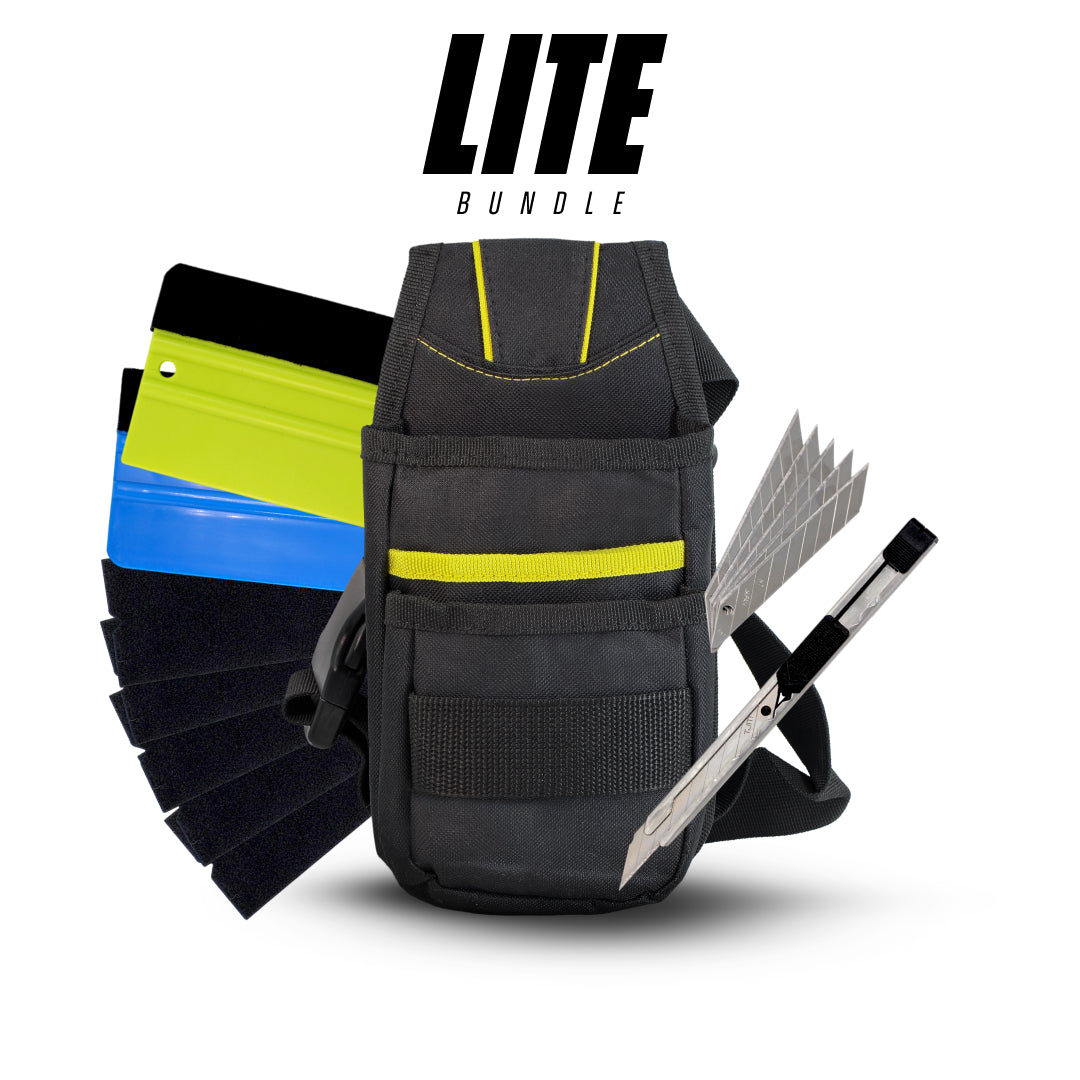
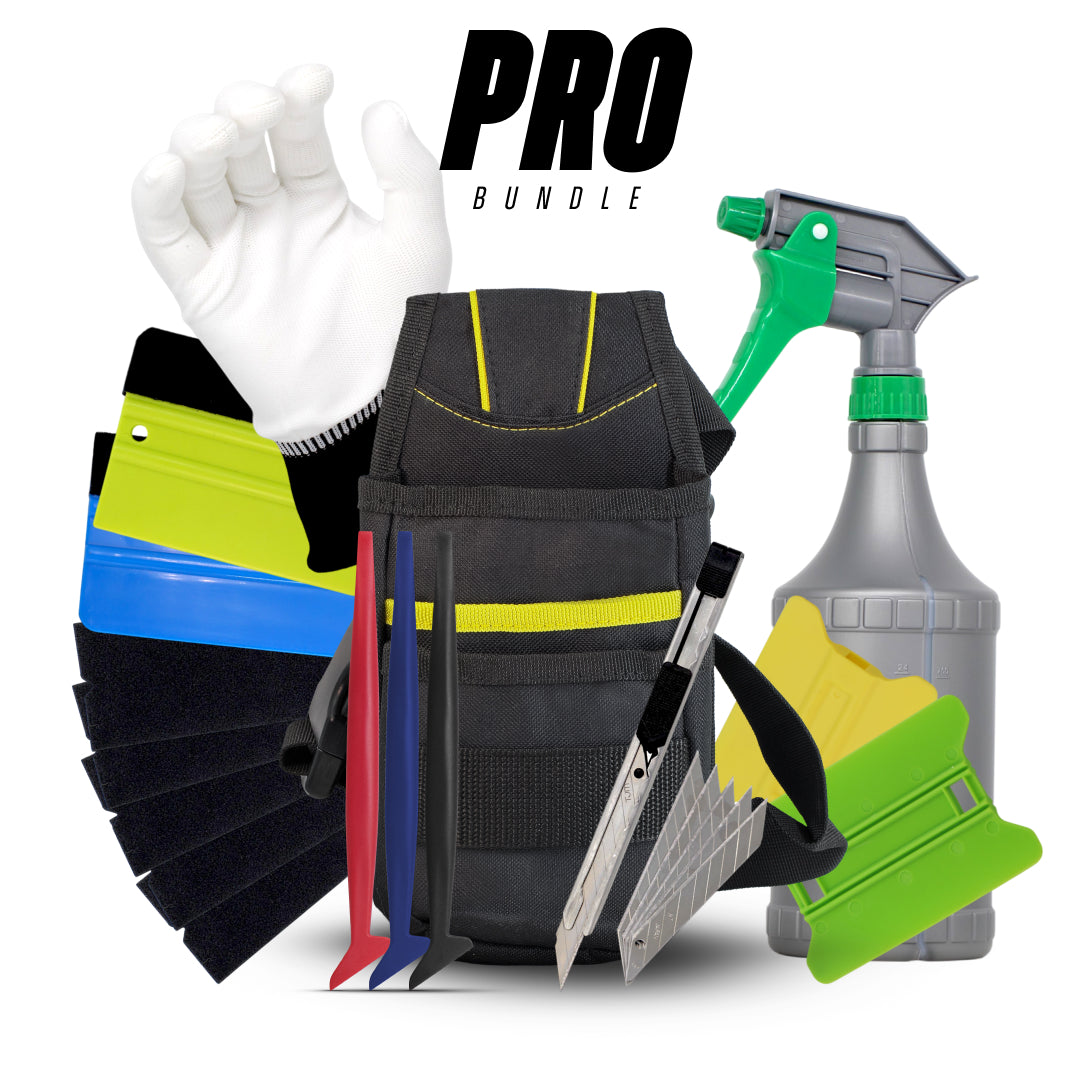
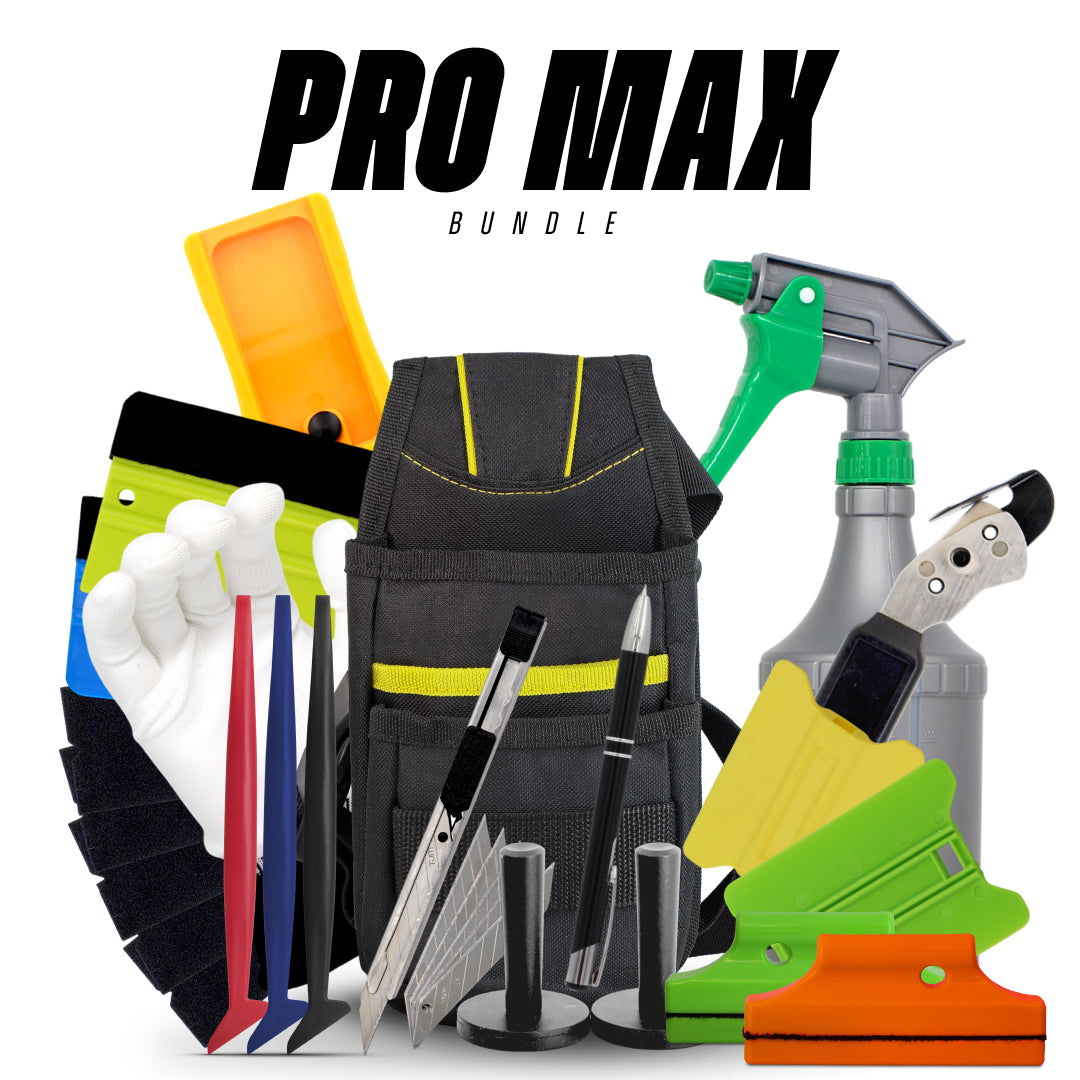
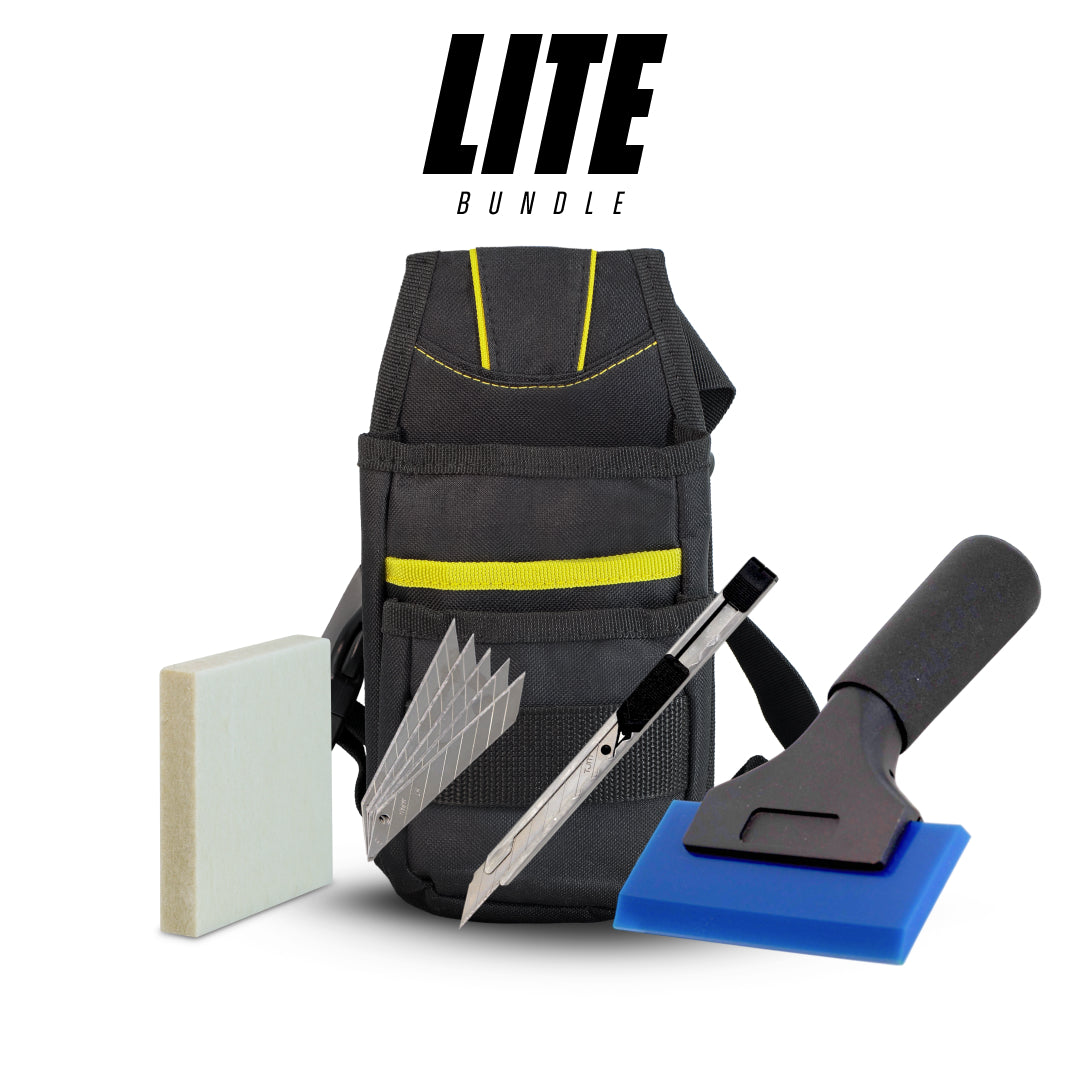
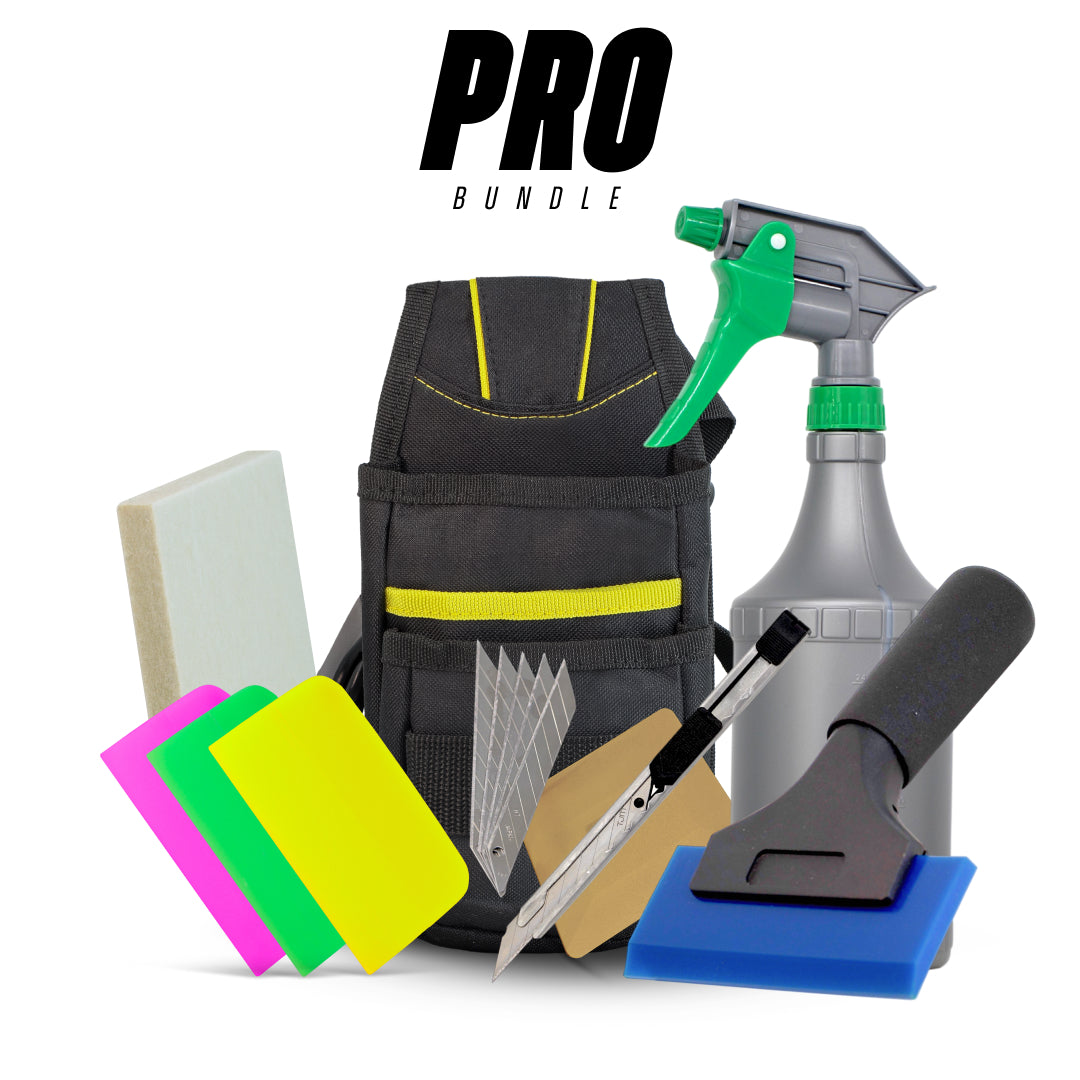
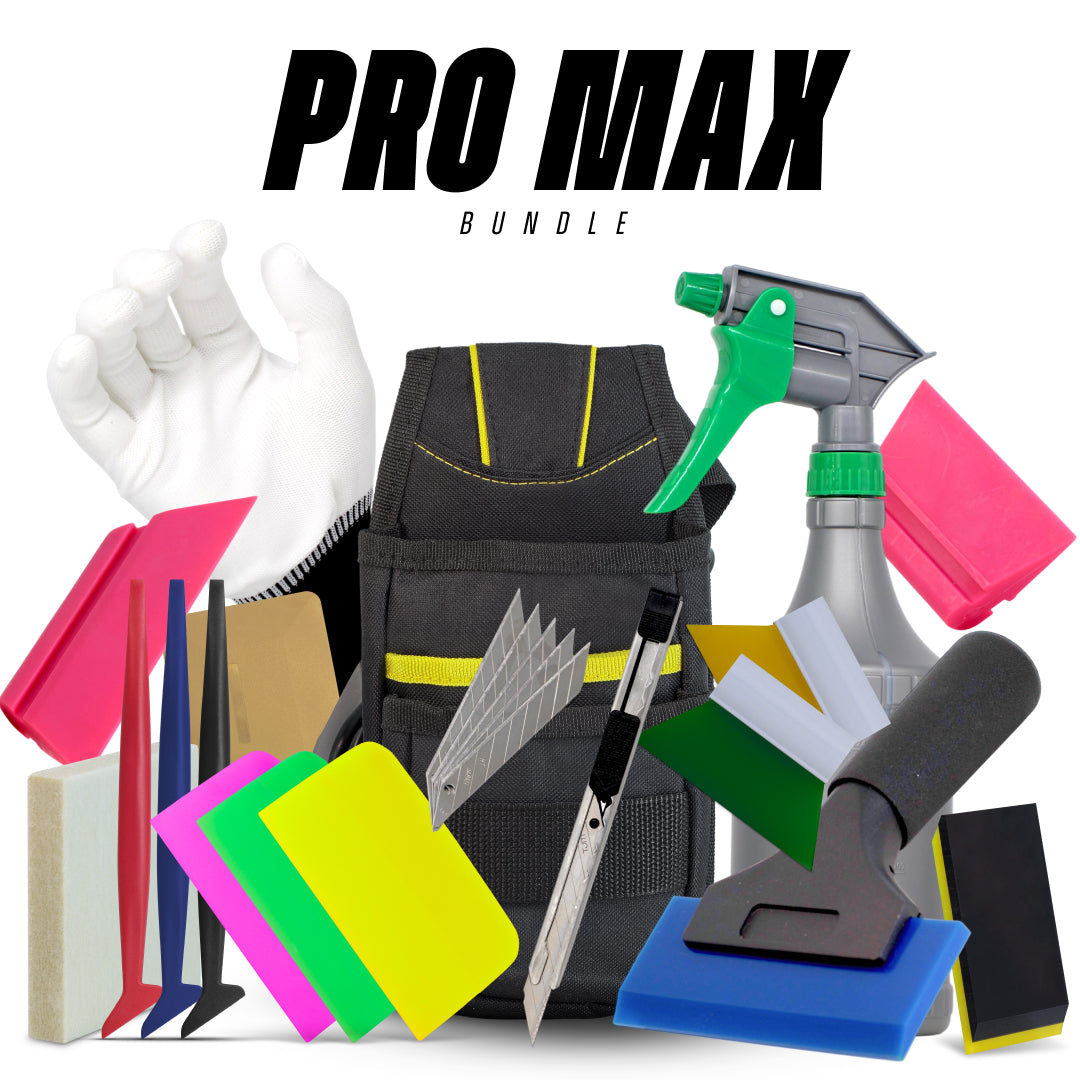
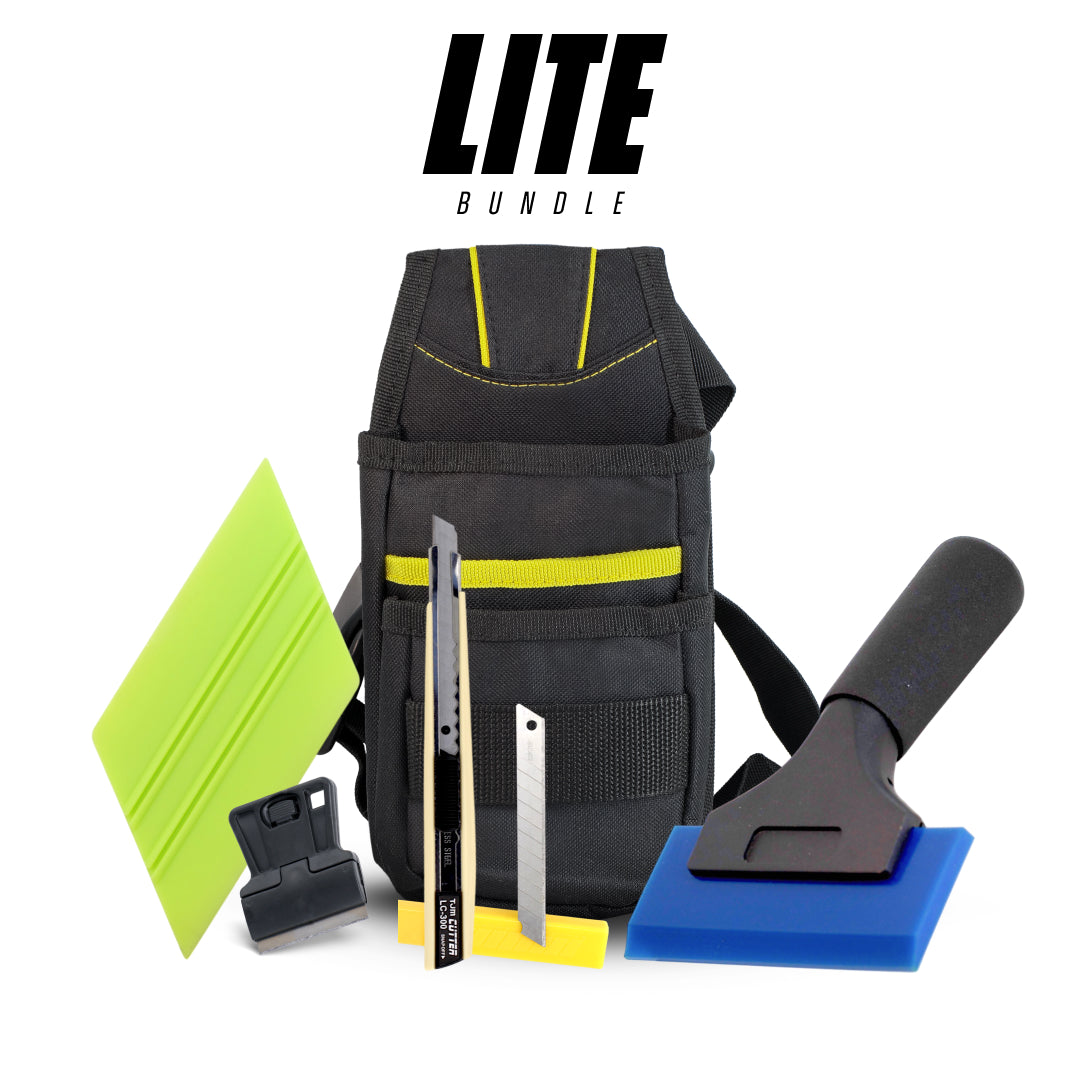
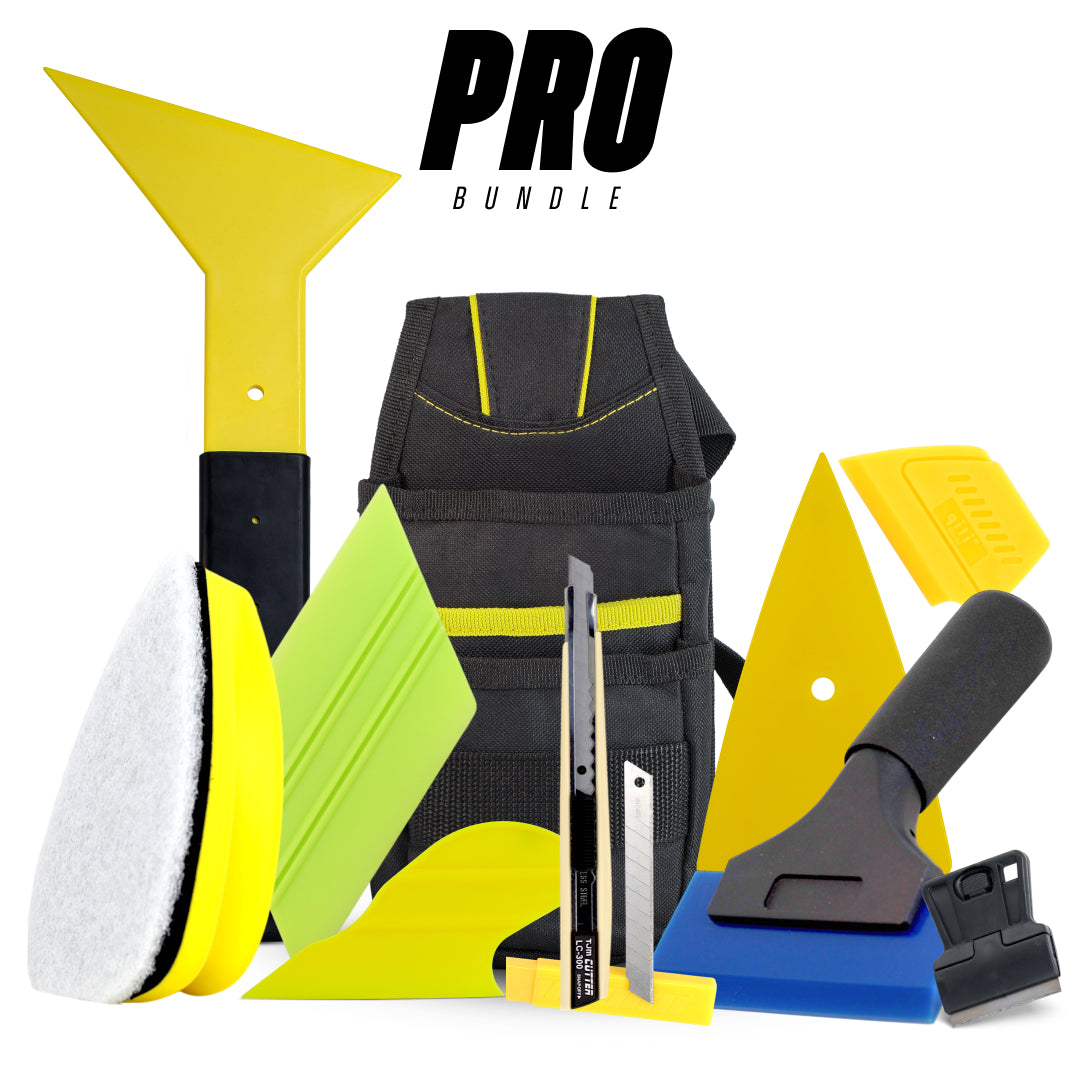
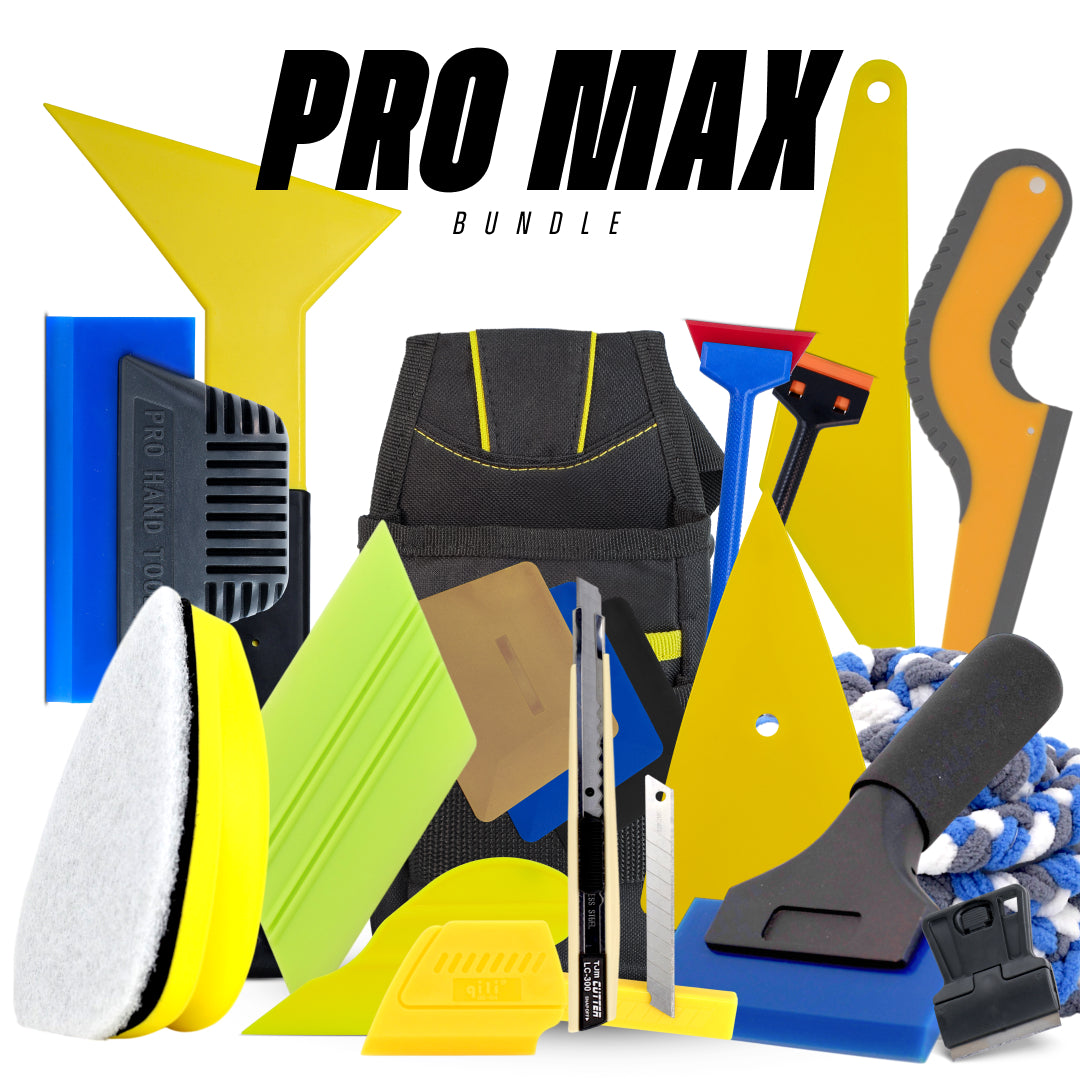
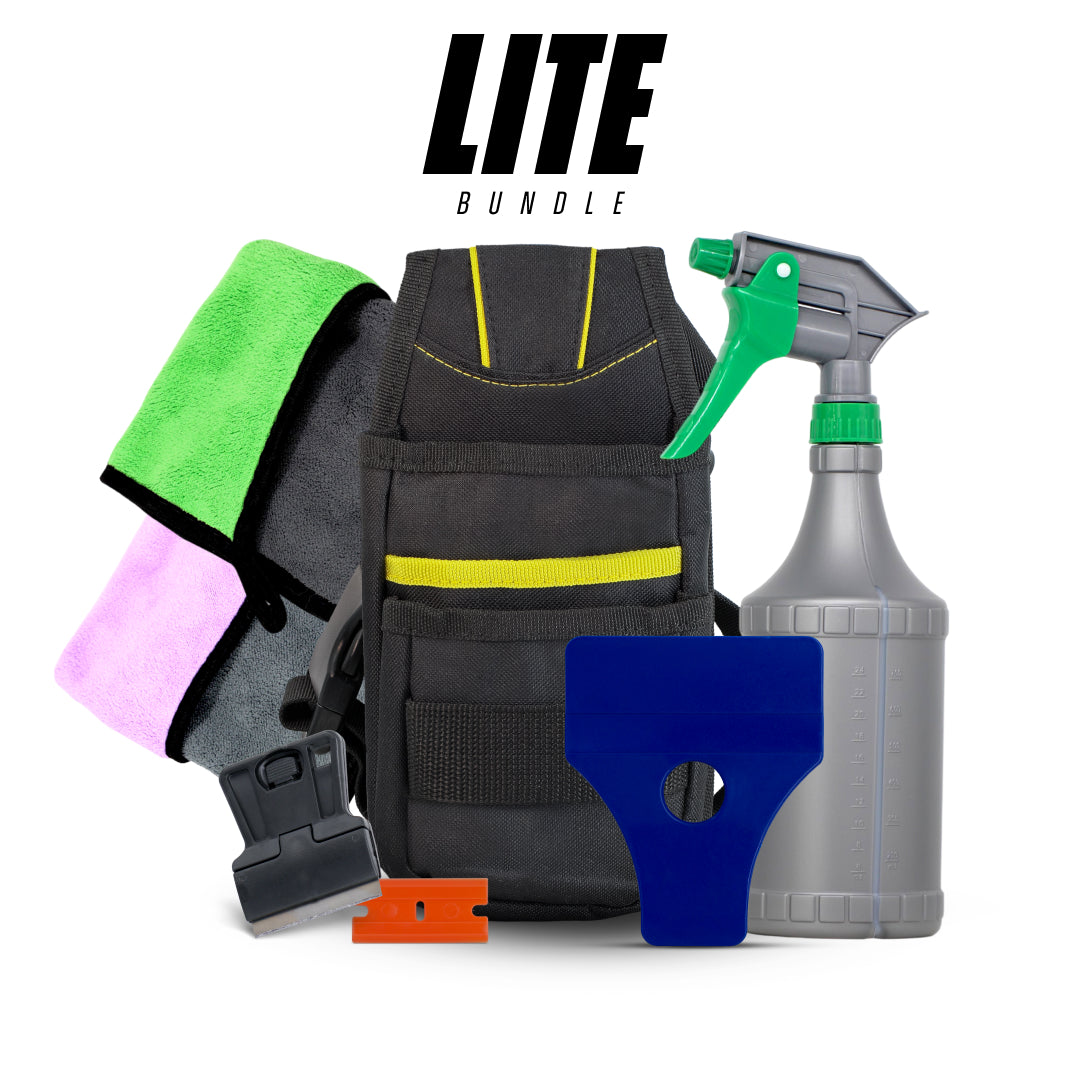
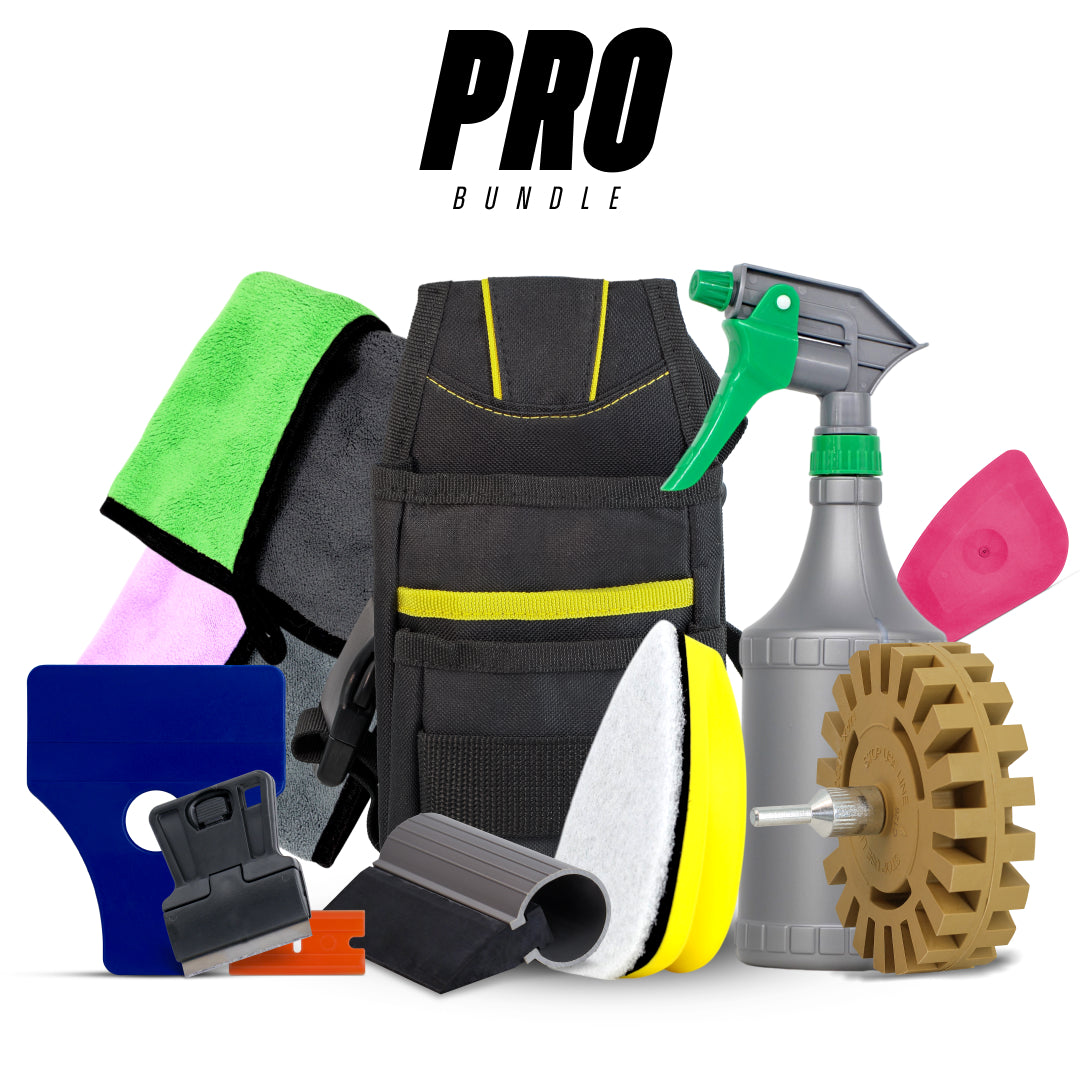
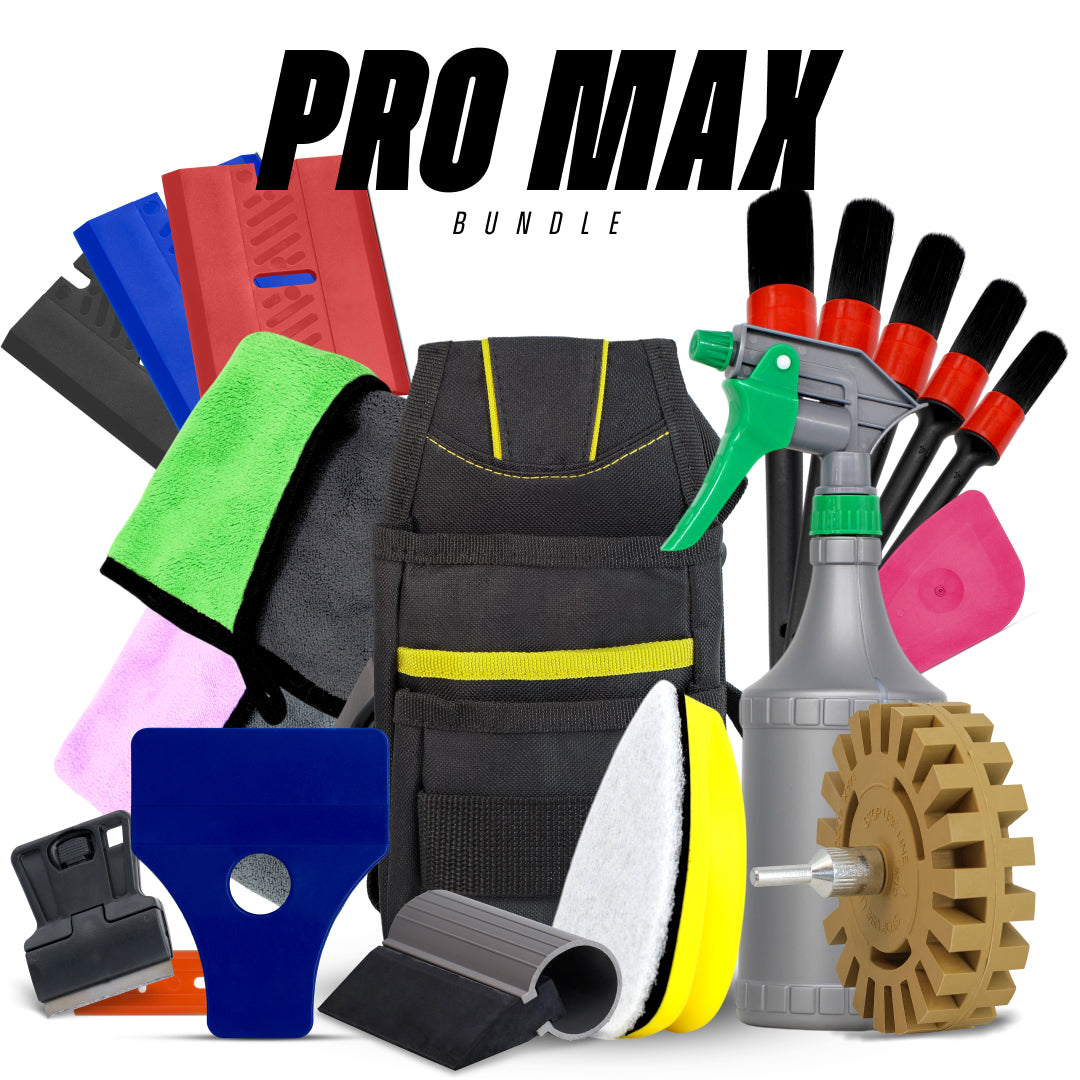
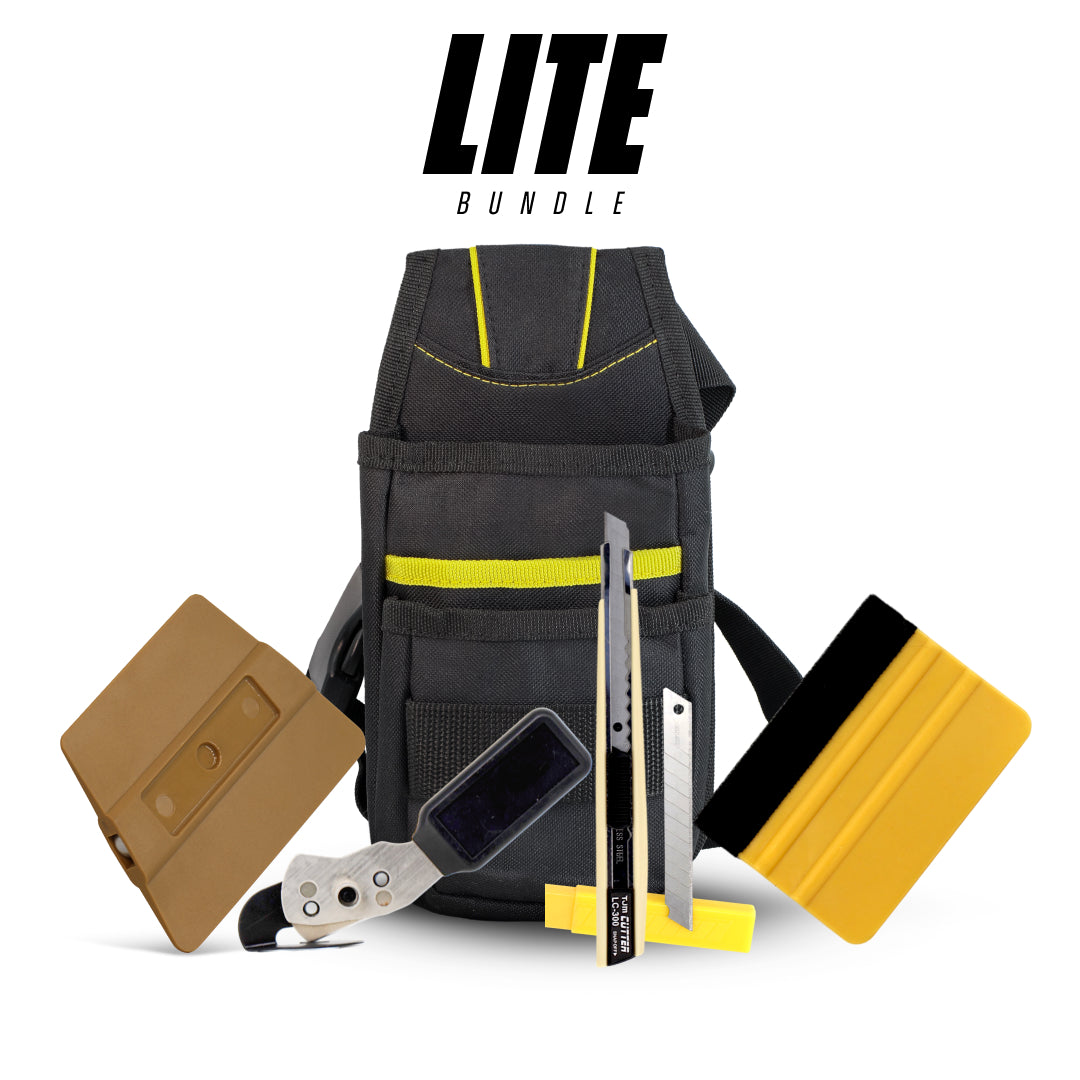
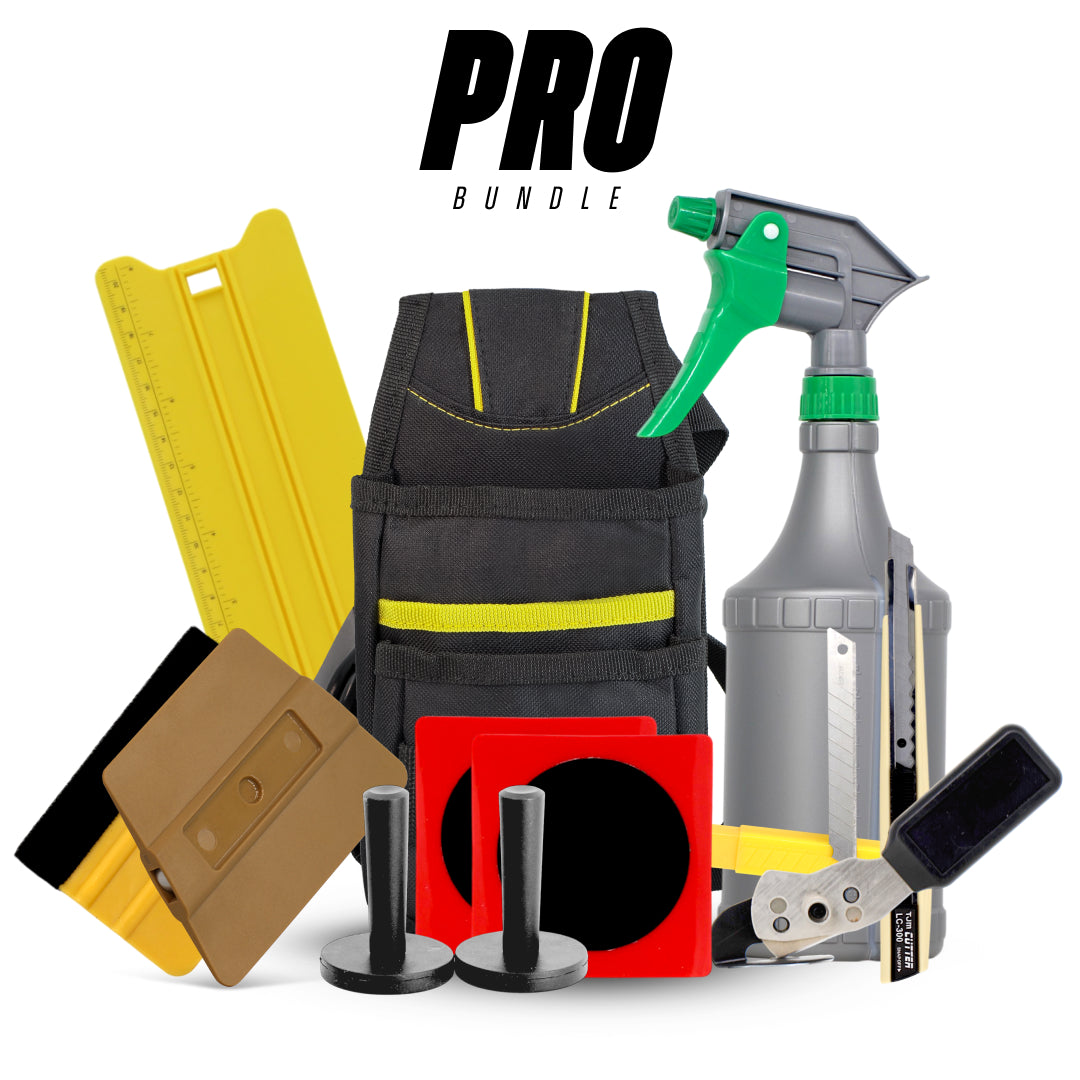
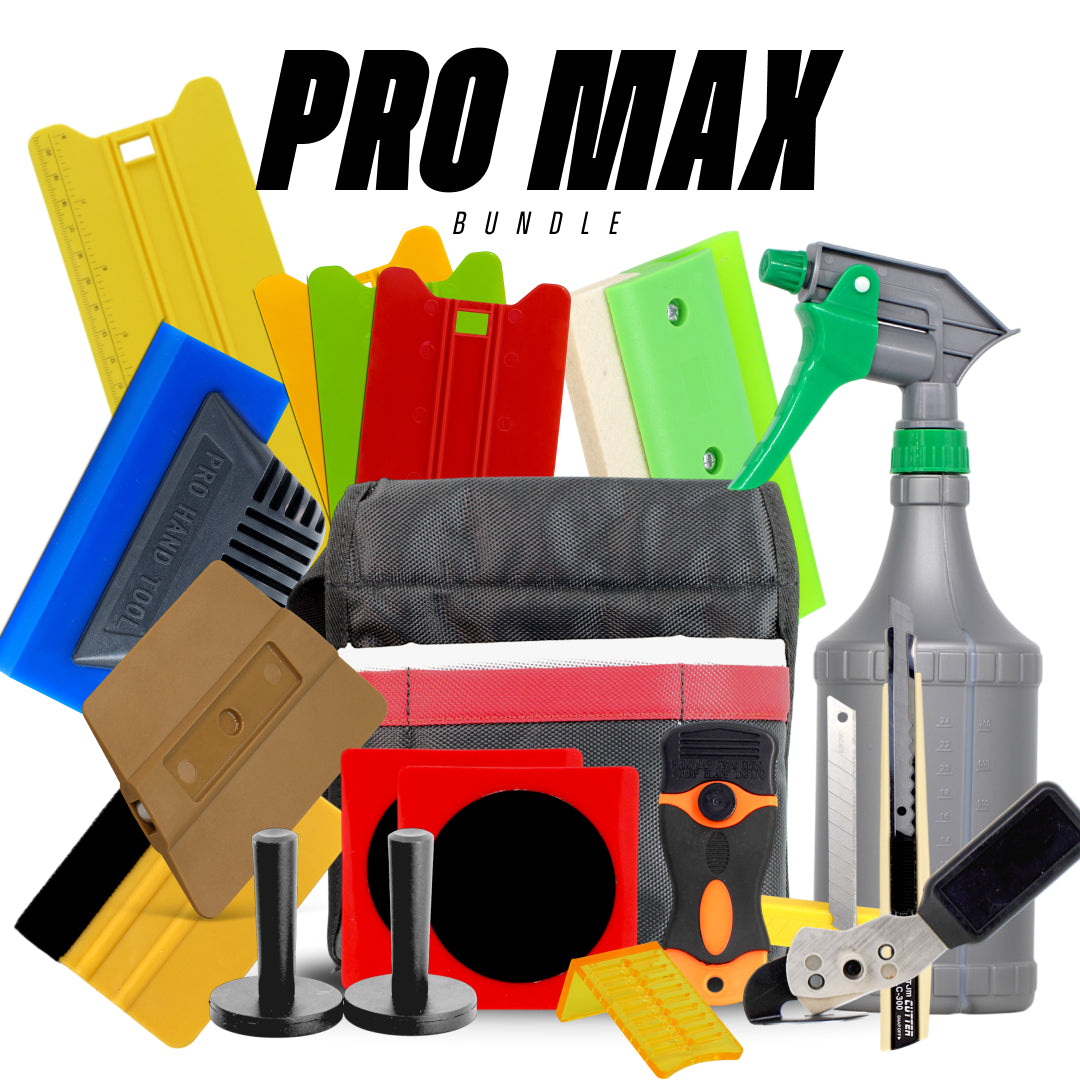
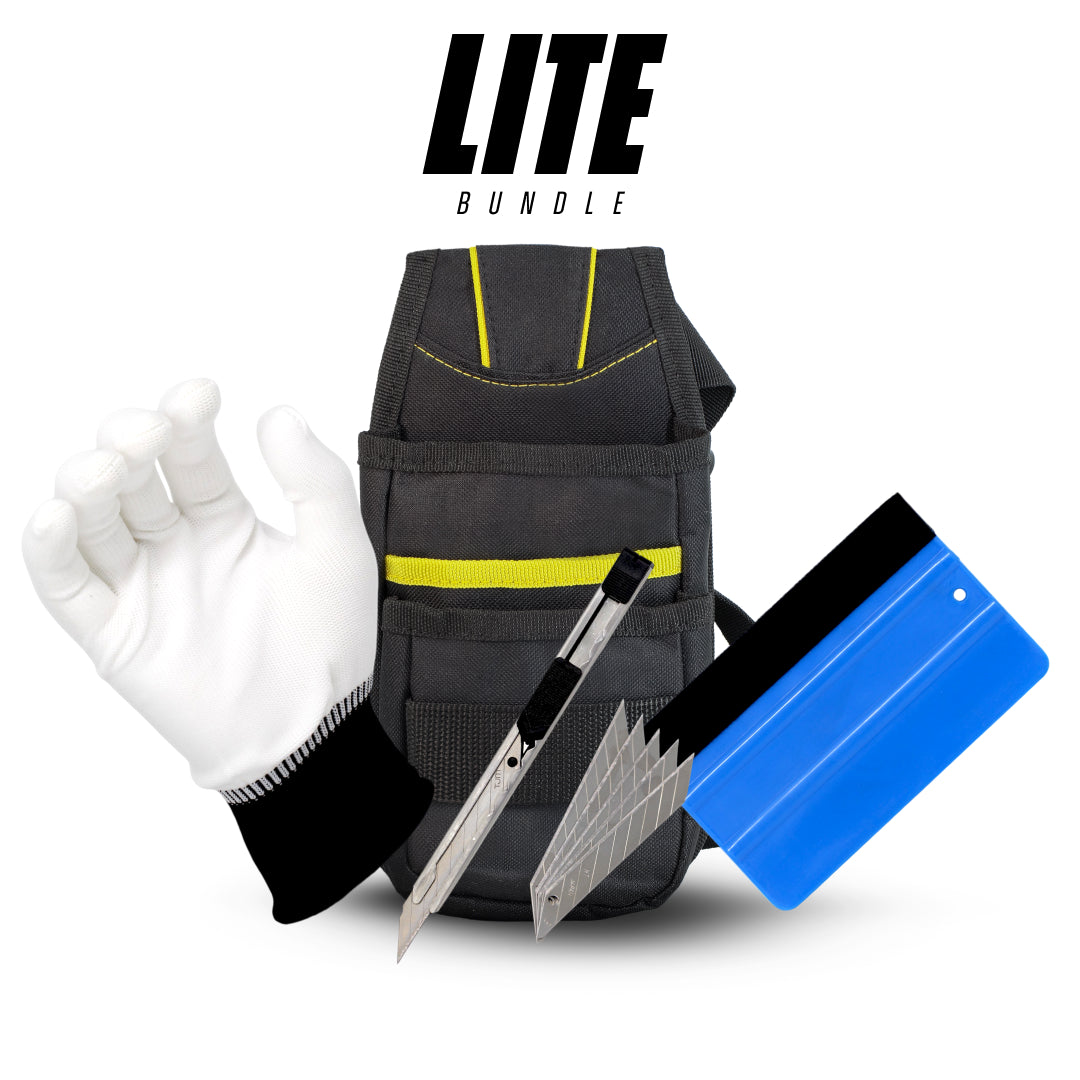
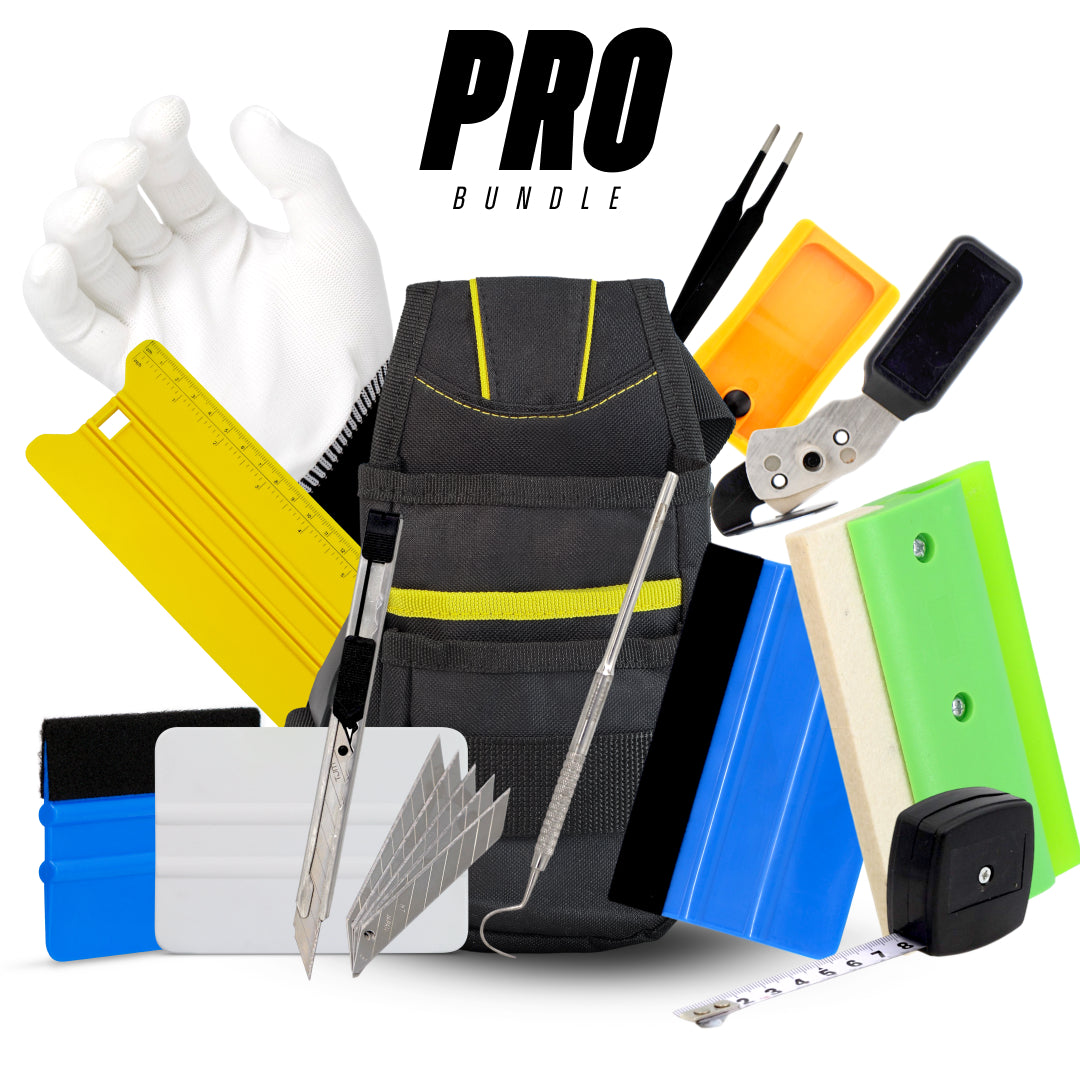
| Kit tier | Best for | Save | Price |
|---|---|---|---|
| PPF Tool Kit — Lite | First PPF install | 15% | $99.99 |
| PPF Tool Kit — Pro | Regular installers | 25% | $149.99 |
| PPF Tool Kit — Pro Max | Full-time installers | 26% | $239.99 |
Full Car PPF vs Partial PPF: What Should You Choose?
Choosing between full-body Paint Protection Film and partial coverage is one of the most important decisions you’ll make when protecting your vehicle. Both options offer excellent benefits, but the right choice depends on your budget, driving habits, how long you plan to keep the car, and how much protection you truly want. Understanding the differences helps you avoid overspending or under-protecting your vehicle, ensuring you get maximum value from your PPF investment.
Full car PPF means every painted surface is wrapped, from the front bumper to the rear quarter panels, doors, roof, pillars, and even the boot. This option offers the highest level of protection possible. It’s ideal for car owners who want to preserve their vehicle in near-mint condition for many years, whether for personal pride, resale value, or long-term ownership. Full coverage stops stone chips in all vulnerable areas, prevents scratches from daily use, and offers uniform gloss across the entire vehicle. It’s especially popular for luxury cars, sports cars, and new vehicles, where even a single scratch feels devastating. Another major advantage is consistency: when the entire car is wrapped, the finish looks even and perfectly smooth. There are no transitions between PPF and paint, ensuring a flawless, showroom-like appearance.
However, full-body PPF comes with a higher cost. Depending on the film brand and installer, a full wrap can easily cost several thousand dollars. While the investment is worth it for many people, others may find a partial PPF more suitable.
Partial PPF, on the other hand, focuses on the highest-impact zones, the areas most likely to be damaged. The most common partial package is the front-end PPF, which typically includes the front bumper, bonnet, headlights, side mirrors, and front guards. This is the prime area for stone chips, bug splatter, tar, and road debris. For most daily drivers, front-end protection offers a strong balance of affordability and function. Other partial options include door cups (to prevent fingernail scratches), door edges, side skirts, rear wheel arches, and the boot loading area. These areas are frequently scratched in everyday use, so protecting them prevents long-term visible wear.
One advantage of partial PPF is that you can upgrade later. Many car owners start with front-end protection and eventually add more areas as budget allows. Partial coverage also gives you a strong level of protection without committing to a full wrap.
So which option is right for you? If you own a high-end vehicle, plan to keep the car for many years, or want flawless paint from top to bottom, full-body PPF is the best choice. If you’re more budget-conscious or primarily want protection from stone chips, then partial PPF, especially front-end coverage, delivers excellent value. Ultimately, both options significantly extend your paint’s life and preserve your car’s appearance. The best choice depends on how much coverage you want today and how much you want to spend.
PPF vs Ceramic Coating vs Wax: Which Paint Protection Is Best?
When it comes to protecting your vehicle’s paint, three of the most common options are paint protection film (PPF), ceramic coating, and traditional wax. Each offers different levels of protection, durability, and maintenance requirements.
Understanding how they compare will help you choose the right solution for your needs and budget.
| Feature | Paint Protection Film (PPF) | Ceramic Coating | Wax |
|---|---|---|---|
| Protection Type | Thick, physical urethane film | Liquid nano-coating | Thin protective layer |
| Scratch Resistance | High (self-healing on premium films) | Low–moderate | Minimal |
| Stone Chip Protection | Excellent | None | None |
| UV Protection | High | High | Moderate |
| Gloss Enhancement | Moderate (natural finish) | High gloss | Warm shine |
| Durability | 5–10+ years | 2–5 years | 1–3 months |
| Maintenance | Low | Moderate | High (frequent reapplication) |
| Cost | High | Medium | Low |
When to Choose Each Option
Choose PPF for Maximum Protection
Paint protection film is the best option if your priority is preventing physical damage like stone chips, scratches, and road debris.
- Ideal for new or high-value vehicles
- Best for long-term ownership
- Commonly applied to high-impact areas or full vehicles
Choose Ceramic Coating for Shine and Easy Maintenance
Ceramic coating enhances the look of your car while making it easier to clean.
- Provides hydrophobic (water-repellent) properties
- Reduces dirt and grime buildup
- Works well as a top layer over PPF
Choose Wax for Short-Term Protection
Wax is the most affordable option but offers the least durability.
- Adds temporary shine and protection
- Requires frequent reapplication
- Suitable for older vehicles or quick detailing
Which Option Lasts the Longest?
PPF: 5–10+ years (longest-lasting, highest protection)
Ceramic Coating: 2–5 years (balance of durability and appearance)
Wax: 1–3 months (short-term solution)
Can You Combine PPF, Ceramic Coating, and Wax?
Yes, many professionals recommend combining solutions:
- Apply PPF to high-impact areas for physical protection
- Add ceramic coating over PPF for enhanced gloss and easier cleaning
- Use wax occasionally for additional shine (optional)
This layered approach provides maximum protection and visual appeal.
PPF offers the best protection against chips and scratches, ceramic coating enhances gloss and makes cleaning easier, while wax provides short-term shine with minimal protection. For long-term value, PPF is the most effective option.
For professional results, using the right PPF installation tools is essential for achieving a smooth, bubble-free finish.
Explore complete PPF tool kits designed to improve efficiency and installation quality.
If your goal is to protect your investment and maintain resale value, PPF delivers the highest return over time. Ceramic coating is best used as a complementary layer, while wax is ideal for short-term enhancement.
The Truth About Cheap Paint Protection Film: What You Need to Know
When searching for PPF, it’s tempting to choose the cheapest option; after all, many films look similar at first glance. But cheap paint protection film often comes with hidden costs, long-term issues, and major risks that far outweigh any short-term savings. Understanding the truth about low-cost PPF can save you from irreversible damage, wasted money, and disappointment down the road.
The biggest problem with cheap PPF is the material quality. Low-cost films are often made from PVC instead of TPU. PVC-based films were common 10–15 years ago, but they are outdated by today’s standards. PVC films tend to yellow, crack, and harden much faster, especially in Australia’s intense UV environment. TPU films, on the other hand, are flexible, self-healing, UV-resistant, and designed for long-term durability. Cheap films may start to discolour within months, creating ugly patches or a cloudy appearance that ruins the look of your car.
Another major issue is the lack of self-healing technology. Modern premium PPF features a self-healing top coat that instantly repairs light scratches and swirl marks with heat. Cheap films often skip this feature entirely, meaning scratches accumulate over time, leaving the car looking older and duller. Without self-healing ability, maintenance becomes much harder, and the film’s lifespan decreases dramatically.
Cheap PPF also struggles with adhesion and clarity. Low-quality adhesives can cause the film to lift at edges, bubble, or peel, especially around high-stretch areas like bumpers and curves. Poor clarity means the film may look hazy or textured, reducing the natural shine of your paint. This is especially noticeable on darker cars, where defects stand out more prominently.
One of the most significant risks is that cheap films often come with little to no warranty. Reputable brands offer warranties from 5 to 12 years, covering cracking, peeling, yellowing, and bubbling. Cheap films either offer short warranties or none at all, leaving you with full financial responsibility if the film fails. And because cheap films tend to fail earlier, owners often end up paying more for removal and reinstallation with a higher-quality product later.
Installation difficulty is another concern. Cheap films are harder to work with because they lack elasticity, making it more difficult for installers to stretch or contour the material around complex curves. This increases installation time and leads to a higher chance of visible defects. Professional installers typically refuse to work with cheap films because they know the product will fail and reflect poorly on their reputation.
Lastly, cheap PPF can actually damage your paint. Poor adhesives can bond too aggressively or unevenly, and when it’s time to remove the film, the adhesive can pull clear coat or paint off with it, especially on repainted panels. This turns what should be a protective upgrade into an expensive repair job.
In short, cheap PPF is rarely worth the risk. While the price may seem attractive, the long-term problems, yellowing, peeling, poor protection, lack of warranty, and potential paint damage, make it a costly mistake. Investing in high-quality PPF ensures your vehicle stays protected, looks stunning, and retains maximum value over time.
How PPF Preserves Your Car’s Resale Value

One of the most overlooked benefits of Paint Protection Film is its significant impact on your vehicle’s resale value. Whether you plan to sell your car in two years or ten, PPF can dramatically increase what buyers are willing to pay, and in many cases, you can recover most or even all of your original investment simply because the paint remains in exceptional condition. In today’s used-car market, where buyers are more selective than ever, having flawless paint sets your vehicle apart instantly.
The first reason PPF boosts resale value is that it preserves the original factory paint, which is incredibly important. Factory paint is applied under controlled conditions, baked at specific temperatures, and finished to a standard that most body shops can’t replicate. When paint is resprayed, even by “good” shops, it is rarely identical to the original finish. Colour match issues, texture differences, and long-term fading can make resprayed panels noticeable to trained eyes. Buyers know this, and many avoid vehicles with any non-factory paintwork. PPF protects your original finish, preventing chips, scratches, swirls, and UV damage so the paint underneath stays untouched and in showroom condition.
Another major advantage is that PPF makes your vehicle look newer for longer. Even if the car is several years old, the presence of well-maintained PPF gives it a fresh, glossy appearance. Buyers often assume a PPF-protected car has been cared for meticulously, signalling that the owner likely maintained other components just as well. This positive perception alone can add hundreds or thousands to the resale price.
PPF also prevents the minor cosmetic issues that commonly devalue cars: stone chips on the bonnet, bug-etched clear coat on the bumper, scratches around the door handles, and abrasion on the boot ledge. These are small flaws individually, but together they significantly reduce perceived value. With PPF, these issues simply never occur, and the car maintains a clean, crisp, damage-free exterior.
In competitive markets, especially for luxury brands, performance cars, 4×4 vehicles, and EVs like Tesla, buyers specifically look for cars that already have PPF installed. It saves them the cost of installing it themselves, making your vehicle more desirable. Many will even prioritise your listing over cheaper alternatives because they know they’re getting a protected, well-cared-for car.
Dealers also respond positively to PPF during trade-ins. A vehicle with perfect paint commands higher trade-in figures, and dealerships often remarket PPF-protected cars at a premium due to their superior condition. Some dealers even note “PPF installed” in their listings because they know buyers value it.
Ultimately, while PPF is an upfront investment, it pays dividends when it’s time to sell. By preserving the originality, gloss, and structural integrity of your paint, PPF ensures your vehicle stands out, maintains a premium appearance, and commands top-dollar resale or trade-in value.
Common Myths About Paint Protection Film (PPF) Debunked
Despite how advanced modern Paint Protection Film has become, there are still plenty of myths and misconceptions that confuse car owners. Many of these outdated beliefs come from old PPF generations, poor installations, or cheap films that gave the industry a bad reputation. Today’s premium TPU films are entirely different, clearer, stronger, more durable, and far more advanced. To help you make an informed decision, let’s break down the most common myths and reveal the truth behind each one.
Myth #1: “PPF turns yellow over time.”
This myth comes from early PVC-based films that didn’t have proper UV inhibitors. They would oxidise and turn yellow in just a couple of years. Modern TPU PPF is engineered to resist yellowing with advanced UV filters and top-coat technology. Reputable brands back their films with warranties that specifically guarantee no yellowing. As long as you choose a quality film and a reputable installer, yellowing is no longer a concern in 2025.
Myth #2: “Ceramic coating is better than PPF.”
Ceramic coating and PPF do completely different things. Ceramic coatings offer gloss and hydrophobic properties, but they cannot stop stone chips, scratches, or impact damage. PPF is the only product that provides physical protection. In reality, the best solution is both: PPF for protection and ceramic coating on top for gloss and easy maintenance.
Myth #3: “PPF makes your car look dull.”
This myth is outdated. Cheap films used to have an orange-peel texture, but today’s high-quality TPU films are nearly invisible. Some even add extra gloss or come in matte finishes to transform the car’s appearance. When installed correctly, PPF enhances the paint, making it look smoother and deeper rather than dull.
Myth #4: “PPF is only for luxury or sports cars.”
While owners of luxury cars often choose PPF, the truth is that any vehicle benefits from paint protection, including daily commuters, 4WDs, utes, family SUVs, and even older cars. Stone chips and scratches don’t discriminate. Anyone who wants their car to stay in great condition can benefit from PPF, whether the car costs $10,000 or $200,000.
Myth #5: “PPF is too expensive for what you get.”
PPF isn’t cheap, but it offers value by preventing paint damage that costs far more to repair. A single front-end respray can cost more than a partial PPF package. When you factor in avoided damage, long-term appearance, and increased resale value, PPF often saves money over the life of the vehicle.
Myth #6: “PPF will damage the paint when removed.”
A properly installed, high-quality PPF will not damage factory paint when removed. Issues only arise when films are cheap, old, or applied incorrectly, especially on repainted surfaces. Professional installers use safe removal techniques that leave the factory clear coat untouched.
Myth #7: “PPF doesn’t last long.”
Modern TPU films last 8–12 years with proper care. This lifespan is supported by manufacturer warranties and real-world performance. Older films degraded faster, but today’s materials are significantly more durable and resistant to environmental factors.
Myth #8: “PPF is visible and ruins the look of the car.”
When installed correctly, PPF is nearly impossible to spot unless you know where to look. Film edges are wrapped and aligned precisely, and the clarity is high enough that most people will never notice it's there.
Debunking these myths highlights why PPF has become the gold standard for car paint protection. Many concerns are based on outdated information, poor installations, or low-quality films, not the high-performance products available today. Modern PPF is clearer, stronger, more durable, and more reliable than ever before.
The Science Behind Paint Protection Film: How Modern PPF Works
Paint Protection Film is far more advanced than it may appear from the outside. Beneath its clear and seemingly simple surface lies complex material engineering designed to deliver impact resistance, flexibility, optical clarity, and self-healing properties. Understanding the science behind PPF not only helps you appreciate its value but also reveals why modern TPU films outperform older PVC films in every way.
The foundation of modern PPF lies in thermoplastic polyurethane (TPU), a material known for its elasticity, durability, and resistance to abrasion. TPU is a unique polymer that can stretch and flex without tearing, making it ideal for automotive surfaces that experience temperature changes, vibrations, and impacts. This flexibility is what allows PPF to absorb the force of stone chips and road debris, preventing the energy from transferring into your paint. Unlike brittle PVC films, TPU can deform and rebound quickly, maintaining long-term structural integrity.
Modern PPF typically consists of multiple engineered layers, each serving a specific purpose. The top coat is the most advanced part; this is where self-healing technology lives. Made from an elastomeric polyurethane, this layer reflows when exposed to heat. Minor scratches, swirls, and marks simply disappear under sunlight or warm water. This top coat also includes hydrophobic properties that repel water, dirt, and contaminants, making the car easier to clean.
Beneath the top coat is the urethane core, the thickest part of the film. This core absorbs impacts and provides most of the physical protection. It’s engineered to disperse energy across the material rather than allowing it to concentrate at one point. This is why even high-speed stone impacts rarely penetrate the film.
The next layer is the adhesive, which plays a crucial role. High-quality PPF uses pressure-sensitive adhesives that create a strong but removable bond with the paint. These adhesives must strike a perfect balance: strong enough to hold for 8–12 years, but gentle enough to be removed cleanly without damaging factory paint. Advanced adhesives also prevent yellowing, bubbling, or lifting, common issues with low-quality films.
High-end PPFs also include UV inhibitors throughout the layers. These inhibitors block harmful ultraviolet rays from penetrating the film and reaching your paint. They also protect the film itself from degrading or yellowing. This dual-layer protection ensures long-lasting clarity and colour preservation, even under harsh Australian sun.
Some modern films include nanoceramic top coatings, giving PPF the hydrophobic qualities of a ceramic coating. This hybrid construction makes the film slick, glossy, and resistant to stains. Another innovation is self-healing at lower temperatures, allowing the film to repair itself even on cooler days without needing direct heat.
Computer-aided design (CAD) and digital plotting technology also play a role in how PPF works today. Installers use pre-cut patterns that fit each specific vehicle model with precision, reducing the need for cutting on the car and minimising installation risks.
In summary, PPF is a fusion of chemistry, engineering, and design. Its multilayer construction, advanced materials, and self-healing capabilities make it one of the most scientifically sophisticated products in the automotive industry. It’s not just a film, it’s a technologically engineered shield for your vehicle.

The Best PPF for Black Cars / White Cars: What You Should Know
Choosing the right Paint Protection Film for your vehicle is important, but choosing the right PPF based on your car’s colour is even more crucial. Black and white cars are the two most popular colours on the road, yet they face completely different challenges when it comes to maintaining a flawless finish. Because of this, some PPF formulas perform better on darker colours, while others excel on lighter ones. Understanding these differences will help you choose the best protection for your specific vehicle.
Let’s start with black cars, which are notorious for showing every scratch, swirl, fingerprint, dust speck, and imperfection. Even the slightest micro-scratch is highly visible on dark paint. This is why black cars benefit enormously from PPF with advanced self-healing properties and a highly glossy finish. For darker colours, the ideal PPF is one with:
- Ultra-high optical clarity
- Deep gloss enhancement
- Fast, low-temperature self-healing
- Smooth, low orange-peel texture
Black paint acts almost like a mirror, so any imperfections in the film itself, texture, haze, or low clarity, become noticeable. Premium TPU films designed for black cars offer a deeper, “wet” glossy look that enhances the paint rather than dulling it. These films also heal swirl marks quickly, maintaining that showroom shine with minimal effort. If you own a black Tesla, BMW, Mercedes, or Japanese sports car, investing in high-end PPF is almost essential because the difference in appearance is dramatic.
White cars have a different challenge: while swirl marks are less visible, staining and contamination are far more noticeable. Bug splatter, tar, iron fallout, water spots, and road grime stand out strongly on white paint. Over time, this can lead to dullness or yellowish tones if the surface is not protected properly. For white vehicles, it’s important to choose PPF with:
- Strong anti-stain properties
- UV-resistant top coats
- Anti-yellowing technology
- Superior hydrophobic performance
White paint reflects sunlight more effectively, but it also shows dirt faster. High-quality PPF prevents contaminants from bonding to the surface, making cleaning easier and keeping the colour crisp and bright. The most common issue with poorly made PPF on white cars is yellowing, which is why investing in reputable TPU films with long-term UV warranties is crucial.
Whether your car is black, white, or a different colour entirely, the best PPF brands offer specific formulas designed to complement paint depth, gloss levels, and clarity. Some manufacturers also provide matte PPF, perfect for satin or matte-black finishes, which are even more vulnerable to permanent scratches since they cannot be polished.
Ultimately, the “best” PPF for your car colour depends on the look you want. If you own a black car and want a deep-gloss mirror finish, choose premium gloss TPU. If you drive a white car and want maximum stain resistance and long-term clarity, select a film with advanced UV inhibitors and hydrophobic layers. The right choice keeps your paint looking fresh, vibrant, and stunning for years to come.
How Much Does Paint Protection Film Cost? Pricing Guide for 2025
One of the most common questions car owners ask when considering Paint Protection Film is, “How much does PPF actually cost?” The answer depends on several factors, including coverage, vehicle size, film brand, installer expertise, and even your location. As of 2025, PPF prices have become more standardised across Australia, but differences still exist between high-end studios and smaller shops. Understanding the full pricing structure helps you make a smart, informed decision without overpaying or settling for subpar work.
The biggest factor affecting the cost of PPF is the coverage area. A full front-end package, which covers the front bumper, bonnet, headlights, side mirrors, and front guards, ranges from $1,200 to $2,500 depending on the film quality and installer. This is the most popular option because it protects the most chip-prone areas of the car. Many owners find this coverage to be the best balance between cost and protection, especially for highway drivers or brand-new vehicles.
A partial front-end package is cheaper, usually between $700 and $1,100, but it leaves part of the bonnet exposed and creates visible film lines. Most car owners prefer full-panel coverage for a cleaner appearance and better protection.
A full-body PPF wrap ranges from $4,000 to $8,500+, depending on the vehicle’s size and complexity. Large SUVs, sports cars with aggressive curves, and luxury vehicles tend to cost more due to the additional labour involved. Full-body protection offers the highest level of coverage and is ideal for drivers who want near-complete immunity from stone chips, scratches, and UV damage.
The brand of the film also plays a huge role. Premium TPU-based films from leading manufacturers, known for clarity, durability, self-healing capabilities, and long warranties, cost more but offer significantly better long-term results. Cheaper PVC or low-grade films can save a few hundred dollars upfront, but usually fail earlier, yellow over time, or provide inferior protection. In many cases, cheaper films end up costing more when they require removal and replacement.
Installer experience is another major pricing factor. Certified installers in professional studios often charge more, but their training, tools, dust-controlled environments, and digital plotters ensure cleaner, longer-lasting installations. Poorly trained or inexperienced installers may offer lower prices but often produce visible edges, bubbles, stretch marks, or contamination under the film. A poor installation can ruin even the highest-quality film.
Vehicle size and design complexity also matter. A compact hatchback costs far less to wrap than a large SUV, and vehicles with intricate bumpers, deep curves, or multiple panels demand extra time and skill. Gloss, matte, and satin films may differ slightly in price as well.
When evaluating PPF cost, it’s essential to look beyond the initial price. Consider the value of the protection, the potential cost of paint repairs, and how much PPF contributes to long-term resale value. A professionally installed, high-quality PPF job is one of the best automotive investments you can make, often paying for itself by preventing damage and preserving paint health.
PPF for New Cars: Why You Should Protect Your Vehicle from Day One

Installing Paint Protection Film on a brand-new car is one of the smartest decisions any car owner can make. In fact, the best time to apply PPF is immediately after purchase, before the paint experiences even a single day of exposure to stone chips, bird droppings, road debris, swirl marks, or UV damage. Once the paint suffers these defects, PPF can still protect it, but it can’t turn back time. That’s why applying film early is the key to keeping your vehicle’s finish in flawless, factory-fresh condition for years.
The moment your new car leaves the dealership, it becomes vulnerable to damage. Even the short drive home can cause stone chips, especially if you travel on highways or live in an area with loose gravel. New paint is delicate; the factory clear coat has had minimal exposure, and even a tiny impact can lead to chips that become permanent unless repaired. PPF acts as a protective barrier from day one, absorbing impacts and shielding your paint from immediate damage.
Another reason to protect your new car early is UV exposure. UV rays begin degrading the clear coat almost instantly, especially in Australia, where sunlight is extremely harsh. Once UV oxidation starts, the gloss can fade permanently. By applying PPF from the start, you lock in that deep, glossy, untouched factory finish and stop UV damage before it begins.
Many new car owners mistakenly believe the “dealer protection package” is enough. Unfortunately, these are often overpriced waxes or basic sealants that wash off after a few weeks. Even dealership-applied ceramic coatings cannot protect against chips, scratches, or abrasions. This is why so many new-car buyers skip dealership packages and head straight to professional PPF installers who use higher-quality materials and offer better long-term protection.
PPF also helps preserve the long-term resale value of new vehicles. Buyers love seeing paint that looks untouched, glossy, and defect-free. When selling or trading in a protected vehicle, you instantly stand out from the competition. Many high-end car buyers specifically search for cars with PPF already installed, viewing it as a sign of care and investment.
Finally, installing PPF early means the film itself lasts longer. When applied to brand-new paint, the adhesive bonds more effectively, the edges lay flatter, and the film stays clearer over time. There’s no need for paint correction, polishing, or surface restoration before installation, making the process smoother, cleaner, and more cost-effective.
In short, applying PPF from day one is the ultimate way to protect your new car investment. It preserves the factory finish, prevents early damage, maintains gloss, and keeps the vehicle looking newer for years, delivering long-term peace of mind and maximum value.
Self-Healing PPF: What It Is & Why Car Owners Love It
Self-healing Paint Protection Film is one of the most impressive innovations in the automotive industry. It seems almost magical at first: scratches heal themselves, swirl marks disappear, and the surface returns to a smooth, flawless finish without any polishing or repair. Yet this is not a trick; it’s advanced material science at work. Understanding how self-healing PPF functions explains why so many car owners consider it a must-have for long-term paint protection.
At the core of self-healing PPF is an elastomeric polyurethane top layer. This high-tech material has the unique ability to "reflow" when exposed to heat. When the surface acquires micro-scratches, the top layer relaxes and returns to its original state. In practical terms, this means light scratches disappear when the car sits in the sun, when you pour warm water on it, or when heat is applied with a blower. Unlike traditional clear coats, which can only be repaired with polishing, self-healing PPF repairs itself repeatedly throughout its lifespan.
This feature is incredibly useful because most scratches on cars are not deep gouges but small abrasions from washing, dust, clothing, or accidental contact. On dark-coloured cars, these marks stand out like neon lights. With self-healing film, these imperfections never build up. Your paint continues looking glossy and new, even after years of regular washing and driving.
Self-healing PPF also helps reduce long-term maintenance costs. You won’t need frequent paint corrections, polishing sessions, or swirl removal. Traditional paint would require several detailer visits a year to stay swirl-free, but PPF eliminates that need entirely. This is why car enthusiasts, collectors, and luxury car owners love self-healing films; they keep the car's finish pristine with minimal effort.
Another reason car owners love self-healing PPF is its long-term durability. The healing effect lasts for many years, thanks to advanced polymer memory technology. While the top coat naturally wears down over time, high-quality films can self-heal effectively for 7–10 years or more when properly cared for. Even in harsh climates like Australia, reputable PPF brands maintain exceptional performance, resisting UV degradation and maintaining clarity.
It’s worth noting that self-healing technology works best on light to moderate scratches. Deep cuts that penetrate the film cannot heal completely, but the film still prevents the damage from reaching your paint. This sacrificial protection is exactly what makes PPF so valuable; you replace the film instead of repainting the vehicle.
Self-healing PPF represents a powerful combination of protection, convenience, and cosmetic enhancement. It keeps your car looking spotless, reduces the need for detailing, and safeguards your paint from long-term damage. For anyone who cares deeply about the appearance of their vehicle, self-healing film isn’t just a luxury; it’s an investment that pays off every time you look at your car and see a flawless, scratch-free finish.
Paint Protection Film has evolved into one of the most effective and advanced solutions for preserving a vehicle’s appearance. From preventing stone chips and scratches to offering UV protection, stain resistance, and self-healing capabilities, PPF provides unmatched long-term value for car owners. It protects the original factory paint, boosts resale value, and keeps your car looking newer for years. Whether you choose partial front-end coverage or a full-body wrap, professional installation and proper maintenance ensure your PPF lasts 8–12 years or more.
In 2025, with rising vehicle prices and increasingly harsh driving conditions, PPF has become a smart investment for anyone who wants to keep their car in pristine condition. If you value glossy, flawless paint and long-term durability, Paint Protection Film is one of the best automotive upgrades you can make.
Are you unsure which tool or kit is right for your job?
Our expert team at Oz Sign Supplies is here to help. Reach out today, and we’ll direct you to the best tools to suit your project, ensuring you get the job done right the first time.

PPF Tool Kit – Pro Max
$239.99
What's Included The PPF Tool Kit Pro Max includes a complete set of professional Paint Protection Film tools designed for...
Kit me out