


Cabinet Wrapping vs. Repainting: Which Saves More Time and Money?
Specialty & Non-Automotive Wraps: The Modern Makeover Revolution
Suppose you've ever wished you could makeover your kitchen, bathroom, office, or furniture without spending thousands, or living with the mess and chaos of demolition. In that case, you're going to love what specialty and non-automotive wraps can do. Most people think of vinyl wraps as something reserved for cars, trucks, and fleet branding, but interior designers, homeowners, contractors, and even business owners are discovering the truth: vinyl wrapping is one of the most affordable, efficient, and visually impressive makeover methods available today.
Vinyl wraps have become the quiet hero of modern renovations. Imagine instantly transforming dull wooden cabinets into sleek matte-black finishes, giving old appliances a stainless-steel look, or refreshing an outdated commercial space overnight. It’s no longer just about aesthetics; it’s about speed, savings, and sustainability. And unlike traditional remodelling methods, vinyl wrapping skips the mess, dust, sanding, chemical smells, and weeks of downtime. You're essentially giving surfaces a brand-new skin without replacing anything underneath.
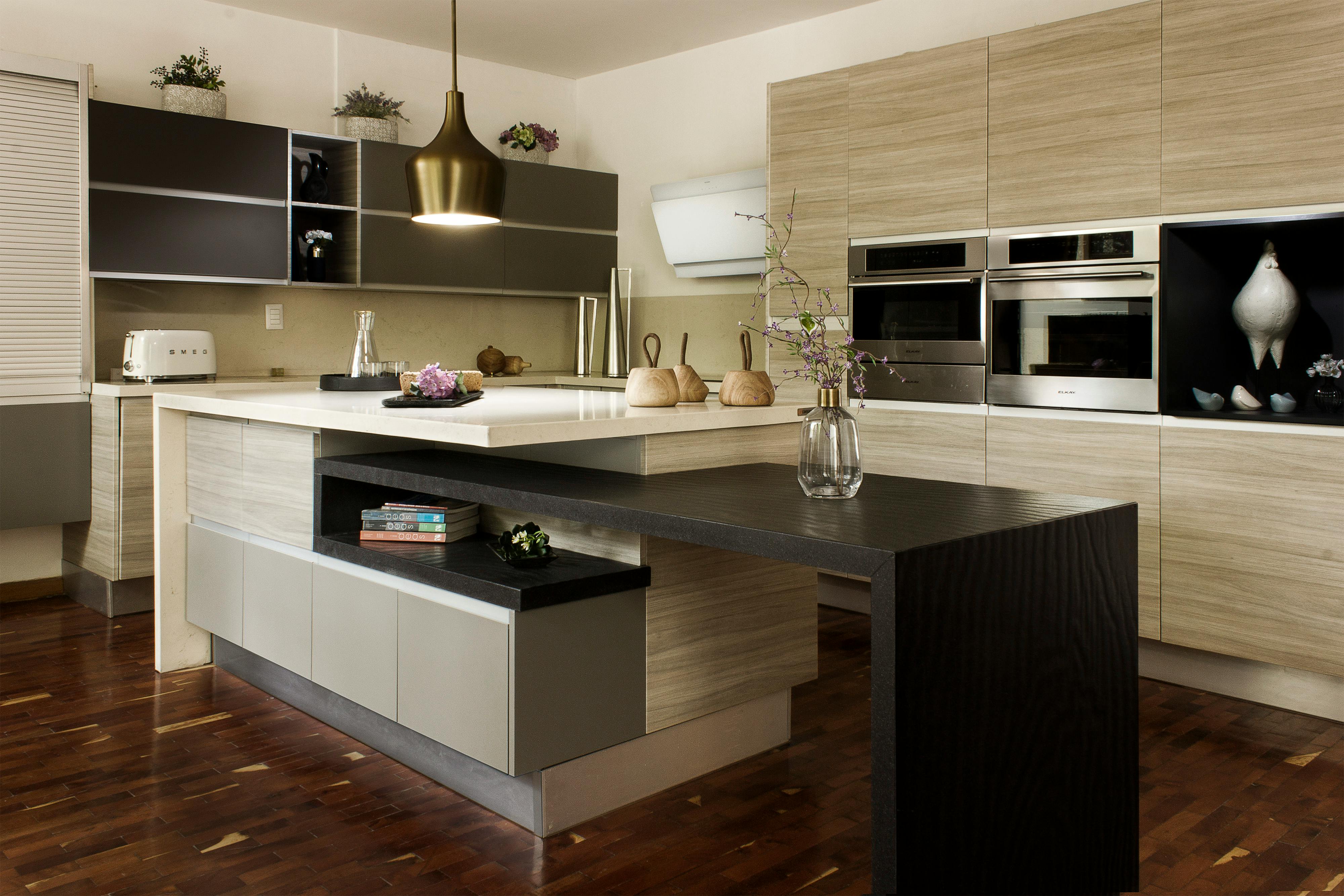
What makes this movement so exciting is the level of customisation now available. Want a Scandinavian light-oak kitchen? Done. Prefer a dramatic high-gloss marble island wrap? Easy. Love industrial concrete textures, but don’t want real concrete weighing down your walls? Vinyl makes it possible. The evolution of wrap film technology has opened doors to designs that were once expensive or structurally impossible.
Another major reason non-automotive wrapping has taken off is the rise of fast home makeovers on platforms like TikTok and Instagram. People want upgrades that look luxurious but fit real-life budgets, and they want them fast. Vinyl wraps deliver exactly that. They’re ideal for renters, homeowners preparing homes for sale, design lovers who crave variety, and businesses that must maintain fresh branding without costly renovations.
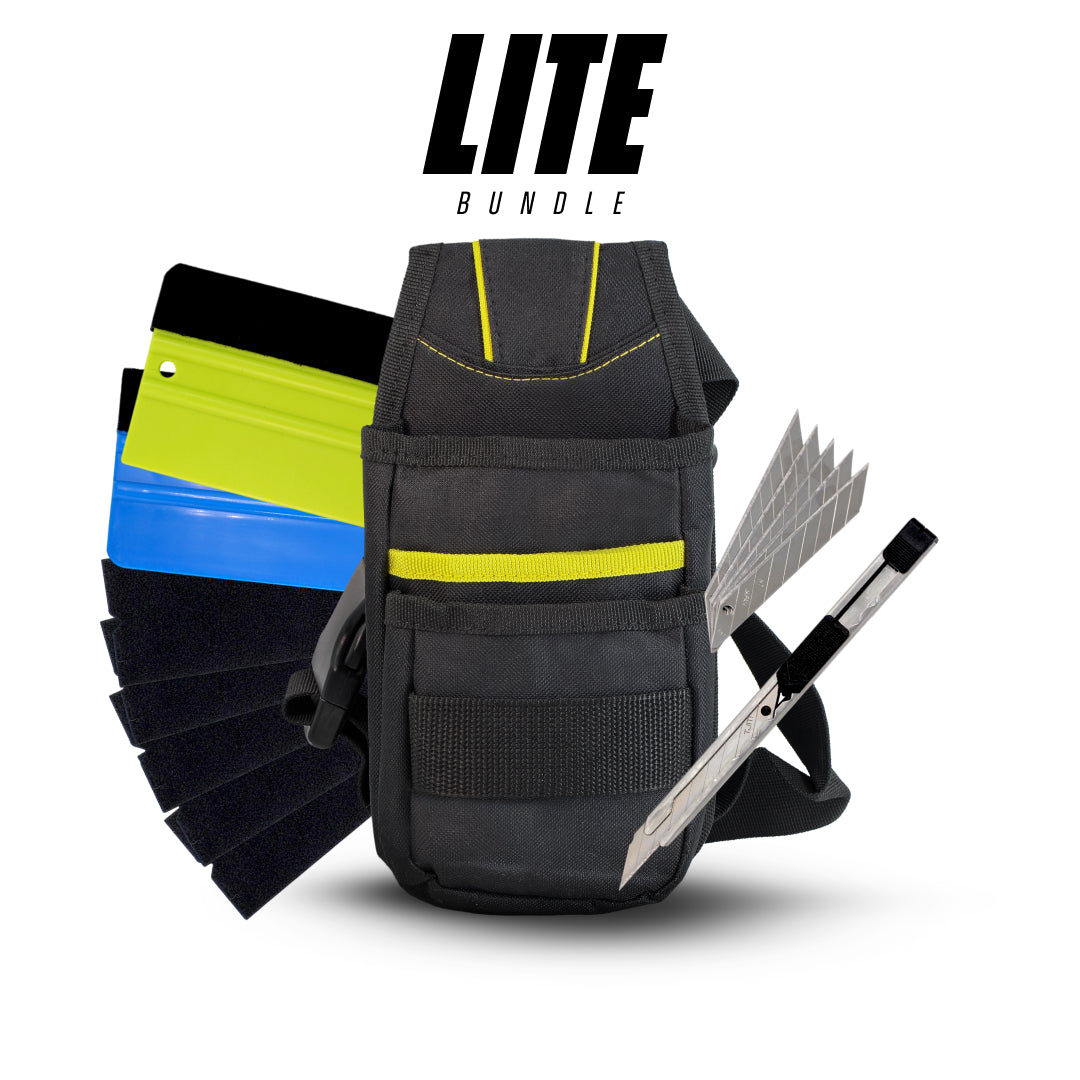
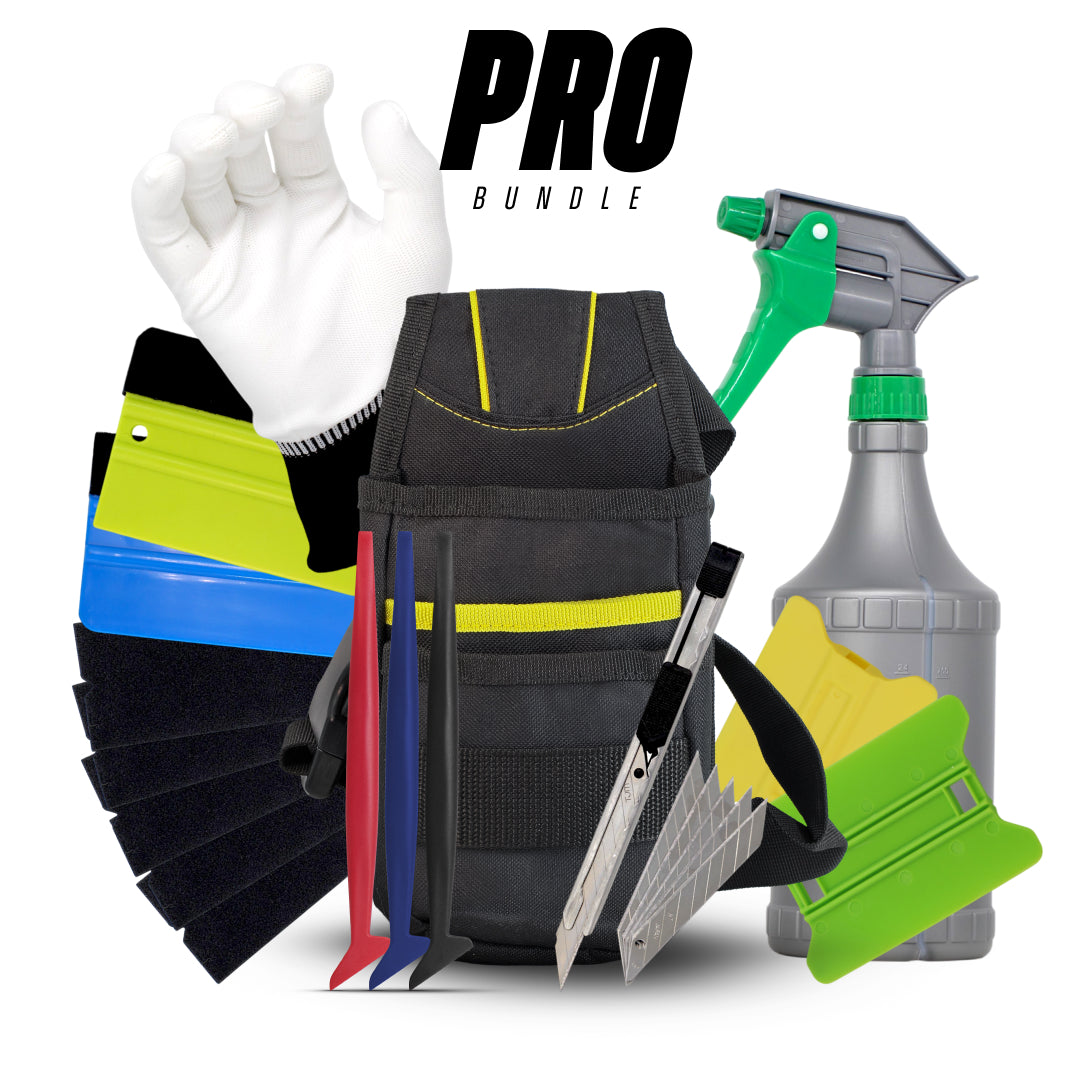
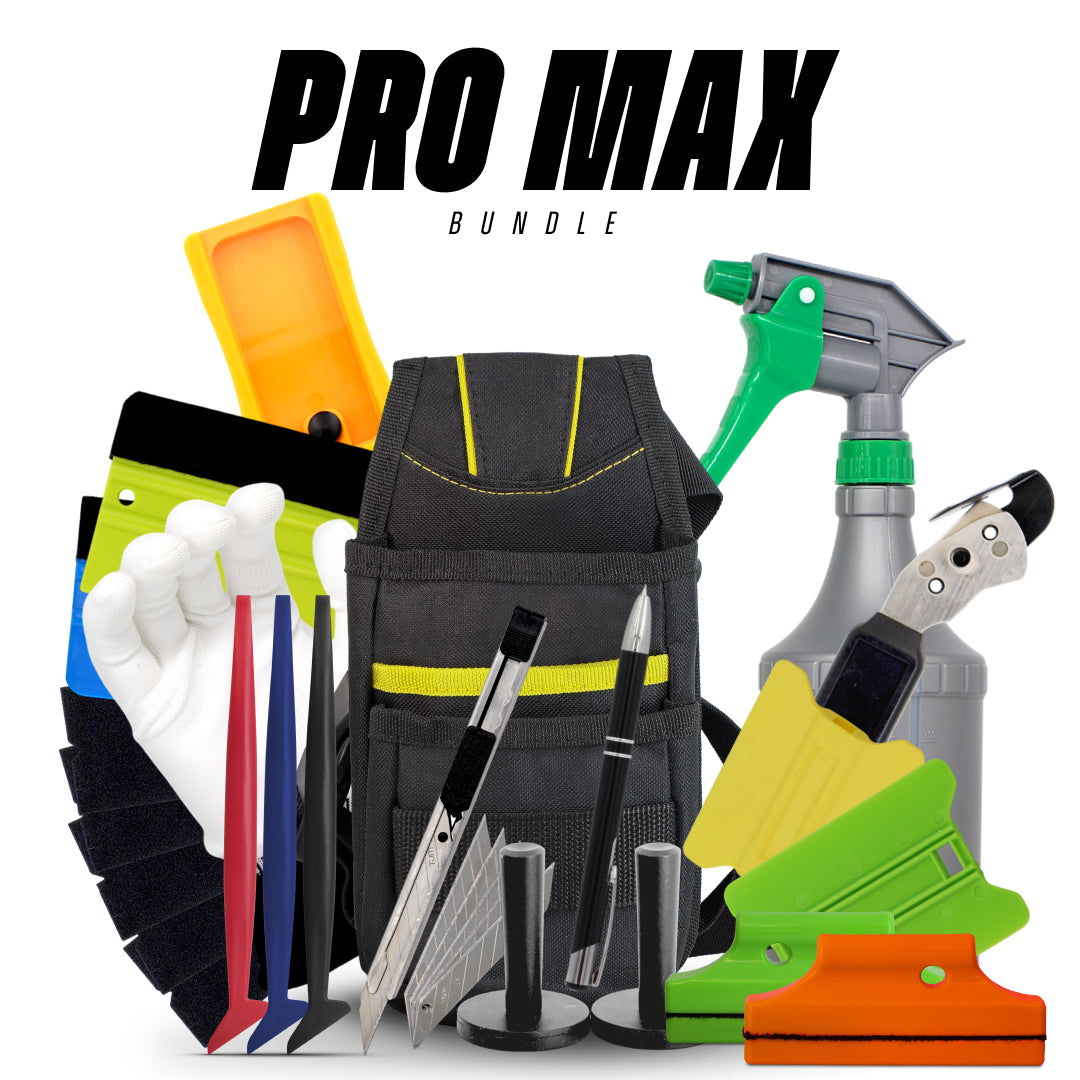
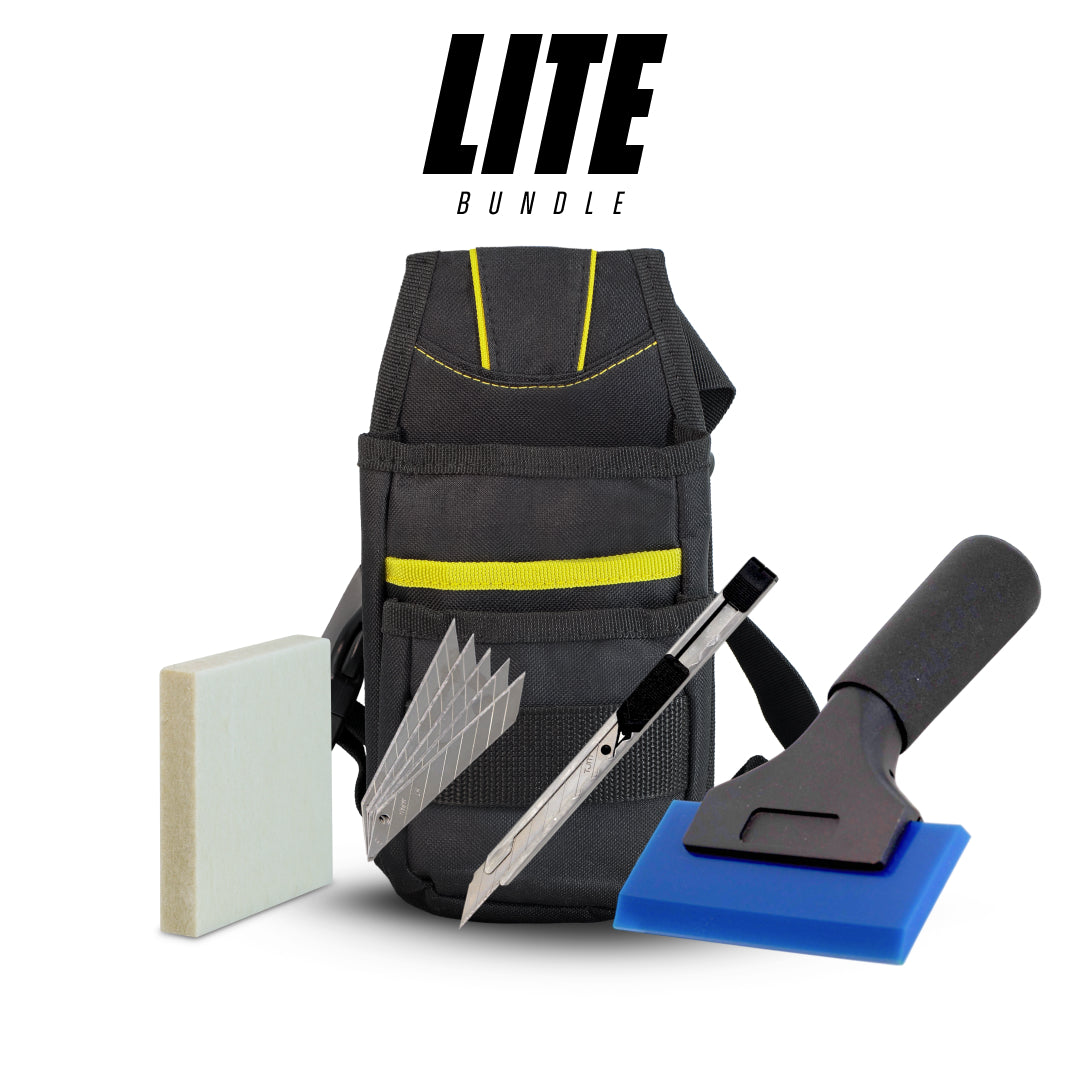
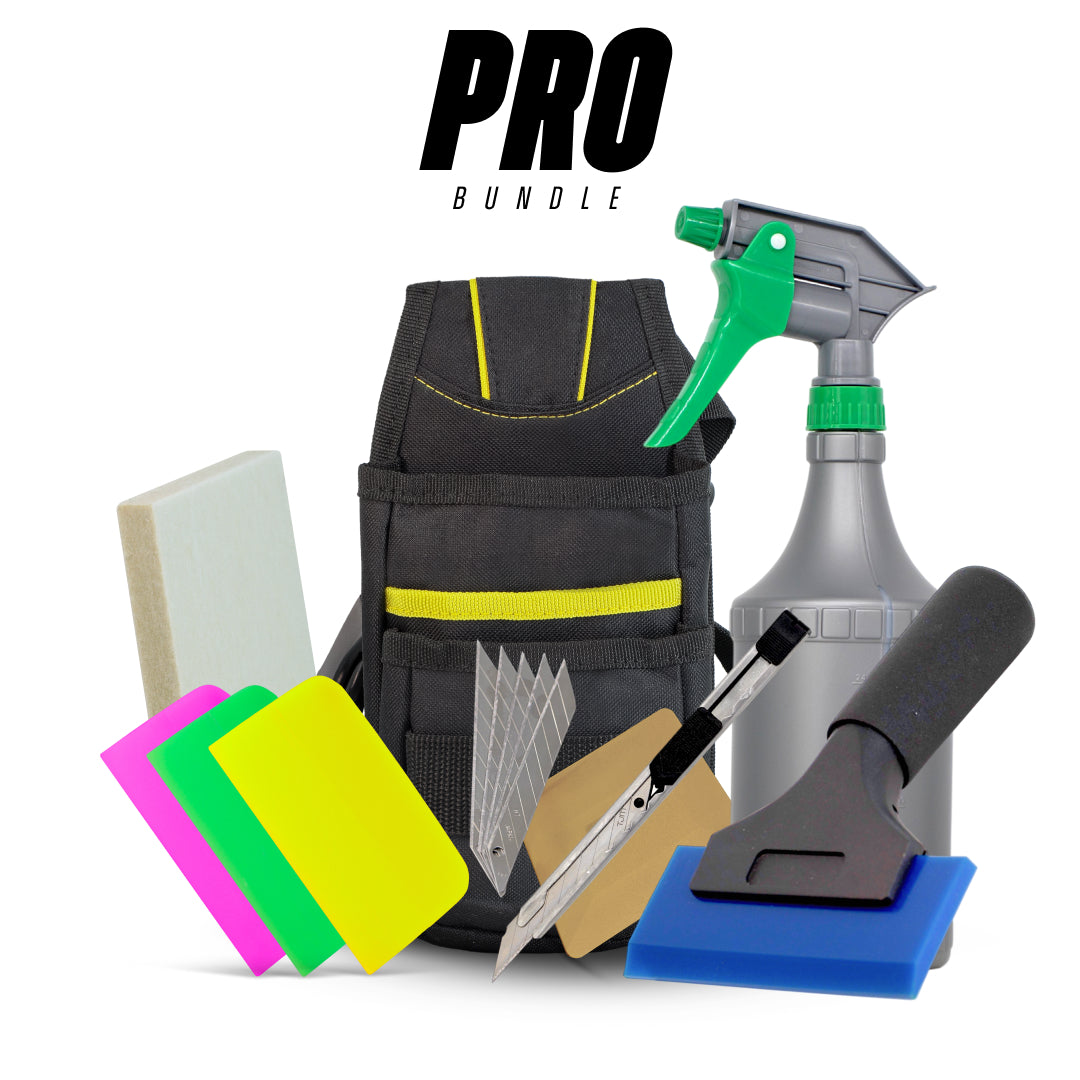
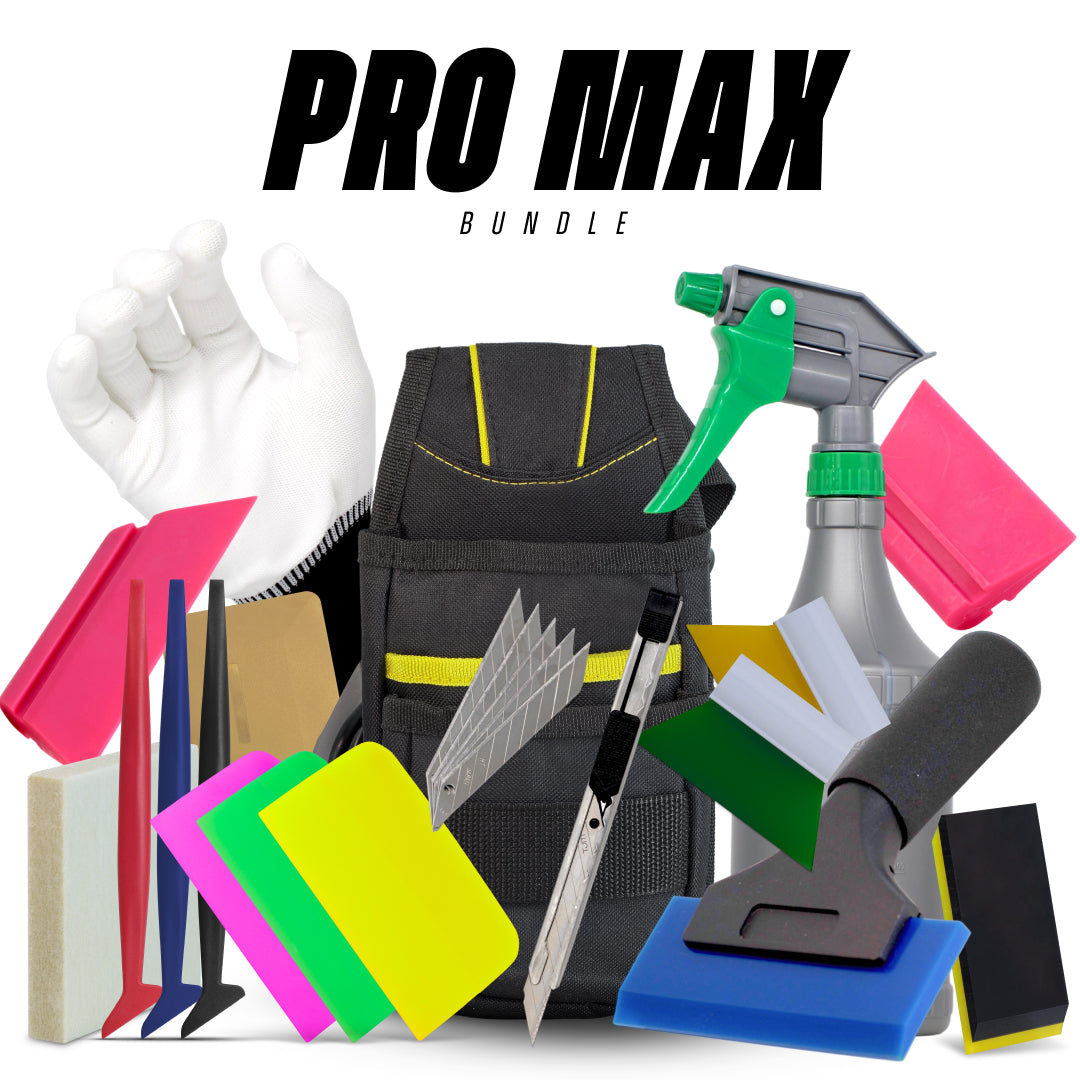
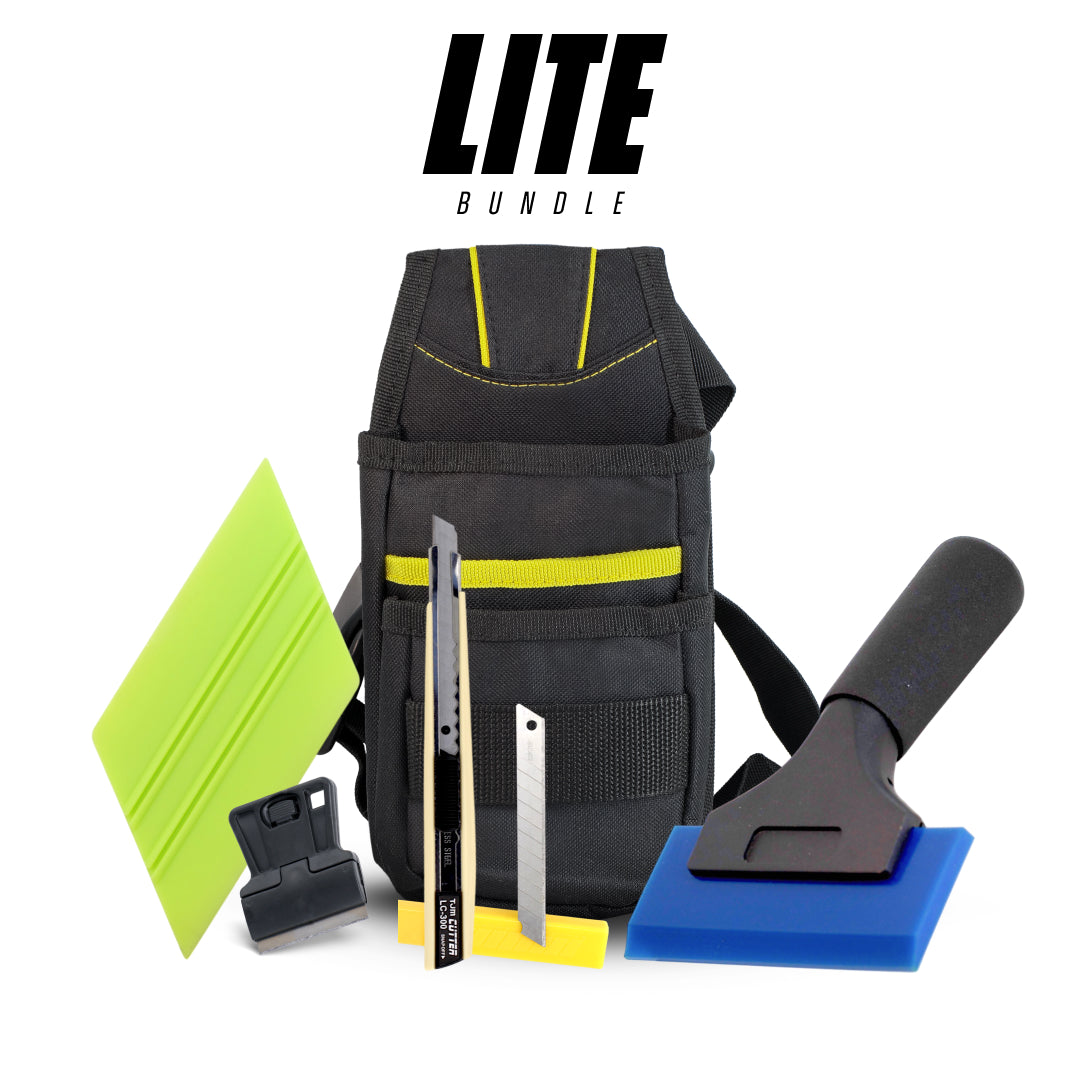
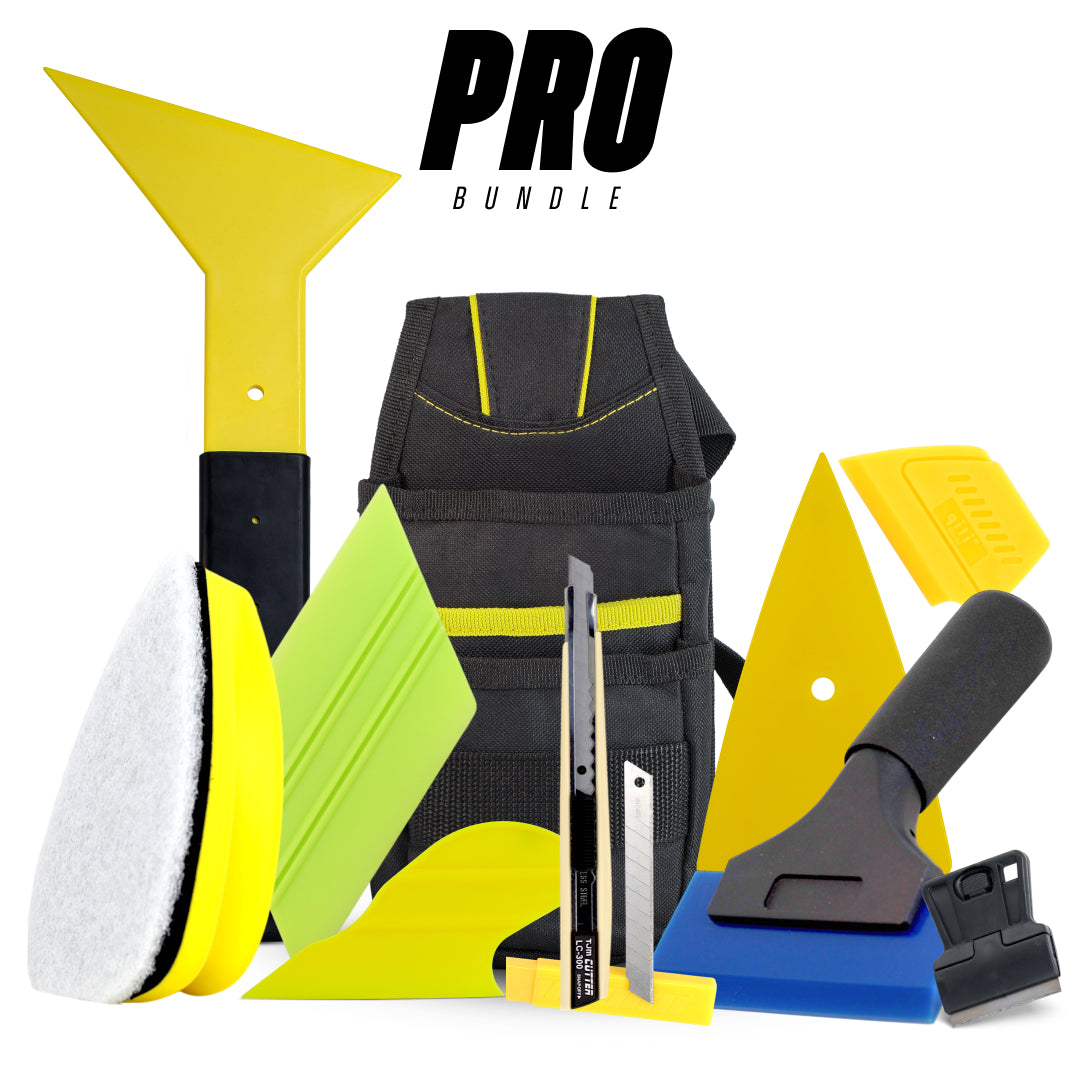
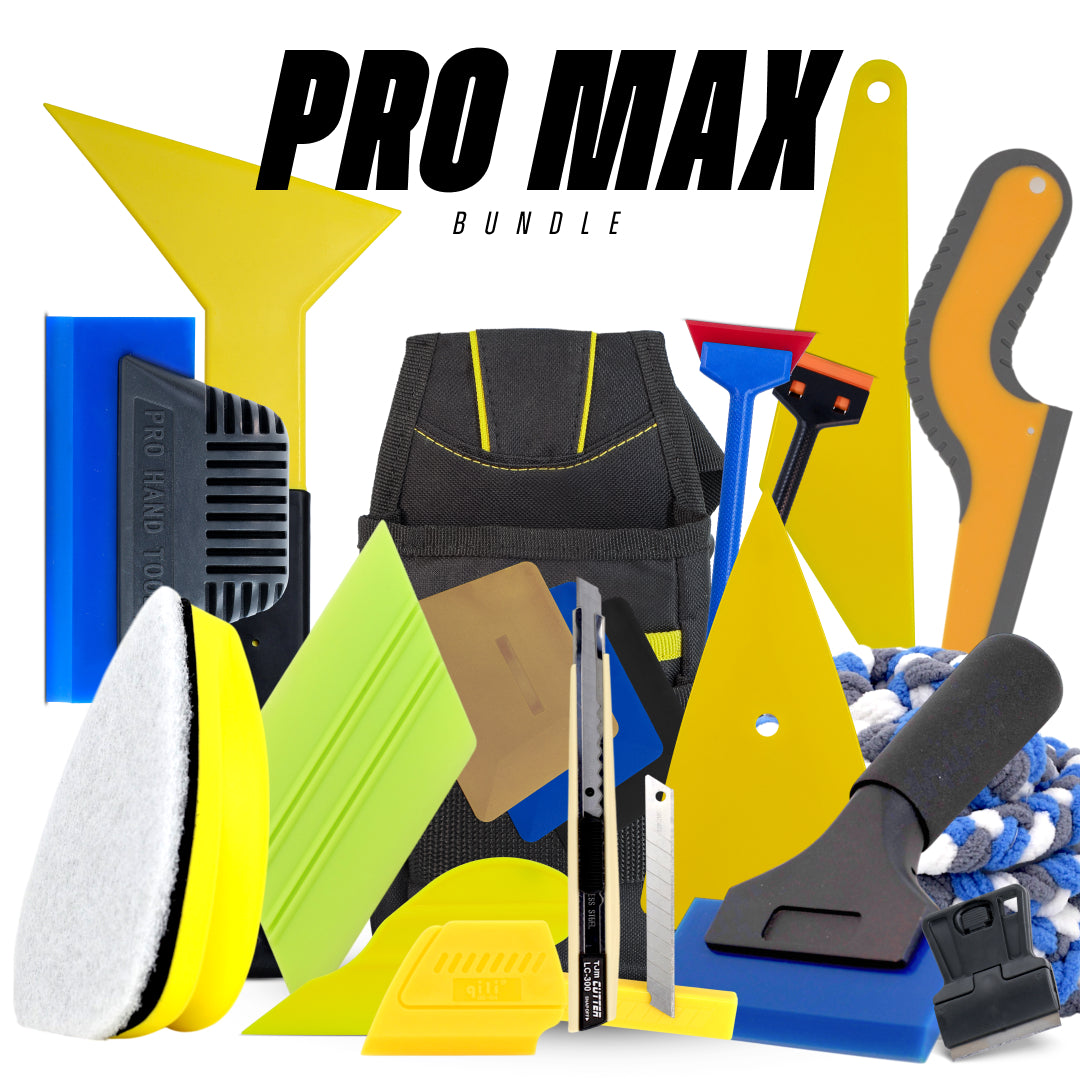
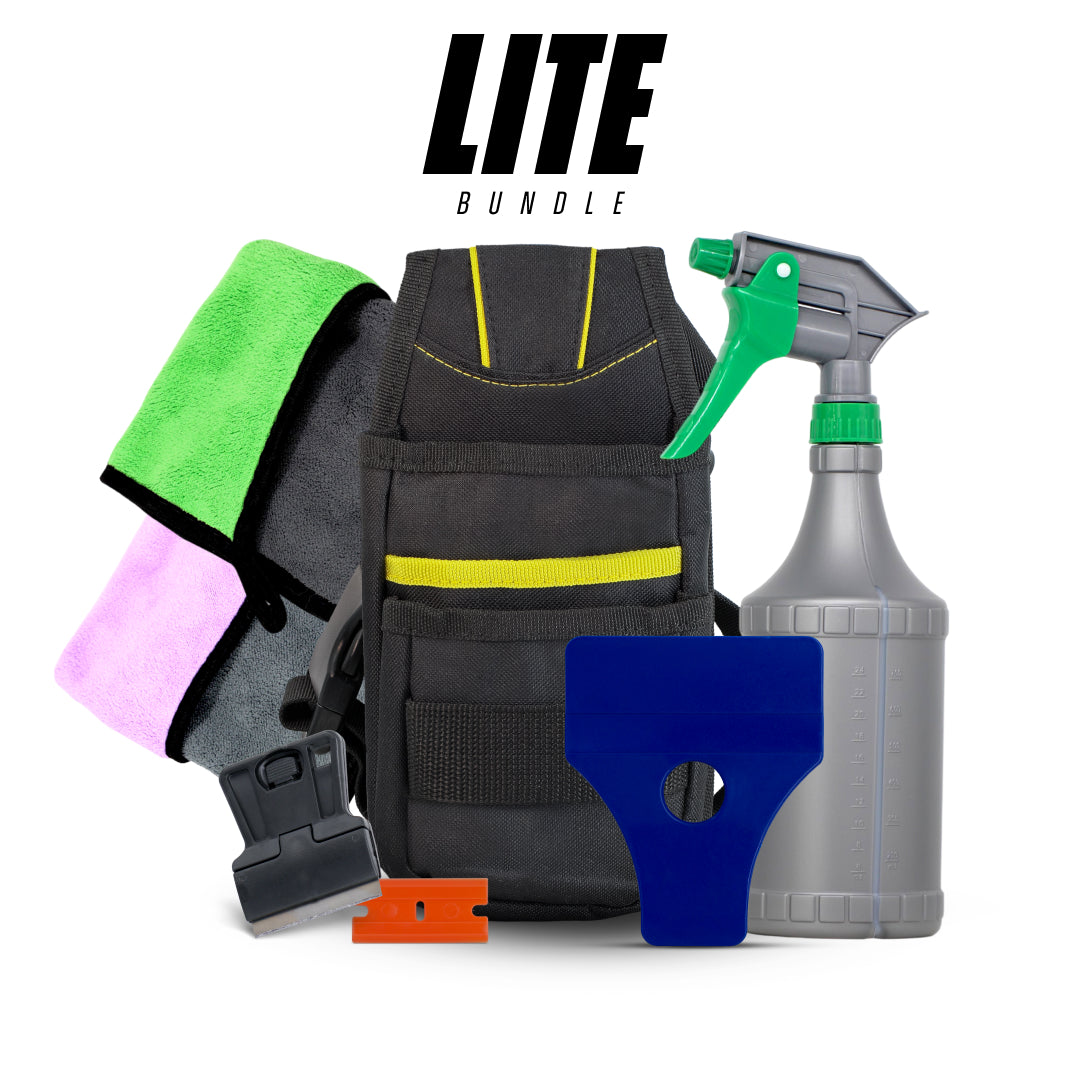
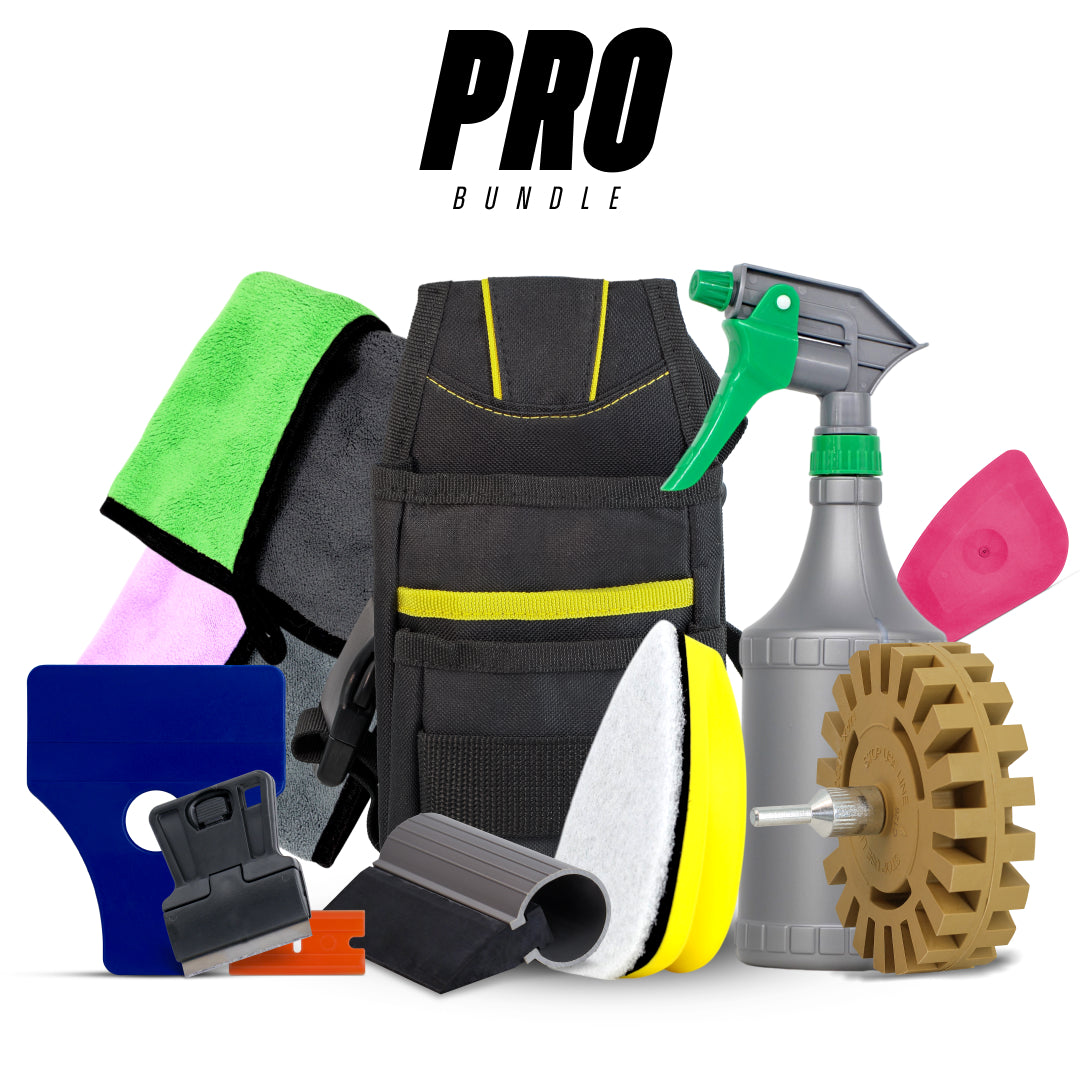
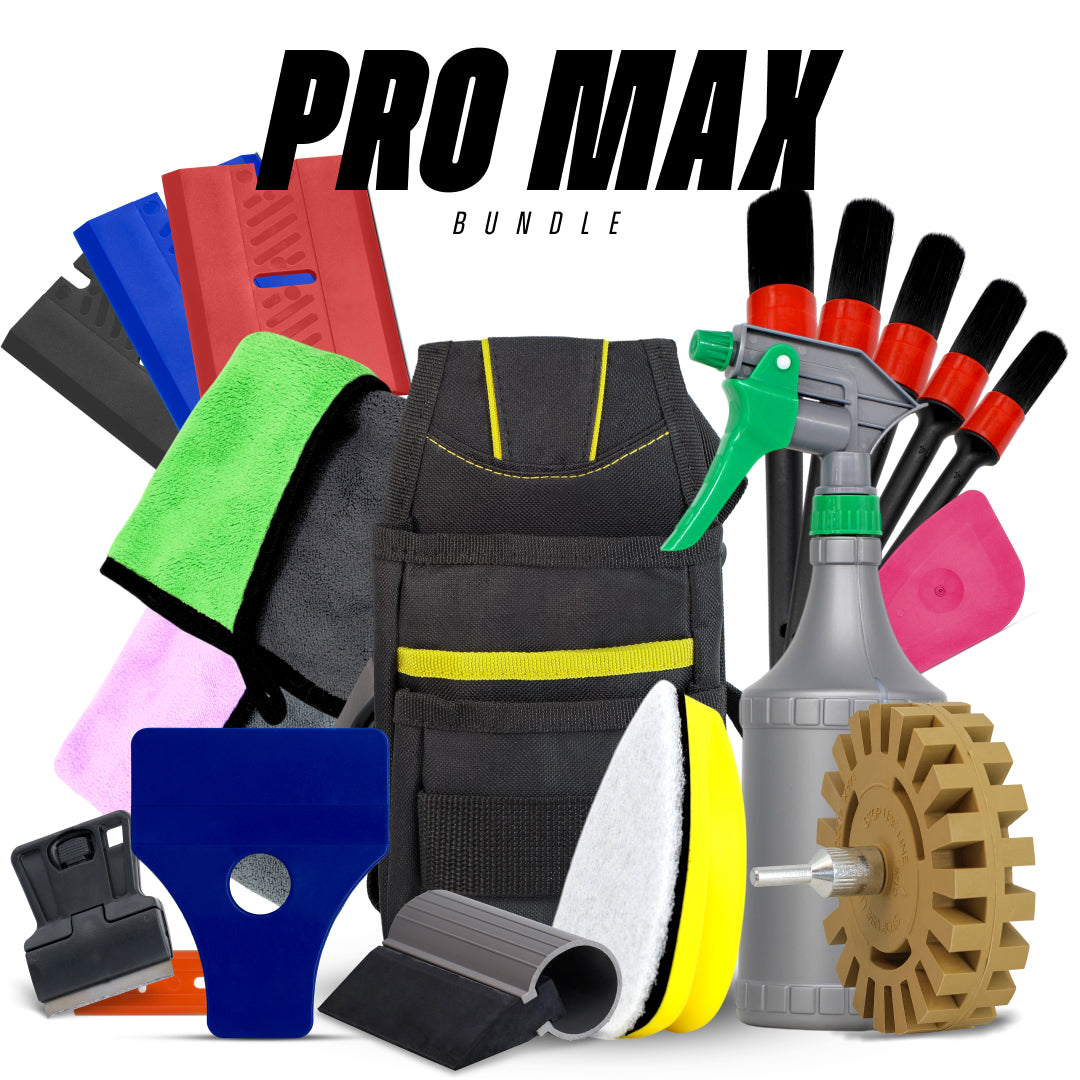
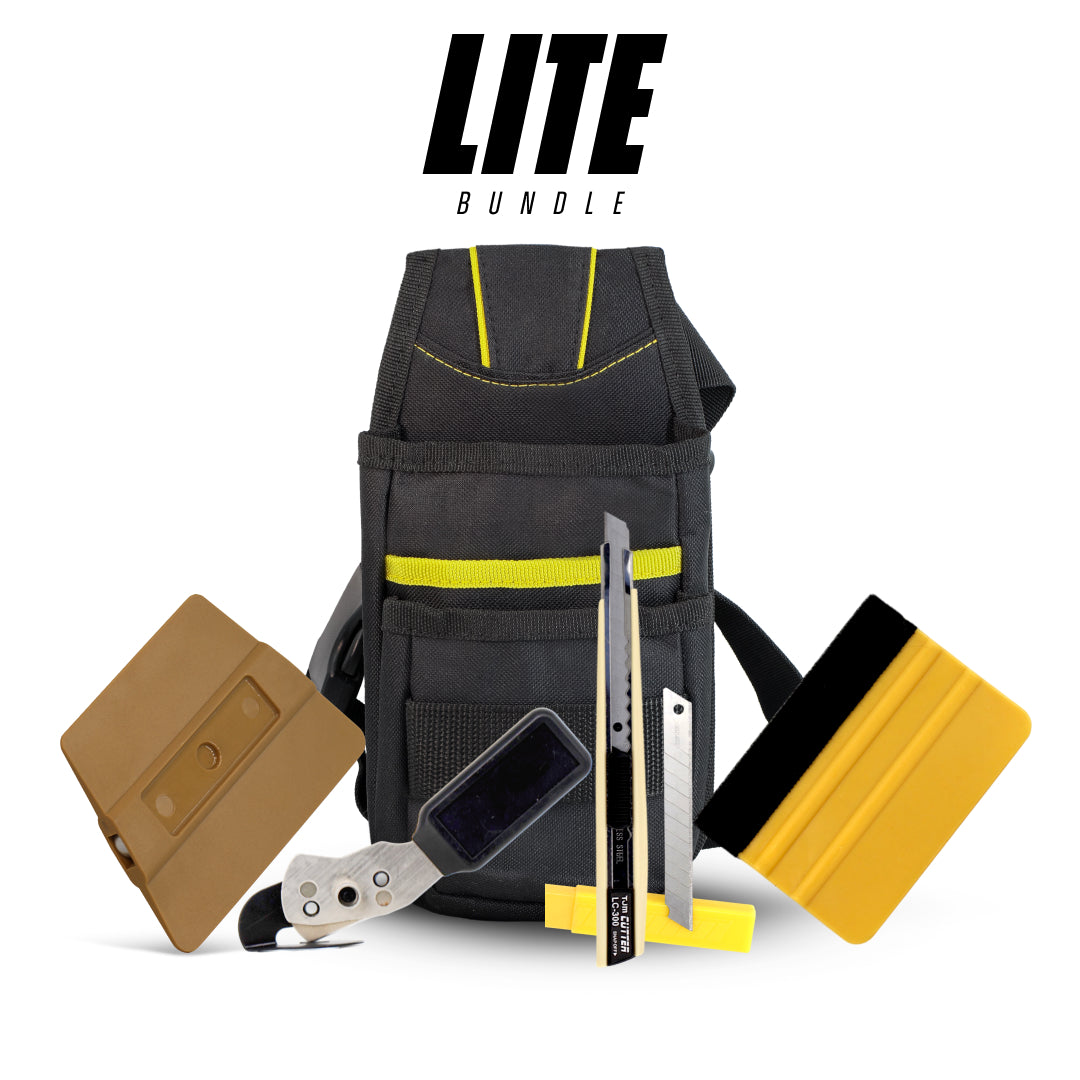
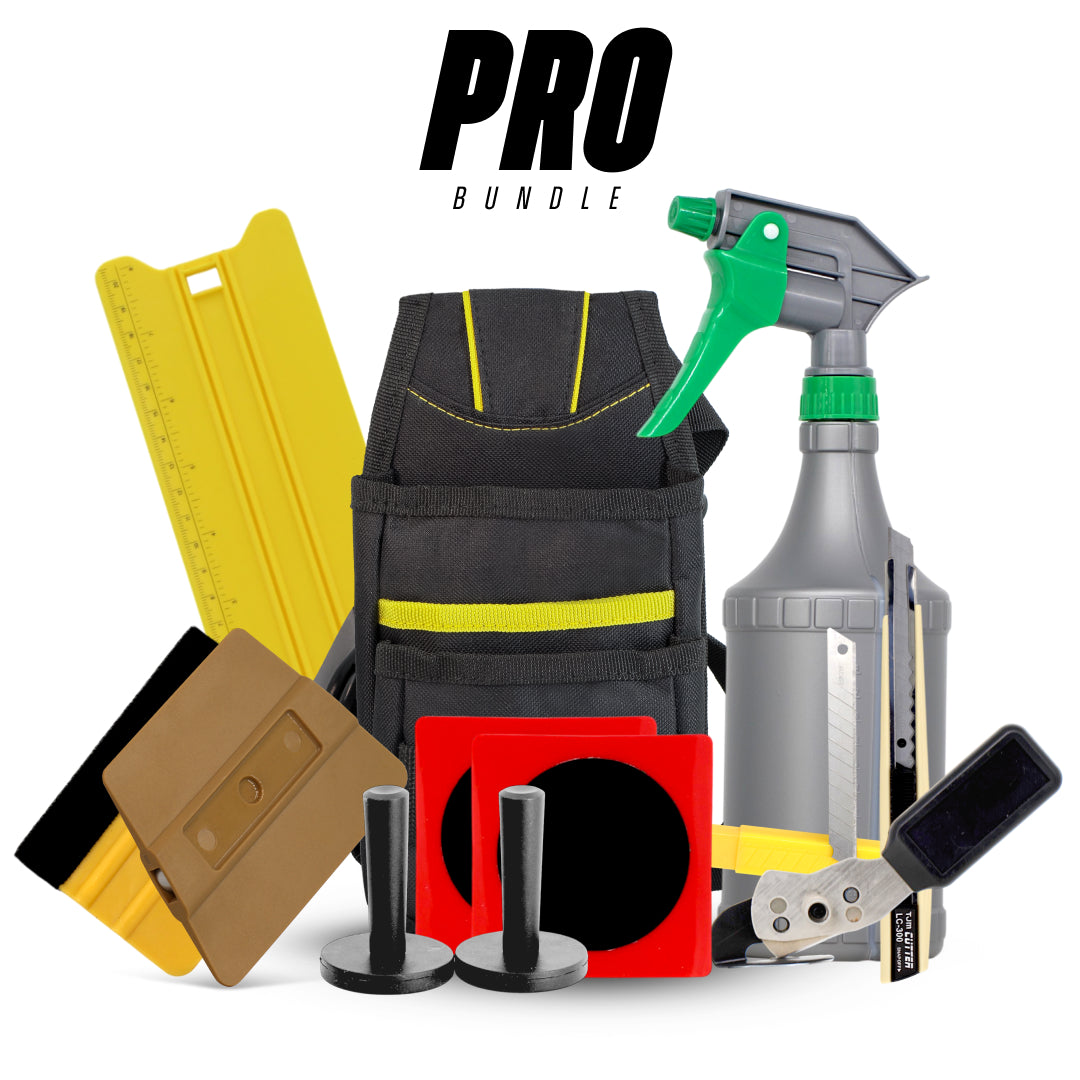
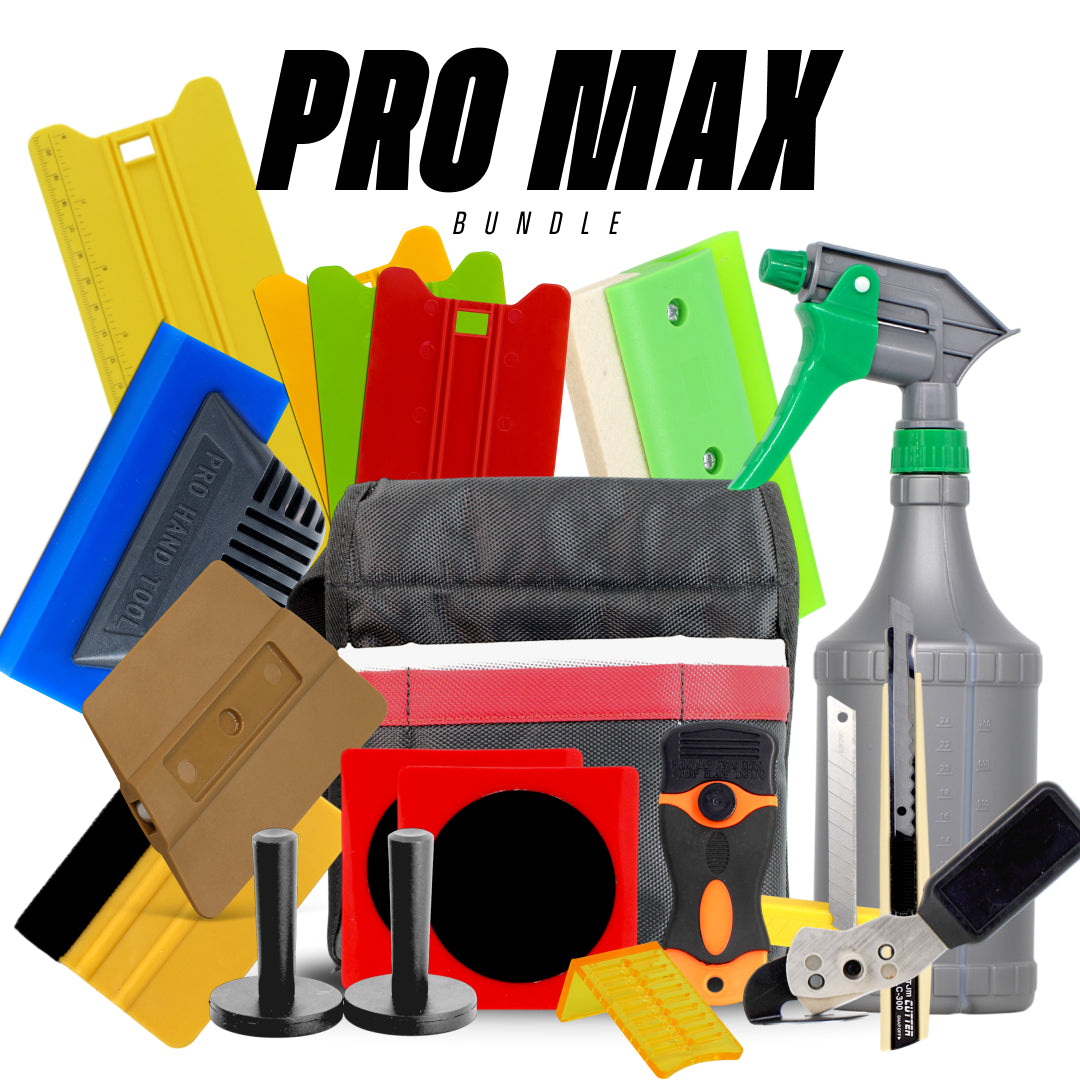
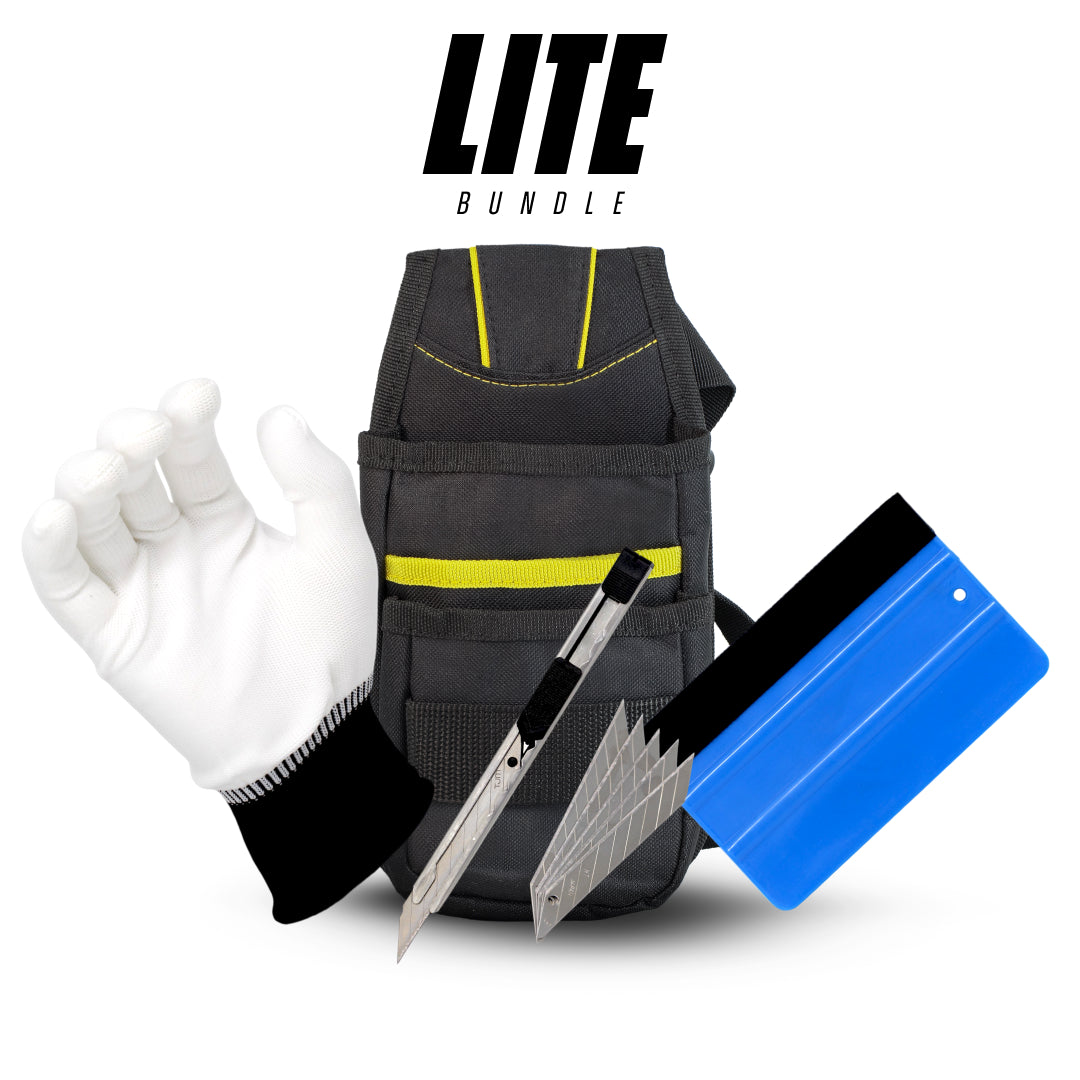
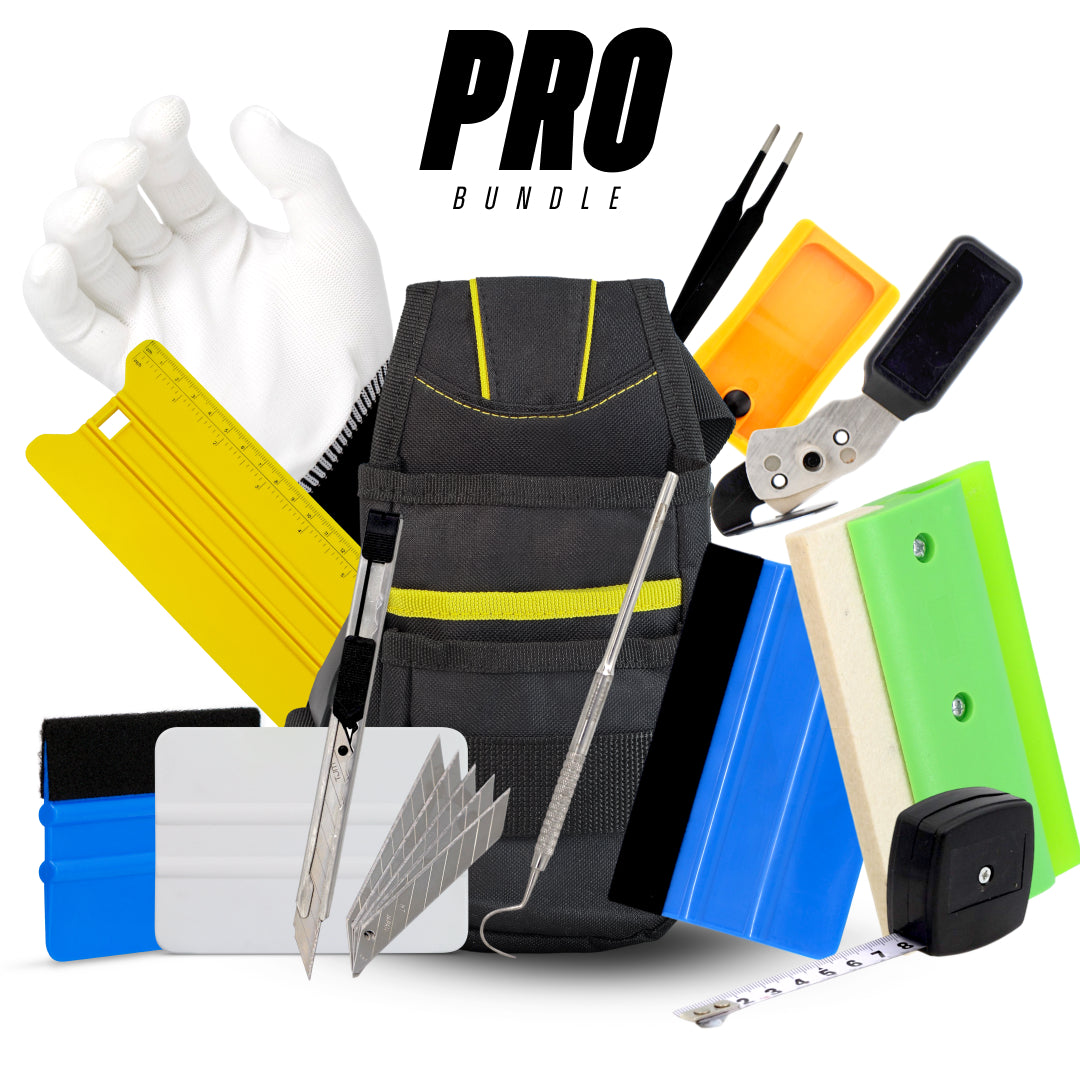
To ensure smooth edges and a seamless application, it’s worth checking out our vinyl wrap tool kits, which are designed to make cabinet wrapping quicker and more precise →
In the world of modern design, speed and affordability matter just as much as style, and vinyl wraps hit all three perfectly. From cabinets to appliances to walls, this quiet revolution is reshaping what it means to renovate.
Understanding Vinyl Cabinet Wraps
Vinyl cabinet wraps have become one of the most talked-about interior design shortcuts of the decade, and for good reason. At their core, vinyl cabinet wraps are high-quality adhesive films designed to cover the exterior surfaces of cabinets, drawers, and built-in units. Think of them as a sleek, modern skin that can completely transform the look of your cabinetry without replacing a single piece of wood. Whether you're dealing with outdated oak cabinets from the late ’90s or simple builder-grade cupboards that lack character, vinyl wraps offer a surprisingly durable and stunning solution.
So, what exactly makes vinyl cabinet wraps so appealing? First, the variety is unmatched. With hundreds of finishes, from matte neutrals to high-gloss luxury shades, textured woodgrains, marble patterns, brushed metals, and even leather-like surfaces, you can achieve nearly any design aesthetic. The wraps are engineered specifically for interiors, meaning they’re thicker, more forgiving, and more heat- and moisture-resistant than typical decorative films. This makes them ideal for kitchen and bathroom environments, where humidity and frequent cleaning would otherwise damage lower-grade materials.
Another major advantage lies in the installation process itself. Vinyl wrapping is fast, quiet, and non-invasive. Professionals can complete a full kitchen wrap in just a day or two, compared to the week-long mess of repainting or the month-long headache of replacing cabinets entirely. There’s no sanding, no priming, no fumes, and no need to empty your entire kitchen. The wrap adheres directly to the cabinet surface and can be trimmed, heated, or stretched for a flawless fit that looks professionally manufactured.
Homeowners also love that vinyl wraps are reversible. If you get tired of the design, want to refresh your style, or are preparing a rental property for new tenants, you can simply remove the film and replace it with a new look. It’s the perfect blend of flexibility, affordability, and visual impact, all packaged into a material that looks far more expensive than it is.
For homeowners planning a DIY wrap project, using the right heat guns and application tools helps the vinyl conform to curves and corners for a long-lasting finish →
And here’s the best part: vinyl cabinet wraps have evolved so much in recent years that most people can’t even tell the difference between wrapped cabinets and factory-finished surfaces. The transformation is that convincing.
Vinyl Cabinet Wraps: The Affordable Way to Transform Kitchens
If there’s one home improvement trend that has exploded in popularity, especially among budget-conscious homeowners, it’s vinyl cabinet wrapping. Kitchens are the heart of the home, but they’re also one of the most expensive spaces to renovate. A full cabinet replacement can run anywhere from $8,000 to $25,000, depending on the size of your kitchen and the materials you choose. Even repainting cabinets, which is often marketed as a “cheap alternative,” can easily cost $2,500 to $6,000 when done professionally, not to mention all the days you’ll spend living with dust, fumes, and the unusable kitchen chaos.
Vinyl cabinet wraps offer a solution that feels almost too good to be true: a stunning kitchen transformation for a fraction of the cost, with none of the traditional renovation mess. Most professionally wrapped kitchens fall in the $1,200 to $3,000 range, depending on cabinetry size and chosen film. When you compare that to the cost of repainting or fully remodelling, the savings become impossible to ignore.
Beyond affordability, vinyl wraps deliver something most renovation methods can’t: speed. Instead of waiting days for sanding, priming, painting, and curing, a vinyl wrap can update your entire kitchen in as little as a single day. That means no strong paint smells lingering in the air, no sticking cabinet doors because the paint hasn't cured, and no need to remove your dishes or empty your entire kitchen. In a world where people crave instant results, vinyl wraps deliver exactly that.
Another overlooked benefit is the design flexibility. Many homeowners think their only options are a handful of paint colours or expensive refacing materials, but vinyl opens the door to hundreds of styles. Whether you want a Scandinavian oak finish, a sleek matte black aesthetic, a luxurious high-gloss white look, or a bold contemporary texture, vinyl wraps allow you to redesign your kitchen exactly the way you want, all without touching the structural components.
And unlike paint, vinyl doesn’t chip, crack, or peel when applied correctly. It’s resistant to moisture, easy to clean, and holds up beautifully in busy households with kids, pets, or constant cooking. This makes vinyl cabinet wraps one of the most practical upgrades you can make in a home.
Before wrapping or repainting, proper preparation is critical, our specialised cleaning and surface prep tools ensure the cabinet surface is free from grease and dust for the best results →
When you combine cost savings, installation speed, and design flexibility, it’s no surprise vinyl wrapping has become the fastest growing method for kitchen makeovers, not just a trend, but a modern renovation staple.
Cabinet Wrapping vs. Repainting: Which Saves More Time and Money?
When homeowners start comparing renovation methods, the debate almost always comes down to two choices: wrapping or repainting. Both can change the look of your cabinets without the cost of full replacement, but the differences in time, cost, durability, and finish quality make vinyl wrapping the clear winner for most people. Let’s break it down in a way that shows why wrapping is quickly becoming the preferred option.
First, let’s talk time, because in today’s world, everyone wants a beautiful kitchen without weeks of inconvenience. Repainting cabinets is a slow, multi-step process: removing cabinet doors, deep cleaning, sanding down old finishes, applying primer, painting multiple coats, waiting for drying and curing time, and then reinstalling everything. Even with a professional painter, the job typically takes 5–10 days, and during that time, your kitchen becomes a construction zone. There’s dust, fumes, taped-off areas, and doors spread across your home while they dry.
Vinyl wrapping, on the other hand, can be completed in 1–2 days, sometimes even a single day for smaller kitchens. There’s no sanding, no priming, no curing time, and often no need to empty cabinets. Installers apply the film directly to the existing surface, creating a clean, finished look in a fraction of the time. The efficiency alone makes wrapping an instant win for busy families and anyone who doesn’t want their home torn apart.
Now let’s break down costs. Repainting can cost anywhere from $2,500 to $6,000, especially if you hire a skilled painter instead of a budget contractor. Vinyl wrapping averages $1,200 to $3,000, meaning it’s often 50% cheaper than painting. Plus, high-quality wrap films are engineered for durability, stain resistance, moisture resistance, and easy maintenance. Paint, especially lighter colours, can chip, peel, or discolour over time, especially around high-contact areas like handles.
Another overlooked factor is finish quality. Painted cabinets often show brush strokes, drips, uneven sheen, or texture inconsistencies. Vinyl wraps look factory-finished—smooth, flawless, and consistent from top to bottom. They offer styles that paint simply can't imitate: woodgrains, high-gloss lacquer looks, textured stone patterns, brushed metals, and more.
For detailed cuts around cabinet handles and mouldings, many DIYers rely on knifeless tape to achieve clean lines without risking damage to the surface →
In the battle of wrapping vs. repainting, vinyl doesn’t just save more time and money, it delivers superior aesthetics and longer-lasting results with less maintenance. It’s the smarter investment for both short-term refreshes and long-term home value.
Time Breakdown: Wrapping vs. Painting
When deciding between vinyl wrapping and repainting your cabinets, time isn't just a minor factor; it’s one of the biggest contributors to stress, inconvenience, and overall project satisfaction. Most homeowners underestimate how long a “simple paint job” actually takes. Once you dig into the details, the time savings of vinyl wrapping become almost shocking.
Let’s start with repainting. A proper cabinet paint job, not the shortcut version you see in DIY videos, requires multiple stages, each with its own drying time. First, professionals must remove all doors and hardware. Then comes deep cleaning to remove grease and residue, followed by sanding to roughen the surface so paint can adhere. After that, you need primer coats, then multiple paint coats, and finally a topcoat for protection. Each layer requires drying or curing time. Even under ideal conditions, this process takes 5 to 10 days, and often longer if humidity or temperature aren’t perfect.
During this time, your home becomes a workshop. Doors are laid out across tables, your kitchen smells like chemicals, and you’re likely eating takeout because cooking in the middle of a renovation is a hassle. And even after the job is “done,” paint can take weeks to fully cure, meaning doors may stick, smudge, or scratch easily.
Now compare that to vinyl wrapping. A professional wrapping team can tackle a full kitchen, cabinet doors, shelves, drawer fronts, and all, in 1 to 2 days. There’s no sanding, no priming, and almost no disruption to your daily routine. You don’t need to leave your home, pack away your dishes, or breathe in fumes. The wrap is installed cleanly, quietly, and efficiently using specialised tools and heat application methods that allow the material to bond instantly.
Another significant benefit is predictability. Painting timelines are often unpredictable because of drying times, humidity, and mistakes that require touch-ups. Vinyl wrapping has none of those variables. Once it's applied and trimmed, it’s done, no curing, no waiting, no paying for additional labour hours.
If your cabinets already have old vinyl or adhesive, using proper vinyl removal tools makes the stripping process much easier and reduces the chance of damaging the underlying material →
From a time-management perspective, wrapping is the clear winner. It respects your schedule, minimises disruption, and gets you a transformed kitchen without turning your home into a construction zone.
Material Costs & Labour Differences
When comparing vinyl cabinet wraps with repainting, one of the most important factors to consider is the breakdown of material and labour costs. Many homeowners assume painting is cheaper because paint itself seems inexpensive. But the truth becomes clear once you dig into what you actually pay for: materials, tools, surface preparation, and labour hours. Once everything is added up, wrapping often becomes the far more cost-effective choice.
Let’s begin with repainting. While a gallon of paint might cost $40 to $70, and primer another $20 to $50, this is only the tip of the iceberg. Professional painters require sanders, sanding pads, specialty degreasers, tack cloths, drop cloths, brushes, rollers, sprayers, painter’s tape, respirators, and protective coverings. The prep materials alone can add hundreds of dollars to the project. Since cabinets need to be thoroughly sanded and cleaned to accept paint properly, labour hours increase dramatically.
In fact, labour is the highest cost of repainting, accounting for 70% or more of the total project price. Skilled painters can spend 15 to 40 hours on a full kitchen, depending on size and complexity. That’s why most cabinet repainting services fall between $2,500 and $6,000, even when the materials themselves are inexpensive. You're paying for time, expertise, and manual effort.
Now compare this with vinyl wrapping. The materials, professional-grade architectural vinyl films, usually cost more than paint per square foot, but they require significantly less labour to apply. There’s no sanding, no priming, no drying time, and no multiple layers. Installers clean the surface, cut the film, apply it, heat it for adhesion, and trim for a flawless finish. The entire process is streamlined, which is why labour hours are typically 50–70% lower than painting.
As a result, most wrapping projects cost between $1,200 and $3,000, even though the vinyl itself is a premium product. You’re essentially paying for efficiency. Installers complete kitchens in a day or two, meaning fewer labour hours and lower total cost. The value becomes especially clear for larger kitchens, where painting can drag on for days and dramatically increase hourly expenses.
In addition, vinyl wraps offer luxury finishes that paint simply can’t replicate, realistic woodgrains, textured stone, brushed metal, matte velvet films, and high-gloss mirrored finishes. Achieving these looks with paint would be nearly impossible or prohibitively expensive, making wraps the more economical choice for high-end aesthetics.
For bigger kitchen makeover projects, having a complete workshop tool kit on hand can streamline the wrapping or repainting process from prep to finish →
From both a materials and labour perspective, vinyl wrapping delivers more value, more efficiency, and more visual impact for your dollar.
Longevity and Maintenance
When homeowners consider upgrading their cabinets, one of the first questions they ask is, “How long will it last?” Longevity is a major factor when comparing vinyl wrapping and repainting, because while both methods offer a fresh new look, the durability and maintenance requirements differ significantly. The good news is that vinyl wraps have evolved dramatically, and today’s architectural-grade films are engineered to withstand years of daily use, moisture, cooking heat, and constant cleaning.
Let’s begin with paint. Even high-quality cabinet paint is prone to chipping, scuffing, and fading over time, especially in high-use areas such as around handles, lower cabinets near dishwashers, and upper cabinets near stovetops. Kitchens are tough environments, and moisture plus heat tends to shorten the lifespan of painted finishes. Most professionally painted cabinets last around 3 to 5 years before showing noticeable wear. If the preparation wasn’t perfect or the paint wasn’t sealed correctly, issues can arise even sooner.
Maintenance is also a challenge with painted cabinets. You must avoid abrasive cleaners, harsh chemicals, and excessive scrubbing. Even gentle cleaning can slowly dull the finish. Touch-ups are common, and colour-matching older paint can be frustrating because shades change slightly as they age. In many cases, homeowners end up repainting the entire kitchen just to address a few problem areas.
Vinyl cabinet wraps, on the other hand, are designed for long-term performance. Professional-grade films typically last 7 to 10 years, with some brands lasting even longer depending on usage and care. They resist moisture, stains, fading, and scratches far better than most painted surfaces. Because the surface is non-porous, cleaning is incredibly easy; simply wipe with mild soap and water, and the finish stays looking fresh for years. You don’t need to worry about fading, peeling paint, or discolouration.
One of the biggest advantages of vinyl is consistency. While paint can appear uneven, vinyl wraps deliver a flawless, factory-grade finish from day one and maintain their look far more reliably. The edges are sealed through heat, preventing peeling when installed correctly by professionals. And unlike paint, vinyl does not require regular maintenance or touch-ups.
Another benefit? If a vinyl panel does become damaged, which is rare, you don’t need to redo the entire kitchen. Installers can simply remove the damaged film and replace that specific section, giving the cabinet a brand-new appearance without major cost or effort.
When you factor in longevity, durability, and ease of maintenance, vinyl cabinet wraps offer better long-term value. They hold up beautifully under daily wear and tear, making them ideal for busy families, rental properties, and anyone who wants a stress-free, long-lasting finish.
The Hidden Benefits of Cabinet Wrapping

Most homeowners choose vinyl cabinet wrapping because of its cost savings and quick installation, but once they experience the results, they realise many hidden benefits go far beyond pricing and convenience. Vinyl wrapping isn’t just a surface-level upgrade; it’s a practical, long-lasting, and surprisingly eco-friendly solution that changes the way people think about home renovations.
One of the biggest hidden benefits is the lack of dust and demolition. Repainting or replacing cabinets creates a massive mess. Sanding kicks up clouds of fine dust that settle on floors, dishes, furniture, and even inside air vents. Cabinet replacement is even worse; tearing out old cabinets sends wood splinters, debris, and drywall dust everywhere. It’s disruptive, stressful, and requires a deep cleaning afterwards. Vinyl wrapping eliminates all of that. There is zero sanding, zero demolition, and zero dust. Installers simply clean the surfaces, apply the wrap, and leave your kitchen cleaner than they found it.
Another benefit is the eco-friendly aspect. Surprisingly, vinyl wrapping is one of the most sustainable renovation methods available. Cabinet replacements generate massive amounts of waste, old doors, drawer fronts, boxes, hardware, hinges, fasteners, and even broken drywall all end up in landfills. Repainting isn’t much better. Paint cans, sanding dust, chemical cleaners, and disposable supplies all contribute to environmental waste. Vinyl wrapping, however, uses only the film itself and small scraps from trimming. Instead of throwing out functioning cabinets or covering your home in paint fumes, you’re giving your existing materials a new life.
Vinyl wraps also improve the lifespan of cabinets by adding a protective layer. The wrap shields the underlying material from moisture, scratches, and stains, common kitchen hazards that gradually damage wood or painted surfaces. This extra layer of protection is especially valuable for families with kids, rental properties that see frequent turnover, and homeowners who cook often and expose cabinets to heat and grease.
Another hidden advantage is design uniformity. Paint can vary slightly in thickness, texture, or sheen across different cabinet areas, especially if multiple coats are applied unevenly. Vinyl, on the other hand, delivers a clean, factory-like finish with flawless consistency. Every door, drawer, and panel looks cohesive, sleek, and professionally manufactured.
And finally, there’s the benefit of reversibility. Trends change, tastes evolve, and a colour you love today might feel outdated in a few years. Unlike paint or replacement cabinetry, which are expensive and labour-intensive to change, vinyl wraps can be removed and replaced whenever you want a new look. This flexibility gives homeowners full creative freedom without the financial pressure of long-term commitment.
When you add all these hidden benefits together, clean installation, environmental sustainability, cabinet protection, flawless finishes, and reversibility, it becomes clear why vinyl cabinet wrapping is quickly becoming the smarter, more modern choice for interior upgrades.
Types of Vinyl Used for Cabinet Wrapping
Not all vinyl is created equal, and when it comes to cabinet wrapping, the type of vinyl you choose makes a world of difference in the final look, durability, and overall performance of your kitchen transformation. Today’s architectural vinyl films come in a wide variety of finishes, textures, and thicknesses, each designed to mimic high-end materials at a fraction of the cost. Understanding the different types can help you choose the perfect style for your space.
Let’s start with matte finishes, which have become incredibly popular for modern kitchens. Matte vinyl is smooth, non-reflective, and offers a soft, elegant appearance. It gives cabinets a clean, contemporary aesthetic that feels both stylish and understated. Matte wraps hide fingerprints better than glossy finishes, making them ideal for busy households or rental properties. If your goal is a modern, minimalist look, matte vinyl is an excellent choice.
Next, there are gloss and super-gloss finishes. These films create a sleek, lacquered appearance similar to high-end European kitchen designs. Gloss wraps reflect light beautifully, making small kitchens look larger and more open. They deliver a luxury feel that would cost thousands of dollars to achieve through traditional lacquer finishes. However, high-gloss vinyl can show fingerprints more easily, so it is best suited for homeowners willing to wipe surfaces regularly.
One of the most eye-catching options is woodgrain vinyl, which mimics the look and feel of real wood. These films often feature textured surfaces that replicate natural wood patterns such as oak, walnut, maple, or ash. What makes woodgrain vinyl impressive is its realism; many people can’t tell it’s not actual wood unless they touch it. This type is perfect for anyone who loves a warm, rustic, or Scandinavian-inspired kitchen design.
Then there’s satin vinyl, a perfect balance between matte and gloss. Satin finishes have a soft sheen that adds dimension without being overly shiny. They’re elegant, versatile, and easy to clean, making them a popular all-around choice for homeowners who want a timeless look.
Specialty films take things a step further. Metallic and brushed metal wraps replicate finishes like stainless steel, brushed aluminium, copper, and even gold. These are ideal for modern or industrial-style kitchens. Stone and marble-effect vinyls offer the luxurious appearance of natural stone without the weight, cost, or maintenance. And for those who love unique textures, textured vinyls can imitate leather, concrete, linen, or carbon fibre.
Lastly, the most important characteristic of cabinet-grade vinyl is its durability. These films are thicker than standard decorative vinyl, usually around 70–150 microns, and are engineered to resist heat, moisture, and daily wear. Some are also self-healing, meaning minor scratches disappear with heat.
Choosing the right vinyl type can elevate your kitchen from simple to stunning, giving you a professional finish that lasts for years and fits your unique style.
Heat-Resistant and Moisture-Resistant Films
One of the biggest concerns homeowners have when considering vinyl cabinet wraps is durability, specifically how well the material holds up to heat, humidity, and constant cleaning in a kitchen environment. After all, kitchens are some of the busiest and harshest spaces in a home. From boiling pots and dishwashers releasing steam to splashes of oil and frequent wiping, surfaces endure a lot. That’s why modern architectural-grade vinyl films are engineered with advanced heat-resistant and moisture-resistant properties that make them ideal for cabinet wrapping.
To start, high-quality vinyl wraps are made with PVC-based materials and a layered construction that helps them withstand elevated temperatures typically found in kitchens. While it’s important to note that vinyl shouldn’t be placed directly against open flames or extremely hot appliances, it handles everyday kitchen heat without issues. Most premium wrap brands are rated to resist temperatures up to 180°F (82°C), which is more than enough to endure steam from boiling water, warm air from microwaves, and heat exposure from standard cooking activities. When installed correctly, the adhesion remains strong, and the film does not bubble, warp, or peel.
Moisture resistance is another major advantage. Kitchens and bathrooms both experience high humidity levels, especially around sinks, dishwashers, and stovetops. Paint can absorb moisture, leading to swelling, softening, chipping, or discolouration. Wood cabinets may warp or rot when exposed to prolonged moisture. Vinyl wraps, however, are non-porous, meaning they don’t absorb water at all. This makes them incredibly easy to clean and very hygienic. A simple wipe is enough to remove spills, grease, or residue without worrying about damaging the surface.
Additionally, moisture-resistant films prevent mould growth and protect the underlying cabinet material from water damage. This is especially valuable for older wooden cabinets or particle board units that tend to absorb water quickly. The vinyl acts as a protective barrier, extending the lifespan of the cabinets beneath it.
Another often-overlooked benefit is the chemical resistance of premium vinyl films. Many homeowners use strong cleaners or disinfectants in the kitchen. Painted surfaces may fade, dull, or peel when exposed to harsh chemicals. In contrast, high-quality vinyl wraps are designed to withstand household cleaners without degrading their colour or finish.
Finally, these films maintain their appearance even in high-traffic, high-moisture spaces. Whether you're dealing with daily cooking, frequent cleaning, or just the natural moisture in the air, vinyl wraps stay intact, vibrant, and smooth. This resilience is one of the key reasons many homeowners prefer wrapping over painting or replacing their cabinets; it simply performs better in real-life conditions.
The Wrapping Process: How Pros Do It

Understanding how professionals wrap cabinets helps you appreciate why the results look so seamless and long-lasting. Many homeowners assume vinyl wrapping is similar to applying contact paper, but professional architectural vinyl wrapping is a completely different process. It requires precision, skill, specialised tools, proper surface preparation, and an understanding of how vinyl behaves when heated, stretched, and trimmed. Let’s break down the process step by step so you can see exactly what goes into creating that flawless, factory-finish look.
The first step is surface preparation, which is arguably the most important part of the entire installation. Even though vinyl wrapping doesn’t require sanding or priming as painting does, cabinets must be completely clean for the film to adhere properly. Professionals start by removing oils, grease, food residue, dust, and any loose or flaking material. They use industrial-grade degreasers and alcohol-based cleaners to ensure the surface is perfectly smooth and free of contaminants. Proper cleaning prevents future lifting, bubbling, or peeling.
Once the cabinets are cleaned, installers remove doors, drawer fronts, and hardware. This ensures every edge can be wrapped neatly, and the film can be applied without obstructions. Some companies wrap the shells (the frame of the cabinets) in place, while others remove them if needed. Every installer has their method, but the goal is always the same: complete coverage with no visible seams.
Next comes the vinyl application. Installers measure and cut the film slightly larger than the surface area to allow for proper trimming. They then apply the vinyl using squeegees, heat guns, and pressure to mould the film smoothly around the cabinet surface. The heat gun softens the vinyl, allowing it to stretch and adhere seamlessly around edges, corners, and curves. This part requires skill, because stretching too much can distort patterns, while too little can cause wrinkles.
Once the vinyl is applied, professionals use precision cutting tools to trim the edges cleanly. This is where the craftsmanship truly matters. Expert installers know how to tuck the material under edges, wrap corners without visible seams, and ensure every line is crisp and smooth. They then use heat to “seal” the vinyl in place, activating the adhesive and locking everything into a durable, long-lasting bond.
Finally, after all panels are wrapped, the doors and hardware are reinstalled. Installers perform a quality check, ensuring there are no bubbles, imperfections, or inconsistencies. The entire process is clean, quiet, and typically completed within one or two days.
The result? Cabinets that look like they came straight from a factory showroom, smooth, stylish, durable, and completely transformed without demolition.
Interior Design Hack: Using Vinyl Wrap Beyond Vehicles
Most people still associate vinyl wraps with cars, trucks, and commercial fleets, but the interior design world has completely redefined what vinyl can do. Today, vinyl is one of the most powerful tools for transforming spaces quickly, affordably, and creatively. Homeowners, designers, real estate investors, and even renters are using non-automotive vinyl wraps to breathe new life into interiors without major construction or overwhelming costs. It’s one of those “industry secrets” that once you learn it, you wonder how you ever renovated without it.
The beauty of vinyl is that it acts like a design chameleon; it can mimic almost any material with stunning accuracy. Want a marble kitchen island but not the price or weight of real stone? Wrap it. Wish your old interior doors looked like high-end walnut or matte black luxury panels? Wrap them. Have furniture that is structurally solid but aesthetically outdated? A vinyl wrap can make it look brand-new again. This flexibility makes vinyl one of the most underrated interior design hacks of the decade.
Vinyl is especially popular for wall transformations. Instead of installing heavy wood panels, expensive stone slabs, or textured wallpapers that require paste and precision, vinyl wraps offer a fast, reversible, and cost-efficient alternative. They can replicate textured concrete, rustic barn wood, leather, marble, slate, metal, or even fabric textures. With architectural-grade vinyl, a plain wall can instantly become an accent feature that looks custom-designed.
Interior doors are another hidden gem for wrapping. Replacing doors can be expensive, especially if you want premium styles. Wrapping allows you to turn cheap hollow-core doors into stylish statement pieces with finishes like satin black, oak grain, or brushed steel. The transformation is dramatic yet incredibly budget-friendly.
One of the most surprising uses of vinyl is furniture wrapping. Coffee tables, desks, dressers, built-in shelves, headboards, and even countertops can be wrapped to look new again. Instead of throwing away perfectly functional furniture, wrapping gives it a second life. This is especially valuable for renters and apartment dwellers who want high-end style without permanent changes.
Appliance wrapping is also trending. Instead of replacing a perfectly good refrigerator because it looks outdated, people are wrapping it in stainless steel vinyl or matte black for a chic upgrade. Dishwashers, microwaves, range hoods, and even washers and dryers can be wrapped to match a new design aesthetic.
For interior designers, vinyl wraps unlock creative freedom. For homeowners, they deliver luxury looks without luxury prices. And for renters, they offer a reversible way to personalise a space without risking a security deposit. Simply put, vinyl wrapping is one of the smartest interior design hacks available today, and its popularity is only growing.
Wrapping Walls & Interior Doors
When people think about updating their homes, walls and doors rarely make the top of the renovation list, yet these surfaces have some of the biggest visual impact. Changing them can completely redefine the atmosphere of a room. Traditionally, achieving a high-end wall or door upgrade required expensive materials, professional carpentry, or messy construction. But vinyl wrapping has changed everything. Today, wrapping walls and interior doors is one of the easiest, fastest, and most affordable ways to elevate your interior design without removing a single panel or creating dust.
Let’s start with walls, which are essentially the largest canvases in any home or office. Many homeowners assume their options are limited to painting or wallpaper. While those methods have their place, they come with drawbacks: paint is flat and often lacks texture, wallpaper installation can be tricky and unforgiving, and both can be messy. Vinyl wrapping, however, offers an entirely new realm of design possibilities. High-quality architectural vinyl can mimic virtually any surface, stone, concrete, marble, wood, leather, fabric, geometric patterns, metal, and even 3D textures. This means you can turn a plain white wall into a dramatic stone feature, a minimalist wood accent, or a sleek modern matte finish in just a few hours.
Because vinyl is non-porous and durable, it’s perfect for high-touch areas and moisture-prone spaces where wallpaper or paint might fail. Bathrooms, kitchens, hallways, children’s rooms, and commercial lobbies all benefit from vinyl’s strength. If someone spills something, scuffs the surface, or leaves fingerprints, a quick wipe brings it back to life, no repainting or scrubbing needed.
Now let’s talk about interior doors, which are often overlooked but have immense design potential. Builders typically install cheap, plain, hollow-core doors that get the job done but offer no visual appeal. Replacing doors with premium wood, glass, or composite materials can cost hundreds or even thousands per door. Vinyl wrapping creates the same upscale look for a fraction of the price. Whether you want deep walnut, modern matte black, Scandinavian oak, brushed metal, or a minimalist white satin finish, vinyl wraps deliver stunning results.
One of the biggest advantages of wrapping doors is the flawless, uniform finish it provides. Paint can leave brush strokes, drips, and uneven patches, especially on smooth door surfaces. Vinyl wraps eliminate these issues. The film adheres seamlessly to edges and contours, giving doors a factory-produced appearance. This makes them perfect for anyone who loves a modern, clean aesthetic.
Because vinyl is removable, renters can enjoy high-end interior door designs without violating lease agreements. And homeowners benefit from the ability to change styles at any time without committing to expensive, permanent materials.
Overall, wrapping walls and interior doors offers unparalleled design freedom, allowing you to create unique, custom spaces without the cost and hassle of traditional renovations.
Furniture Upgrades Using Vinyl

If you’ve ever looked at your furniture and thought, “It still works, but it just doesn’t look good anymore,” then vinyl wrapping is about to become your new favourite design hack. Instead of throwing out pieces that are structurally sound or paying high prices for new furniture, wrapping allows you to give your existing items a dramatic makeover at a fraction of the cost. It’s sustainable, customizable, and surprisingly transformative.
Furniture wrapping has become incredibly popular for homeowners, renters, Airbnb hosts, offices, and even boutique shops because it delivers a high-end look without the high-end price tag. Whether you have old dressers, worn coffee tables, outdated desks, mismatched nightstands, or built-in shelving units that no longer match your décor, vinyl wrapping can make them look brand-new again, often in just a couple of hours.
One of the biggest advantages of wrapping furniture is how seamlessly vinyl mimics expensive materials. For example, you can turn a $40 IKEA table into a faux marble showpiece or wrap a basic dresser in walnut woodgrain to create a high-end Scandinavian vibe. The possibilities are endless: concrete textures for industrial spaces, brushed metal films for modern interiors, matte black for minimalists, leather-look vinyl for luxury aesthetics, or even colourful patterns for kids’ rooms.
Another reason furniture wrapping is gaining traction is its durability. Architectural vinyl is designed for everyday use. It resists scratches, stains, spills, and moisture far better than traditional paint or laminate. This makes it ideal for high-traffic surfaces such as desks, dining tables, bar tops, or bathroom vanities. Cleaning is effortless, just wipe with mild soap and water. No repainting, no sanding, and no worrying about water rings or heat marks.
Furniture wrapping is also a massive win for sustainability. Instead of sending old furniture to the landfill, you’re giving it a second life. This is especially impactful for large pieces like wardrobes, bookshelves, or media consoles, which can be costly and wasteful to replace. Wrapping reduces waste, saves money, and helps homeowners avoid buying cheap, disposable items that wear out quickly.
The wrapping process itself is straightforward. Installers clean the surface, cut the film to size, and apply it using heat and pressure to ensure a smooth, bubble-free finish. Even curved edges, bevelled details, and rounded corners can be wrapped with the right techniques. The final result looks so polished that most people assume the furniture is brand new.
For renters, wrapping is a dream; it's completely reversible. You can customise your furniture to fit your style without worrying about damaging anything or facing penalties when you move. For homeowners, it’s a perfect way to experiment with new styles or refresh outdated furniture without committing to expensive replacements.
Whether you're upgrading on a budget, redesigning a room, or simply breathing new life into furniture you already love, vinyl wrapping is one of the smartest and most stylish solutions out there.
Appliance Wrapping Trends
Appliance wrapping has quickly become one of the most exciting and fast-growing trends in home design, and it’s easy to understand why. Large appliances like refrigerators, dishwashers, microwaves, and even washers and dryers play a huge role in the overall look of your kitchen or laundry room. But replacing them just for aesthetic reasons can cost hundreds or thousands of dollars. That’s where vinyl wrapping comes in as the perfect solution. Instead of buying new appliances, homeowners are transforming their existing units with stylish, durable wraps that mimic the look of stainless steel, matte black, brushed metal, or even custom patterns.
One of the most popular trends in appliance wrapping is the stainless steel makeover. Many households have a mix of older white appliances and newer stainless-steel ones, creating a mismatched look that disrupts the flow of the kitchen. Vinyl wraps allow you to make every appliance match, without spending thousands on replacements. The modern stainless-steel wrap looks incredibly realistic and often fools guests into thinking you purchased brand-new appliances. Better yet, it resists fingerprints and smudges more effectively than real stainless steel.
Another rising trend is matte black appliance wraps. As matte and satin finishes dominate modern kitchen design, matte black appliances have become a symbol of luxury. Wrapping gives you that high-end look instantly, making your kitchen modern, sleek, and cohesive. Matte black also pairs beautifully with rustic wood, marble countertops, white cabinetry, or minimalist decor, which is why the trend continues to grow.
For homeowners who love creativity, custom and patterned wraps offer fun and unique ways to personalise appliances. Think geometric designs, retro looks, faux woodgrain, concrete finishes, or even vibrant colours for playful kitchens. Airbnb hosts, cafes, and boutique businesses often use custom appliance wraps to match their brand colours or add character to their spaces.
One of the biggest advantages of appliance wrapping is durability. Architectural vinyl is designed to handle heat, moisture, and constant cleaning, making it perfect for appliances that see daily use. It’s moisture-resistant, stain-resistant, and easy to wipe down with basic cleaning products. And because it’s non-porous, it won’t absorb kitchen odours, grease, or splashes.
The process itself is quick and clean. Installers measure the appliance, apply the vinyl with precision tools, and heat-seal the edges for a factory-like finish. The result is a smooth, flawless transformation that immediately elevates your space.
Appliance wrapping is also renter-friendly and reversible. If you move or want to change styles later, the vinyl can be removed without damaging the appliance underneath. This makes it a low-risk, high-reward option for anyone looking to refresh their kitchen or laundry area.
With endless design choices and a price tag far lower than buying new appliances, wrapping has become a go-to trend for homeowners seeking style, affordability, and flexibility, and its popularity is only continuing to rise.
Specialty Wraps for Commercial Spaces
While homeowners are embracing vinyl wrapping for kitchens, appliances, and furniture, commercial spaces have been ahead of the trend for years. Businesses, in particular, benefit enormously from specialty wraps because they offer a fast, cost-effective way to refresh interiors, update branding, and maintain a clean, professional appearance without shutting down operations for long periods. From restaurants and retail stores to offices and salons, commercial vinyl wraps are transforming how businesses approach design, renovation, and customer experience.
One of the biggest advantages for commercial clients is the speed of installation. A traditional renovation can take days or weeks, and downtime means lost revenue. Vinyl wraps can be installed overnight or during off-hours, allowing businesses to continue operations without interruption. A restaurant can get a refreshed counter, updated tables, new wall textures, or rebranded signage in a matter of hours. Offices can update conference rooms, reception desks, or cabinetry over a weekend. This makes vinyl wrapping not just convenient, but financially smart.
Restaurants especially benefit from hygienic, non-porous surfaces. Vinyl-wrapped counters, tabletops, walls, and cabinets are easy to wipe down, resistant to stains, and less prone to harbouring bacteria. They also withstand constant cleaning with disinfectants, something traditional paint or laminate may not handle well. Many restaurants use wraps to mimic stone, wood, or metal surfaces without the weight or cost, creating visually appealing interiors that elevate the dining experience.
Retail stores use wraps for branding and seasonal updates. Because vinyl is removable and replaceable, shops can switch out designs, product displays, or feature walls whenever they want to refresh their look. This flexibility supports marketing campaigns, holiday themes, and promotional events. Wraps can also be applied to checkout counters, fitting room doors, shelving units, and even mannequins to keep the entire brand aesthetic consistent.
Offices use specialty wraps to create modern, cohesive work environments without expensive remodelling. Reception desks can be wrapped in woodgrain or marble finishes. Conference rooms can get sleek matte-black doors or glass privacy films. Built-in cabinets, employee lockers, and workstations can all be updated to match the company’s branding. The result is a professional, unified interior that boosts employee morale and impresses clients.
Commercial-grade vinyl wrap is also incredibly durable, designed to withstand heavy traffic, frequent touching, and daily wear from customers and staff. It resists scratching, peeling, moisture, and UV exposure, which is essential in retail and hospitality environments.
In short, specialty wraps offer businesses the ability to rebrand, refresh, and reinvent their spaces quickly and affordably, without sacrificing quality. It’s no wonder companies are increasingly choosing vinyl wraps over traditional renovations.
Restaurants

Restaurants are among the biggest adopters of specialty and non-automotive vinyl wraps, and the reasons make perfect sense. In the food industry, appearance matters just as much as flavour. Customers judge a restaurant the moment they walk through the door. Old countertops, faded cabinets, outdated décor, and worn surfaces can instantly make a restaurant feel uninviting, even if the food is excellent. Yet full renovations are expensive, messy, and require closing the restaurant for days or even weeks. Vinyl wrapping solves all of these problems with a smart, fast, and budget-friendly alternative.
One of the biggest benefits restaurants experience is the ability to refresh their interior without closing down. Vinyl installers often work overnight or during off-hours, transforming counters, bars, booths, cabinets, tabletops, and wall features while the business is closed for the night. By morning, the space looks dramatically different, with no construction mess, no paint fumes, and no disruption to service. For restaurant owners, this is a game-changer. You get a brand-new look without sacrificing revenue or disappointing customers.
Another massive advantage is sanitation and durability, which are critical in food service environments. Vinyl wraps offer smooth, non-porous surfaces that repel moisture, grease, and bacteria. They’re easy to clean, withstand daily disinfecting, and don’t trap dirt in cracks or absorb liquids like wood or laminate surfaces might. For restaurants that must comply with health regulations, this makes vinyl a smart and practical choice. Busy kitchens and dining areas benefit from materials that require little maintenance yet hold up under constant use.
Restaurants also appreciate the design versatility of vinyl. Whether the theme is upscale modern, rustic farmhouse, industrial, retro, tropical, or cozy café-style, there are hundreds of finishes to match the exact aesthetic. Woodgrain wraps can turn basic tables into stylish wooden surfaces. Concrete or stone-effect wraps can modernise bar tops. Matte finishes create a clean, minimal look, while metallic textures bring a touch of luxury. It’s an easy way to create a cohesive brand identity throughout the entire dining space.
Vinyl also allows for cost-effective rebranding. Restaurants that frequently adjust menus, update colour schemes, or want seasonal themes can wrap feature walls, counters, or signage without committing to permanent materials. If the branding changes again, swapping the wrap is simple and affordable.
In an industry where ambience, cleanliness, and brand consistency play huge roles in customer satisfaction, vinyl wrapping has become an essential tool. It enables restaurant owners to stay competitive, fresh, and stylish, without breaking the budget or shutting their doors.
Offices
Office environments have undergone a major transformation in recent years. With companies prioritising modern design, employee comfort, and brand identity, vinyl wrapping has become one of the most valuable tools for refreshing workspaces quickly and affordably. Instead of spending thousands on new furniture, cabinetry, or interior construction, businesses can use wraps to elevate their office aesthetics while maintaining full functionality, and without shutting down operations.
One of the biggest advantages of vinyl wraps in office settings is the ability to update surfaces without replacing them. Desks, conference tables, reception counters, cabinets, partitions, and storage units often remain structurally sound for years but start looking worn, outdated, or mismatched. Wrapping these surfaces gives them a brand-new appearance at a fraction of the cost of replacement. For example, an old laminate conference table can be transformed into a sleek matte-black surface or a woodgrain finish that looks premium and professional. The same applies to filing cabinets, interior doors, and built-in shelving, giving the entire office a cohesive, contemporary look.
Branding is also a major consideration in commercial offices, and vinyl wraps offer the perfect solution for creating a consistent visual identity. Walls, lobbies, reception desks, and meeting rooms can be wrapped in colours, patterns, or textures that reflect the company’s branding. Custom wraps can include logos, mission statements, graphics, or inspirational quotes, creating a workspace that feels unique and aligned with company culture. This not only impresses clients and visitors but also enhances employee pride and productivity.
Another valuable benefit is cost and time efficiency. Traditional office renovations can require removing furniture, demolishing built-ins, repainting, or installing new materials, all of which take days or weeks. That means downtime, closures, or expensive off-site accommodations. Vinyl wrapping can be completed overnight or over weekends, ensuring business continuity. Installers work quickly and quietly, transforming large areas without disrupting employees or requiring a shutdown.
Durability is also a key factor. Office furniture and fixtures experience heavy daily use, from coffee spills and writing utensils to constant touching and movement. Architectural vinyl is designed to withstand this level of wear. It resists scratches, moisture, stains, and cleaning products, making it ideal for high-traffic corporate environments. Surfaces stay sharp, polished, and professional even with constant use.
Additionally, wraps offer the flexibility to refresh or redesign spaces as a company grows or rebrands. Instead of expensive rebuilds, businesses can simply update wraps to match new styles or organisational changes.
Whether it’s elevating first impressions, improving workspace aesthetics, or supporting brand identity, vinyl wraps give offices a powerful, versatile, and cost-effective way to upgrade without disruption.
Retail Stores
Retail stores operate in one of the most competitive industries, where visual appeal directly influences customer behaviour. A well-designed retail environment doesn’t just look good; it increases foot traffic, keeps customers browsing longer, and encourages higher spending. But constant renovations are expensive and disruptive. That’s why vinyl wrapping has become a powerful asset for retail businesses, offering a way to refresh interiors, modernise surfaces, and update branding quickly, affordably, and without shutting down operations.
One of the biggest advantages for retail stores is the ability to transform spaces overnight. Unlike traditional renovations that require tearing out fixtures, painting walls, or replacing cabinetry, vinyl wrapping is clean, quiet, and fast. Installers can wrap checkout counters, shelving units, product displays, fitting room doors, and wall sections after hours, allowing the store to reopen the next morning as if nothing happened, except now it looks stunning and brand new. For retail owners, time is money, and minimising downtime is critical.
Vinyl wraps also offer unmatched design versatility, which is essential for stores that change themes seasonally or frequently update their branding. From woodgrain and marble textures to metallic finishes, fabric-look patterns, and bold colours, vinyl allows retail environments to evolve without rebuilding. Clothing stores can create eye-catching feature walls to highlight new collections. Electronics stores can modernise counters and display areas with sleek matte or brushed metal finishes. Cosmetic shops can use high-gloss or pastel wraps to create an elegant, boutique-style atmosphere.
Custom-printed vinyl takes things a step further by allowing stores to install branding, promotional graphics, signage, and patterns directly onto surfaces. This is perfect for flash sales, holiday promotions, product launches, or rebranding initiatives. Instead of printing expensive signage or changing fixtures, a simple wrap delivers instant marketing impact.
Durability is another major benefit. Retail environments experience constant traffic, shopping carts, product handling, spills, fingerprints, and frequent cleaning. Architectural vinyl is designed to withstand heavy use. It resists scratches, moisture, and wear, ensuring surfaces stay looking polished and professional even with daily customer interaction. It's also easier to maintain than painted or laminated surfaces.
Retailers also appreciate the affordability of vinyl. Instead of investing in new fixtures every few years, wrapping extends the life of existing displays and cabinetry. This helps stores stay on-trend without blowing their budget on renovations.
In an industry driven by aesthetics and customer experience, vinyl wraps give retail stores the power to evolve quickly, stay visually appealing, and stand out from competitors, without expensive overhauls or disruptive construction.
Non-Automotive Wrap Trends in 2025

The year 2025 has brought a wave of exciting trends in the world of non-automotive vinyl wraps. As more homeowners, designers, and businesses discover the benefits of architectural vinyl, the market has exploded with innovative textures, finishes, and applications that go far beyond what anyone expected a few years ago. Vinyl wrapping is no longer just a budget-friendly alternative to renovation; it has become a mainstream design tool, shaping the way interiors are updated and customised.
One of the biggest trends in 2025 is the rise of hyper-realistic textured wraps. These aren’t the simple flat-pattern vinyls of the past. Modern wraps now replicate materials like concrete, natural stone, reclaimed wood, leather, and woven fabrics with incredible accuracy. The textures are slightly raised, giving surfaces a tactile feel that closely resembles the real material. Designers love these options because they provide high-end aesthetics without the weight, cost, or installation challenges of authentic materials.
Another major trend is the increasing popularity of sustainable and eco-friendly vinyl films. As environmental awareness grows, consumers are demanding products that reduce waste and support sustainable design. Vinyl wraps naturally align with this movement because they extend the life of existing furniture, cabinets, walls, and surfaces, preventing unnecessary landfill waste. Manufacturers have responded by developing greener adhesives, PVC-free films, and recyclable wrap materials that appeal to eco-conscious customers.
2025 has also seen a surge in bold colours and custom patterns. Minimalist whites and neutrals dominated previous years, but now people want personality in their spaces. Think jewel tones like emerald green, deep navy, matte terracotta, champagne gold, blush pink, and even daring colour-block designs. Custom prints, floral, geometric, abstract, or branded, are also trending, especially in commercial spaces and boutique homes.
Technology has played a big role, too. With advancements in printing and finishing, wraps now come with anti-microbial coatings, scratch-resistant layers, and heat-reflective films specifically engineered for kitchens and bathrooms. These upgraded features make vinyl even more practical for modern lifestyles.
In 2025, we’re also seeing a massive rise in renter-friendly transformations. Since wraps are removable, renters are using them to personalise apartments without risking their security deposits. Interior doors, countertops, appliances, and even tiled walls can be wrapped temporarily, an affordable shortcut to achieving a designer apartment look.
Finally, one of the standout trends is the popularity of matte and soft-touch films. These ultra-smooth finishes have a velvety feel, absorb light beautifully, and give interiors a premium, elegant aesthetic. They pair perfectly with minimalist or modern designs and are widely used in kitchens, offices, and commercial spaces.
Overall, 2025 is shaping up to be the year vinyl wraps became more than just a trend; they’re now a staple in modern design, offering limitless creative possibilities with practical everyday benefits.
Most Popular Materials & Textures
One of the most exciting aspects of non-automotive vinyl wrapping is the massive variety of materials and textures available today. In 2025, manufacturers have pushed creativity and realism to new heights, giving homeowners, designers, and businesses access to finishes that look and often feel just like the real thing. This variety is one of the major reasons vinyl wrapping has become a go-to choice for interior transformations. Whether you’re upgrading a kitchen, refreshing a retail store, or redesigning office interiors, there’s a vinyl texture to match every style imaginable.
Among the most popular are woodgrain wraps, which come in dozens of shades and styles, from warm rustic timbers to sleek Scandinavian oak. These wraps replicate natural wood so accurately that it’s often impossible to tell they aren’t real unless you touch them. They’re perfect for cabinets, counters, furniture, walls, doors, and desks, offering the warmth and sophistication of wood without the maintenance or cost.
Next, we have stone and marble finishes, which are huge in modern design. Real stone is beautiful but heavy, expensive, and difficult to install. Vinyl wraps give you the same stunning appearance, veined marble, concrete, granite, slate, and more, without any structural challenges. These are extremely popular for kitchen islands, countertops, restaurant bars, and feature walls. The level of detailing, from subtle marbling to textured stone finishes, makes them both stylish and practical.
Matte and satin finishes continue to dominate the design world. These films offer a soft, elegant look that’s perfect for minimalistic spaces. The smooth, non-reflective surface gives cabinetry, appliances, and doors a premium feel. Matte black, matte white, and matte taupe are trending for kitchens, while matte charcoal and sage green are favourites for offices and commercial spaces.
Another standout is soft-touch vinyl, known for its velvety, luxurious feel. This finish is popular for desks, headboards, interior doors, and office furniture because it adds a tactile element that feels high-end. It’s also durable, easy to clean, and resistant to fingerprints, ideal for high-use surfaces.
Metallic finishes are also trending, especially in retail and modern interiors. Brushed aluminium, champagne gold, rose gold, and copper wraps add a striking, futuristic appeal. These are commonly used for appliances, cabinetry, signage, and commercial display fixtures. Metallic textures give spaces a sophisticated edge without overwhelming the design.
For bold and creative projects, patterned and custom-printed vinyls are making waves. Geometric shapes, textured fabric-look patterns, bohemian prints, minimalist lines, and large-scale florals are all being used to personalise homes and businesses. These wraps allow designers to bring personality into spaces without committing to permanent paint or wallpaper.
Finally, leather and fabric-textured wraps add depth and luxury to furniture, feature walls, office panels, and interior doors. They create a premium atmosphere and are especially popular in upscale restaurants and boutique hotels.
With such a vast selection, vinyl wraps offer endless creative freedom, enabling stunning designs that rival traditional materials in beauty but far surpass them in affordability, versatility, and ease of installation.
Benefits of Using Specialty Wraps
Specialty vinyl wraps have taken the renovation and design world by storm, and for good reason, they offer a long list of benefits that traditional remodelling methods simply can’t match. Whether you’re a homeowner trying to modernise your kitchen, a business owner giving your store a fresh look, or a designer working on a large-scale commercial project, the advantages of using specialty wraps are hard to ignore. They provide the perfect blend of affordability, durability, design flexibility, and convenience, making them one of the smartest investments in 2025. One of the biggest benefits is cost efficiency. Traditional renovations can be extremely expensive, especially when you start replacing cabinets, countertops, appliances, or built-in furniture. Specialty wraps allow you to upgrade the appearance of these items without replacing their structure. This can save homeowners and businesses thousands of dollars. Why buy a brand-new refrigerator when you can wrap it in stainless steel vinyl? Why replace all your kitchen cabinets when you can wrap them in matte white or woodgrain and achieve the same effect? Specialty wraps make high-end transformations accessible on nearly any budget.
Another major advantage is speed and convenience. Traditional renovations are messy, noisy, and time-consuming. They often require demolition, sanding, painting, or carpentry, all of which disrupt daily life. Vinyl wraps, on the other hand, can be installed quickly, usually within a few hours or days, depending on the size of the project. Most installations produce little to no mess, allowing businesses to stay open and homeowners to maintain their routine. For restaurants, offices, and retail stores, this means no downtime and no lost revenue.
Specialty wraps also offer incredible design versatility. With hundreds of textures, patterns, and finishes available, vinyl opens up endless creative possibilities. Want your kitchen island to look like marble? Easy. Want your store’s checkout counter to match your brand colours? Done. Want a concrete-textured feature wall without the weight or hassle of real concrete? Wrap it. From woodgrain and metallics to matte, satin, leather, and custom-printed designs, wraps can create any aesthetic you imagine.
Durability is another key benefit. Architectural-grade vinyl is designed to withstand daily wear and tear. It’s resistant to moisture, stains, scratches, and UV exposure. This makes it perfect for kitchens, bathrooms, commercial environments, and high-traffic areas. Unlike paint that chips or laminate that peels, vinyl wraps maintain their appearance for years with minimal maintenance.
Specialty wraps are also eco-friendly, especially when used to extend the life of existing furniture, cabinetry, and fixtures. Instead of throwing old items into landfills, wrapping allows you to refresh and reuse them. Additionally, many manufacturers now offer PVC-free or recyclable films, further supporting sustainable design efforts.
Lastly, wraps are reversible and customizable, making them ideal for renters, businesses that frequently rebrand, and homeowners who love updating their style. If you want to switch from a wood finish to matte black, simply remove the wrap and replace it, without damaging the surface underneath.
Overall, specialty wraps offer a powerful combination of beauty, practicality, and affordability, making them one of the most valuable renovation tools available today.
Cost Savings Compared to Renovation

One of the biggest reasons specialty vinyl wraps have surged in popularity is simple: they save a massive amount of money compared to traditional renovations. Whether you’re upgrading a kitchen, refreshing an office lobby, or revamping a retail store, the cost savings can be dramatic, often 50–80% less than replacing materials outright. And these savings don’t come at the expense of style or durability. In fact, vinyl wraps often deliver a cleaner, more modern finish than what you’d get from a typical renovation.
Let’s start with the most common area where people compare costs: kitchen cabinets. Replacing cabinets can cost anywhere from $8,000 to $20,000, depending on size and quality. Even repainting cabinets professionally can run between $2,500 and $6,000 because of the labour-intensive prep work, sanding, priming, multiple coats, and sealing. Vinyl wrapping, however, can completely transform those same cabinets for a fraction of the price. Most full-kitchen cabinet wraps cost between $1,000 and $3,500, depending on the material and design. The savings alone make wrapping one of the smartest alternatives for homeowners looking to update a kitchen on a budget.
Countertops are another huge expense. Replacing them with stone, granite, or quartz can easily cost thousands. But a high-quality stone-textured vinyl wrap can give you the same visual effect for a fraction of the price, often under $600. And because vinyl is easier to clean and maintain, it becomes a practical and stylish option.
Appliance replacement is another area where costs can skyrocket. A new fridge, dishwasher, oven, or washer/dryer set may cost hundreds or thousands, especially if you're upgrading to stainless steel or matte black finishes. But vinyl wraps offer the same sleek aesthetic, stainless steel, matte black, brushed gold, or even custom colours, for $80 to $300 per appliance. It’s an astonishing savings that helps homeowners achieve a cohesive look without financial strain.
Businesses benefit even more. Restaurants, retail stores, and offices usually face steep renovation costs for carpentry, fixtures, paint, or custom fabrication. A full remodel can easily run into the tens or hundreds of thousands. Vinyl wrapping allows these businesses to refresh interior walls, counters, tables, display units, and cabinetry for 70%–90% less, all while avoiding downtime. That means no closing, no loss of revenue, and no messy demolition.
Labour costs are another critical part of the equation. Traditional remodels come with expensive trades, carpenters, painters, plumbers, electricians, and installers. Vinyl wrapping requires only a skilled wrap technician, drastically reducing the total cost. Plus, because the installation is fast and clean, businesses and homeowners avoid extra expenses like waste disposal, dust control, or temporary relocation.
The final cost benefit is longevity. High-quality architectural vinyl can last 5–10 years or more with proper care. This gives you an extended lifespan for a small upfront investment, making wraps one of the most cost-effective renovation choices available today.
In short, vinyl wraps don’t just look great; they protect your wallet, reduce renovation stress, and allow you to achieve stunning transformations with minimal expense.
Durability & Maintenance
One of the most common questions people ask about vinyl wraps is: “But will it last?”
And the simple answer is yes, high-quality architectural vinyl is impressively durable. In fact, durability is one of the key reasons homeowners, businesses, and designers are turning to vinyl instead of traditional renovation materials. Whether it’s applied to kitchen cabinets, office desks, store counters, or walls in high-traffic areas, vinyl wraps are engineered to withstand real-world use for years with minimal maintenance.
Let’s start with the basics. Architectural vinyl is made with multi-layered technology that includes protective coatings, heat-resistant layers, and strong adhesives that bond securely to surfaces. This makes it far more resilient than paint or laminate. Paint chips, cracks, and fades over time. Laminate can peel, swell from moisture, or warp. Vinyl wraps, on the other hand, are designed to resist common forms of wear such as scratches, stains, fingerprints, humidity, and cleaning chemicals.
In kitchen environments, one of the harshest conditions for any surface, vinyl wraps shine. They can handle heat, steam, grease splashes, and daily cleaning without losing their finish. High-quality wraps include scratch-resistant and stain-resistant coatings, making them ideal for cabinets and countertops. Even in busy households with kids and pets, vinyl maintains its fresh, clean appearance far longer than paint ever could.
Commercial environments benefit even more. Restaurants, retail stores, and offices deal with hundreds of touches a day. Doors get slammed, tables get wiped constantly, and surfaces endure spills, bumps, and cleaning products. Vinyl performs exceptionally well in these conditions. Its durability makes it a favourite for businesses looking for a long-lasting upgrade without the need for constant maintenance or expensive repairs.
Maintenance is another major advantage. Because vinyl is non-porous, it doesn’t absorb liquids, stains, or odours. Cleaning is as simple as wiping with warm water and mild soap, no special products required. This makes it ideal for kitchens, bathrooms, hospitals, salons, and anywhere hygiene matters. Unlike paint, which shows streaks and requires touch-ups, vinyl looks flawless after every cleaning.
UV resistance is another factor. High-quality wraps won’t fade or lose colour easily, even in areas exposed to sunlight. This ensures that feature walls, storefront displays, or bright office spaces maintain their appearance over time.
And for anyone wondering, yes, vinyl wraps are repairable. If a small section gets damaged, installers can patch or replace just that portion without redoing the entire surface. This is a huge advantage over laminate or paint, where damage often means replacing entire panels or repainting full sections.
With proper care, most wraps last 5 to 10 years, and often even longer. For a renovation solution that installs quickly, costs less, and requires almost no upkeep, vinyl’s durability is one of its biggest selling points.
Installation Process: How It Works
The installation process for specialty vinyl wraps is one of the biggest reasons homeowners, designers, and business owners fall in love with this renovation method. Unlike traditional remodels, which involve demolition, dust, noise, and days or weeks of interruption, vinyl wrapping is clean, fast, and precise. It’s a transformation method that feels almost magical because the results appear so quickly and with so little disruption. Understanding how vinyl installation works helps you appreciate why it has become such a game-changer in the renovation world.
The process always begins with surface preparation, and this step is crucial. Installers thoroughly clean the area to remove dust, grease, oils, and any residue that might prevent proper adhesion. Depending on the surface, they may lightly sand or smooth rough patches, ensuring the vinyl will bond securely and look flawless. Proper prep prevents bubbles, peeling edges, and uneven textures. This stage is meticulous, but it's the foundation for a long-lasting wrap.
Next comes measuring and cutting. Professional installers take precise measurements to ensure the vinyl fits perfectly around corners, edges, curves, and contours. Whether wrapping a cabinet door, countertop, appliance, or a wall, accuracy matters. Vinyl sheets are then cut slightly larger than needed so they can be stretched and trimmed for a seamless finish. Installers use specialized tools like cutting blades, squeegees, and heat guns to ensure the film lays perfectly flat.
Once preparation and cutting are complete, installers begin the application process. They peel back the adhesive side of the vinyl and gently position it onto the surface, smoothing it out using squeegees to remove air bubbles as they go. High-quality films often come with air-release technology, tiny channels that allow air to escape easily, ensuring a perfectly smooth finish.
Heat application is another key part of the process. Installers use heat guns to soften the vinyl, making it flexible enough to mold around curves, corners, edges, and recessed areas. This is where the skill of the installer really shines. A professional knows how to stretch, tuck, and seal the vinyl so it looks as if it was part of the original material.
After the vinyl is fully applied, the installer performs edge sealing and finishing. Edges are trimmed with precision and, in many cases, heated and pressed down to bond securely to the surface. This prevents lifting and ensures durability, even in high-moisture or high-traffic environments like kitchens and commercial spaces.
The entire process is surprisingly quick. A full kitchen cabinet wrap can be completed in one to two days. Appliances can be wrapped in under an hour. Commercial counters, walls, and surfaces can often be wrapped overnight so businesses don’t have to shut down.
Once installed, the vinyl requires minimal care, just simple cleaning with gentle soap and water. No repainting, no refinishing, no maintenance headaches. The result is a beautiful, durable, and modern surface that looks like it was professionally manufactured.
Popular Design Styles for 2025

Design trends evolve every year, but 2025 has brought a particularly exciting mix of modern, earthy, and expressive styles, and vinyl wraps fit perfectly into all of them. Because wraps come in thousands of textures, colors, and patterns, they make it incredibly easy to achieve trending looks without the cost or commitment of traditional renovation materials. Whether you’re upgrading a kitchen, redesigning an office, or refreshing a retail space, the design style options this year are more versatile and creative than ever.
One of the biggest design movements of 2025 is Modern Minimalism. Clean lines, smooth surfaces, and muted tones dominate this trend. Matte blacks, soft whites, warm greys, and muted taupes are especially popular. Soft-touch matte vinyl wraps are perfect for this style because they offer a sleek, velvety finish that feels luxurious but understated. Minimalist kitchens often use matte white or black-wrapped cabinets paired with stone-look vinyl countertops to create a seamless, high-end aesthetic without the high-end price.
Another dominant trend is Organic Modern, which blends natural textures with modern simplicity. Woodgrain vinyl wraps are huge in this category. Scandinavian oak, rustic walnut, driftwood, and bamboo textures bring warmth and a nature-inspired feel into interiors. People are wrapping cabinets, doors, and even walls with light woodgrain finishes to create calm, inviting spaces. Stone and concrete-effect wraps also fit perfectly here, adding earthy contrast to otherwise simple design palettes.
Industrial Chic continues to grow in popularity, especially in lofts, restaurants, and retail spaces. Raw textures like brushed metal, dark concrete, slate, and oxidized steel are top choices. These wraps give you the edgy, rugged character of real industrial materials, without the weight, installation difficulty, or cost. Businesses love using these styles to create high-impact feature walls, countertop surfaces, and modern display fixtures.
For those who prefer more expressive interiors, Bold Color Design is making a strong comeback. Deep jewel tones, like emerald green, navy blue, burgundy, and mustard, are trending. Vinyl wraps make it easy to incorporate statement colors into cabinets, furniture, and accent walls. High-gloss wraps are particularly popular in this category because they reflect light beautifully and add a luxurious feel.
The Retro Revival trend is another standout. Designers are reintroducing vintage patterns, geometric shapes, and soft pastel tones inspired by the 70s, 80s, and 90s. With custom-printed wraps, it’s easier than ever to incorporate unique retro designs into kitchen appliances, furniture, or commercial display units. Think bold stripes, terrazzo patterns, funky shapes, and soft mint or peach tones.
Finally, 2025 is seeing explosive growth in Japandi style, a serene blend of Japanese Zen design and Scandinavian minimalism. Light woodgrain vinyl, matte neutrals, concrete textures, and soft-touch films all support this warm, calming aesthetic. It's one of the easiest styles to achieve using wraps because the textures and finishes align perfectly with Japandi principles.
No matter which trend inspires you, vinyl wraps provide the flexibility, affordability, and creativity needed to bring your design vision to life.
Cabinet Wrapping vs. Repainting: Which Saves More Time and Money?
When it comes to refreshing a kitchen, bathroom, or office space, cabinets are usually the first feature people want to upgrade. But replacing them is expensive, and even refinishing them can take significant time, effort, and money. That’s why the debate between vinyl cabinet wrapping and repainting has become a hot topic. Both methods can improve the look of your cabinets, but when you compare cost, durability, aesthetics, and time investment, one option clearly stands out, and that’s vinyl wrapping.
Let’s begin with time savings, because many homeowners and business owners want the quickest path to a beautiful transformation. Repainting cabinets is a labor-intensive process. It involves removing doors and hardware, sanding, priming, multiple coats of paint, drying time between layers, and sealing. Even professional painters will typically need 5 to 7 days to complete a full kitchen repaint. Vinyl wrapping, on the other hand, can be completed in 1 to 2 days, depending on the size of the kitchen. No drying time, no lingering paint fumes, no sanding dust, just a fast, clean transformation.
Next, let’s compare cost. Repainting cabinets professionally can cost anywhere from $2,500 to $6,000 depending on the size of the kitchen and the quality of paint used. Vinyl wrapping typically costs 30–50% less, often falling between $1,000 and $3,500. Wrapping eliminates the need for costly supplies like primers, sealers, high-quality paint, and extensive labor. The cost-to-result ratio is simply more favorable with wraps.
When it comes to durability, vinyl wraps have a clear advantage. Painted cabinets are prone to chipping, peeling, and cracking, especially around high-touch areas like handles and corners. They also stain and scratch easily, often requiring touch-ups within the first year. High-quality vinyl wraps, however, are engineered to withstand moisture, cleaning products, fingerprints, and daily wear. They’re scratch-resistant, stain-resistant, and much easier to maintain. A quick wipe with mild soap and water keeps them looking brand new.
Another benefit of wrapping is the level of aesthetic accuracy. Vinyl can mimic woodgrain, matte finishes, stone textures, metallics, and countless colors with stunning realism. Paint, on the other hand, is limited to flat or satin finishes. Want your cabinets to look like Scandinavian oak, matte black, or patterned concrete? Vinyl wraps provide those premium appearances effortlessly.
The installation process is also much cleaner with wraps. There’s no sanding dust, no harsh chemicals, and no strong odors. Your kitchen remains usable during most of the installation. With painting, your space can become unusable for days due to drying times and air quality concerns.
Lastly, vinyl wraps offer reversibility. If you decide to change your style or sell your home, the wrap can be removed without damaging the cabinet surface underneath. Paint doesn’t offer this flexibility, once applied, you’re stuck with it unless you repaint again.
When comparing all factors, time, cost, durability, aesthetics, and convenience, vinyl cabinet wrapping is the clear winner for most homeowners and businesses. It delivers a high-end look, lasts for years, and saves both time and money.
Vinyl Cabinet Wraps: The Affordable Way to Transform Kitchens
Kitchen renovations are well-known for being expensive, time-consuming, and disruptive. Cabinets alone can account for up to 40% of a total kitchen remodel cost. That’s why vinyl cabinet wraps have become one of the most popular design solutions for homeowners in 2025, not only because they’re budget-friendly, but because they offer an incredible level of visual impact without the stress of traditional renovation.
Vinyl cabinet wraps are essentially architectural-grade films designed to cover cabinet doors, drawer faces, frames, and end panels. These wraps come in an enormous variety of textures and finishes, including woodgrain, matte, high-gloss, metallic, stone-look, soft-touch, and even custom patterns. The ability to replicate natural materials so realistically is one of the key reasons people are choosing wraps over painting or replacing cabinets entirely.
One of the biggest advantages of vinyl wrapping is cost savings. Instead of spending $10,000–$20,000 on new cabinetry or $2,500–$6,000 on repainting, vinyl cabinet wraps offer the same upgraded appearance for a fraction of the cost, usually between $1,000 and $3,500. This makes them ideal for homeowners on a budget, rental property owners looking to boost appeal, or anyone preparing a home for sale who wants maximum return with minimal investment.
Beyond affordability, vinyl cabinet wraps deliver unmatched design versatility. You can instantly transform an outdated kitchen into a sleek modern space with matte black or matte white finishes. Or, if you prefer warmth and texture, natural-looking woodgrain wraps can turn even the most basic cabinets into stylish Scandinavian, rustic, or farmhouse-inspired designs. Want a high-end stone texture for your island or cabinet faces? Vinyl makes that possible too, and it looks impressively realistic.
Durability is another major benefit. Vinyl wraps are engineered to withstand daily kitchen use, heat, moisture, grease, and constant cleaning. They resist scratches, fingerprints, and stains far better than painted cabinets. Paint often chips around handles or cracks on corners, especially in busy households. Vinyl stays smooth and flawless for years with minimal maintenance. Simple cleaning with mild soap and water keeps wrapped cabinets looking fresh and new.
Installation is fast, clean, and non-invasive. Unlike traditional renovations that require demolition or sanding, vinyl wraps can be applied directly over existing cabinet surfaces. There’s no mess, no sawdust, and no strong chemical odors. Most kitchens can be fully wrapped in 1–2 days, meaning minimal downtime and no need to empty every cabinet. For families or businesses, this convenience is priceless.
Another huge advantage is reversibility. If you ever want to update your kitchen again, change the color, or return to the original surface, wraps can be removed safely without damaging the cabinets underneath. This flexibility makes them ideal not only for homeowners but also for renters who want to upgrade their space without risking security deposits.
Overall, vinyl cabinet wraps offer an unbeatable combination of affordability, style, durability, and convenience, making them one of the smartest kitchen upgrades available today.
Interior Design Hack: Using Vinyl Wrap Beyond Vehicles
Vinyl wraps have come a long way from their origins in automotive customization. While people once associated vinyl exclusively with car wraps, the design industry has embraced this material in revolutionary ways. Today, vinyl wrap has become one of the most versatile, practical, and creative tools in modern interior design. It’s fast, affordable, customizable, and incredibly transformative, making it a go-to choice for designers, homeowners, business owners, and even renters.
One of the reasons vinyl works so well beyond vehicles is its ability to adapt to virtually any surface. From walls and cabinets to furniture, appliances, and even ceilings, vinyl offers endless opportunities to reinvent a space without costly renovations. What used to require carpentry, demolition, or expensive materials can now be achieved with a single roll of architectural vinyl.
For example, interior walls can be wrapped in textures like concrete, marble, woodgrain, or fabric-like finishes to create dramatic statement walls. Instead of installing heavy stone slabs or wood panels, vinyl provides the same visual effect, often with subtle texture, for a fraction of the price. Renovations that would normally take days or weeks can now be completed in hours, without dust, noise, or structural changes.
Furniture is another area where vinyl shines. Outdated or worn pieces can be wrapped and revived, giving them a completely new aesthetic and extending their usable life. A scratched coffee table becomes a chic marble centerpiece. A simple bookshelf transforms into a premium woodgrain showpiece. Even office desks or dining tables can be wrapped in durable, easy-to-clean finishes that stand up to daily use.
Appliances are also getting the vinyl treatment. Refrigerators, dishwashers, ovens, and even laundry machines can be wrapped to match a kitchen’s color scheme or style. Homeowners can switch from white appliances to stainless steel or matte black without replacing a single appliance. This trend is especially popular for renters who want an upgraded look without committing to permanent changes.
Business owners love vinyl wraps because they can change their brand aesthetic quickly. Retail stores wrap display tables, checkout counters, shelves, and fitting rooms to match seasonal trends or new product launches. Restaurants use wraps on bar fronts, tabletops, and walls to refresh their ambiance without closing down for renovations. Offices wrap doors, meeting room tables, and reception areas to align with their branding.
Even ceilings, elevator interiors, stair risers, and window frames can be wrapped, areas most people never consider customizing. Vinyl wraps can make a standard, plain space feel like a designer-crafted environment with minimal effort.
The best part? Vinyl wrapping is reversible. You can change styles anytime, making it ideal for people who love refreshing their space every few years. It’s also rental-friendly, budget-friendly, and eco-friendly because it reduces the need to discard furniture or replace materials unnecessarily.
Simply put, using vinyl wrap beyond vehicles is one of the smartest interior design hacks of the decade. It offers creativity without commitment, beauty without the high price tag, and durability without the mess of traditional renovation.
Environmental Benefits of Vinyl Wrapping
Sustainability has become a major consideration in home renovations, commercial upgrades, and interior design choices. Many people are searching for solutions that reduce waste, consume fewer natural resources, and extend the life of existing materials. Vinyl wrapping may not be the first thing that comes to mind when thinking about eco-friendly renovations, but it is actually one of the most sustainable alternatives available today. When compared to traditional remodeling methods, such as tearing out cabinets, replacing countertops, repainting surfaces, or installing new fixtures, vinyl wrapping significantly reduces environmental impact.
One of the biggest environmental benefits comes from the ability to reuse existing materials. Traditional renovations often involve ripping out perfectly functional cabinetry, furniture, or surfaces simply because they look outdated. This creates massive amounts of waste, old cabinets, countertops, tiles, and fixtures often end up in landfills. Vinyl wrapping completely eliminates the need for demolition. Instead of discarding old materials, wraps give them a fresh, modern appearance and extend their lifespan by years.
Vinyl wrapping also promotes sustainability by reducing manufacturing demand. Every new cabinet, countertop, or furniture piece requires materials like wood, stone, metal, or plastic to be produced. This involves resource extraction, transportation, and energy consumption. When you choose vinyl wraps, you drastically cut down the need for producing new materials. You’re essentially upcycling what you already have, preserving natural resources and minimizing your carbon footprint.
Another overlooked benefit is the reduction of hazardous chemicals and fumes. Repainting, for example, releases VOCs (volatile organic compounds) into the air. These chemicals contribute to indoor air pollution and pose health risks, especially in poorly ventilated spaces. Vinyl wraps do not require sanding, priming, or finishing coats, meaning no harmful chemicals are released into your home or workplace. This creates a safer, cleaner installation process for both installers and occupants.
Vinyl wraps also contribute to sustainability through energy efficiency during installation. Traditional renovations often require power tools, extensive lighting, and heating or cooling adjustments to manage construction dust or fumes. Vinyl wrap installations use minimal equipment, mainly squeegees, blades, and heat guns, resulting in far less energy consumption.
Additionally, high-quality architectural vinyl is designed to be long-lasting. The durability of wraps reduces the frequency of replacements, meaning fewer materials enter the waste stream over time. A good wrap can last 5–10 years or more when properly cared for, significantly reducing the need for further renovation or replacement.
Some vinyl manufacturers are also shifting toward producing eco-conscious films that use fewer chemicals, recyclable components, and greener production methods. As demand for sustainable materials grows, even more environmentally friendly vinyl technologies continue to emerge.
Finally, vinyl wrapping supports the broader concept of sustainable design flexibility. Because wraps are removable and replaceable, you can update your space without generating waste from tearing out old materials. This allows trends and style changes to occur without harm to the environment.
In a world where sustainability matters more than ever, vinyl wrapping stands out as a modern, responsible, and environmentally friendly solution for both residential and commercial renovations.
How to Choose the Right Wrap Material
Choosing the right vinyl wrap material is one of the most important steps in achieving a flawless, long-lasting transformation. While all wraps may appear similar on the surface, the truth is that different types of films offer different levels of quality, durability, texture, and performance. Whether you're wrapping kitchen cabinets, office furniture, walls, or commercial fixtures, selecting the right material determines how well the wrap holds up, and how stunning the final result looks.
The first thing to consider is vinyl grade. There are two main categories: calendared vinyl and cast vinyl. Calendared vinyl is thicker, less flexible, and better suited for flat surfaces or short-term applications. Cast vinyl, on the other hand, is premium-grade, highly durable, extremely flexible, and designed for long-lasting architectural use. For cabinets, furniture, and any surface with edges, curves, or frequent use, cast vinyl is the superior choice because it conforms smoothly and resists lifting over time.
Next, consider the finish and texture. Architectural vinyl now comes in thousands of options, including matte, high-gloss, satin, soft-touch, leather, woodgrain, metallic, concrete, and stone textures. Choosing the right finish depends on your design goals. For modern kitchens, matte finishes, especially black, white, and taupe, are top choices because they resist fingerprints and provide a sleek look. For warm, natural styles, woodgrain films are ideal because they closely replicate the look and feel of real wood. If you're aiming for luxury or high-impact design, high-gloss and metallic finishes deliver striking results.
Another critical factor is durability rating. Not all vinyl wraps are created equal. Some are designed for low-traffic areas, while others are built to withstand heavy use. For kitchens, commercial spaces, or any high-touch environment, choose wraps with scratch resistance, heat resistance, and stain resistance. Brands like 3M DI-NOC, LG Hausys, Avery Dennison, and Belbien offer some of the best-performing architectural films on the market.
You should also think about adhesive quality. High-quality wraps use advanced adhesives with air-release channels, tiny pathways that let air escape during installation to prevent bubbles. Cheap vinyl often lacks this feature, leading to uneven surfaces and poor longevity. Premium adhesives also ensure the wrap sticks securely without damaging the surface when removed later.
Another essential consideration is compatibility with the surface you want to wrap. Smooth, non-porous surfaces like laminate, MDF, metal, plastic, and painted wood are ideal for wrapping. Rough surfaces may require light sanding or a primer to help the vinyl adhere properly. If you're unsure, professionals can test the surface or recommend the best films for optimal results.
Colorfastness and UV resistance matter too, especially for sunny rooms, shopfronts, or commercial spaces with large windows. UV-resistant films prevent fading, discoloration, and peeling, ensuring the wrap maintains its original beauty for years.
Finally, consider the installer’s recommendation. Professional wrap installers work with these materials every day and know which brands perform best for specific applications. Trusting their expertise ensures you get the right film, the right finish, and the right level of durability for your project.
Choosing the right vinyl wrap material isn't just about design, it's about longevity, value, and performance. With the right film, your transformation will look stunning from day one and remain beautiful for many years to come.
FAQs
1. How long does vinyl wrap last on cabinets and furniture?
High-quality architectural vinyl typically lasts 5–10 years or more with proper care. Its durability depends on material quality, installation technique, and how heavily the surface is used.
2. Can vinyl wrap be removed without damaging the original surface?
Yes. Most premium vinyl wraps use removable adhesives that peel off cleanly when heated, leaving the underlying cabinet or furniture surface unharmed.
3. Is vinyl wrapping safe for kitchens and bathrooms?
Absolutely. Architectural vinyl is designed to withstand heat, moisture, humidity, and cleaning agents, making it ideal for kitchens, bathrooms, and other high-moisture environments.
4. Can I wrap my cabinets myself or should I hire a professional?
Small DIY projects are possible, but for cabinets, walls, and large surfaces, professional installation is highly recommended. Experts ensure a flawless finish with no bubbles, lifting, or poorly cut edges.
5. What surfaces can be wrapped?
Vinyl wraps adhere best to smooth, non-porous surfaces such as MDF, laminate, metal, plastics, glass, and painted wood. Rough or uneven surfaces may require minor preparation before installation.
Conclusion
Vinyl wrapping has transformed from a niche automotive trend into one of the most powerful, budget-friendly, and versatile renovation tools available today. Whether you're upgrading your kitchen cabinets, modernizing your office, refreshing a retail space, or redesigning your home interior, vinyl wraps offer a level of flexibility and creativity that traditional renovations simply cannot match. The ability to completely reinvent a space without demolition, dust, or lengthy downtime is exactly what makes vinyl such a game-changing option for 2025 and beyond.
Throughout this guide, we've explored how vinyl wraps outperform painting, refinishing, or full replacements in almost every category, cost, time, durability, aesthetics, sustainability, and convenience. From cabinets to appliances, walls to furniture, vinyl provides stunning transformations with realistic textures that mimic wood, stone, metal, and more. For homeowners, it delivers designer-quality results without the financial strain of traditional remodeling. For business owners, it offers fast, clean upgrades that eliminate the need for costly closures or construction delays.
Vinyl wrapping’s longevity, simple maintenance, and environmental benefits make it a smarter choice for anyone who values both beauty and practicality. Its reversible nature means you can update your space as often as you like without creating waste or damaging underlying surfaces. And with thousands of finishes available, from matte black to Scandinavian oak to polished marble, there’s a perfect style for every design vision.
If you're looking for an affordable, stylish, durable, and sustainable way to transform your environment, vinyl wrapping stands out as the ideal solution. It empowers you to reimagine your space with creativity and confidence, without the headaches of traditional renovation.
Are you unsure which tool or kit is right for your job?
Our expert team at Oz Sign Supplies is here to help. Reach out today, and we’ll direct you to the best tools to suit your project, ensuring you get the job done right the first time.

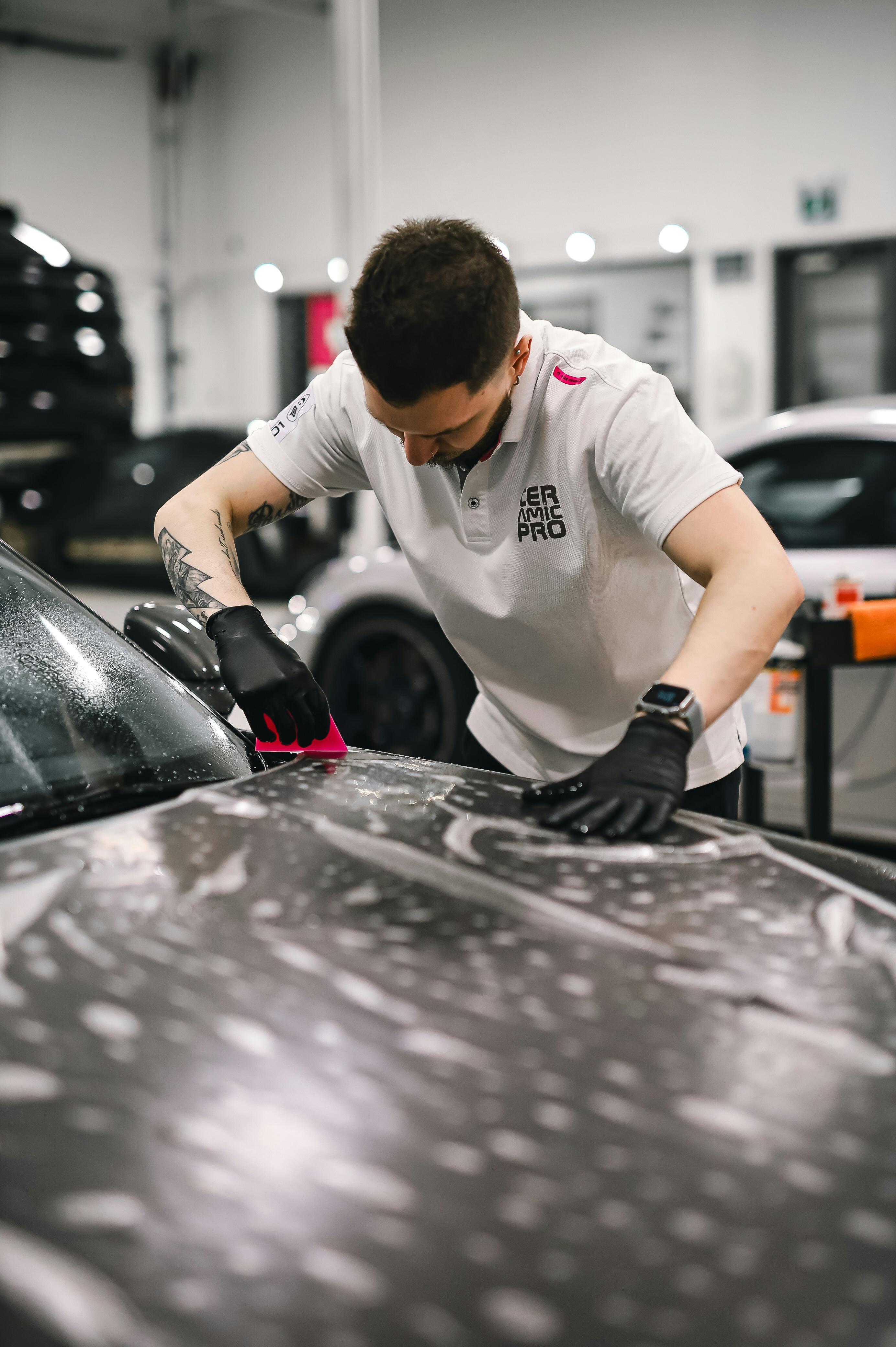

Leave a comment
This site is protected by hCaptcha and the hCaptcha Privacy Policy and Terms of Service apply.