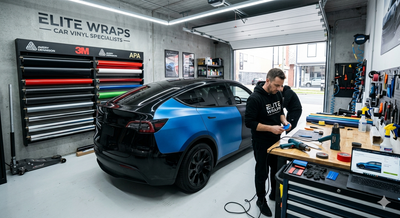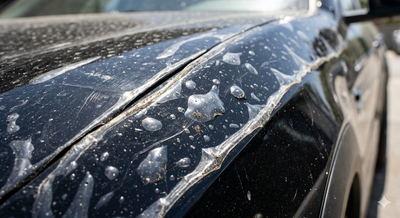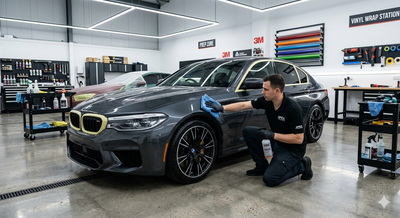


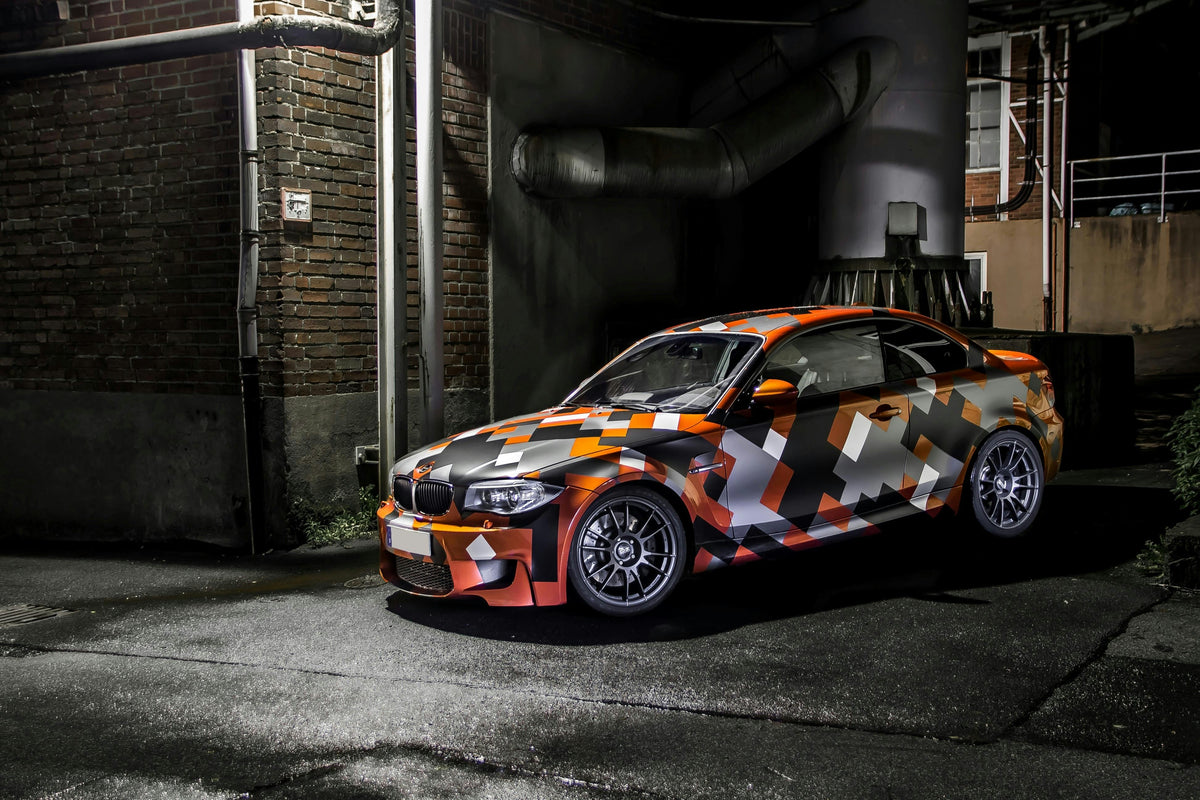
Vinyl wrapping has exploded in popularity across Australia, and if you’ve been noticing more uniquely styled cars on the road lately, you’re not imagining it. Aussie drivers are embracing vinyl wrap transformations at a record pace, from sleek matte black utes cruising down the Gold Coast to bold, attention-grabbing commercial wraps dominating Melbourne’s business district. What was once a niche modification used mainly by car enthusiasts is now a mainstream automotive trend driven by creativity, practicality, and affordability.
Many Australians are discovering that vinyl wrapping offers far more flexibility than traditional paintwork. Instead of committing to a permanent colour change, car owners can switch up their vehicle’s appearance whenever they want, much like giving their car a new wardrobe. Whether it’s a statement colour, a custom print, or a protective clear wrap, vinyl opens the door to endless personalisation options. And in a country where the sun can be brutally harsh on paint, the protective benefits of vinyl wrap are becoming a major selling point.
But the rise isn't just about style and protection. Businesses across Australia, from real estate agencies to food delivery services, are turning to vinyl wraps as a powerful advertising tool. They’ve realised that a vehicle acts like a moving billboard, capturing thousands of impressions each day. This has driven demand for commercial vehicle wrap services, making vinyl wrapping not only a trend but an essential marketing strategy.
As the industry grows, so do questions: How much does vinyl wrapping cost in Australia? Where can you find the best installers? What trends are leading the market this year? In this detailed guide, we’ll delve into the evolution of vinyl wrapping in Australia, explore the factors influencing its popularity, discuss the latest trends, and outline the investment required for a high-quality wrap. By the end, you’ll know exactly whether vinyl wrapping is the right move for your vehicle, and how to get the best results.
As vinyl wrapping becomes more popular across Australia, installers rely on high-quality vehicle wrapping tools to deliver smooth, professional finishes →
Understanding the Popularity of Vehicle Wrap Australia Services
The surge in interest surrounding vehicle wrap Australia services isn’t just a temporary trend; it’s a full-blown transformation of how Australians approach car aesthetics, branding, and long-term vehicle protection. To understand just how deeply vinyl wrapping has become embedded in Australian car culture, you have to look at a combination of lifestyle preferences, environmental conditions, and evolving industry standards. Australia has always had a strong love affair with vehicles, especially with utes, SUVs, and performance cars. Personalisation has naturally followed, and vinyl wrapping has made customisation faster, cheaper, and more flexible than ever before. Instead of committing thousands of dollars and weeks of downtime for a paint respray, drivers can now experiment with new looks in just a couple of days and easily switch them out later.
Another reason for the popularity boom is Australia’s harsh climate. The sun is unforgiving, and UV exposure can fade or damage factory paint in a matter of years, particularly in Queensland, Northern Territory, and Western Australia, where temperatures consistently reach high extremes. Car owners began looking for a cost-effective way to maintain their vehicle’s resale value while protecting its exterior. Vinyl wrap became the ideal solution, acting as a shield against UV, scratches, stone chips, and even minor abrasions. This protective aspect, combined with the aesthetic benefits, makes vinyl wrapping incredibly appealing to Australians who want both style and practicality.
Social media has also played a big role in amplifying the rise of vinyl wrapping. Platforms like Instagram, TikTok, and YouTube are filled with satisfying transformation videos from wrap shops across Sydney, Melbourne, Brisbane, and Perth. The “before and after” trend exploded, inspiring regular drivers to explore wraps they never previously considered, chrome deletes, colour flips, satin finishes, and even custom graphic designs. What once required insider knowledge is now accessible to anyone with a smartphone, and this exposure has pushed demand to new heights.
Finally, businesses across Australia have embraced vehicle wrapping as a critical marketing investment. A wrapped commercial vehicle can generate between 30,000 and 70,000 impressions per day, making it one of the most powerful advertising media available. For small and large businesses alike, wrapping a fleet creates brand consistency, increases visibility, and offers unbeatable advertising value.
Altogether, the combination of practicality, aesthetics, climate protection, affordability, and social influence has made vinyl wrapping a staple of Australian automotive culture, and it shows no signs of slowing down.
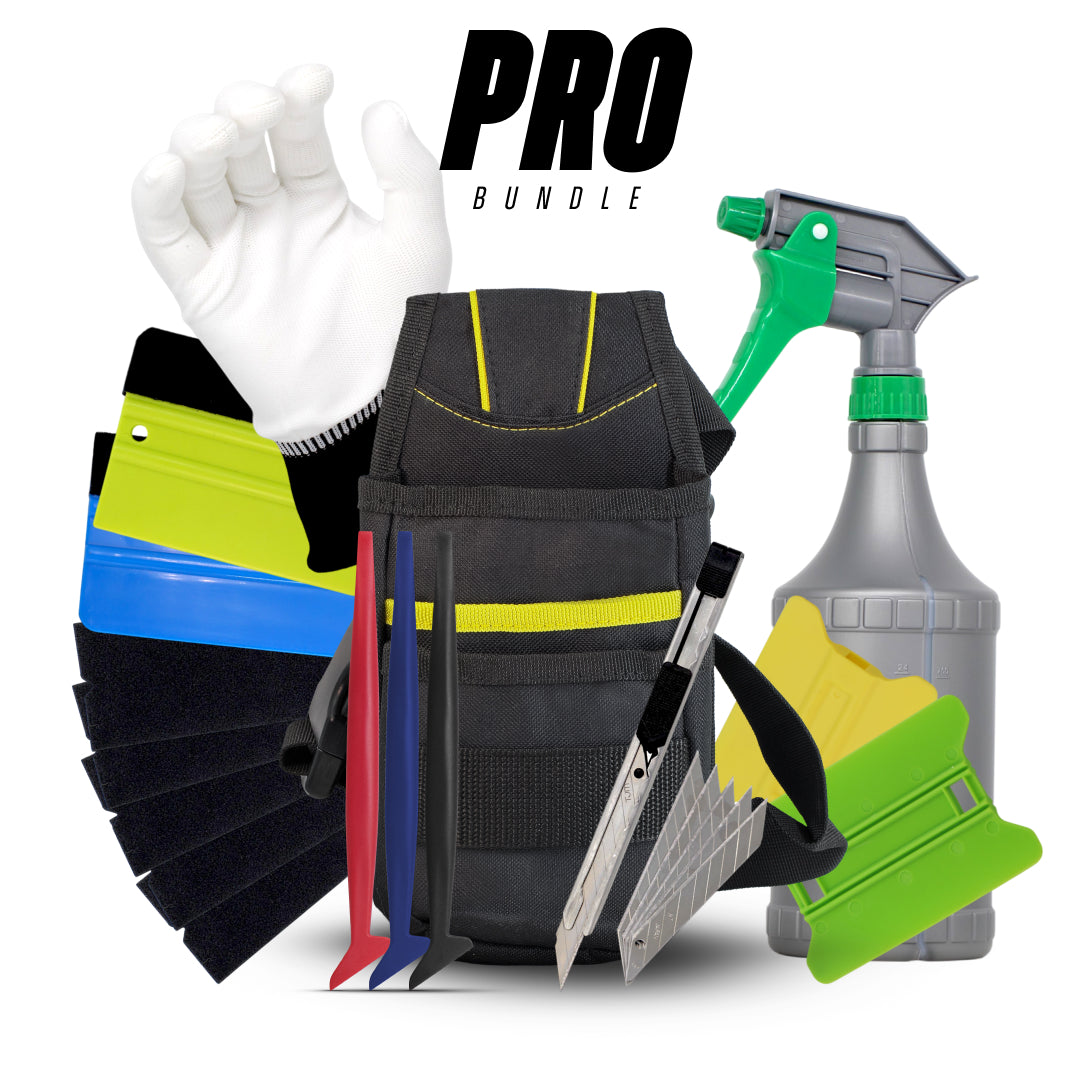
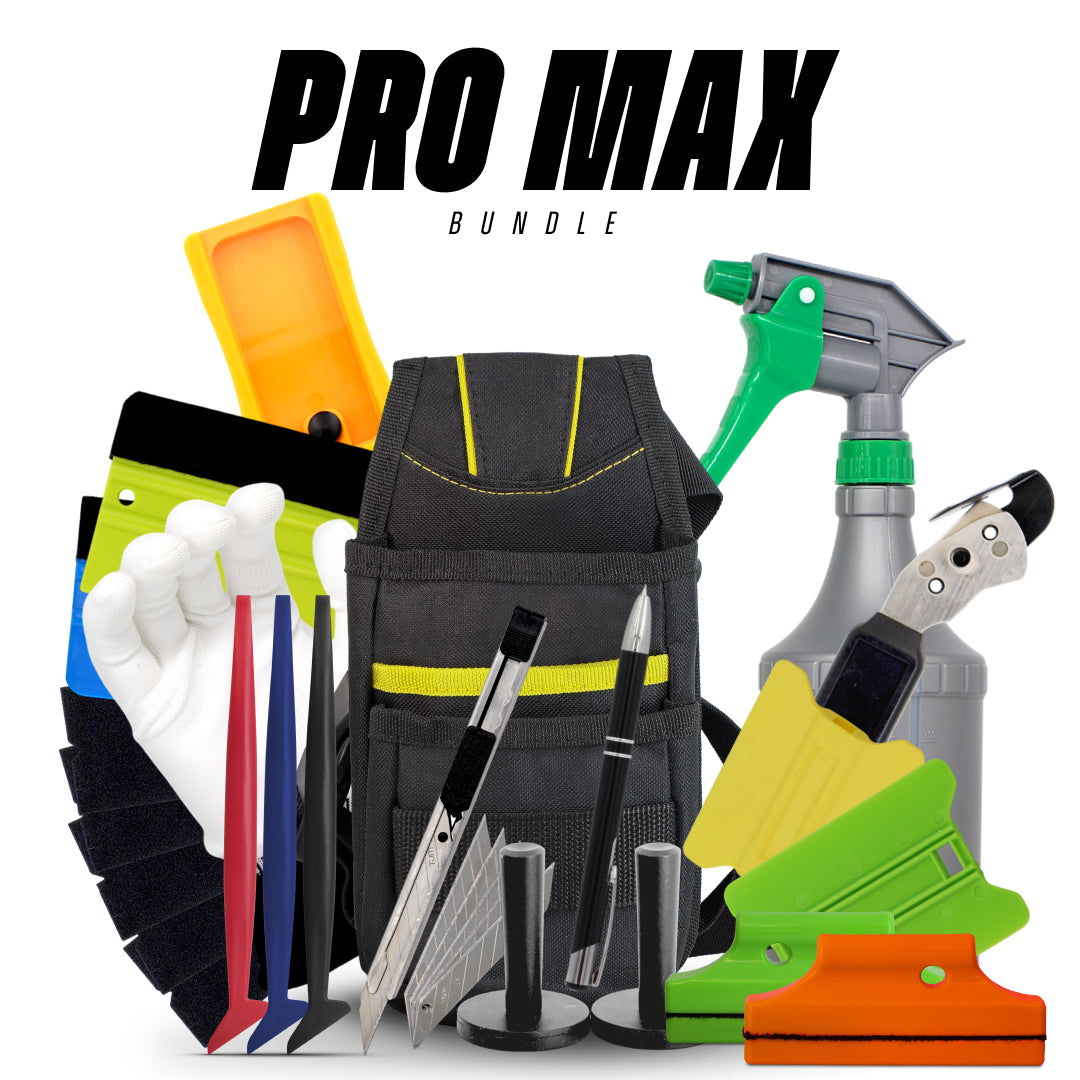
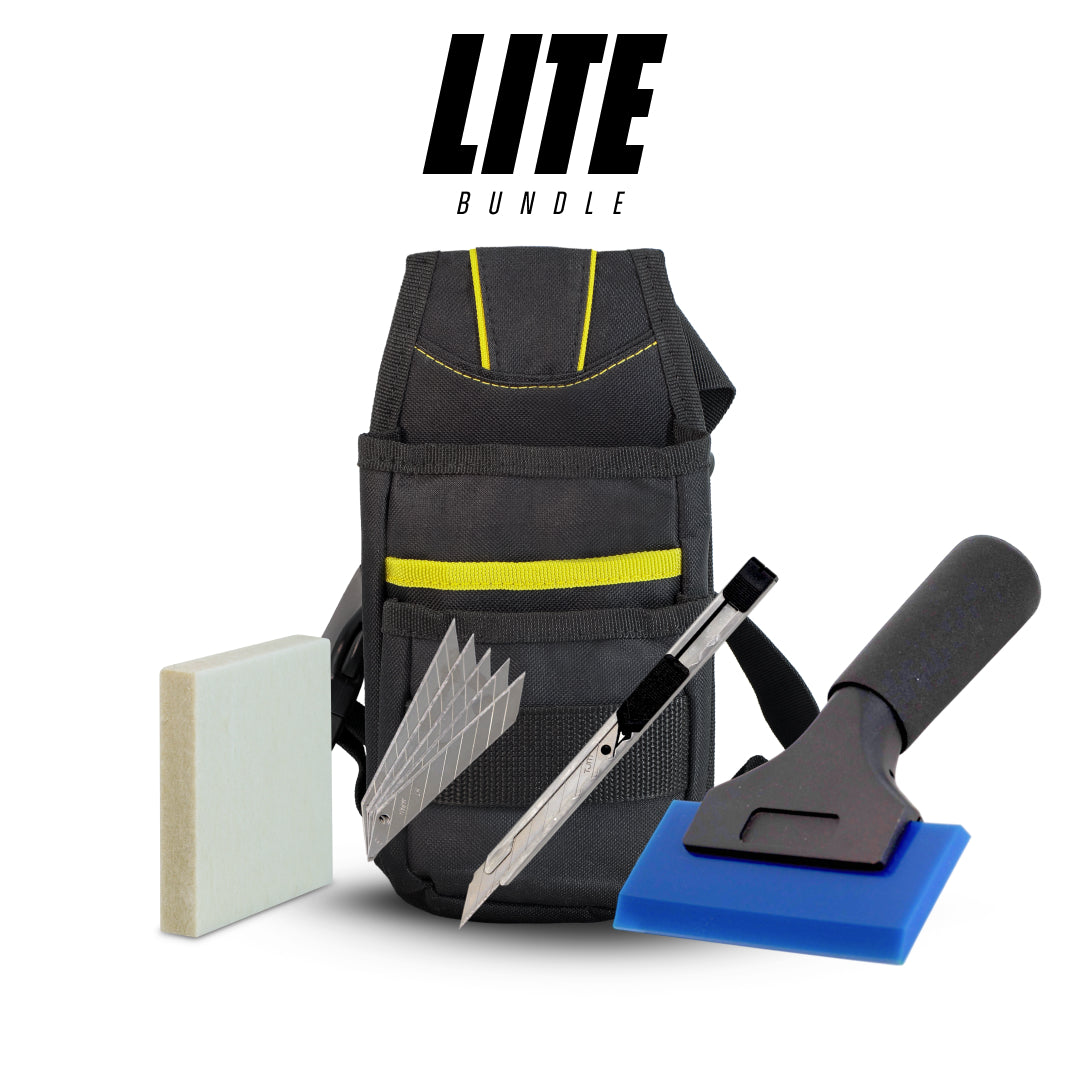
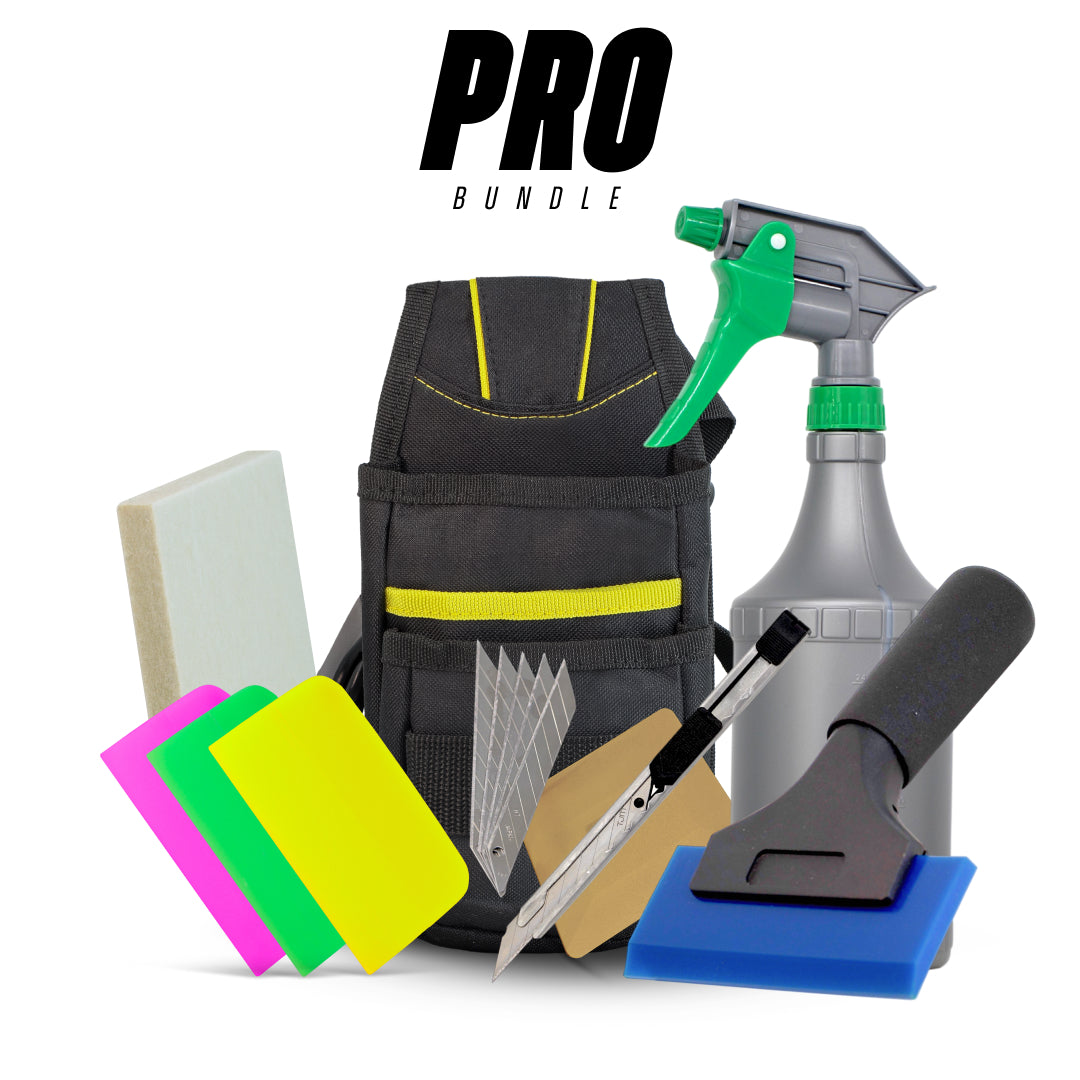
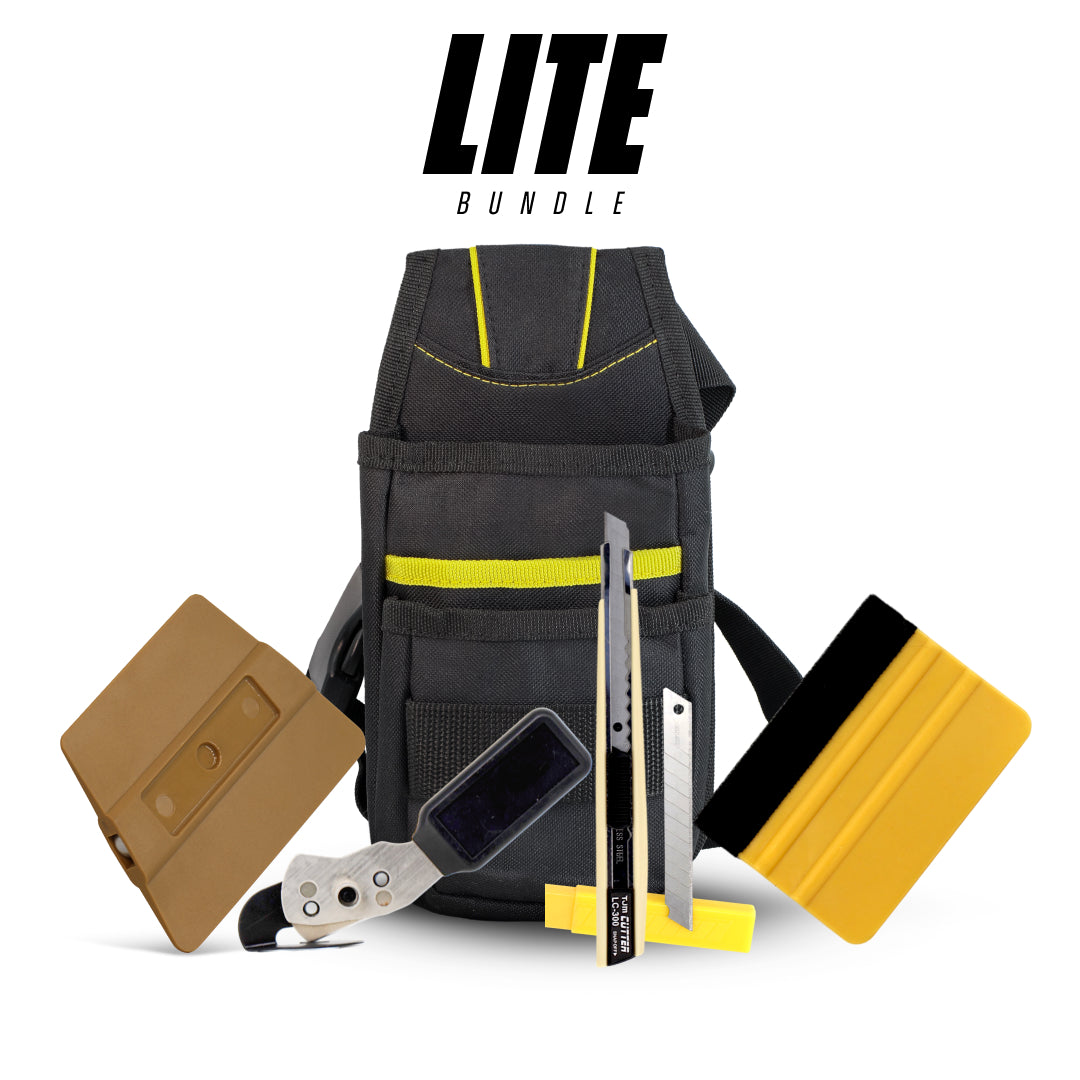
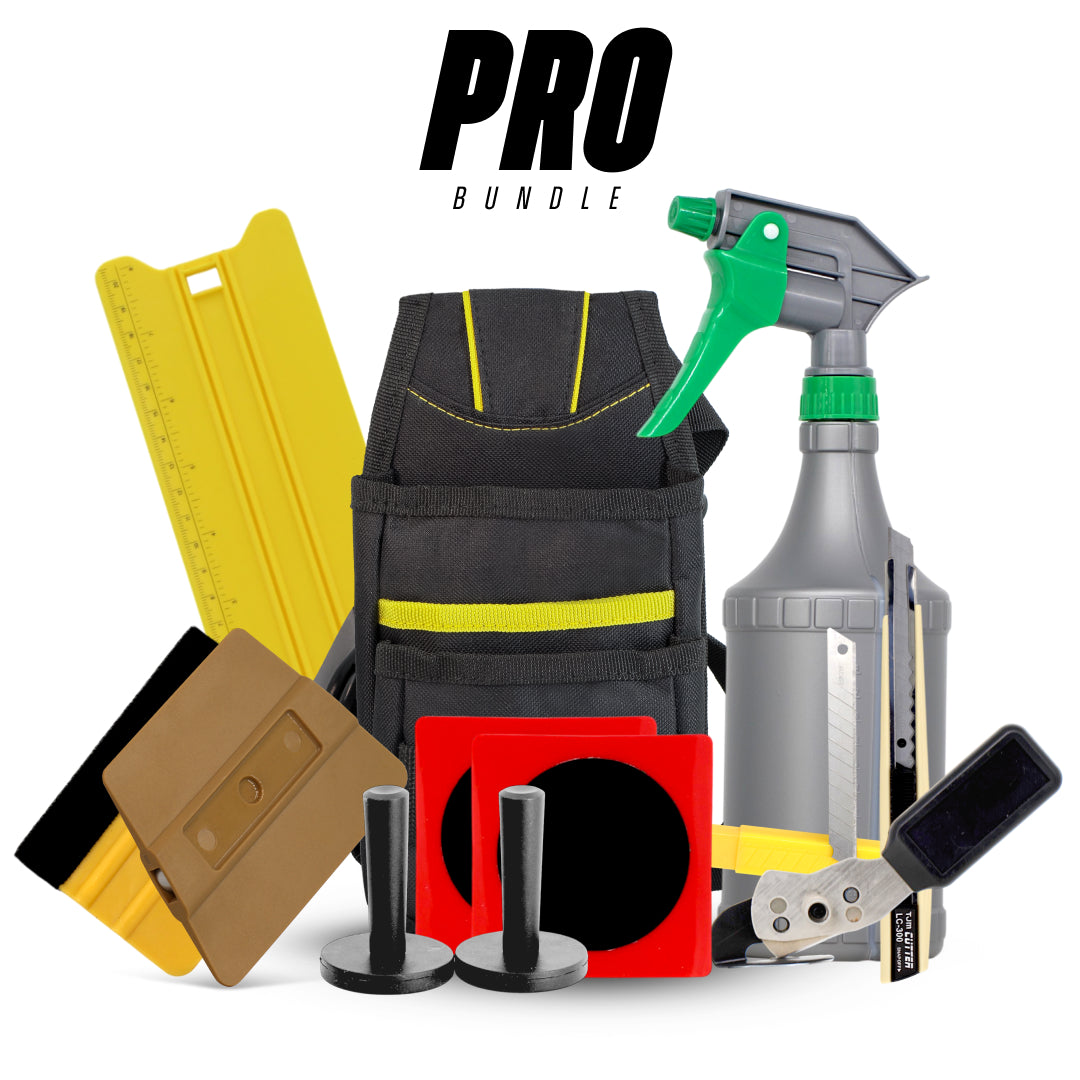
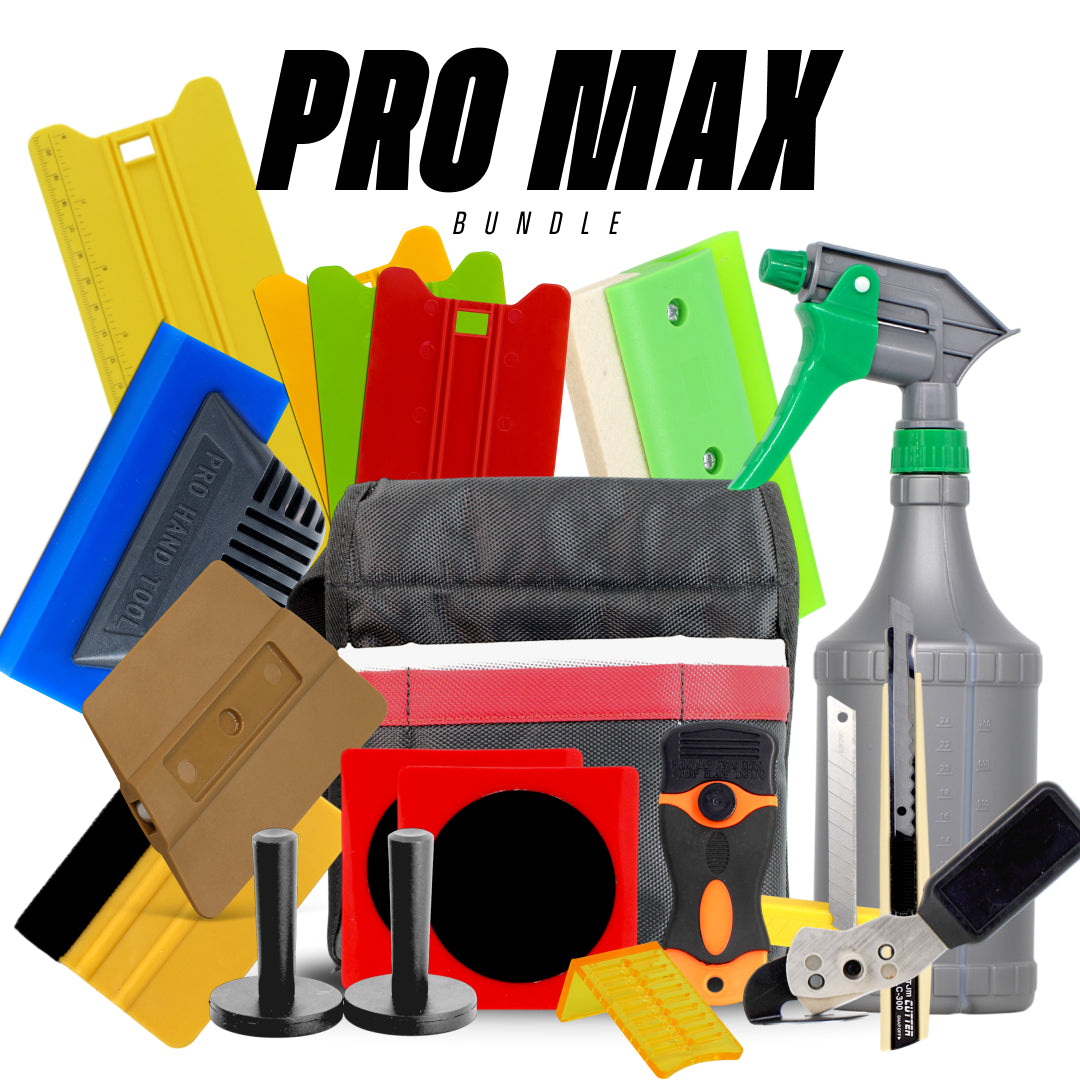
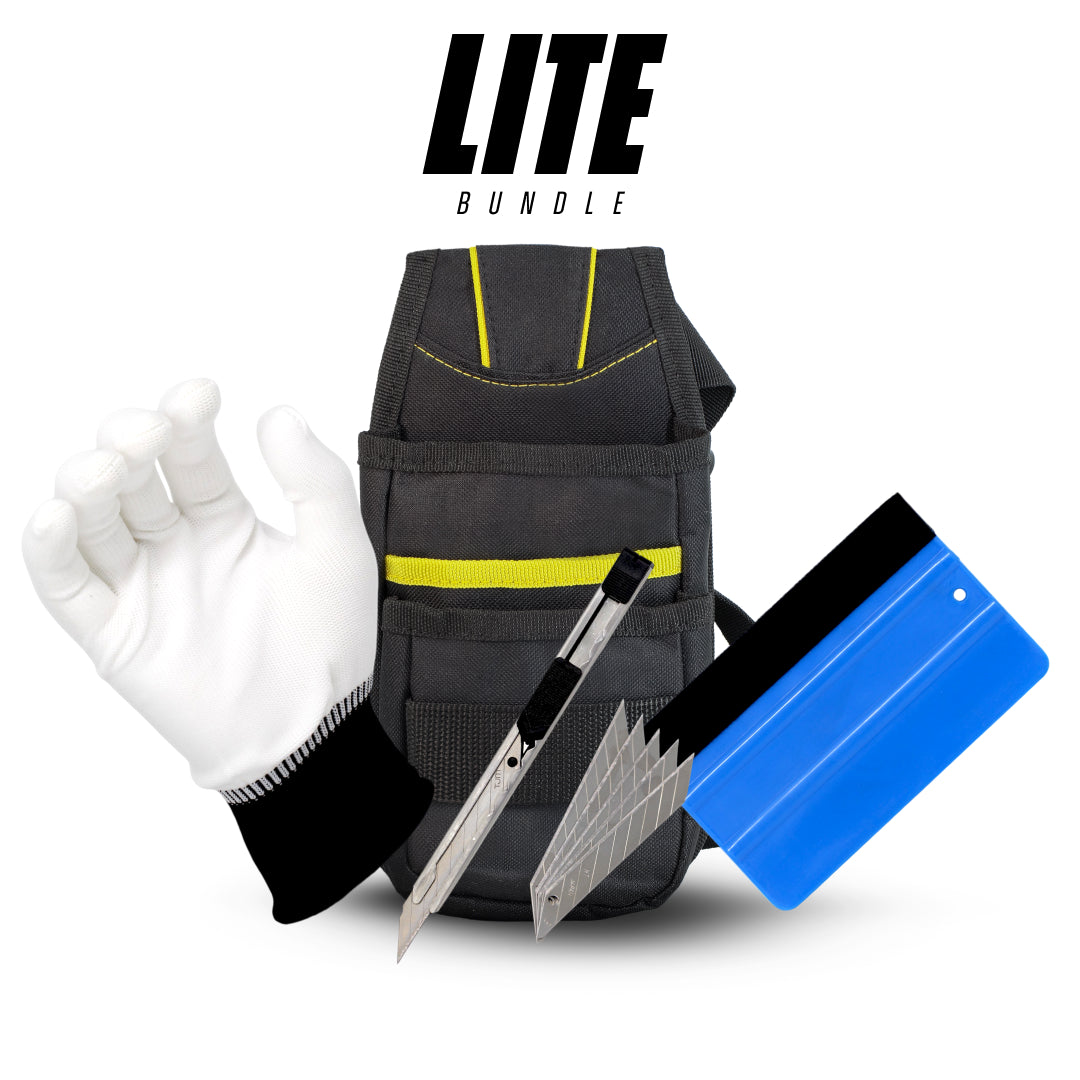
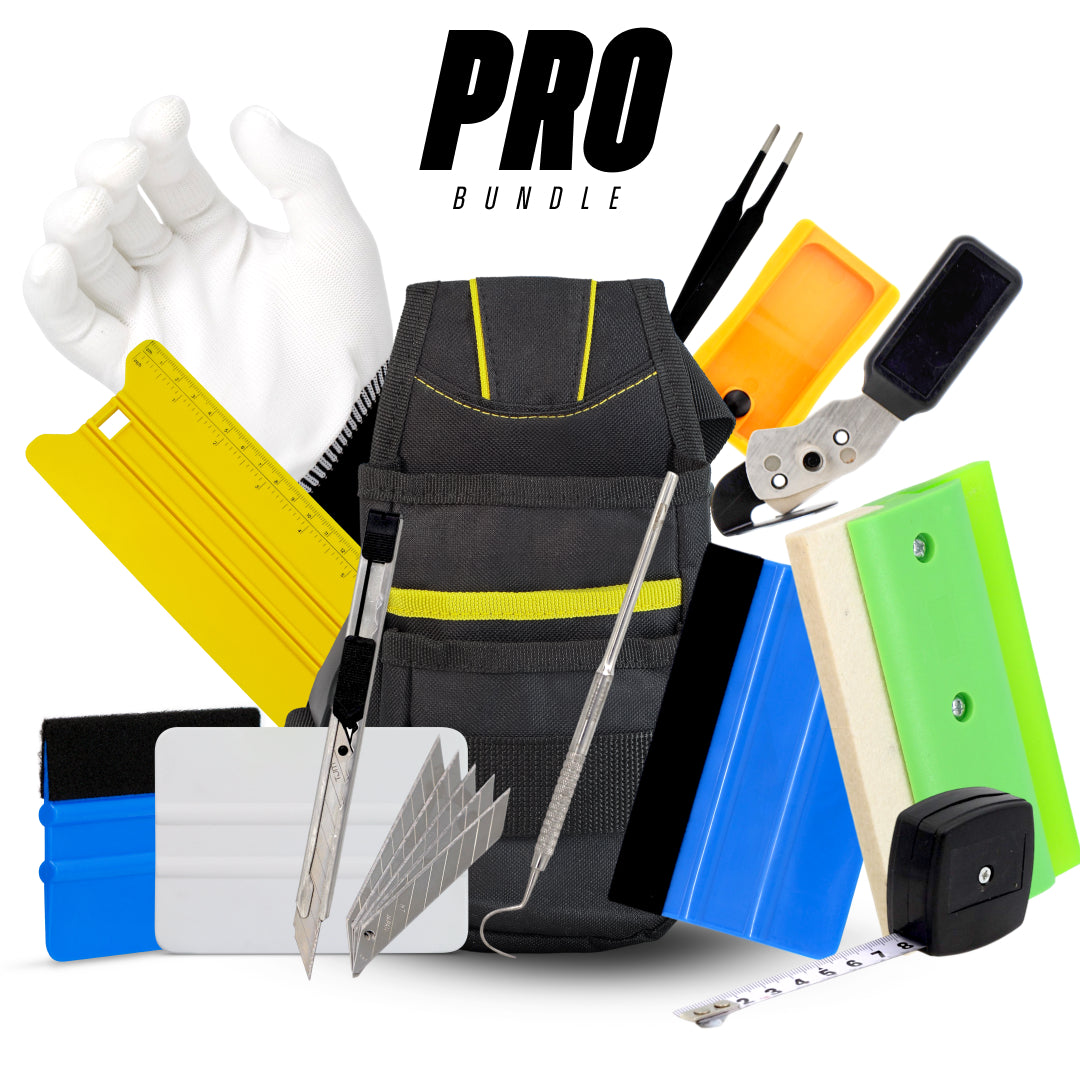
For beginners exploring the trend, our complete car wrap tool kits offer everything needed to start wrapping vehicles confidently →
What Exactly Is Vinyl Wrapping?

Vinyl wrapping is essentially the art, and increasingly, the science, of transforming a vehicle’s exterior using a high-quality, adhesive-backed vinyl film. Think of it like giving your car a second skin, one that can change its colour, texture, or finish without altering the factory paint underneath. This thin yet durable film is carefully applied over your vehicle’s panels using heat, pressure, and precision techniques to create a flawless finish. It’s a process that blends craftsmanship, technology, and design, and it has revolutionised the way Australians modify and protect their vehicles.
To truly understand vinyl wrapping, picture the difference between painting a wall and applying wallpaper. Painting requires full commitment; you have to sand, prep, prime, and accept that it’s going to be permanent until you do the whole thing again. Vinyl wrapping, on the other hand, is like wallpaper: you can apply it, remove it, change it, update it, or refresh it whenever you feel like a new look. This flexibility is exactly why vinyl wrapping became a hit among Australian car owners who want customisation without long-term consequences.
There are several types of vinyl used in the wrapping industry, each offering different benefits depending on your goals. Cast vinyl is the premium choice, known for its durability, flexibility, and ability to conform to complex curves. This is what most professional wrap shops use for colour changes and commercial wraps. Calendared vinyl, while slightly more affordable, is better suited for flat surfaces or short-term applications like temporary ads or seasonal promotions. Then there are specialty wraps, which include carbon fibre finishes, chrome films, textured vinyl, colour-shifting wraps, matte or satin finishes, and even custom-printed designs created digitally.
During installation, the vehicle goes through a detailed cleaning and preparation process. Any dirt, grease, or residue can affect adhesion, so installers take their time ensuring the surface is pristine. The vinyl is then laid over the panels and heated with a heat gun, allowing it to stretch and mould perfectly into place. Skilled installers know how to work around edges, curves, and recesses to create seamless coverage. Once finished, the wrap can last up to 5–7 years, depending on climate and maintenance.
Whether you're wrapping a full car or a single panel, using the right wrap squeegee ensures a bubble-free, clean installation →
The result? A stunning, customizable, protective layer that looks like paint but behaves like a removable cosmetic upgrade. It’s no wonder vinyl wrapping has become one of the fastest-growing automotive trends in Australia.
Installer tip
Choose the vinyl according to the vehicle, surface complexity, climate, intended lifespan, and desired finish rather than price alone. Proper preparation, controlled heat, quality tools, and careful edge finishing are essential for achieving a professional result, particularly in Australia’s harsh UV and temperature conditions.
Why Vinyl Wrapping Has Become the Go-To for Australian Car Owners
Vinyl wrapping has cemented itself as the top choice for Aussie car owners, and it’s not by accident. When you combine affordability, style, durability, and Australian environmental realities, vinyl wrapping becomes the obvious winner over traditional paint. Many Australians have discovered that wrapping their vehicles gives them the freedom to express their personality and protect their investment, all without breaking the bank. This section dives deep into the reasons behind its booming popularity and why so many car owners across Australia, from everyday commuters to elite car enthusiasts, are turning to vinyl as their preferred upgrade.
One of the biggest reasons vinyl wrapping has skyrocketed in popularity is cost efficiency. A full professional respray can cost anywhere from $6,000 to $20,000 in Australia, depending on the car and the quality of paint. Compare that with vinyl wraps, which usually range between $2,000 and $5,000, and the savings are clear. Even better, wraps can achieve finishes that paint simply cannot, like brushed metal, carbon fibre, colour-shifting iridescent hues, and ultra-smooth satin looks. For Aussies who love personal style without committing to a huge financial investment, vinyl wrapping is a no-brainer.
Another crucial factor is protection. Australia’s climate is one of the harshest in the world for automotive paint. Strong UV rays can cause noticeable fading in as little as two years, especially in states like Queensland and Western Australia. Vinyl wrapping acts as a protective barrier, blocking UV rays, resisting minor scratches, and preventing stone chips that can ruin paintwork. This extra layer helps preserve a vehicle’s resale value, a major consideration for Australians who frequently upgrade their cars or take pride in keeping them pristine.
Then there’s the benefit of reversibility. Unlike paint, vinyl wraps are not permanent. Car owners can remove the wrap at any time, revealing the factory paint underneath, which often remains in excellent condition due to the wrap’s protection. Want a matte black finish this year and a deep metallic blue next year? No problem. This level of creative freedom is unmatched, giving Australians the ability to experiment with their car’s appearance as often as trends change or as their mood dictates.
Finally, vinyl wrapping fits perfectly with Australia's growing preference for visual branding and business promotion. Tradies, real estate agents, logistics companies, and small business owners use vehicle wraps to advertise their services on the go. A wrapped company vehicle becomes a mobile marketing tool, generating exposure everywhere it travels. For many, wrapping isn’t just a cosmetic upgrade; it’s a smart business investment.
All these factors combined have made vinyl wrapping the go-to solution for Australians looking for convenience, creativity, protection, and value packed into one powerful vehicle upgrade.
As wrap designs get more intricate, professionals increasingly use knifeless tape to achieve precise cuts without damaging paint →
Top Vinyl Wrapping Trends in Australia
Vinyl wrapping trends in Australia have evolved rapidly over the last few years, and 2026 is shaping up to be the most innovative year yet. As more Australians embrace personalisation and businesses continue investing in mobile advertising, the demand for eye-catching, high-quality wraps has skyrocketed. What’s exciting is that this growth has pushed both installers and vinyl manufacturers to introduce new textures, finishes, and design concepts that simply weren’t available a few years ago. If you’ve been thinking about wrapping your vehicle, these trends will give you a clear idea of what’s dominating the Australian market right now, and what’s likely to stay popular in the coming years.
One of the biggest trends this year is matte and satin finishes. Matte black has long been a fan favourite, but satin metallics are taking over, especially for car enthusiasts in cities like Melbourne and Sydney. Satin finishes strike the perfect balance between glossy shine and matte subtlety, offering a premium, modern look that works beautifully on sports cars, luxury sedans, and even utes. Colour options have expanded too, with satin emerald green, satin gunmetal, and satin royal blue achieving viral popularity on social platforms. These finishes look more expensive than they cost, making them a top pick for Aussies wanting premium aesthetics without the premium price tag.
Another trend that has exploded across Australia is chrome deletes, which involve removing or covering chrome accents, such as window trims, badges, and grilles, with black or coloured vinyl. Chrome deletes give vehicles a sleek, streamlined appearance and are especially popular with owners of 4WDs, Teslas, and European cars. They’re subtle but make a dramatic difference in a vehicle’s overall look. Even better, chrome deletes cost only a fraction of a full wrap but significantly modernise a car’s appearance.
Meanwhile, custom-printed wraps have become a staple for both personal and commercial use. Personal car owners are now exploring designs that reflect their individuality, think geometric patterns, abstract art, anime themes, or even realistic textures like forged carbon. For businesses, the trend leans heavily toward bold, high-contrast branding that stands out on busy Australian roads. Tradies, delivery drivers, and service businesses are investing in full-colour, digitally printed wraps to increase brand visibility and customer trust. These wraps turn vehicles into moving billboards that generate daily impressions, making them one of the most cost-effective advertising methods available.
Finally, colour-shifting wraps, often called “chameleons”, have cemented their place in the Australian wrap scene. These wraps shift colours depending on lighting and viewing angles, ranging from purple-to-blue to gold-to-green. They’re particularly popular among younger drivers and car enthusiasts who attend automotive meets or events. These wraps deliver a dramatic, head-turning effect without the astronomical costs of custom paint.
To shape and trim vinyl accurately, installers depend on sharp, durable cutters and blades that make detailing easy →
In short, Australia’s vinyl wrapping trends have never been more diverse or creative. Whether you prefer subtle elegance or bold individuality, 2026 offers a style for everyone.
Common mistake
Choosing a wrap based solely on its colour or lowest quote can result in poor durability, premature lifting, fading, or an inconsistent finish. Avoid cutting corners on film quality, surface preparation, or installer experience, especially for complex vehicles and specialty finishes.
Vehicle Wrap Australia Guide: Where to Find the Best Installers

Finding the best vehicle wrap Australia installers can feel overwhelming, especially with the rapid growth of the industry and the sheer number of shops now offering vinyl wrapping services. Not all installers are created equal; some specialise in luxury vehicles, others focus heavily on commercial branding, while a few excel at custom artistic wraps that require advanced design skills. Choosing the right installer is crucial because vinyl wrapping is a craft that demands precision, patience, and experience. One small mistake, like air bubbles, stretch marks, lifting edges, or improper surface preparation, can dramatically reduce the wrap’s lifespan and compromise the overall finish. This guide helps you understand exactly what to look for when choosing a wrap installer anywhere in Australia.
The first step is evaluating an installer’s portfolio and experience. A reputable shop should have a strong gallery of completed work showcasing a variety of wrap styles, colours, finishes, and vehicle types. High-quality videos and photos are great indicators, but in-person viewing is even better. Many established shops allow potential customers to walk through the workshop to see vehicles currently being wrapped. This level of transparency shows confidence in their craftsmanship. When reviewing portfolios, pay attention to details such as clean edges, smooth finishes, precise trimming, and consistency in wrap application across different surfaces.
Another major element to consider is certification and brand partnerships. The best installers in Australia are certified by top vinyl manufacturers like 3M, Avery Dennison, and Hexis. These certifications show that the installer has undergone extensive training and meets global quality standards. Partnered installers also gain access to premium materials, extended warranties, and the latest application techniques. This is a huge advantage, as the quality of vinyl and installation affects durability, colour accuracy, and long-term performance, especially under Australian weather conditions.
Customer reviews and reputation also play a huge part in choosing a professional installer. Look for consistent 5-star reviews, repeat clients, and honest testimonials. Avoid shops with vague pricing, rushed consultations, or limited examples of their past work. Speaking directly with the installer will tell you a lot. They should be able to discuss vinyl options, maintenance requirements, warranty details, and design recommendations without hesitation. Skilled installers take time to understand your goals and offer solutions tailored to your budget and vehicle type.
Finally, consider whether the shop provides design services, especially for commercial or custom wraps. High-end shops in Australia use professional graphic designers to create digital mock-ups, ensuring the wrap looks exactly as intended before printing or installation. This step eliminates surprises and guarantees a flawless final result.
Surface preparation plays a major role in wrap longevity, which is why proper cleaning tools are essential before applying vinyl →
Choosing the right installer can make or break your wrapping experience. With a little research and the right questions, you’ll easily find a trusted professional who can deliver stunning, long-lasting results.
Best Vinyl Wrapping Brands Used Across Australia
When searching for the best vehicle wrap Australia services, one of the most important decisions you’ll make is the type of vinyl used on your car. Not all vinyl is created equally; some brands offer exceptional durability and colour consistency, while others struggle under Australia’s intense UV conditions. With scorching summers, coastal humidity, and long-distance drives being a part of everyday life, Australian vehicles demand vinyl that can withstand harsh environments without fading, peeling, or cracking. This is why the choice of vinyl brand matters just as much as the installer you choose. Below, we’ll break down the top vinyl wrapping brands dominating the Australian market and explain why they’ve earned the trust of both professionals and car enthusiasts.
The most popular and widely respected brand is 3M. Known globally for its innovation and long-lasting performance, 3M vinyl is engineered to endure tough climates, making it perfect for Australian conditions. Their Wrap Film Series 2080 is the industry standard, offering deep, vibrant colours, incredible stretchability, and a protective clear layer that resists UV damage. Installers love 3M because the film conforms beautifully around curves, doesn’t bubble easily, and provides a smooth, paint-like finish. Car owners love it because it typically lasts 5–7 years with proper maintenance. Whether you're doing a colour change, chrome delete, or commercial wrap, 3M sets the bar for quality.
Another top contender is Avery Dennison, a brand often praised for having some of the easiest vinyl to install thanks to its ultra-sleek adhesive technology. Avery’s Supreme Wrapping Film (SWF) is a game-changer; it allows installers to reposition the vinyl multiple times without leaving adhesive residue, reducing installation errors and creating a cleaner final look. Avery wraps also offer some of the most stunning colour options on the market, including pearlescent, gloss metallic, satin, and matte variants. One of the reasons Aussies love Avery is that it stays flexible even in hot conditions, making it ideal for Australia’s temperature swings.
Then there’s Hexis, a European brand that has gained a huge following in Australia over the past decade. Hexis is especially popular for its bold textures, unique finishes, and incredible colour depth. Their HX20000 series includes everything from carbon fibre and brushed metal to iridescent colour flips that change shades in the sun. Drivers who want something truly eye-catching often gravitate toward Hexis because it offers finishes you simply can’t find elsewhere. Professional installers value Hexis for its durability and excellent adhesive properties that hold up incredibly well in coastal or humid environments, a big deal for drivers in Queensland and NSW.
Other notable mentions include KPMF, known for its gorgeous colour-shifting wraps, and Oracal, which offers durable, affordable vinyl for both commercial and personal use. While these brands are less mainstream than 3M or Avery, they are still trusted by experienced installers for specific applications, especially when clients want rare textures or long-lasting branding wraps.
Selecting the right vinyl brand can make a world of difference in the longevity, appearance, and maintenance of your wrap. The best Australian installers will always guide you toward premium brands that ensure outstanding results, no matter the vehicle type or climate.
As vinyl wrap and PPF increasingly overlap in the market, many professionals also use specialised PPF tools for protective film installations →
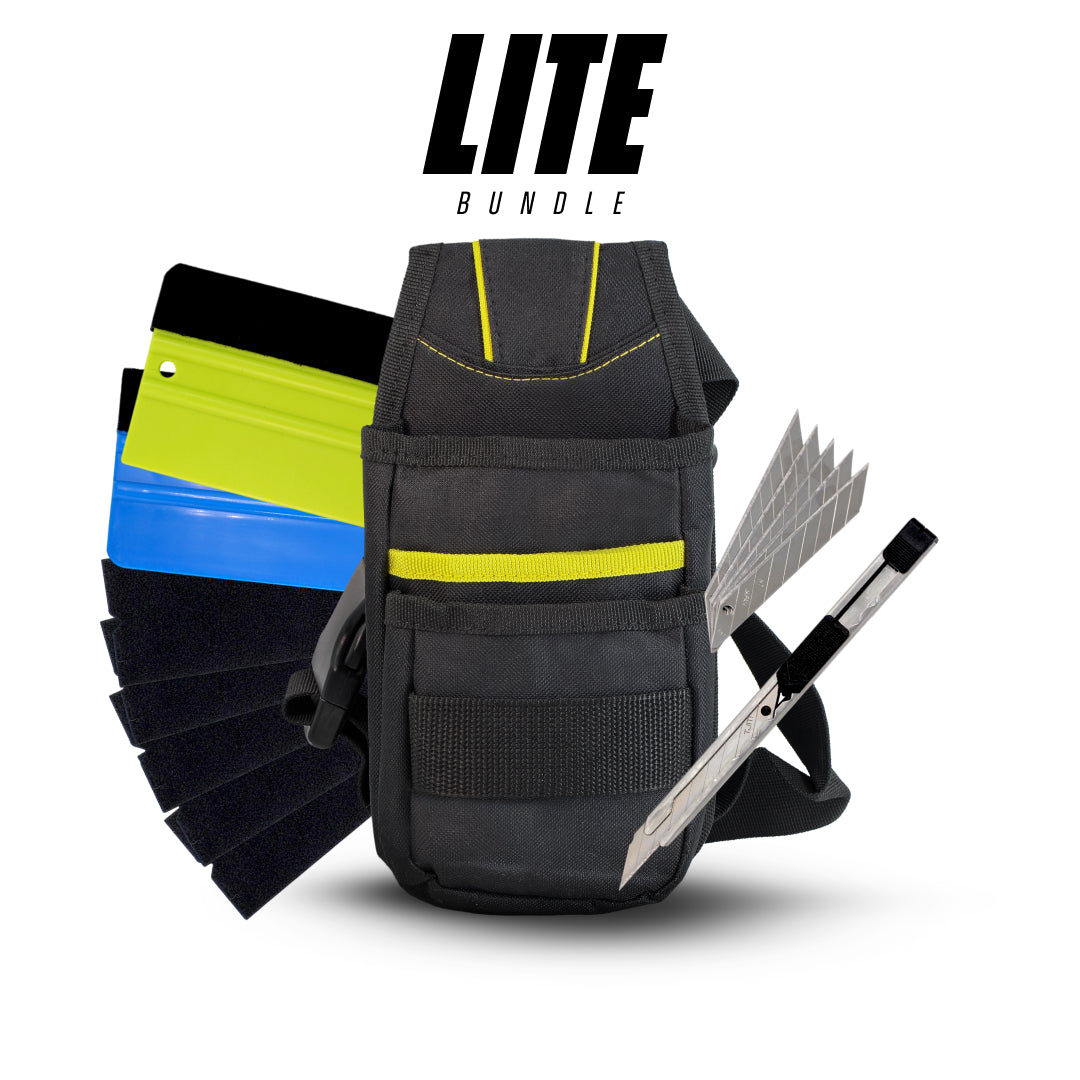
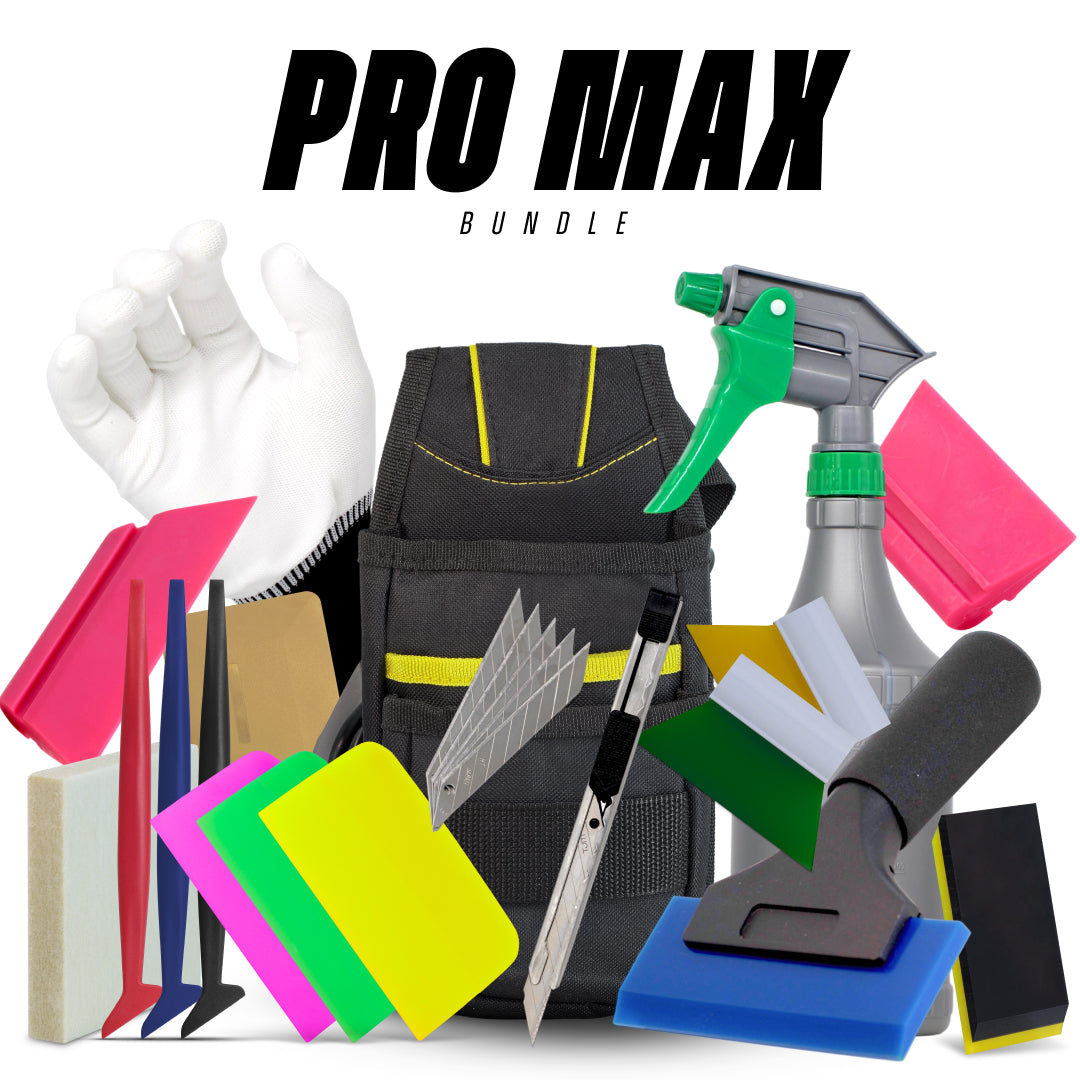
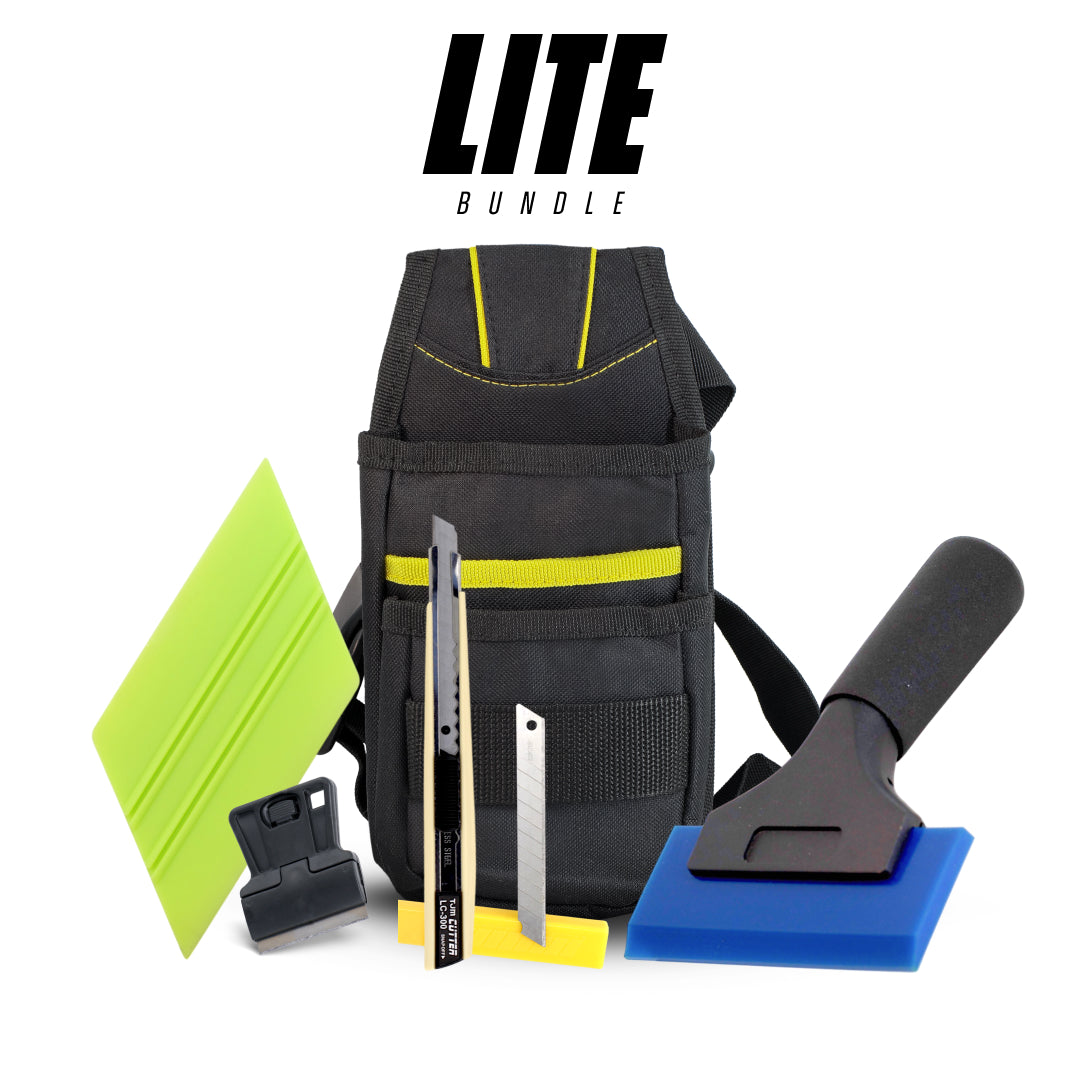
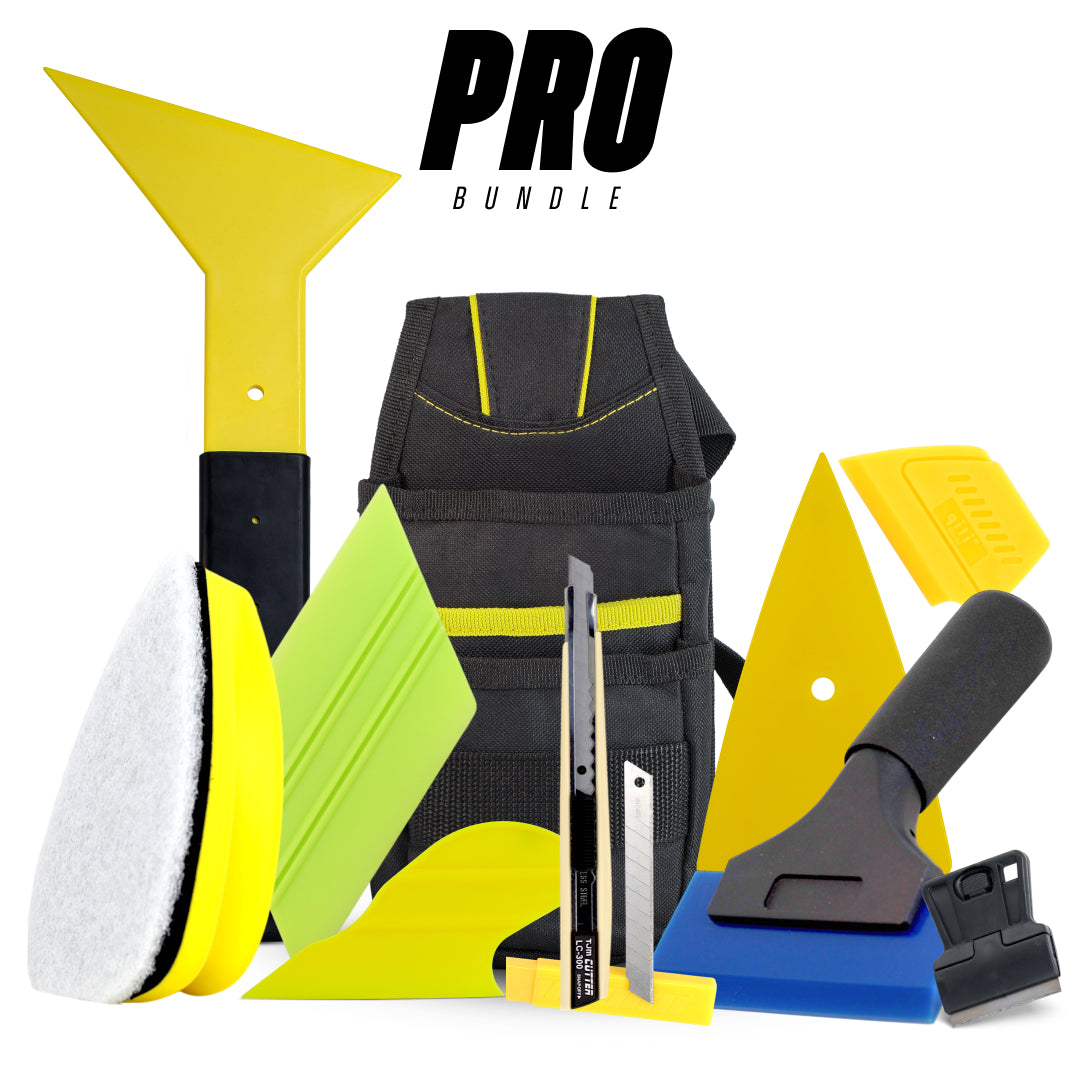
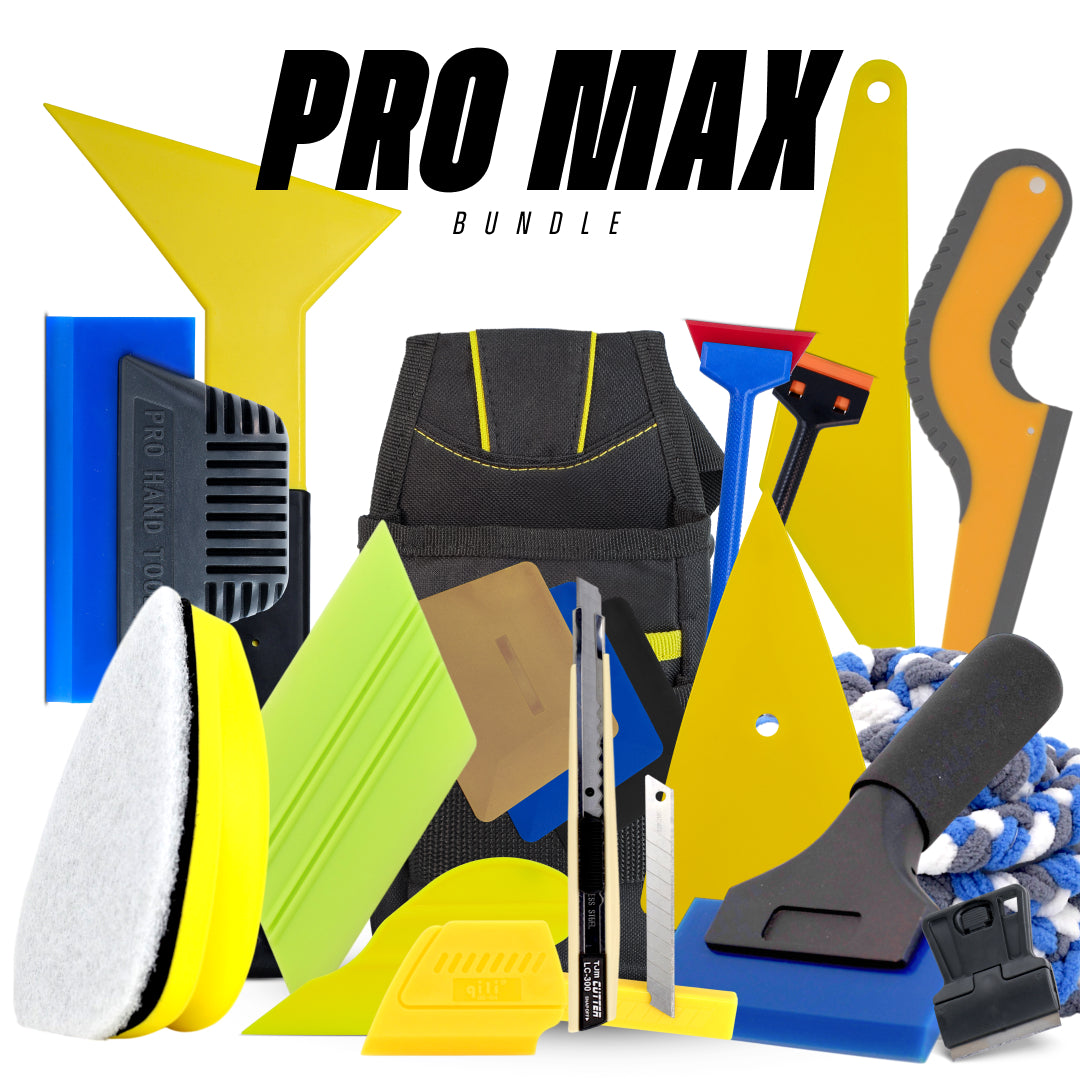
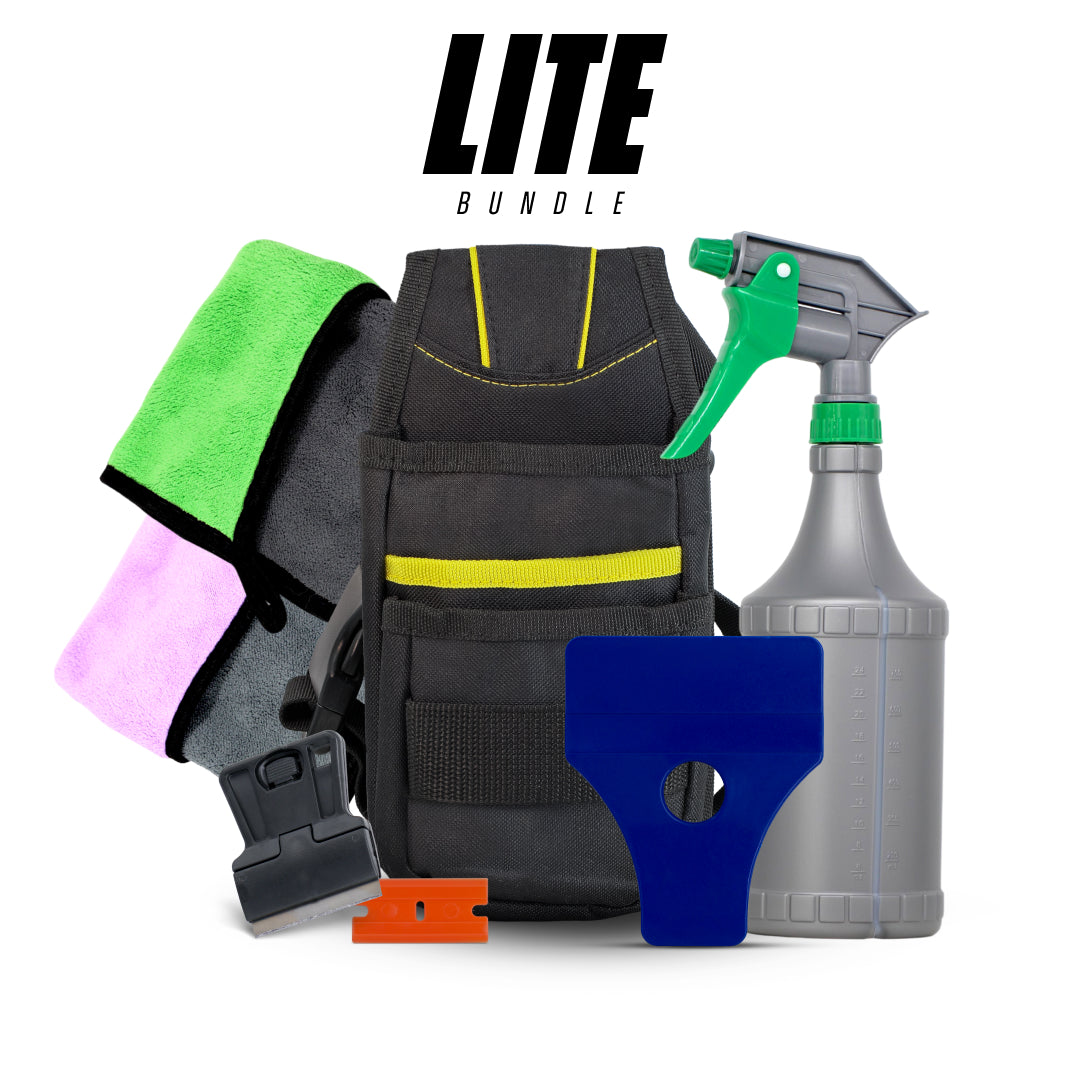
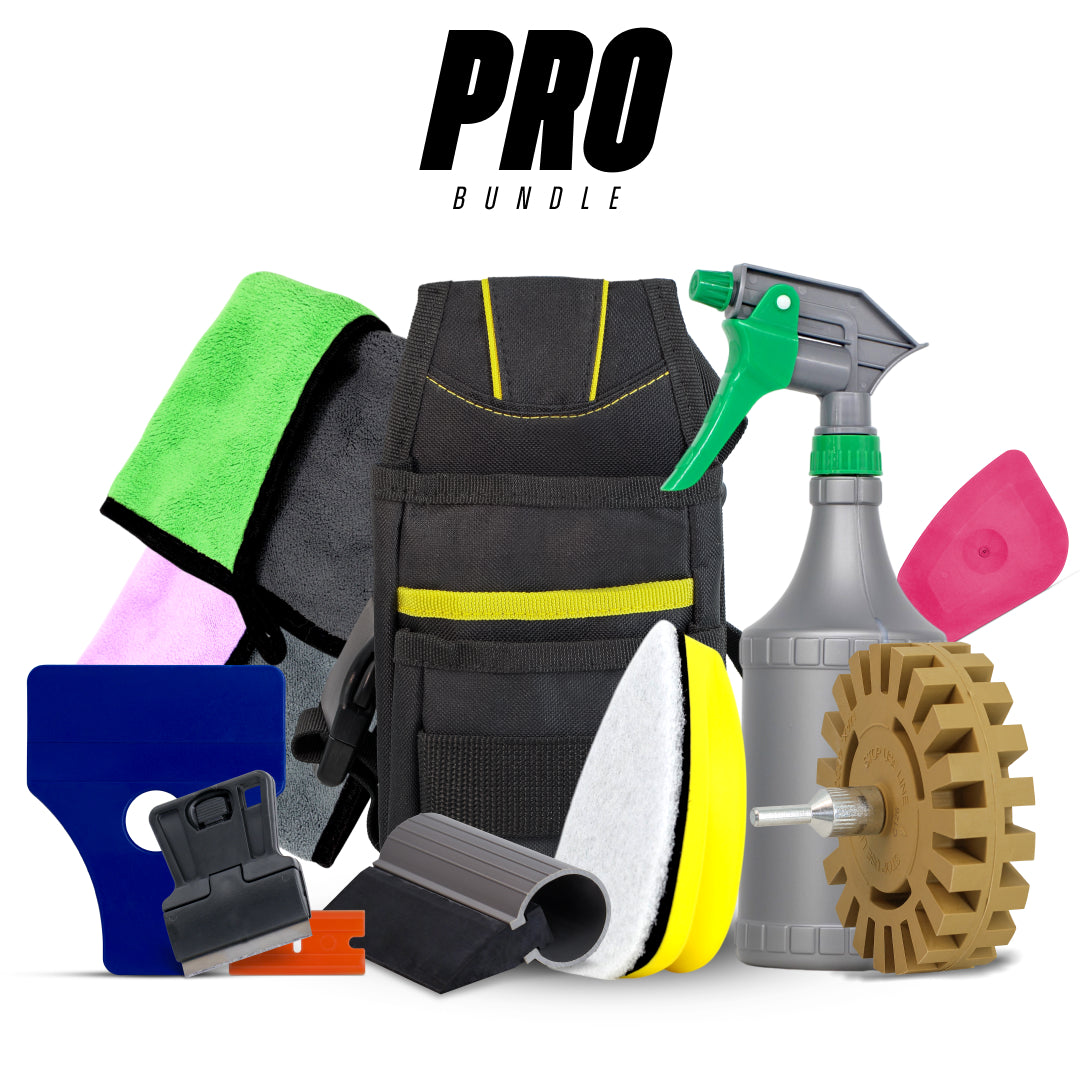
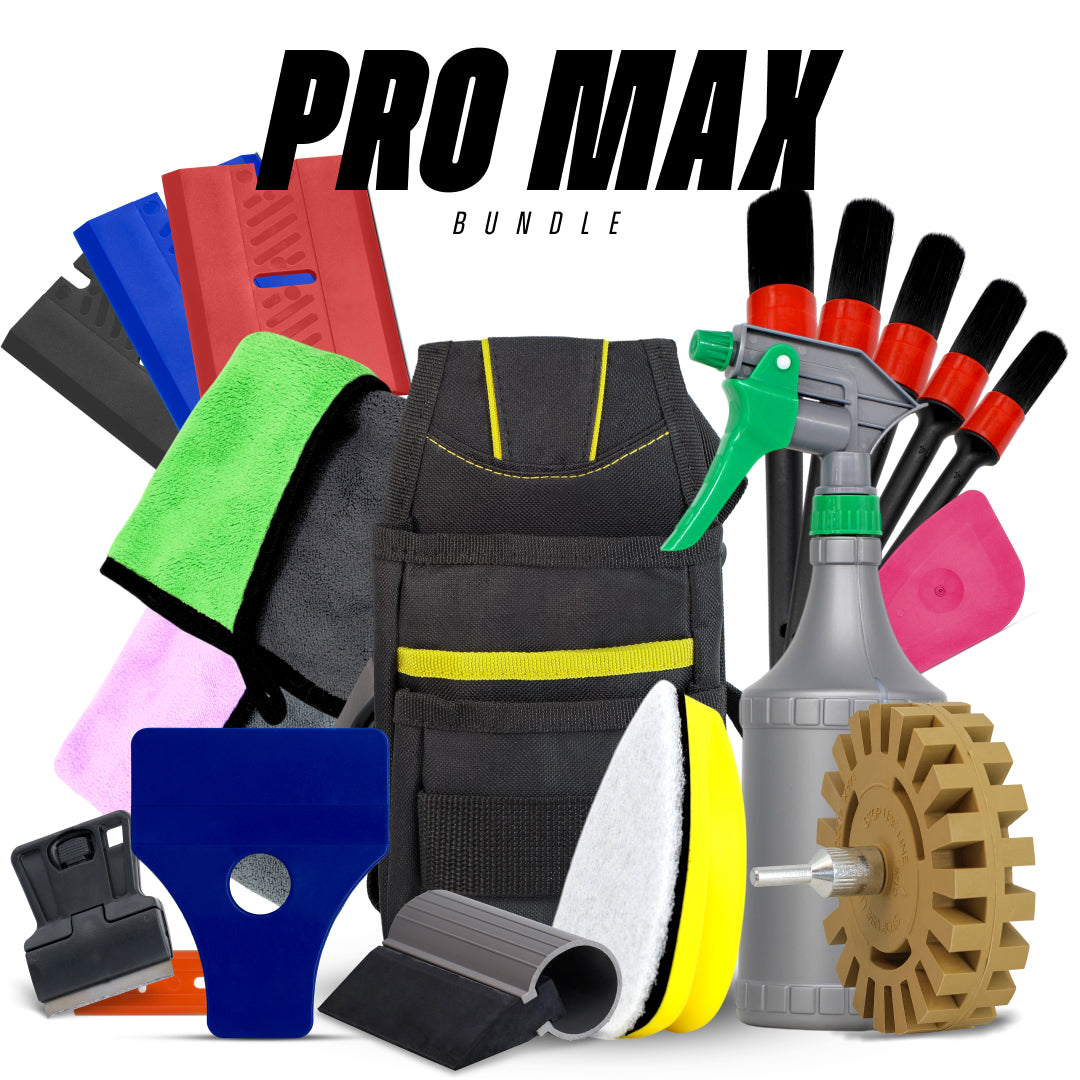
| Kit tier | Best for | Save | Price |
|---|---|---|---|
| Wrap Tool Kit — Lite | First wrap | 15% | $75.99 |
| Wrap Tool Kit — Pro | Regular installers | 19% | $129.99 |
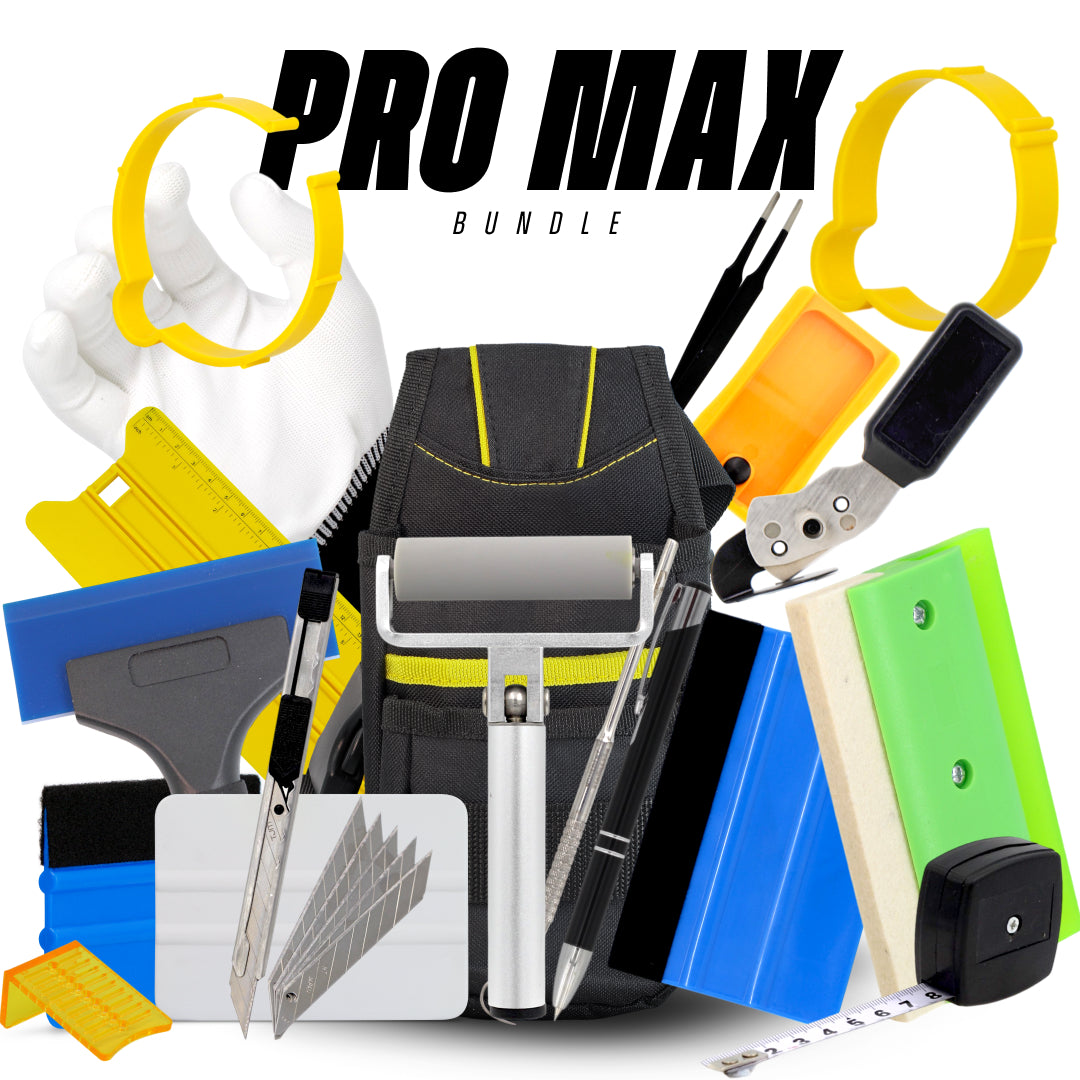
| Wrap Tool Kit — Pro Max | Full-time installers | 25% | $216.99 |
Top Australian Cities Leading the Car Wrapping Industry
Australia’s car wrapping industry has grown nationwide, but a few cities stand out as the true powerhouses driving innovation, creativity, and competition. These cities have become hotspots not only because of demand but also due to their thriving automotive cultures, business districts, and climates that encourage vehicle owners to protect their paint. Whether you're looking for luxury colour-change wraps, high-end commercial branding, or cutting-edge custom designs, these cities are setting the benchmark for vehicle wrap Australia services in 2026. Let’s break down the Australian cities leading the industry, and what makes each one unique.
Sydney: The Commercial Wrap Capital
Sydney dominates the commercial vinyl wrapping scene. With thousands of small businesses, trades, and service-based companies relying heavily on branded vehicles, the demand for advertising wraps in Sydney is huge. Fleet wrapping is especially popular among delivery vans, plumbers, electricians, and real estate agencies. Sydney’s business-focused culture fuels constant demand for eye-catching commercial designs that help brands stand out on busy city roads. You’ll find some of the best graphic designers here, along with high-end installers skilled in large-format printing and complex fleet projects. Luxury car owners in Sydney also love satin and gloss colour changes, making the city a well-rounded wrapping hub.
Melbourne: The Design & Creativity Leader
Melbourne has always been the artistic heart of Australia, and that creative reputation extends to its car wrapping industry. The city is known for custom-printed wraps, unique textures, and bold colour-shifting finishes. If you’ve seen a car with a one-of-a-kind geometric pattern, anime theme, full chrome delete, or a dramatic chameleon wrap, chances are it came out of a Melbourne workshop. Melbourne’s street culture and booming car community have pushed installers to experiment with new vinyl brands, new colour palettes, and custom artwork. The result? Some of the most visually stunning wraps in the country are created right here.
Brisbane: The Heat-Tested Wrap Champion
Brisbane’s climate is unforgiving, making it a proving ground for vinyl durability. The combination of humidity and strong UV exposure means only the best materials and installation techniques survive long-term. Because of this, Brisbane wrap shops have become specialists in UV-resistant wraps, ceramic-coated vinyl, and heavy-duty laminates for commercial vehicles. Many installers here prefer premium brands like 3M and Avery Dennison due to their resilience in hot weather. Brisbane is also a hotspot for 4WD wraps, especially matte and textured films that protect utes from scratches during off-road adventures.
Perth: The Fastest-Growing Wrapping Scene
Perth has experienced explosive growth in vinyl wrapping over the last five years. With more luxury vehicles per capita than many other Australian cities and a strong tradie culture, Perth’s wrap shops are thriving. Because the city is somewhat isolated geographically, installers here often differentiate themselves through exceptional craftsmanship and diverse service offerings, everything from marine wraps and boat graphics to commercial vehicles, exotic cars, and motorbikes. Perth’s sunny climate makes paint protection a priority, which has boosted demand for clear wraps, gloss black roof wraps, and protective PPF (paint protection film).
Adelaide & Gold Coast: Emerging Leaders
Adelaide and the Gold Coast are becoming rising stars in the wrapping industry. Adelaide’s growth is driven by car enthusiasts wanting unique and affordable custom designs, while the Gold Coast is known for high-end luxury wraps thanks to its strong tourism and exotic car presence. Both cities are quickly catching up with the bigger metropolitan markets and offer an impressive selection of skilled installers.
Overall, each of these cities contributes something unique to the vinyl wrapping landscape, whether it’s creativity, durability, speed, or branding excellence. If you’re looking for the best place in Australia to get a vehicle wrap, chances are one of these cities has the perfect shop for your needs.
Shops offering vinyl wrapping often provide tinting as well, making reliable window tint tools a natural addition to their services →
How Much Does Vinyl Wrapping Cost in Australia?

Understanding the cost of vinyl wrapping in Australia is one of the biggest questions car owners ask when considering this upgrade. While vinyl wrapping has a reputation for being more affordable than a professional respray, prices can vary widely depending on where you live, the type of vehicle you own, the vinyl brand you choose, and how complex the design is. In general, Australian wrap prices are competitive compared to many other countries, but due to labour quality, workshop standards, and material costs, the final amount can differ from city to city. Still, one thing remains true: vinyl wrapping offers excellent value for money when you factor in style enhancement, paint protection, and long-term durability.
For a standard full colour-change wrap on a sedan, you can expect to pay between $2,500 and $4,500. Larger vehicles like SUVs and 4WDs often range between $3,500 and $6,000, mainly because they require more vinyl and more labour to cover large surfaces and intricate curves. Utes vary depending on whether the tray is included, typically falling between $2,800 and $5,500. Meanwhile, luxury vehicles, like BMW, Porsche, or Tesla models, may cost more due to the precision required, typically ranging from $4,500 to $8,000 for a full wrap. High-end vehicles are treated with extra care, and installers often allow more time for disassembly and reassembly, ensuring no damage to premium trims, sensors, or badges.
If you're after specialty finishes like chrome, brushed metal, colour-shifting iridescent wraps, or textured films, the price increases significantly. For example, chrome wraps can cost $8,000 to $15,000 due to the complexity and difficulty of application. These finishes require more skilled installers and precise heat control, making them a premium option. Custom-printed wraps, often used for commercial branding, range widely from $2,000 for a simple design to $7,000 or more for full-colour, high-resolution graphics that cover an entire fleet vehicle. However, businesses often see this as a high-return investment because commercial wraps deliver thousands of daily impressions on the road.
Partial wraps are another popular and cost-effective choice. Roof wraps typically range from $250 to $600, bonnet wraps from $300 to $800, and chrome deletes from $150 to $800, depending on the number of trims being covered. These smaller enhancements are perfect for those wanting a subtle style upgrade without committing to a full vehicle wrap.
Overall, the cost of vinyl wrapping in Australia depends on your design goals, your vehicle size, the vinyl brand, and the installer’s expertise. While prices vary, the long-term benefits, added protection, enhanced appearance, and increased resale value make vinyl wrapping a worthwhile investment for Australians across the country.
With more Australians switching wrap colours and finishes, proper decal removal tools help remove old vinyl safely and efficiently →
Factors That Affect Vinyl Wrapping Prices
Vinyl wrapping prices in Australia aren’t set in stone. They can shift dramatically based on a handful of key factors that influence the labour required, the type of materials used, and the overall complexity of the job. Understanding these factors helps you make smarter decisions, so you don’t end up overpaying or choosing a wrap that won’t stand up to Australia’s harsh environment. Whether you're aiming for a full colour change, a partial wrap, or a commercial graphic design, knowing what drives the price will guide you toward the best value for your budget and expectations.
One of the biggest price factors is vinyl quality. Premium brands like 3M, Avery Dennison, and Hexis cost more upfront, but they offer superior longevity, UV resistance, and finish quality. Inferior vinyl may be tempting due to its lower cost, but it often fades faster, lifts at the edges, or cracks under sun exposure, especially in hot Australian states like Queensland and WA. Professional installers generally refuse to work with cheap vinyl because the long-term results reflect on their reputation. High-end vinyl lasts 5–7 years or more, while lower-quality films might barely last two.
Another major factor is vehicle complexity. A flat-sided van is much easier to wrap than a sports car with aggressive curves, deep recesses, spoilers, and intricate trims. Luxury vehicles like Tesla, BMW, Audi, and Mercedes often require more disassembly, removing mirrors, door handles, sensors, trims, and badges, to ensure the wrap is seamless and paint-like. This extra labour increases the cost but also guarantees a cleaner, more professional finish that won’t peel prematurely. Complex shapes, multiple contours, and large surface areas also increase installation time.
The next factor is design complexity. A solid colour wrap is straightforward compared to multi-layered or printed designs. Custom-printed wraps require graphic design, high-resolution printing, lamination, and longer installation. Fleet vehicles that need precise placement of logos, brand colours, and text require meticulous alignment and skilled hands, which explains the higher cost. Specialty finishes like chrome, textured vinyl, carbon fibre, and colour-shifting wraps also demand greater skill and patience during installation, and therefore cost more.
Location also plays a role. Wrapping prices in Sydney and Melbourne tend to be slightly higher than those in Adelaide or Perth due to higher demand and labour costs. However, large cities also offer more competition, pushing some installers to maintain competitive pricing or offer premium packages with additional services like ceramic coating over the vinyl.
Lastly, labour expertise affects cost more than people realise. Professional installers with years of experience, certifications from top vinyl brands, and advanced equipment often charge more, but their work lasts significantly longer. Skilled installers know how to prevent bubbles, wrinkles, cutting errors, and lifting edges, ensuring your wrap remains flawless for years.
Understanding these pricing factors helps you plan your wrap project with confidence and ensures you get high-quality results that last in Australian conditions.
For seamless wrap edges, installers often use part removal tools to access panels and wrap around trims and components →
How Long Does a Vinyl Wrap Last in Australia?
Vinyl wrap longevity is one of the biggest questions Aussie car owners ask, and for good reason. With Australia’s unpredictable and often extreme weather, durability matters just as much as appearance. The good news is that high-quality vinyl wraps, when installed correctly, can last 5 to 7 years on average. In some cases, especially when the vehicle is well cared for and kept out of harsh sun exposure for long periods, wraps can last even longer. But several factors influence how long your wrap truly stands the test of time in Australian conditions, and understanding them helps you get the best value out of your investment.
The first factor affecting lifespan is Australia’s UV intensity. Australian sunlight is much harsher than in many countries due to our thin ozone layer, making UV degradation a bigger risk. States like Queensland, Northern Territory, and Western Australia receive higher UV levels year-round, which means wraps tend to wear faster unless they’re made from premium UV-resistant vinyl like 3M 2080 or Avery Dennison SWF. Gloss and satin finishes generally perform better long-term under the sun compared to matte finishes, which can break down faster if not properly maintained.
Another factor is climate exposure. Vehicles parked outdoors 24/7 will see more fading, shrinking, or surface oxidation. Meanwhile, cars kept garaged or covered maintain their wraps significantly longer. Coastal areas, like Sydney, Gold Coast, and Perth, introduce additional challenges due to salt air, humidity, and moisture, which can degrade cheaper vinyl over time. This is why many Australian installers recommend ceramic coating on wraps in these regions to extend durability and resist contaminants.
Installation quality plays a massive role, too. Even the best vinyl won’t survive long if the installer didn’t prepare the surface properly or failed to tuck the edges securely. Professional installers clean, decontaminate, and sometimes even clay-bar the paint before application, ensuring maximum adhesion. In contrast, rushed or inexperienced installers may leave edges exposed or overstretch the vinyl, causing early lifting or cracking. A flawless installation can add years to the life of your wrap.
Maintenance is another major determiner. Car owners who wash their wraps gently, avoid harsh chemicals, and protect the vinyl with ceramic sealants or spray waxes will see much better longevity. Those who take their wrapped cars through automatic car washes, use pressure washers too close to edges, or ignore dirt build-up will shorten the wrap’s lifespan significantly. Regular cleaning, especially in dusty or coastal areas, prevents contaminants from embedding into the vinyl surface.
Ultimately, how long your vinyl wrap lasts in Australia comes down to three core factors: premium materials, expert installation, and proper care. When all three align, wraps stay vibrant, smooth, and protective for many years, often preserving the factory paint underneath in near-perfect condition.
Maintenance Guide for Vinyl Wrapping Australia Car Owners

Taking care of a vinyl wrap in Australia is essential if you want it to look fresh, glossy, and vibrant for as long as possible. With the country’s intense UV exposure, unpredictable weather patterns, and dusty or coastal environments, proper maintenance isn’t optional; it’s the key to extending the life of your wrap. Many Australian car owners underestimate the importance of routine care, assuming vinyl is maintenance-free. While wraps are durable and protective, they still require attention, especially if you want to keep them in top condition for 5 to 7 years or more. The good news? Maintaining a vinyl wrap is straightforward once you know what to do (and what to avoid).
The first rule of vinyl care is regular washing. Dust, dirt, bird droppings, tree sap, and road grime can slowly degrade the vinyl if left sitting for too long, particularly in hot climates. Hand washing is always the safest method, using a soft sponge, pH-neutral car shampoo, and clean freshwater. Avoid automatic car washes with rotating brushes, as they can scratch or lift the film at the edges. Pressure washers can be used as long as you keep the nozzle at least one metre away from the surface and avoid directing high-pressure water at the edges or seams. For matte or satin finishes, avoid waxes or polishes since they can leave unwanted gloss patches.
Protection is the next key step. Many professional installers recommend applying a ceramic coating specifically designed for vinyl wraps. This acts as a sacrificial barrier, making the wrap easier to clean and more resistant to UV rays, stains, and contaminants. Ceramic-coated wraps repel water more effectively, reduce the risk of fading, and last significantly longer in harsh environments like Queensland or WA. If ceramic coating isn’t in your budget, using vinyl-safe spray waxes or sealants every few months still helps maintain sheen and durability.
Parking and storage also play a huge role in long-term wrap health. Whenever possible, park your car in shaded areas, garages, or under protective covers. Constant exposure to direct sunlight can accelerate fading, especially on darker or matte colours. Coastal residents should rinse their vehicles more frequently to remove salty air residue, which can settle on the vinyl and shorten its lifespan. Even if you don't see visible dirt, the salt can be corrosive over time.
Finally, keep an eye on minor issues before they turn into major problems. If you notice edges beginning to lift, small wrinkles forming, or patches looking cloudy, visit your installer as soon as possible. Early intervention often prevents bigger repairs later. Most reputable installers offer maintenance checks and can fix minor lifting or bubbling quickly.
Caring for your vinyl wrap doesn’t require much effort, but consistency is everything. Treat your vinyl like you would treat quality paint, and it will reward you with years of striking colour, protection, and style, standing strong against Australia’s demanding climate.
Vehicle Wrap Australia Laws & Regulations
When it comes to vehicle wrap Australia laws, many car owners are surprised to learn that wrapping isn't just a cosmetic decision; it can also involve legal responsibilities. While vinyl wrapping is perfectly legal across Australia, there are certain rules that every driver should understand before changing their vehicle’s appearance. These laws exist to ensure road safety, maintain accurate vehicle identification, and prevent misleading or illegal modifications. Whether you’re planning a full colour change, a commercial advertising wrap, or even a partial design, staying informed about Australian regulations helps you avoid fines, insurance issues, or registration complications.
One of the most important laws revolves around colour changes. In many Australian states, if you dramatically change the colour of your vehicle, for example, from white to matte black or from silver to bright red, you may be required to notify your state’s road authority. This is because your car’s colour is part of its official identity in registration records. Failing to update this information can result in discrepancies that raise red flags during inspections, police checks, or insurance claims. Fortunately, updating the colour is simple and usually free. Each state has its own process, with some allowing online updates and others requiring a quick in-person form submission.
Another legal aspect is advertising regulations. If you wrap your vehicle with business branding, especially for commercial purposes, certain rules apply. Some states require commercial vehicles to display clear, accurate business information, while others enforce restrictions on misleading graphics, unauthorised government-like markings, or promotional content that may distract drivers. If you’re planning a fleet wrap, it’s worth checking local advertising standards or seeking advice from your installer, as reputable wrap shops stay up-to-date with these requirements.
Reflective and chrome wraps also come with specific laws. Full chrome wraps can cause excessive glare that distracts other drivers, and some states limit their use on public roads for safety reasons. Similarly, reflective wraps may be restricted unless they meet approved standards, particularly when used for emergency or industrial vehicles. Always check your state’s guidelines if you’re considering these eye-catching but potentially regulated finishes.
Visibility and safety are also important. Australian law mandates that certain vehicle markings, like license plates, VIN labels, airbags, and compliance plates, must not be covered or obscured by vinyl. This includes brake lights, reflectors, and indicators. Any wrap design that interferes with visibility or legal identification markers can result in fines or roadworthy failures.
Lastly, insurance companies may require you to declare a vinyl wrap modification, especially for full colour changes or commercial branding. While most insurers approve wraps without any issues, failure to declare them can void claims if the insurer believes the modification impacted the vehicle’s value or identity.
Overall, vehicle wrapping in Australia is very flexible, with few restrictions compared to other countries. As long as you understand the rules and follow them, wrapping your car remains a fun, legal, and stylish way to personalise your ride.
Pros and Cons of Vinyl Wrapping vs Painting
Choosing between vinyl wrapping and traditional painting is one of the biggest decisions Australian car owners face when considering a vehicle makeover. Both options can completely transform how a car looks, but they differ significantly in cost, durability, flexibility, and long-term value. Understanding the pros and cons of each method helps you make a decision that suits your budget, lifestyle, and aesthetic goals, especially under Australian conditions where UV exposure and heat can quickly impact a vehicle’s exterior. Here’s a deep dive into how vinyl wrapping stacks up against painting from every angle.
Pros of Vinyl Wrapping
One of the biggest advantages vinyl wrapping offers is cost-effectiveness. A full professional paint job in Australia can range from $6,000 to $20,000, depending on the vehicle and finish. In comparison, a premium vinyl wrap averages between $2,500 and $5,000, making it a far more accessible option for most Australians. This affordability means you can experiment with styles, textures, and colours without making a huge financial commitment.
Variety and customisation are also major benefits. With wraps, you’re not limited to standard paint colours; vinyl offers finishes like chrome, satin, matte, colour-shifting films, carbon fibre, brushed metal, and even fully custom-printed designs. This allows Aussies to transform their vehicles into rolling art pieces or professional advertising tools with endless possibilities.
Another major pro is paint protection. Vinyl acts as a barrier against UV rays, light scratches, stone chips, and environmental contaminants. In Australia’s scorching climate, this protection helps retain your factory paint’s original condition, boosting resale value. And when you’re ready for a fresh look? You simply remove the wrap, revealing untouched paint underneath.
Lastly, vinyl wraps offer quick installation and reversibility. Most wraps take just two to three days to complete, while paint jobs require extended drying and curing times. Wraps can also be removed without damaging the underlying paint, making them the ideal choice for leased vehicles or cars you plan to sell.
Cons of Vinyl Wrapping
Despite the benefits, vinyl wrapping has limitations. Wraps have a shorter lifespan compared to paint, generally lasting 5–7 years depending on quality and maintenance. Harsh Australian climates can accelerate wear if the wrap isn’t cared for properly or if cheaper vinyl is used.
Vinyl also requires careful maintenance. Automatic car washes can damage edges or create premature peeling. Matte finishes require special cleaning products to avoid streaking, and wraps benefit from ceramic coatings for extended protection. While maintenance isn’t complicated, it does require consistency.
Another downside is that wraps cannot fix existing paint damage. If your vehicle has peeling clear coat, rust, dents, or major imperfections, these flaws will show through the vinyl unless repaired first. Wraps need a smooth, prepared surface to look flawless.
Pros of Painting
Paint offers a permanent, long-lasting finish ideal for classic cars, restorations, or vehicles with paint damage that needs repair. A high-quality paint job can last 10 years or more with proper care, making it ideal for drivers wanting long-term durability.
Custom paint can also achieve certain effects, like deep metallic flakes or high-gloss finishes, that some vinyls cannot replicate perfectly.
Cons of Painting
The biggest drawback is cost. Quality resprays in Australia are expensive, especially for specialty finishes. Paint also requires longer downtime, often taking weeks to complete.
Another downside is irreversibility. Once painted, you’re committed; repainting costs time and money. Paint also offers limited protection against scratches and UV unless additional coatings are applied.
The growing demand for vinyl wraps has led many businesses to upgrade their equipment with professional workshop tools →
Future Predictions for Vinyl Wrapping in Australia

The future of vinyl wrapping in Australia is incredibly promising. Industry experts predict massive growth in the next decade as both personal and commercial customers embrace customisation and branding like never before. One of the biggest drivers of this growth is the automotive aftermarket boom, fuelled by younger buyers who prioritise individuality and visual expression. Vinyl wrapping fits perfectly into that culture, allowing Australians to reinvent their vehicles without altering their permanent value.
Another big prediction is the rise of sustainable and eco-friendly vinyls. As environmental awareness grows, vinyl manufacturers are exploring greener materials, recyclable films, and low-VOC adhesives. Australian installers are likely to adopt these innovations quickly, especially in cities with strong sustainability initiatives like Melbourne and Adelaide.
We’ll also see more smart wraps enter the market. Imagine vinyl that changes colour based on temperature or lighting. While still emerging, these technologies are already being tested globally and could arrive in Australia within a few years. Enhanced durability films designed specifically for harsh climates are also expected to become more common, solving one of Australia’s biggest wrap challenges: UV degradation.
The commercial sector is also set to expand. With online businesses, delivery services, and local tradies increasing nationwide, wrapped vehicles will continue to dominate as mobile advertising tools. AI-driven design tools may even streamline the process, allowing business owners to visualise wraps in seconds before ordering.
Finally, more Australian shops will begin offering hybrid services combining vinyl, PPF, ceramic coating, and digital design. This creates all-in-one customisation centres where customers can wrap, protect, restyle, and detail their cars in one place.
The future of vinyl wrapping in Australia is bright, innovative, and filled with possibilities.
Vinyl wrapping has become a major force in Australia’s automotive and commercial industries, and for good reason. It’s affordable, stylish, protective, and incredibly versatile. From everyday commuters to luxury car owners, tradies to fleet managers, Australians across the country are embracing wraps as the smarter, more flexible alternative to traditional paint. As trends evolve, the industry continues to push creativity and craftsmanship further, offering endless colours, textures, finishes, and custom designs.
Whether you're looking to protect your paint, elevate your style, or boost your business with a professional wrap, the Australian market offers some of the best vinyl brands and installers in the world. And with rising innovation and growing demand, vinyl wrapping is only going to get bigger from here.
Are you unsure which tool or kit is right for your job?
Our expert team at Oz Sign Supplies is here to help. Reach out today, and we’ll direct you to the best tools to suit your project, ensuring you get the job done right the first time.

Wrap Tool Kit – Pro Max
$216.99
What's Included The Wrap Tool Kit Pro Max includes a complete professional vinyl wrapping setup designed for high-volume installers, wrap...
Kit me out