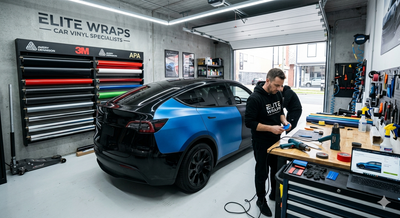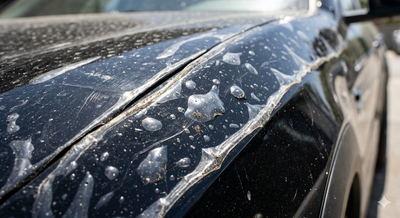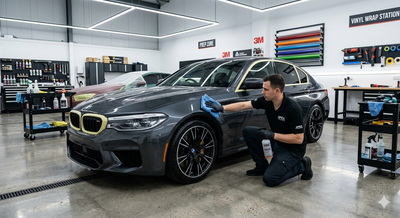


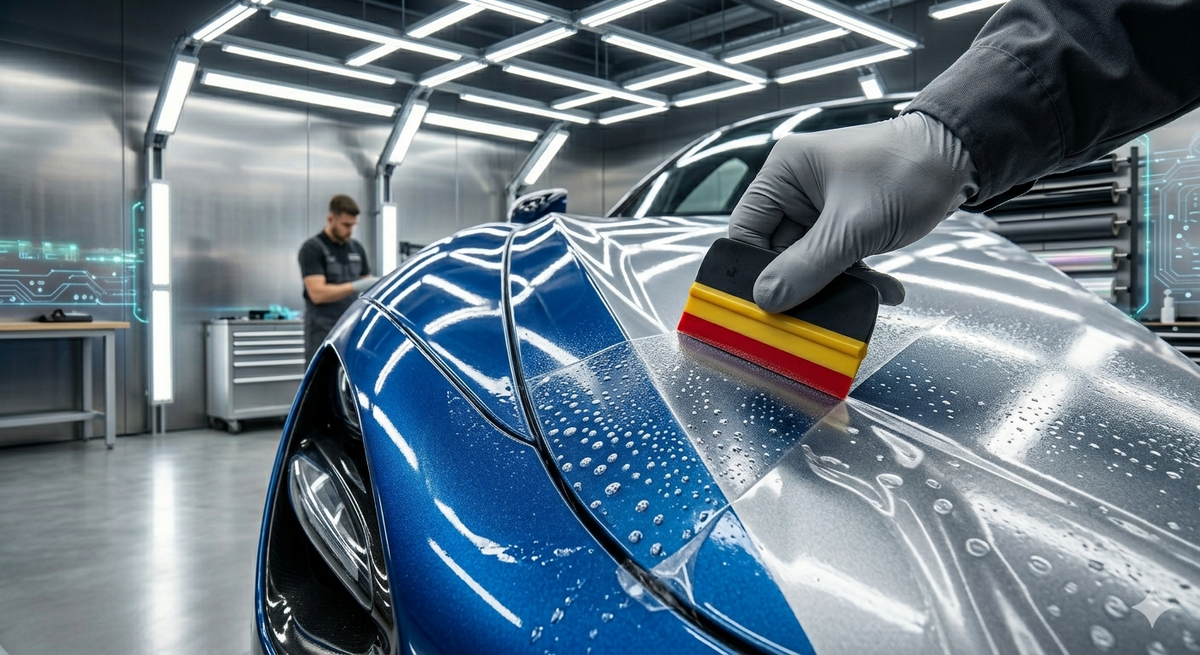
Here’s the real question: how much does a car wrap cost in Australia, and how does it compare to tinting or PPF?
Think of these services as layers of protection and style. A wrap is like a complete wardrobe change for your car, PPF acts like armour against scratches and chips, and window tint is like sunglasses for your vehicle - functional and aesthetic at the same time. Each serves a different purpose, and understanding their costs helps you make smarter decisions.
Another important factor is long-term value. While upfront costs might seem steep, services like PPF can save thousands in paint repairs over time. Similarly, high-quality tint reduces interior fading and heat damage, which can preserve your car’s resale value. So, instead of viewing these as expenses, many car owners now see them as strategic investments.
Why Australians Are Investing in Car Wraps, Tint, and PPF
There’s a shift happening in how Australians approach vehicle ownership. Cars are no longer just about getting from point A to point B; they’re extensions of identity. This shift is driving demand for customisation options like wraps, PPF, and window tinting. But it’s not just about aesthetics; practicality plays a huge role too.
Australia’s harsh climate is a major factor. With intense UV exposure and high temperatures, car exteriors and interiors take a beating. Window tint cost might seem like an optional expense, but it can reduce heat inside your car by up to 60%, according to industry data. That means less reliance on air conditioning and better fuel efficiency over time. Not to mention, it protects your skin during long drives, something many drivers overlook.
Similarly, the PPF cost Australia is justified by the protection it offers. Gravel roads, highway debris, and everyday wear can quickly damage your paint. A high-quality PPF acts like an invisible shield, preventing chips, scratches, and even minor abrasions. For car enthusiasts or owners of high-value vehicles, this is almost a no-brainer.
Car wraps, on the other hand, offer unmatched versatility. Want to change your car colour without repainting? A wrap lets you do that, and reverse it later. Businesses also use wraps as mobile advertising tools, turning vehicles into moving billboards. That alone can offset the initial car wrap cost Australia for commercial users.
Ultimately, Australians are choosing these services because they blend form and function. It’s not just about looking good; it’s about protecting your investment while expressing individuality.
Key Factors That Influence Pricing Across Services
When trying to figure out how much a car wrap costs, or comparing it to PPF cost Australia and window tint cost, you’ll quickly realise that pricing isn’t random; a handful of very specific factors shapes. Think of it like building a house: the final price depends on materials, labour, complexity, and finishing touches. The same logic applies here, and once you understand these variables, the numbers start to make a lot more sense.
One of the biggest cost drivers is vehicle size and shape. A compact hatchback is far easier and quicker to wrap, tint, or protect than a large SUV or ute. More surface area means more material and more labour hours. But it’s not just about size; design complexity plays a role too. Cars with sharp curves, intricate panels, or unique body lines require more precision during installation, which increases labour costs. A Tesla Model 3, for instance, is relatively straightforward compared to something like a Jeep Wrangler with its rugged edges and removable parts.
Material quality is another major factor. Not all wraps, tints, or PPF films are created equal. Premium brands like 3M, XPEL, SunTek, and Avery Dennison come at a higher price point, but they offer better durability, colour retention, and warranty coverage. Cheaper alternatives might save you money upfront, but they often fade, peel, or bubble within a few years, leading to additional costs down the line. It’s a bit like buying cheap shoes: they might look good initially, but they won’t last the distance.
Labour expertise also matters more than most people expect. Highly experienced installers charge more, but their work is cleaner, more precise, and longer-lasting. Poor installation can ruin even the best materials, leading to visible seams, trapped air bubbles, or premature failure. In Australia, reputable installers often include warranties, which add value beyond just the initial installation.
Location plays its part as well. Urban areas like Sydney, Melbourne, and Perth generally have higher pricing due to demand and operational costs. Meanwhile, regional areas might offer lower rates, but the availability of premium installers and materials can be limited.
Lastly, customisation choices, like matte finishes, chrome wraps, ceramic-infused PPF, or high-performance tint, can significantly increase the price. These aren’t standard options; they require specialised handling and materials, which adds to the final bill.

Why Car Wrap, Tint, and PPF Prices Vary So Much in Australia
One of the most common questions car owners ask is why quotes for wraps, tint, and paint protection film (PPF) can differ so dramatically between installers. The answer comes down to five key pricing factors that directly impact both quality and longevity.
1. Vehicle Size and Complexity
Larger vehicles require significantly more material and labour time. A compact hatchback may only need 15–18 metres of vinyl, while SUVs or utes can require 25+ metres and additional installation hours due to complex panel shapes and trim.
2. Material Quality (Film Brand Matters)
Premium films from brands like 3M, Avery Dennison, XPEL, or SunTek cost more upfront but offer:
- Better colour consistency
- Longer lifespan (5–10 years, depending on the product)
- Improved self-healing and UV resistance (especially for PPF)
Cheaper films often fade, lift, or shrink prematurely.
3. Level of Coverage
Pricing increases based on how much of the vehicle is covered:
Partial wrap/tint: Lower cost, limited coverage
Full wrap: Complete colour change or protection
Full front or full-body PPF: Highest cost due to labour intensity
For example, full-body PPF in Australia can range from $6,000–$12,000+ depending on vehicle type and film quality.
4. Installer Skill and Workshop Environment
Labour is often the biggest cost driver. Professional installers invest in:
- Dust-free controlled environments
- Precision cutting systems
- Certified installation training
This is critical because even premium film will fail if installed poorly.
5. Preparation Work Required
Pre-install prep can significantly affect pricing:
- Paint correction (removing swirl marks)
- Deep cleaning and decontamination
- Panel disassembly for seamless finishes
Poor prep leads to visible imperfections and reduced film lifespan.
A cheaper quote is not always a better value. In most cases, pricing differences reflect installer experience, film quality, and installation time, not just margins. Paying slightly more upfront often prevents costly reinstallation or paint damage later.
Installer tip
When quoting a wrap, tint, or PPF job, assess more than the vehicle size. Film quality, coverage, preparation work, panel complexity, and installation time can all significantly affect the final cost and the quality of the result.
Car Wrap Cost Australia – Full Breakdown
If you’ve ever seen a car with a stunning matte black finish or a colour-shifting chrome effect, chances are it’s wrapped, not painted. And while it looks expensive, and sometimes is, it’s often more affordable and flexible than a full respray. Still, many people ask: how much does a car wrap cost in Australia? The answer depends on several layers of detail, but let’s break it down in a way that actually makes sense.
Average Cost of Car Wrapping in Australia
On average, the car wrap cost Australia ranges between $2,500 and $6,000 for a full wrap on a standard vehicle. That’s the typical ballpark for sedans and hatchbacks using mid- to high-quality vinyl materials. However, if you’re going for premium finishes like satin, chrome, or colour-shift wraps, prices can climb to $7,000–$10,000 or more. These specialty wraps are more difficult to install and require higher-end materials, which explains the jump in pricing.
Partial wraps, on the other hand, are significantly cheaper. If you’re only wrapping your roof, bonnet, mirrors, or racing stripes, you might spend anywhere from $300 to $1,500, depending on the area and complexity. This is a popular option for drivers who want a custom look without committing to a full transformation.
Another thing to consider is durability. A professionally installed wrap typically lasts 5 to 7 years if properly maintained. That means your annual cost could be as low as $500–$800 when spread over its lifespan. Compared to a traditional paint job, which can cost upwards of $10,000, wraps offer a more flexible and often more affordable solution.
Businesses also benefit heavily from wraps. A commercial vehicle wrap might cost $3,000 to $8,000, but it doubles as a mobile advertisement seen by thousands of people daily. When you factor in marketing value, the return on investment can be surprisingly strong.
Price Differences by Vehicle Type
Not all vehicles are priced equally when it comes to wrapping, and this is where many people get caught off guard. The type of vehicle you drive has a direct impact on your final bill. It’s not just about size; it’s about how easy or difficult it is to work with.
| Vehicle Type | Average Wrap Cost (AUD) |
|---|---|
| Small Hatchback | $2,500 – $3,500 |
| Sedan | $3,000 – $4,500 |
| SUV / 4WD | $4,000 – $6,500 |
| Ute | $3,500 – $5,500 |
| Luxury / Sports Car | $5,000 – $10,000+ |
Smaller cars are cheaper simply because they require less material and time. SUVs and 4WDs, common across Australia, cost more due to their larger surface area and often more complex shapes. Utes can be tricky as well, especially if they have custom trays or accessories that need to be removed and reinstalled.
Luxury and sports cars tend to sit at the top end of the pricing spectrum. Not only do owners typically opt for premium materials, but these vehicles often demand meticulous attention to detail. Installers take extra care to ensure a flawless finish, which increases labour time and cost.
Interestingly, some cars are more “wrap-friendly” than others. Vehicles with smooth, simple curves are easier to wrap than those with aggressive styling or intricate body panels. So even within the same category, prices can vary depending on the model.
Types of Car Wraps and Their Costs
Car wraps aren’t just about changing colour, they’re about creating a specific look and feel. And each type of wrap comes with its own price tag. The most common option is the gloss wrap, which mimics the look of traditional paint and is usually the most affordable. Matte and satin finishes are slightly more expensive due to their unique texture and installation requirements.
Then you have specialty wraps like chrome, metallic, carbon fibre, and colour-shift. These are the showstoppers, the wraps that make people turn their heads at traffic lights. But they come at a premium, often costing 30% to 100% more than standard wraps. Chrome wraps, in particular, are among the most expensive due to their delicate nature and the skill required to install them properly.
There are also textured wraps, like brushed metal or leather finishes, which add another layer of uniqueness. These are less common but growing in popularity among car enthusiasts who want something truly different.
The choice of wrap ultimately comes down to your goals. Are you looking for subtle elegance or bold expression? Your answer will guide both your design and your budget.
Full Wrap vs Partial Wrap Pricing
Choosing between a full wrap and a partial wrap is a bit like deciding between a complete makeover and a simple style upgrade. A full wrap covers every visible painted surface of your car, delivering a completely new look. As mentioned earlier, this can cost anywhere from $2,500 to $6,000+, depending on the vehicle and materials.
A partial wrap, on the other hand, targets specific areas, like the roof, bonnet, side panels, or even just decals and graphics. This option is far more budget-friendly and can still make a significant visual impact. For example, a black roof wrap on a white car creates a sleek, sporty contrast without the cost of a full wrap.
Partial wraps are also popular for branding purposes. Businesses often wrap only the sides or rear of a vehicle with logos and contact details, keeping costs down while still gaining visibility.
From a financial perspective, partial wraps are ideal if you’re testing the waters or working with a limited budget. Full wraps, however, offer the most dramatic transformation and are better suited for those who want a complete change or long-term branding.

Paint Protection Film (PPF) Cost in Australia
If car wraps are about style, then Paint Protection Film (PPF) is all about defence. Imagine wrapping your car in an invisible shield that absorbs scratches, resists stone chips, and even heals itself from minor marks; that’s essentially what PPF does. But naturally, this level of protection comes at a price, and many Australians wonder whether the PPF cost Australia is truly worth it.
What Is PPF and Why Is It Expensive
PPF is a transparent, thermoplastic urethane film applied to a vehicle’s painted surfaces. Unlike vinyl wraps, which focus on appearance, PPF is engineered for durability and protection. The reason it’s more expensive comes down to both the material itself and the installation process. High-quality PPF brands like XPEL, 3M Scotchgard, and SunTek use advanced technology that allows the film to “self-heal” when exposed to heat. That means light scratches literally disappear over time, which feels almost futuristic when you see it in action.
The cost of PPF in Australia typically ranges from $1,500 to over $8,000, depending on how much of the car you want covered. A full-body PPF installation on a luxury vehicle can even exceed $10,000, especially if you opt for premium films with extended warranties. That might sound steep at first, but when you consider the cost of repainting a car, or even just fixing paint chips, the investment starts to make more sense.
Installation is another major reason for the high price. Applying PPF is far more complex than wrapping a car. It requires meticulous surface preparation, precision cutting (often using computer-generated templates), and a dust-free environment. Even a tiny mistake can be visible, so skilled installers spend hours ensuring a flawless finish. In many ways, it’s closer to surgery than decoration.
PPF Cost Based on Coverage Area
One of the biggest advantages of PPF is its flexibility. You don’t have to cover your entire car; you can choose specific areas that are most vulnerable to damage. This allows you to control costs while still getting meaningful protection.
| Coverage Area | Average Cost (AUD) |
|---|---|
| Partial Front (Bonnet, bumper, mirrors) | $1,500 – $2,500 |
| Full Front Package | $2,500 – $4,000 |
| Track Pack (High-impact areas) | $3,000 – $5,000 |
| Full Car PPF | $5,000 – $10,000+ |
The partial front package is one of the most popular options. It covers areas that take the most abuse, like the front bumper, bonnet, and side mirrors, without the cost of full coverage. For many drivers, this strikes the perfect balance between protection and affordability.
A full front package extends coverage to the entire bonnet and fenders, offering more comprehensive protection against road debris. Then there’s the track pack, designed for performance vehicles that experience more aggressive driving conditions. This includes additional areas like side skirts and rear wheel arches.
Full-body PPF is the ultimate solution, especially for luxury or exotic cars. It ensures every painted surface is protected, preserving the vehicle’s showroom finish for years. While expensive, it’s often seen as a long-term investment that pays off when it’s time to sell the car.
Ceramic Coating vs PPF Cost Comparison
A common question is whether to choose PPF or ceramic coating. While they’re often mentioned together, they serve different purposes, and their costs reflect that. Ceramic coating typically costs between $800 and $2,000 in Australia, making it significantly cheaper than PPF.
So why not just go with ceramic coating? Because it doesn’t offer the same level of physical protection. Ceramic coatings provide a glossy finish and make your car easier to clean, but they won’t stop rock chips or scratches. PPF, on the other hand, acts as a physical barrier.
Interestingly, many car owners choose to combine both. They apply PPF to high-impact areas and then add a ceramic coating on top for enhanced shine and hydrophobic properties. Yes, this increases the total cost, but it also delivers the best of both worlds: protection and aesthetics.
Common mistake
Choosing an installer based solely on the cheapest quote can lead to higher costs later. Low-quality materials, poor preparation, or inexperienced installation can result in premature lifting, fading, bubbling, or the need for reinstallation.
Window Tint Cost in Australia
Window tinting is often the most affordable of the three options, but don’t underestimate its impact. From improving comfort to enhancing privacy, tinting offers a range of benefits that go beyond just looks. Still, many drivers ask: What is the average window tint cost in Australia?
Average Tint Prices by Vehicle Type
The window tint cost in Australia generally ranges from $200 to $800, depending on the vehicle type and the quality of the tint film. Smaller cars like hatchbacks and sedans tend to sit at the lower end of the spectrum, while SUVs and 4WDs cost more due to their larger windows.
| Vehicle Type | Average Tint Cost (AUD) |
|---|---|
| Hatchback | $200 – $400 |
| Sedan | $250 – $500 |
| SUV / 4WD | $400 – $700 |
| Ute | $300 – $600 |
These prices usually include professional installation, which is highly recommended. DIY tint kits are available for as little as $50, but achieving a clean, bubble-free finish without experience is surprisingly difficult.
One thing to keep in mind is Australian tint laws. Each state has regulations regarding how dark your tint can be, typically measured as Visible Light Transmission (VLT). Most states require at least 35% VLT for front windows, while rear windows can often be darker. Reputable installers will ensure your tint complies with local laws, saving you from potential fines.
Types of Window Tint and Pricing
Not all window tints are created equal, and the type you choose will significantly affect the price. The most basic option is dyed film, which is affordable but less effective at blocking heat and UV rays. It’s a good entry-level choice but may fade over time.
Next up is metalised film, which offers better heat rejection and durability. However, it can sometimes interfere with electronic signals, which is something to consider if your car relies heavily on GPS or mobile connectivity.
The premium option is ceramic tint, which can cost 20% to 50% more than standard films. It provides superior heat rejection, UV protection, and clarity without interfering with electronics. In Australia’s hot climate, ceramic tint is becoming increasingly popular despite the higher price.
There’s also carbon tint, which sits somewhere between metalised and ceramic in terms of performance and cost. It offers good heat rejection and a sleek matte finish, making it a popular mid-range option.
Ultimately, the choice comes down to your priorities. If you want maximum comfort and long-term performance, investing in higher-quality tint is worth it. If you’re on a tighter budget, basic films still offer noticeable improvements over untreated glass.
Comparing Wrap, Tint, and PPF Costs
When you put car wrap cost Australia, PPF cost Australia, and window tint cost side by side, it’s tempting to ask a simple question: which one is actually worth it? The honest answer is, it depends on what you value most. Each option serves a different purpose, and comparing them directly is a bit like comparing sneakers, sunglasses, and a raincoat. They all improve your experience, but in very different ways.
Car wraps sit in the middle ground between style and protection. They’re primarily about visual transformation, but they also offer a thin layer of protection against minor scratches and UV exposure. If your main goal is to change your car’s appearance without committing to permanent paint, then a wrap delivers the most noticeable impact for your money. Spending $3,000 to $6,000 on a full wrap might feel significant, but when you see your car completely transformed, the value becomes obvious.
PPF, on the other hand, is purely about preservation. It doesn’t change how your car looks, at least not dramatically, but it keeps that “new car” finish intact for years. If you’ve just bought a new or high-value vehicle, the PPF cost in Australia can be justified as insurance against wear and tear. Think about it this way: a single respray of a damaged bonnet can cost $1,000 or more. Multiply that over a few years, and PPF starts to look like a smart financial decision rather than a luxury.
Window tint is the most affordable and arguably the most practical of the three. For a few hundred dollars, you get improved comfort, reduced glare, UV protection, and increased privacy. It doesn’t offer the dramatic visual change of a wrap or the heavy-duty protection of PPF, but it enhances your daily driving experience in a way that’s hard to ignore, especially during Australia’s scorching summers.
Window tint, meanwhile, offers immediate, everyday benefits. It’s one of those upgrades you feel every time you drive, less heat, less glare, more comfort. While it doesn’t directly protect your car’s exterior, it does preserve your interior and improve your driving experience.
For window tint, hidden costs are less common but still exist. Some vehicles require extra work due to complex window shapes or electronics, which can increase installation time and cost. Additionally, choosing non-compliant tint can lead to fines or the need for reinstallation.
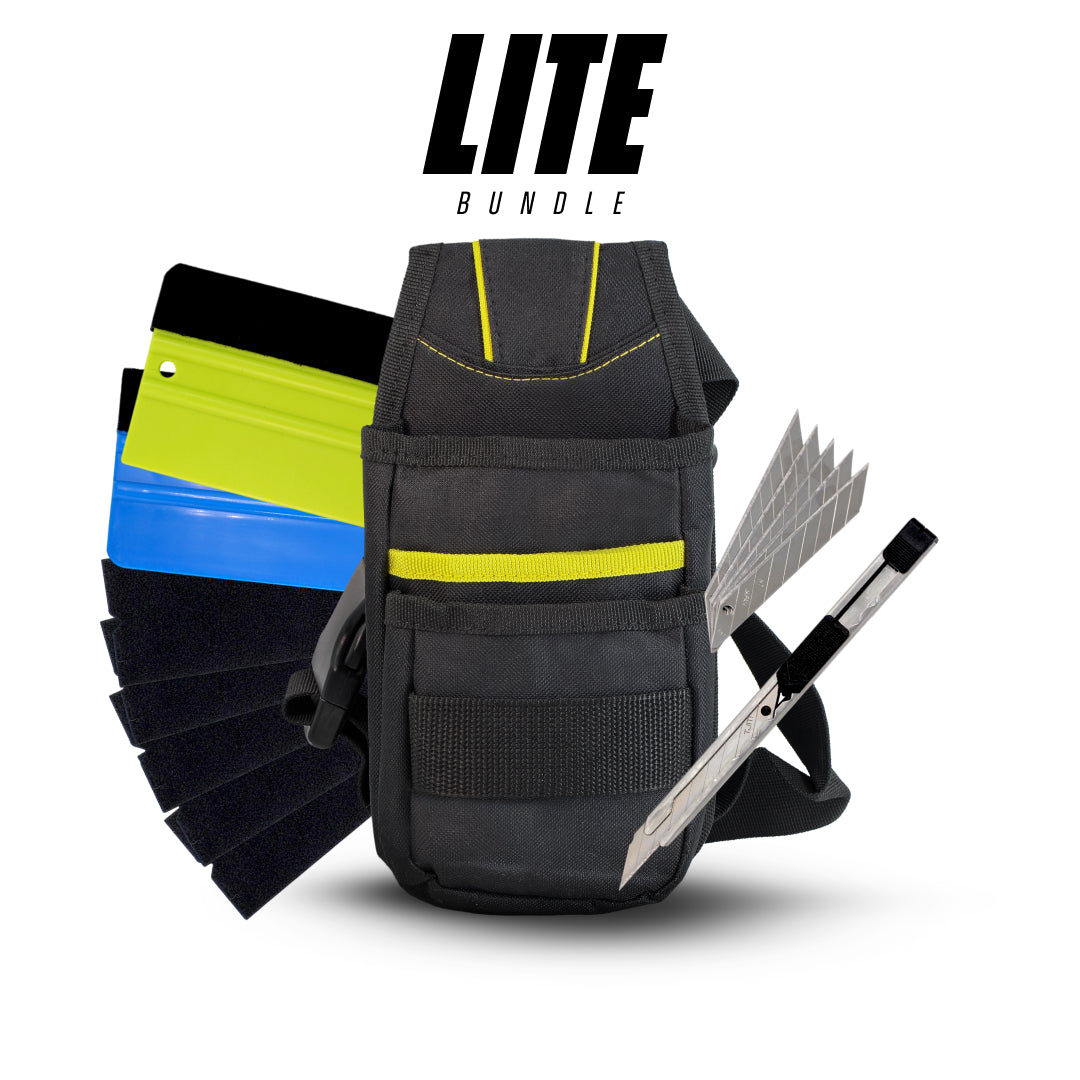
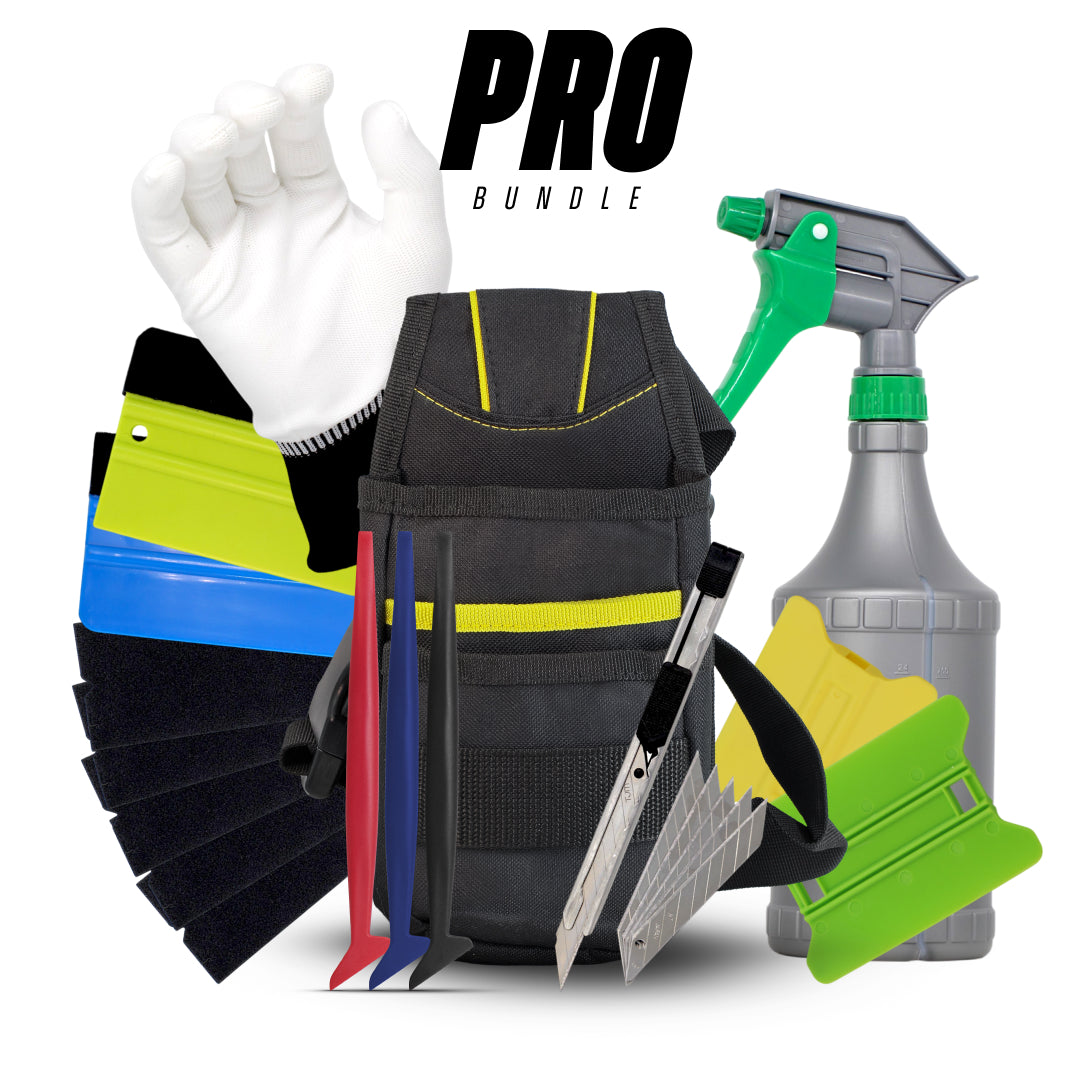
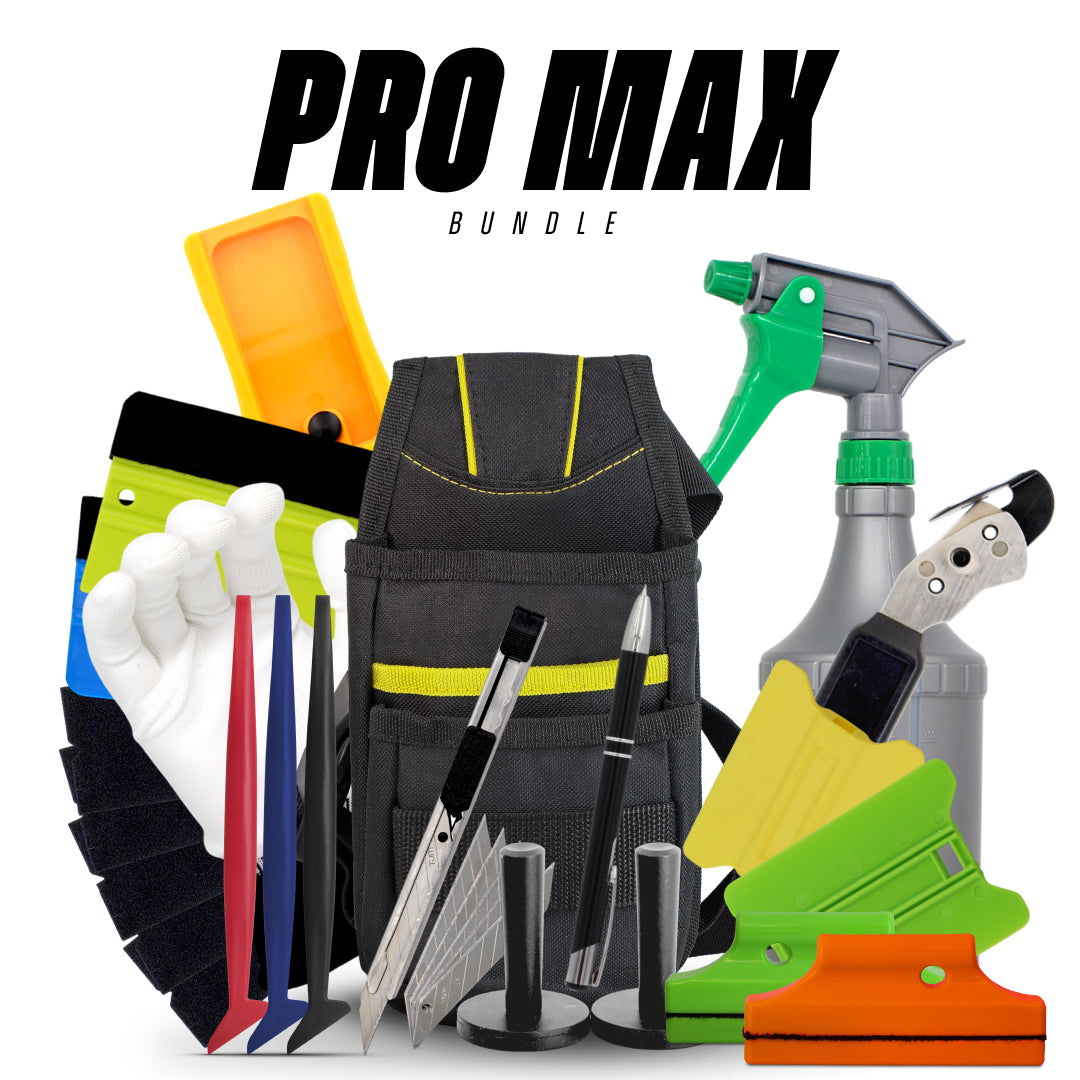
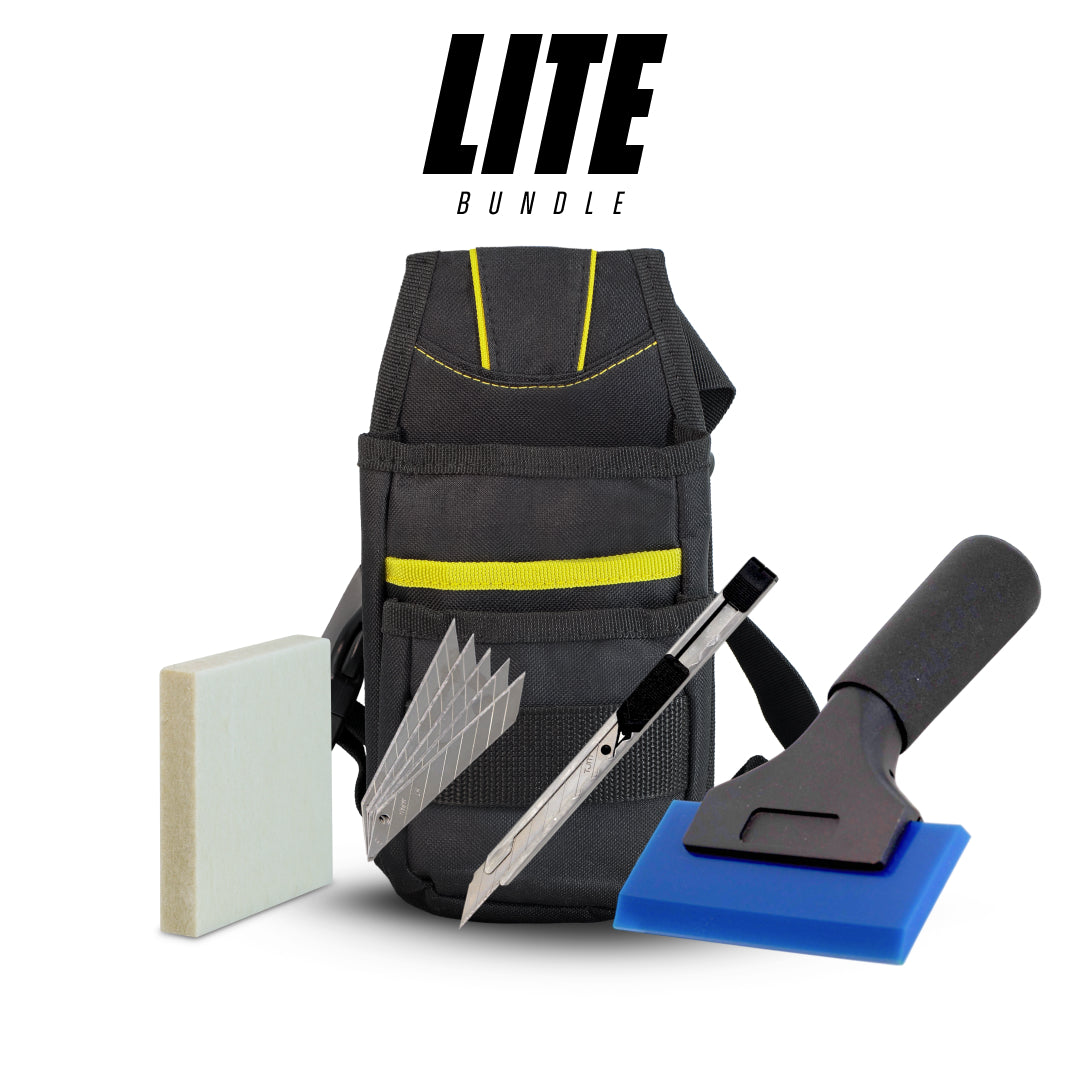
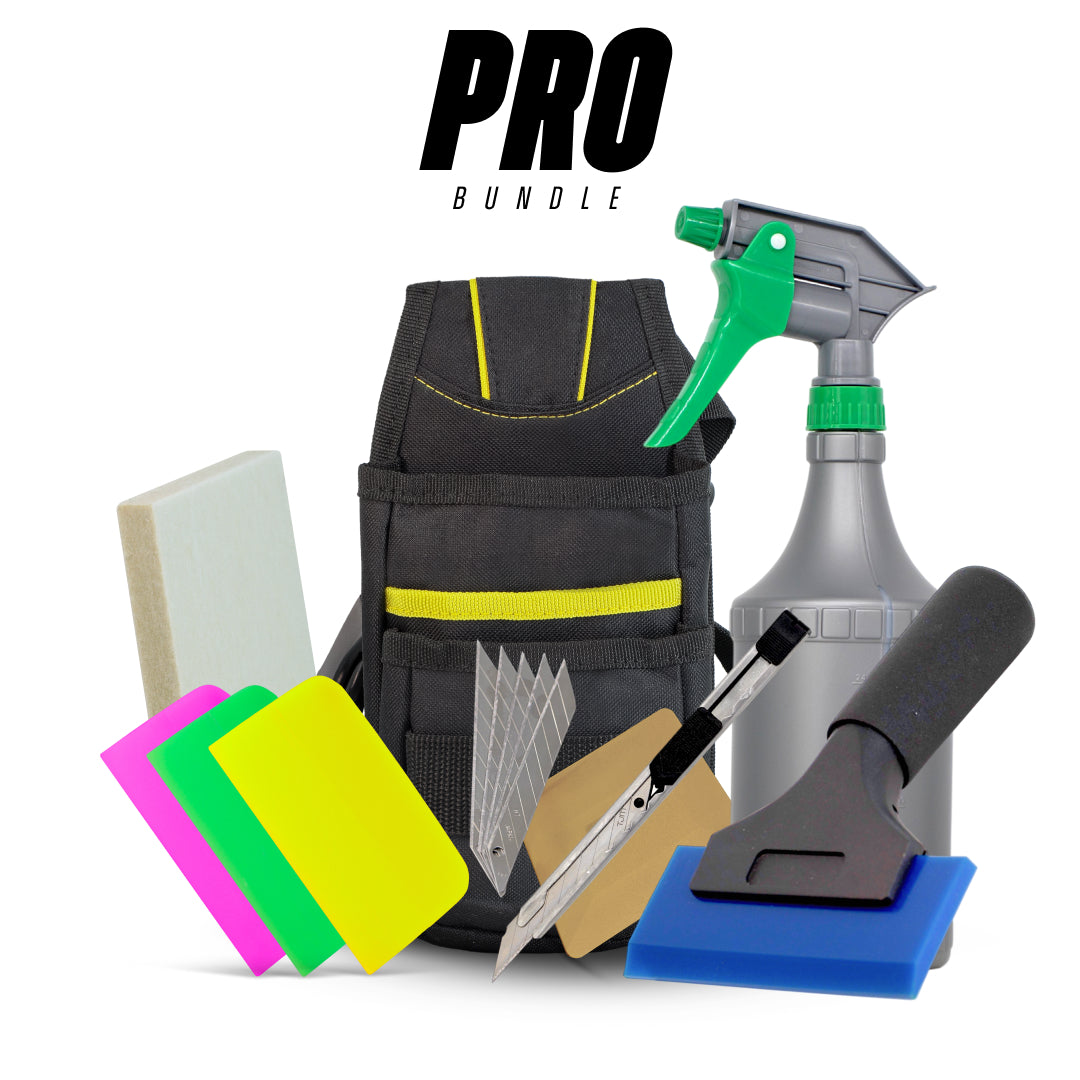
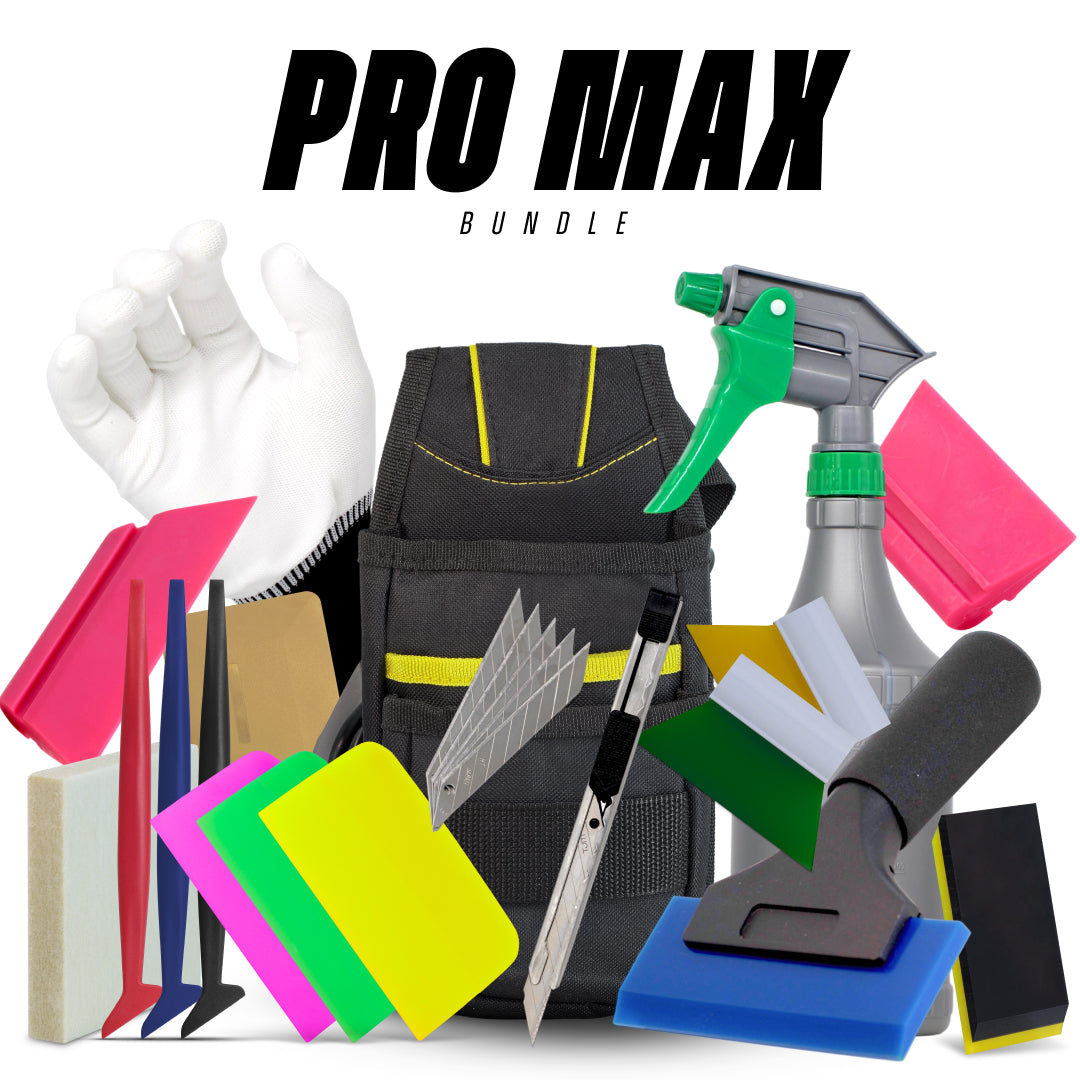
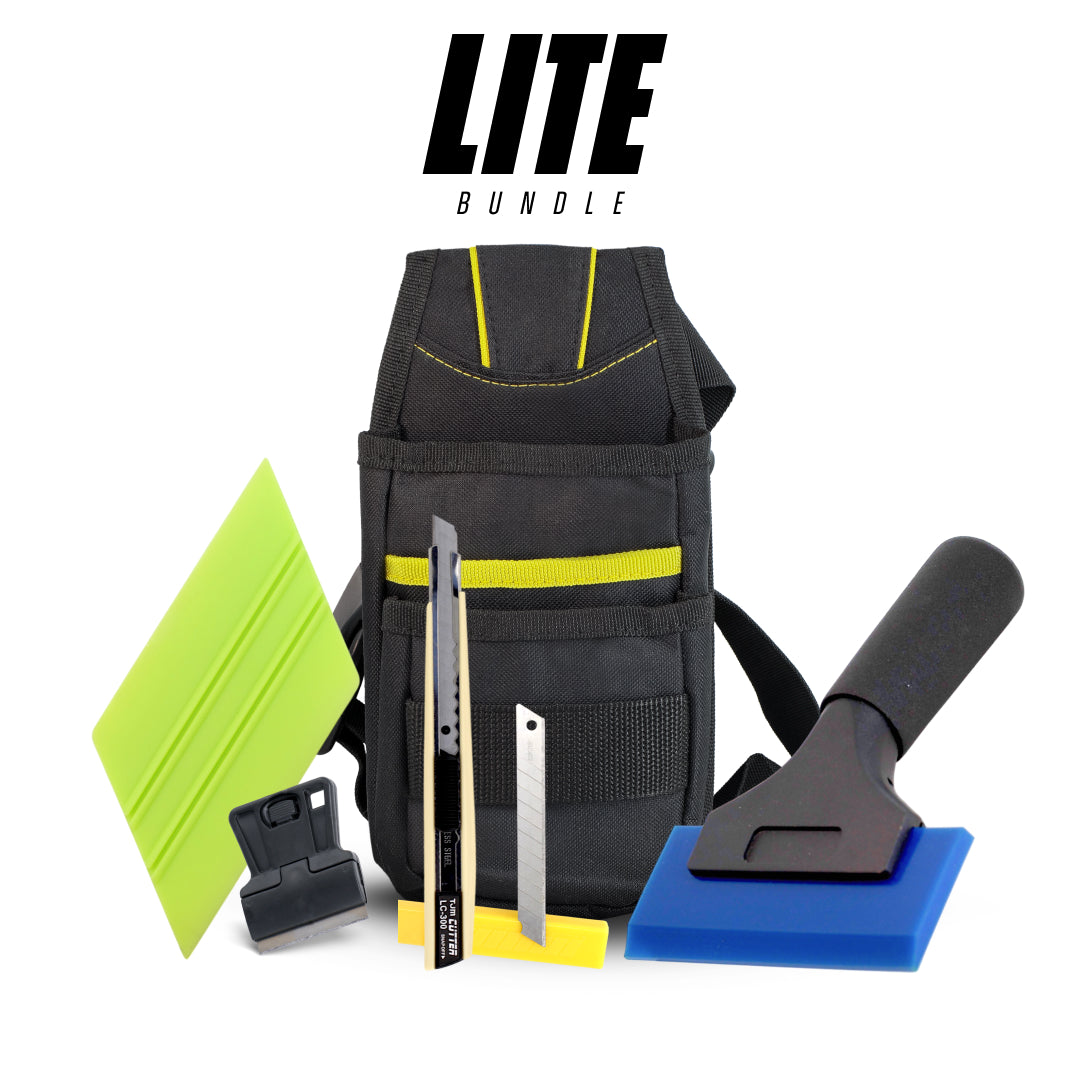
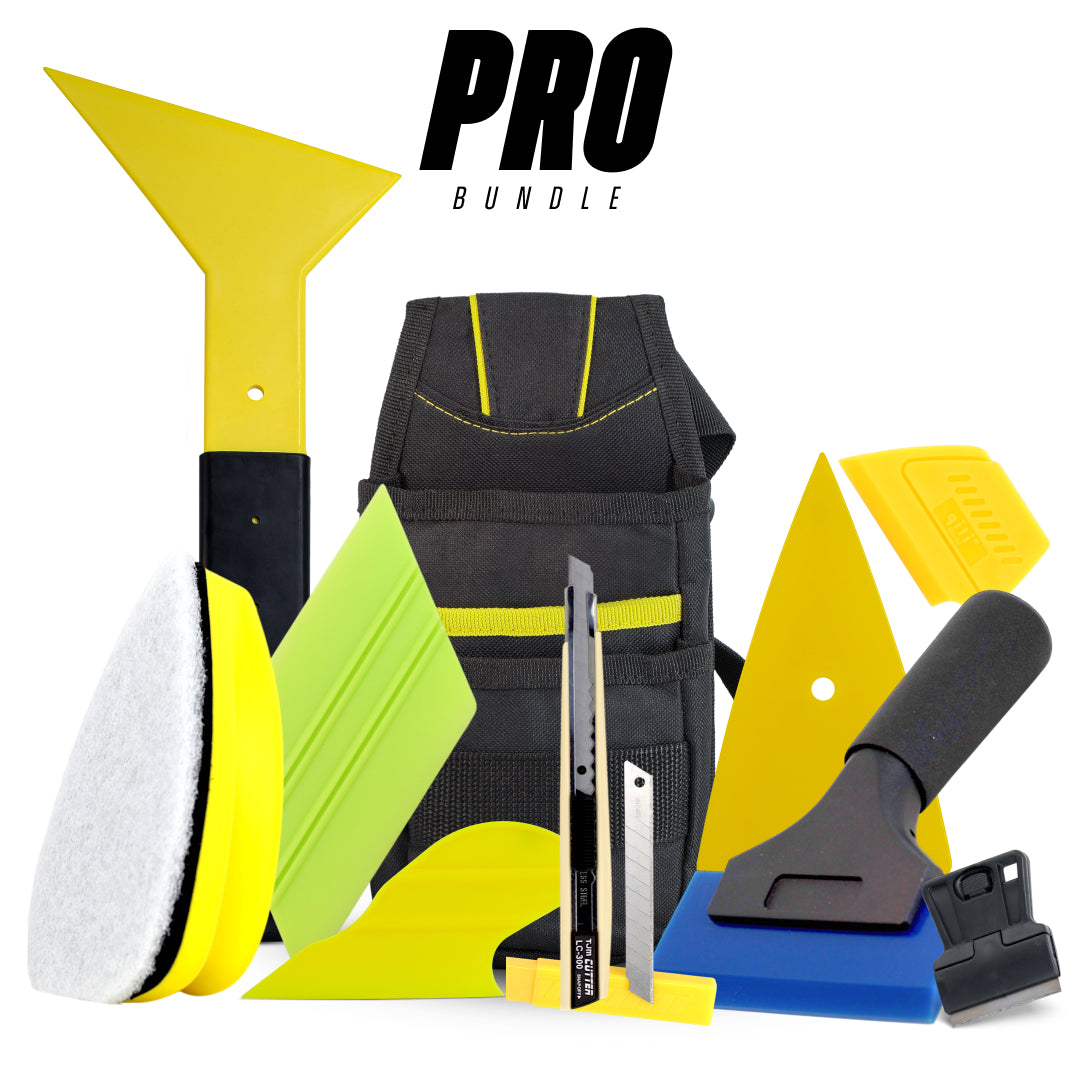
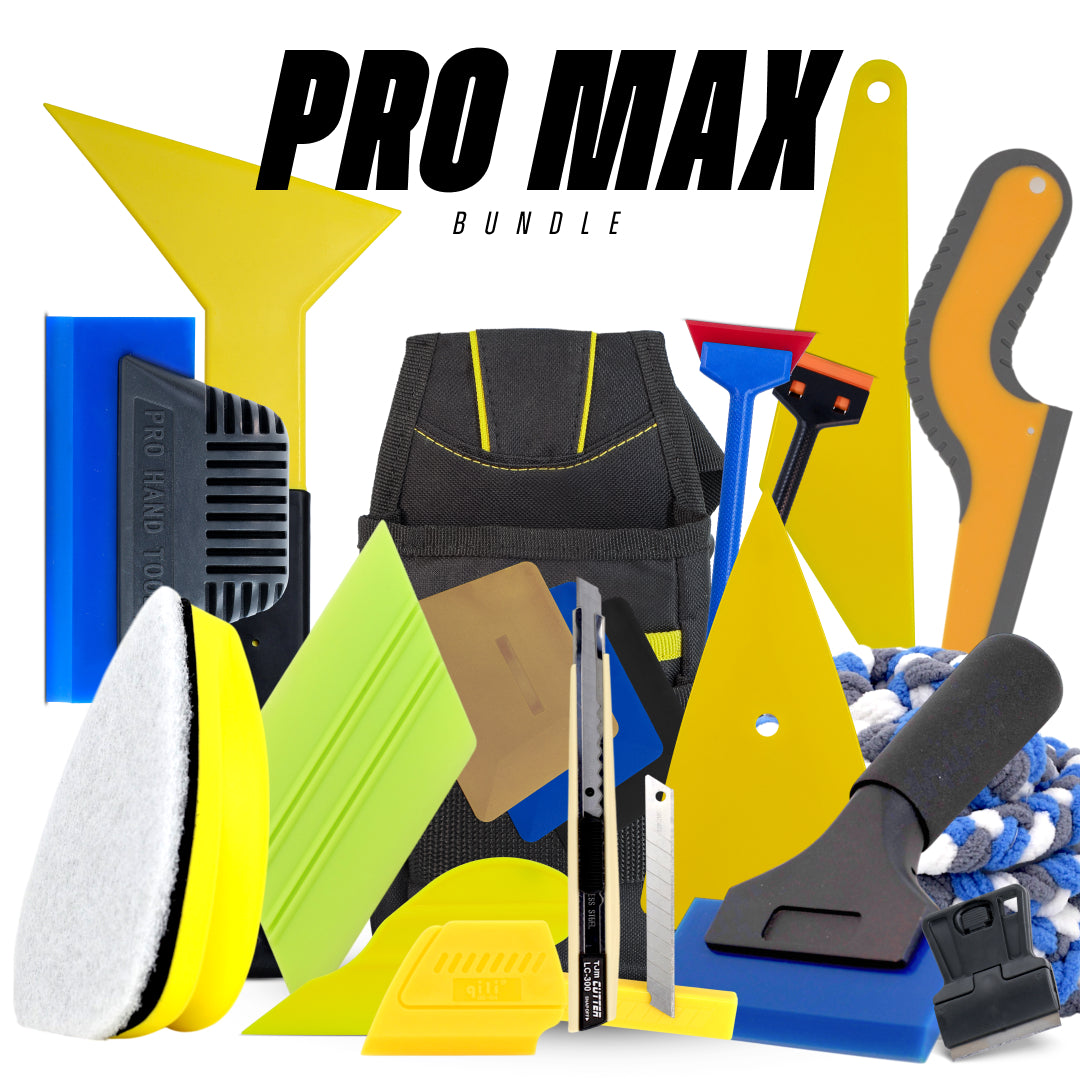
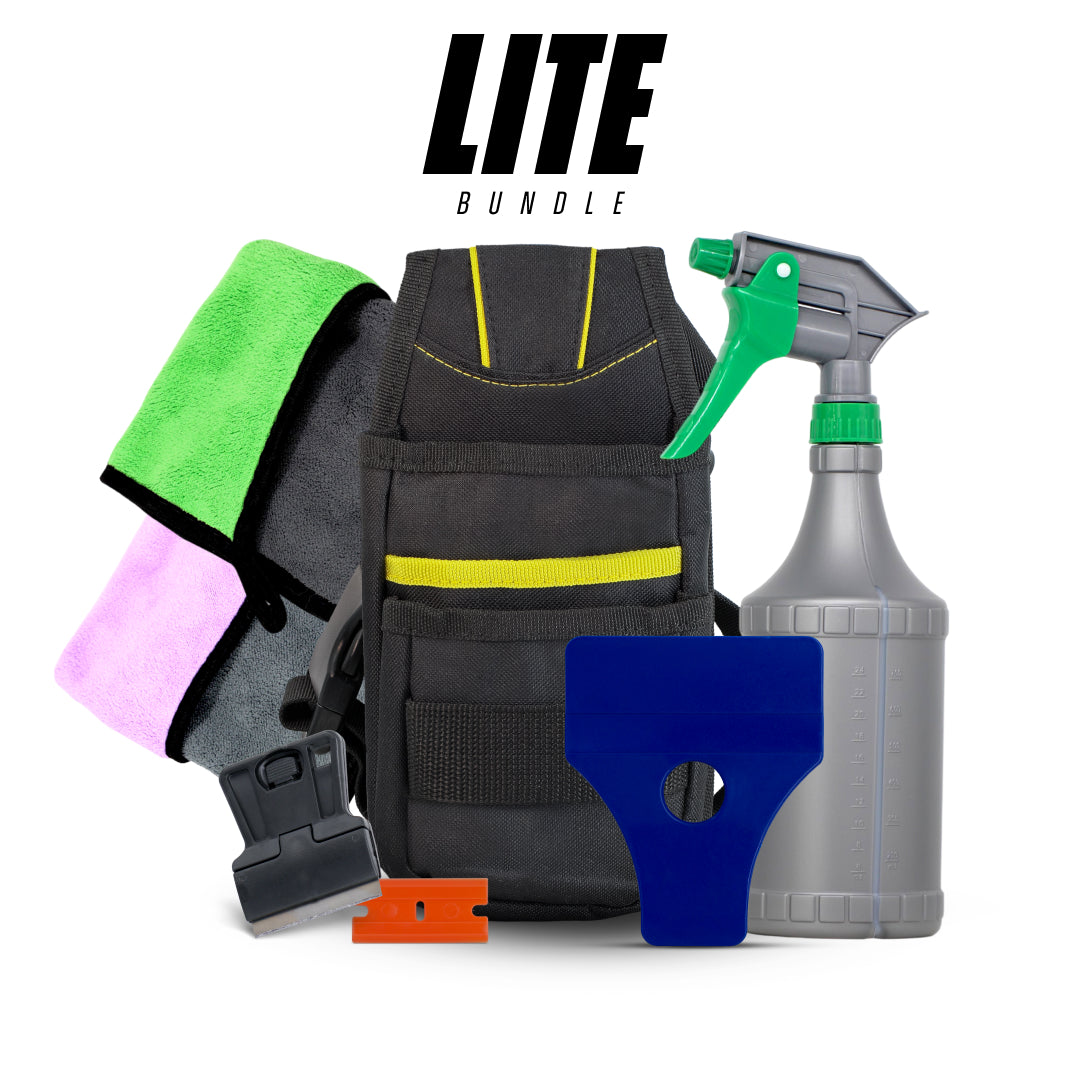
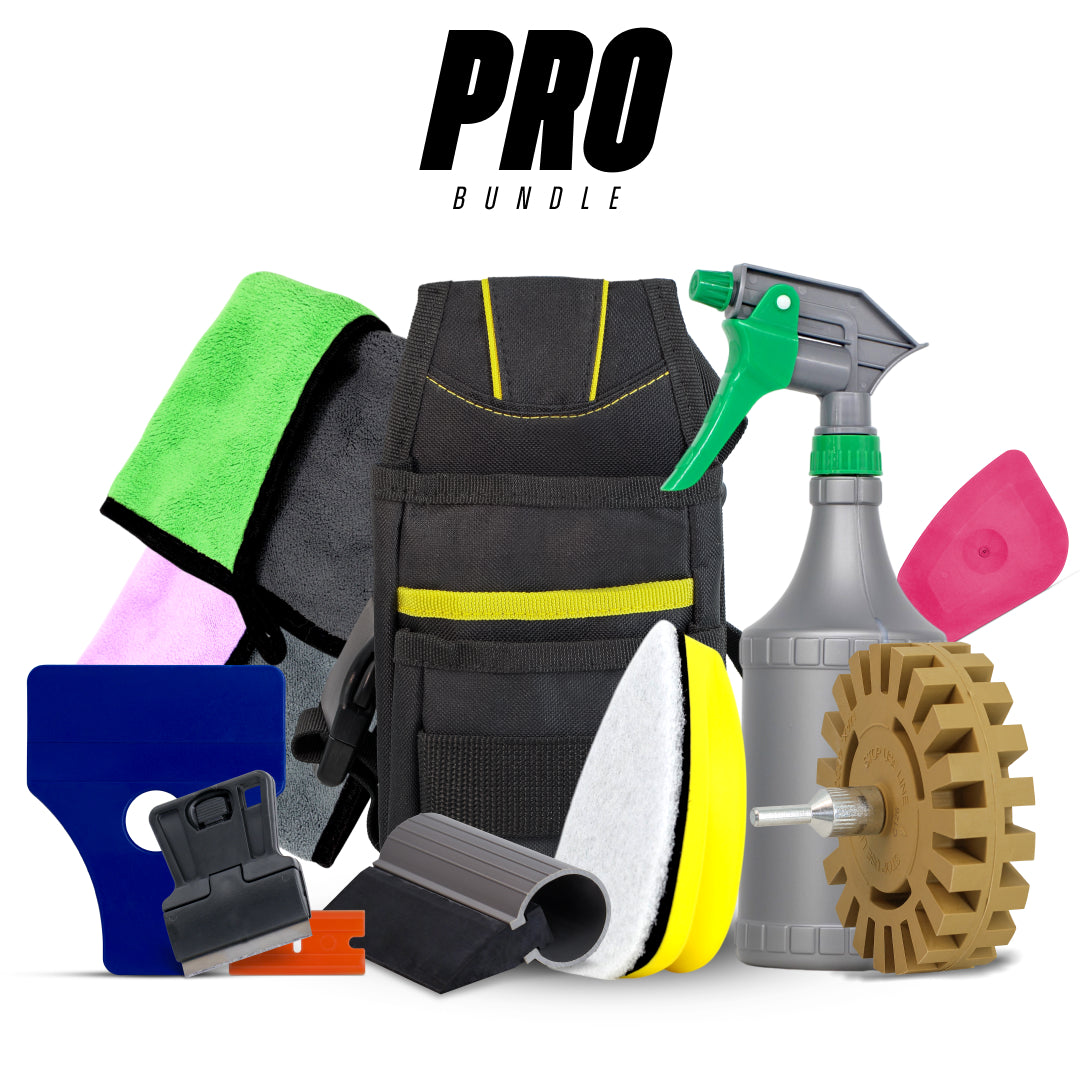
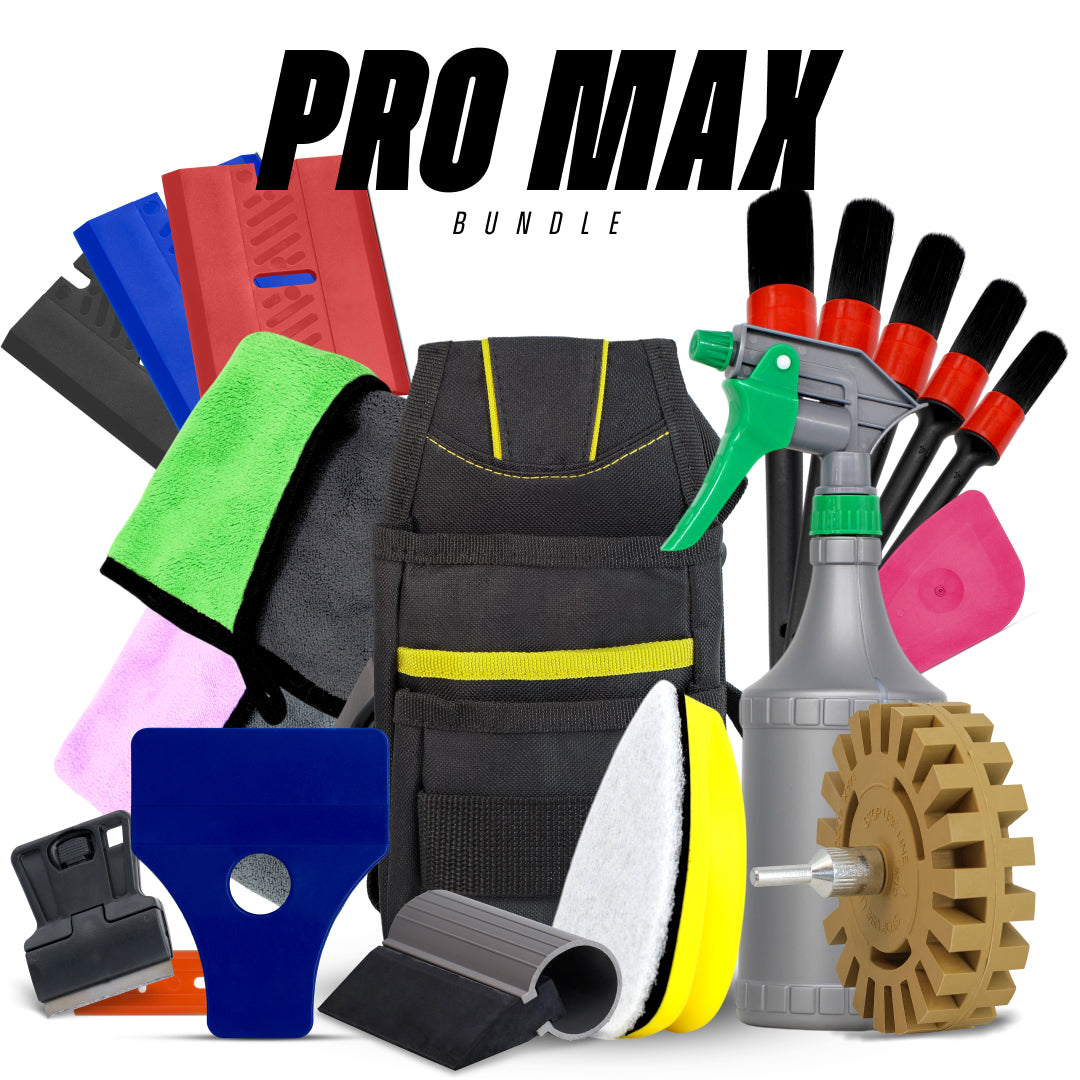
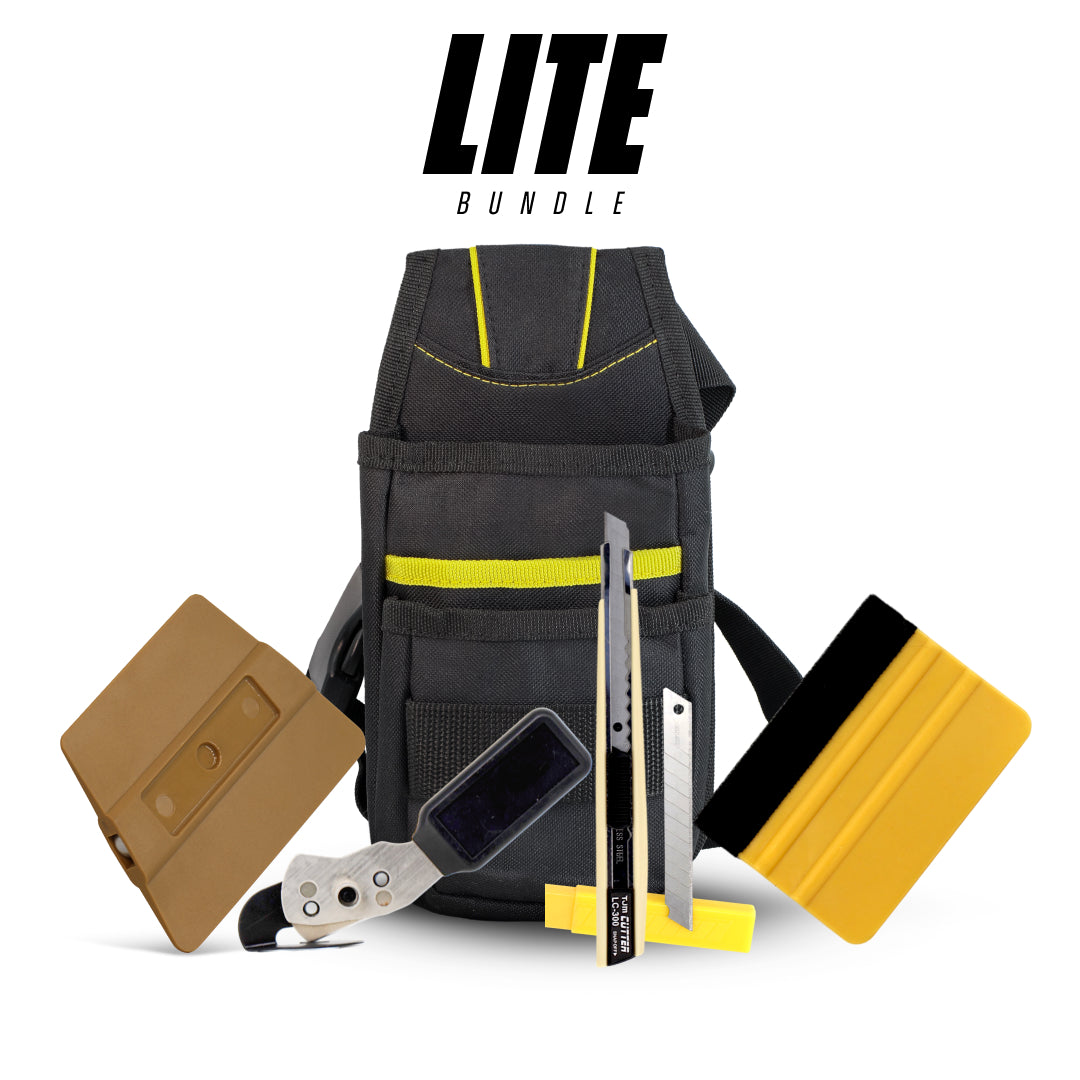
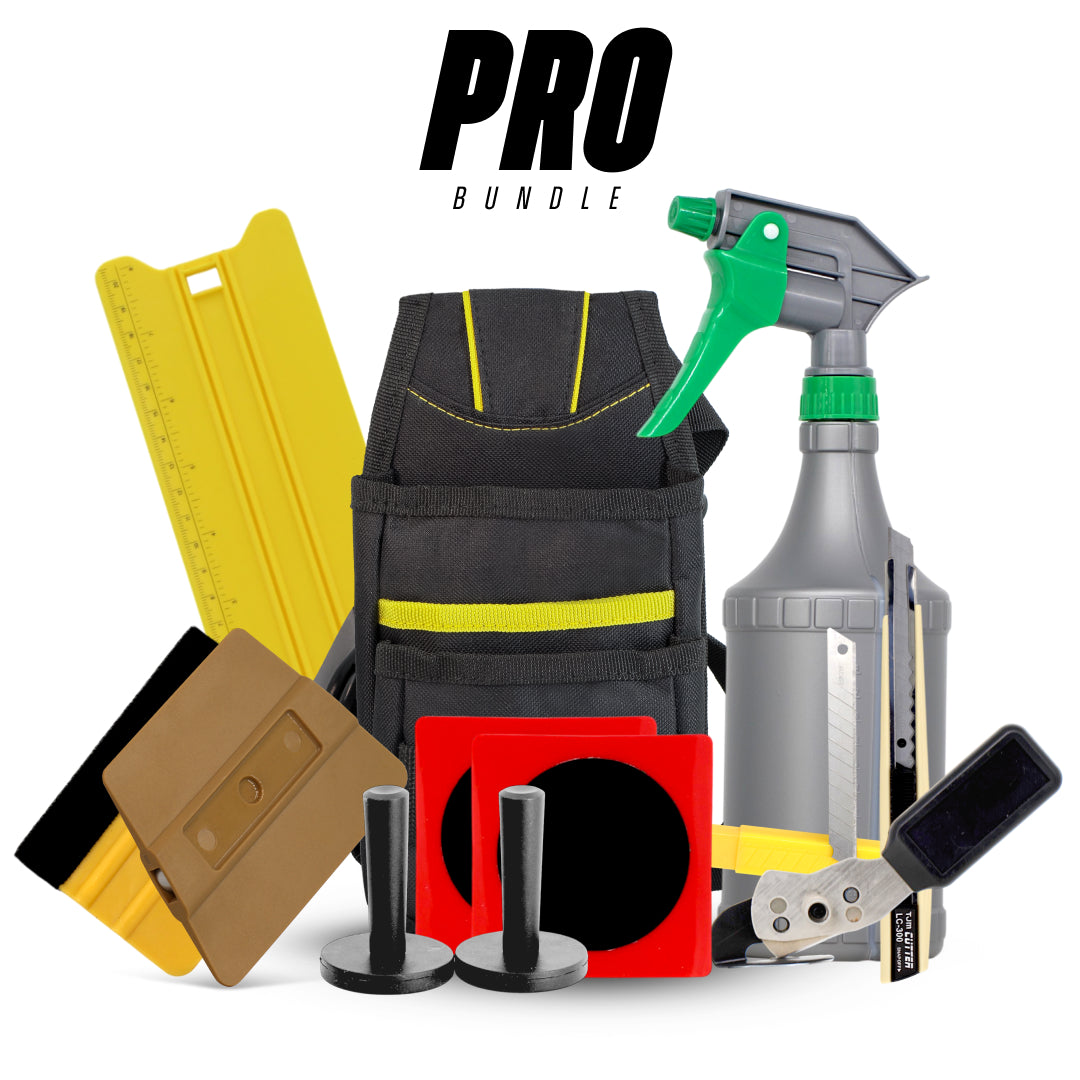
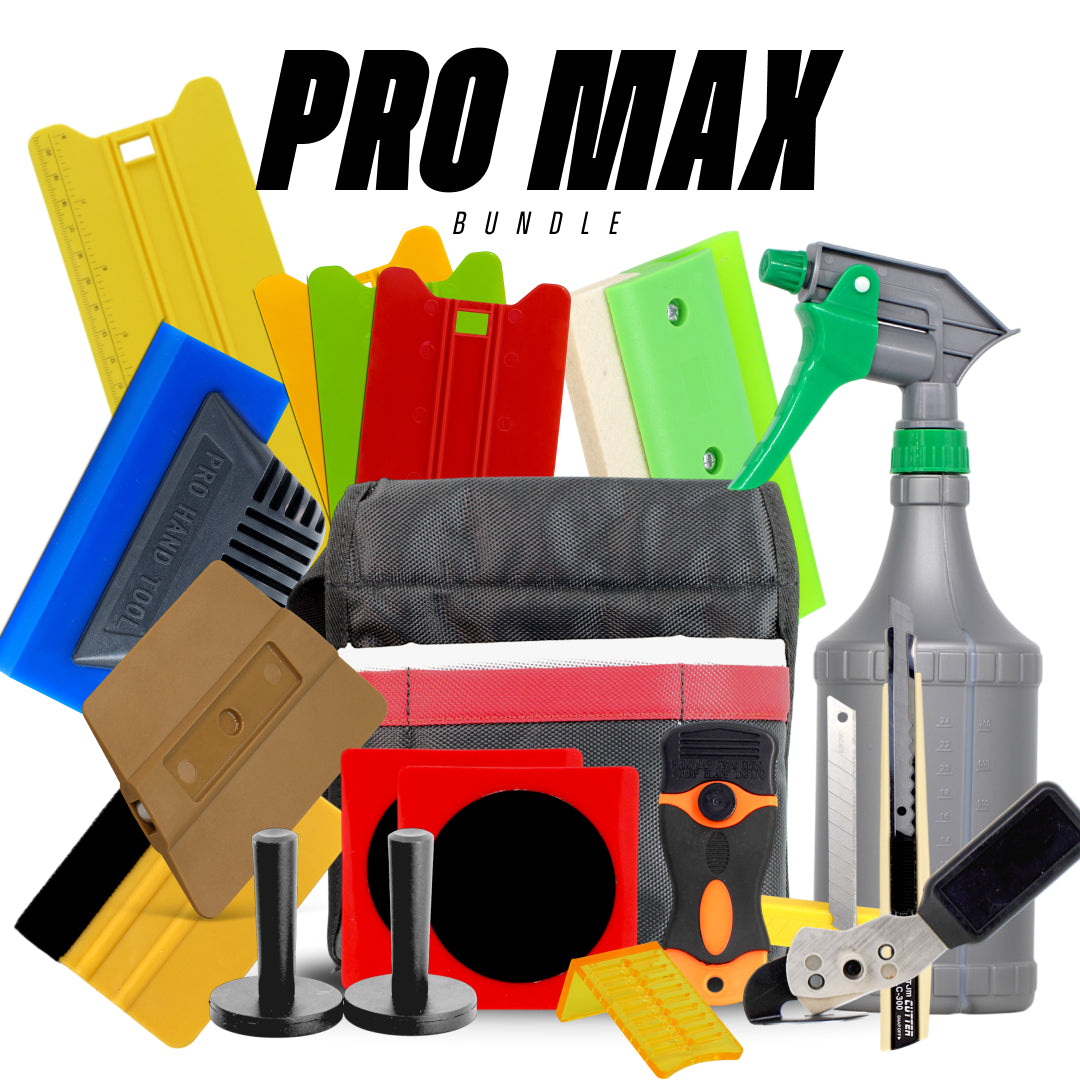
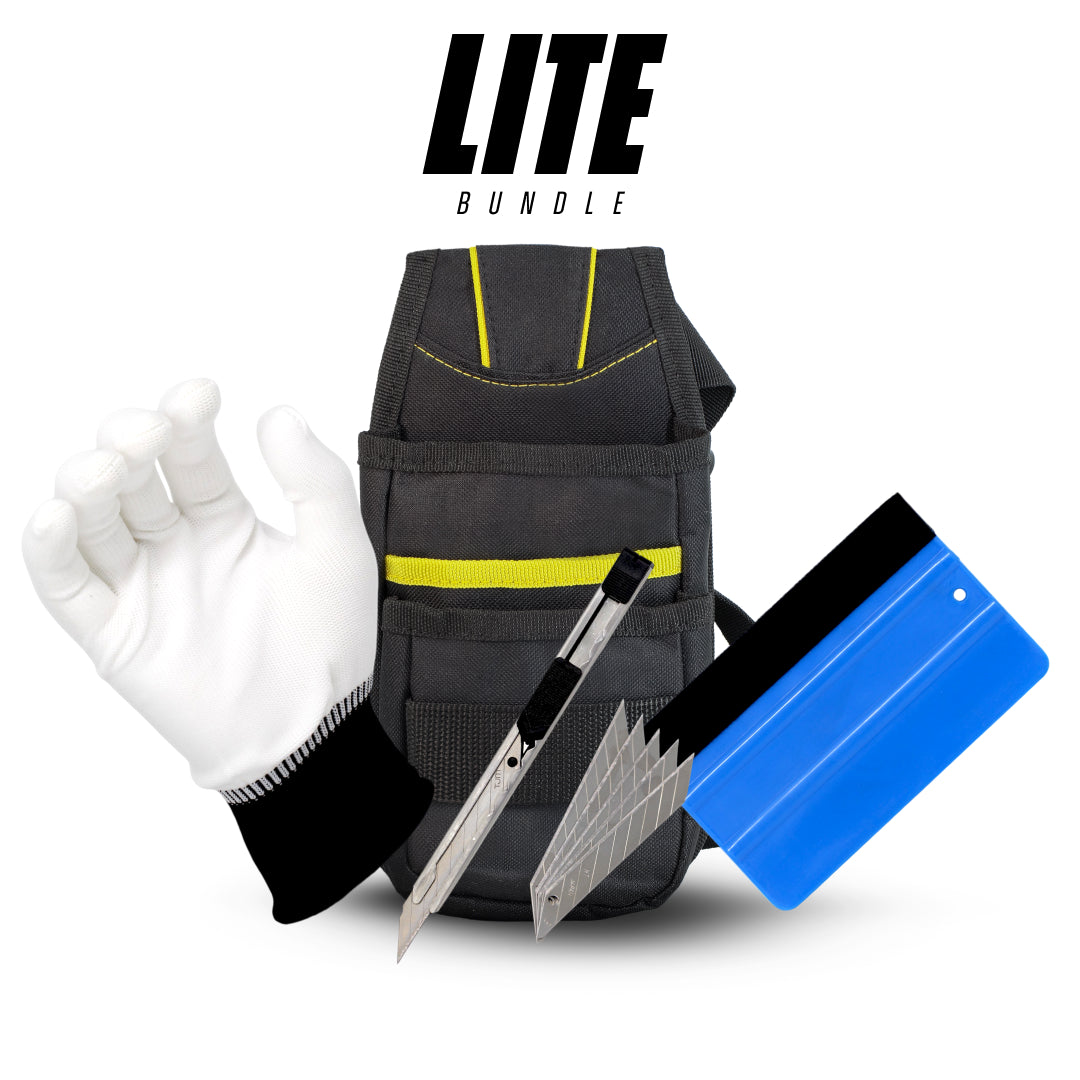
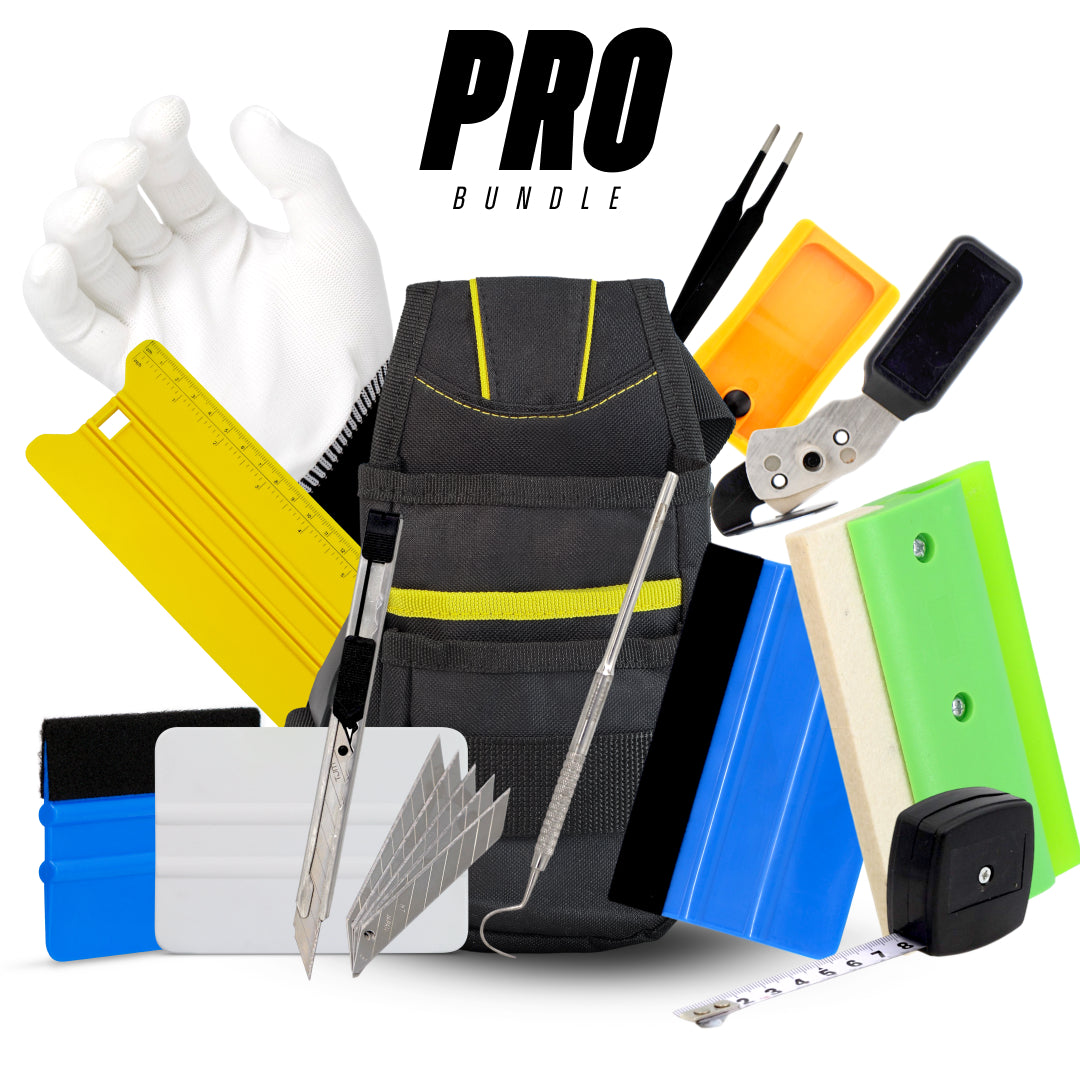
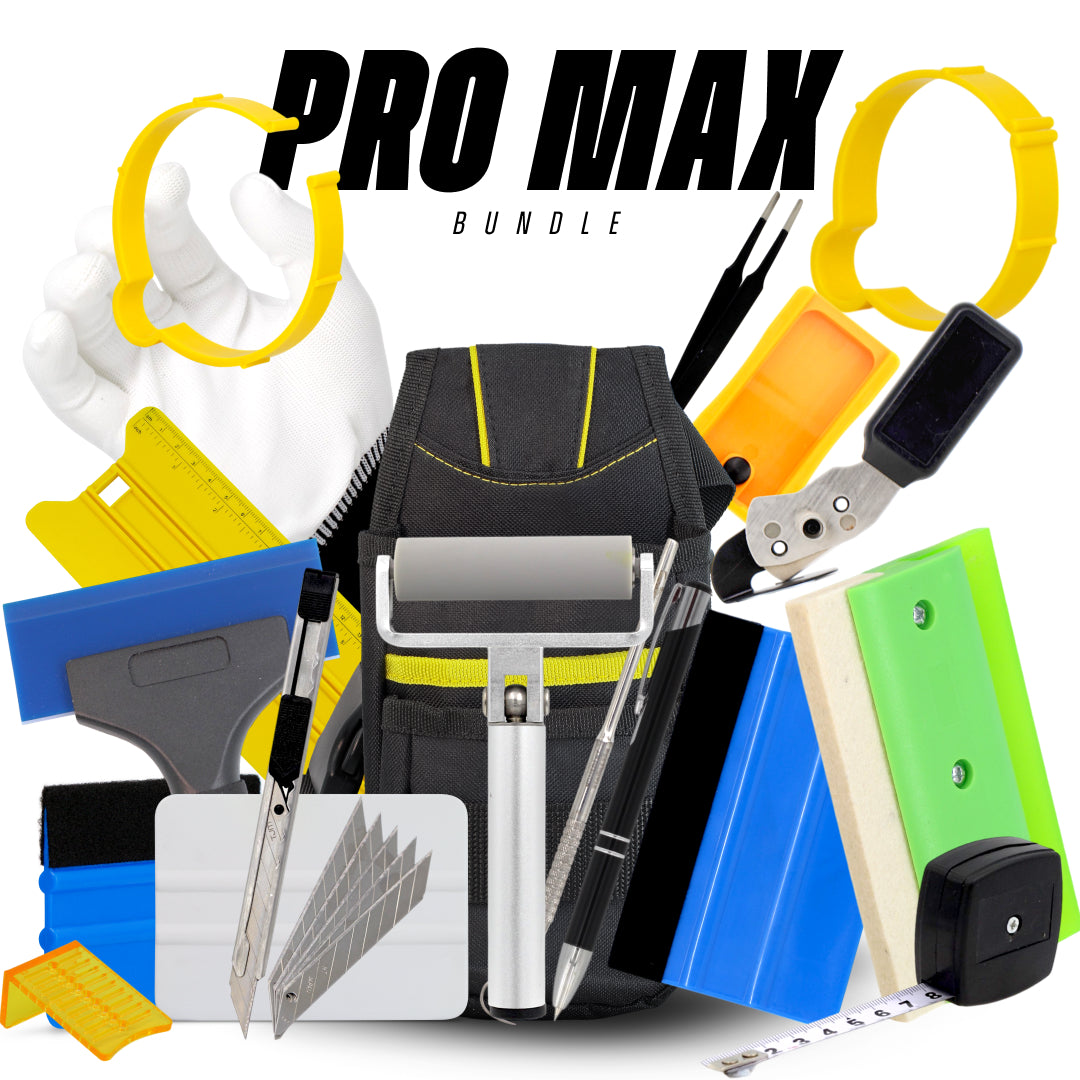
| Kit tier | Best for | Save | Price |
|---|---|---|---|
| Wrap Tool Kit — Lite | First wrap | 15% | $75.99 |
| Wrap Tool Kit — Pro | Regular installers | 19% | $129.99 |
| Wrap Tool Kit — Pro Max | Full-time installers | 25% | $216.99 |
How to Choose the Right Installer in Australia
Choosing the right installer can make or break your experience. Even the best materials won’t look good if they’re poorly installed. So how do you separate the pros from the amateurs?
Start by looking at the portfolio and reviews. Reputable installers will have a gallery of past work and positive customer feedback. Pay attention to details, are the edges clean? Are there visible seams or bubbles? These small things reveal a lot about the quality of work.
Ask about the brands they use. If an installer is vague about materials, that’s a red flag. High-quality providers will proudly mention brands like 3M, XPEL, or Avery Dennison.
Warranty is another key factor. A good installer stands behind their work, offering guarantees that cover both materials and labour. This gives you peace of mind and protects your investment.
Finally, don’t base your decision solely on price. The cheapest option often ends up being the most expensive in the long run due to poor quality and rework.

For many owners, especially new car buyers, the long-term protection often outweighs the initial investment.
Are you unsure which tool or kit is right for your job?
Our expert team at Oz Sign Supplies is here to help. Reach out today, and we’ll direct you to the best tools to suit your project, ensuring you get the job done right the first time.

Wrap Tool Kit – Pro Max
$216.99
What's Included The Wrap Tool Kit Pro Max includes a complete professional vinyl wrapping setup designed for high-volume installers, wrap...
Kit me out