

Free Shipping over $150
- Become A vip -



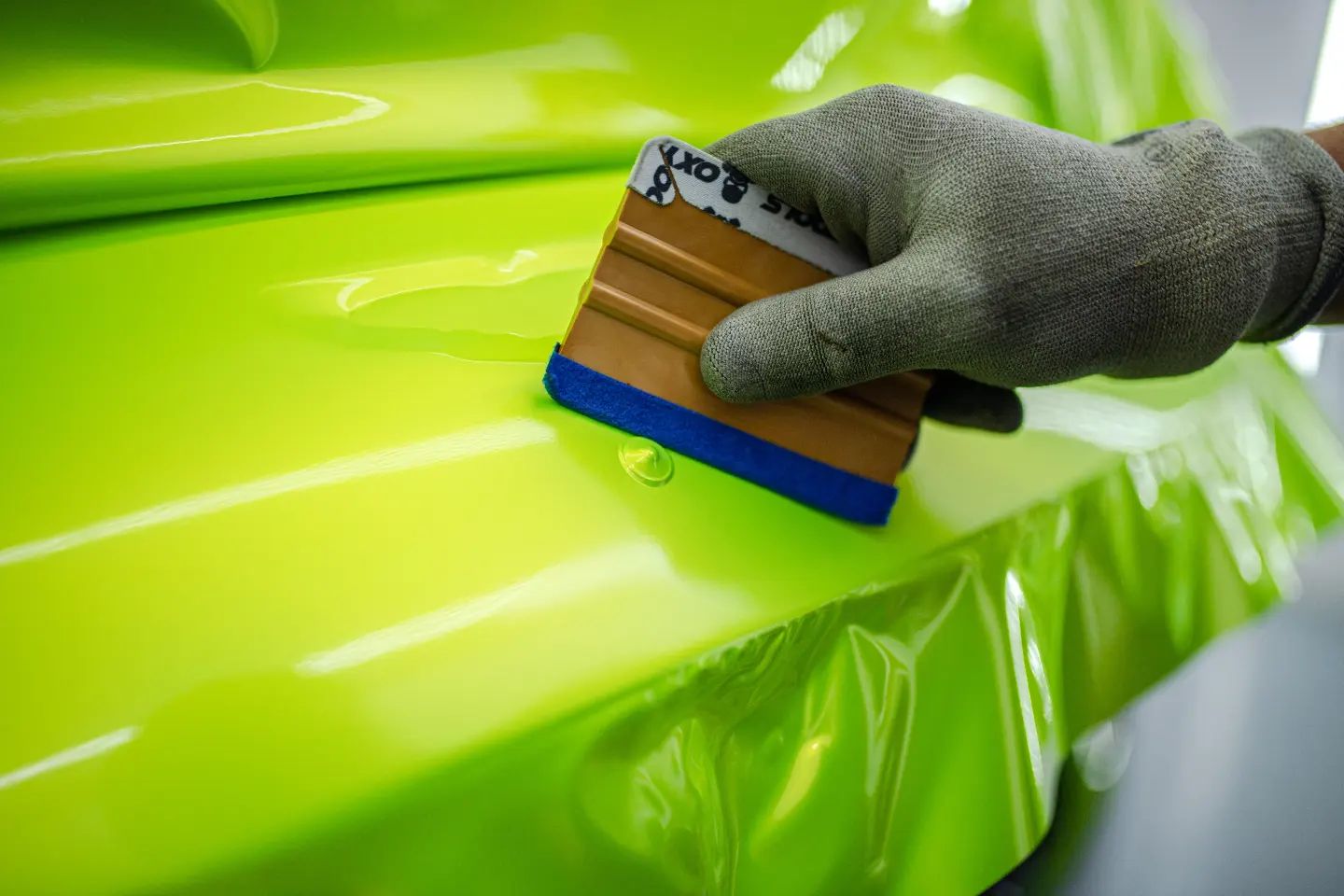
Sign Install Tools
Achieve flawless results with professional-grade sign installation tools from OZ Sign Suppl. . .
Read MoreAchieve flawless results with professional-grade sign installation tools from OZ Sign Supplies. Ideal for vinyl graphics, decals, shopfront signage, and outdoor signs, our tools are trusted by sign makers and installers across Australia.
Read Less
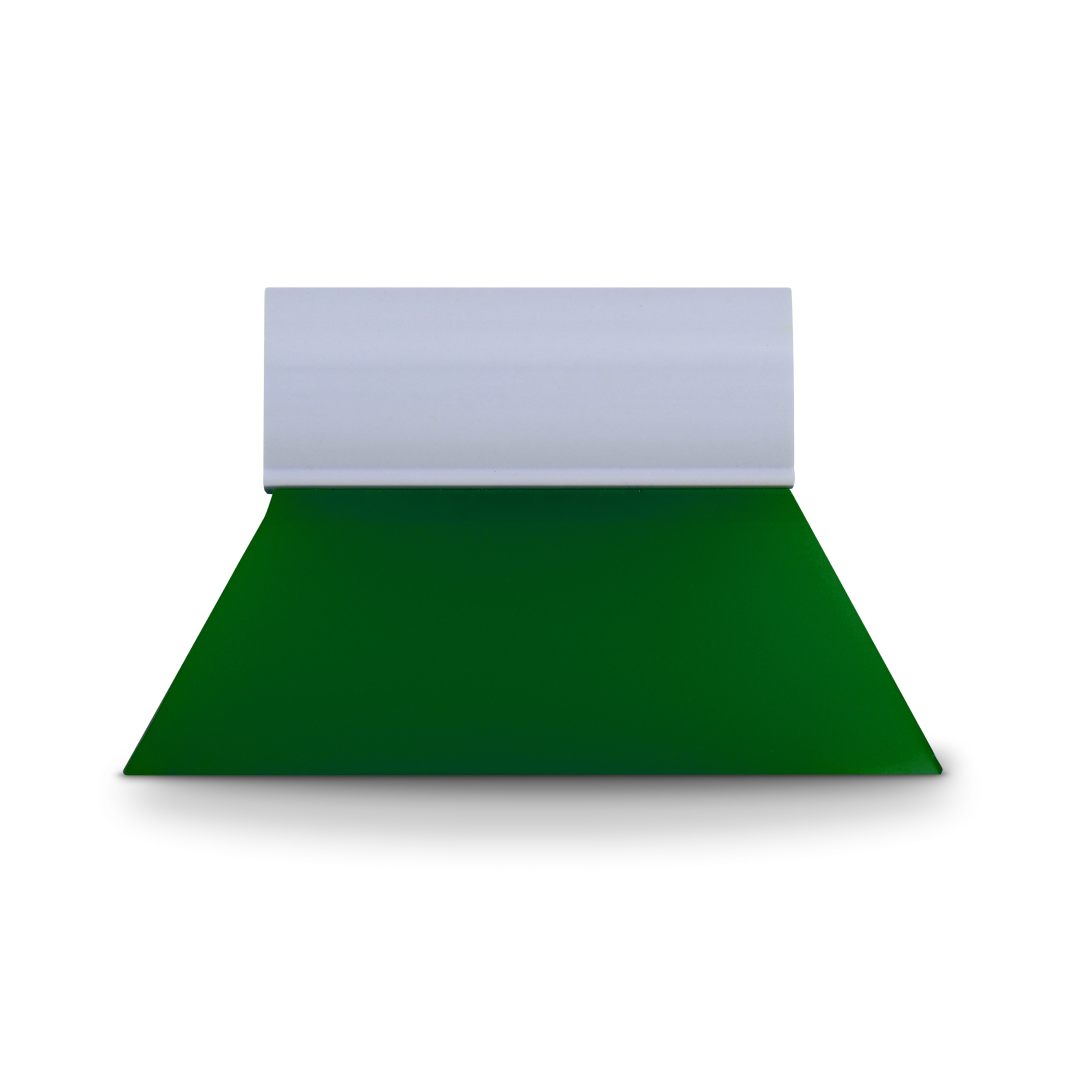
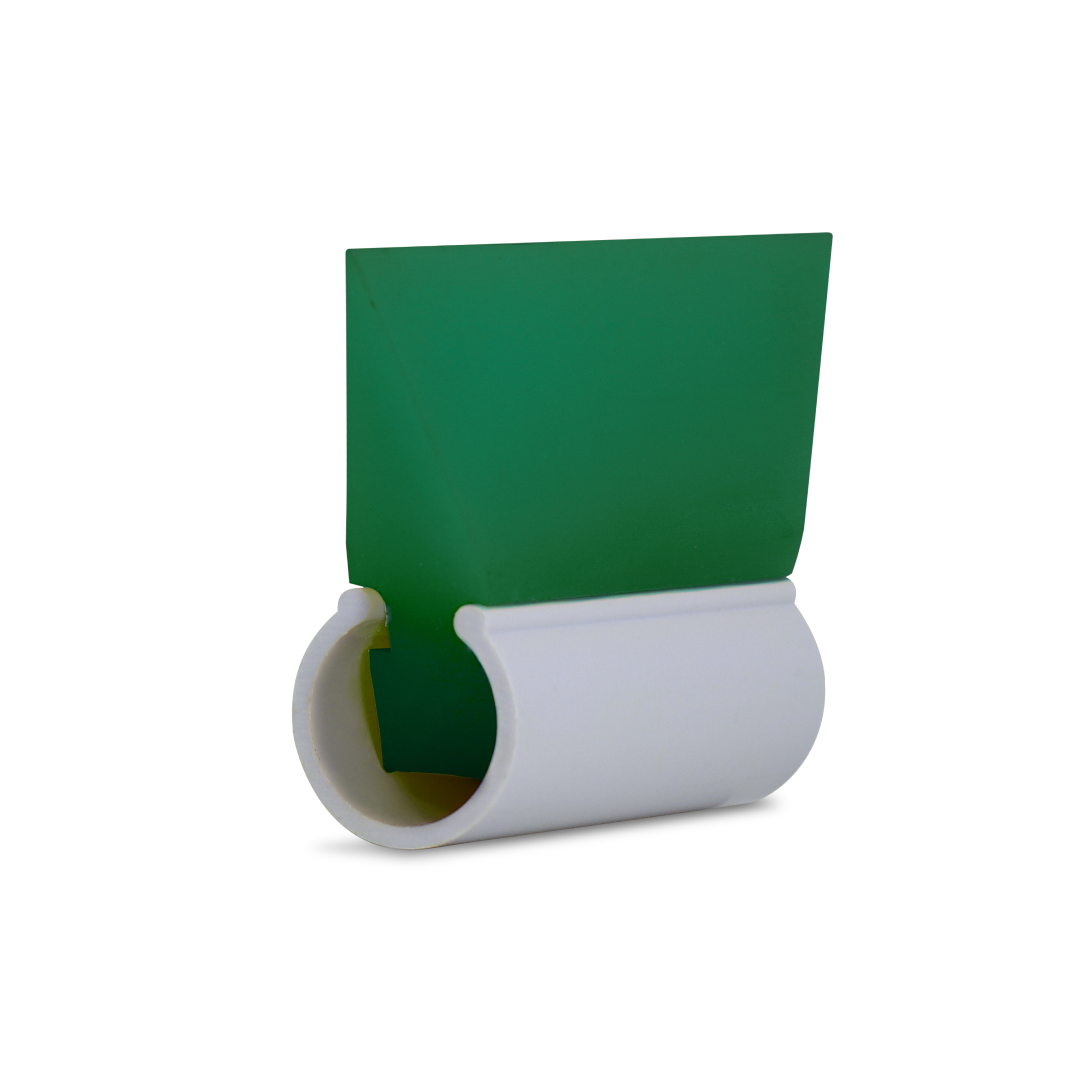
The Green Turbo Soft Flex Squeegee is designed to...
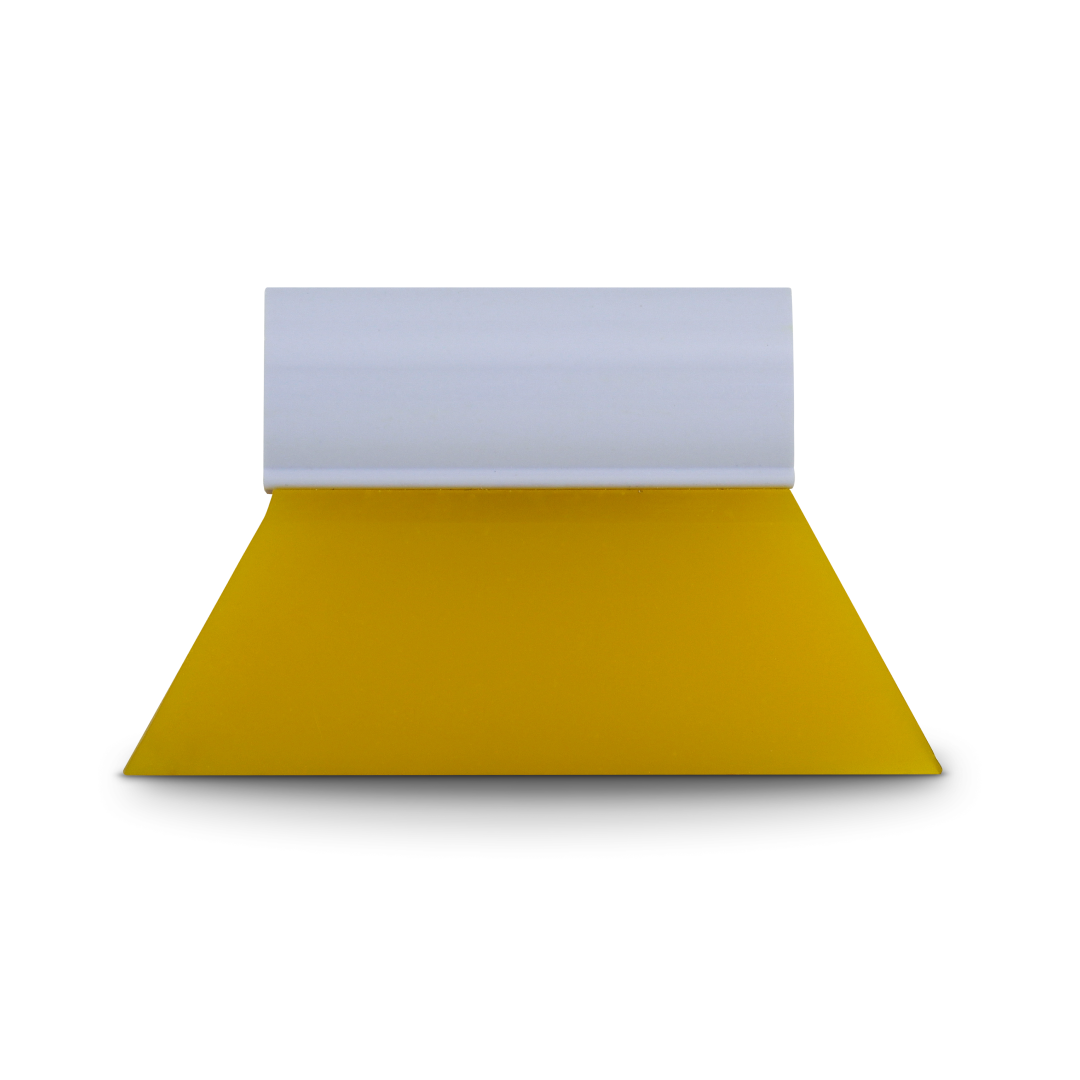
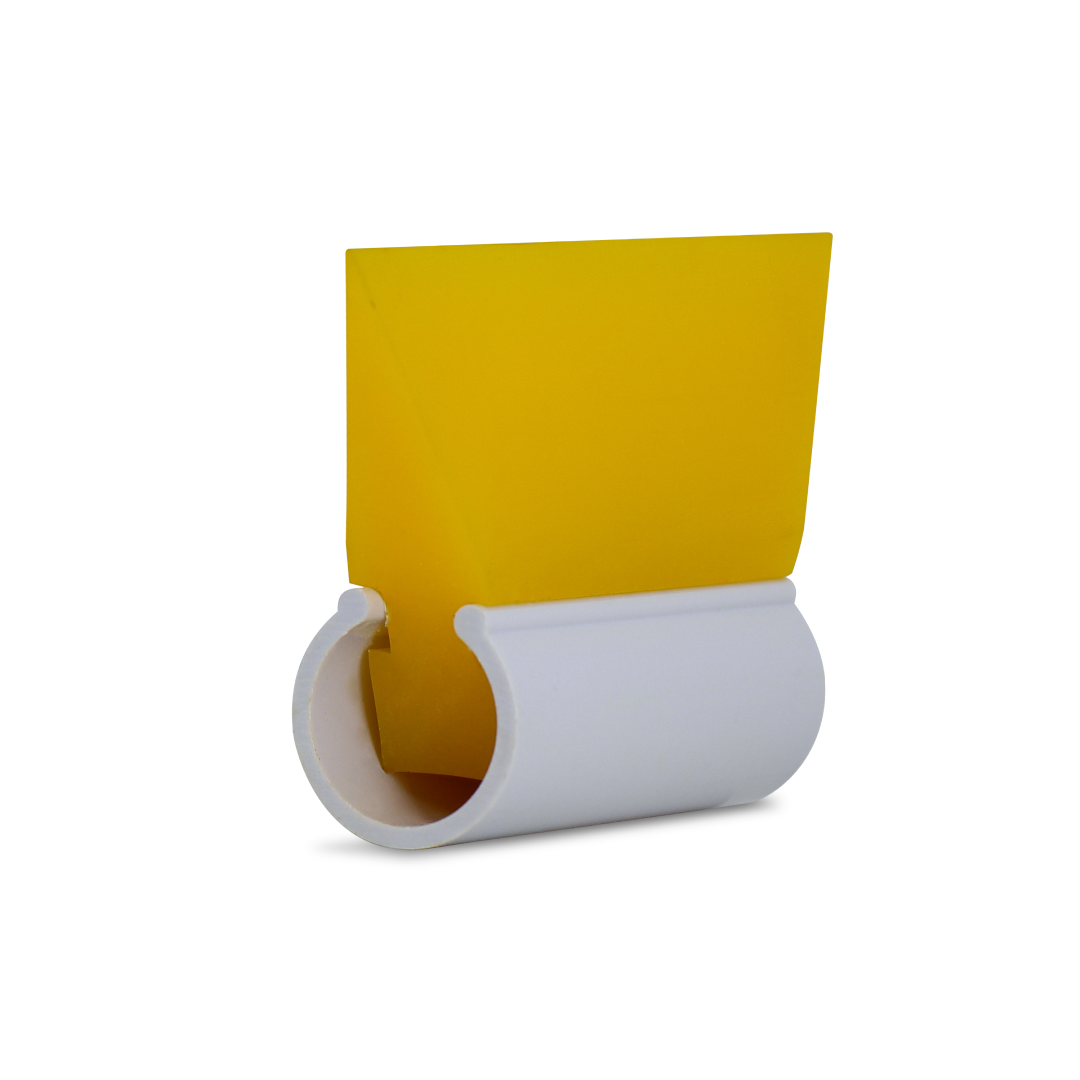
The Yellow Turbo Hard Flex Squeegee is designed to...
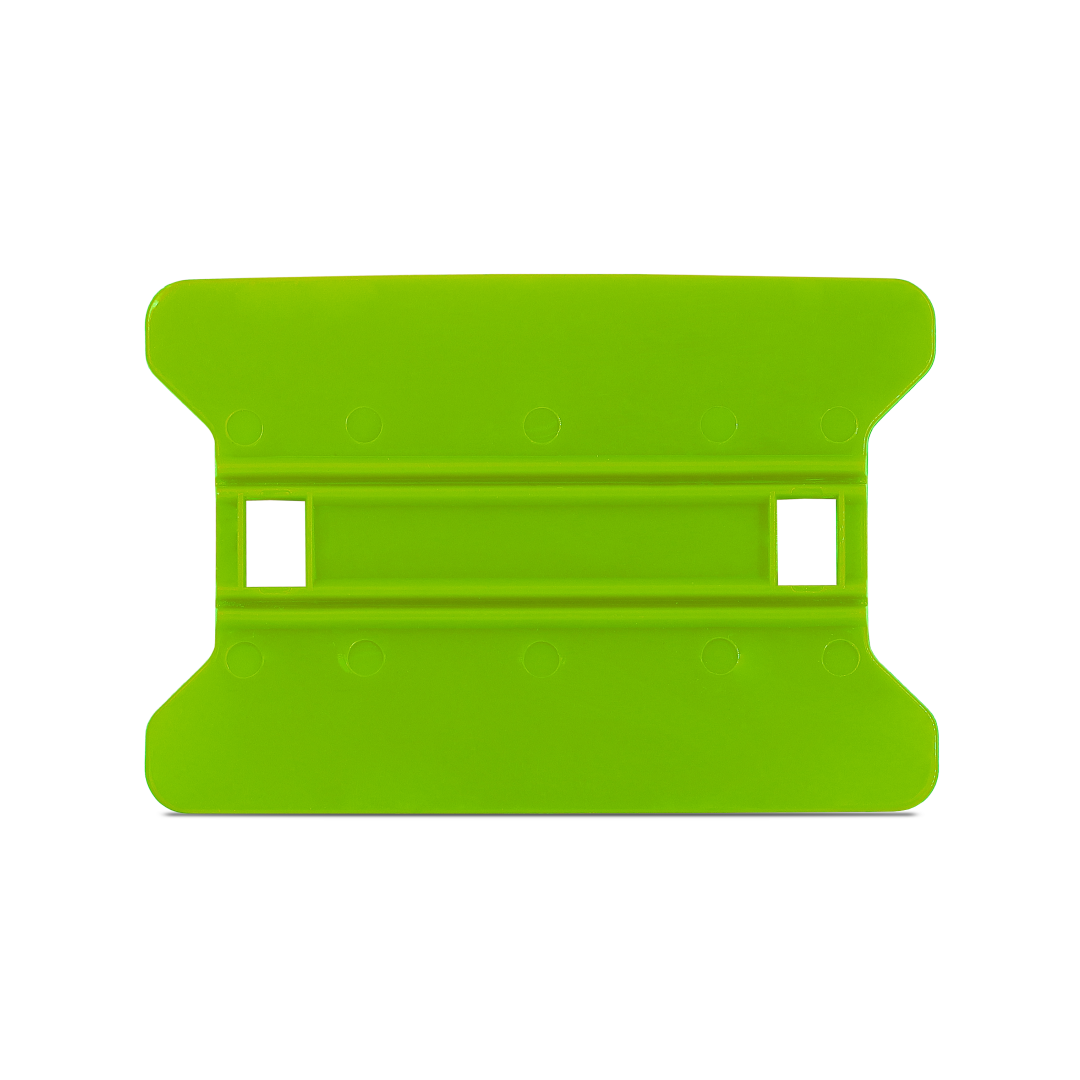
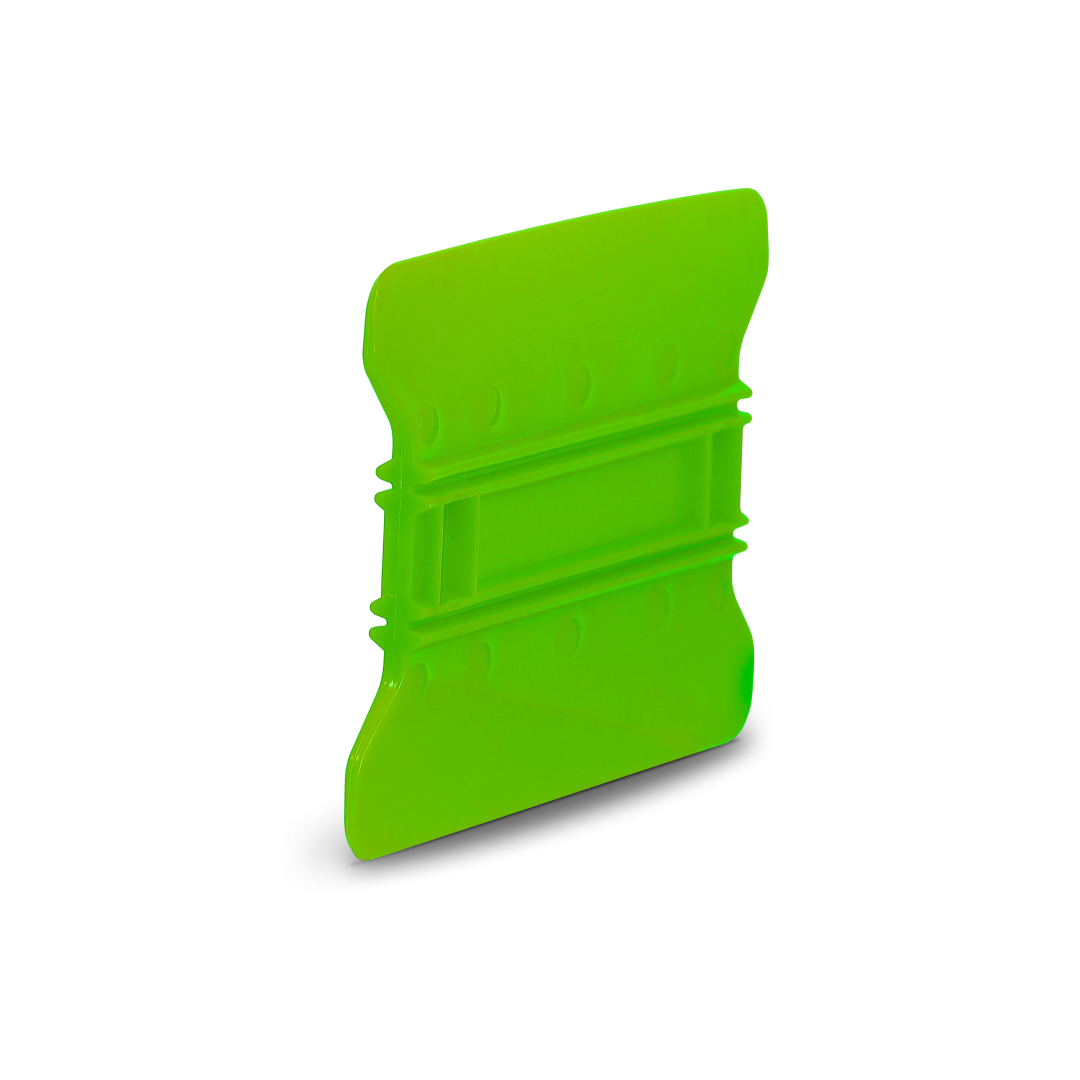
The Green Wing Edge Squeegee - Hard is designed...
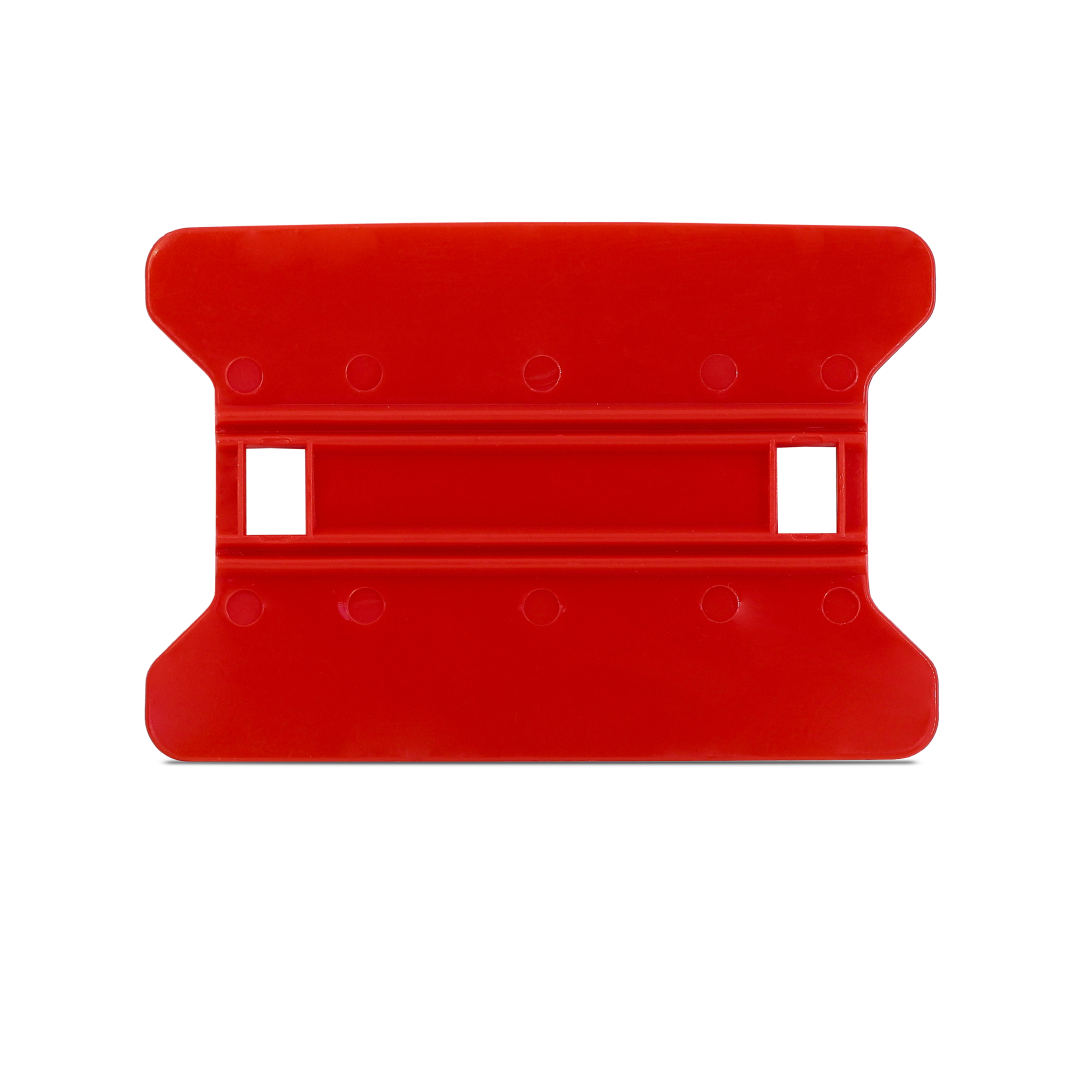
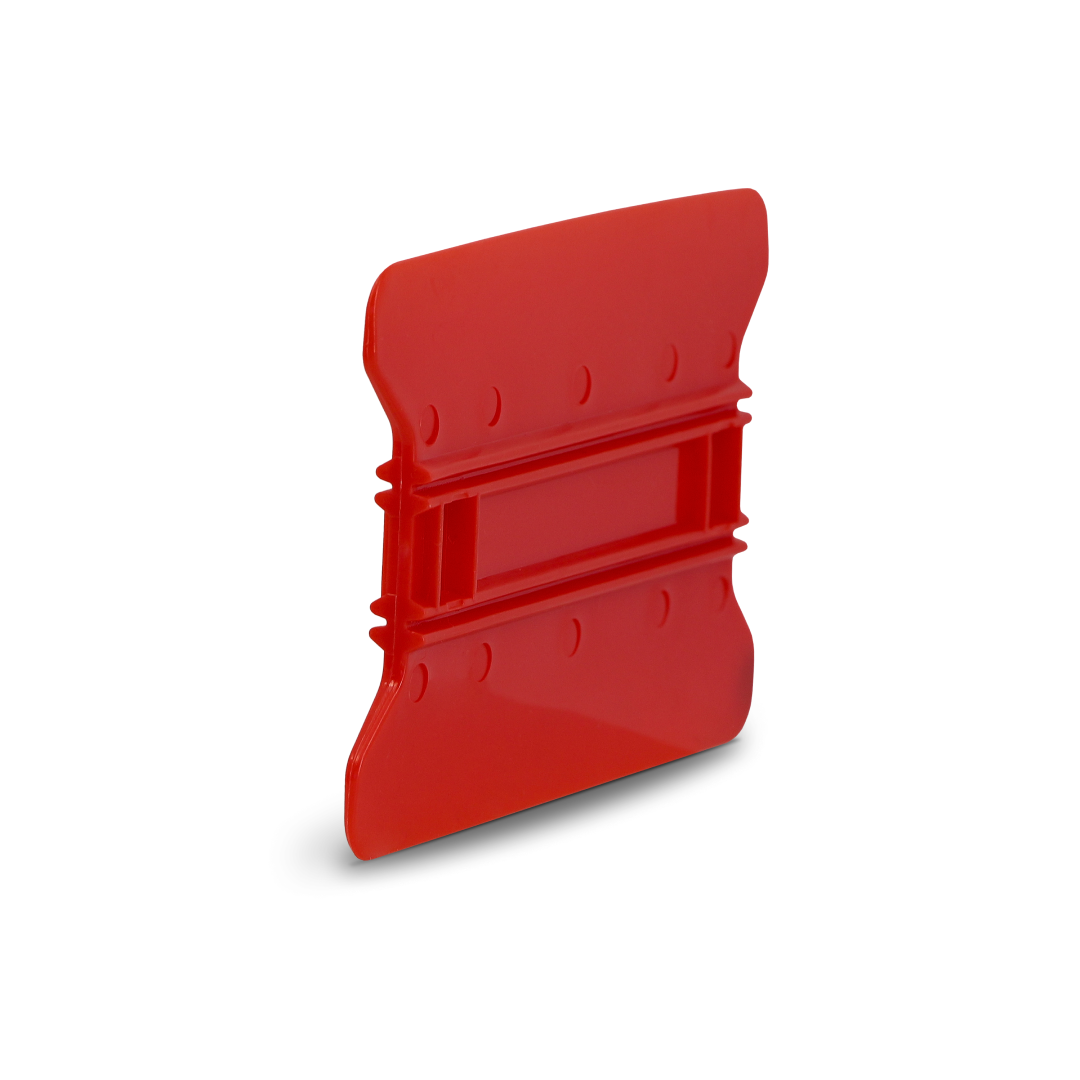
The Red Wing Edge Squeegee - Hard is designed...
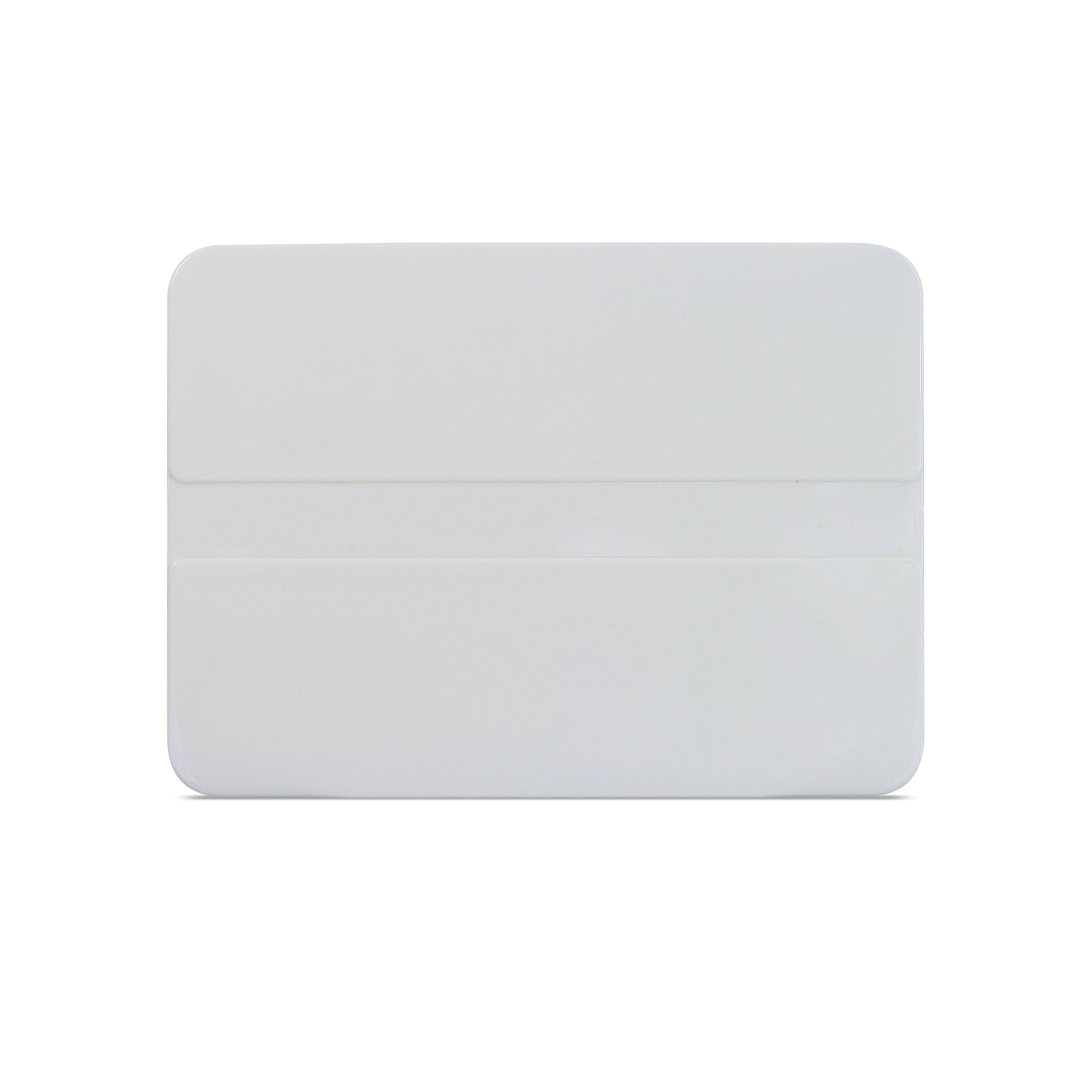
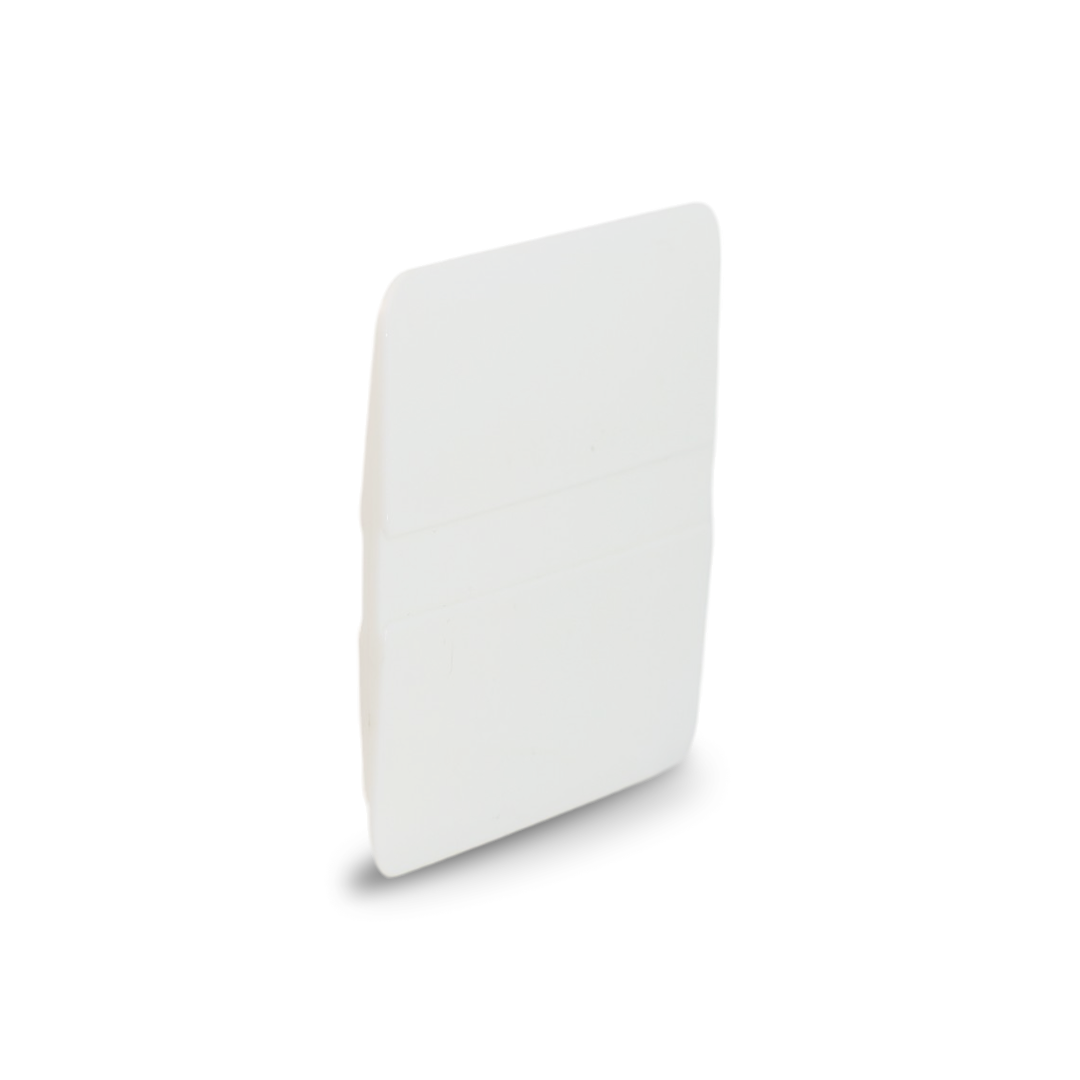
The White Hard Flex Thin Squeegee is an essential...
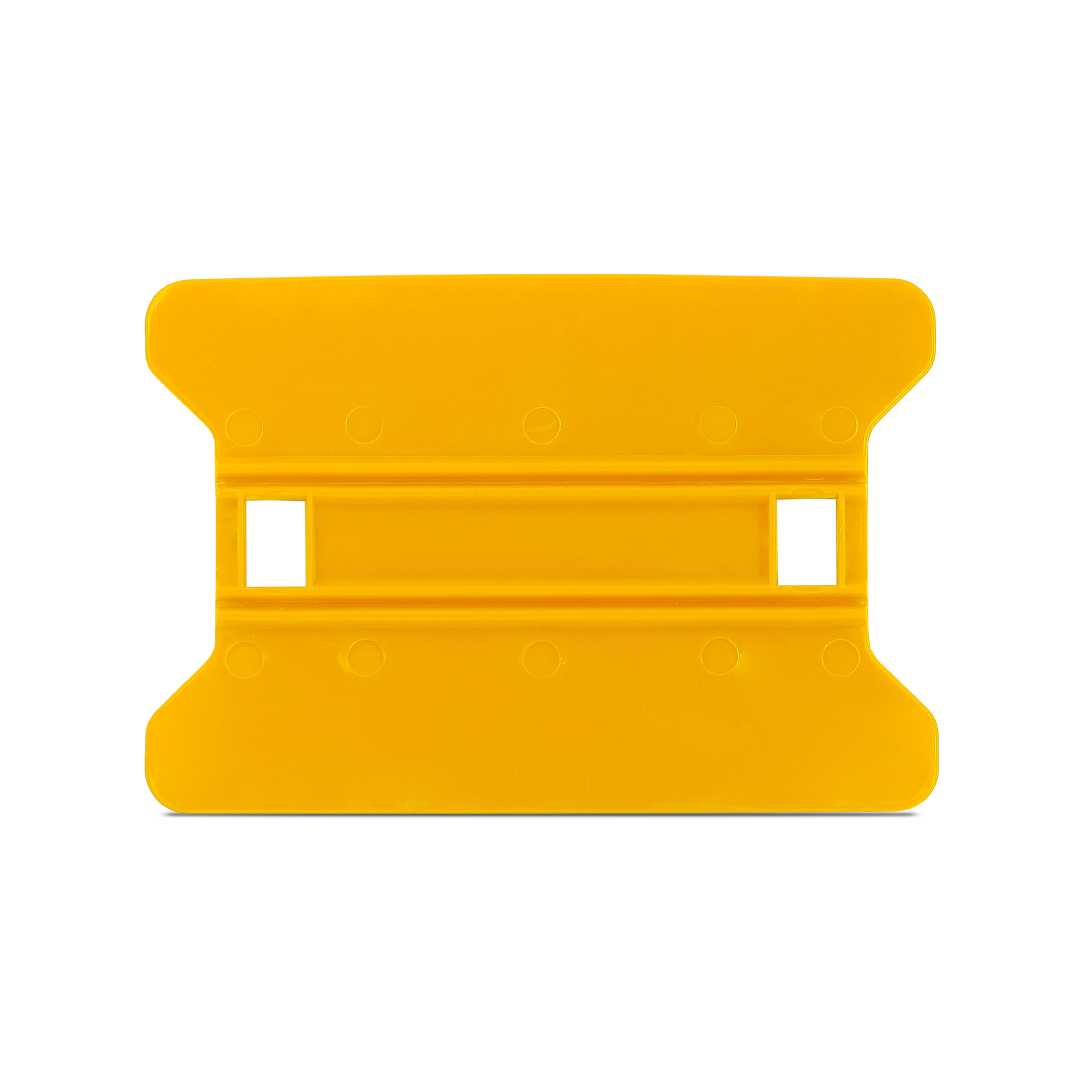
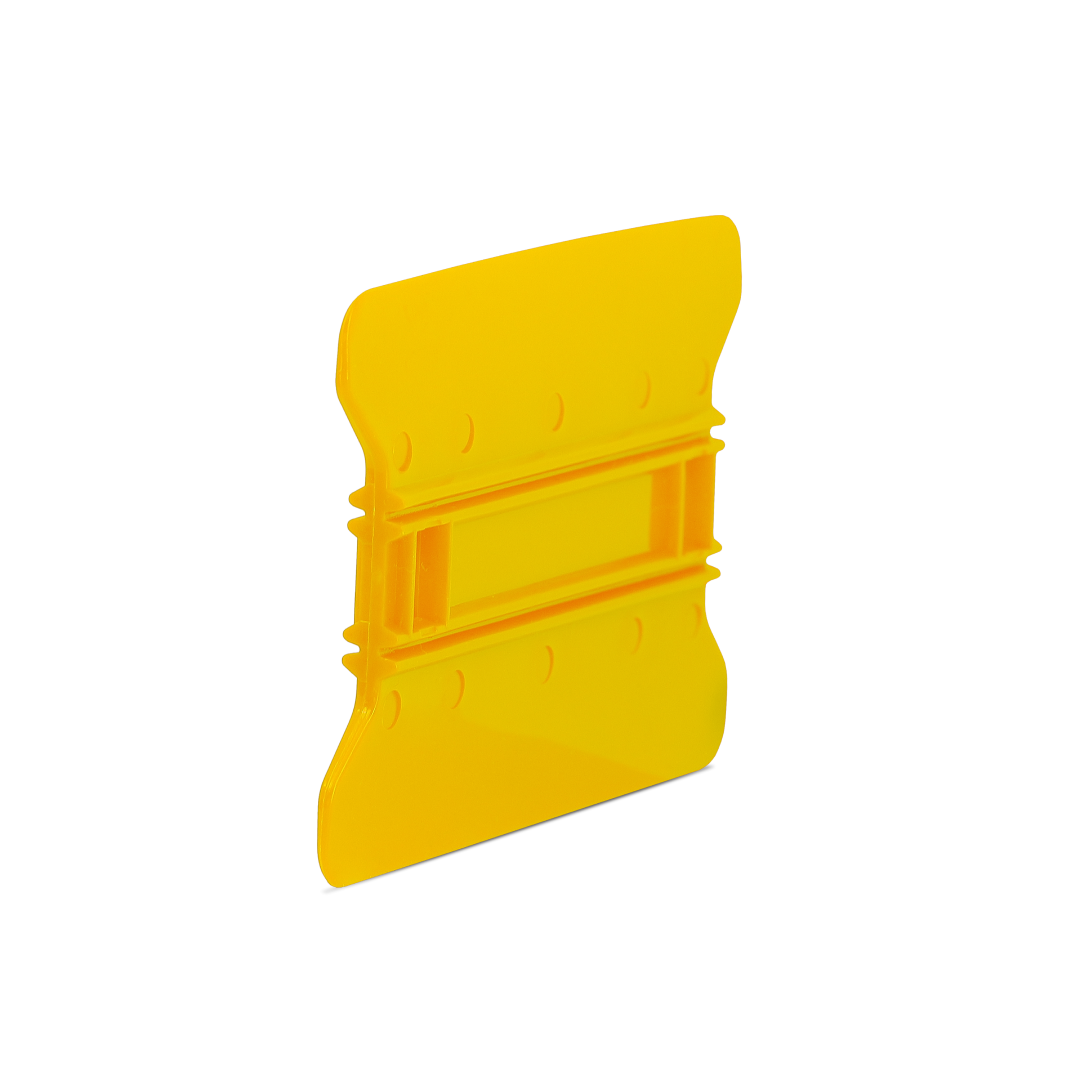
The Yellow Wing Edge Squeegee - Hard is a...
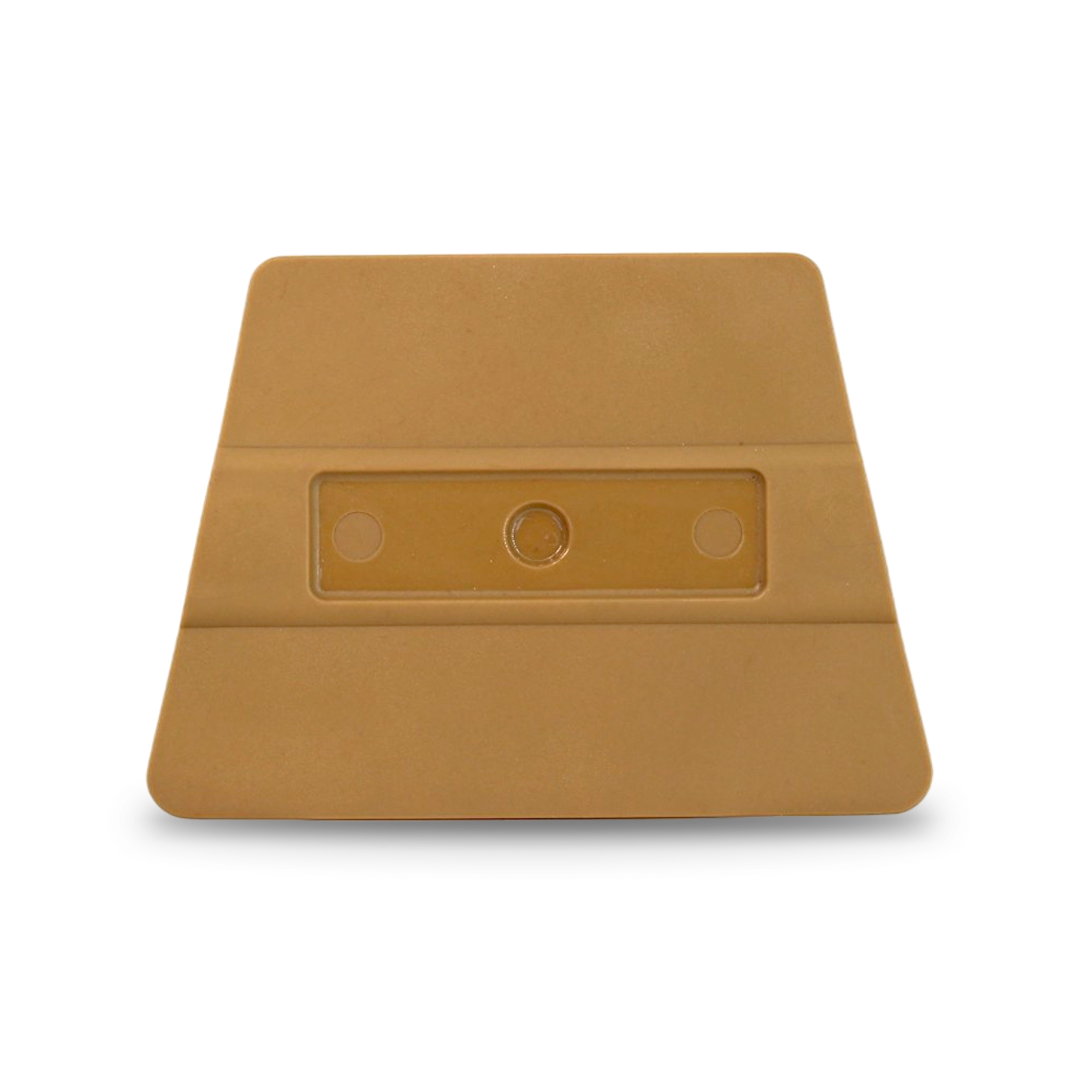
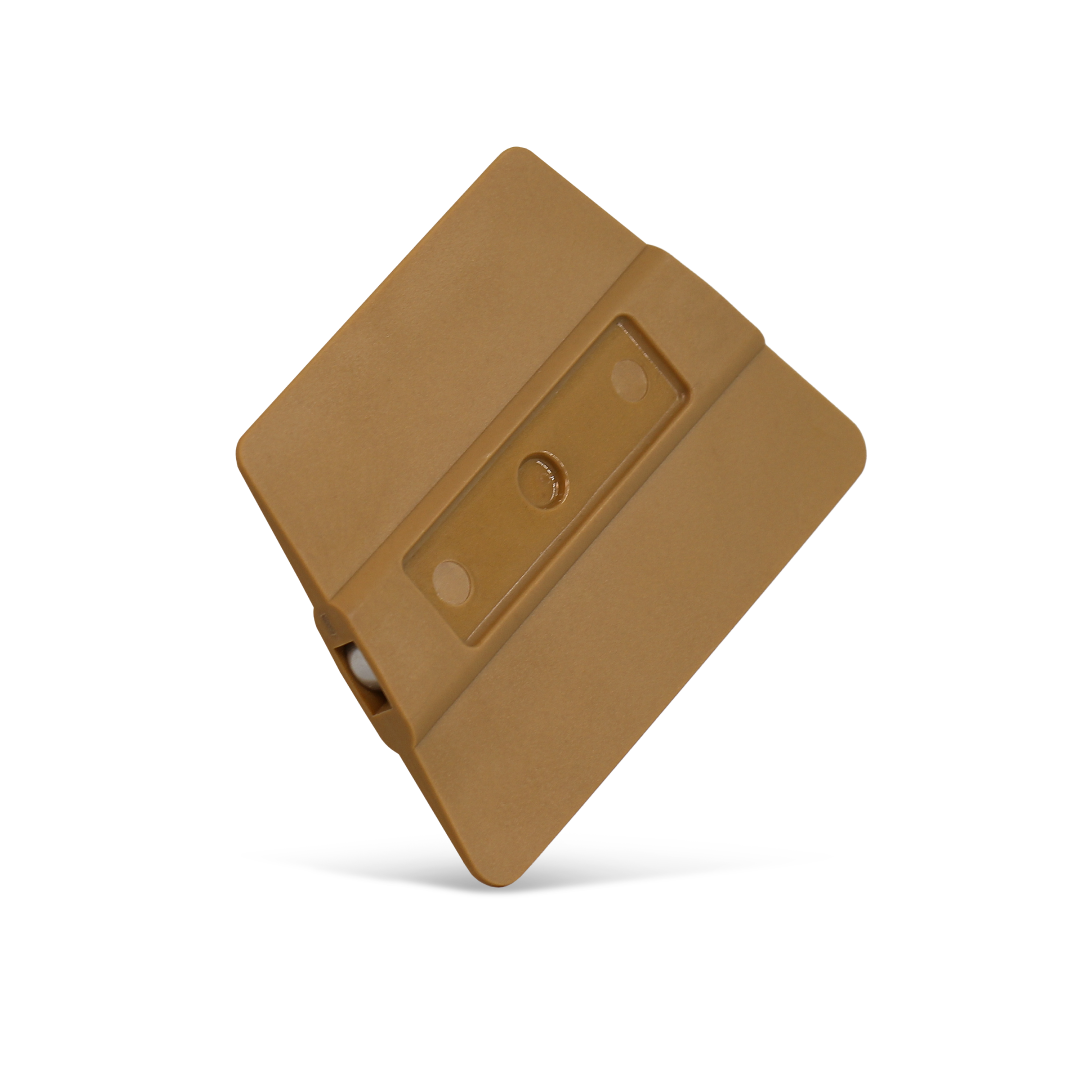
The Gold Hard Flex Magnetic Squeegee is designed to...
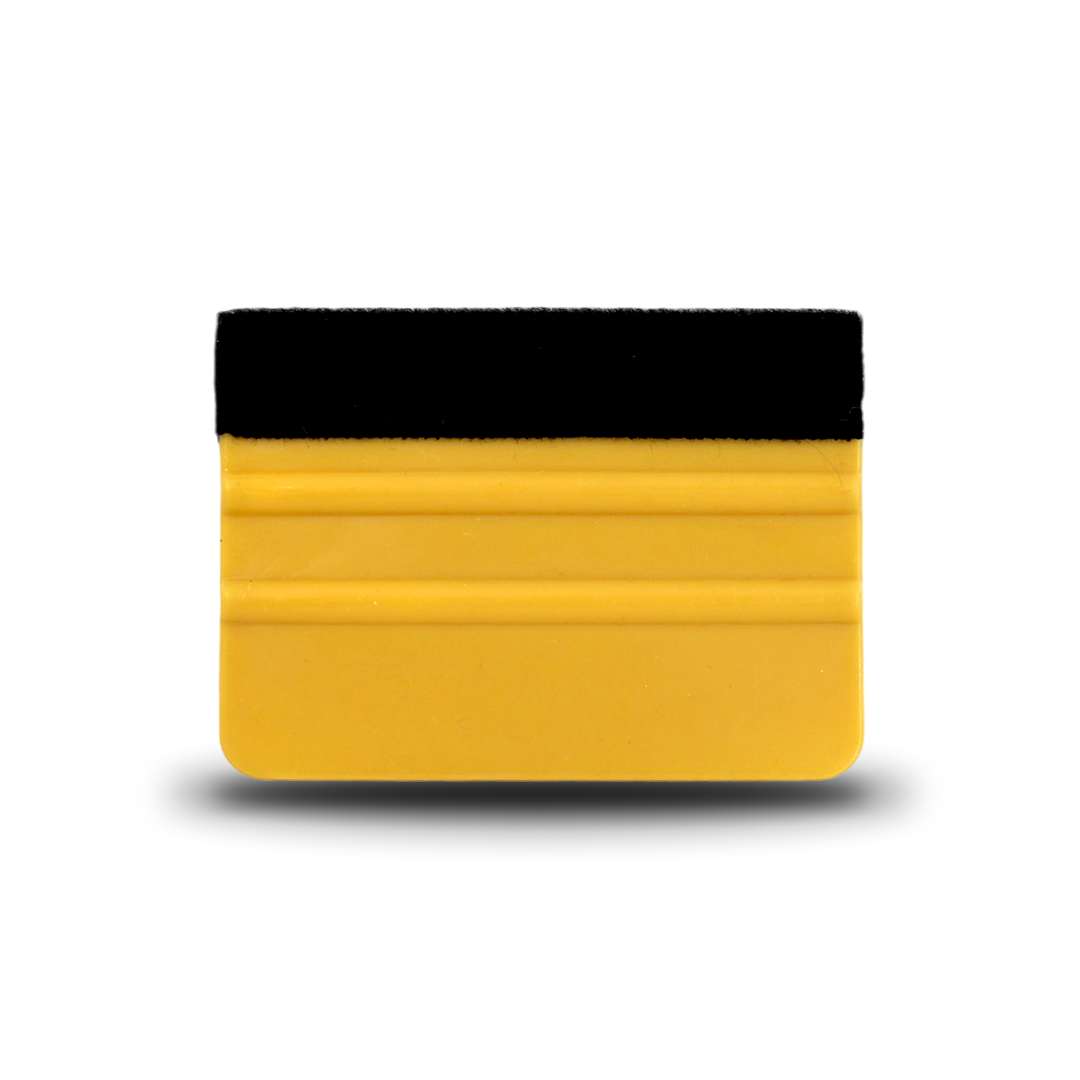
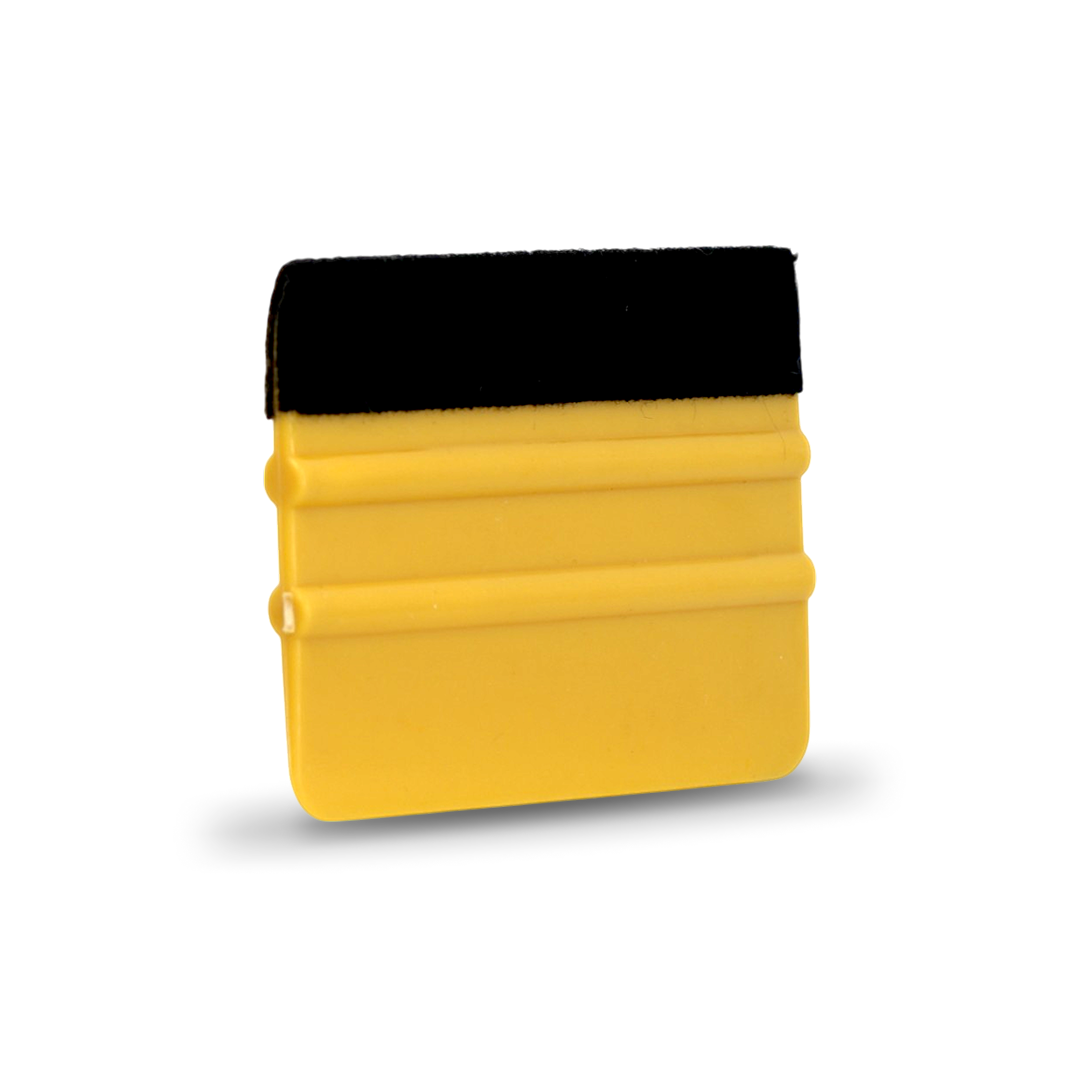
The Gold Squeegee with Felt Buffer is an essential...
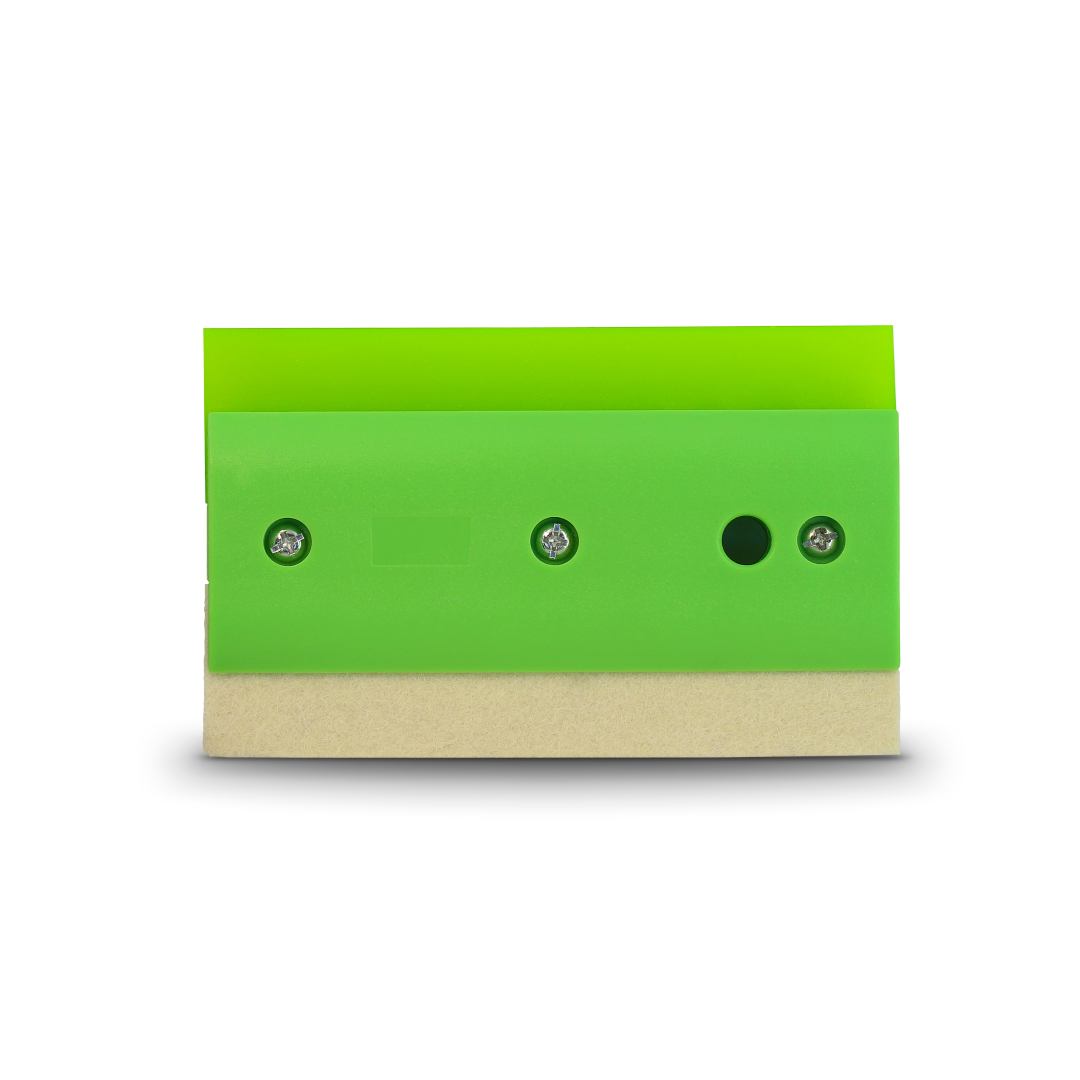
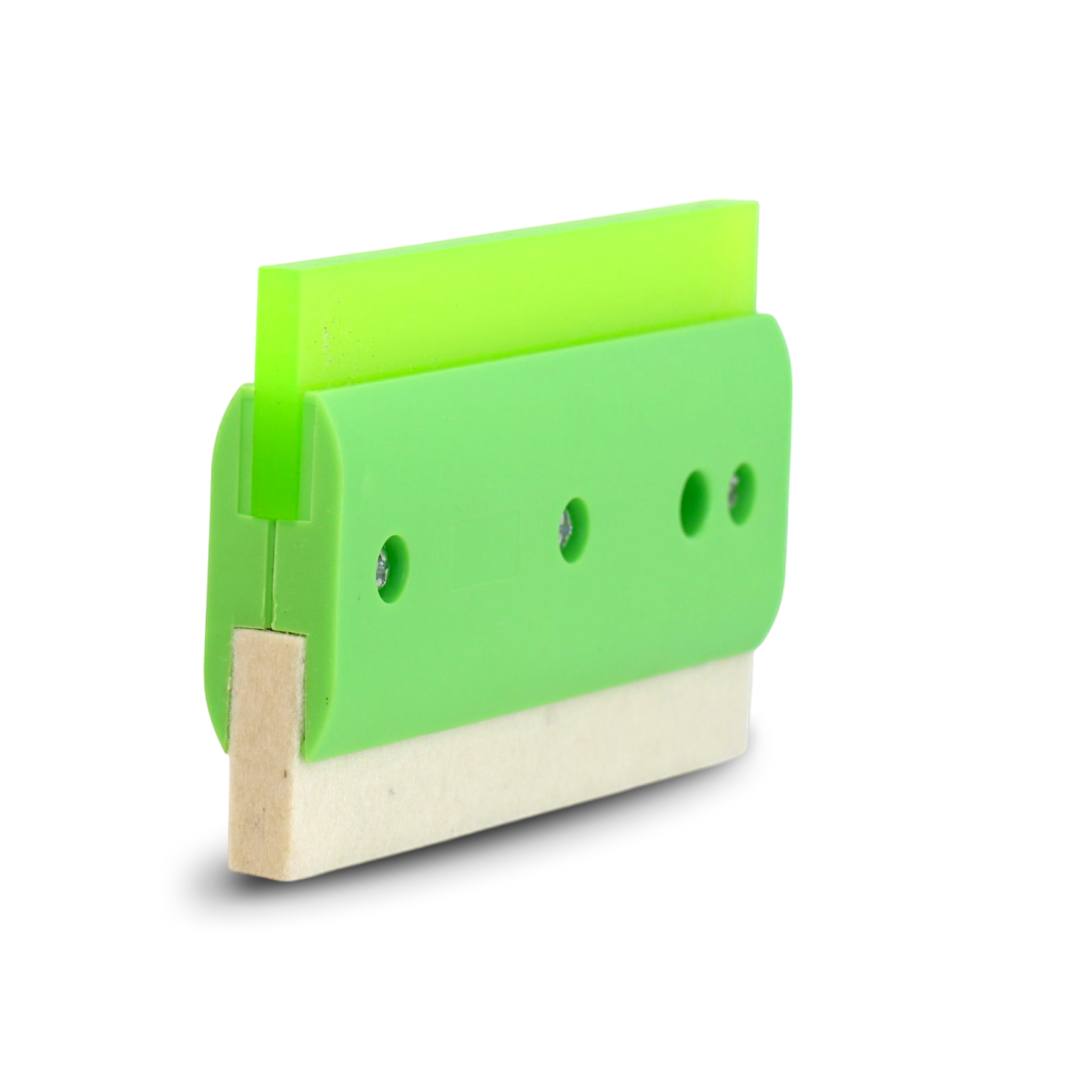
The Green Double-Sided Felt & Rubber Squeegee is a...
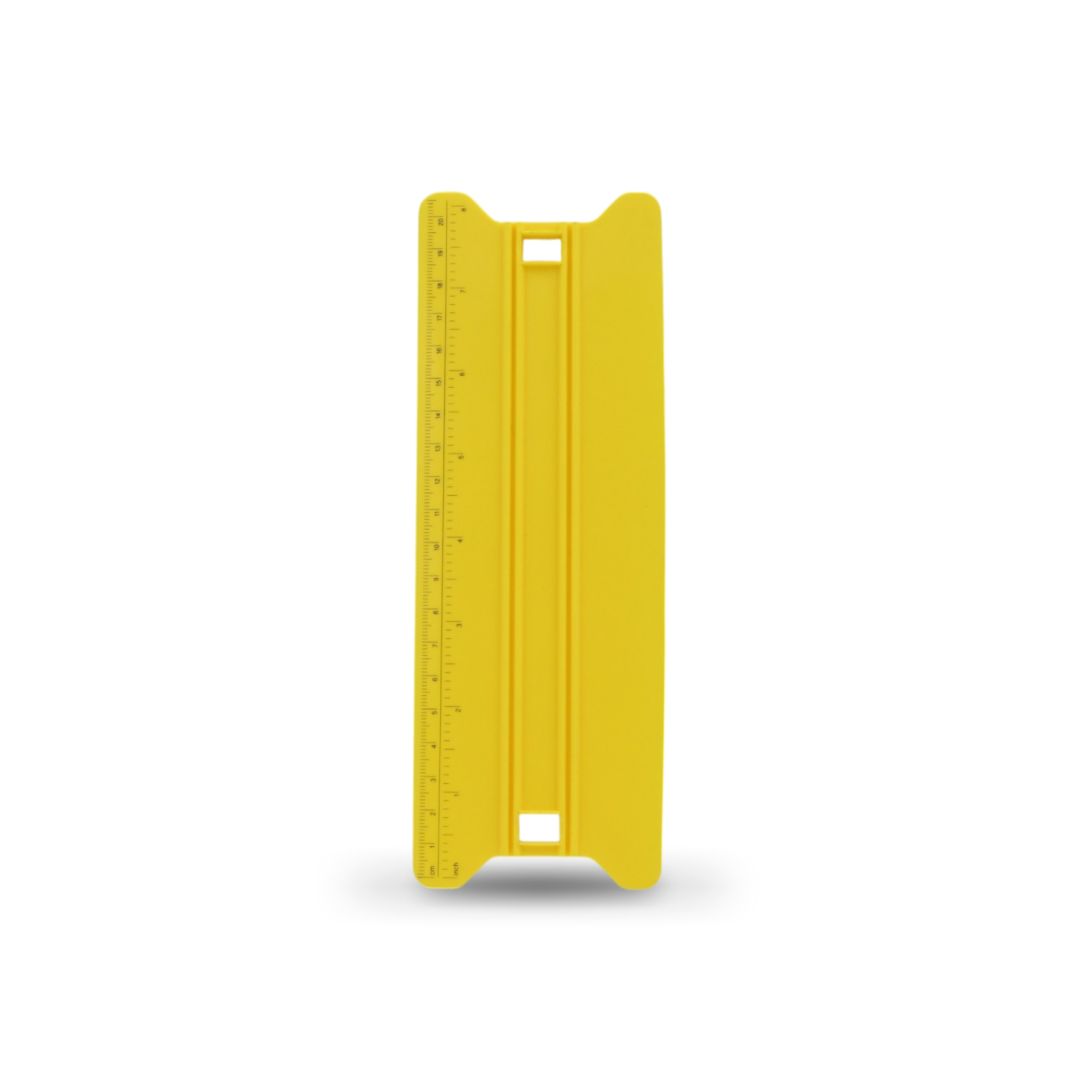
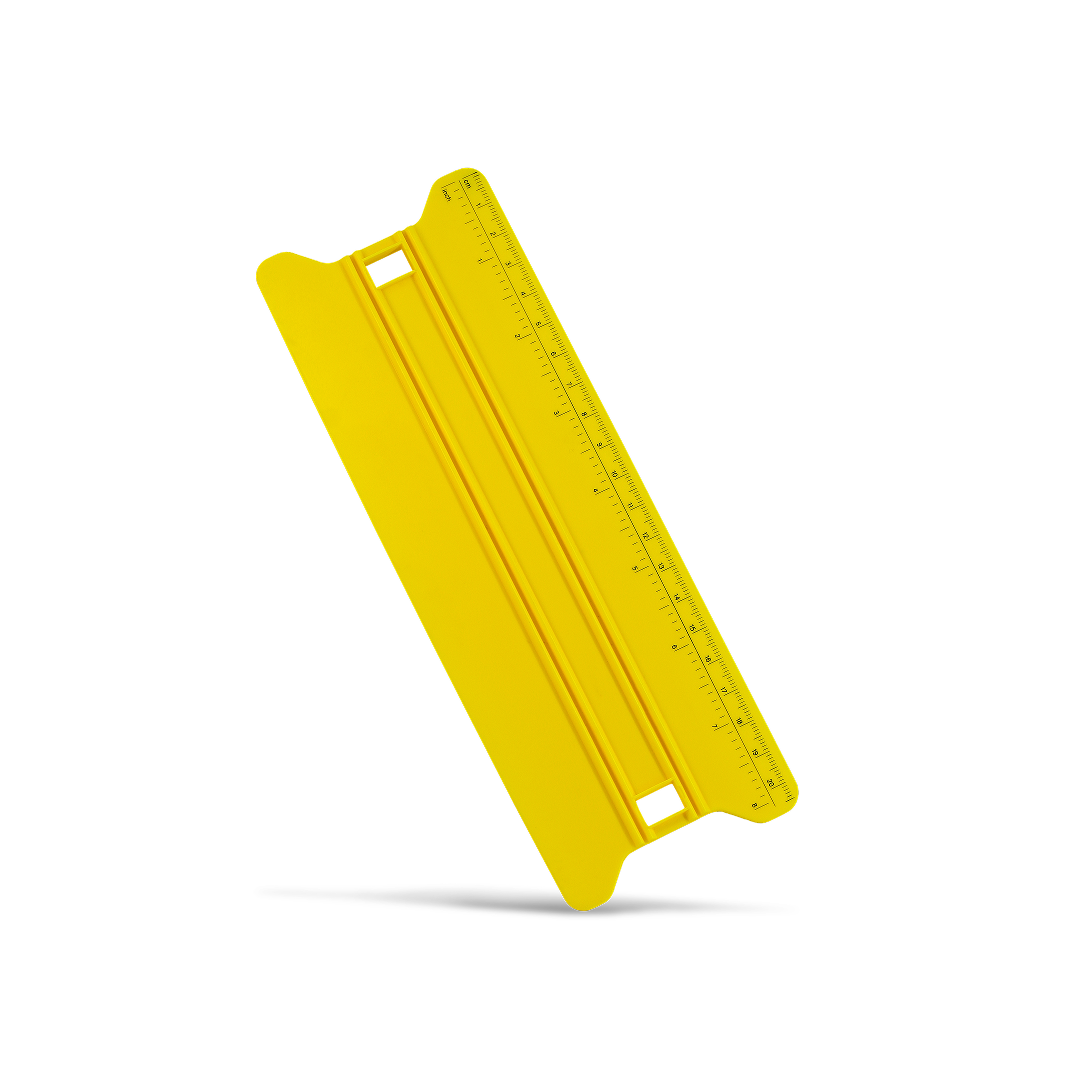
The Yellow Wide Wing Squeegee with Ruler is a...
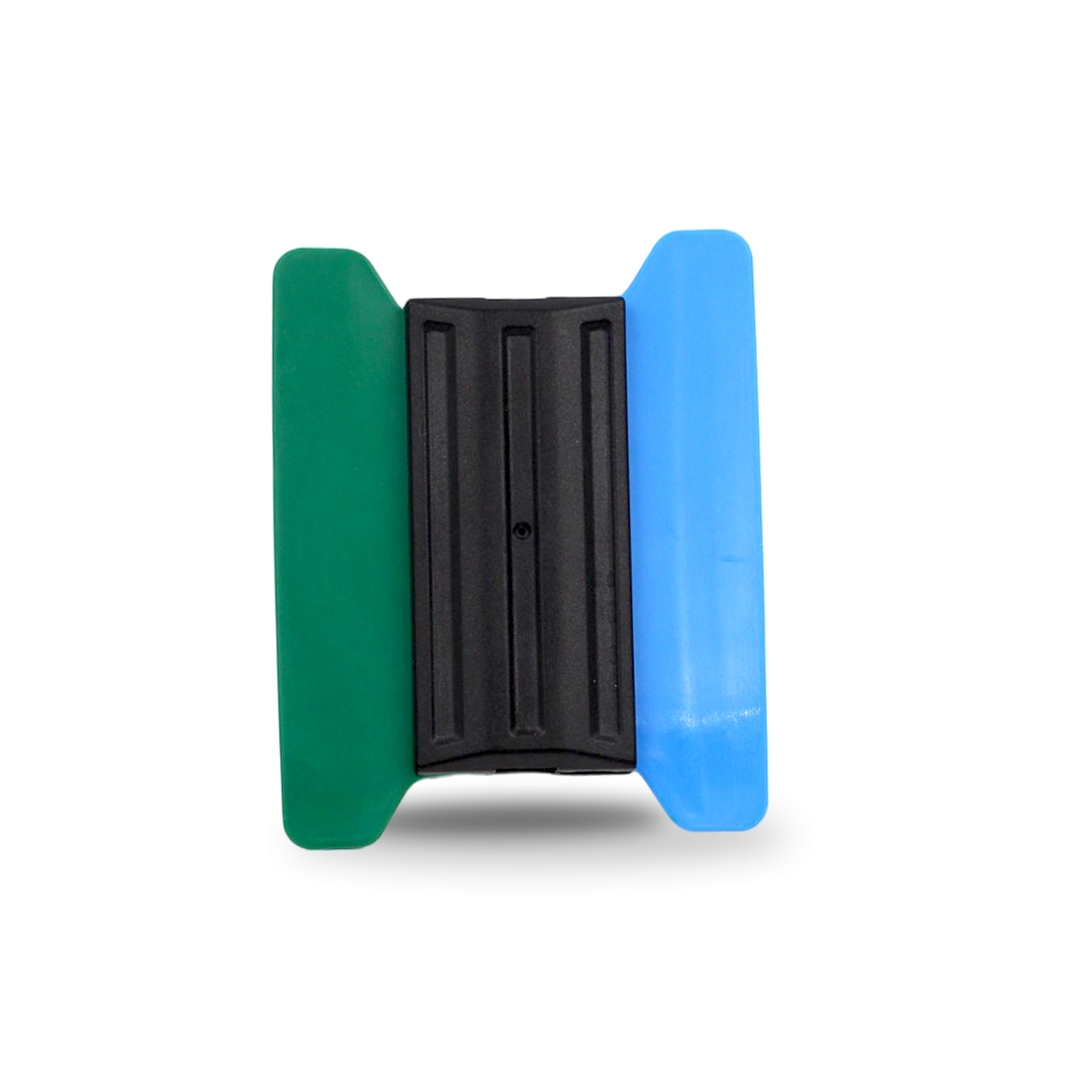
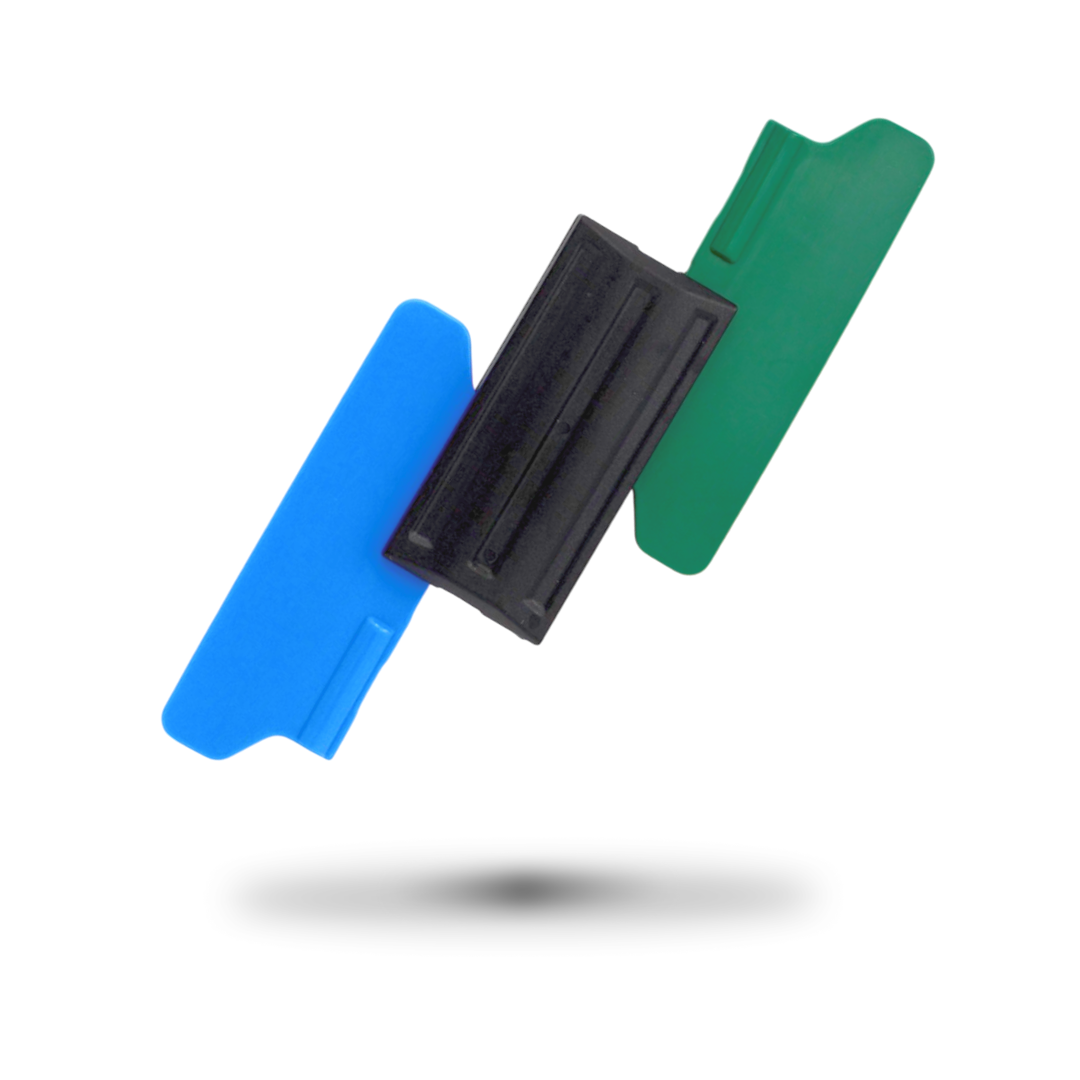
The Multi Changeable Squeegee Felt Kit is a versatile...
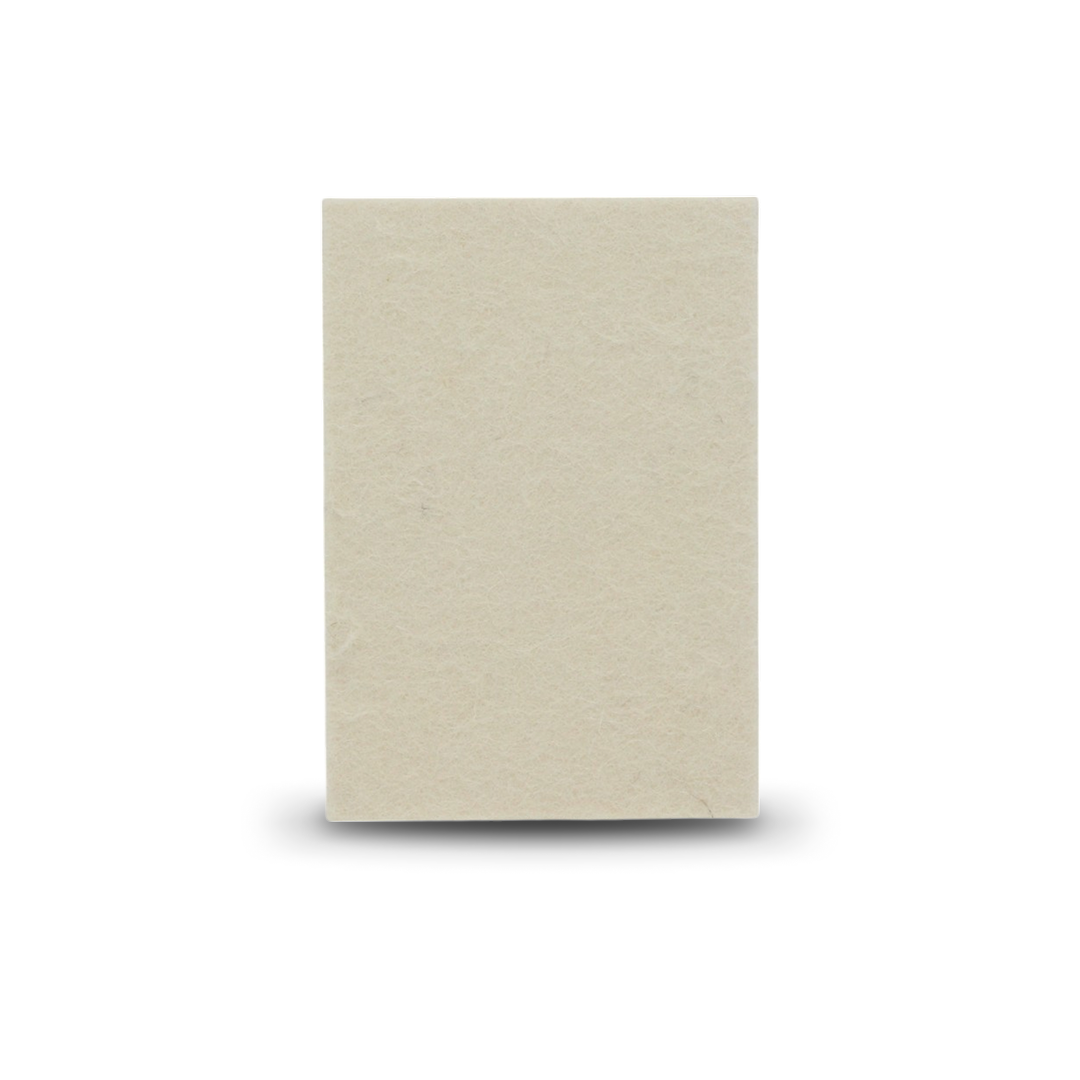
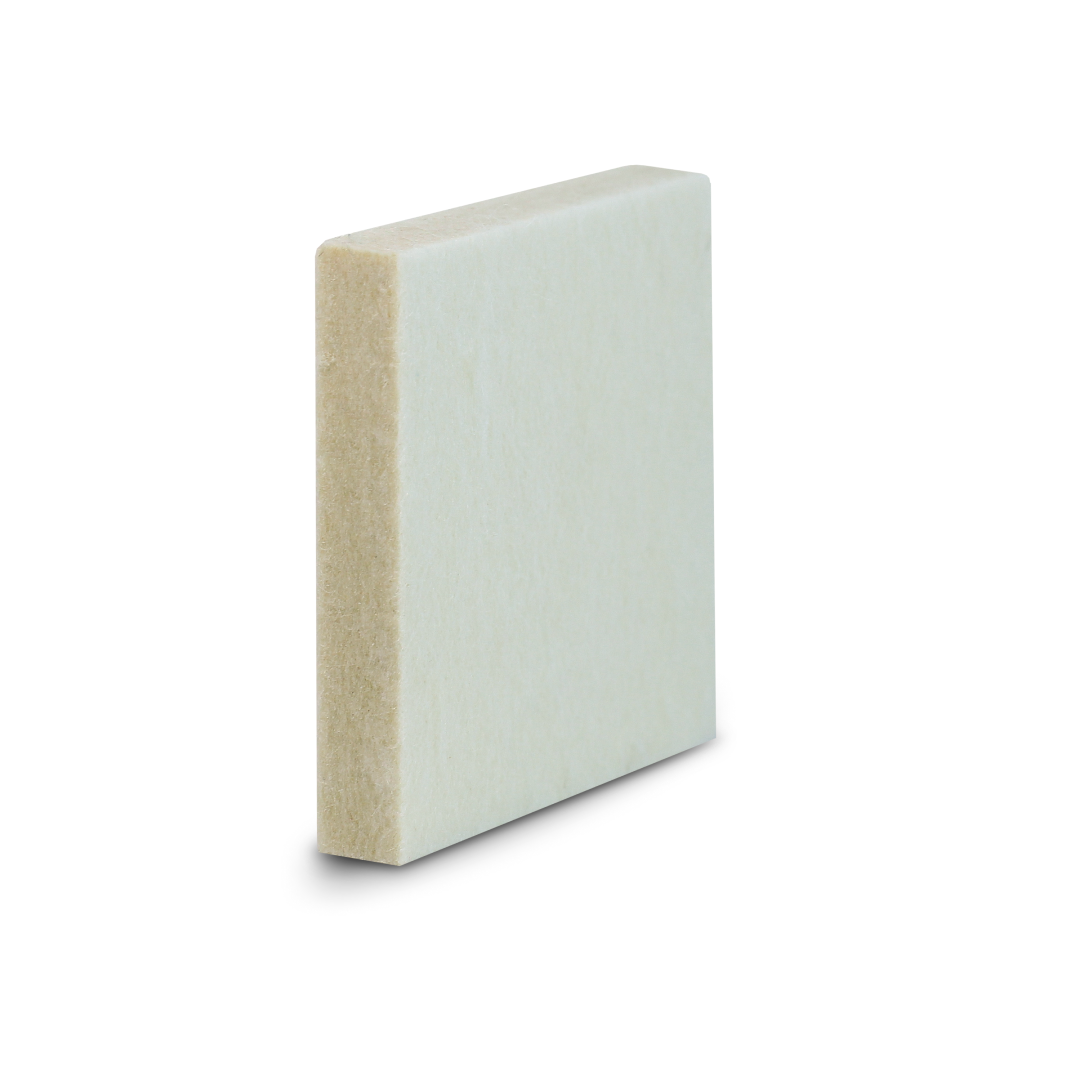
The White Felt Squeegee Block is an essential finishing...
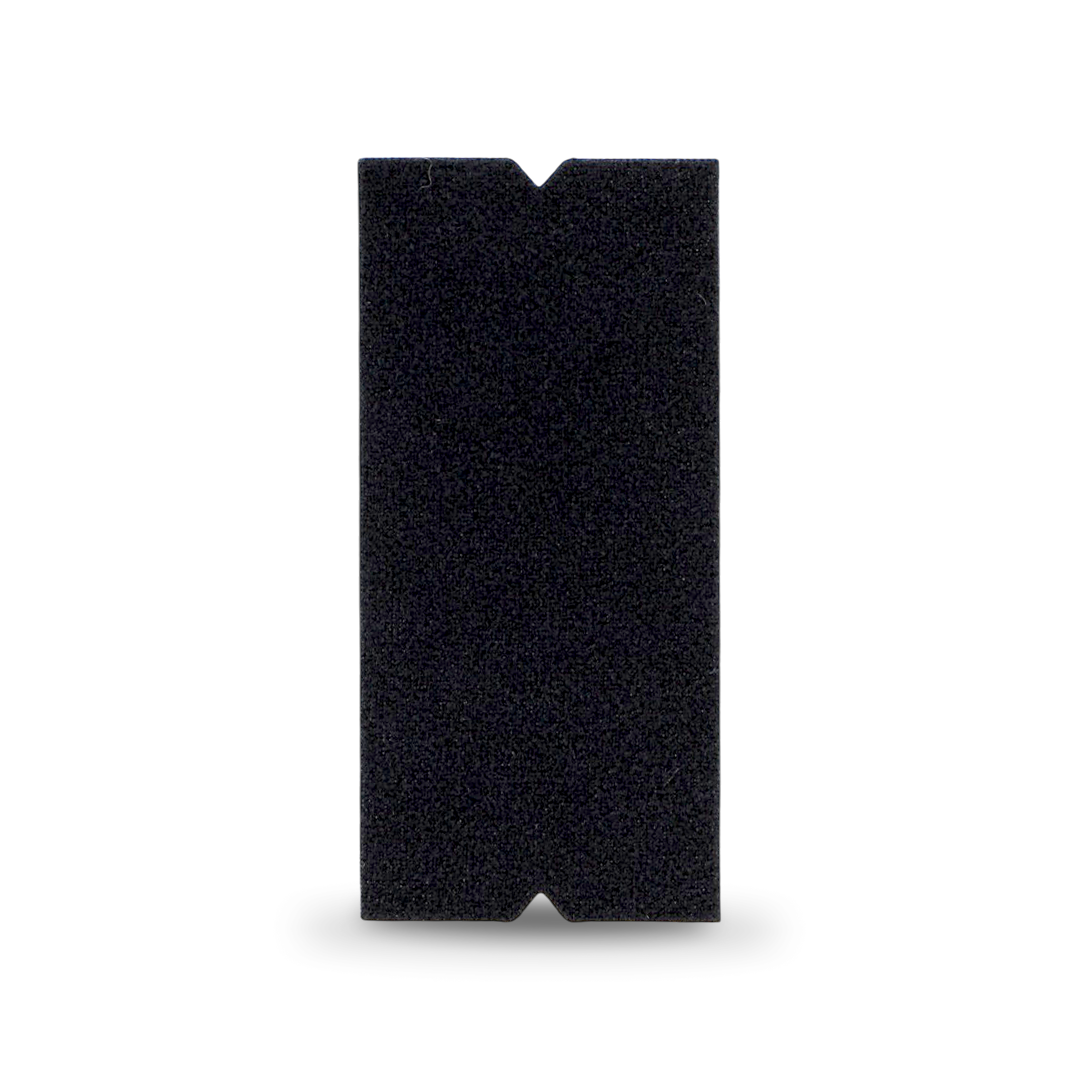
The Felt Squeegee Buffer Soft is an essential installation...
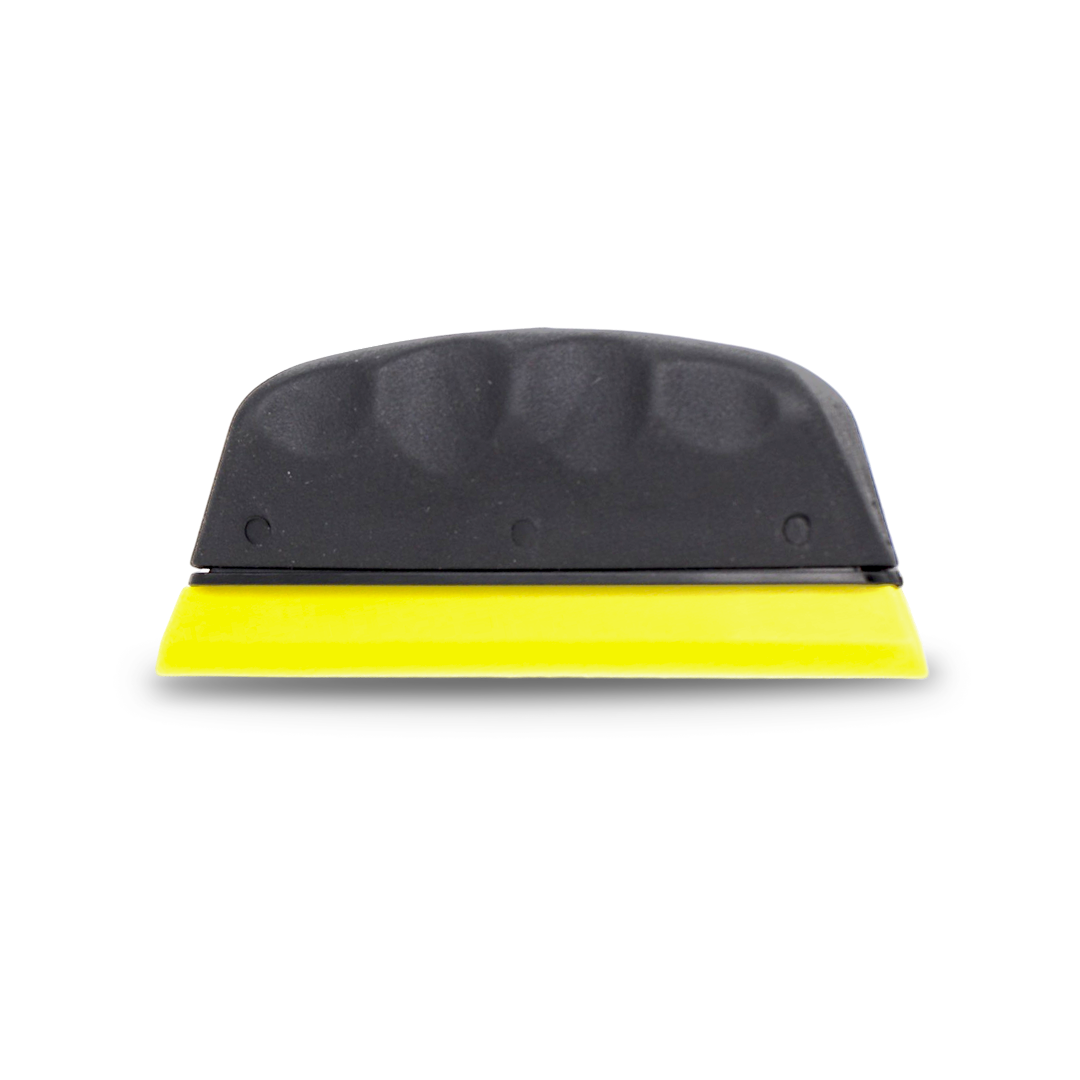
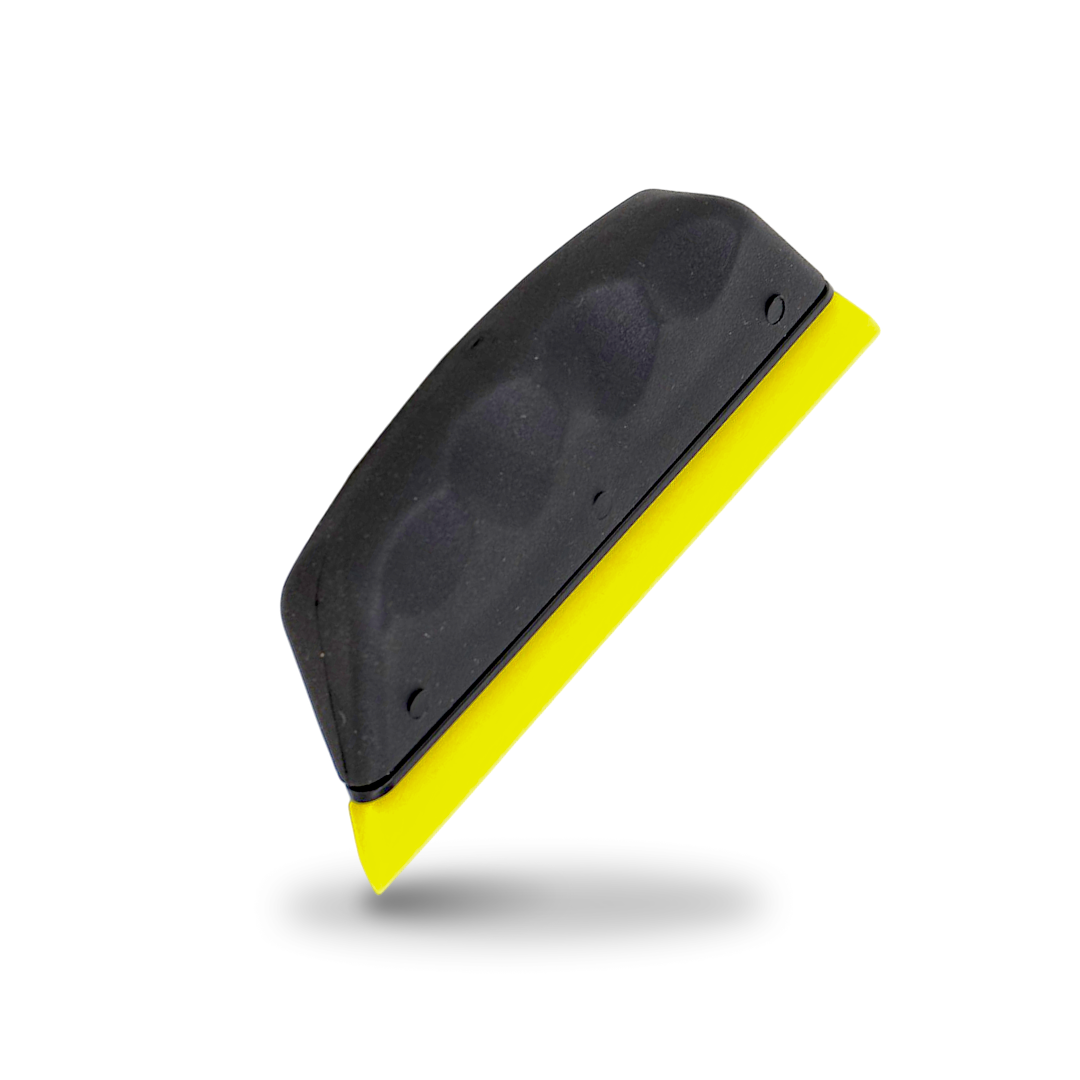
The Hand Glide Vinyl Squeegee is a versatile installation...
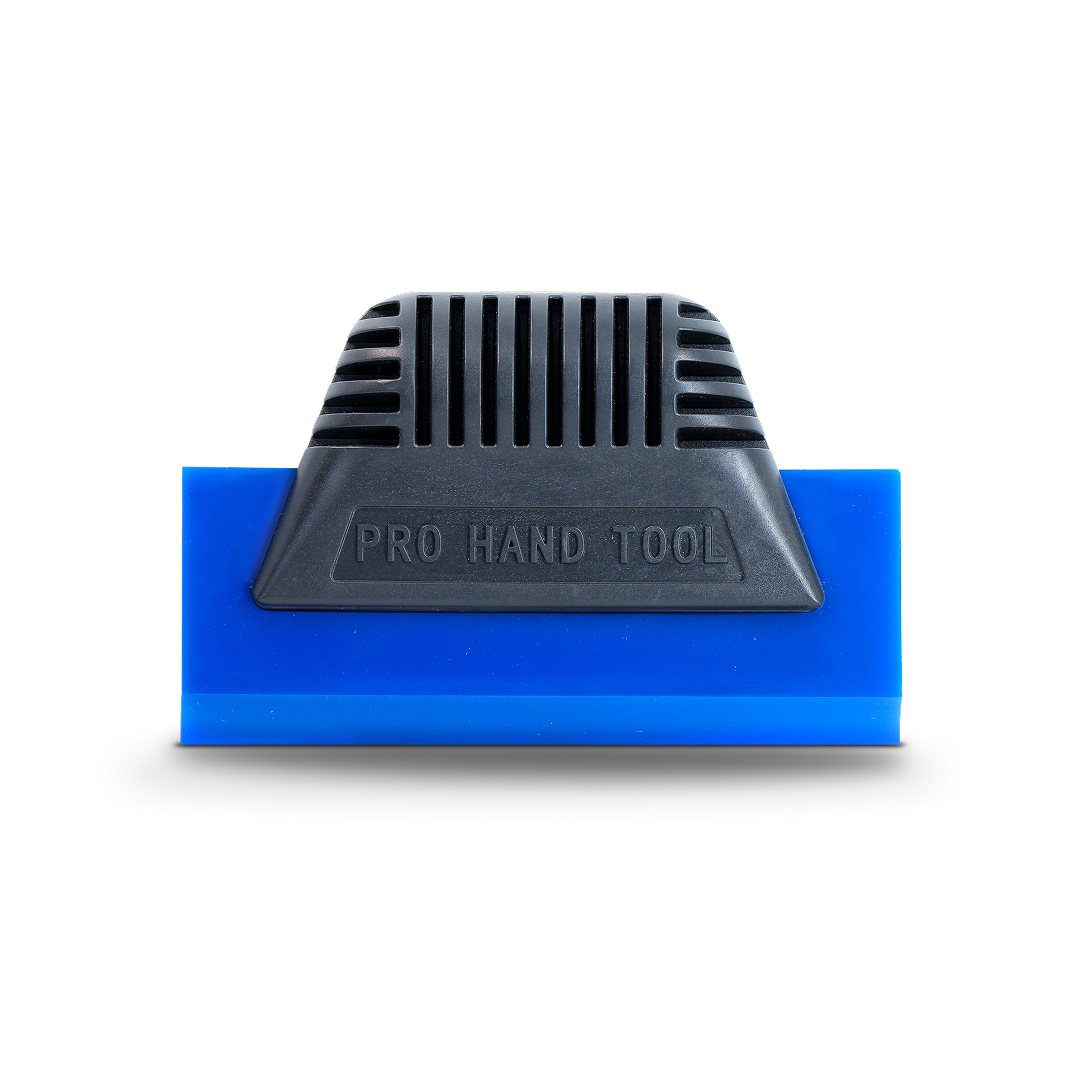
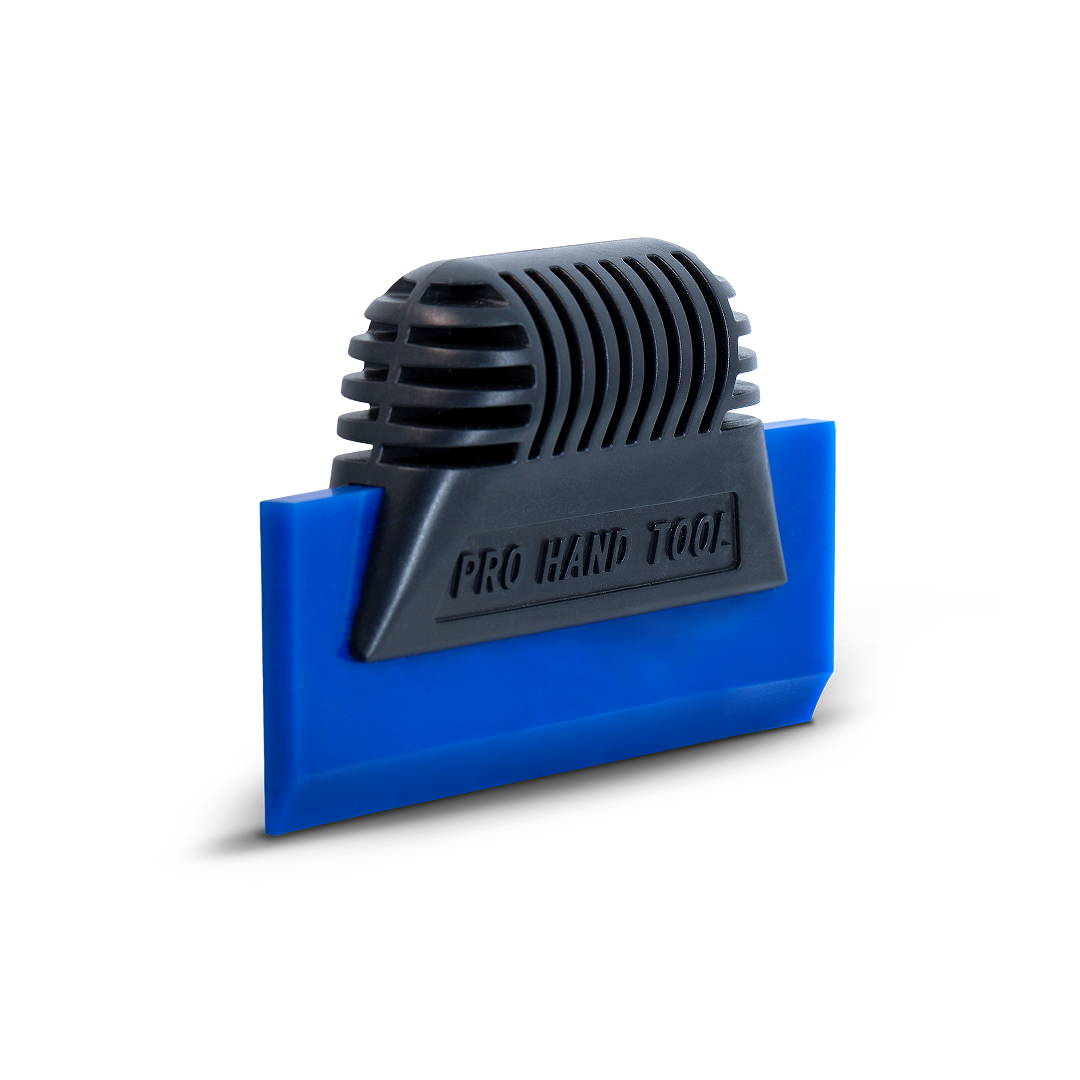
The Palm Grip Tint Squeegee Handle is designed to...
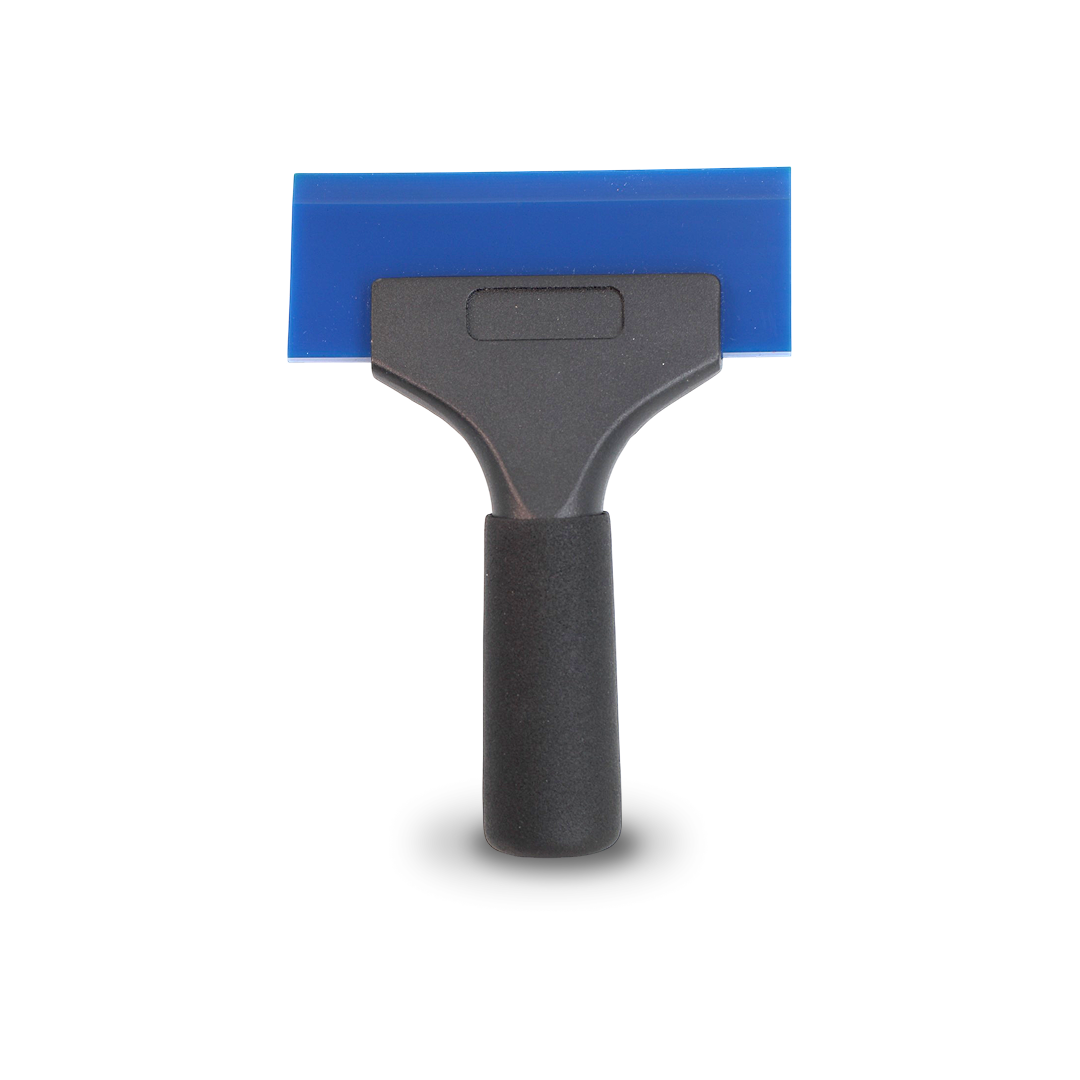
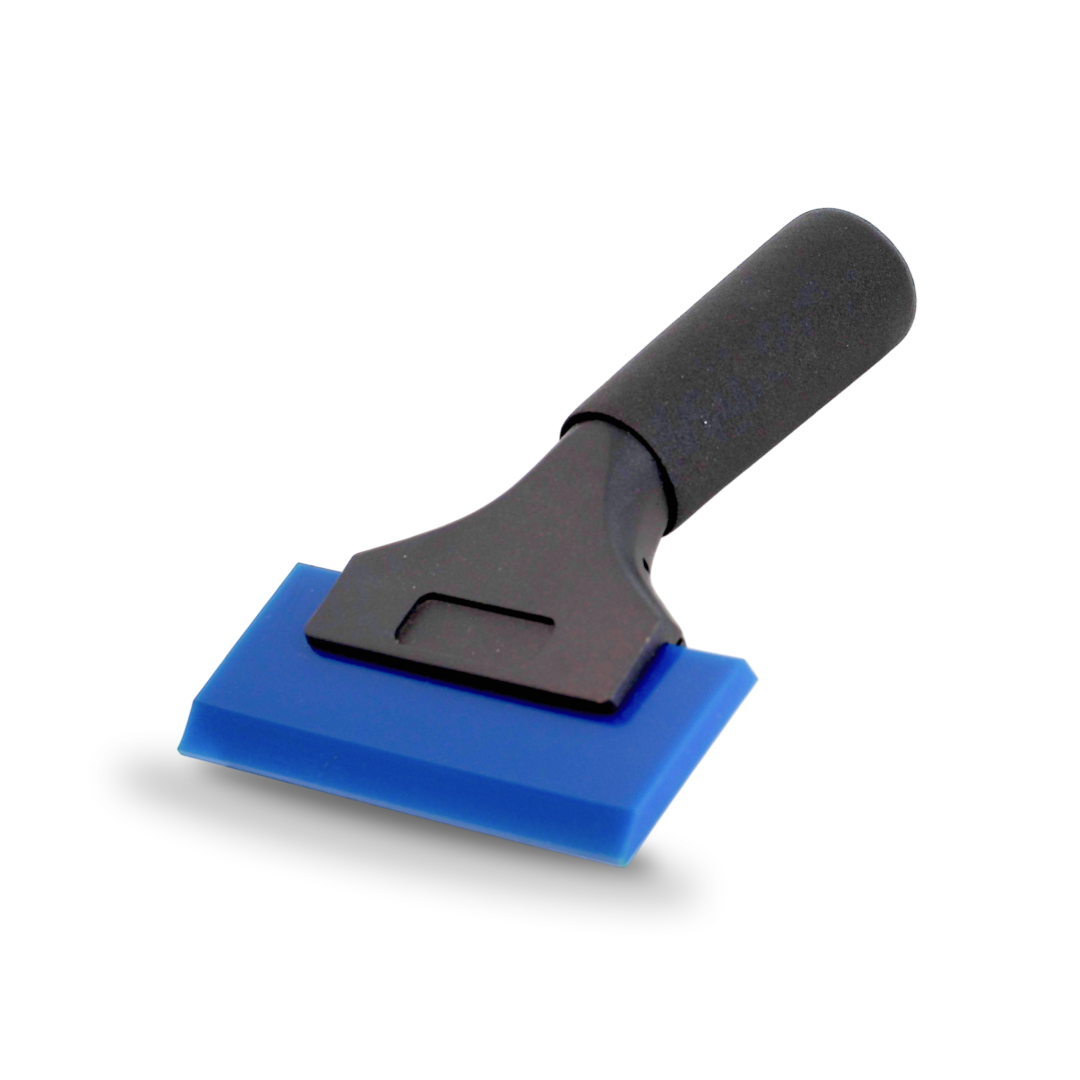
The Reinforced Tint Squeegee Handle 17cm is an essential...
Professional Sign Install Tools for Clean, Secure Results
From shop signage and vehicle signage to large-scale exterior signs for business, having the right tools ensures fast, accura. . .
Professional Sign Install Tools for Clean, Secure Results
From shop signage and vehicle signage to large-scale exterior signs for business, having the right tools ensures fast, accurate, and professional sign install outcomes. This collection is built for installers, sign makers, and signage companies handling everything from corflute signs and safety signs to premium custom made metal signs and illuminated neon signage.
Whether you're fitting fire signage, an exit sign, toilet signs, or high-visibility warning signage, precision tools reduce alignment errors, improve adhesion, and minimise surface damage. For businesses offering signs and printing, reliable install equipment is just as critical as print quality.
Built for Real-World Signage Projects
Our signage tools support a wide range of applications:
- Outdoor signs and weather-exposed panels
- Retail and shop signage installations
- Commercial signage for businesses and offices
- Fleet branding, car signage, and truck signage
- Wall-mounted, panel, and architectural signage
Whether you operate a full-service sign maker, run a local signage shop, or manage a mobile installation team, the right install tools ensure consistent results across every surface.
Why the Right Sign Install Tools Matter
Professional-grade signage tools help:
- Improve alignment and positioning accuracy
- Reduce rework and installation time
- Protect surfaces during application
- Support long-term durability of mounted signs
- Maintain a clean, professional finish
If customers are searching for a sign shop near me, they expect fast turnaround and clean execution. High-quality installation tools help deliver that standard, every time.
Recommended Signage Tools by Sign Type
Different signage materials and environments require different installation approaches. Use this guide to select the right tools for each sign type.
Corflute Signs
Recommended tools: Application squeegee, measuring tools, panel positioning aids, surface prep tools
Why: Lightweight panels require accurate alignment and clean surfaces for secure fixing.
Safety Signs (Exit, Fire, Warning Signage)
Recommended tools: Precision level, marking tools, adhesive application tools, surface cleaners
Why: Compliance signage must be straight, visible, and securely mounted.
Shop & Retail Signage
Recommended tools: Heavy-duty squeegees, panel alignment tools, cutting tools, mounting accessories
Why: High-visibility installations demand clean edges and accurate placement.
Exterior Signs for Business & Outdoor Signs
Recommended tools: Firm squeegees, panel support tools, surface preparation tools
Why: Outdoor installs must handle wind exposure, weather, and long-term durability.
Neon Signage & Illuminated Signs
Recommended tools: Precision alignment tools, mounting supports, careful handling accessories
Why: Premium finishes and lighting elements require controlled installation.
Vehicle Signage & Car Graphics
Recommended tools: Vinyl squeegees, wrap gloves, precision blades, surface prep tools
Why: Curved surfaces and paintwork require controlled pressure and accurate trimming.
Custom Made Metal Signs
Recommended tools: Measuring tools, mounting alignment tools, protective handling tools
Why: Metal signage is heavier and less forgiving; accurate positioning is critical.
Beginner vs Professional Sign Install Setup
Choosing the right setup depends on installation volume, project complexity, and finish expectations.
Beginner Sign Install Setup
Best for small businesses, DIY installs, and light-use signage
Recommended tools:
- Basic application squeegee
- Measuring and marking tools
- Surface prep cloths
- Entry-level cutting tools
Suitable for:
- Corflute signs
- Small shop signage
- Basic safety signs
- Simple car signage
Benefits:
- Cost-effective
- Easy to use
- Ideal for occasional sign installs
Professional Sign Install Setup
Built for sign makers, signage companies, and high-volume installers
Recommended tools:
- Heavy-duty squeegees (various firmness levels)
- Precision cutting tools
- Alignment systems and panel supports
- Surface preparation and cleaning kits
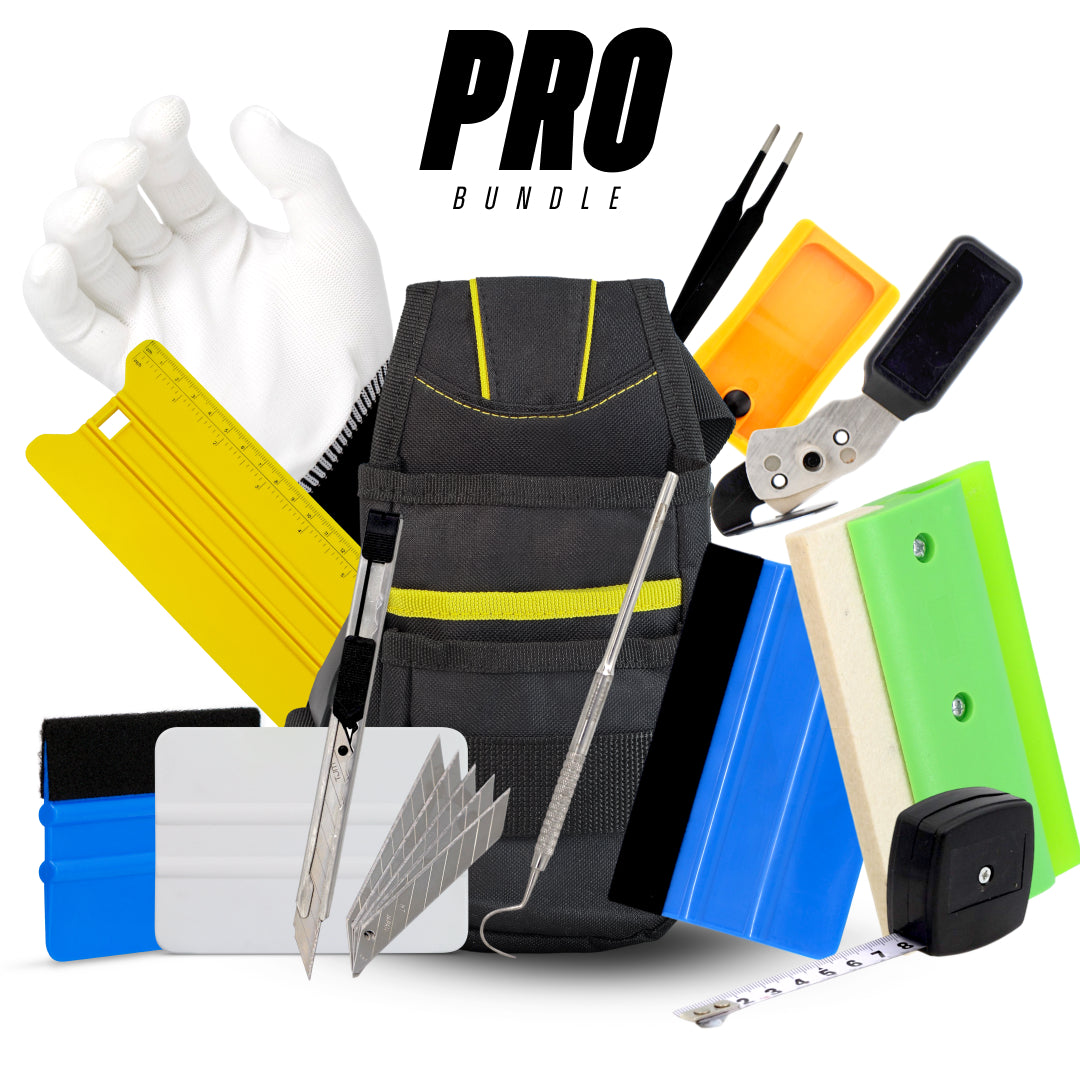
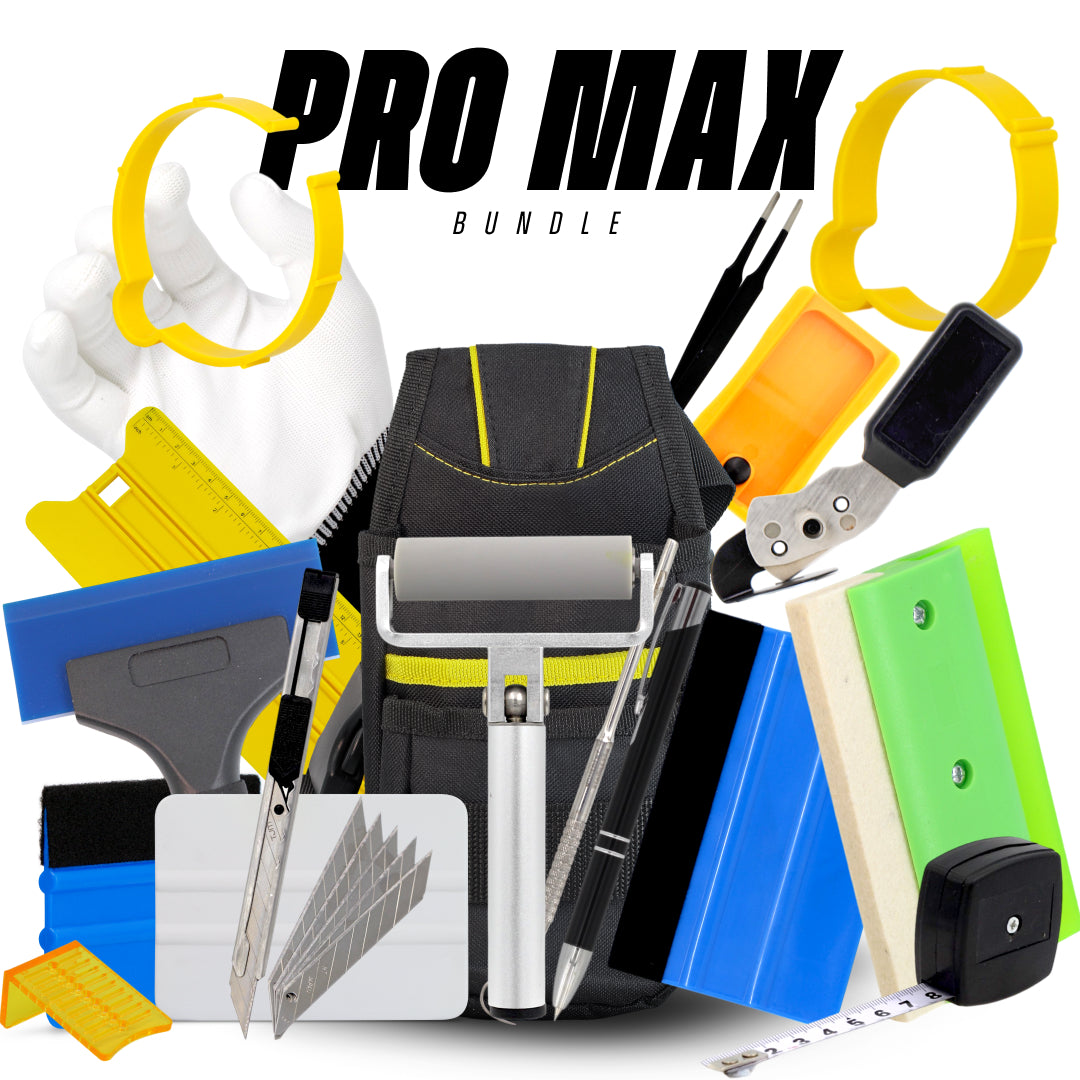
- Full signage install tool kits
Suitable for:
- Exterior signs for business
- Large shop signage
- Vehicle signage and truck signage
- Illuminated and premium signage projects
Benefits:
- Faster installs
- Greater accuracy
- Reduced rework
- Built for daily commercial use
Used by Signage Installers Across Australia
Our sign install tools are trusted by signage installers across Australia, from independent sign makers to established signage companies delivering large-scale commercial projects.
Designed for real-world conditions, these tools support everything from retail shop signage and vehicle branding to safety compliance installs and outdoor signage projects. Whether you operate a local signage shop or manage multi-site commercial rollouts, our tools are selected for durability, precision, and consistent professional results.
Sign Install Tools Buying Guide
Choosing the right sign install tools depends on three key factors: sign material, installation surface, and environment (indoor vs outdoor). This guide helps installers, sign makers, and signage companies select tools that reduce rework and improve long-term durability.
Identify the Sign Type
Different signs require different handling and mounting approaches.
Corflute signs – Lightweight and easy to position, ideal for temporary installs.
Safety signs (exit, fire, warning signage) – Must be level, secure, and compliant.
Shop signage & exterior signs for business – High-visibility, often permanent installs.
Vehicle signage & car graphics – Applied to curved painted surfaces.
Custom made metal signs – Heavier and require accurate alignment and strong fixing.
Match Sign Install Tools to Surface Type
Surface preparation directly affects adhesion and long-term performance.
Glass: Application squeegee, surface cleaner, precision blade
Painted walls: Soft squeegee, marking tools, surface prep kit
Metal panels: Firm squeegee, alignment tools, mounting tools
Vehicles: Vinyl squeegees, wrap gloves, cutting tools
Outdoor masonry: Mechanical fixing tools, measuring and alignment tools
Indoor vs Outdoor Sign Installations
Indoor signage
- Focus on alignment accuracy
- Adhesive application tools are typically sufficient
- Clean surface prep is critical
Outdoor signage
- Requires stronger fixing systems
- May involve mechanical fasteners
- Must account for wind load and weather exposure
Volume & Frequency of Work
Occasional installs: A basic sign install setup with application tools, measuring tools, and prep supplies may be sufficient.
High-volume or commercial work: A professional signage tool kit improves speed, accuracy, and consistency across multiple jobs.
Common Mistakes to Avoid
- Skipping surface preparation
- Using soft squeegees on rigid panels
- Misalignment due to poor marking tools
- Using adhesive-only methods for heavy exterior signs
- Over-tightening mechanical fixings
Adhesive Mount vs Mechanical Fixing Tools: Comparison Guide
Choosing between adhesive mounting and mechanical fixing depends on weight, exposure, and permanence.
When to Use Adhesive Mounting
- Indoor shop signage
- Safety signs and compliance signage
- Temporary displays
- Smooth, clean surfaces
Adhesive mounting relies heavily on proper surface preparation and correct pressure application.
When to Use Mechanical Fixing
- Exterior signs for business
- Custom made metal signs
- Outdoor signage exposed to wind
- Long-term permanent installations
Mechanical fixing provides structural strength and long-term stability.
Professional Recommendation: For signage companies handling varied projects, maintaining tools for both adhesive and mechanical installs ensures flexibility and compliance across different environments.
Recommended Sign Install Tools by Business Type
Different businesses use signage tools in different ways. Matching your setup to your workflow improves speed, consistency, and installation quality.
Sign Shop (Print & Production Focused)
Typical Work:
- Shop signage
- Safety signs (exit sign, fire signage, warning signage)
- Corflute signs
- Signs and printing jobs
- Custom made metal signs
Recommended Tools:
- Application squeegees (multiple firmness levels)
- Precision cutting tools
- Measuring and marking tools
- Surface preparation kits
- Panel alignment tools
- Adhesive mounting tools
Why It Matters: Sign shops often install what they print. Clean alignment, accurate trimming, and proper surface prep ensure signage for business looks professional and avoids costly reprints.
Sign Installer (On-Site Installation Specialist)
Typical Work:
- Exterior signs for business
- Outdoor signs
- Shop signage fit-outs
- Mechanical mounting projects
- Multi-site commercial rollouts
Recommended Tools:
- Heavy-duty squeegees
- Full sign install tool kit
- Mechanical fixing tools (drill-compatible accessories, alignment tools)
- Surface cleaning systems
- Leveling and marking tools
- Panel support tools
Why It Matters: Installers need durable, mobile-ready tools that handle varied surfaces, from glass to masonry, while maintaining speed and compliance on commercial jobs.
Fleet Branding & Vehicle Graphics Businesses
Typical Work:
- Vehicle signage
- Car signage
- Truck signage
- Car graphics and fleet branding
- On-site branding installs
Recommended Tools:
- Vinyl application squeegees
- Wrap gloves
- Precision blades
- Surface prep and cleaning tools
- Magnets and positioning tools
Why It Matters: Vehicle surfaces are curved and painted. Proper vinyl application tools prevent surface damage and ensure clean, professional fleet results.
Compliance-Focused Safety Signage Guide
Safety signage must do more than look professional, it must meet workplace visibility and durability standards.
What Is Safety Signage?
Safety signage includes:
- Exit sign installations
- Fire signage
- Warning signage
- Mandatory and prohibition signs
- Workplace compliance signage
These signs communicate hazards, emergency exits, and legal requirements in commercial and industrial settings.
Key Compliance Considerations
1. Visibility & Placement
- Must be mounted at correct height and viewing angle
- Must not be obstructed
- Must remain clearly readable in low light (where required)
2. Secure Installation
- Adhesive-only installs may not be suitable for high-risk or outdoor environments
- Mechanical fixing may be required for permanence
- Signs must not loosen or detach over time
3. Surface Preparation
- Clean, dry surfaces are essential for adhesion
- Oil, dust, and moisture reduce lifespan
- Outdoor installs must account for temperature and weather exposure
4. Durability
- Exterior safety signs require weather-resistant mounting
- High-traffic areas require secure fixing
- Industrial environments may require stronger mounting methods
Tools That Support Compliance
- Measuring and leveling tools for correct placement
- Surface prep kits for proper adhesion
- Heavy-duty squeegees for secure vinyl application
- Mechanical fixing tools for permanent installations
Using professional-grade sign install tools reduces the risk of signage failure, which can lead to compliance breaches.
Installer Best Practice: For businesses managing commercial sites, keeping both adhesive mounting tools and mechanical fixing tools ensures flexibility and compliance across different safety signage requirements.
Safety Sign Install Checklist
Use this checklist to ensure safety signage (exit signs, fire signage, warning signage, and mandatory signs) is installed securely and compliantly.
Pre-Installation
- Confirm correct sign type and size for the location
- Verify placement requirements (height, visibility, viewing distance)
- Inspect surface condition (clean, dry, structurally sound)
- Select appropriate mounting method (adhesive vs mechanical)
- Gather required tools (squeegee, level, marking tools, mounting hardware)
Surface Preparation
- Remove dust, oil, grease, and debris
- Ensure surface is fully dry
- Check temperature suitability for adhesive bonding
- Confirm surface is flat and stable
Poor preparation is the leading cause of signage failure.
Installation
- Mark level guide points before mounting
- Apply even pressure if using adhesive
- Avoid air pockets or edge lifting
- Use mechanical fixings for heavy or outdoor signs
- Double-check alignment and readability
Post-Installation
- Inspect edges and mounting security
- Confirm sign visibility is unobstructed
- Check durability in high-traffic areas
- Document installation if required for compliance records
Commercial Signage Installation Workflow Guide
This structured workflow supports sign shops, signage companies, and professional installers handling exterior signs for business, shop signage, vehicle signage, and safety signage projects.
1. Site Assessment
- Identify surface type (glass, masonry, metal, painted wall, vehicle panel)
- Assess environmental exposure (indoor vs outdoor)
- Determine weight and mounting method requirements
- Confirm compliance placement for safety signs
2. Measurement & Planning
- Measure installation area
- Mark alignment points
- Confirm sight lines and visibility
- Select adhesive or mechanical fixing tools
- Accuracy at this stage prevents rework.
3. Surface Preparation
- Clean and dry surfaces
- Remove old adhesive or debris
- Check for uneven substrates
- Prepare mounting hardware if required
4. Installation Execution
- Position and level sign
- Apply adhesive or fixings according to load requirements
- Maintain consistent pressure during application
- Secure edges and corners
5. Final Inspection
- Confirm alignment and readability
- Test structural stability (especially for outdoor signs)
- Clean surrounding surfaces
- Photograph completed installation (recommended for commercial jobs)
When to Use Temporary Signage
- Events and campaigns
- Short-term retail promotions
- Construction site signage
- Seasonal shop signage
Tools focus on clean adhesive application and easy removal.
When to Use Permanent Signage
- Business exterior branding
- Compliance and fire signage
- Long-term retail signage
- High-wind or outdoor environments
Permanent installs typically require mechanical fixing tools and structural mounting considerations.
Professional Recommendation: Signage businesses handling mixed workloads should maintain tools for both temporary and permanent installations. This ensures flexibility, compliance, and consistent professional results across all project types.
Signage Installation Risk & Compliance Guide
Professional sign installation carries structural, safety, and compliance responsibilities. This guide outlines the primary risks and how proper tools and processes reduce exposure.
1. Structural Risk
Risk: Sign detachment due to inadequate mounting
Common Causes:
- Incorrect fixing method
- Poor surface preparation
- Adhesive failure in outdoor conditions
- Underestimating sign weight
Mitigation:
- Use mechanical fixing for heavy or exterior signs
- Match adhesive strength to surface type
- Confirm load-bearing capability before install
- Use professional-grade alignment and mounting tools
2. Compliance Risk (Safety & Regulatory Signage)
Risk: Non-compliant safety signage placement or failure
Applies To:
- Exit signs
- Fire signage
- Warning signage
- Mandatory workplace signs
Common Issues:
- Incorrect mounting height
- Obstructed visibility
- Insecure fixing in high-traffic areas
Mitigation:
- Verify placement standards before install
- Use leveling and marking tools for accuracy
- Ensure permanent mounting for required safety signs
- Document installation for compliance records where necessary
3. Environmental Risk
Risk: Weather-related failure for outdoor signs
Exposure Factors:
- Wind load
- UV exposure
- Temperature variation
- Moisture ingress
Mitigation:
- Use mechanical fixings for exterior signs for business
- Avoid adhesive-only mounting in high-wind areas
- Ensure clean, dry surfaces before bonding
- Choose installation methods suited to outdoor durability
4. Surface Damage Risk
Risk: Damage to client property during installation
Common Causes:
- Over-tightening fixings
- Using metal tools on delicate surfaces
- Incorrect drilling methods
Mitigation:
- Select surface-appropriate tools
- Use protective handling equipment
- Confirm substrate type before drilling
Installer Best Practice: Professional sign installers maintain both adhesive mounting tools and mechanical fixing tools to manage risk appropriately across project types.
Mounting Method Decision Tree
Use this structured decision flow to determine the correct installation approach.
Step 1: Is the sign installed indoors?
Yes → Proceed to Step 2
No (Outdoor) → Mechanical fixing recommended for long-term durability
Step 2: Is the sign lightweight (e.g., corflute, small safety sign)?
Yes → Adhesive mounting suitable
No → Proceed to Step 3
Step 3: Is the sign heavy, metal, or large format?
Yes → Mechanical fixing required
No → Adhesive may be suitable depending on surface
Step 4: Is long-term permanence required?
Yes → Mechanical fixing preferred
No (temporary or promotional) → Adhesive mounting suitable
Step 5: Is the surface suitable for drilling?
Yes → Mechanical fixing possible
No → High-strength adhesive solution required
General Rule:
Temporary + Lightweight = Adhesive
Permanent + Heavy + Outdoor = Mechanical Fixing
Sign Install Tools Buyer Persona Guide
Understanding buyer type helps match tool selection to workflow and business needs.
1. The Sign Shop Owner
Profile: Prints and produces shop signage, safety signs, and custom metal signs.
Priorities:
- Clean finish
- Accuracy
- Reduced reprints
- Efficiency
Recommended Tools:
- Application squeegees
- Precision cutting tools
- Measuring and alignment tools
- Adhesive mounting systems
2. The Professional Installer
Profile: On-site installer handling exterior signs for business and commercial rollouts.
Priorities:
- Durability
- Speed
- Structural reliability
- Compliance
Recommended Tools:
- Heavy-duty squeegees
- Mechanical fixing tools
- Surface prep systems
- Full sign install tool kits
3. The Fleet Branding Specialist
Profile: Installs vehicle signage, car graphics, and truck signage.
Priorities:
- Paint-safe application
- Precision trimming
- Consistent fleet branding
Recommended Tools:
- Vinyl squeegees
- Wrap gloves
- Precision blades
- Surface cleaning kits
4. The Facilities or Maintenance Manager
Profile: Responsible for installing safety signage internally.
Priorities:
- Compliance
- Ease of install
- Long-term durability
Recommended Tools:
- Measuring and leveling tools
- Surface prep supplies
- Adhesive mounting tools
- Basic mechanical fixing tools
5. The Small Business Owner (DIY Installer)
Profile: Installing their own shop signage or safety signs.
Priorities:
- Cost-effective
- Easy to use
- Low risk of damage
Recommended Tools:
- Basic squeegee
- Marking tools
- Surface prep cloths
- Entry-level install kit
Common Signage Installation Mistakes (And How to Avoid Them)
Even experienced installers can encounter failures caused by incorrect mounting methods, poor preparation, or tool selection. Understanding common installation mistakes helps reduce rework, protect surfaces, and ensure long-term durability, especially for shop signage, safety signs, exterior signs for business, and vehicle signage.
1. Skipping Surface Preparation
The Mistake: Installing signs on dusty, oily, or damp surfaces.
The Risk:
- Adhesive failure
- Edge lifting
- Reduced lifespan
- Non-compliant safety signage detachment
How to Avoid It: Always clean and dry the surface thoroughly before installation. Use proper surface preparation tools and confirm the substrate is stable and contaminant-free.
2. Using Adhesive for Heavy or Outdoor Signs
The Mistake: Relying solely on adhesive mounting for large, heavy, or wind-exposed signage.
The Risk:
- Sign detachment
- Structural failure
- Liability issues
How to Avoid It: Use mechanical fixing tools for exterior signage, custom made metal signs, and high-wind installations. Adhesive mounting is best suited for lightweight or temporary signage.
3. Poor Alignment & Measurement
The Mistake: Eyeballing placement instead of marking and leveling.
The Risk:
- Crooked shop signage
- Compliance breaches for exit or fire signage
- Professional appearance compromised
How to Avoid It: Use measuring tools, marking tools, and leveling systems before committing to mounting.
4. Incorrect Tool Selection for the Surface
The Mistake: Using aggressive tools on delicate surfaces or insufficient tools on rigid materials.
The Risk:
- Scratched panels
- Damaged paintwork (vehicle signage)
- Surface gouging
How to Avoid It: Match tool firmness and mounting method to the sign material and installation surface.
5. Inadequate Mechanical Fixing
The Mistake: Under-tightening, over-tightening, or incorrect anchor selection.
The Risk:
- Loose signage
- Cracked panels
- Structural instability
How to Avoid It: Confirm substrate type before drilling and use appropriate fixings rated for the sign weight and environment.
6. Ignoring Environmental Factors
The Mistake: Installing outdoor signs without accounting for weather exposure.
The Risk:
- Wind uplift
- UV degradation
- Adhesive breakdown
How to Avoid It: Use mechanical fixings for permanent exterior signs and ensure adhesives are applied within suitable temperature ranges.
7. Failing to Document Compliance Signage Installation
The Mistake: Not recording installation details for safety signage.
The Risk:
- Difficulty proving compliance
- Liability exposure during inspections
How to Avoid It: Document installation height, location, and method for exit signs, fire signage, and workplace safety signs where required.
Professional Insight: Most signage failures are not caused by the sign itself, but by incorrect installation methods or tool selection. Using professional-grade sign install tools reduces risk, improves efficiency, and ensures consistent commercial results across indoor, outdoor, and vehicle applications.
FAQs
What tools are needed for sign installation?
Most sign installs require a squeegee, measuring tools, marking tools, cutting tools, and surface preparation equipment. Larger or exterior signage projects may require heavy-duty alignment and mounting tools.
What tools are best for installing corflute signs?
Corflute signs typically require accurate measuring tools, alignment aids, and clean surface preparation to ensure secure mounting.
How do professionals install exterior signs for business?
Professional installers use heavy-duty squeegees, alignment tools, and surface preparation systems to ensure weather-resistant adhesion and accurate positioning.
What tools are needed for vehicle signage?
Vehicle signage requires vinyl application squeegees, precision blades, wrap gloves, and proper surface cleaning tools to protect paintwork and ensure clean graphics installation.
Why is surface preparation important in sign install?
Proper surface preparation removes dust, oils, and debris, ensuring better adhesion and long-term durability for both indoor and outdoor signs.
Upgrade Your Signage Installs with Professional Tools
Whether you’re fitting vehicle signage, shopfront displays, or custom business signs, the right tools make all the difference. Shop with OZ Sign Supplies today for durable, pro-quality sign installation tools, delivered fast, Australia-wide.
Looking for a complete setup? Explore our Sign Tool Kits for all-in-one solutions.
For vinyl applications, check out our Car Wrap Tools.
Pair your tools with precision Knives & Blades.
Browse Our Range of Sign Install Tools Now.
→ CLICK HERE, SUBSCRIBE AND RECEIVE OUR NEWSLETTER
→ CLICK HERE, SUBSCRIBE AND RECEIVE OUR NEWSLETTER