





PPF Edge Lift: Why It Happens and How to Fix It
Understanding Paint Protection Film (PPF)
What Is Paint Protection Film and How Does It Work
If you’ve ever obsessed over keeping your car’s paint looking flawless, you’ve probably come across paint protection film (PPF), and for good reason. Think of it as an invisible armor that shields your car from the daily abuse of road debris, UV rays, bug splatter, and even minor scratches. But what exactly is it, and why has it become such a go-to solution for automotive paint protection?
At its core, PPF film is a thermoplastic urethane layer that’s applied directly to the painted surfaces of a vehicle. It’s designed to absorb impacts and resist damage without altering the look of your car. Modern versions even come with self-healing properties, meaning light scratches can disappear with heat, like magic, but backed by science. This is why many car enthusiasts refer to it as a “bra for car” or “bra for the car,” offering protection without compromising style.
The installation process involves carefully stretching and applying the film over panels using specialized tools like a paint protection film squeegee or PPF squeegee to remove air bubbles and ensure a seamless finish. When done correctly, it becomes almost invisible, blending perfectly with your car’s paint.
What makes vehicle paint protection with PPF so compelling is its durability. Unlike wax or sealants that wear off quickly, a properly installed PPF wrap can last anywhere from 5 to 10 years. It’s like investing in a long-term insurance policy for your car’s appearance. Still, like any protective layer, it’s not completely immune to issues, one of the most common being edge lifting, which we’ll explore in depth.
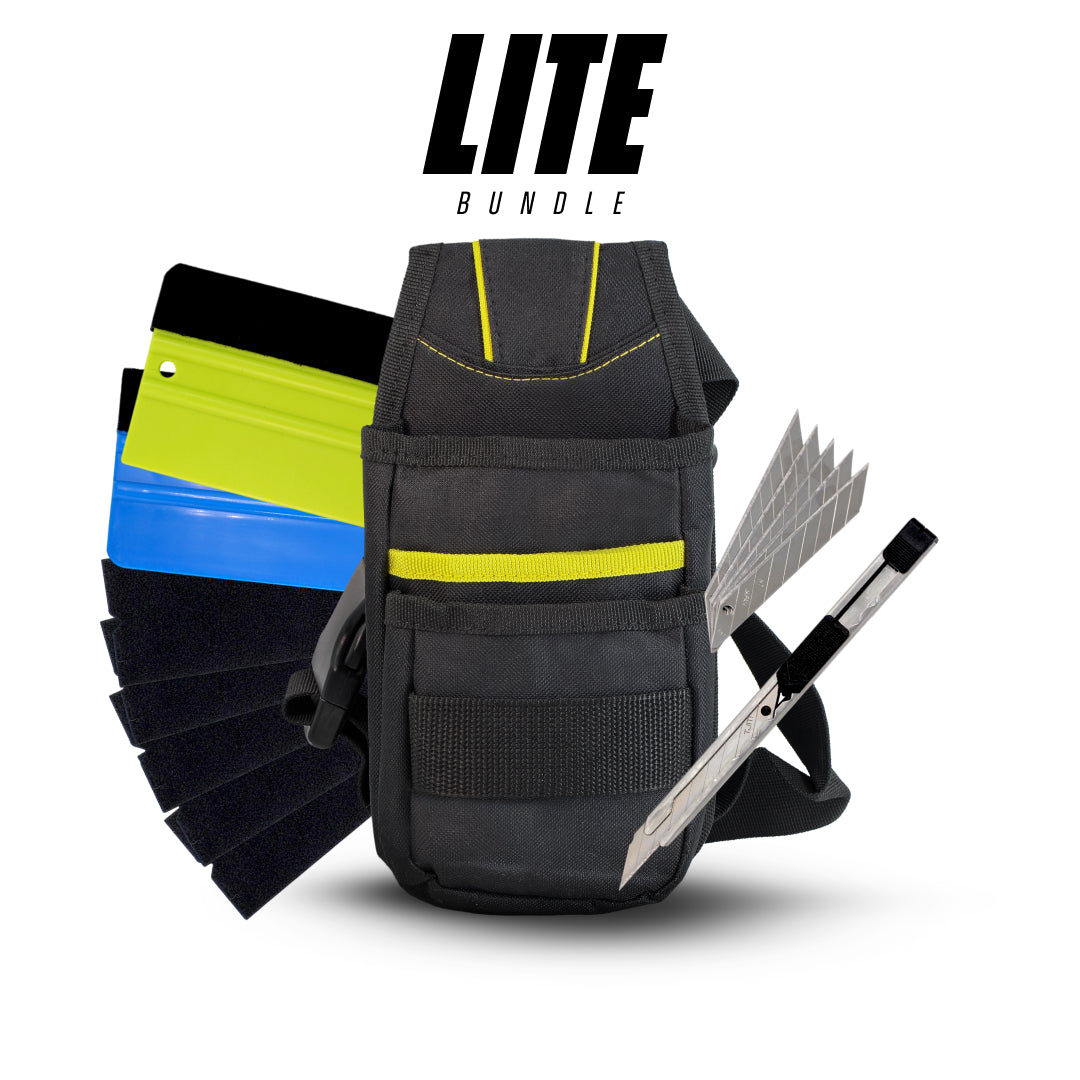
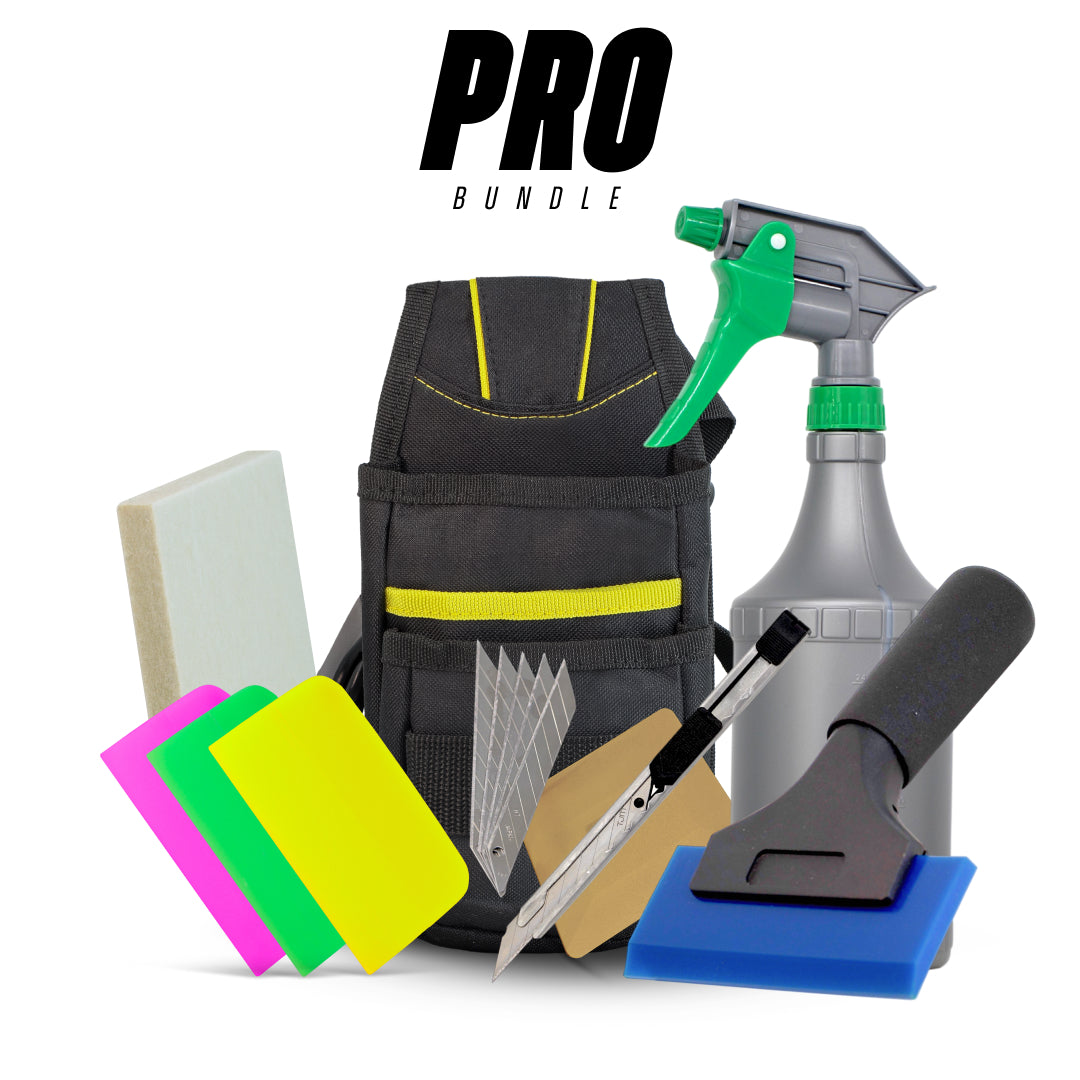
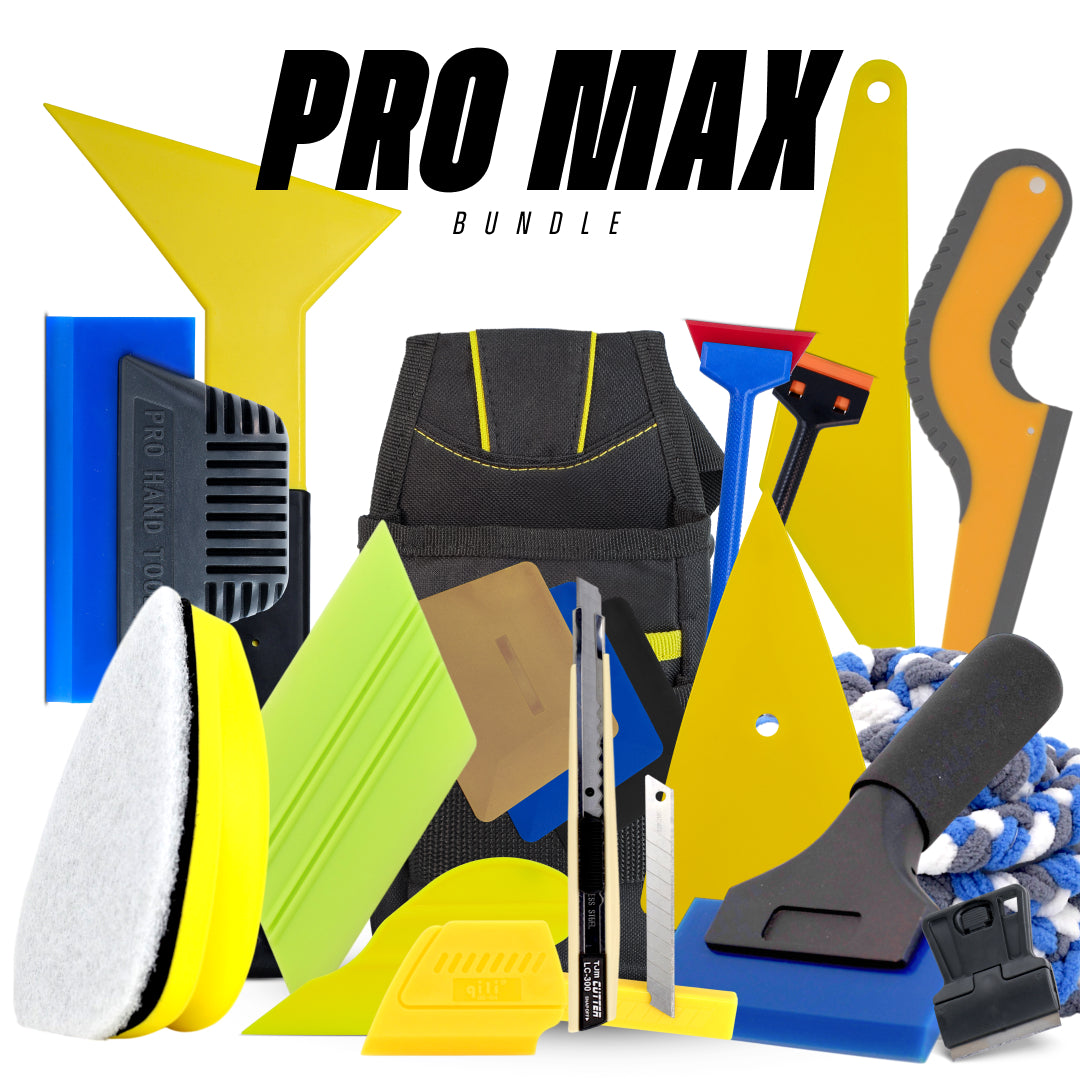
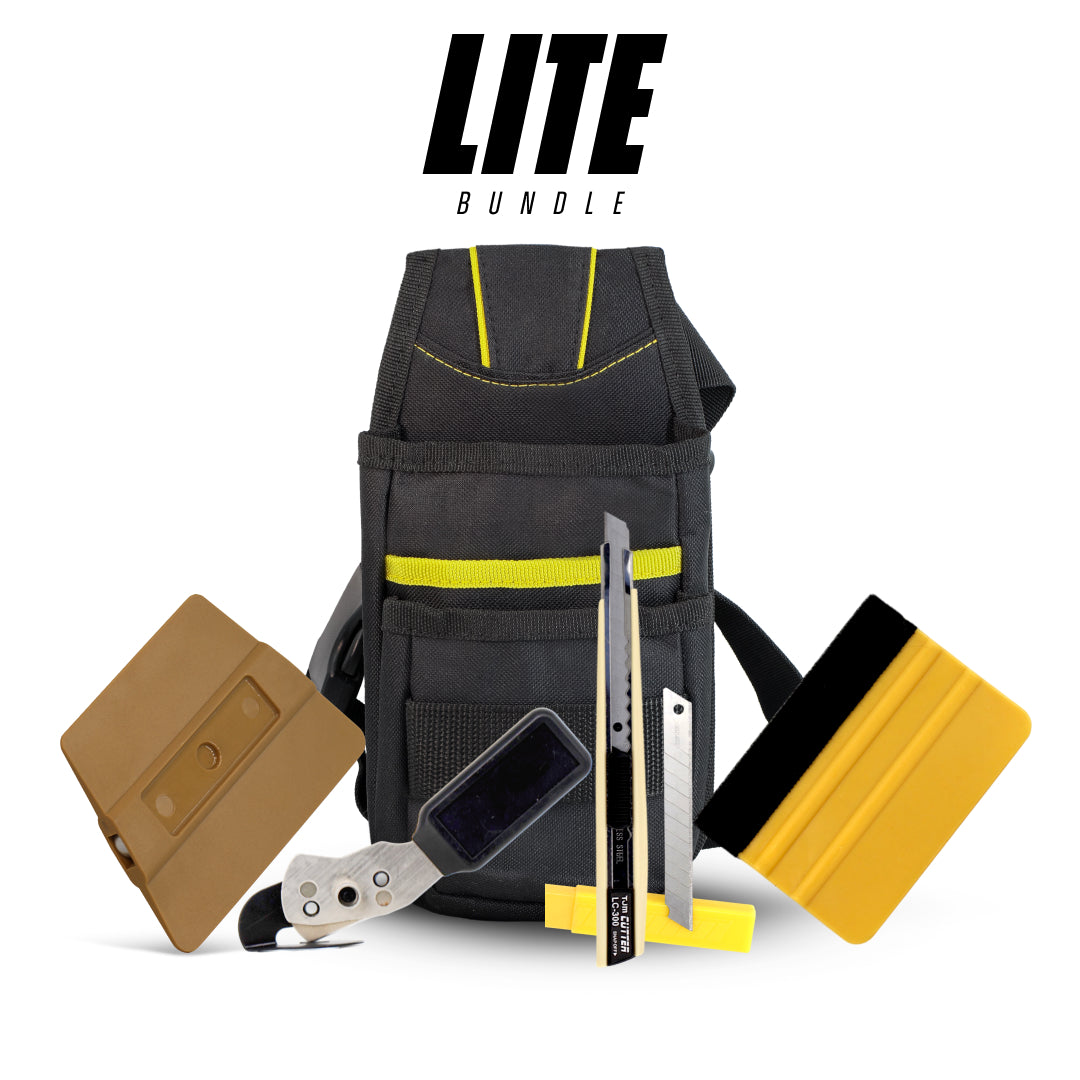
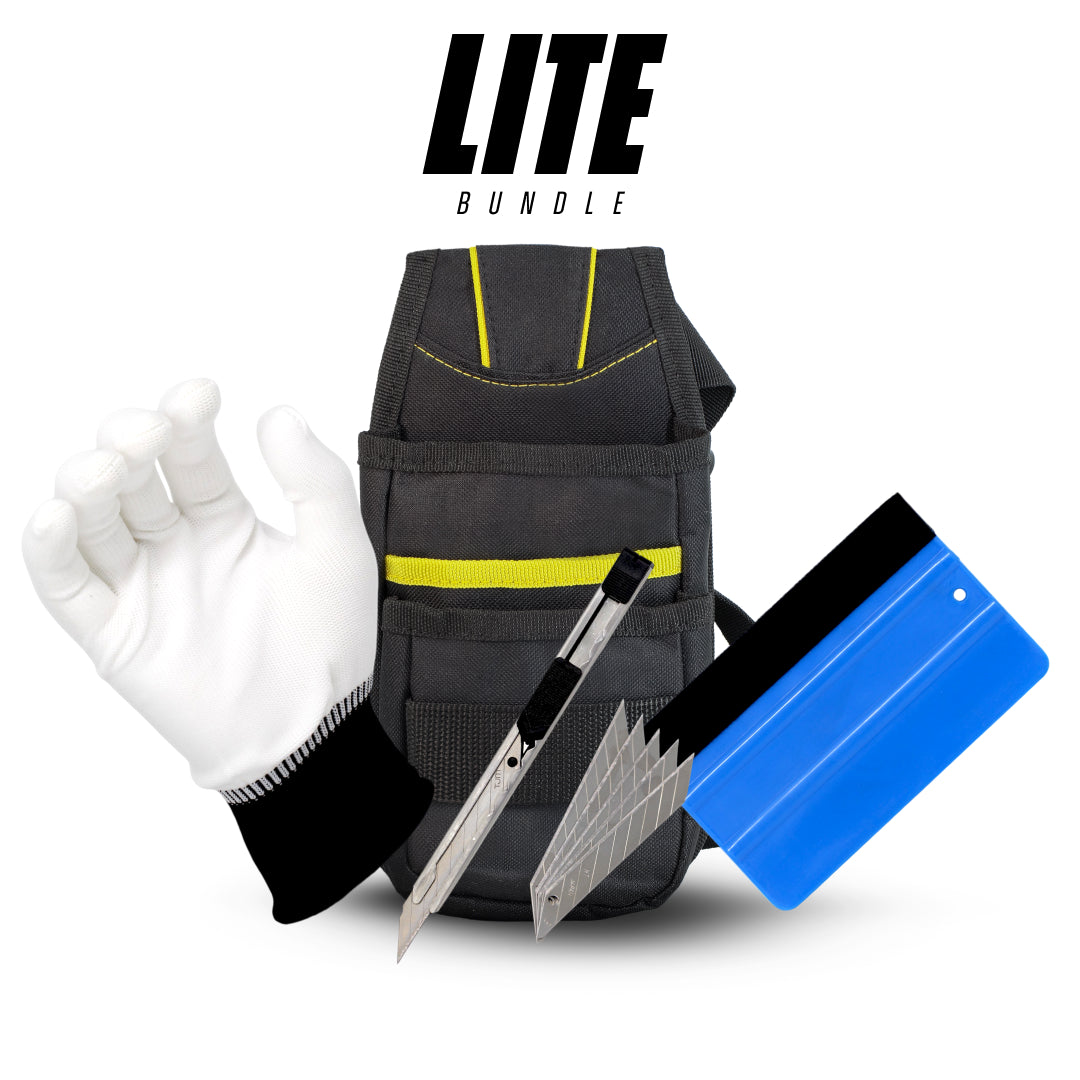
Edge lifting is one of the most common issues installers face, especially when using the wrong PPF tools or improper techniques.
Benefits of Automotive Paint Protection for Modern Vehicles
Cars today aren’t just modes of transportation, they’re investments, status symbols, and in many cases, personal passions. That’s why auto paint protection has evolved into something much more sophisticated than a simple wax job. PPF sits at the top of that evolution, offering benefits that go far beyond surface-level shine.
First off, let’s talk about durability. Unlike traditional methods, car paint protection with PPF creates a physical barrier against rock chips, scratches, and environmental contaminants. Imagine driving on a highway where tiny stones constantly hit your car. Without protection, each impact leaves a mark. With PPF wrap, those hits are absorbed, leaving your paint untouched underneath.
Another major advantage is UV resistance. Over time, exposure to sunlight can cause paint to fade or oxidize. A high-quality PPF film blocks harmful UV rays, preserving the original color and gloss of your vehicle. This is especially important if you plan to keep your car for years, or if resale value matters to you.
Maintenance also becomes much easier. Dirt, grime, and bug splatter don’t stick as aggressively to PPF-treated surfaces, meaning less scrubbing and fewer harsh chemicals. Many films even have hydrophobic properties, causing water to bead and slide off effortlessly.
There’s also an aesthetic advantage. Unlike bulky old-school bra for car solutions, modern PPF is virtually invisible. You get protection without sacrificing the sleek, factory finish. Some even enhance gloss or offer matte finishes for a custom look.
Despite all these benefits, it’s important to recognize that paint protection film isn’t completely foolproof. Issues like edge lifting can occur if installation or maintenance isn’t handled properly, which is exactly what we’re diving into next.

What Is PPF Edge Lift?
Common Signs of PPF Edge Lifting
You might not notice PPF edge lift right away, it often starts small, almost invisible, like a corner of a sticker peeling up. But over time, it becomes more obvious and, frankly, more annoying. So how do you know if your paint protection film is starting to fail at the edges?
The first sign is visual. You’ll notice slight lifting or curling along the edges of the film, especially around high-contact areas like door edges, hoods, or bumpers. These are the spots where the film experiences the most stress, whether from wind, washing, or everyday handling. It might look like a thin line where the film is no longer flush with the paint.
Another giveaway is dirt accumulation. Once the edge lifts, it creates a tiny gap, just enough for dust, grime, and moisture to sneak in. Over time, this can form a visible dark line under the film, making your once-invisible PPF wrap stand out in all the wrong ways.
You might also notice reduced adhesion when touching the area. Instead of feeling smooth and secure, the film may feel loose or slightly raised. In some cases, you might even hear a faint crackling sound when pressing it back down, a sign that the adhesive bond has weakened.
In more severe situations, the lifted edge can spread, causing larger sections of the PPF film to peel away. At that point, the protection is compromised, and the underlying paint becomes vulnerable again.
Recognizing these signs early is crucial. Catching edge lifting in its early stages can mean the difference between a quick fix and a costly reinstallation. Ignoring it, on the other hand, can lead to bigger problems, not just aesthetically, but also in terms of your car’s long-term vehicle paint protection.
Why PPF Edge Lifting Should Not Be Ignored
It’s tempting to brush off a small lifted edge as a minor cosmetic issue. After all, it’s just a tiny corner, right? But here’s the reality: ignoring PPF edge lift is like ignoring a small crack in your windshield, it almost always gets worse.
When the edge of your paint protection film lifts, it breaks the seal that keeps contaminants out. Water, dirt, road salt, and even cleaning chemicals can seep underneath the film. Once that happens, the adhesive begins to degrade faster, and the film loses its ability to stay bonded to the surface.
This doesn’t just affect appearance, it directly impacts performance. The whole point of automotive paint protection is to shield your car from damage. But if the film is lifting, it’s no longer providing full coverage. That exposed edge becomes a weak point where chips and scratches can occur.
There’s also the issue of spreading. Edge lifting rarely stays contained. Wind pressure while driving can catch the lifted section and gradually pull more of the film away from the surface. It’s a slow process, but it’s relentless, like peeling tape off a surface one inch at a time.
Financially, delaying repairs can cost you more. A minor fix might involve reapplying adhesive or trimming the edge. But if the problem spreads, you may need to replace an entire panel’s worth of PPF wrap, which isn’t cheap.
From a resale perspective, visible PPF film issues can signal poor maintenance to potential buyers. Even if your paint underneath is pristine, the appearance of peeling film can lower perceived value.
Addressing edge lifting early keeps your car paint protection effective, your vehicle looking sharp, and your long-term costs under control. Up next, we’ll break down exactly why this issue happens in the first place.
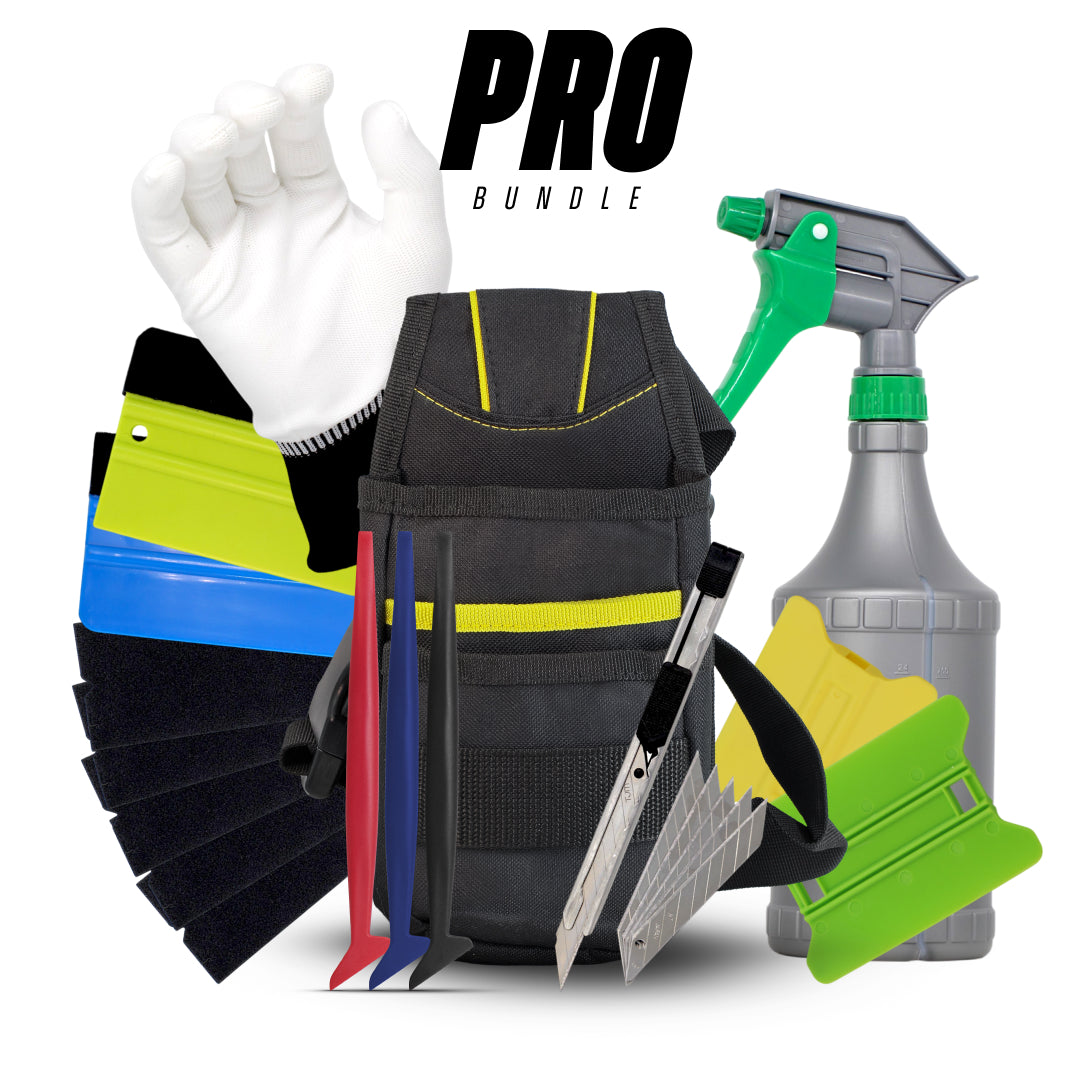
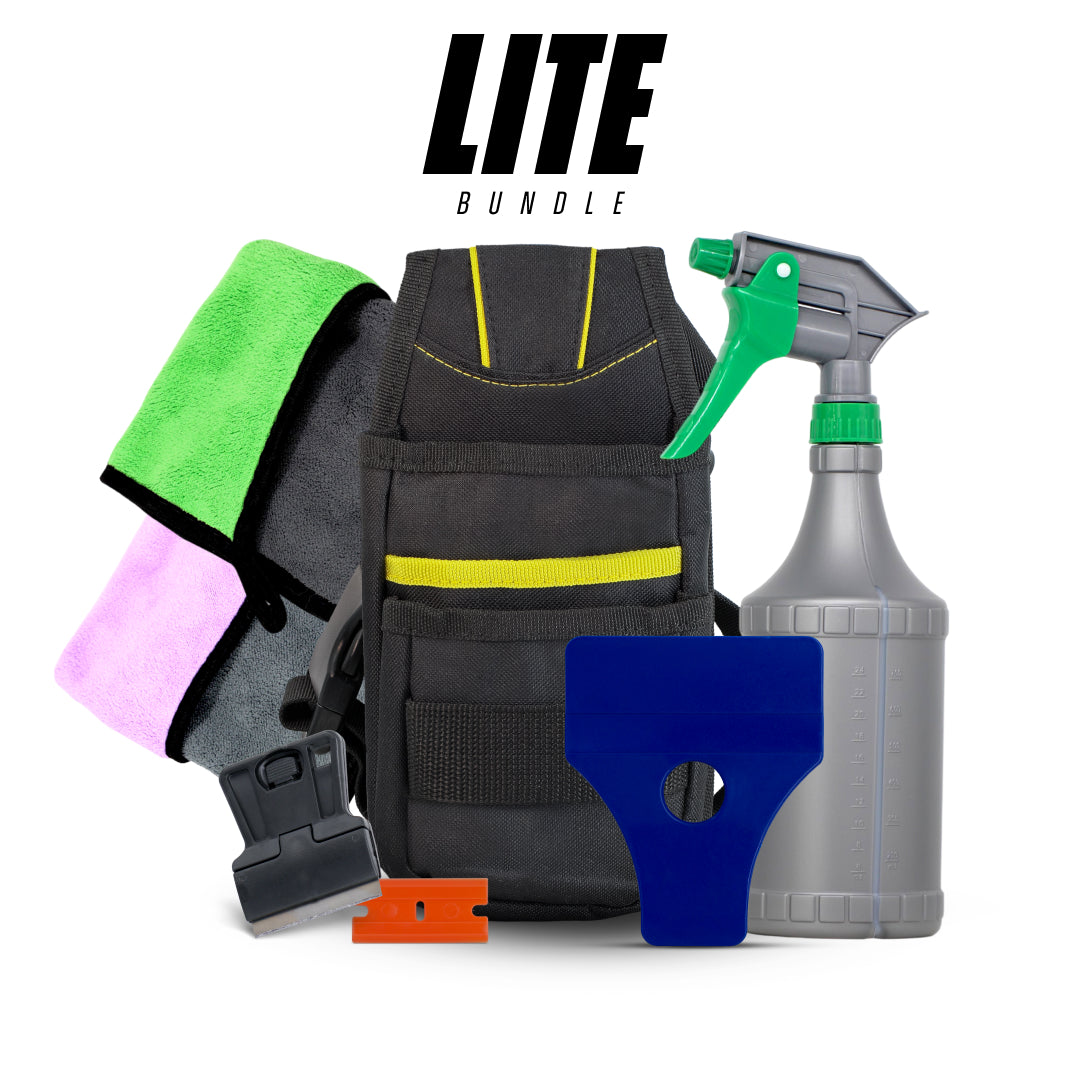
Using the wrong pressure or angle with your PPF squeegee can leave moisture trapped near the edges.

Main Causes of PPF Edge Lift
Poor Installation Techniques
Let’s be blunt, most cases of PPF edge lift trace back to one root cause: improper installation. You can buy the most premium paint protection film on the market, but if it’s installed poorly, it’s only a matter of time before problems show up. Installation isn’t just about sticking a film onto paint; it’s a precise process that requires skill, patience, and the right technique.
One of the biggest mistakes installers make is failing to properly anchor the edges. During a PPF wrap installation, edges must be carefully stretched and secured so they sit flush against the surface. If this step is rushed or done incorrectly, the film doesn’t bond fully, leaving tiny gaps that eventually turn into lifted edges. It’s similar to applying a screen protector on your phone, if the edges aren’t sealed properly, they start peeling almost immediately.
Another common issue is incorrect tension during application. Stretch the PPF film too much, and it will try to shrink back over time, pulling away from the edges. Don’t stretch it enough, and it may not conform properly to curves, creating weak adhesion points. It’s a delicate balance that only experienced installers truly master.
Temperature also plays a critical role. Installing automotive paint protection in an environment that’s too cold or too hot can interfere with the adhesive’s ability to bond. Professionals typically work in controlled environments to avoid this, but DIY installations often skip this step entirely.
The takeaway? Installation isn’t the place to cut corners. Whether you’re doing it yourself or hiring someone, the quality of the install directly determines how long your vehicle paint protection will last. A flawless installation means fewer headaches down the road, and far less chance of dealing with edge lift.
Low-Quality PPF Film Materials
Not all PPF film is created equal, and this is one area where trying to save money can backfire quickly. Lower-quality films often lack the advanced adhesive technology and flexibility needed to maintain a strong bond over time. As a result, they’re far more prone to edge lifting, discoloration, and premature failure.
Cheap paint protection film typically uses weaker adhesives that degrade faster, especially when exposed to heat, moisture, and road contaminants. Over time, these adhesives lose their grip, causing the edges to curl or peel. It’s like using low-quality tape, it might stick at first, but it won’t hold up under stress.
Another issue with inferior materials is reduced elasticity. High-end PPF wrap products are designed to stretch and conform to complex curves without losing their shape. Budget options, on the other hand, may not adapt as well, leading to tension points along edges that eventually lift.
Clarity and thickness also matter. Premium films maintain optical clarity and resist yellowing, while cheaper ones can become brittle and discolored. When a film becomes brittle, it’s far more likely to crack or lift at the edges.
| Feature | High-Quality PPF | Low-Quality PPF |
|---|---|---|
| Adhesive Strength | Strong, long-lasting | Weak, degrades quickly |
| Flexibility | High | Limited |
| Edge Retention | Excellent | Poor |
| Lifespan | 5–10 years | 1–3 years |
| Resistance to Lifting | High | Low |
Investing in premium auto paint protection products isn’t just about aesthetics, it’s about reliability. A high-quality film significantly reduces the risk of edge lift and ensures your car paint protection performs as expected for years.
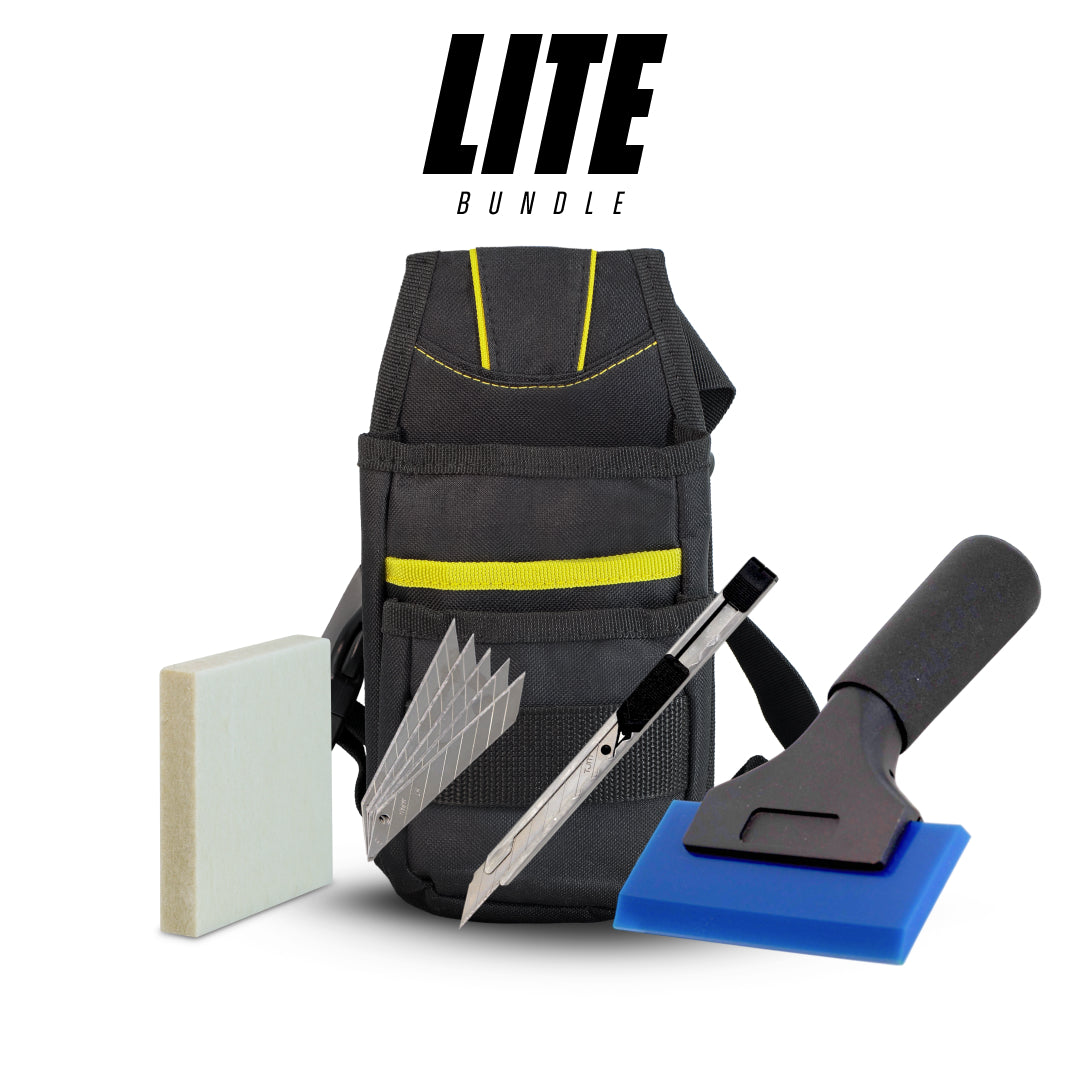
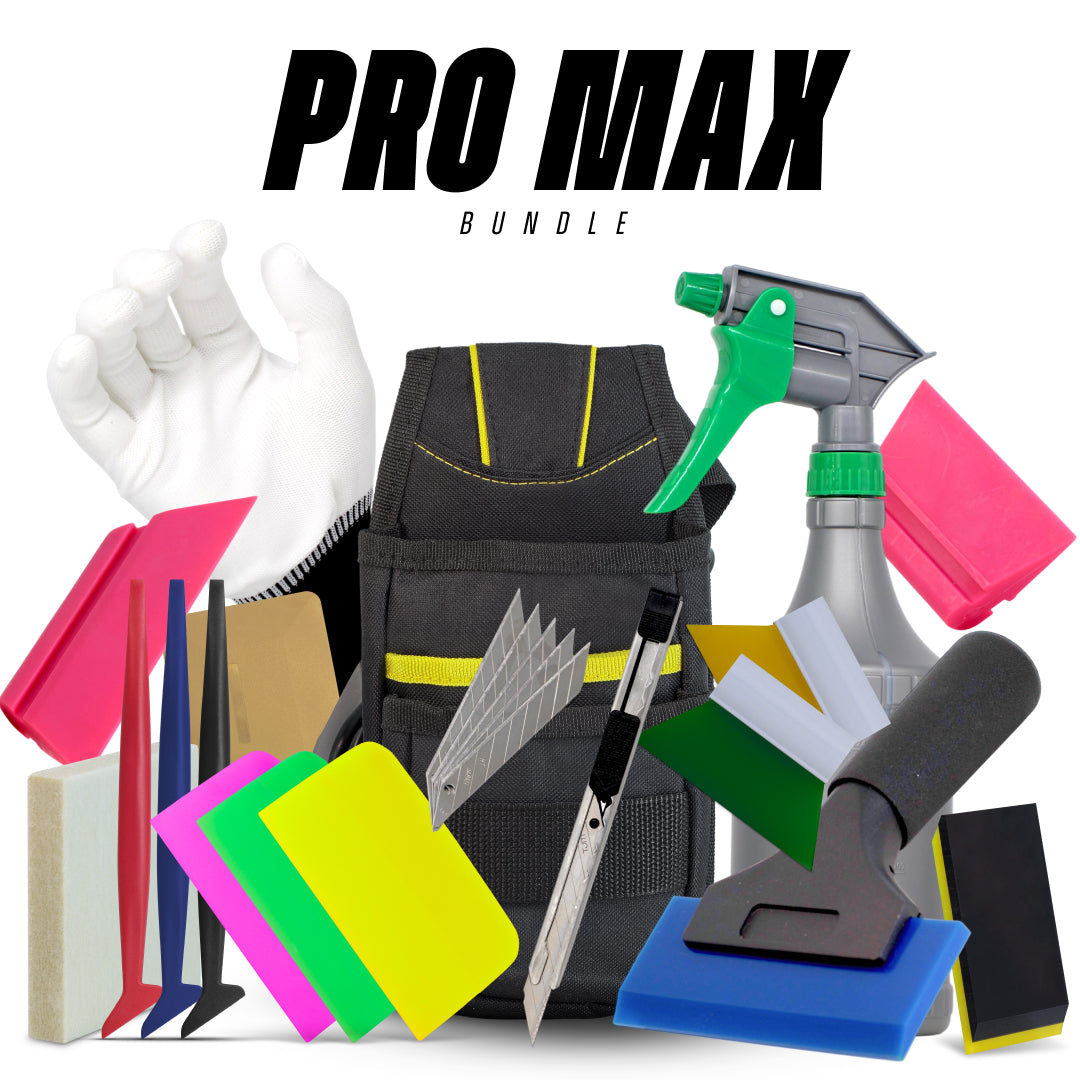
Professional installers rely on high-quality PPF install tools to ensure consistent pressure and adhesion.
Environmental and Weather Factors
Even the best-installed paint protection film isn’t immune to the environment. Nature has a way of testing everything, and your PPF wrap is no exception. From blazing sun to freezing temperatures, environmental conditions can gradually weaken the bond between the film and your car’s surface.
Heat is one of the biggest culprits. Prolonged exposure to high temperatures can soften the adhesive, making it easier for edges to lift, especially if the film was already under tension. On the flip side, cold weather can make the film contract, creating stress along the edges that leads to separation.
Moisture is another major factor. Rain, humidity, and even frequent washing can seep into tiny imperfections along the edges. Once water gets underneath the PPF film, it compromises the adhesive and accelerates lifting. This is particularly common in areas with fluctuating weather conditions.
Then there’s road debris and wind. At highway speeds, wind pressure constantly pushes against the edges of your vehicle paint protection. If there’s even a slight ضعف in adhesion, that pressure can gradually peel the film back. Add dirt and debris into the mix, and you’ve got a recipe for accelerated wear.
UV exposure also plays a role. While high-quality automotive paint protection films are designed to resist UV damage, prolonged exposure can still cause gradual degradation, especially in lower-grade products.
All of this doesn’t mean you should avoid using PPF, far from it. It just highlights the importance of proper installation, quality materials, and regular maintenance. When these factors are aligned, your car paint protection can withstand even harsh conditions with minimal issues.
Installation Mistakes That Lead to PPF Edge Lifting
Improper Use of PPF Squeegee Tools
The humble PPF squeegee might not look like much, but it plays a critical role in the success, or failure, of a paint protection film installation. Think of it as the tool that determines whether your film bonds perfectly or ends up lifting at the edges weeks later.
During installation, a paint protection film squeegee is used to push out water, air bubbles, and excess solution from beneath the film. Done correctly, it ensures full contact between the adhesive and the vehicle’s surface. Done incorrectly, it leaves behind pockets of moisture or air that weaken adhesion, especially along the edges.
One common mistake is applying uneven pressure. If the installer presses too lightly, the film won’t fully adhere. Press too hard, and you risk stretching or damaging the film, creating tension that leads to edge lift later. It’s a technique that requires consistency and experience.
Another issue is direction. Professional installers follow specific patterns when using a PPF squeegee, working from the center outward to ensure contaminants are pushed away from the edges. Random or careless movements can trap moisture near the edges, setting the stage for lifting.
The type of squeegee also matters. High-quality tools are designed with soft yet firm edges that glide smoothly without scratching the film. Cheap or worn-out tools can cause micro-damage, affecting both the appearance and durability of the PPF wrap.
In short, the squeegee isn’t just a tool, it’s a critical part of the process. Mastering its use is essential for achieving long-lasting auto paint protection without the frustration of edge lifting.
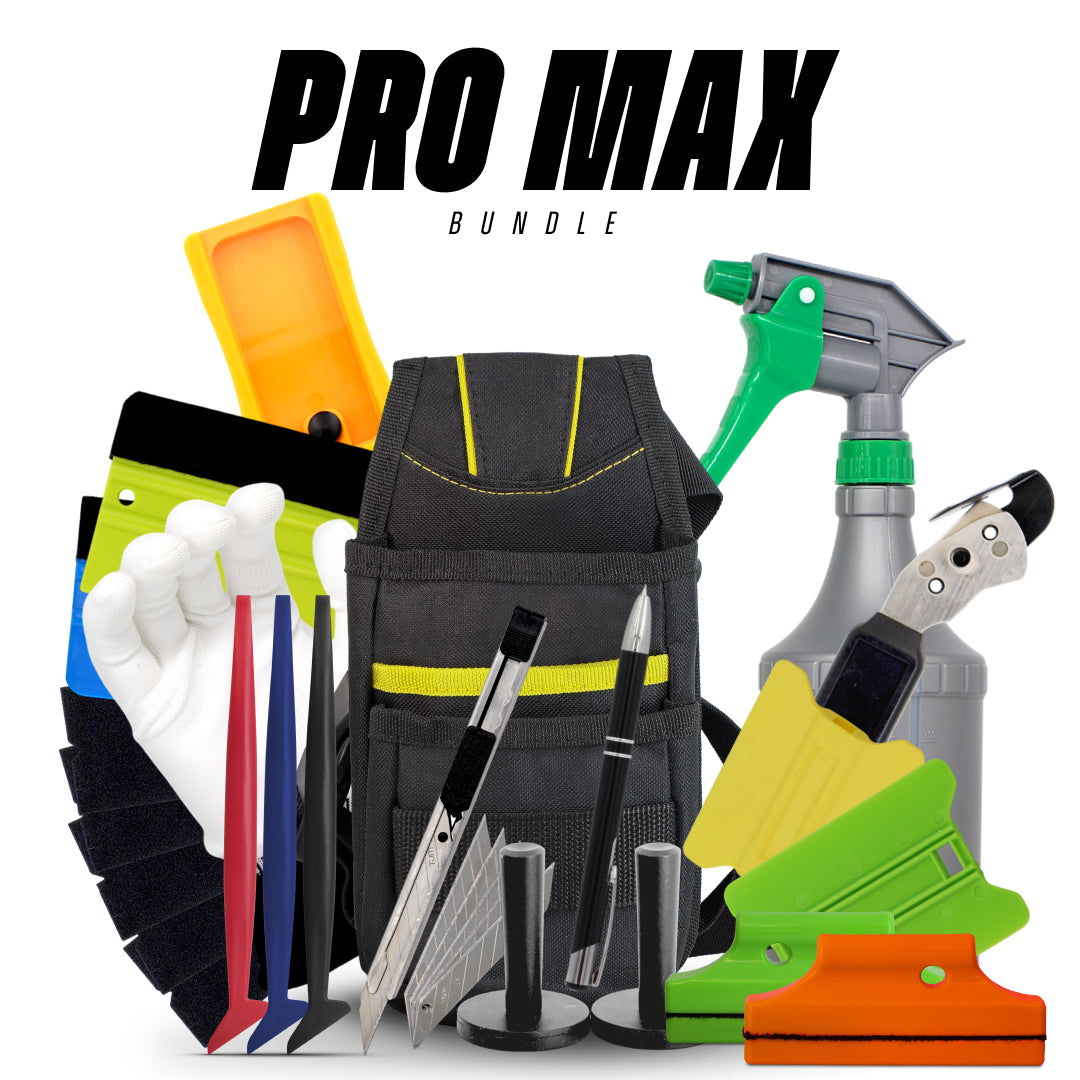
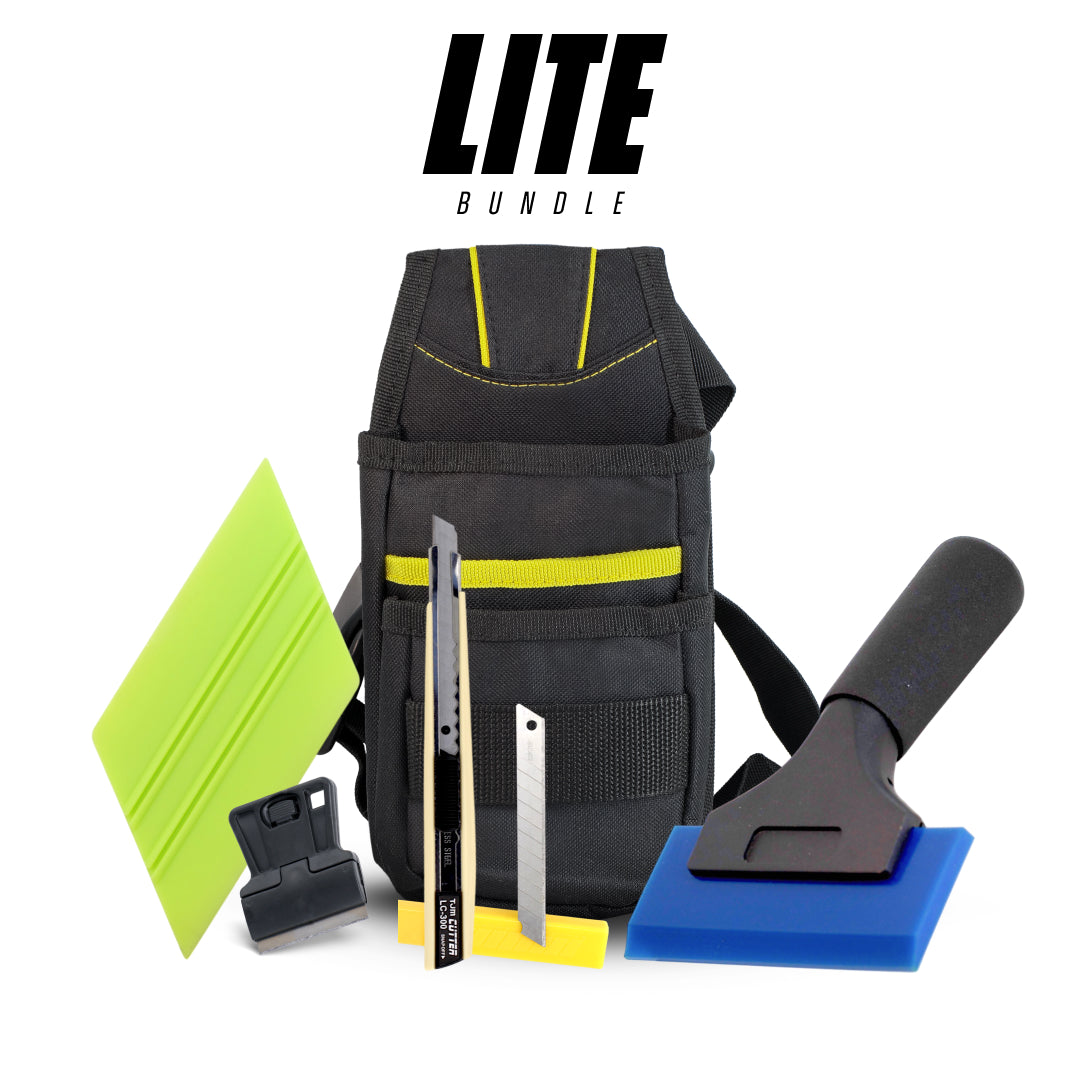
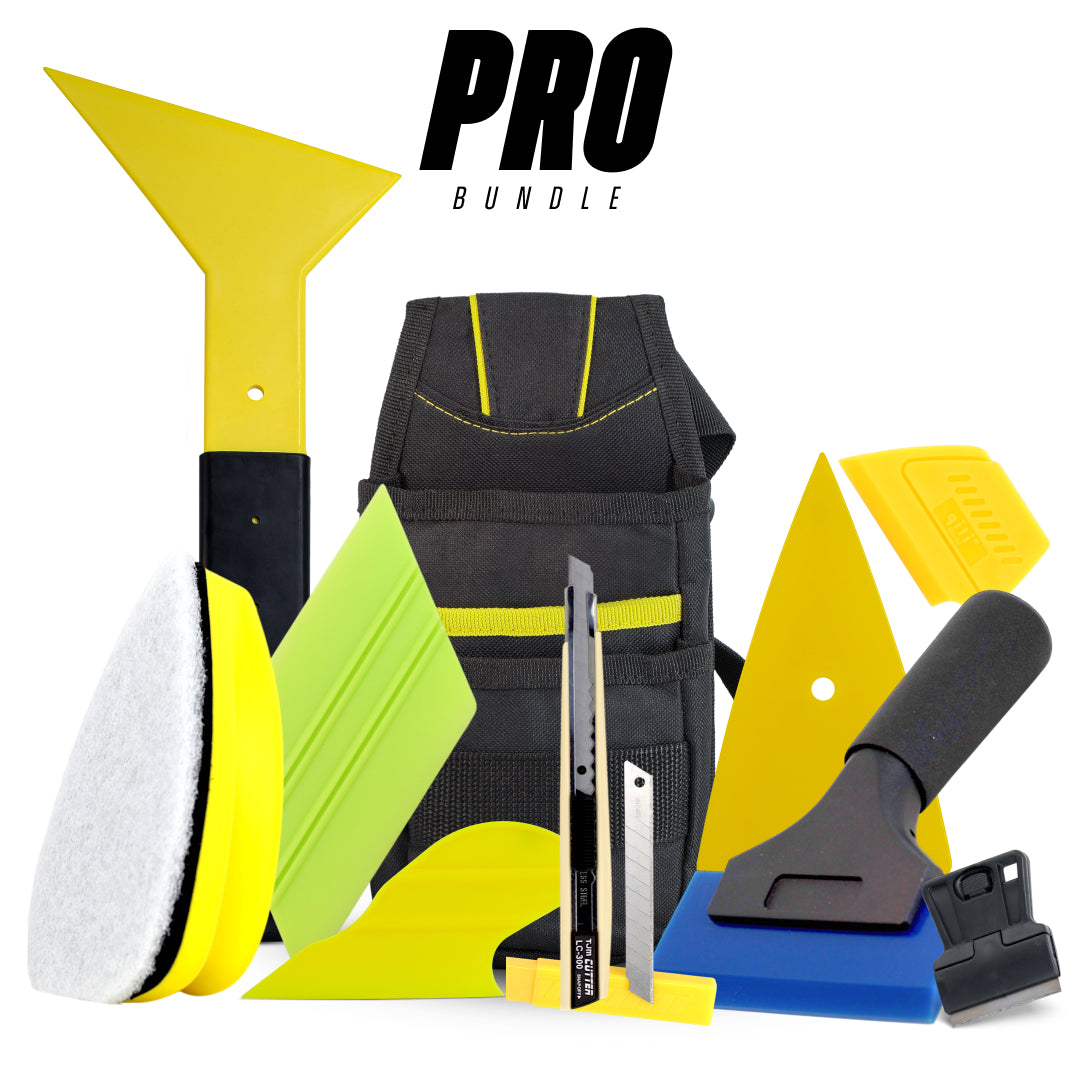
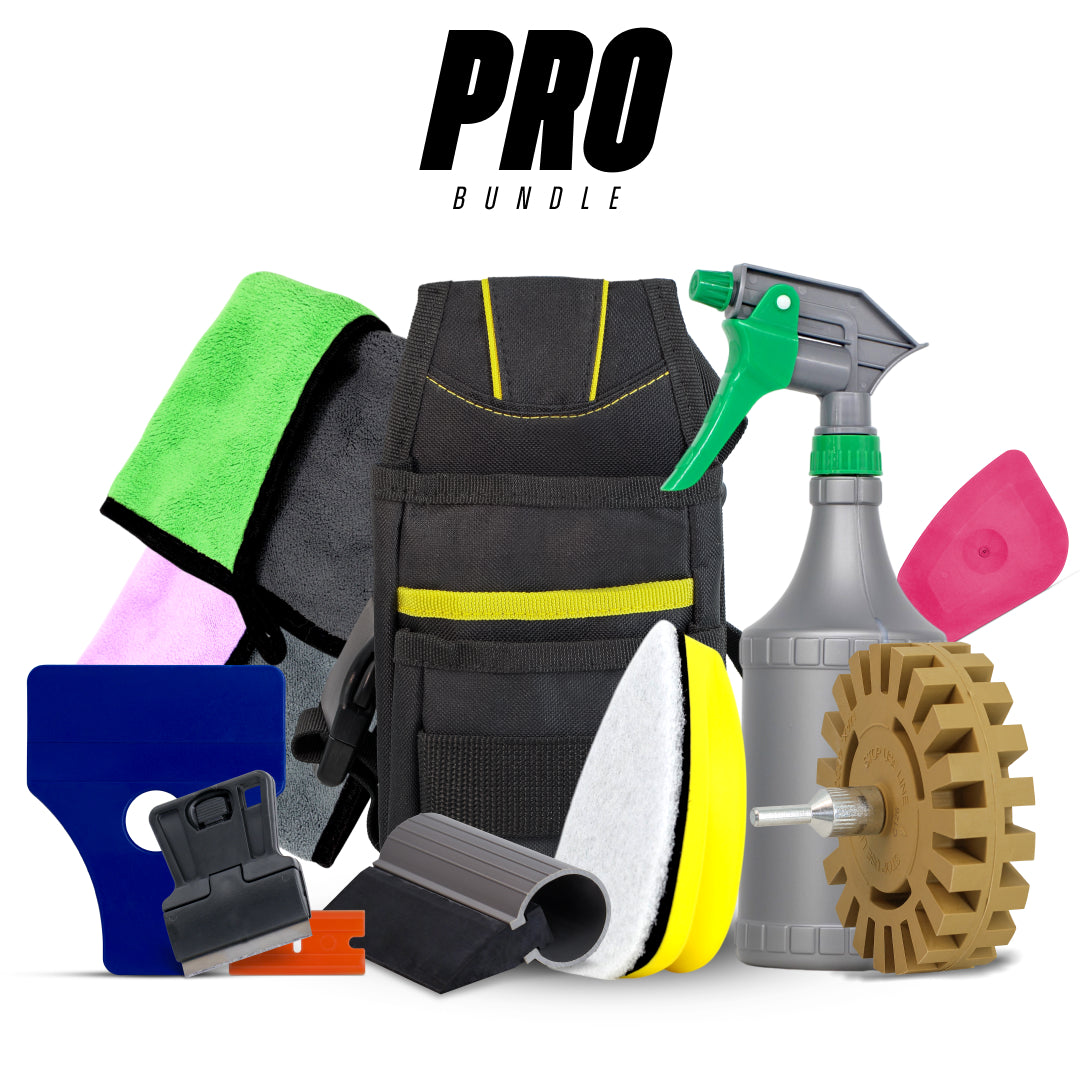
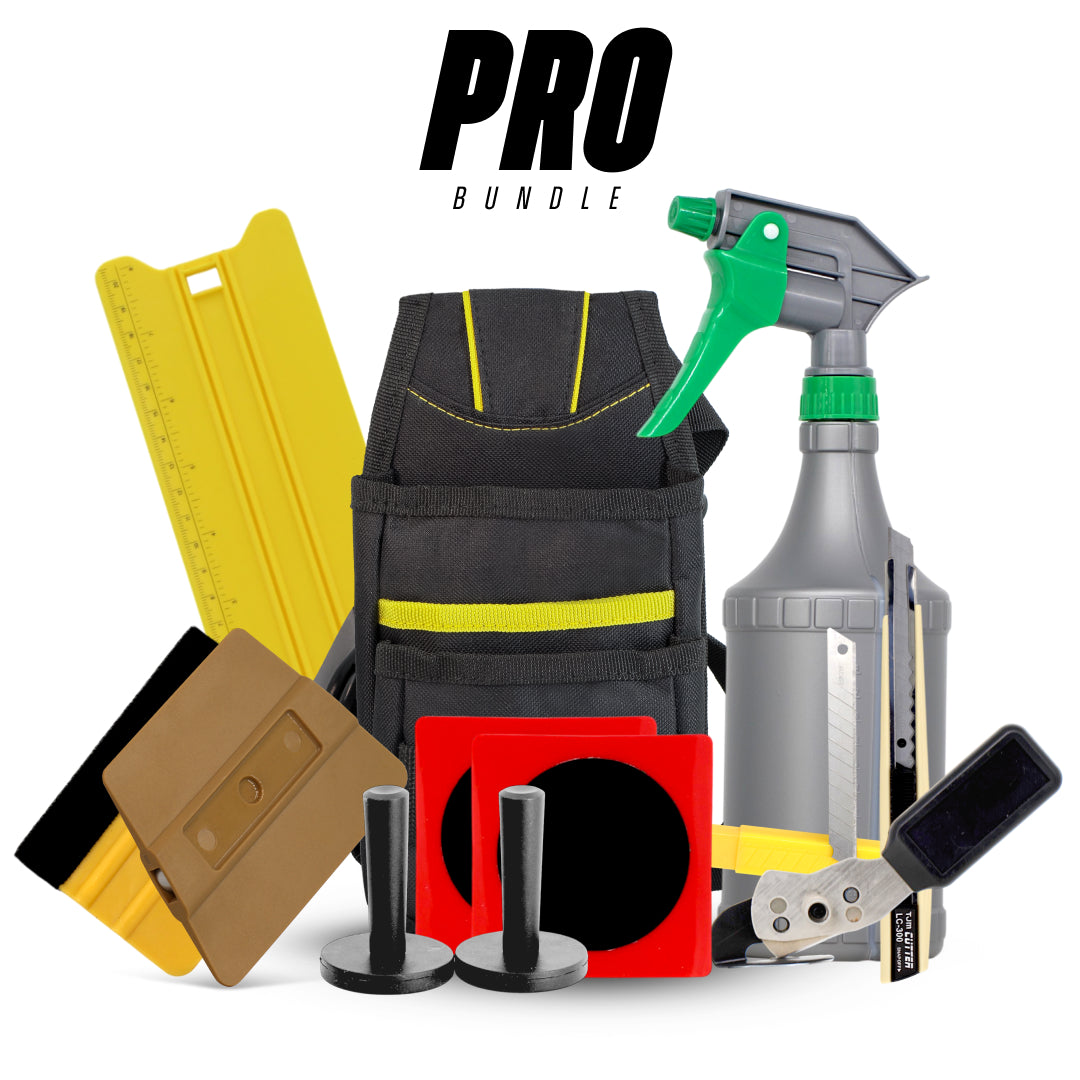
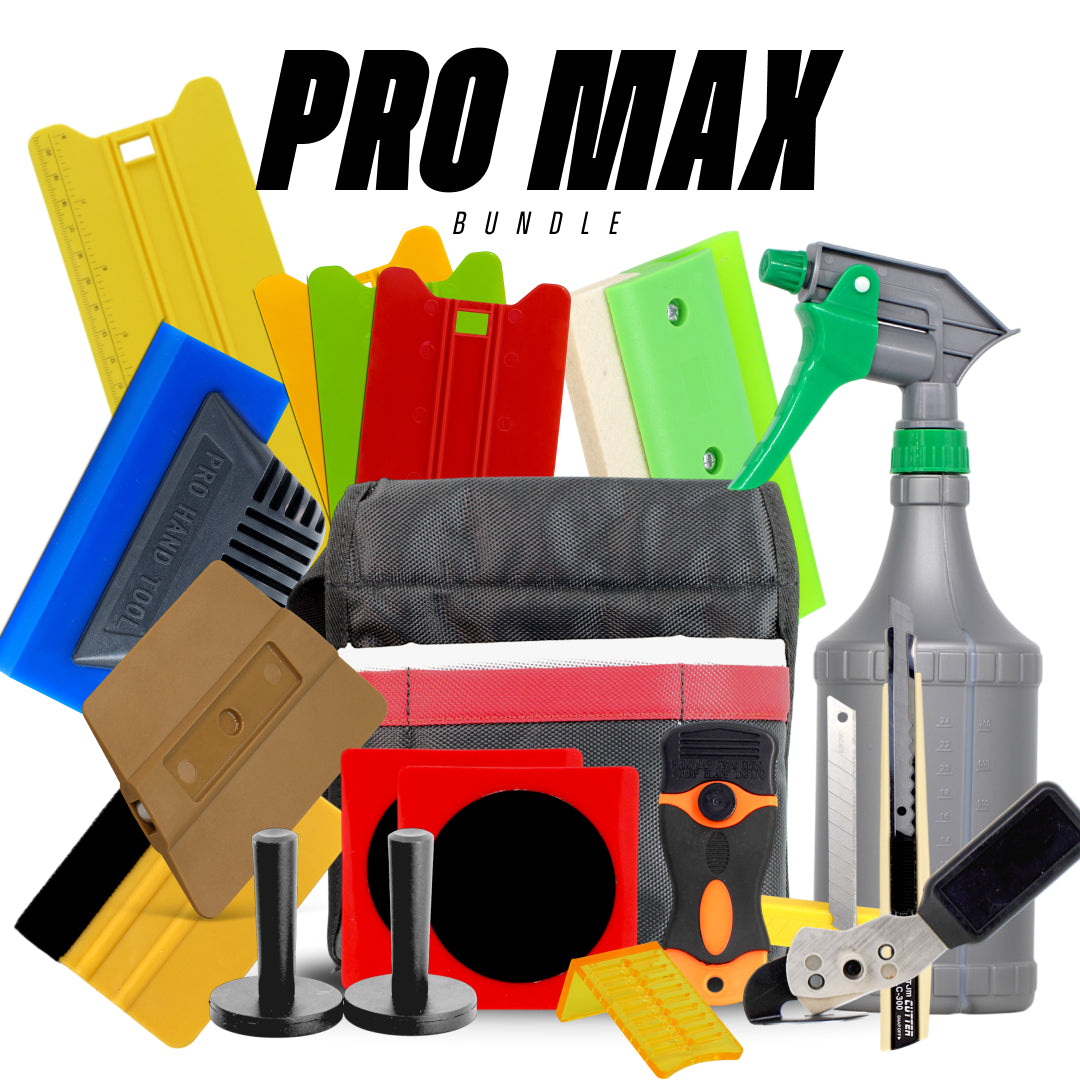
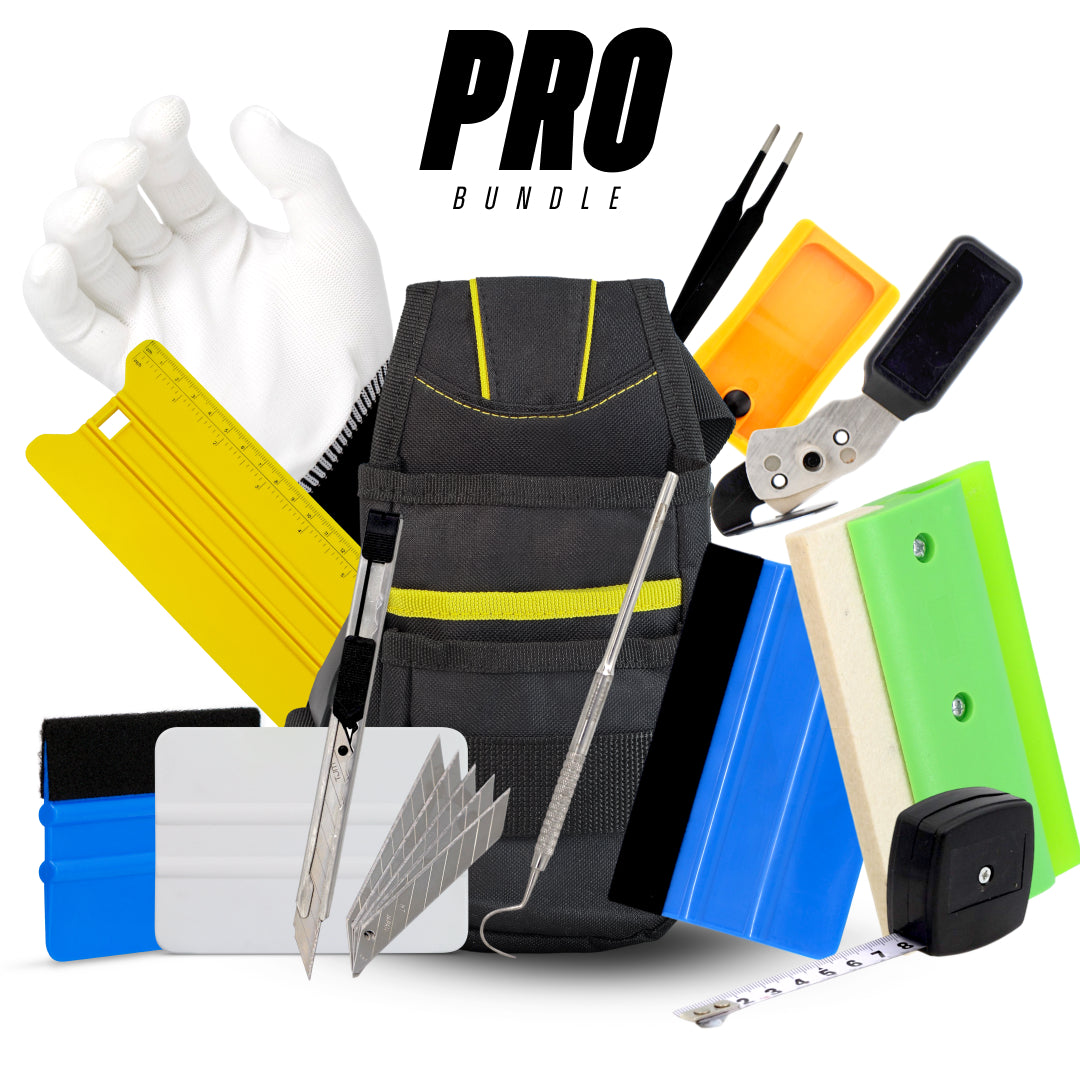
Investing in complete PPF tool kits ensures you’re not missing critical tools during installation.
Contamination During Installation
Imagine trying to apply a sticker onto a dusty surface, it won’t stick properly, right? The same principle applies to paint protection film. Even the tiniest contaminants can interfere with adhesion, making contamination one of the leading causes of PPF edge lift.
Before applying PPF film, the vehicle’s surface must be meticulously cleaned and decontaminated. This includes removing dirt, grease, wax, and even microscopic particles. Professional installers often use clay bars, alcohol solutions, and specialized cleaners to ensure a perfectly smooth surface.
If this step is skipped or rushed, contaminants get trapped between the film and the paint. These particles create tiny gaps where the adhesive can’t bond properly. Over time, these weak spots become starting points for edge lifting.
Dust in the air is another overlooked factor. That’s why high-end automotive paint protection installations are done in controlled environments. A single speck of dust landing on the adhesive side of the film can compromise the bond.
Even the installer’s hands can introduce contamination. Oils from skin or residue from cleaning products can affect adhesion if proper precautions aren’t taken.
The result? Edges that fail to stick, film that lifts prematurely, and a compromised PPF wrap that doesn’t deliver the protection you paid for.
Cleanliness isn’t just important, it’s non-negotiable. A contamination-free installation is the foundation of durable, long-lasting vehicle paint protection.
How to Fix PPF Edge Lift
Quick DIY Fixes for Minor Edge Lifts
So you’ve spotted a small section of PPF edge lift, now what? The good news is that minor issues can often be fixed without replacing the entire paint protection film. Timing is everything here; the sooner you address it, the better your chances of a clean repair.
For small lifts, gentle heat is your best friend. Using a heat gun or even a hairdryer, you can slightly warm the lifted area to reactivate the adhesive. Once warmed, press the edge back down using a clean microfiber cloth or a PPF squeegee. The heat softens the film, allowing it to conform and reattach more effectively.
Cleaning the area is also crucial. If dirt has already gotten underneath, you’ll need to carefully lift the edge, clean it with an appropriate solution, and then reapply it. Skipping this step will trap contaminants, leading to further issues down the line.
In some cases, a small amount of adhesive promoter can help improve bonding. However, this should be used sparingly and only when necessary, as overuse can affect the appearance of the film.
These DIY fixes work best for very minor issues. If the PPF wrap has been lifted for a long time or covers a larger area, the adhesive may no longer be effective. At that point, professional intervention becomes the smarter option.
When to Seek Professional Help
There’s a point where DIY fixes stop being practical, and recognizing that point can save you time, money, and frustration. If your paint protection film is lifting significantly or across multiple areas, it’s time to bring in a professional.
Professional installers have access to specialized tools, controlled environments, and high-quality adhesives that aren’t typically available to consumers. They can assess whether the PPF film can be salvaged or if it needs to be replaced entirely.
One major advantage of professional repair is precision. Instead of patching the issue, experts can often rewrap specific sections seamlessly, restoring both the appearance and functionality of your vehicle paint protection.
There’s also a risk factor with DIY repairs. Improper handling can stretch, tear, or permanently damage the film, turning a small issue into a costly replacement. Professionals know how to work with the material without causing additional problems.
If your car is high-value or if the auto paint protection was a significant investment, professional repair is almost always worth it. It ensures your car paint protection continues to perform at its best without compromising aesthetics.
Proper prep is key, using dedicated cleaning tools for PPF ensures contaminants don’t interfere with adhesion.
How to Fix PPF Bubbles and Silvering
Bubbles and silvering are among the most common issues during or after PPF installation. While they may look similar, they have different causes and require slightly different approaches to fix properly.
What’s the Difference?
Air/Water Bubbles: Trapped air or moisture under the film
Silvering: A hazy or cloudy appearance caused by microscopic air pockets, often visible in certain lighting
Step-by-Step: Fixing PPF Bubbles
Step 1: Identify the Type of Bubble
Small moisture bubbles: Often disappear naturally within 24–72 hours
Air bubbles: Require manual removal
Step 2: Re-Squeegee the Area
Use a clean PPF squeegee to push the bubble toward the nearest edge.
- Start from the centre of the bubble
- Use controlled, even pressure
- Work in short, overlapping strokes
Step 3: Apply Gentle Heat (If Needed)
For stubborn bubbles, lightly apply heat to soften the film and adhesive.
- Use controlled heat (do not overheat)
- Re-squeegee immediately after heating
Step 4: Use a Pin (Last Resort)
For persistent air bubbles:
- Use a fine pin to create a tiny release point
- Gently push out trapped air with a squeegee
This method should be used carefully to avoid visible damage.
Step-by-Step: Fixing PPF Silvering
Step 1: Apply Light Heat
Silvering often improves when heat is applied, allowing the adhesive to settle and bond more evenly.
Step 2: Increase Squeegee Pressure
Use a firmer squeegee pass to push out microscopic air pockets.
Step 3: Allow Time to Cure
In many cases, silvering reduces as the film cures and adhesive fully bonds to the surface.
Step 4: Check Installation Conditions
Silvering is often caused by:
- Dry application areas
- Insufficient slip solution
- Improper squeegee technique
Addressing these factors prevents recurrence.
To fix PPF bubbles, re-squeegee the area, apply gentle heat, and release trapped air if needed. To fix silvering, use heat, apply firm pressure, and allow the film to cure as the adhesive settles.

Preventing PPF Edge Lift
Choosing High-Quality PPF Wrap Products
If there’s one decision that can make or break your entire paint protection film experience, it’s the quality of the product you choose. Think of it like buying tires, sure, cheaper options exist, but when performance and safety are on the line, quality always wins. The same logic applies to PPF wrap products, especially when you’re trying to avoid frustrating issues like edge lifting.
High-quality PPF film is engineered with advanced adhesive technology that maintains a strong bond even under stress. These films are designed to expand and contract with temperature changes without losing adhesion. That flexibility is crucial because your car’s surface is constantly exposed to environmental shifts. A premium film adapts; a cheap one resists, and eventually fails.
Another standout feature of top-tier automotive paint protection products is edge retention. Manufacturers invest heavily in creating films that hold their edges firmly, even in high-impact areas like bumpers and hoods. This significantly reduces the chances of PPF edge lift, especially when combined with professional installation.
You’ll also notice a difference in clarity and finish. High-end films are virtually invisible and resist yellowing over time, preserving the original look of your vehicle. Some even enhance gloss or offer matte finishes, giving your car a customized appearance while maintaining superior vehicle paint protection.
Warranty is another factor worth considering. Reputable brands often offer warranties ranging from 5 to 10 years, which speaks volumes about their confidence in the product. That’s not just marketing, it’s a safety net for your investment.
Choosing the right auto paint protection product isn’t about spending the most money; it’s about understanding value. A reliable PPF wrap reduces maintenance, minimizes repairs, and keeps your car looking pristine for years. And most importantly, it dramatically lowers the risk of dealing with edge lifting headaches in the future.
How to Prevent PPF Edge Lift (Pro Installer Tips)
While fixing PPF edge lift is important, preventing it in the first place is what ensures a long-lasting, professional finish. Most edge lifting issues come down to preparation, installation technique, and environmental factors.
1. Ensure Proper Surface Preparation
Before applying PPF, the surface must be completely clean and free from:
- Dust and debris
- Oils, wax, or polish residue
- Moisture trapped around edges
Even small contaminants can weaken adhesion and cause edges to lift over time.
2. Use Adequate Heat on Edges
Edges and corners require controlled heat to activate the adhesive and help the film conform properly.
- Use a heat gun to gently warm edges after installation
- Avoid overheating, which can distort the film
- Focus on high-stress areas like curves and panel edges
3. Reduce Excess Slip Solution
Too much slip solution near edges can prevent proper adhesion.
- Squeegee out moisture thoroughly before finishing edges
- Use firm, controlled pressure to lock down edges
- Allow edges to dry properly before exposing to elements
4. Avoid Touching Adhesive Surfaces
Touching the adhesive side of the film can introduce oils and reduce bonding strength.
Always handle film carefully and minimise direct contact with adhesive areas.
5. Allow Proper Cure Time
After installation, PPF needs time to fully bond.
- Avoid washing the vehicle for at least 24–48 hours
- Keep the car in a controlled environment if possible
- Avoid high-speed driving immediately after installation
Quick Fix vs Long-Term Prevention
Quick fix: Reheat and re-squeegee lifting edges
Long-term solution: Correct installation technique and proper prep
To prevent PPF edge lift, ensure proper surface preparation, apply controlled heat to edges, remove excess moisture, avoid contaminating the adhesive, and allow adequate curing time after installation.
Maintenance Tips for Long-Lasting Vehicle Paint Protection
Even the best paint protection film won’t take care of itself. Proper maintenance is what keeps your PPF wrap performing like new and prevents issues like edge lifting from creeping in over time. The good news? It’s not complicated, it just requires consistency and a bit of attention to detail.
Start with washing habits. Hand washing is always the safest option for car paint protection. Automatic car washes, especially those with harsh brushes, can catch and pull at the edges of the film. Over time, that repeated stress can lead to lifting. Using a gentle wash method with microfiber mitts helps preserve the integrity of the film.
Drying is just as important. Instead of dragging a rough towel across the surface, use soft microfiber towels or air drying methods. The goal is to minimize friction, particularly near the edges where the film is most vulnerable.
Avoid high-pressure water directly on edges. Pressure washers can be useful, but if used incorrectly, they can force water under the film, weakening adhesion. Keep the nozzle at a safe distance and avoid aiming directly at seams.
Regular inspection goes a long way. Take a few minutes every couple of weeks to check for early signs of PPF edge lift. Catching a small issue early can save you from a major repair later.
You can also apply sealants specifically designed for PPF film. These add an extra layer of protection and make cleaning easier, reducing the buildup of contaminants that could compromise the edges.
Maintaining auto paint protection is less about effort and more about habit. With the right approach, your vehicle paint protection will stay intact, effective, and visually flawless for years, without the annoyance of peeling edges.
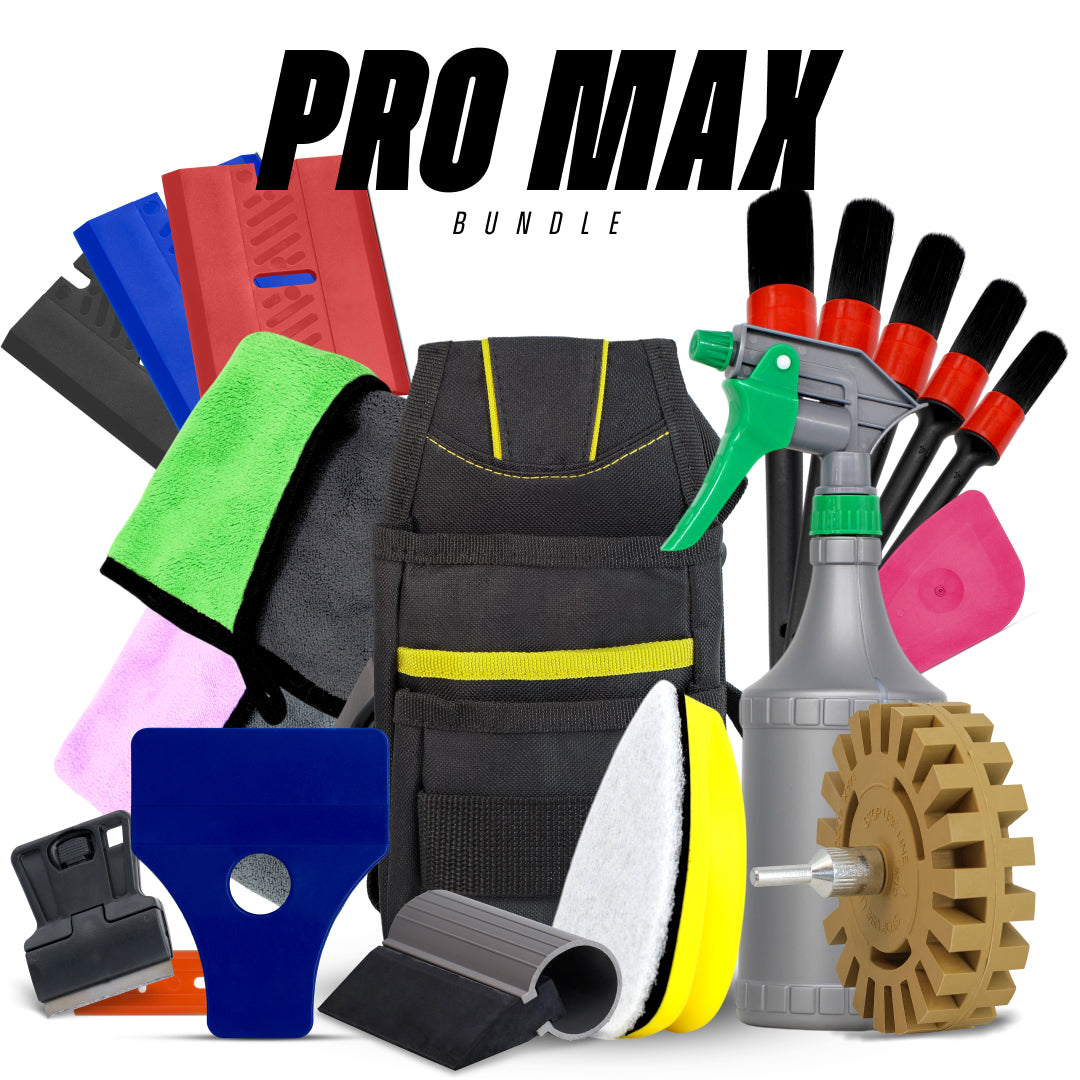
If you're working across multiple jobs, having reliable wrap and PPF tool kits can streamline your workflow and improve results.
Comparing PPF vs Other Car Paint Protection Methods
PPF vs Ceramic Coating vs Wax
When it comes to car paint protection, there’s no shortage of options. From traditional wax to modern ceramic coatings, each method promises to keep your vehicle looking its best. But how does paint protection film (PPF) really stack up against the competition?
Wax is the oldest and simplest solution. It provides a temporary layer of shine and minimal protection against dirt and water. But let’s be honest, it’s short-lived. Within weeks, it wears off, leaving your paint exposed again. It’s more about aesthetics than true automotive paint protection.
Ceramic coatings step things up. They create a semi-permanent bond with the paint, offering excellent resistance to water, chemicals, and UV rays. Your car stays cleaner longer, and the glossy finish is hard to beat. However, ceramic coatings don’t provide physical protection. A rock chip will still damage your paint, regardless of how strong the coating is.
That’s where PPF wrap stands in a league of its own. Unlike wax or ceramic coatings, PPF film acts as a physical barrier. It absorbs impacts, prevents scratches, and even self-heals minor marks. It’s the only option that truly protects against mechanical damage.
Here’s a simple way to think about it:
Wax = cosmetic enhancement
Ceramic coating = chemical protection
PPF = physical + chemical protection
Many car owners actually combine PPF with ceramic coatings for maximum results, using film on high-impact areas and coating on the rest of the vehicle.
If your goal is long-term vehicle paint protection, especially in harsh driving conditions, PPF wrap is the clear winner. It’s not just about shine, it’s about preserving your car’s original condition in the real world.
Cost vs Longevity Comparison Table
Choosing the right auto paint protection method often comes down to balancing cost and durability. While PPF film may seem expensive upfront, its long-term value often outweighs the initial investment. Let’s break it down clearly:
| Protection Type | Average Cost | Lifespan | Protection Level | Maintenance |
|---|---|---|---|---|
| Wax | Low ($50–$200) | 1–3 months | Low | High |
| Ceramic Coating | Medium ($500–$2,000) | 2–5 years | Medium | Moderate |
| PPF Wrap | High ($1,500–$6,000+) | 5–10 years | Very High | Low |
At first glance, wax seems like the cheapest option, and it is. But when you factor in repeated applications over time, the cost adds up quickly. Ceramic coatings offer a middle ground, providing longer-lasting protection with less frequent maintenance.
Paint protection film, on the other hand, is an investment. But it’s one that pays off by reducing the need for paint repairs, preserving resale value, and minimizing ongoing maintenance costs.
Think of it like insurance. You hope you never need it, but when something happens, a rock chip, a scratch, a harsh winter, you’ll be glad your PPF wrap is there.
Expert Tips for Maintaining Auto Paint Protection
Keeping your paint protection film in top condition isn’t just about avoiding problems, it’s about maximizing performance. Professionals in the automotive paint protection industry often follow a set of best practices that go beyond basic care, and adopting these can make a noticeable difference.
One key tip is to allow proper curing time after installation. Most PPF film requires at least 24 to 48 hours to fully bond, and during that period, it should be kept away from water and extreme conditions. Skipping this step can lead to premature edge lifting.
Another pro tip is to avoid harsh chemicals. While PPF wrap is durable, strong solvents can weaken the adhesive or damage the film’s surface. Stick to pH-neutral cleaning products specifically designed for car paint protection.
Parking habits also matter more than you might think. Whenever possible, park in shaded or covered areas. Prolonged exposure to direct sunlight can accelerate wear, especially on lower-quality films.
Detailing techniques should also be adjusted. If you’re using a paint protection film squeegee for maintenance or cleaning, make sure it’s clean and used gently to avoid stressing the edges.
Finally, build a relationship with a professional installer. Periodic inspections can catch early signs of wear or PPF edge lift before they become serious issues. It’s a small step that can extend the life of your vehicle paint protection significantly.

PPF Troubleshooting Checklist
Use this checklist to quickly diagnose and resolve common PPF installation issues.
Before Installation
- Surface fully cleaned and free of contaminants
- No wax, polish, or oils on paint
- Correct slip solution mix prepared
- Tools (squeegees, cloths) clean and ready
During Installation
- Film aligned correctly before squeegeeing
- Air and moisture removed in overlapping strokes
- Proper squeegee type used for each stage
- Edges properly pressed and secured
- Controlled heat applied where necessary
After Installation
- No visible bubbles or trapped moisture
- Edges fully sealed (no lifting)
- Film surface smooth and uniform
- Vehicle left to cure for 24–48 hours
Common Problems & Quick Fixes
| Problem | Likely Cause | Solution |
|---|---|---|
| Bubbles | Trapped air or moisture | Re-squeegee, apply heat |
| Silvering | Micro air pockets | Heat + firm pressure |
| Edge lifting | Poor adhesion or contamination | Clean, reheat, reseal |
| Stretch marks | Excessive tension during install | Reapply with proper technique |
Pro Tip
Most PPF issues are preventable with:
- Proper surface preparation
- Correct tool selection
- Controlled installation technique
Using the right workflow ensures better adhesion, fewer defects, and longer-lasting results.
FAQs
Can PPF edge lift be fixed without replacing the film?
Yes, minor PPF edge lift can often be fixed using heat and proper reapplication techniques. However, severe lifting usually requires partial or full replacement.
How long does paint protection film last?
High-quality PPF film typically lasts between 5 to 10 years, depending on environmental conditions and maintenance.
Does washing my car cause PPF edge lifting?
Improper washing methods, especially high-pressure water directed at edges, can contribute to lifting over time.
Is PPF better than ceramic coating?
PPF wrap offers physical protection against scratches and chips, while ceramic coatings provide chemical resistance and shine. Many people use both together.
What is the best way to prevent PPF edge lift?
Choose high-quality paint protection film, ensure professional installation, and follow proper maintenance practices to minimize the risk.
Conclusion
PPF edge lift might seem like a minor annoyance at first, but it’s a signal that something isn’t quite right, whether it’s installation quality, material choice, or maintenance habits. The good news is that it’s both preventable and fixable when approached correctly.
From understanding how paint protection film works to recognizing early warning signs and applying proper care, every step plays a role in keeping your PPF wrap performing at its best. Investing in high-quality materials, ensuring professional installation, and maintaining consistent care can dramatically reduce the chances of edge lifting.
At the end of the day, automotive paint protection isn’t just about preserving looks, it’s about protecting value. And when done right, PPF film remains one of the most effective ways to keep your car looking as close to new as possible for years to come.
Are you unsure which tool or kit is right for your job?
Our expert team at Oz Sign Supplies is here to help. Reach out today, and we’ll direct you to the best tools to suit your project, ensuring you get the job done right the first time.


%0AWhat%20Is%20Paint%20Protection%20Film%20and%20How%20Does%20It%20Work%0AIf%20you%E2%80%99ve%20ever%20obsessed%20over%20keeping%20your%20car%E2%80%99s%20paint%20looking%20flawless,%20you%E2%80%99ve%20probably%20come%20across%20pain...)
Leave a comment
This site is protected by hCaptcha and the hCaptcha Privacy Policy and Terms of Service apply.