

How to Find a Vinyl Wrap Installer Near You
Understanding Vinyl Wrapping
What Is a Vinyl Wrap?
If you’ve ever seen a car that looked like it just rolled out of a futuristic showroom, matte black, chrome gold, or covered in a full custom graphic, you’ve already witnessed the magic of a vinyl wrap. But what exactly is it? At its core, a car vinyl wrap is a thin, adhesive-backed film applied over a vehicle’s original paint. Think of it like a giant, precision-cut sticker, but engineered with advanced materials designed to stretch, conform, and protect.
Unlike traditional paint jobs, which are permanent and expensive to redo, vehicle vinyl wraps are removable. That means you can switch styles whenever you want without damaging the original paint underneath. This flexibility is one of the biggest reasons why searches like “vinyl wrap near me” and “car wrap near me” have skyrocketed in recent years.
Modern wraps are typically made from high-quality materials like 3M vinyl wrap or Avery wraps, both of which are known for durability and finish quality. These materials aren’t just about aesthetics; they also provide a protective layer against UV rays, minor scratches, and environmental wear. In a way, wrapping your car is like giving it a stylish suit of armour.
What makes vinyl wrapping even more appealing is the sheer variety. From bold chrome wraps to subtle matte black car wraps, the customisation options are nearly endless. You’re not limited to factory colours anymore; you’re creating something uniquely yours.
And here’s the kicker: wrapping isn’t just for cars. Businesses use vehicle wraps for advertising, turning vans and trucks into moving billboards. Homeowners even use similar materials for vinyl cabinet wrap projects. It’s a versatile solution that blends creativity with practicality in a way few other automotive upgrades can match.
Types of Vehicle Wraps Available
Once you dive into the world of automotive wrap, you quickly realise it’s not a one-size-fits-all solution. There are several types of vehicle wraps, each designed for different goals, budgets, and aesthetic preferences. Understanding these options is crucial before you start searching for a wrap shop near me, because the type of wrap you choose directly impacts both cost and installation complexity.
The most comprehensive option is a full car wrap. This covers every visible painted surface of the vehicle, completely transforming its appearance. It’s ideal if you want a dramatic change, like turning a white car into a deep satin black or adding a custom graphic design. Full wraps are also popular in vehicle wrapping Australia, where businesses often use them for branding.
Then there’s the partial wrap, which focuses on specific sections of the car, like the hood, roof, or doors. This is a more budget-friendly option and works well for accent designs or subtle upgrades. For example, adding a matte black car wrap roof to a glossy vehicle can create a striking contrast without the cost of a full wrap.
Specialty wraps are where things get really interesting. These include finishes like:
- Chrome wrap (ultra-reflective and bold)
- Carbon fibre textures
- Colour-shifting films
- Matte and satin finishes
These wraps require advanced skill and precision, which makes choosing the right installer even more critical.
Commercial wraps, often seen on vans and trucks, are another major category. A 3M truck wrap can turn a fleet vehicle into a high-impact marketing tool, generating thousands of impressions daily. According to industry estimates, a single wrapped vehicle can generate between 30,000 and 70,000 daily impressions, making it one of the most cost-effective advertising methods available.
Understanding these types helps you narrow down your needs before contacting a shop. Are you going for a bold personal statement or a business branding tool? The answer will guide every decision you make from here on out.
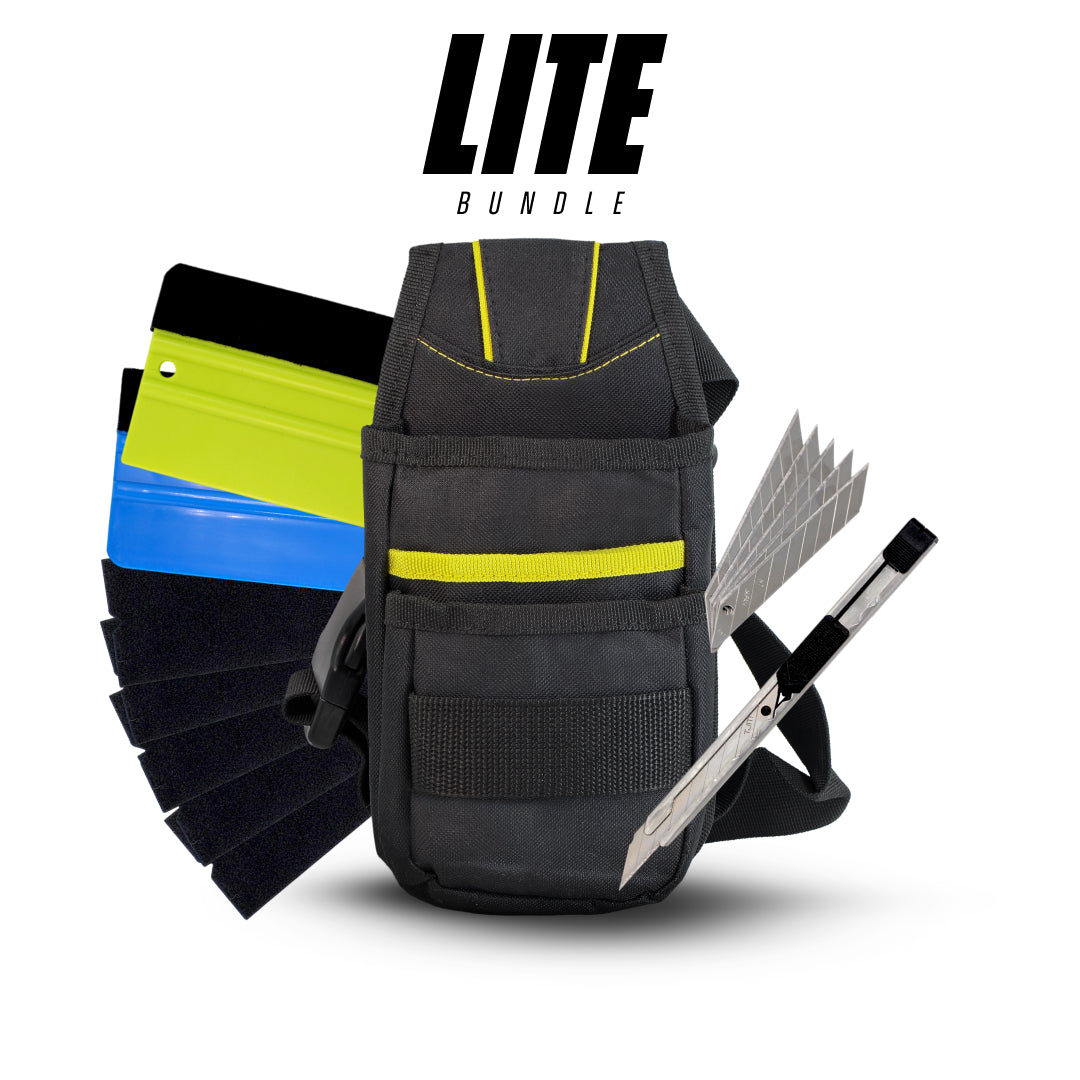
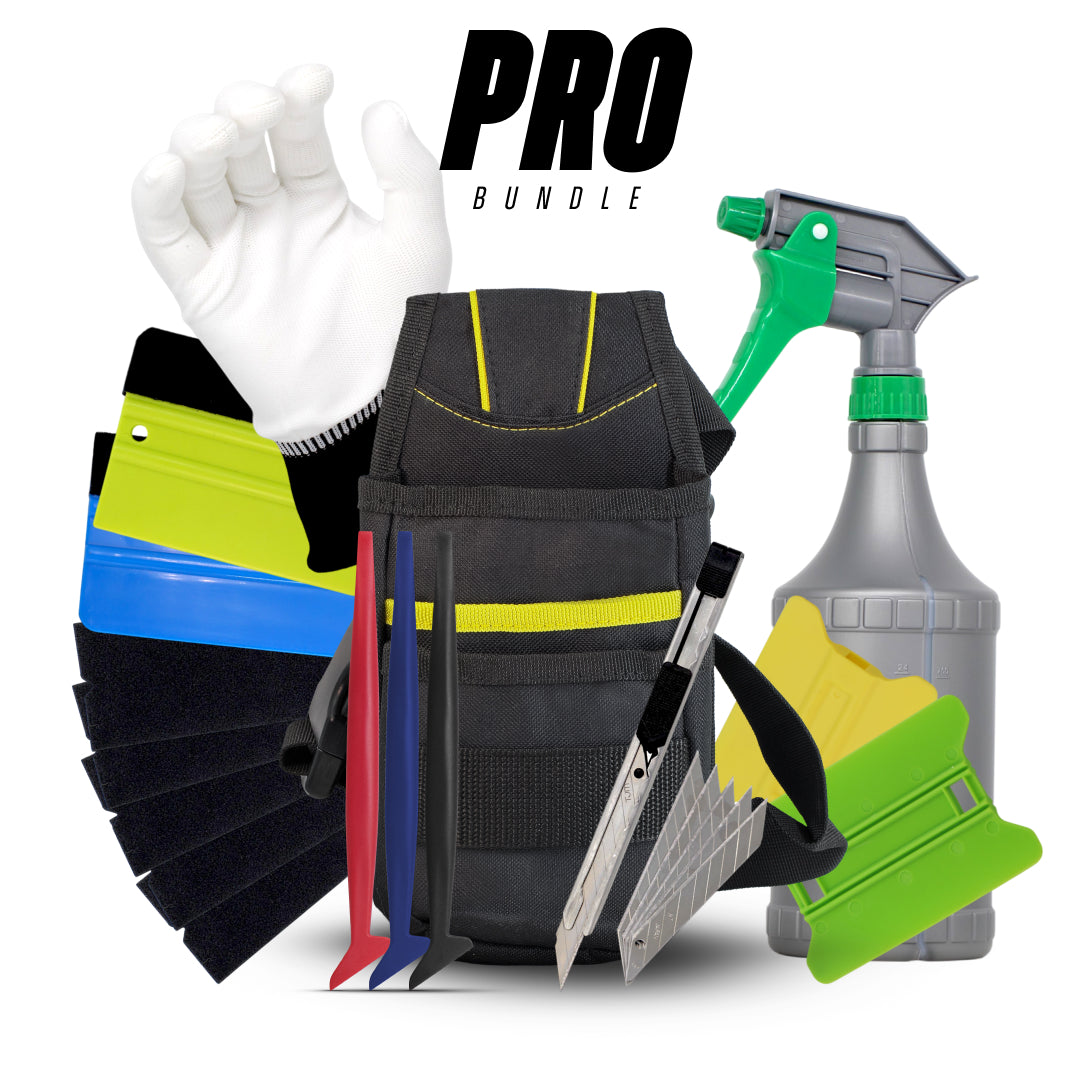
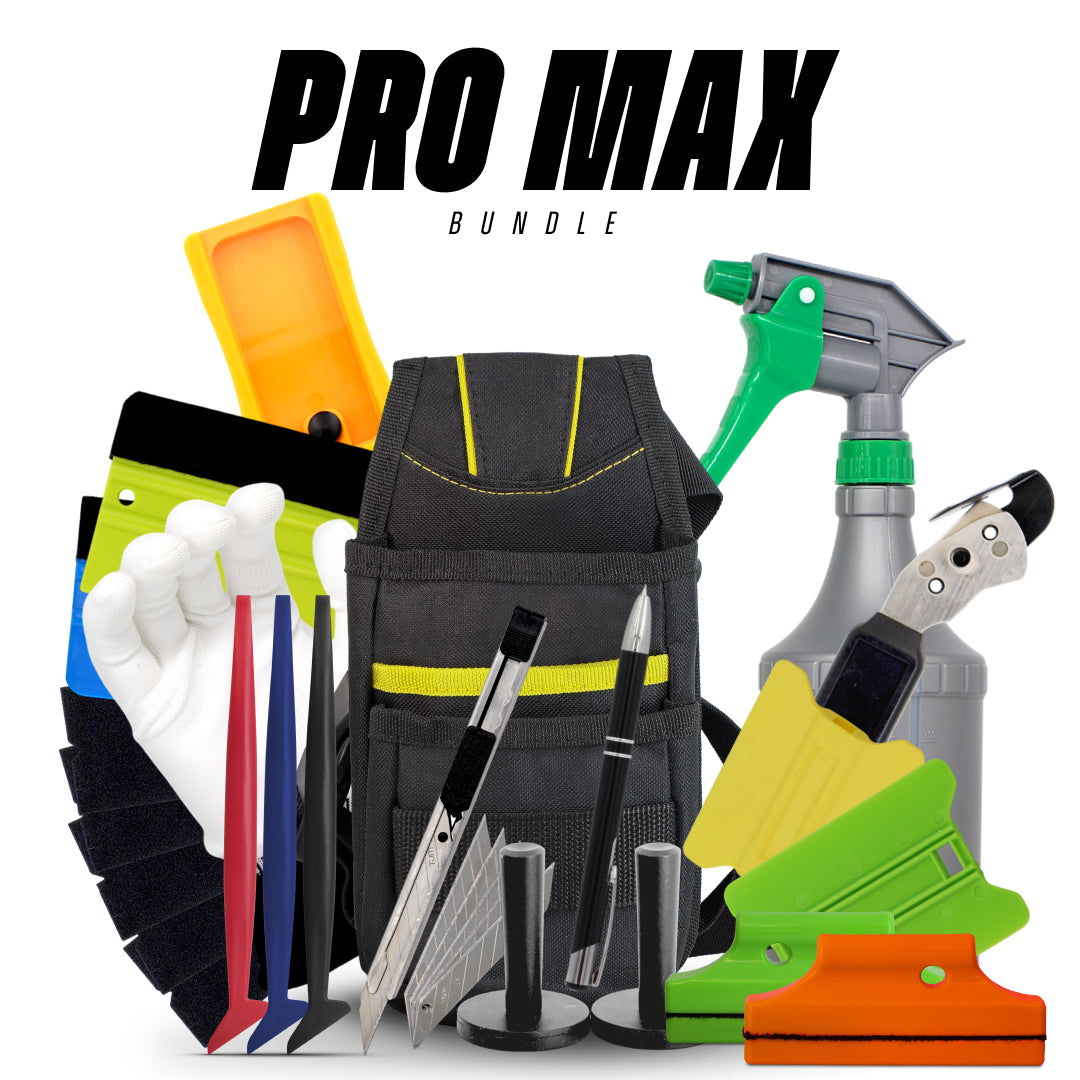
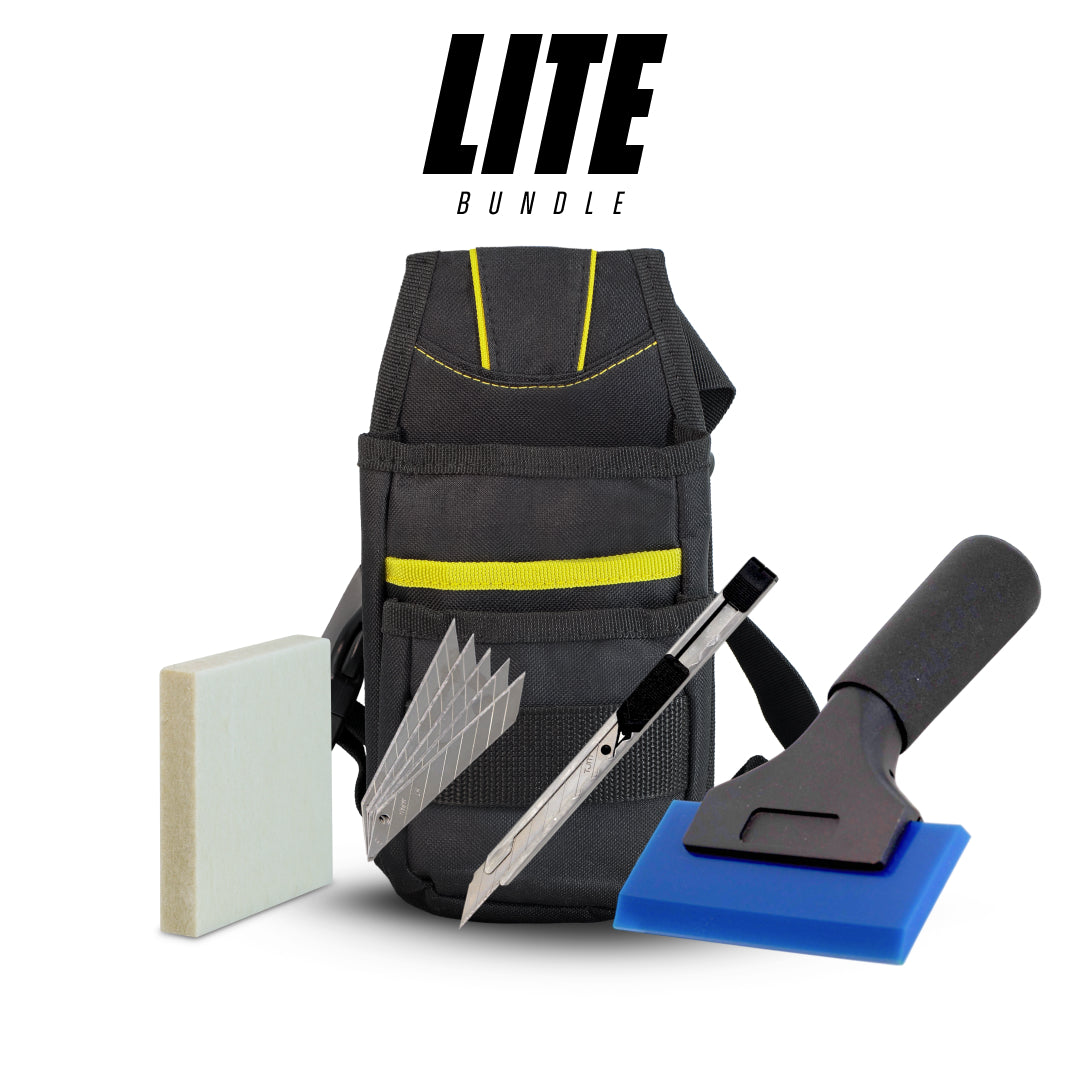
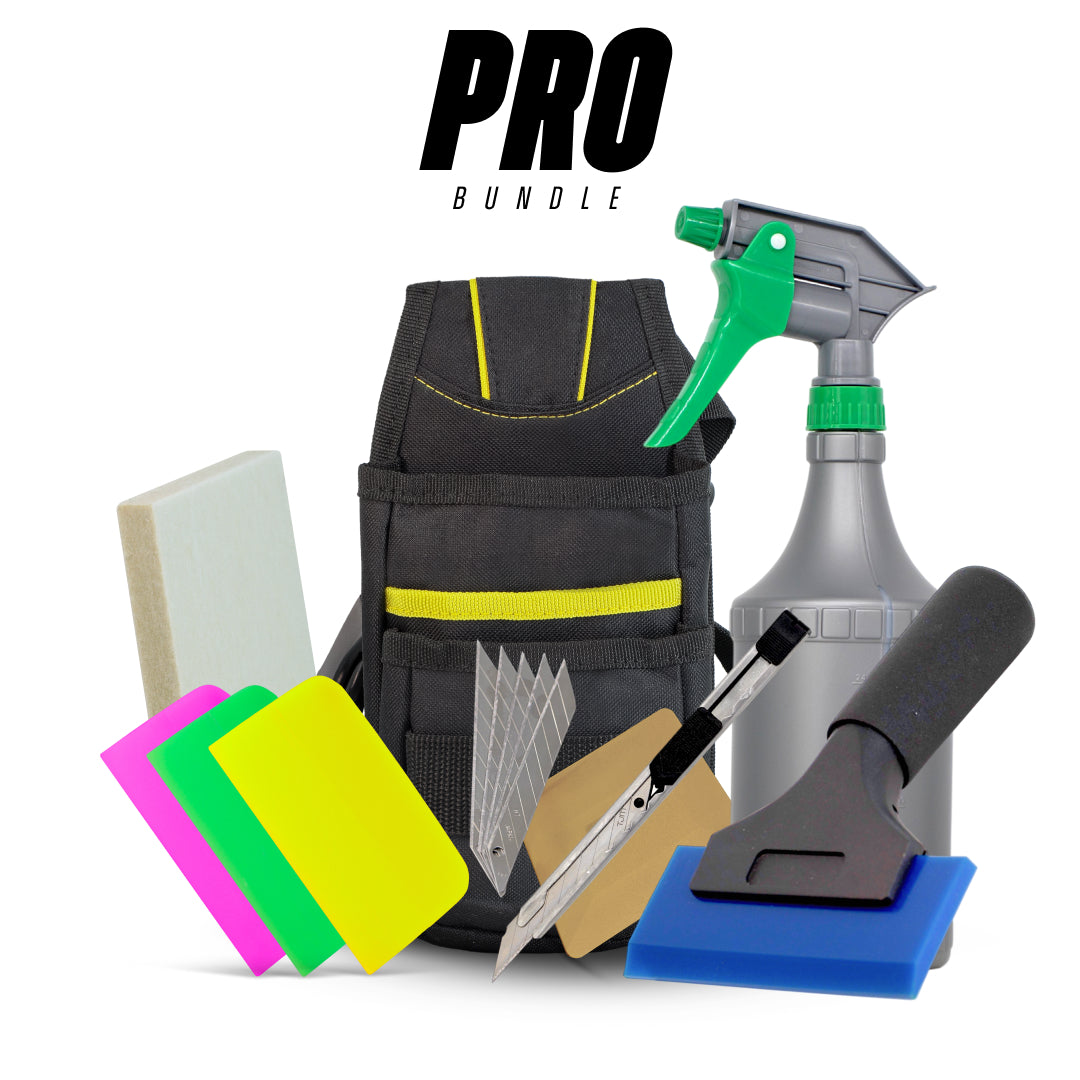
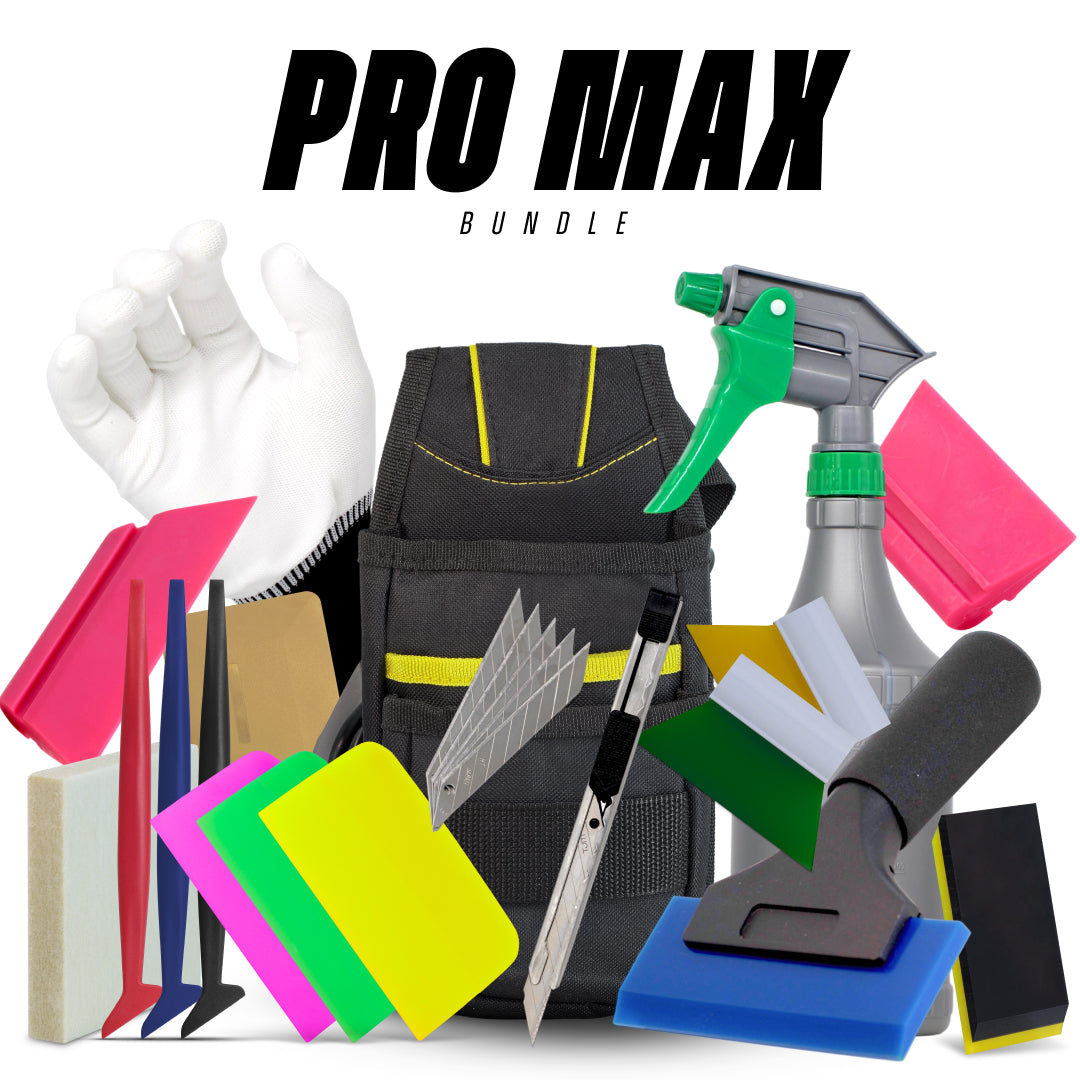
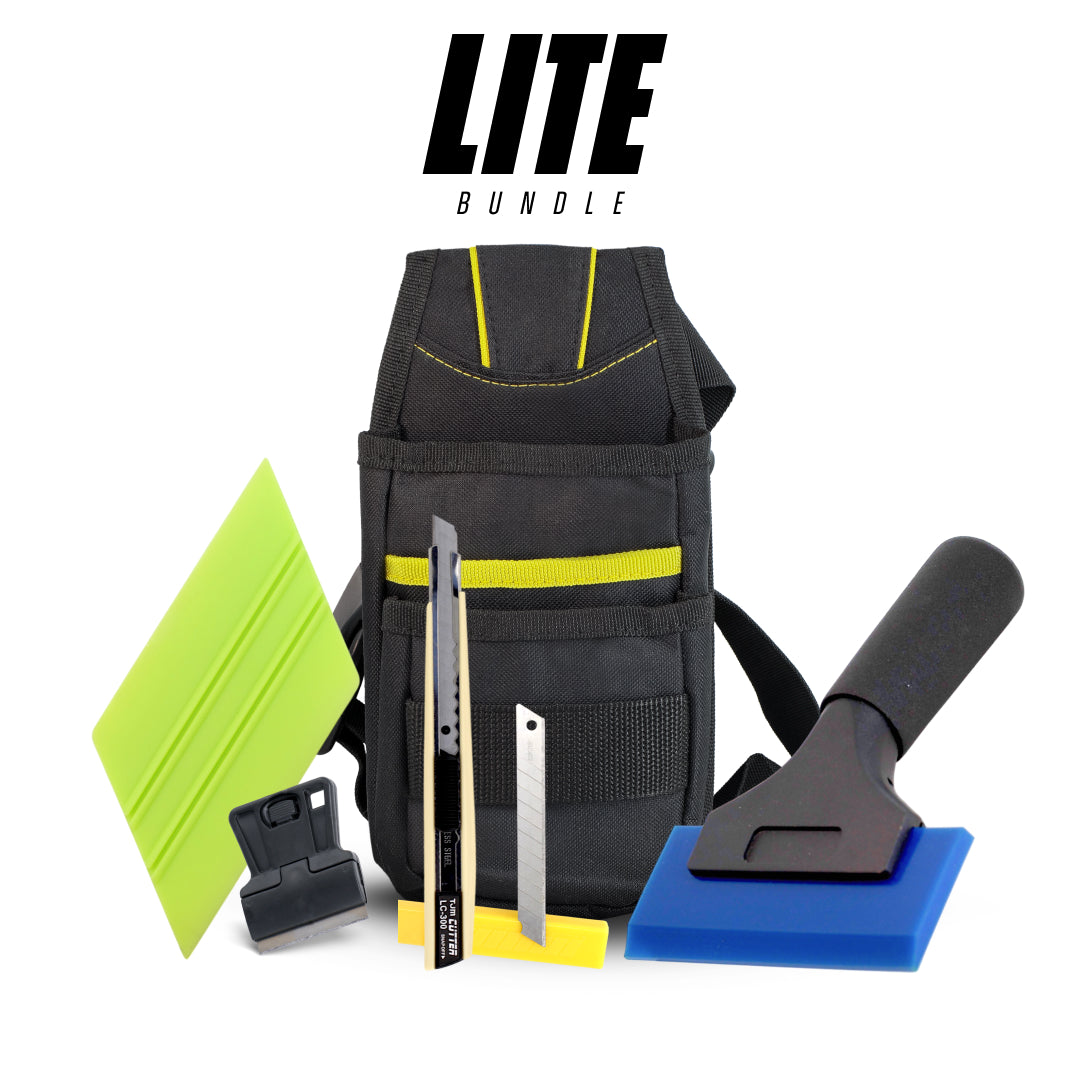
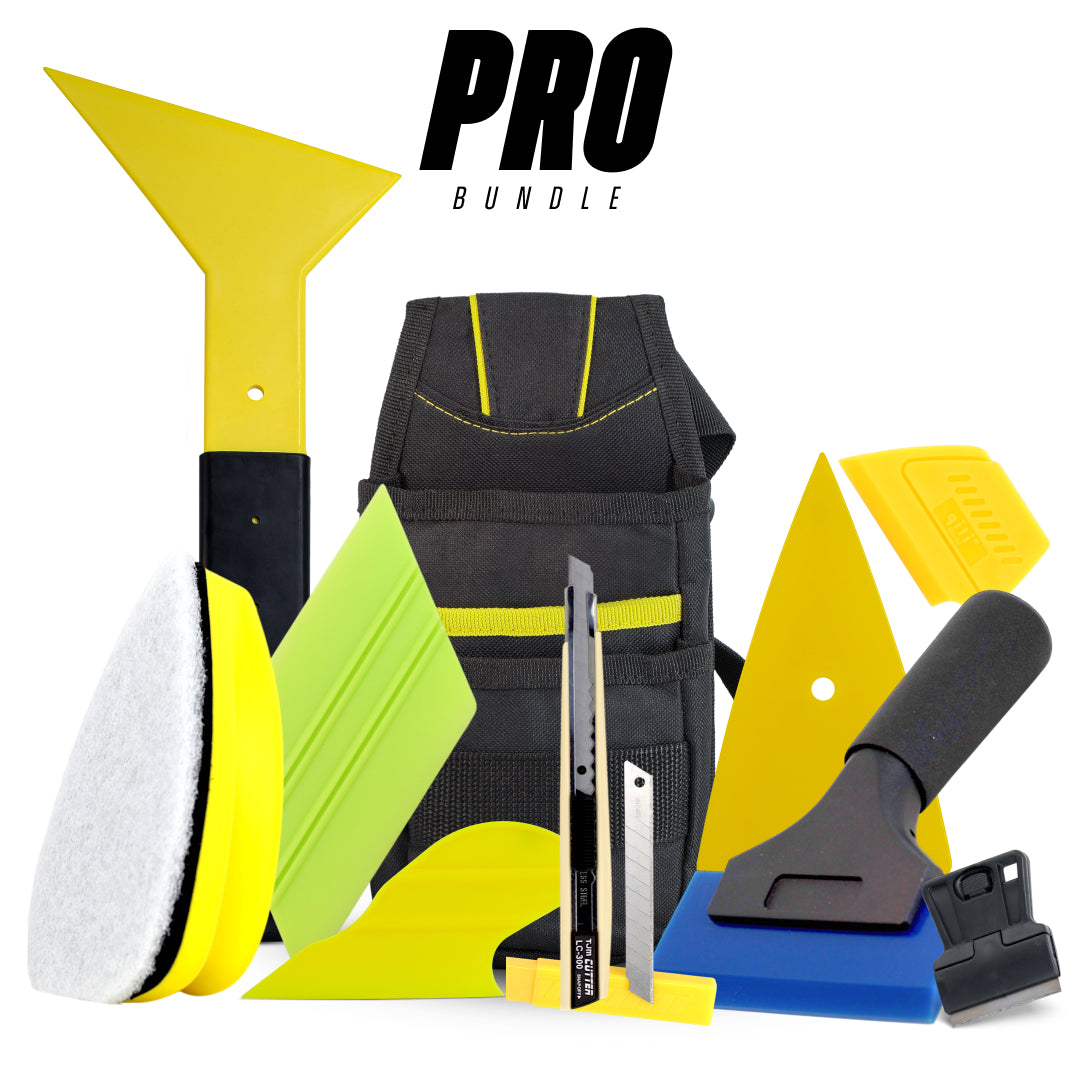
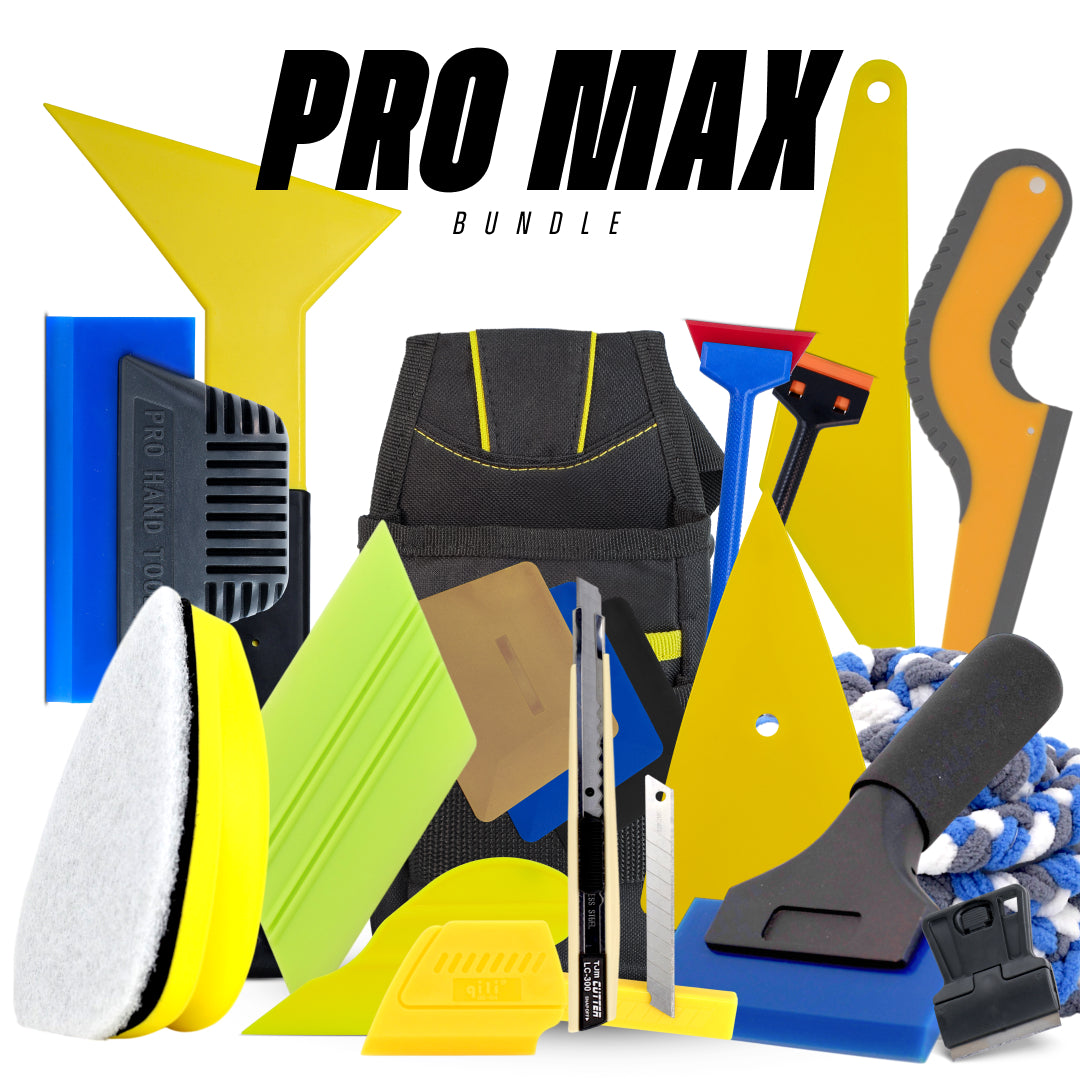
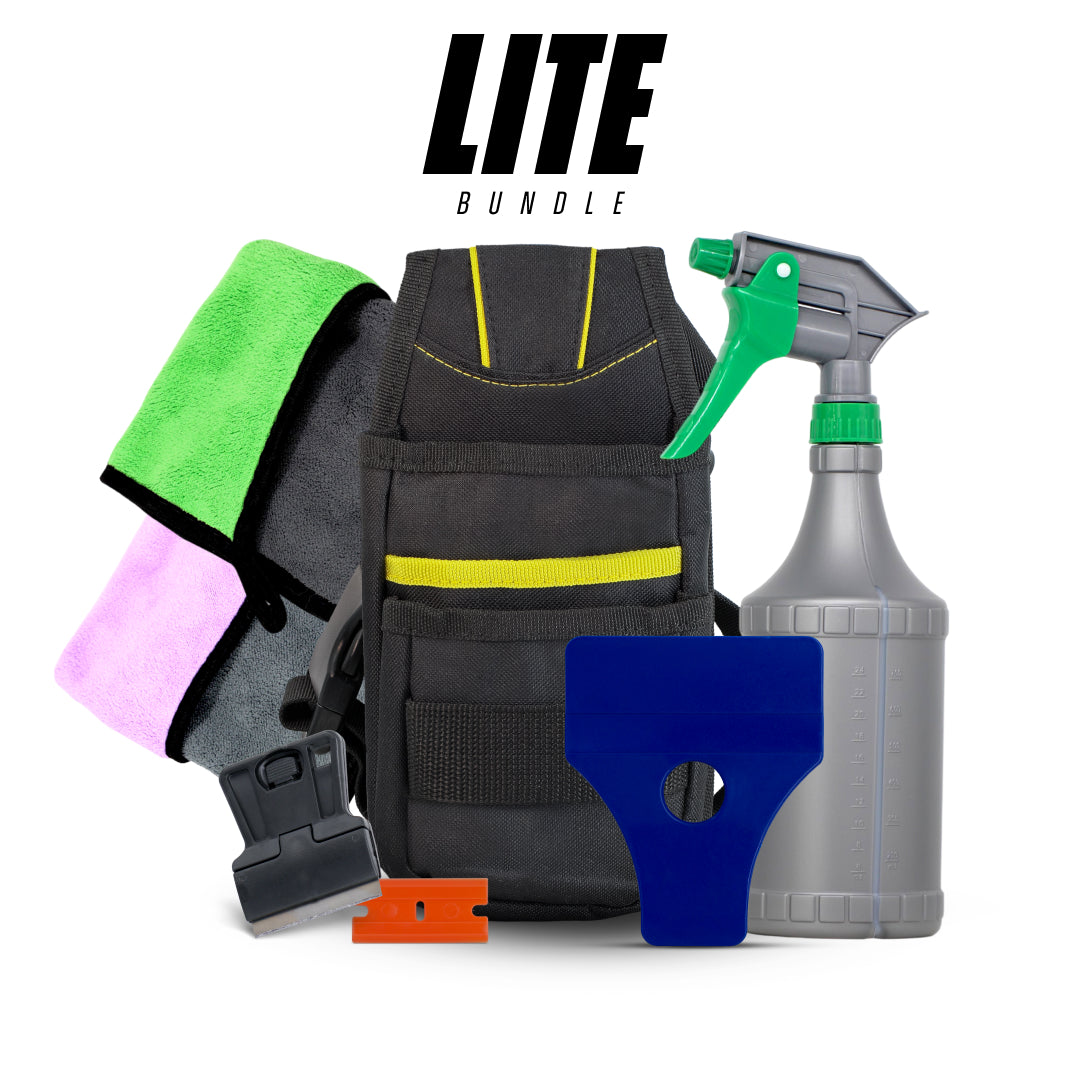
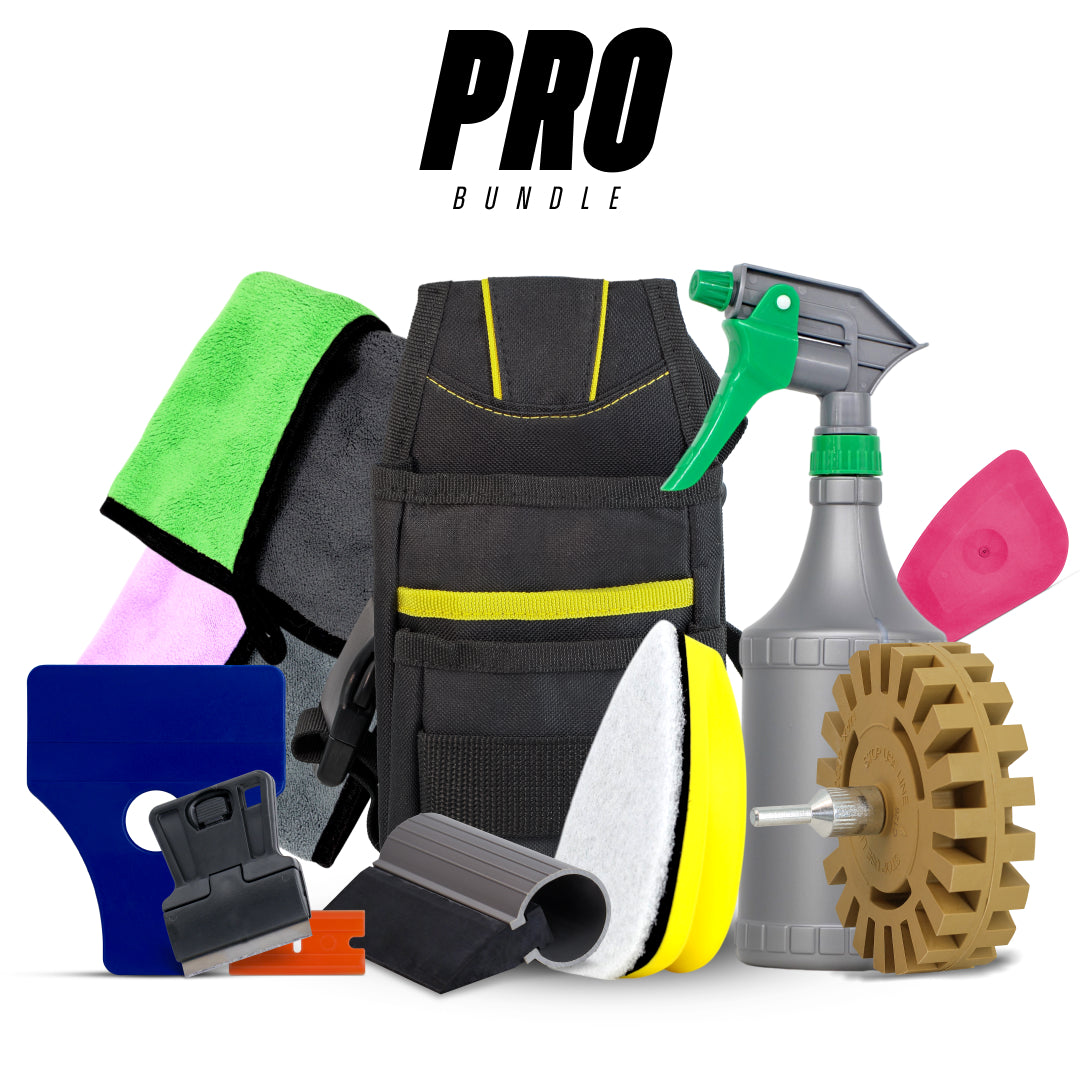
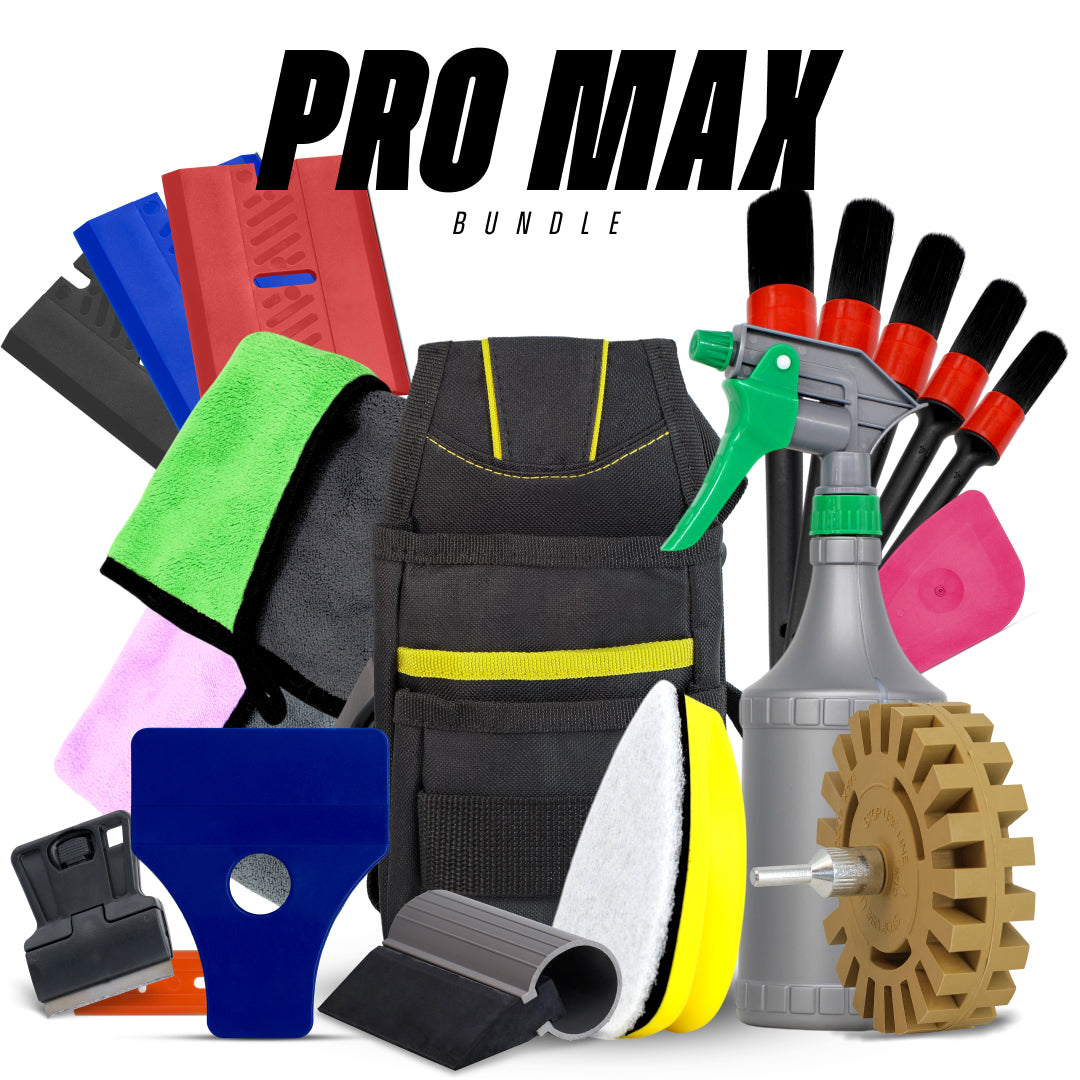
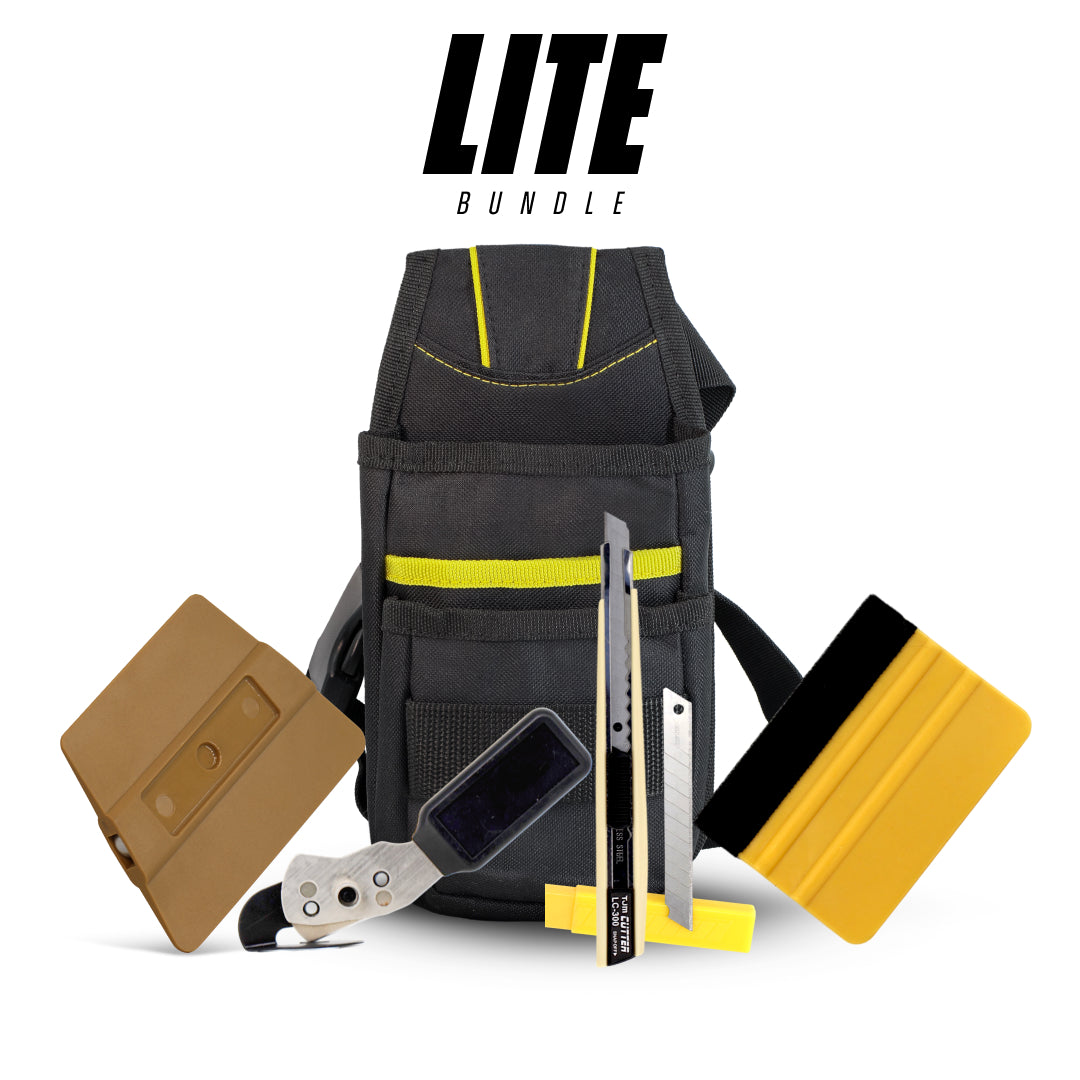
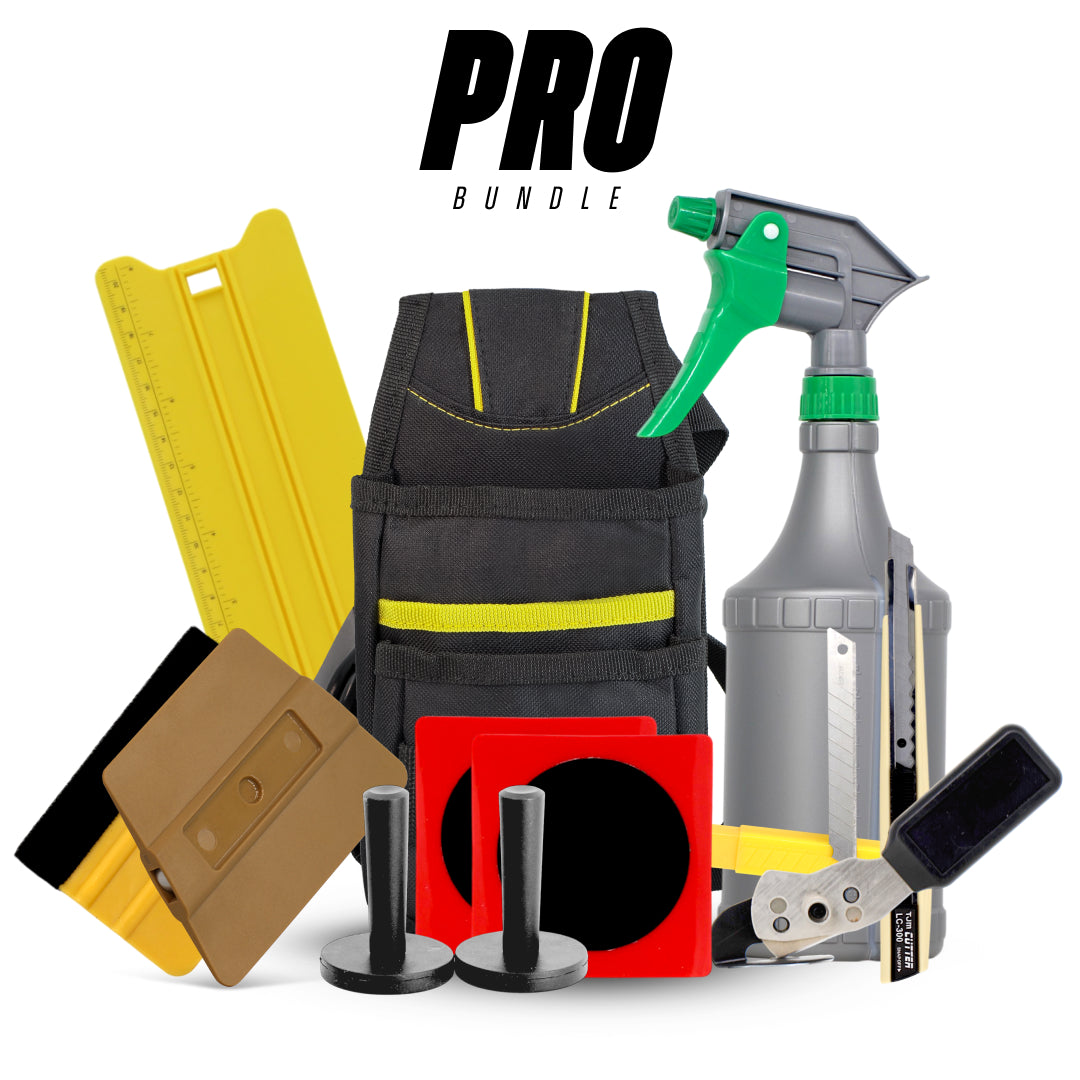
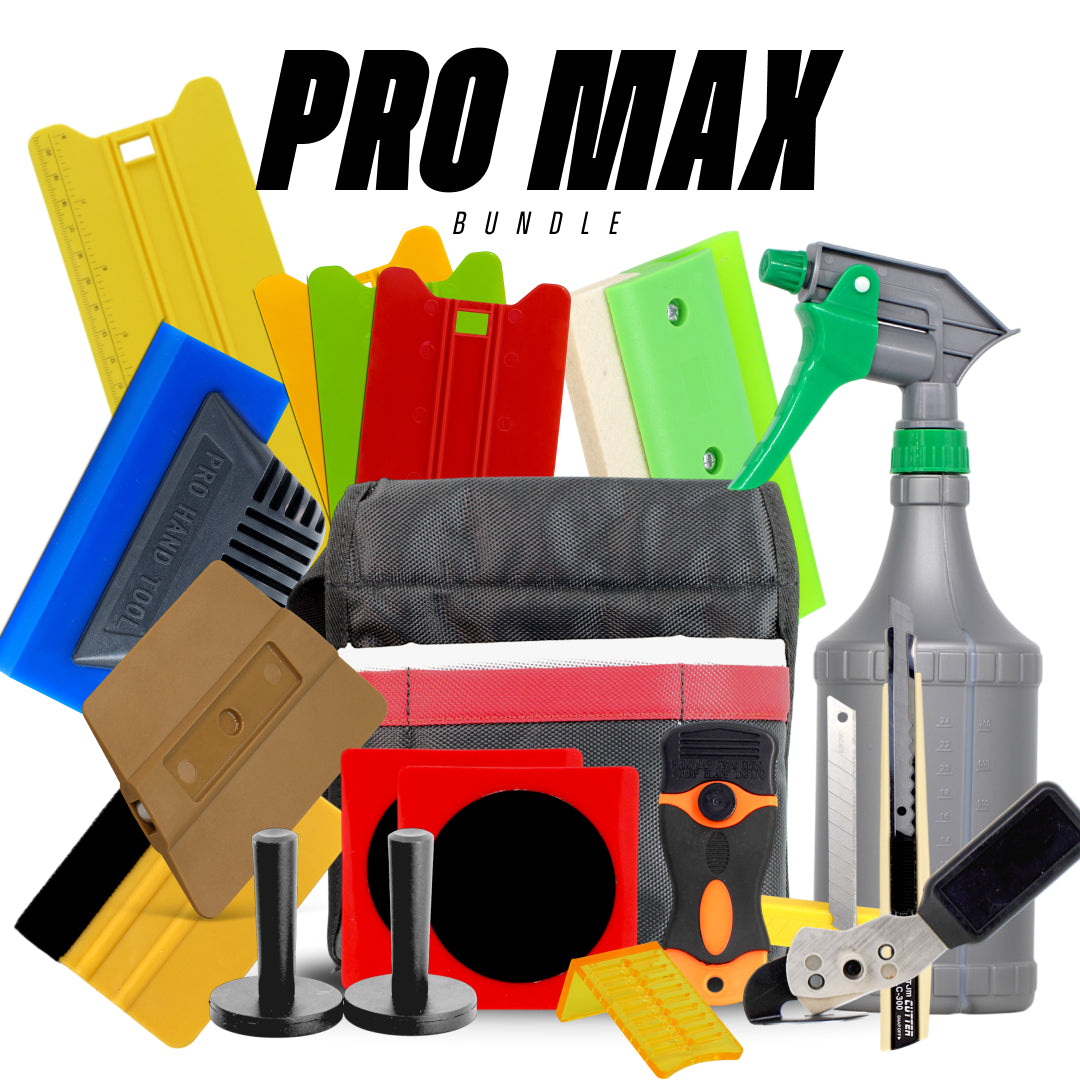
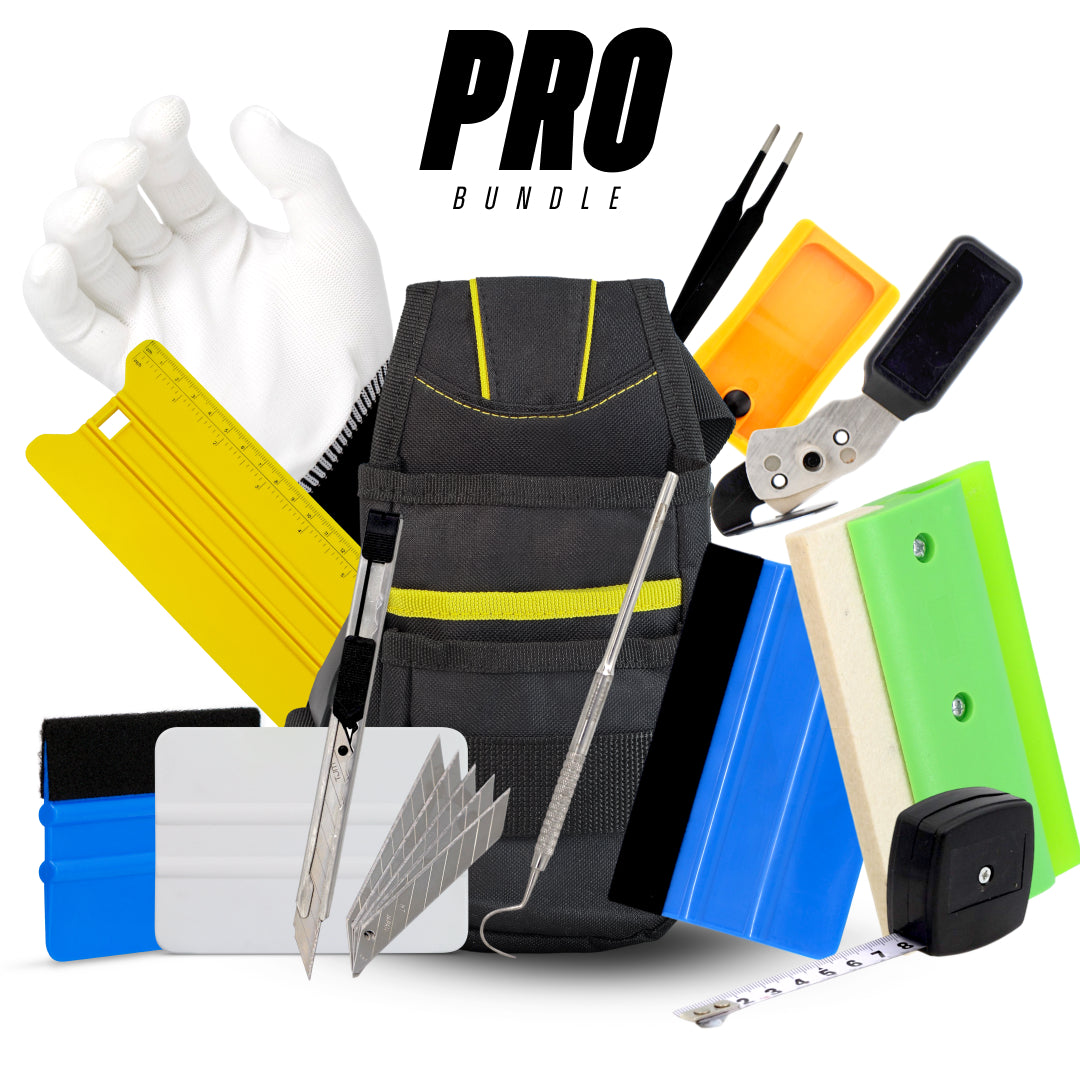
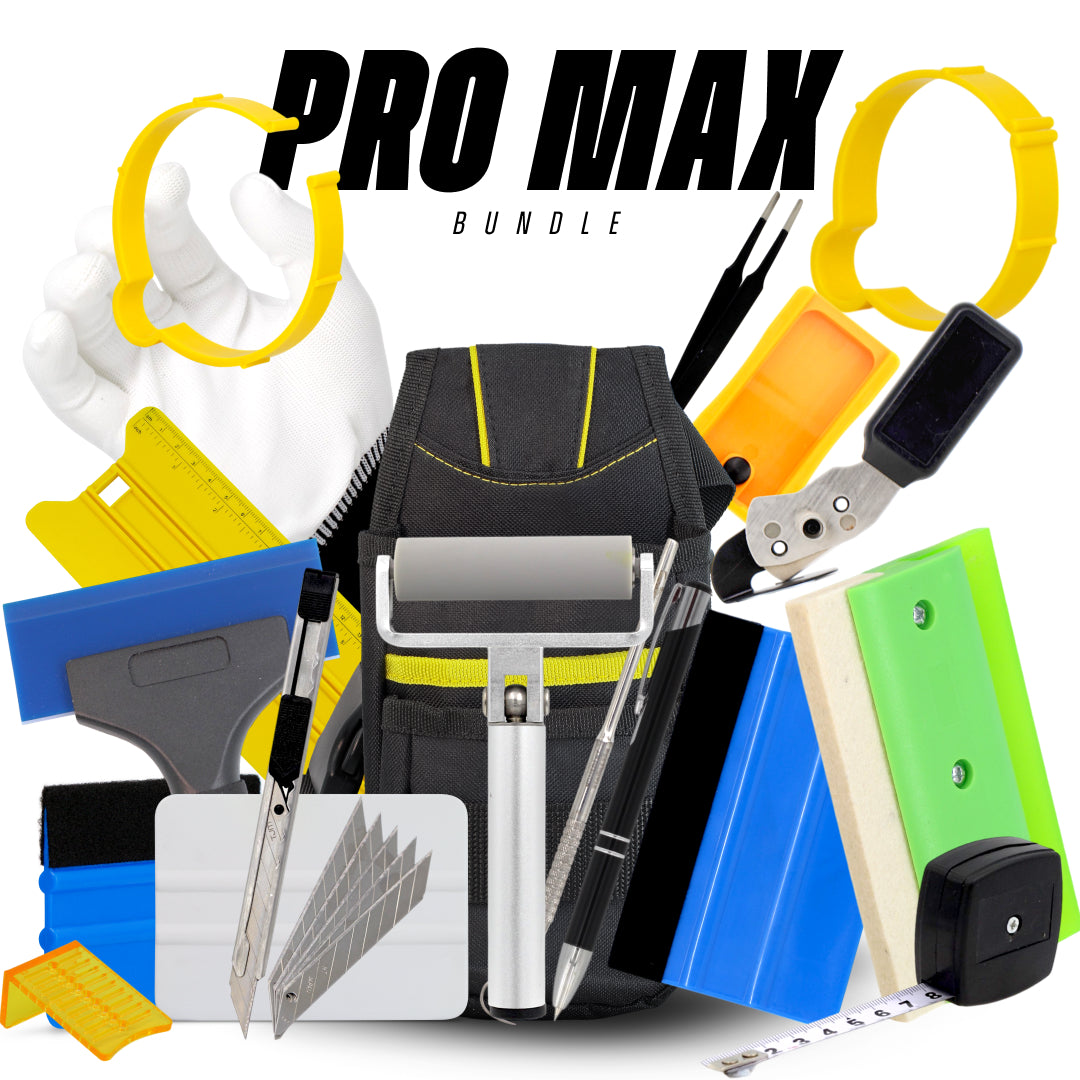
Many installers use different materials and techniques, which is why understanding the basics of vinyl wrap tools can give you an edge when comparing providers.

Why Choosing the Right Vinyl Wrap Installer Matters
Quality vs Cost in Automotive Wraps
It’s tempting to go straight for the cheapest option when searching “car wrap near me”, but that shortcut often leads to regret. In the world of car wrapping, you’re not just paying for materials; you’re paying for craftsmanship. And that craftsmanship can make or break the final result.
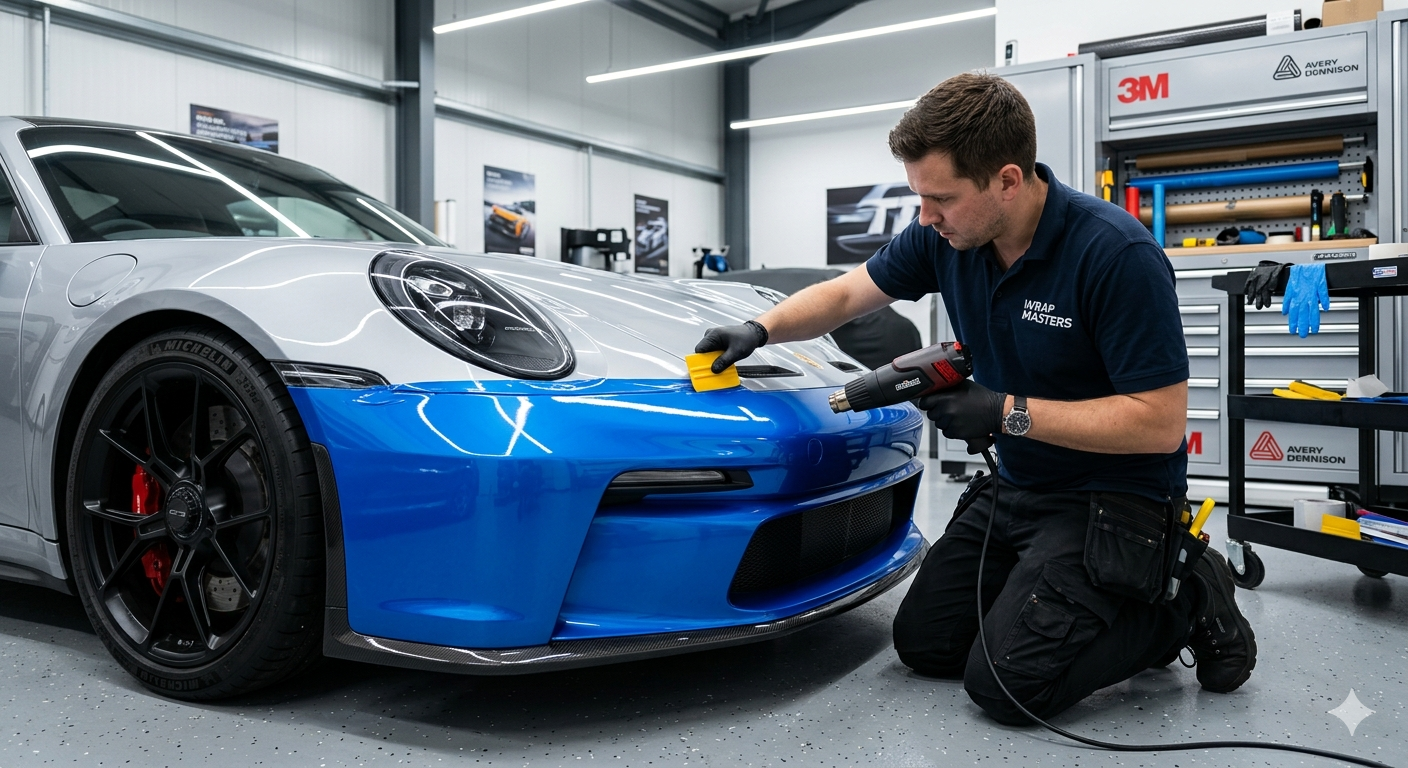
A high-quality automotive wrap installation involves meticulous surface preparation, precise alignment, and expert use of vinyl wrapping tools like vinyl squeegees and heat guns. Skilled installers know how to stretch the film without distorting it, how to tuck edges seamlessly, and how to avoid bubbles or wrinkles. These details might sound minor, but they’re the difference between a wrap that looks factory-perfect and one that screams DIY disaster.
Lower-cost installers often cut corners. They may use inferior materials instead of trusted brands like 3M wrapping or Avery wraps, or they might rush the installation process. The result? Peeling edges, fading colours, and a finish that doesn’t last. What seemed like a bargain can quickly turn into a costly redo.
On the flip side, premium wrap shops charge more because they invest in training, certifications, and top-tier tools. They also provide warranties, which is a huge safety net. A professionally installed wrap can last 5 to 7 years, while a poor installation might start failing within months.
There’s also the resale factor to consider. A well-done vehicle wrap can actually preserve your car’s original paint, boosting resale value. A poorly done one, however, can damage the paint underneath, doing the exact opposite.
So when comparing quotes, don’t just look at the price tag. Ask yourself: What am I really getting for this money? In most cases, spending a bit more up front saves you a lot of headaches and cash down the road.
Asking about the tools they use, such as vehicle wrapping tools, can give insight into their professionalism and setup.
Common Mistakes When Choosing a Wrap Shop
Finding a reliable wrap shop near me isn’t just about proximity; it’s about avoiding costly missteps that many people make when they’re new to vinyl wrapping. One of the biggest mistakes is relying solely on price. Cheap quotes can be appealing, but they often come at the expense of quality materials and skilled labour.
Another common error is skipping the research phase. Many people don’t check reviews or ask for a portfolio of custom car wraps. A reputable installer should have a gallery of past projects showcasing different finishes, from matte black car wrap designs to intricate commercial graphics. If a shop can’t show you its work, that’s a red flag waving right in your face.
Ignoring certifications is another pitfall. Brands like 3M vinyl wrap and Avery wraps offer certification programs for installers. These certifications aren’t just decorative; they indicate that the technician has been trained to handle the material correctly. Without that expertise, even the best vinyl can fail.
People also underestimate the importance of communication. A good installer will walk you through the process, explain the differences between materials, and help you choose the right vehicle wrap colours. If someone seems rushed or unwilling to answer questions, it’s a sign they might cut corners elsewhere, too.
Lastly, many overlook the tools and environment used. Professional shops use specialised vinyl wrapping tool kits, climate-controlled spaces, and proper lighting to ensure precision. Trying to install wraps in a dusty or uncontrolled environment is a recipe for imperfections.
Choosing the wrong shop doesn’t just waste money; it can leave your vehicle looking worse than before. Taking the time to vet your options carefully is the smartest move you can make.
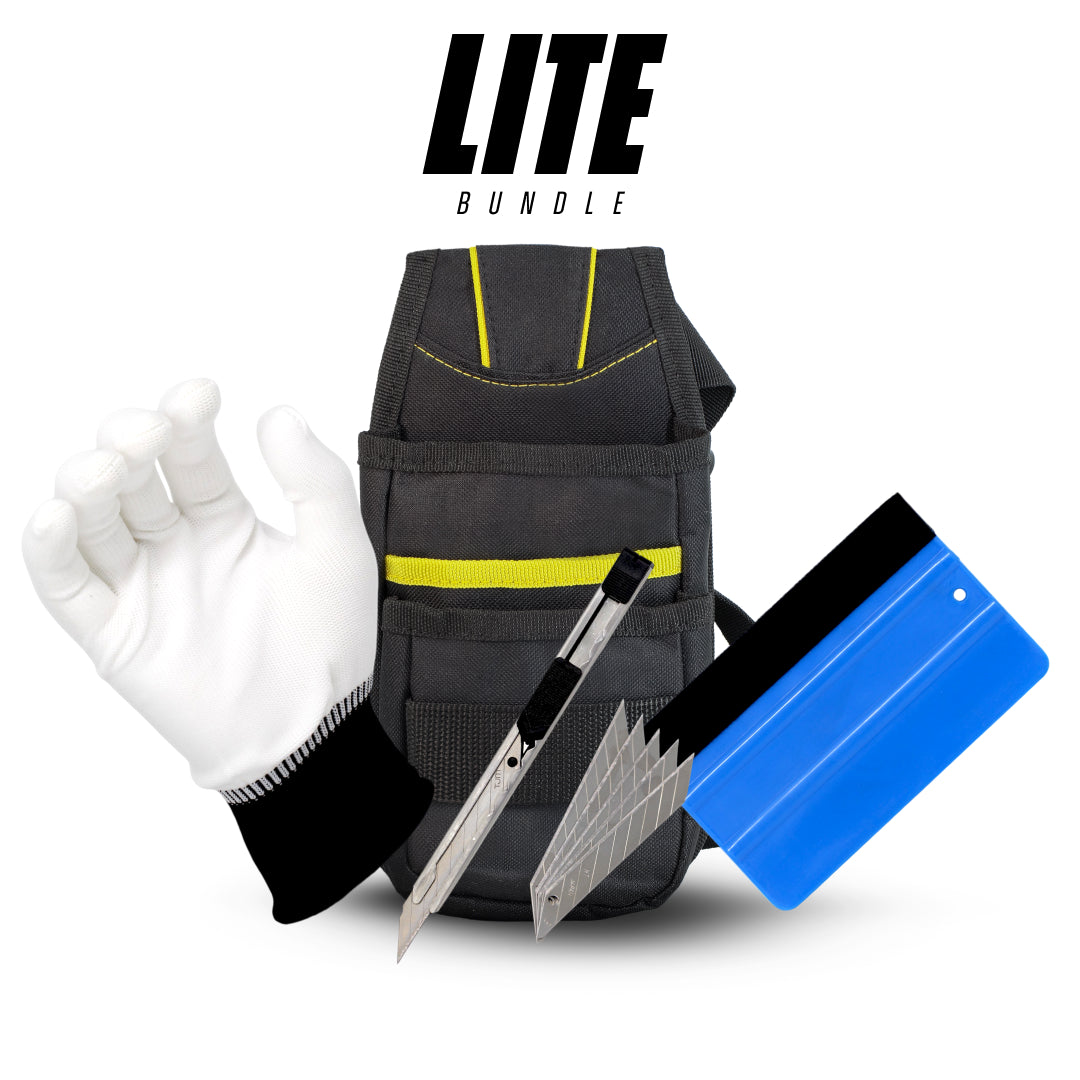
Professional installers rely on specialised wrap squeegees to ensure smooth, bubble-free finishes.
How to Choose the Right Vinyl Wrap Installer (Checklist)
Finding a vinyl wrap installer near you is only the first step, choosing the right installer is what determines the final result. A poor installation can lead to bubbles, lifting edges, and premature failure, while a skilled installer ensures a clean, long-lasting finish.
Use this checklist to confidently evaluate any wrap shop.
1. Check Their Portfolio and Past Work
A professional installer should have a strong portfolio showcasing:
- Full vehicle wraps
- Partial wraps and detailing
- Close-up shots of edges, seams, and finishes
Look for consistency in quality, especially around complex areas like curves and corners.
2. Ask About Materials and Brands Used
Not all vinyl films are the same. Reputable installers typically work with high-quality, proven brands.
Ask questions like:
- What vinyl brands do you use?
- Do you offer different finish options (matte, gloss, satin)?
- How long do your wraps typically last?
3. Understand Their Installation Process
A professional workflow should include:
- Thorough surface preparation
- Controlled installation environment
- Proper use of tools and techniques
- Post-install inspection and finishing
Installers who cut corners here often deliver poor results.
4. Read Reviews and Customer Feedback
Look beyond star ratings, focus on:
- Consistency of positive feedback
- Comments about durability and finish quality
- Any recurring issues (e.g. peeling, bubbles)
5. Ask About Warranty and Aftercare
A reliable installer should offer:
- Workmanship warranty
- Clear aftercare instructions
- Support for any issues after installation
This indicates confidence in their work.
To choose the right vinyl wrap installer, review their portfolio, check the materials they use, understand their installation process, read customer reviews, and ensure they offer a warranty and aftercare support.

How to Search for “Vinyl Wrap Near Me” Effectively
Using Google and Map Tools
When you type “vinyl wrap near me” or “car wrap near me” into Google, you’re not just getting random results; you’re tapping into a highly optimised local search ecosystem. But here’s the thing: most people scroll through listings without really knowing how to interpret them. If you want to find a truly skilled installer, you need to search smarter, not harder.
Start with Google Maps. It’s one of the most powerful tools for finding a wrap shop near me because it shows proximity, reviews, photos, and business details all in one place. Pay close attention to businesses with a high number of reviews, not just a high rating. A shop with 4.8 stars from 300 reviews is generally more trustworthy than one with 5 stars from only 10 reviews. Volume matters because it reflects consistency over time.
Next, dig into the photos section. Many reputable shops upload images of their automotive wrap projects, showcasing finishes like chrome wrap, matte black car wrap, and even complex 3M truck wrap designs. These visuals give you a real sense of their craftsmanship. If the photos look inconsistent or poorly lit, that could indicate a lack of professionalism.
Another smart move is to refine your search using specific keywords. Instead of just “auto wrap,” try:
- “custom car wraps near me”
- “3M vinyl wrap installer near me”
- “vehicle wrapping Australia specialists”
This narrows down your options to shops that specialise in exactly what you need.
Don’t ignore the business website either. A well-designed site often reflects the quality of the service. Look for details about materials (like Avery wraps or 3M wrapping), services offered, and whether they mention using professional vinyl wrap tools or a vehicle wrapping tools kit.
Finally, use Street View when available. It might sound excessive, but it gives you a glimpse of the shop’s physical setup. Is it clean and professional? Or does it look like a makeshift garage? These subtle clues can tell you a lot before you even make a call.
Evaluating Local Listings and Reviews
Reviews are where the real story unfolds. Anyone can build a flashy website, but customer feedback is much harder to fake consistently. When evaluating a car wrap near me, don’t just glance at the star rating; read the actual reviews like you’re piecing together a puzzle.
Look for patterns. If multiple customers mention issues like peeling edges, bubbles, or poor communication, that’s not a coincidence; it’s a warning sign. On the flip side, consistent praise for attention to detail, durability, and customer service is a strong indicator of a reliable installer.
Pay special attention to reviews that mention specific services or materials. For example, if someone says their 3M vinyl wrap still looks brand new after three years, that’s valuable insight. Similarly, mentions of successful custom car wraps or complex designs suggest the shop has experience beyond basic jobs.
Photos in reviews are gold. They show real-world results, not just curated portfolio images. Look closely at edges, corners, and reflections; these are the areas where poor installation usually shows up first.
Another tip? Check how the business responds to negative reviews. A professional shop will address concerns calmly and offer solutions, while an unprofessional one might get defensive or ignore feedback entirely. This tells you a lot about how they handle problems.
Also, don’t limit yourself to Google. Platforms like Yelp, Facebook, and even automotive forums can provide additional perspectives. Sometimes, you’ll find detailed discussions about vehicle wraps, including comparisons between shops and materials.
In short, reviews are your shortcut to understanding what it’s really like to work with a particular installer. Take your time here, it’s one of the most important steps in the entire process.
What to Look for in a Vinyl Wrap Shop Near You
Certifications (3M Vinyl Wrap, Avery Wraps)
Certifications might sound like a technical detail, but in the world of vinyl wrapping, they’re a big deal. When a shop is certified by brands like 3M vinyl wrap or Avery wraps, it means their installers have undergone specialised training to handle these materials correctly. And that training directly impacts the quality and longevity of your wrap.
Think of it this way: high-quality vinyl is like premium paint, but without the right technique, even the best materials can fail. Certified installers know how to use vinyl wrapping tools, from vinyl squeegees to heat guns, with precision. They understand how temperature, pressure, and stretching affect the film, ensuring a smooth, bubble-free finish.
| Brand | Known For | Durability | Popular Uses |
|---|---|---|---|
| 3M Wrapping | Innovation & reliability | 5–7 years | Commercial & personal wraps |
| Avery Wraps | Ease of application | 4–6 years | Custom car wraps |
| Other Brands | Lower cost | 2–4 years | Budget projects |
Choosing a certified installer also often means you’ll get a manufacturer-backed warranty. That’s huge. If something goes wrong due to material defects or installation errors, you’re covered.
Without certification, you’re essentially trusting someone to learn on the job—with your car as the test subject. That’s not a risk worth taking, especially when you’re investing in a full vehicle vinyl wrap.
Portfolio of Custom Car Wraps
A shop’s portfolio is like its resume, and when it comes to custom car wraps, visuals speak louder than words. Before committing to any installer, spend time reviewing their past work. This isn’t just about aesthetics; it’s about consistency, creativity, and technical skill.
Look for variety. A strong portfolio should include different types of vehicle wraps, from simple colour changes to complex graphics. Do they showcase matte black car wrap finishes? Have they handled bold chrome wrap projects? Can they execute detailed branding for commercial vehicles? The more diverse their work, the more confident you can be in their abilities.
Pay attention to the details in each image. Are the edges clean and seamless? Do the panels align perfectly? Is there any visible bubbling or lifting? These small details reveal the installer’s level of precision.
Another important factor is before-and-after comparisons. These show how effectively the shop can transform a vehicle, giving you a realistic expectation of what your own car might look like.
Don’t hesitate to ask for additional examples if the online portfolio feels limited. A reputable shop will be happy to share more of their work or even let you see vehicles in person.
Remember, a vehicle wrap is as much an art form as it is a technical process. Choosing a shop with a strong portfolio ensures you’re not just getting a service, you’re getting a result you’ll be proud to drive around in.

Questions to Ask Before Hiring a Vinyl Wrap Installer
Warranty and Durability
Before handing over your car to any auto wrap professional, you need to have a clear conversation about warranty and durability. This isn’t just a formality; it’s your safety net. A high-quality vehicle vinyl wrap should last several years, but that longevity depends heavily on both the material and the installation process.
Start by asking what kind of warranty they offer. Most reputable shops provide warranties ranging from 1 to 5 years, depending on the type of wrap and usage conditions. If a shop hesitates to offer any warranty, consider that a red flag. It usually signals a lack of confidence in their work or the materials they use.
Durability also varies based on the finish. For instance, a matte black car wrap might require more careful maintenance than a gloss finish, while a chrome wrap tends to have a shorter lifespan due to its delicate nature. Ask the installer to explain these differences so you know exactly what to expect.
Environmental factors play a role, too. In regions like vehicle wrap Australia, intense sun exposure can impact the lifespan of wraps. A knowledgeable installer will recommend UV-resistant films like 3M vinyl wrap to combat this issue.
Also, clarify what the warranty actually covers. Does it include peeling, bubbling, or fading? Or is it limited to material defects? The details matter, and understanding them upfront can save you from неприятные surprises later.
Materials and Tools Used
The quality of a car wrap isn’t just about the vinyl; it’s also about the tools and techniques used during installation. Asking about materials and tools might feel overly technical, but it gives you valuable insight into the shop’s professionalism.
Start with the basics: what brand of vinyl do they use? Trusted names like 3M wrapping and Avery wraps are industry standards for a reason. They offer better adhesion, flexibility, and durability compared to generic alternatives.
Next, ask about their vinyl wrapping tools. Professional installers rely on specialised equipment such as:
- Vinyl squeegee for smooth application
- Heat guns for stretching and conforming
- Precision cutting tools
- Full vehicle wrapping tools kit for detailed work
These tools aren’t optional; they’re essential for achieving a flawless finish.
You can also ask about their workspace. A clean, dust-free environment is critical for preventing imperfections during installation. Some shops even use climate-controlled rooms to ensure optimal conditions.
If an installer can confidently explain their process and tools, it’s a good sign they take their craft seriously. If they brush off your questions, that’s your cue to keep looking.
Comparing Different Types of Vinyl Wrap Services
Full Car Wrap vs Partial Wrap
When exploring your options for a car wrap near me, one of the first decisions you’ll face is whether to go for a full wrap or a partial wrap. At first glance, the difference seems obvious: one covers the entire vehicle, and the other doesn’t. But once you dig deeper, you’ll realise the choice affects everything from cost and visual impact to maintenance and resale value.
A full car wrap is exactly what it sounds like: every visible painted surface is covered in vinyl. This approach gives you complete creative freedom. Want a sleek matte black car wrap or a head-turning chrome wrap? A full wrap lets you transform your vehicle into something completely new. It’s also ideal if your car’s original paint has imperfections, as the wrap can hide minor scratches and fading while protecting the surface underneath.
On the other hand, a partial wrap focuses on specific areas, like the hood, roof, mirrors, or side panels. This option is significantly more affordable and works well if you’re aiming for subtle enhancements rather than a dramatic overhaul. For example, combining a glossy body with a matte roof can create a striking contrast without the cost of a full vehicle vinyl wrap.
| Feature | Full Car Wrap | Partial Wrap |
|---|---|---|
| Coverage | Entire vehicle | Selected areas |
| Cost | Higher | Lower |
| Visual Impact | Dramatic transformation | Subtle enhancement |
| Installation Time | 3–7 days | 1–3 days |
Choosing between the two comes down to your goals. If you want a complete identity shift, go full. If you’re testing the waters or working within a budget, partial wraps offer a smart entry point into the world of automotive wrap.
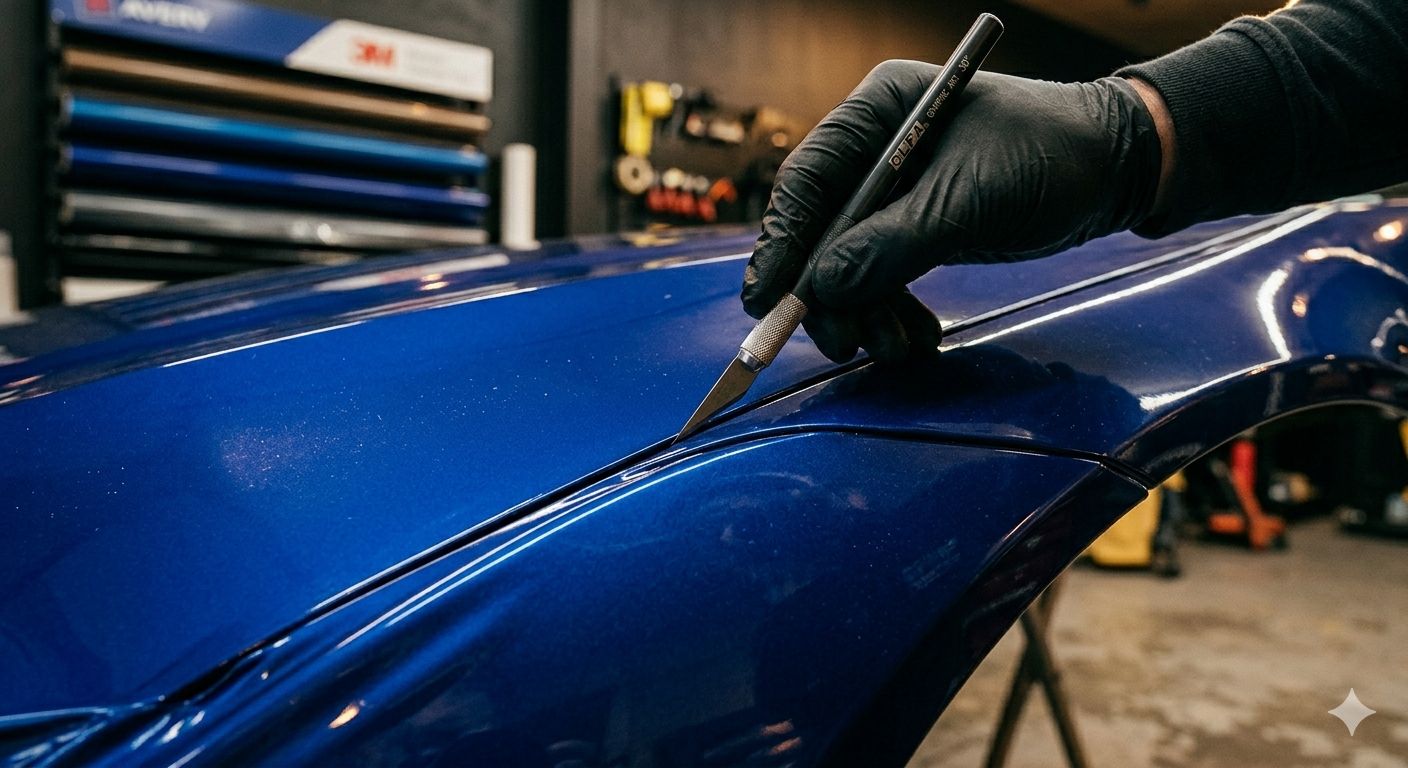
Clean, precise edges are usually achieved using high-quality precision cutting tools designed specifically for vinyl work.
Specialty Wraps (Chrome Wrap, Matte Black Car Wrap)
If standard colours feel a bit too safe, specialty wraps are where things get exciting. These are the finishes that make people stop, stare, and sometimes even ask, “Is that paint or something else?” When searching for a wrap shop near me, it’s worth checking whether they specialise in these advanced options.
A chrome wrap is one of the most eye-catching choices available. Its mirror-like finish reflects everything around it, creating a futuristic, almost liquid-metal appearance. But here’s the catch: Chrome wraps are notoriously difficult to install. They require expert handling, precise vinyl wrapping tools, and a controlled environment. Even a small mistake can be highly visible, which is why only experienced installers should attempt them.
Then there’s the ever-popular matte black car wrap. It’s the automotive equivalent of a tailored black suit, clean, timeless, and effortlessly cool. Matte finishes absorb light rather than reflecting it, giving your car a stealthy, understated look. They’re easier to maintain than chrome wraps, but still require careful cleaning to avoid streaks and marks.
Other specialty options include satin finishes, carbon fibre textures, and colour-shifting films that change hue depending on the angle and lighting. These wraps push the boundaries of what’s possible with vehicle wrap colours, turning your car into a moving piece of art.
What makes specialty wraps particularly appealing is their uniqueness. While factory paint options are limited, custom car wraps allow you to create something truly one-of-a-kind. Just keep in mind that these wraps often come with higher costs and require a highly skilled installer to achieve the desired effect.
Cost of Vehicle Wraps in Australia and Beyond
Average Pricing Breakdown
Let’s talk numbers, because no matter how exciting a vehicle wrap sounds, the cost is always part of the equation. If you’ve been searching for “vinyl wrap near me”, you’ve probably noticed that prices vary widely. That’s because several factors influence the final cost, including the type of wrap, vehicle size, and installer expertise.
| Type of Wrap | Average Cost (USD) | Average Cost (Australia AUD) |
|---|---|---|
| Partial Wrap | $500 – $2,000 | $800 – $3,000 |
| Full Car Wrap | $2,500 – $6,000 | $4,000 – $9,000 |
| Specialty Wraps | $6,000 – $10,000+ | $9,000 – $15,000+ |
In vehicle wrap Australia, prices tend to be slightly higher due to labour costs and material import expenses. A high-quality 3M vinyl wrap installation on a standard sedan can easily reach AUD $6,000 or more, especially if you’re opting for a premium finish.
Commercial wraps, like a 3M truck wrap, can also vary depending on design complexity. A simple logo application might cost a few thousand dollars, while a full branded wrap with custom graphics can climb significantly higher.
It’s important to remember that these prices usually include both materials and labour. If a quote seems unusually low, it might indicate the use of cheaper vinyl or less experienced installers. And as mentioned earlier, cutting corners here often leads to higher costs in the long run.
Factors That Affect Pricing
So why does one auto wrap cost $3,000 while another costs $10,000? The answer lies in the details. Pricing isn’t arbitrary; it’s influenced by a combination of material quality, labour intensity, and customisation level.
First, the type of vinyl plays a major role. Premium brands like 3M wrapping and Avery wraps cost more upfront but offer better durability and finish. Specialty films like chrome wrap or colour-shifting vinyl are even more expensive due to their complexity and installation difficulty.
Second, the size and shape of your vehicle matter. Wrapping a compact car is much quicker and easier than wrapping a large SUV or truck. More surface area means more material and more labour hours.
Design complexity is another key factor. A simple colour change is relatively straightforward, but custom car wraps with intricate graphics require additional design work and precise installation. This can significantly increase the overall cost.
Preparation work also impacts pricing. If your car’s surface needs cleaning, sanding, or minor repairs before applying the wrap, that adds to the labour time. Professional shops take this step seriously because a clean surface is essential for proper adhesion.
Finally, the tools and environment used, such as a full vehicle wrapping tools kit and a climate-controlled workspace, contribute to the cost. These elements ensure a high-quality finish but also reflect the shop’s investment in professionalism.

DIY vs Professional Vinyl Wrapping
Car Wrap Kits and Tools Explained
The idea of wrapping your own car can be tempting. With countless tutorials online and easy access to a car wrap kit or vehicle wrapping kit, it might seem like a fun weekend project. But before you dive in, it’s important to understand what’s actually involved.
A typical vinyl wrap car kit includes rolls of vinyl, a vinyl squeegee, cutting tools, and sometimes a basic vinyl wrapping tools kit. These kits are designed for convenience, but they don’t replace the skill and experience needed for a professional finish.
Using tools like a vinyl squeegee might look simple, but achieving a smooth, bubble-free surface requires practice. You also need to know how to use heat correctly to stretch the vinyl around curves and edges without damaging it. Too much heat can distort the material, while too little can prevent proper adhesion.
Even small details, like trimming edges or aligning panels, can make a big difference in the final result. Professional installers spend years mastering these techniques, often using advanced wrap tools vinyl setups that go beyond basic kits.
DIY wrapping can work for small projects, like wrapping interior trim or applying decals. But when it comes to a full vehicle vinyl wrap, the margin for error is slim. One mistake can ruin an entire section of vinyl, forcing you to start over.
Many experienced installers invest in complete wrap tool kits to maintain consistency across every job.
Risks of DIY Wrapping
Let’s be honest, DIY wrapping sounds easier than it actually is. While it’s possible to achieve decent results on smaller surfaces, tackling a full car wrap without experience is a risky move. The most common issues? Air bubbles, wrinkles, misalignment, and peeling edges.
These problems don’t just affect appearance; they can also reduce the lifespan of the wrap. Poorly applied vinyl is more likely to lift over time, especially when exposed to heat and weather. What was supposed to save you money can quickly turn into a frustrating and costly redo.
Another risk is damaging your car’s paint. Improper removal or excessive heat can cause the vinyl to stick too aggressively, potentially pulling off paint when removed. This is especially true if the original paint is already in poor condition.
Time is another factor people often underestimate. A professional team might take a few days to complete a full wrap, but a DIY attempt can stretch into weeks, especially if you’re learning as you go.
In most cases, the smarter choice is to search for a reliable wrap shop near me and leave the job to experts. You’re not just paying for convenience, you’re paying for peace of mind and a result that actually looks as good as you imagined.
Maintenance Tips After Vinyl Wrapping Your Car
Cleaning and Care
Once your vehicle wrap is installed, the journey doesn’t end there; it shifts into maintenance mode. Proper care is what keeps your wrap looking fresh, vibrant, and showroom-ready for years. The good news? Maintaining a car vinyl wrap isn’t complicated, but it does require consistency and a bit of attention to detail.
Start with regular cleaning. Dirt, dust, and road grime can build up quickly, especially if you drive daily. Hand washing is the safest method. Use a mild automotive detergent and a soft sponge to avoid scratching the surface. Automatic car washes, particularly those with harsh brushes, can damage the vinyl over time.
Drying is just as important as washing. Use a microfiber cloth to prevent water spots, especially on finishes like matte black car wrap, where streaks are more noticeable. Avoid waxing your wrap unless the product is specifically designed for vinyl surfaces.
If you notice stains, like bird droppings or tree sap, clean them as soon as possible. These substances can degrade the vinyl if left untreated. Think of your wrap like a protective skin; it needs care to stay effective.
Parking habits also play a role. Whenever possible, keep your car in a garage or shaded area to minimise UV exposure. While high-quality materials like 3M vinyl wrap are designed to resist fading, prolonged sun exposure can still take a toll.
Longevity of Vehicle Wrap Colours
One of the biggest concerns people have after investing in a vehicle vinyl wrap is how long it will last, and more specifically, how well the colours will hold up over time. The answer depends on a mix of material quality, installation, and maintenance.
High-end wraps from brands like 3M wrapping and Avery wraps are engineered to maintain their colour and finish for 5 to 7 years under normal conditions. However, this lifespan can vary depending on factors like climate, driving habits, and exposure to the elements.
Darker colours and specialty finishes, such as chrome wrap, tend to show wear more quickly than lighter or standard gloss finishes. Matte and satin wraps also require extra care to maintain their unique appearance.
In regions with intense sunlight, like parts of vinyl wrapping Australia, UV exposure can accelerate fading. That’s why many installers recommend UV-resistant films and protective coatings to extend the life of your wrap.
Ultimately, the longevity of your wrap comes down to how well you take care of it. Treat it right, and it will continue turning heads for years. Neglect it, and even the best materials won’t hold up as long as they should.
FAQs
How long does a car vinyl wrap last?
A professionally installed vehicle vinyl wrap typically lasts between 5 and 7 years, depending on the material, environment, and maintenance.
Is a vinyl wrap cheaper than a paint job?
Yes, in most cases. A car wrap is generally more affordable and offers the added benefit of being removable.
Can I wash my car after wrapping it?
Yes, but hand washing is recommended. Avoid harsh automatic car washes to protect the vinyl.
What is the best brand for vinyl wraps?
Top brands include 3M vinyl wrap and Avery wraps, known for durability and finish quality.
Can I remove a vehicle wrap myself?
Yes, but it must be done carefully using heat to avoid damaging the paint. Professional removal is often recommended.
Conclusion
Finding the right vinyl wrap near me isn’t just about convenience; it’s about making a smart investment in your vehicle’s appearance and protection. From understanding different types of vehicle wraps to evaluating installers, certifications, and pricing, every step plays a role in the final result.
A high-quality car wrap can completely transform your vehicle while preserving its original paint. But achieving that transformation requires more than just good materials; it demands skilled hands, the right tools, and a commitment to detail.
Take your time researching, ask the right questions, and don’t settle for shortcuts. Whether you’re going for a bold chrome wrap, a sleek matte black car wrap, or a fully customised design, the right installer will bring your vision to life.
You can also use a wrap quote calculator to estimate your project before contacting installers.
Are you unsure which tool or kit is right for your job?
Our expert team at Oz Sign Supplies is here to help. Reach out today, and we’ll direct you to the best tools to suit your project, ensuring you get the job done right the first time.


Leave a comment
This site is protected by hCaptcha and the hCaptcha Privacy Policy and Terms of Service apply.