







How to Remove Car Decals Safely Without Damaging Your Paint
How to Remove Car Decals Safely and Remove Stickers Without Damaging Paint
Car decals, stickers, and vinyl wraps have become more than just decorations; they’re personal statements, advertisements, or even protective layers for your vehicle. You’ve probably seen cars with sports team logos, brand stickers, or witty bumper stickers. While these decals may look great for a while, the time often comes when they need to be removed, whether you’re selling your car, updating your style, or simply tired of the old look.
The process of removing car decals safely is something every car owner should understand. A hasty approach or using the wrong tools can easily scratch the paint, leave stubborn adhesive residue, or even cause permanent damage to the clear coat. This is why knowing the right decal removal tools and methods is critical.
Find all your decal removal needs in our Decal Removal Tools Collection →
In this article, we’ll explore not only the step-by-step guide to removing car decals without harming your paint but also the best practices, tools, and professional tips to make the process seamless. If you’ve ever wondered how to tackle car sticker removal efficiently, you’re in the right place.
Understanding Car Decals and Their Impact on Paint

Before we jump into removal techniques, it’s worth understanding what car decals are made of and how they interact with your car’s paint.
Car decals are typically made of vinyl materials with adhesive backing. Depending on the manufacturer and intended use, they can range from lightweight, removable stickers to heavy-duty decals designed to last years in harsh weather. The adhesive used in these decals is pressure-sensitive, meaning the longer it stays, the stronger it bonds to your car’s surface.
Over time, decals can cause issues such as:
Paint fading: Areas covered by stickers often remain brighter than exposed areas, leading to a noticeable colour difference once removed.
Residue build-up: Adhesives can dry out or harden, making it difficult to clean the surface after removal.
Clear coat stress: Poor-quality decals or improper removal can chip the clear coat, exposing your paint to damage.
This is why choosing the right decal removing tool and technique matters. Not all stickers peel off easily, and some may require heat, solvents, or specialised adhesive removers. Understanding the type of decal you’re dealing with helps you pick the safest removal strategy.
Essential Tools and Materials for Safe Decal and Car Sticker Removal

Attempting car sticker removal without the right tools can quickly turn into a frustrating and messy experience. The good news? Most of the tools you’ll need are inexpensive and readily available.
Must-Have Decal Removal Tools
Heat Source: A heat gun or hair dryer to soften the adhesive.
Plastic Scraper or Squeegee: To lift the decal without scratching paint.
Adhesive Remover: Products like Goo Gone, WD-40, or citrus-based cleaners to dissolve sticky residue.
Microfiber Towels: Gentle cloths for cleaning without leaving scratches.
Soapy Water: For washing the area before and after removal.
Optional Decal Removing Tools That Make the Job Easier
Rubbing Alcohol: Helps wipe away oils and residue.
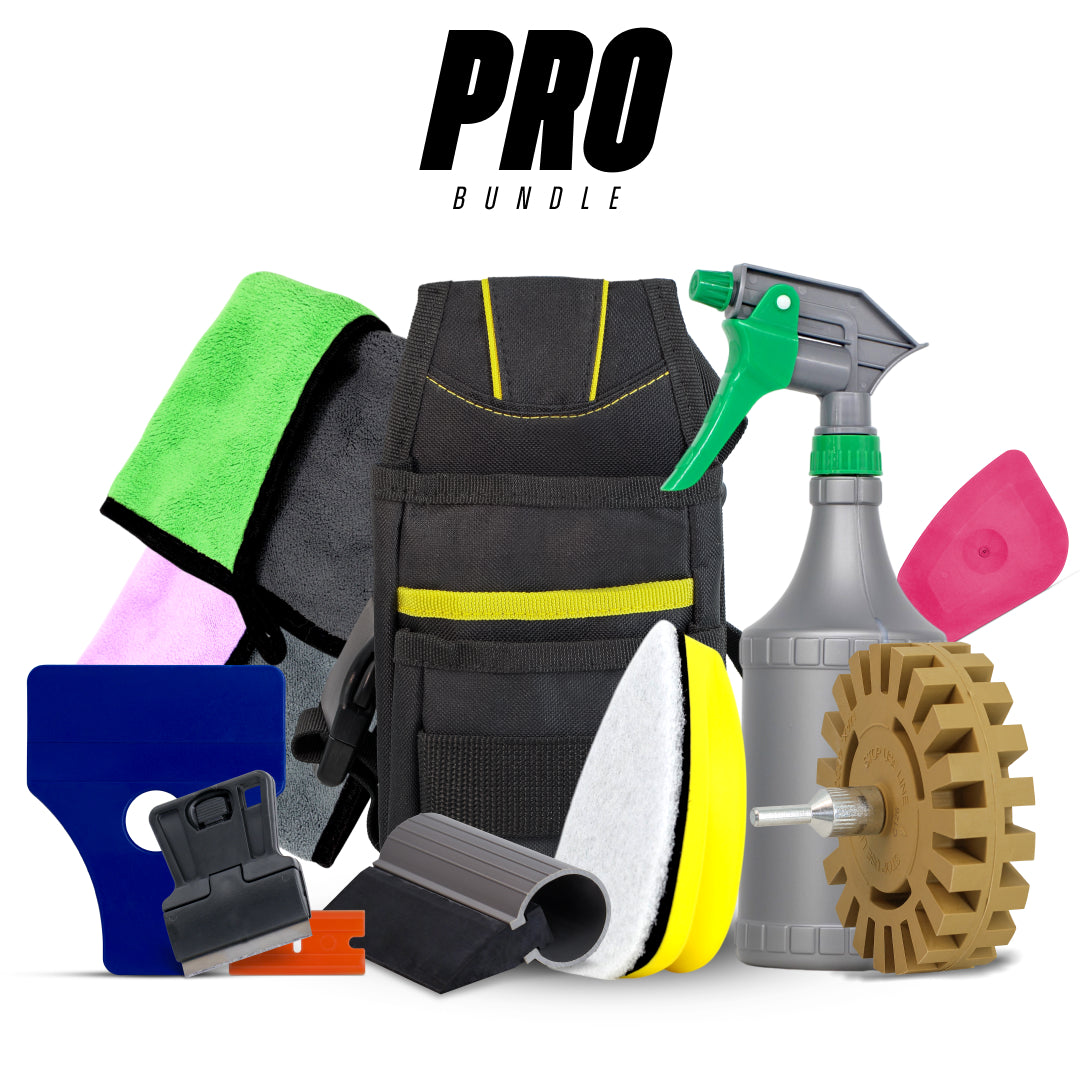
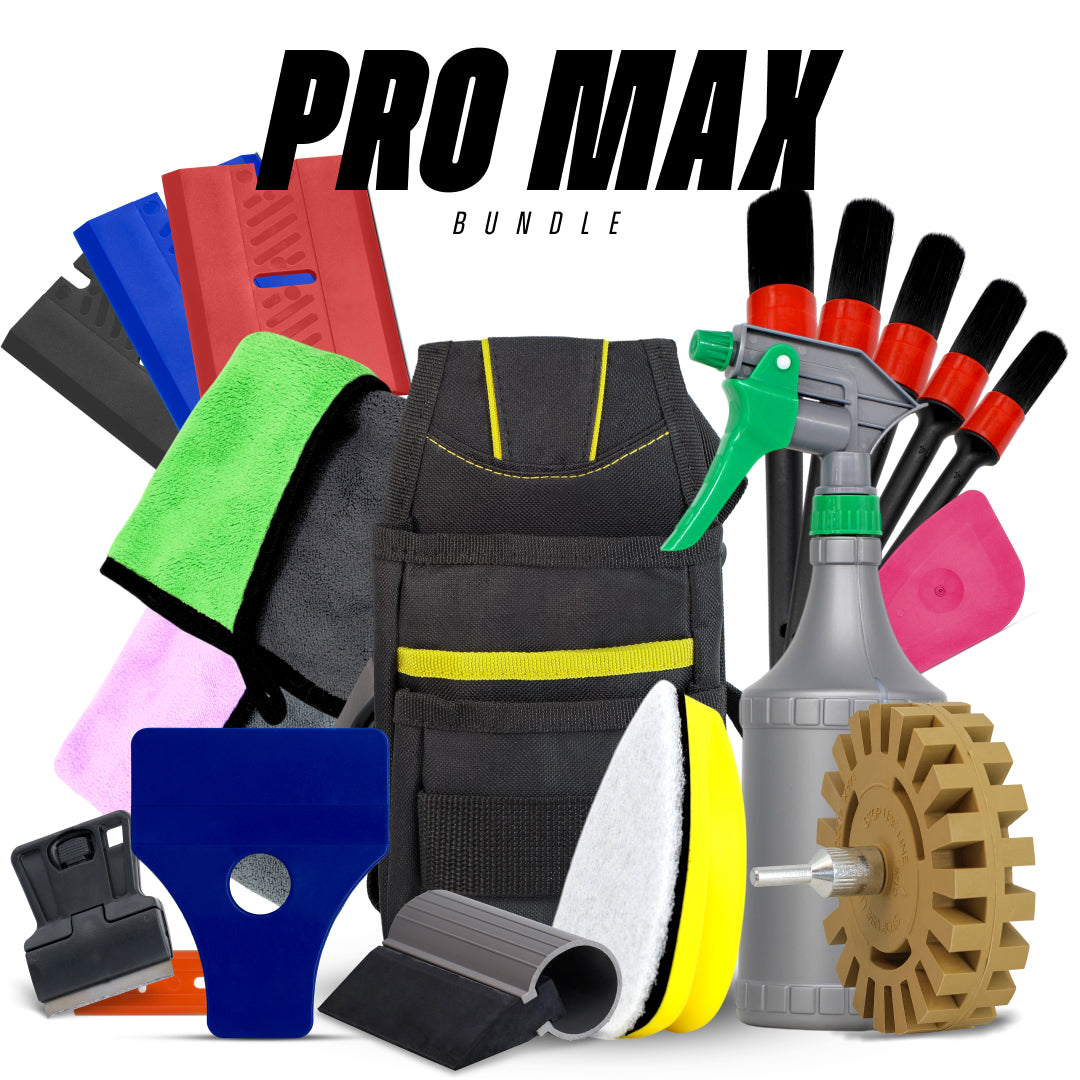
Vinyl Eraser Wheel (Decal Removing Tool): Attaches to a drill and quickly removes large decals without paint damage.
Protective Gloves: Keep your hands safe from chemicals.
Make sure to prepare the surface using our Cleaning Tools Collection before starting the process →
Safety Precautions Before Starting
Always test adhesive removers on a small, hidden area first.
Avoid using sharp metal tools, which can gouge the paint.
Keep the heat gun at a safe distance to avoid burning the clear coat.
Having these tools on hand ensures you’re prepared for smooth, damage-free car sticker removal, whether it’s a tiny bumper sticker or a full-door decal.
How to Remove Stubborn Decal Residue Without Damaging Paint

After removing a car decal or sticker, adhesive residue is often left behind. If not handled correctly, this residue can attract dirt, affect the paint finish, or become harder to remove over time.
Using the right technique ensures you can safely restore your vehicle’s surface without causing scratches or paint damage.
Step 1: Apply Gentle Heat
Use a heat gun or hair dryer to soften the remaining adhesive. Warm the area evenly without overheating the paint.
This helps loosen the adhesive and makes it easier to remove without excessive force.
Step 2: Use a Safe Adhesive Remover
Apply a dedicated adhesive remover or automotive-safe solution to break down the residue.
Avoid harsh chemicals that may damage the clear coat or paint. Let the solution sit briefly so it can dissolve the adhesive effectively.
Step 3: Wipe with a Microfibre Cloth
Use a clean microfibre cloth to gently wipe away the softened residue. Work in small sections to prevent spreading the adhesive.
Repeat the process if necessary until the surface is completely clean.
For stubborn or layered decals, consider our Part Removal Tools Collection →
Step 4: Use a Plastic Scraper (If Needed)
For stubborn spots, use a plastic scraper or card to lift residue carefully. Avoid metal tools, as they can scratch the paint surface.
Step 5: Clean and Protect the Surface
Once the residue is removed, clean the area with a mild car wash solution and apply wax or paint protection to restore the finish.
Common Mistakes to Avoid During Car Decal Removal

Even with the right tools, many car owners make mistakes that end up causing more harm than good. Removing a decal might look straightforward, but improper techniques can leave you with scratches, stubborn adhesive patches, or even damaged paint. Let’s break down the most common mistakes, so you know exactly what to avoid.
Using the Wrong Tools: One of the biggest errors is reaching for metal tools like razor blades or knives. While they may seem like a quick fix for scraping, they’re notorious for causing deep scratches and chips in the paint. Instead, stick to plastic scrapers, old credit cards, or professional decal removal tools that are designed to be gentle on car surfaces.
Another mistake is relying solely on household cleaning chemicals like bleach or acetone. These may remove the glue but can also strip the clear coat, leaving dull or damaged spots. Always use products made for car sticker removal or safe alternatives like rubbing alcohol or citrus-based removers.
Use a sharp 30-Degree Knife 9 mm for clean trimming along edges →
Rushing the Process: Impatience often leads to damage. Many people try to yank decals off in one go, only to find the sticker tearing into tiny pieces or leaving thick layers of adhesive behind. The correct method requires slow and steady peeling, usually with heat applied in stages. Think of it like peeling a bandage; quick yanks hurt more and leave a bigger mess.
Applying Too Much Heat or Pressure: While heat is essential in loosening adhesives, there’s such a thing as too much. Holding a heat gun too close or using a high setting can scorch your car’s paint and even warp plastic trim. The same applies to scraping; using too much force can gouge the surface. Gentle pressure is key here.
Ignoring the Residue: Some car owners stop once the sticker is gone, ignoring the sticky film left behind. Over time, this residue attracts dirt, dust, and grime, making the spot more noticeable. Always finish the process with a good adhesive remover and a thorough wash to restore a smooth finish.
By avoiding these mistakes, you’ll save yourself the headache of costly paint repairs and keep your car looking spotless even after decal removal.
Avoiding these mistakes helps prevent damage and ensures a smooth finish:
- Using sharp tools that can scratch paint
- Applying too much heat in one area
- Skipping adhesive remover and forcing residue off
- Rubbing too aggressively with rough materials
To remove decal residue without damaging car paint, apply gentle heat, use an automotive adhesive remover, wipe with a microfibre cloth, and avoid sharp tools or harsh chemicals.
How to Remove Old or Sun-Baked Decals Safely

Old or sun-baked decals can be difficult to remove because prolonged exposure to heat and UV causes the adhesive to harden and bond more strongly to the paint surface. Attempting to remove them without the right method can lead to paint damage, residue buildup, or uneven finish.
Step 1: Clean the Surface First
Before applying heat or chemicals, clean the area to remove dirt and debris. This prevents scratching the paint during removal.
Step 2: Apply Controlled Heat Gradually
Use a heat gun or hair dryer to slowly warm the decal. Sun-baked decals require more time to soften, so keep the heat moving to avoid overheating the paint.
Tip: Work in small sections rather than heating the entire decal at once.
Step 3: Peel Slowly at a Low Angle
Start lifting the edge of the decal and peel it back slowly at a shallow angle. This reduces the risk of tearing and helps lift more adhesive with the vinyl.
If the decal cracks or breaks, reapply heat and continue in smaller sections.
Step 4: Use Adhesive Remover for Residue
Older decals often leave behind stubborn adhesive. Apply an automotive-safe adhesive remover and allow it to break down the residue before wiping.
Repeat as needed until the surface is clean.
Step 5: Use an Eraser Wheel for Heavy Adhesive (Optional)
For extremely stubborn residue, an eraser wheel attached to a drill can safely remove adhesive without damaging paint when used correctly.
Use light pressure and keep the wheel moving to avoid heat buildup.
Step 6: Final Clean and Paint Protection
Finish by washing the area and applying wax or paint protection to restore shine and protect the surface.
To remove sun-baked decals, apply gradual heat, peel slowly at a low angle, use adhesive remover for residue, and finish with cleaning and paint protection to avoid damaging the paint.
Tool Comparison: Heat Gun vs Adhesive Remover vs Eraser Wheel
Choosing the right tool can make decal removal faster, safer, and more effective.
| Tool | Best Use | Pros | Cons |
|---|---|---|---|
| Heat Gun / Hair Dryer | Softening vinyl and adhesive | Easy to use, reduces tearing, essential first step | Can overheat paint if misused |
| Adhesive Remover | Removing leftover residue | Safe on paint, dissolves glue effectively | May require multiple applications |
| Eraser Wheel | Heavy or stubborn adhesive removal | Fast for large areas, effective on old residue | Requires proper technique, can generate heat |
Which Tool Should You Use?
- Start with heat to soften the decal
- Use adhesive remover for leftover residue
- Use an eraser wheel only for stubborn or large adhesive areas
Using the tools in combination delivers the best results while minimising the risk of paint damage.
Best Decal Removal Tools on the Market

If you’re serious about keeping your car in top condition, investing in the right decal removing tool is worth it. While basic household items can do the job, professional tools make the process quicker, safer, and more effective. Let’s look at the most recommended options.
Heat Guns vs. Hair Dryers
Both tools work by warming up the adhesive so it softens and peels easily.
Heat Guns: More powerful, with adjustable temperature settings. Perfect for larger decals or vinyl wraps. However, they require caution because too much heat can damage paint.
Hair Dryers: Safer for beginners since they provide milder heat. Best for smaller stickers or decals that haven’t been on for years.
If you’re only removing a few bumper stickers, a hair dryer will do. But if you’re dealing with full panels or aged decals, a heat gun is the better investment.
Plastic Scrapers vs. Metal Tools
Plastic Scrapers: Gentle, flexible, and effective at lifting decals without scratching. Many professional kits come with these.
Old Credit Cards: A budget-friendly alternative that works similarly to scrapers.
Metal Blades: Not recommended, as they can easily scratch and chip paint.
For safety and efficiency, always stick with plastic tools when removing decals.
Adhesive Removers and Their Effectiveness
Removing the decal is only half the battle; the sticky residue is the real challenge. Popular adhesive removers include:
Goo Gone Automotive: Citrus-based, effective, and safe for car paint.
WD-40: Works well on light adhesive but may need follow-up cleaning.
Rubbing Alcohol: Gentle and effective for stubborn patches.
3M Adhesive Remover: Professional-grade and highly recommended.
For large decals, you might consider a vinyl eraser wheel, a rubber wheel that attaches to a drill and safely buffs off decals and residue. It’s a game-changer for removing big stickers quickly.
With the right tools, car sticker removal becomes a straightforward, stress-free task instead of a battle.
How to Remove Car Decals Without a Heat Gun

If you don’t have access to a heat gun, you can still remove car decals safely using simple household tools and the right technique. The key is to soften the adhesive gradually and avoid forcing the decal off, which can damage the paint.
Step 1: Clean the Surface
Start by washing the area with mild car soap and water. This removes dirt and debris that could scratch the paint during removal.
Dry the surface with a clean microfibre cloth before proceeding.
Step 2: Soften the Adhesive with Warm Water
Soak a cloth in warm (not boiling) water and place it over the decal for a few minutes. This helps loosen the adhesive and makes the vinyl easier to peel.
You can repeat this process several times for older or thicker decals.
Step 3: Use a Plastic Card to Lift the Edge
Gently lift one corner of the decal using a plastic card (such as a credit card). Avoid using metal tools, as they can scratch the paint.
Once the edge is lifted, slowly peel the decal back.
Step 4: Peel Slowly at a Low Angle
Pull the decal back at a shallow angle rather than straight up. This helps reduce adhesive residue and prevents tearing.
If the decal resists, stop and reapply warm water before continuing.
Step 5: Apply Adhesive Remover or Soapy Solution
For any leftover residue, use an automotive-safe adhesive remover or a mixture of warm water and mild detergent.
Let it sit briefly, then wipe away with a microfibre cloth.
Step 6: Final Clean and Protection
Once all residue is removed, clean the area again and apply wax or paint protection to restore the finish and protect the paint.
Alternative DIY Methods (No Heat Required)
If warm water alone isn’t enough, you can try:
- White vinegar solution – Helps break down adhesive naturally
- Rubbing alcohol (isopropyl) – Effective for small residue areas
- Soapy water spray – Useful for gradual adhesive softening
Always test any solution on a small, hidden area first.
Common Mistakes to Avoid
- Peeling too quickly, which can leave more residue
- Using sharp or metal tools
- Scrubbing aggressively with rough materials
- Skipping the adhesive softening step
To remove car decals without a heat gun, use warm water to soften the adhesive, lift the edge with a plastic card, peel slowly at a low angle, and clean residue with an adhesive remover or mild solution.
Aftercare: Protecting Your Car Paint Post-Removal
Once your decal is gone, you might think the job is done, but proper aftercare is just as important as the removal process. Without it, your car’s paint could look uneven, faded, or vulnerable to new damage.
Washing and Polishing the Surface: Start with a gentle wash using car-safe soap and microfiber cloths. This removes any lingering adhesive remover or oils. After drying, inspect the surface closely. If you see dull spots, polishing can help restore shine. A light buffing compound applied with a polishing pad works wonders for blending the area back into the rest of your car’s paint.
Applying Wax for Extra Protection: Waxing your car after decal removal isn’t just about looks; it adds a protective barrier against UV rays, dirt, and water. This is especially important if the decal area looks brighter than the rest of the paint due to fading around it. A high-quality carnauba wax or synthetic sealant will help even out the finish and keep your car’s paint healthy.
Checking for Faded Paint or Ghosting Effects: If the decal has been on for years, you might notice a faint outline or colour difference; this is called ghosting. While it can’t always be removed completely, polishing and waxing can significantly reduce its visibility. In extreme cases, professional paint correction may be necessary to fully blend the affected area.
Taking the extra time to care for your car post-removal ensures your vehicle looks sleek and polished, not like it just had a sticker ripped off.
Preventing Damage from Future Car Decals

If you plan on applying new decals after removing old ones, it’s smart to think ahead about how to prevent future issues. The good news is there are plenty of ways to enjoy decals without compromising your car’s paint.
Choosing High-Quality Stickers
Not all decals are created equal. Cheap stickers use harsh adhesives that harden over time, making them nearly impossible to remove without damage. Look for automotive-grade vinyl decals that are designed for vehicles and promise clean removal.
Temporary Decals vs. Permanent Stickers
If you like changing designs frequently, go for removable decals or magnetic stickers. They adhere firmly but peel off cleanly without leaving residue. Permanent decals should only be used if you plan to keep them on long-term.
Proper Placement and Removal Tips
Avoid placing decals on areas that get the most sun exposure, as this increases fading.
Apply decals to smooth, clean surfaces for easier removal later.
When it’s time to remove them, don’t wait years; do it before the dhesives harden.
By being mindful of the type and placement of your decals, you can enjoy personalising your car while ensuring easy, damage-free car sticker removal in the future.
Eco-Friendly Car Sticker Removal Options

In today’s world, car owners are not just concerned about their vehicles but also about the environment. Traditional adhesive removers and harsh chemicals may work fast, but they often contain strong solvents that aren’t exactly eco-friendly. If you’re someone who wants to safely remove car decals while minimising environmental impact, you’ll be glad to know there are sustainable methods available.
Natural Adhesive Removers
One of the simplest green solutions is to use household products that are safe for both your car and the planet. For example:
Vinegar: Its acidic nature helps break down adhesive residue without damaging paint.
Baking Soda + Coconut Oil Paste: A natural scrub that lifts sticky patches effectively.
Citrus Oil: Derived from orange or lemon peels, citrus oils are excellent for dissolving glue naturally.
These alternatives may take a little longer compared to commercial adhesive removers, but they’re much safer and eco-conscious.
Sustainable Disposal of Old Decals
Many people simply peel off decals and toss them in the trash. However, vinyl stickers are not biodegradable. To minimise waste, consider:
Recycling, if possible (check with local recycling centres).
Cutting old decals into smaller pieces and using them for craft projects or labelling
Choosing biodegradable stickers in the future so that disposal is less harmful.
Switching to eco-friendly methods ensures that you protect both your car’s paint and the environment while carrying out car sticker removal.
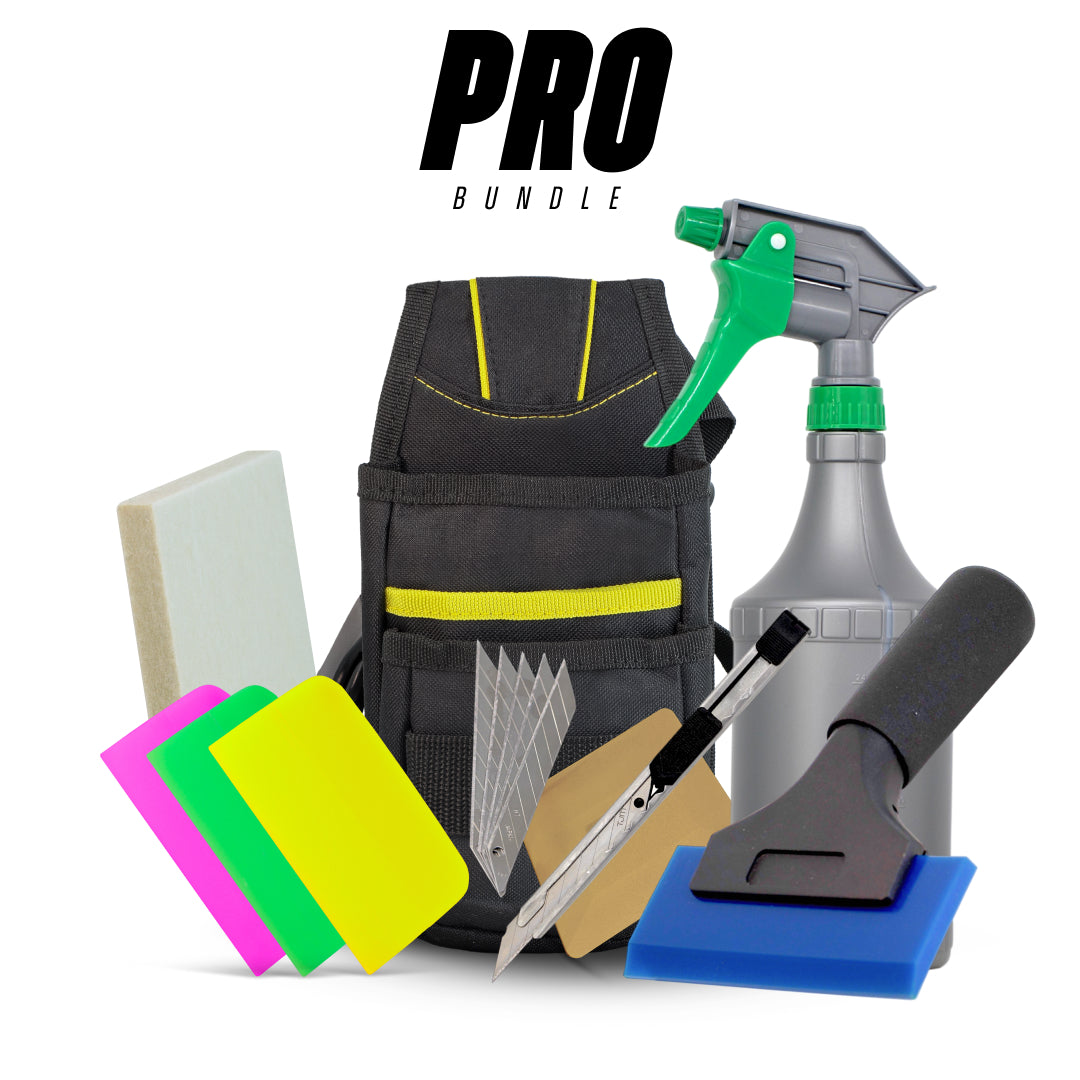
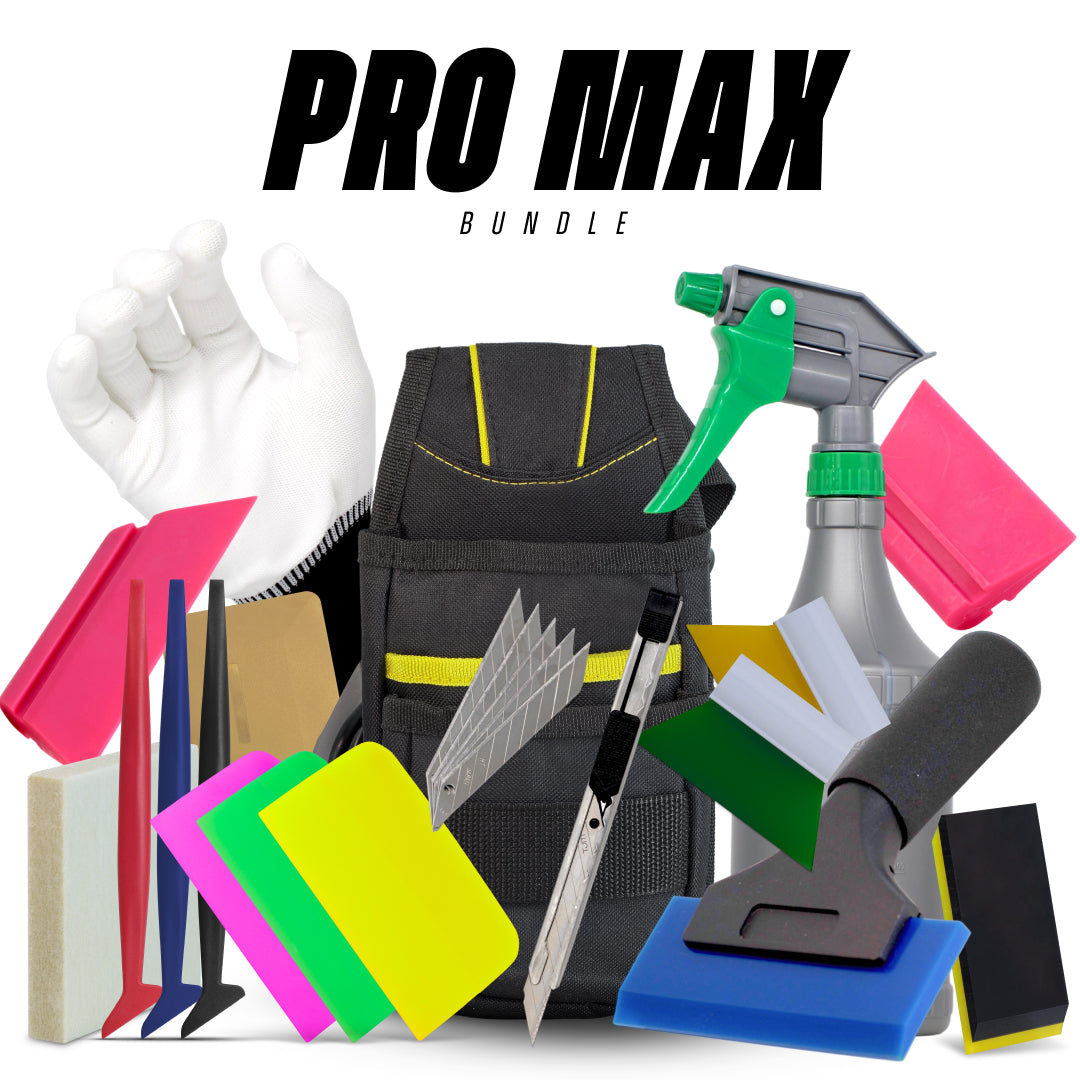
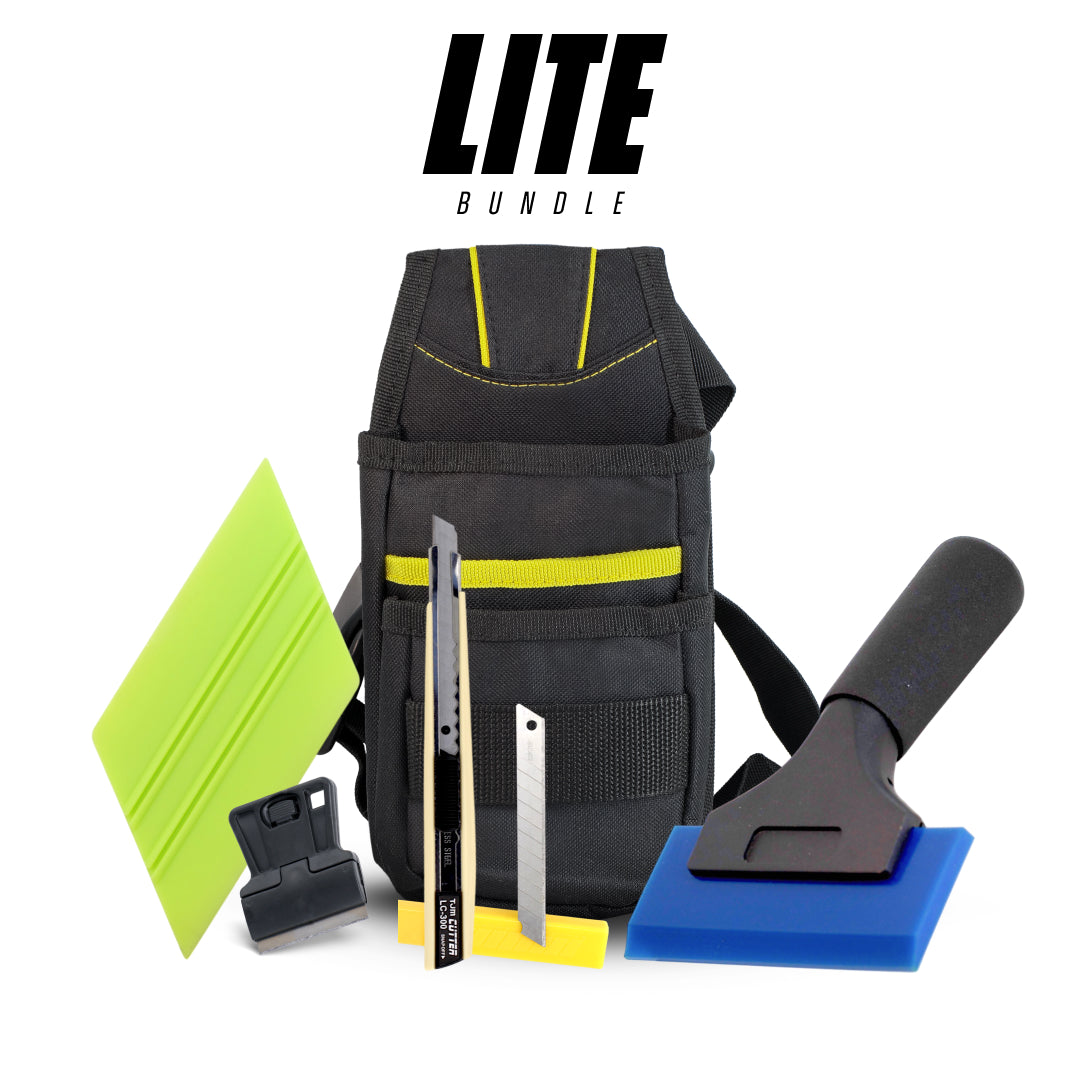
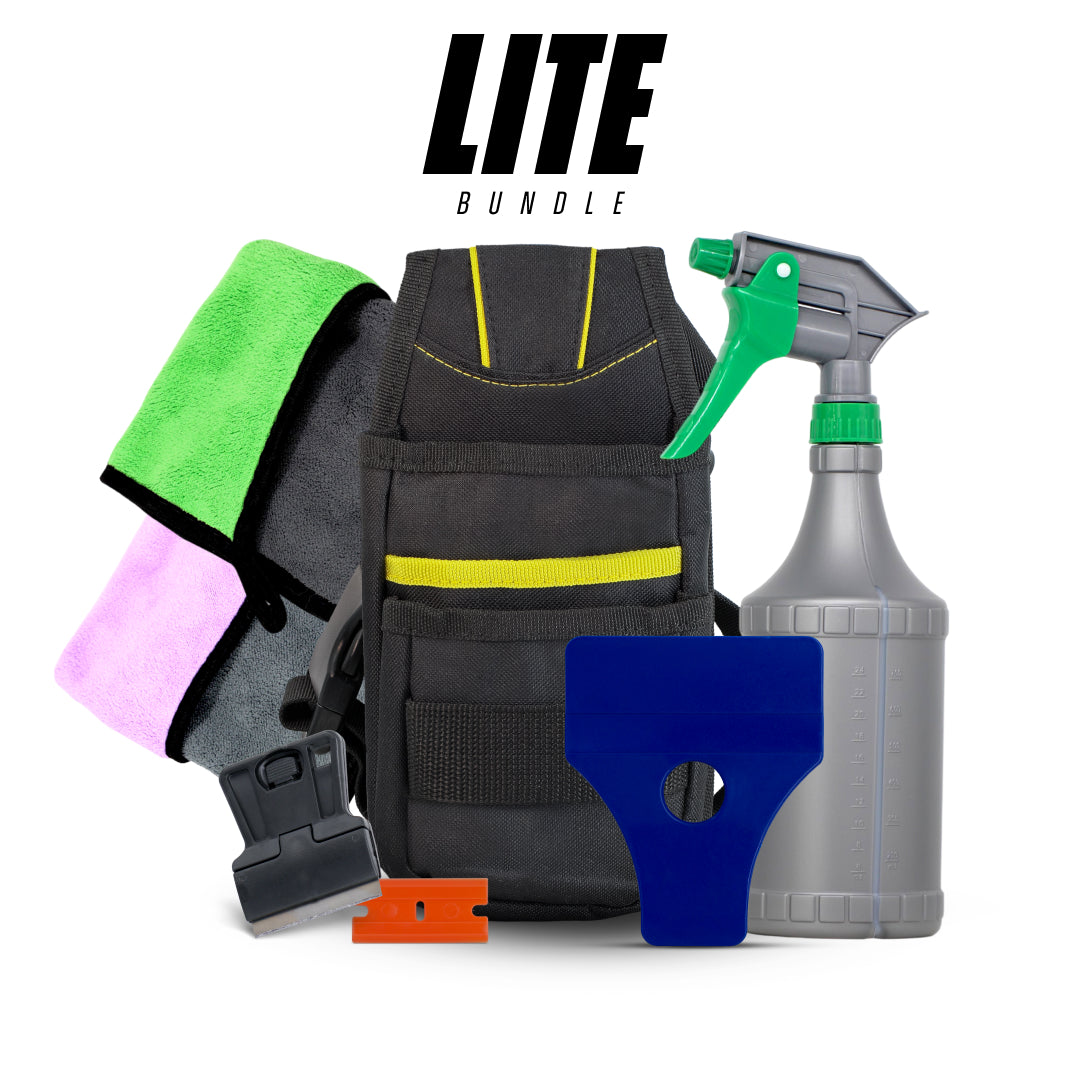
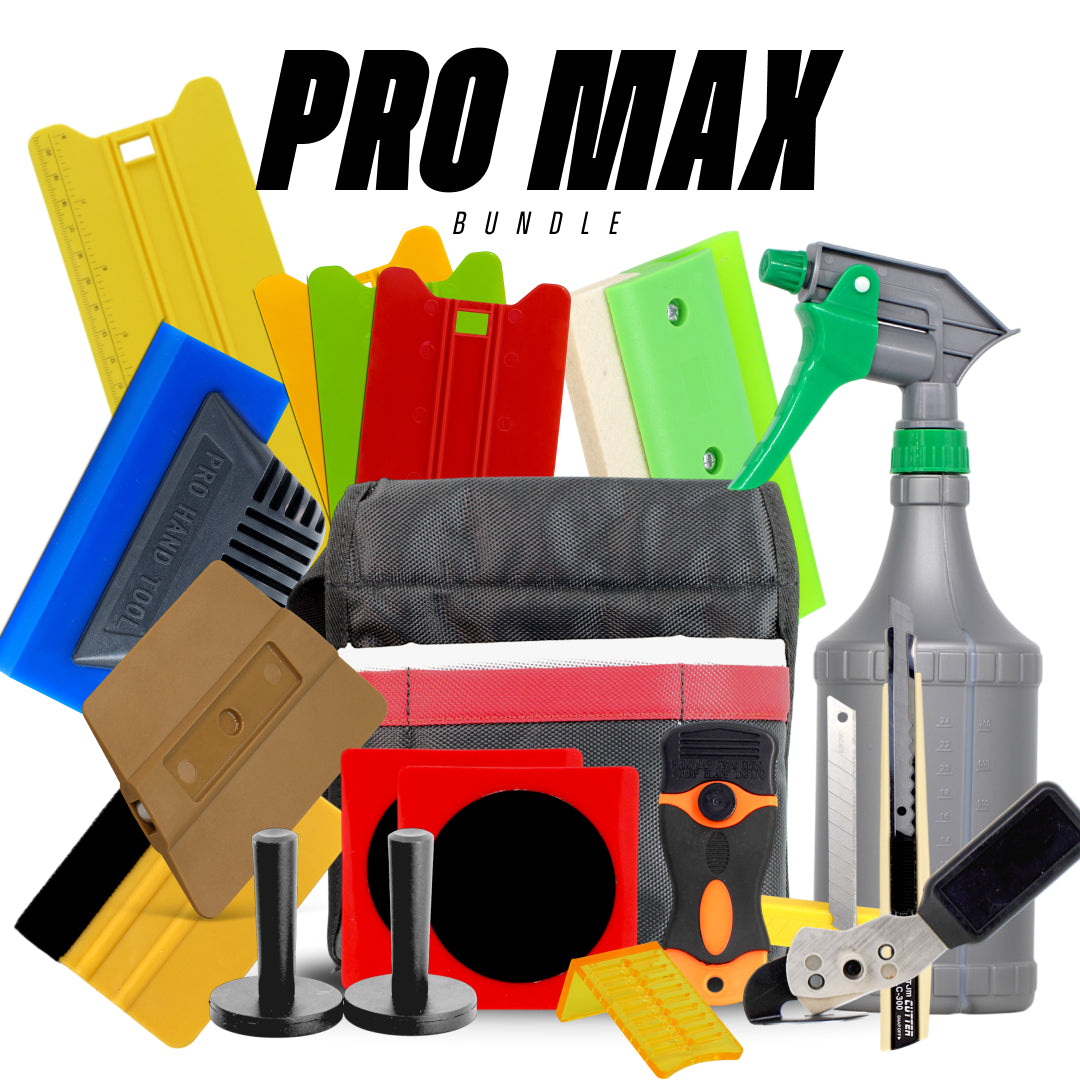
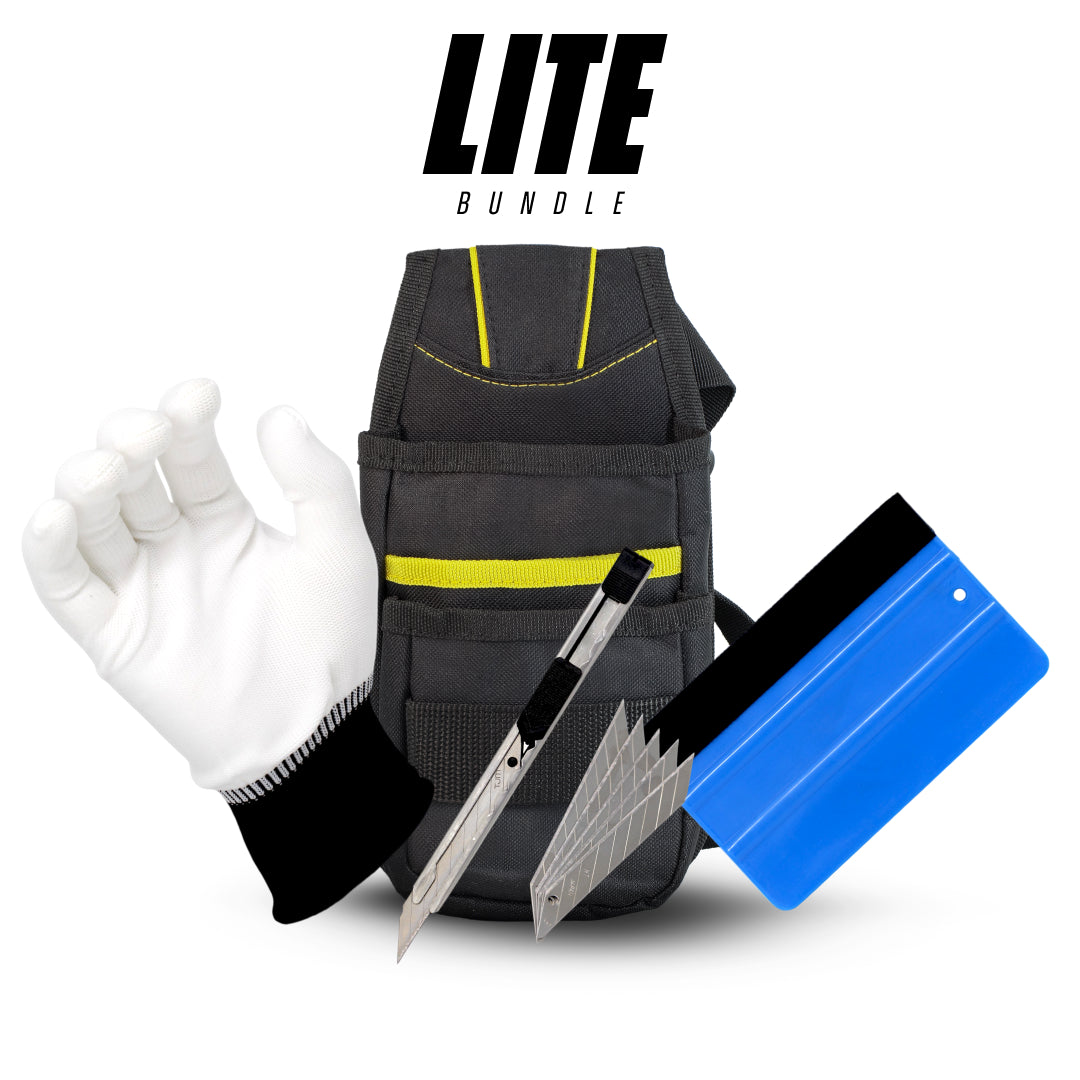
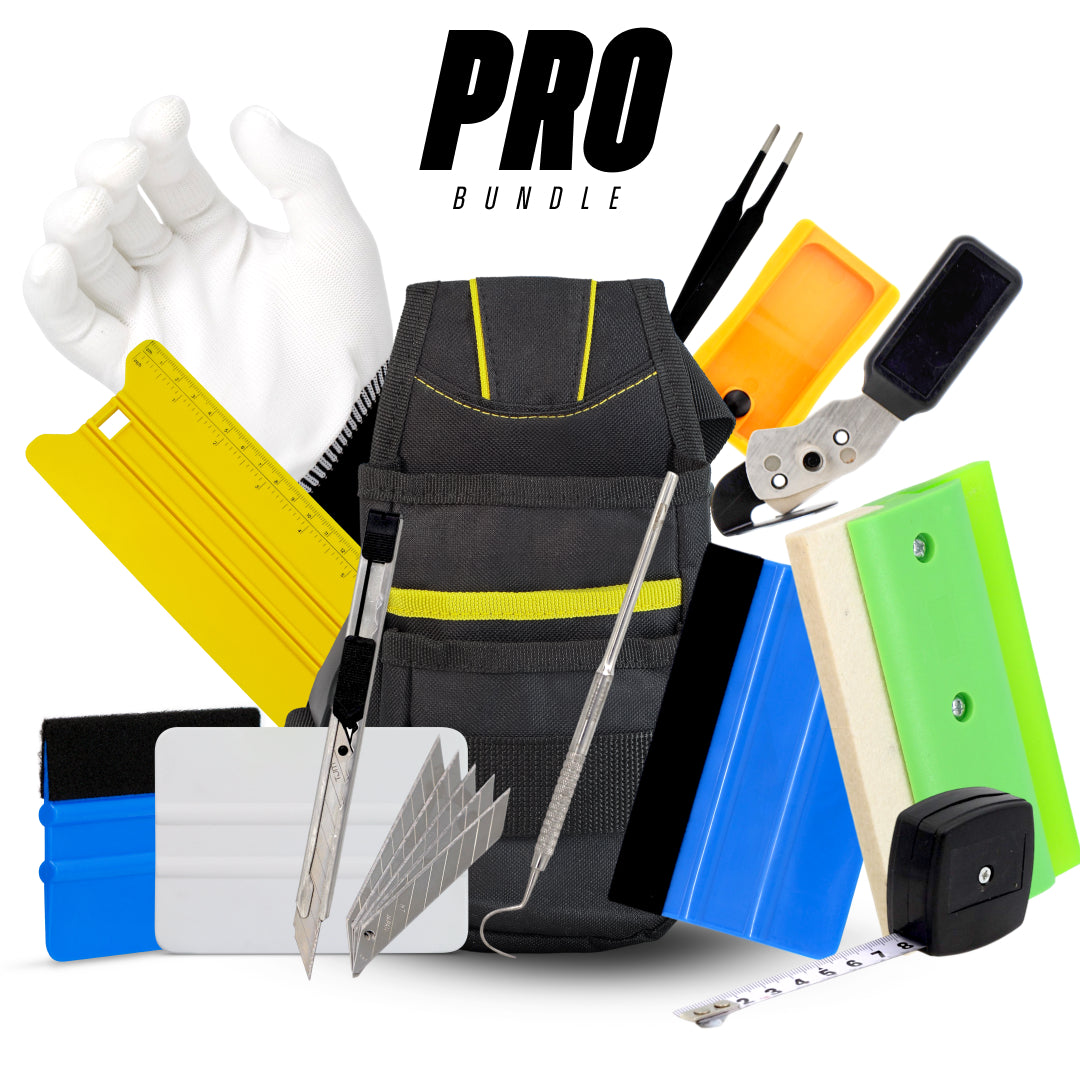
Using the right decal removal tools and techniques helps prevent scratches and ensures a clean finish. For larger jobs, a complete removal tool kit can make the process faster and more efficient.
FAQs
What is the safest way to remove old car decals?
The safest method is to apply gentle heat, peel slowly at a low angle, and use an adhesive remover to clean any residue without damaging the paint.
Can removing decals damage car paint?
If done incorrectly, yes. Using sharp tools, excessive heat, or aggressive scraping can damage the clear coat. Proper technique prevents this.
How do you remove sun-baked stickers from a car?
Sun-baked stickers require gradual heating, slow peeling, and often multiple applications of adhesive remover to fully clean the surface.
Do adhesive removers damage car paint?
Most automotive adhesive removers are designed to be safe on paint when used as directed. Always test on a small area first.
Is an eraser wheel safe for car paint?
Yes, when used correctly. Apply light pressure and keep it moving to avoid heat buildup that could affect the paint surface. Using the right decal removal tools can significantly reduce installation time and improve results. For professional results, many installers use a complete decal removal tool kit designed for automotive surfaces.
Conclusion
Car decals are a fun and creative way to personalise your ride, but when it’s time to take them off, doing it the wrong way can turn into a nightmare. By using the right decal removal tools, applying heat carefully, peeling slowly, and cleaning up with safe adhesive removers, you can easily remove car decals without damaging your paint.
Aftercare, like washing, polishing, and waxing, ensures your car’s surface looks flawless post-removal. And if you plan on applying new stickers, choosing high-quality, removable decals will make future removal hassle-free.
Whether you’re a DIY enthusiast or prefer professional help, safe decal removal keeps your car looking sharp and protects its long-term value. Remember, patience and the right technique are your best friends in this process.
Keep everything organised and ready in one spot with our Tool Bag Collection →
Are you unsure which tool or kit is right for your job?
Our expert team at Oz Sign Supplies is here to help. Reach out today, and we’ll direct you to the best tools to suit your project, ensuring you get the job done right the first time.

Leave a comment
This site is protected by hCaptcha and the hCaptcha Privacy Policy and Terms of Service apply.