




PPF vs Vinyl Wrap: What’s the Difference and Which Should You Choose?
PPF vs Vinyl Wrap: What’s the Difference and Which Should You Choose?
Choosing between paint protection film (PPF) and a vinyl wrap is one of the most common decisions car owners face when thinking about vehicle aesthetics and protection. On the surface, both options look similar because they involve applying a film over the car’s paint. However, the reality is that they serve very different purposes. One is designed primarily for vehicle paint protection, while the other is focused on visual transformation and styling.
If you’ve ever heard terms like car wrap, ppf wrap, automotive wrap, or car vinyl wrap, you’ve probably noticed how easily these concepts get mixed up. A lot of confusion comes from the fact that both use adhesive-backed films and require similar tools like a vinyl squeegee, paint protection film squeegee, and full vehicle wrap tools kits for installation. But despite these similarities, their performance, durability, and long-term value are not the same.
Think of it like this: PPF is like a transparent shield or “bra for the car,” designed to absorb scratches, stone chips, and road debris. Vinyl wrap, on the other hand, is like giving your car a completely new outfit, whether that’s a bold matte black car wrap, a glossy colour shift, or even a chrome wrap that turns heads instantly. One protects what you already have; the other reimagines it entirely.
This distinction matters because your decision affects not only how your vehicle looks but also how it ages over time, how much maintenance it requires, and even how its resale value holds up. In markets like vehicle wrapping Australia, both options are widely used, but for very different reasons depending on whether the goal is protection, branding, or customisation.
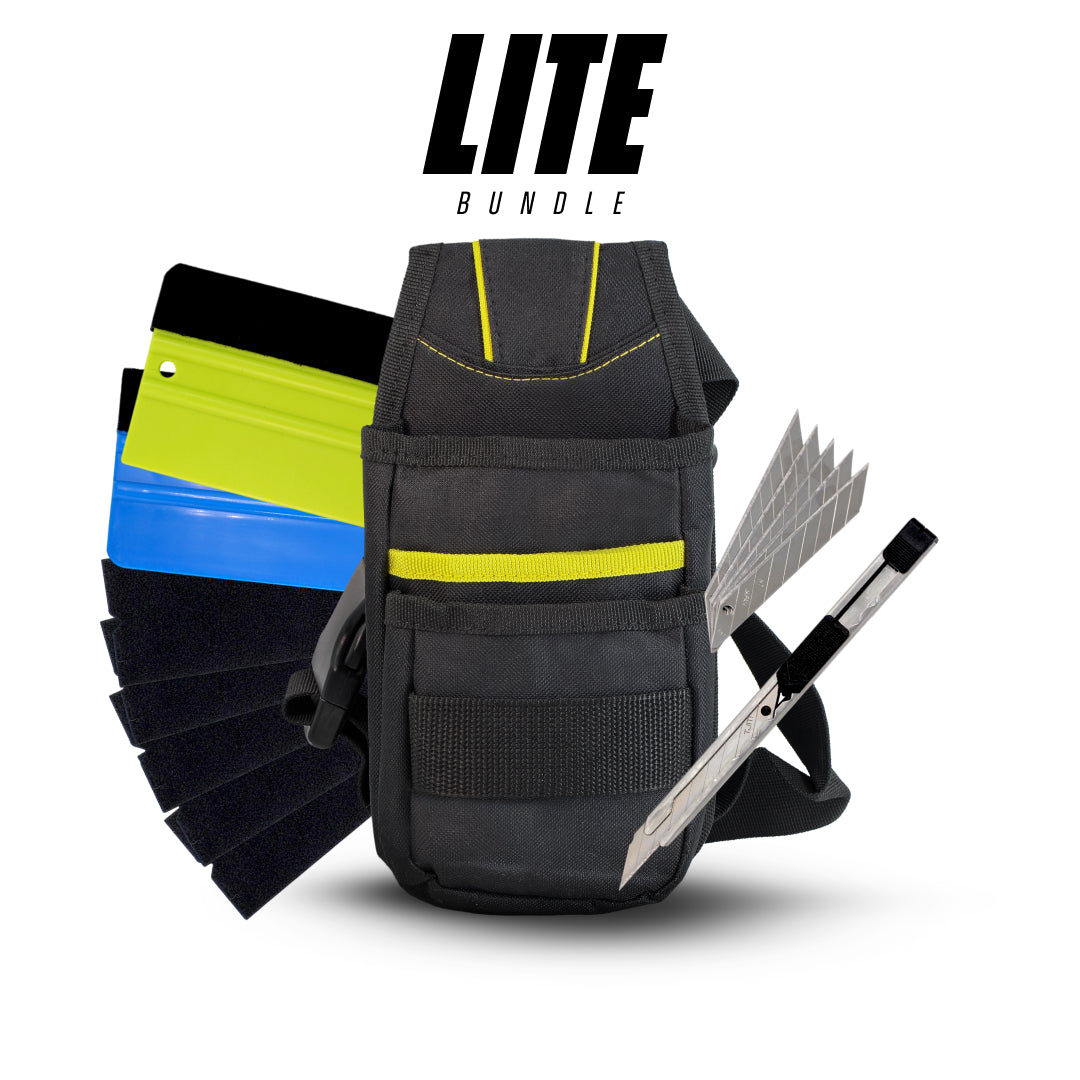
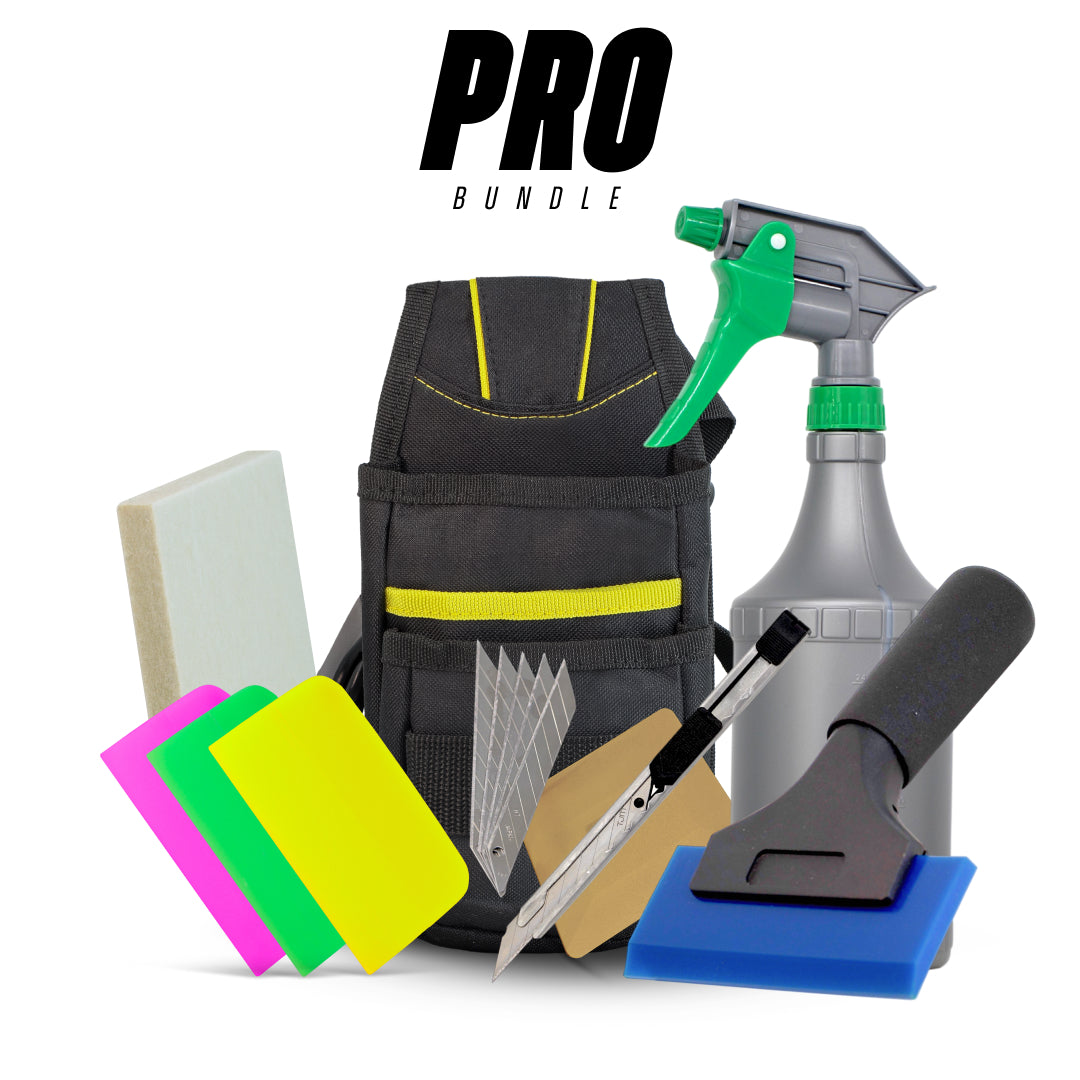
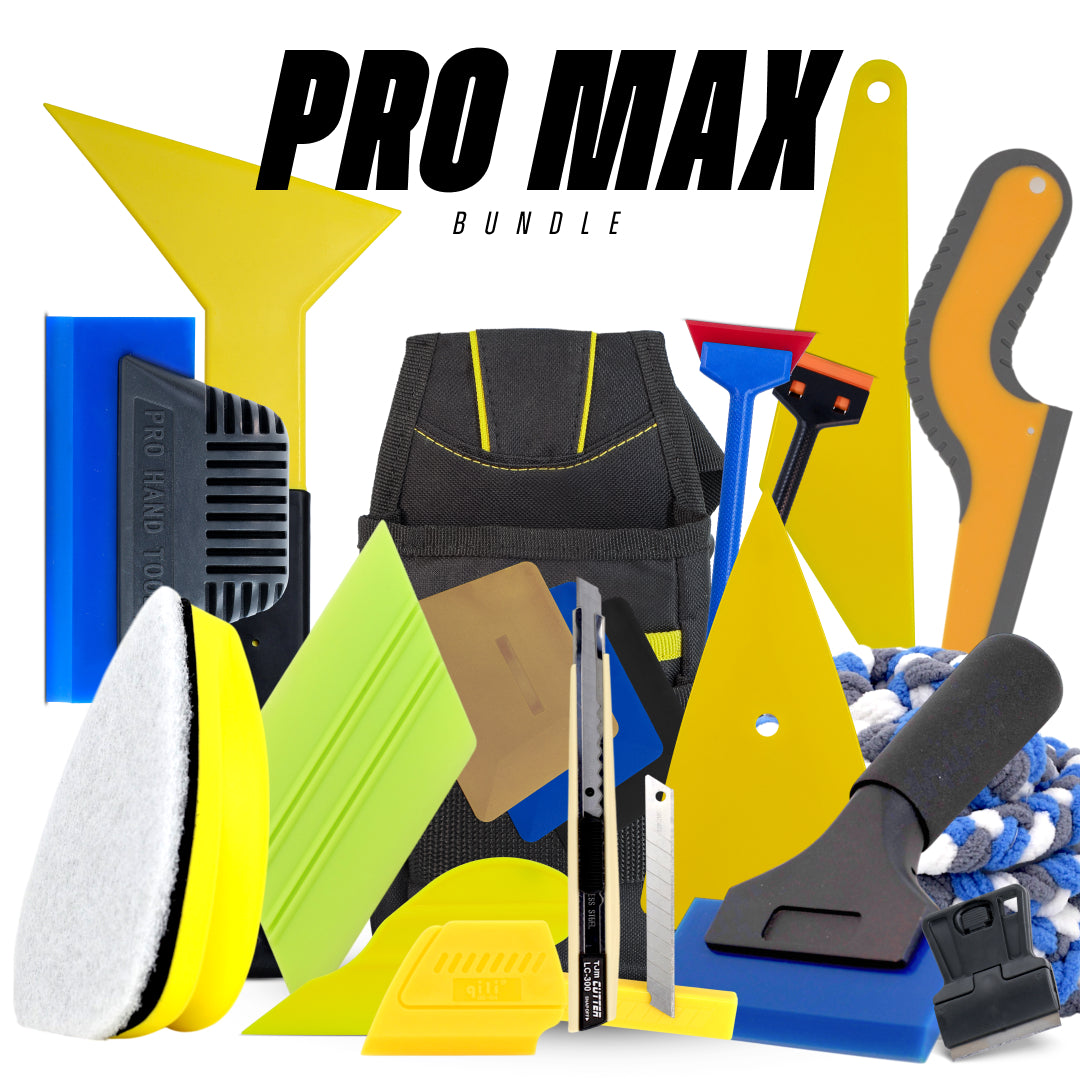
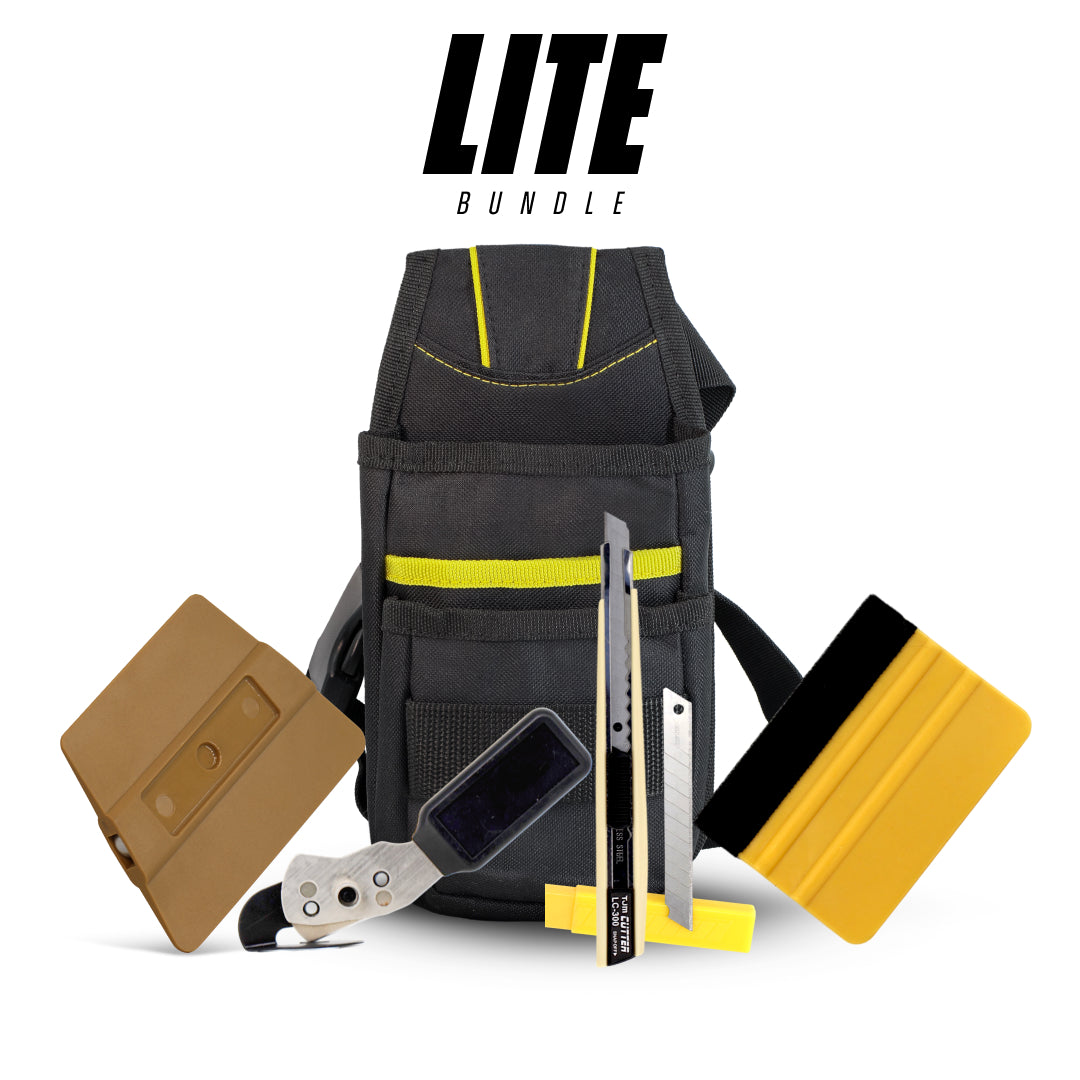
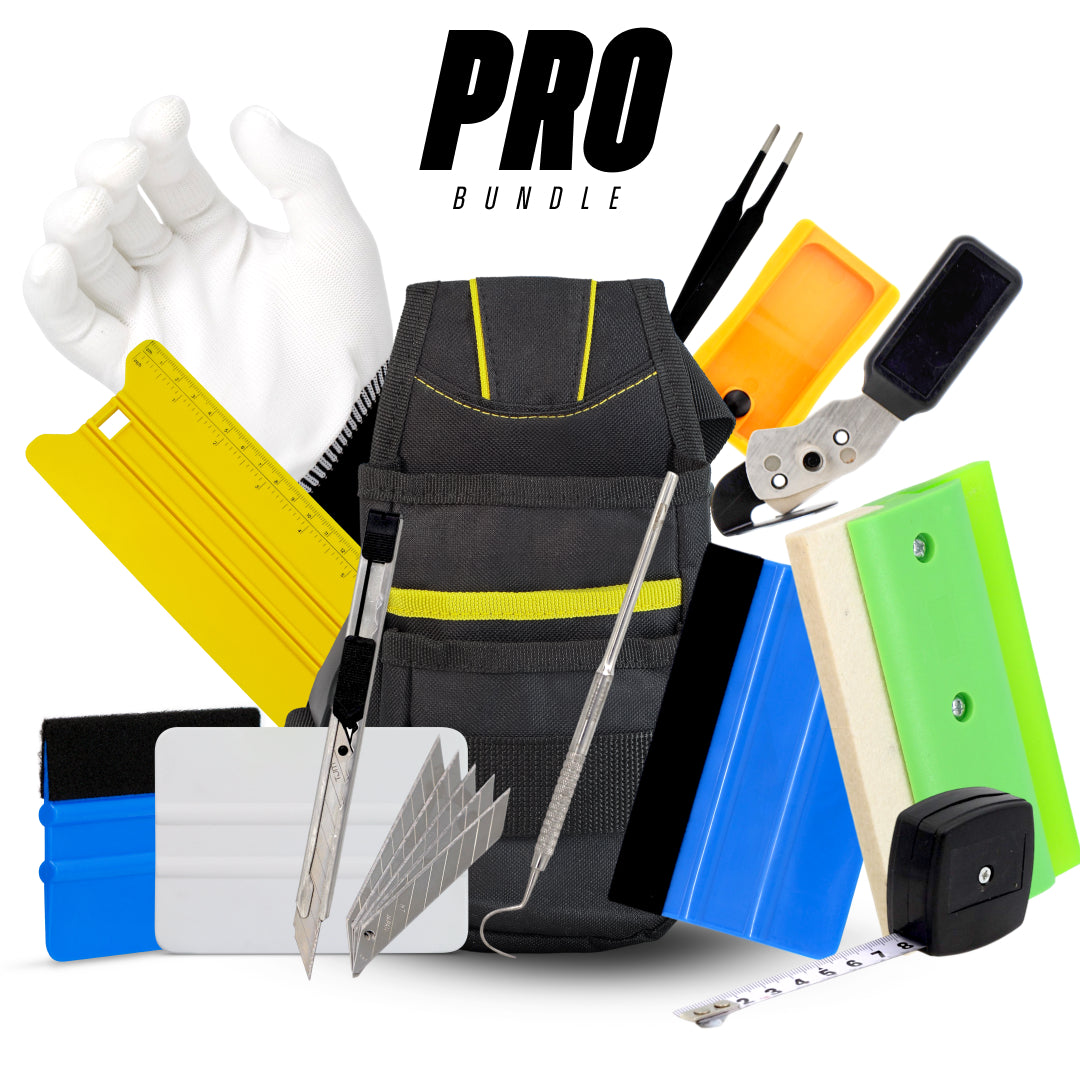
Vinyl wrap installation requires specialised vinyl wrap tools to ensure smooth application and proper alignment.
Understanding the real difference between PPF film and vinyl wrapping helps you avoid costly mistakes, like choosing a wrap for protection when you really needed impact resistance, or choosing PPF when your main goal was style transformation. Once you understand their strengths, weaknesses, and ideal use cases, the decision becomes much clearer and far more strategic.
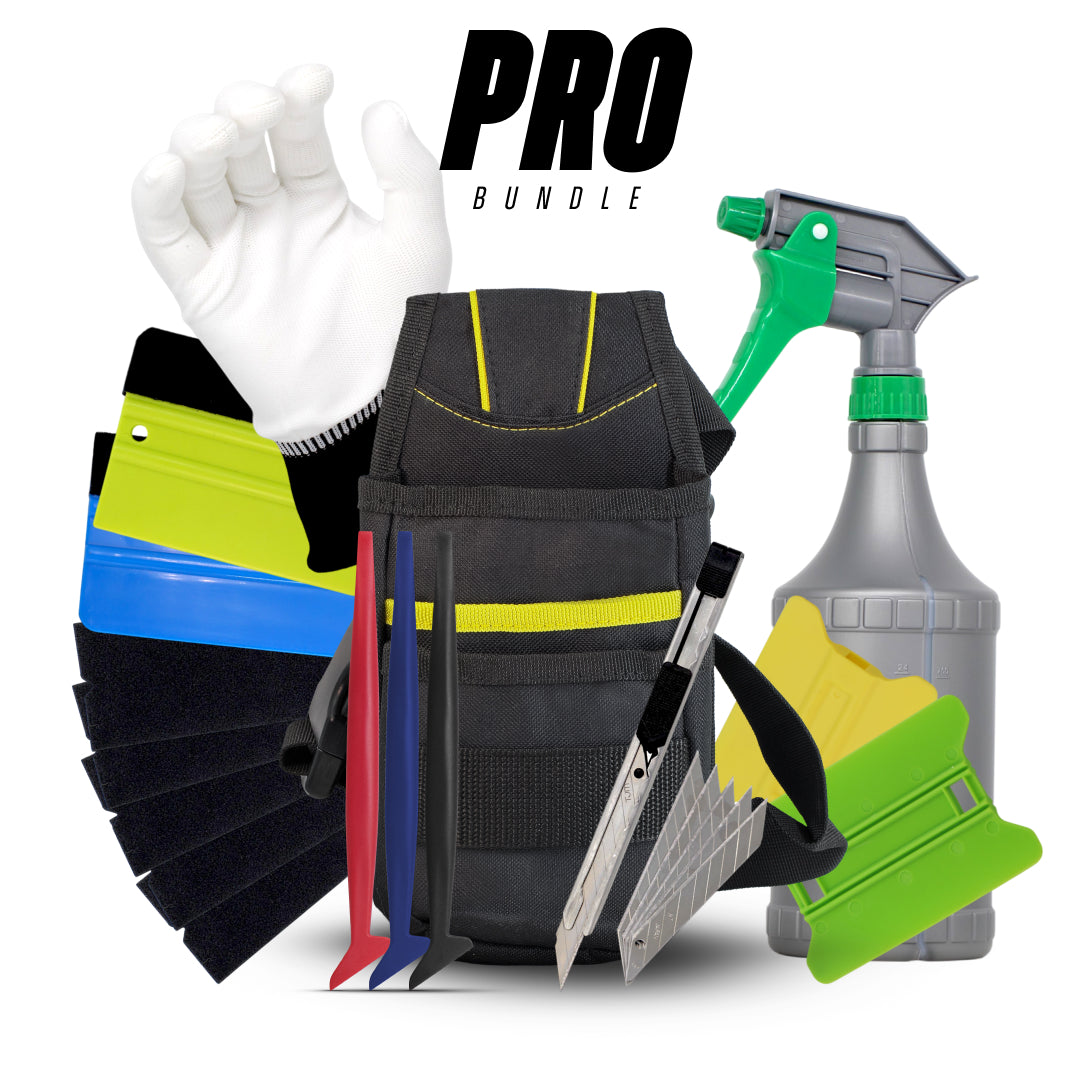
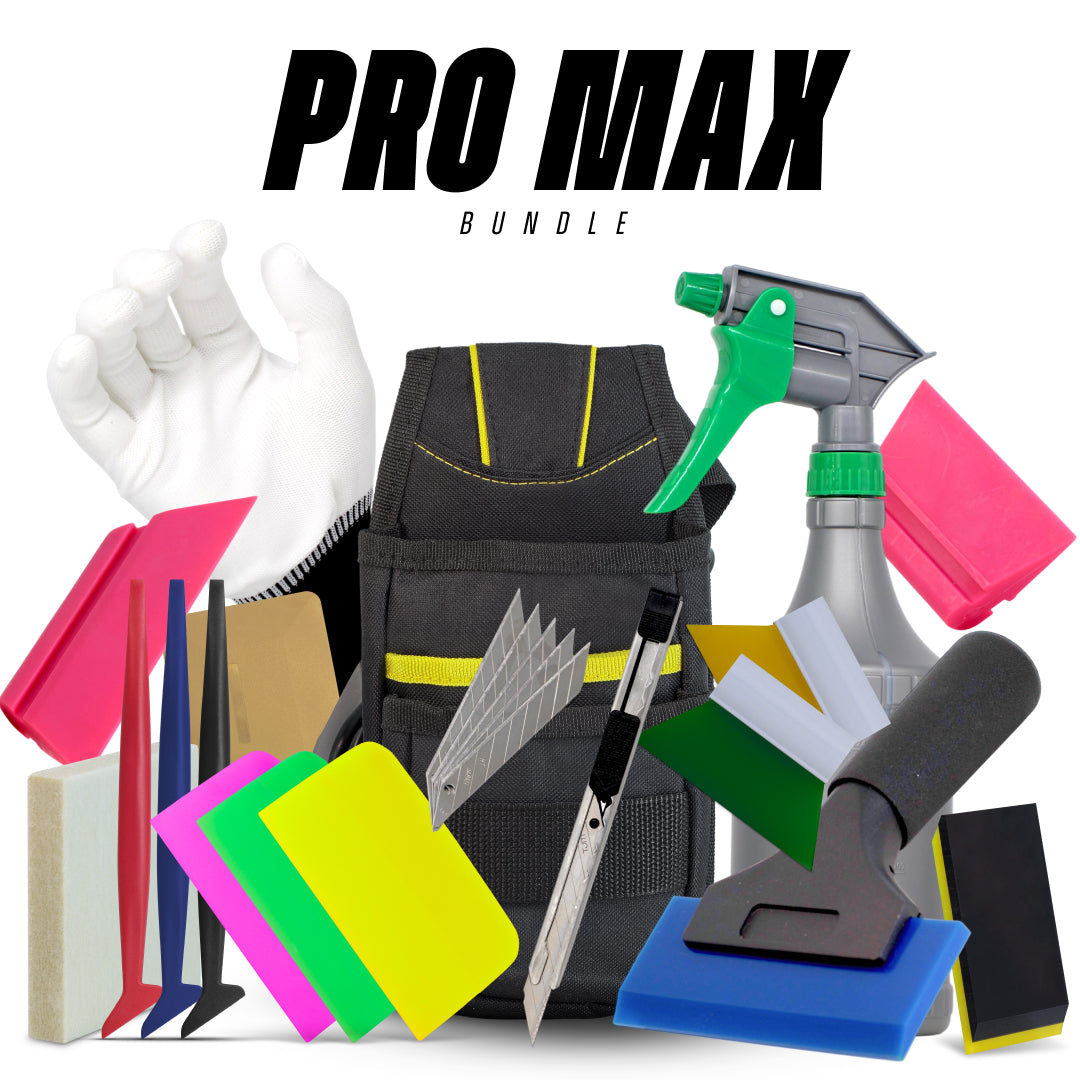
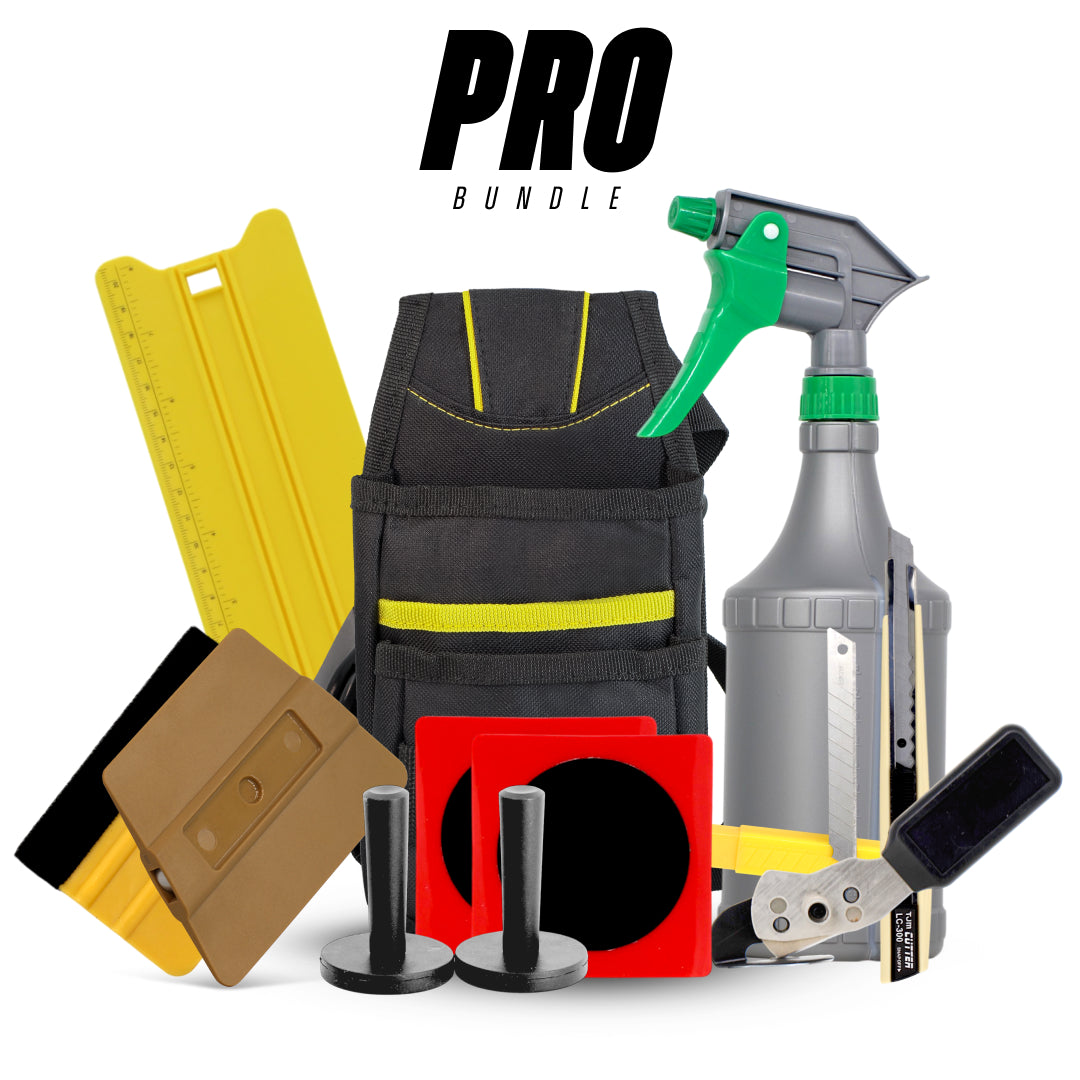
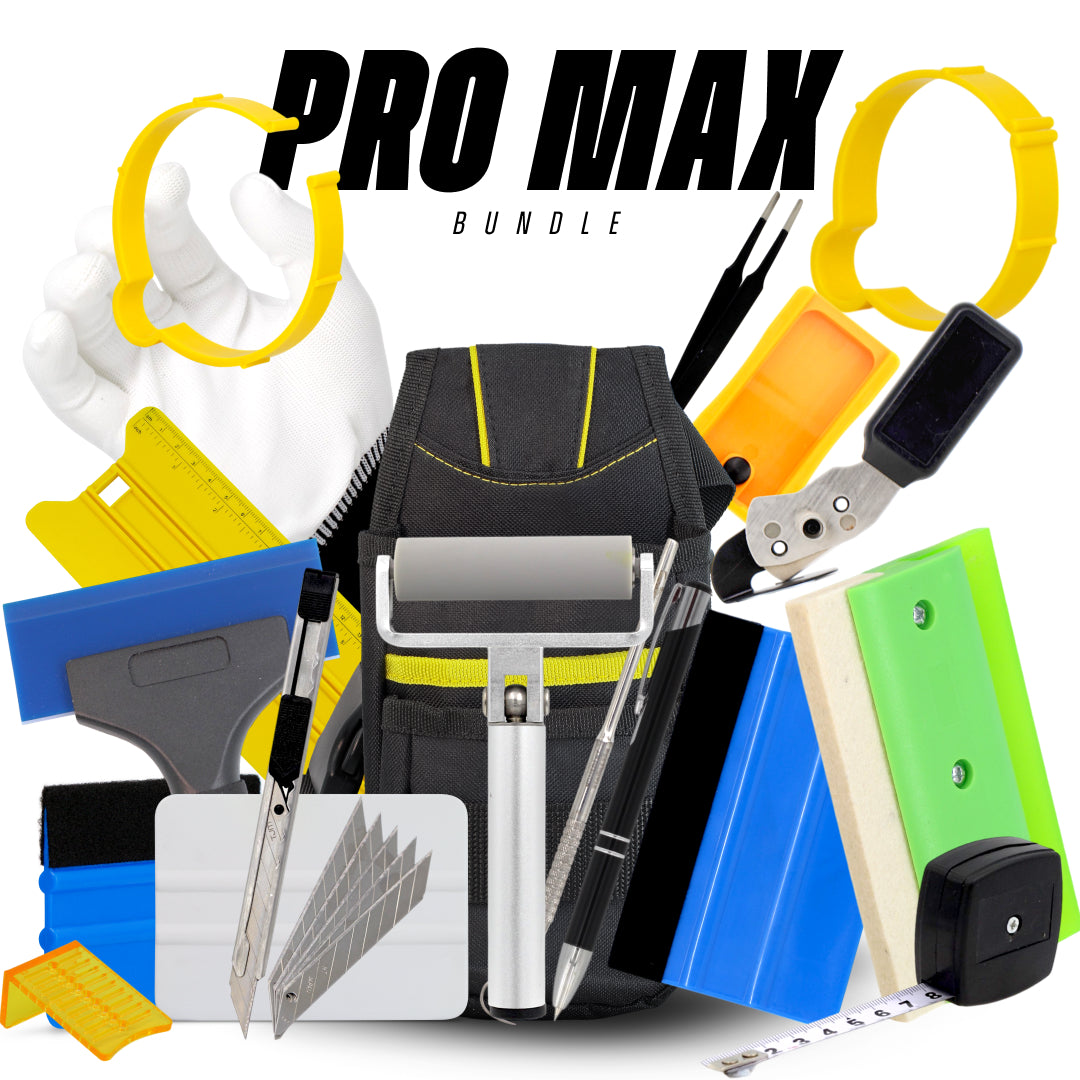
Professional installers rely on complete wrap tool kits to maintain consistency across complex surfaces.

What is Paint Protection Film (PPF)?
Paint protection film (PPF) is a transparent or nearly invisible urethane-based layer applied directly onto a vehicle’s painted surfaces. Its primary role is to protect the original paint from physical damage such as stone chips, scratches, bug splatter, and minor abrasions. Unlike a car wrap, which changes appearance, PPF is designed to preserve what is already there. Many car enthusiasts refer to it as an “invisible shield” or even a bra for the car, especially when applied to high-impact areas like bumpers, hoods, and side mirrors.
At its core, PPF is about long-term auto paint protection. It’s commonly used on new cars, luxury vehicles, and performance cars where maintaining factory paint condition is a priority. The film is engineered to absorb impact and, in many cases, self-heal minor scratches when exposed to heat. This makes it significantly different from decorative films like vinyl wraps, which do not offer the same level of impact resistance.
PPF installation typically requires advanced skill and specialised vehicle paint protection tools, including precision PPF squeegees, slip solutions, and cutting systems. The goal is to apply the film without bubbles, wrinkles, or visible edges, ensuring a seamless protective layer. Because of its complexity and material cost, PPF installation is generally more expensive than standard car wrapping kits or DIY vinyl applications.
Modern PPF films also come in different finishes. While most are clear gloss, there are matte versions that can slightly alter the look of a vehicle without changing its colour entirely. However, even these aesthetic variations are secondary to its protective function.
In essence, PPF is not about transforming your vehicle; it’s about preserving it in near-perfect condition for as long as possible. That’s why it’s often chosen by owners who see their car as an investment worth protecting rather than a canvas for visual customisation.
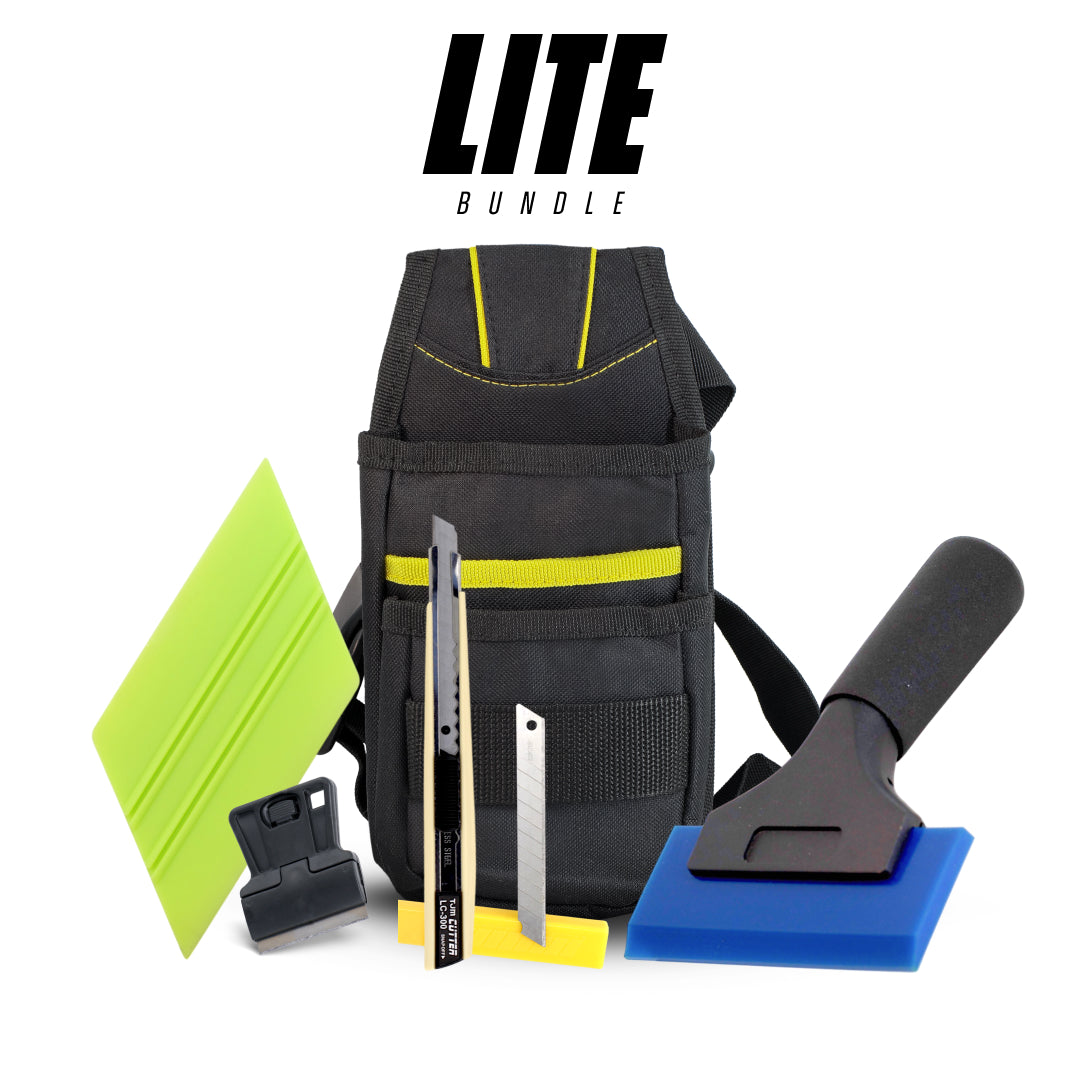
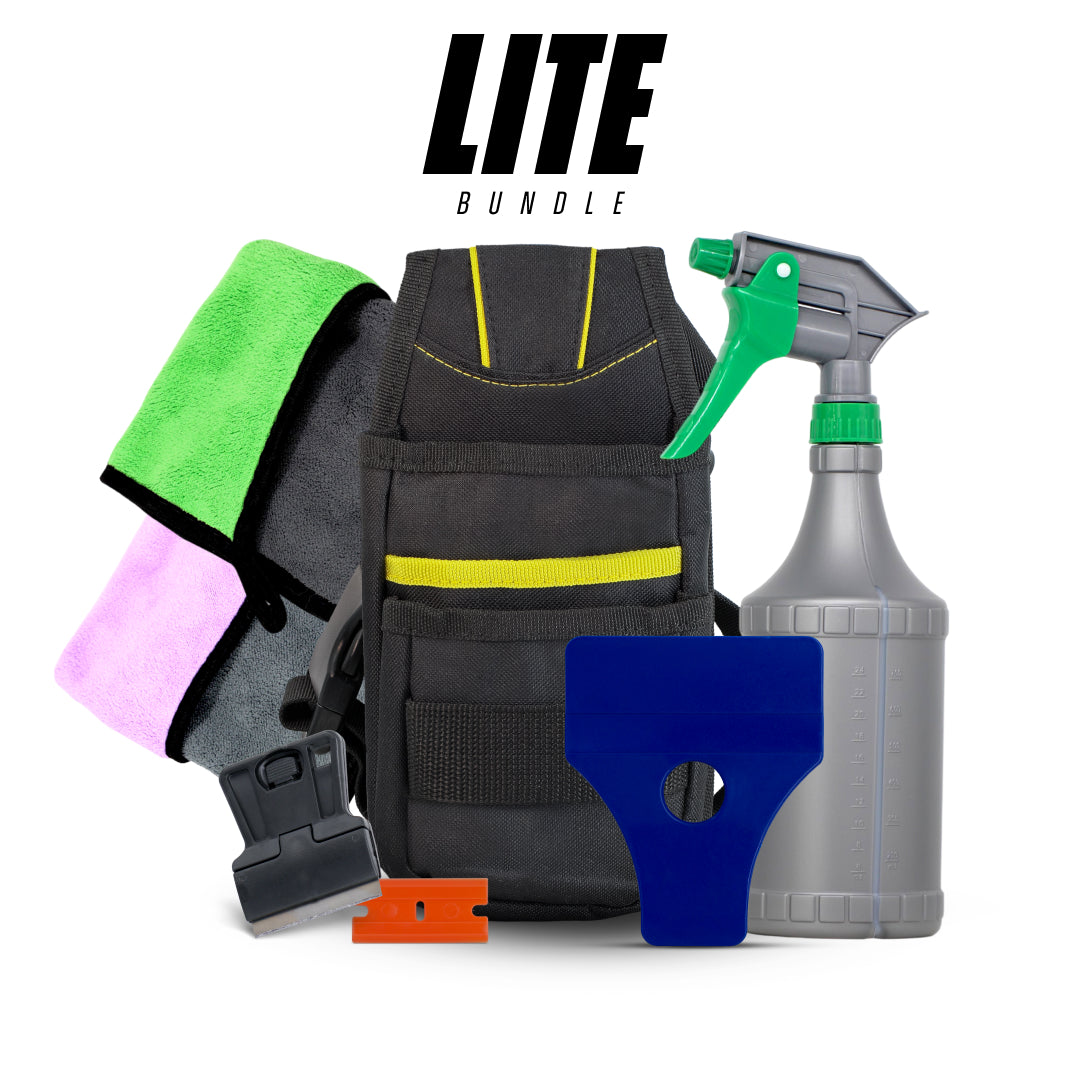
Before applying film, installers always use surface prep tools to ensure the paint is clean and contamination-free.
How PPF Works
The science behind PPF film is rooted in its multi-layer construction. Most high-quality films consist of a clear polyurethane top layer, an elastic middle layer, and a pressure-sensitive adhesive backing. When applied correctly using professional vehicle wrap tools, the film bonds tightly to the paint surface while remaining flexible enough to absorb external impacts.
One of the most impressive features of modern PPF is its self-healing technology. Minor swirl marks or light scratches disappear when heat is applied, either from sunlight or warm water, allowing the surface to return to a smooth finish. This is particularly valuable for daily-driven cars exposed to harsh road conditions.
Unlike vinyl, which prioritises colour and design, PPF prioritises resilience. It is thicker, more elastic, and significantly more resistant to punctures and abrasions. This makes it ideal for highway driving and urban environments where debris impact is common.
Materials and Technology Behind PPF Film
The performance of paint protection film depends heavily on its material composition. Most premium films are made from thermoplastic polyurethane (TPU), which provides both flexibility and durability. TPU is engineered to resist yellowing over time and maintain clarity even under UV exposure.
Advanced versions may include hydrophobic coatings that repel water, dirt, and contaminants, making maintenance easier. Some high-end PPF wraps even integrate anti-contamination layers that reduce staining from bird droppings or tree sap.
Compared to standard vinyl wrap materials, which are typically PVC-based, TPU is significantly more robust but also more expensive. This difference in material science explains why PPF is positioned as a premium vehicle paint protection solution, rather than a styling option.
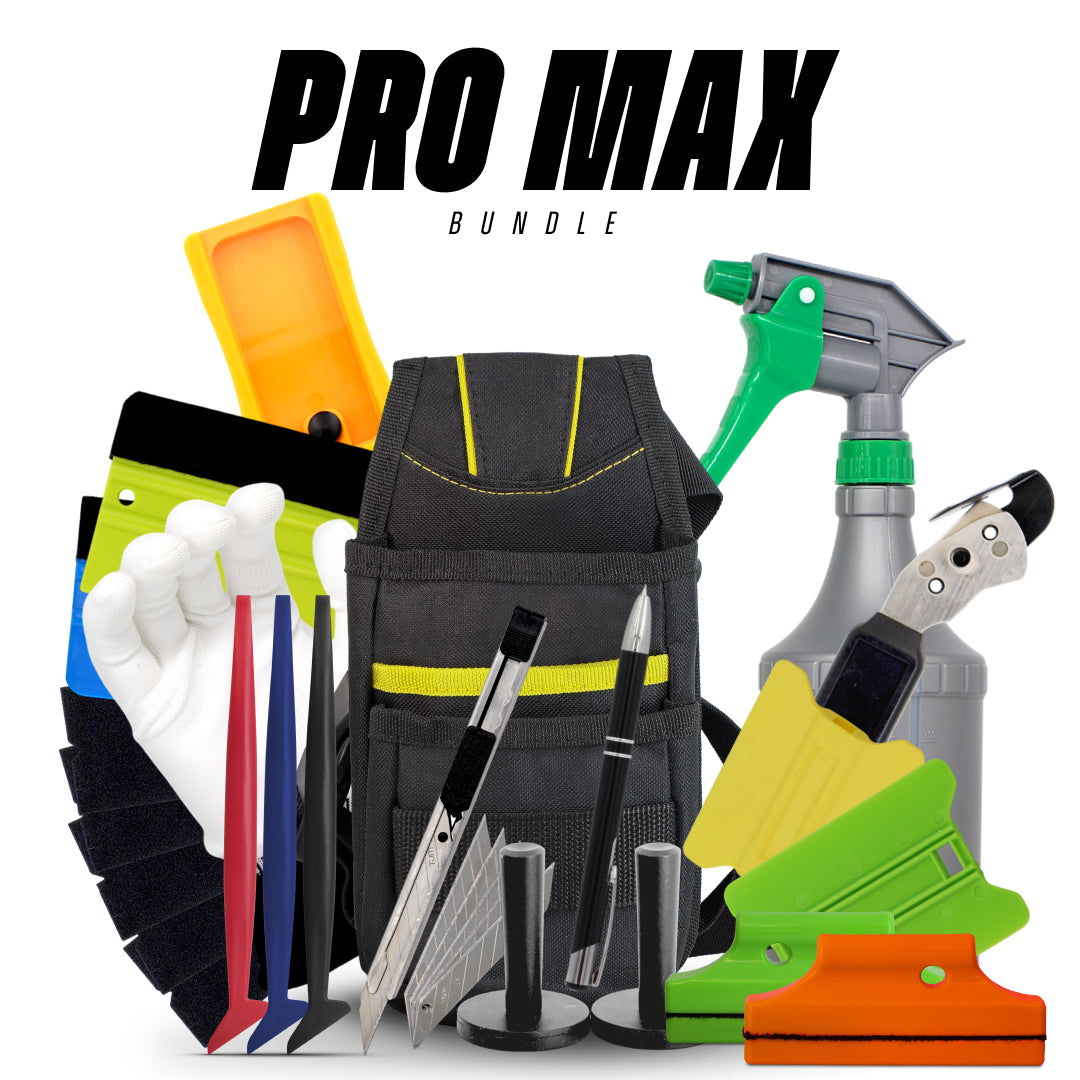
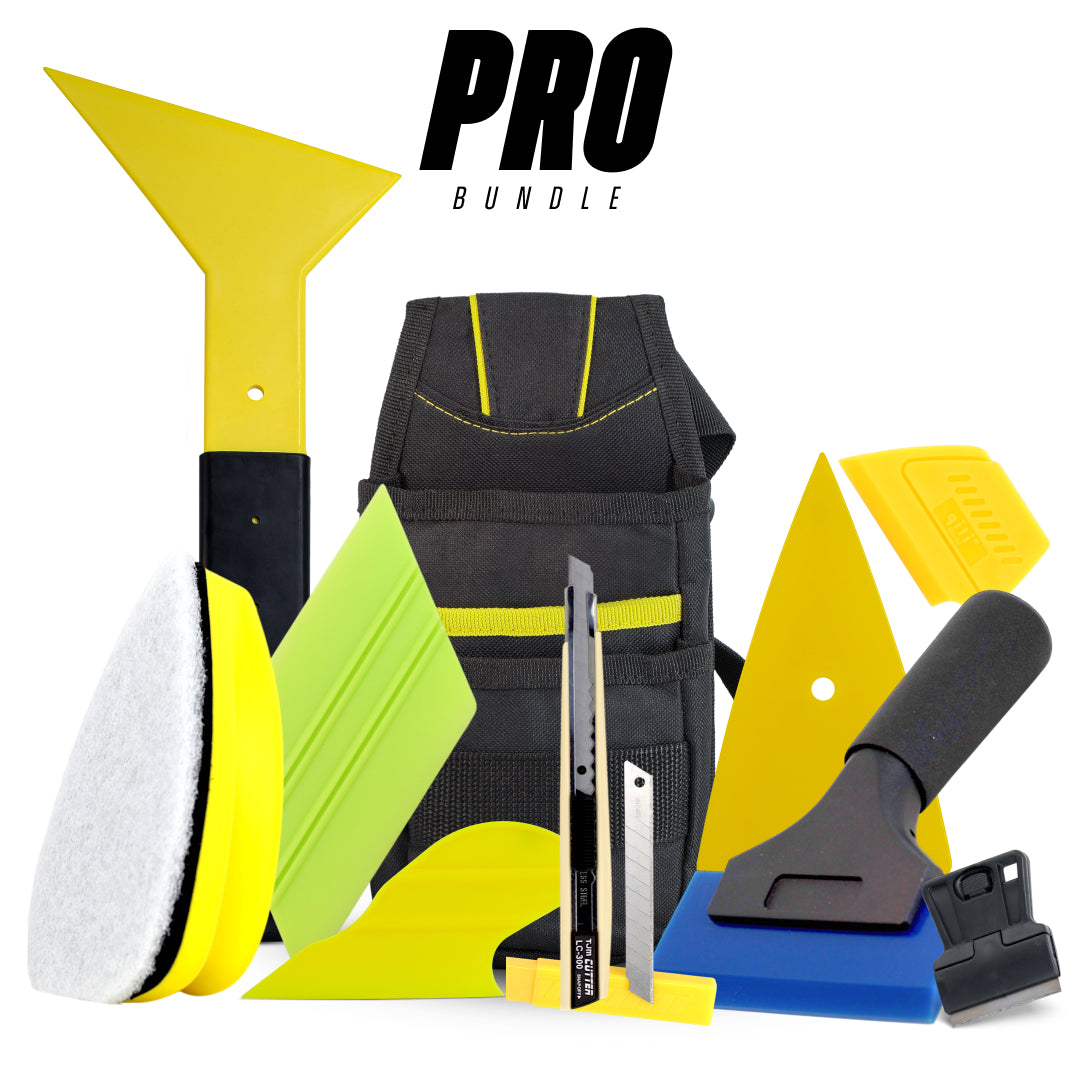
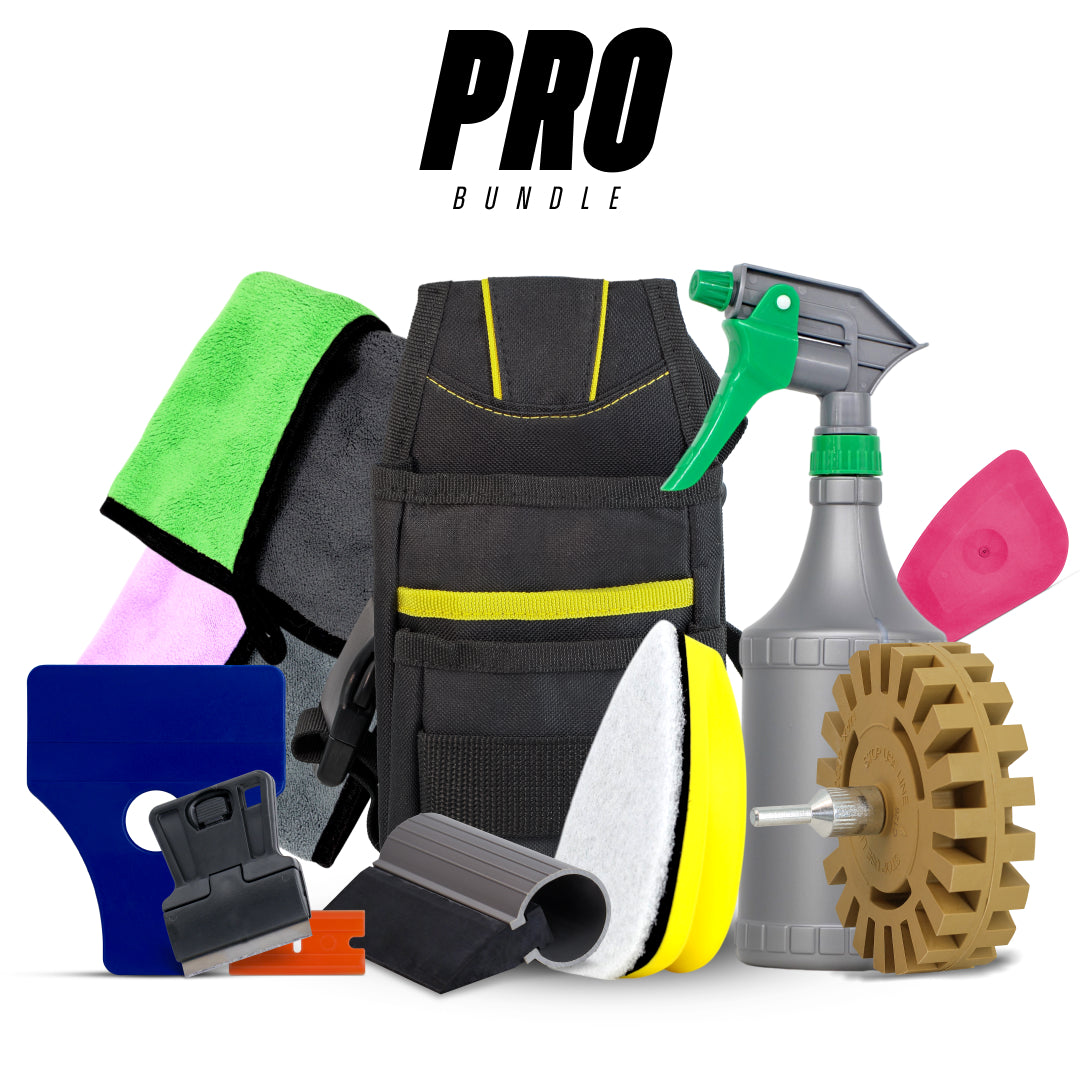
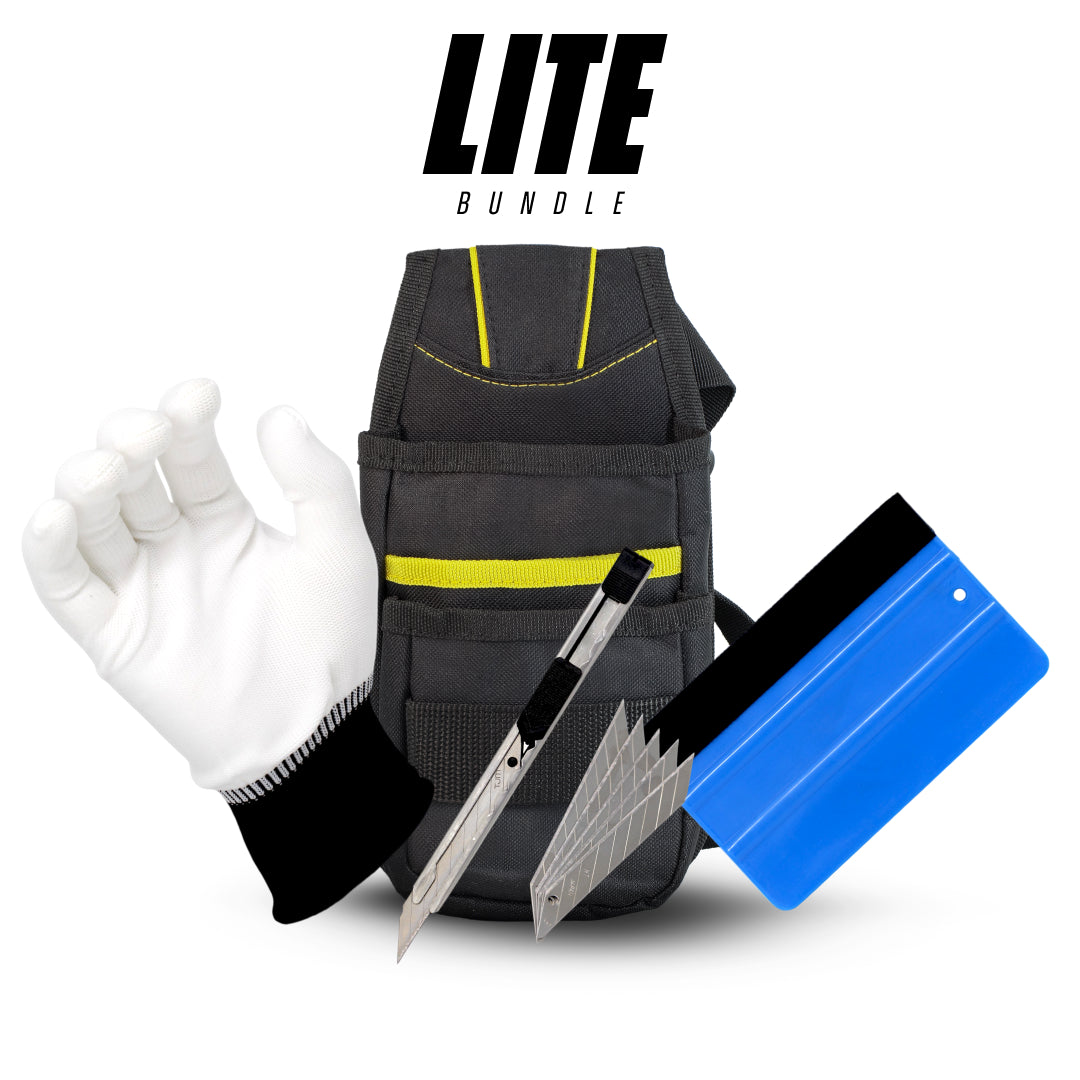
Paint Protection Film installation requires durable PPF tools designed to handle thicker, self-healing material.

What is Vinyl Wrap?
A vinyl wrap is a thin, adhesive-backed film used to change the appearance of a vehicle without repainting it. Unlike PPF, which focuses on protection, vinyl wrap is primarily about aesthetics and customisation. It allows car owners to completely transform the look of their vehicle, whether that means a sleek matte black car wrap, a vibrant colour shift, or a bold commercial branding design.
Vinyl wrapping has become extremely popular in both the personal and commercial vehicle industries. Businesses use vehicle wraps for advertising, while enthusiasts use them to experiment with styles that would be impossible or too expensive with traditional paint. In markets like vehicle wrap Australia, demand has grown rapidly due to the flexibility and cost-effectiveness of wrapping compared to repainting.
A key advantage of vinyl is its versatility. It comes in countless finishes,s including gloss, satin, matte, carbon fibre texture, and even specialty effects like chrome wrap. This allows for nearly unlimited customisation, making vinyl one of the most powerful tools in automotive styling today.
Unlike PPF, vinyl does not offer strong protection against rock chips or deep scratches. It can resist minor abrasions and UV fading, but its primary role is visual transformation rather than auto paint protection. Because of this, vinyl is often seen as a “style layer” rather than a protective barrier.
Installation of vinyl requires tools such as car wrap kits, vinyl squeegees, heat guns, and full vehicle wrap tool kits. While professional installation produces the best results, DIY enthusiasts often attempt wraps using vinyl wrap car kits or wrap tools vinyl sets, though this requires patience and skill.
Proper application also depends on high-quality wrap squeegees to eliminate air bubbles and tension marks.
Ultimately, vinyl wrap is about expression. It allows a vehicle to reflect personality, branding, or trend-driven design without permanently altering the original paint underneath.
How Vinyl Wrap Works on Vehicles
Vinyl wrap works by adhering a flexible PVC film onto the vehicle’s exterior using pressure-sensitive adhesive. The installer uses tools like a squeegee for vinyl, heat guns, and vehicle wrapping tools to smooth the material across curves, edges, and panels.
The heat helps the vinyl stretch and conform to complex shapes such as bumpers and mirrors. Once cooled, it retains its new form, creating a seamless finish. Proper installation ensures there are no bubbles, wrinkles, or lifting edges.
While vinyl is durable for styling purposes, it is not designed for heavy impact resistance. Its strength lies in its ability to transform a car’s appearance quickly and reversibly, making it ideal for temporary designs or branding campaigns.
Types of Vehicle Wraps (Matte, Chrome, Gloss, Satin)
One of the biggest advantages of vehicle vinyl wrap is the variety of finishes available. Each type creates a completely different visual effect.
A matte wrap gives a non-reflective, stealthy appearance that has become extremely popular in modern car culture. Gloss wraps mimic traditional paint but offer deeper colour saturation. Satin sits between matte and gloss, providing a soft sheen that feels premium and understated. Meanwhile, chrome wrap delivers a highly reflective mirror-like finish that stands out dramatically but requires careful maintenance.
These options allow car owners to experiment with aesthetics without committing to permanent paint changes. However, none of these finishes significantly enhances vehicle paint protection, which is where PPF maintains its advantage.
Key Differences Between PPF and Vinyl Wrap
At first glance, PPF (paint protection film) and vinyl wrap can look like cousins in the same family. Both are adhesive films applied to a vehicle’s surface, both require similar installation tools like a vinyl squeegee, heat guns, and vehicle wrap tool kits, and both can completely change how a car looks and feels. But once you go deeper, the differences are not subtle at all; they define the entire purpose, performance, and value of each option.
The simplest way to understand it is this: PPF is engineered for protection, while vinyl wrap is engineered for presentation. One tries to survive impact, the other tries to impress the eye. That single distinction influences everything from material thickness to longevity and even how the vehicle behaves under sunlight or road debris.
PPF is typically used as a long-term vehicle paint protection solution, often on high-value cars or daily drivers that face harsh road conditions. Vinyl wrap, on the other hand, is commonly used for styling changes, branding, or temporary aesthetic upgrades. This is why you’ll often see delivery fleets using vehicle wraps for advertising, while luxury car owners invest in PPF film to preserve factory paint.
Even though both can overlap in appearance, especially matte or satin finishes, their underlying performance is entirely different. Understanding these differences helps avoid mismatched expectations, such as assuming a car vinyl wrap will protect against stone chips or expecting PPF to deliver bold colour transformations like a chrome wrap or matte black car wrap.
A key part of finishing is using PPF squeegees to remove moisture and ensure strong adhesion.
Purpose and Function
The purpose of paint protection film (PPF) is straightforward: to protect the original paint from physical damage. It acts like a sacrificial barrier, absorbing scratches, chips, and abrasions before they reach the paint layer. Many car owners describe it as a “clear armour” or a modern version of a bra for the car, especially when applied to high-impact zones like bumpers and hoods.
In contrast, the purpose of a vinyl wrap is aesthetic transformation. It allows you to completely change the look of a vehicle without repainting it. Whether it’s a bold colour shift, corporate branding, or a stylish vehicle wrap colour upgrade, vinyl is about expression rather than defence.
This difference in intent shapes how each product is used. PPF is often invisible or barely noticeable, while vinyl is meant to be seen and admired.
Thickness and Durability
One of the most important technical differences lies in thickness. PPF film is significantly thicker than vinyl wrap, often nearly double or even triple the thickness. This added density is what allows it to absorb impact from gravel, road debris, and minor collisions without tearing or transferring damage to the paint underneath.
Vinyl wrap, by comparison, is much thinner and more flexible. It is designed to conform smoothly to curves and edges rather than resist impact. While high-quality brands like 3M vinyl wrap or Avery wraps offer good durability for styling purposes, they are not engineered for physical protection.
Durability also differs in lifespan. PPF can last anywhere from 7 to 12 years,s depending on quality and maintenance, while vinyl wraps typically last 3 to 7 years before fading, lifting, or losing adhesion. This makes PPF a long-term investment in automotive paint protection, while vinyl remains a medium-term styling solution.
Finish and Aesthetics
Aesthetically, vinyl wrap dominates. It offers endless customisation options, including matte black car wrap, gloss finishes, satin textures, carbon fibre patterns, and even exotic chrome wrap effects. This makes it the go-to choice for enthusiasts who want dramatic visual changes.
PPF, however, is primarily transparent. While there are matte versions, most PPF wraps are designed to preserve the original factory finish rather than replace it. Even when applied, the goal is to remain invisible while enhancing gloss and clarity.
In short, vinyl changes how your car looks, while PPF preserves how it already looks.
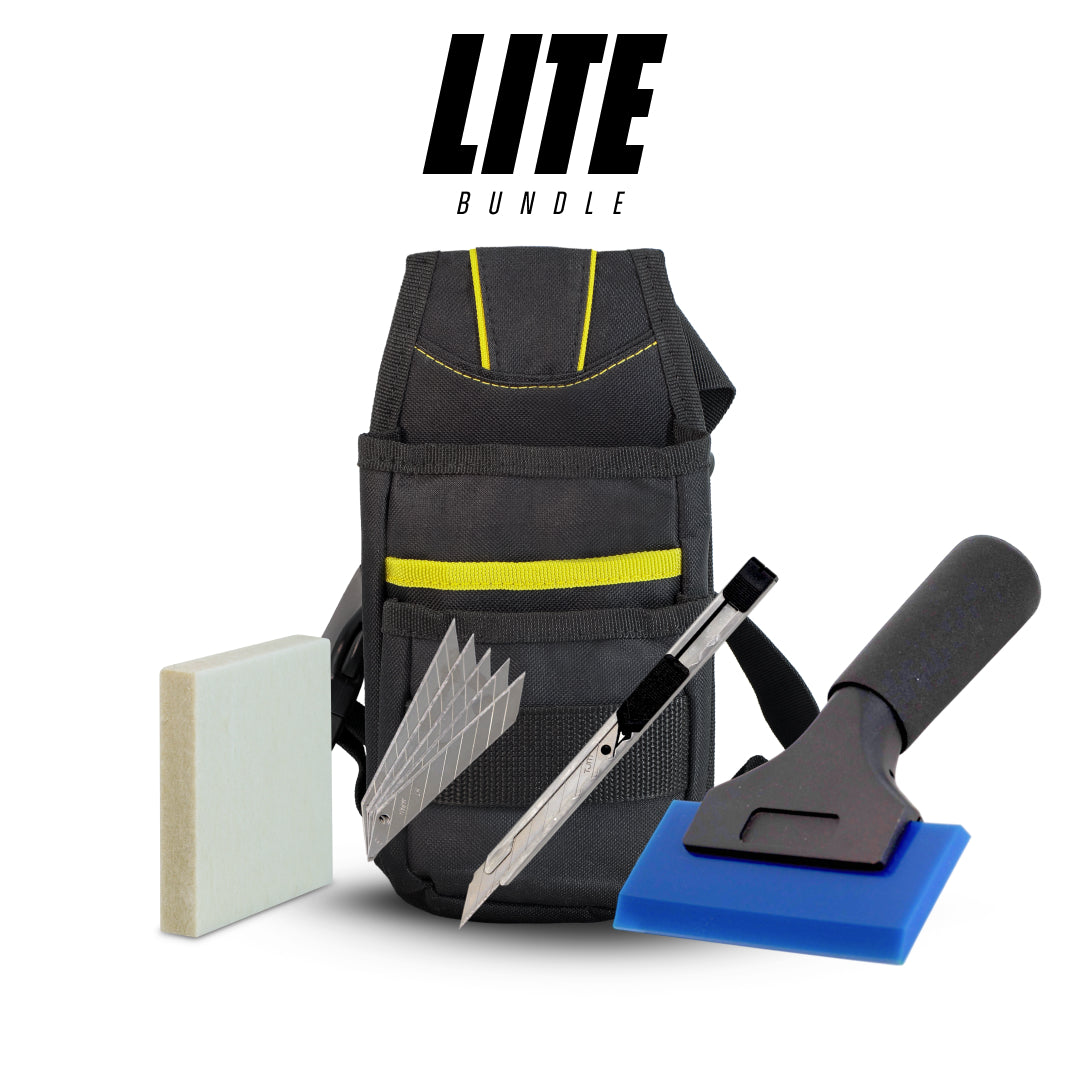
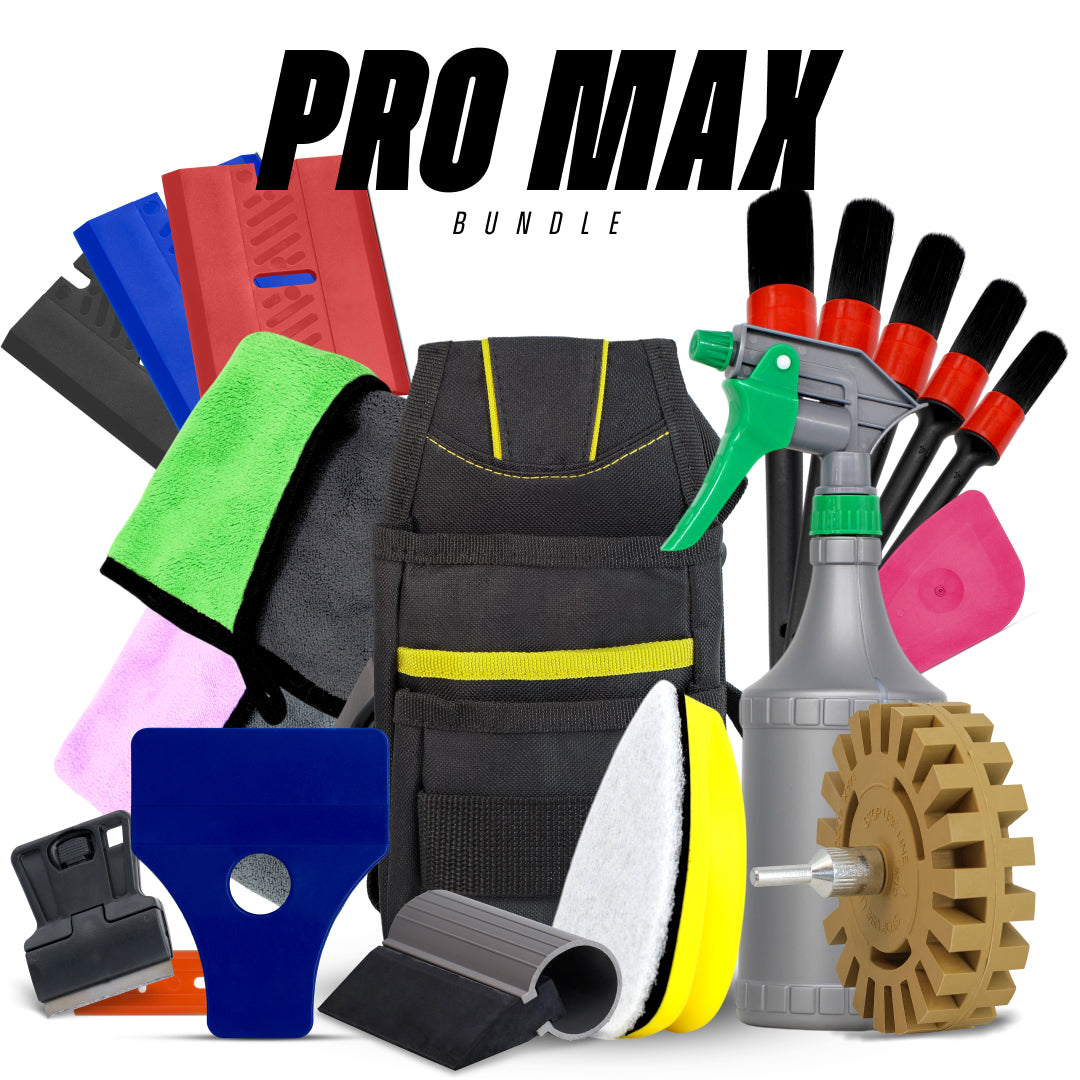
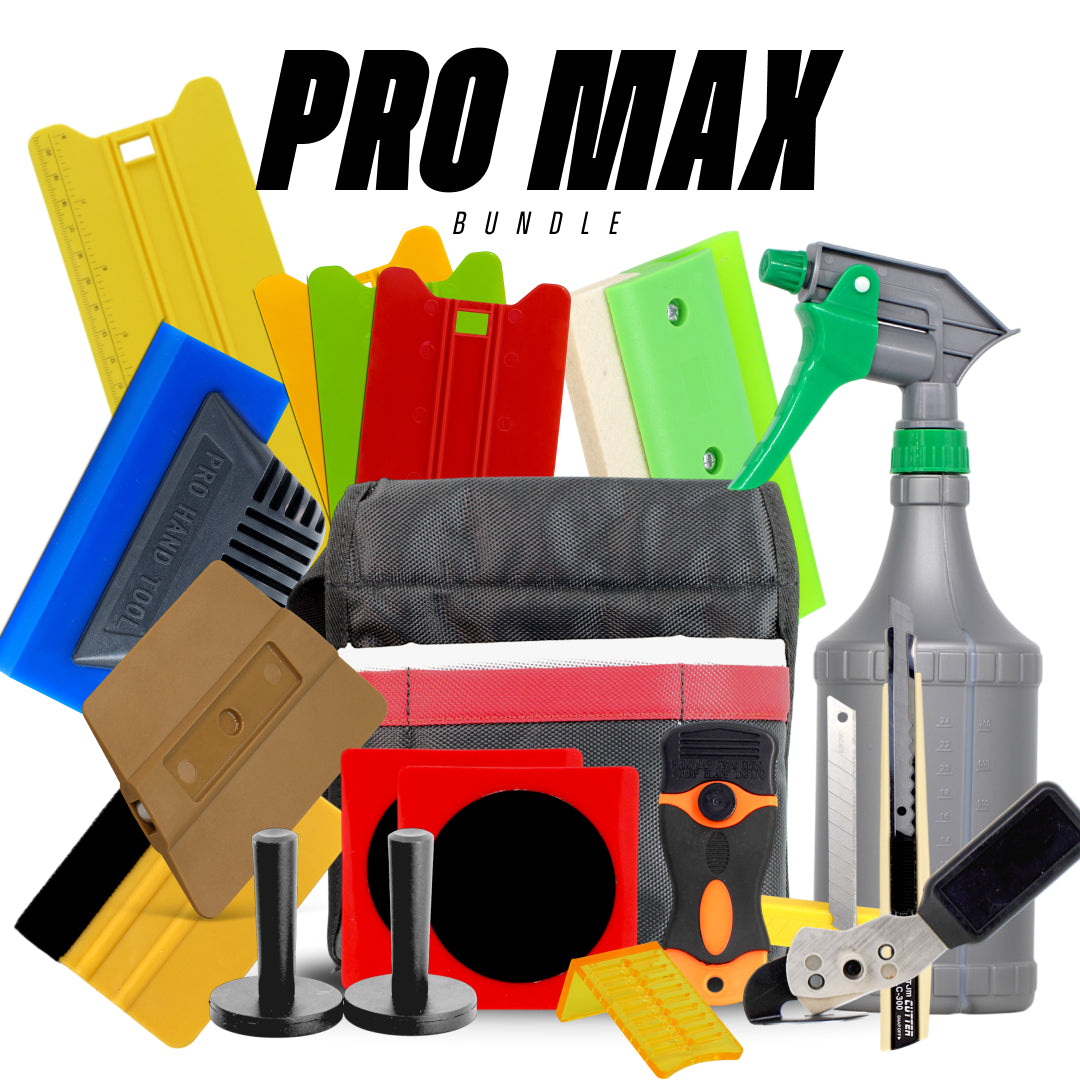
Many installers prefer full PPF tool kits to ensure they have all the necessary tools for complex installations.

Cost Comparison: PPF vs Vinyl Wrap
Cost is often the deciding factor for many car owners when choosing between PPF and vinyl wrap. While both options are significantly cheaper than a full respray, they still vary widely in price depending on material quality, vehicle size, labour, and installation complexity.
Generally speaking, PPF installation is more expensive than vinyl wrapping. This is due to the advanced material composition, higher durability, and the precision required during installation. A full-body paint protection film application can cost several thousand dollars, especially for luxury or large vehicles.
Vinyl wrap is more budget-friendly. A full car wrap typically costs less than PPF and offers more flexibility in design options. However, premium finishes like 3M truck wrap materials or custom printed designs can increase the price significantly.
PPF Pricing Factors
Several elements influence the cost of PPF film installation:
The first is coverage level. Some owners choose partial coverage, such as front bumper, hood, and side mirrors, while others opt for full-body protection. Full coverage naturally increases cost but offers complete vehicle paint protection.
The second factor is film quality. Premium self-healing films with hydrophobic coatings and UV resistance cost more but last longer and perform better.
The third factor is labour. Installing PPF requires advanced skill, precision cutting, and specialised tools like PPF squeegees and application gels. Because mistakes are expensive, professional installers charge accordingly.
Vinyl Wrap Pricing Factors
Vinyl wrap pricing is influenced by a different set of variables. The most obvious is material type. Standard gloss or matte films are more affordable, while specialty finishes like chrome wrap or textured carbon fibre significantly increase cost.
Design complexity also matters. A simple, solid-coloured vehicle vinyl wrap is cheaper than a custom-printed design or multi-coloured branding project. Labour is generally lower than PPF because vinyl is easier to manipulate, though complex curves and full wraps still require professional vehicle wrapping tools and experience.
Installation Process Overview
Installing either PPF or vinyl wrap is a detailed process that requires patience, precision, and the right tools. While both share similarities, the techniques differ based on material behaviour and purpose.
For both applications, professionals rely heavily on car wrap tools, including squeegees, cutting blades, heat guns, and application solutions. A proper vehicle wrap kit or vinyl wrapping tools kit ensures the film can be applied smoothly without bubbles or wrinkles.
Tools Used (Squeegee, Wrap Tools, Kits)
A key tool in both installations is the vinyl squeegee, used to push out air bubbles and ensure proper adhesion. For PPF, a softer paint protection film squeegee is often used to avoid damaging the clearer, more sensitive surface.
Installers also use full wrap tools vinyl sets, which may include edge cutters, felt-edged squeegees, heat guns, and precision knives. These tools allow the installer to stretch, shape, and lock the film into place.
High-quality tools are critical because both vinyl and PPF can fail if applied incorrectly. Poor installation can lead to lifting edges, trapped air, or premature peeling.
Skill Level Required for Installation
Vinyl wrapping requires moderate to advanced skill, especially for full vehicle coverage. DIY enthusiasts sometimes attempt it using a car wrap kit, but achieving a factory-level finish is challenging without experience.
PPF installation is significantly more complex. It demands precision alignment, controlled stretching, and knowledge of how the film behaves under tension. Even small mistakes can lead to visible defects or reduced protection performance.
This is why most automotive paint protection jobs involving PPF are handled by trained professionals, while vinyl wraps are more commonly attempted by skilled hobbyists or semi-professional installers.

Which Option Is Better for Daily Drivers: PPF or Vinyl Wrap?
Choosing between paint protection film (PPF) and vinyl wrap often comes down to how you use your vehicle day to day.
For daily-driven cars that regularly face highway driving, gravel roads, harsh weather, or frequent washing, PPF is usually the better long-term investment because it’s specifically engineered for protection. High-quality PPF can absorb small rock chips, resist scratches, and even self-heal minor swirl marks with heat.
On the other hand, vinyl wrap is ideal for drivers focused on aesthetics and customisation. Wraps allow you to completely transform the look of your vehicle with finishes like matte, satin, gloss, chrome, or carbon fibre, without permanently repainting the car.
Best Choice Based on Your Goal
Choose PPF if you want:
- Maximum paint protection
- Long-term durability
- Self-healing properties
- Protection against stone chips and scratches
Choose Vinyl Wrap if you want:
- Colour changes and styling
- Custom graphics or branding
- Lower upfront cost
- Easier visual customisation
Can You Combine PPF and Vinyl Wrap?
Yes, many vehicle owners now combine both solutions for the best of both worlds.
A common setup is:
Vinyl wrap for the overall colour and finish
PPF applied over high-impact areas such as:
- Front bumper
- Bonnet
- Side skirts
- Door edges
This layered approach gives you both visual transformation and added protection in vulnerable areas.
Quick Expert Insight: If preserving resale value and factory paint condition is your priority, PPF generally delivers stronger long-term protection. If your main goal is to change the appearance of your vehicle, a vinyl wrap offers significantly more creative flexibility.
FAQs
Is PPF better than vinyl wrap?
PPF is better for protection, while vinyl wrap is better for aesthetics. Neither is universally “better”; they serve different purposes.
Does vinyl wrap protect car paint?
Vinyl offers minor protection against light scratches and UV rays,s but is not designed for impact resistance like PPF.
How long does PPF last compared to a vinyl wrap?
PPF can last 7–12 years, while vinyl wraps typically last 3–7 years,s depending on quality and maintenance.
Can you install PPF or vinyl wrap yourself?
Vinyl can sometimes be DIY-installed with a car wrap kit, but PPF usually requires professional installation due to its complexity.
Which is more expensive: PPF or vinyl wrap?
PPF is generally more expensive due to thicker materials, advanced technology, and more complex installation requirements.
Conclusion
Choosing between PPF vs vinyl wrap ultimately comes down to your goal. If your priority is long-term vehicle paint protection, resistance to stone chips, and preserving factory condition, then paint protection film (PPF) is the clear choice. It acts as a durable, nearly invisible shield that keeps your paint looking new for years.
If your focus is style, branding, or visual transformation, then a vinyl wrap offers far more flexibility. From matte black car wraps to bold chrome finishes, vinyl allows complete customisation without permanent changes.
Both options use similar installation tools like vinyl squeegees, vehicle wrap kits, and professional wrap tools, but their purpose, cost, and durability are fundamentally different. Understanding this distinction ensures you invest in the right solution for your vehicle and expectations.
Are you unsure which tool or kit is right for your job?
Our expert team at Oz Sign Supplies is here to help. Reach out today, and we’ll direct you to the best tools to suit your project, ensuring you get the job done right the first time.


%20and%20a%20vinyl%20wrap%20is%20one%20of%20the%20most%20common%20decisions%20car%20owners%20face%20when%20thinking...)
Leave a comment
This site is protected by hCaptcha and the hCaptcha Privacy Policy and Terms of Service apply.