



Article: How to Start a Car Wrapping Business (Tools, Costs & Setup Guide)

How to Start a Car Wrapping Business (Tools, Costs & Setup Guide)
Why the Car Wrapping Industry Is Growing Fast
The automotive customisation market has shifted dramatically. Years ago, repainting a vehicle was the only serious option for changing a car’s appearance. Today, vehicle wraps offer a faster, more flexible, and often more affordable solution. Customers love the idea that they can transform a vehicle’s appearance without permanently altering the factory paint. That flexibility is one of the biggest reasons the industry keeps expanding.
Australian pricing data in 2025 shows the average car wrapping cost sits between AUD $2,500 and $6,000 for standard wraps, while premium wraps reach much higher. Those price points create excellent revenue opportunities because material costs typically represent only part of the final invoice. Labour, design work, preparation, and expertise become the real value drivers. A professional installer who completes two or three quality wraps weekly can build a highly profitable operation.
Social media has also fuelled industry growth. Platforms like Instagram, TikTok, and YouTube constantly showcase dramatic transformations featuring matte black car wrap, satin finishes, racing liveries, and colour-shifting films. Customers see these videos and immediately start imagining their own vehicles wrapped in something unique. It is visual marketing at its most powerful. One viral transformation video can generate thousands of enquiries for a wrap shop.
Commercial businesses are another major driver. Tradespeople, delivery companies, and service providers increasingly use vehicle vinyl wrap advertising instead of expensive recurring digital ads. A branded van effectively becomes a rolling billboard. For wrap businesses, fleet contracts can create recurring revenue and stable cash flow.
The car wrap industry has exploded across Australia over the last few years. What was once considered a niche automotive customisation service has now become a booming business opportunity for detailers, sign shops, automotive enthusiasts, and entrepreneurs looking to enter a high-margin industry. From matte black car wrap projects to commercial fleet branding and custom car wraps, demand continues to grow as more vehicle owners search for alternatives to traditional paint jobs.
Real-world pricing data from Australian wrap businesses in 2025 and 2026 shows that full wraps commonly range between AUD $2,500 and $7,000, depending on the vehicle size, vinyl quality, and installation complexity. Premium finishes like chrome wrap or colour-shift films can push prices beyond AUD $10,000. That pricing creates substantial room for profit when the business is set up properly with the right workflow, equipment, and marketing strategy.
If you have ever wondered how to build a successful vehicle wrap Australia business from scratch, this guide breaks down everything you need to know. You will learn about startup costs, workspace requirements, wrap tools, branding strategies, training, pricing models, and the exact equipment needed to launch professionally.

Understanding the Car Wrapping Business Model
A successful automotive wrap business usually operates across two major revenue streams: retail customisation and commercial branding. Understanding both is critical because they attract different customer types and require different marketing strategies.
Retail customers are driven by appearance and personalisation. They want their vehicles to stand out. One customer may want a stealthy matte black car wrap, while another wants a bright satin chrome finish or racing-inspired design. These customers are emotional buyers. They are purchasing identity, attention, and individuality. Much like fashion, wraps allow people to express themselves. That emotional factor makes premium pricing possible when your portfolio and reputation are strong.
Commercial clients, on the other hand, focus on visibility and return on investment. A plumber wrapping five vans cares less about satin finishes and more about readable branding, durability, and lead generation. These projects often involve 3m truck wrap installations, partial wraps, or printed graphics. The advantage of commercial work is consistency. Fleet jobs can scale quickly and generate repeat business.
Many successful wrap businesses also expand into related services such as:
- Window tinting
- Paint protection film (PPF)
- Signage graphics
- Vinyl cabinet wrap
- Interior wraps
- Dechrome services
- Vehicle detailing
Diversification protects revenue during seasonal fluctuations. If private wrap demand slows temporarily, fleet branding and signage work can maintain cash flow. Think of your wrap business like a toolbox itself; the more tools you have, the more problems you can solve for customers.
The vehicle wrapping industry continues to grow rapidly, creating strong demand for installers with the right skills and vehicle wrapping tools.
Skills You Need Before Starting
People often underestimate how technical wrapping actually is. Watching a skilled installer on TikTok can make wrapping look easy, but experienced professionals know the reality is very different. Even Reddit discussions from wrap communities repeatedly warn beginners that wrapping is “much harder than it looks.” The learning curve is steep because modern vinyl installation combines precision, patience, heat control, surface preparation, and design understanding.
The first skill you need is proper vinyl handling. You must learn how different materials stretch, shrink, and respond to heat. Premium products like 3m vinyl wrap and Avery wraps behave differently from cheaper films. Cast vinyl tends to conform better around curves, while lower-quality films can wrinkle, lift, or fail prematurely. A skilled installer understands these nuances instinctively.
Surface preparation is another massive factor. Wraps do not hide imperfections. They amplify them. Dust particles, scratches, stone chips, and poor cleaning practices can ruin a finished job instantly. Professional wrappers obsess over preparation because the prep stage often determines whether the install succeeds or fails.
Business skills matter just as much as installation skills. Many talented wrappers struggle financially because they price poorly, fail to market themselves, or underestimate overhead costs. Customer communication is essential. Clients spending AUD $5,000 on a wrap expect professionalism, transparency, and realistic timelines. You are not just selling vinyl, you are selling trust.
Training courses can accelerate the learning process significantly. Australia now has multiple training providers offering hands-on wrap certification programs. Some focus specifically on 3m wrapping, while others teach broader commercial wrap installation techniques. Spending money on training early often saves thousands later in wasted material and failed installs.
Many advanced installers prefer knifeless tape because it allows precision cuts without risking damage to paintwork.
Choosing Your Business Setup
One of the first big decisions is whether to start from home or lease a commercial workshop. Both options have advantages, and your choice will affect startup costs significantly.
Starting from a home garage is the most affordable path. Many successful wrap shops began exactly this way. A clean double garage with good lighting and controlled dust can handle smaller jobs while you build experience and clientele. This setup dramatically reduces overhead, which is especially valuable during the first year. Lower overhead means you can survive slower months while developing your reputation.
The downside is scalability. Large SUVs, vans, and commercial fleet projects may not fit comfortably in a residential workspace. Customers may also perceive a commercial workshop as more professional and trustworthy. Perception matters in this industry because clients are handing over expensive vehicles.
Commercial workshops create stronger branding opportunities and allow higher workflow efficiency. You can install better lighting, maintain dedicated prep bays, and accommodate larger vehicles. A professional studio also photographs better for social media content, which matters enormously in a visually driven business.
Some entrepreneurs experiment with mobile wrapping services. While mobile installs can work for smaller graphics or partial wraps, full vehicle wraps are challenging outside controlled environments. Dust, temperature changes, humidity, and poor lighting create unnecessary risks. Most professional installers eventually move toward dedicated indoor workspaces because consistency improves profitability.
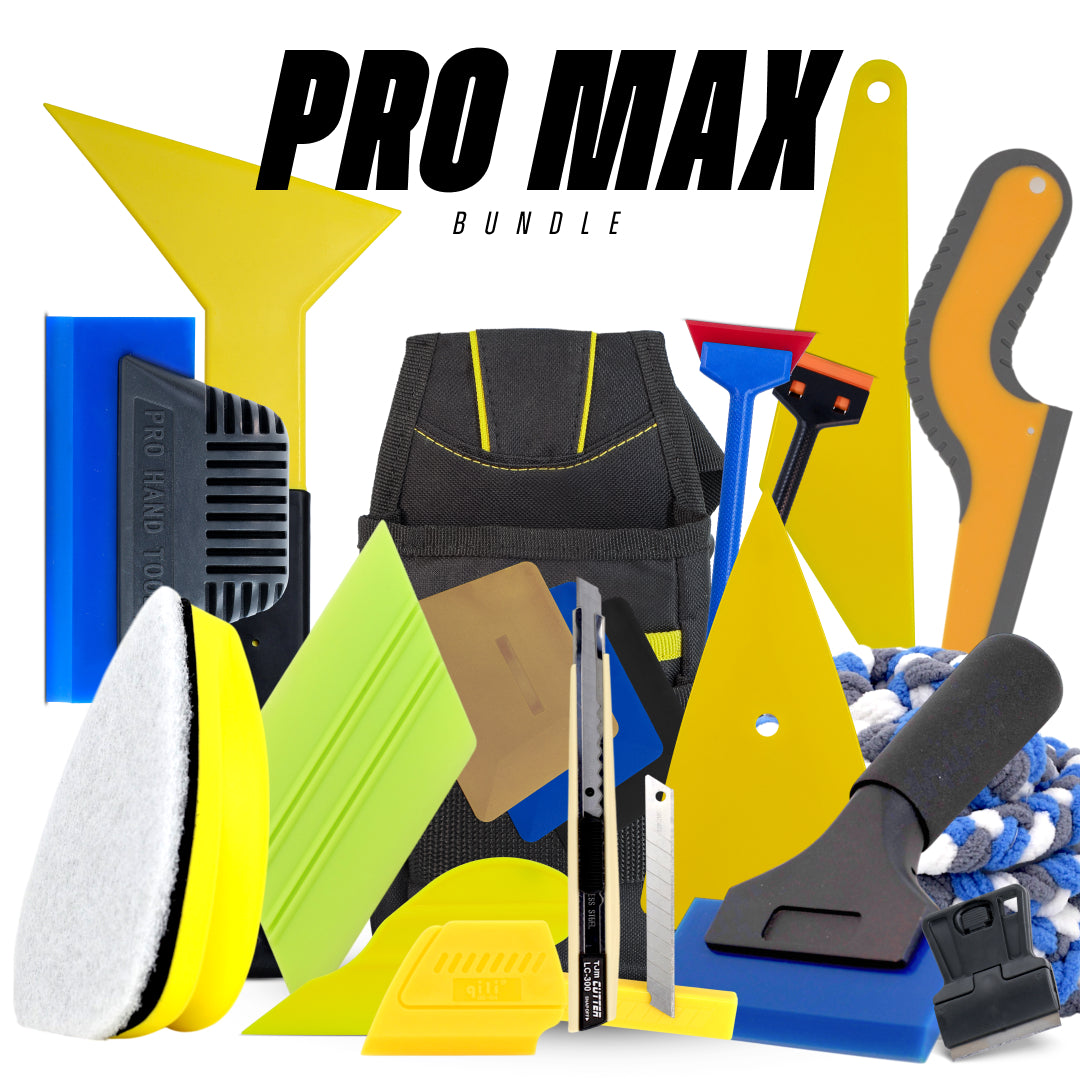
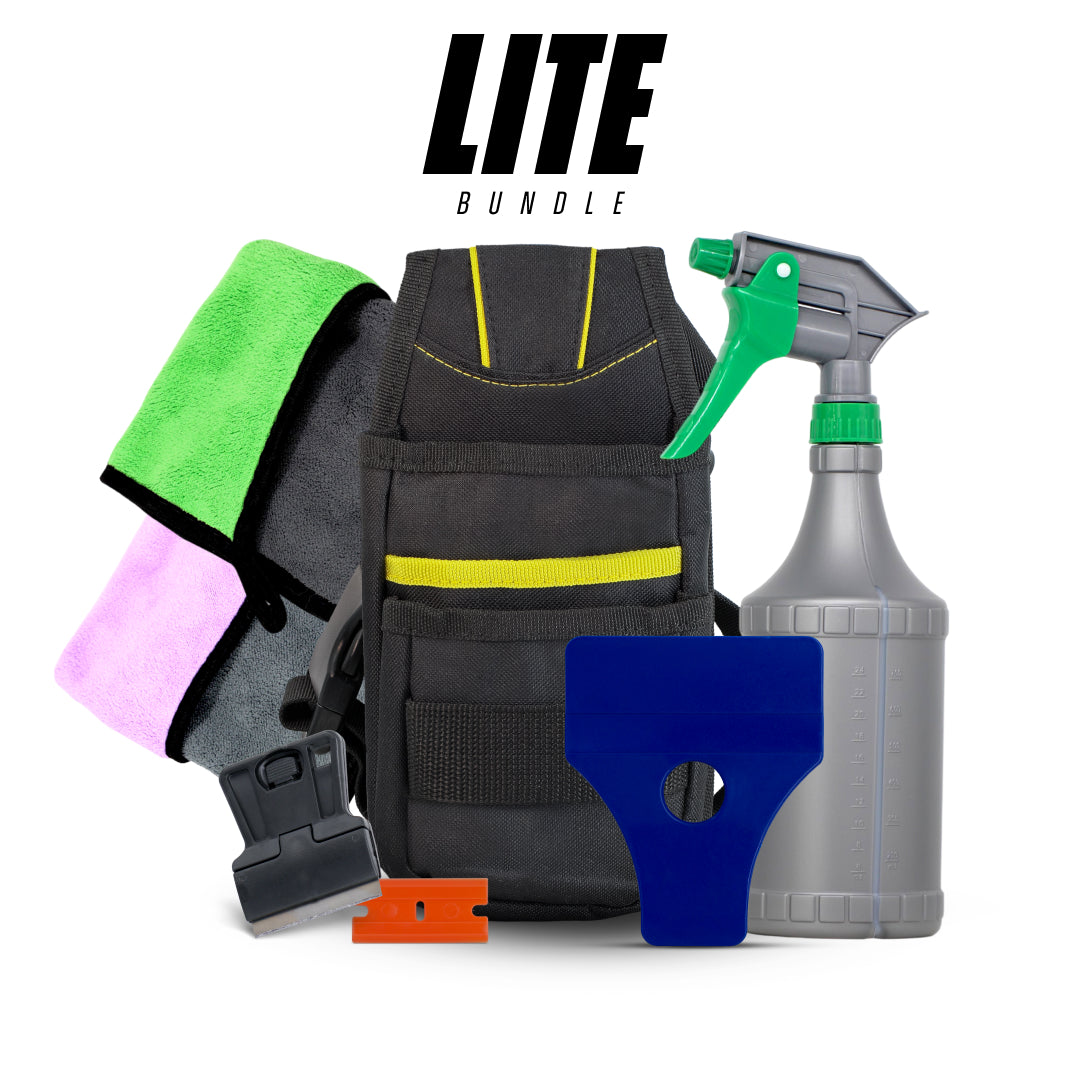
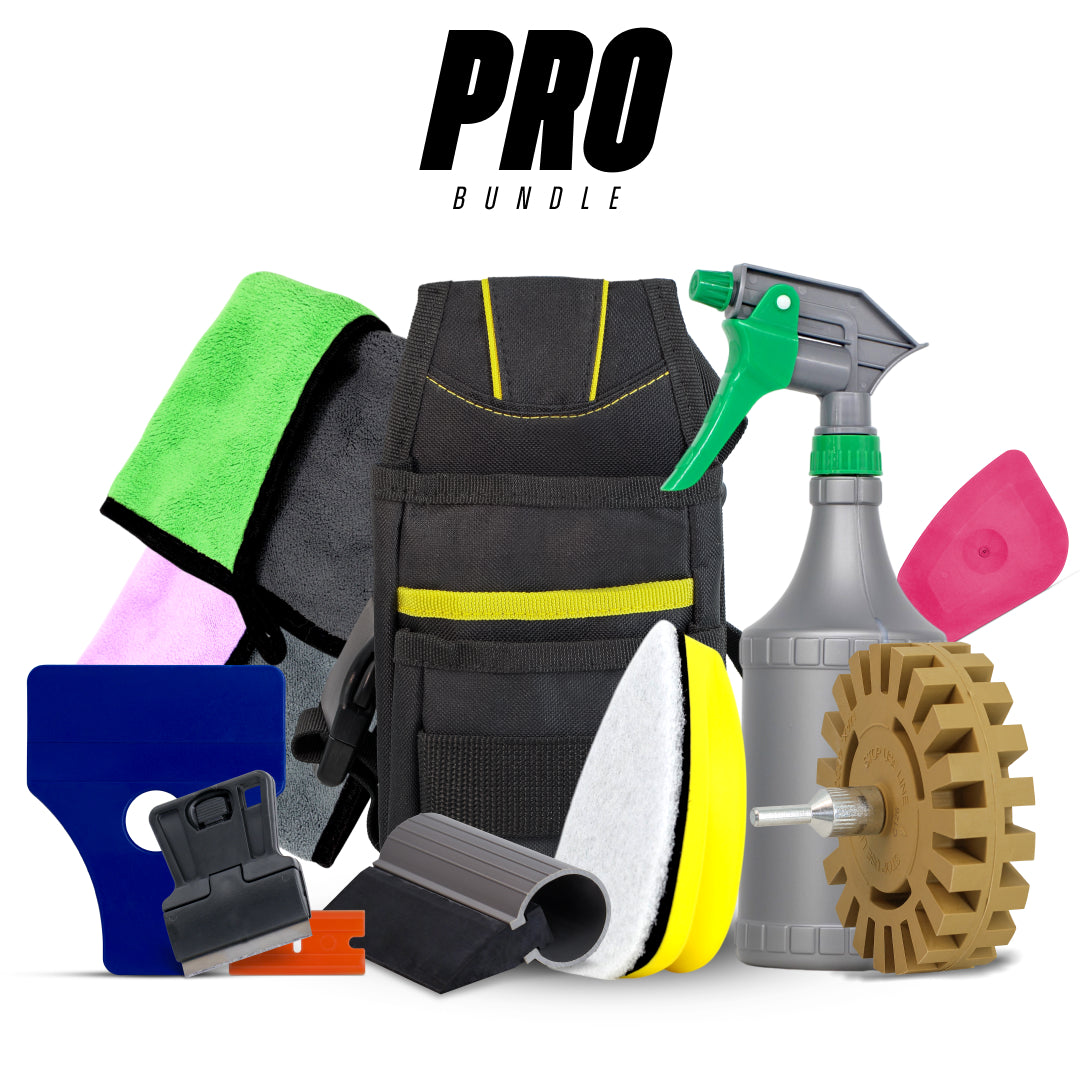
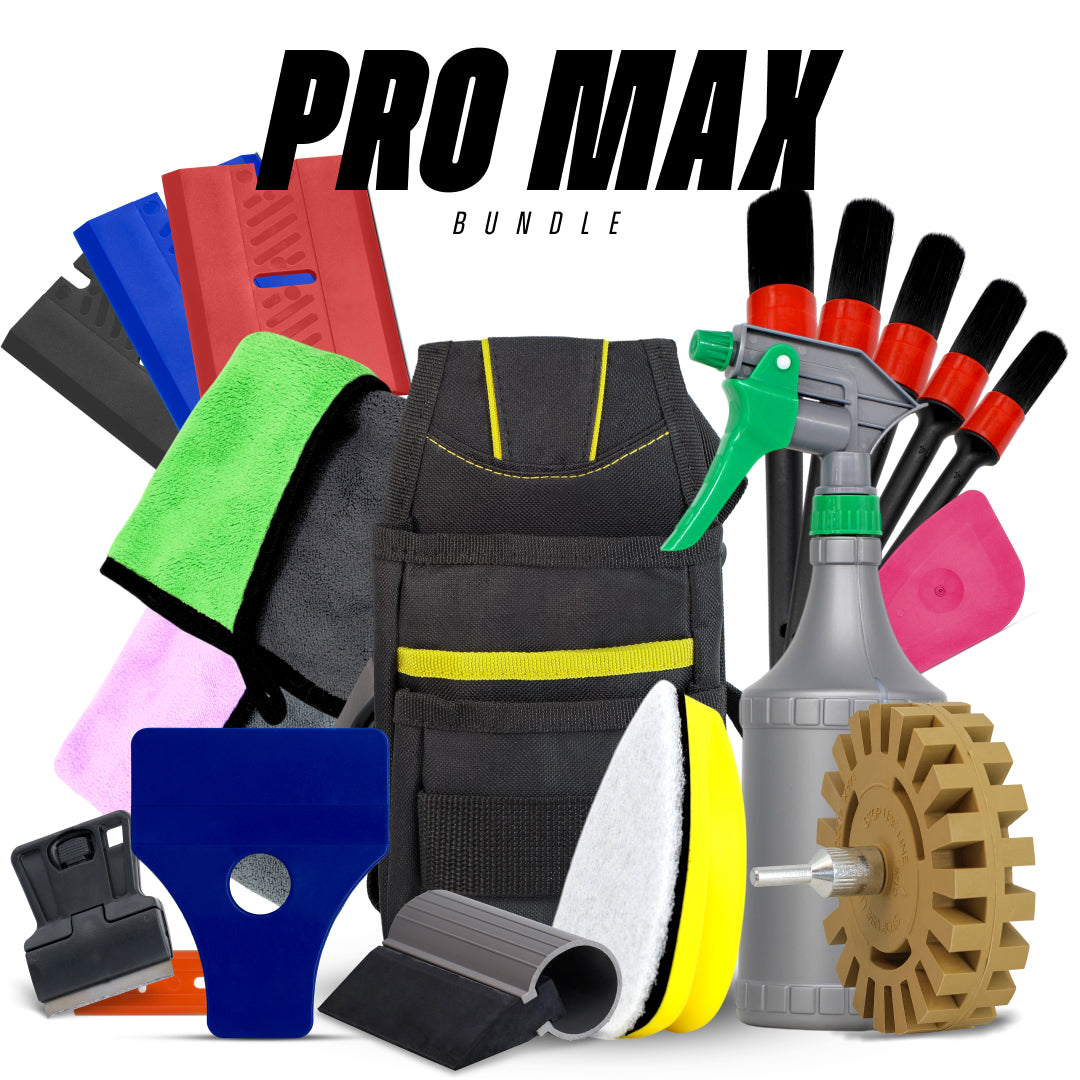
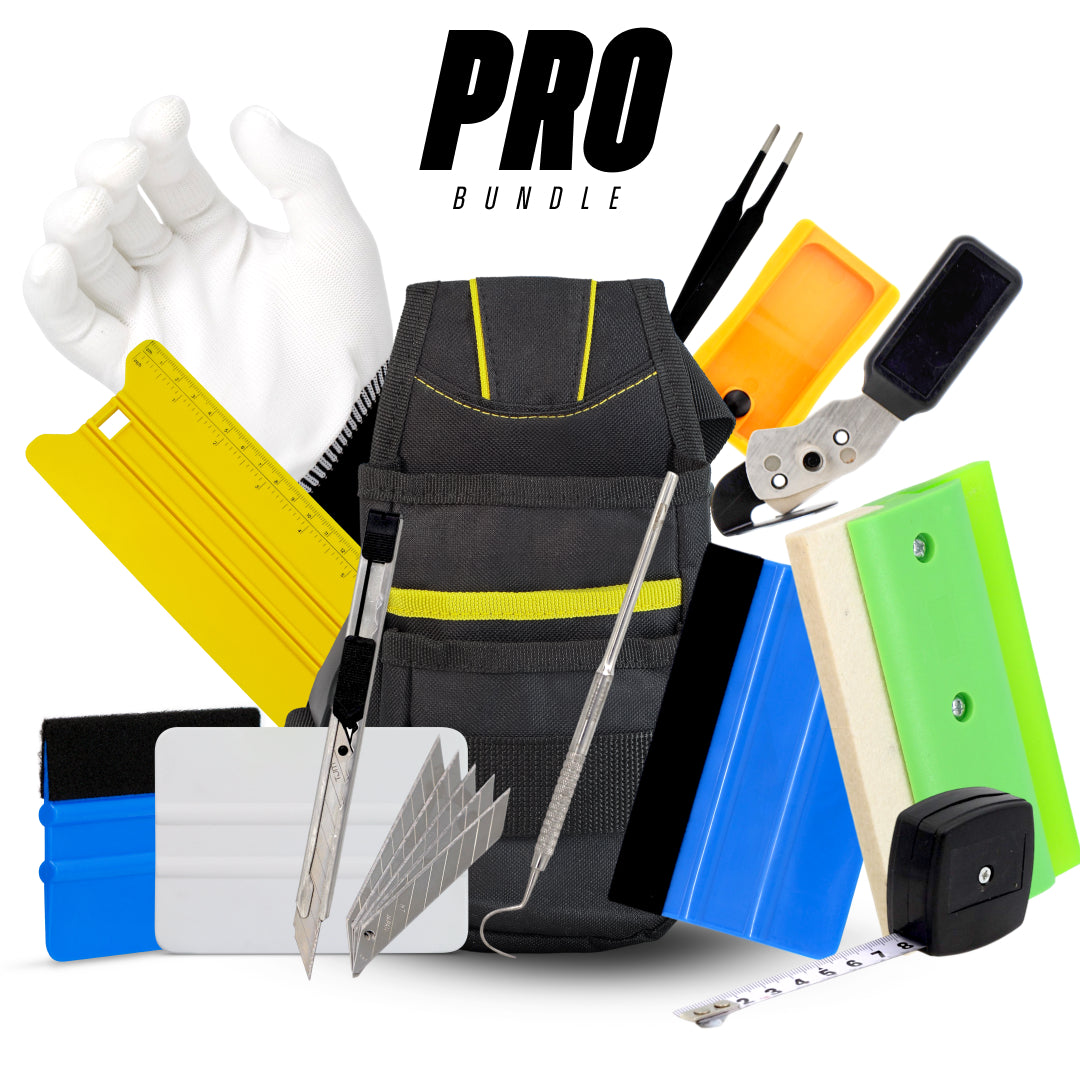
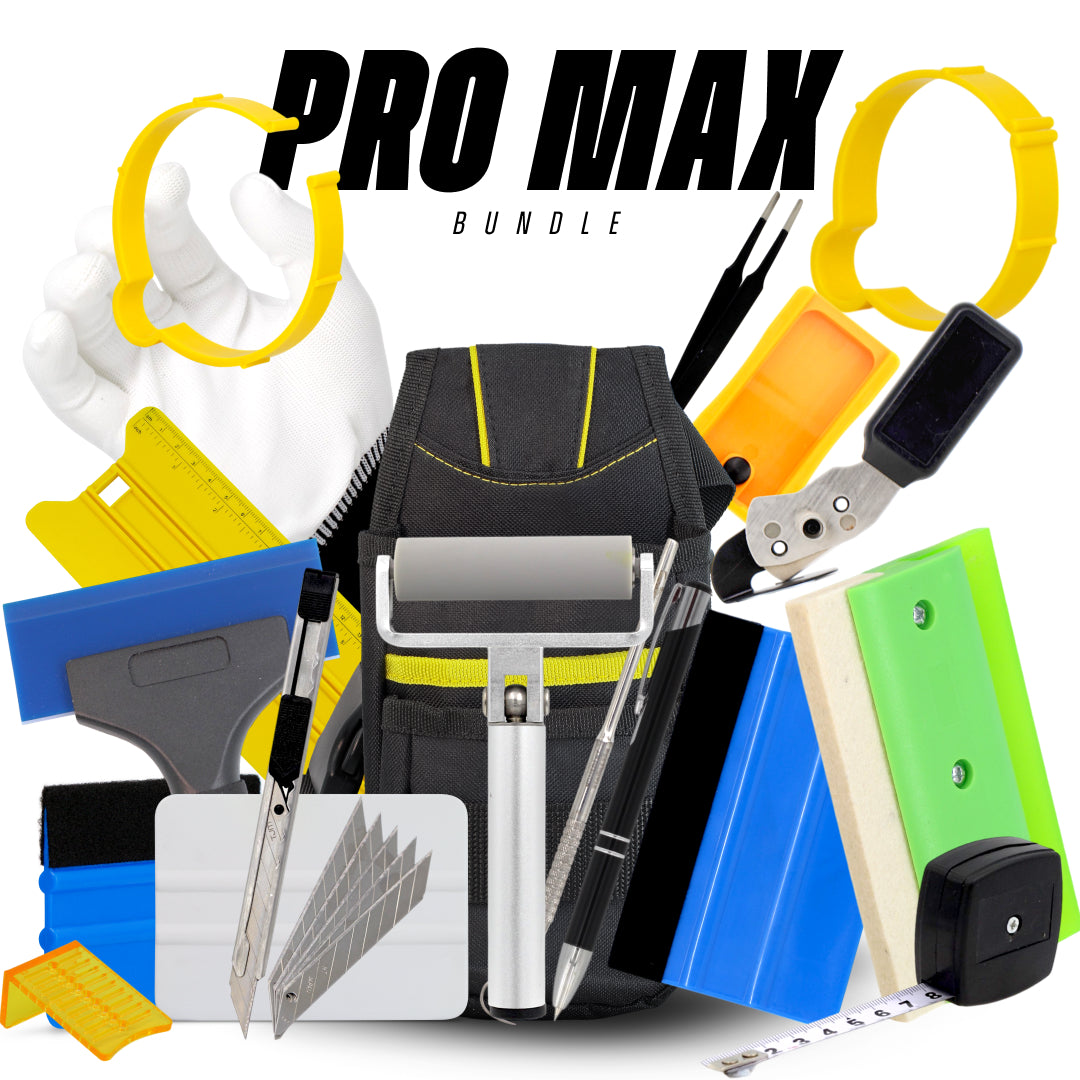
Many new installers begin with complete wrap tool kits because they include the core tools needed for most wrapping jobs.

Essential Car Wrapping Tools & Equipment
Tools are the backbone of your business. Cheap equipment usually creates expensive mistakes. A professional wrap setup requires reliable, purpose-built equipment designed specifically for vinyl installation.
Core Vinyl Wrap Tools
Every professional installer relies on several essential tools daily:
- Squeegee for vinyl
- Precision knives and blades
- Heat guns
- Infrared thermometers
- Magnets and panel holders
- Gloves
- Surface prep chemicals
- Knifeless tape
- Measuring tools
- Air release tools
A quality vinyl squeegee is one of the most important tools in your arsenal. Different squeegees serve different purposes. Soft-edge squeegees help reduce scratching on delicate films, while firmer options assist with aggressive adhesion and air removal. Most professionals carry multiple types because no single tool suits every application.
Professional installers also use specialised wrap cutting tools for clean edges and detailed trimming work.
Heat guns are equally critical. Vinyl memory means the material wants to return to its original shape after stretching. Proper post-heating stabilises the film and reduces lifting risks later. Without correct heat management, corners and edges may fail within weeks.
Professional Vehicle Wrapping Kits
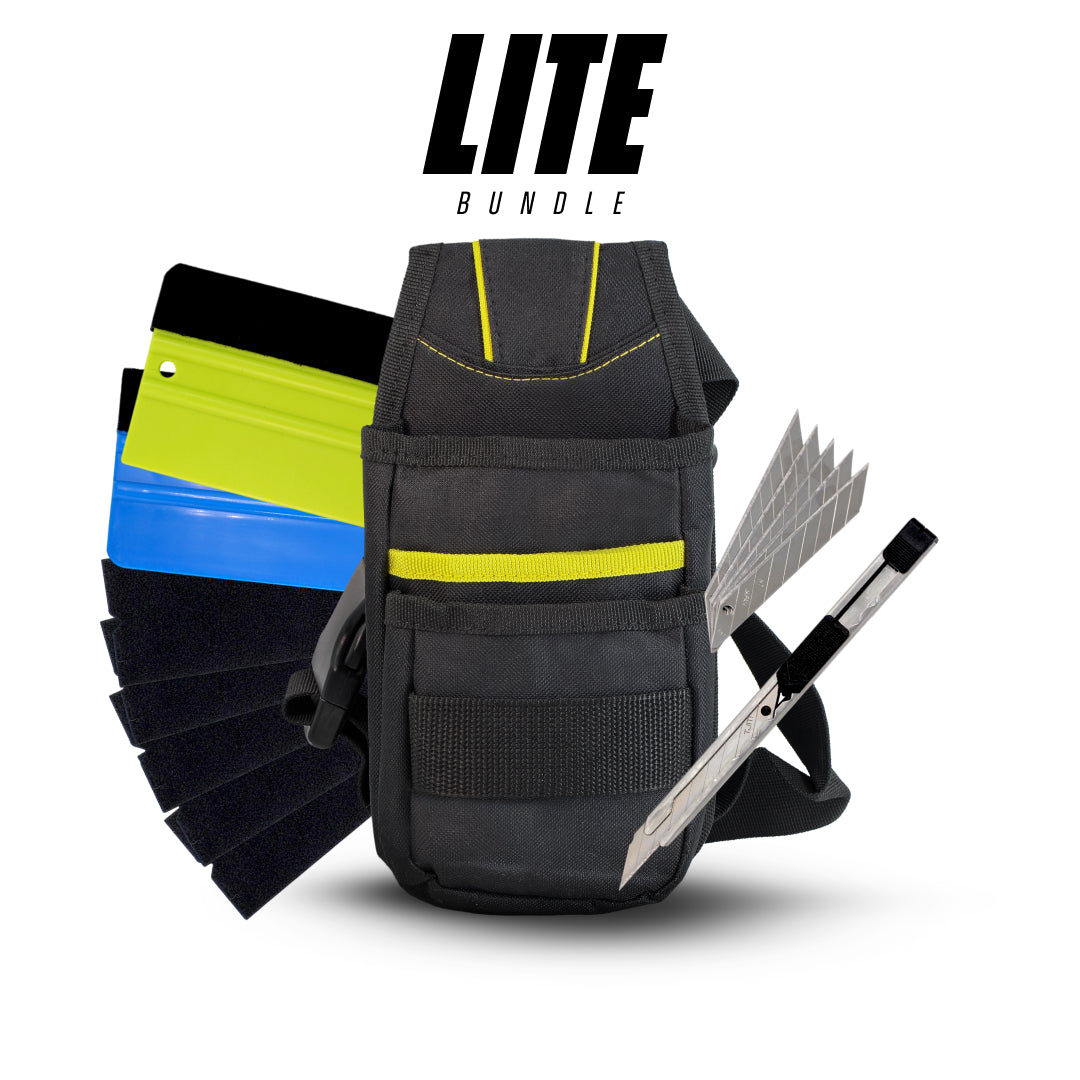
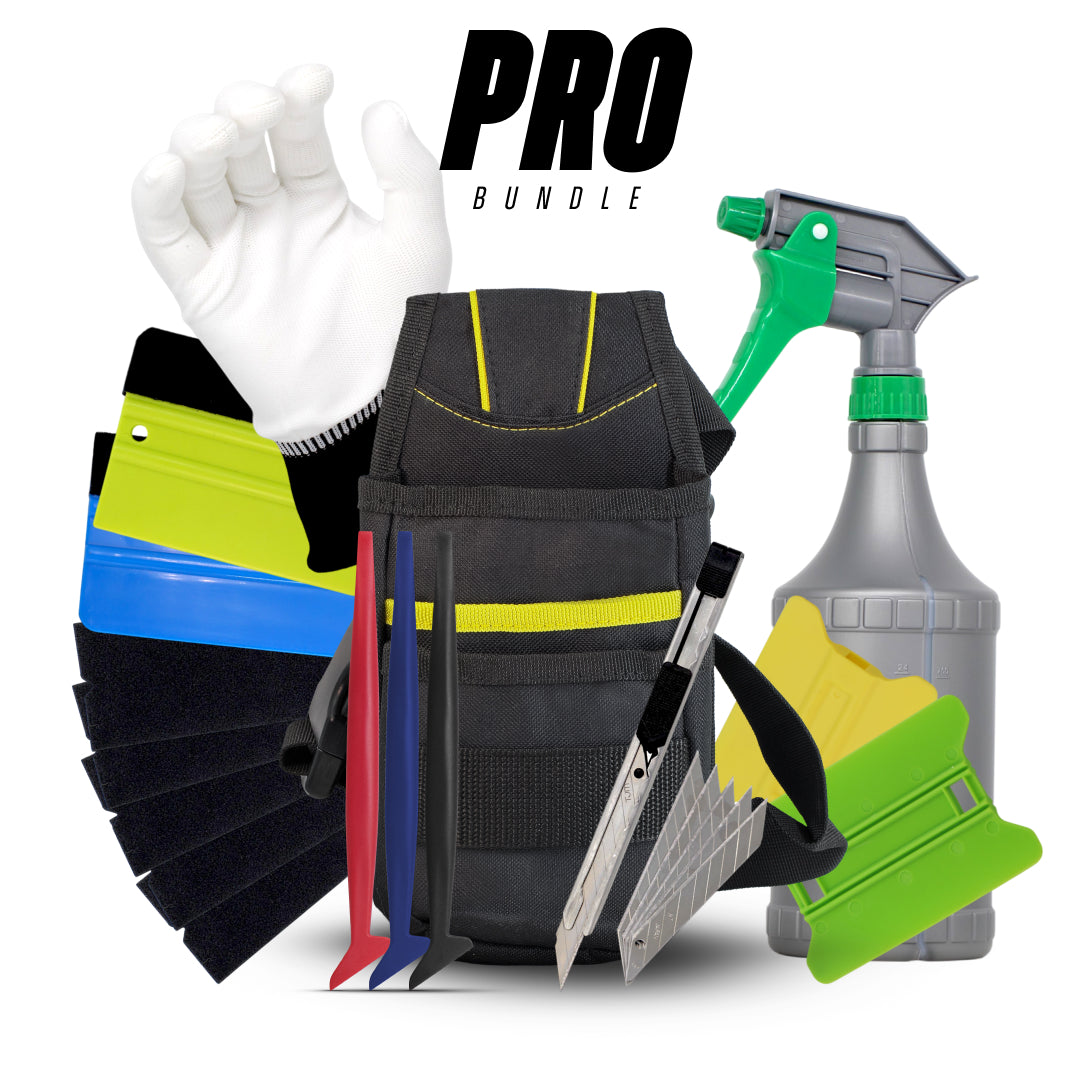
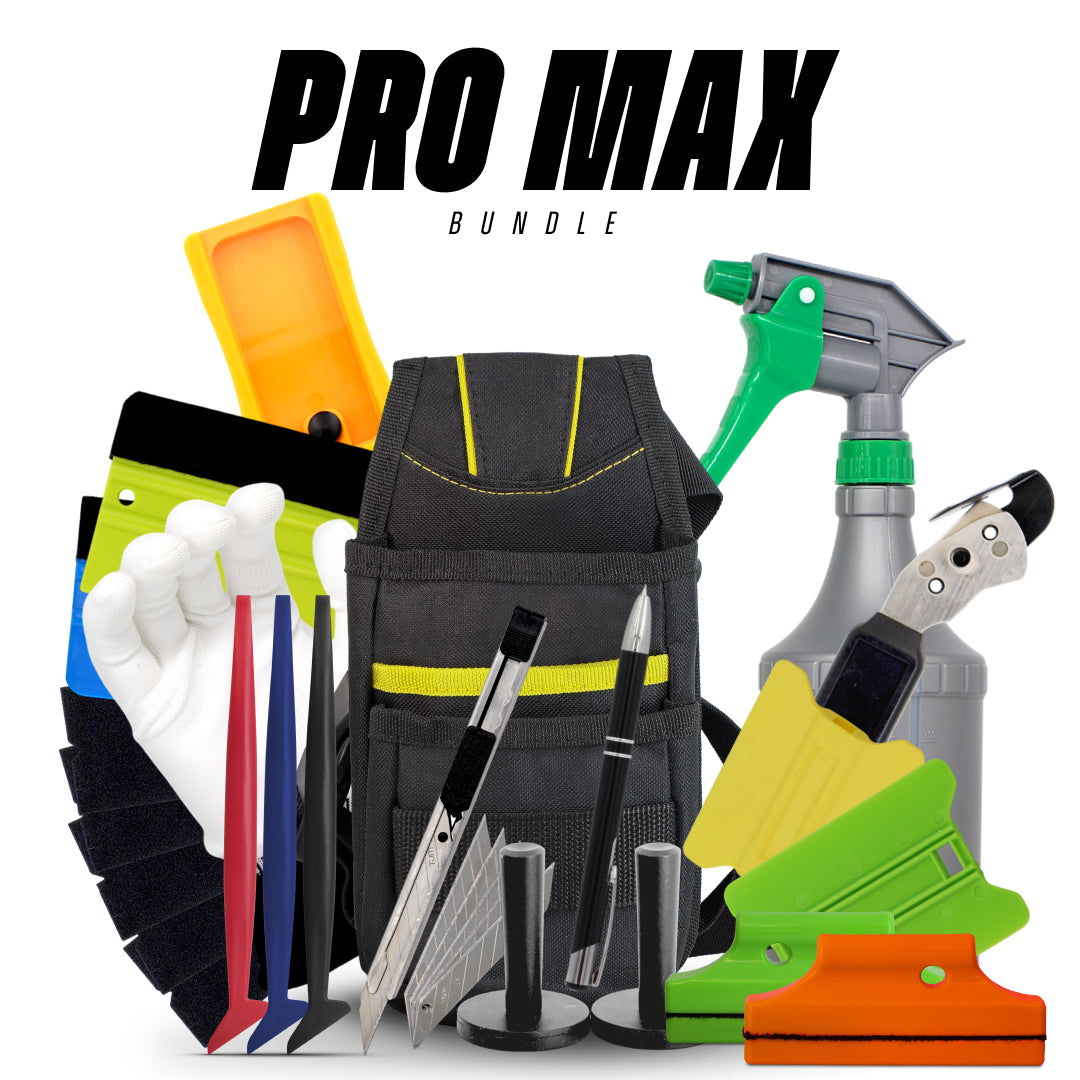
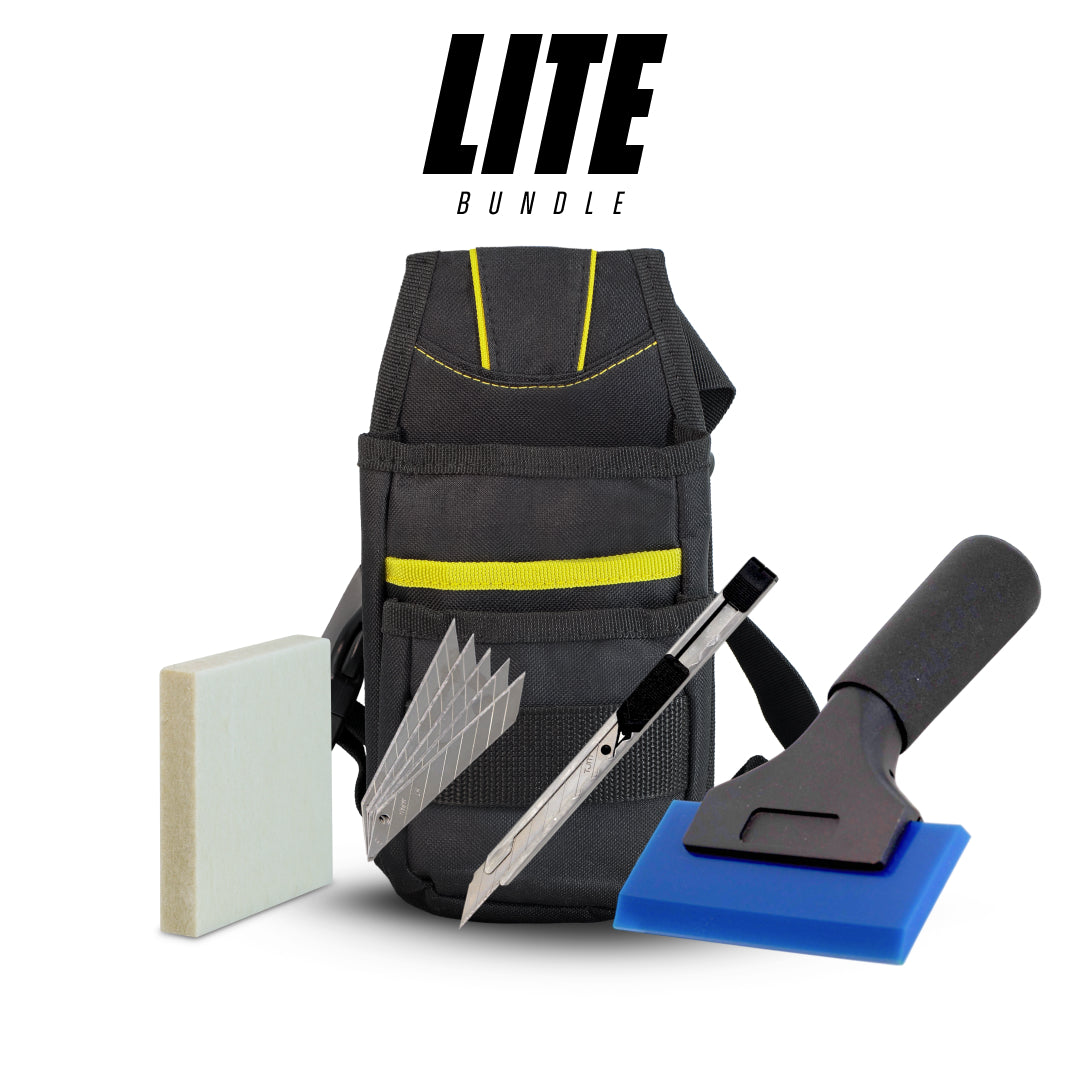
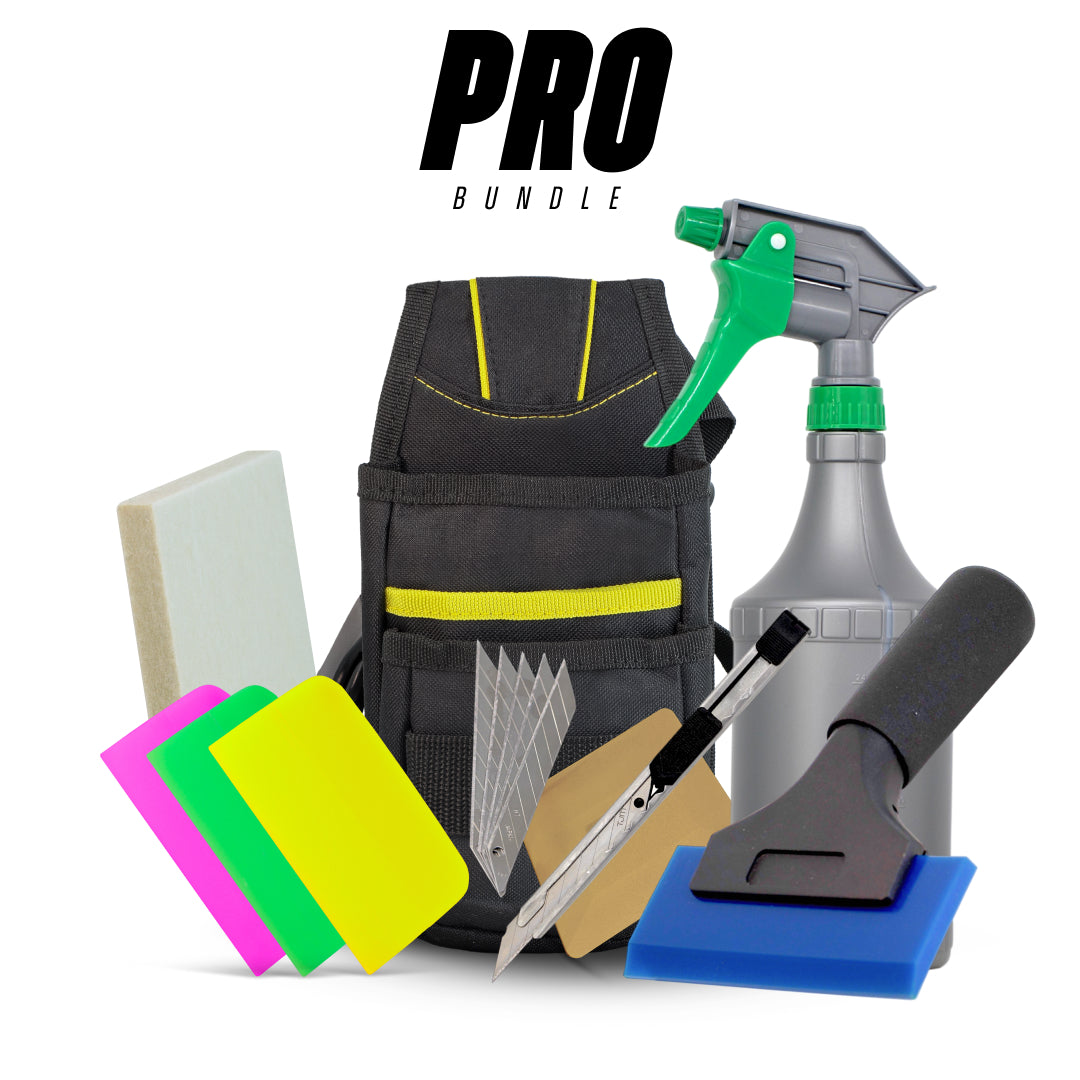
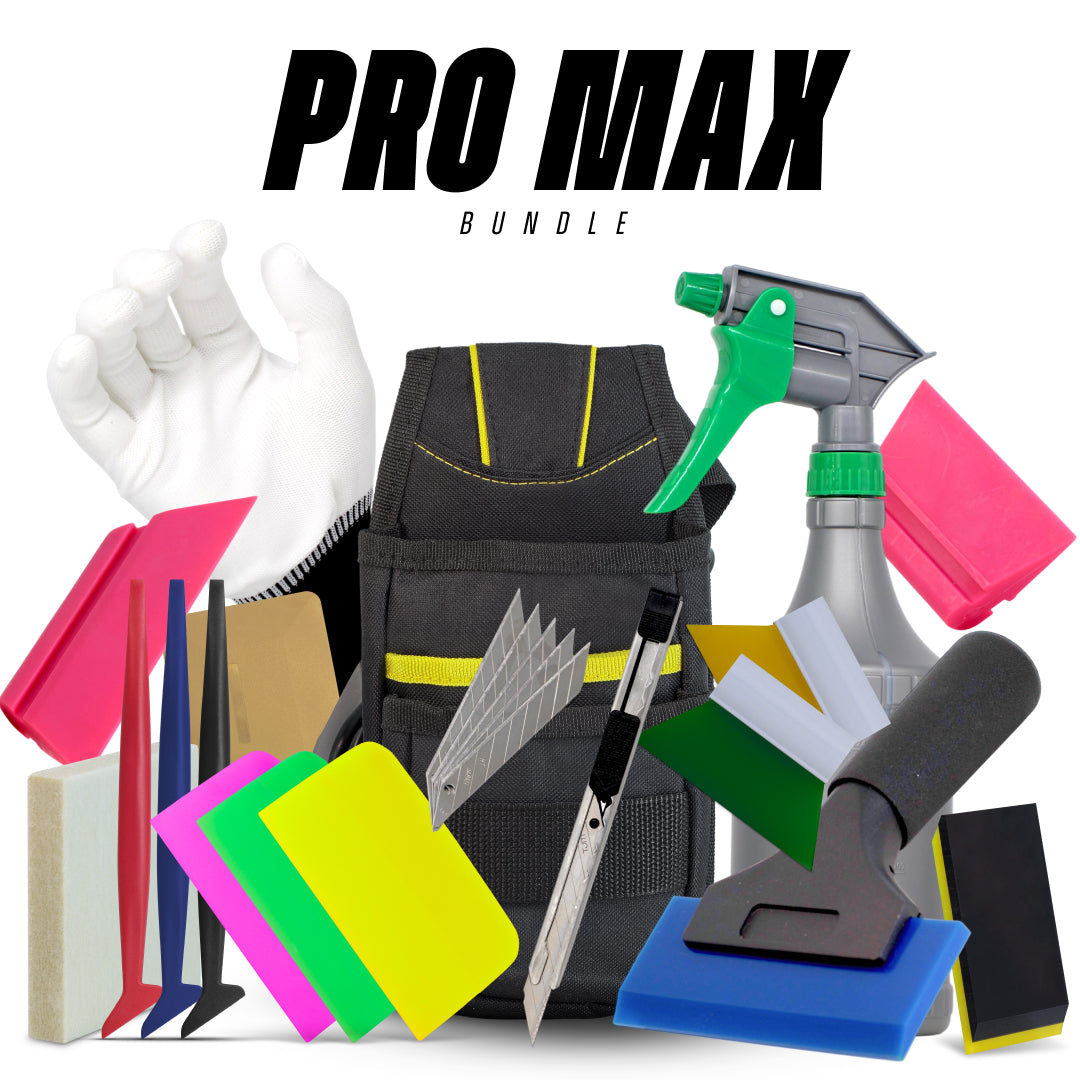
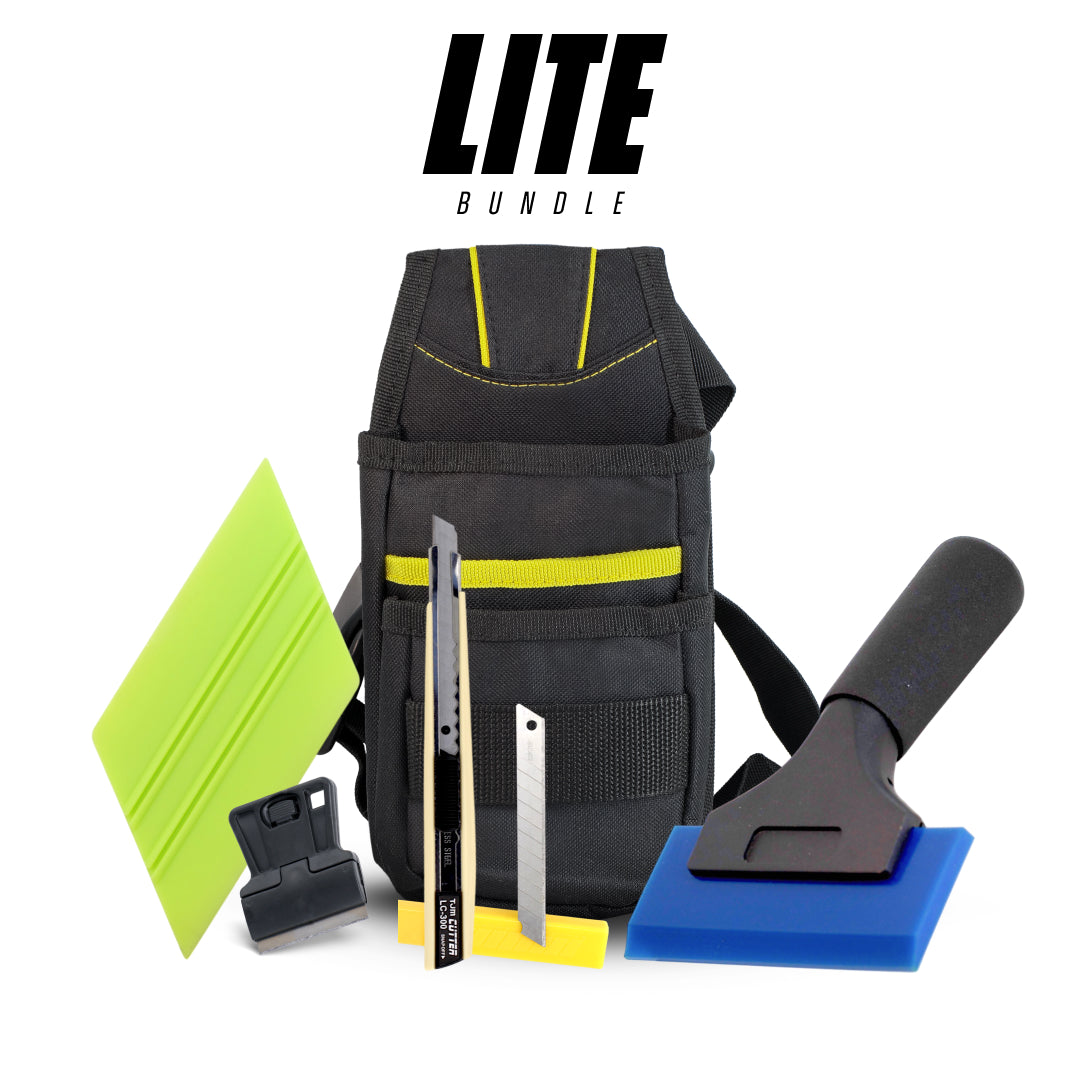
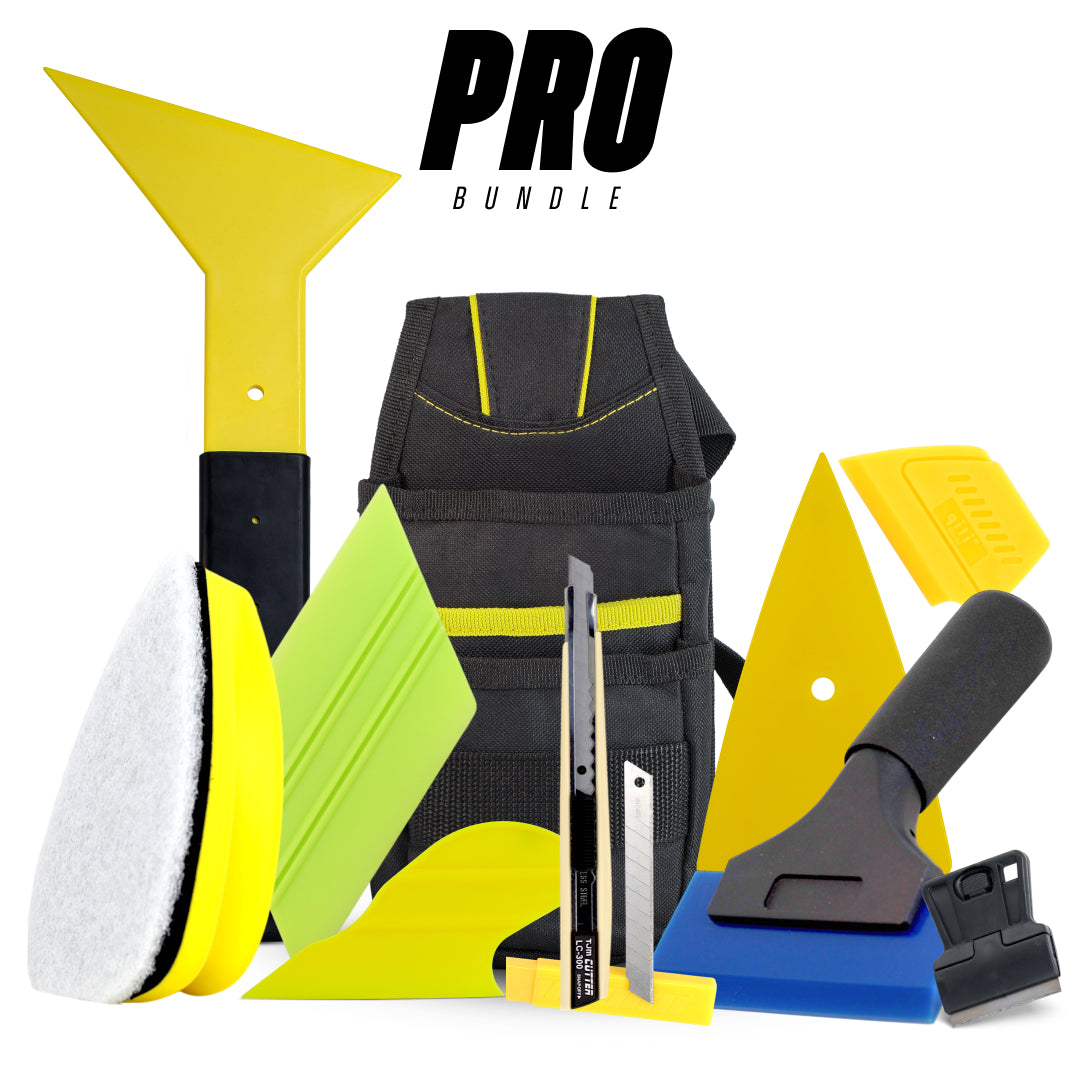
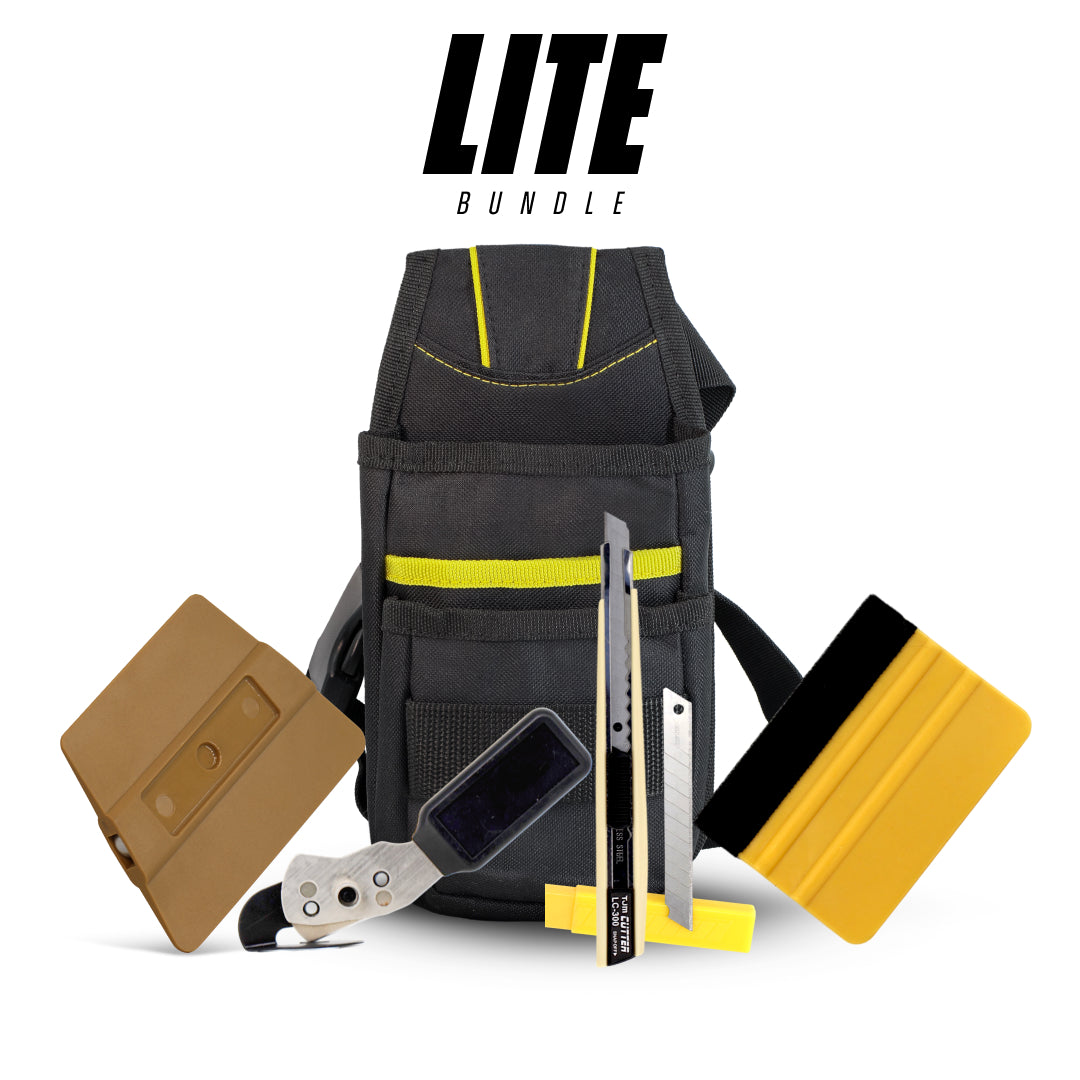
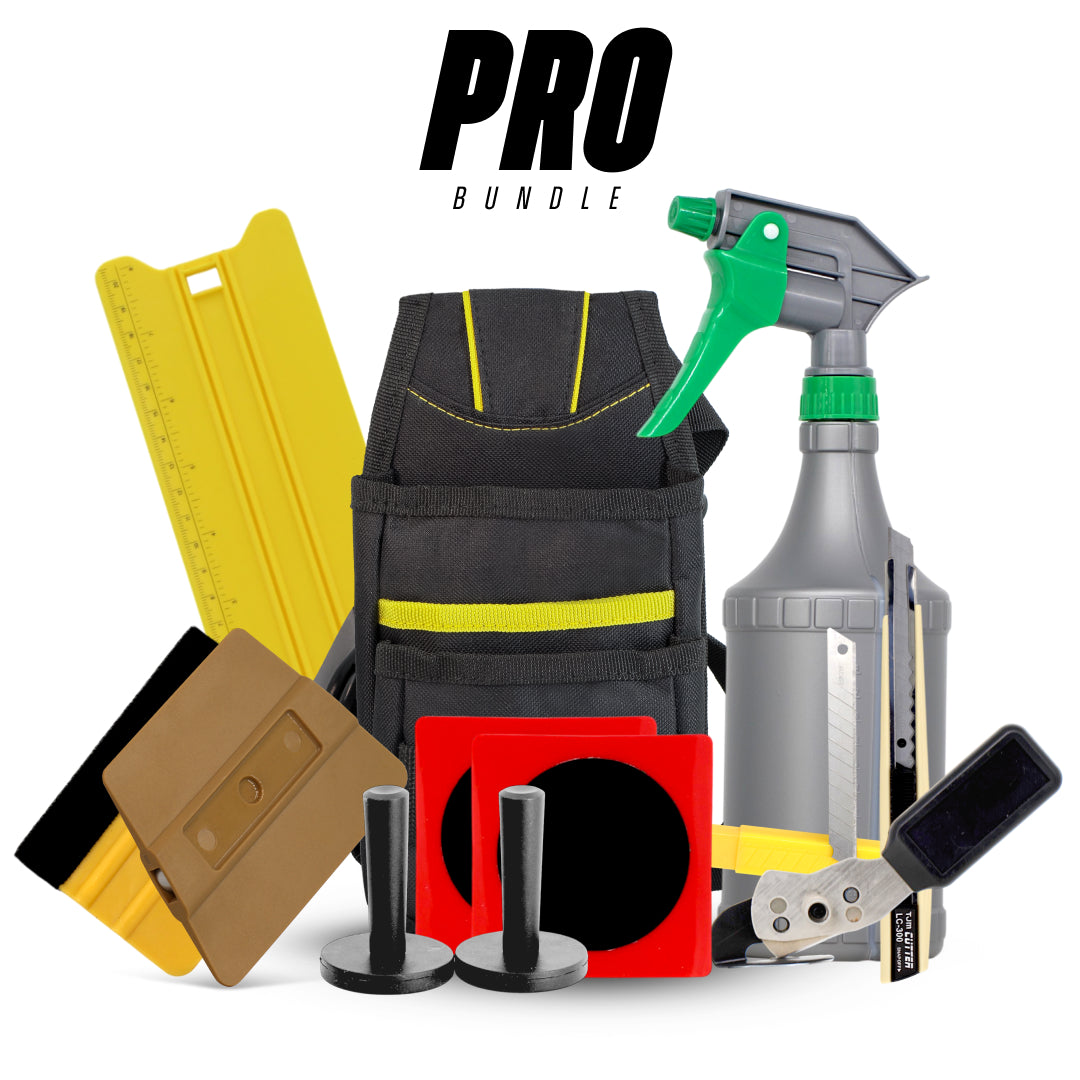
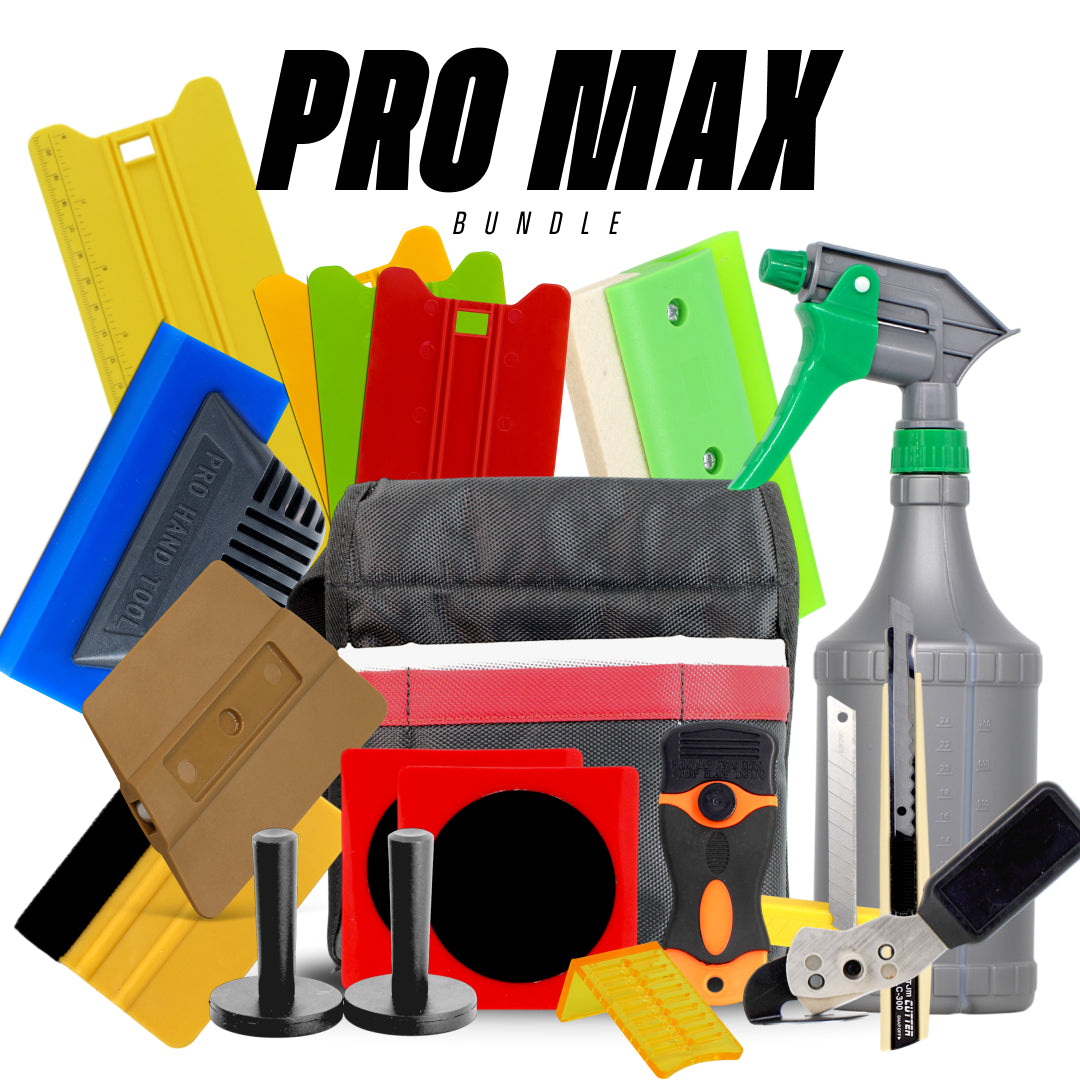
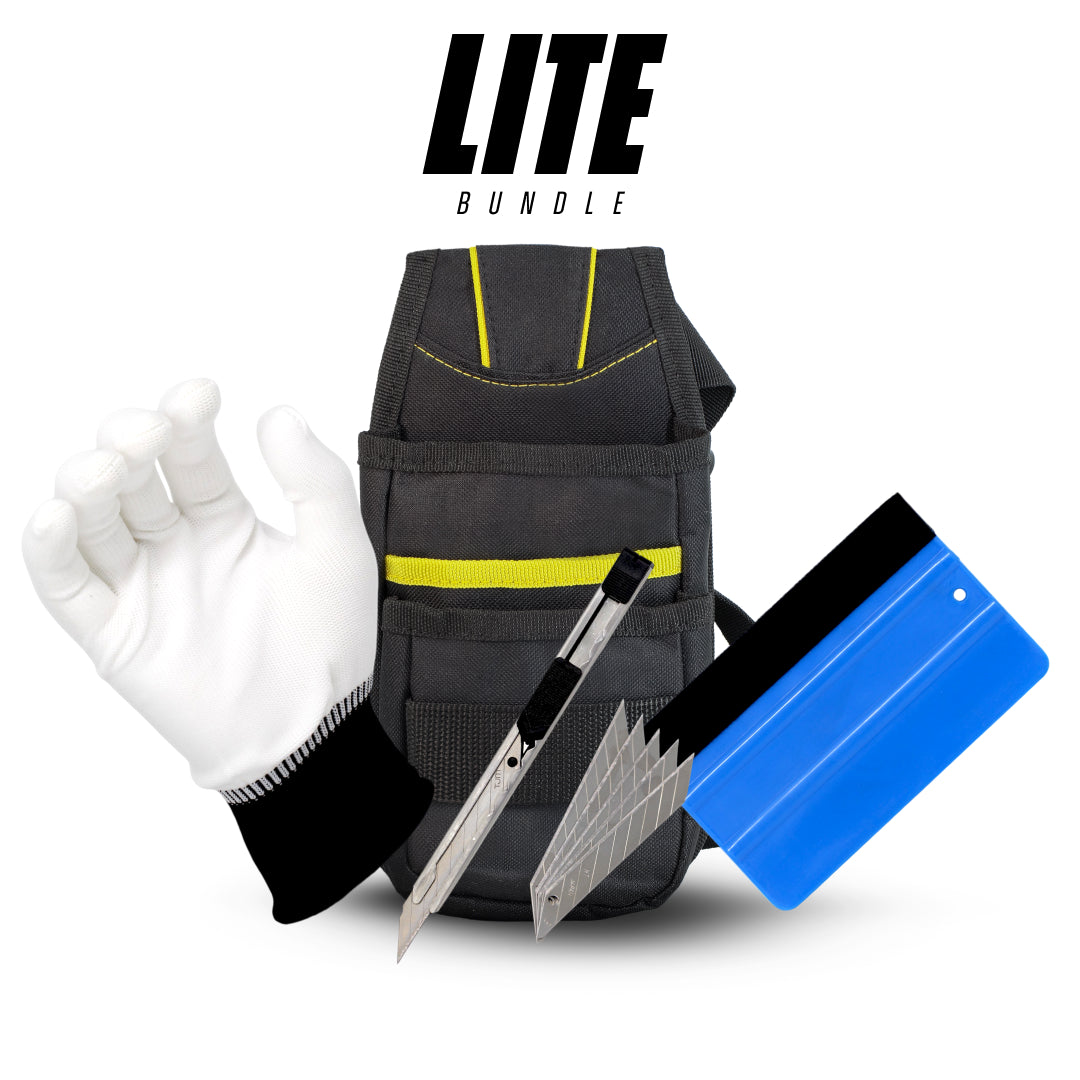
Many beginners start with a complete vehicle wrapping kit or car wrapping tool kit because it simplifies the purchasing process.
These kits typically include:
- Multiple vinyl wrap squeegee options
- Knives and spare blades
- Tucking tools
- Magnets
- Gloves
- Edge sealers
- Cutting tape
- Carry cases or vinyl tool bag storage
A proper vehicle wrap tool kit keeps installations organised and efficient. Imagine trying to cook in a kitchen where every utensil is scattered randomly. That is exactly how wrapping feels without organised tools. Time wasted searching for blades or squeegees destroys workflow efficiency.
Professional installers often invest in specialised lighting systems too. Good lighting reveals bubbles, contamination, wrinkles, and stretch marks before they become permanent problems. Lighting may not seem exciting, but it directly impacts installation quality.
Smooth installations rely heavily on high-quality wrap squeegees for pressure control and bubble removal.
Best Vinyl Brands for Professional Wrap Shops
Vinyl quality dramatically affects both installation ease and long-term durability. Most experienced wrappers eventually settle on a handful of trusted brands because consistency matters.
3M Vinyl Wrap
3m vinyl wrap products remain among the most recognised films globally. The company built its reputation through reliability, conformability, and installer-friendly adhesive systems. Many professional shops specialise in 3m wrapping because customers already trust the brand name.
3M films are especially popular for commercial applications and fleet branding because they balance durability with excellent print compatibility. Their cast films conform well to complex body lines, reducing installation frustration. Customers also recognise the brand, which can help justify premium pricing.
Avery Wraps
Avery wraps are another favourite among professionals. Avery Dennison films are known for excellent stretchability and smooth repositioning during installation. Many installers prefer Avery for colour-change wraps because the material handles curves and recesses beautifully.
Premium wrap brands cost more upfront, but cheaper films often create larger long-term problems. Inferior vinyl may shrink, crack, fade, or lift prematurely. That can destroy your reputation quickly. Customers rarely blame the film manufacturer; they blame the installer.
Offering premium materials also positions your business differently. Clients willing to spend thousands on a wrap generally care about quality, longevity, and warranty protection. High-quality materials support higher-margin positioning.
Using professional detailing tools for wrap prep helps reduce contamination, bubbles, and lifting issues during installation.
Startup Costs for a Car Wrapping Business
Startup costs vary massively depending on your ambitions. A modest home-based operation can begin relatively affordably, while a premium studio setup requires substantial investment.
Here is a realistic overview of common startup expenses in Australia:
| Category | Estimated Cost (AUD) |
|---|---|
| Basic wrap tools | $1,000 – $3,000 |
| Professional heat guns & lighting | $800 – $2,500 |
| Initial vinyl inventory | $2,000 – $6,000 |
| Training & certification | $2,000 – $5,000 |
| Garage improvements | $1,500 – $10,000 |
| Commercial workshop lease setup | $10,000 – $40,000 |
| Website & branding | $1,000 – $5,000 |
| Insurance & licensing | $1,500 – $5,000 |
Material waste is one expense beginners frequently underestimate. New installers often ruin vinyl during practice and early customer projects. That waste is normal. Wrapping is a hands-on skill where mistakes are part of the learning process.
Industry pricing data also shows that labour represents a major portion of wrap pricing. Some Australian wrap sources estimate roughly 70% of a wrap invoice comes from labour and expertise rather than materials. That is encouraging because it means profitability grows as your efficiency improves.
If your budget is tight, start lean. Focus on quality installations, portfolio building, and customer reviews. Many successful businesses grew gradually rather than launching massive workshops immediately.
How to Price Your Wrap Jobs Profitably
Pricing is where many new wrap businesses fail. They look at competitors charging AUD $4,000 for a wrap and assume the business must be making huge profits. What they do not see are the hidden costs: failed installs, wasted vinyl, rent, electricity, insurance, prep time, taxes, and labour hours.
Industry discussions among professional wrappers consistently emphasise avoiding underpricing.
A proper quote should account for:
- Vinyl cost
- Waste allowance
- Labour hours
- Design time
- Vehicle complexity
- Warranty risk
- Overhead expenses
- Profit margin
Complex vehicles require significantly more time. A simple sedan may wrap relatively smoothly, while modern SUVs with aggressive body lines and deep recesses can become extremely labour-intensive. Premium films like chrome wrap also increase installation difficulty substantially.
Many professionals avoid quoting purely by square metre because each vehicle presents unique challenges. Instead, they develop standardised pricing tiers based on experience and real labour tracking.
Never compete solely on price. Cheap wraps often lead to expensive reputation damage. Customers increasingly understand that quality installation matters more than bargain pricing. Reddit users discussing wrap experiences frequently warn about peeling edges, paint damage, and poor durability from low-cost installers.
If you’re building a professional setup, investing in proper workshop tools can improve efficiency and consistency.

Marketing Your Vehicle Wrap Business
Marketing is what transforms technical skill into revenue. Even the best wrapper in Australia will struggle without visibility. Fortunately, wrapping is inherently visual, which creates huge opportunities for content-driven marketing.
Instagram, TikTok, and YouTube should become central parts of your strategy. Transformation videos perform incredibly well because they create dramatic before-and-after moments. A plain white ute becoming a satin black masterpiece captures attention instantly. That visual storytelling is gold for organic marketing.
Your branding should feel premium and automotive-focused. Customers buying car vinyl wrap services are often emotionally invested in their vehicles. Your business image should reflect professionalism and craftsmanship.
Proper preparation is critical, which is why experienced installers rely on dedicated surface prep tools before applying vinyl.
Search engine optimisation is equally important. Ranking for keywords like:
- vehicle wrap australia
- car wrapping cost
- vehicle wrap tools
- auto wrap
- custom car wraps
- vinyl wrapping australia
can generate high-intent traffic consistently. Educational blog content works especially well because customers research heavily before spending thousands on wraps.
Partnerships can also accelerate growth. Build relationships with:
- Car dealerships
- Detailers
- Tint shops
- Signage businesses
- Fleet managers
- Automotive influencers
One strong partnership can produce recurring leads for years. Think of networking like building a spiderwebEstimatedonnection increases the chance of attracting new business.
Customer reviews matter enormously, too. Vehicle owners are protective of their cars. Positive reviews reduce fear and build confidence. Encourage every happy customer to leave Google reviews and share photos online.
What Equipment Do You Need to Start a Car Wrapping Business?
One of the biggest advantages of starting a car wrapping business is that you don’t need a massive workshop or expensive spray booth to begin. However, investing in the right tools and setup from the start can dramatically improve installation quality, efficiency, and customer satisfaction.
Essential Equipment for a Startup Wrap Business
1. Professional Wrap Tool Kits
A complete wrap tool kit helps installers work faster and achieve cleaner finishes.
Most professional setups include:
- Felt-edge squeegees
- Precision knives and blades
- Wrap gloves
- Magnets and edge tools
- Heat guns
Using proper vehicle wrapping tools reduces installation errors and improves consistency.
2. Heat Guns and Surface Preparation Tools
Vinyl reacts heavily to temperature and contamination.
Professional installers rely on:
- Heat guns for stretching vinyl around curves
- Surface prep sprays and isopropyl alcohol
- Microfiber cloths and cleaning tools
Preparation is critical because poor surface prep often leads to bubbles, lifting edges, or premature wrap failure.
3. Clean Workspace with Proper Lighting
A dust-free, well-lit environment helps installers spot imperfections before the vinyl is applied. Even small particles trapped under the film can ruin the final result.
You don’t necessarily need a huge warehouse when starting, but you do need:
- Controlled lighting
- Clean floors and surfaces
- Enough room to move around vehicles comfortably
4. High-Quality Vinyl and Materials
Many beginners underestimate how important material quality is. Premium films are easier to install, more forgiving during repositioning, and last significantly longer.
Cheap vinyl may save money upfront, but it often increases installation time and customer complaints.
5. Marketing and Branding Assets
Beyond installation tools, successful wrap businesses also invest early in:
- Social media content
- Before-and-after photography
- Website and Google Business profile optimisation
- Branded uniforms and workshop signage
In many cases, strong marketing helps new wrap businesses grow faster than equipment upgrades alone.
Pro Tip for New Wrap Businesses: Start small and focus on mastering installation quality before scaling aggressively. A strong reputation and clean portfolio will generate more referrals and repeat customers than offering the cheapest pricing in the market.
FAQs
How much does it cost to start a car wrapping business in Australia?
A small home-based setup may start around AUD $5,000–$15,000, while a professional commercial workshop can exceed AUD $50,000 depending on equipment, lease costs, and inventory.
What are the best vinyl brands for wrapping cars?
The most respected brands include 3M vinyl wrap, Avery Dennison, Oracal, and KPMF. Professional installers prefer premium cast films because they last longer and install more consistently.
How long does a vehicle wrap last?
Most quality wraps last between 5 and 7 years when maintained correctly. Australian climate exposure, washing methods, and storage conditions can affect lifespan.
Can I start a wrapping business from home?
Yes. Many wrap businesses begin in home garages. A clean, dust-controlled environment with proper lighting is essential for achieving professional results.
What tools are essential for car wrapping?
Key tools include:
- Vinyl squeegees
- Heat guns
- Knives
- Knifeless tape
- Gloves
- Infrared thermometers
- Surface prep supplies
- Professional vehicle wrapping kit equipment
Conclusion
Starting a car wrap business combines craftsmanship, entrepreneurship, and automotive passion into one high-growth industry. The market for vehicle wraps, fleet branding, and colour-change vinyl continues expanding across Australia, creating strong opportunities for skilled installers willing to invest in quality work and proper business systems.
Success does not happen overnight. Wrapping is a technical skill that requires practice, patience, and continuous improvement. Your first installs will probably feel slow and frustrating. Every experienced wrapper has been there. What separates successful businesses from failed ones is consistency, professionalism, and a commitment to quality over shortcuts.
The smartest path is usually starting lean, mastering the craft, building a portfolio, and scaling gradually. Invest in proper vinyl wrap tools, use trusted brands like 3M vinyl wrap and Avery wraps, and focus heavily on customer experience. Reputation spreads quickly in the automotive world.
Done properly, a wrap business can become far more than just another automotive service. It can evolve into a premium brand known for creativity, transformation, and craftsmanship, the kind of business customers proudly recommend to everyone they know.
Are you unsure which tool or kit is right for your job?
Our expert team at Oz Sign Supplies is here to help. Reach out today, and we’ll direct you to the best tools to suit your project, ensuring you get the job done right the first time.


Leave a comment
This site is protected by hCaptcha and the hCaptcha Privacy Policy and Terms of Service apply.