








The Ultimate Guide: How to Choose the Right Kitchen Vinyl Wrap for Your Australian Home
Why Kitchen Vinyl Wraps Are Taking Over Australian Homes
Walk into any modern Australian kitchen today, and chances are you’ll spot sleek cabinets, stylish finishes, and surfaces that look brand new, without the hefty renovation price tag. That’s the quiet magic of kitchen vinyl wraps. Over the past decade, vinyl wrapping has gone from being a niche option to a mainstream kitchen makeover solution across Australia. And honestly, it’s not hard to see why.
Australian homeowners are practical. We want solutions that look good, last long, and don’t completely drain our savings. Full kitchen renovations can cost tens of thousands of dollars and take weeks, sometimes months, to complete. Vinyl wrapping, on the other hand, offers a faster, cleaner, and far more affordable alternative. It allows you to refresh your kitchen’s look without ripping out cabinets or dealing with installers for weeks on end.
Another big reason vinyl wraps are booming in Australia is lifestyle. Our kitchens are no longer just cooking spaces; they’re social hubs. From family breakfasts to weekend barbecues that spill indoors, kitchens take a beating. Vinyl wraps are designed to handle daily wear, resist moisture, and cope with temperature changes, making them surprisingly well-suited to Australian conditions.
Then there’s style. Whether you’re living in a coastal home in Queensland, a minimalist apartment in Melbourne, or a classic suburban house in Sydney, vinyl wraps come in designs that match every aesthetic. Woodgrain, marble, matte black, high-gloss white, you name it.
This guide is designed to walk you through everything you need to know about choosing the right kitchen vinyl wrap for your Australian home. No jargon. No fluff. Just practical advice, real-world considerations, and tips that actually help you make the right choice.
Understanding Kitchen Vinyl Wrap: What It Is and How It Works

Before diving into colours, finishes, and costs, it’s important to understand what kitchen vinyl wrap actually is. At its core, vinyl wrap is a thin yet durable adhesive film designed to be applied over existing kitchen surfaces. These surfaces usually include cabinet doors, drawers, panels, benchtops, and sometimes even splashbacks.
Vinyl wrap is not the flimsy contact paper you might remember from decades ago. Modern architectural-grade vinyl wraps are engineered for durability, flexibility, and visual realism. High-quality wraps can convincingly mimic materials like timber, stone, concrete, and even metallic finishes, often so well that guests can’t tell the difference.
Types of Vinyl Wrap Materials
There are several types of vinyl wraps available on the Australian market, and knowing the difference can save you from disappointment later.
Calendered Vinyl: This is generally cheaper and less durable. It’s often used for short-term applications and is not ideal for kitchens exposed to heat and moisture.
Cast Vinyl: This is the premium option. Cast vinyl is thinner, more flexible, and far more durable. It conforms better to edges and curves, making it ideal for cabinet doors and detailed surfaces.
Architectural Vinyl: Designed specifically for interior surfaces, this type offers the best balance of durability, heat resistance, and realistic finishes.
How Vinyl Wrap Is Applied to Kitchen Surfaces
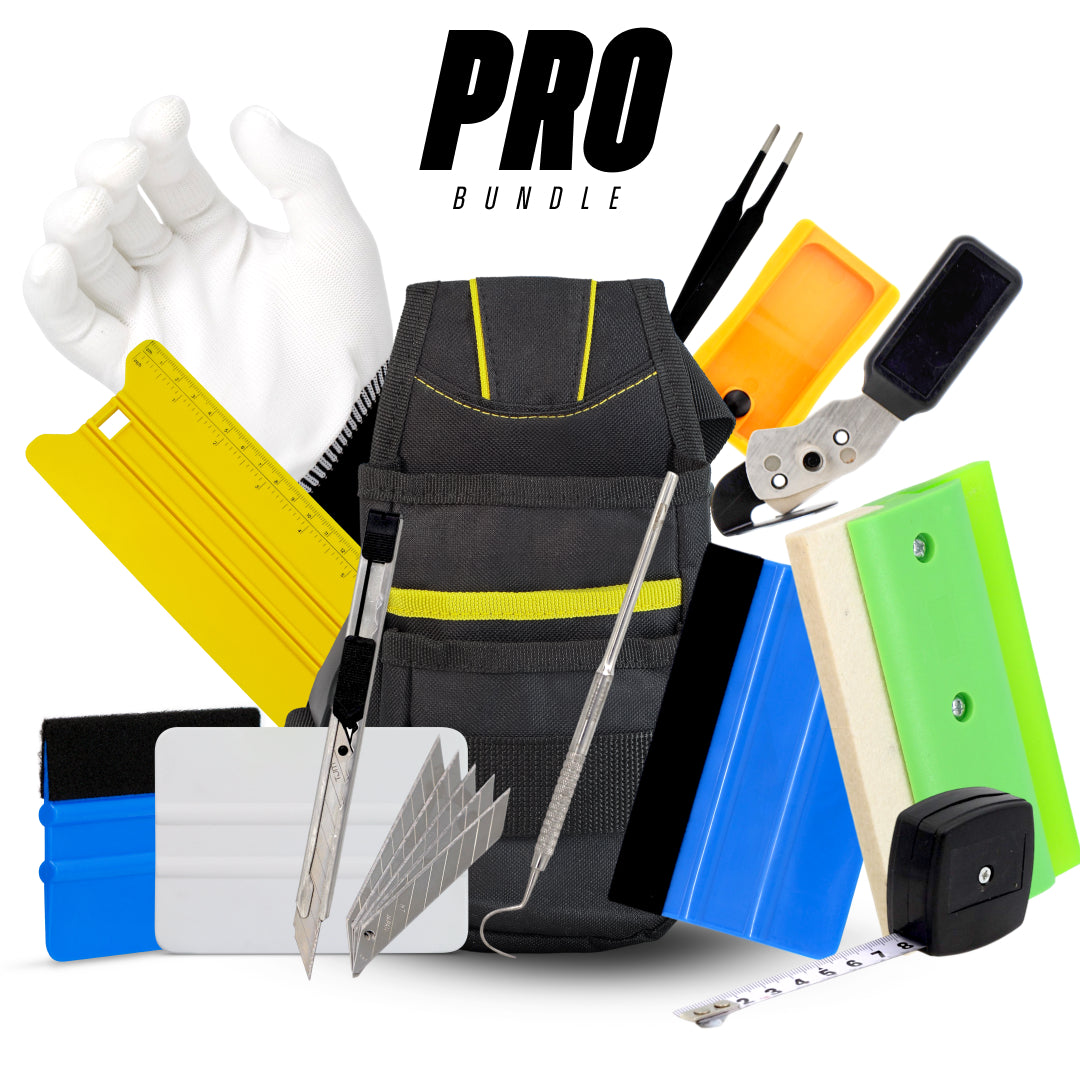
The application process is just as important as the material itself. Vinyl wrap is applied to clean, smooth surfaces using heat and pressure. Professional installers use heat guns and specialised tools to ensure the wrap adheres properly, especially around edges and corners.
Once applied, the vinyl forms a tight seal over the surface, creating a finish that looks seamless and professionally installed. When done correctly, vinyl wrap doesn’t bubble, peel, or lift easily, even in high-use kitchens.
Understanding this foundation helps you make better decisions later, because not all vinyl wraps or installers are created equal.
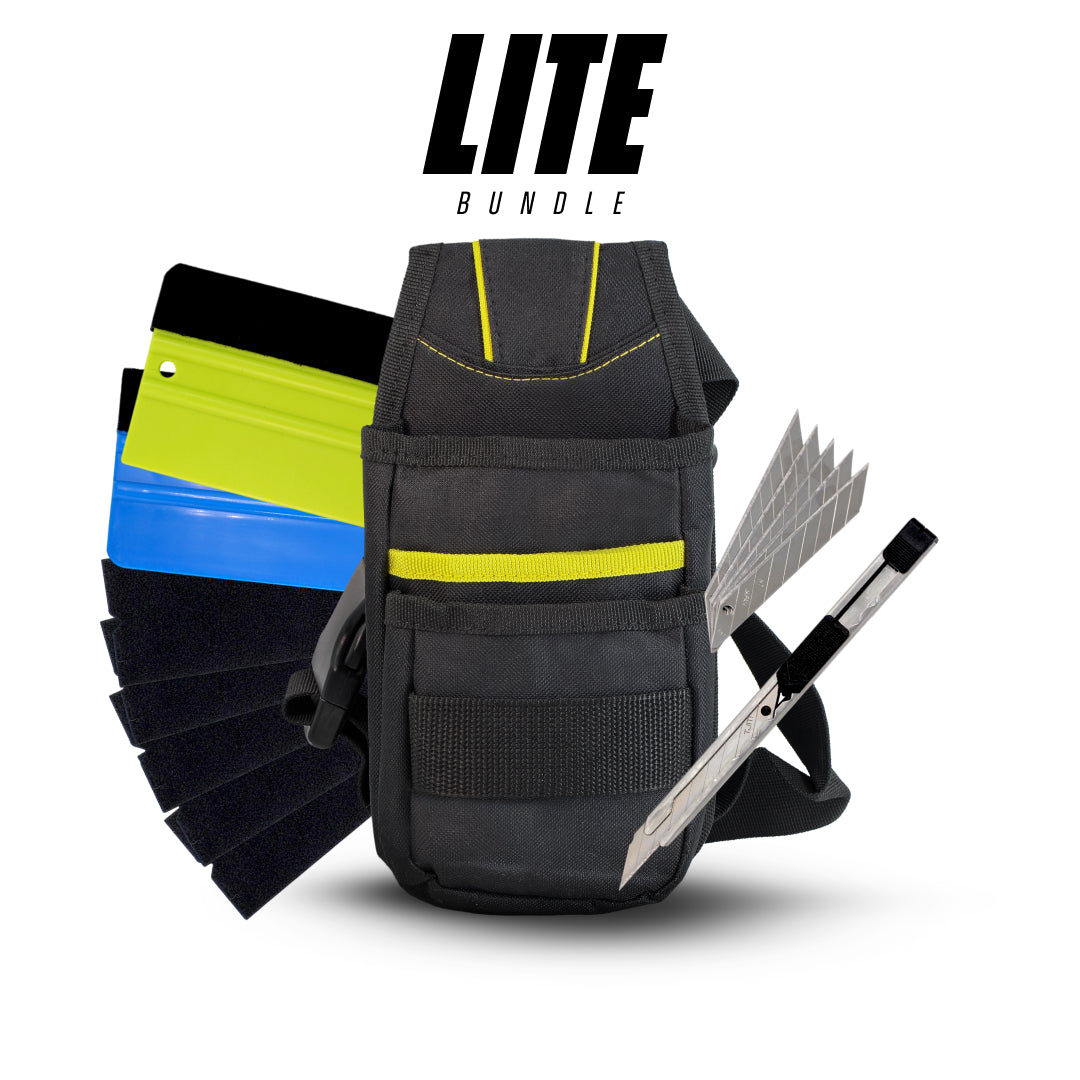
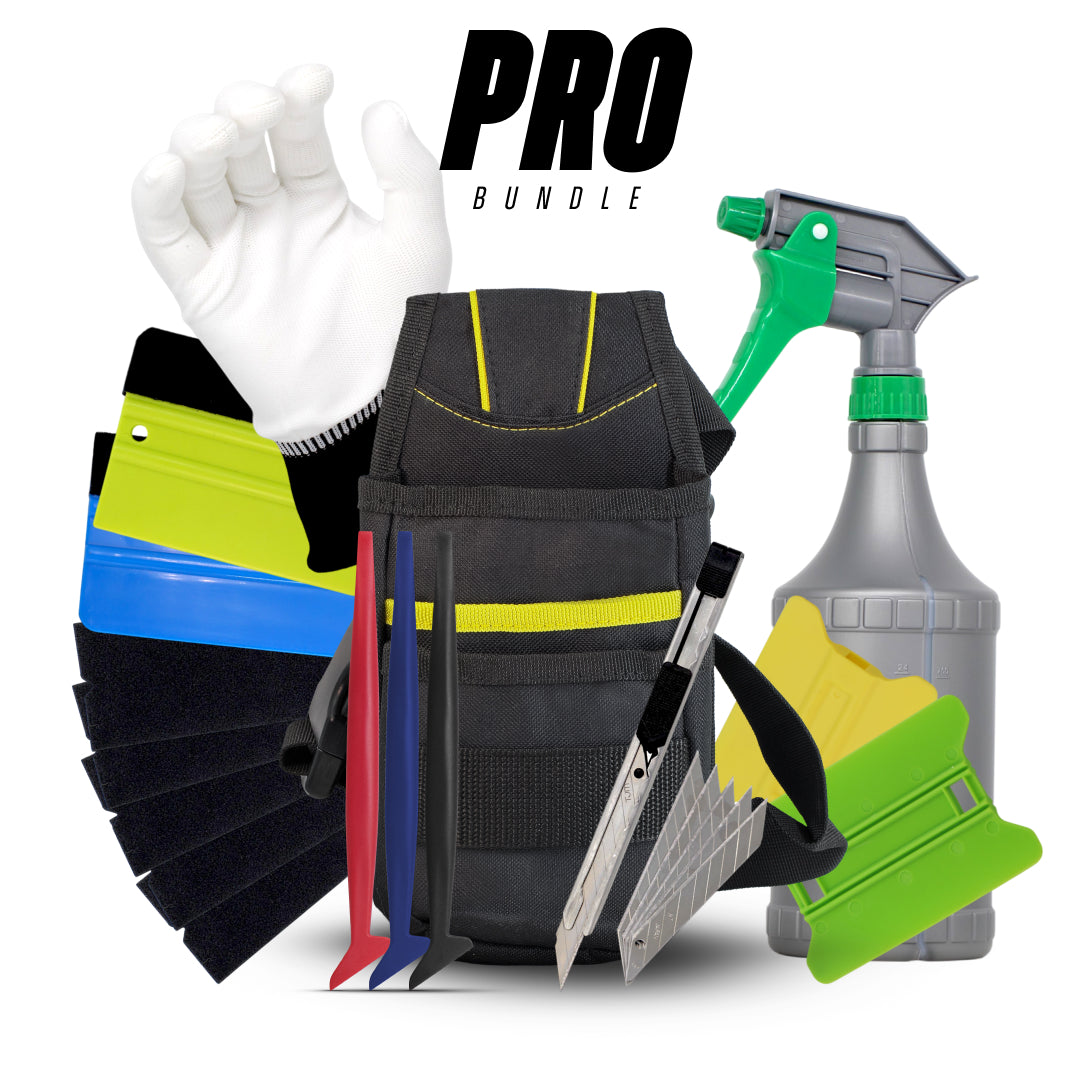
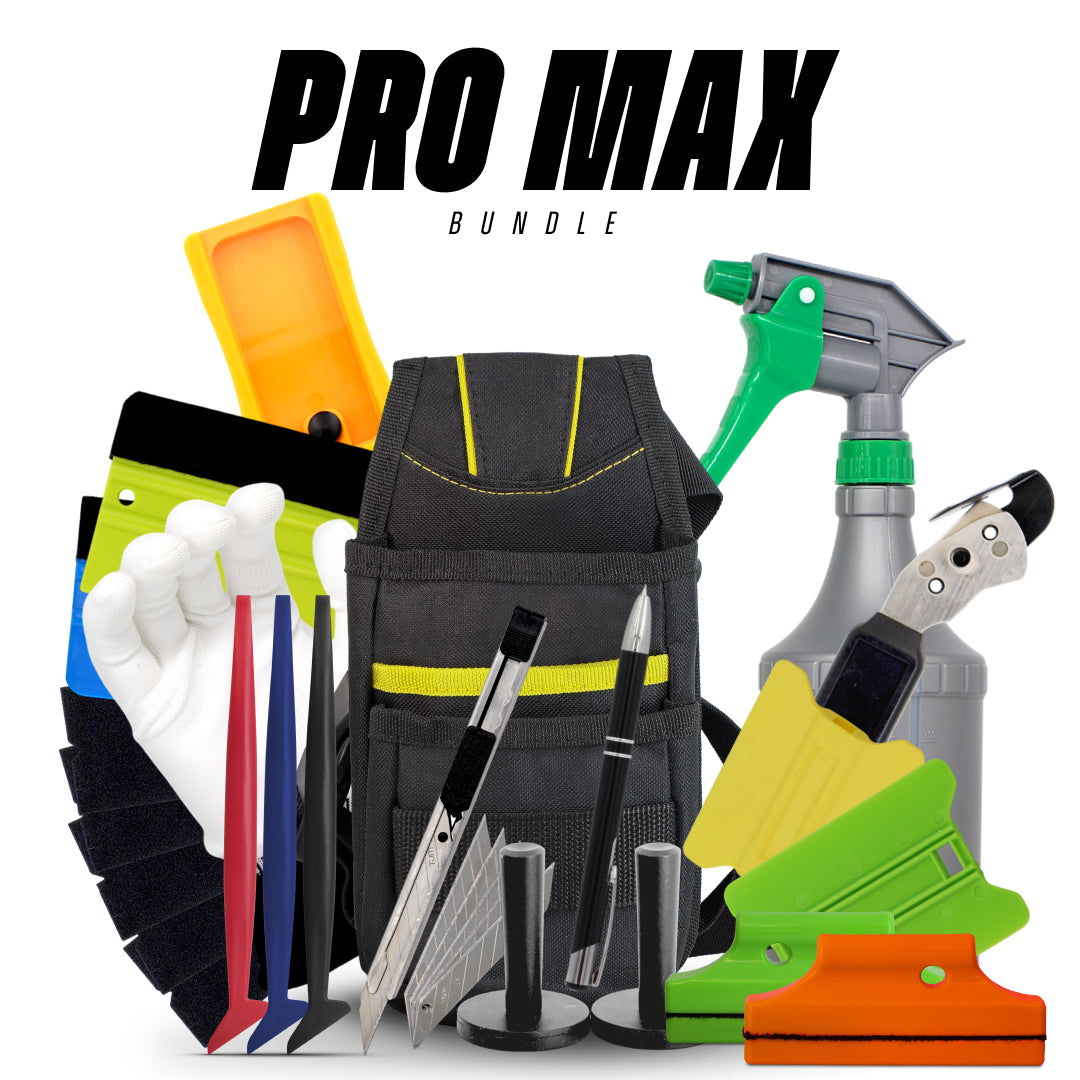
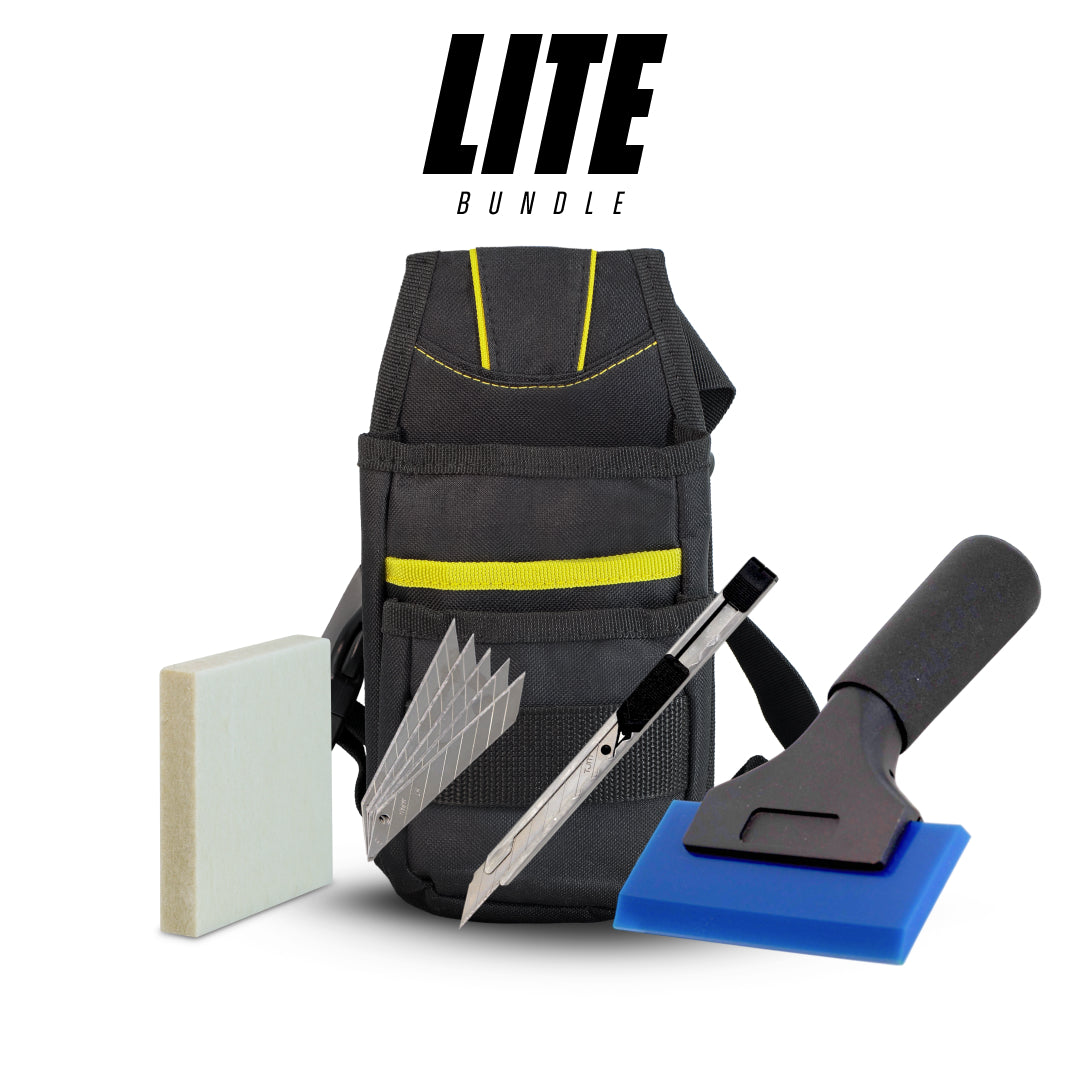
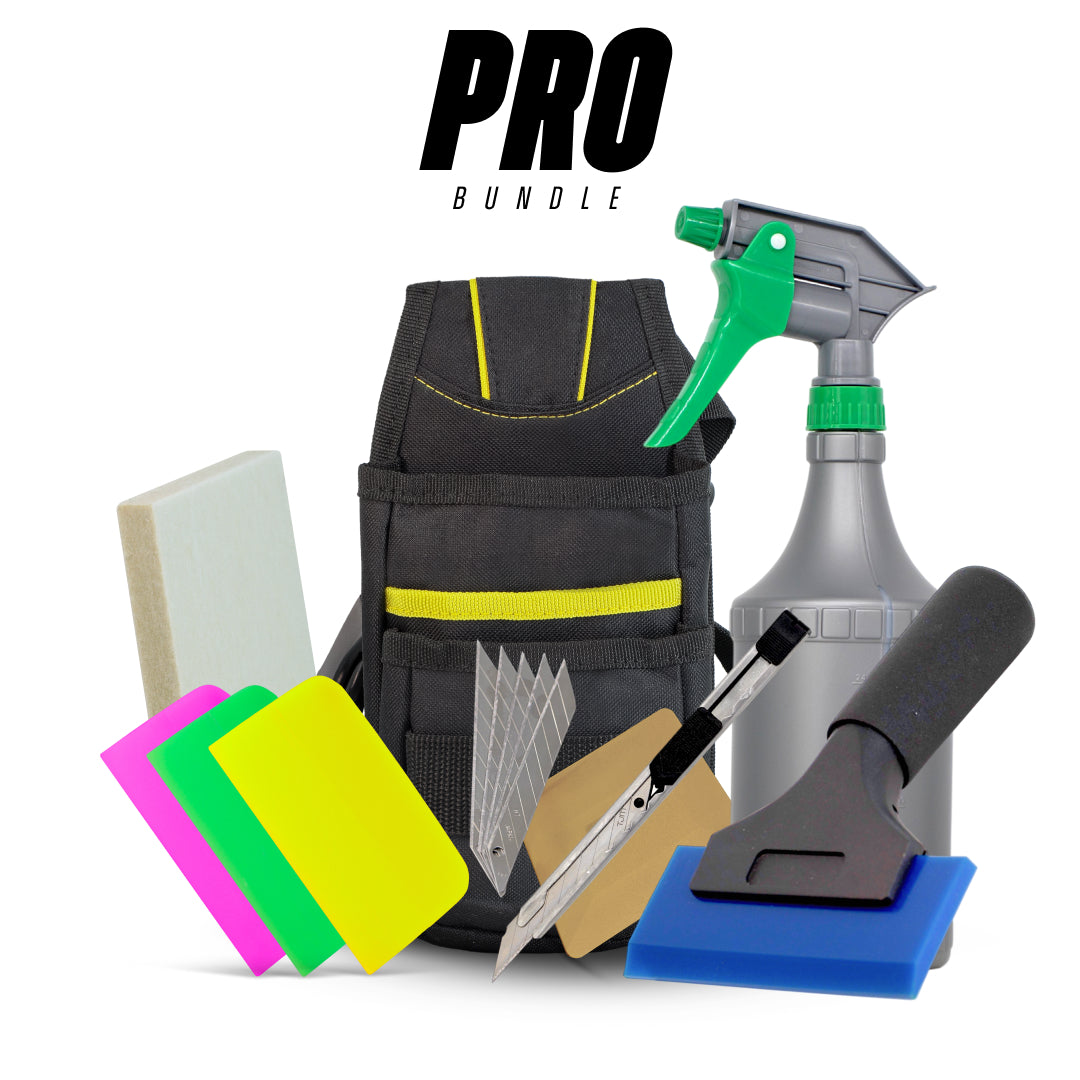
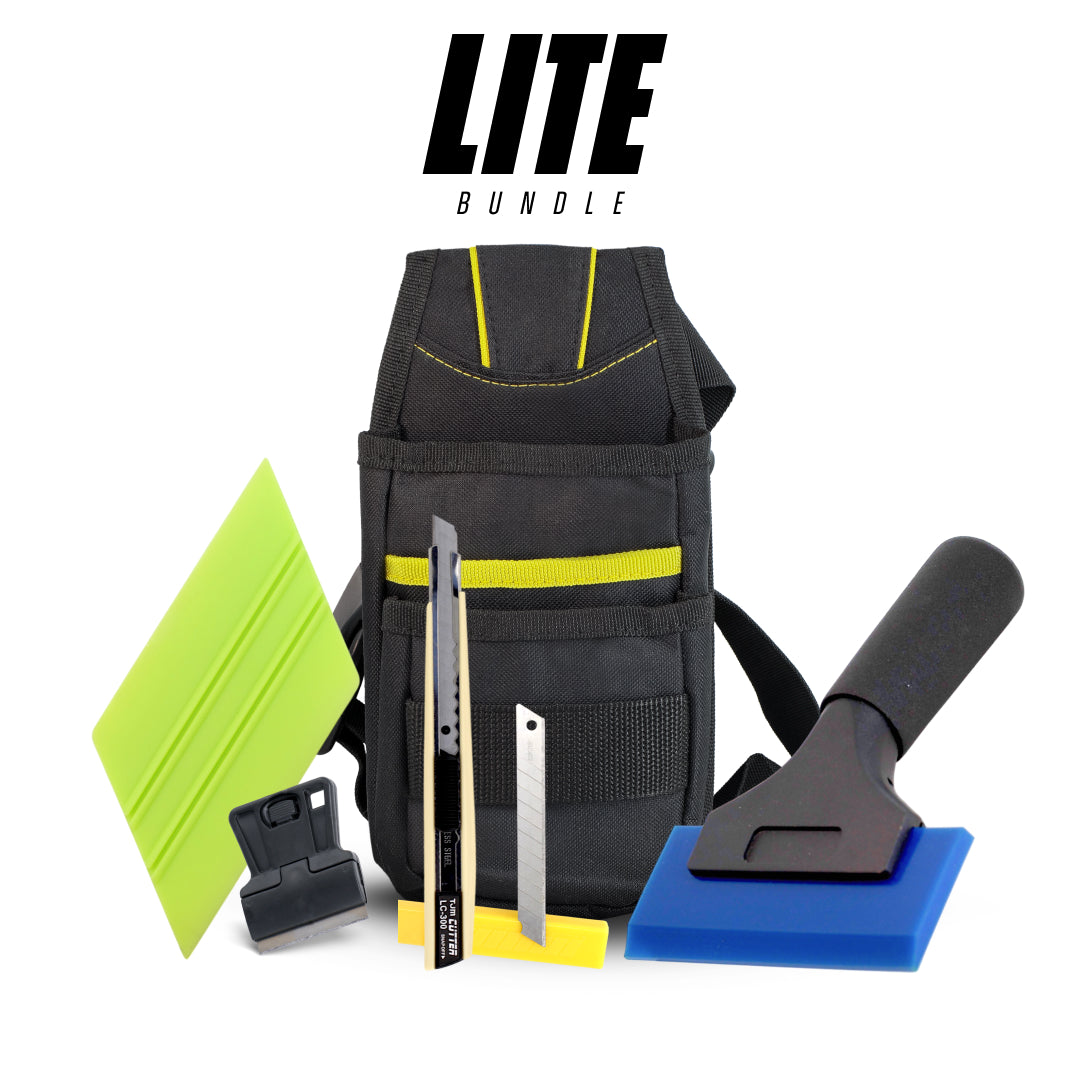
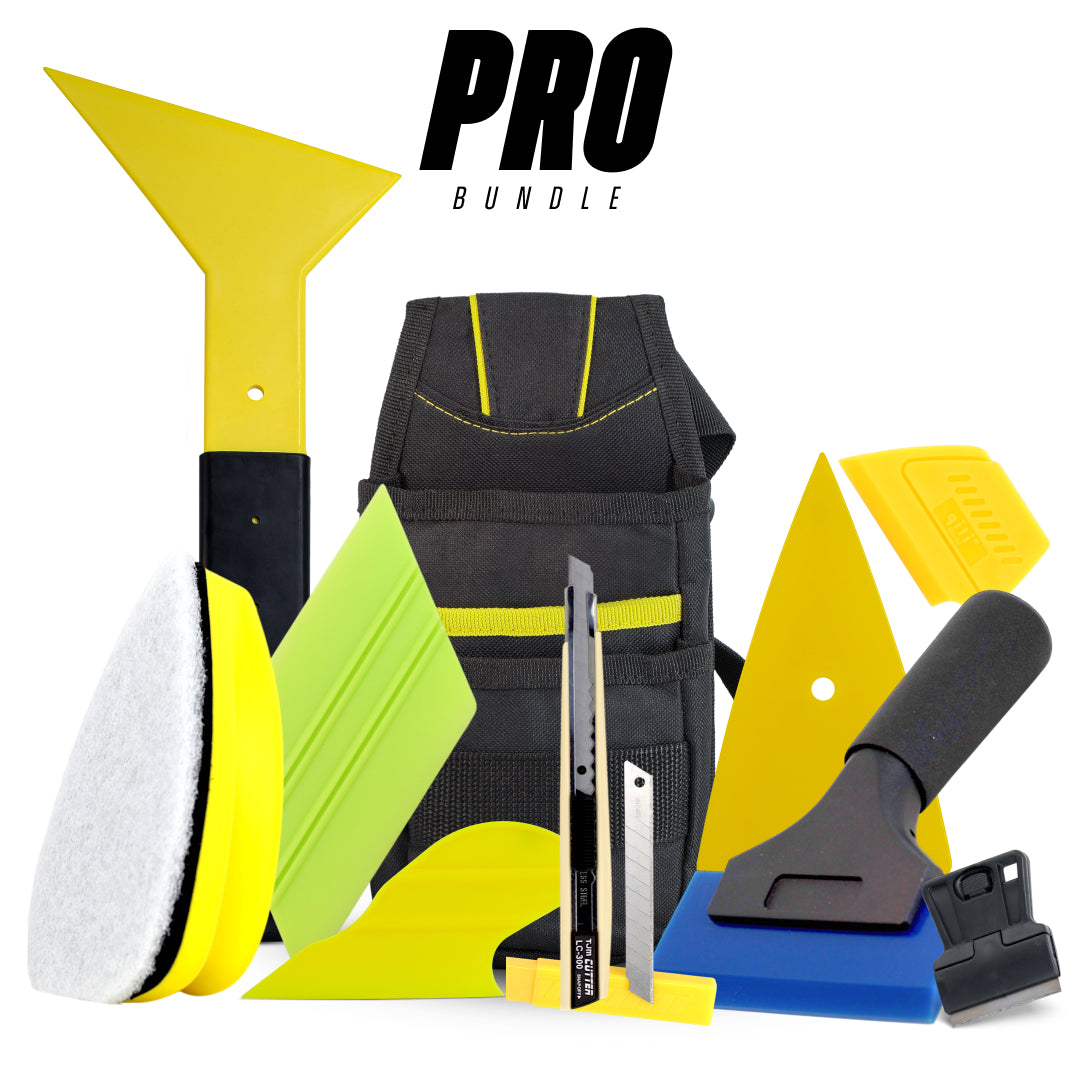
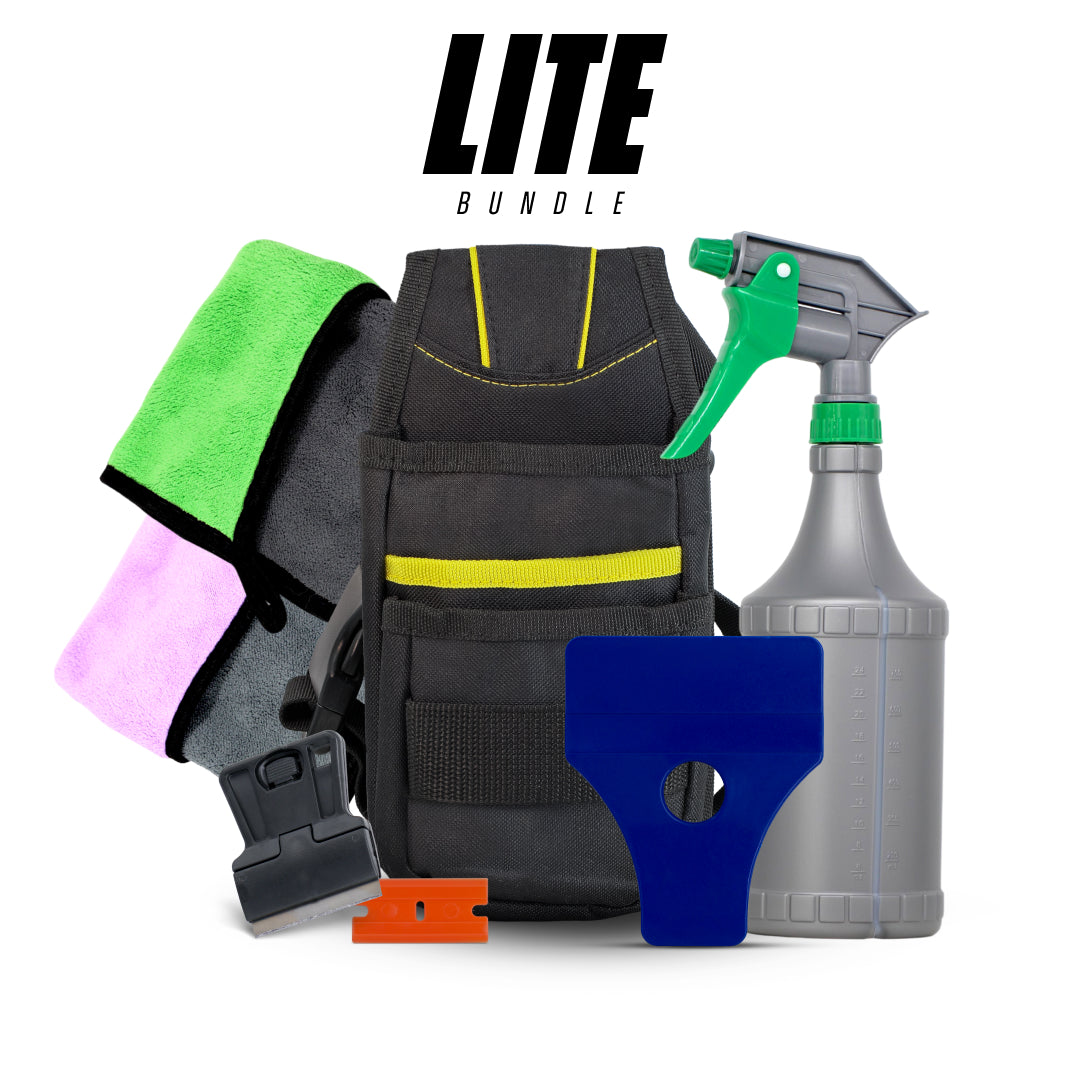
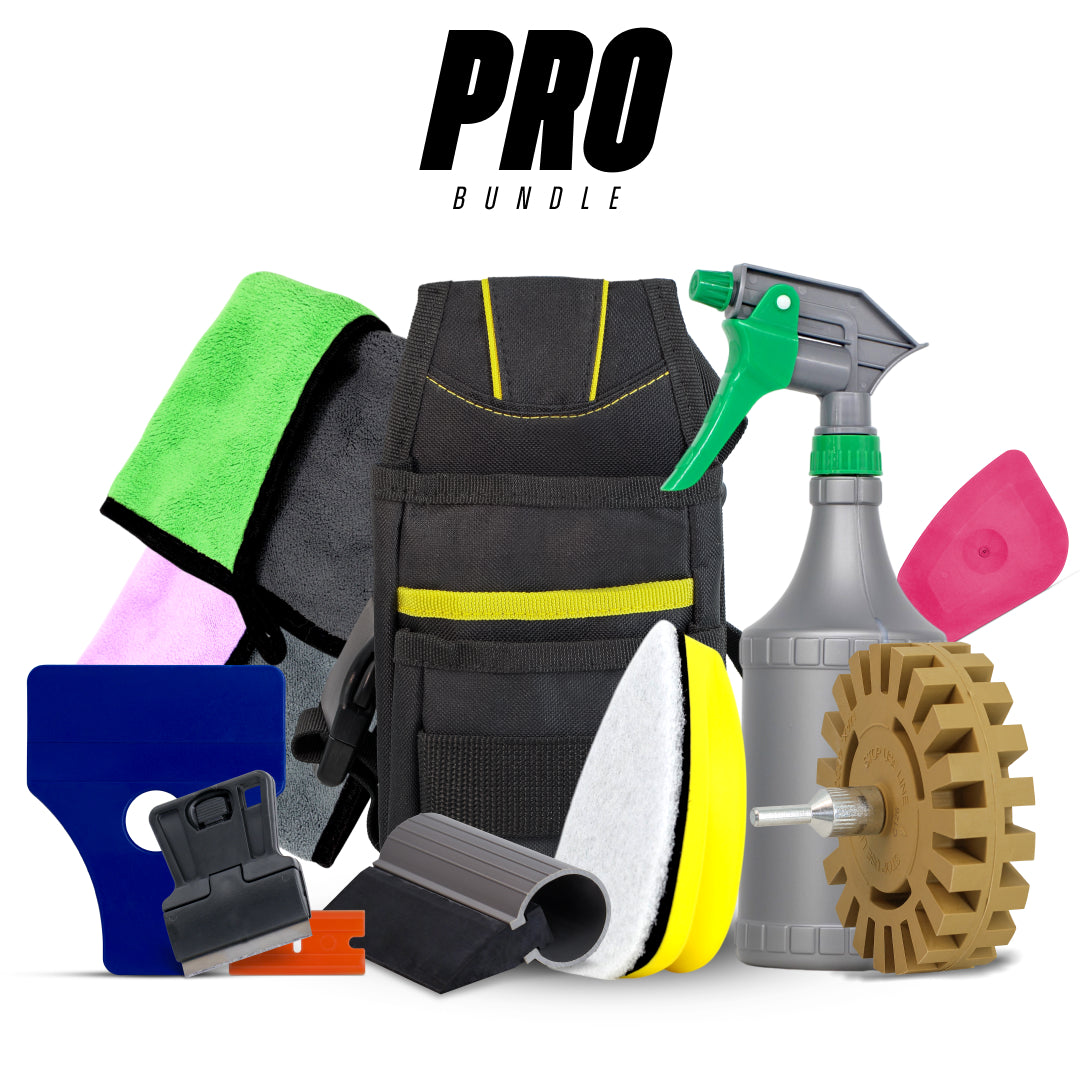
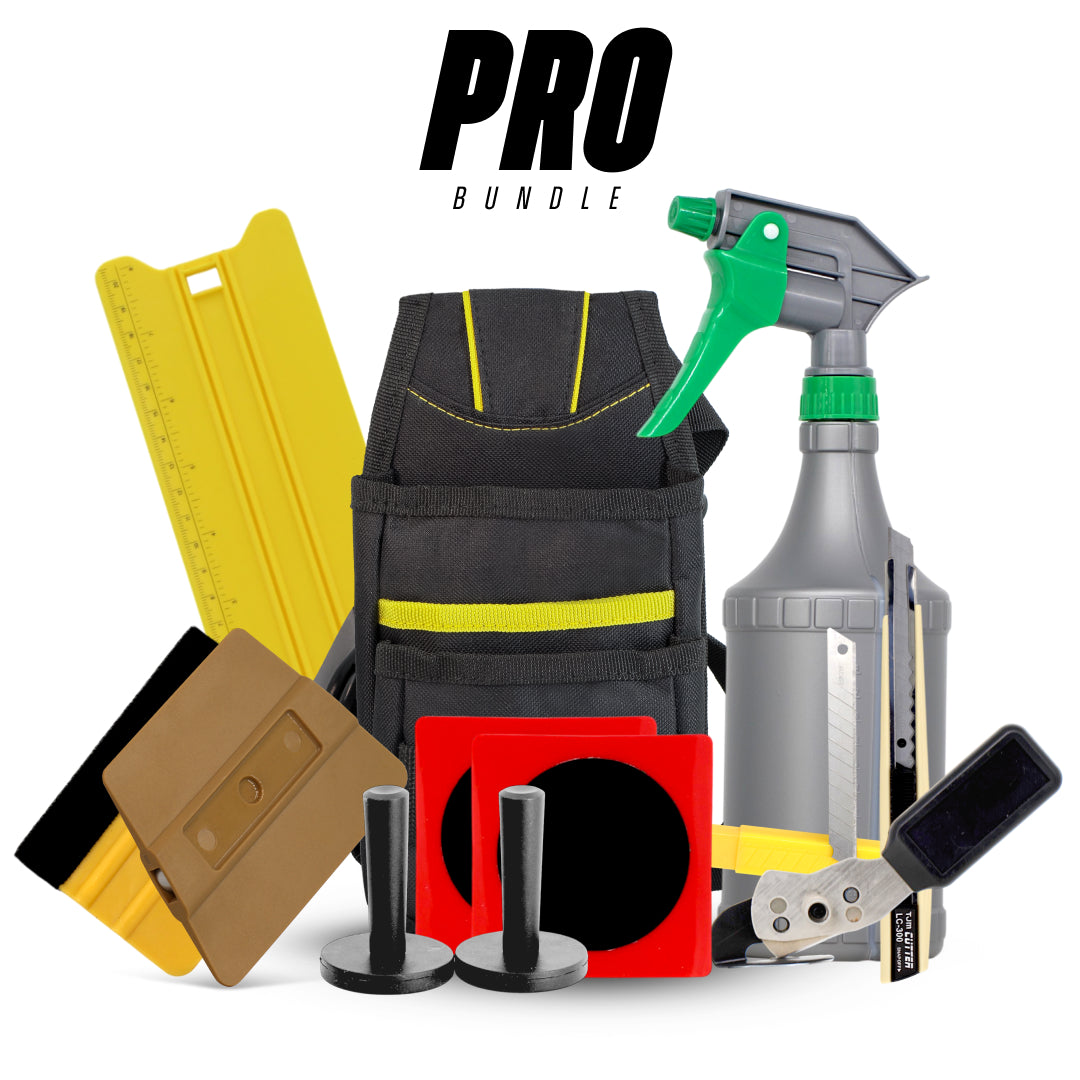
Choosing the right vinyl is only part of the process, as having access to professional vinyl wrapping tools is essential for achieving clean edges and long-lasting results →
Why Australians Love Kitchen Vinyl Wraps
Australians are known for their practical mindset, and kitchen vinyl wraps tick a lot of boxes that matter to everyday homeowners. One of the biggest reasons vinyl wrapping has become so popular is that it offers a dramatic transformation without the drama of a full renovation. No demolition, no weeks without a functioning kitchen, and no surprise costs creeping in halfway through the project.
Cost is a major driver. In Australia, a full kitchen renovation can easily range from $20,000 to $50,000 or more, depending on materials and layout changes. Vinyl wrapping, by comparison, can refresh the same kitchen for a fraction of that price. For families, first-home buyers, landlords, and even property flippers, this makes vinyl wrap an incredibly attractive option.
The Australian climate also plays a role. Kitchens here deal with heat, humidity, and strong sunlight, especially in states like Queensland, Western Australia, and parts of New South Wales. High-quality vinyl wraps are designed to handle these conditions. Many are UV-resistant, meaning they won’t fade quickly under sunlight, and they’re moisture-resistant, which is essential in kitchens that see daily cooking and cleaning.
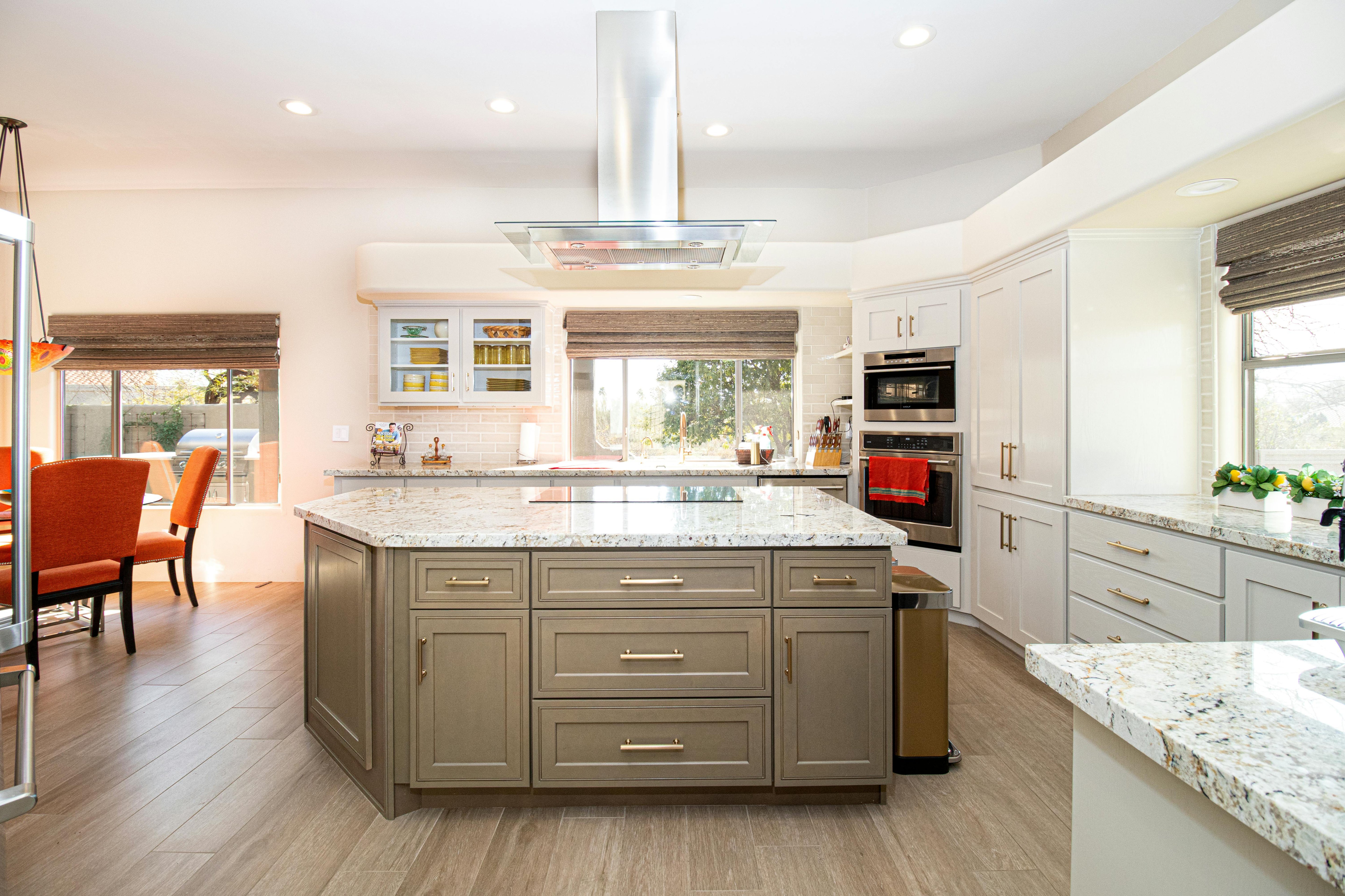
Style versatility is another huge factor. Australian homes are incredibly diverse in design, from coastal Hamptons-style kitchens to ultra-modern inner-city apartments. Vinyl wraps cater to all of these styles. You can achieve a bright, airy beach vibe with white or light oak finishes, or go bold with matte black or charcoal for a contemporary look. This flexibility allows homeowners to personalise their kitchens without being locked into expensive materials.
Different vinyl finishes require varying pressure levels, which is why selecting the appropriate wrap squeegee helps prevent bubbles and surface marks during installation →
Finally, Australians love convenience. Vinyl wrapping is fast. Most kitchens can be wrapped within two to five days, meaning minimal disruption to daily life. For busy households, that convenience alone is a game-changer.
Key Factors to Consider When Choosing Kitchen Vinyl Wrap
Choosing the right kitchen vinyl wrap isn’t just about picking a colour you like. There are several practical factors that can determine whether your wrap looks amazing for years or starts peeling within months. Getting these right upfront saves time, money, and frustration.
Durability and Lifespan
Not all vinyl wraps are built to last. High-quality architectural vinyl wraps can last anywhere from 7 to 15 years when properly installed and maintained. Cheaper options may start showing wear much sooner, especially around high-touch areas like handles and edges.
When evaluating durability, look for wraps that are scratch-resistant and designed specifically for interior architectural use. Kitchens are high-traffic spaces, and cabinet doors are opened and closed dozens of times a day. A durable wrap will withstand this constant use without losing its finish.
Heat, Moisture, and UV Resistance
Australian kitchens are exposed to heat from ovens, cooktops, and sunlight streaming through windows. Vinyl wraps should be heat-resistant enough to handle normal kitchen temperatures without warping or shrinking. While vinyl isn’t designed to sit directly behind gas burners without protection, quality wraps perform well when installed correctly.
Moisture resistance is equally important. Kitchens generate steam, spills, and splashes daily. Vinyl wraps act as a protective layer, preventing moisture from penetrating underlying surfaces like MDF or timber.
UV resistance is often overlooked but crucial, especially in homes with large windows or outdoor-facing kitchens. UV-stable wraps maintain their colour and finish for longer, preventing yellowing or fading over time.
Ease of Maintenance and Cleaning
One of the biggest perks of vinyl wrap is how easy it is to maintain. Most wraps can be cleaned with a soft cloth and mild detergent. There’s no need for harsh chemicals or specialised cleaners.
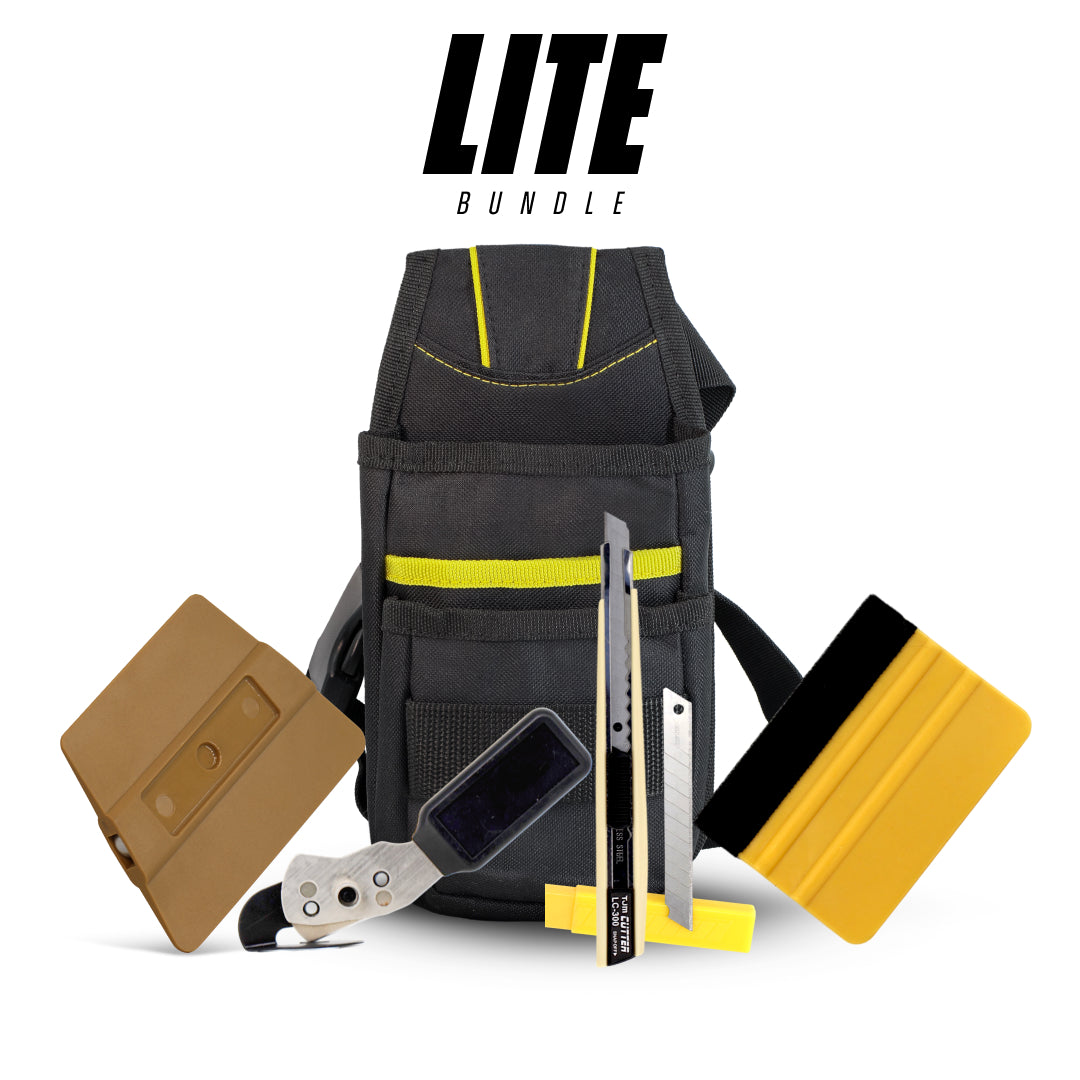
Accurate trimming around handles, appliances, and joins is easier with sharp knives and cutters designed specifically for vinyl applications →
When choosing a wrap, consider your household habits. If you have kids or love cooking, opt for finishes that hide fingerprints and smudges, such as matte or textured wraps. Glossy finishes look stunning but may require more frequent wiping to keep them looking pristine.
Choosing the Right Finish for Your Kitchen Vinyl Wrap
Finish plays a massive role in the overall look and feel of your kitchen. It’s not just about aesthetics; it also affects maintenance, durability, and how your kitchen space feels on a day-to-day basis.
Matte vs Gloss vs Satin Finishes
Matte finishes are hugely popular in Australian homes right now. They offer a soft, modern look that feels sophisticated without being flashy. Matte wraps are great at hiding fingerprints, scratches, and small imperfections, making them ideal for busy households.
Gloss finishes, on the other hand, reflect light beautifully. They’re perfect for smaller kitchens that need a brightness boost. A high-gloss white or light-coloured wrap can make a compact kitchen feel larger and more open. However, gloss finishes do show fingerprints and smudges more easily, so they suit homeowners who don’t mind regular cleaning.
Satin finishes sit somewhere in between. They offer a subtle sheen without the high reflectivity of gloss. Satin wraps are versatile and work well in both modern and transitional kitchen designs.
Textured and Woodgrain Vinyl Wraps
Textured wraps have revolutionised vinyl wrapping. Modern woodgrain vinyls replicate the look and feel of real timber so convincingly that even professionals sometimes have to look twice. These wraps are ideal for Australians who love the warmth of wood but want something more affordable and low-maintenance than solid timber.
Textured finishes also add depth to your kitchen design. They break up flat surfaces and create visual interest, especially in larger kitchens.
Stone, Marble, and Concrete Effects
Stone-effect vinyl wraps are perfect for achieving a high-end look without the high-end price tag. Marble-look wraps, in particular, are popular for benchtops and feature cabinets. Concrete finishes work beautifully in industrial or minimalist kitchens, offering a raw, modern aesthetic.
These finishes are especially appealing in Australian homes that lean towards contemporary design trends while still valuing practicality.
Proper surface preparation plays a major role in wrap longevity, and using dedicated cleaning and surface prep tools helps eliminate grease and residue common in kitchen environments →
Colour Selection: Matching Vinyl Wraps with Australian Kitchen Styles

Colour is where personality really comes into play. Choosing the right colour for your kitchen vinyl wrap isn’t just about trends; it’s about how your kitchen feels every day you walk into it. In Australia, where natural light is abundant and home styles vary widely, colour choice can either elevate your kitchen or make it feel out of place.
Light Colours for Small Kitchens
Light-coloured vinyl wraps are a go-to choice for smaller kitchens and apartments, especially in urban areas like Sydney and Melbourne. Whites, off-whites, soft greys, and pale timber tones reflect light, making the space feel more open and airy. This is particularly effective in apartments where natural light might be limited.
In Australian homes, light colours also pair beautifully with popular design elements like stone benchtops, timber flooring, and open-plan living areas. A white or light grey vinyl wrap can act as a neutral canvas, allowing other features, such as splashbacks or lighting, to shine.
Dark and Bold Colours for Statement Kitchens
For homeowners who want their kitchen to make a statement, darker vinyl wraps are an excellent choice. Deep charcoal, navy, forest green, and matte black are increasingly popular in modern Australian homes. These colours create a sense of luxury and depth, especially in larger kitchens with plenty of natural light.
Dark wraps work particularly well in contemporary and industrial-style kitchens. Pairing dark cabinets with light benchtops or metallic handles creates a striking contrast that feels intentional and high-end.
Neutral Tones for Timeless Appeal
If you’re aiming for a look that won’t date quickly, neutral tones are your best friend. Beige, greige, warm greys, and soft taupes offer timeless appeal and blend seamlessly with various interior styles. These colours are especially popular in family homes and investment properties, where longevity matters more than bold trends.
Neutral vinyl wraps also offer flexibility. If you decide to update your décor in a few years, your kitchen will still work with new colours and finishes without needing another makeover.
Kitchen Vinyl Wrap vs Paint vs Replacement
When updating a kitchen, homeowners often debate between vinyl wrapping, painting, or full replacement. Each option has its place, but understanding the differences helps you make a smarter decision.
Cost Comparison Table
| Option | Average Cost in Australia | Time Required | Disruption Level |
|---|---|---|---|
| Vinyl Wrap | $3,000 – $8,000 | 2–5 days | Low |
| Painting | $2,000 – $6,000 | 3–7 days | Medium |
| Full Replacement | $20,000 – $50,000+ | 4–8 weeks | High |
Longevity and Maintenance Comparison
Vinyl wraps typically last longer than paint, especially in high-use kitchens. Paint can chip, stain, and wear unevenly over time, particularly on cabinet edges and handles. Vinyl wraps, when professionally installed, provide a protective layer that resists moisture and daily wear.
Full replacement offers the longest lifespan but comes at a significantly higher cost and environmental impact. For many Australian households, vinyl wrapping strikes the perfect balance between durability, appearance, and affordability.
Best Vinyl Wrap Options for Cabinets, Benchtops, and Splashbacks
Not all kitchen surfaces are equal, and choosing the right vinyl wrap for each area is crucial for long-term success.
Cabinet Door Wrapping
Cabinet doors are the most common application for vinyl wrap. High-quality cast vinyl is ideal here, as it conforms well to edges and profiles. For older cabinets, wrapping can instantly modernise the look without replacing the underlying structure.
Benchtop Vinyl Wrap Considerations
Vinyl-wrapped benchtops are a cost-effective alternative to replacing laminate or worn surfaces. However, it’s important to choose wraps designed specifically for benchtops, as they need higher heat and scratch resistance.
While vinyl isn’t indestructible, it performs well when treated with care, using chopping boards and avoiding placing hot pots directly on the surface.
Splashback Vinyl Wrap Options
Vinyl-wrapped splashbacks are growing in popularity, especially for homeowners wanting a seamless look. These wraps can mimic tiles, stone, or glass and are easy to clean. However, they should be kept at a safe distance from direct heat sources unless heat-resistant materials are used.
DIY vs Professional Installation: What’s Best for Australian Homes
This is where many homeowners pause. Should you DIY or hire a professional? The answer depends on your experience, expectations, and budget.
Pros and Cons of DIY Vinyl Wrapping
DIY vinyl wrapping can save money, and for small projects, it can be tempting. However, kitchens are complex spaces with edges, corners, and high-use surfaces. Mistakes can be costly and often result in peeling, bubbling, or uneven finishes.
Benefits of Hiring Professional Installers
Professional installers bring experience, tools, and product knowledge. They know how to prepare surfaces properly and apply vinyl in a way that ensures longevity. In Australia, reputable installers often offer warranties, giving you peace of mind that your investment is protected.
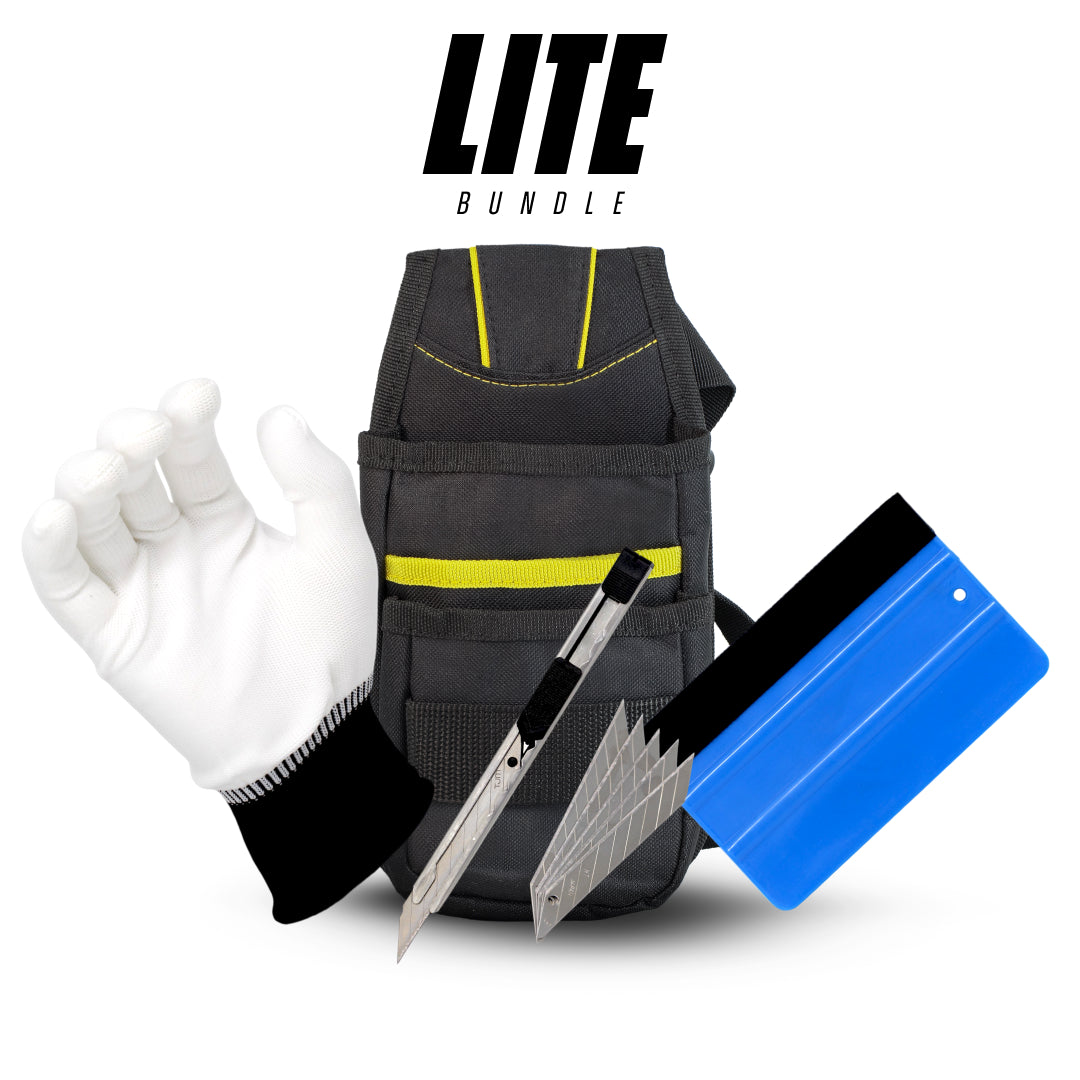
Keeping all installation tools organised in a durable tool bag improves efficiency, especially when wrapping multiple cabinets or benchtop sections →
Sustainability and Eco-Friendly Vinyl Wrap Choices
Sustainability is becoming a major consideration for Australian homeowners, and kitchen vinyl wraps can actually be a more eco-conscious choice than many people realise. While vinyl itself is a synthetic material, the bigger picture tells a more sustainable story, especially when compared to full kitthe chen replacements.
One of the biggest environmental benefits of vinyl wrapping is waste reduction. Instead of ripping out perfectly functional cabinets and sending them to the landfill, vinyl wrapping allows you to reuse what you already have. This significantly reduces construction waste, which is a growing concern in Australia’s renovation industry.
Many modern vinyl wrap manufacturers now offer low-VOC (volatile organic compound) products. These wraps release fewer harmful chemicals into the air, making them safer for indoor use and better for your family’s health. When choosing a vinyl wrap, it’s worth asking about certifications and eco-friendly options, especially if you’re sensitive to strong smells or have young children at home.
Another sustainability factor is longevity. A durable vinyl wrap that lasts 10 to 15 years reduces the need for frequent updates or replacements. The longer your kitchen finish lasts, the smaller its environmental footprint over time.
Many precision tools used in kitchen wrapping are also found in professional signage tool setups, making them useful across multiple applications →
For homeowners who want to balance style, cost, and environmental responsibility, vinyl wrapping offers a surprisingly smart compromise. It’s not perfect, but it’s a far more sustainable option than tearing out and replacing entire kitchens every decade.
Common Mistakes to Avoid When Choosing Kitchen Vinyl Wrap

Even though vinyl wrapping is relatively straightforward, there are common mistakes that can undermine the final result. Avoiding these pitfalls can make the differ,ence between a kitchen you love and one that frustrates you daily.
One of the biggest mistakes is choosing vinyl based on price alone. Cheaper wraps may look fine initially, but often lack the durability needed for kitchens. They can fade, peel, or bubble within a short period, especially in Australia’s warmer climates.
Another common error is ignoring surface preparation. Vinyl wrap will only look as good as the surface beneath it. Existing damage, moisture issues, or uneven surfaces need to be addressed before wrapping. Skipping this step often leads to visible imperfections and reduced lifespan.
Choosing the wrong finish for your lifestyle is also a mistake. For example, high-gloss finishes look stunning in showrooms but may not suit busy family kitchens where fingerprints and smudges are constant.
Lastly, many homeowners underestimate the importance of professional installation. While DIY may seem appealing, kitchens are high-stakes spaces. Poor installation can ruin even the best-quality vinyl.
How Much Does Kitchen Vinyl Wrap Cost in Australia?
The cost of kitchen vinyl wrapping in Australia varies depending on several factors, including kitchen size, wrap quality, surface complexity, and whether you hire professionals. On average, homeowners can expect to pay between $3,000 and $8,000 for a full kitchen wrap.
Smaller kitchens or partial wraps, such as cabinet doors only, may cost less. Larger kitchens with intricate cabinetry, benchtops, and splashbacks will sit at the higher end of the range. Premium finishes like marble or textured woodgrain also tend to cost more than flat colours.
While this might seem like a significant investment, it’s important to compare it to the cost of a full renovation. Vinyl wrapping delivers a high-impact transformation at a fraction of the price, making it one of the most cost-effective kitchen upgrades available in Australia.
Maintenance Tips to Extend the Life of Your Kitchen Vinyl Wrap
Proper maintenance is key to getting the most out of your kitchen vinyl wrap. The good news is that caring for vinyl is simple and doesn’t require special products.
- Clean surfaces regularly with a soft cloth and mild detergent
- Avoid abrasive sponges or harsh chemicals
- Wipe up spills promptly to prevent staining
- Use cutting boards and heat mats on benchtops
- Avoid excessive moisture around edges and seams
With these basic habits, your vinyl wrap can maintain its appearance and performance for many years.
FAQs
How long does kitchen vinyl wrap last in Australian conditions?
High-quality vinyl wraps can last between 7 and 15 years when professionally installed and properly maintained.
Can vinyl wrap handle heat from ovens and cooktops?
Yes, quality vinyl wraps are heat-resistant for normal kitchen use, but they should not be exposed to direct flames or extreme heat.
Is vinyl wrapping suitable for rental properties?
Absolutely. Vinyl wrapping is a popular choice for landlords due to its affordability, durability, and visual impact.
Can the vinyl wrap be removed later?
Yes, vinyl wrap can be removed by professionals without damaging the underlying surfaces in most cases.
Does vinyl wrap increase home value?
While it may not add structural value, a modern, well-presented kitchen can significantly improve buyer appeal and perceived value.
Conclusion: Transforming Your Kitchen the Smart Way
Choosing the right kitchen vinyl wrap for your Australian home is about balancing style, practicality, and long-term value. Vinyl wrapping offers a flexible, affordable, and visually stunning way to refresh your kitchen without the stress of a full renovation. From modern matte finishes to realistic woodgrain textures, there’s a vinyl wrap option to suit every home and lifestyle.
By considering durability, finish, colour, and professional installation, you can achieve a kitchen transformation that feels both luxurious and sensible. In a country where homes are lived in, loved, and shared, vinyl wrapping stands out as a smart solution that delivers real results.
Are you unsure which tool or kit is right for your job?
Our expert team at Oz Sign Supplies is here to help. Reach out today, and we’ll direct you to the best tools to suit your project, ensuring you get the job done right the first time.


Leave a comment
This site is protected by hCaptcha and the hCaptcha Privacy Policy and Terms of Service apply.