



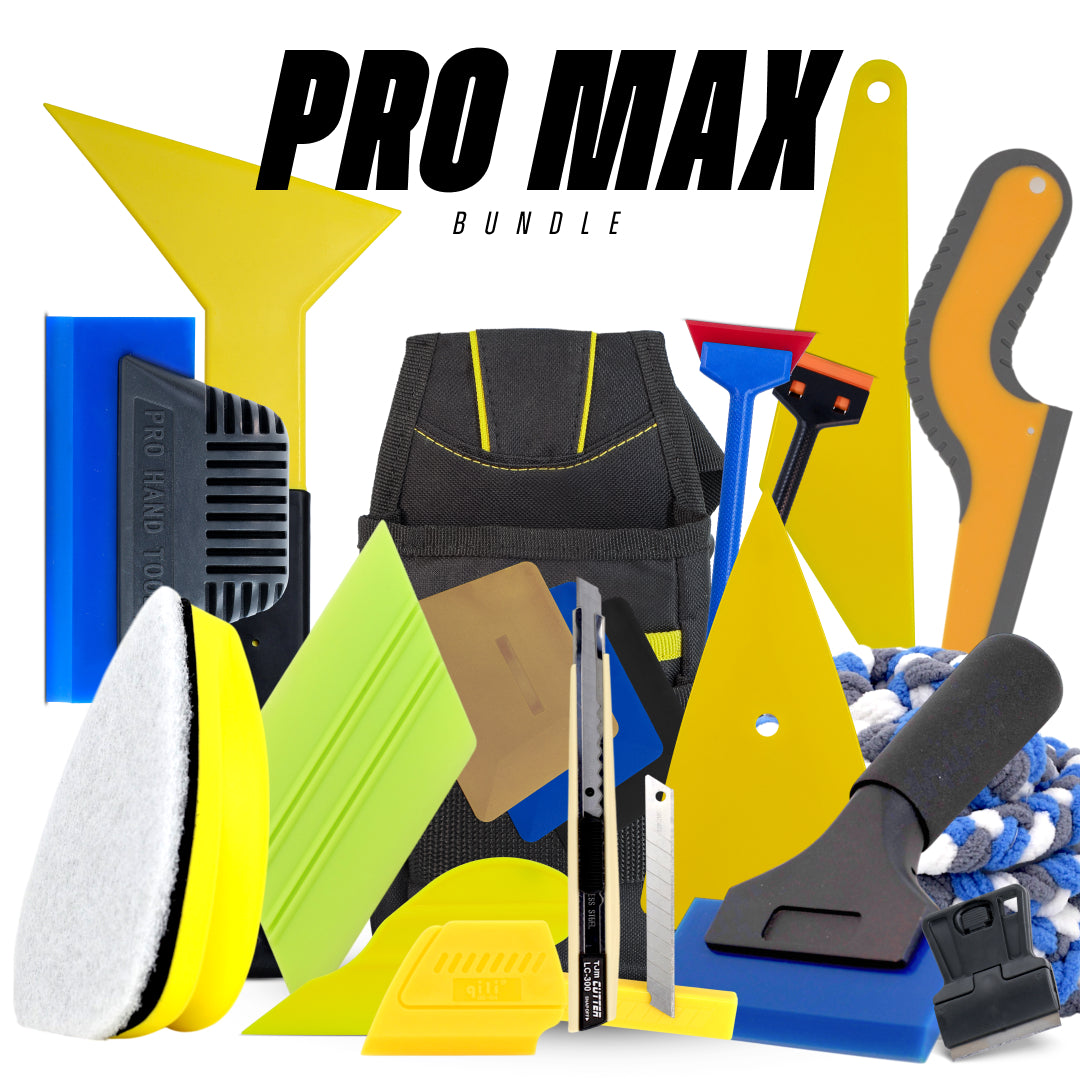
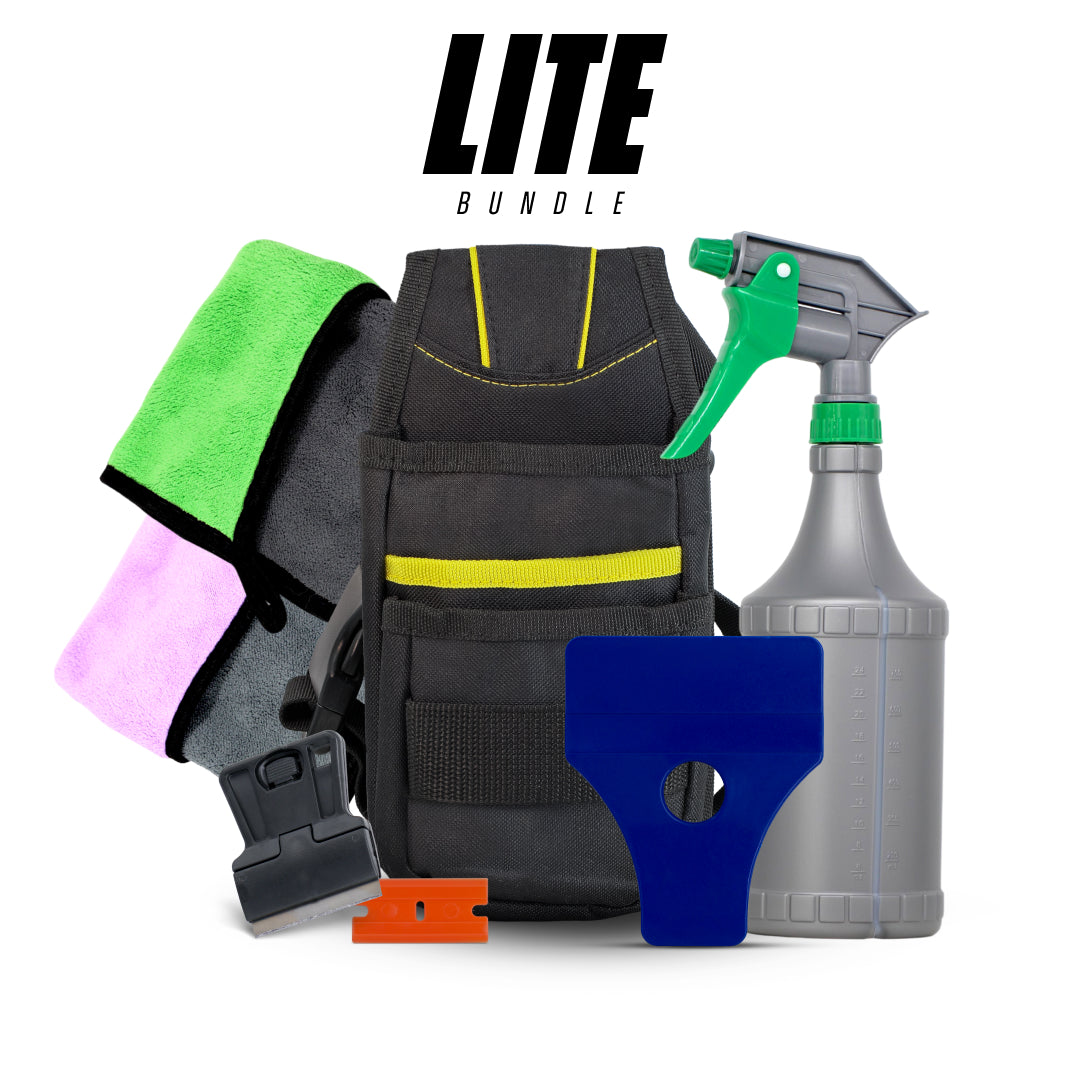
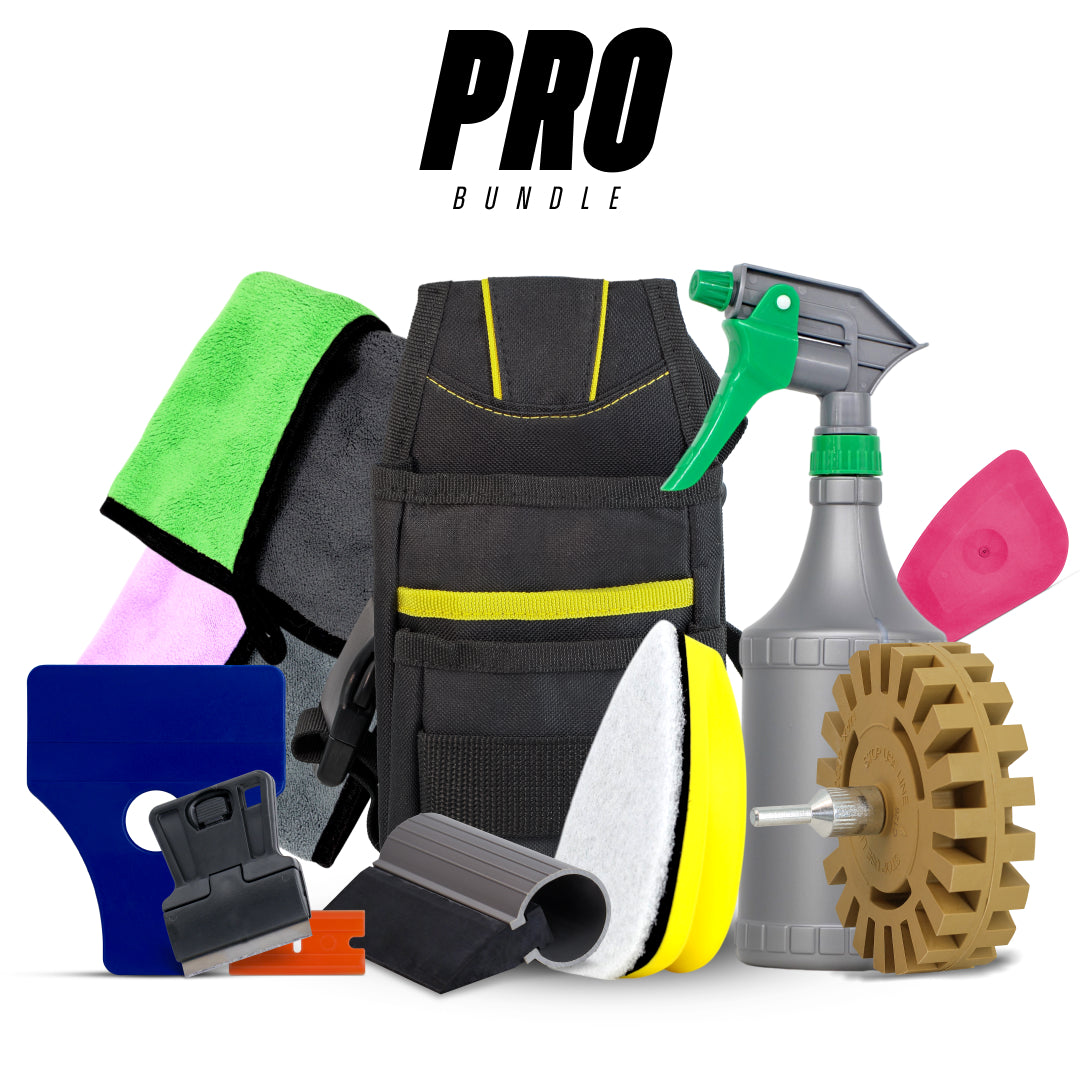
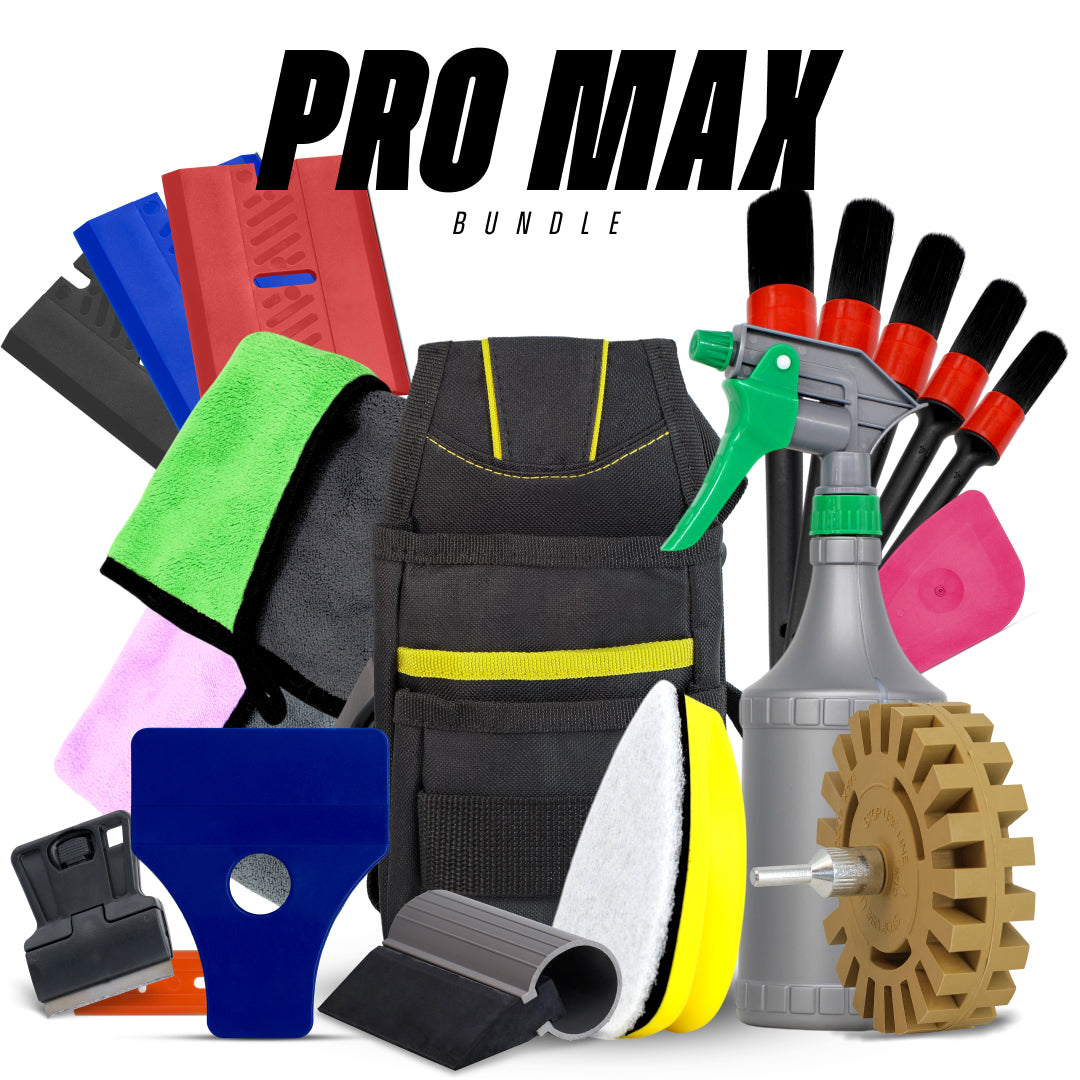
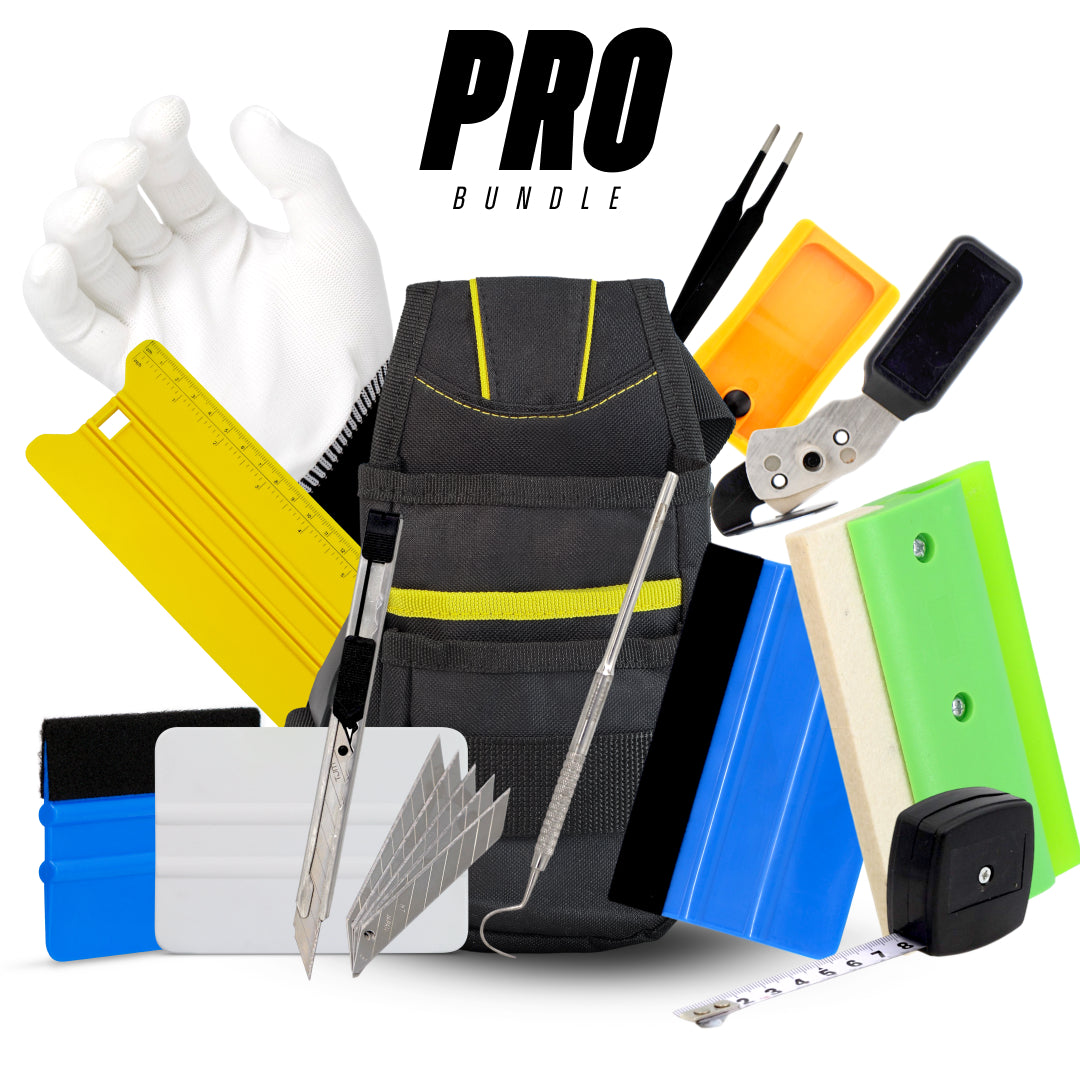
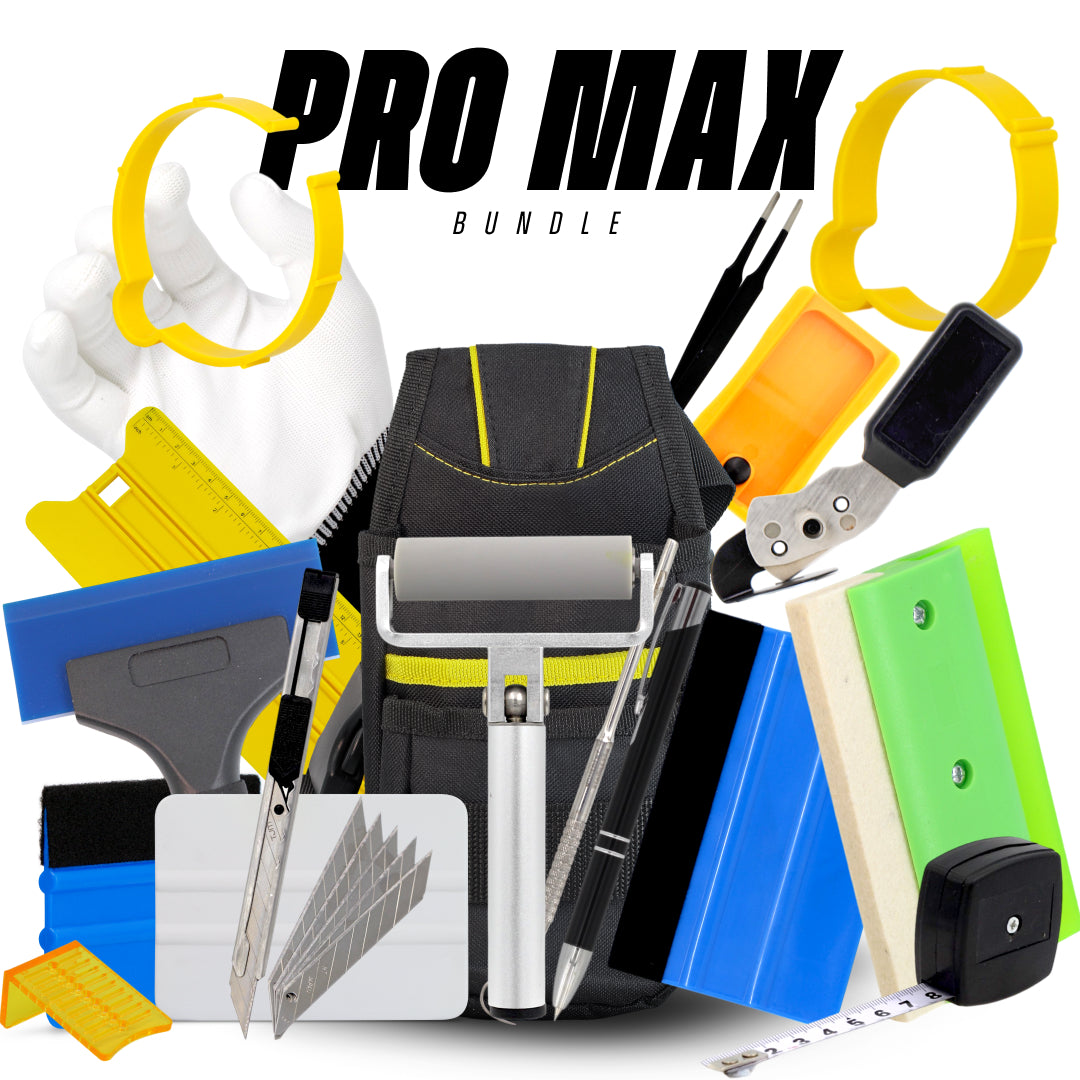

Best Vinyl Squeegee for Smooth and Bubble-Free Application
Which is the Best Vinyl Squeegee: Felt Edge vs. Teflon vs. Rubber
Choosing the right vinyl squeegee can change the way vinyl wraps are applied, making the process smoother and more professional. Many people wonder which squeegee will give the best results for car wraps, window films, or signage. The best vinyl squeegee helps remove air bubbles and ensures a smooth, scratch-free finish, whether used on wet or dry surfaces.
Vinyl squeegees come in different materials like felt, rubber, and Teflon, each suited for certain tasks and surfaces. Knowing which one to use can save time and reduce mistakes. The right squeegee not only improves the overall look but also protects the vinyl from damage during application.
Browse our professional vehicle wrapping tools for bubble-free vinyl installation →
Understanding the features that make a good squeegee will help anyone working with vinyl to get professional results. This guide will explain how to select the best vinyl squeegee for a range of projects, making the job easier and the final product better.
Key Takeaways
- A good vinyl squeegee prevents air bubbles and scratches during application.
- Different materials work best for different types of vinyl and surfaces.
- Choosing the right squeegee helps achieve a smooth, professional finish.
What Is a Vinyl Squeegee?

A vinyl squeegee is a simple but essential tool for applying vinyl films smoothly. It helps remove air bubbles and wrinkles. Understanding its purpose, parts, and types is key for anyone working with vinyl.
Definition and Purpose
A vinyl squeegee is a flat tool used to smooth vinyl films onto surfaces like car panels, windows, or walls. It pushes out trapped air and ensures the vinyl sticks evenly.
Its main purpose is to prevent bubbles, creases, and wrinkles, which can ruin the look of the vinyl. It also helps the vinyl bond properly to the surface, creating a clean, professional finish.
People who install wraps, decals, or window tint use squeegees every day. Choosing the right squeegee can make the job easier and improve the final result.
Key Components
Most vinyl squeegees have two main parts: the body and the edge. The body is usually made of plastic or rubber. It provides a firm grip and control during use.
The edge is what touches the vinyl. It can be made from soft felt, hard plastic, or rubber. A soft felt edge is gentle and reduces the risk of scratching delicate vinyl films.
Some squeegees include a flexible blade for curved surfaces. Designs vary depending on the job, but the materials are chosen to balance durability and surface protection.
Types of Vinyl Squeegees
There are several types of vinyl squeegees. The most common are:
Plastic edge squeegees: Hard and firm, best for tough surfaces.
Felt edge squeegees: Softer, ideal for fragile or speciality vinyl such as chrome or metallic finishes.
Rubber edge squeegees: Flexible and gentle, good for curves and details.
Some squeegees combine materials, like a plastic body with a felt edge. Others are designed specifically for wet or dry application methods.
Best paired with window tint squeegees for streak-free finishes →
Choosing the right type depends on the vinyl's delicacy, the surface shape, and the installation method used.

Why Choose the Best Vinyl Squeegee?
Using the right vinyl squeegee makes a noticeable difference in how smooth and neat the vinyl is applied. It helps prevent common problems and shapes the overall quality of the finished job. Choosing the best tool is important for anyone who wants consistent, professional results every time they work with vinyl.
Benefits of a High-Quality Squeegee
A high-quality vinyl squeegee offers better control and durability. These squeegees often have softer edges like felt or foam, which protect delicate vinyl surfaces from scratches. They also balance firmness with flexibility, allowing the user to press out air bubbles and wrinkles without damaging the material.
Top squeegees fit comfortably in the hand and provide steady pressure. This reduces strain on the user and ensures even contact across the vinyl. A well-made squeegee lasts longer and performs better than cheap versions that can wear down quickly or cause damage.
Impact on Vinyl Application Results
The choice of squeegee affects how well the vinyl sticks and how smooth the finish looks. Using the right type, such as a soft-edge squeegee for glossy vinyl or a harder one for matte finishes, helps avoid marks and creases.
A good squeegee can reduce the appearance of air bubbles by pushing out air evenly. This creates a cleaner, more professional look. It also makes the job quicker because fewer mistakes need fixing afterwards.
Avoiding Common Problems
Poor-quality squeegees can cause scratches, tearing, or uneven adhesive spread. This leads to wasted vinyl, extra work, and frustration. Picking the correct squeegee helps avoid issues such as creases, bubbles, and lifted edges.
You might also need to gear up with the best tools for sign installation and vinyl lettering →
Using the wrong tool or one that's too hard for the vinyl type increases the risk of permanent damage. A softer or medium-hard squeegee slows down the process less, prevents damage, and keeps the vinyl flat and smooth. This keeps the project on track and saves time and money in the long run.

How the Right Vinyl Squeegee Prevents Air Bubbles and Installation Marks
One of the most important tools in any vinyl wrapping project is the squeegee. While vinyl films are designed to conform to vehicle surfaces, the squeegee controls how evenly the film adheres to the panel during installation.
A high-quality vinyl squeegee helps installers remove trapped air and installation fluid while applying consistent pressure across the film. This process pushes air outward from the centre of the panel, creating a smooth finish without wrinkles or bubbles.
Flexible Edges for Smooth Application: Professional wrap installers typically choose squeegees with flexible edges that glide smoothly across vinyl surfaces. Flexible edges help the tool conform to curved body panels and reduce the risk of scratching delicate wrap finishes.
Felt or Suede Strips for Surface Protection: Many professional squeegees include felt or suede strips that protect the vinyl from scuffs during installation. These softer edges are especially useful when working with glossy or metallic wrap films where scratches are more visible.
Ergonomic Design for Better Control: During large vehicle wraps, installers may spend hours applying vinyl. Ergonomic squeegee designs improve grip and reduce hand fatigue, allowing installers to maintain steady pressure and consistent results across the entire surface.
Choosing the Right Edge Type: Different squeegee materials are designed for different vinyl finishes.
| Edge Type | Best For | Key Advantage |
|---|---|---|
| Felt Edge | Gloss and metallic wraps | Scratch-free application |
| Teflon Edge | Matte or textured films | Smooth glide with firm pressure |
| Rubber Edge | General vinyl installs | Flexible and effective bubble removal |
Selecting the right squeegee edge can significantly improve the final result and reduce installation mistakes.
Top Features to Look For in a Vinyl Squeegee

Choosing the right vinyl squeegee depends on a few important details. The materials of the blade affect how well the vinyl sticks and smooths. The handle design influences comfort and control during use. Size and shape options determine how easily the squeegee fits into different spaces and tasks.
Blade Materials
Vinyl squeegee blades come in various materials, each suited to different tasks. Plastic blades are the most common. They are lightweight and less likely to scratch delicate surfaces. However, they may wear down faster with frequent use.
Rubber blades offer more flexibility. They adapt well to curved surfaces, making them ideal for vehicle wraps or furniture. Rubber also helps avoid damage to vinyl during application, but it can collect dirt more easily.
Felt-edged blades are soft and excellent for applying vinyl with fine details. The felt layer prevents scratching and is good for sensitive projects like decals or craft vinyl.
Choosing the right blade material depends on the surface being wrapped and the level of precision needed.
Handle Designs
Comfort and grip are key in handle designs. A well-shaped handle reduces hand fatigue during long use. Many squeegees feature ergonomic handles with soft grips. This helps users maintain steady pressure and control.
Non-slip handles provide extra safety, especially when working with slick or wet surfaces. Some models use lightweight plastic handles to balance ease of movement with durability. Others include hanging holes for convenient storage.
Handles may be straight or slightly curved. Curved handles offer better leverage on curved surfaces, while straight ones give more direct pressure on flat surfaces.
Selecting a handle design should match both the user’s comfort and the types of wrapping jobs they do most often.
Size and Shape Options
Squeegees come in different sizes and shapes to tackle various parts of a job. Larger squeegees cover broad areas quickly but can be harder to control in tight spaces. Smaller squeegees work well around edges, corners, or small details.
The shape also matters. Square or rectangular squeegees are great for straight lines and flat surfaces. Triangular or wedge shapes offer better access to curves and edges, allowing more precision.
Some squeegees combine straight and rounded edges to give users flexibility during application. Choosing the right size and shape depends on the project’s scale and surface complexity.
Using the correct size and shape reduces the risk of bubbles, creases, or uneven wraps.

Key Features of the Best Vinyl Wrap Squeegees
- Flexible edges that conform to curved surfaces
- Felt or suede strips to prevent scratches
- Ergonomic design for installer comfort
- Durable materials for repeated use
- Smooth glide for bubble-free vinyl application
Felt Edge vs. Teflon vs. Rubber Squeegee
Choosing the right squeegee edge is important for applying vinyl smoothly without damage. Each edge type, felt, Teflon, and rubber, has strengths and specific uses.
Felt edge squeegees have a soft, cushioned tip. They reduce the chance of scratching delicate or glossy vinyl surfaces. This makes them ideal for wraps with gloss or metallic finishes where protection is key.
Teflon squeegees use a hard, smooth surface that glides easily. They work well on matte or textured vinyl, allowing firm pressure without sticking. Some Teflon squeegees include a felt strip for added surface protection.
Rubber squeegees offer flexibility and grip. They are helpful for general application and pushing out air bubbles, but they can leave marks on delicate films if used too hard.
| Edge Type | Best For | Key Feature |
|---|---|---|
| Felt | Glossy, metallic vinyl | Soft, scratch-free finish |
| Teflon | Matte, textured vinyl | Smooth, firm pressure |
| Rubber | General use | Flexible, good air bubble removal |
Each squeegee edge suits different vinyl types and tasks. Using the right edge helps prevent damage and improves installation quality.
Felt Squeegees: Felt-edge squeegees are one of the most commonly used tools for vehicle wrapping. The soft felt strip reduces friction and helps protect delicate vinyl finishes from scratches during installation. These squeegees are particularly useful for gloss and metallic wraps, where surface marks are more noticeable.
Teflon Squeegees: Teflon squeegees provide a very smooth glide while still delivering firm pressure. Many professional installers prefer them when working with matte, satin, or textured vinyl films that require stronger pressure to remove air bubbles.
Rubber Squeegees: Rubber squeegees are flexible and adaptable, making them useful for wet installations or curved surfaces. They can conform to body panels and help remove installation fluid efficiently, although they are typically used with caution on more delicate wrap finishes.
By using the right squeegee material for each type of vinyl film, installers can achieve smoother applications, fewer bubbles, and better long-term adhesion.
| Squeegee Material | Best Used For | Key Advantages | Potential Drawbacks |
|---|---|---|---|
| Felt Edge | Gloss, satin, or metallic vinyl wraps | Prevents scratches and glides smoothly across film | May wear down over time with heavy use |
| Teflon Edge | Matte or textured vinyl films | Firm pressure and smooth glide without drag | Less protective on delicate gloss surfaces |
| Rubber Edge | General vinyl installation and wet applications | Flexible edge that adapts to curved panels | Can leave marks on delicate films if used aggressively |
Selecting the Right Squeegee for Your Project
Choosing the correct squeegee depends on the specific demands of the vinyl wrapping job. Factors like surface type, vinyl material, and desired finish shape the choice. Understanding these elements helps in picking a squeegee that improves application quality and reduces errors.
Assessing Project Needs
You should start by examining the surface that the vinyl will be applied to. Smooth surfaces like car bodies work well with soft-edged squeegees, such as felt or rubber, which prevent scratching. Textured or matte surfaces require harder squeegees, like Teflon, to press vinyl firmly without damage.
The type of vinyl material matters as well. Cast vinyl, which is thin and conformable, needs a gentle approach to avoid tears or bubbles. Calendered vinyl is thicker and tougher, so a stiffer squeegee can be used. The size of the job also influences the choice; larger areas benefit from bigger squeegees for quicker coverage, while smaller details may need narrower tools.
Comparing Options
Plastic, nylon, Teflon, and felt edges are common squeegee materials. Plastic squeegees offer durability and are widely available. Nylon is more rigid, making it better for textured surfaces, but it might cause scratches on delicate vinyl. Teflon squeegees slide smoothly over vinyl without sticking, ideal for matte or textured films.
Felt-edge squeegees prevent damage on sensitive finishes like gloss or metallic vinyl. Meanwhile, smaller squeegees are suited for tight corners, and flexible ones adjust to curves more easily. When comparing, consider stiffness, edge softness, and size to match the vinyl type and application area.
| Material | Best For | Notes |
|---|---|---|
| Plastic | General purpose | Durable and cost-effective |
| Nylon | Textured surfaces | Rigid but may scratch |
| Teflon | Matte/textured vinyl | Smooth, non-stick surface |
| Felt | Gloss/metallic finishes | Protects delicate vinyl |
Budget Considerations
Budget impacts the squeegee choice but shouldn’t compromise quality. Basic plastic squeegees are budget-friendly and fine for beginners or small projects. Mid-range options like Nylon or Teflon squeegees cost more but offer better durability and finish quality.
Premium squeegees may have ergonomic designs or extra features, helpful for professionals who wrap regularly. Buying multiple types within the budget ensures flexibility across different projects. It is important to balance cost with effectiveness to avoid damage or poor vinyl adhesion, which could cost more in the long run.
It is also highly recommended to use tools for safe decal and vinyl removal →
How to Use a Vinyl Squeegee for Best Results
Using a vinyl squeegee correctly is essential for achieving a smooth, professional-looking wrap installation. Even high-quality vinyl films require proper application techniques to avoid bubbles, wrinkles, or lifting edges.
Start from the Centre: After positioning the vinyl film on the surface, begin squeegeeing from the centre of the panel and move outward. This technique pushes air and installation fluid toward the edges rather than trapping it under the film.
Use Overlapping Strokes: Professional installers use short, overlapping strokes to ensure consistent pressure across the film. Overlapping strokes help prevent missed areas where bubbles or wrinkles could form.
Apply Even Pressure: Applying consistent pressure allows the vinyl adhesive to bond properly with the surface. Too little pressure may leave trapped air, while too much pressure can stretch the film.
Work in Sections: Large panels should be installed gradually. Working in smaller sections helps maintain control over the vinyl and ensures the film remains aligned with the surface.
By following these techniques, installers can achieve clean edges, smooth surfaces, and long-lasting vinyl wrap results.
Caring for and Maintaining Your Vinyl Squeegee

Keeping a vinyl squeegee in good condition ensures smooth, bubble-free installations and protects the vinyl from scratches. Proper cleaning, storing, and timely replacement help maintain effectiveness and extend the tool’s lifespan.
Cleaning Guidelines
After each use, the squeegee should be cleaned thoroughly to remove adhesive residue, dust, and dirt. Using warm water with mild soap is best to avoid damaging the edges. Avoid harsh chemicals or abrasive materials that may warp or scratch the squeegee blade.
Dry the squeegee completely before storing it to prevent the buildup of moisture or adhesive. If the adhesive is stuck, gently scrape it off with a plastic tool. Cleaning both the blade and handle regularly prevents dirt from causing marks or scratches on the vinyl during future use.
Proper Storage
Store the vinyl squeegee in a cool, dry place away from direct sunlight. Heat can cause the rubber or plastic blade to warp, reducing its effectiveness. Hanging the squeegee or keeping it flat on a shelf is ideal.
Avoid placing heavy objects on top, which could bend or damage the blade. Use a protective sleeve or case if available to keep dust and dirt off. Good storage helps maintain the squeegee’s shape and prevents contamination from materials like paint or dust.
When to Replace
A vinyl squeegee should be replaced once the edges start to warp, crack, or show hard adhesive build-up that won’t clean off. Using a damaged squeegee increases the risk of scratches, bubbles, or uneven vinyl application.
Check the blade after every few uses for signs of wear. If the tool does not give clean, smooth results or dents appear, it is time to replace it. Regularly replacing the squeegee ensures optimal results and protects the vinyl wrap.
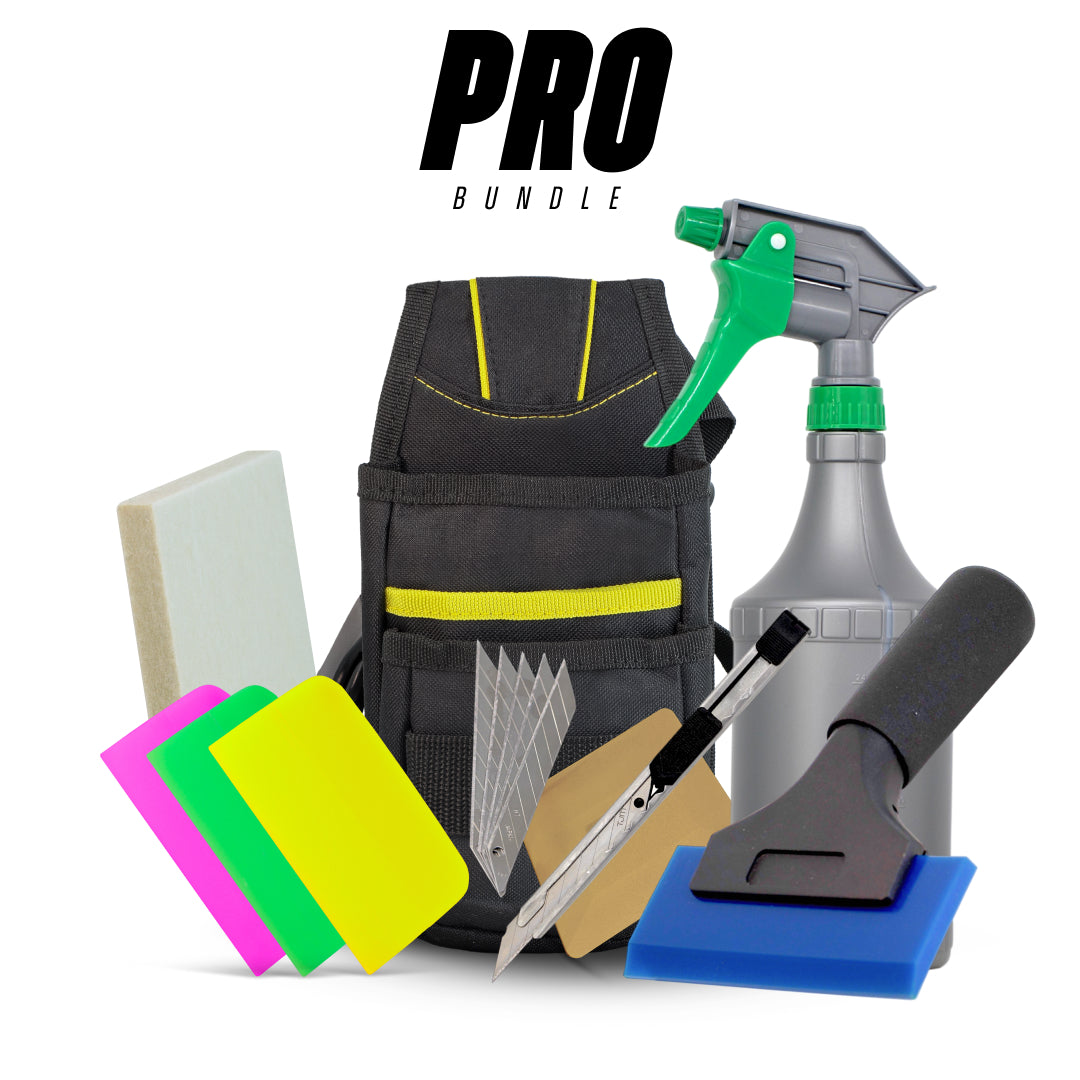
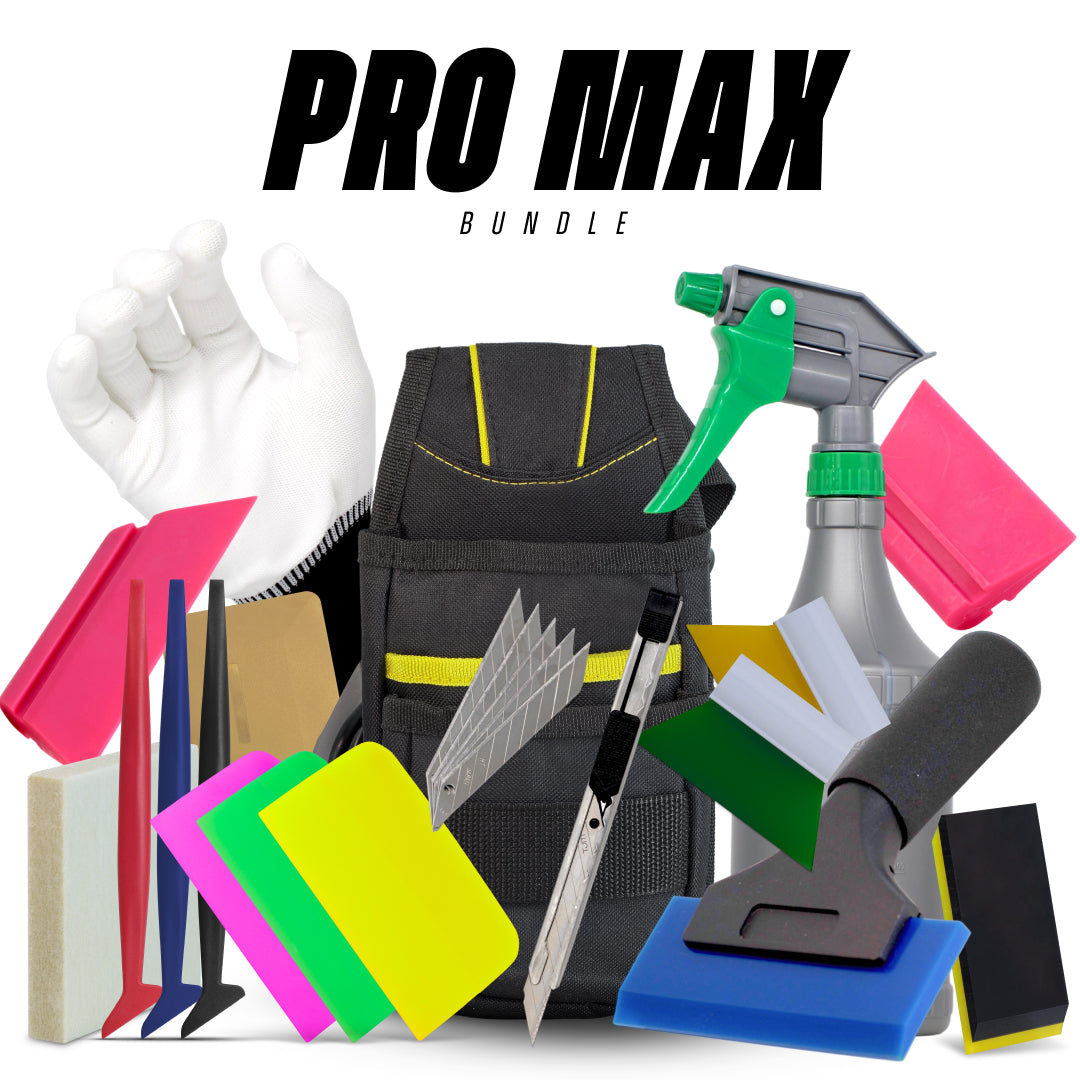
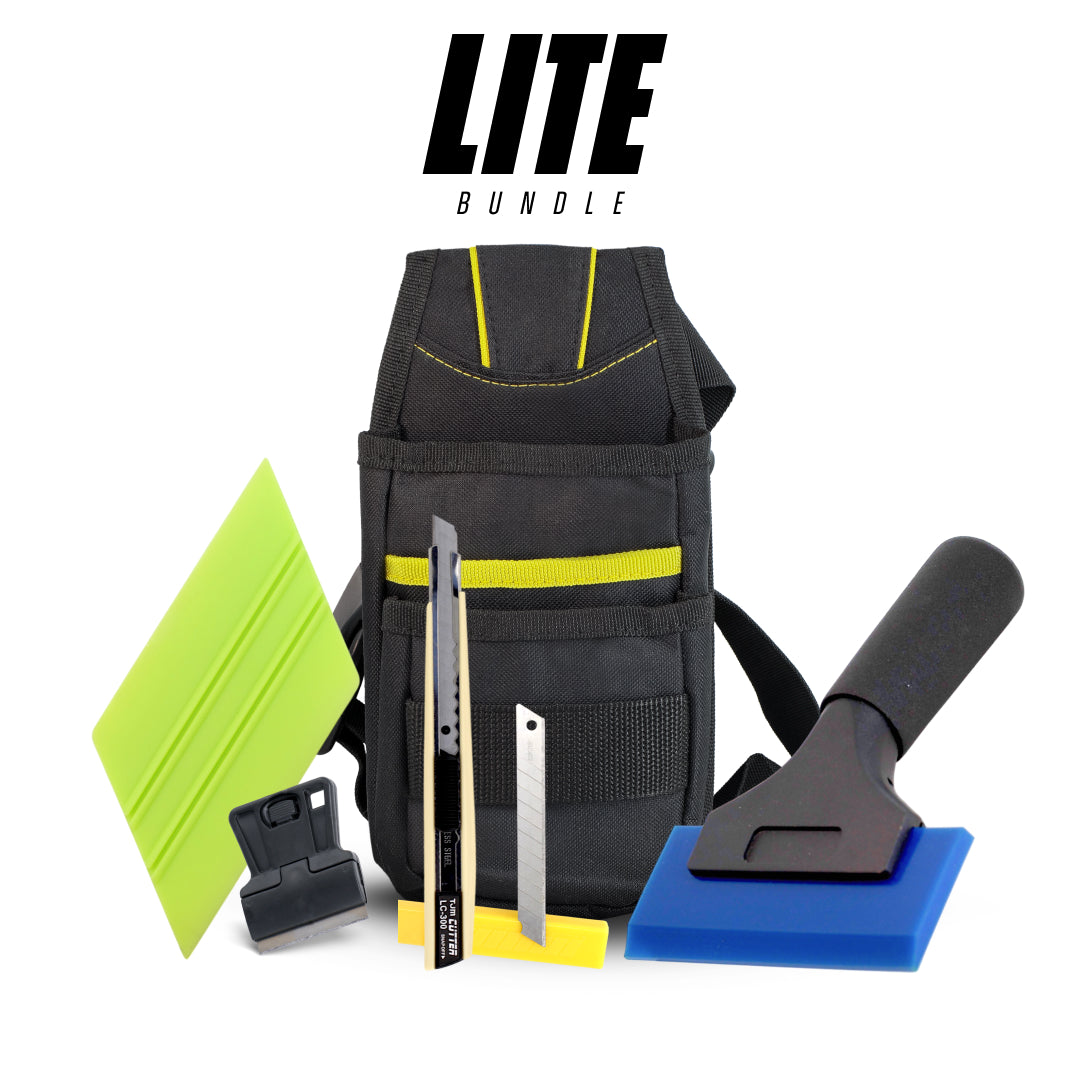
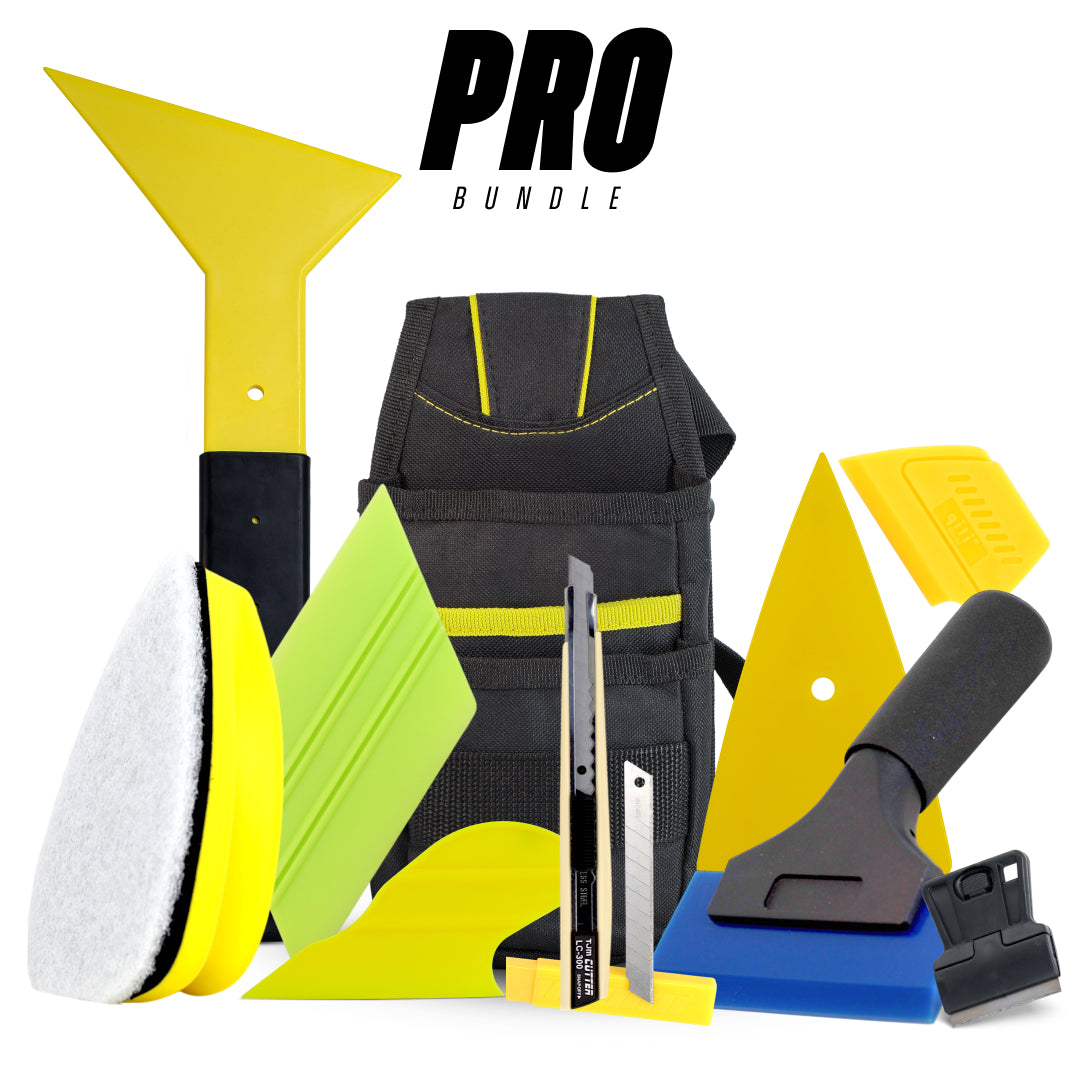
Essential Tools in a Vinyl Wrap Tool Kit
While the vinyl squeegee is one of the most important tools for wrapping, professional installers rely on several other tools to achieve high-quality results.
Precision Cutting Knives: Sharp cutting knives allow installers to trim vinyl film accurately along panel edges, window seals, and body lines.
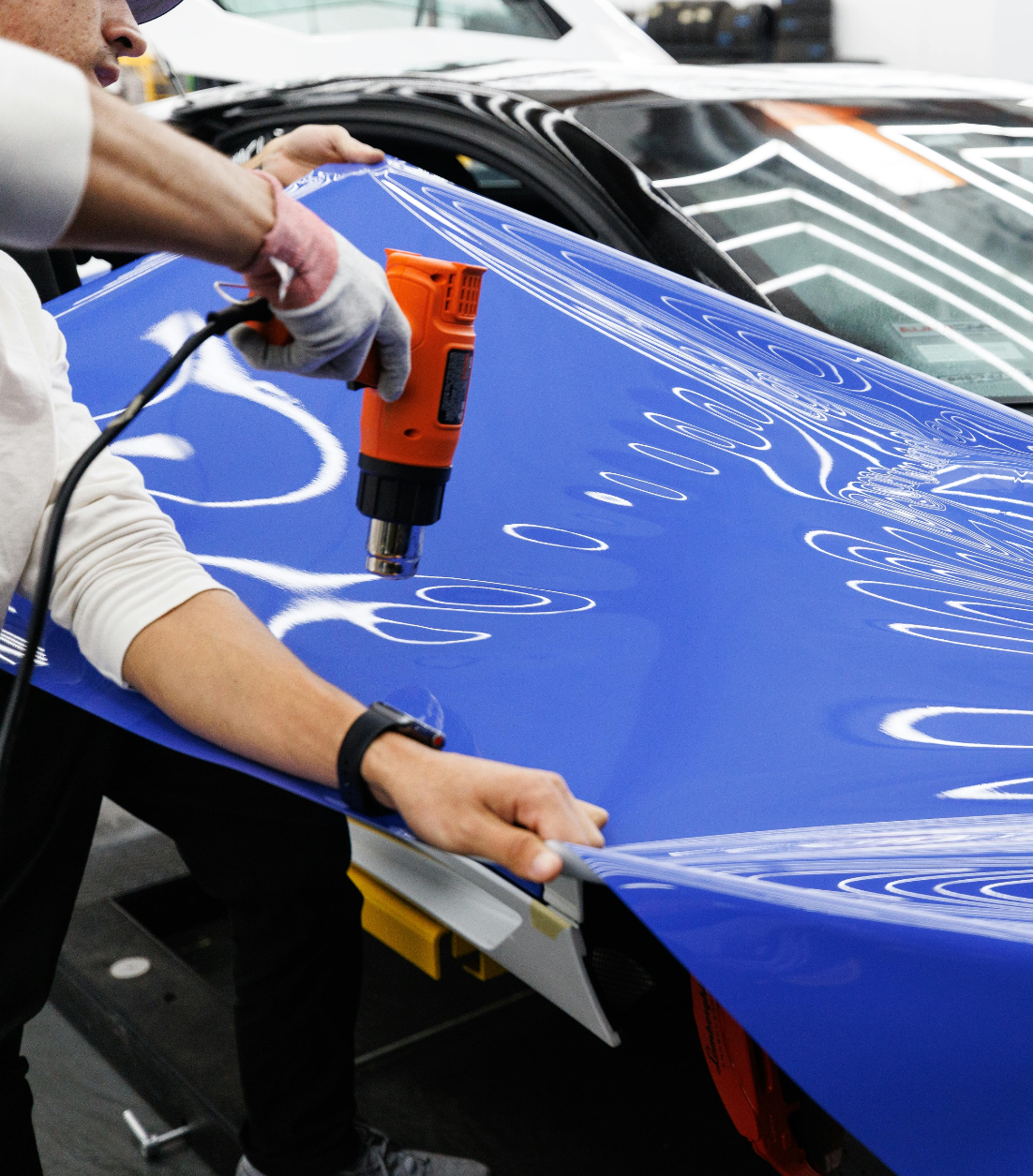
Heat Guns: Heat guns are used to soften vinyl film so it can stretch and conform to curved surfaces such as bumpers, mirrors, and door handles.
Measuring and Marking Tools: Measuring tools help installers cut vinyl sheets accurately before installation, reducing material waste.
Cleaning and Surface Preparation Tools: Proper surface preparation is critical for successful vinyl wrapping. Cleaning tools help remove dust, grease, and wax so the vinyl adhesive can bond correctly.
Together, these tools form a complete vinyl wrapping toolkit that helps installers achieve smooth, bubble-free results and long-lasting wraps.
Best Vinyl Wrap Squeegee Checklist
When choosing a vinyl wrap squeegee, professional installers typically look for a combination of durability, flexibility, and surface protection. The following checklist highlights the most important features to consider.
Key Features of the Best Vinyl Wrap Squeegees
- Smooth edges that glide easily across vinyl film
- Felt or soft-edge protection to prevent scratches
- Flexible design that adapts to curved vehicle panels
- Durable materials that withstand repeated professional use
- Comfortable grip for long installation sessions
- Compatible with both dry and wet vinyl applications

Quick Tip for Installers
Many professional wrap installers keep multiple squeegee types in their toolkit so they can switch tools depending on the vinyl material and stage of the installation process.
Using the right squeegee not only improves installation efficiency but also helps ensure bubble-free, professional-quality vinyl wraps.
Step-by-Step Vinyl Wrap Application Guide
Applying vinyl wrap correctly requires patience, preparation, and the right installation tools. Following a structured process helps ensure a smooth finish and reduces the risk of bubbles, wrinkles, or lifting edges.
Step 1: Clean and Prepare the Surface
Before applying vinyl film, the surface must be completely clean and free of contaminants. Dirt, wax, grease, or dust can prevent the adhesive from bonding properly.
Use a suitable cleaning solution and a lint-free cloth to thoroughly wipe down the panel. Pay close attention to edges, panel gaps, and corners where residue often accumulates.
Step 2: Measure and Position the Vinyl
Carefully measure the vinyl sheet to ensure it covers the panel with enough extra material for trimming. Once cut, position the vinyl over the surface without removing the backing to check alignment.
Proper positioning helps prevent misalignment and reduces the need for repositioning during installation.
Step 3: Remove the Backing and Apply the Film
Peel back part of the vinyl backing and begin applying the film to the surface. Work gradually rather than removing the entire backing at once.
Start applying the vinyl from the centre of the panel and allow the film to lie naturally across the surface.
Step 4: Use a Squeegee to Remove Air Bubbles
Using a vinyl squeegee, apply firm and consistent pressure while working outward from the centre of the panel. This pushes air and installation fluid toward the edges, preventing bubbles from forming beneath the film.
Use overlapping strokes to ensure the vinyl adheres evenly.
Step 5: Apply Heat to Conform to Curves
For curved panels or complex body shapes, a heat gun can be used to gently warm the vinyl film. Heat makes the material more flexible so it can stretch and conform to contours such as mirrors, bumpers, and door handles.
Avoid overheating the vinyl, as excessive heat can damage the film.
Step 6: Trim Excess Vinyl
Once the film is fully applied, use a precision cutting knife to carefully trim excess vinyl along panel edges and seams. Clean trimming ensures a professional finish and prevents lifting edges.
Step 7: Post-Heat the Vinyl
After installation, apply controlled heat to stretched areas and edges. This process, known as post-heating, stabilises the vinyl and helps prevent shrinkage or lifting over time.
Step 8: Inspect the Final Finish
Finally, inspect the wrapped panel for any trapped air bubbles, wrinkles, or loose edges. Minor bubbles can often be removed with gentle heat and additional squeegee pressure.
A careful inspection ensures the wrap has a smooth, professional appearance and long-lasting adhesion.
Quick Tips for a Bubble-Free Vinyl Wrap
- Work slowly and apply vinyl in small sections
- Use overlapping squeegee strokes to remove air evenly
- Keep the surface clean throughout installation
- Use controlled heat when working on curves
Following these steps helps both beginners and experienced installers achieve smooth, bubble-free vinyl wrap results.
Common Vinyl Wrap Installation Mistakes (and How to Avoid Them)
Even experienced installers can encounter problems when applying a vinyl wrap. Many installation issues are caused by improper technique, incorrect tools, or poor preparation. Understanding these common mistakes can help ensure smoother applications and longer-lasting results.
1. Poor Surface Preparation
One of the most frequent causes of vinyl wrap failure is inadequate surface cleaning. Dust, grease, wax, or residue can prevent the vinyl adhesive from bonding properly to the vehicle panel.
How to avoid it: Always clean the surface thoroughly using a suitable cleaning solution and a lint-free cloth before applying vinyl film.
2. Using the Wrong Squeegee Type
Different vinyl films require different squeegee materials. Using a hard plastic edge on delicate gloss vinyl can cause scratches, while overly soft edges may not apply enough pressure to remove air bubbles.
How to avoid it: Choose the correct squeegee edge for the vinyl film, such as felt edges for glossy wraps and firmer edges for matte or textured materials.
3. Applying Too Much Heat
Heat guns are used to help vinyl conform to curves and complex shapes, but excessive heat can stretch the film too far and weaken the adhesive.
How to avoid it: Apply heat gradually and evenly, and avoid overheating the vinyl during installation.
4. Working Too Quickly
Rushing the installation process often leads to wrinkles, trapped air, or misaligned panels.
How to avoid it: Work in smaller sections and use slow, overlapping squeegee strokes to push air and moisture toward the edges.
5. Skipping Proper Post-Heating
After installation, certain areas of the wrap, especially curves and edges, require post-heating to stabilise the vinyl and prevent lifting.
How to avoid it: Apply controlled post-heat to stretched areas so the film retains its shape and adhesion.
By avoiding these common mistakes and using the right tools, installers can achieve smooth, bubble-free vinyl wrap applications with long-lasting results.
FAQs
Can you use a regular squeegee for vinyl wrap?
While a standard squeegee can technically apply vinyl film, professional vinyl wrap squeegees are designed specifically for this purpose. They feature smoother edges, flexible materials, and ergonomic shapes that allow installers to apply vinyl more evenly without damaging the film.
Why do vinyl wrap squeegees have felt edges?
Felt edges are used to protect delicate vinyl wrap surfaces during installation. Glossy and metallic films can easily be scratched if hard plastic edges are used. A felt strip allows the squeegee to glide smoothly across the film while still applying enough pressure to remove air bubbles and water.
How do you prevent bubbles when using a vinyl wrap squeegee?
To prevent bubbles, installers typically start from the centre of the vinyl panel and push outward toward the edges using overlapping squeegee strokes. Applying even pressure and working slowly helps ensure that air and moisture are pushed out from beneath the film.
What features should I consider when selecting a squeegee for vinyl wrapping?
A squeegee should have the right balance of flexibility and firmness. Too hard can damage vinyl, while too soft may not smooth out bubbles effectively. The size and edge type also matter; a smaller squeegee works well for tight curves and details.
Materials like injection-moulded poly-flow provide a good combination of glide and pressure control. Ergonomic design helps reduce hand fatigue during long projects. Medium memory means the squeegee returns to its original shape after use, which improves consistency.
Can you recommend a durable squeegee for long-term professional use?
A durable squeegee often features tough materials like nylon or high-quality plastics designed for daily use.
Professionals tend to prefer tools made to distribute pressure evenly to avoid marks and bubbles. A comfortable grip is also important for long sessions, which reduces strain and improves precision over time.
Is there a difference in performance between generic and branded vinyl squeegees?
Branded squeegees usually offer better material quality and design refinements. This leads to smoother application, fewer air bubbles, and less chance of damaging the vinyl.
Generic squeegees might be cheaper but can lack flexibility or have rough edges that harm the wrap. Users seeking perfect finishes often choose trusted brands to ensure consistent and reliable results.
Conclusion
Choosing the best vinyl squeegee makes all the difference between a flawless, professional-looking finish and a frustrating, bubble-filled application. Whether you’re wrapping a vehicle, installing window tint, or applying decals and signage, the right squeegee ensures smooth, even pressure and clean results every time. By considering factors like material, edge type, and grip, you can find the perfect tool to match your project needs.
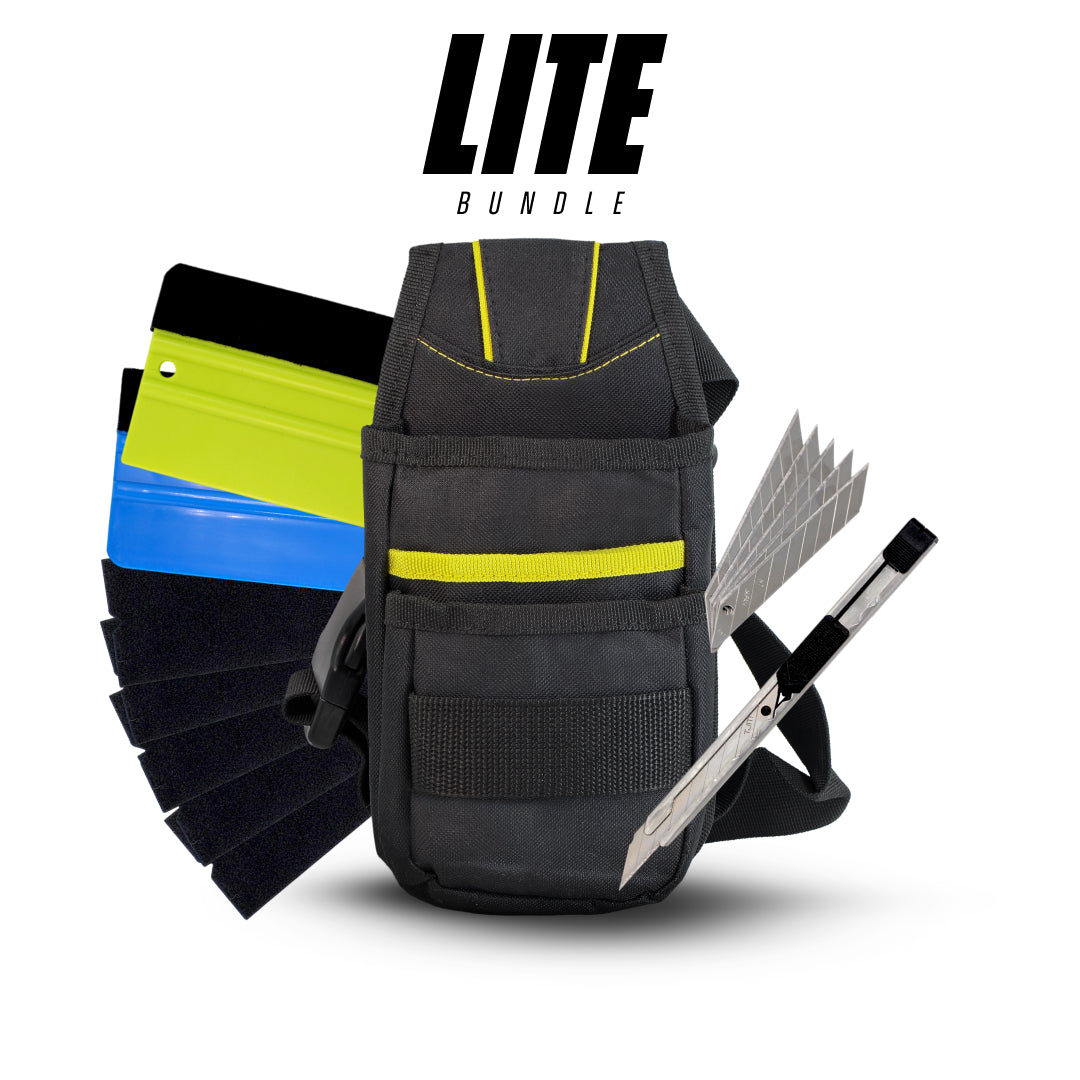
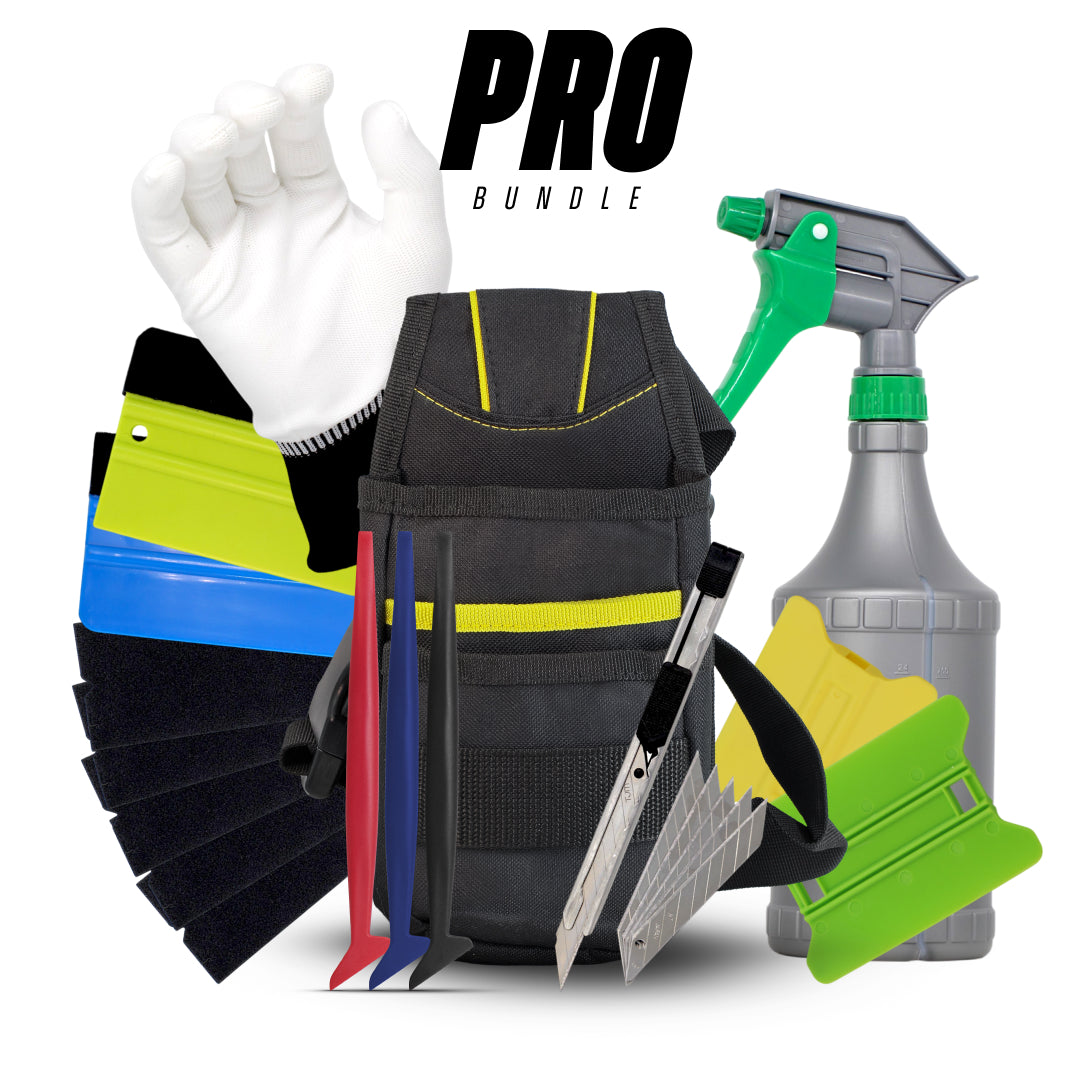
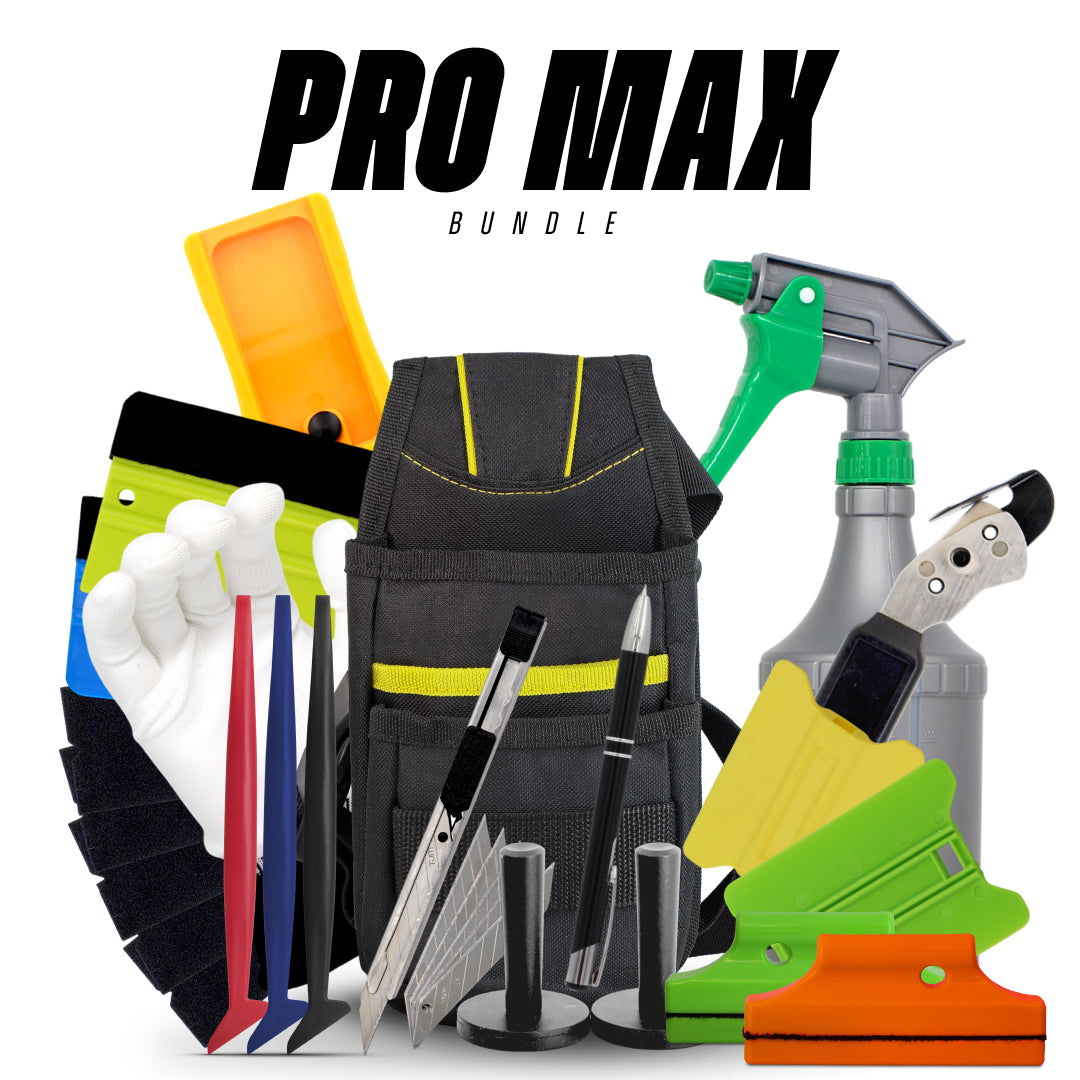
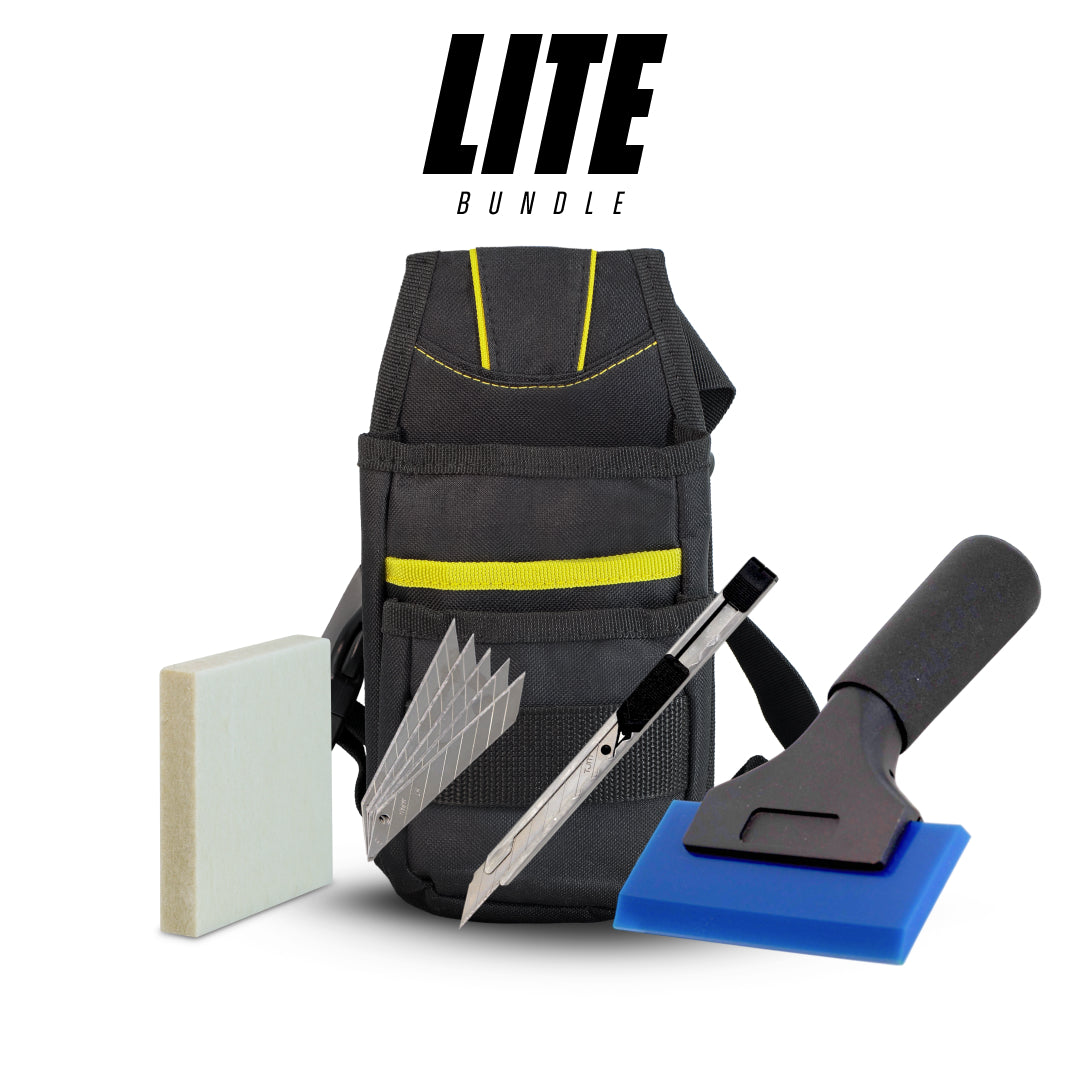
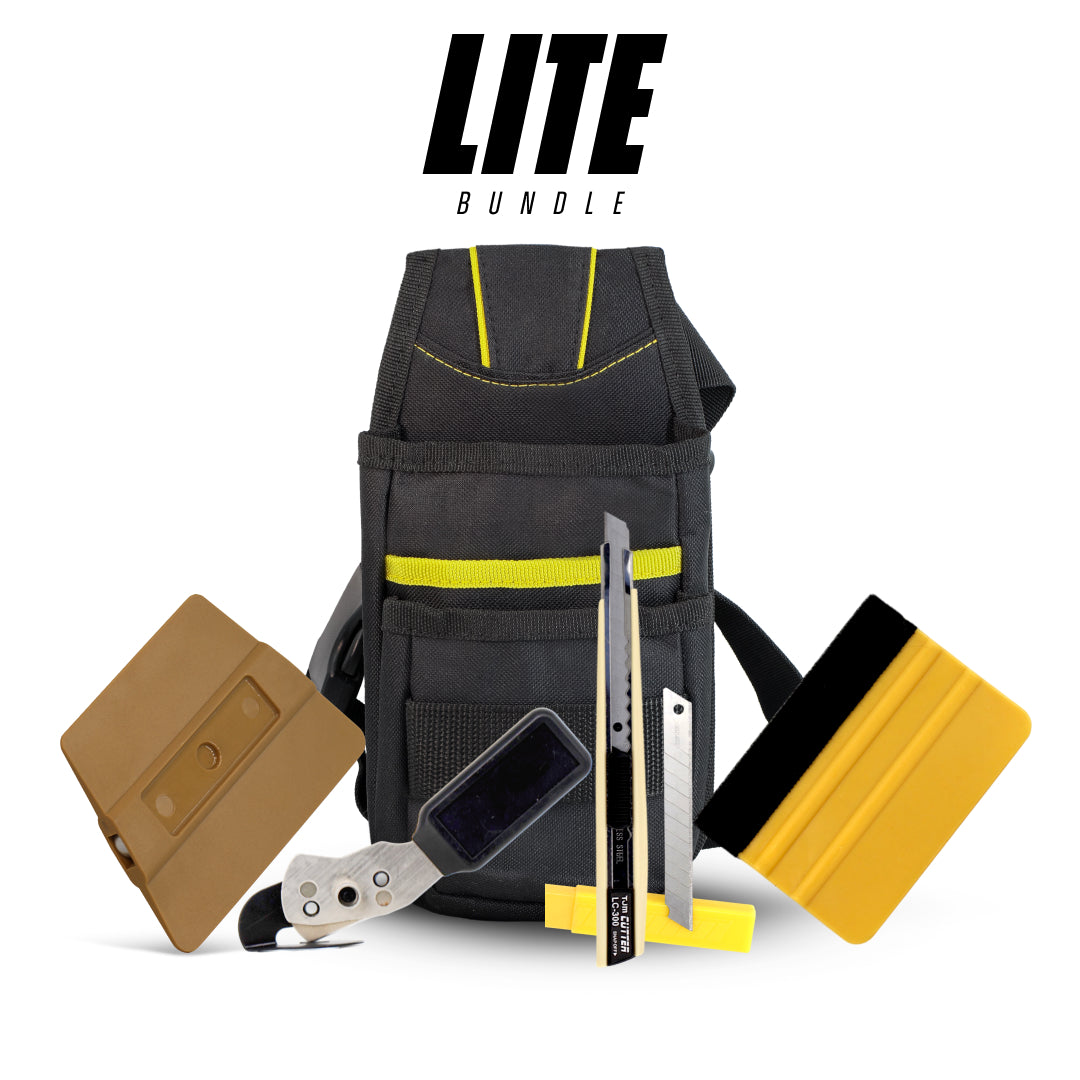
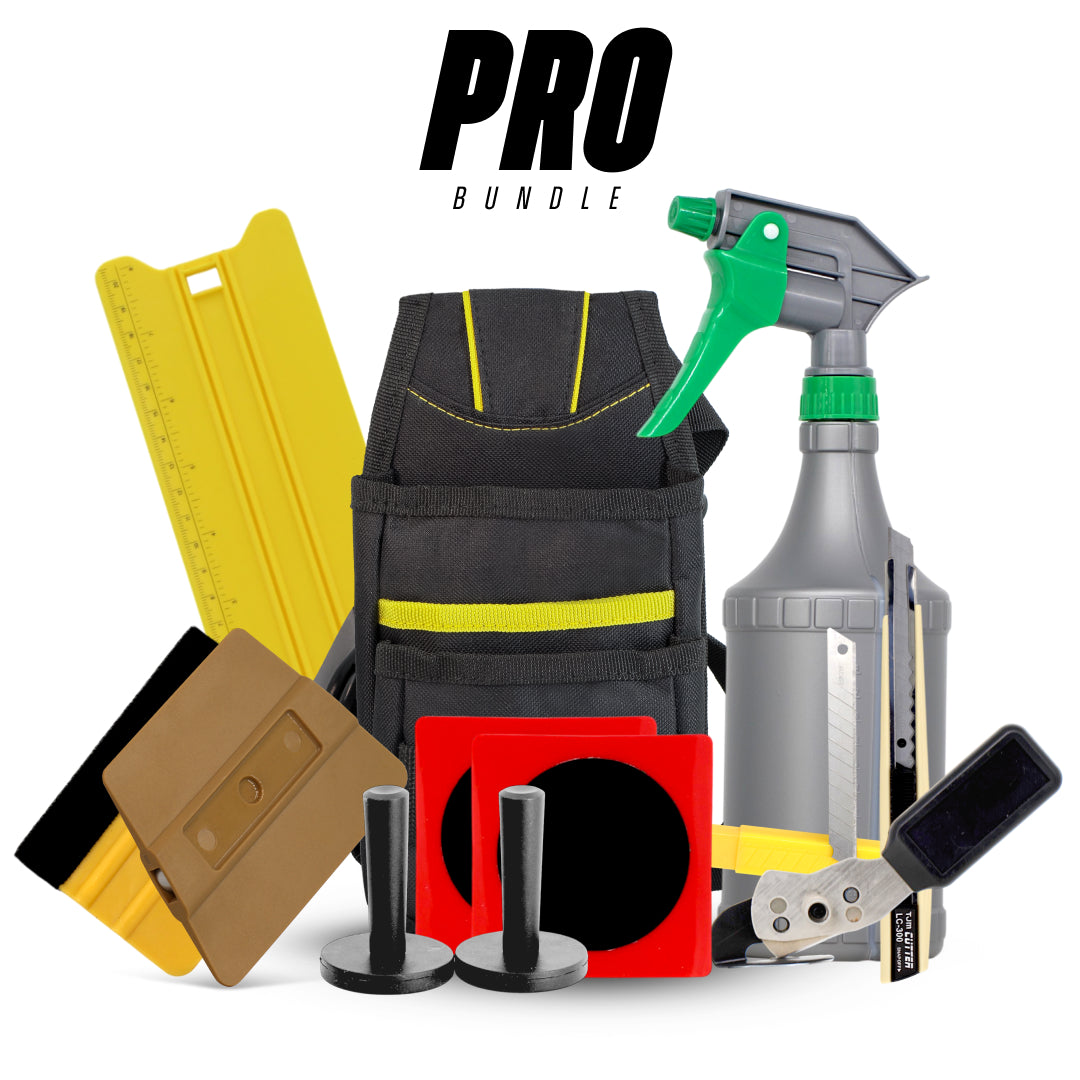
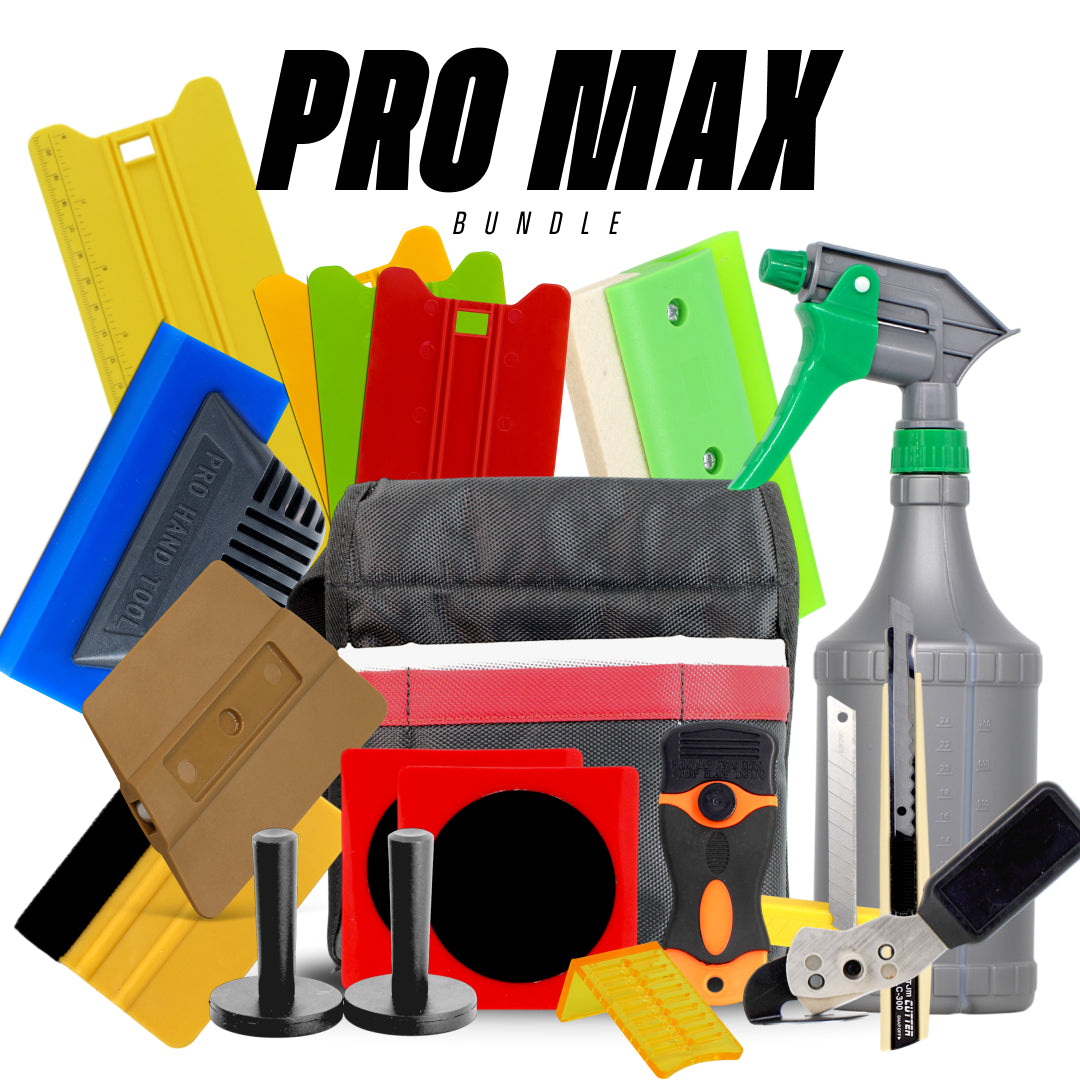
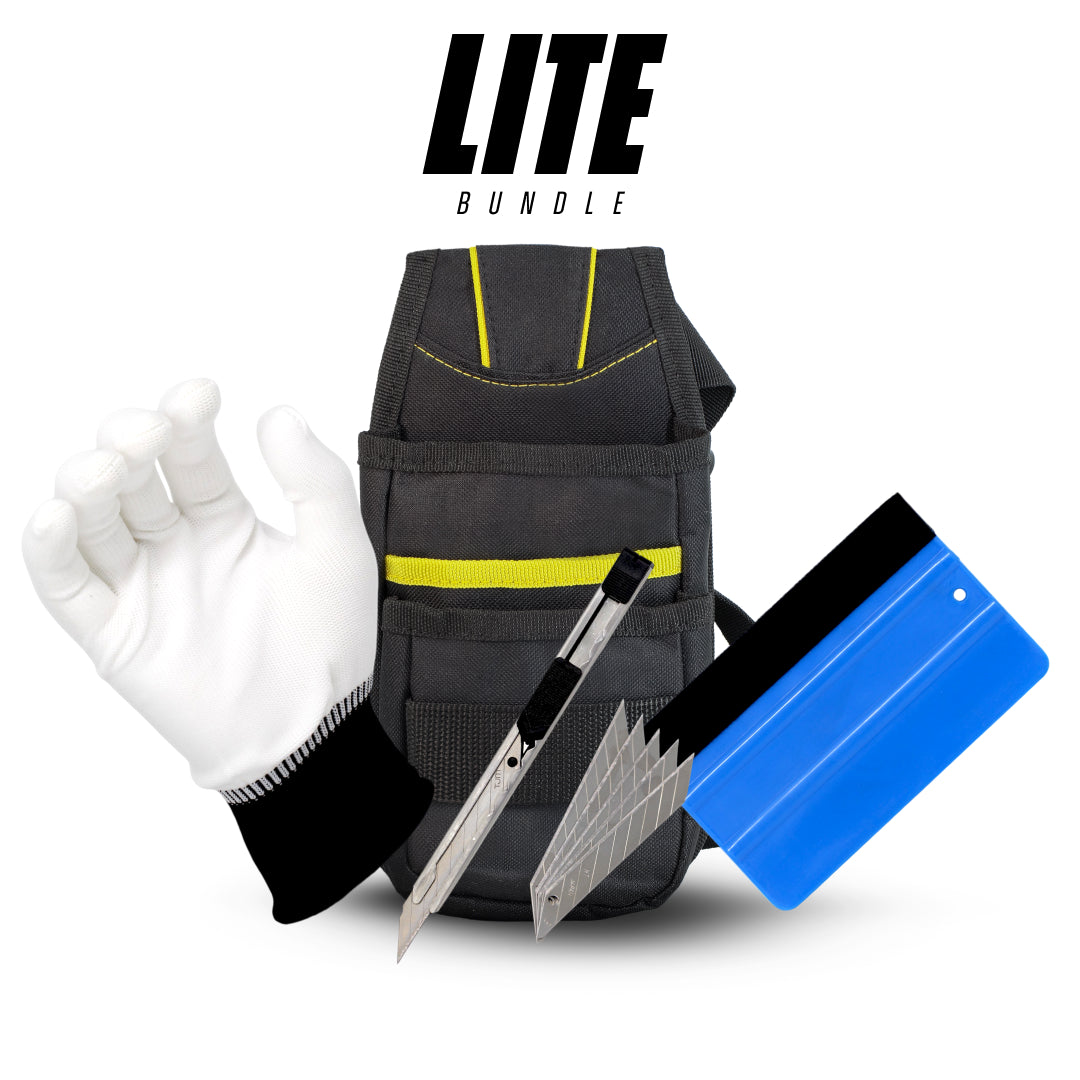
Starting a project? Explore our vinyl wrap starter kits with squeegees and cutters →
If you’re ready to take your vinyl applications to the next level, explore our range of vinyl squeegees and application tools designed for both beginners and professionals. With the right squeegee in hand, bubble-free application becomes not just possible, but effortless.
Are you unsure which tool or kit is right for your job?
Our expert team at Oz Sign Supplies is here to help. Reach out today, and we’ll direct you to the best tools to suit your project, ensuring you get the job done right the first time.

Leave a comment
This site is protected by hCaptcha and the hCaptcha Privacy Policy and Terms of Service apply.