






Best Vinyl Brands for DIY Kitchen Wraps In Australia
Understanding Kitchen Vinyl Wraps
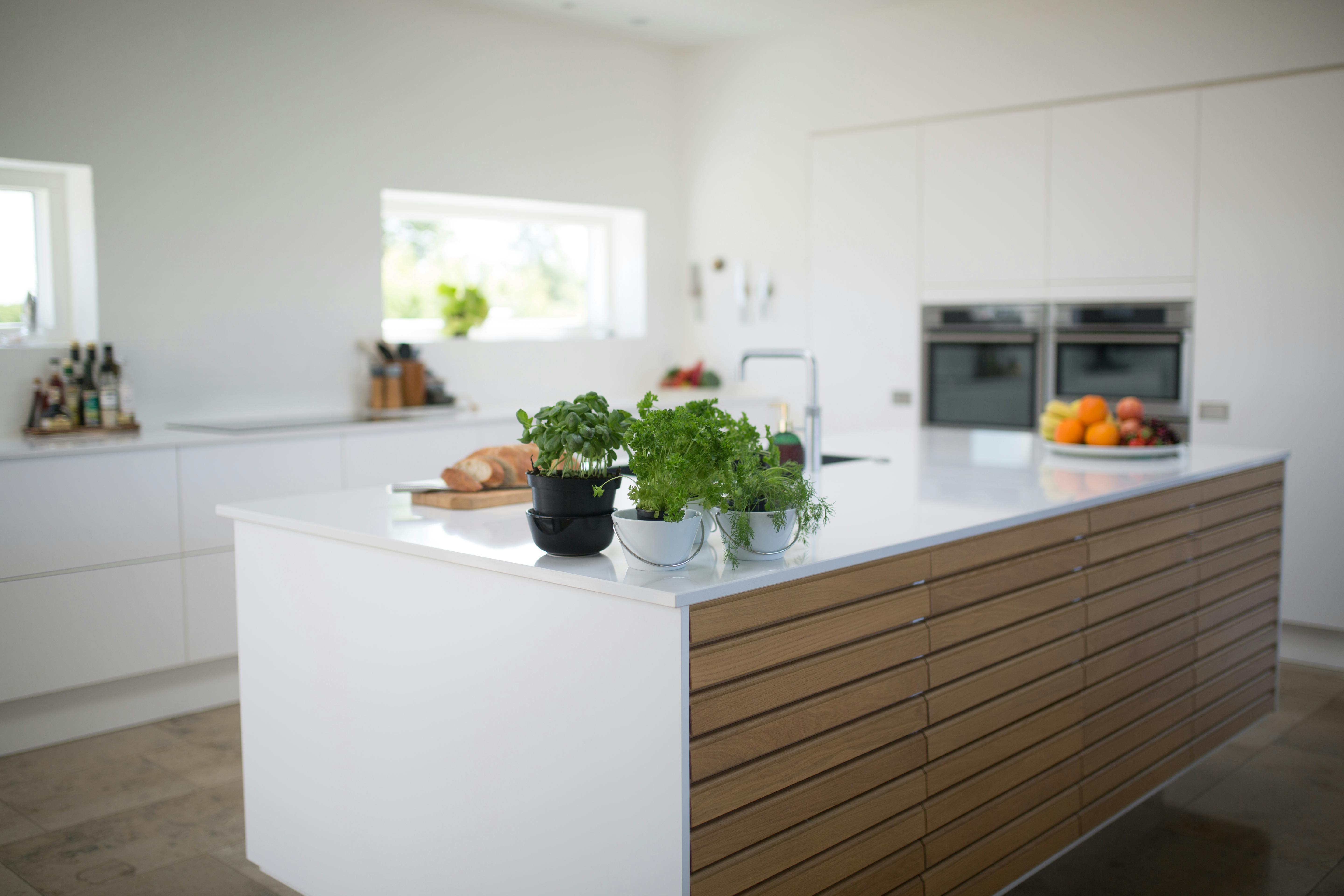
If you’ve ever stood in your kitchen, coffee in hand, staring at tired cabinets or a dated splashback and thought, “There has to be a better way than a full renovation”, you’re not alone. Across Australia, DIY kitchen wraps are becoming the go-to solution for homeowners and renters who want a fresh look without the eye-watering price tag of a remodel. Vinyl wrapping has quietly gone from a niche idea to a mainstream home upgrade, and for good reason.
Kitchens are the heart of Australian homes. They take a beating from heat, moisture, cooking splatters, and daily use. Traditionally, updating a kitchen meant sanding, painting, or ripping everything out. Vinyl wraps flip that script. They offer instant transformation, endless design options, and, most importantly, the ability to do it yourself over a weekend. That’s powerful.
But here’s the catch: not all vinyl is created equal. Some wraps peel within months, others struggle with heat, and a few feel like they’re fighting you every step of installation. Choosing the right vinyl brand is the difference between a kitchen you proudly show off and one that becomes a cautionary tale.
Australia’s climate adds another layer of complexity. Heatwaves, humidity, and salty coastal air can all impact how vinyl performs. That’s why picking a brand proven to work in Australian conditions matters more than you might think.
In this guide, we’re diving deep into the best vinyl brands for DIY kitchen wraps in Australia. We’ll break down what makes each brand shine, who they’re best for, and how to avoid costly mistakes. Whether you’re wrapping cabinets, benchtops, or appliances, this article will help you choose confidently and get results that actually last.
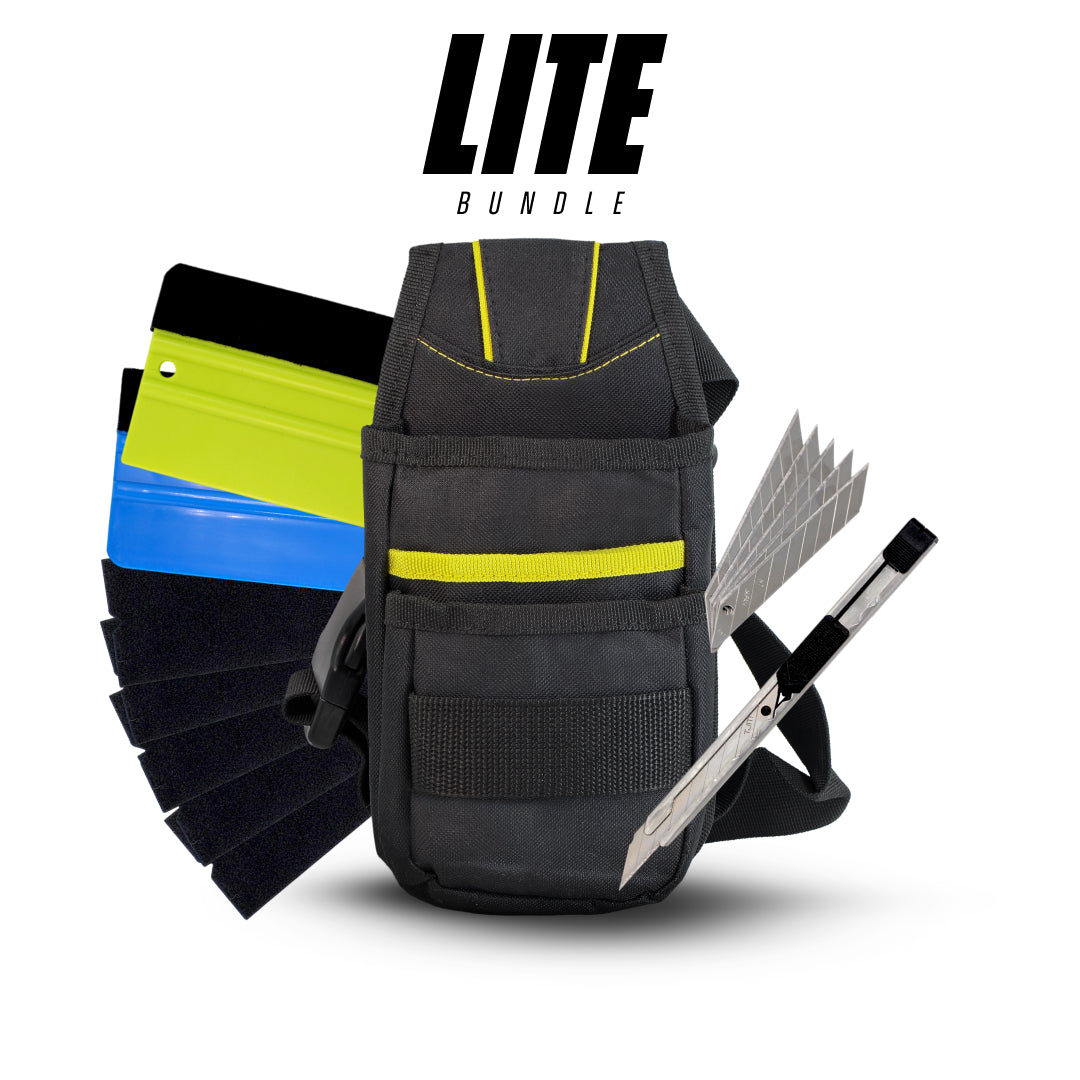
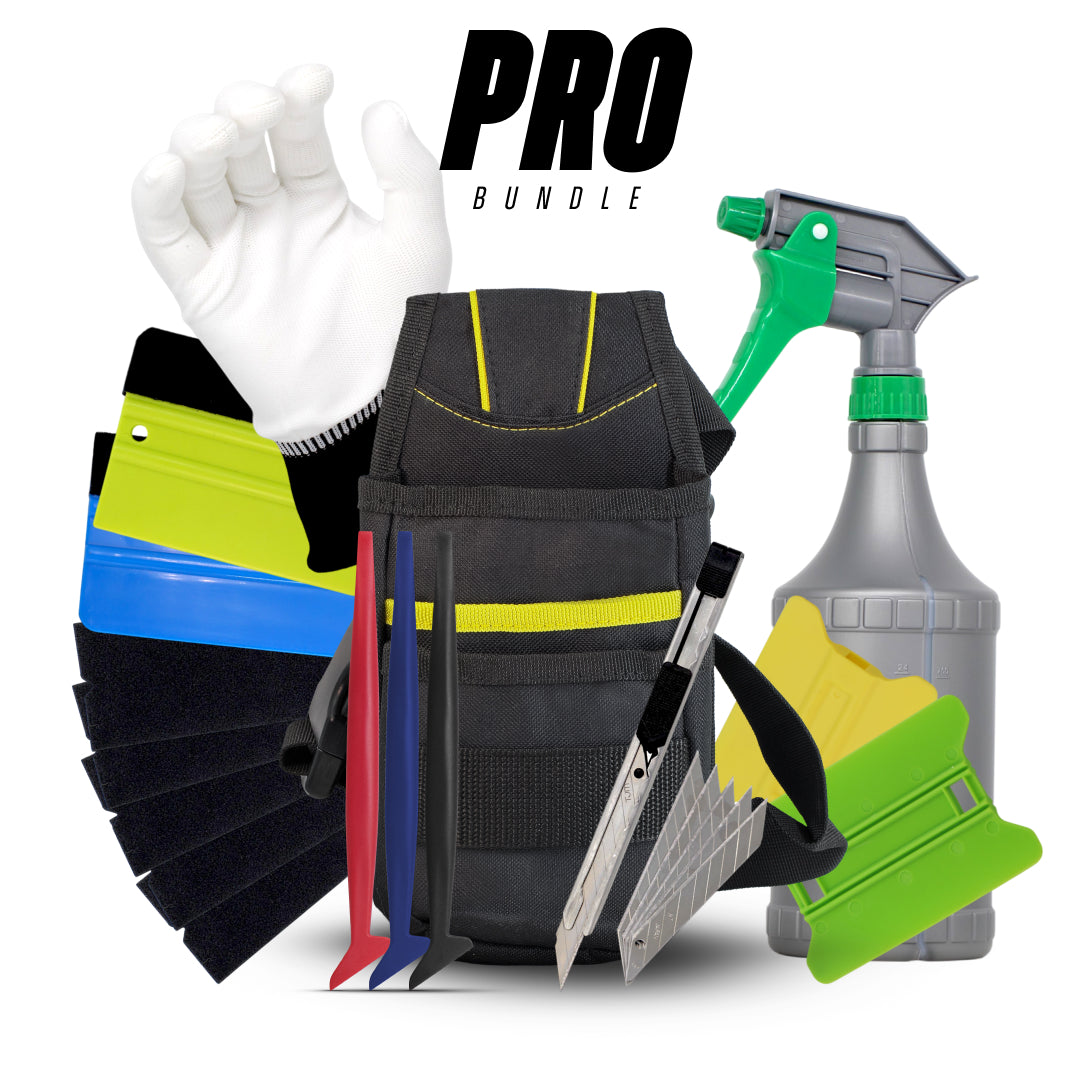
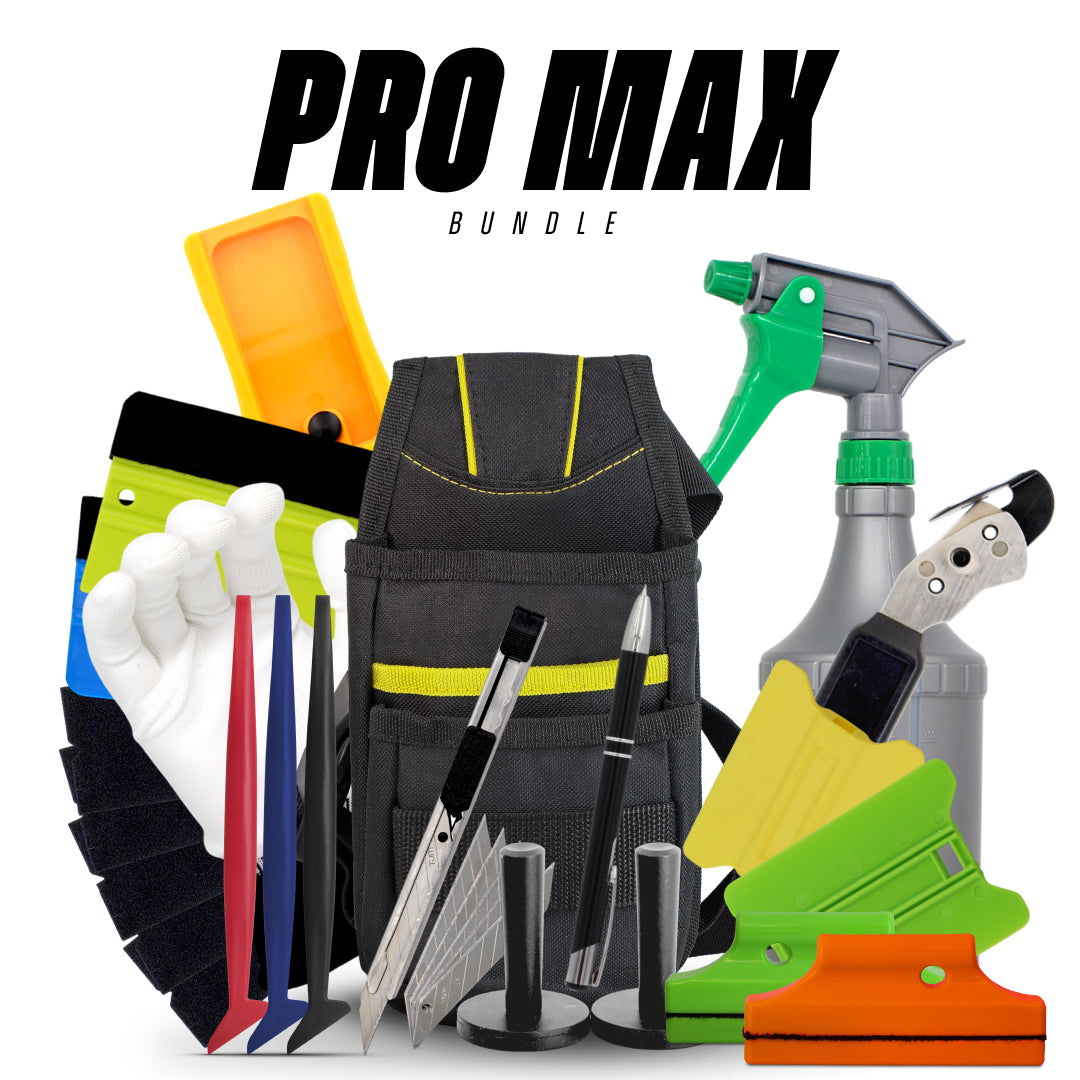
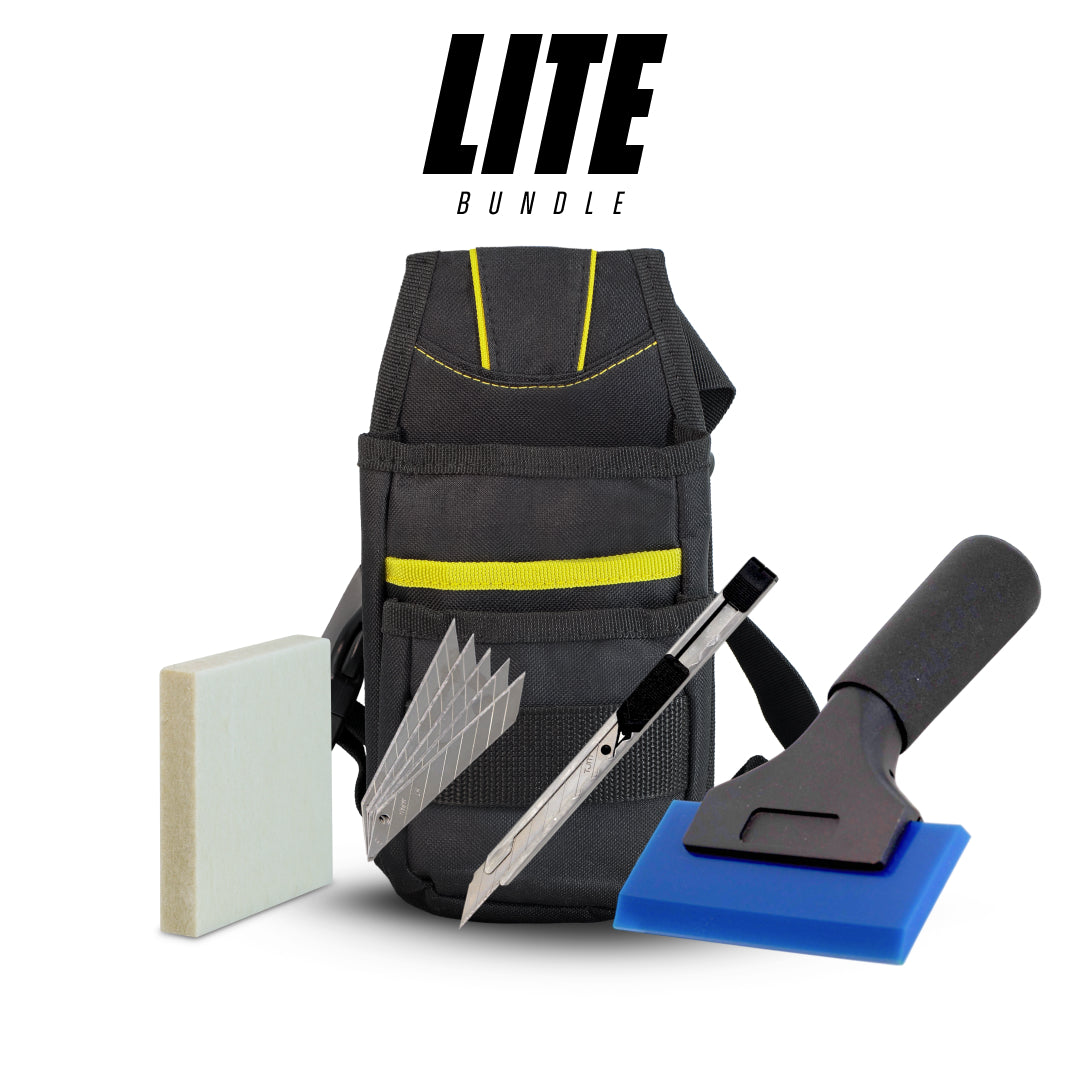
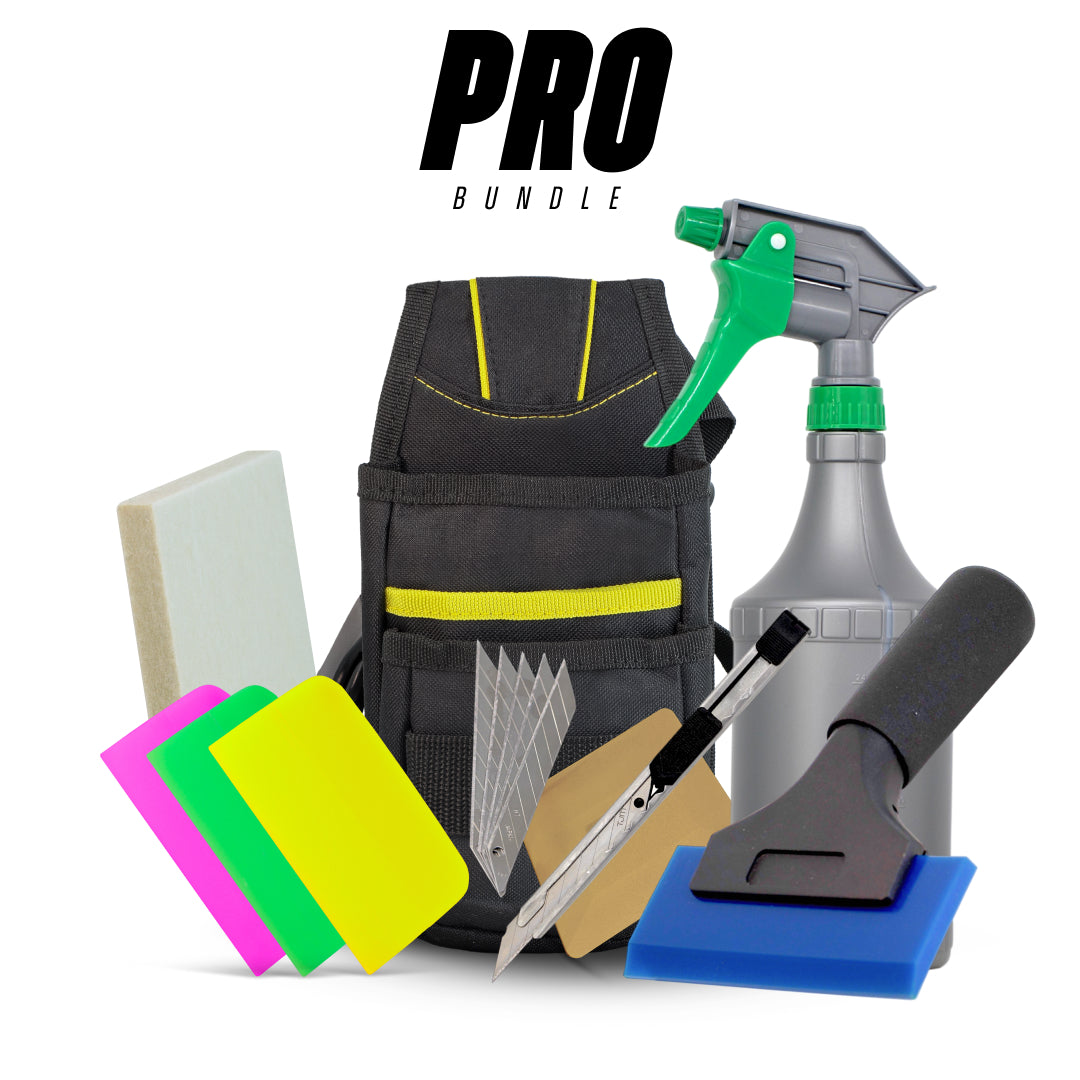
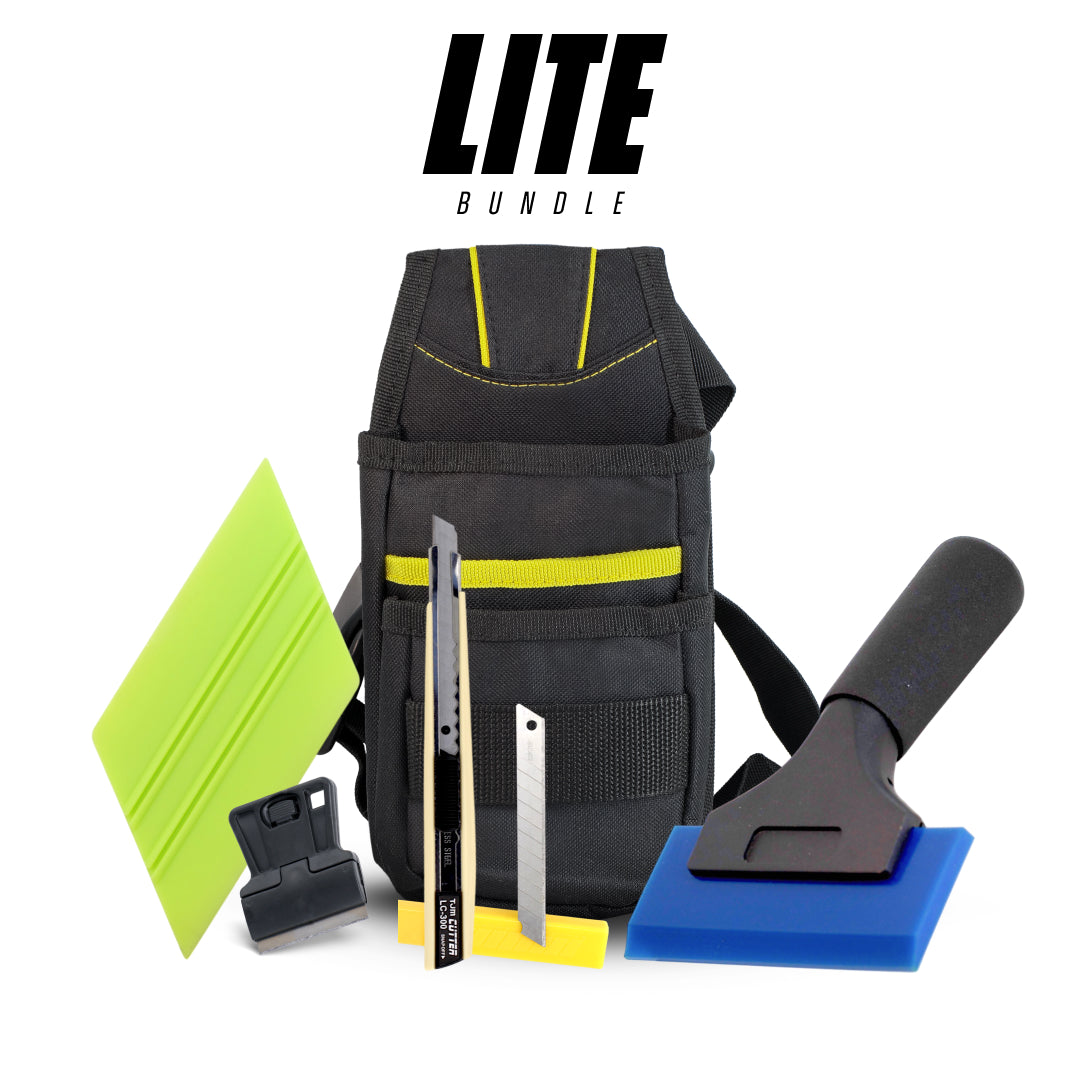
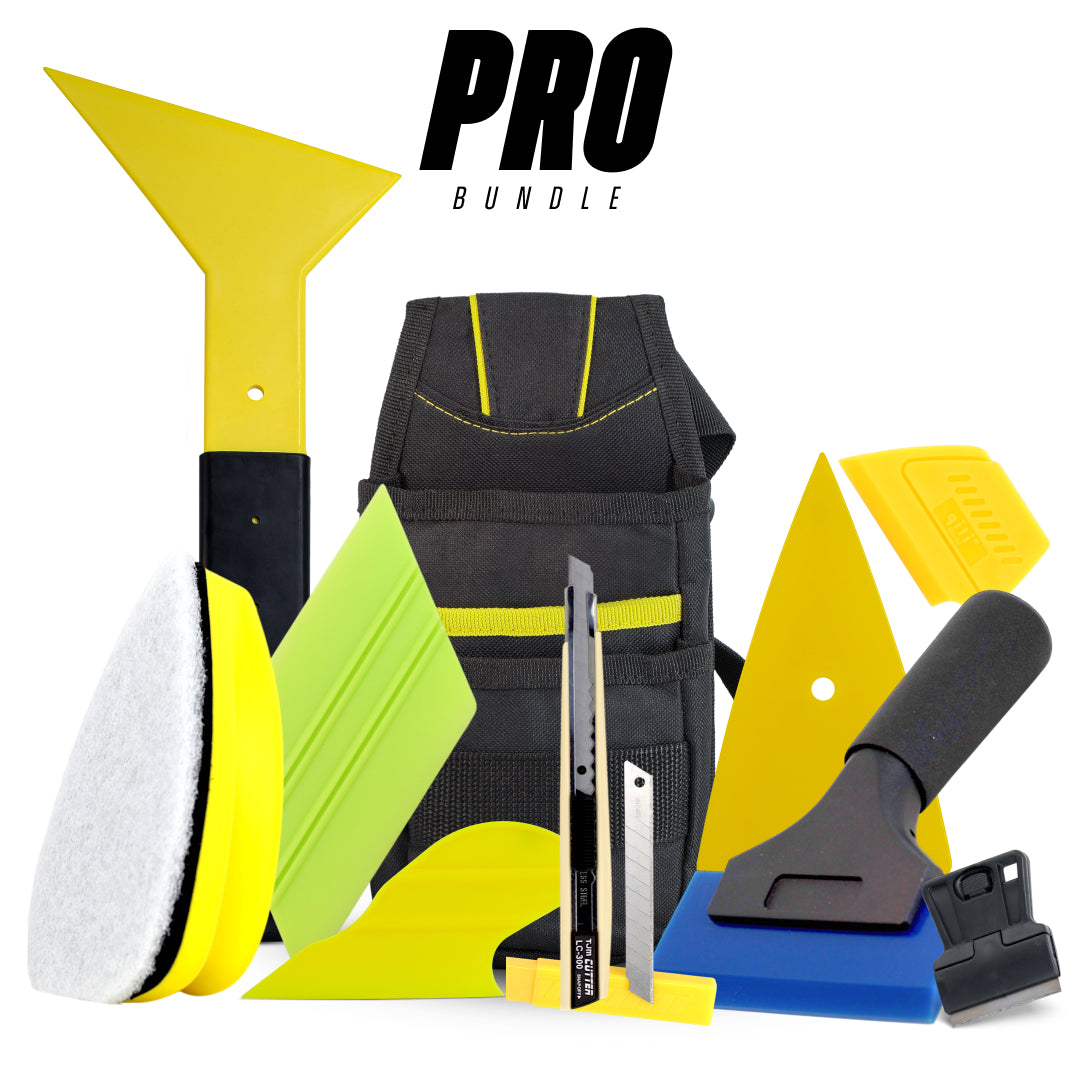
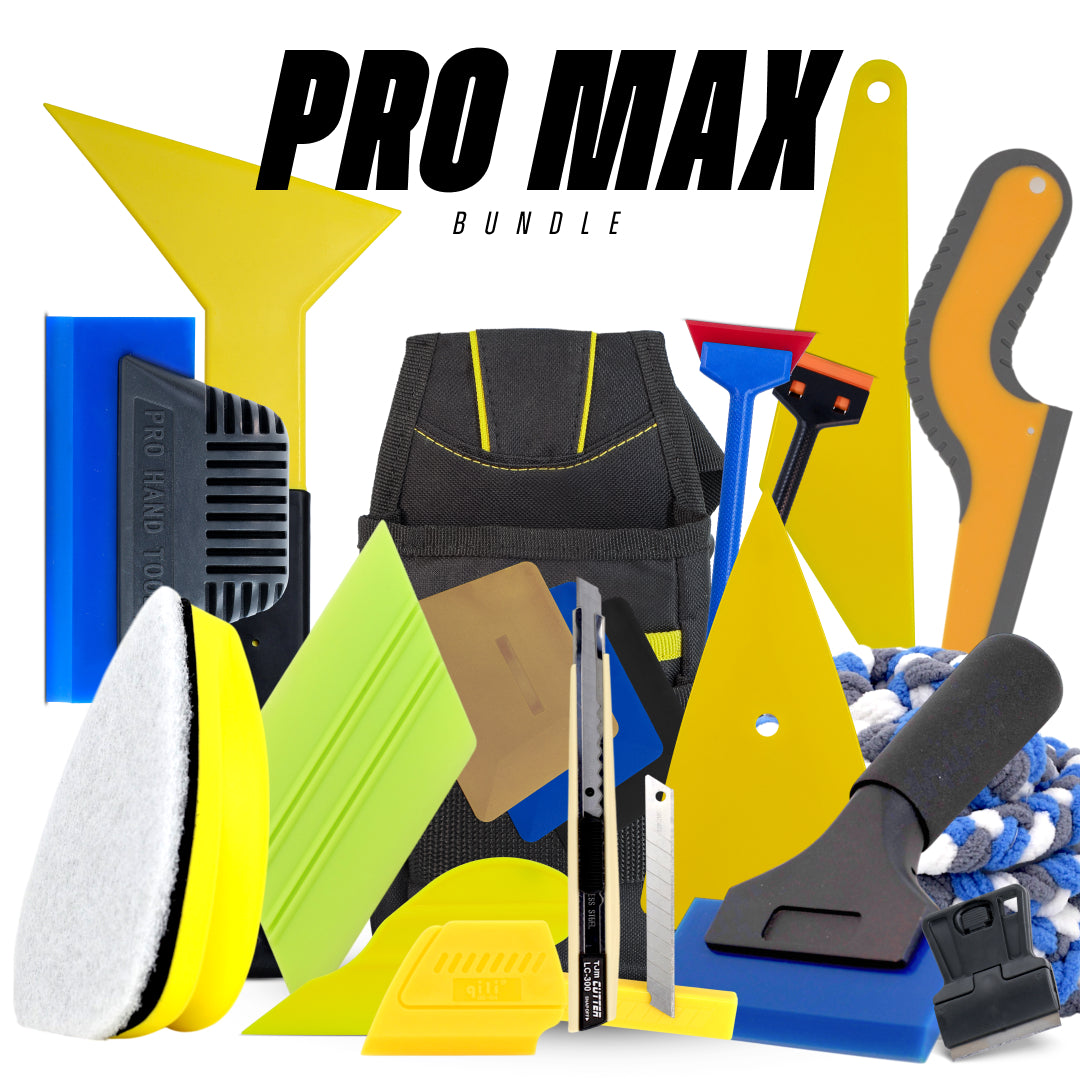
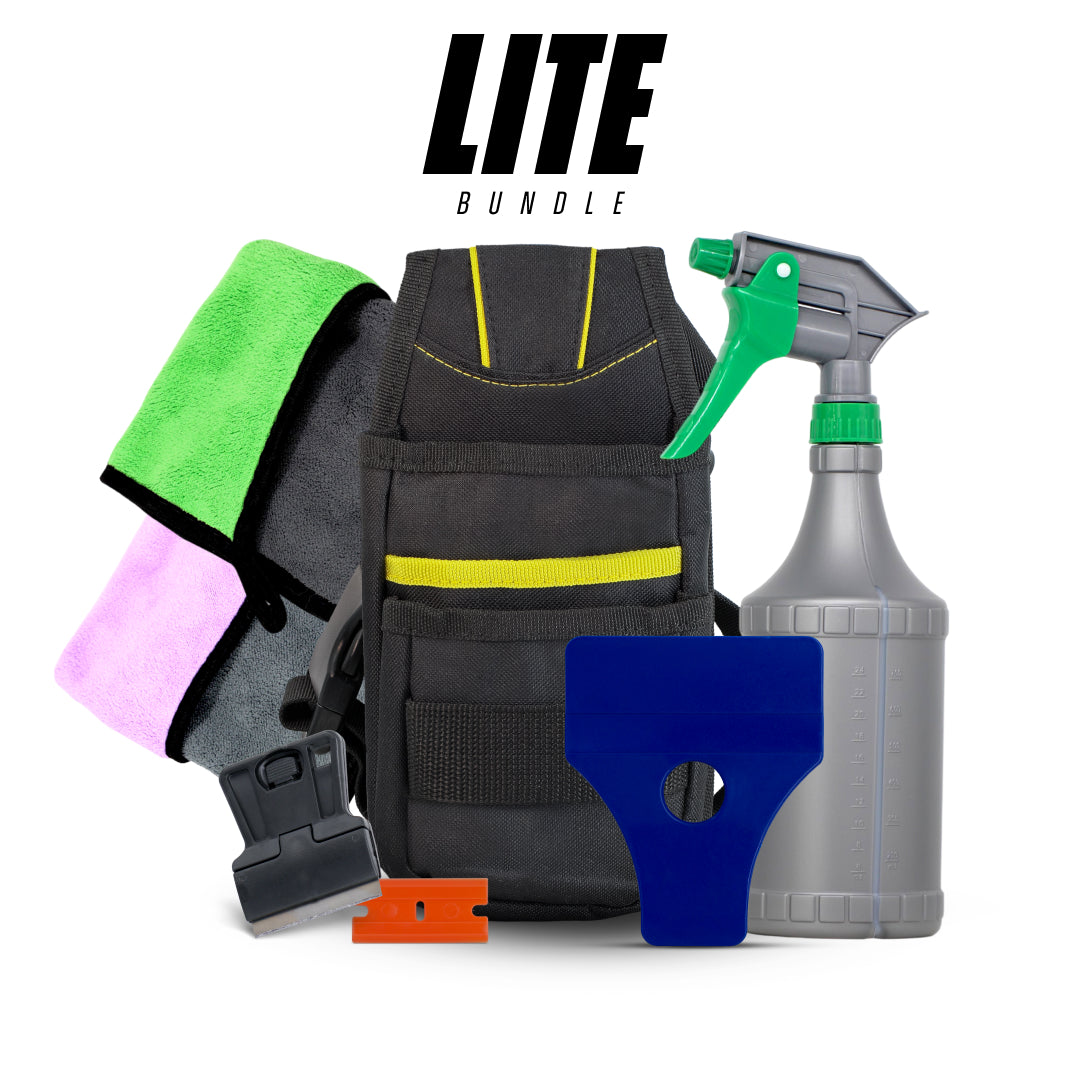
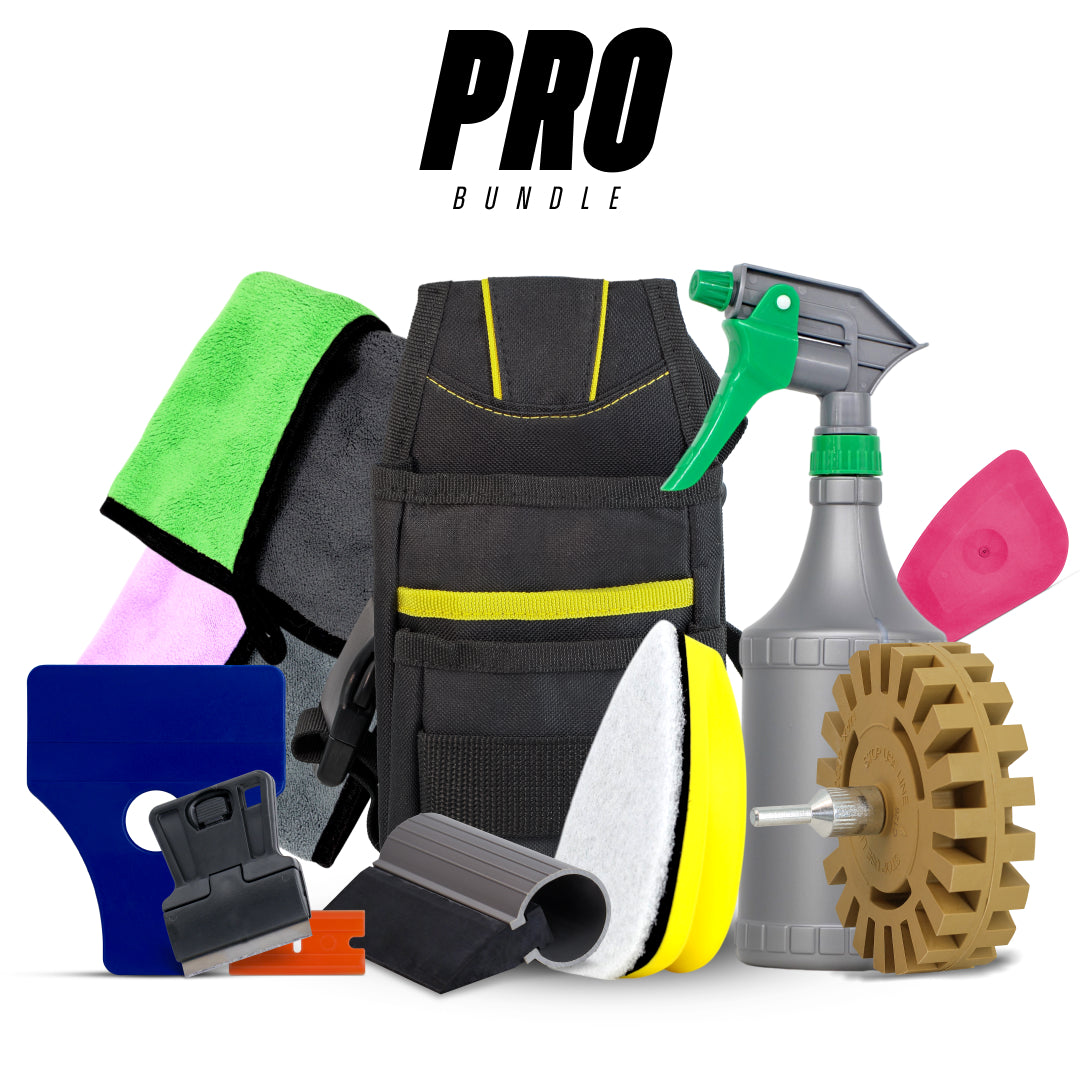
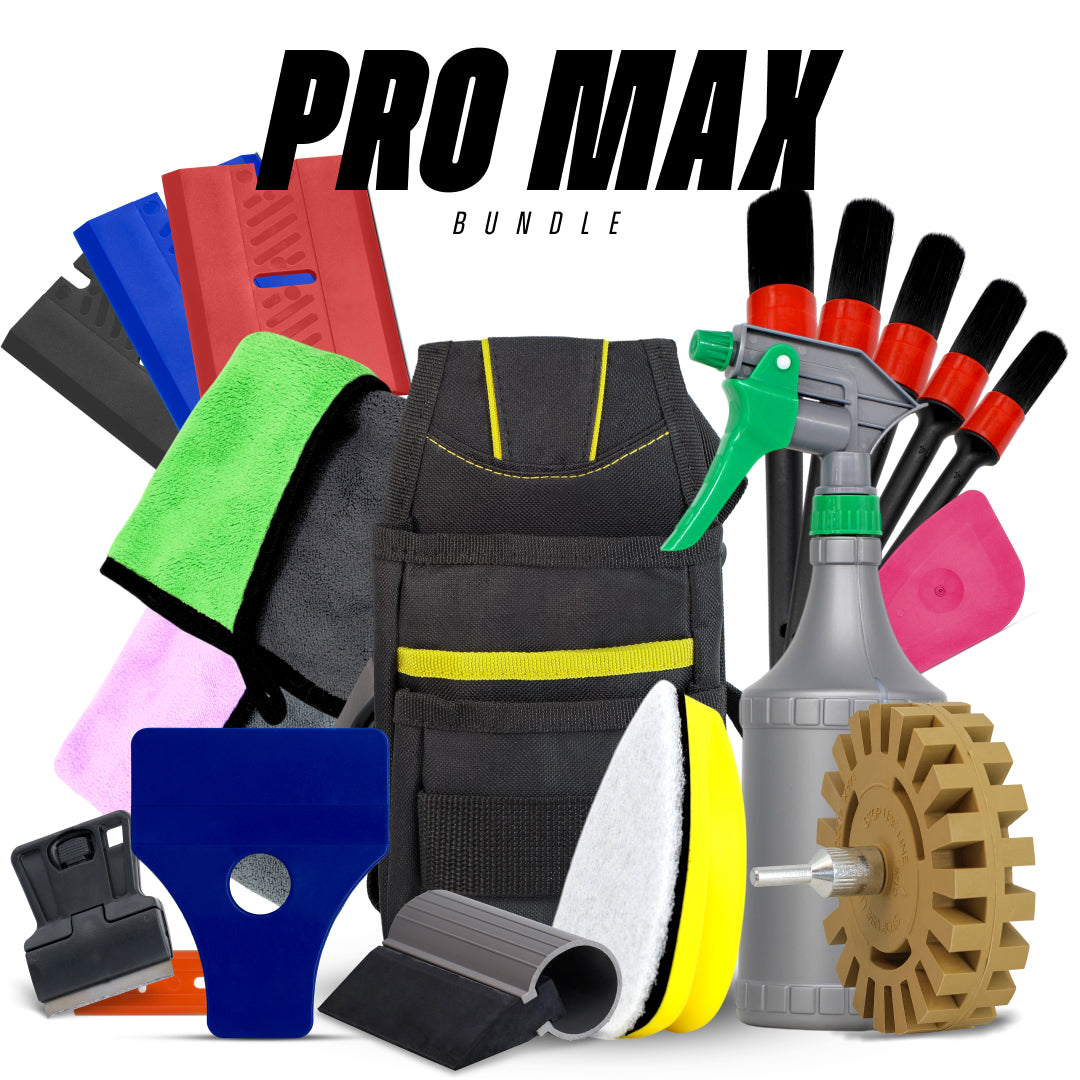
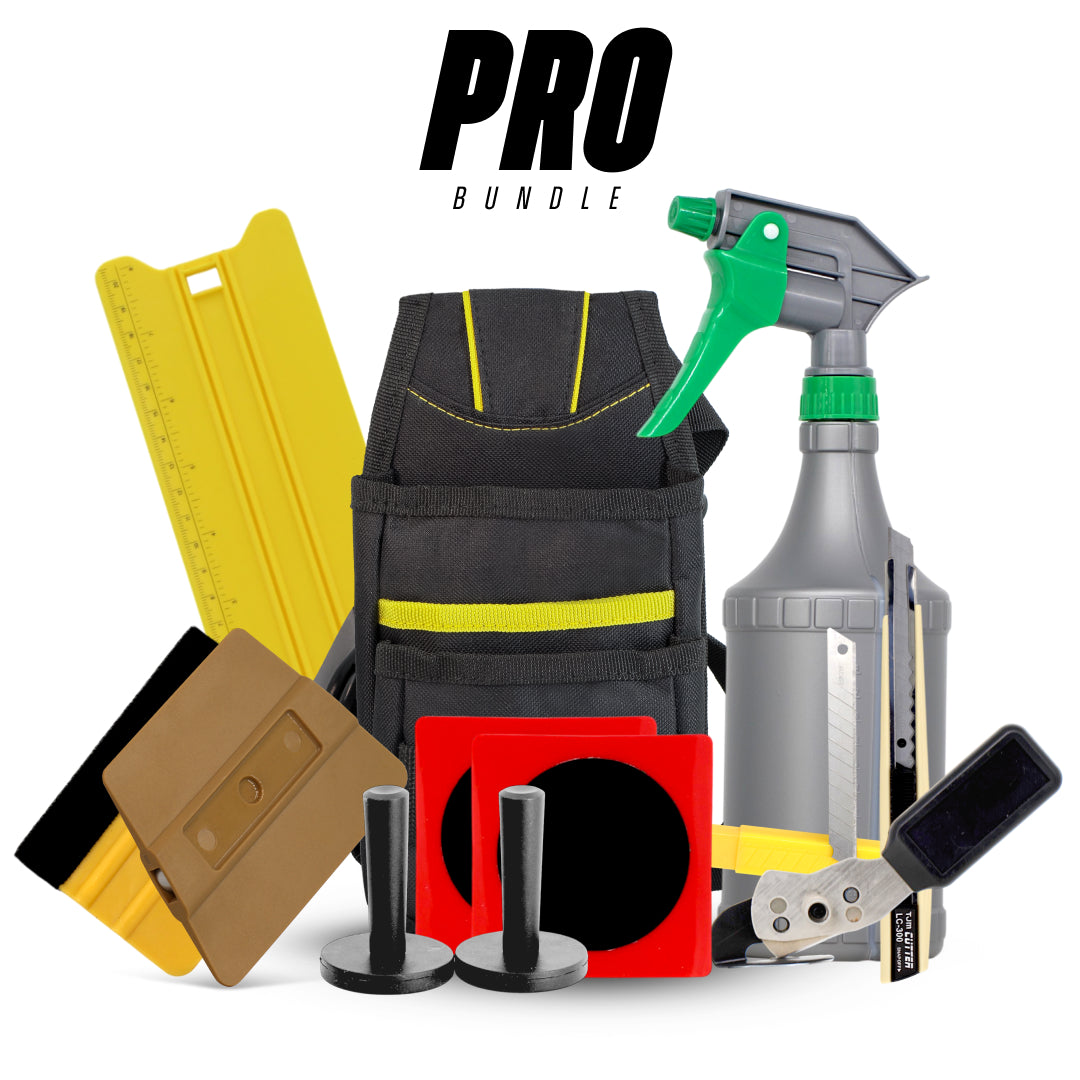
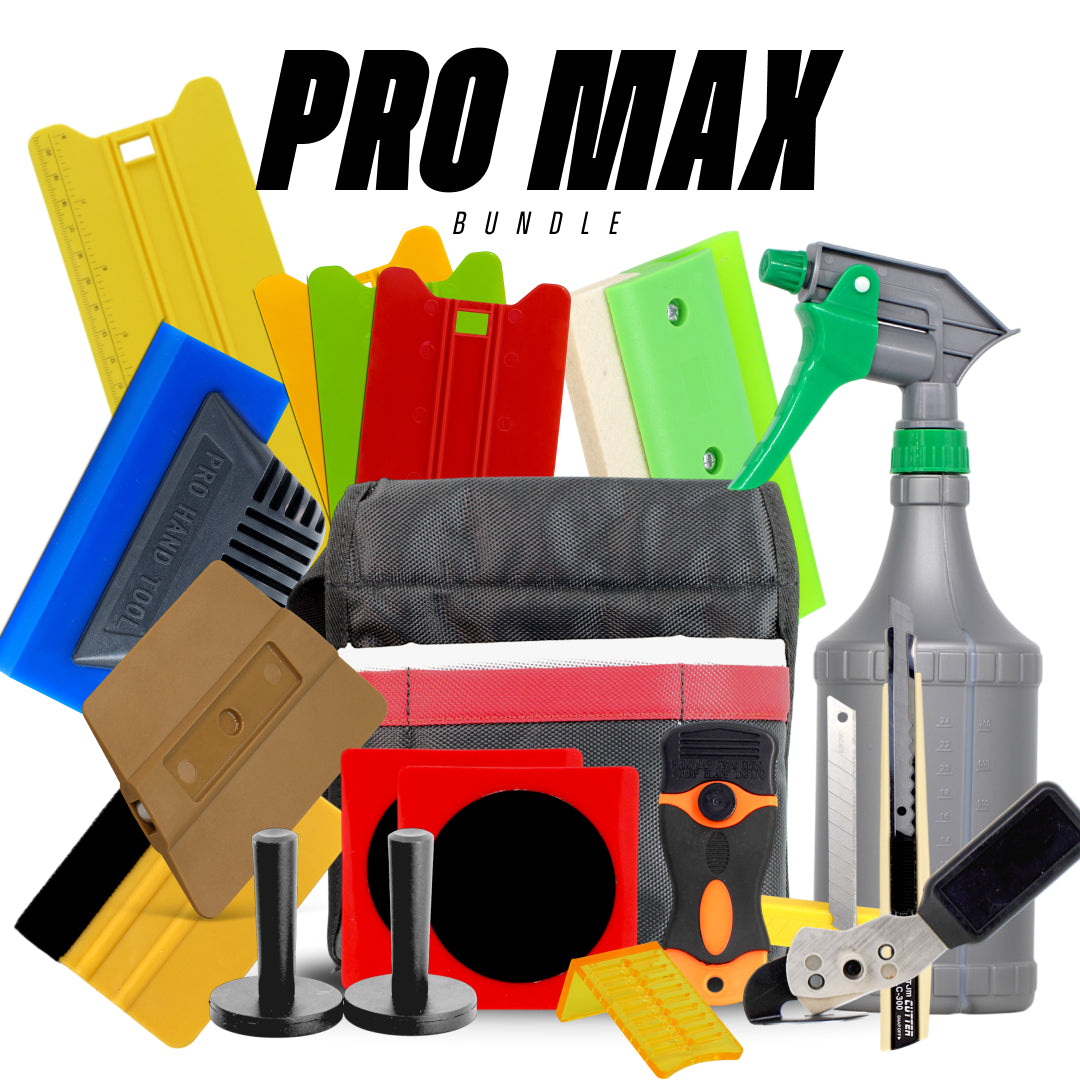
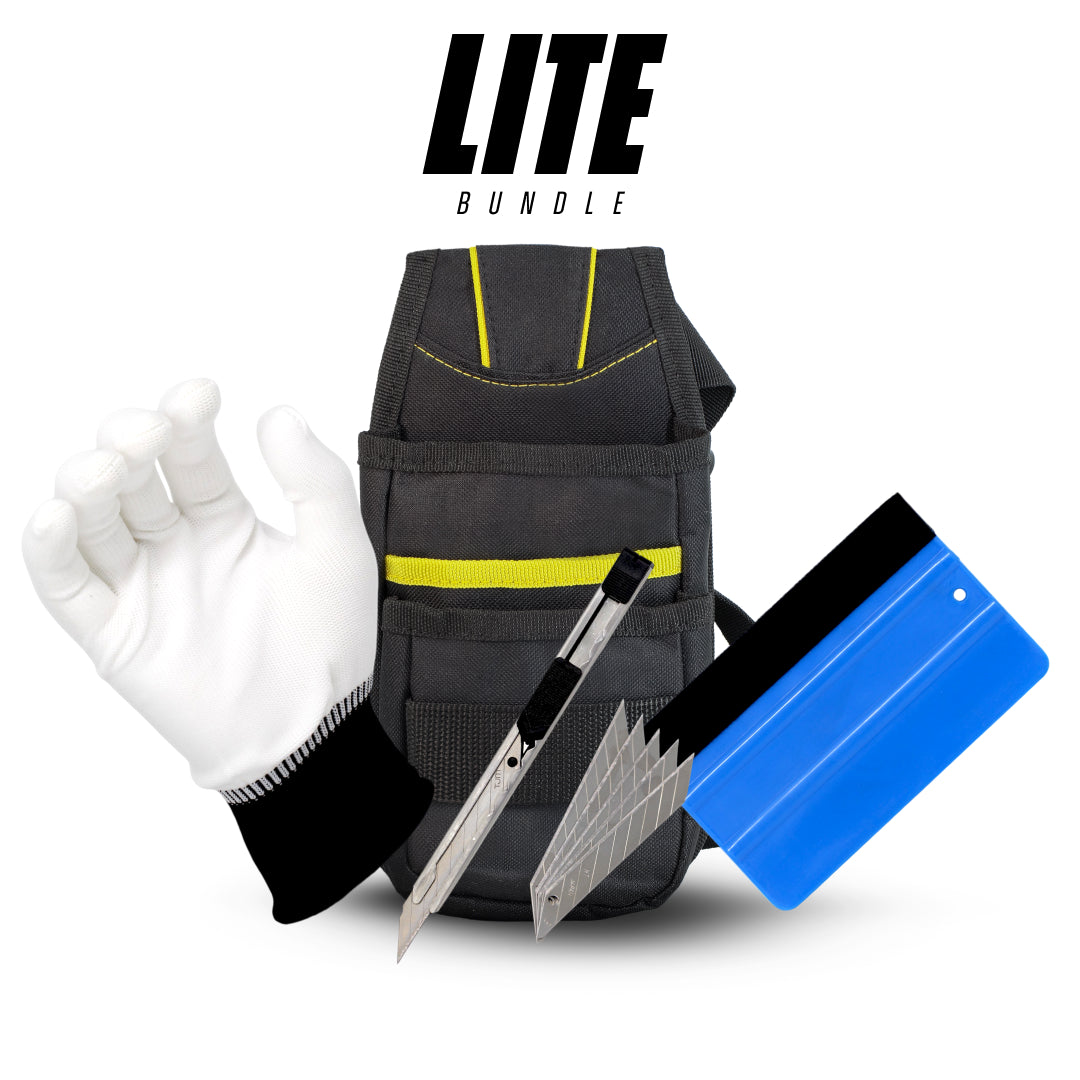
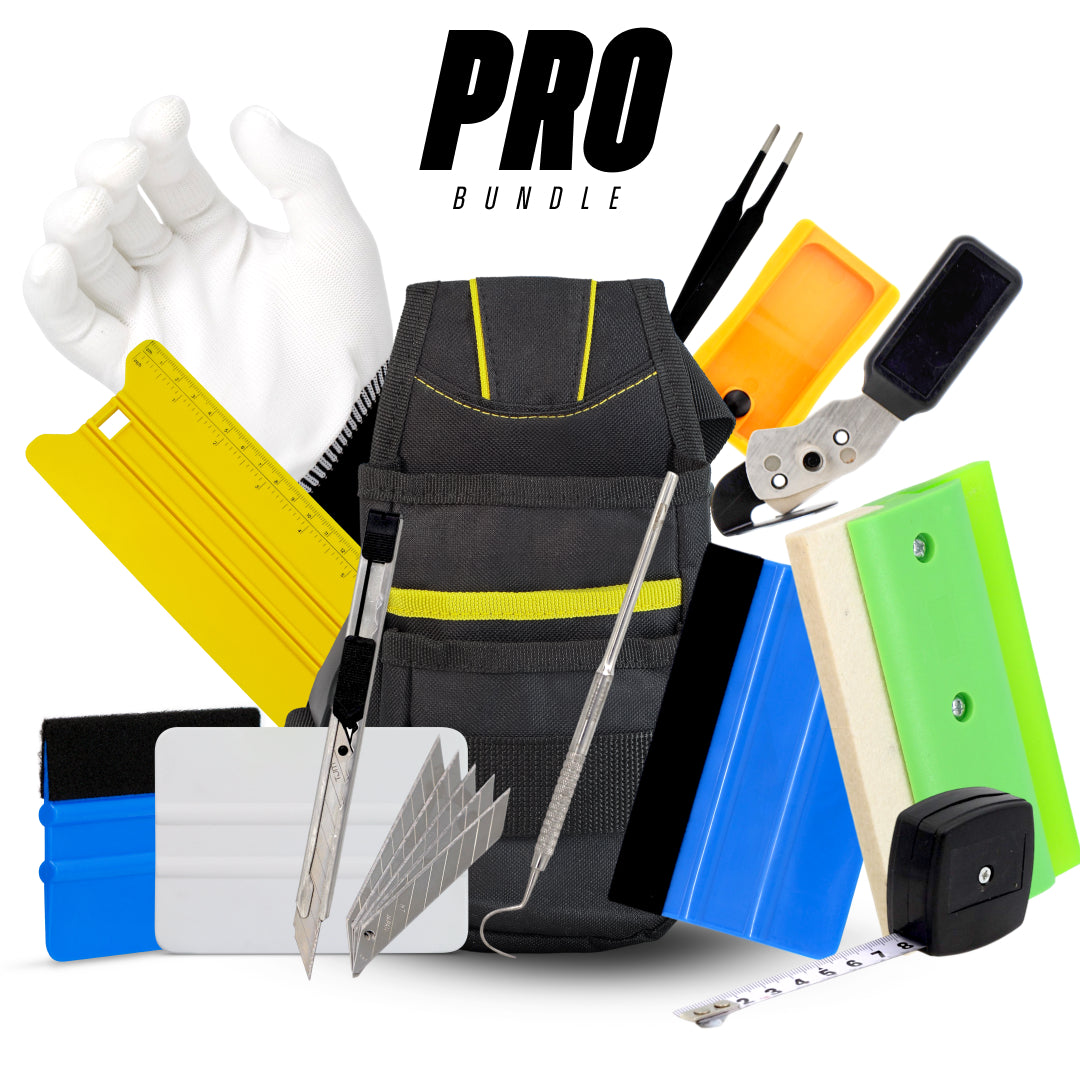
Even the best vinyl brands perform better when applied with the correct vinyl wrapping tools, helping DIY installers achieve smoother finishes and cleaner edges →
Vinyl wraps might sound like a modern invention, but the technology has been around for decades, originally used in commercial signage and automotive customisation. The magic lies in the material itself: a thin, flexible plastic film with a pressure-sensitive adhesive backing. When applied correctly, it bonds smoothly to surfaces, creating a seamless, durable finish that looks far more expensive than it is.
For kitchens, vinyl wraps are especially appealing because they act like a protective skin. They cover imperfections, resist moisture, and handle daily wear surprisingly well. Unlike paint, vinyl doesn’t need curing time, and unlike laminates, it doesn’t require professional installation to look good.
There are two main types of vinyl you’ll encounter: adhesive vinyl and contact vinyl. Adhesive vinyl is typically higher quality, designed for long-term use, and often includes air-release channels to prevent bubbles. Contact vinyl is cheaper and widely available in retail stores, making it popular for DIY projects, but it can be less forgiving during installation.
What makes vinyl ideal for kitchens is its versatility. You can wrap flat cabinet doors, curved edges, drawers, and even appliances. It stretches slightly with heat, allowing it to conform to shapes that would be impossible with rigid materials. And if you ever change your mind? Most quality vinyl can be removed without damaging the surface underneath.
That said, vinyl isn’t magic. It has limits. Poor-quality wraps can shrink, fade, or lift around edges, especially near ovens or dishwashers. Understanding how vinyl works helps you choose a brand that aligns with your expectations and skill level.
Think of vinyl wrapping like applying a screen protector to your phone. The better the protector, the easier it is to apply, the clearer it looks, and the longer it lasts. Cheap ones? They bubble, peel, and drive you mad. Kitchens deserve the good stuff.
Using the right wrap squeegee makes it easier for DIYers to apply consistent pressure and reduce air bubbles on cabinet doors and flat surfaces →
Types of Vinyl Used for Kitchen Wraps

Before jumping into brand names, it’s crucial to understand the different types of vinyl finishes and constructions available. This knowledge alone can save you from buying something that looks great online but fails miserably in your kitchen.
The first big distinction is between calendered vinyl and cast vinyl. Calendered vinyl is thicker, more affordable, and widely used for DIY projects. It’s perfect for flat surfaces like cabinet doors and drawer fronts. Cast vinyl, on the other hand, is thinner, more flexible, and significantly more expensive. It’s designed for complex curves and long-term durability. For most DIY kitchen wraps, high-quality calendered vinyl hits the sweet spot.
Finish options are where vinyl really shines. Gloss vinyl mimics painted or lacquered cabinets, reflecting light and making small kitchens feel bigger. Matte vinyl offers a modern, understated look and hides fingerprints better. Satin sits comfortably in between. Textured finishes, like concrete, stone, or fabric, add depth and character, while woodgrain vinyl is a favourite for achieving a natural look without the cost or maintenance of real timber.
One common concern is whether vinyl is “food-safe.” While vinyl wraps are not designed for direct food preparation surfaces, they are perfectly safe for cabinets, splashbacks, and appliances. For benchtops, extra caution is needed, and only specific high-durability vinyl should be used.
Choosing the right type of vinyl is like choosing the right shoes. You wouldn’t wear thongs to hike a mountain. Likewise, you shouldn’t use thin, decorative vinyl near a stovetop. Matching the vinyl type to the application ensures your DIY project actually survives real-life use.
Key Factors to Consider Before Choosing a Vinyl Brand

Walking into the world of vinyl brands without a plan can feel overwhelming. Logos, finishes, price points, it’s easy to assume they’re all roughly the same. They’re not. Choosing the right vinyl brand is about balancing performance, ease of use, and value.
Durability should be at the top of your list. Kitchens are harsh environments. Steam from kettles, heat from ovens, and constant cleaning all test vinyl’s limits. A good brand will clearly state its temperature tolerance and expected lifespan.
Ease of application matters more than many people realise. Some vinyls are stiff, unforgiving, and prone to bubbles. Others are designed with beginners in mind, featuring air-release technology that allows you to reposition the wrap without panic. If this is your first kitchen wrap, don’t underestimate how valuable that feature is.
Heat and moisture resistance are non-negotiable. Cheap vinyl may look fine initially, but start lifting near dishwashers or stoves. Quality brands invest heavily in adhesive technology to prevent this.
Removability is especially important for renters. Many premium vinyls are designed to be removable without leaving residue or damaging surfaces. Always check this if you’re not planning a permanent change.
Finally, there’s a budget. While it’s tempting to go for the cheapest option, vinyl is one of those products where you truly get what you pay for. Spending a little more upfront often saves money and frustration down the track.
Think of vinyl like sunscreen. The cheap stuff technically works, but the good stuff protects better, lasts longer, and doesn’t leave you regretting your choice later.
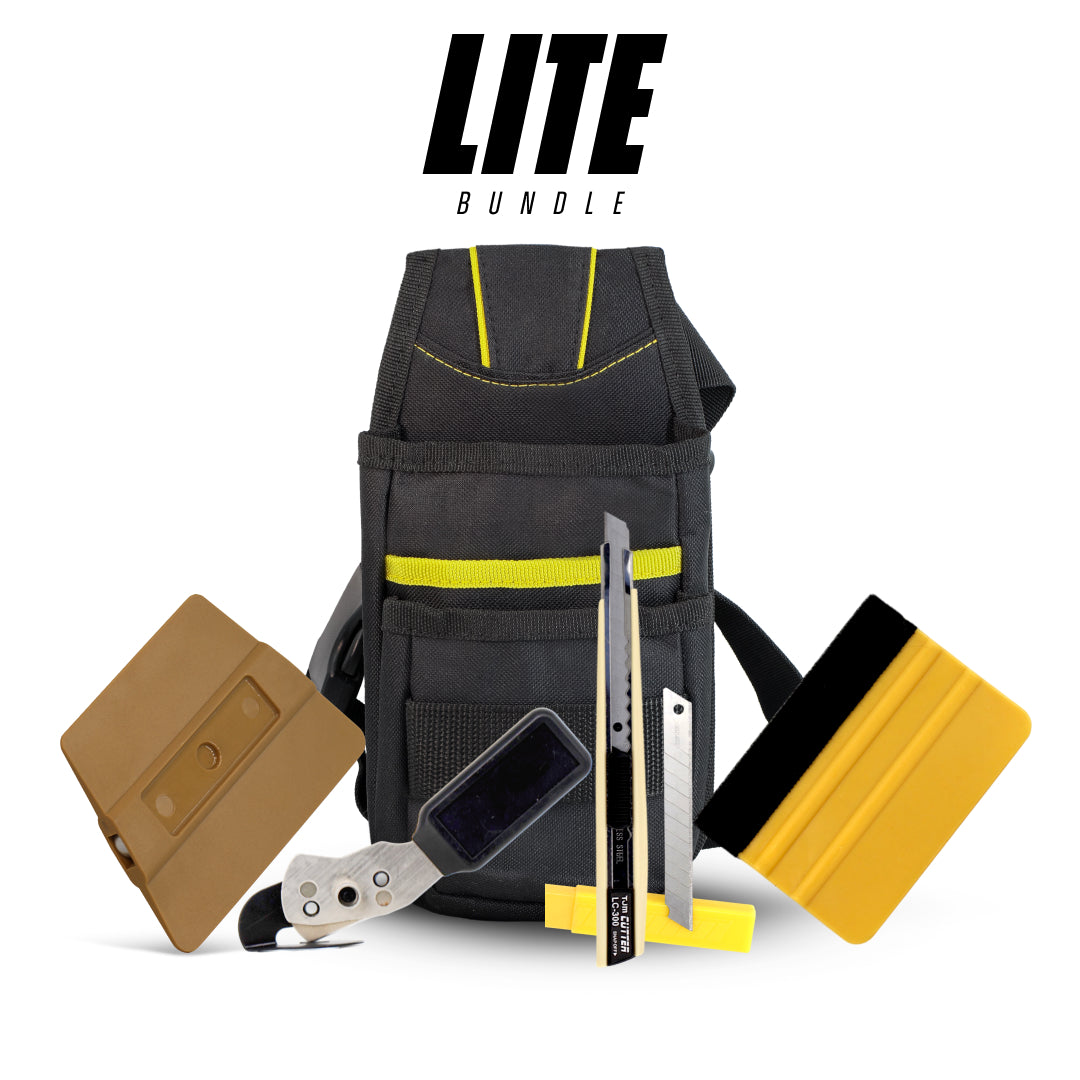
Precision trimming around handles and appliance cut-outs is easier with sharp knives and cutters specifically designed for vinyl applications →

Why Australian Kitchens Need Specific Vinyl Considerations
Australia isn’t gentle on building materials, and vinyl is no exception. Our climate ranges from dry heat to tropical humidity, sometimes within the same week. These conditions can expose weaknesses in lower-quality vinyl faster than you’d expect.
Heat is the biggest enemy. Kitchens already run warm, and when you add summer temperatures, adhesives can soften and fail. Vinyl brands that perform well in Europe or North America don’t always translate perfectly to Australian homes.
Humidity is another silent troublemaker. In coastal areas, salty air can interfere with adhesion over time. In northern regions, constant moisture challenges vinyl’s ability to stay flat and bonded.
Australian kitchens also tend to use materials like laminate, MDF, and thermofoil cabinets. Vinyl needs to adhere well to these surfaces without reacting negatively. Brands that are popular locally have usually been tested, intentionally or not, on these exact materials.
Availability matters too. Buying a brand that’s hard to source locally can turn a simple project into a logistical headache. Delays, mismatched batches, and limited support are real risks.
Proper surface preparation is critical for DIY success, and using dedicated cleaning and surface prep tools helps remove grease and residue common in kitchens →
Choosing vinyl proven in Australian conditions isn’t about brand loyalty; it’s about practicality. You want something that works here, not just looks good on a product page.
How to Choose the Best Vinyl Brand for DIY Kitchen Wraps
Not all vinyl wraps are designed for interior surfaces like kitchen cabinets and benchtops. When choosing a vinyl brand for a DIY kitchen wrapping project, it’s important to consider factors such as installation ease, durability, finish quality, and heat resistance.
Here are some key features to look for when selecting vinyl wrap for kitchen applications.
Air-Release Adhesive Technology: Many premium vinyl brands use air-release adhesive systems that allow trapped air to escape during installation. This helps reduce bubbles and makes the film easier to reposition while wrapping cabinet doors and drawer fronts.
For example, architectural films like 3M DI-NOC use air-release adhesive technology to enable faster, smoother installation with minimal bubbles.
Flexible and Conformable Film: Kitchen cabinets often have edges, corners, and detailed profiles. Flexible vinyl films stretch slightly when heated, allowing them to conform to these shapes without wrinkling.
Premium brands such as Avery Dennison and Orafol (makers of Oracal vinyl) are widely used in wrapping applications because they balance flexibility with strong adhesion.
Wide Range of Finishes and Textures: One of the biggest advantages of vinyl wrapping is the variety of finishes available. Modern architectural films replicate materials such as wood, marble, metal, and fabric, allowing homeowners to achieve high-end interior designs without replacing cabinets.
Popular finish options include:
- Woodgrain textures for warm, natural kitchens
- Matte colours for modern minimalist interiors
- Stone and marble effects for benchtops
- Metallic finishes for contemporary designs
Many professional architectural vinyl ranges now offer hundreds of design patterns and textures for interior surfaces.
Durability for High-Use Areas: Kitchens are high-traffic environments where cabinets and benchtops are exposed to moisture, cleaning products, and daily use.
High-quality architectural vinyl films are designed to resist scratches, moisture, and wear while maintaining their appearance for years. Some professional films can last around 10 years or more when installed correctly.
Top Vinyl Brands for DIY Kitchen Wraps in Australia

Australia is fortunate to have access to some of the world’s best vinyl brands, alongside reliable local options. From premium professional-grade wraps to affordable DIY-friendly rolls, there’s something for every skill level and budget.
The brands we’re about to explore have earned their reputation through consistent performance, positive DIY feedback, and suitability for kitchen environments. Some are better for beginners, others for perfectionists who want showroom-quality results.
In the sections that follow, we’ll break down each brand honestly, what they’re great at, where they fall short, and who they’re best for. This isn’t about hype. It’s about helping you choose the right tool for your kitchen.
d-c-fix (Australia)
When it comes to DIY-friendly vinyl wraps in Australia, d-c-fix is often the first brand people encounter, and for good reason. Widely available at Bunnings and other home improvement stores, d-c-fix has positioned itself as the “everyday renovator’s vinyl.” It’s approachable, affordable, and clearly designed with beginners in mind.
What really sets d-c-fix apart is accessibility. You don’t need to hunt online or wait weeks for shipping. You can walk into a store, touch the samples, and immediately imagine how they’ll look in your kitchen. That tactile experience matters, especially if this is your first DIY wrap project. Their range includes popular finishes like matte white, gloss black, concrete, marble, and woodgrain, styles that suit modern Australian kitchens perfectly.
From an application standpoint, d-c-fix vinyl is relatively forgiving. It’s thicker than premium professional vinyls, which makes it easier to handle without tearing. That thickness also helps hide minor imperfections on cabinet doors. However, it does mean the vinyl doesn’t stretch as easily around tight corners or detailed profiles. Flat or lightly rounded cabinet doors are where d-c-fix really shines.
In terms of durability, d-c-fix performs well for light to moderate kitchen use. It handles moisture and everyday cleaning without issue, but it’s not designed for extreme heat exposure. Areas directly next to ovens or cooktops may require extra care or edge sealing. For renters or homeowners wanting a quick, cost-effective refresh, it’s hard to beat.
Think of d-c-fix like a reliable family sedan. It may not be flashy, but it gets the job done, is easy to drive, and doesn’t demand expert skills to enjoy the ride.
VViViD Vinyls
If d-c-fix is the beginner’s choice, VViViD Vinyls is where many DIYers graduate once they want more professional-looking results. Originally popular in the automotive wrap world, VViViD has made a strong name for itself in home interiors, including kitchens.
VViViD vinyls are known for their high heat resistance, flexibility, and impressive finish quality. This makes them particularly appealing for Australian kitchens where heat can be relentless. Their adhesive technology includes air-release channels, which dramatically reduce bubbling and allow repositioning during installation. For DIYers who want a smoother experience without stepping into premium pricing territory, this is a big win.
Design-wise, VViViD offers a huge selection. High-gloss finishes that look like sprayed lacquer, realistic woodgrains that mimic oak and walnut, and textured surfaces like brushed metal and carbon fiber give homeowners serious creative freedom. These finishes don’t just look good online, they hold up under real kitchen lighting.
Application does require a bit more patience. VViViD vinyl is thinner and more flexible than budget options, which means surface preparation is critical. Any dust, grease, or bumps will show. But when applied correctly, the result is sleek and professional, often indistinguishable from factory-finished cabinetry.
Durability is where VViViD really earns its reputation. Properly installed, it can last many years without peeling or fading. For homeowners planning to stay put and wanting a long-term solution without replacing cabinets, VViViD strikes an excellent balance between cost and performance.
3M Vinyl Wraps
Mention vinyl wrapping in professional circles, and 3M is almost always part of the conversation. This brand is the gold standard, trusted in automotive, architectural, and commercial applications worldwide. In kitchens, 3M vinyl represents the premium end of the spectrum.
What you’re paying for with 3M is consistency and longevity. Their vinyls are engineered to perform under stress, heat, moisture, UV exposure, and still look flawless. For Australian kitchens, especially those with lots of sunlight or high cooking activity, that reliability is invaluable.
3M’s adhesive technology is among the best available. It allows for repositioning, resists edge lifting, and adheres evenly across surfaces. Installation feels smoother, almost effortless, compared to cheaper vinyls. That said, 3M is less forgiving of sloppy preparation. It rewards precision and punishes shortcuts.
The downside? Price. 3M vinyl can cost significantly more per metre than other brands. For a full kitchen wrap, that adds up quickly. However, many DIYers choose to use 3M selectively, on high-visibility areas or zones exposed to heat, while using more affordable vinyl elsewhere.
If your kitchen is a long-term investment and you want results that rival professional renovations, 3M vinyl is worth serious consideration. It’s like choosing premium paint for your home exterior, more expensive upfront, but far more satisfying over time.
Avery Dennison Vinyl
Avery Dennison sits comfortably alongside 3M in terms of quality but leans slightly more toward DIY friendliness. Known for its “Easy Apply” technology, Avery Dennison vinyl is designed to reduce installation stress, making it a favorite among first-time wrappers who still want premium results.
The standout feature here is control. The vinyl glides into place, releases air smoothly, and responds well to heat when stretching around edges. This makes it ideal for kitchen cabinets with subtle curves or detailing. You’re less likely to fight the material, which makes the process more enjoyable, and that matters when you’re wrapping an entire kitchen.
Avery Dennison’s finish quality is excellent. Their matte and satin options are particularly popular in modern Australian kitchens, offering a soft, refined look that doesn’t scream “DIY.” Woodgrain finishes are realistic and consistent, avoiding the plastic appearance some cheaper vinyls suffer from.
Durability is on par with other premium brands. It handles cleaning, moisture, and daily use with ease. Heat resistance is strong, though direct exposure to extreme temperatures should still be avoided where possible.
For DIYers who want high-end results without the steep learning curve, Avery Dennison is often the sweet spot. It’s like having power steering and parking sensors when learning to drive, still requires skill, but far less stress.
Oracal Vinyl (Orafol)
German-engineered Oracal vinyl, produced by Orafol, has built a reputation for precision, consistency, and reliability. While it’s often associated with signage, many DIY renovators in Australia swear by Oracal for kitchen wraps.
Oracal vinyls are known for their strong adhesive and crisp finishes. They don’t stretch as much as cast vinyls like 3M, but they excel on flat surfaces such as cabinet doors and drawer fronts. For kitchens with simple designs, Oracal offers excellent value and performance.
One of the biggest advantages is predictability. When you apply Oracal vinyl, it behaves exactly as expected. No sudden stretching, no unexpected shrinkage. This makes it ideal for methodical DIYers who prefer control over flexibility.
Finish options include gloss, matte, and satin, with colors that remain stable over time. While the range of textures is smaller than brands like VViViD, what Oracal does offer is refined and professional-looking.
In Australian kitchens, Oracal performs best in low-to-moderate heat zones. It’s a fantastic option for cabinets away from ovens or for pantry areas. Think of Oracal as the precision tool in your DIY kit, less flashy, but extremely dependable.

Budget-Friendly Vinyl Brands Available in Australia
Not everyone wants, or needs, to spend premium dollars on vinyl wraps. Budget-friendly options from Kmart, Bunnings house brands, Amazon sellers, and online marketplaces can still deliver decent results when used appropriately.
These vinyls are best suited for short-term upgrades, rentals, or low-stress areas like pantry doors or island backs. They often lack advanced adhesive technology, making bubbles and creases more likely during installation. Heat resistance is usually limited, so placement is key.
The biggest advantage is cost. For under a fraction of premium vinyl pricing, you can completely change the look of a kitchen. The trade-off is lifespan and ease of application. Expect more patience, more trial and error, and possibly more frequent touch-ups.
Budget vinyl is like fast furniture, it serves a purpose, looks good initially, but isn’t built to last decades. If you go in with realistic expectations, it can still be a satisfying DIY win.
Keeping all your DIY wrapping equipment organised in a tool bag makes the project more efficient and reduces the risk of damaging tools or materials →
Comparing Vinyl Brands Side by Side
| Brand | Price Range | Ease of Application | Durability | Best For |
|---|---|---|---|---|
| d-c-fix | Low | Very Easy | Moderate | Beginners, rentals |
| VViViD | Medium | Easy–Moderate | High | Long-term DIY |
| 3M | High | Moderate | Very High | Premium kitchens |
| Avery Dennison | High | Easy | Very High | High-end DIY |
| Oracal | Medium | Moderate | High | Flat cabinets |
| Budget Brands | Very Low | Difficult | Low | Short-term use |
Best Vinyl for Specific Kitchen Applications
Different parts of your kitchen demand different vinyl characteristics. Cabinets and cupboards benefit from thicker vinyl that hides imperfections. d-c-fix, VViViD, and Avery Dennison excel here.
For benchtops, only high-durability vinyl like 3M or VViViD should be considered, and even then, with care. Heat mats and chopping boards are essential.
Appliances, like fridges and dishwashers, work beautifully with flexible, heat-resistant vinyl. Gloss or stainless-steel-look finishes can dramatically upgrade these surfaces.
Matching the vinyl to the application is the secret sauce to long-lasting results.
DIY Installation Tips for a Professional Finish
Preparation is everything. Clean surfaces thoroughly, remove grease, and take your time. Use the right tools: a squeegee, heat gun, sharp blade, and patience.
Work slowly, apply light heat, and don’t stretch excessively. Most mistakes happen when people rush. Remember, vinyl rewards calm, steady hands.
Maintenance and Care of Vinyl-Wrapped Kitchens
Vinyl-wrapped kitchens are low maintenance, but not no-maintenance. Use mild cleaners, avoid abrasive sponges, and wipe spills promptly. Treat it well, and it’ll return the favor for years.
Is Vinyl Wrapping Better Than Painting or Replacing Cabinets?
In most cases, yes. Vinyl wrapping is faster, cleaner, and reversible. Painting requires curing time and skill, while replacement is expensive and wasteful. Vinyl sits comfortably in the sweet spot between effort and impact.
Sustainability and Eco Considerations
While vinyl isn’t perfect environmentally, wrapping existing cabinets prevents waste and extends their lifespan. Choosing durable vinyl reduces replacement frequency, which is a win for both your wallet and the planet.
Many precision tools used for kitchen wraps also come from professional signage tool setups, making them suitable for detailed DIY projects →
FAQs
Can vinyl wrap handle steam from kettles and dishwashers?
Yes, quality vinyl can handle steam, but edges near heat sources should be sealed properly.
How long does vinyl kitchen wrapping last?
Anywhere from 2 to 10+ years depending on brand, installation, and care.
Can I remove vinyl without damaging cabinets?
Most premium vinyls are removable and leave minimal residue when removed correctly.
Is vinyl wrapping suitable for renters?
Absolutely. Removable vinyl is one of the most renter-friendly upgrades available.
Do I need professional tools to wrap my kitchen?
No. Basic tools and patience are enough for excellent DIY results.
Final Thoughts on Choosing the Best Vinyl Brand
The best vinyl brand for your DIY kitchen wrap depends on your goals, budget, and patience level. Beginners thrive with d-c-fix. Long-term renovators love VViViD and Avery Dennison. Perfectionists swear by 3M. There’s no single “best”, only what’s best for you.
Are you unsure which tool or kit is right for your job?
Our expert team at Oz Sign Supplies is here to help. Reach out today, and we’ll direct you to the best tools to suit your project, ensuring you get the job done right the first time.


Leave a comment
This site is protected by hCaptcha and the hCaptcha Privacy Policy and Terms of Service apply.